
Skin Whitening Treatment in Mumbai: Reveal Radiant, Even-Toned Skin Safely

Indian Board Certified Plastic Surgeon
M.CH, MS, ISAPS Mentor
16000+ Cosmetic Surgeries
1000+ Brightening Patients
Skin whitening treatment — more accurately called skin brightening or tone-correction — is a group of dermatological treatments that reduce excess pigmentation, fade dark spots and tan, and even out skin tone for a clearer, more radiant complexion. Importantly, safe treatment evens and brightens your natural tone rather than “bleaching” the skin or changing your natural colour. At Allure Medspa the method — prescription topicals, peels, laser toning, microdermabrasion, antioxidant therapy or medical facials — is chosen for your skin type and the depth of the pigment, by a doctor, never from an over-the-counter cream.
Skin Whitening Treatment Before & After Images
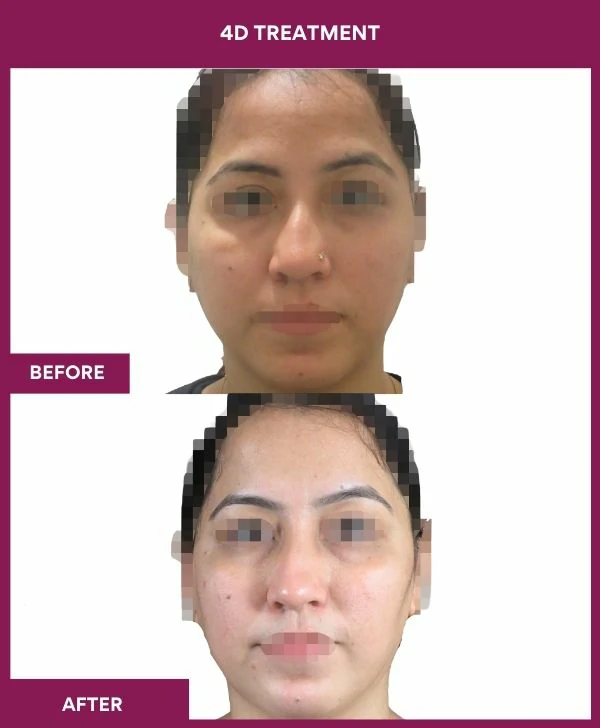
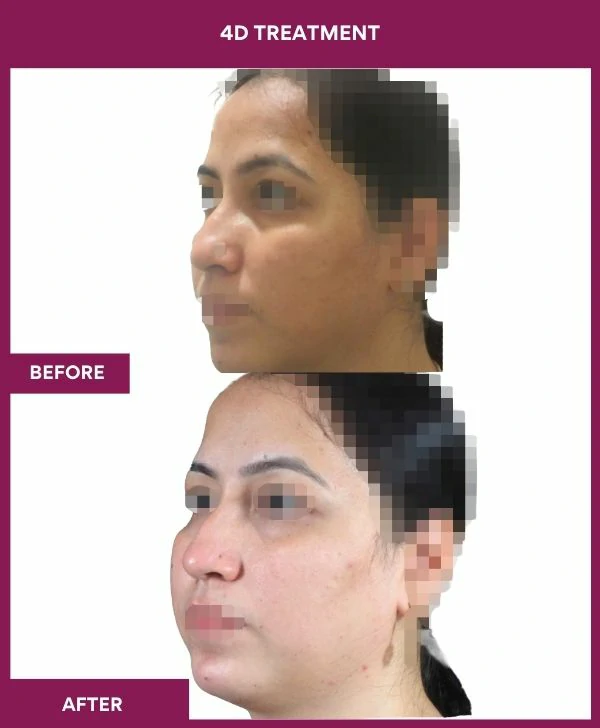
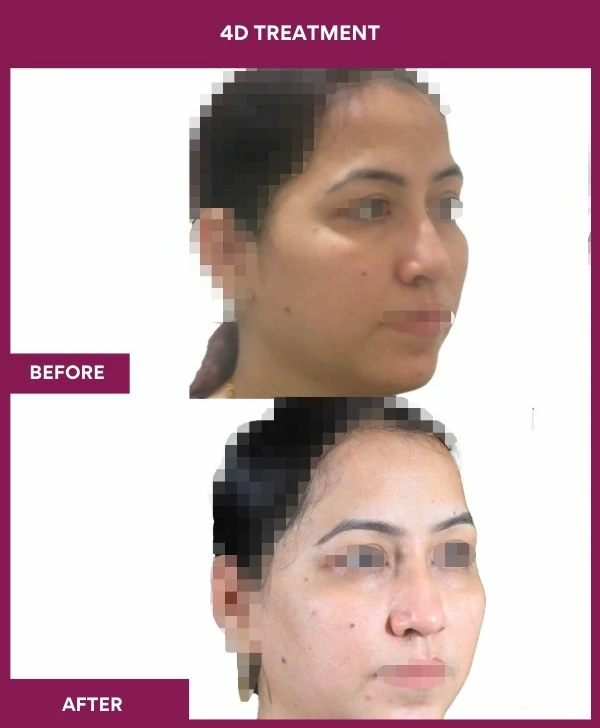
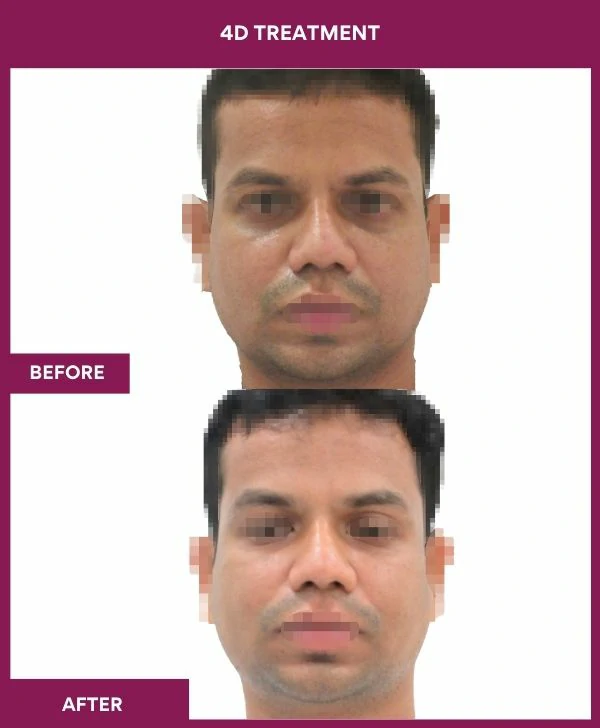
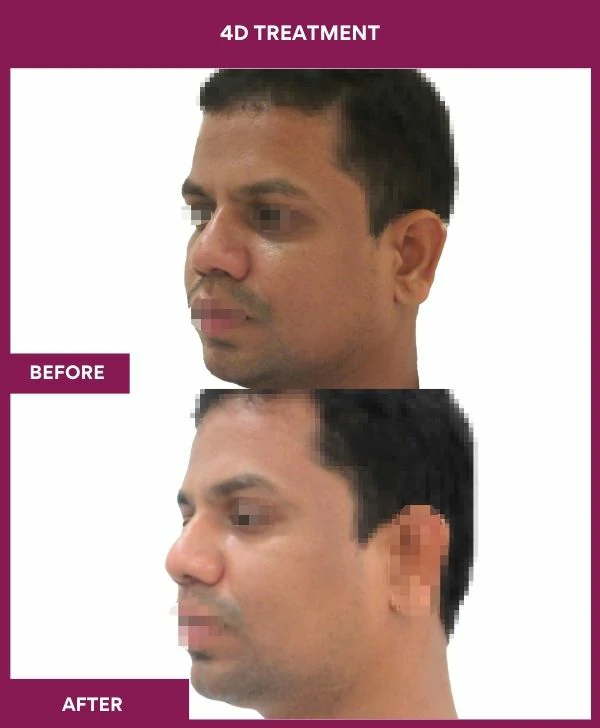
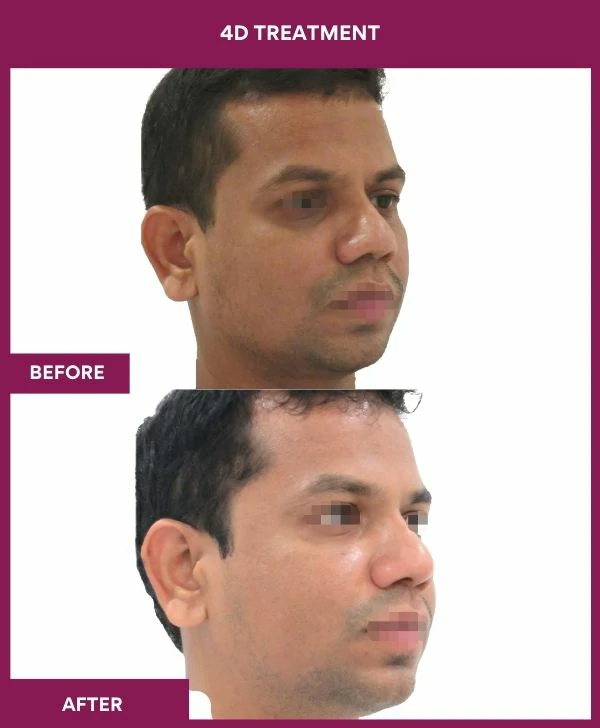
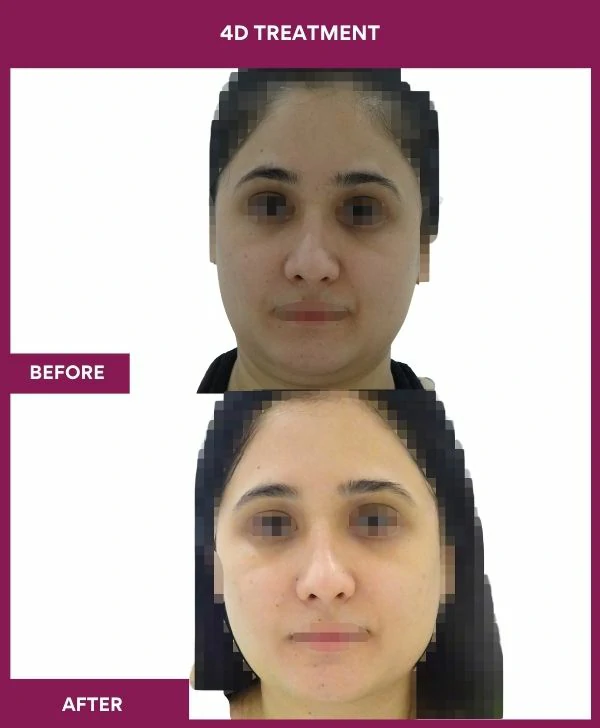
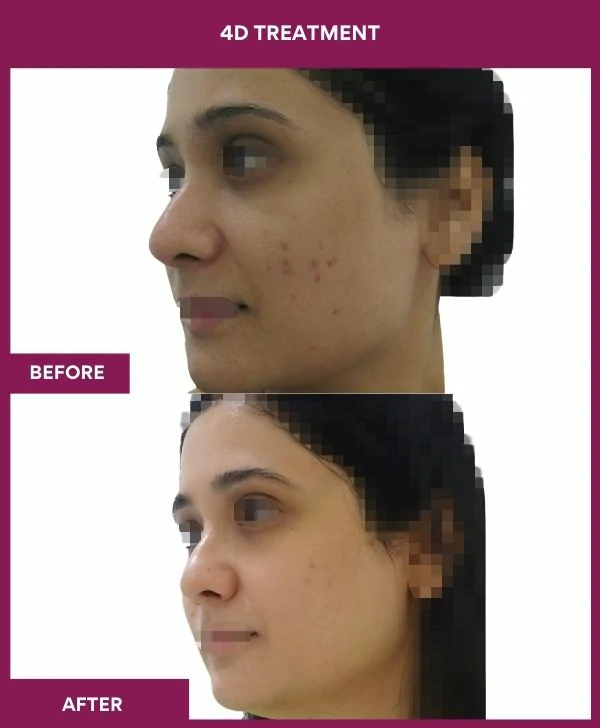
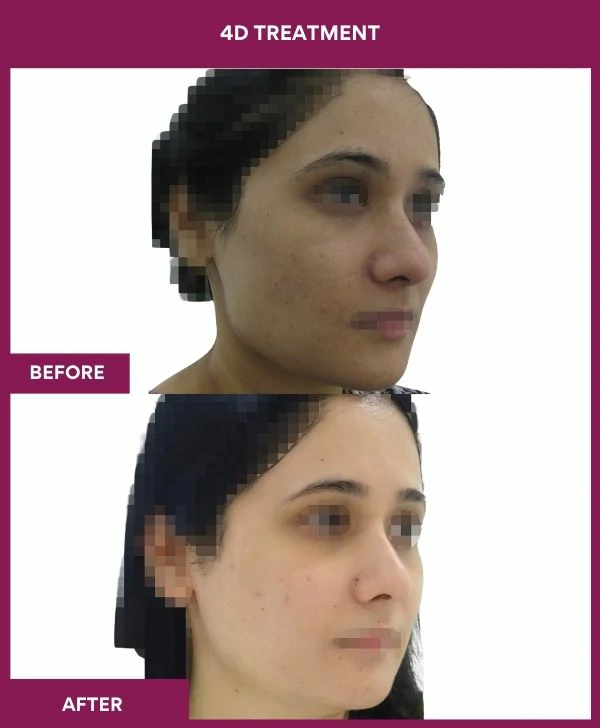
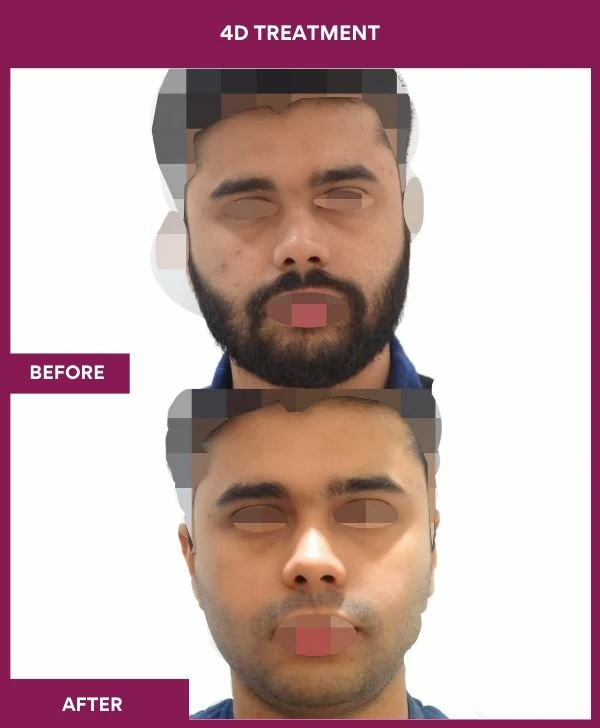
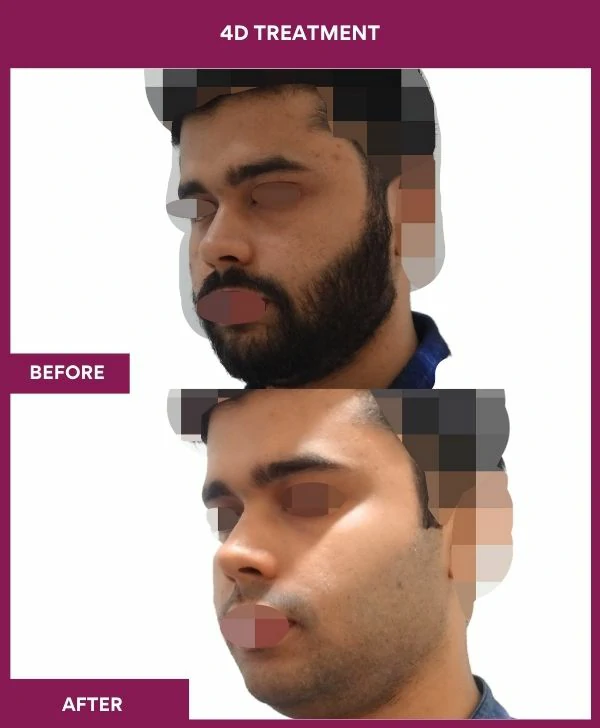
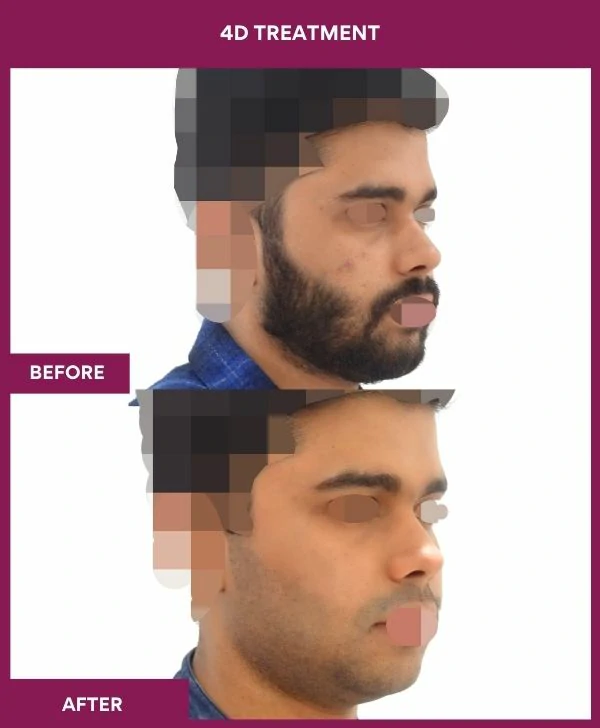
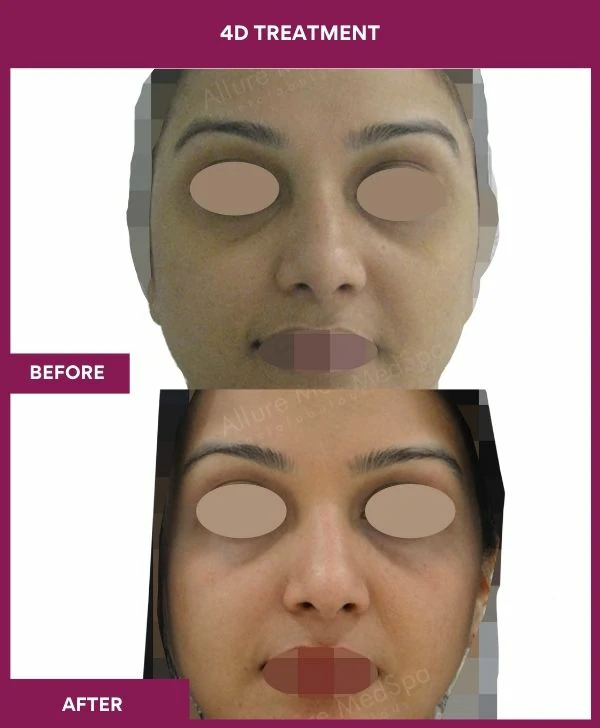
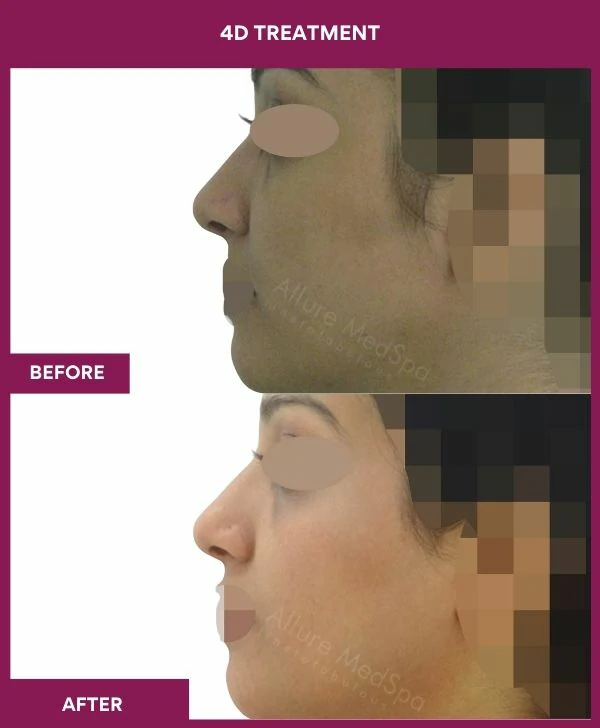
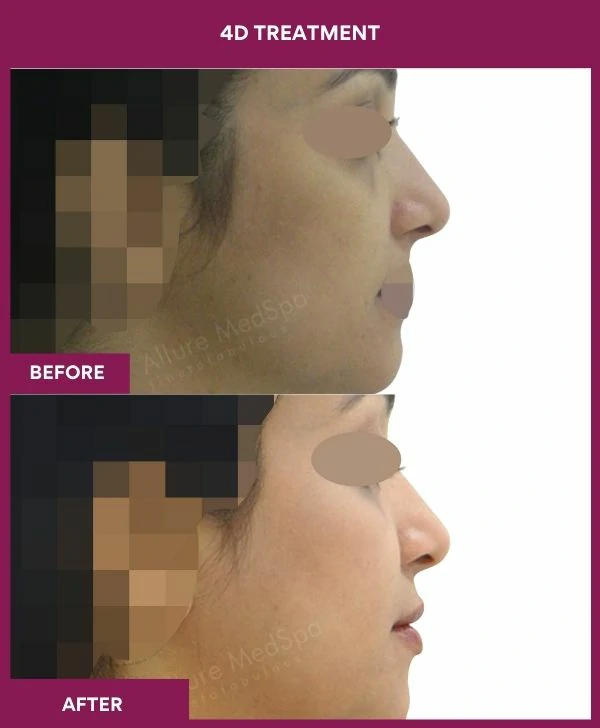
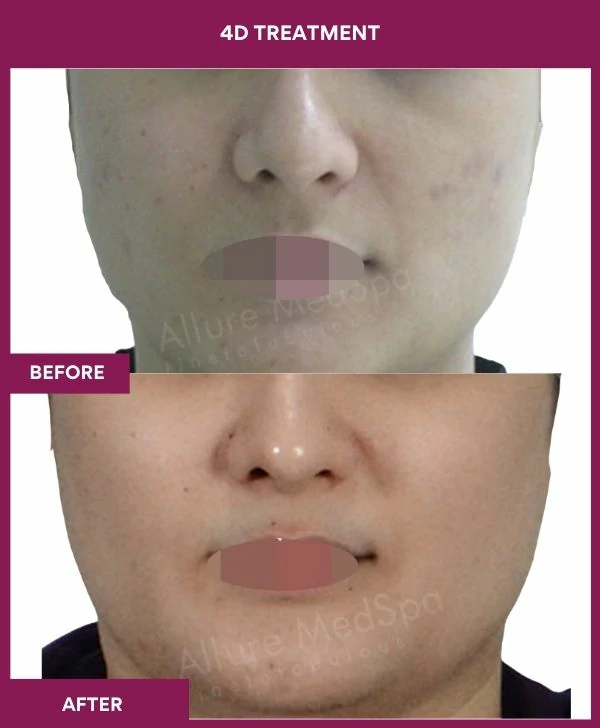
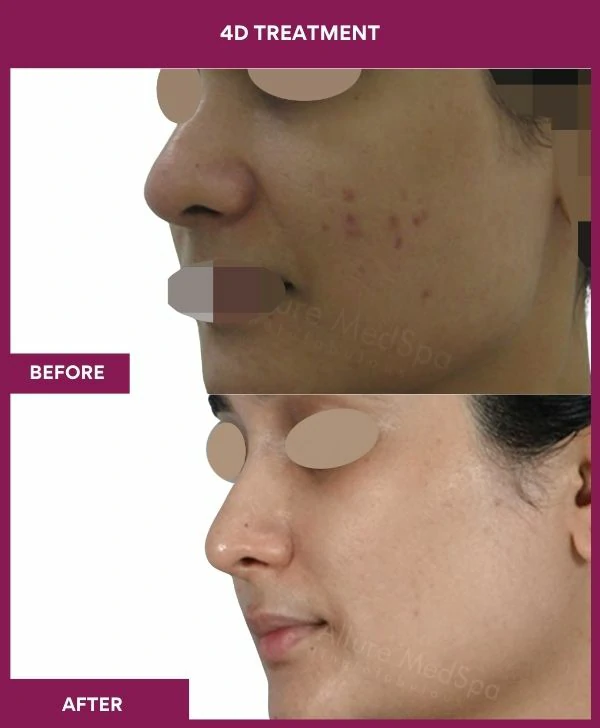
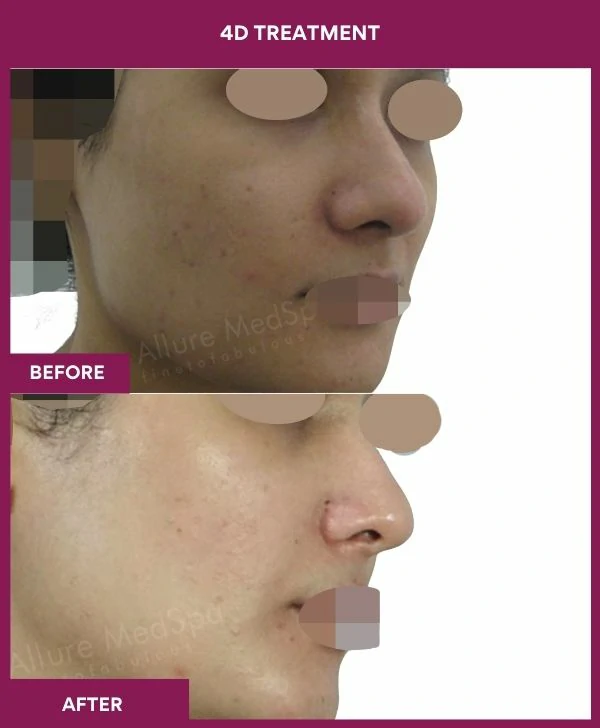
“Your Skin Whitening Treatment Cost”
Skin Whitening Treatment Testimonials: Celebrities Patient

Awarded by Google.com
Rating: 4.7
Reviews: 485+

Awarded by WhatClinic.com
Rating: 4.8
Reviews: 119+

Awarded by Realself
Rating: 4.9
Reviews:453+

Awarded by Facebook
Rating: 4.6
Reviews:105+
Dr Milan Doshi and his staff are very professional and committed as the centre is highly equipped with advanced technology. I had closed rhinoplasty 4 months back and I’m seeing the results as to how it becomes successful.
Deepika Shetty
The doctor explained everything clearly and the surgery was smooth. Recovery was faster than I expected and the team was very supportive.
Rahul Mehta
Very natural results and excellent staff. From consultation to follow-up, the experience was outstanding and boosted my confidence.
Sneha Kapoor
Is Skin Brightening Treatment Right For Me?
(4 quick questions)
Quick Facts About Skin Whitening Treatment
SESSION TIME
45–90 minutes
ANESTHESIA
None
SESSIONS
4–6 (2–3 weeks apart)
RESULTS SHOW
Gradually 4–6 sessions
DOWNTIME
1–3 days
RESULTS LAST
6 to 12 months
SIDE-EFFECT RATE
Under 1% mild redness
COST
₹4,000 – ₹9,000 per session
What Is The Cost Of Skin Whitening Treatment In Mumbai?
At Allure Medspa, a skin whitening (brightening) treatment typically costs ₹4,000–₹9,000 per session, depending on the method (peel, laser, antioxidant therapy) and any add-ons. Most plans are a course of 4–7 sessions, and combination courses may be discounted. Your exact plan is confirmed at consultation; EMI options are on our payment process page.
| Method | Typical range per session (₹) | Typical course | Full guide |
|---|---|---|---|
| Brightening chemical peel | 2,000 – 5,000 | 4–6 sessions, 2–3 weeks apart | Chemical Skin Peels |
| Laser toning (Q-switched Nd:YAG) | 5,000 – 9,000 | 5–7 sessions, 10–14 days apart | Laser Treatments |
| Carbon (charcoal) laser facial | 4,000 – 7,000 | 4–6 sessions | Charcoal / Carbon Laser |
| Glutathione IV session | 6,000 – 9,000 | 6–10 sessions | Glutathione Injection |
| Microdermabrasion | 2,500 – 5,000 | 4–6 sessions | Microdermabrasion |
| Medical facial (HydraFacial / oxy / PRP facial) | 4,000 – 9,000 | Monthly | PRP Treatment |
| Cosmelan depigmentation protocol | 25,000 – 50,000 | 1 in-clinic session + home cream | Cosmelan Peel Treatment |
| Prescription topical plan | Consultation + medicines | 8–12 weeks | — |
Disclaimer note: +5% GST · Includes consultation, the session, aftercare guidance and review. Package offers for combination courses. EMI available.
Get your exact quote & surgery plan
Share your details — our team responds within working hours with cost, EMI options and next steps.
Most Common Question People Ask
Q1. What is the most effective treatment for skin brightening?
Ans. There’s no single best — it depends on your pigment type. Laser toning (Q-switched Nd:YAG), chemical peels and dermatologist-supervised topicals are all effective; a consultation matches the method to your skin.
Q2. Does skin whitening change my natural skin colour?
Ans. No. Safe treatment evens out and brightens your natural tone by reducing excess pigment — it doesn’t bleach the skin or change your genetic colour. Beware of any product promising dramatic “fairness”.
Q3. Is skin whitening treatment safe?
Ans. In-clinic, doctor-led treatments are generally safe with approved methods. Unregulated OTC “fairness” creams can contain mercury or unapproved hydroquinone and are unsafe — the FDA and WHO warn against them.
Q4. Do glutathione injections whiten skin?
Ans. Evidence is limited: oral/topical glutathione has a modest, reversible effect, while IV glutathione lacks proven whitening efficacy and carries regulatory cautions. It’s one supportive option, not a guaranteed “whitening” cure.
Q5. How long do results last?
Ans. With sun protection and maintenance, results can last well, but pigmentation can return with sun exposure or hormones — upkeep matters.
Q6. What does it cost in Mumbai?
Ans. Typically ₹4,000–₹9,000 per session at Allure Medspa (+5% GST), depending on method and add-ons; most plans are a course of 4–7 sessions.
Q7. Is there a difference between “fairness” and skin brightening?
Ans. Yes. “Fairness” implies changing your natural colour; medical skin brightening reduces excess pigmentation for an even, radiant version of your own tone.
Why Choose Dr. Milan Doshi?
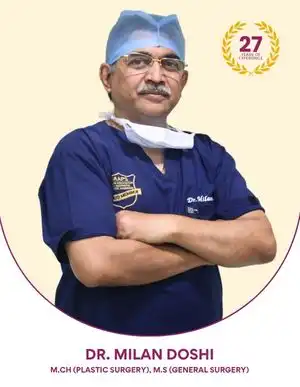
Dr. Milan Doshi, MCh, MS — Indian board-certified plastic and cosmetic surgeon, 27+ years, 16,000+ procedures and 1,000+ brightening patients, leading a team of experienced dermatologists. The best doctor for a skin whitening treatment matches the method to your skin type and prioritises safety — crucial for darker (Indian) skin: skin-type expertise to avoid pigment changes, evidence-based approved methods rather than unregulated creams, and personalised plans from skin analysis and medical history. Allure Medspa is a NABH & ISO-certified centre with approved technologies, strict sterilisation, skin-type-matched protocols and the full brightening menu — peels, laser, antioxidant therapy and more — under one roof. Outstation and overseas patients are supported end-to-end
The Complete Guide About Skin Whitening Treatment
What Is A Skin Whitening (Skin Brightening) Treatment?
- Not bleaching — it inhibits excess melanin in over-pigmented areas; it doesn’t strip natural colour
- Evens tone — targets dark spots, melasma, tan and dullness for a clearer complexion
- Also helps — under-eye pigmentation and post-acne marks in many cases
- Doctor-led — safest when supervised, using approved methods (not OTC creams)
| Medical brightening | “Fairness” / bleaching |
|---|---|
| Reduces excess, uneven pigment; restores your own even tone | Attempts to lighten the whole skin below its natural baseline |
| Peels, laser toning, prescription topicals, antioxidants, SPF — supervised | Mercury creams, unsupervised hydroquinone, steroid creams, DIY lemon / bleach |
| Safe, gradual, reversible; maintained with SPF | Ochronosis, thinning, mercury toxicity, worsened pigmentation (WHO / FDA warnings) |
Wishing For Brighter, Even-Toned Skin?
If uneven tone, dark spots or tan are affecting your confidence, a doctor-led skin whitening (brightening) treatment can safely even and brighten your complexion — without unsafe bleaching.
- Do you feel disheartened by uneven skin tone, dullness or dark patches?
- Are you hesitant to go makeup-free because of pigmentation or tanning?
- Does your skin make you feel less confident in social or professional settings?
These concerns are common. It’s worth saying clearly: your natural skin tone is not a flaw, and true skin health is about an even, healthy, radiant complexion — not becoming “fairer”. What dermatology can safely do is correct excess pigmentation, fade spots and tan, and restore clarity and glow. Done properly, a skin brightening treatment reduces excess melanin in over-pigmented areas and improves radiance — using supervised, evidence-based methods rather than unregulated creams.
Global & Indian trends (ISAPS 2024): Over 2.7 million non-surgical skin-rejuvenation procedures were performed globally in 2023 · India ranks among the top countries for skin-brightening and pigmentation treatments · Demand for antioxidant and pigment-focused therapies continues to grow.
Sources: ISAPS Global Survey 2024
What Are The Benefits Of A Skin Whitening Treatment?
A skin whitening (brightening) treatment improves clarity, evens tone and restores radiance by reducing excess pigmentation — with results that build gradually and need sun protection to maintain.
- Fades pigmentation — reduces dark spots, melasma and tan
- Evens tone — a clearer, more uniform complexion
- Restores radiance — brightens dull, tired-looking skin
- Improves texture — smoother skin, especially with peels/laser
- Boosts confidence — through visible clarity and glow
- Safe for Indian skin when matched to skin type — the whole point of a doctor-led plan
What Causes Uneven Skin Tone — And How Do Skin Type And Skin Layers Guide Treatment?
A skin whitening (brightening) treatment targets excess or uneven pigmentation — not your natural baseline tone, which is healthy and normal. The common drivers of unwanted pigmentation are sun exposure, hormones and inflammation.
| Cause | What it does | Learn more |
|---|---|---|
| Sun exposure (UV) | The biggest cause of tan, dark spots and melasma | Pigmentation → Pigmentation Treatment |
| Hormonal change | Pregnancy, contraception or thyroid issues can trigger melasma | Cosmelan → Cosmelan Peel Treatment |
| Post-inflammatory marks | After acne, injury or irritation (common in Indian skin) | Acne & marks → Acne & Scar Treatment |
| Ageing & lifestyle | Cumulative sun damage, pollution and dullness over time | Anti-aging → Anti-Aging Treatment |
| Under-eye pigmentation | Constitutional, post-inflammatory or vascular | Dark circles → Dark Circle Removal |
Honest framing: Your genetic/ethnic skin tone is natural and healthy — it isn’t a “cause” to be “fixed”. Treatment addresses excess, uneven pigmentation and damage, restoring an even, radiant version of your own tone.
How does the Fitzpatrick scale guide treatment?
The Fitzpatrick scale classifies skin by how it responds to sun (Types I–VI) and helps a doctor choose the safest skin whitening treatment — especially important for Indian/darker skin, which needs gentler settings to avoid pigment changes.
- Types I–II — very fair; burns easily, tans minimally
- Types III–IV — medium to olive; common in India; tans easily
- Types V–VI — brown to deeply pigmented; higher risk of post-treatment pigmentation, so conservative protocols are used
Matching treatment to skin type is what keeps results safe and even — aggressive treatment on darker skin can worsen pigmentation.
How does skin structure affect treatment?
- Epidermis (outer) — where surface pigment sits; treated by topicals, peels, microdermabrasion
- Dermis (middle) — holds collagen and deeper pigment; targeted by laser and energy devices
- Subcutaneous (deep) — fat layer; not targeted in brightening
What Are The Limitations Of Skin Whitening Treatment?
Skin whitening treatment cannot change your natural or genetic skin colour; its goal is to reduce excess pigmentation, improve uneven tone and make the skin appear brighter within its natural range. Results are gradual, may require maintenance, and can fade with sun exposure, hormonal changes or recurrent pigmentation conditions such as melasma. The strength of treatment must also be adjusted carefully according to skin type to reduce the risk of irritation or post-inflammatory pigmentation.
- It cannot change your genetic skin colour — it evens and brightens within your natural tone.
- Results are gradual (a course, not a session) and need daily SPF to hold; pigment returns with sun or hormones.
- Dermal (deep) melasma responds only partly, and can recur; it is managed, not cured.
- IV glutathione has no proven whitening efficacy; oral/topical effects are modest and reversible.
- Darker skin (Fitzpatrick V–VI) limits how aggressive any peel or laser can safely be.
- Not for pregnancy or breastfeeding beyond mild, approved options; not on skin damaged by steroid or mercury creams until it has recovered.
- Underarm and intimate-area darkness need gentle, targeted, supervised protocols — never DIY products.
Why Is A Consultation Essential Before Skin Brightening Treatment?
Because the same dark patch can be surface pigment, dermal pigment, or a shadow — and each needs a different method. The consultation identifies the type and depth of pigment, your Fitzpatrick type, what you have used on your skin before, and which of the six methods (or which combination) will work safely.
What happens
- Skin analysis in daylight and under a skin scope; Fitzpatrick typing; pigment depth (epidermal vs dermal).
- History: sun exposure, hormones, pregnancy plans, medicines, and every cream you have used — including shop-bought fairness creams.
- Method chosen; sessions and cost confirmed in writing; priming and SPF plan.
- Baseline photographs.
How to prepare
- Come without make-up; bring every product you use.
- Photographs from 6–12 months ago if the pigmentation is new.
- Your questions on sessions, cost, downtime and maintenance.
Online consultation
Video consultation with daylight photographs: Online Consultations
What Are The Different Skin Whitening Treatment Methods?
A skin whitening (brightening) treatment can use prescription topicals, chemical peels, laser toning, microdermabrasion or antioxidant therapy — chosen for your skin type and pigment depth. Safe, in-clinic methods are strongly preferred over OTC creams.
| Method | What it does | Best for | Full guide |
|---|---|---|---|
| Prescription topicals | Supervised agents (kojic acid, azelaic acid, arbutin; hydroquinone only under medical supervision, short courses) reduce melanin production over weeks | Surface pigment; maintenance; first step for most | Consultation |
| Chemical peels | Glycolic / Cosmelan peels exfoliate pigmented surface cells and reduce pigment for a brighter tone | Tan, dullness, epidermal pigment, acne marks | Chemical Skin Peels |
| Laser toning | Q-switched Nd:YAG and carbon-laser facials target melanin deposits | Dermal pigment, melasma (with care), stubborn spots | Laser Treatments · Charcoal / Carbon Laser |
| Microdermabrasion | Gentle resurfacing for spots and dullness | Dullness, rough texture, mild spots | Microdermabrasion |
| Antioxidant therapy | Glutathione (oral/topical modest, reversible effect; IV lacks proven whitening efficacy) and Vitamin C support even tone | Overall radiance as an adjunct | Glutathione Injection |
| Medical facials | HydraFacial, oxyfacial or PRP facials for overall texture and glow | Maintenance; dull, dehydrated skin | PRP Treatment |
Sources: Glutathione as a skin-whitening agent (review)
Is laser stronger — and therefore better?
Laser reaches deeper pigment than a peel, but on Fitzpatrick IV–VI skin “stronger” raises the risk of post-inflammatory darkening. Laser toning is used at conservative settings, after a test patch, usually after the skin has been primed with topicals — and for surface tan and dullness a peel course is often the better, safer tool. The method follows the pigment depth and the skin type, not the size of the machine.
Which Method For Which Pigment — And How Does Each Work?
A skin whitening (brightening) treatment works by reducing melanin — slowing its production, removing existing pigment, or speeding cell turnover — depending on the method used.
| Pigment type | Where it sits | Usual plan |
|---|---|---|
| Tan, dullness | Epidermis | Peel course or microdermabrasion + SPF + topicals |
| Sun spots, freckles | Epidermis | Peels; laser toning for resistant spots |
| Epidermal melasma | Epidermis | Prescription topicals + peels / Cosmelan; SPF non-negotiable |
| Dermal / mixed melasma | Dermis | Cautious laser toning + topicals; managed long-term |
| Post-acne marks | Epidermis (± dermis) | Peels + topicals; acne control first |
| Overall radiance | — | Antioxidant therapy + medical facials as adjuncts |
- Topicals — reduce melanin production at the surface over weeks
- Peels & microdermabrasion — exfoliate pigmented surface cells
- Laser — breaks up deeper melanin deposits
- Antioxidants — support even tone; effects are gradual and reversible
What Happens In A Brightening Session? (Step By Step)
A brightening session begins with a skin assessment and cleansing, followed by the selected treatment based on your pigmentation, skin type and treatment plan. This may involve a peel, laser, microdermabrasion or infusion performed with controlled settings. The session is completed with soothing care, sunscreen and aftercare instructions, with progress reviewed over a course of treatments.
| Step | What happens | Why it matters |
|---|---|---|
| 1 | Priming for 2–4 weeks: daily SPF, prescription topicals, no shop-bought fairness creams | Safer, more even response on Indian skin |
| 2 | On the day: skin check for infection, sunburn, irritation; consent; photographs | No treatment on compromised skin |
| 3 | Cleansing; make-up and oils removed | Even treatment |
| 4 | Test patch on first laser session (Fitzpatrick IV–VI) | Confirms safe settings before the full face |
| 5 | Treatment applied — peel timed and neutralised / laser passes at conservative settings / microdermabrasion passes / infusion | Controlled, doctor-supervised |
| 6 | Cooling and soothing | Comfort; reduces inflammation |
| 7 | Sunscreen applied before leaving | Immediate protection |
| 8 | Written aftercare; next session booked | Course consistency |
| 9 | Review every 2–3 sessions; photographs; settings adjusted | The plan follows the skin |
| 10 | Course end (4–7 sessions); maintenance plan | Holds the result |
When Will I See Results From Skin Brightening Treatment?
Most people see visible brightening after about 4–6 sessions, though it varies with skin type, pigment depth and method.
| Time | What you see |
|---|---|
| After session 1–2 | Fresher, smoother skin; little change in pigment |
| Session 3–4 (6–8 weeks) | Tan and dullness clearly reduced; photographs show it before the mirror does |
| Session 5–7 (10–14 weeks) | Spots and marks lighter; tone more even |
| 3–6 months | Melasma and dermal pigment reach their best with topicals continued |
| Maintenance | Periodic sessions plus daily sunscreen hold results; pigment returns without them |
What Aftercare And Home Care Does Brightening Need?
Gentle home care can support a professional skin whitening treatment, but it won’t fix established pigmentation — and some popular “natural” remedies are actually risky on facial skin.
- Helpful & safe — daily broad-spectrum sunscreen (the single most effective step), hydration, gentle cleansing
- Supportive — a doctor-recommended vitamin-C or niacinamide serum
- Realistic — home care maintains results; deeper pigment needs in-clinic treatment
| Avoid | Why |
|---|---|
| Shop-bought “fairness” creams | May contain mercury or unapproved hydroquinone (WHO / FDA) |
| Steroid creams for lightening | Thin the skin; rebound pigmentation |
| Lemon, citrus, DIY bleaches on the face | Irritation, phytophotodermatitis, worse pigmentation |
| Unprotected sun | Undoes every session |
| Make-up for 24–48 hours after a session | Lets the skin recover |
| Scrubs, waxing, retinoids for 3–5 days after peels / laser | Barrier recovery |
What Are The Risks Of Skin Whitening Treatments — And Where Is The Real Danger?
A skin whitening treatment is safe when performed by a certified doctor with approved methods — but unregulated products and unsafe practices carry serious risks, which is exactly why medical supervision matters.
With in-clinic treatment (uncommon, manageable)
- Worsened pigmentation — wrong technique can cause post-inflammatory hyperpigmentation, especially in darker skin
- Burns & scarring — improper laser/peel use
- Allergic reactions — to harsh or unlabelled products
- Temporary redness, dryness, flaking
With unregulated products (serious)
- Mercury poisoning — unregulated “fairness” creams can contain mercury, risking kidney and neurological damage (WHO/FDA)
- Ochronosis & skin damage — misused hydroquinone can cause permanent darkening; steroid misuse thins skin
| Risk | How it is minimised at Allure Medspa |
|---|---|
| Post-inflammatory pigmentation | Fitzpatrick typing; conservative settings; test patch; priming; superficial-first |
| Burns | Doctor-timed peels; calibrated lasers; end-point reading |
| Product harm | Only regulated, approved products; hydroquinone prescribed short-term, supervised |
| Unrealistic expectations | Written expectation-setting: evens, does not bleach |
Important: choose a board-certified doctor using regulated, approved methods — and avoid OTC “whitening/fairness” creams, which the FDA and WHO warn may contain mercury or unapproved hydroquinone.
Sources: WHO: Mercury in skin-lightening products | FDA: mercury & hydroquinone warning
What Does A Typical Brightening Course Look Like?
A typical skin brightening course usually combines home-care priming with a series of clinic treatments spread over several weeks. Depending on the skin concern, this may include peels or laser sessions, with progress reviewed and treatment settings adjusted along the way. Most courses run for around 3–4 months, followed by maintenance treatments, suitable topicals and consistent daily sunscreen to help preserve the result.
| Phase | What happens | Your part |
|---|---|---|
| Consultation + priming (weeks 0–3) | Diagnosis; topicals started; SPF habit built | Stop all shop creams; SPF daily |
| Sessions 1–3 | Peels every 2–3 weeks or laser every 10–14 days; test patch first | Keep dates; no sun |
| Sessions 4–7 | Visible evening of tone; settings adjusted | Compare photographs, not mirror |
| Course end (3–4 months) | Best result; maintenance plan | Choose maintenance you can keep |
| Maintenance | A session every 1–3 months; topicals; SPF | For life |
Medical Codes For Skin Whitening Treatment
Codes below are for administrative and documentation reference. All codes must be verified against the current CPT and ICD-10 code sets before publication and before any use in documentation.
| Code system | Code | Description |
|---|---|---|
| ICD-10 | L81.0 | Melasma (common pigmentation disorder treated with skin whitening) |
| ICD-10 | L81.4 | Other melanin hyperpigmentation (dark spots, uneven tone) |
| ICD-10 | L57.0 | Actinic keratosis (sun-induced pigmentation) |
| ICD-10 | R23.4 | Changes in skin texture (dullness, patchiness) |
| ICD-10 | Z41.1 | Encounter for cosmetic surgery or skin whitening procedure |
| CPT | 15788 | Chemical peel, facial; epidermal (for whitening and brightening) |
| CPT | 15789 | Chemical peel, facial; dermal (medium-depth peel for deeper pigmentation) |
| CPT | 96365 | Intravenous infusion, initial (e.g., Glutathione IV drip) |
| CPT | 96440 | Injection or infusion of non-chemotherapy drug (e.g., Glutathione IM/IV) |
| CPT | 17999 | Unlisted procedure, skin (e.g., oral or topical whitening protocols) |
| CPT | 96920 | Laser treatment of skin (used for whitening and pigmentation) |
Frequently Asked Questions About Skin Whitening Treatment
Q1. Can I combine brightening with chemical peels?
Ans. Yes — doctors often combine peels with laser or antioxidant therapy for better results, based on your skin sensitivity and goals.
Q2. Does it help with acne marks and tan?
Ans. Yes — many treatments also fade post-acne pigmentation and sun tan, restoring a more even tone.
Q3. Can men have skin brightening treatment?
Ans. Yes — it’s equally suitable for men, with plans customised to skin type and lifestyle.
Q4. Will treatment make my skin sun-sensitive?
Ans. It can temporarily, so daily broad-spectrum sunscreen is essential — and sun protection is also what makes results last.
Q5. Are there age restrictions?
Ans. Most treatments are for adults (18+); milder options may be used in older teens under supervision.
Q6. Should I put lemon on my face to lighten it?
Ans. No — lemon/citrus on facial skin can cause irritation and a sun-triggered burn (phytophotodermatitis) and may worsen pigmentation. Use sunscreen and see a doctor for pigmentation.
Q7. Can I wear makeup after a session?
Ans. Usually best to avoid makeup for 24–48 hours to let skin recover, depending on the treatment.
Q8. Is it safe during pregnancy?
Ans. Most in-clinic treatments and several actives are avoided in pregnancy; only mild, doctor-approved options should be used — always disclose pregnancy.
Q9. Can it treat underarm or intimate-area darkness?
Ans. Gentle, targeted, supervised protocols can help even these areas — but only after assessment, and never with harsh DIY methods or shop-bought creams, which cause the worst damage in exactly these areas.
Q10. Is “permanent skin whitening” possible?
Ans. No. Pigment production is a living process driven by sun and hormones; treatment brings the skin back to its even baseline and maintenance keeps it there. Any clinic or product promising permanent whitening is promising something the skin cannot do.
Q11. Which is better for me — peel, laser or glutathione?
Ans. It depends on where the pigment sits: peels for surface tan and marks, laser toning for deeper pigment, glutathione only as an adjunct for overall radiance. Most good plans combine a course of one in-clinic method with prescription topicals and SPF.