

Breast Augmentation Surgery Before and After Images
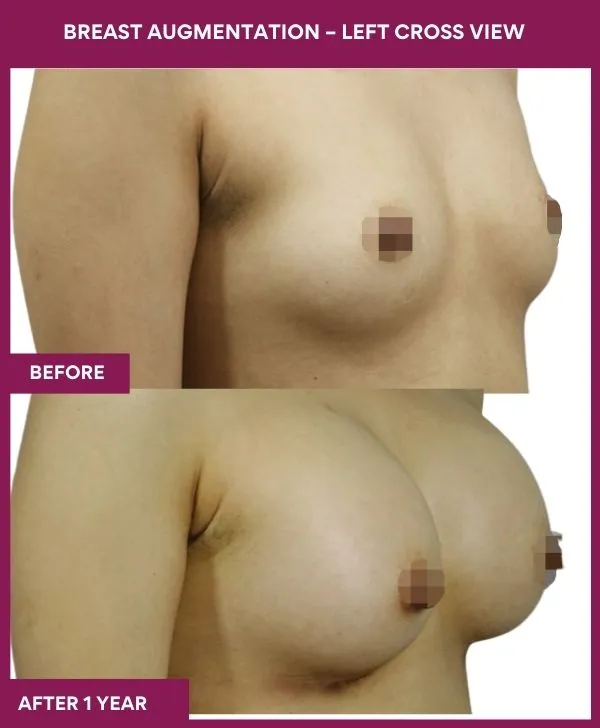
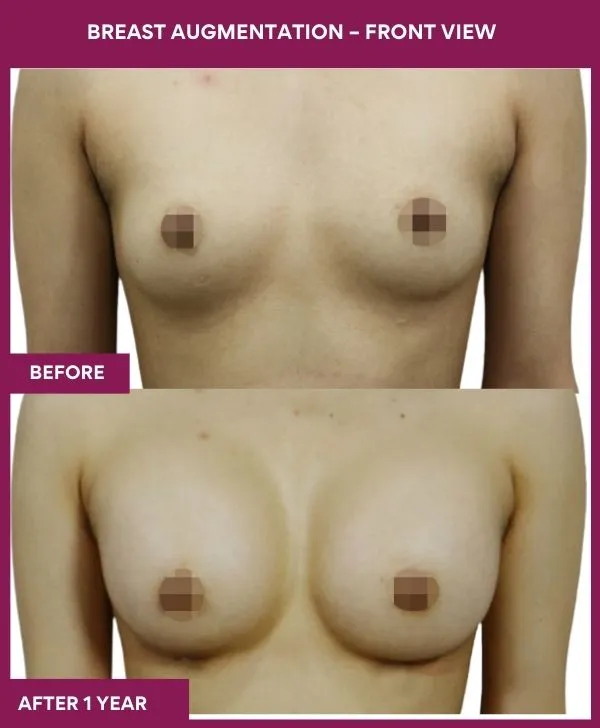
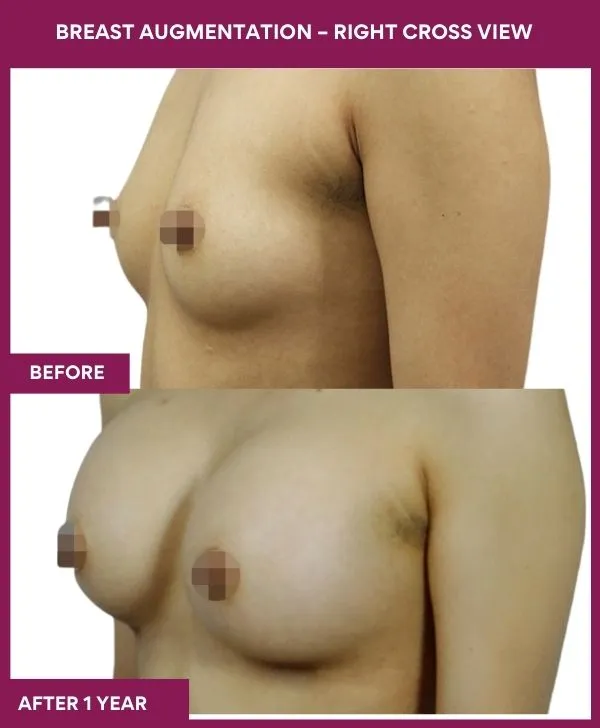
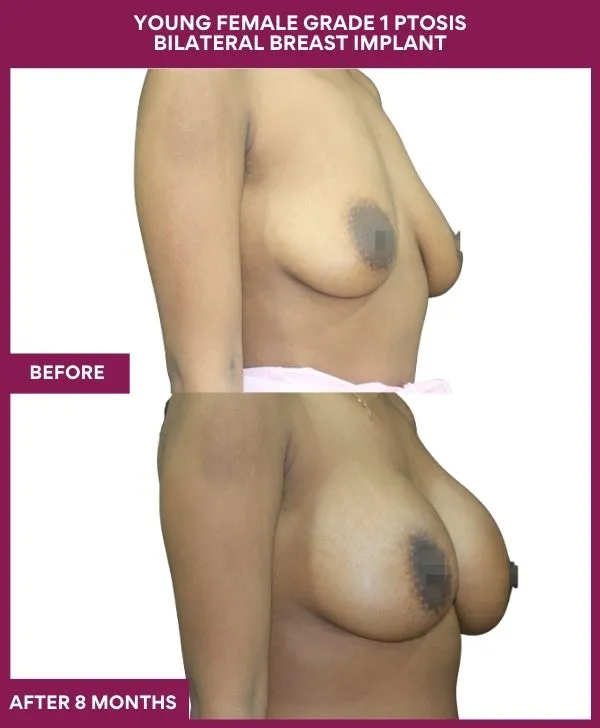
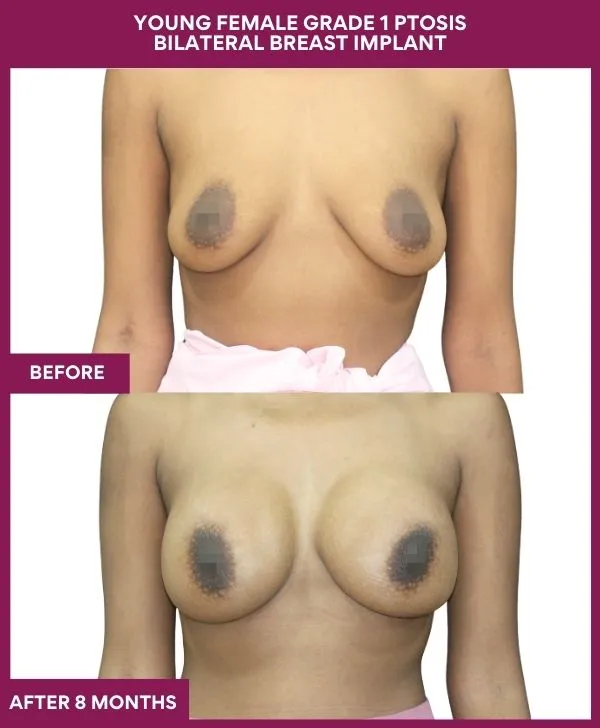
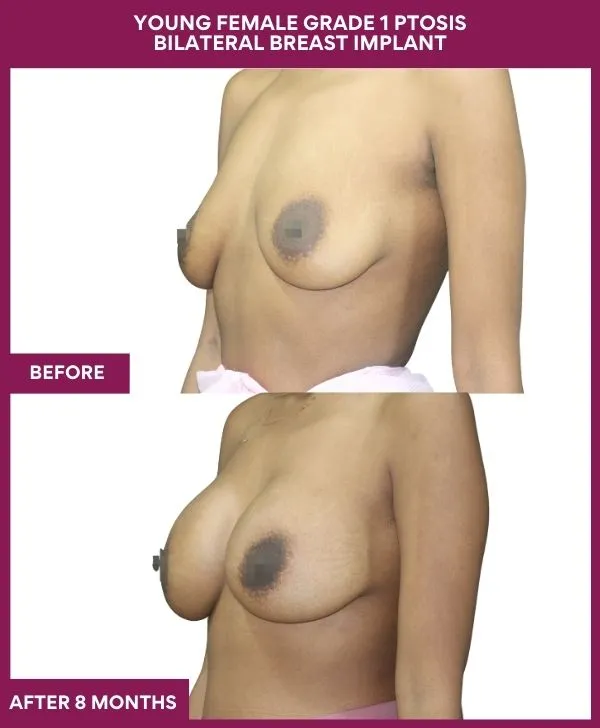
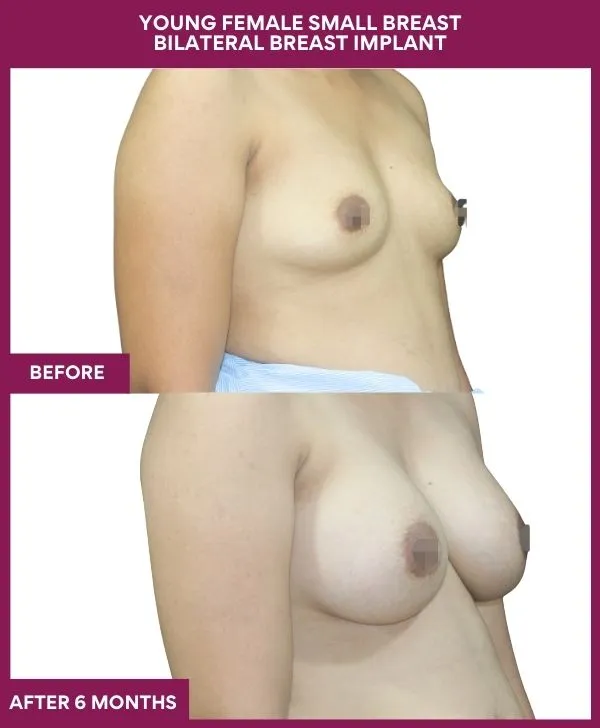
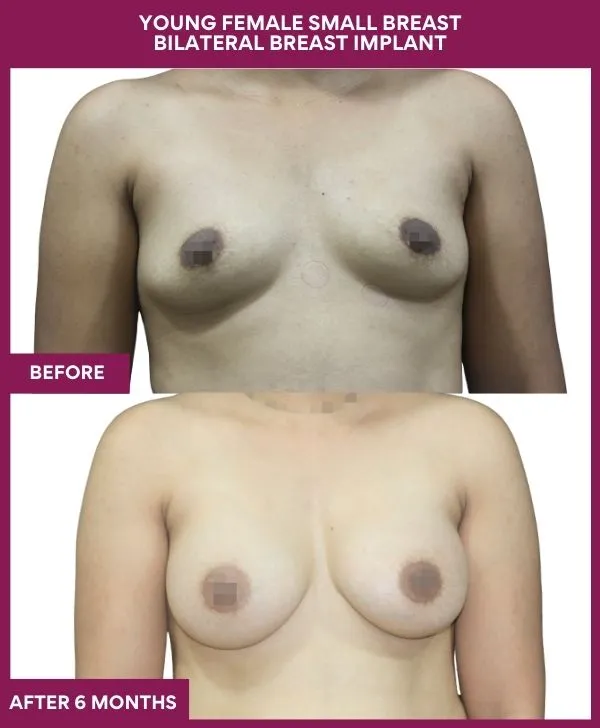
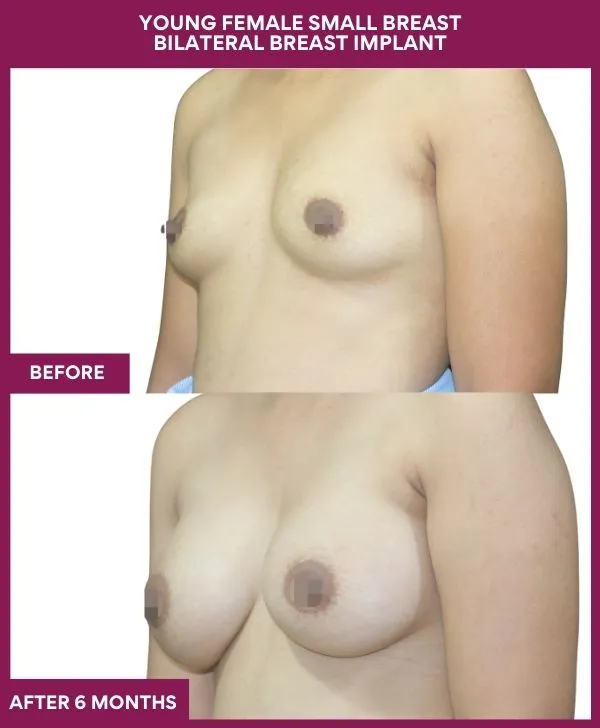
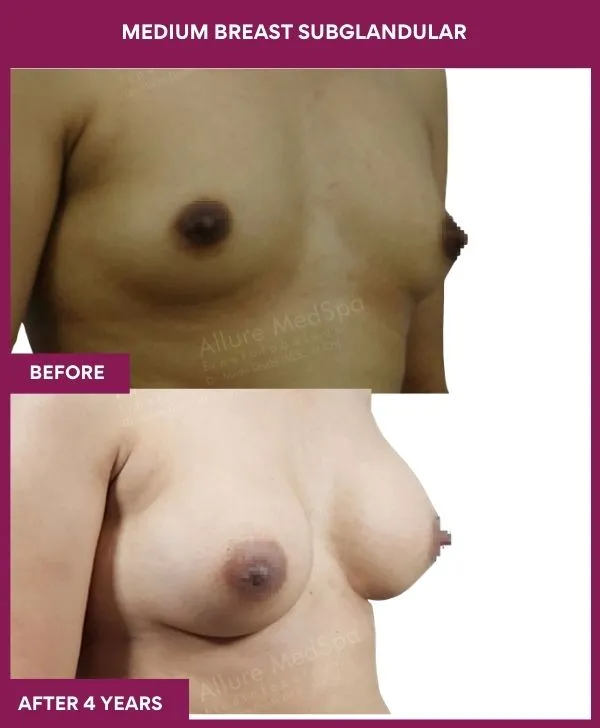
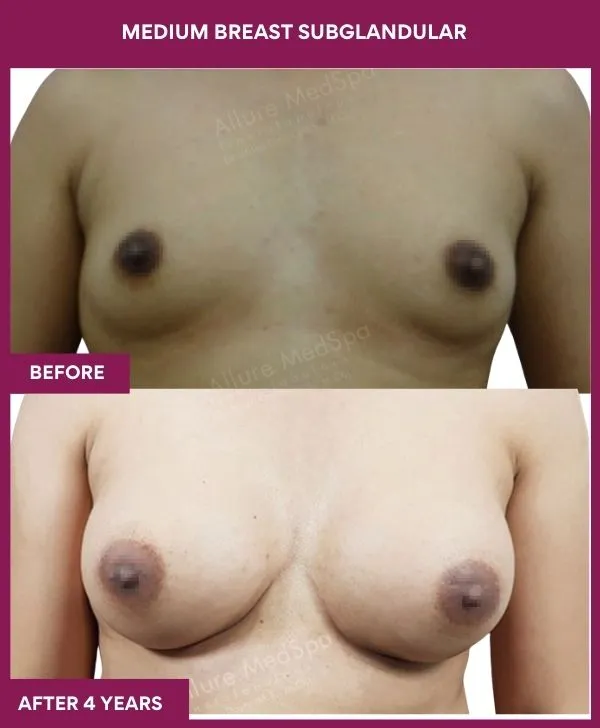
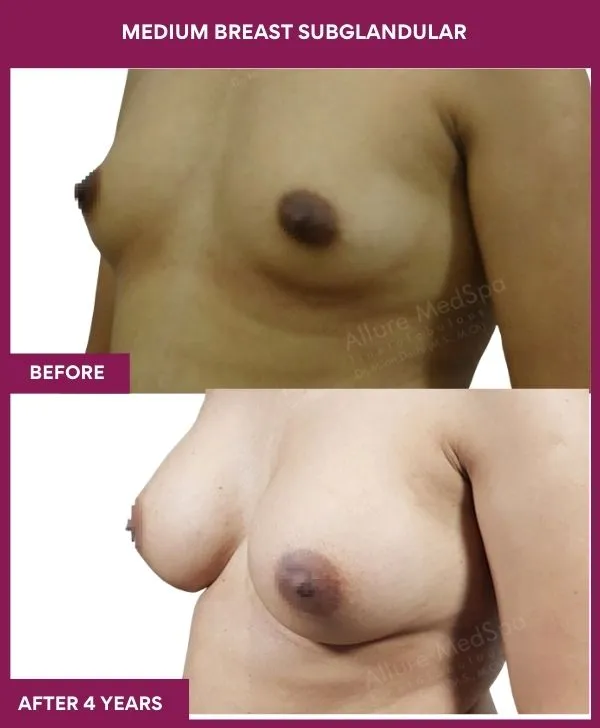
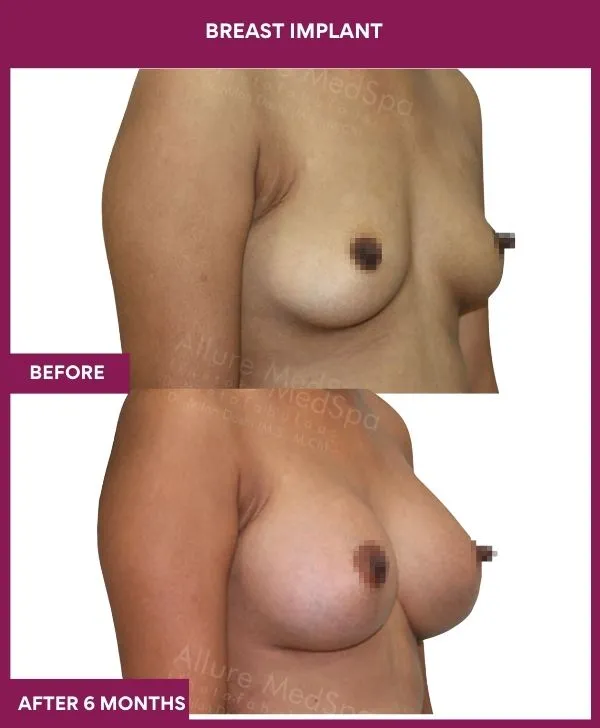
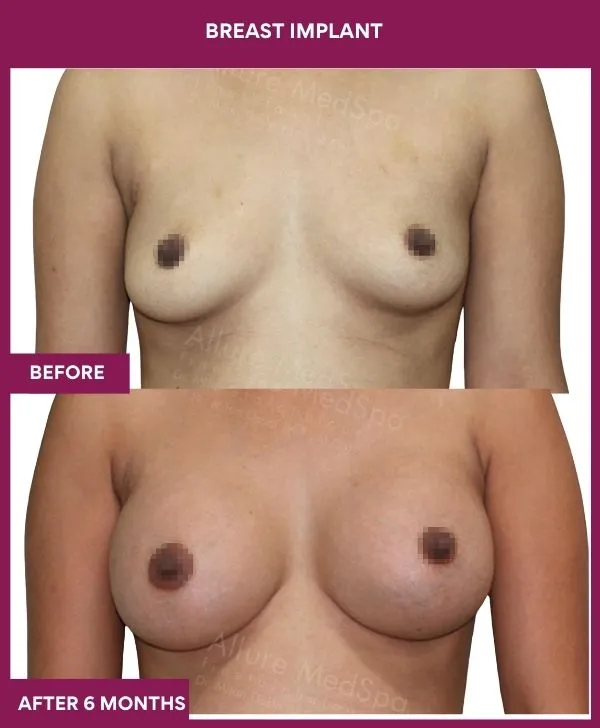
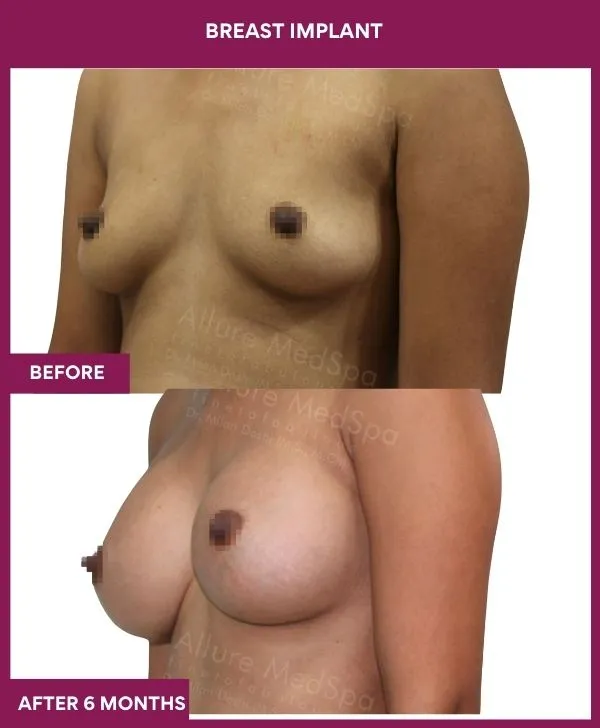
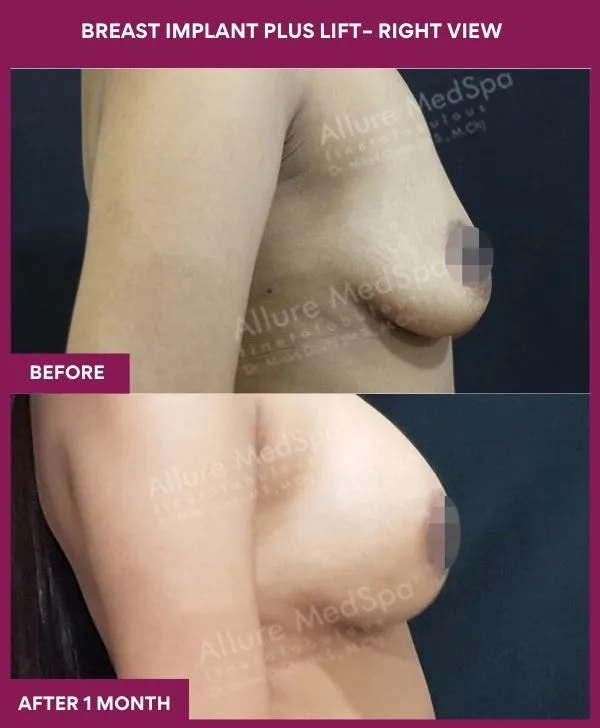
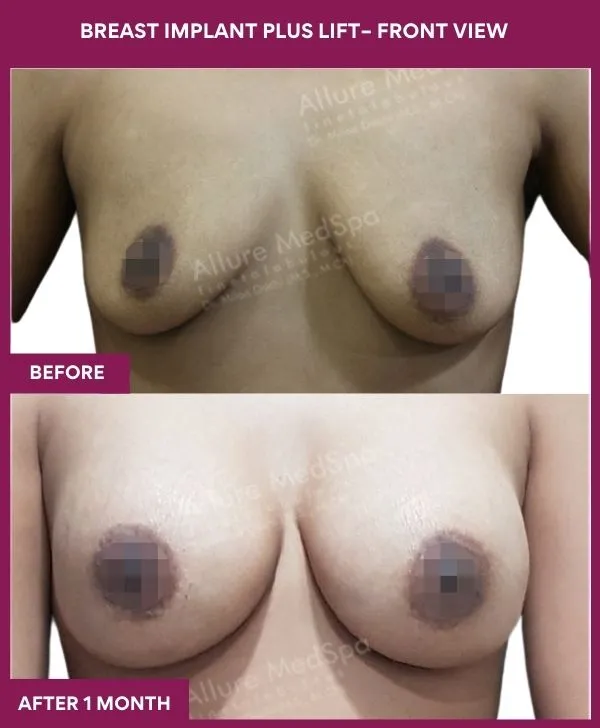
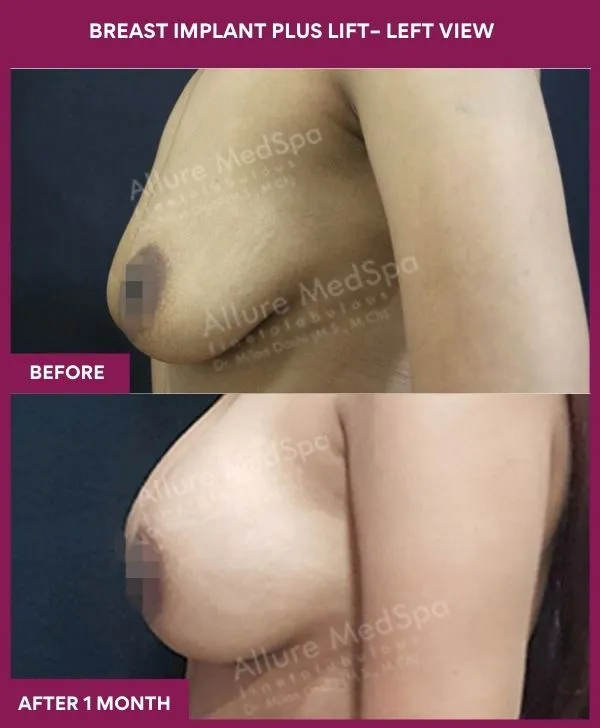
Breast Augmentation Surgery Testimonials: Fine To Fabulous Journeys




Video: Breast Augmentation Surgery Explained by Celebrity Cosmetic Surgeon Dr.Milan Doshi
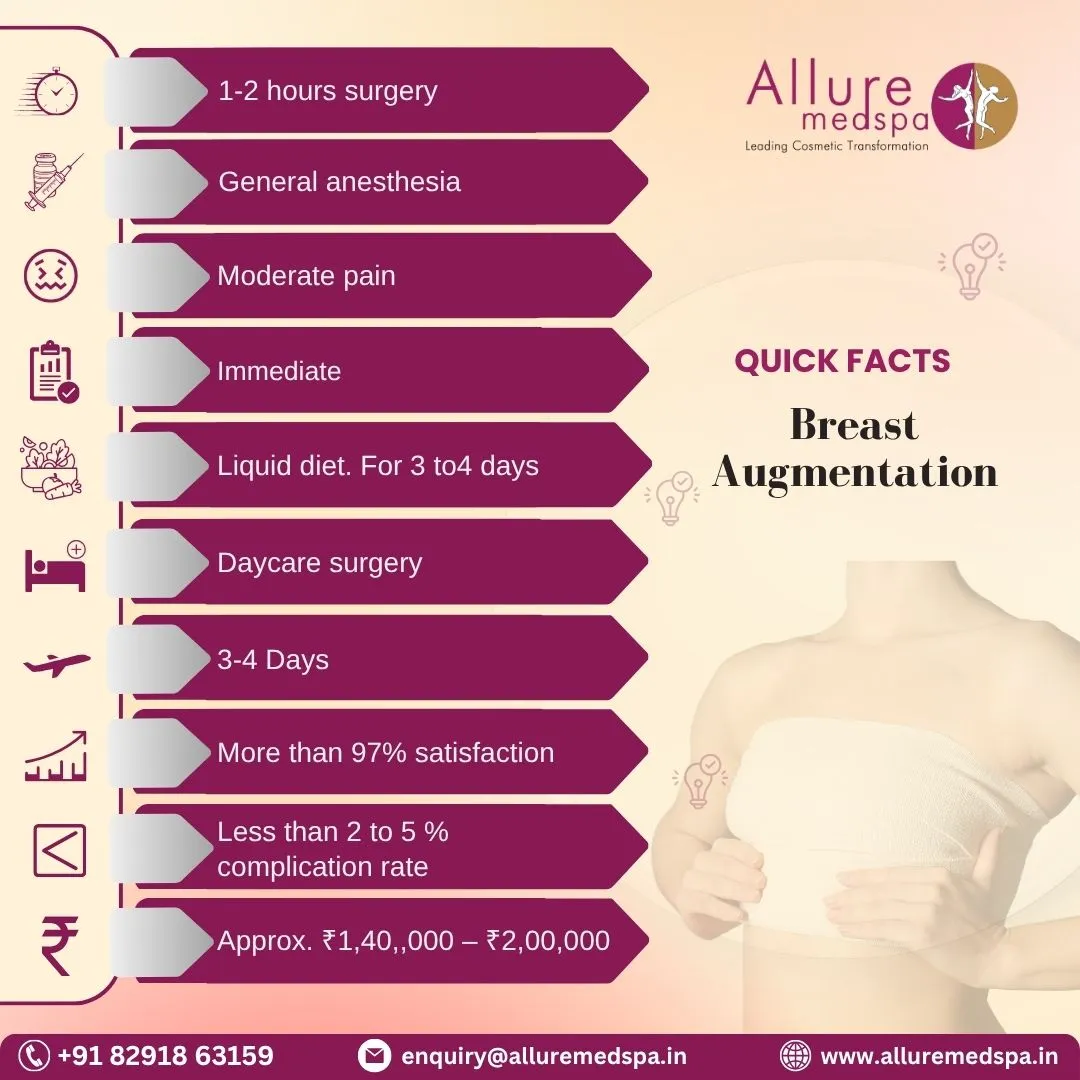
Quick Facts About Breast Augmentation Surgery
What Are the Key Benefits of Breast Augmentation Surgery?
What Are the Different Types of Breast Implants?
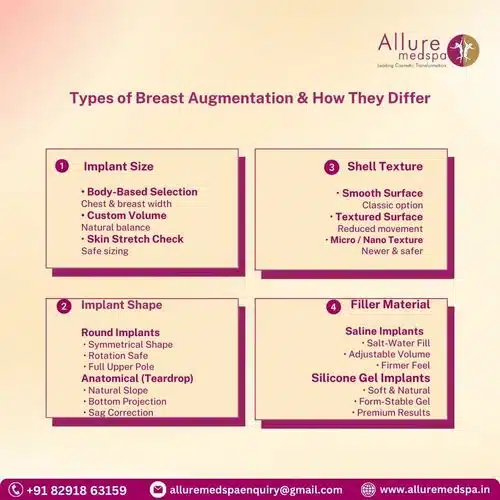
Breast implants vary by size, shape, shell texture and filler. The main choices are round vs anatomical (teardrop) shape, smooth vs textured shell, and silicone vs saline filler — each with trade-offs your surgeon will match to your anatomy. See our detailed breast implants guide.
Shape
- Round — symmetrical; if the implant rotates the shape stays the same; can add more upper-pole fullness
- Anatomical (teardrop) — mimics the natural breast slope, more projection lower down; must not rotate
Shell texture
- Smooth — the most common shell; moves within the pocket
- Textured — reduces movement and helps position shaped implants, but textured shells are the type linked to BIA-ALCL (see the safety section)
Filler
- Silicone gel — softer, more natural feel; cohesive ‘gummy bear’ gels hold shape well; pre-filled, and a rupture is ‘silent’ so needs monitoring
- Saline — filled during surgery (useful for fine-tuning asymmetry); if it ruptures the salt water is safely absorbed and deflation is obvious; can ripple more in thin patients
How Do Implant Shape and Filler Affect Breast Augmentation Results?
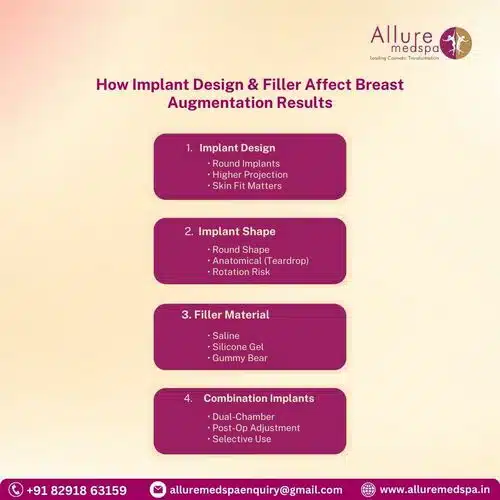
The design, shape and filler of a breast implant determine the final look and feel — matching the right implant to your chest width, tissue quality and skin laxity is what produces a natural, lasting result.
Projection profiles — low, moderate or high; higher projection has a narrower base. Moderate suits tighter skin, higher suits looser skin
Round vs teardrop — round adds upper-pole fullness and is more forgiving; teardrop mimics a natural slope and suits mild sagging, but must not rotate
Silicone vs saline feel — cohesive silicone resists rippling and feels more natural; saline can look firmer in thin patients
Dual-chamber — an outer silicone and inner saline chamber allows some post-op adjustment; used more in reconstruction than cosmetic surgery
🩺 Dr. Milan Doshi’s note: “I choose implants based on chest width, tissue quality, skin laxity, and the patient’s desired look. Implant shape, filler, projection, and placement must work together to create a balanced, natural result and reduce long-term complications.”
Are You the Right Candidate for Breast Augmentation Surgery?
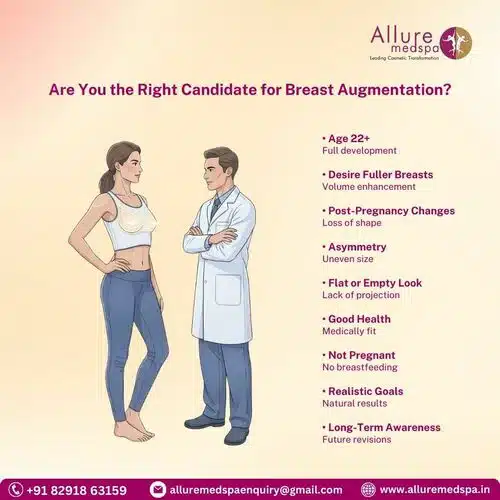
You may be a good candidate for breast augmentation if your breasts are fully developed, you are in good health, and you want fuller or more symmetrical breasts — with realistic expectations and an understanding that implants aren’t permanent.
Breasts fully developed — generally age 22+ for silicone implants (18+ for saline, per FDA age rules)
Unhappy with size or volume — naturally small, or deflated after pregnancy, weight loss or ageing
Asymmetry — breasts that differ noticeably in size or shape
Good health — not pregnant or breastfeeding, no major medical concerns, non-smoker or willing to stop
Realistic expectations — of a natural-looking enhancement, not perfection
Accepts the long-term commitment — understands implants are not lifetime devices and revision surgery is likely at some point
Why Is a Consultation Essential Before Breast Augmentation Surgery?
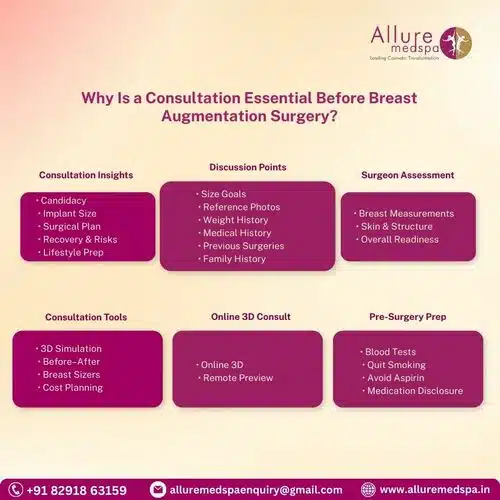
A consultation confirms your candidacy, selects the right implant for your body, and sets clear expectations about results, longevity and risks — using tools like 3D simulation and sizers so you can visualise the outcome.
Confirms suitability — and the best implant size, shape, projection and placement for you
Plans the technique — incision and pocket, expected results and safety profile
Covers risks and recovery — including the honest, long-term implant-safety picture
3D visualisation — Crisalix 3D simulation, real before/after photos, and breast-sizer trials at Allure Medspa
Reviews your history — weight changes, prior breast surgery, and any family history of breast conditions or cancer
How to prepare
Tests — blood work and breast screening as advised
Stop smoking; pause blood thinners — aspirin and anti-inflammatories, as directed
Disclose everything — all medicines, supplements and allergies
What Techniques Are Used in Breast Augmentation Surgery?
Breast augmentation surgery uses two sets of techniques: the incision — where the surgeon enters — and the implant pocket — where the implant sits. There are four incision options (inframammary, periareolar, transaxillary and TUBA) and four placement options (subglandular, subfascial, submuscular and dual plane).
Incision techniques
| Incision | Where the scar sits | Best suited for | Trade-off |
|---|---|---|---|
| Inframammary (IMF) | In the natural breast fold, 4–5 cm | Most patients; all implant types and sizes; revision surgery | Scar can be visible when lying down |
| Periareolar | Along the lower border of the areola | Patients needing a minor lift at the same time; smaller implants | Slightly higher reported rates of sensation change |
| Transaxillary | In an armpit crease — no scar on the breast | Patients who want zero scar on the breast; primary augmentation | Endoscope-assisted; revisions usually need a fresh incision |
| TUBA (umbilical) | Inside the navel | Rarely used today | Saline implants only; limited pocket control — not offered at most Indian centres |
Implant placement (the pocket)
| Placement | Position | Best suited for | Trade-off |
|---|---|---|---|
| Subglandular | Above the chest muscle | Patients with good existing breast tissue; athletes | More visible rippling in thin patients |
| Subfascial | Under the muscle fascia, above the muscle | Moderate tissue cover; faster recovery wanted | Thin extra cover only |
| Submuscular | Under the pectoralis major | Slim patients with little breast tissue | More post-op discomfort; movement on flexing |
| Dual plane | Upper half under muscle, lower released over gland | Most patients today, including mild sagging | Technically demanding — surgeon-dependent |
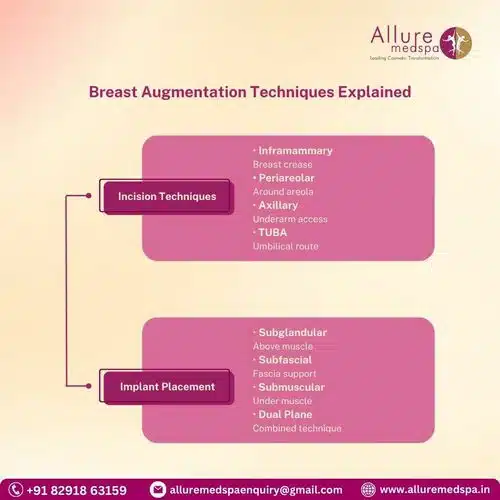
Caption: Breast augmentation techniques at Allure Medspa — four incision routes and four implant placement planes.
How your technique is chosen
- Breast tissue thickness — under 2 cm of upper-pole pinch usually points to submuscular or dual plane
- Implant type — silicone gel implants need a 4–5 cm incision; the axillary route limits size
- Existing sagging (ptosis) — mild droop is often corrected by dual plane without a separate lift
- Chest wall and nipple position — asymmetry is corrected by adjusting pocket dissection, not implant size
Quick answers
Which breast augmentation technique is most common? The inframammary incision with dual-plane placement is the most widely performed combination worldwide, because it gives the surgeon direct pocket control with natural lower-pole shape.
Which technique leaves no scar on the breast? The transaxillary (armpit) incision. The scar sits in a natural armpit crease and is not visible on the breast itself.
Does the technique affect breastfeeding or mammograms? Incision choice has minimal effect on breastfeeding; submuscular and dual-plane placement make mammogram screening easier to read than subglandular.
How Is Breast Augmentation Surgery Performed, Step by Step?
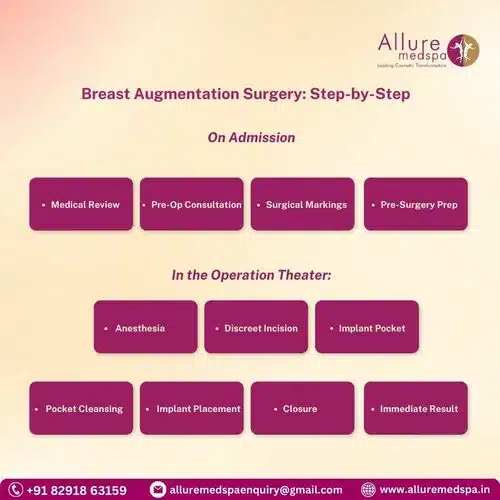
Breast augmentation is a structured day-care procedure: under general anaesthesia, the surgeon makes a discreet incision, creates the implant pocket, places the implant with a no-touch technique, and closes in layers.
Preparation — pre-op checks, surgical markings, anaesthesia review
Anaesthesia — general anaesthesia for comfort
Incision — inframammary, periareolar or axillary, as planned
Pocket creation — subglandular, subfascial, submuscular or dual-plane
Pocket irrigation — flushed with antibiotic/saline solution to reduce infection and capsular-contracture risk
Implant placement — inserted with a no-touch technique (often a Keller funnel)
Closure — layered internal sutures; skin sealed with tape or adhesive. Enhancement is visible immediately
When Will You See Results After Breast Augmentation — and How Long Do Implants Last?
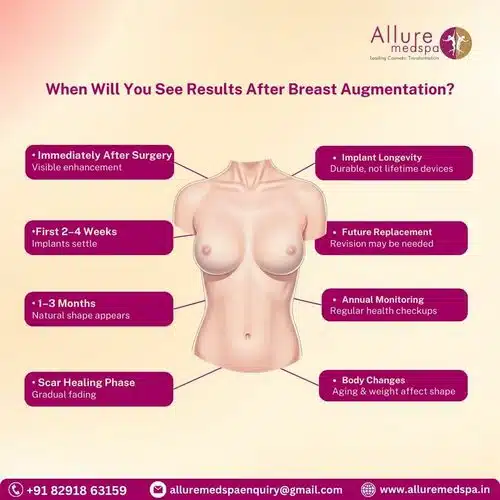
The enhancement from breast augmentation is visible immediately, with implants settling into a natural position over 2–4 weeks. Implants are durable but not lifetime devices — plan for future monitoring and eventual revision.
Immediate then settling — breasts may sit high at first; implants ‘drop and fluff’ into place over 2–4 weeks
Final shape — over a few months as swelling fully resolves
Not lifetime devices — expect revision or replacement over the years; the longer you have implants, the more likely complications become
Monitoring — silicone implants need periodic imaging (MRI or ultrasound) to check for silent rupture; follow FDA/AAD screening guidance
Shape changes over time — ageing, weight and gravity may eventually call for an implant exchange or a breast lift; see implant revision surgery
Source: Implants are not lifetime devices; reoperation and removal are the most common outcomes over time
What Is the Postoperative Care Plan After Breast Augmentation Surgery?
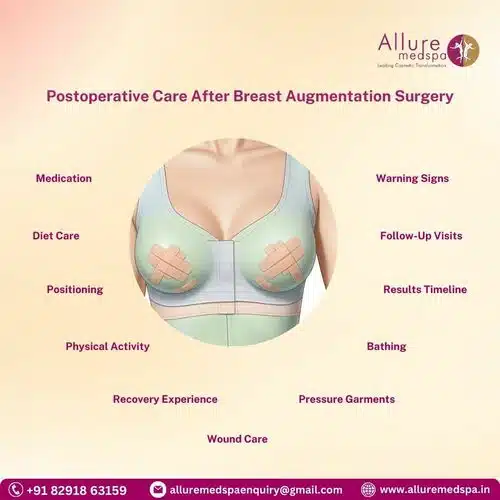
Good postoperative care — medication, a support bra, wound care and follow-ups — promotes healing, lowers risk and protects your result.
Medication — pain relief and antibiotics as prescribed
Support garment — surgical bra worn as advised (often 24/7 initially) to support the implants and reduce swelling
Activity — light walking the same evening; desk work in 2–3 days; gym in about 2 weeks; avoid heavy upper-body strain 4–6 weeks
Wound care — keep incisions clean and dry; shower once discharge stops; no bathtubs early on
Positioning — head elevated; don’t sleep on your stomach
Follow-ups & warning signs — scheduled checks; call the clinic for redness, fever, unusual swelling, pain or discharge. See implant warning signs
What Are the Risks and Complications of Breast Augmentation Surgery?
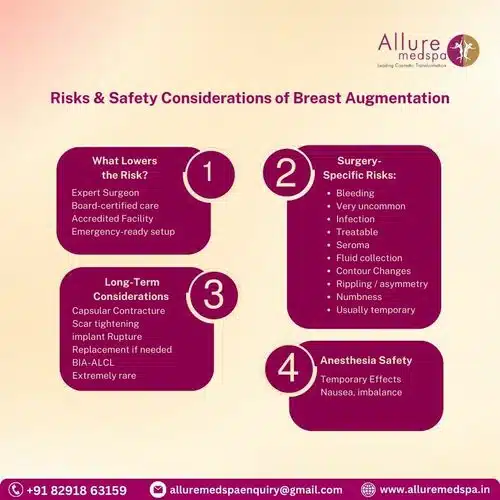
Most women have no serious complications, but breast augmentation carries real risks you must understand — the common ones are capsular contracture, reoperation and implant removal, and there are rare implant-associated cancers the FDA now tracks with a boxed warning.
Common / surgical risks
Capsular contracture — scar tissue tightens around the implant, causing firmness, distortion or pain; a common reason for revision. See understanding capsular contracture
Implant rupture or leak — silicone rupture is often ‘silent’ and found on imaging; saline deflation is obvious; either needs replacement
Bleeding, infection, seroma — uncommon; infection can occasionally require implant removal, with re-implantation later
Rippling or malposition — visible or palpable implant edges, or an implant that sits too high/low; more likely in thin patients
Changed nipple/breast sensation — usually temporary; occasionally permanent
Reoperation — expected over a lifetime, since implants aren’t permanent
Rare implant-associated cancers (FDA-tracked)
BIA-ALCL — breast implant-associated anaplastic large cell lymphoma: a lymphoma of the scar-capsule (NOT breast cancer), linked mainly to TEXTURED implants. It is treatable, usually by removing the implant and capsule, but there is a risk of death if not caught early
BIA-SCC and other lymphomas — since 2022 the FDA has reported squamous cell carcinoma and other lymphomas in the implant capsule — rare, but reported with both textured AND smooth, and saline AND silicone implants, with some deaths. Report any late swelling, lump or skin change
Breast implant illness (BII) — some patients report systemic symptoms (fatigue, brain fog, joint/muscle pain) they attribute to implants; not yet a defined disease, and some report improvement after removal. See breast implant illness
Anaesthesia risks — as with any procedure under general anaesthesia
Learn more: breast implant complications · capsular contracture · BIA-ALCL · breast implant illness · implant warning signs
Sources: FDA — things to consider (boxed warning; not lifetime devices; commonest outcomes are contracture, reoperation, removal), FDA — SCC and various lymphomas in the capsule (2022–23 update; textured and smooth, saline and silicone), BIA-SCC initial review — BIA-ALCL ~1,234 cases; lifetime risk 1:2,207–1:86,029 by implant type
Are Breast Implants Safe? What the FDA Says
Breast implants are FDA-approved medical devices, and most women have no serious problems — but they are not risk-free or permanent. The FDA requires a boxed warning on all implants and recommends lifelong monitoring, so an honest, informed decision matters.
FDA-approved, but regulated closely — saline and silicone implants are approved devices, sold with a mandatory boxed warning since 2020
Not lifetime devices — assume you’ll need further surgery; the longer implants are in, the higher the chance of complications
No link to ordinary breast cancer — implants have not been shown to increase the risk of the common types of breast cancer
Rare capsule cancers exist — BIA-ALCL (mainly textured implants) and, since 2022, BIA-SCC and other capsule lymphomas (reported with smooth and saline too) — all rare, all treatable when caught early
Monitor for life — the FDA advises watching for changes and, for silicone implants, periodic imaging to detect silent rupture; you don’t need removal if you have no symptoms
The takeaway — for most women the benefits outweigh the risks, but this is a lifelong relationship with a medical device — choose a board-certified plastic surgeon and go in fully informed
Sources: FDA — What to know about breast implants (boxed warning; monitoring), ASCO Post — implant-related cancers overview (black-box warning since 2020)
🩺 Dr. Milan Doshi’s note: “Breast implants are not lifetime devices, so informed consent and long-term follow-up are essential. I select the implant according to the patient’s anatomy and goals, while clearly explaining rupture, capsular contracture, rare implant-associated cancers, and the need for future monitoring.”
How Long Does It Take to Recover After Breast Augmentation Surgery?
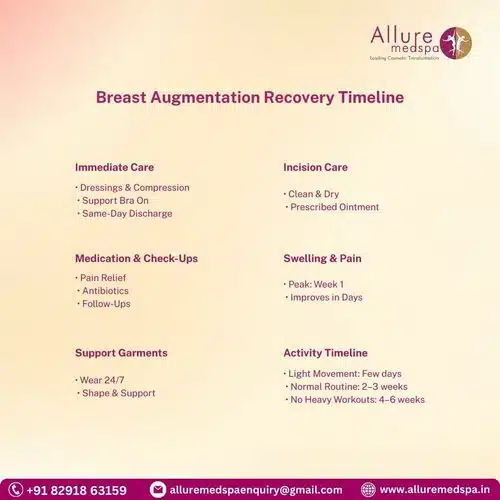
Breast augmentation recovery takes a few weeks — most people resume normal activities within 2–3 weeks, with support garments, medication and follow-ups guiding healing.
First days — gauze dressing and support bra; discharged the same day; mild pain fading within about 5–6 days
Support garment — surgical bra worn 24/7 for the first few weeks to support the implants and reduce swelling
Swelling — peaks in the first week, then subsides over weeks; final shape over months
Activity — light activity in a few days; normal routine in 2–3 weeks; avoid heavy upper-body workouts 4–6 weeks
Follow the plan — sticking to your surgeon’s recovery instructions protects the result and lowers risk
What Is the Cost of Breast Augmentation Surgery in Mumbai, India?
Who Is the Best Surgeon for Breast Augmentation Surgery in Mumbai, India?

Dr. Milan Doshi, an Indian board-certified plastic surgeon and founder of Allure Medspa, is widely trusted for breast augmentation — combining implant expertise with honest, safety-first counselling.
Board-certified — M.Ch, MS; member of ASPS, ISAPS, APSI, IAAPS; ISAPS Mentor; 27+ years
Experienced in augmentation — 1,100+ breast augmentation procedures [clinic to confirm]
Expert across implant types — saline, silicone, cohesive ‘gummy bear’, round, anatomical, smooth and textured
Customised and honest — tailors implant choice to your anatomy and counsels frankly on longevity and risk
3D planning — Crisalix simulation and sizers for realistic expectations
Which Is the Best Centre for Breast Augmentation Surgery in Mumbai, India?

Allure Medspa is a NABH-certified cosmetic surgery centre in Mumbai offering breast augmentation with 3D consultation, modern operating theatres, and a discreet, safety-first approach.
Two centres — consultation and non-surgical care at Andheri West; NABH-certified surgery at Goregaon West
3D virtual consultation — visualise results before surgery, including remotely
Safety protocols — ETO sterilisation, autoclaving and strict hygiene standards
USFDA-approved implants — used and registered for traceability
Comfort and privacy — private suites and confidential care; outstation and overseas patients supported via our outstation patients guide