
Indian Board Certified Plastic Surgeon
M.CH, MS, ISAPS Mentor
16000+ Cosmetic Surgeries
500+ Mesotherapy
Mesotherapy Treatment in Mumbai — Skin & Hair Microinjections, Honestly Explained
Mesotherapy delivers a customised blend of vitamins, medications and other agents into the middle layer of the skin or scalp using microinjections. The evidence is strongest, though not standardised, for hair loss as an add-on therapy; for skin rejuvenation it is modest and temporary. It is not FDA-approved for cosmetic use, and its main risk is infection from unsterile technique — which makes where you have it, and who performs it, the whole story.
What Is Mesotherapy?
Mesotherapy is a minimally invasive procedure that injects a customised blend of nutrients, vitamins, medications or other agents into the middle layer (mesoderm) of the skin or scalp, to address concerns such as hair thinning, pigmentation, skin quality and localised fat.
Delivers agents into the dermis — at a depth of roughly 1–4 mm, aiming to concentrate them where they act
Used for — hair loss, pigmentation, skin dullness, fine lines and localised fat
Customised ‘cocktail’ — the injected mixture is tailored to the concern; there is no single standard formula
A delivery method, not a single drug — its effect depends entirely on what is injected
Regulatory status — mesotherapy is not approved by the US FDA for any cosmetic indication; it is used as an off-label, practitioner-dependent treatment
Also called — injectable skin rejuvenation, microinjection therapy, intradermal therapy, meso skin treatment, meso hair treatment
Source: Gupta et al., Systematic review of mesotherapy — not approved by the US FDA
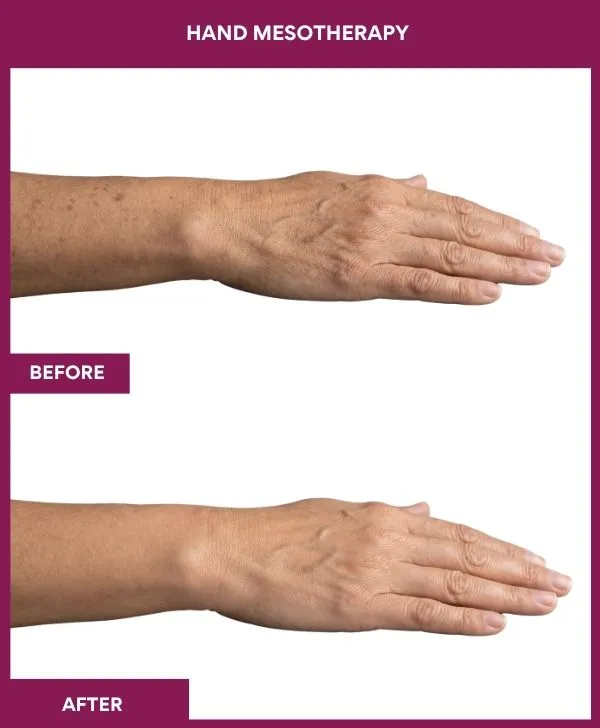
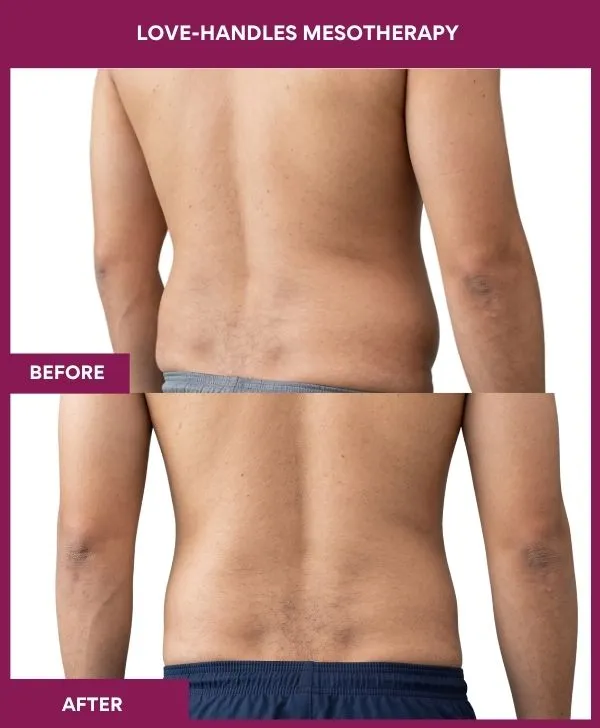
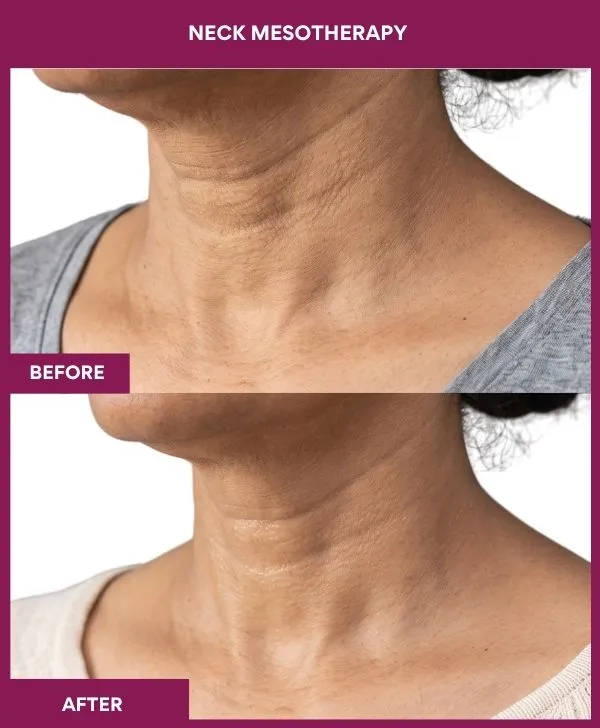
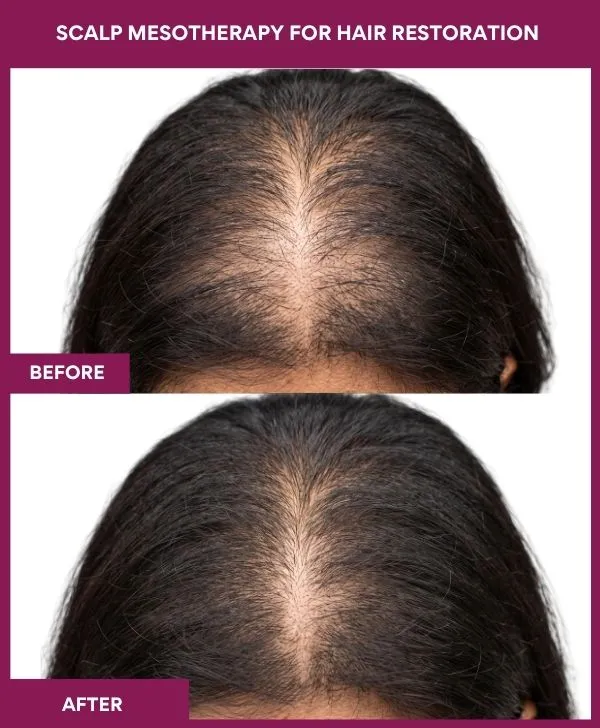
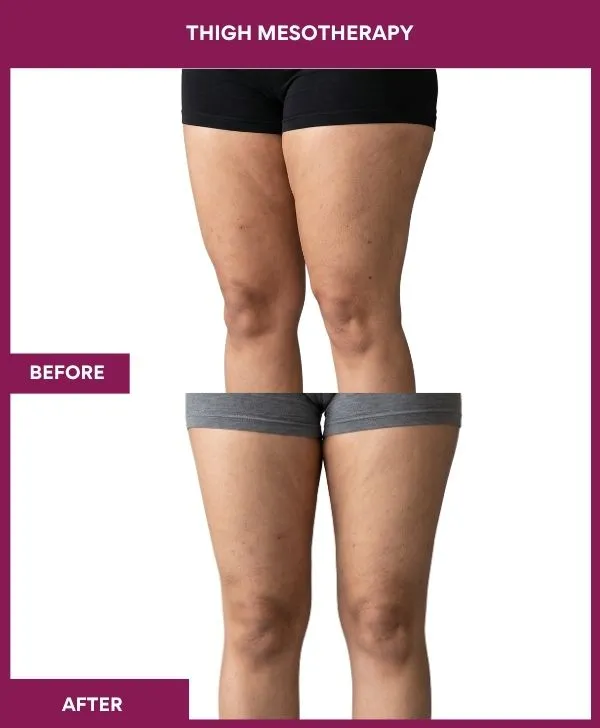
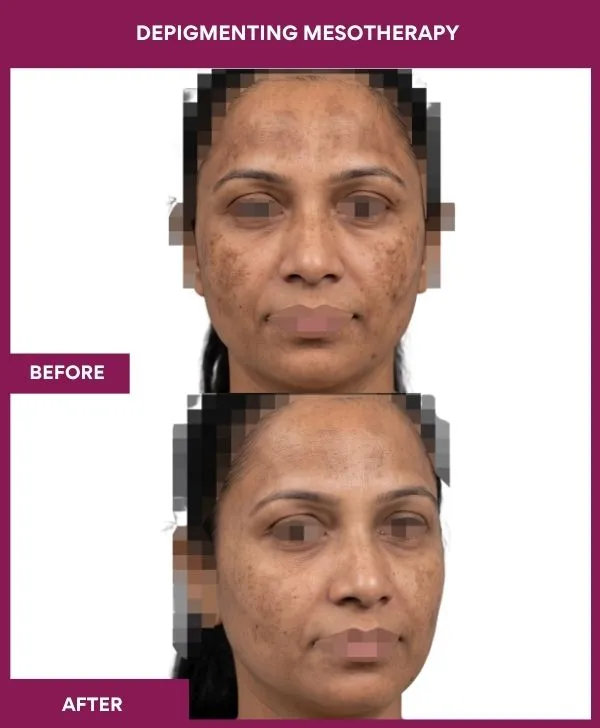
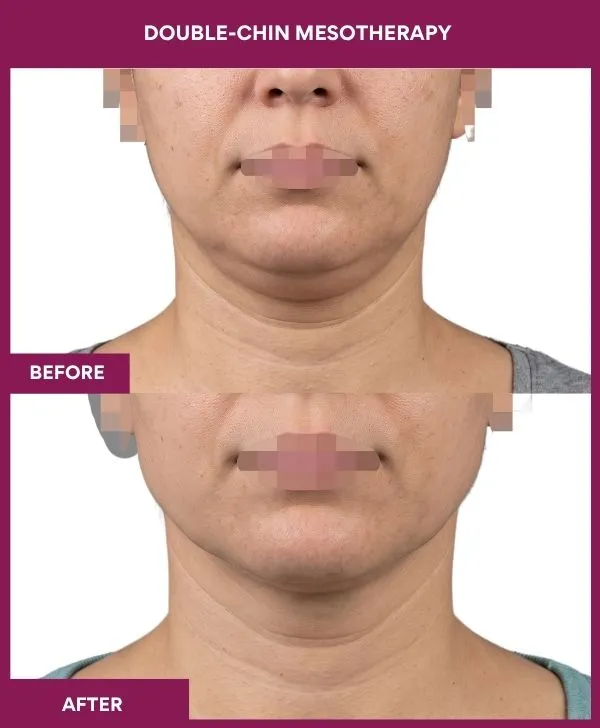
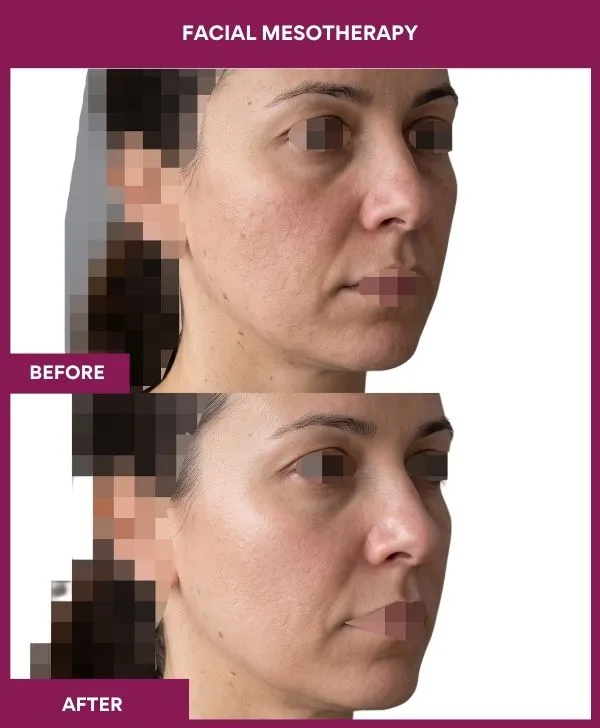
Mesotherapy Treatment Before and After Images
Confused About Mesotherapy Treatment Pricing?
Mesotherapy Treatment Testimonials: Fine To Fabulous Journeys

Awarded by Google.com
Rating: 4.7
Reviews: 485+

Awarded by WhatClinic.com
Rating: 4.8
Reviews: 119+

Awarded by Realself
Rating: 4.9
Reviews:453+

Awarded by Facebook
Rating: 4.6
Reviews:105+
Dr Milan Doshi and his staff are very professional and committed as the centre is highly equipped with advanced technology. I had closed rhinoplasty 4 months back and I’m seeing the results as to how it becomes successful.
Deepika Shetty
The doctor explained everything clearly and the surgery was smooth. Recovery was faster than I expected and the team was very supportive.
Rahul Mehta
Very natural results and excellent staff. From consultation to follow-up, the experience was outstanding and boosted my confidence.
Sneha Kapoor
Can Mesotherapy Revitalise Your Skin, Hair and Confidence?
If thinning hair, dull skin or a stubborn fat pocket is wearing down your confidence, mesotherapy offers a minimally invasive option — most useful as an adjunct alongside proven treatments, with realistic expectations.
Want to get rid of stubborn fat from your face or body?
Are fine lines, wrinkles, or acne scars silently ageing your skin?
Do you feel your hair growth has slowed down or thinned over time?
When your skin starts to sag, or your hair begins to thin, it can deeply affect your confidence — both in front of the mirror and in everyday life. Whether it’s trying to hide patches with makeup or experimenting with endless serums, the emotional toll of skin and hair concerns is real.
That’s where mesotherapy can help. This minimally invasive treatment delivers nutrients, vitamins and medications into the skin’s mesodermal layer or scalp. It works best as part of a plan rather than a miracle on its own, and the evidence is stronger for some uses (hair loss) than others (skin rejuvenation). It is not FDA-approved, and it carries a real — if uncommon — infection risk that this page explains fully. Used well, by the right hands, alongside treatments like PRP or medical hair loss treatment, it can be a genuinely useful tool.
Global trends (market insight)
The global mesotherapy market was valued at approximately USD 584.5 million in 2021.
It is projected to grow to around USD 956.8 million by 2028, reflecting rising demand for minimally invasive aesthetic treatments.
Mesotherapy is increasingly adopted for skin rejuvenation, localised fat reduction and hair regrowth across age groups.
Source: ISAPS Global Survey 2024
Mesotherapy Treatment Quick Facts
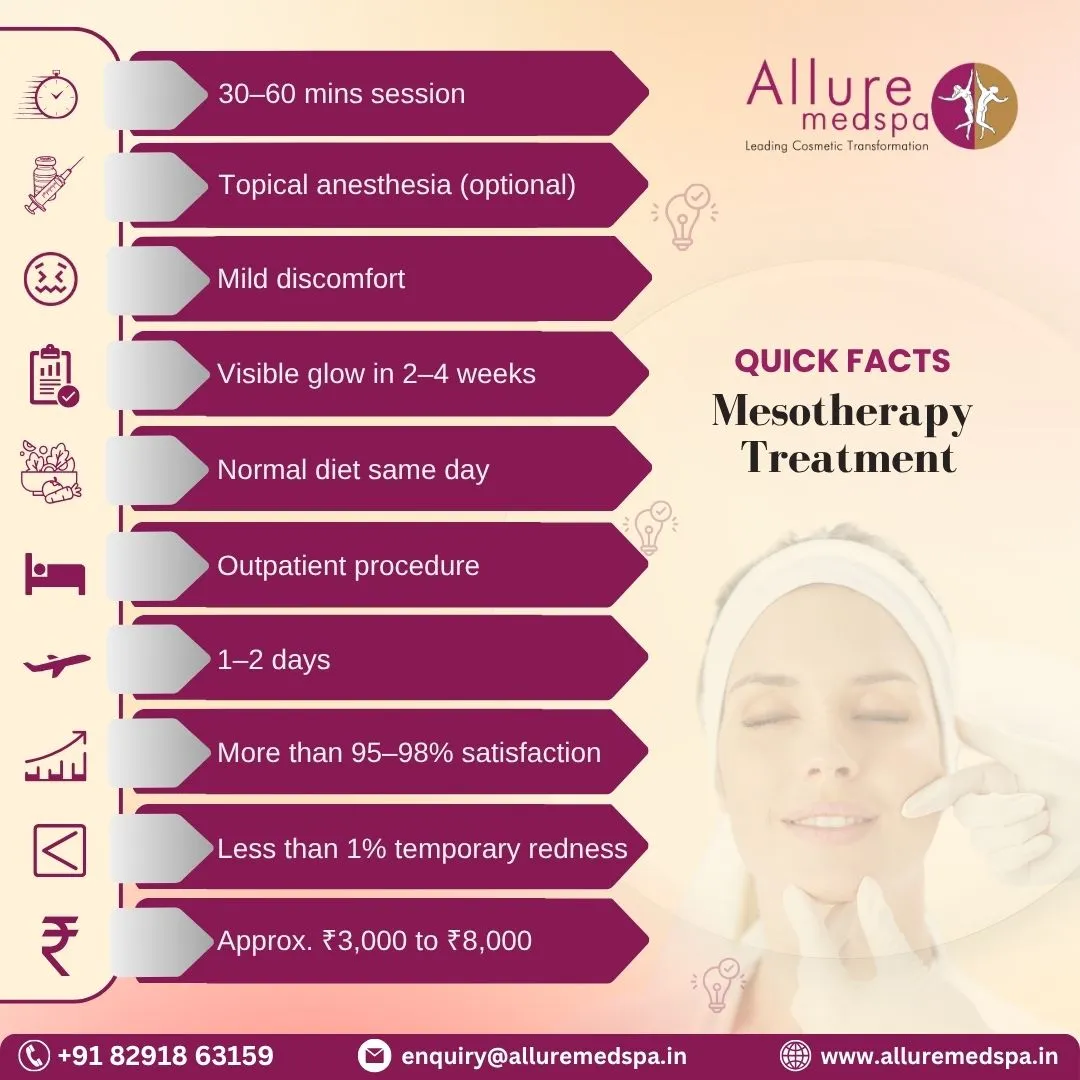
| Time Required | 30–60 mins |
| Anesthesia | Topical Anesthesia |
| Pain Level | Mild discomfort |
| Hospital Stay | Daycare |
| Flyback | 1–2 Days |
| Success Rate | 95% to 98% |
| Result | Visible glow in 2-4 weeks |
| Diet | No Restrictions |
| Complication Rate | Less than 1%, temporary redness |
| Cost in Mumbai | INR 3,000 to 8,000 Approx. |
“Know More Mesotherapy Treatment”
Does Mesotherapy Actually Work? What the Evidence Shows
Mesotherapy offers a gentle yet effective solution for a wide range of cosmetic concerns, making it a popular non-surgical choice for facial and body rejuvenation.
- Minimally Invasive: Involves tiny injections that require no incisions or stitches, making it less traumatic for the skin.
- Virtually Painless: Most patients report little to no discomfort during the procedure, especially with the use of numbing creams.
- No Downtime: You can return to your daily activities immediately after the session—perfect for busy schedules.
- Customizable Treatment: Each cocktail of nutrients and ingredients is tailored to your specific skin or hair concerns.
- Visible Improvements: Helps brighten skin, reduce pigmentation, improve elasticity, promote hair growth, and reduce localized fat over time.
Mesotherapy bridges the gap between beauty treatments and medical-grade results, all with minimal hassle and downtime.
🩺 Dr. Milan Doshi’s note: “I use mesotherapy selectively as an add-on to proven hair-loss treatments, not as a standalone cure. The formulation is chosen according to the concern, with sterile single-use equipment and allergy screening when needed. I do not recommend unregulated mesotherapy mixtures for large-area fat reduction.”
“Get Benefits of Mesotherapy Treatment”
What Are the Benefits of Mesotherapy Treatment?
Mesotherapy offers targeted, minimally invasive delivery of active ingredients with little downtime. Its appeal is precision and customisation — within the limits of the evidence.
Minimally invasive — fine microinjections, no incisions or stitches
Low discomfort — topical numbing makes most sessions well tolerated
Little downtime — most people resume routine the same day, though mild redness or swelling can last a day or two
Customisable — the injected blend is tailored to your specific concern
Targeted delivery — places actives where they are needed, which is the main rationale for using it in hair loss
Works well in combination — often used alongside PRP, microneedling or medical therapy rather than alone
“Get Benefits of Mesotherapy Treatment”
What Are the Indications for Mesotherapy Treatment?
Mesotherapy is used for several skin and hair concerns. The evidence behind each varies, so it’s worth knowing where it is best supported and where it is more speculative.
Hair thinning and early hair loss — the best-supported use; often combined with medical hair loss treatment or PRP
Hyperpigmentation and uneven tone — used to deliver brightening agents; see pigmentation treatment for better-evidenced options
Fine lines and skin quality — modest, temporary improvement in hydration and glow
Acne scarring — as an adjunct to microneedling or scar revision
Localised fat (double chin, jowls) — only with fat-dissolving agents that are themselves unapproved; see fat-dissolving injections and the safety section
Skin tightening — a commonly claimed benefit with limited supporting evidence
“Ask More About Mesotherapy”
In What Form Is Mesotherapy Administered to Patients?
Mesotherapy is administered as a series of microinjections that deliver the active blend directly into the targeted layer of skin or scalp, using ultra-fine needles or a mechanical injector.
Injection-based delivery — ultra-fine needles place the solution into the dermis, where it acts locally
Targeted placement — at the face, neck, scalp or under-eye area, depending on the concern
Customised blend — may contain vitamins, amino acids, peptides, hyaluronic acid or medications, selected for your goal
Depth matters — different concerns are treated at different depths, from superficial to deep dermal
Course-based — delivered over several sessions rather than a single treatment
“Know More Mesotherapy Treatment”
What Instruments or Devices Are Required for Mesotherapy Treatment?
Mesotherapy uses specialised, sterile, single-use tools: fine meso needles, often a mechanical meso gun for precise dosing, and sealed vials of the injectable blend.
Meso guns — handheld injectors that deliver an exact dose at a set depth, with anti-backflow and multi-needle systems for speed and consistency
Meso needles — ultra-fine, typically 29G to 32G, in short lengths matched to the treatment depth
Sealed vials — sterile, labelled, prepared solutions; single-use only
Sterile field — antiseptic skin prep, gloves, and single-use consumables throughout
Never reused — needles, cartridges and vials are single-patient, single-use. This is the single most important safeguard against infection
Source: NTM infection outbreaks trace to contaminated solutions and non-sterile technique
“Ask More About Mesotherapy Treatment”
How Is Mesotherapy Treatment Performed?
Mesotherapy is performed in four steps — cleansing, numbing, injection and post-care — using a sterile technique chosen to match the target concern.
Step 1 — cleansing — the area is cleaned and disinfected under sterile conditions to prevent infection
Step 2 — numbing — a topical anaesthetic is applied for comfort
Step 3 — injection — the practitioner selects a technique: intra-epidermal (superficial), papular (at the dermo-epidermal junction), nappage (multiple shallow injections at a shallow angle), or point-by-point (deeper, for targeted areas)
Step 4 — post-care — a soothing serum or cool compress reduces redness and swelling
Sterile single-use throughout — fresh needles and sealed solution for every patient
“Know More Mesotherapy Treatment”
What Are the Side Effects and Risks of Mesotherapy Treatment?
Most mesotherapy side effects are mild and temporary — redness, swelling, bruising and itching. The serious risk is infection, specifically atypical (non-tuberculous mycobacterial) infection from contaminated solutions or unsterile technique, which can appear weeks after treatment.
Common and temporary
Redness and swelling — at injection sites, usually settling within 1–2 days
Bruising — small bruises that resolve over several days
Itching or tenderness — temporary, as the skin responds
Transient headache or dizziness — occasionally reported
The serious risk: atypical mycobacterial infection
What it is — non-tuberculous mycobacteria (such as M. abscessus, M. chelonae, M. fortuitum) can be introduced by contaminated solutions, antiseptics or reused equipment
How common — a 2024 systematic review identified 423 patients across 30 studies; the CDC documented an outbreak in Buenos Aires where 28 of 169 patients (17%) developed injection-site lesions
It appears late — on average about 32 days after treatment, and up to 3 months later — long after you’ve left, so it’s easy not to connect it to the procedure
It is stubborn — these infections resist ordinary antibiotics and often need months of combination antibiotic therapy, sometimes surgical drainage
Other reported reactions — granulomatous nodules, fat necrosis, skin ulceration, persistent hyperpigmentation, and (with fat-dissolving agents) contour deformities
When to contact the clinic
Late-appearing lumps or abscesses — firm, tender nodules developing weeks after treatment
Persistent redness, drainage or a non-healing wound — at any injection site
Any lesion that isn’t improving — or that antibiotics don’t resolve; tell the doctor you had mesotherapy
How the risk is minimised
Sterile single-use everything — needles, cartridges, sealed solutions; never reused or shared
A qualified doctor in an accredited clinic — not a salon or home setup; outbreaks cluster in unregulated settings
Known, quality-controlled ingredients — not unlabelled or compounded ‘cocktails’ of uncertain origin
Allergy testing where indicated — before using agents that can provoke reactions
Sources: Clinical features of mesotherapy-associated NTM infections — systematic review, 423 patients, CDC: mesotherapy-associated M. immunogenum outbreak, Buenos Aires (28/169), ASPS policy statement on mesotherapy / injection lipolysis, Severe complication of phosphatidylcholine injection
“Get Safe Mesotherapy Treatment”
What Ingredients Are Used in Mesotherapy Injections?
The ingredients in mesotherapy vary by goal — hydration, brightening, hair support or fat reduction. Some are benign vitamins; others are medications that carry specific cautions and should only be used by a doctor.
Commonly used, generally low-risk
Hyaluronic acid — for hydration and skin quality
Vitamins and amino acids — such as B-complex, vitamin C and peptides, for skin and hair support
Plant extracts — used in some formulations; quality and standardisation vary widely
Medications — doctor-only, with specific cautions
Minoxidil — used for hair; injectable minoxidil is not a standard licensed product, is more expensive than oral or topical, and requires medical supervision. See hair loss treatment for the approved routes
Tretinoin — a retinoid; retinoids are avoided in pregnancy, and injected use is not a standard licensed route
Phosphatidylcholine (PC) — a fat-dissolving agent that is not FDA-approved, is the subject of an FDA safety communication, and is specifically linked to the mycobacterial infection outbreaks and contour deformities described above. If fat reduction is your goal, discuss it as a separate, clearly-consented decision — see fat-dissolving injections
Anti-inflammatories and others — sometimes added; each carries its own profile and should be justified
The key question to ask — exactly what is in your injection, why, and its regulatory status. A reputable clinic will tell you
Sources: FDA: fat-dissolving injections that are not FDA-approved can be harmful, PC injection linked to infection outbreaks and severe complications
“Know More Mesotherapy Treatment”
Is Mesotherapy Treatment Painful?
Mesotherapy is generally well tolerated. With topical numbing cream, most patients feel only a slight pinch or tingling during the microinjections.
Topical anaesthetic — applied before the procedure to minimise discomfort
Mild sensation — a slight pinch or tingling as the solution is delivered
Scalp can be more sensitive — than facial or body areas
Soreness is brief — any post-procedure tenderness is usually mild and short-lived
“Know More Mesotherapy Treatment”
How Many Mesotherapy Sessions Are Required for Visible Results?
Most people need a course of 3 to 6 mesotherapy sessions, spaced 2–4 weeks apart. Skin glow may appear within a few weeks, while hair results take months.
Skin and face rejuvenation — 3–5 sessions, 2–3 weeks apart; see face rejuvenation
Hair regrowth — 4–6 sessions with monthly follow-ups; results build over months, not weeks
Pigmentation or scars — variable, depending on severity and the agents used
Maintenance — periodic top-up sessions help sustain results, which are not permanent
Individualised — the exact number is set by your treating doctor after assessment
“Know More Mesotherapy Treatment”
Who Should Avoid Mesotherapy Treatment?
Mesotherapy is not suitable for everyone. It should be avoided or deferred in pregnancy, active infection, certain chronic illnesses, and where bleeding or immune status raises the risk of complications.
Pregnancy and breastfeeding — mesotherapy is not advised; several injected agents are contraindicated
Active skin infection — at or near the treatment site
Uncontrolled diabetes — impaired healing raises the infection risk
Immunosuppression — greater vulnerability to atypical infection
Bleeding disorders or blood thinners — higher bruising and bleeding risk; discuss with your doctor
Autoimmune or inflammatory skin conditions — may flare; assess first
Known allergy — to any proposed ingredient; allergy testing may be advised
Keloid tendency — discuss scarring risk before any injectable
Source: Reviewers advise caution and pre-treatment allergy testing where indicated
“Know More Mesotherapy Treatment”
What Is the Cost of Mesotherapy at Allure Medspa in Mumbai?
The cost of mesotherapy at Allure Medspa is approximately ₹3,000 to ₹8,000 per session, depending on the treatment area, the ingredients used and the number of sessions needed. Because a course of 3–6 sessions is usual, ask for the total plan cost. EMI options are on our payment process page.
Per session — ₹3,000 to ₹8,000, by area and formulation
What changes the cost — treatment area, ingredients, number of sessions, and skin or hair condition
Ask for the course total — 3–6 sessions is typical, so the per-session figure understates the real commitment
Customised quote — each plan is personalised after consultation; book online or in person
“Get All Inclusive Mesotherapy Cost”
Who Is the Best Doctor for Mesotherapy in Mumbai?
Dr. Milan Doshi, an Indian board-certified plastic surgeon and founder of Allure Medspa, is trusted for mesotherapy that is matched honestly to the evidence — and combined with proven treatments where that serves the patient better.
Board-certified — Indian board-certified plastic surgeon; M.Ch, MS; ISAPS Mentor; 27+ years
500+ mesotherapy patients — for skin and hair
Evidence-led — positions mesotherapy as an adjunct, not a cure-all, and says so
Safety-first — sterile single-use technique, ingredient transparency, allergy testing where indicated
Full range available — so if PRP, a hair transplant or medical therapy would serve you better, he can say so — and provide it
“Confirm Your Appointment”
Which Is the Best Clinic for Mesotherapy in Mumbai, India?
Allure Medspa, Mumbai, is a NABH & ISO-accredited centre offering mesotherapy under medical supervision, with the sterile single-use protocols that this treatment depends on for safety.
Doctor-led — supervised by Dr. Milan Doshi and team, not delegated to unsupervised technicians
Sterile single-use protocols — the specific safeguard against the infection outbreaks documented in unregulated settings
Quality-controlled ingredients — known, sealed formulations, with the contents disclosed to you
Customised plans — for hair, skin rejuvenation and pigmentation, honestly matched to the evidence
The whole pathway — mesotherapy alongside PRP, medical hair loss treatment and skin treatments, under one roof
Outstation and overseas patients are supported — see our outstation patients guide.
“Our Holistic Care for Outstation Patients”
Medical Code for Mesotherapy Treatments
ICD-10 Codes for Mesotherapy Treatment
| ICD-10 Code | Description |
|---|---|
| L70.0 | Acne vulgaris (facial rejuvenation for post-acne skin) |
| L81.4 | Other melanin hyperpigmentation (skin brightening and even tone) |
| L65.9 | Nonscarring hair loss, unspecified (for hair regrowth mesotherapy) |
| R23.4 | Changes in skin texture (dullness, sagging, or uneven surface) |
| R60.0 | Localized edema (in some body contouring meso cases) |
| Z41.1 | Encounter for cosmetic procedure (elective mesotherapy) |
CPT Codes for Mesotherapy Treatment
| CPT Code | Description |
|---|---|
| 11900 | Injection, intralesional; up to and including 7 lesions (used for localized injections) |
| 11901 | Injection, intralesional; more than 7 lesions |
| 17999 | Unlisted procedure, skin (commonly used for cosmetic mesotherapy) |
| 96372 | Therapeutic, prophylactic, or diagnostic injection (subcutaneous or intramuscular) |
(FAQ's) Frequently Asked Question About Mesotherapy Treatment
Q1. Does mesotherapy actually work?
Ans. For hair loss, several studies show real improvement, though protocols aren’t standardised and it isn’t FDA-approved. For skin rejuvenation, the benefit is modest and temporary. It works best as an adjunct to proven treatments, not as a standalone cure.
Q2. Is mesotherapy FDA-approved?
Ans. No. Mesotherapy is not approved by the US FDA for any cosmetic indication — hair, skin or fat. It is used as an off-label, practitioner-dependent treatment. Be cautious of any clinic claiming it is FDA-approved.
Q3. Is mesotherapy safe?
Ans. In sterile, doctor-led conditions it is generally safe, with mild temporary side effects. Its main serious risk is atypical mycobacterial infection from contaminated solutions or unsterile technique — which is why where you have it matters as much as the treatment itself.
Q4. What are the warning signs of a problem after mesotherapy?
Ans. Firm, tender lumps or abscesses appearing weeks after treatment, persistent redness, drainage, or a non-healing wound. These can signal an atypical infection that appears late (on average about a month later) and needs specific treatment. Tell any doctor you see that you had mesotherapy.
Q5. Does mesotherapy burn fat?
Ans. Some mesotherapy uses fat-dissolving agents such as phosphatidylcholine, but these are not FDA-approved and are the subject of an FDA safety communication. If fat reduction is your goal, it should be a separate, clearly-consented conversation — not assumed as part of a routine mesotherapy ‘cocktail’.
Q6. Is mesotherapy or PRP better?
Ans. They’re different. PRP uses your own blood’s platelets and has stronger evidence for hair loss. Mesotherapy delivers a chosen blend of drugs or vitamins. For hair, they’re sometimes combined. The right choice depends on your concern and diagnosis.
Q7. Who cannot have mesotherapy?
Ans. Anyone pregnant or breastfeeding, with an active skin infection, uncontrolled diabetes, immunosuppression, a bleeding disorder, or a known allergy to a proposed ingredient. Discuss your full history first.
Q8. How many sessions will I need?
Ans. Usually 3–6, spaced 2–4 weeks apart. Skin glow can appear within a few weeks; hair results take months. Ask for the total course cost.
Q9. Is mesotherapy painful?
Ans. Mild. Numbing cream is applied first, and most people feel only a slight pinch or tingling. The scalp can be a little more sensitive.
Q10. How long do the results last?
Ans. Typically a few months. Results are not permanent, and maintenance sessions are needed to sustain them.
Q11. What should I avoid before and after mesotherapy?
Ans. Avoid alcohol and blood thinners for about 48 hours beforehand (with your doctor’s guidance), and avoid vigorous exercise, hot baths, saunas and sun exposure for 48 hours afterwards.
Q12. Can I wash my face after mesotherapy?
Ans. Wait at least 6–8 hours, then use gentle, non-irritating products for a few days. Avoid makeup on the treated area for the rest of the day.
Q13. What ingredients are used?
Ans. It varies: hyaluronic acid, vitamins, amino acids and peptides are common and low-risk. Medications such as minoxidil or fat-dissolving agents carry specific cautions. Always ask exactly what is in your injection and why.
Q14. Can mesotherapy be done at home?
Ans. No. It involves injecting substances into the skin and must only be done by a licensed professional in a sterile clinical setting. Home or salon mesotherapy is where infection outbreaks occur.
Q15. Does mesotherapy thicken hair?
Ans. It can support hair density by delivering agents such as minoxidil or growth factors to the follicle, and the evidence for hair is its strongest use. It works best combined with proven medical hair-loss treatment.
Q16. Does mesotherapy boost collagen?
Ans. It’s claimed to, by delivering nutrients into the dermis, but the skin-rejuvenation evidence is modest and temporary. Manage expectations accordingly.
Q17. What happens after a session?
Ans. Mild redness, swelling or bruising for 1–3 days is normal. Watch for anything appearing later — a lump or non-healing spot weeks afterwards should be checked.
Q18. How do I prepare for mesotherapy?
Ans. Come with clean skin or scalp, avoid alcohol and blood thinners for 48 hours (with medical guidance), and tell your doctor about all medications, allergies and conditions.
Related Links
Note: The author of this content is Dr. Milan Doshi, An Indian board-certified plastic & cosmetic Surgeon wholly & solely confirms the authenticity of the information & knowledge delivered by this write-up.