Indian Board Certified Plastic Surgeon
M.CH, MS, ISAPS Mentor
16000+ Cosmetic Surgeries
500+ Face Rejuvenation
Facial Rejuvenation Treatment in Mumbai: Restore Radiance & Confidence
Face rejuvenation treatment is a personalised combination of non-surgical procedures — chemical peels, laser, RF microneedling, dermal fillers, PRP and HIFU — that restore a youthful, radiant look by targeting fine lines, pigmentation, acne scars, dullness and mild sagging. The goal is natural, refreshed results, never an artificial one.
What Is Face Rejuvenation Treatment?
Face rejuvenation treatment is a combination of advanced cosmetic procedures that restores a youthful, radiant appearance by stimulating collagen, resurfacing skin, improving elasticity and enhancing hydration — tailored to your skin and concerns.
What it targets — fine lines, wrinkles, pigmentation, acne scars, dullness and sagging
How it works — collagen stimulation, resurfacing and volume restoration via peels, laser, RF, fillers or HIFU
Also called — anti-aging facial treatment, facial skin renewal, non-surgical facial enhancement, skin rejuvenation
The goal — natural, youthful results — never overdone or artificial
“Get All Inclusive Face Rejuvenation Cost”
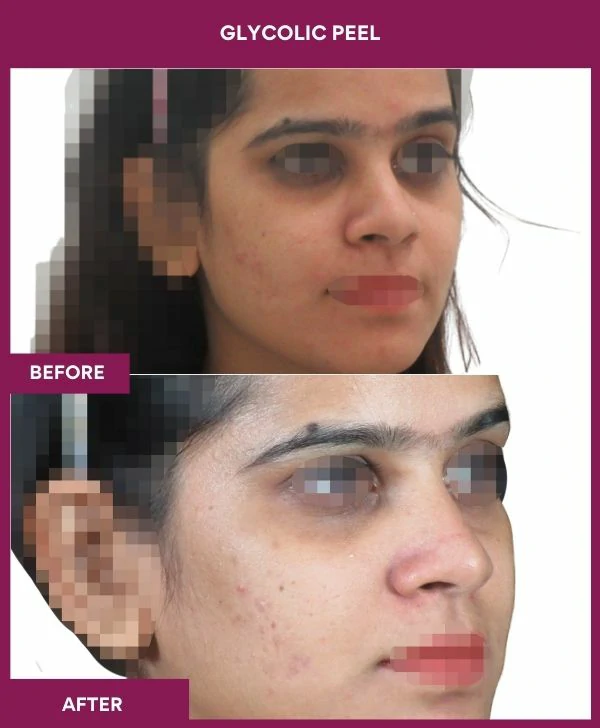
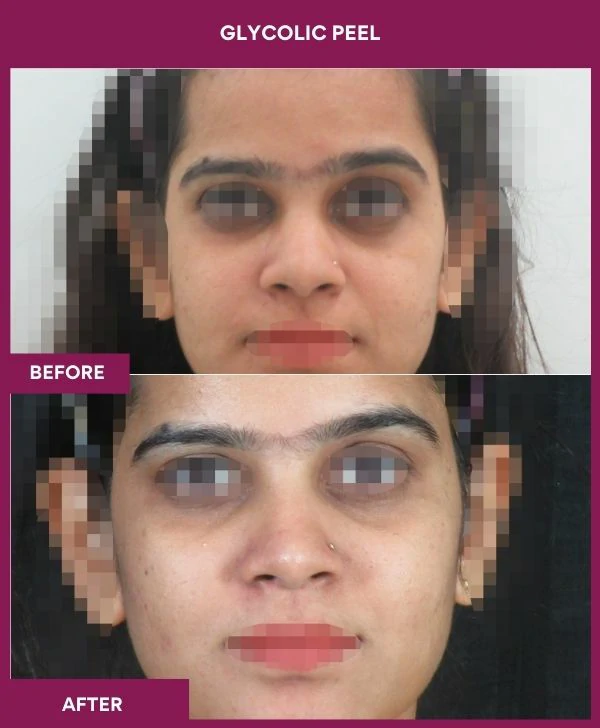
Face Rejuvenation Treatment Before And After Images
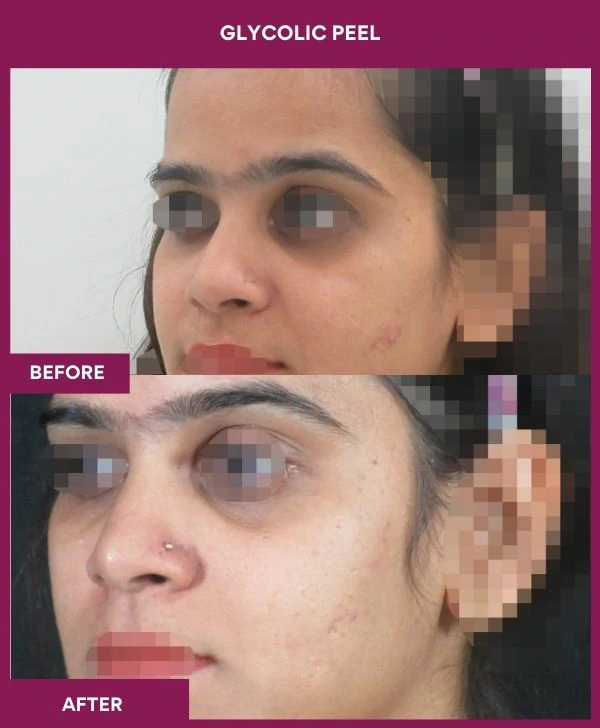
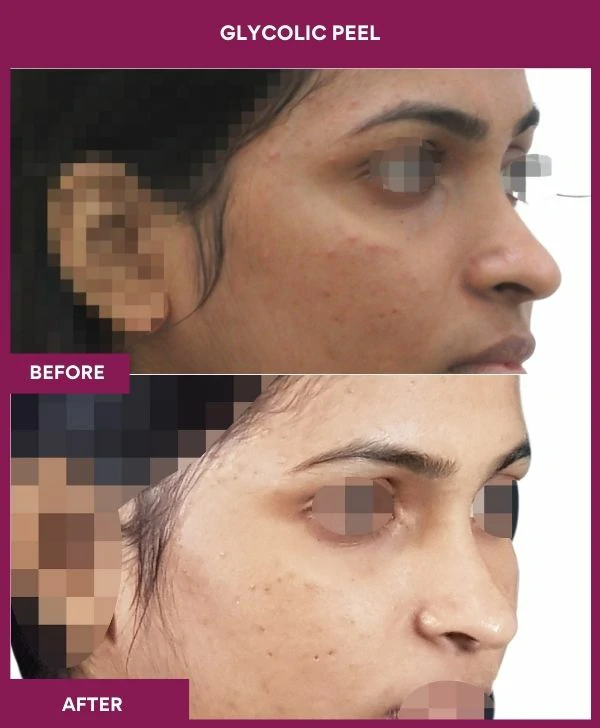
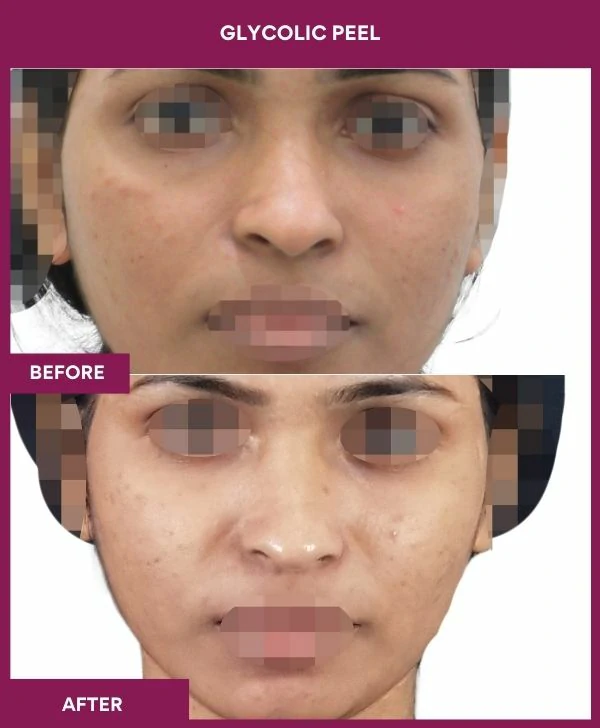
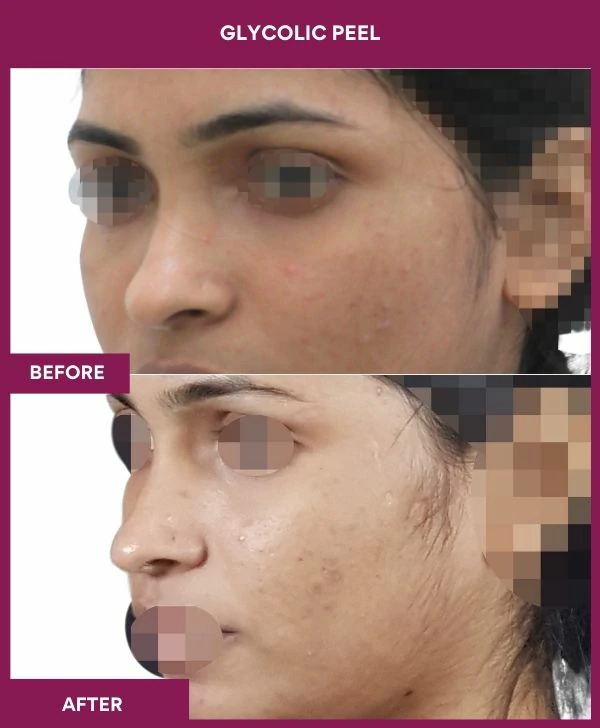
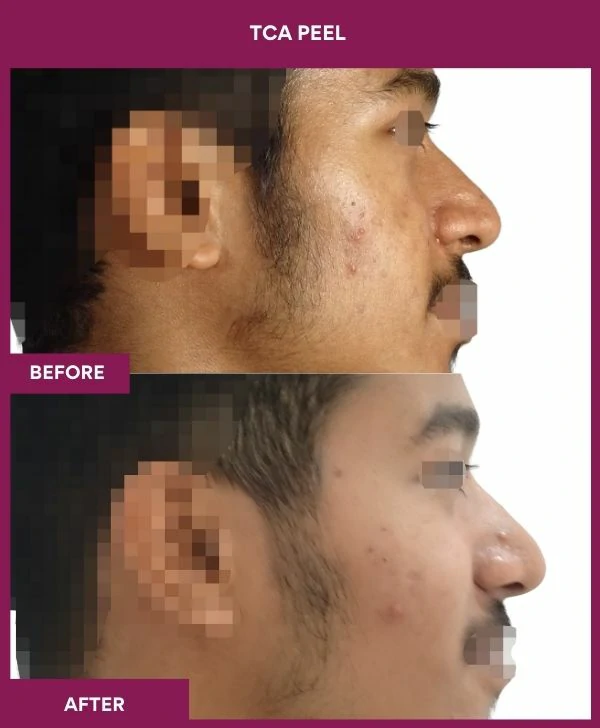
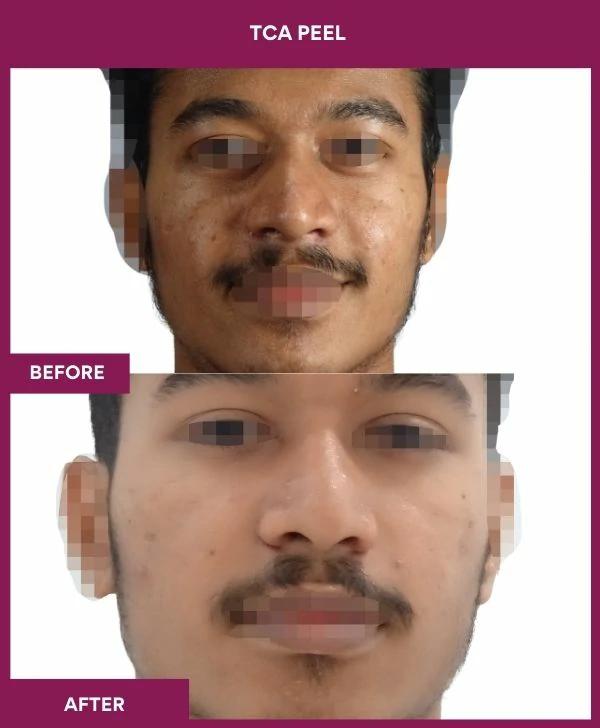
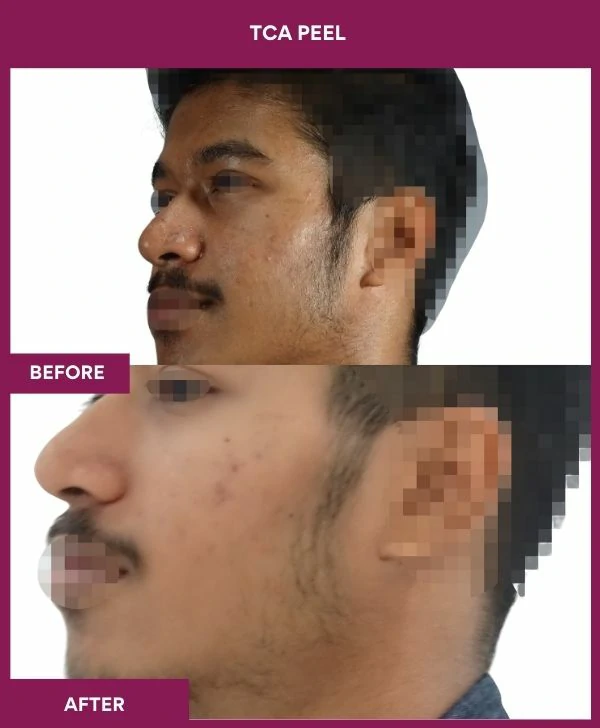
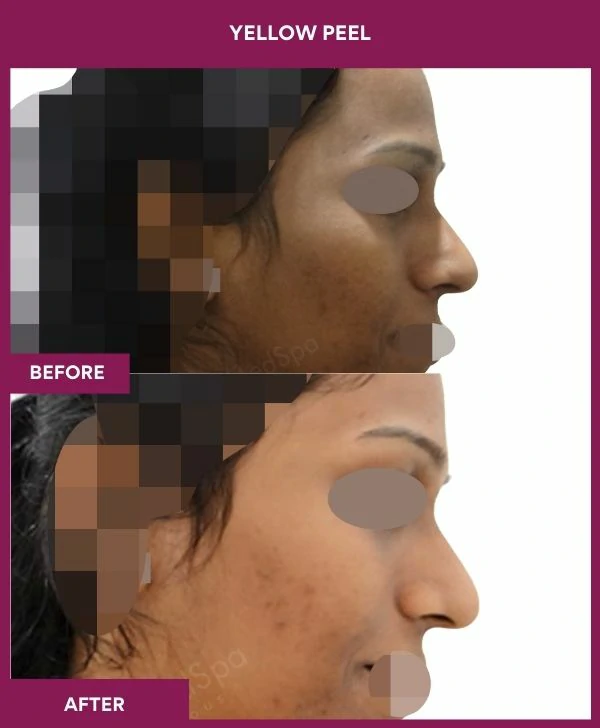
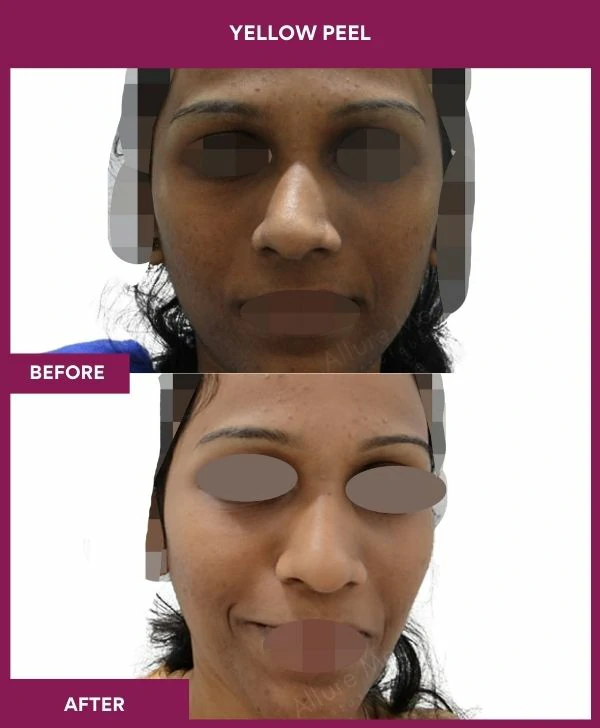
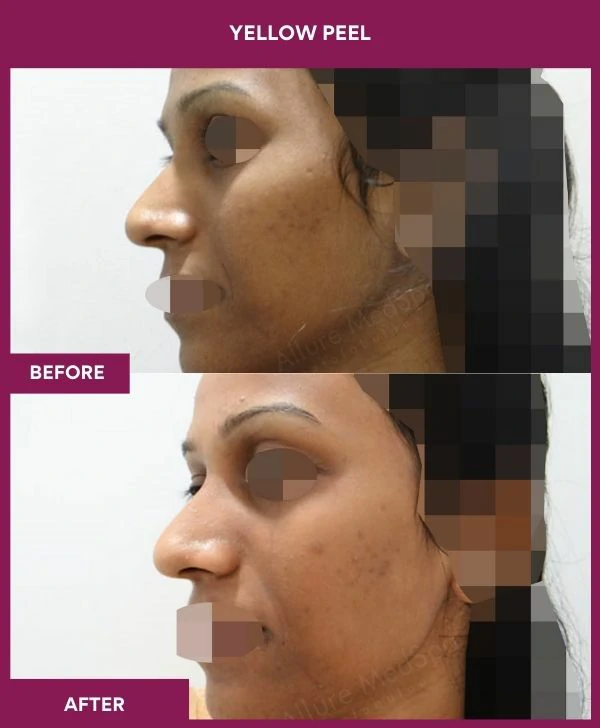
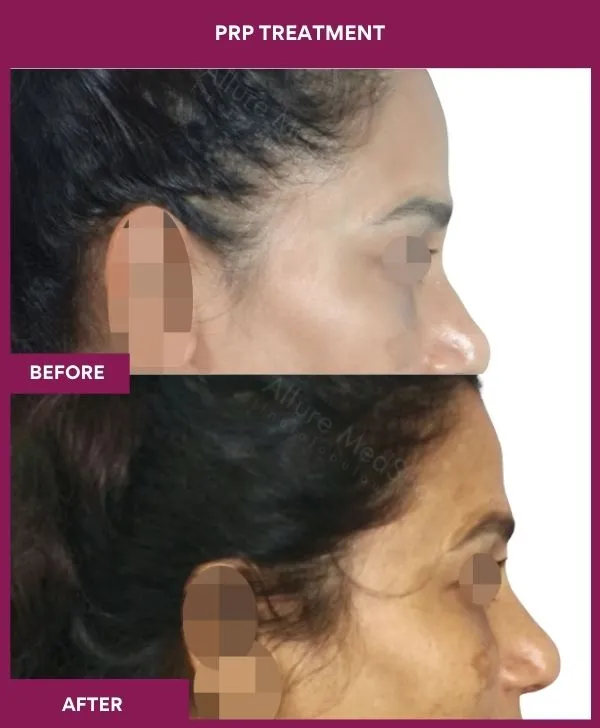
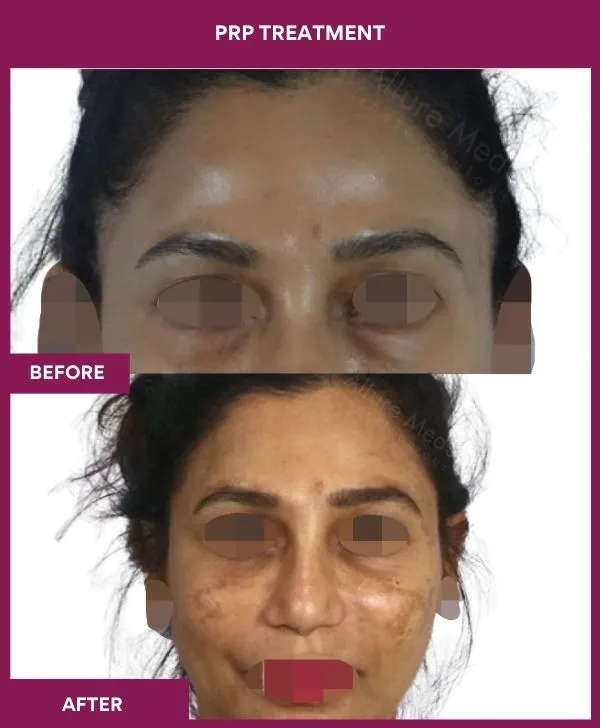
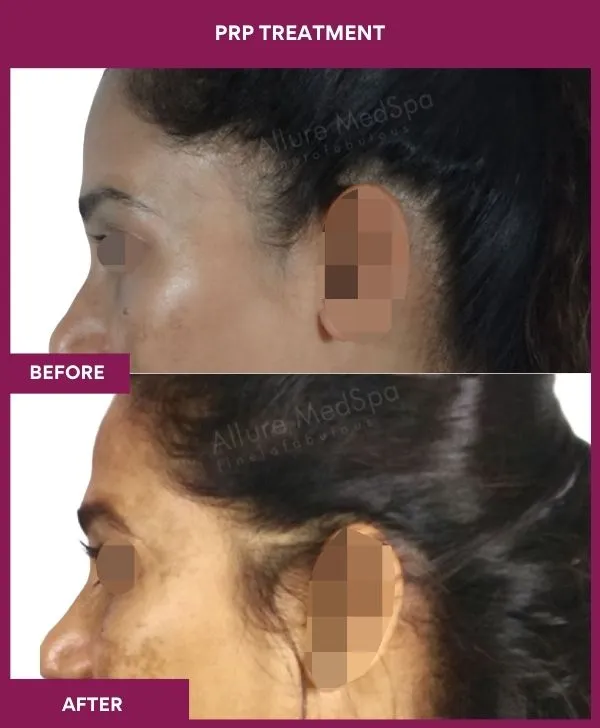
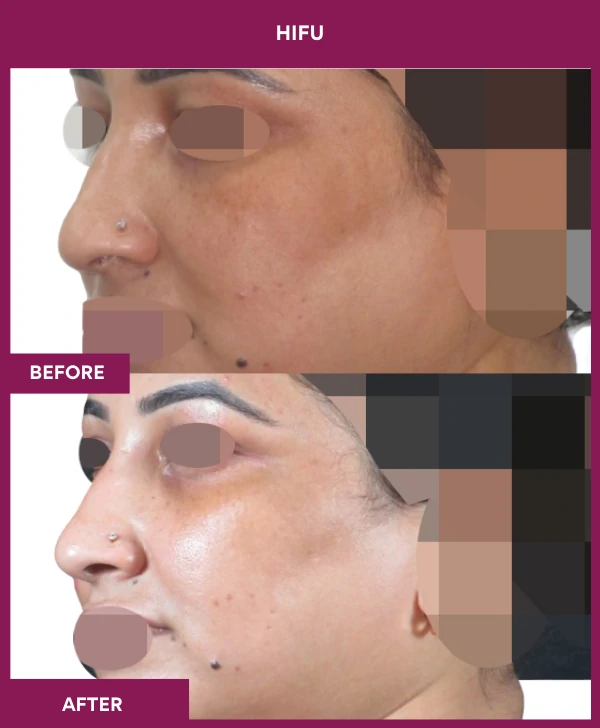
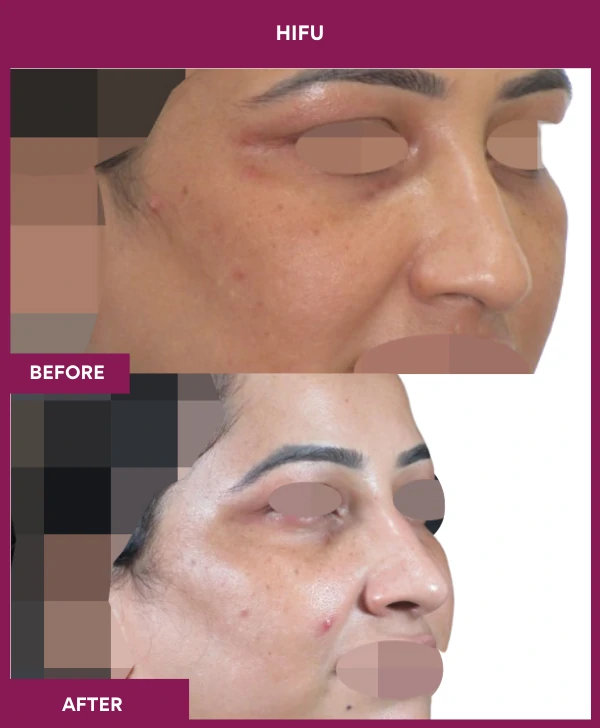
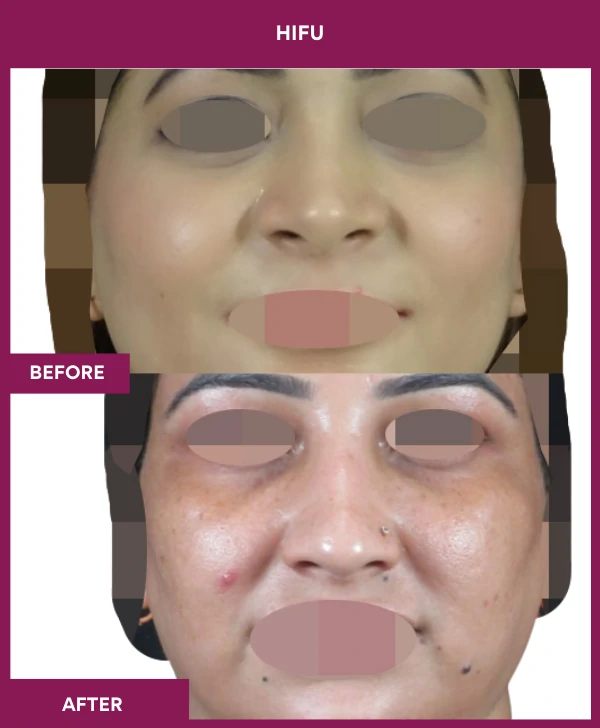
“Your Anti Aging Treatment Cost.”
Facial Rejuvenation Testimonials: Fine To Fabulous Journeys

Awarded by Google.com
Rating: 4.7
Reviews: 485+
Awarded by WhatClinic.com
Rating: 4.8
Reviews: 119+

Awarded by Realself
Rating: 4.9
Reviews:453+

Awarded by Facebook
Rating: 4.6
Reviews:105+
Dr Milan Doshi and his staff are very professional and committed as the centre is highly equipped with advanced technology. I had closed rhinoplasty 4 months back and I’m seeing the results as to how it becomes successful.
Deepika Shetty
The doctor explained everything clearly and the surgery was smooth. Recovery was faster than I expected and the team was very supportive.
Rahul Mehta
Very natural results and excellent staff. From consultation to follow-up, the experience was outstanding and boosted my confidence.
Sneha Kapoor
Is Face Rejuvenation right for you?
- Does your face look dull, tired, and lifeless?
- Are fine lines, wrinkles, acne scars, or uneven skin tone making you feel less confident?
- Do you find yourself avoiding close-up pictures or social gatherings because your skin doesn’t reflect your youthful energy?
When your face shows premature aging, pigmentation, or scars, it doesn’t just affect your appearance—it deeply impacts your self-esteem, social interactions, and even professional confidence. Many people feel frustrated after trying endless creams, facials, or home remedies with little or no long-term improvement.
Thankfully, Face Rejuvenation treatments offer a scientifically proven way to restore your natural glow, smooth out fine lines, improve skin texture, and enhance overall facial aesthetics. From laser resurfacing, chemical peels, PRP therapy, microneedling, dermal fillers, to advanced skin tightening procedures, modern facial rejuvenation is tailored to your needs—delivering natural-looking, youthful results without compromising safety.
Global & Indian Statistics (ISAPS 2024)
- Globally, more than 5.3 million facial rejuvenation procedures (including fillers, PRP, microneedling & laser treatments) were performed in 2023, reflecting a 12% growth compared to 2022.
- India ranks among the top 5 countries for non-surgical cosmetic treatments, with over 250,000 facial rejuvenation sessions performed in 2023 alone.
Source: ISAPS Global Survey 2024
Your face is your identity—investing in facial rejuvenation means reclaiming your youth, boosting your confidence, and making the best first impression.
Also Check: Anti Aging Treatment | Skin Whitening Treatment | Acne Treatment
Quick Facts about Face Rejuvenation Treatment
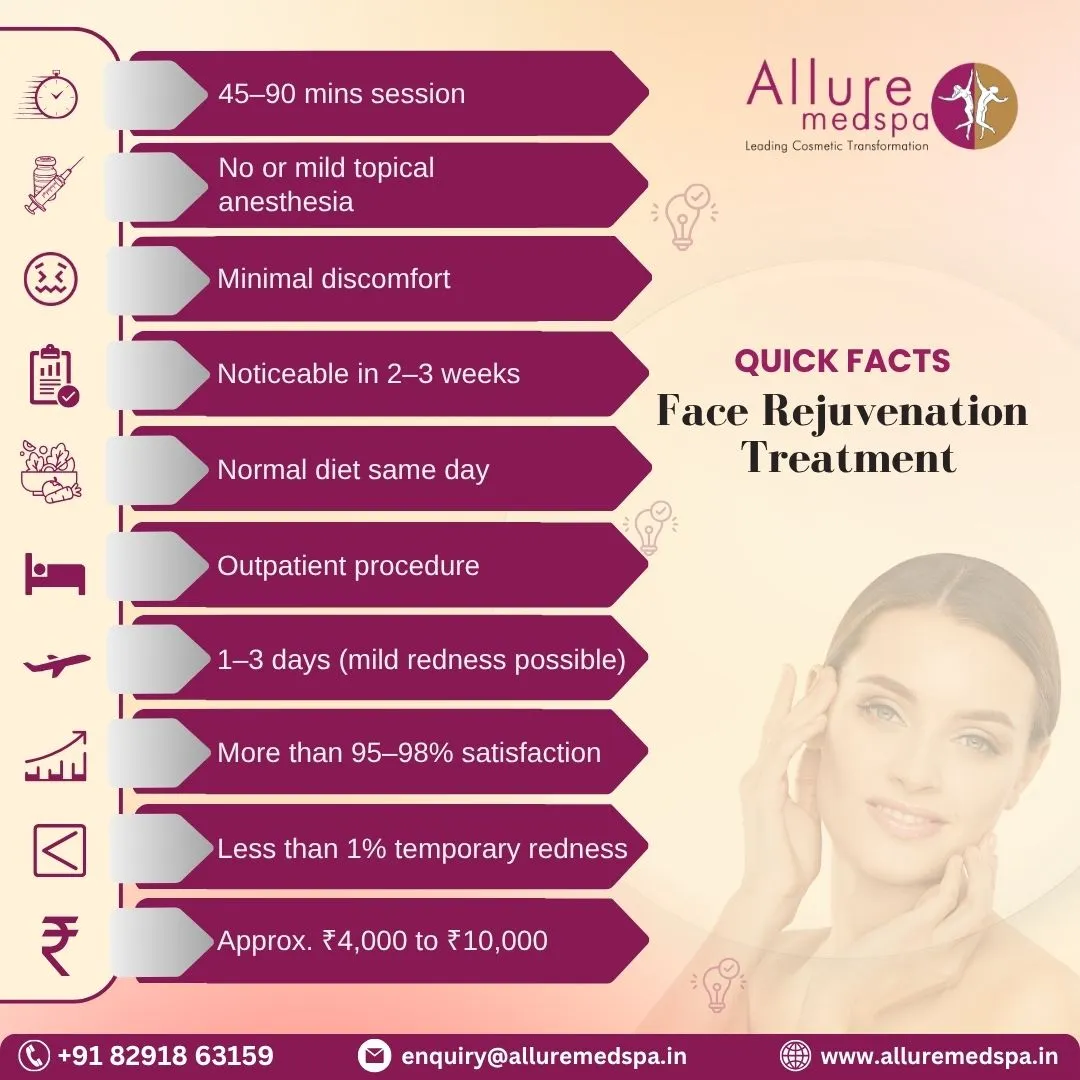
| Time Required | 40–90 mins session |
| Anesthesia | No or mild topical anesthesia |
| Pain Level | Minimal discomfort |
| Flyback | 1–3 Days |
| Success Rate | 95% to 98% satisfaction |
| Result | Noticeable in 2-3 weeks |
| Diet | No Restrictions |
| Complication Rate | Less than 1% temporary redness |
| Cost in Mumbai | INR 4,000 to 10,000 Approx. |
“Know More Face rejuvenation”
What Are the Indications for Face Rejuvenation Treatment?
Consider face rejuvenation treatment for volume loss, fine lines, dark spots, acne scars, uneven tone, dullness, facial spider veins and hyperpigmentation — the concerns it’s designed to address.
Volume loss — hollow cheeks, thinning lips, temple dips
Fine lines & wrinkles — crow’s feet, frown/forehead lines, lip lines
Dark spots / sun damage — lentigines, age spots, photoageing
Acne & acne scars — PIH, pits and enlarged pores
Uneven tone & texture — roughness, blotchiness, dullness
Facial spider veins — telangiectasia on nose/cheeks
Hyperpigmentation — melasma and post-inflammatory darkening
“Ask More About Face rejuvenation”
What Are the Benefits of Face Rejuvenation Treatment?
Face rejuvenation treatment improves skin quality, restores volume and enhances facial balance — giving a fresher, younger look without surgery.
Restores lost volume — cheeks and under-eyes
Reduces lines & wrinkles — softens fine and dynamic lines
Improves texture & tone — smoother, more even skin
Treats pigmentation — dark spots and uneven tone
Boosts glow & hydration — radiance and skin quality
Tightens & lifts (non-surgical) — mild laxity on jawline/neck
Minimal downtime — customised to your face and goals
🩺 Dr. Milan Doshi’s note: “For face rejuvenation, I prefer a combination plan rather than one standard treatment. Skin quality, wrinkles, volume loss, pigmentation, and mild laxity each need a different approach. I sequence treatments safely so the face looks fresher and balanced — not frozen, overfilled, or overdone.”
“Get Benefits of Face rejuvenation”
What Are the Different Methods Used for Face Rejuvenation Treatment?
Face rejuvenation treatment uses peels, lasers, RF, fillers, PRP, IPL, threads and skin boosters — combined and tailored to treat lines, spots, scars and volume loss safely.
Chemical peels — superficial–medium acids clear spots, refine pores and smooth texture
Microdermabrasion — crystal/diamond exfoliation polishes dull skin and boosts glow
Microneedling + RF — collagen remodelling for acne scars, fine lines and laxity
Fractional lasers (CO₂/Er:YAG) — resurface wrinkles, scars and sun damage
IPL / photo facial — light therapy targets redness, pigmentation and uneven tone
Dermal fillers — HA / biostimulators restore volume and soften folds
Anti-wrinkle injections — relax dynamic lines on forehead, frown and crow’s feet
Fat grafting — your own fat transferred for natural, long-lasting volume
PRP / vampire facial — platelet growth factors improve texture and radiance
Skin boosters & actives — mesotherapy, retinoids, vitamin C and antioxidants for maintenance
Sources: Anti-aging procedures review, 2025, Non-surgical rejuvenation combinations
“Get All Inclusive Face rejuvenationCost”
What Parameters Determine the Right Face Rejuvenation Treatment?
The right face rejuvenation treatment depends on your concern, skin type, medical history, downtime tolerance and budget — volume loss needs fillers/fat, while lines, texture or pigment need peels, laser or IPL.
Volume loss — dermal fillers or fat grafting for cheeks, lips, temples, jawline
Dynamic lines — anti-wrinkle injections for frown, forehead, crow’s feet
Texture, pores & acne scars — RF microneedling, fractional laser, PRP
Pigmentation & sun spots — chemical peels, IPL and pigment-targeted lasers + strict SPF
Redness / spider veins — vascular laser/IPL for nose/cheeks
Mild laxity / firming — HIFU or RF tightening for jawline/neck
Decision factors — Fitzpatrick skin type, medical history, downtime window, event timeline, budget
“Know More Face rejuvenation”
Why Should You Consult a Dermatologist Before Face Rejuvenation Treatment?
A specialist consultation confirms the diagnosis, screens for risks and crafts a personalised face rejuvenation treatment plan with safe settings and realistic expectations — essential on a YMYL, results-vary procedure.
Accurate diagnosis — distinguishes pigment, vascular, texture and volume issues
Safety screening — reviews medical history, medication (isotretinoin, blood thinners), allergies, pregnancy, cold sores
Skin-type matching — Fitzpatrick-specific laser/RF/peel settings to reduce PIH and burns
Right modality mix — peels, laser, RF, injectables, PRP or boosters by goal and downtime
Expectation setting — sessions, recovery, longevity and event timelines
“Book a Online Consultation”
What Is the Step-by-Step Process of Face Rejuvenation Treatment?
A face rejuvenation treatment session follows a clear path — assessment, cleanse, numbing, the targeted treatment mix, then cooling, SPF and a review — personalised to your skin.
Consultation & skin analysis — history, Fitzpatrick type, photos and goals; mapping lines, pigment, scars and laxity
Prep & cleanse — antiseptic cleanse, eye protection for light/laser, numbing as needed
Treatment delivery — the custom mix (peels, laser/IPL, RF/HIFU, fillers or injectables)
Layering & sequencing — energy devices first, then injectables; parameters tailored to skin type
Cool, soothe, protect — post-procedure cooling, barrier ointment and strict SPF
Review & maintenance — ~2-week check; typical cadence peels/IPL monthly, RF 3–5 sessions, fillers 12–18 months, toxins 3–4 months
“Know More Face rejuvenation”
What Is the Recovery and Downtime After Face Rejuvenation Treatment?
Most people return to routine within 1–2 days after face rejuvenation treatment; redness and flaking ease in 3–7 days, while laser resurfacing needs about 5–10 days.
First 24–48 hours — mild redness, warmth, swelling; sleep elevated, avoid heat/sauna and strenuous exercise
Days 3–7 — peeling/bronzing after peels/lasers; makeup usually fine once skin is intact
1–2 weeks — texture smooths, pinkness fades, threads settle
Modality snapshot — injectables minimal downtime; IPL/light peels 0–2 days; RF microneedling 1–3 days; fractional CO₂ 5–10 days
Red flags — worsening pain, spreading redness, pus, fever, or vision changes after eye-area treatment (seek care)
“Know More Face rejuvenation”
How Soon Will You See Results from Face Rejuvenation Treatment?
Results from face rejuvenation treatment vary by modality — fillers are immediate, anti-wrinkle injections show in 3–7 days, peels/lasers refine over 1–2 weeks, and RF/HIFU collagen peaks at 3–6 months.
Instant — dermal fillers and some skin boosters add lift/hydration right away
3–7 days — anti-wrinkle injections smooth dynamic lines
1–2 weeks — light peels, microdermabrasion and IPL clear tone and refine pores
2–4 weeks — thread settling and early RF-microneedling remodelling become visible
3–6 months — HIFU/RF collagen peaks; fractional laser continues to refine
“Know More Face rejuvenation”
How Long Do Face Rejuvenation Treatment Results Last?
Results from face rejuvenation treatment last roughly 3–18 months by modality — anti-wrinkle injections 3–4 months, fillers/threads 12–18 months, and laser/RF/HIFU 12–18 months — with maintenance extending longevity.
Anti-wrinkle injections — ~3–4 months; touch-ups 3–4×/year
Dermal fillers — ~12–18 months (area/product dependent)
Thread lift — matures by 6–12 weeks; lasts ~12–18 months
Lasers/IPL — build over weeks; maintain annually
RF microneedling / HIFU — peaks 3–6 months; durability ~12–18 months
Longevity depends on — sun exposure, smoking, sleep, skincare, weight change and hormones
“Know More Face rejuvenation”
What Are the Side Effects of Face Rejuvenation Treatment?
Most face rejuvenation treatment side effects are mild and temporary — redness, swelling or irritation — and choosing a trained, board-certified expert keeps risks low.
Common & temporary — redness, mild swelling, warmth or dryness for 24–72 hours
Peels/lasers/RF — flaking or bronzing, sun sensitivity; rare blisters/burns if aftercare or settings are off
Injectables — pinpoint bruises, tenderness; rare lumps or asymmetry; vascular events are very rare and need urgent care
Pigment change (PIH) — higher risk on darker skin after energy procedures — strict SPF and tailored settings reduce it
Reduce risks by — disclosing meds/pregnancy/HSV, avoiding blood thinners/alcohol, following aftercare and daily SPF 50+
Source: PRP & rejuvenation safety review
“Get Safe Face rejuvenation”
What Is the Cost of Face Rejuvenation Treatment in Mumbai, India?
In Mumbai, face rejuvenation treatment starts around ₹4,000–₹10,000 per photo-facial session, with the final cost depending on the modality mix, areas treated and number of sessions. EMI options are on our payment process page.
Indicative starting price — laser photo-facial (peel + microdermabrasion + light) ~₹4,000–₹5,000 per session
Session frequency — often monthly; packages may lower per-session cost
Cost drivers — concerns treated, technology (peels, IPL/laser, RF microneedling, HIFU), coverage area
What’s included — consultation, skin mapping, procedure, basic aftercare; add-ons (boosters/PRP) quoted separately
“Get All Inclusive Face rejuvenationCost”
Which Is the Best Centre for Face Rejuvenation Treatment in Mumbai, India?
Allure Medspa, led by board-certified Dr. Milan Doshi, is a trusted Mumbai centre for face rejuvenation treatment — offering NABH-grade safety and advanced technology for natural, bespoke results.
Board-certified leadership — Dr. Milan Doshi, 27+ years of experience
NABH-grade safety — accredited workflow, anaesthesia support, strict infection control
Advanced technologies — HIFU, RF microneedling, CO₂/Er:YAG lasers, IPL, peels, fillers and boosters
Personalised planning — mapping for volume, lines, pigment, pores and laxity; event-timed plans
Transparent value — itemised quotes, realistic session counts, structured aftercare
Outstation and overseas patients are supported end-to-end — see our outstation patients guide.
“Our Holistic Care for Outstation Patients”
Who Is the Best Doctor for Face Rejuvenation Treatment in Mumbai, India?
Dr. Milan Doshi, an Indian board-certified plastic & cosmetic surgeon, leads Allure Medspa with 27+ years delivering natural, safe face rejuvenation treatment.
Board-certified expertise — M.Ch, MS; 16,000+ cosmetic procedures
Broad modality skills — lasers, RF/HIFU, fillers, threads, peels and skin boosters
Personalised combination therapy — for volume, lines, pigment, pores and laxity, timed to events
Natural-looking philosophy — proportional results with structured follow-ups
“Get All Inclusive Face rejuvenationCost”
Medical Code for Face Rejuvenation
ICD-10 Codes for Face Rejuvenation Treatment
| ICD-10 Code | Description |
|---|---|
| R23.4 | Changes in skin texture (wrinkles, fine lines, sagging) |
| L90.8 | Other atrophic disorders of skin (age-related thinning/laxity) |
| L98.8 | Other specified disorders of skin and subcutaneous tissue |
| L81.4 | Other melanin hyperpigmentation (age spots, melasma) |
| Z41.1 | Encounter for cosmetic procedure (aesthetic face rejuvenation) |
CPT Codes for Face Rejuvenation Treatment
| CPT Code | Description |
|---|---|
| 64612 | Chemical denervation of muscle(s); facial (Botox for dynamic wrinkles) |
| 11950 | Subcutaneous injection of filling material; 1 cc or less (dermal fillers) |
| 11951 | Subcutaneous injection of filling material; over 1 cc |
| 15788 | Chemical peel, facial; epidermal |
| 15789 | Chemical peel, facial; dermal |
| 15780 | Dermabrasion, total face |
| 15781 | Dermabrasion, segmental (localized area) |
| 96920 | Laser treatment of skin, non-ablative (fractional laser rejuvenation) |
| 96921 | Laser treatment of skin, non-ablative; first 250 cm² or less |
| 96922 | Laser treatment of skin, non-ablative; each additional 250 cm² |
| 17999 | Unlisted procedure, skin (used for RF, HIFU, PRP microneedling, or other advanced facials) |
| 96999 | Unlisted dermatologic service or procedure (if multiple combination therapies are used) |
(FAQs) Frequently Asked Question for Face Rejuvenation Treatment
Q1. What is full face rejuvenation?
Ans. It’s a combination of cosmetic treatments — lasers, peels, fillers, threads or energy devices — that improve skin texture, tone, volume and firmness to restore a youthful look.
Q2. What is the best face rejuvenation treatment?
Ans. It depends on your concern: lasers for pigmentation, peels for dullness, fillers for volume, and RF or ultrasound for tightening. A dermatologist tailors the plan.
Q3. How many sessions are needed?
Ans. Typically 3–6 sessions, spaced 2–4 weeks apart, depending on the method and severity of your concerns.
Q4. How long does face rejuvenation last?
Ans. From about 6 months to 2 years depending on the treatment, with maintenance sessions extending results.
Q5. Is facial rejuvenation safe?
Ans. Yes, when performed by a qualified expert. Mild redness or swelling may occur but usually settles within a day or two.
Q6. What’s the right age to start?
Ans. Preventive rejuvenation often begins in the late 20s or early 30s, but corrective treatments can be done at any age based on skin concerns.
Q7. What procedure takes 10 years off your face?
Ans. A combination of thread lifts, fillers and laser resurfacing can rejuvenate dramatically; for deeper ageing, a surgical facelift may be considered.
Q8. What should I avoid afterwards?
Ans. Direct sun, hot showers, makeup and strenuous activity for at least 48 hours, plus strict sun protection — follow your doctor’s aftercare.
Q9. What makes a face look younger?
Ans. Firmness, glow and volume. Collagen-boosting lasers, PRP, fillers and good skincare reduce wrinkles, improve tone and restore lost volume.
Q10. Which laser is best for facial rejuvenation?
Ans. Fractional CO₂, Er:YAG and Nd:YAG lasers are common for resurfacing, tightening and pigmentation — chosen by skin type and goals.
Q11. How often should I rejuvenate my face?
Ans. Mild treatments like peels or photofacials can be monthly; laser resurfacing or thread lifts are usually repeated every 6–12 months.
Q12. What’s the difference between fillers and rejuvenation?
Ans. Fillers target volume loss in specific areas; rejuvenation is a broader plan that may include fillers, lasers, peels and tightening.
Q13. How do I reduce facial ageing naturally?
Ans. Sun protection, hydration, an antioxidant-rich diet, not smoking and a good skincare routine all help — with medical facials as support.
Q14. What does a full face rejuvenation package cost in Mumbai?
Ans. A package may range from about ₹10,000 to ₹50,000+ depending on the treatments involved. Per-session photo-facials start lower.
Q15. Is there a permanent solution for facial wrinkles?
Ans. No solution is truly permanent, but fractional lasers, RF microneedling and thread lifts give long-lasting results; a surgical facelift is the most durable.
Q16. Can you change your face without surgery?
Ans. Yes — HIFU, RF, peels, anti-wrinkle injections, fillers and lasers can noticeably tighten skin and refine contours without surgery.
“Get All Inclusive Face rejuvenationCost”
Related Links
Note: The author of this content is Dr. Milan Doshi, An Indian board-certified plastic & cosmetic Surgeon wholly & solely confirms the authenticity of the information & knowledge delivered by this write-up.