
Hair Transplant Surgery (FUE & FUT) in Mumbai — Natural Results, Honestly Explained
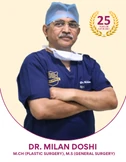
Indian Board Certified Plastic Surgeon
M.CH, MS, ISAPS Mentor
16000+ Cosmetic Surgeries
1100+ Hair Transplant
A hair transplant moves your own DHT-resistant hair follicles — usually from the back and sides of the scalp — into thinning or bald areas, where they keep growing. It is a day procedure under local anaesthetic, using FUE (individual follicles) or FUT (a strip), and the result is judged at about twelve months. At Allure Medspa it starts from about ₹40,000 for 1,000 grafts 🩺. The transplanted hair is long-lasting, but the native hair around it can keep thinning — so it is not the first step for everyone. Dr. Milan Doshi measures the donor, checks whether the loss is stable, and tells you honestly if medical treatment should come first.
Source: live opening (answer-first) merged with the writer’s overview. Live “graft survival typically 90–95%” moved to the risks H3 with its source caveat.
WHAT SHOULD YOU KNOW BEFORE READING THE REST OF THIS PAGE?
• This is the overview page. It answers the questions most people ask before booking, and links to a detailed page for each one.
• If you are not yet sure surgery is the right answer — and for many people it isn’t — start with the hair loss treatment guide →
• For some people the better plan is to identify why hair is thinning, stabilise active loss, treat a reversible cause, use medical treatment first, preserve donor hair and reassess.
• This page answers two questions at once: what does hair transplant surgery involve — and when should you not rush into it?
Hair Transplant Surgery Before and After Images
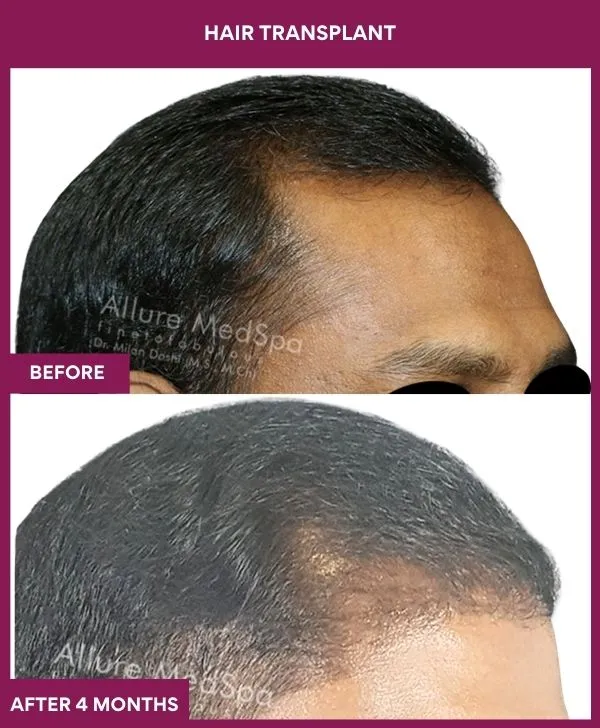
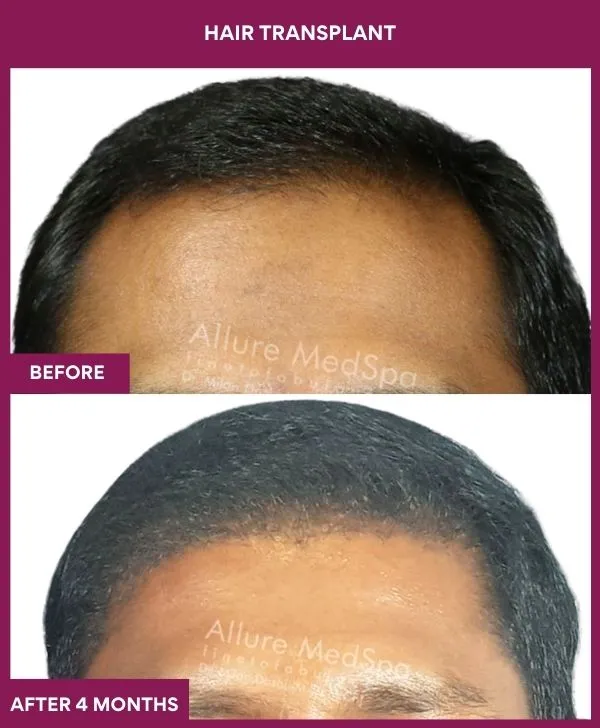
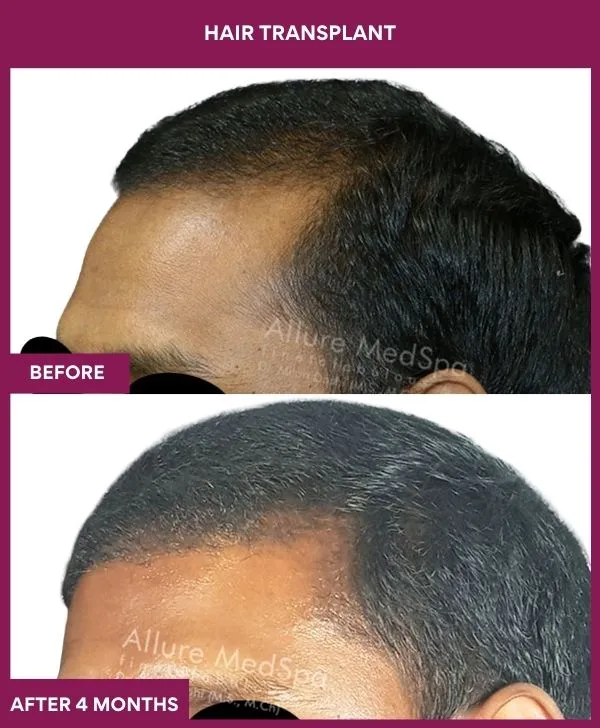
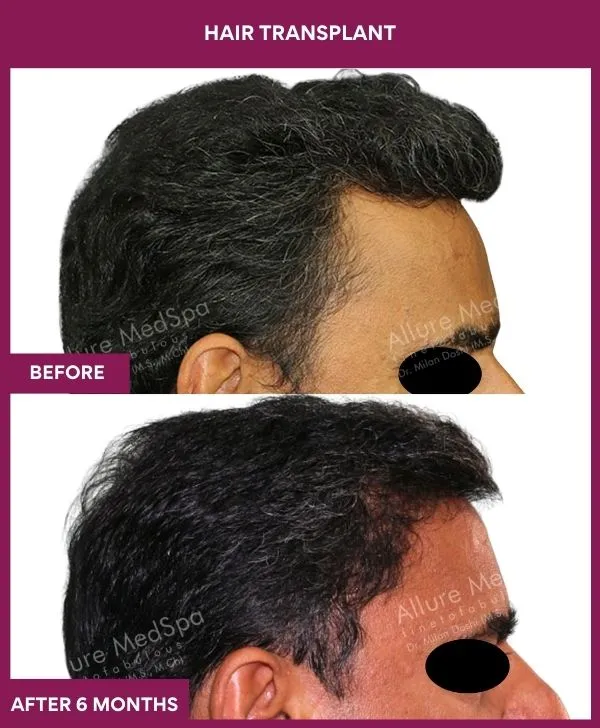
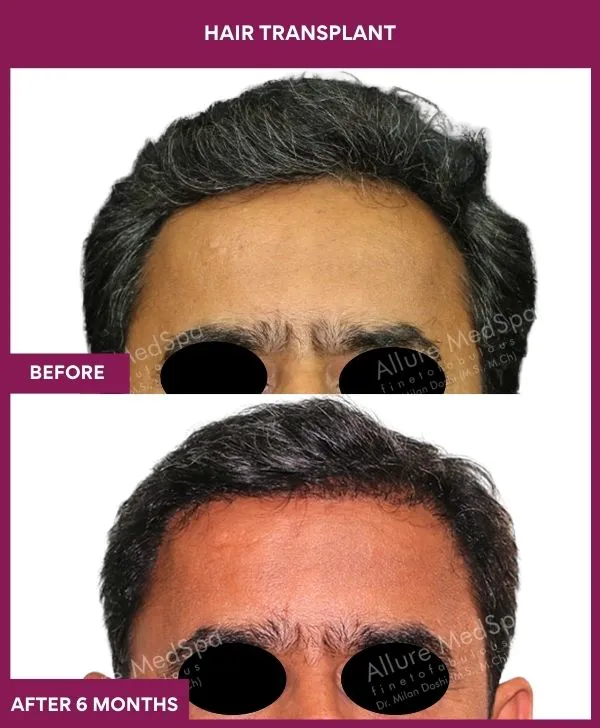
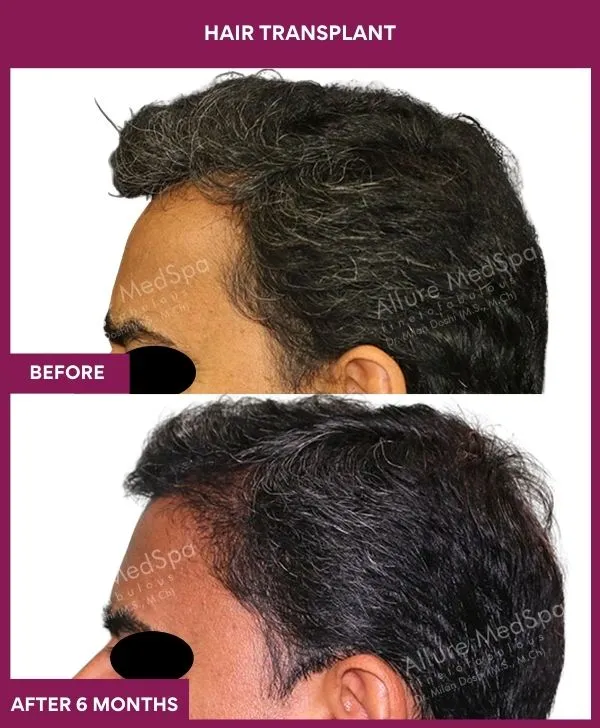
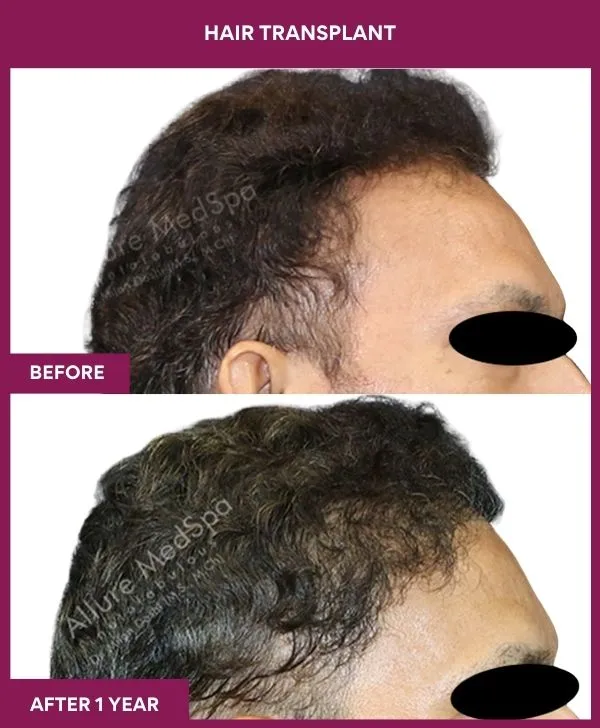
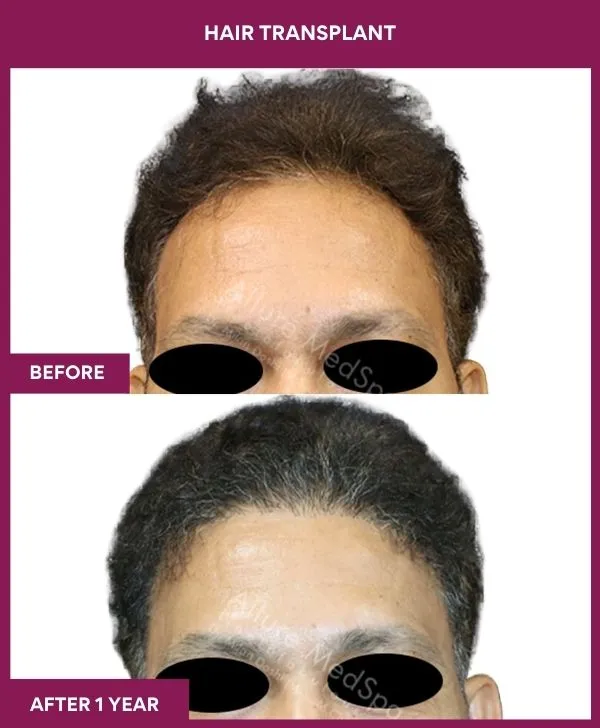
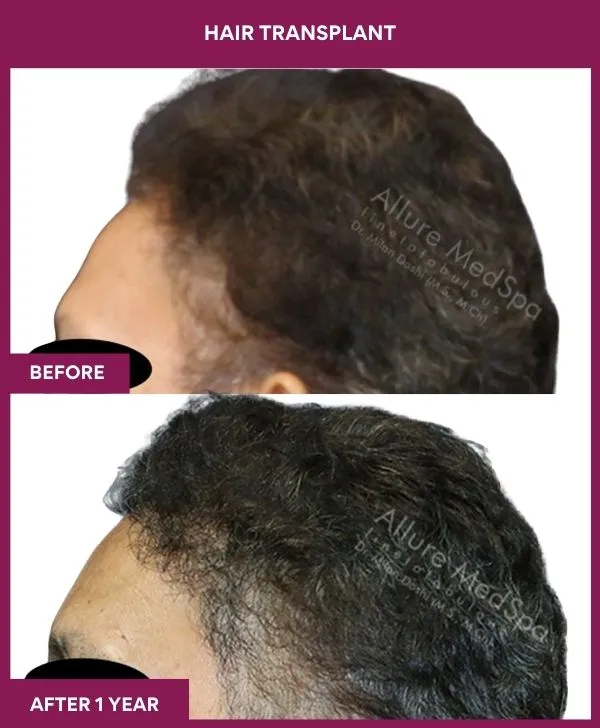
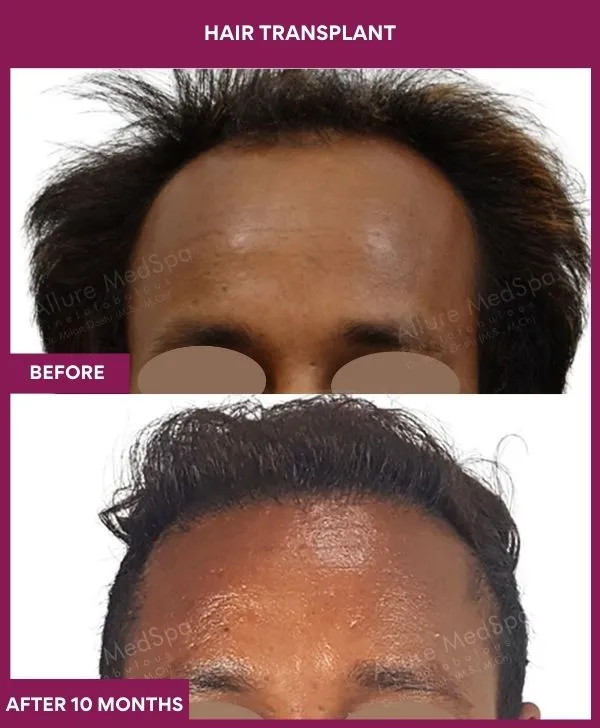
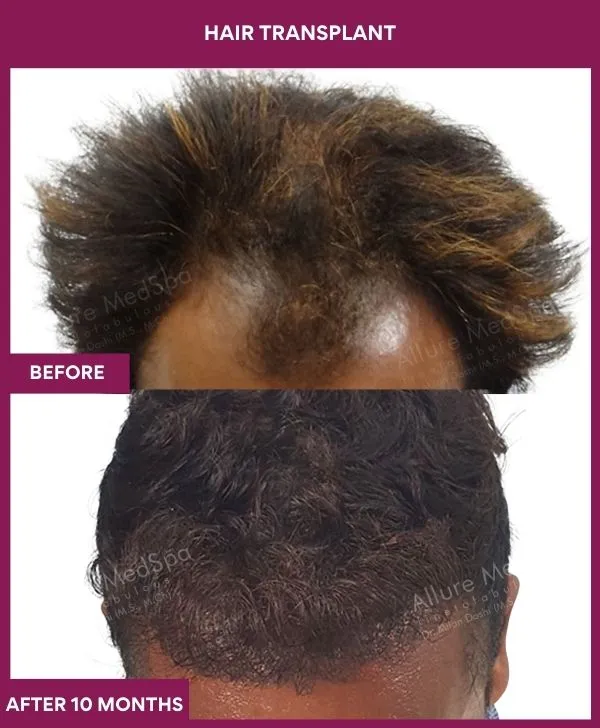
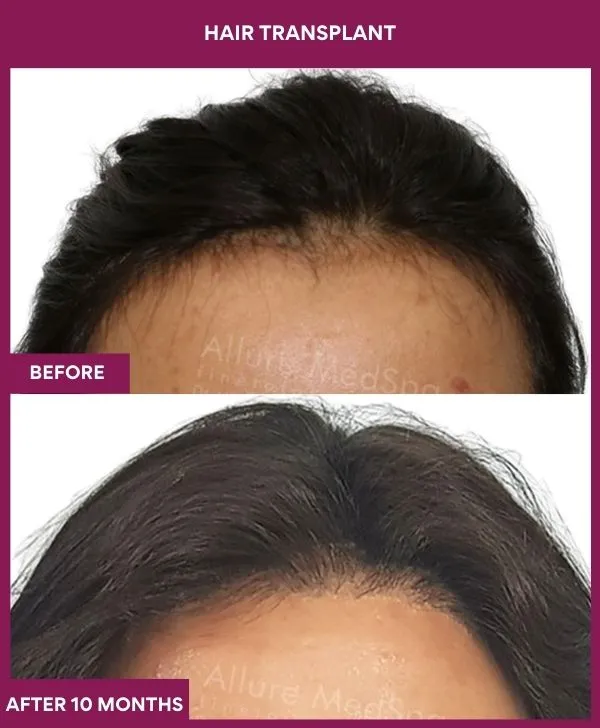
Inspired by These Transformations? Start Yours Today!
Hair Transplant Surgery Testimonials: Fine To Fabulous Journeys

Awarded by Google.com
Rating: 4.7
Reviews: 485+

Awarded by WhatClinic.com
Rating: 4.8
Reviews: 119+

Awarded by Realself
Rating: 4.9
Reviews:453+

Awarded by Facebook
Rating: 4.6
Reviews:105+
Dr Milan Doshi and his staff are very professional and committed as the centre is highly equipped with advanced technology. I had closed rhinoplasty 4 months back and I’m seeing the results as to how it becomes successful.
Deepika Shetty
The doctor explained everything clearly and the surgery was smooth. Recovery was faster than I expected and the team was very supportive.
Rahul Mehta
Very natural results and excellent staff. From consultation to follow-up, the experience was outstanding and boosted my confidence.
Sneha Kapoor
Inspired by These Results? You Could Be Next.
Am I a Candidate?
(4 quick questions)
Quick Facts About Facelift Surgery
TIME REQUIRED
4–8 hours
ANESTHESIA
Local
HOSPITAL STAY
Day procedure
PAIN LEVEL
Mild–moderate
BACK TO WORK
10–14 days
RESULTS LAST
1-2 years
SUCCESS RATE
97–98%
COMPLICATIONS
Under 2–3%
What Is The Cost Of A Hair Transplant In Mumbai?
At Allure Medspa a hair transplant costs about ₹40,000–₹90,000 for 1,000–2,000 grafts and ₹50,000–₹1,50,000 overall, by grafts and technique.
| Technique (live table) | 1,000 grafts | 2,000 grafts |
|---|---|---|
| FUT (strip) | ₹40,000 | ₹70,000 |
| FUE | ₹45,000 | ₹80,000 |
| Mini-robotic | ₹50,000 | ₹90,000 |
What changes the final cost?
Graft requirement, technique, one session or staged treatment, and complexity such as revision work — so the quote follows a donor assessment.
- Graft requirement — set by recipient area and measured donor capacity
- Technique — FUE, FUT or implanter-pen placement
- One procedure versus staged treatment
- Complexity — including selected revision work → Revision Hair Transplant
- We quote after assessment, not before. A price given without an examination is a package, not a plan.
| Included (live) | Not included (live) |
|---|---|
| Surgeon’s fee, consumables, technology, facility, immediate follow-ups | Pre-op tests, take-home medicines, GST; cosmetic hair transplant is not insured |
- Full cost guide (per-graft, worked examples, Mumbai vs other cities) → Hair Transplant Cost Guide
- EMI → Cosmetic Surgery Payment Process
Sources: Goldin J, Zito PM, Raggio BS. Hair Transplantation. StatPearls · Chouhan K, et al. J Cutan Aesthet Surg. 2019;12(1):31–35
Get your exact quote & surgery plan
Share your details — our team responds within working hours with cost, EMI options and next steps.
Most Common Question People Ask
Q1. Is a hair transplant permanent?
Ans. The transplanted follicles are long-lasting because they come from androgen-resistant donor areas and keep donor characteristics. The untransplanted hair around them can keep thinning, so long-term planning often includes medical management of native hair — though not every patient needs the same medication plan.
Q2. Am I a candidate for a hair transplant?
Ans. You need a stable pattern of loss, a healthy scalp, adequate good-quality donor hair and realistic expectations — donor stability matters more than how bald you are. A photograph cannot measure donor density or reliably exclude miniaturisation.
Q3. Does a hair transplant hurt?
Ans. The anaesthetic injections sting for a few minutes; after that most patients report only mild discomfort. Donor soreness is generally mild and largely settles within about three days.
Q4. How long until I see my result?
Ans. Transplanted hair commonly sheds within two months, regrowth typically starts around three to four months, and the result is assessed at about twelve months.
Q5. How many grafts will I need?
Ans. There is no fixed number for each Norwood stage — donor density, hair calibre, recipient area and remaining native hair all change it. Ask any clinic to state the figure in grafts, not hairs.
Q6. What does a hair transplant cost?
Ans. At Allure Medspa about ₹40,000–₹90,000 for 1,000–2,000 grafts and ₹50,000–₹1,50,000 overall 🩺, depending on grafts, technique and complexity. The written quote follows donor assessment.
Q7. How soon can I go back to work?
Ans. Typically two to three days for desk work, depending on visibility, swelling and your job. Physical or dusty work may need longer.
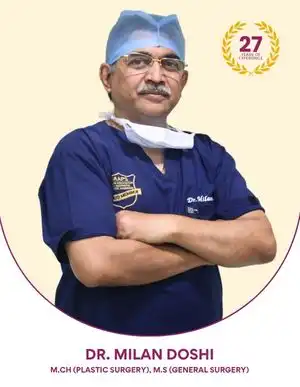
Why Choose Dr. Milan Doshi?
Dr. Milan Doshi, MCh, MS — Indian board-certified plastic surgeon with 27+ years in aesthetic surgery. ISAPS mentor, trusted by patients from 70+ countries. Consults at Andheri West; surgeries at the NABH-accredited surgical centre, Goregaon West.
Dr Doshi Note: “Patients often ask how much skin I will remove, expecting more to mean a better result. It is the opposite. The tight, operated look almost always comes from over-resection of skin combined with insufficient deeper support. My planning starts with the SMAS and treats the skin as the last, most conservative step.”
The Complete Guide About Hair Transplant Surgery
What Is A Hair Transplant?
A hair transplant moves your own permanent hair from the back and sides of the scalp to thinned or bald areas, where it keeps growing.
- Donor dominance: transplanted follicles keep the characteristics of where they came from.
- The donor region — back and sides — is relatively androgen-resistant.
- Recipient areas: hairline · temples · mid-scalp · crown · selected scars · beard and eyebrows → Beard Transplant
What is actually transplanted?
Follicular units — natural groups of one to four hairs. These are the “grafts”, so 3,000 hairs is not the same as 3,000 grafts.
- How many grafts you need → Graft Density per Session
What does a hair transplant not do?
It does not create new follicles or stop the native hair around it from thinning — it redistributes a finite donor supply.
- So a good plan asks: where should donor hair go today — and what native hair may still be lost over the next 5, 10 or 15 years?
- This matters most in younger patients and progressing loss.
Is it cosmetic, reconstructive or corrective?
Mostly cosmetic for pattern loss, but also reconstructive after scars or burns, and corrective when improving an earlier transplant.
| Type | Main purpose | Common example |
|---|---|---|
| Cosmetic | Restore density, framing or coverage in pattern loss | Male pattern loss, selected female pattern loss, frontal hairline |
| Reconstructive | Restore hair lost to injury, scarring or another procedure | Burn or trauma scar, selected eyebrow reconstruction |
| Corrective / revision | Improve a previous transplant | Unnatural or “pluggy” hairline, visible graft pattern, depleted donor → Revision Hair Transplant |
Which other words might you hear?
Hair implant, hair grafting, hair restoration surgery, hair plantation, FUE, FUT and “baal lagana” all refer to moving your own follicles.
| Patient words | Medical / technical words | Indian / colloquial |
|---|---|---|
| Hair transplant, hair implant, hair grafting, hair restoration surgery, hair replacement, hair plantation (live + master plan) | Follicular unit transplantation / excision, FUE, FUT, follicular unit, graft, donor dominance, recipient site | Baal lagana, hair transplant karana, ganjapan ka ilaaj |
- The label matters less than what is harvested, how many actual grafts are moved, who performs it, and whether your donor supply suits it.
Sources: Goldin J, Zito PM, Raggio BS. Hair Transplantation. StatPearls · Jimenez F, Ruifernández JM. Distribution of human hair in follicular units. Dermatol Surg. 1999 · Mysore V, et al. Hair Transplant Practice Guidelines. J Cutan Aesthet Surg. 2021;14(3):265–284 · Chouhan K, et al. J Cutan Aesthet Surg. 2019;12(1):31–35
Am I A Good Candidate For A Hair Transplant?
A good candidate has stable loss, a healthy scalp, enough good donor hair and realistic expectations — the donor matters more than how bald you are.
| Factor | What we look for | Why it matters |
|---|---|---|
| Donor supply | Stable, adequate density, little miniaturisation — ~65–85 FU/cm² typical; >80 excellent; <40 much less suitable | Unstable donor follicles may keep thinning after transplant |
| Pattern stability | A reasonably settled pattern | Surgery around moving loss can age poorly |
| Age | No simple cut-off; caution when very young | The final pattern may not be established |
| Extent of loss | Enough loss that surgery adds value | Insufficient loss may be better managed medically |
| Scalp health | No active inflammatory or scarring disease | Operating into active disease may worsen it |
| General health | Fit for a long procedure under local anaesthetic | Diabetes, vascular disease, bleeding disorders, smoking alter risk |
| Expectations | Accepts donor hair is finite and redistributed | Unrealistic expectations are a recognised contraindication |
| Psychological suitability | No untreated condition making surgery inappropriate | Body dysmorphic disorder and trichotillomania |
Who should not get a hair transplant yet?
Those with diffuse thinning into the donor, active scarring alopecia, unstable or minimal loss, very young age, unrealistic hopes or untreated BDD.
- 1 · DUPA (diffuse unpatterned alopecia) — thinning through the donor too; important in women.
- 2 · Active scarring alopecia — needs evaluation, biopsy, control and prolonged stability first.
- 3 · Unstable loss — today’s pattern restored while tomorrow’s keeps receding.
- 4 · Insufficient loss — not enough to justify spending finite donor.
- 5 · Very young patients — not excluded, but donor used early can’t be reused.
- 6 · Unrealistic expectations — teenage density across extensive baldness isn’t possible.
- 7 · Psychological conditions — BDD and trichotillomania need specialist care.
- 8 · Medical unfitness — may need optimisation first.
What are the three common “not yet” situations?
An untreated medical cause, loss that has not been stabilised, and rapid change in the early twenties — each points to medical treatment first.
- Untreated cause — thyroid, iron deficiency, hormonal disease, PCOS or inflammatory scalp disease.
- No stabilisation yet — with rapid miniaturisation, medical treatment may matter more.
- Rapid change in the early twenties — a reason for conservative planning, not a ban.
- A consultation ending in “medical treatment first, then review” is not a failed consultation → Hair Loss Treatment
What are the limits of a hair transplant?
Donor supply caps how much can be moved, density has a ceiling over large areas, and untreated native hair keeps thinning.
- Limited donor — the number of DHT-resistant follicles you have caps the plan (live)
- Density ceiling — large bald areas can’t reach full native density (live)
- Native hair keeps thinning — future sessions or medication may be needed (live)
- Individual variation — healing and hair characteristics differ (live)
Sources: True RH. Is every patient of hair loss a candidate for hair transplant? Indian J Plast Surg. 2021;54(4):435–440 · Goldin J, Zito PM, Raggio BS. Hair Transplantation. StatPearls · Romera de Blas C, et al. Complications in follicular unit excision hair transplantation. Front Med. 2026;13:1750989 · Konior RJ, Simmons C. Facial Plast Surg Clin North Am. 2013;21(3):343–350 · Chouhan K, et al. J Cutan Aesthet Surg. 2019;12(1):31–35
What Are The Benefits — And Which Conditions Can Be Treated?
A transplant restores your own growing hair with a designed hairline; it works best for pattern loss and also suits beards, eyebrows and stable scars.
| Condition (live) | Suitability |
|---|---|
| Male and female pattern hair loss | Main indication |
| Receding hairline and thinning | Hairline restoration and density → Receding Hairline · crown → Crown Baldness |
| Eyebrow, beard and moustache | Matched donor hair → Beard Transplant (eyebrow page planned — 404) |
| Stable scarring alopecia | Only when burnt-out; graft survival is lower |
| Old “pluggy” transplants | Refinement → Revision Hair Transplant |
- Benefits (live): your own hair · natural, low-maintenance · often one session · confidence and quality of life
Which Technique Is Right — FUE, FUT Or DHI?
FUE removes follicles one by one; FUT removes a strip and dissects it. DHI is usually FUE with an implanter pen — not a third way of harvesting.
| FUE | FUT / Strip | DHI | |
|---|---|---|---|
| What it means | Units harvested individually | Strip removed and dissected into grafts | Usually FUE harvest + implanter-pen placement |
| Donor scar | Many tiny extraction scars; may show as white dots | Linear scar | Same as FUE |
| Strength (live) | No linear scar, quick healing | Efficient for large graft numbers | Short out-of-body time |
- FUE is not scar-free — it leaves many small extraction scars.
- FUT remains valid in appropriately selected patients.
- No technique is best for everyone — donor, hairstyle, scar preference, grafts needed, prior surgery, laxity and future donor all decide.
- Live: FUE and FUT graft survival are near-identical in skilled hands; technique branding matters less than surgeon skill and hairline design.
- Full comparison → FUE vs FUT
Sources: Goldin J, Zito PM, Raggio BS. Hair Transplantation. StatPearls · Mysore V, et al. Hair Transplant Practice Guidelines. J Cutan Aesthet Surg. 2021;14(3):265–284 · Patwardhan N, Mysore V. IJDVL 2008;74(Suppl):S46–S53 · Romera de Blas C, et al. Complications in follicular unit excision hair transplantation. Front Med. 2026;13:1750989
How Is A Hair Transplant Performed?
A day procedure under local anaesthetic: the hairline is designed, scalp numbed, follicles harvested, sites made and grafts placed one by one.
| # | Step | What happens |
|---|---|---|
| 1 | Marking & hairline design | Planned sitting upright — proportions, present loss and likely future progression |
| 2 | Photographs & consent | Standardised photographs and written consent |
| 3 | Local anaesthesia | Donor and recipient numbed; epinephrine used carefully to control bleeding |
| 4 | Graft extraction | Generally ~10–20% of baseline donor density per session |
| 5 | Graft preparation / holding | Grafts sorted and preserved — transection below 10%, ideally ~1–3% |
| 6 | Recipient-site creation | Planned angles, directions and densities — caution above ~45–50 FU/cm² |
| 7 | Implantation | Grafts placed to plan; direction and composition shape the look |
| 8 | Break | Planned break during a long procedure |
| 9 | Final check & dressing | Both areas checked, donor dressed, written instructions |
| 10 | Discharge / review plan | Home the same day with a follow-up plan |
Why is the design step the one that ages?
Extraction happens once, but the hairline has to suit you for years — so it is designed around your age, likely future pattern and donor reserve.
- Too low, too early: a hairline placed only around today’s recession may look disconnected from loss behind it.
- Hairline design → Hairline Design
Sources: Goldin J, Zito PM, Raggio BS. Hair Transplantation. StatPearls · Mysore V, et al. Hair Transplant Practice Guidelines. J Cutan Aesthet Surg. 2021;14(3):265–284 · Romera de Blas C, et al. Complications in follicular unit excision hair transplantation. Front Med. 2026;13:1750989 · Chouhan K, et al. J Cutan Aesthet Surg. 2019;12(1):31–35
What Happens On Surgery Day?
You arrive, the design is reconfirmed, the scalp is numbed, harvesting and implantation run through the day with breaks, and you go home that evening.
| Stage | What happens | What to expect |
|---|---|---|
| Arrival | Check-in, photographs, consent, final design discussion | The time to raise a design concern |
| Preparation | Hair trimming; scalp cleansing | Explained beforehand |
| Anaesthesia | Local anaesthetic to donor and recipient | Initial injections can sting |
| Extraction | Follicular units harvested | Ask about phone or media use |
| Break | Meal, bathroom, position change | Arranged by the team |
| Site creation and implantation | Recipient sites made; grafts inserted | Implantation may be the longest phase |
| Finish and discharge | Inspection, dressing, medicines, instructions | Ask about travel home and an escort |
What should you ask beforehand?
Ask about eating and drinking, what to wear (a front-opening shirt), getting home, and which medicines and supplements to pause.
- Eating and drinking — follow the team’s instructions, not generic advice.
- Medicines — anticoagulants, antiplatelets, NSAIDs, vitamin E, ginkgo, ginseng and alcohol need review; never stop a prescription yourself.
- Smoking — raises wound-healing problems, necrosis and poorer growth; stop about one month before.
Sources: Romera de Blas C, et al. Complications in follicular unit excision hair transplantation. Front Med. 2026;13:1750989 · Vañó-Galván S, et al. 2023 · Mysore V, et al. Hair Transplant Practice Guidelines. J Cutan Aesthet Surg. 2021;14(3):265–284
Does A Hair Transplant Hurt?
The anaesthetic injections sting for a few minutes; after that most feel only mild discomfort, and donor soreness usually settles in about three days.
| Sensation | What the literature reports |
|---|---|
| Donor-site pain | ~6% in FUE series; mild, largely resolved by ~day 3; standard non-opioid relief |
| Numbness / tingling | Usually resolves within ~4–8 months; long-term in ~2% |
| Itching | Commonly days 3–7; not by itself a sign of infection |
- Contact the clinic for severe itching with pus, increasing pain, spreading redness or fever.
- Anxious? Sedation is discussed at your assessment 🩺 confirm offered.
Sources: Romera de Blas C, et al. Complications in follicular unit excision hair transplantation. Front Med. 2026;13:1750989 · Kerure AS, Patwardhan N. Complications in hair transplantation. J Cutan Aesthet Surg. 2018;11(4):182–189
How Long Is Recovery?
Initial healing takes about ten days: swelling peaks on days 2–3, grafts anchor by day 9, crusts clear by day 10, and desk work resumes in 2–3 days.
| Time | Typical change |
|---|---|
| Day 0–2 | Grafts newly placed; mild oozing and soreness |
| Day 2–3 | Swelling peaks — ~40–50% in published series |
| Day 3–7 | Itching may begin; swelling settles by ~day 5–7 |
| Day 6–9 | Grafts securely anchored by ~day 9 |
| Day 7–10 | Crusts clear with appropriate washing |
When can I work, exercise and drive?
Desk work in 2–3 days, driving in 3–4, light cardio after 7–10 days and heavy training after 2–3 weeks — per the live page, confirmed by your surgeon.
- Live: dressings off within 24–48 hours; light activity same day
- No swimming, direct sun or tight headgear for 10–14 days
- Live FAQ says return to work in 2–5 days — align with 2–3 days 🩺
- Untouched isn’t better — delayed washing beyond ~3 days is linked with more folliculitis and redness (writer)
- Day-by-day guide → Hair Transplant Recovery Timeline · mistakes to avoid → Hair Transplant Aftercare Mistakes
Sources: Romera de Blas C, et al. Complications in follicular unit excision hair transplantation. Front Med. 2026;13:1750989 · Bernstein RM, Rassman WR. Dermatol Surg. 2006 · Goldin J, Zito PM, Raggio BS. Hair Transplantation. StatPearls
What Aftercare And Lifestyle Habits Protect The Result?
Keep the scalp clean, wash gently from day 2–3, sleep head-up, avoid sun, smoking and heavy exercise early, and plan care for your native hair.
| Aftercare (live) | Why |
|---|---|
| First 24–48 hours: keep clean, sleep elevated, don’t touch grafts | Protects grafts before anchoring |
| Antibiotics, anti-inflammatories, pain relief as prescribed | Comfort and infection prevention |
| Gentle shampooing from day 2–3; low water pressure ~2 weeks | Clears crusts safely |
| No smoking; limit alcohol | Nicotine reduces blood flow and graft survival |
| Mild shampoo; avoid harsh chemicals and heat ~3 months; hat in sun 3–4 weeks | Protects new growth |
| Discuss maintenance — minoxidil, finasteride, PRP | Protects native hair → Minoxidil & Finasteride Aftercare · PRP Aftercare |
When Will I See Results?
Transplanted hair sheds by week 8, regrowth starts at months 3–4, density builds through months 6–9, and the result is assessed at about 12 months.
| Timepoint | What you may see | How to interpret it |
|---|---|---|
| Week 2–8 | Transplanted shafts shed; some native hair may shed too | Expected shedding |
| Month 2–3 | Very little visible growth | Often the least rewarding stretch |
| Month 3–4 | First fine new hairs | Early regrowth |
| Month 4–6 | Visible density building | Still developing |
| Month 6–9 | Coverage and calibre mature | Increasingly like the plan |
| Month 12 | Formal result assessment | Final growth judged here |
| Month 12–18 | Some cases continue to mature | Reviewed individually |
- Shock loss explained → Shock Loss After Hair Transplant
- Month-by-month detail → Hair Transplant Recovery Timeline
Sources: Romera de Blas C, et al. Complications in follicular unit excision hair transplantation. Front Med. 2026;13:1750989 · Kassimir JJ. J Am Acad Dermatol. 1987 · Goldin J, Zito PM, Raggio BS. Hair Transplantation. StatPearls
How Many Grafts Will I Need?
No fixed number per Norwood stage: donor density, hair calibre and the area to cover decide it — two men at one stage can differ by 1,000+ grafts.
- What sets the number: recipient area, donor density, native hair remaining, hair calibre, planned coverage and future loss.
- A graft is not a hair — “4,000 hairs” and “4,000 grafts” are different quotations.
Can the crown and hairline be done in one session?
Sometimes — it depends on the total area and how many grafts the donor can safely give; with limited donor, the hairline usually comes first.
- Large crowns consume many grafts → Crown Baldness
Can I have a second hair transplant?
Often yes, if enough safe donor remains — for more density, another area, or progression of native loss. The donor is measured first.
- Session limits and density → Graft Density per Session
Sources: Jimenez F, Ruifernández JM. Dermatol Surg. 1999 · Goldin J, Zito PM, Raggio BS. Hair Transplantation. StatPearls · Chouhan K, et al. J Cutan Aesthet Surg. 2019;12(1):31–35
Is A Hair Transplant Permanent?
The transplanted hair is long-lasting because donor follicles keep their resistance after moving; the untransplanted hair around them can still thin.
- Why it lasts: occipital donor follicles resist androgen-driven miniaturisation and keep those traits when transplanted.
- Why hair around it can thin: pattern loss is progressive — surgery moves follicles, it doesn’t switch off the process.
- Evidence: in five-year finasteride trials, untreated placebo groups kept losing hair; finasteride 1 mg was associated with ~93% lower likelihood of further visible loss in the cited analysis.
- Not automatic: not every patient needs a specific medicine — but future native loss needs a plan → Minoxidil & Finasteride Aftercare
Sources: Goldin J, Zito PM, Raggio BS. Hair Transplantation. StatPearls · Kaufman KD, et al. Eur J Dermatol. 2008;18(4):400–406 · Kaufman KD, Olsen EA, et al. J Am Acad Dermatol. 1998;39:578–589
What Are The Risks And Side Effects?
Serious complications are uncommon — low single digits in large series; most effects such as swelling, crusts, itching and shedding are temporary.
Which effects are common and temporary?
Forehead swelling in ~40–50%, crusting for 7–10 days, itching, folliculitis in ~12%, donor soreness, shedding at weeks 2–8, and small white FUE marks.
| Common / temporary | Reported position |
|---|---|
| Forehead / eyelid swelling | ~40–50%; peaks day 2–3, clears by day 5–7 |
| Crusting | Clears over ~7–10 days |
| Itching | Commonly starts days 3–7 |
| Folliculitis | ~12% |
| Donor-site pain | ~6% in FUE series |
| Shedding (incl. shock loss) | Weeks 2–8 — follicles survive and regrow; not graft failure (live) |
| Pinpoint white donor marks after FUE | Recognised consequence of extraction |
Which are less common or serious?
Infection under 1%, rare graft-site necrosis, persistent redness, long-term numbness in ~2%, unexplained poor growth in ~0.5–1%, donor overuse.
| Less common / serious | Reported position |
|---|---|
| Infection | Under 1% |
| Recipient-site necrosis | Rare; higher with smoking, diabetes, dense packing, very large sessions |
| Persistent redness | Mild 16.3% · moderate 5.1% · severe 0.9% |
| Long-term numbness | ~2% |
| Arteriovenous fistula / pseudoaneurysm | Well below 0.1% |
| Poor growth without cause (“factor X”) | ~0.5–1% |
| Unnatural look / donor thinning (live) | Avoided by hairline planning and not over-harvesting |
When do hair transplants fail — and why?
Usually from the wrong candidate, poor technique, weak aftercare or no long-term plan for native hair; a small share fail with no clear cause.
- Wrong candidate — DUPA, active scarring alopecia, unstable loss, unrealistic expectations.
- Technique — transection should stay below 10%; excessive extraction depletes the donor. A big graft number isn’t proof of a better operation.
- Aftercare — delayed washing beyond ~3 days linked with more redness and folliculitis.
- No long-term plan — continued native thinning can isolate the transplant.
- Growth is judged late — design and direction problems can be judged earlier than density.
Sources: Romera de Blas C, et al. Complications in follicular unit excision hair transplantation. Front Med. 2026;13:1750989 · Kerure AS, Patwardhan N. Complications in Hair Transplantation. J Cutan Aesthet Surg. 2018 · True RH. Is every patient of hair loss a candidate for hair transplant? Indian J Plast Surg. 2021;54(4):435–440 · Mysore V, et al. Hair Transplant Practice Guidelines. J Cutan Aesthet Surg. 2021;14(3):265–284 · Goldin J, Zito PM, Raggio BS. Hair Transplantation. StatPearls
Is A Hair Transplant Different For Women?
Yes — female hair loss is often diffuse and can involve the donor itself, so many women are not surgical candidates; donor stability decides.
- Diffuse unpatterned loss involving the donor is a contraindication.
- Female sex is a major risk factor for recipient-site shedding.
- Where the donor is stable, surgery may help parting density, hairline lowering or temple restoration.
- Medical pathway first → Hair Loss Treatment (female hair loss spoke planned)
Not Ready For Surgery — What Are Your Non-Surgical Options?
Correct any reversible cause, then medicines such as minoxidil and, for suitable men, finasteride, with PRP or GFC as add-ons — surgery comes last.
| Rung | What it means | Where to read more |
|---|---|---|
| 0 | Correct a reversible contributor — iron, thyroid, PCOS, traction, crash dieting | Hair Loss Treatment |
| 1 | Topical minoxidil where appropriate | Hair Loss Treatment (minoxidil guide planned) |
| 2 | DHT-blocking treatment in suitable men | Hair Loss Treatment (finasteride guide planned) |
| 3 | PRP, GFC and selected procedures | PRP Treatment · Mesotherapy Treatment · GFC planned |
| 4 | Hair transplantation in the right patient | This page |
Sources: NHS — Hair loss · Androgenetic Alopecia: Therapy Update. Drugs. 2023;83(8):701–715 · Goldin J, Zito PM, Raggio BS. Hair Transplantation. StatPearls
Who Performs Your Surgery — And Why Does It Matter?
India’s NMC guidance says you should meet the operating doctor, know their qualifications and who else takes part; assistants work under supervision.
- M.Ch is a super-specialty surgical qualification; NMC guidance names M.Ch / DNB Plastic Surgery and MD / DNB Dermatology with surgical training as relevant.
- Ask which steps Dr. Doshi performs personally — you are entitled to that answer before you book.
- Experience shows in planning: how much donor to use now and how much to keep.
- Density varies (~65–85 FU/cm²), and ~12% of men in an Indian series had miniaturisation inside what looked like donor hair.
Sources: National Medical Commission, EMRB. Guideline on Aesthetic Surgery and Hair Transplant Procedures, 20 Sep 2022 · Patwardhan N, Mysore V. Hair transplantation: Standard guidelines of care. IJDVL 2008 · Chouhan K, et al. J Cutan Aesthet Surg. 2019;12(1):31–35 · Goldin J, Zito PM, Raggio BS. Hair Transplantation. StatPearls
What Should You Expect At Your Consultation?
Your hair loss is assessed, the donor examined and measured, suitability decided, and then a graft estimate and written quote follow — in that order.
- Graft number follows scalp assessment, donor measurement and candidacy review — not a photograph alone.
- Remote consultation helps preliminary planning; measurement needs a physical visit → Online Consultations
- Fee ₹1,500 · outstation and NRI patients → Outstation Patients
- Live consult bullets kept: right treatment mix · donor & scalp assessment · risks and recovery · personalised quote
Medical Codes for Hair Transplants
ICD-10 L64.x codes describe pattern hair loss; US CPT 15775–15776 cover hair-transplant grafts and are listed only for overseas documentation.
| Code | System | Description |
|---|---|---|
| L64.9 | ICD-10 | Androgenic alopecia, unspecified |
| L64.0 | ICD-10 | Drug-induced androgenic alopecia |
| L64.8 | ICD-10 | Other androgenic alopecia |
| 15775 | CPT | Punch graft for hair transplant — 1 to 15 grafts |
| 15776 | CPT | Punch graft for hair transplant — more than 15 grafts |
- Cosmetic hair restoration is generally not insured in India; no code guarantees reimbursement.
(FAQs) Frequently Asked Question About Hair Transplants
Q1. What age can you get a hair transplant?
Ans. Usually 18+, but surgery in fast-changing loss is risky — many surgeons prefer a clearer pattern, often stabilising with medicine first.
Q2. Will the surgeon or a technician perform my surgery?
Ans. NMC guidance advises meeting the operating doctor; assistants work under the supervision of a registered practitioner. Ask exactly which steps the named surgeon performs before you book.
Q3. What is shock loss?
Ans. Temporary shedding of transplanted or nearby native hair as follicles rest after surgery — it usually does not mean the follicles are lost. Learn more about shock loss.
Q4. Is FUE better than FUT?
Ans. Neither is automatically better — donor characteristics, graft needs, scar preference and long-term planning decide. Compare FUE vs FUT.
Q5. When should I see a doctor about hair loss?
Ans. For gradual thinning on top, patchy bald spots, a receding pattern, scaling, or heavy shedding after illness, stress or weight loss. Learn more about hair loss treatment.
Q6. Is some bleeding normal?
Ans. Minor bleeding can occur; contact the clinic if it is excessive.
Q7. What are the possible side effects?
Ans. Mostly minor and temporary — swelling, bruising, itching, crusting, numbness and shock loss. Infection or poor growth are uncommon.
Q8. How safe is a hair transplant?
Ans. Generally safe in experienced hands; serious complications are uncommon. It is skill-demanding, so surgeon choice matters.
Q9. How do I care for transplanted hair?
Ans. Avoid direct sun, harsh chemicals and heat styling early; don’t pull or tie tightly; keep it clean; be gentle with wet hair.
Q10. What limits a hair transplant?
Ans. Mainly donor supply. Beard or body hair can extend options, but density has a ceiling.
Q11. What should I avoid afterwards?
Ans. Smoking, blood thinners (unless prescribed), vigorous exercise and scratching in the early recovery period.
Q12. When can I work out?
Ans. Light cardio from about 10 days; heavier training after 2–3 weeks.
Q13. How long is recovery?
Ans. Most people return to desk work in 2–3 days; crusts clear by about day 10.
Q14. What is the success rate?
Ans. Most grafts survive in experienced hands, but 100% is not biologically realistic, and success also depends on density and design. Ask for the clinic’s own audit 🩺.
Q15. Can I go bald again after a transplant?
Ans. The transplanted hair stays, but untreated native hair can thin — which is why aftercare and sometimes medicine are advised.
Q16. Does insurance cover it?
Ans. No — cosmetic hair transplant is not covered by health insurance in India.
Q17. Can I have a beard or eyebrow transplant?
Ans. Yes, with matched donor hair. Learn more about beard transplant; eyebrow page planned.
Q18. Can a bad transplant be corrected?
Ans. Often — unnatural hairlines and visible grafts can be refined, depending on remaining donor. Learn more about revision hair transplant.
Q19. Do I need PRP after a transplant?
Ans. Not routinely; it may support growth in selected cases. Learn more about PRP aftercare.
Q20. Can I travel to Mumbai for it?
Ans. Yes. Plan 2–3 days in Mumbai, with remote follow-up. View information for outstation patients.
Related Links
- Rhinoplasty Surgery (hub)
- Bulbous & Boxy Tip Correction
- Drooping Tip Correction
- Revision Rhinoplasty (pinched tip after surgery)
- Crooked Nose Correction
- Septorhinoplasty
- Functional Rhinoplasty
- Augmentation Rhinoplasty
- Wide Nostril Correction
- Open vs Closed Rhinoplasty
- Non-Surgical Rhinoplasty
- Chin Augmentation (tip–chin balance)
- Rhinoplasty Cost
- Rhinoplasty Recovery Timeline
- How to Prepare for Rhinoplasty
- Rhinoplasty Risks & Safety
- Rhinoplasty Before & After Gallery