
Dermaroller (Microneedling) Treatment in Mumbai: Smoother, Firmer, Youthful Skin

Indian Board Certified Plastic Surgeon
M.CH, MS, ISAPS Mentor
16000+ Cosmetic Surgeries
500+ Dermaroller Treatment
Dermaroller treatment (also called microneedling or collagen induction therapy) uses a device with fine medical needles to create controlled micro-injuries that stimulate collagen and elastin, improving skin texture, softening acne scars, and refreshing dull, uneven skin. At Allure Medspa it’s performed professionally, in a sterile setting, with the needle depth matched to your concern and skin — and it’s closely related to microneedling radiofrequency (MNRF), which adds energy for deeper collagen work.
Dermaroller Treatment Before and After
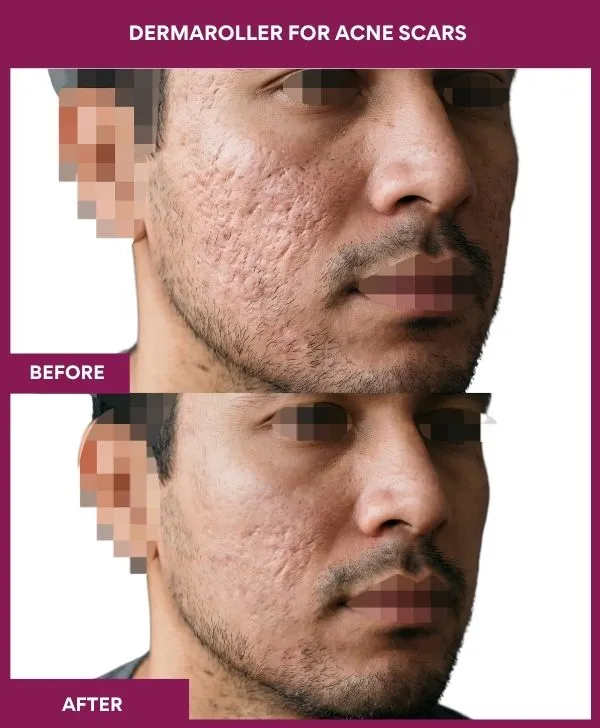
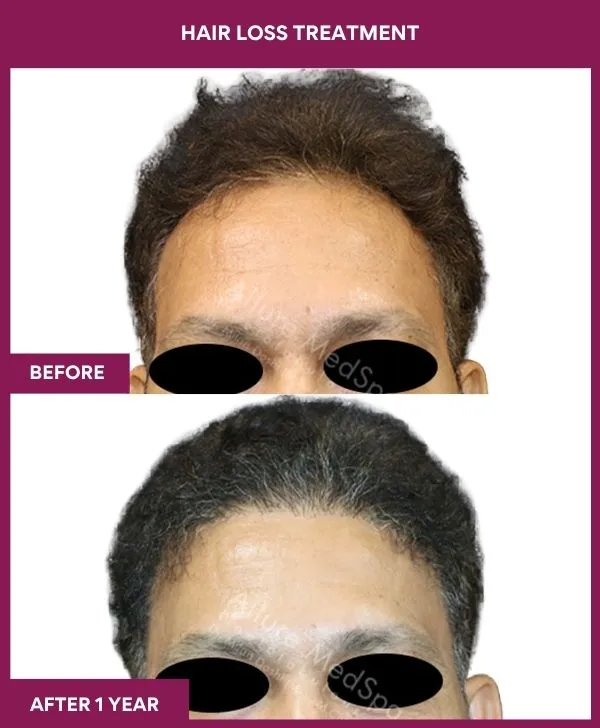
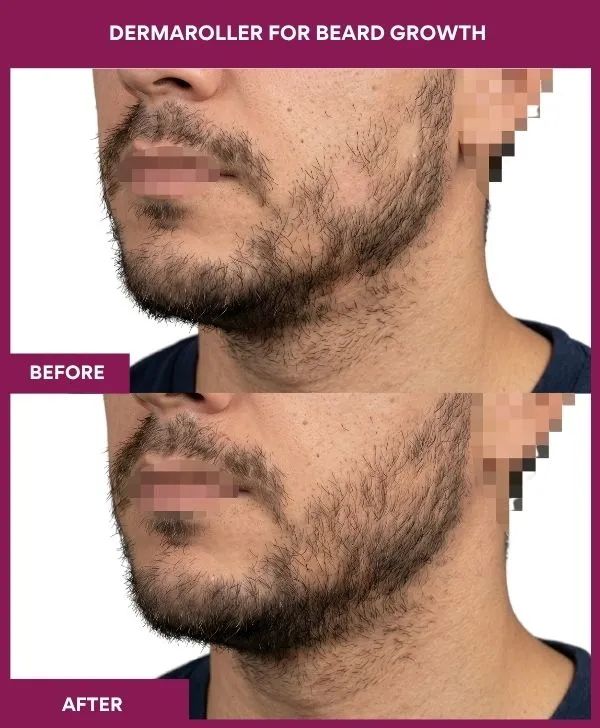
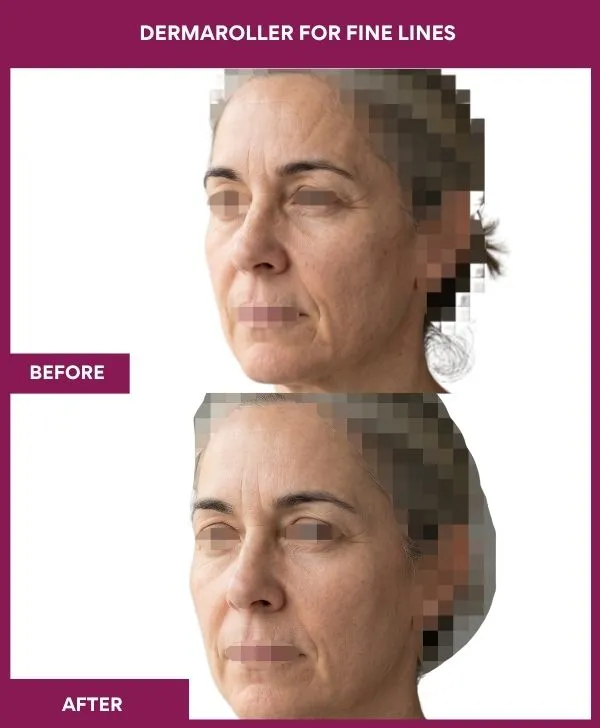
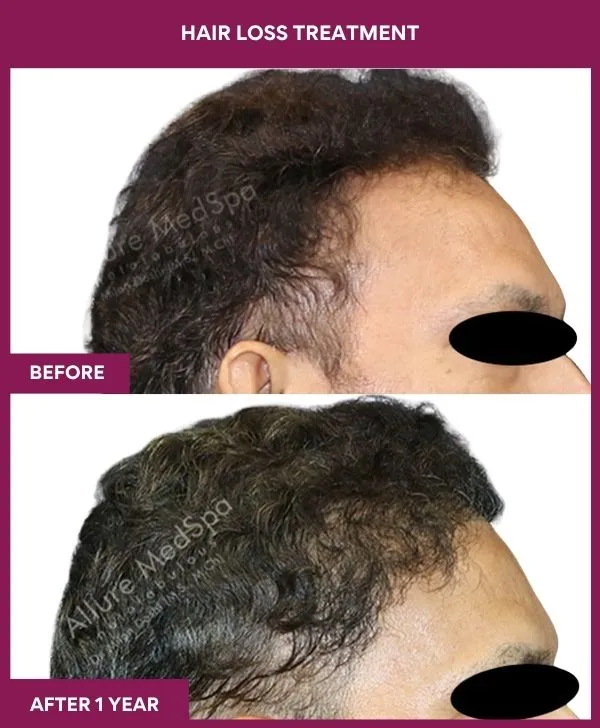
“Liked the results? Let's plan yours.”
Dermaroller Treatment Testimonials: Fine To Fabulous Journeys

Awarded by Google.com
Rating: 4.7
Reviews: 485+

Awarded by WhatClinic.com
Rating: 4.8
Reviews: 119+

Awarded by Realself
Rating: 4.9
Reviews:453+

Awarded by Facebook
Rating: 4.6
Reviews:105+
Dr Milan Doshi and his staff are very professional and committed as the centre is highly equipped with advanced technology. I had closed rhinoplasty 4 months back and I’m seeing the results as to how it becomes successful.
Deepika Shetty
The doctor explained everything clearly and the surgery was smooth. Recovery was faster than I expected and the team was very supportive.
Rahul Mehta
Very natural results and excellent staff. From consultation to follow-up, the experience was outstanding and boosted my confidence.
Sneha Kapoor
“Inspired by their journey? Start yours.”
Is Dermaroller Treatment Right For Me?
(4 quick questions)
Quick Facts About Dermaroller Treatment
TIME REQUIRED
40–60 minutes
ANESTHESIA
None
SESSIONS
Course of 3–6
RESULTS SHOW
Early glow within days
DOWNTIME
2–3 days
RESULTS LAST
Maintenance required
side effects
Under 1%
COST
₹3,000 – ₹5,000 per session
What Is The Cost Of Dermaroller Treatment In Mumbai?
At Allure Medspa, dermaroller treatment typically costs ₹3,000–₹5,000 per session, depending on the area, concern and needle depth; most people need 3–6 sessions for lasting results. Multi-session or combination packages may reduce the per-session cost. A consultation gives your exact plan, and EMI options are on our payment process page.
| Plan | Typical range (₹) | Notes | Full guide |
|---|---|---|---|
| Single session — face | 3,000 – 5,000 | By area and depth | — |
| Course of 4 sessions | 11,000 – 18,000 | Typical for pores / texture | — |
| Course of 6 sessions | 16,000 – 27,000 | Typical for acne scars | Acne & Scar Treatment |
| Microneedling + PRP | 8,000 – 12,000 per session | Growth factors through the channels | PRP Treatment |
| Microneedling + serum infusion (vitamin C / HA) | 4,000 – 6,000 | Glow and hydration | — |
| Body area (stretch marks) per area | 5,000 – 8,000 | 1.5–2.0 mm, in-clinic only | Stretch Mark Removal |
| Scalp microneedling (hair) | 3,000 – 5,000 | With minoxidil / PRP plan | Hair Loss Treatment |
| MNRF (radiofrequency microneedling) | 8,000 – 15,000 per session | Deeper collagen; tightening | Microneedling Radiofrequency (MNRF) |
Get your exact quote & surgery plan
Share your details — our team responds within working hours with cost, EMI options and next steps.
Most Common Question People Ask
Q1. Is dermaroller treatment effective?
Ans. Yes — professional microneedling is well-supported for atrophic acne scars, texture and rejuvenation, especially over a course of sessions under expert guidance.
Q2. How many sessions will I need?
Ans. Most people need 3–6 sessions, spaced about 3–4 weeks apart, depending on the concern and its severity.
Q3. Does dermaroller help acne scars?
Ans. Yes — it’s one of the better options for depressed (atrophic) acne scars; deep ice-pick scars often need it combined with subcision, TCA CROSS or laser.
Q4. Is dermaroller treatment painful?
Ans. Only mildly — a topical numbing cream is applied, so most people feel a light prickling rather than pain.
Q5. What’s the downtime?
Ans. Usually redness like mild sunburn for 2–3 days, sometimes light flaking. Most people resume normal activities quickly.
Q6. Can I do dermarolling at home?
Ans. Only very short cosmetic rollers (under ~0.15 mm) are low-risk at home, and they mainly help product absorption. The depths that treat scars should be done professionally to avoid infection, scarring or pigmentation.
Q7. What does dermaroller treatment cost in Mumbai?
Ans. Typically ₹3,000–₹5,000 per session at Allure Medspa (+5% GST), with a course of 3–6 sessions.

Why Choose Dr. Milan Doshi?
Dr. Milan Doshi, MCh, MS — ndian board-certified plastic and cosmetic surgeon, 27+ years, 16,000+ procedures, leading a team of skin specialists. The best doctor for dermaroller treatment matches the technique to your skin and manages scars safely — especially important for Indian skin, which is prone to pigment changes: skin expertise across scars, texture and skin types; the right technique with correct depth, sterile devices and safe protocols; combination skills pairing microneedling with PRP, laser or peels; and personalised plans. Allure Medspa combines professional microneedling for acne scars, pigmentation and stretch marks, experienced clinicians and international protocols under one roof, with hygienic protocols, clear pricing and aftercare. Outstation and overseas patients are supported end-to-end.
The Complete Guide About Dermaroller Treatment
What Is Dermaroller Treatment?
Dermaroller treatment is a minimally invasive skin-rejuvenation procedure that rolls fine microneedles over the skin to create controlled micro-injuries, triggering the body’s natural collagen-building repair. It’s also known as microneedling or percutaneous collagen induction therapy.
- What it does — stimulates collagen and elastin to smooth texture and soften scars
- Best evidence for — atrophic (depressed) acne scars, skin texture and rejuvenation
| Cosmetic microneedling | Medical microneedling |
|---|---|
| 0.25–0.5 mm; glow, pores, product absorption; salon / home cosmetic rollers under 0.15 mm | 0.5–2.0 mm; acne and surgical scars, stretch marks, scalp; sterile single-use heads; doctor-controlled depth |
| Minimal downtime | 2–3 days redness; the depth that remodels collagen |
Also called: microneedling, collagen induction therapy, skin needling, dermal roller therapy, percutaneous collagen induction.
Struggling With Scars Or Dull Skin?
If acne scars, pigmentation or dull skin aren’t budging with creams, professional dermaroller treatment offers a clinically supported way to rebuild collagen and restore a smooth, radiant glow.
- Are acne scars, pigmentation or dull skin making you feel less confident?
- Do you notice uneven texture, large pores or early ageing that no cream or serum seems to fix?
- Is your skin looking tired no matter how much care you take?
These concerns are common, and they affect more than your reflection — they can dent your confidence at work, socially and in intimate moments, and constantly hiding flaws under makeup takes a toll. The good news: dermaroller treatment (microneedling) gently stimulates your skin’s own healing to boost collagen, soften scars and revive youthful radiance — without surgery or long downtime. For deeper concerns it pairs well with MNRF, PRP or fractional CO₂ laser.
Global & Indian trends (ISAPS 2024): Microneedling-based procedures rose sharply worldwide in 2023 as demand for non-surgical rejuvenation grew · India ranks among the leading countries adopting collagen-induction therapies like dermarolling.
Sources: ISAPS Global Survey 2024
What Are The Benefits Of Dermaroller Treatment?
Dermaroller treatment boosts collagen to smooth scars, soften fine lines and improve tone and texture, while also helping skincare actives absorb better. Results build gradually and look natural.
- Softens scars — especially atrophic (depressed) acne scars
- Smooths lines & texture — fine lines, rough texture and enlarged-pore appearance
- Improves tone — helps some pigmentation and dullness via cell turnover
- Builds collagen — thicker, healthier-looking skin over time
- Better absorption — micro-channels enhance uptake of serums (e.g. vitamin C, hyaluronic acid)
- Safe on darker skin when done conservatively — unlike ablative lasers, there is no heat and no bulk tissue removal
Which Skin Concerns Can Dermaroller Treatment Address — And How Does It Work?
Dermaroller treatment can help improve acne scars, fine lines, rough texture, enlarged-looking pores, stretch marks, dull skin and selected hair-loss concerns. It works by creating controlled micro-channels in the skin, which trigger the body’s natural healing response and stimulate collagen and elastin production. Over a series of sessions, this gradual remodelling can improve skin texture, firmness and overall appearance.
| Concern | What microneedling does | Learn more / combined with |
|---|---|---|
| Acne scars | Smooths pitted / rolling scars over a series (deep ice-pick scars need combined approaches) | Acne & scars → Acne & Scar Treatment |
| Fine lines & wrinkles | Collagen softens early ageing | Anti-aging → Anti-Aging Treatment |
| Texture & pores | Refines rough texture and the look of large pores | Microdermabrasion → Microdermabrasion |
| Stretch marks | Improves appearance and elasticity over several sessions | Stretch Mark Removal |
| Hair loss (scalp microneedling) | Supports hair-growth therapy, best combined with minoxidil / PRP | Hair Loss Treatment |
| Dull, uneven skin | Promotes turnover for a refreshed glow | Skin whitening → Skin Whitening / Brightening |
| Redness / pink post-inflammatory marks | NOT helped — needs different treatment | Skin consultation → Online Consultations |
How it works on your skin
- Micro-channels — fine needles create controlled micro-injuries in the upper skin
- Healing response — the body repairs and remodels the area
- Collagen & elastin — new fibres improve firmness and texture
- Better delivery — channels briefly boost absorption of applied serums
- Gradual remodelling — texture and tone improve over the following weeks
What Are The Limitations Of Dermaroller Treatment?
Dermaroller treatment can improve texture and selected scars, but it cannot correct every skin concern on its own. Deep ice-pick scars, significant skin laxity, active inflammatory skin conditions and persistent redness often need other or combined treatments. Results are also gradual and usually require a course of sessions rather than a single treatment.
- It does not treat redness or pink post-inflammatory marks — those need vascular or pigment treatments.
- Deep ice-pick scars need subcision, TCA CROSS or laser alongside it; microneedling alone under-delivers.
- Skin laxity responds better to MNRF (energy) than to plain needling.
- Home rollers under 0.15 mm improve absorption only; they cannot remodel scars.
- Not suitable on active acne, eczema / psoriasis in the area, warts, cold sores or infections; keloid tendency needs caution; retinol stopped ~5 days before.
- Results need a course — one session is a glow, not a scar treatment.
Why Should You Consult A Doctor Before Dermaroller Treatment?
A doctor makes dermaroller treatment safe and effective — confirming it suits your skin, choosing the right depth, and preventing side effects like pigmentation or scarring: the right diagnosis of what is causing your scars or texture concern; suitability by skin type and history; a personalised plan for needle depth, session count and combinations (PRP, laser, peels); and lower risk of irritation, scarring and pigmentation.
How to prepare
- Stop retinoids and exfoliating acids about 5 days before; no waxing on the area for a week.
- Tell the team about isotretinoin, keloids, cold sores, blood-thinners, pregnancy.
- Come without make-up; bring products you use; daylight photographs help.
Online consultation
Which Needle Depth And Device Are Used — And Can You Do It At Home?
In professional dermaroller treatment, the needle length is matched to your concern and skin — deeper needles for scars, shorter for tone and pores. Crucially, longer medical needles should only be used by trained professionals.
| Concern | Typical needle length (professional use) |
|---|---|
| Enlarged pores / uneven tone | 0.25–0.5 mm |
| Post-inflammatory pigmentation | 0.25–0.5 mm |
| Fine lines / mild wrinkles | 0.5–1.0 mm |
| Shallow acne scars | 1.0 mm |
| Deep acne / surgical scars | 1.5 mm |
| Stretch marks | 1.5–2.0 mm (in-clinic only) |
Titanium or stainless steel — which device is better?
- Titanium — stronger alloy, durable and long-lasting; holds up to repeated use
- Stainless steel — sharper and easier to sterilise; cleaner punctures, dulls faster (often preferred medically)
- In clinic — single-use / sterilised professional devices are used for safety
Can you do dermaroller treatment at home safely?
Honestly, dermaroller treatment at home has real limits: only very short cosmetic rollers (under ~0.15 mm) are considered low-risk for home use, and these mainly help product absorption — they don’t do the collagen remodelling that treats scars. Anything deeper belongs in professional hands.
- Home rollers (<0.15 mm) — cosmetic only; boost serum absorption, minimal collagen effect
- Medical needling (>0.3 mm) — the depth that actually treats scars/texture — professional only
- Hygiene risk — poor sterilisation at home can cause infection, scarring or pigmentation
- Technique risk — wrong pressure/pattern can damage skin or worsen marks
- Not for — active acne, inflamed/sunburned skin, warts or infections (can spread)
What Are The Types Of Microneedling — Dermaroller, Dermapen, MNRF, With PRP?
Microneedling can be performed in several ways, depending on the skin concern and treatment depth required. A dermaroller uses a rolling cylinder of fine needles, while a Dermapen uses controlled vertical stamping for greater precision. MNRF combines microneedling with radiofrequency energy for deeper collagen stimulation and tightening, while microneedling may also be combined with PRP or selected serums to support skin rejuvenation. The most suitable option depends on the scar type, skin laxity, treatment area and individual skin condition.
| Type | How it differs | Best for | Full guide |
|---|---|---|---|
| Dermaroller | Cylinder of needles rolled across the skin; even, fast coverage of larger areas | Texture, pores, stretch marks, scalp | This page |
| Dermapen / automated pen | Vertical stamping at adjustable depth; precise around nose and eyes | Scars in small or curved areas | This page |
| Microneedling RF (MNRF) | Needles deliver radiofrequency heat into the dermis for deeper collagen and tightening | Deeper scars, laxity, oily acne-prone skin | Microneedling Radiofrequency (MNRF) |
| Microneedling + PRP | Your own platelet-rich plasma applied through the channels | Scars and rejuvenation with faster healing | PRP Treatment |
| Microneedling + serums | Vitamin C / hyaluronic acid infused through channels | Glow, hydration, mild pigmentation | This page |
How is dermaroller different from MNRF? MNRF adds radiofrequency energy through microneedles for deeper collagen stimulation and skin tightening; plain microneedling works mechanically. A consultation advises which suits you.
What Happens In A Dermaroller Session? (Step By Step)
A dermaroller session begins with skin assessment, cleansing and numbing, followed by controlled microneedling at a depth selected for the treatment area and concern. The roller or automated pen creates uniform micro-channels in the skin, and PRP or suitable serums may be added when planned. The session is completed with cooling, soothing products, sunscreen and aftercare instructions.
| Step | What happens | Why it matters |
|---|---|---|
| 1 | Consultation: concern, skin type, contraindications; photographs; depth and course decided | Safety and plan |
| 2 | Pre-care: retinoids / acids stopped ~5 days; no sun or waxing | Calmer skin |
| 3 | On the day: skin checked for active acne, cold sores, infection; consent | No needling over infection |
| 4 | Cleansing; numbing cream 30–40 minutes | Comfort |
| 5 | Numbing removed; antiseptic prep | Sterile field |
| 6 | Sterile single-use head fitted; depth set per area | Controlled, hygienic |
| 7 | Rolling in vertical, horizontal and diagonal passes with even pressure (or pen stamping); serum / PRP applied as it goes | Even micro-channels |
| 8 | Pinpoint bleeding blotted; cooling mask | Comfort; reduces redness |
| 9 | Soothing serum and mineral sunscreen | Barrier protection |
| 10 | Aftercare sheet; next session in 3–4 weeks | Course consistency |
Elements used
| Element | Purpose |
|---|---|
| Medical dermaroller / automated pen with sterile single-use head | Controlled micro-injury |
| Topical anaesthetic | Comfort |
| Hyaluronic acid / vitamin C serums; PRP where planned | Delivered through channels |
| Antiseptic, cooling mask, mineral SPF | Safety and recovery |
When Will I See Results From Dermaroller Treatment?
Most people notice early improvement after 2–3 sessions, with scar and texture gains building over the following weeks; a typical course runs 3–6 sessions. In studies, six sessions produced meaningful scar and texture improvement.
| Time | What you see |
|---|---|
| Days 1–3 | Redness like mild sunburn; tightness; light flaking |
| Week 1 | Early glow — brighter, smoother skin |
| After session 2–3 | Visible reduction in scars and texture issues begins |
| After session 4–6 | Best results of the course |
| 3 months after the last session | Collagen continues to build; final assessment |
| Maintenance | Periodic top-ups and sun protection preserve results |
How Should You Care For Your Skin After Dermaroller Treatment?
Good aftercare helps your results and keeps skin calm — focus on gentle hydration, healing actives and strict sun protection for the first days.
- Soothe & hydrate — a calming, hydrating serum/mask; hyaluronic acid to plump
- Brighten (once settled) — vitamin C to firm and even tone
- Calm — niacinamide to reduce redness and even tone
- Protect — daily broad-spectrum sunscreen; avoid direct sun
- Cold compress — wrapped in a clean cloth to soothe redness and swelling
| Avoid | For how long |
|---|---|
| Make-up, retinoids, AHAs / BHAs, exfoliants, alcohol-based products | 24–48 hours |
| Direct sun; no SPF | 1 week strictly; SPF daily throughout the course |
| Touching with unwashed hands; gym sweat; swimming, sauna | 48 hours |
| Waxing, threading, laser on the area | 1 week |
| Picking flaking skin | Until it sheds |
What Are The Risks And Side Effects Of Dermaroller Treatment?
Done professionally, dermaroller treatment is safe with mostly mild, short-lived effects — but improper technique or hygiene can cause real harm, which is why expert care matters.
Common and temporary
- Redness, mild swelling or irritation for a few hours to a couple of days; pinpoint bleeding during the session.
Uncommon
- Pigment changes — post-inflammatory hyperpigmentation, especially in darker skin
- Acne flare or milia if occlusive products are used too soon.
Rare
- Scarring — if done too aggressively or with unclean devices
- Infection — from poor sterilisation; cold-sore reactivation
| Risk | How it is minimised at Allure Medspa |
|---|---|
| Pigmentation on Indian skin | Conservative depth; no needling on inflamed skin; SPF; priming where needed |
| Infection | Sterile single-use heads; antiseptic prep; antiviral cover for cold-sore history |
| Scarring | Doctor-set depth and pressure; no needling on keloid-prone or isotretinoin-recent skin without review |
| Spreading warts / infection | Screening on the day |
Sources: Systematic review of microneedling adverse effects (JCAD)
How Often Should Dermaroller Sessions Be Spaced?
The ideal frequency of derma rolling depends on the needle length used. Always allow full skin recovery before the next session to boost collagen safely.
| Needle length | Recommended frequency |
|---|---|
| 0.25 mm | Every other day (cosmetic, absorption only) |
| 0.5 mm | 1 to 3 times per week (start slow) |
| 1.0 mm | Every 10 to 14 days |
| 1.5 mm | Once every 3 to 4 weeks |
| 2.0 mm | Every 6 weeks (not recommended for home use) |
Note: your skin needs time to heal and produce new collagen. Overuse can lead to irritation, sensitivity, and reduced effectiveness. In clinic, medical-depth sessions are spaced 3–4 weeks apart; frequencies for 0.25–0.5 mm refer to cosmetic-depth use under guidance.
Medical Codes For Dermaroller Treatment
Codes below are for administrative and documentation reference. All codes must be verified against the current CPT and ICD-10 code sets before publication and before any use in documentation.
| Code system | Code | Description |
|---|---|---|
| ICD-10 | L70.0 | Acne vulgaris (active acne treated with dermaroller adjunctively) |
| ICD-10 | L90.5 | Atrophic facial scars (commonly used for acne scarring) |
| ICD-10 | L81.4 | Other melanin hyperpigmentation (uneven tone, dark spots) |
| ICD-10 | R23.4 | Changes in skin texture (rough, dull, enlarged pores) |
| ICD-10 | Z41.1 | Encounter for cosmetic skin procedure (aesthetic microneedling) |
| CPT | 17999 | Unlisted procedure, skin (commonly used for dermaroller treatment) |
| CPT | 15788 | Chemical peel, facial; epidermal (if combined with light peel post-microneedling) |
| CPT | 96999 | Unlisted dermatologic service or procedure (alternative to 17999) |
Frequently Asked Questions About Dermaroller Treatment
Q1. Can dermarolling regrow hair?
Ans. Scalp microneedling can support hair-growth treatment, particularly when combined with minoxidil or PRP — it’s an adjunct, not a standalone cure.
Q2. What should I avoid after treatment?
Ans. For 24–48 hours avoid makeup, direct sun, exfoliants, retinoids and alcohol-based products, and use sunscreen once your skin settles.
Q3. Can I use ice after treatment?
Ans. Yes — a cold compress wrapped in a clean cloth can soothe redness and reduce swelling.
Q4. Will dermarolling lighten my skin?
Ans. It’s not a skin-lightening treatment, but by improving turnover and texture it can help overall tone and radiance.
Q5. Is it safe for darker (Indian) skin?
Ans. Yes, in expert hands — but darker skin has a higher risk of post-inflammatory pigmentation, so conservative depth and technique are important.
Q6. Who should not have dermaroller treatment?
Ans. Those with active acne, eczema or psoriasis in the area, warts, skin infections, or a keloid tendency should avoid or seek specialist advice first.
Q7. How is dermaroller different from MNRF?
Ans. MNRF adds radiofrequency energy through microneedles for deeper collagen stimulation and skin tightening; plain microneedling works mechanically. A consultation advises which suits you.
Q8. How long do results last?
Ans. Results from a course can last several months; maintenance sessions and sun protection help preserve them.
Q9. What happens if microneedling is done wrong?
Ans. Overly aggressive or unhygienic needling can cause infection, prolonged redness, scarring or pigmentation — which is why professional care matters.
Q10. Can microneedling be combined with a peel or laser?
Ans. Yes — sequenced by the doctor: peels for surface tone between microneedling sessions; MNRF or fractional laser for deeper scars; never on the same day over the same area.
Q11. Can I have microneedling if I’ve taken isotretinoin?
Ans. Usually after a waiting period (commonly around 6 months 🩺) because healing is altered on and shortly after isotretinoin; tell the team your dates.