
Total Skin Care in Mumbai — Expert Care Built for Indian Skin

Indian Board Certified Plastic Surgeon
M.CH, MS, ISAPS Mentor
16000+ Cosmetic Surgeries
500+ Total Skin Care
Total skin care is a personalised plan that pairs a simple daily routine with professional treatment only where your skin needs it — sessions of 45–90 minutes, usually in courses of 4–6, from about ₹2,000 a session. For Indian skin (mostly Fitzpatrick III–V) two things matter most: protecting against visible light as well as UV, with a tinted iron-oxide sunscreen, and choosing peels and lasers gentle enough not to leave post-inflammatory pigmentation behind. At Allure Medspa, Andheri West, Dr. Milan Doshi starts every plan with your skin type and phototype — and tells you when sunscreen and patience are enough.
Total Skin Care Treatment Before & After Images
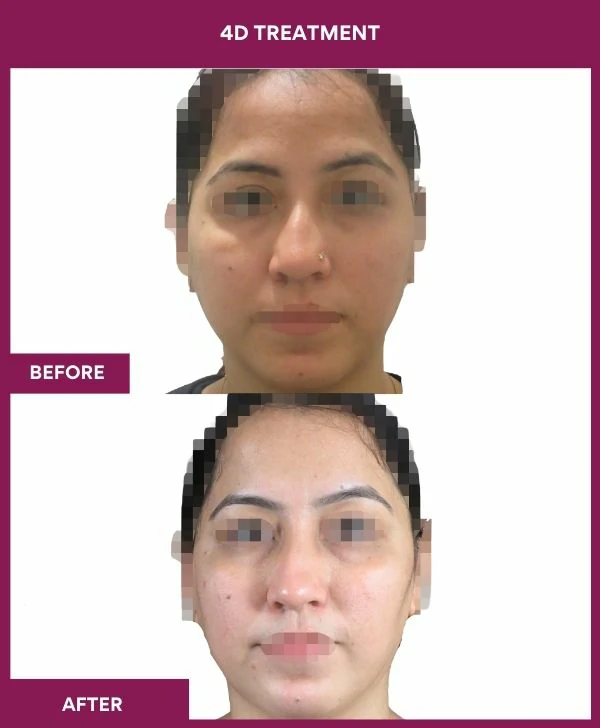
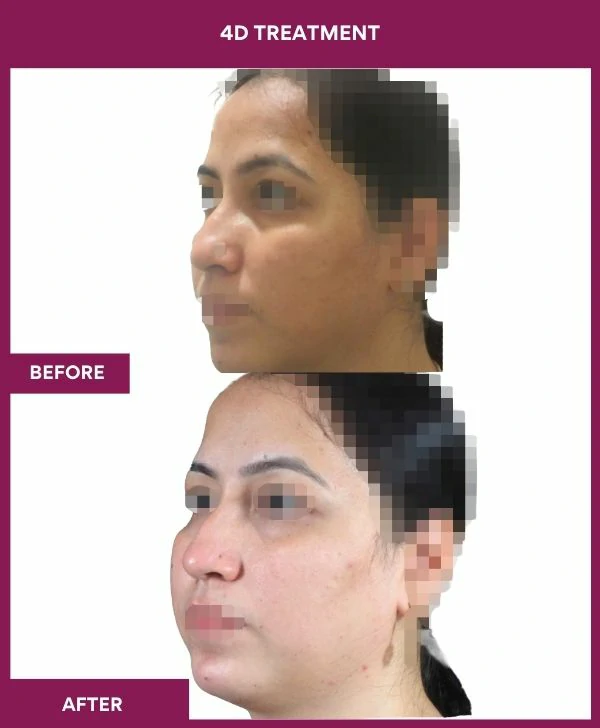
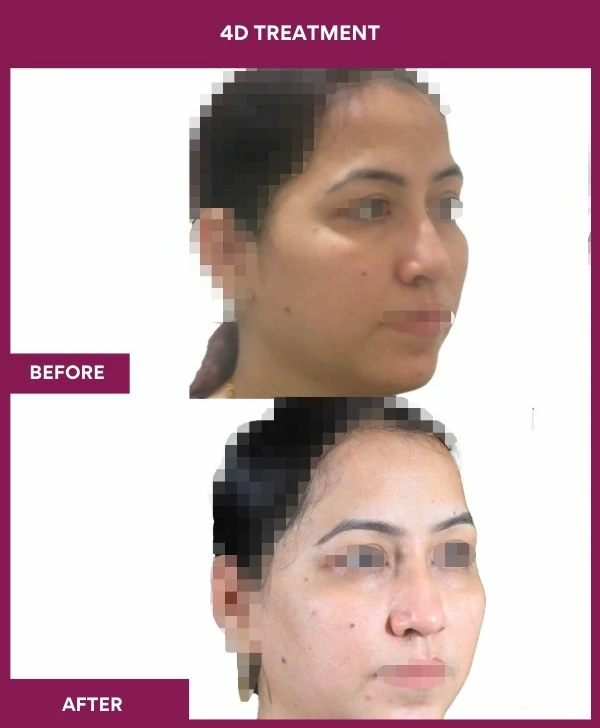
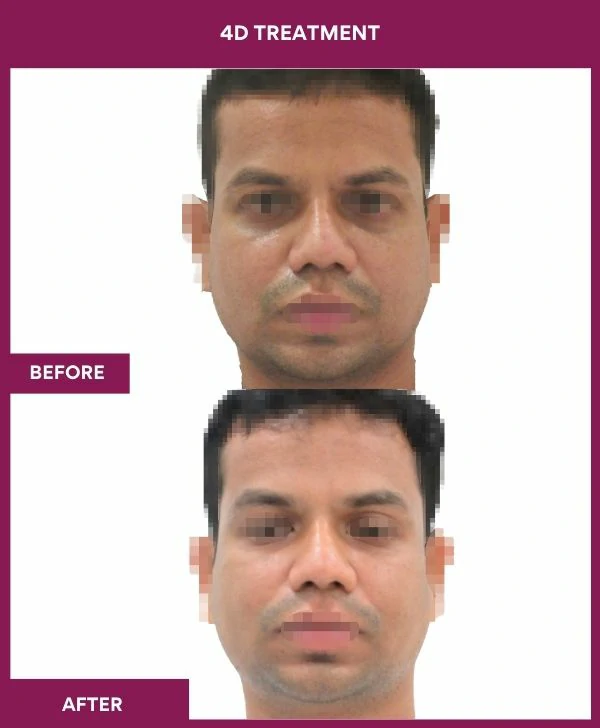
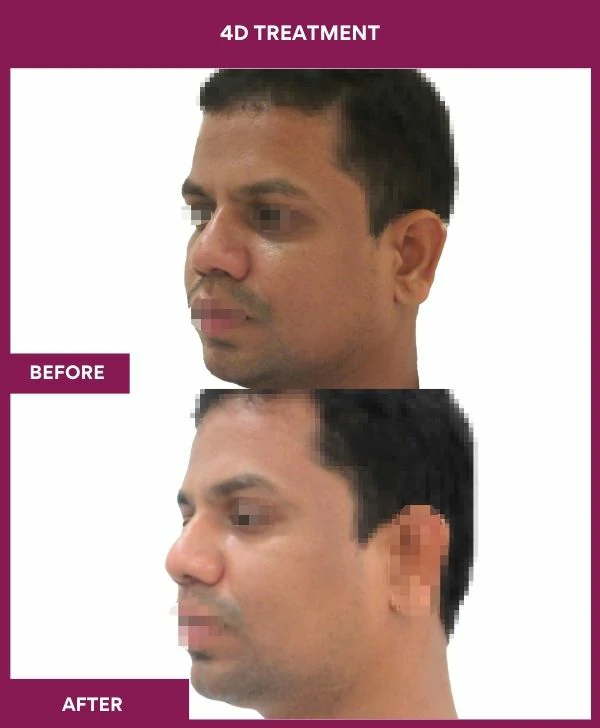
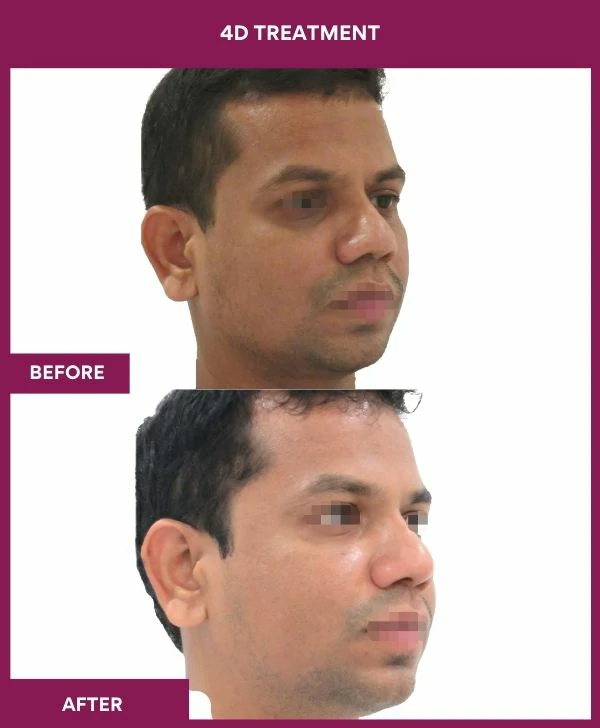
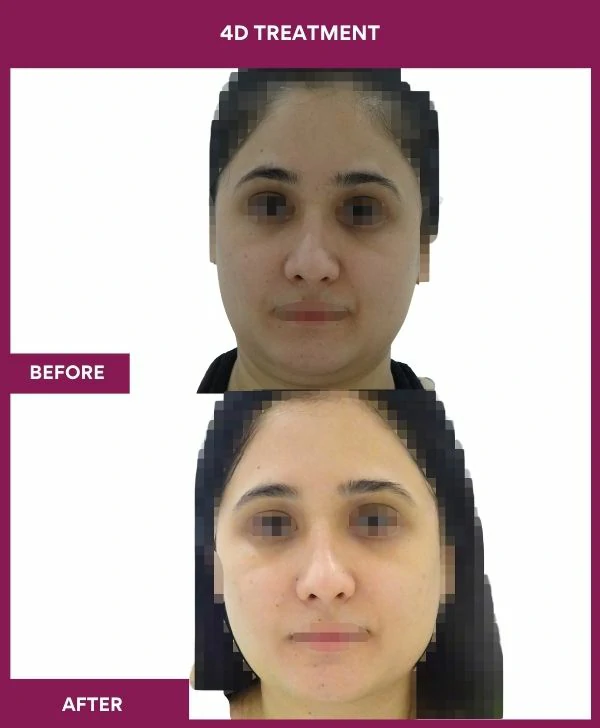
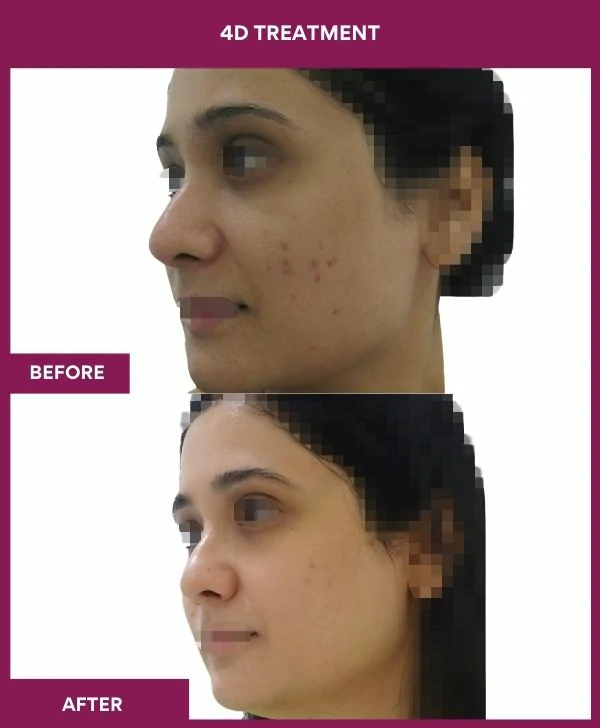
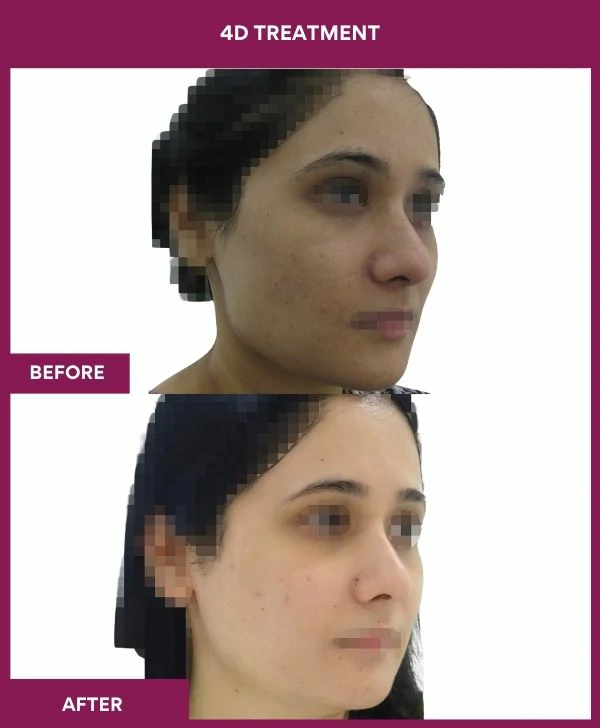
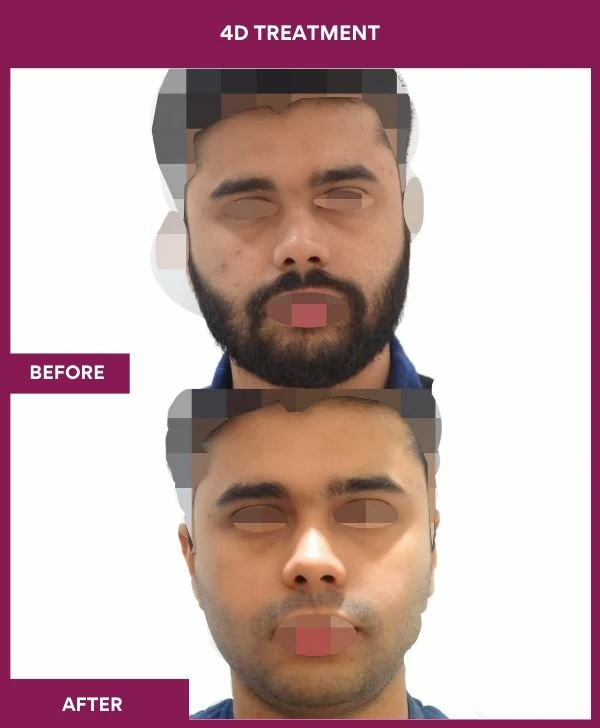
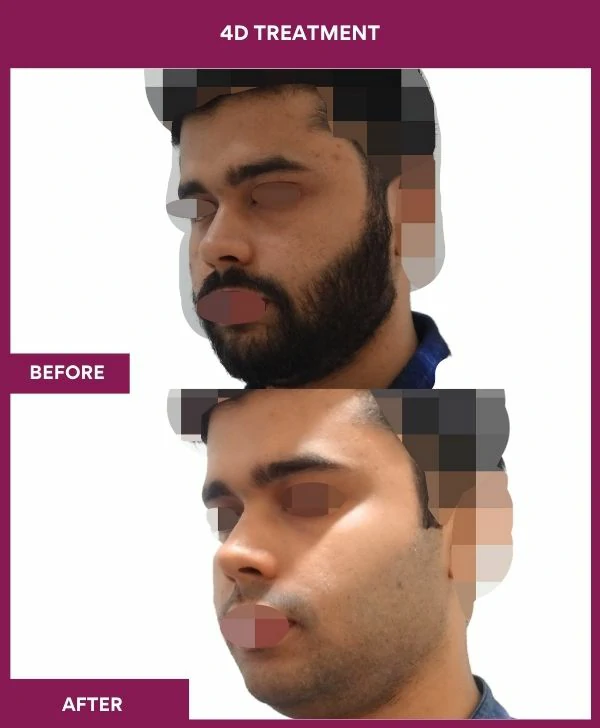
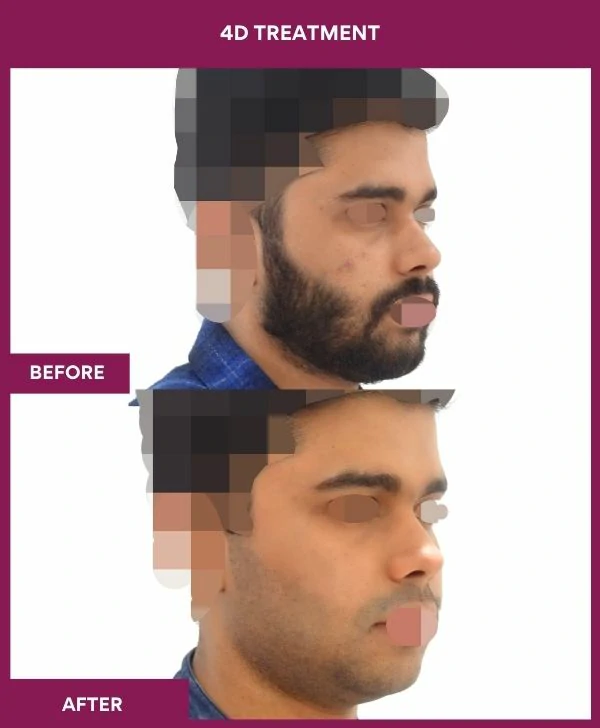
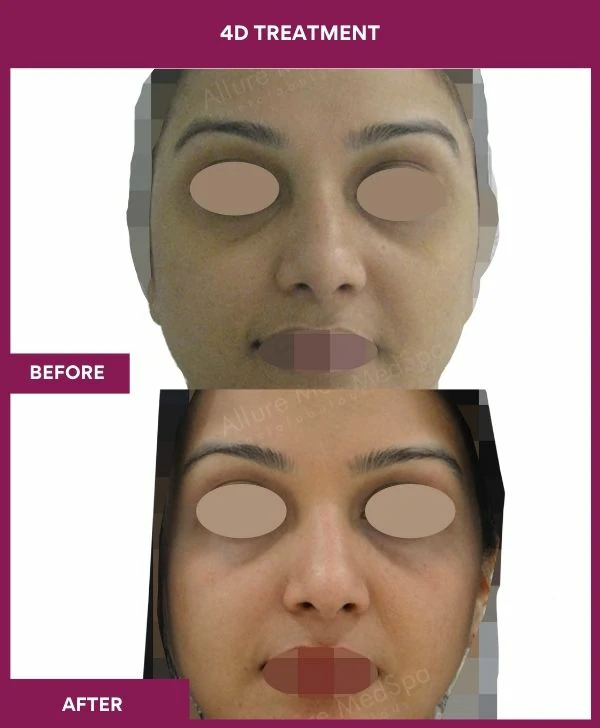
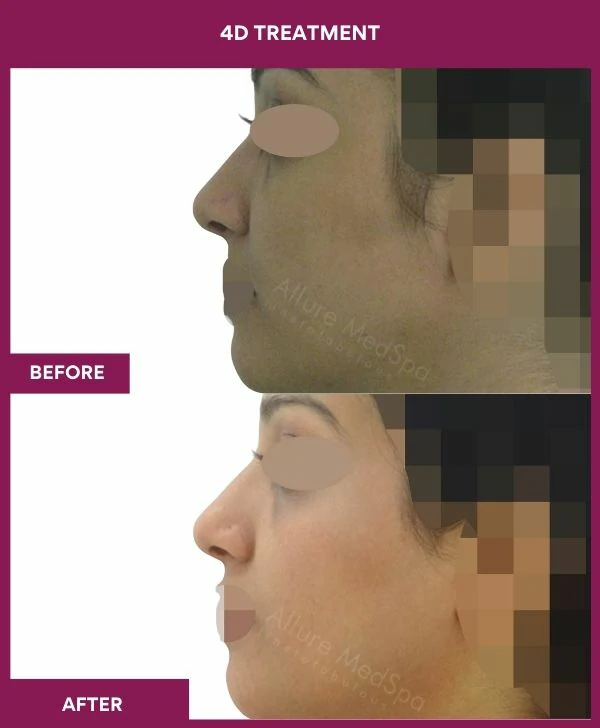
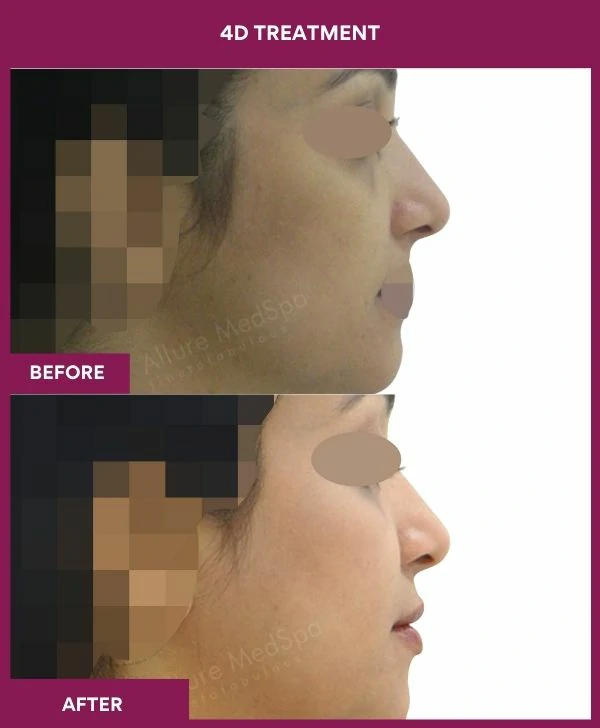
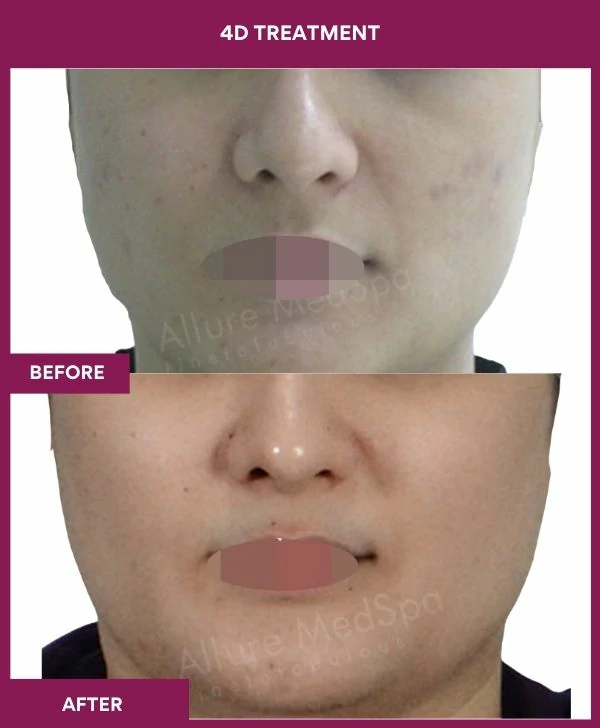
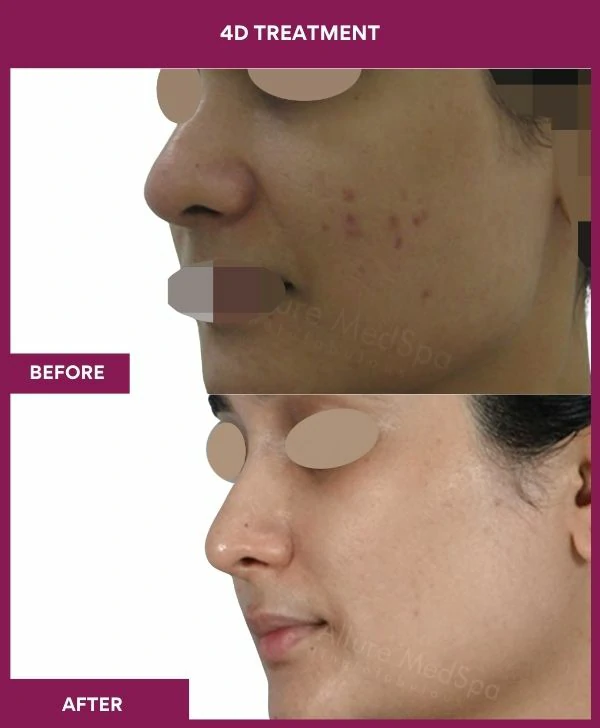
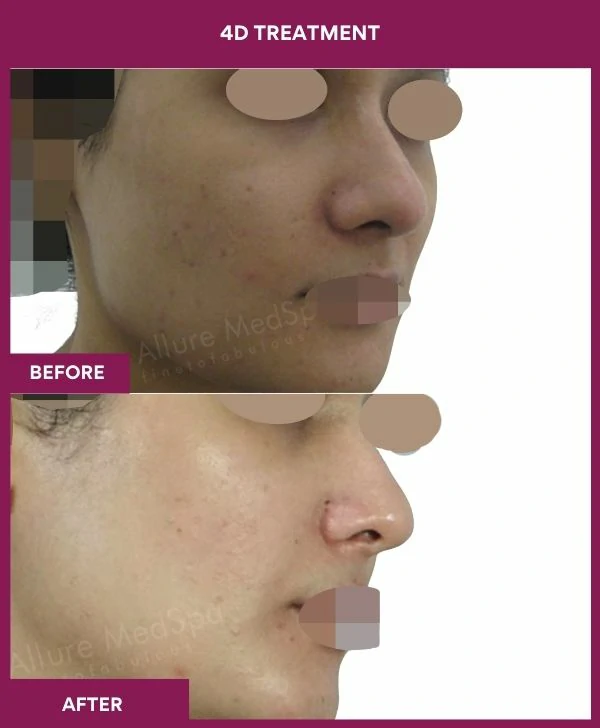
“Your Skin Whitening Treatment Cost”
Total Skin Care Testimonials: Fine To Fabulous Journeys

Awarded by Google.com
Rating: 4.7
Reviews: 485+

Awarded by WhatClinic.com
Rating: 4.8
Reviews: 119+

Awarded by Realself
Rating: 4.9
Reviews:453+

Awarded by Facebook
Rating: 4.6
Reviews:105+
Dr Milan Doshi and his staff are very professional and committed as the centre is highly equipped with advanced technology. I had closed rhinoplasty 4 months back and I’m seeing the results as to how it becomes successful.
Deepika Shetty
The doctor explained everything clearly and the surgery was smooth. Recovery was faster than I expected and the team was very supportive.
Rahul Mehta
Very natural results and excellent staff. From consultation to follow-up, the experience was outstanding and boosted my confidence.
Sneha Kapoor
Is Total Skincare right for you?
Is Total Skin Care Right For Me?
(4 quick questions)
Quick Facts About Total Skin Care
SESSION TIME
45–90 minutes
ANESTHESIA
None
SESSIONS
Courses of 4–6
RESULTS SHOW
8–12 weeks
DOWNTIME
0–2 days
RESULTS LAST
8–12 years
SUCCESS RATE
97–98%
COST
₹2,000 – ₹50,000
What Is The Cost Of Total Skin Care In Mumbai?
Skin treatment at Allure Medspa costs about ₹2,000–₹6,000 a session for peels, ₹6,000–₹15,000 for lasers and PRP, and ₹15,000–₹50,000 for injectables.
| Tier | Per session (₹) | Course | Owner pages |
|---|---|---|---|
| Basic — medical facials, peels, microdermabrasion | 2,000 – 6,000 | Usually 4–6 | Skin Peels · Microdermabrasion |
| Advanced — laser, PRP, microneedling | 6,000 – 15,000 | 3–6 typical | Fractional CO2 Laser · PRP Treatment · Microneedling RF |
| Injectables — toxin, fillers, thread lifts | 15,000 – 50,000 | By area and product | Anti-Wrinkle Injections · Dermal Fillers · Thread Lift |
| Customised programme | 25,000 onwards | Designed after consultation | This page |
What does a course cost for common concerns?
Course totals run from about ₹8,000 for a peel series to ₹1,00,000+ for laser scar programmes; each child page lists its own range.
| Concern | Typical plan | Figure on the owner page (live) | Page |
|---|---|---|---|
| Acne | Medical treatment + peels | ₹1,500 – ₹25,000 per visit by method | Acne Treatment |
| Pigmentation / melasma | Peels or Cosmelan + tinted SPF | Cosmelan / peels per own page 🩺 | Pigmentation Treatment · Cosmelan Peel Treatment |
| Dull, uneven skin | 4–6 peels | ₹2,000 – ₹50,000 per session by peel | Skin Peels |
| Acne scars | Microneedling / MNRF / CO2, 3–6 sessions | Dermaroller ₹3,000 – ₹5,000 per session | Dermaroller · Microneedling RF |
| Dark circles | By cause | ₹6,000 – ₹25,000 | Dark Circle Removal |
| Brightening | Peels, glutathione, lasers | Whitening ₹4,000 – ₹9,000 · glutathione ₹6,000 – ₹9,000 per session | Skin Whitening Treatment · Glutathione Injection |
- Ask for the course total, not the per-session price — almost every skin treatment needs a course
- Budget for maintenance and for daily sunscreen, which protects the result more than any add-on
- +5% GST 🩺 · EMI → Cosmetic Surgery Payment Process
Get your exact quote & surgery plan
Share your details — our team responds within working hours with cost, EMI options and next steps.
Most Common Question People Ask
Q1. Which treatment is best for my skin?
Ans. It depends on your concern and your Fitzpatrick phototype. Peels help pigmentation and texture, lasers address scars and tone, microneedling improves acne scarring and injectables treat lines and volume. In Indian skin the safest effective option is often the more conservative one.
Q2. Is bar soap bad for facial skin?
Ans. Traditional bar soap is alkaline (pH 8–11) while the skin’s acid mantle is pH 4.5–5.5. Frequent use raises skin pH and slows barrier repair. Use a gentle pH-balanced cleanser or a syndet bar on the face.
Q3. What sunscreen should Indian skin use?
Ans. Broad-spectrum SPF 30 or higher, ideally tinted with iron oxides. Iron oxides block visible light, which drives pigmentation in darker skin and which ordinary sunscreens do not filter.
Q4. Do I need sunscreen indoors or in front of screens?
Ans. Screen light is not the concern — it is 100–1000 times weaker than sunlight and has not been shown to worsen melasma. Sunlight through a window is different: if you sit near one, wear a tinted sunscreen.
Q5. How often should I reapply sunscreen?
Ans. Every two hours outdoors, and after swimming or sweating. Applying enough matters more than reapplying indoors — about two finger-lengths for the face and neck.
Q6. What is post-inflammatory hyperpigmentation?
Ans. Dark marks left after the skin is inflamed — by acne, injury, or a peel or laser that was too strong. It affects Fitzpatrick III–VI skin most, takes months to fade, and is the reason Indian skin is treated conservatively.
Q7. Are lasers safe for Indian skin?
Ans. Yes, with the right device and settings. IPL carries a higher risk of burns and rebound pigmentation in darker skin. Ask which device will be used, what your phototype is, and whether a test patch will be done.

Why Choose Dr. Milan Doshi?
Dr. Milan Doshi, MCh, MS — Indian board-certified plastic surgeon with 27+ years and 500+ skin-care patients who assesses skin type and Fitzpatrick phototype before any peel or laser, uses conservative settings for Indian skin, and offers the full range from peels to injectables and surgery, so the plan fits your skin rather than a price list. Consults and treats at Andheri West, Mumbai.
Dr Doshi Note: “Before any laser or peel, I assess the patient’s Fitzpatrick skin type and pigmentation tendency. For Indian skin, I use conservative settings and test patches when needed to reduce burns and PIH. I also advise against unsupervised fairness creams, which can worsen sensitivity and pigmentation.”
The Complete Guide About Total Skin Care
What Is Total Skin Care?
Total skin care combines a daily home routine with professional treatment where needed, planned around your skin type, phototype and main concern.
- Three pillars — prevention (sun and barrier), treatment of existing concerns, and maintenance
- Professional treatments — chemical peels, lasers, microneedling, PRP, medical facials and injectables
- Personalised home routine — cleanser, sunscreen and one active, matched to skin type
- Every phototype — Indian skin reacts differently to lasers, light and acids than fair skin does
What are other names for total skin care?
Comprehensive skincare, holistic skincare, complete skin care, full skin treatment and medical skin care all describe the same approach.
| Home care (daily) | Professional care (courses) |
|---|---|
| Cleanse · tinted SPF · moisturise · one active at night | Peels · lasers · microneedling · PRP · facials · injectables — only where the concern needs it |
Is this page the same as the skin treatments directory?
No. This page is the guide to caring for Indian skin; the skin treatments page lists every treatment. Both link to each treatment’s own page.
- Directory of all skin treatments → All Skin Treatments
- Laser options overview → Laser Treatments
- Face rejuvenation (combined plans) → Face Rejuvenation
Where Should You Start If Products Haven’t Worked?
Start with a diagnosis: skin type, phototype and the one concern that bothers you most. The right routine comes first; treatment only where needed.
- Dry, itchy or dull skin despite many products usually means barrier damage — fewer products, not more
- Acne, pigmentation, lines or texture each have an owner page and a different first step
- Pollution, UV, dust, diet, sleep and age all add up — the routine handles most; treatment handles the rest
- For Indian skin, two things most routines miss: visible-light protection and treatment gentle enough to avoid PIH
How common are professional skin treatments?
Non-surgical skin treatments are among the most performed aesthetic procedures worldwide, and India ranks among the busiest countries for them.
- Live copy: “over 5 million skin-focused cosmetic treatments globally in 2023” and “India among the top 10 for non-surgical skin rejuvenation” (ISAPS Global Survey 2024)
Why does daily skin care matter?
Daily care keeps the barrier intact, prevents sun damage that is harder to treat later, and helps you notice changing moles early.
- Barrier protection — resists irritation, infection and water loss
- Prevention beats correction — sunscreen prevents pigmentation and photoageing
- Confidence — comfortable, clear skin changes how people feel
- Early detection — regular look at your skin catches changing moles and non-healing sores sooner
What Are The Five Skin Types?
The five skin types are dry, oily, combination, sensitive and normal; each needs a different cleanser, moisturiser and pace of actives.
| Skin type | How it looks and feels | First product change |
|---|---|---|
| Dry | Rough, flaky, itchy; fine lines show early; tight after washing | Cream cleanser, ceramide moisturiser |
| Oily | Shine all over, enlarged pores, more breakouts | Gel cleanser, oil-free moisturiser, non-comedogenic SPF |
| Combination | Oily T-zone, dry cheeks or jawline | Treat zones differently; light moisturiser |
| Sensitive | Stings, reddens or burns with dyes, fragrance or acids | Fragrance-free, minimal ingredients, no scrubs |
| Normal | Even tone, small pores, few blemishes | Keep it simple — cleanse, SPF, moisturise |
How can you tell your skin type at home?
Wash with a gentle cleanser, apply nothing, and check your skin after 30–60 minutes: shine, tightness or both tell you the type.
- Shine on the forehead, nose and cheeks → oily
- Tight or flaky everywhere → dry
- Shine on the T-zone only → combination
- Stinging or redness with most products → sensitive (this can sit on top of any type)
- Skin type can change with season, age, hormones and over-treatment
What Is Your Fitzpatrick Phototype — And Why Does It Matter In India?
The Fitzpatrick scale grades how skin reacts to sun from Type I to VI. Most Indian skin is III–V, which decides safe peel and laser settings.
| Type | Sun response | What it means for treatment |
|---|---|---|
| I–II | Always or usually burns, rarely tans | Burn risk; pigmentation risk lower |
| III | Sometimes burns, tans gradually | Moderate PIH risk — conservative settings |
| IV | Rarely burns, tans easily | Higher PIH risk — test patch, staged sessions |
| V | Very rarely burns, tans deeply | High PIH risk — longer wavelengths, gentle peels |
| VI | Never burns, deeply pigmented | Highest PIH risk — specialist settings only |
Why does phototype matter more than “oily or dry” in India?
Phototype predicts burns, rebound darkening and PIH after any laser or peel; oily or dry only decides your products.
- Melanin protects against UV but reacts to injury by making more pigment
- Settings safe for Type II can burn or darken Type V — never book a laser from a price list
- IPL needs particular caution in darker skin; longer wavelengths such as Q-switched Nd:YAG 1064 nm are generally safer → Photo Facial Treatment
- Peels should start low — glycolic, mandelic or salicylic acid, built up slowly
- Test patch before any first laser or peel in Type IV–VI
- Commonest mistake: fair-skin protocols on Indian skin, then treating the resulting pigmentation as a new problem
Sources: Visible light and hyperpigmentation in skin of colour — Int J Dermatol (2024)
What Are The Common Skin Concerns — And Which Page Treats Each?
The commonest concerns are acne, pigmentation, scars, dullness, dark circles and early ageing; in Indian skin, pigmentation leads.
| Concern | What it is | Owner page |
|---|---|---|
| Acne | Breakouts, blackheads and whiteheads from oil and clogged pores | Acne Treatment |
| Pigmentation / melasma | Dark spots, patches or uneven tone from sun, hormones or ageing | Pigmentation Treatment · Cosmelan Peel Treatment |
| Post-inflammatory hyperpigmentation | Dark marks left after acne, injury or an over-aggressive treatment — the defining concern of Indian skin | Pigmentation Treatment |
| Acne scars | Pits and textural change after inflammatory acne | Microneedling RF · Dermaroller · Scar Revision Surgery |
| Dullness / uneven texture | Tired-looking skin from build-up, stress or sun | Skin Peels · Microdermabrasion |
| Dark circles | Pigment, hollowing or visible vessels under the eyes | Dark Circle Removal |
| Lines and laxity | Collagen loss and repeated expression | Anti-Aging Treatment · Anti-Wrinkle Injections |
| Uneven tone / tan | Sun-driven darkening | Skin Whitening Treatment |
| Stretch marks | Dermal tears after growth, pregnancy or weight change | Stretch Mark Removal |
Is melasma the same as pigmentation?
Melasma is one type of pigmentation — symmetrical brown patches driven by hormones and visible light — and it relapses without strict sun protection.
- Common in women with Fitzpatrick III–V skin, often after pregnancy or with hormonal medicines
- Worsened by heat and visible light, not only UV — tinted sunscreen is part of treatment
- Treated with topical agents and gentle peels such as Cosmelan → Cosmelan Peel Treatment; aggressive lasers can worsen it
- Full guide → Pigmentation Treatment
What Daily Skin Care Routine Should You Follow?
Cleanse, apply vitamin C and tinted SPF in the morning; cleanse, moisturise and use one active at night. Consistency beats complexity.
| Step | What to do | Why |
|---|---|---|
| 1. Cleanse (AM / PM) | Gentle pH-balanced cleanser for your type; no alkaline bar soap on the face | Protects the acid mantle |
| 2. Vitamin C (AM) | A stable serum; allow 8–12 weeks | Antioxidant against pollution and sun |
| 3. Moisturise | Water-based for oily skin; ceramide cream for dry skin | Barrier support |
| 4. Sunscreen (AM) | Broad-spectrum SPF 30+, tinted with iron oxides; two finger-lengths for face and neck; reapply every 2 hours outdoors | The single most effective step |
| 5. Retinoid (PM) | Start twice a week and build up; expect dryness at first; avoid in pregnancy | Collagen, texture, acne |
| 6. Don’t over-exfoliate | At most 2–3 times a week; stop if stinging | Over-exfoliation drives PIH |
| 7. Stay consistent | A simple routine daily beats an elaborate one occasionally | Results at 8–12 weeks |
Which actives suit which concern?
Niacinamide and azelaic acid suit pigmentation and acne, retinoids suit ageing and acne, salicylic acid suits oily skin, and vitamin C brightens.
| Active | Best for | Caution |
|---|---|---|
| Niacinamide | Oil control, uneven tone, barrier | Well tolerated by most |
| Vitamin C | Dullness, antioxidant protection | Can sting sensitive skin |
| Retinoids (retinol, adapalene, tretinoin) | Acne, lines, texture | Dryness; avoid in pregnancy; prescription strengths need a doctor |
| Azelaic acid | Acne, PIH, melasma, redness | Considered suitable in pregnancy |
| Salicylic acid (BHA) | Oily and acne-prone skin, blackheads | Drying if overused |
| Glycolic / mandelic acid (AHA) | Dullness, texture, mild pigment | Raises sun sensitivity; go slow in Type IV–VI |
| Hydroquinone and steroid combinations | Melasma — prescription only | Never as a long-term cosmetic; only under supervision |
How should you introduce a new active?
Add one active at a time, two nights a week for two weeks, then increase if your skin stays calm — so you know what helped and what irritated.
- Patch-test behind the ear or along the jaw for 2–3 nights
- Do not start two acids, or an acid and a retinoid, in the same week
- Stop and simplify if stinging, peeling or redness lasts more than a few days
- Pause actives a week before a peel or laser unless told otherwise
Is Plain SPF EnoughTo Protect Indian Skin From Sun And Pollution?
No. Visible light also causes pigmentation in darker skin, and only iron-oxide tinted sunscreens block it. Use tinted SPF 30+ daily.
| Why plain SPF falls short | What the evidence says |
|---|---|
| Sunlight is mostly not UV | About 5–7% of solar radiation reaching the skin is UV; around 45% is visible light |
| Visible light pigments darker skin | It causes pigmentation disproportionately in darker skin, independently of UV |
| Standard sunscreens don’t block it | An iron-oxide formula protected Fitzpatrick IV skin from visible-light pigmentation; a mineral SPF 50+ without iron oxide did not |
| The fix is tint | A published review recommends tinted iron-oxide sunscreens over non-tinted ones for anyone prone to hyperpigmentation |
| It also prevents melasma relapse | Tinted sunscreens outperform non-tinted ones in preventing melasma recurrence |
| Bonus | Tinted mineral formulas avoid the white cast that makes many people skip sunscreen |
Sources: Zhou et al., Guide to tinted sunscreens in skin of color, Int J Dermatol (2024) · Impact of Iron-Oxide Containing Formulations Against Visible Light-Induced Skin Pigmentation in Skin of Color Individuals — JDD
What else protects skin from pollution?
Antioxidant serums, shade and clothing, a gentle night cleanse and a barrier-repair moisturiser complete the protection that sunscreen starts.
- Antioxidants — vitamin C, vitamin E or niacinamide help neutralise pollution-driven free radicals
- Clothing and shade — hats, sunglasses and long sleeves beat any cream
- Cleanse at night — remove particulate pollution, sunscreen and sebum
- Barrier repair — ceramide moisturisers help in humid, polluted cities like Mumbai
How much sunscreen is enough?
About two finger-lengths (roughly 1/4 teaspoon) covers the face and neck; most people apply a third of that and get a fraction of the SPF.
- Apply 15 minutes before going out
- Reapply every 2 hours outdoors and after sweating or swimming
- Sunscreen in make-up alone is too thin to count
- Window glass blocks most UVB but not UVA or visible light
Which Cleanser Should You Use — And Is Bar Soap Bad For Facial Skin?
Use a gentle pH-balanced cleanser or syndet bar; alkaline bar soap (pH 8–11) raises skin pH and slows barrier repair on the face.
| What the dermatology literature says | What to look for |
|---|---|
| The acid mantle (pH 4.5–5.5) supports the barrier, enzymes and defence against bacteria | Oily or acne-prone — gel or foaming cleanser, or an acidic syndet bar |
| Alkaline soap can raise skin pH for up to ~90 minutes; frequent use slows barrier repair | Dry — hydrating cream or milky cleanser |
| Altered skin pH is linked to irritant dermatitis, eczema and acne | Sensitive — fragrance-free, non-foaming, minimal ingredients |
| Syndet bars are formulated at neutral or slightly acidic pH and are milder | Ignore TFM — a soap-quality grade, not a measure of skin-friendliness |
| Matters most for dry, sensitive, eczema-prone skin or anyone on retinoids or acids | Ignore “brightening” soaps — contact time is seconds; actives rinse off |
Sources: Acid mantle: What we need to know — IJDVL · Impact of cleanser pH on maintaining a healthy skin barrier — JAAD · Skin Cleansing without or with Compromise: Soaps and Syndets — PMC
What Are The Best Medical Treatments For Skin Care?
Peels, lasers, microneedling, PRP, medical facials and injectables each treat different concerns; your concern and phototype decide which.
| Treatment class | What it does | Indian-skin note | Owner page |
|---|---|---|---|
| Chemical peels | Exfoliate to improve texture and pigment | Start with low-strength glycolic, mandelic or salicylic acid | Skin Peels · Cosmelan Peel Treatment |
| Microdermabrasion | Mechanical surface exfoliation | Gentle; little PIH risk | Microdermabrasion |
| Lasers | Fractional CO2, Q-switched and IPL for scars, tone and texture | Device and settings must match phototype | Fractional CO2 Laser · Photo Facial · Laser Treatments |
| Microneedling / MNRF | Controlled micro-injury for collagen and acne scars | Safe across phototypes at the right depth | Dermaroller · Microneedling RF |
| PRP | Your own platelets ± microneedling | Evidence for face weaker than for hair; sterile single-use kit essential | PRP Treatment |
| Mesotherapy | Microinjected blends for glow | Modest, temporary; ask what is injected | Mesotherapy |
| Medical facials | Hydration and immediate glow | Modest lasting change | Face Rejuvenation |
| Anti-wrinkle injections | Relax frown lines, crow’s feet, forehead lines | — | Anti-Wrinkle Injections |
| Dermal fillers | Restore volume, soften folds | — | Dermal Fillers |
| Skin tightening | HIFU / RF to boost collagen | Safe across phototypes | HIFU |
| Thread lifts | Lift cheeks, jawline and brows | — | Thread Lift |
How do you choose between treatments?
Match the treatment to the main concern, then check it against your phototype, downtime, budget and how many sessions you can attend.
- Pigment → peels and topical agents before lasers
- Scars → microneedling or MNRF, sometimes fractional CO2 or surgery
- Texture and dullness → peels or microdermabrasion
- Lines → injectables; laxity → HIFU, threads or surgery
- A consultation decides, not a price list
Can skin treatments be combined?
Yes — common pairs are peels with topicals, microneedling with PRP, and injectables with skin-quality treatments, staged a few weeks apart.
| Combination | Why it pairs | Spacing 🩺 |
|---|---|---|
| Peel + home topicals | Faster pigment clearance | Pause actives 5–7 days around the peel |
| Microneedling + PRP | Collagen plus growth factors for scars | Same session |
| Laser + tinted SPF | Prevents rebound pigmentation | Throughout the course |
| Injectables + skin-quality treatment | Volume and texture together | Injectables 1–2 weeks after resurfacing |
Which Treatments Help With Anti-Ageing — And At What Age?
In your 20s, prevention; in your 30s, retinoids and light resurfacing; in your 40s, injectables and tightening; after 50, structural options too.
| Decade | Usual priority | Typical options 🩺 |
|---|---|---|
| 20s | Prevention | Tinted SPF, antioxidant, treat acne early |
| 30s | Texture, early lines, pigment | Retinoid, peels, microneedling, first toxin |
| 40s | Volume loss, lines at rest, laxity begins | Fillers, toxin, HIFU, fractional laser |
| 50s+ | Laxity and folds | Threads, combined plans, or surgery when laxity is structural |
When is surgery the honest answer?
When skin hangs rather than creases, non-surgical treatments only soften it; a facelift or neck lift is then the treatment that matches the problem.
- Signs: jowls, deep folds at rest, loose neck skin
- Non-surgical combined approach → Non-Surgical Facelift
- Surgical options → Facelift Surgery
- Realistic expectations: non-surgical treatments refresh; they do not reverse structural ageing
What Happens At A Skin Consultation At Allure Medspa?
Dr. Doshi reviews your history and products, examines skin type, phototype and the concern, then gives a written routine, treatment plan and cost.
- History — products, medicines, pregnancy plans, past peels or lasers, cold sores, keloids
- Examination in daylight and magnification; phototype noted
- Diagnosis of the main concern — and anything that needs a dermatologist first
- A written routine and treatment plan with sessions, spacing and course cost
- Test patch booked where needed
- Outstation patients can start with an online consultation → Online Consultations
What should you bring?
Bring every product you use, a list of medicines, and recent photos if your skin changes from day to day.
- All skincare and make-up products, or clear photos of the labels
- Prescription creams — especially any steroid or “fairness” cream
- Arrive with a bare face if you can
What questions should you ask any skin clinic?
Ask your phototype, the device or peel to be used, whether a test patch is planned, who performs it, and the full course cost.
- What is my Fitzpatrick type, and how does it change the settings?
- Which device, wavelength or peel strength will be used?
- Will you do a test patch?
- Who performs the treatment, and who handles a reaction?
- What is the total course cost, including maintenance?
What Are The Risks Of Skin Care Treatments In Indian Skin?
The main risk is post-inflammatory hyperpigmentation after a peel, laser or harsh product; burns, barrier damage and infection are less common.
What is PIH and how is it prevented?
PIH is darkening after inflammation. It is prevented with conservative settings, test patches, staged sessions and strict tinted sunscreen.
| PIH | Detail |
|---|---|
| What it is | Pigment cells react to inflammation by making excess melanin; the treated area darkens instead of clearing |
| Who is at risk | Fitzpatrick III–VI — most Indian patients |
| Causes | Peels or lasers too strong, IPL at the wrong settings, over-exfoliation, picking acne, sun exposure afterwards |
| Prevention | Conservative settings, test patches, staged sessions, tinted SPF, a practitioner who knows Indian skin |
| Timeline | Fades over months, not weeks — prevention is the whole strategy |
What other risks should you know?
Burns from wrong laser settings, barrier damage from over-exfoliation, infection from non-sterile needling, and cold-sore flares after resurfacing.
| Risk | Detail |
|---|---|
| Burns and blistering | Lasers or IPL at fair-skin settings |
| Barrier damage | Over-exfoliation, too many actives, alkaline soap |
| Infection | Any treatment that breaks the skin needs sterile, single-use equipment |
| Cold-sore reactivation | After resurfacing in people with a history — antiviral cover beforehand |
| When to call the clinic | Spreading redness, blistering, fever, unusual pain, or darkening of the treated area |
Are fairness creams safe?
Unregulated fairness creams may contain potent steroids; long-term facial use thins skin and causes redness, acne-like bumps and dependence.
- Never use a prescription steroid cream as a cosmetic
- Stopping suddenly can cause a flare — taper under medical guidance
- Steroid-damaged skin needs repair before any peel or laser
When Will You See Results — By Concern?
Routines show change at 8–12 weeks, peels after 2–3 sessions, acne in 6–12 weeks, melasma in 2–4 months, and scars over 3–6 sessions.
| Concern | First visible change 🩺 | Typical course |
|---|---|---|
| Dullness / texture | 1–2 peels | 4–6 sessions |
| Active acne | 6–12 weeks | Medical treatment ± peels |
| PIH marks | 2–4 months | Topicals ± gentle peels + SPF |
| Melasma | 2–4 months; relapse-prone | Topicals, Cosmelan, maintenance |
| Acne scars | After 2–3 sessions; final at 6 months | 3–6 microneedling / laser sessions |
| Lines (toxin) | 3–14 days | Repeat every 3–4 months |
- Anyone promising visible change in 2–3 weeks for pigment or scars is overselling
- Results last only with sunscreen and maintenance
How Should Skin Care Be Customised For Skin Type And Life Stage?
The principles stay the same — cleanse gently, protect daily, moisturise, add actives slowly — but products change with type, age and pregnancy.
| Type / stage | Routine |
|---|---|
| Oily | Gel cleanser, oil-free moisturiser, non-comedogenic SPF; exfoliate 2–3 times a week at most |
| Dry | Cream cleanser, ceramide or hyaluronic moisturiser, sunscreen always |
| Sensitive | Fragrance-free, soothing ingredients (centella, aloe), no scrubs or strong acids |
| Mature | Retinoid and peptides at night, antioxidant by day, non-negotiable SPF |
| Acne-prone | pH-balanced cleanser; salicylic acid, benzoyl peroxide or prescription retinoid under guidance |
What changes in pregnancy?
Avoid retinoids and check every active with your doctor; azelaic acid, vitamin C and tinted sunscreen are commonly considered suitable.
- Melasma often appears in pregnancy — tinted SPF is the main defence
- Postpone peels and lasers unless your doctor agrees
- Breastfeeding has similar cautions — ask before restarting retinoids
Do men need a different routine?
The steps are the same; men usually have oilier skin and shaving irritation, so a gel cleanser, light SPF and a soothing post-shave help.
- Shave with the grain on clean, damp skin to reduce bumps and PIH
- Beard area acne and ingrown hairs → Acne Treatment
- Sunscreen in a gel or fluid texture is easier to wear daily
What about teenage skin?
Teenagers need a gentle cleanser, light moisturiser, sunscreen and early acne treatment — scarring is easier to prevent than to treat.
- Avoid scrubs and harsh soaps that worsen acne
- See a doctor if acne is painful, nodular or leaving marks
- No fairness creams or steroid creams
What Role Do Diet And Lifestyle Play In Skin Care?
Diet, sleep and stress help skin modestly and slowly, but they do not replace sunscreen or treatment; smoking clearly harms skin.
- Nutrition — fruit, vegetables, protein, omega-3s and antioxidants support repair
- Sleep — repair happens overnight
- Stress — worsens acne, eczema and psoriasis
- Exercise — improves circulation and sleep
- Smoking — speeds photoageing and slows healing after any procedure
Which skin myths should you ignore?
Extra water does not hydrate already well-hydrated skin, no soap lightens skin, and no supplement reverses sun damage.
- “Drink more water for glow” — drink to thirst; evidence for extra water is weak
- “Detox” products — skin does not flush toxins
- “Natural” lemon, toothpaste or bleach DIYs — common causes of irritation and PIH
- “Higher SPF means stay out longer” — reapplication matters more than the number
When Should You See A Doctor — And What Is The ABCDE Rule?
See a doctor when a skin problem persists, scars, spreads or changes; use the ABCDE rule for moles, and get any non-healing sore checked.
- Acne that does not improve with over-the-counter care, or leaves marks
- Sudden pigmentation that may have a hormonal or medical cause
- Redness, itching or burning lasting more than a week
- Barrier damage — stinging and sensitivity after over-treatment
| Letter | Suspicious mole — ABCDE |
|---|---|
| A — Asymmetry | One half does not match the other |
| B — Border | Irregular, ragged or blurred edges |
| C — Colour | More than one colour, or uneven colour |
| D — Diameter | Larger than about 6 mm (melanomas can be smaller) |
| E — Evolving | Changing in size, shape or colour, or itching or bleeding |
| Non-healing sore | Any sore not healed in a few weeks should be examined — never have a suspicious mole removed cosmetically before assessment → Skin Tag, Wart & Mole Removal |
Medical Codes for Total Skin Care
Common codes are ICD-10 L81.9, L81.0, L70.9, L57.8 and Z41.1, with CPT 15788–15793 for peels and 17999 or 96999 for unlisted procedures.
| Code | Description |
|---|---|
| ICD-10 L81.9 | Disorder of pigmentation, unspecified |
| ICD-10 L81.0 | Post-inflammatory hyperpigmentation |
| ICD-10 L70.9 | Acne, unspecified (replaces L73.9 follicular disorder) |
| ICD-10 L57.8 | Other skin changes due to chronic non-ionising radiation (photoageing) |
| ICD-10 R23.8 | Other specified skin changes |
| ICD-10 L98.8 | Other specified disorders of skin and subcutaneous tissue |
| ICD-10 Z41.1 | Encounter for cosmetic procedure |
| CPT 15788 / 15789 | Chemical peel, facial; epidermal / dermal |
| CPT 15792 / 15793 | Chemical peel, nonfacial; epidermal / dermal |
| CPT 17999 | Unlisted procedure, skin, mucous membrane and subcutaneous tissue |
| CPT 96999 | Unlisted special dermatological service or procedure |
(FAQs) Frequently Asked Question About Total Skin Care
Q1. Does a soap’s TFM grade matter for my skin?
Ans. TFM (total fatty matter) is a soap-quality grade. It says nothing about your skin’s pH or barrier — a high-TFM alkaline soap is still alkaline.
Q2. Can any soap lighten skin or remove tan?
Ans. No. Contact time is seconds and actives rinse away. Tan responds to sun protection, topical actives and, where appropriate, treatment.
Q3. How often should I get skin treatments?
Ans. Most maintenance treatments suit a 4–6-week interval; active acne or pigment may need a closer course. More often is not better — over-treatment causes pigmentation.
Q4. When will I see results from my home routine?
Ans. Retinoids and vitamin C generally take 8–12 weeks. Anyone promising visible change in 2–3 weeks is selling you something.
Q5. Can I use retinol in pregnancy?
Ans. Topical retinoids are generally avoided in pregnancy and while trying to conceive. Azelaic acid and vitamin C are commonly considered suitable — ask your doctor.
Q6. Are over-the-counter fairness creams safe?
Ans. Unregulated lightening products may contain potent steroids or unlabelled ingredients. Long-term facial use can thin skin and cause redness, acne-like bumps and dependence.
Q7. When should I see a doctor about a mole?
Ans. Use the ABCDE rule — Asymmetry, Border, Colour, Diameter over about 6 mm, Evolving. Any non-healing sore should be examined before anything is removed.
Q8. Does drinking more water improve my skin?
Ans. Drink to thirst. Evidence that extra water improves skin in well-hydrated people is weak, and water does not “flush toxins” from skin.
Q9. In what order should I apply products?
Ans. Thinnest to thickest: cleanser, serum, moisturiser, then sunscreen in the morning. At night, cleanser, active, then moisturiser.
Q10. Can open pores be closed?
Ans. Pores cannot be closed, but oil control, retinoids, peels and microneedling can make them look smaller.
Q11. Is a facial the same as a medical skin treatment?
Ans. No. Salon facials give short-term hydration; medical treatments such as peels, lasers and microneedling change pigment, texture or scars over a course.
Q12. Can I have treatment if my skin is tanned?
Ans. Lasers and stronger peels are usually postponed until a fresh tan fades, because tanned skin pigments more easily after treatment.
Q13. Do I need a dermatologist or a cosmetic clinic?
Ans. Medical skin disease, sudden changes and suspicious moles need a dermatologist; cosmetic concerns can be planned here, with referral when needed.
Q14. How much does total skin care cost in Mumbai?
Ans. Roughly ₹2,000 per basic session up to ₹50,000 for injectables or programmes (+5% GST 🩺). Ask for the total course cost.
Related Links
- All Skin Treatments (directory)
- Acne & Scar Treatment
- Pigmentation Treatment
- Cosmelan Peel
- Skin Whitening
- Glutathione Injection
- Dark Circle Removal
- Skin Peels
- Microdermabrasion
- Dermaroller
- Microneedling RF
- Laser Treatments
- Fractional CO2 Laser
- Photo Facial
- PRP Treatment
- Mesotherapy
- Anti-Aging Treatment
- Anti-Wrinkle Injections
- Dermal Fillers
- HIFU
- Thread Lift
- Face Rejuvenation
- Scar Revision
- Skin Tag, Wart & Mole Removal
- Stretch Mark Removal
- Outstation Patients