
Dermal Fillers in Mumbai: Restore Youthful Volume Without Surgery

Indian Board Certified Plastic Surgeon
M.CH, MS, ISAPS Mentor
16000+ Cosmetic Surgeries
1100+ Dermal Fillers
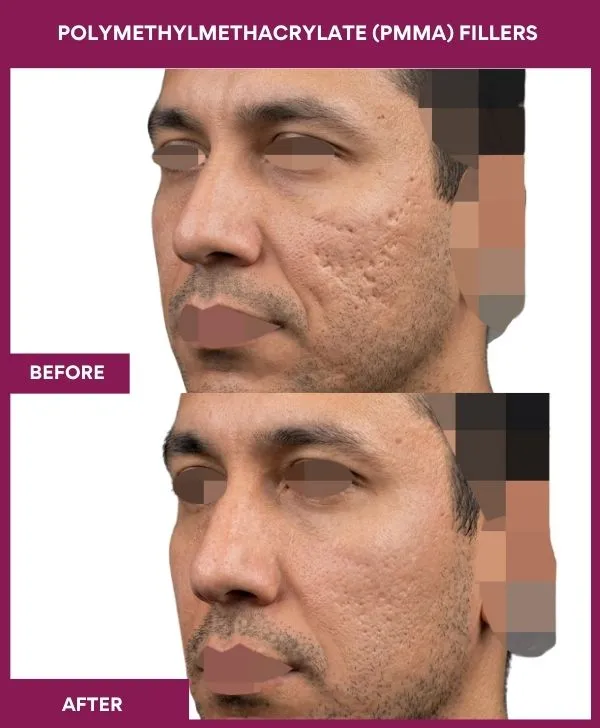
Dermal Filler Treatment Before & After Images
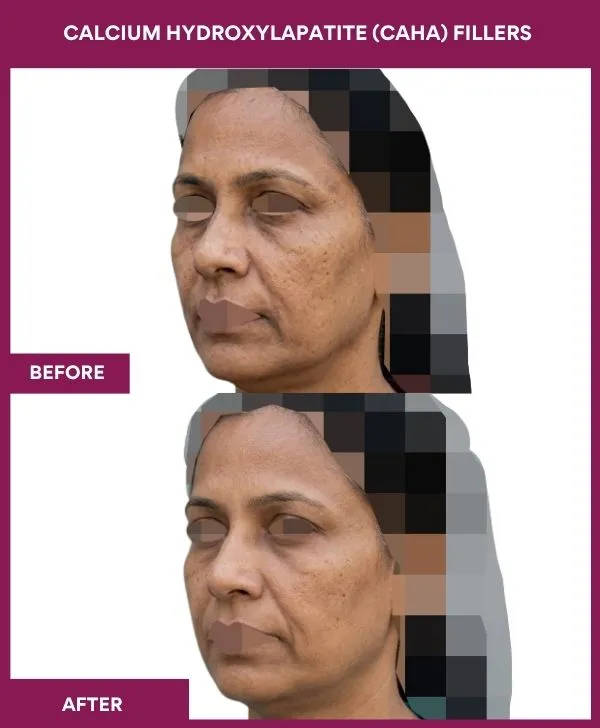
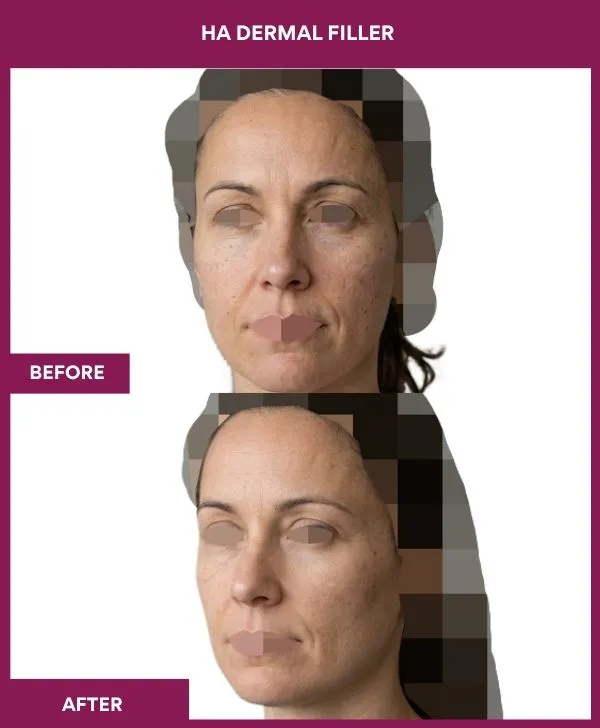
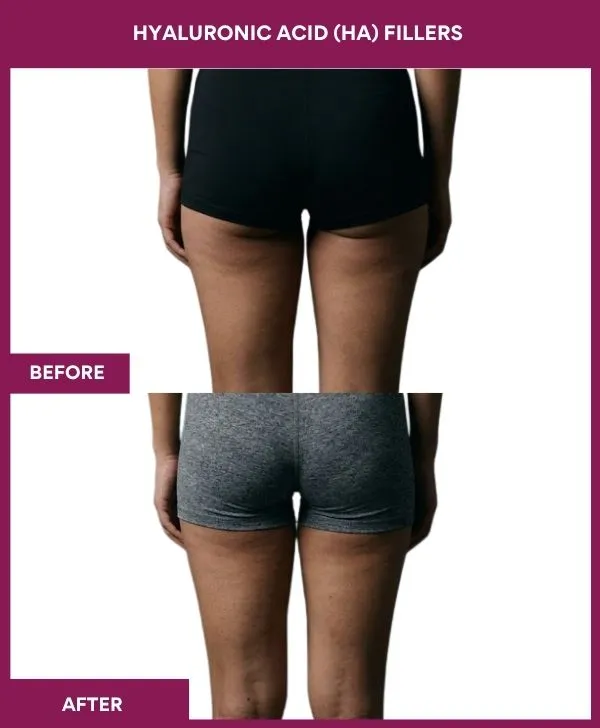
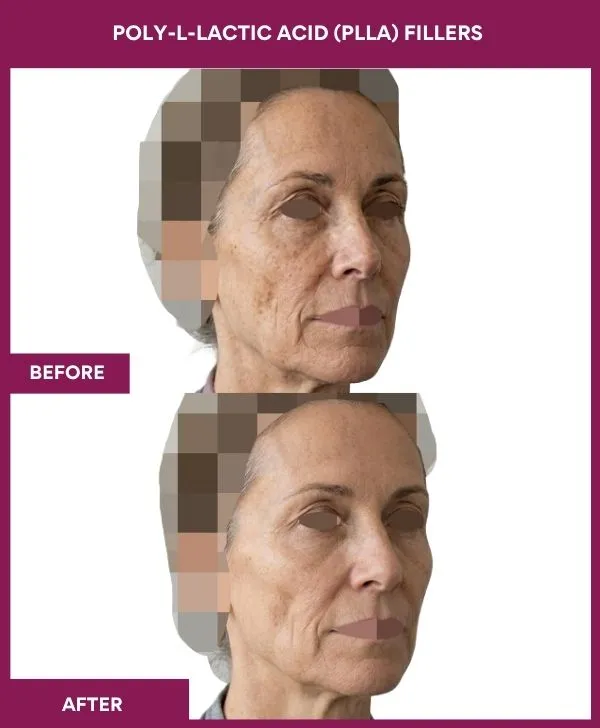
“Inspired by their journey? Start yours.”
Dermal Fillers Treatment Testimonials: Fine To Fabulous Journeys

Awarded by Google.com
Rating: 4.7
Reviews: 485+

Awarded by WhatClinic.com
Rating: 4.8
Reviews: 119+

Awarded by Realself
Rating: 4.9
Reviews:453+

Awarded by Facebook
Rating: 4.6
Reviews:105+
Dr Milan Doshi and his staff are very professional and committed as the centre is highly equipped with advanced technology. I had closed rhinoplasty 4 months back and I’m seeing the results as to how it becomes successful.
Deepika Shetty
The doctor explained everything clearly and the surgery was smooth. Recovery was faster than I expected and the team was very supportive.
Rahul Mehta
Very natural results and excellent staff. From consultation to follow-up, the experience was outstanding and boosted my confidence.
Sneha Kapoor
Video: Dermal Fillers Treatment
“Inspired by their journey? Start yours.”
Am I a Candidate?
(4 quick questions)
Volume, history, health, timing — four questions start the plan.
Check My SuitabilityHonest routing
Quick Facts About Dermal Fillers?
SESSION TIME
30–80 minutes
ANESTHESIA
None
SESSIONS
Course of 1
RESULTS SHOW
Mild–moderate
DOWNTIME
1–3 days
RESULTS LAST
up to 2 years
SIDE-EFFECT RATE
Under 1%
cost
₹17,000 – ₹30,000
What Is The Cost Of Dermal Fillers In Mumbai?
Dermal filler treatments in Mumbai typically range from about ₹17,000 to ₹30,000 per syringe, depending on the filler type and brand, treatment area, number of syringes and the injector’s expertise. What affects price: filler material and brand, number of syringes, area treated, injector’s credentials, clinic accreditation. Value point: an experienced, board-certified injector with emergency protocols in place is where the real value sits. EMI options are on our payment process page.
| Treatment area | Filler type | Syringes | Estimated cost (₹) |
|---|---|---|---|
| Lips | Hyaluronic acid | 1 | 17,000 – 30,000 |
| Cheeks (volume lift) | HA / CaHA | 2–3 | 25,000 – 45,000 |
| Under-eye (tear trough) | Hyaluronic acid | 1 | 15,000 – 22,000 |
| Nasolabial folds | Hyaluronic acid | 1–2 | 15,000 – 28,000 |
| Jawline contouring | HA / CaHA | 2–3 | 25,000 – 40,000 |
| Chin enhancement | Hyaluronic acid | 1–2 | 18,000 – 30,000 |
| Temple hollowing | Poly-L-lactic acid | 2–3 | 25,000 – 40,000 |
| Non-surgical rhinoplasty | Hyaluronic acid | 1 | 25,000 – 60,000 → Non-Surgical Rhinoplasty |
| Full face rejuvenation | Mix (HA + CaHA) | 4–6 | 45,000 – 80,000+ |
Get your exact quote & surgery plan
Share your details — our team responds within working hours with cost, EMI options and next steps.
Most Common Question People Ask
Q1. What is a dermal filler?
Ans. Dermal fillers are gel-like substances injected under the skin to restore volume, smooth wrinkles and enhance facial contours. Most are made from hyaluronic acid, a substance the body produces naturally.
Q2. How long do dermal fillers last?
Ans. Hyaluronic acid fillers typically last 6–18 months. Calcium hydroxylapatite lasts about 12–18 months, poly-L-lactic acid up to 2 years, and PMMA is semi-permanent. Longevity depends on the area and your metabolism.
Q3. Are dermal fillers safe?
Ans. Yes, when an approved product is injected by a trained, board-certified professional. Mild swelling, bruising and tenderness are common and temporary. The most serious risk is accidental injection into a blood vessel, which is rare but can be permanent — which is why the injector’s anatomy matters more than the brand.
Q4. Can dermal fillers be dissolved?
Ans. Hyaluronic acid fillers can be dissolved with hyaluronidase, usually within 24–48 hours. This is also the emergency treatment if a blood vessel is compromised. Non-HA fillers — CaHA, PLLA, PMMA and silicone — cannot be reversed this way.
Q5. How much do dermal fillers cost in India?
Ans. Roughly ₹17,000–₹30,000 per syringe (+5% GST), depending on the filler, area and number of syringes needed. A consultation gives an exact quote.
Q6. How painful are dermal fillers?
Ans. Discomfort is mild. Numbing cream is applied beforehand, and most fillers contain lidocaine, so patients typically feel pressure rather than pain.
Q7. What warning signs should I watch for after fillers?
Ans. Severe or increasing pain, skin turning white or mottled, or any change in vision. These can indicate a blocked blood vessel and need immediate medical attention.

Why Choose Dr. Milan Doshi?
Dr. Milan Doshi, MCh, MS — Indian board-certified plastic and cosmetic surgeon, ISAPS mentor, 27+ years and 16,000+ procedures, known in Mumbai for safe, natural-looking filler results tailored to each patient’s facial harmony. Board-certified expertise — deep facial-anatomy knowledge, the key safety factor with fillers; approved products only — sealed, labelled syringes; no unapproved or permanent injectables; a personalised filler strategy that enhances your own features rather than applying a template; safety readiness — hyaluronidase on site and a defined vascular-occlusion protocol. Allure Medspa: NABH-accredited; walk-in / walk-out treatment; the full range — fillers plus anti-wrinkle injections, HIFU, thread lift and surgical facelift when that is the better answer. Outstation patients supported end-to-end
The Complete Guide About Dermal Fillers
What Are Dermal Fillers?
Dermal fillers are minimally invasive, gel-based injectables designed to add volume, smooth wrinkles and enhance facial contours: smile lines and marionette lines (softens nasolabial folds and downturned mouth corners); cheeks and mid-face (restores age-related volume loss for a lifted look); lips and chin (lip enhancement and chin projection); under-eye hollows (carefully placed tear-trough filler for tired-looking under-eyes); jawline and temples (definition and contour restoration). Results are immediate and natural-looking; longevity is typically 6–18 months for HA fillers.
| Dermal fillers | Facial fat grafting |
|---|---|
| Off-the-shelf gel; 30–80 minutes; reversible if HA | Your own fat, harvested by liposuction; surgical → Fat Injections Surgery |
| 6–18 months (HA) to 2 years (PLLA) | Years — some fat reabsorbs, so slight overfill is planned |
| ₹17,000–30,000 per syringe | Quoted as surgery |
Also called: soft tissue fillers, injectable fillers, HA fillers, liquid facelift (with anti-wrinkle injections), facial volumisers.
Is Your Face Losing Its Youthful Fullness — Can Dermal Fillers Help?
Yes — if deeper smile lines, flatter cheeks or hollow under-eyes make you look tired, fillers restore volume and redefine contours without surgery.
- Noticing deeper smile lines, sagging cheeks, or hollow under-eyes that make you look older or tired — even when you’re not?
- Do wrinkles and volume loss dull your natural glow and leave you feeling less confident in photos or face-to-face moments?
Ageing gracefully shouldn’t mean surrendering your self-esteem. The visible signs of facial volume loss — caused by thinning skin, fat depletion and collagen breakdown — can quietly impact how you feel every day. Dermal fillers restore lost volume, smooth fine lines and redefine contours — without surgery or downtime.
Global trends (ISAPS 2024): Hyaluronic acid filler is the second most performed non-surgical aesthetic procedure worldwide after botulinum toxin, with over 5.5 million treatments in 2023 · India ranks among the top 10 countries for non-surgical procedures.
Sources: ISAPS Global Survey 2024
What Are The Benefits Of Dermal Fillers?
Immediate, natural volume and contour; softer static folds; a lifted look without surgery; reversibility with HA; and 6–18 months per treatment.
- Immediate — the change is visible in the chair and settles over 1–2 weeks.
- Natural when conservative — restoring what age removed, not adding what was never there.
- Versatile — cheeks, under-eyes, folds, lips, chin, jawline, temples, nose, hands and scars.
- Reversible — HA fillers dissolve with hyaluronidase.
- No downtime to speak of — back to work the same or next day.
- Long-lasting — 6–18 months for HA; up to 2 years for collagen stimulators.
- Combines well — with anti-wrinkle injections as a “liquid facelift”, and with HIFU or threads for laxity.
Who Is A Good Candidate — And Who Should Avoid Fillers?
Adults with volume loss, hollow under-eyes, thin lips or a weak jawline; not in pregnancy, active infection, bleeding disorders or filler allergy.
- Ideal candidates — adults with volume loss, flattening cheeks, hollow under-eyes, thin lips or an undefined jawline.
- Realistic expectations — fillers restore volume and contour; they do not tighten loose skin or stop ageing.
- Not suitable — pregnancy or breastfeeding, active skin infection at the site, bleeding disorders, or known allergy to filler components.
- Extra caution — autoimmune conditions, blood thinners, a history of severe allergic reactions, or recent dental work.
- Better suited elsewhere — dynamic expression lines respond to anti-wrinkle injections; significant sagging responds to HIFU, a thread lift or a facelift.
What Are The Limitations Of Dermal Fillers?
Fillers add volume, not lift; they are temporary; over-use looks heavy; only HA is reversible; and the nose and under-eyes carry real vascular risk.
- They do not lift sagging skin — a face that needs lifting looks heavier, not younger, with more filler.
- They are temporary; maintenance is part of the plan and its cost.
- Only HA is dissolvable — CaHA, PLLA, PMMA, silicone and fat are not.
- The nose, glabella, under-eyes and temples are high-risk zones for vascular occlusion; they demand a cannula, small volumes and an injector who knows the vessels.
- Permanent and semi-permanent products are rarely recommended because complications are hard to correct.
- Body use: fillers are not approved for buttocks or breasts; only small-volume body sites are treated → Body Contouring Fillers
Why Is A Consultation Essential Before Getting Dermal Fillers?
The consultation assesses anatomy and ageing pattern, reviews medications and allergies, flags vascular risk, sets goals and names the exact product.
- Facial assessment — in-depth evaluation of anatomy, volume loss and ageing pattern.
- Medical review — full history including medications, blood thinners, allergies and autoimmune conditions.
- Risk identification — flags factors that raise bruising, infection or vascular risk.
- Goal clarification — realistic expectations, filler choice, volume needed and staging across visits.
- Product transparency — which approved filler, from a sealed syringe, and why.
- Trust — a good consultation improves satisfaction more than any single product choice.
How to prepare
- Stop aspirin, NSAIDs, fish oil and vitamin E for a week (with your physician’s consent) to reduce bruising; no alcohol for 24 hours.
- No dental work 2 weeks before or after (infection risk).
- Tell us about previous fillers — product, amount, date — and any cold-sore history for lip work.
- Arrive without make-up; bring older photographs.
Online consultation
A photo at rest and a video call settle volume loss versus laxity and the likely syringe plan: Online Consultation
What Are The Different Types Of Dermal Fillers — And Which Is Right For You?
HA fillers are the reversible first choice; CaHA and PLLA stimulate collagen; PMMA is semi-permanent; silicone and unapproved products are never used.
| Class | Product | Character | Lasts | Reversible? |
|---|---|---|---|---|
| Temporary, reversible | Hyaluronic acid (HA) | Natural skin substance; hydrates and plumps; soft gel; the most common first choice | 6–18 months | Yes — hyaluronidase |
| Collagen stimulator | Calcium hydroxylapatite (CaHA) | Thicker than HA; found in bone; suited to deeper folds and jawline | 12–18 months | No |
| Collagen stimulator | Poly-L-lactic acid (PLLA) | Builds collagen gradually over 2–3 months; temples and broad volume loss | Up to 2 years | No |
| Semi-permanent | PMMA microspheres | Structural support; effect builds over months; demands a highly experienced injector | 5+ years | No |
| Your own tissue | Autologous fat grafting | Surgical; harvested by liposuction; long-lasting though some fat reabsorbs | Years | No |
| Regenerative (not a filler) | PRP | Supports skin quality and collagen; does NOT add meaningful volume | — | — |
| NOT recommended | Liquid silicone · polyalkylimide · animal collagen · needle-free devices | Not approved; long-term pain, infection, disfigurement, embolism, stroke and death reported | — | No |
Choosing the right filler
| Consideration | What it means | Example |
|---|---|---|
| Treatment area | Softer, low-density gels for lips; denser, structural gels for cheeks and jawline; light, low-swelling gels for under-eyes | Lips: soft HA · Jawline: firm HA / CaHA · Tear trough: light HA, cannula |
| Desired outcome | Volume restoration vs fine-line smoothing vs contour enhancement | Cheeks vs nasolabial folds vs chin |
| Filler properties | Density (G prime) — how firmly the gel holds structure; longevity; cross-linking — how it integrates and how long it lasts | High G prime for chin; low for lips |
Is a longer-lasting filler a better filler?
Not for a first treatment. A reversible HA product lets the result be adjusted or undone; a permanent product turns a small misjudgement into a lasting one. Longevity is earned by good placement and product choice, not by choosing the least reversible option.
Where Can Fillers Be Used — And How Do They Differ From Anti-Wrinkle Injections?
Cheeks, tear troughs, lips, folds, chin, jawline, nose, temples, hands and scars; fillers add volume, while anti-wrinkle injections relax muscles.
| Area | What filler does | Product | Full guide |
|---|---|---|---|
| Cheeks & tear troughs | Restores volume; reduces under-eye hollows | HA / CaHA; light HA by cannula under the eye | This page |
| Lips | Volume, shape, border definition | Soft HA | Lip Fillers |
| Smile lines & fine wrinkles | Softens nasolabial folds and marionette lines | HA | Wrinkle Removal Treatment |
| Chin & jawline | Projection, contour, asymmetry correction | Firm HA / CaHA | This page |
| Nose | Non-surgical rhinoplasty — camouflages a hump or low bridge | HA only; high-risk zone | Non-Surgical Rhinoplasty |
| Temples | Re-inflates hollowing | PLLA / HA | This page |
| Hands | Rejuvenates ageing hands — an approved indication for certain fillers | CaHA / HA | Hand & Feet Rejuvenation |
| Depressed scars | Lifts atrophic scars | HA | Acne Treatment |
| Body (small-volume) | Hip dips, knees, calves, décolleté — off-label, small volumes only | High-density HA | Body Contouring Fillers |
| Feature | Dermal fillers | Anti-wrinkle injections |
|---|---|---|
| What it does | Adds volume, fills creases, contours | Relaxes muscles that cause movement lines |
| Best for | Cheeks, lips, jawline, tear troughs, static folds | Forehead lines, frown lines, crow’s feet |
| Onset | Immediate | 3–5 days; full at about 2 weeks |
| Duration | 6–18 months (HA) | 3–4 months (4–6 with regular use) |
| Reversible? | Yes, if HA (hyaluronidase) | No — but it simply wears off |
| Charged by | Per syringe / ml | Per unit → Anti-Wrinkle Injections |
Often combined — a “liquid facelift” typically uses both, addressing volume and movement together; your surgeon sequences them by area and goal at consultation → Non-Surgical Facelift
How Are Dermal Fillers Placed? (Step By Step)
Mapping and photographs, cleansing and numbing, then filler placed at the planned depth by fine needle or cannula; 30–80 minutes; review at 2 weeks.
| Step | What happens | Why it matters |
|---|---|---|
| 1 | Consultation and mapping — goals and facial anatomy assessed; injection points and product planned; photographs; consent | Right product, right depth |
| 2 | Pre-care: no blood thinners for a week; no dental work; no alcohol 24 hours | Less bruising; less infection risk |
| 3 | Cleanse and numb — antiseptic; topical anaesthetic; most fillers contain lidocaine | Comfort |
| 4 | Sealed, labelled, approved syringe opened in front of you | Product transparency |
| 5 | Precise injection at the correct depth using a fine needle or a blunt cannula in high-risk zones; aspiration before injecting | Vascular safety |
| 6 | Small volumes placed and reassessed; symmetry checked as you sit up | Conservative correction |
| 7 | Gentle moulding where indicated; ice | Smooth result |
| 8 | Immediate result reviewed; aftercare and warning signs given in writing | You know what to watch for |
| 9 | Hyaluronidase on site and a written vascular-occlusion protocol throughout | Emergency readiness |
| 10 | Review at 2 weeks: swelling settled; touch-up if needed; next visit at 6–18 months | Final look judged when settled |
When Will You See Results — And How Long Do Fillers Last?
Improvement is immediate and settles in 1–2 weeks; HA lasts 6–18 months (lips 6–9, folds 9–12, cheeks up to 2 years), CaHA 12–18, PLLA up to 2 years.
| Product / area | Longevity |
|---|---|
| HA — lips | About 6–9 months (mobile area) |
| HA — nasolabial folds | About 9–12 months |
| HA — cheeks | Up to around 2 years with denser products placed deep |
| CaHA | About 12–18 months |
| PLLA | Gradual results; up to 2 years with maintenance |
| PMMA | Semi-permanent (5+ years); not reversible |
| Fat grafting | Potentially years, though some fat is reabsorbed |
What affects longevity: denser fillers placed deeper last longer; mobile areas like lips break down faster; metabolism, exercise and sun also matter.
What Aftercare Is Needed After Dermal Fillers?
Ice gently, stay upright, avoid pressure, heat, alcohol and hard exercise for 24–48 hours, and call at once for pain, blanching or any vision change.
- Ice gently in the first 24 hours; sleep slightly elevated the first night.
- No pressure, massage or facials on the area for a week unless your injector tells you to mould it.
- No strenuous exercise, sauna, steam or alcohol for 24–48 hours.
- Make-up after 24 hours; SPF daily.
- No dental work for 2 weeks.
- Expect temporary fullness — the “overfilled” look settles as swelling resolves.
| Avoid | For how long |
|---|---|
| Pressure, massage, sleeping face-down | 1 week |
| Heavy workouts, sauna, heat | 24–48 hours |
| Alcohol, blood thinners | 24 hours |
| Facials, lasers, threads on the same area | 2 weeks |
| Dental procedures | 2 weeks before and after |
| Judging the result | Wait for the 2-week review |
What Are The Risks And Complications Of Dermal Fillers?
Common: swelling, bruising, tenderness, small lumps. Rare but serious: vascular occlusion causing skin necrosis or, very rarely, vision loss.
Common and temporary
- Redness, swelling, bruising, tenderness at the injection site; lumps or bumps under the skin; asymmetry or uneven correction while swelling settles; acne-like eruptions, itchy rash or mild allergic reaction.
Rare but serious
- Vascular occlusion — filler blocking a blood vessel; can cause skin necrosis (tissue death) and scarring.
- Vision loss or stroke — extremely rare but documented; nearly every filler type and nearly every facial site carries some risk, and vision loss is usually permanent.
- Infection, nodules or granulomas — more likely with permanent and semi-permanent products.
- Delayed reactions — late-onset nodules months after treatment.
| Risk | How it is minimised at Allure Medspa |
|---|---|
| Vascular occlusion | Board-certified surgeon with deep anatomical knowledge; cannula in high-risk zones; aspiration; small slow volumes; hyaluronidase on site; written protocol |
| Infection | Sealed approved product; sterile technique; no dental work around treatment |
| Lumps / asymmetry | Conservative volumes; 2-week review; hyaluronidase for HA |
| Granulomas | No permanent products for first-timers; no layering over unknown product |
| Counterfeit product | Sealed, labelled syringes only; never bought online |
Imaging note: some soft-tissue fillers create artefacts on MRI or CT scans that may be mistaken for other findings — mention any filler history before imaging.
Can Fillers Be Dissolved — And What Is Facial Fat Grafting?
HA fillers dissolve with hyaluronidase within 24–48 hours (also the emergency treatment for occlusion); non-HA products cannot be reversed.
Dissolving (hyaluronidase)
- How it works — hyaluronidase is injected into the treated area and breaks down the HA gel, usually within 24–48 hours.
- Why it matters most — it is the emergency treatment if filler compromises a blood vessel; every filler clinic should keep it on site.
- Also used for — over-correction, lumps, migration, or simply a result you don’t like.
- Important limit — only HA fillers dissolve. CaHA, PLLA, PMMA, silicone and fat cannot be reversed this way.
- Regulatory note — dissolving filler is standard practice but not an approved indication for the drug.
- Practical takeaway — if you are new to fillers, starting with a reversible HA product is the most cautious approach.
Facial fat grafting (fat injections)
Facial fat grafting harvests your own fat, purifies it and reinjects it to restore volume — a surgical alternative to off-the-shelf fillers with natural, long-lasting results. Anaesthesia: local or general. Harvest: liposuction extracts fat, commonly from the abdomen or thighs. Purify: the fat is processed to isolate healthy fat cells. Reinject: fat is placed strategically into the face, hands or other areas. Recovery: mild swelling or bruising; normal activity resumes quickly, but avoid strenuous workouts for 24–48 hours. Longevity: some fat reabsorbs, so slight overfilling is planned; the surviving fat can last for years → Fat Injections Surgery
Medical Codes for Dermal Fillers
ICD-10 Z41.1 cosmetic procedure and L90.0 skin atrophy; CPT 11950–11954 injection of filling material, 17999 unlisted; fat grafting 15771–15774.
| Code system | Code | Description |
|---|---|---|
| ICD-10 | Z41.1 | Encounter for cosmetic procedure (elective dermal fillers) |
| ICD-10 | L90.0 | Atrophy of skin (volume loss due to ageing / atrophy) |
| ICD-10 | M26.59 | Other specified disorders of the jaws (chin / jawline augmentation) — reference |
| ICD-10 | Q67.0–Q67.4 | Congenital deformities of skull, face and jaw (reconstructive corrections) |
| CPT | 11950 / 11951 / 11952 / 11954 | Subcutaneous injection of filling material — 1 cc or less / 1.1–5 cc / 5.1–10 cc / over 10 cc |
| CPT | 17999 | Unlisted procedure, skin, mucous membrane and subcutaneous tissue (off-label techniques) |
| CPT | 15771–15774 | Grafting of autologous fat by liposuction, face / trunk / extremities — fat grafting — added |
(FAQs) Frequently Asked Question About Dermal Fillers
Q1. Are dermal fillers permanent?
Ans. Most are temporary and biodegradable. Permanent fillers exist but are rarely recommended because complications are difficult to correct — and injectable silicone is not approved for aesthetic use at all.
Q2. What are the side effects of fillers?
Ans. Commonly swelling, redness, bruising and tenderness. Rare but serious risks include infection, lumps or granulomas, vascular occlusion, tissue necrosis and, very rarely, vision loss or stroke.
Q3. Can you kiss or exercise after fillers?
Ans. Avoid pressure, puckering and strenuous exercise for 24–48 hours, especially after lip filler, so the product can settle.
Q4. Do dermal fillers tighten skin?
Ans. Not directly. They restore lost volume, which creates a lifted, firmer appearance. For true tightening, HIFU, RF microneedling, a thread lift or a surgical facelift are more appropriate.
Q5. Are dermal fillers better than anti-wrinkle injections?
Ans. Neither is better — they do different jobs. Fillers restore volume and contour; anti-wrinkle injections relax muscles to smooth movement lines. Many patients benefit from both.
Q6. Is filler cheaper than anti-wrinkle treatment?
Ans. Per unit, anti-wrinkle treatment is usually cheaper, but more units may be needed. Fillers cost more per syringe but last longer, so the annual cost can be comparable.
Q7. How much filler is used in one session?
Ans. Typically 1–3 ml per session. Full facial rejuvenation may need 4–8 ml, usually staged across multiple visits rather than done at once.
Q8. Can fillers be used on the breasts or buttocks?
Ans. No. Regulators warn against injecting fillers into the breasts, buttocks or spaces between muscles, as large-scale body contouring with filler can cause serious injury. Small-volume body sites such as hip dips and hands are a separate, limited use.
Q9. Do I need to tell a radiologist about my fillers?
Ans. Yes — some soft-tissue fillers can create artefacts on MRI or CT scans that may be mistaken for other findings. Mention any filler history before imaging.
Q10. Can I have fillers if I have had a permanent product before?
Ans. Only after assessment — layering over an unknown or permanent product raises the risk of nodules and infection, and the earlier product must be identified first.
Q11. Can fillers be combined with surgery?
Ans. Yes — fillers often refine the result after a facelift or rhinoplasty, and a surgeon who does both can tell you when volume is the answer and when lift is.