
Hair Transplant Surgery Before and After Images
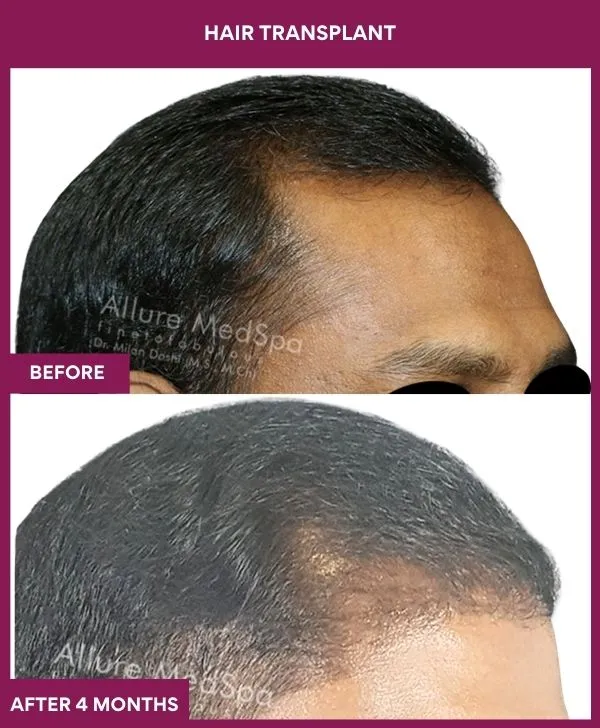
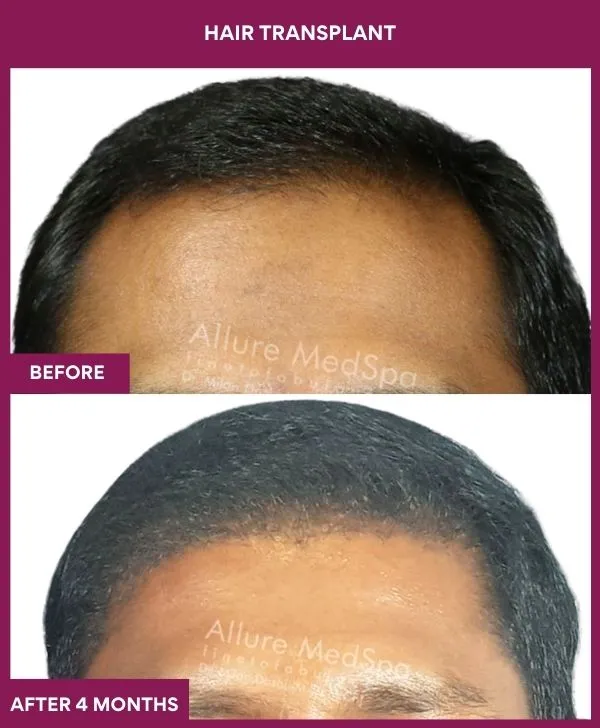
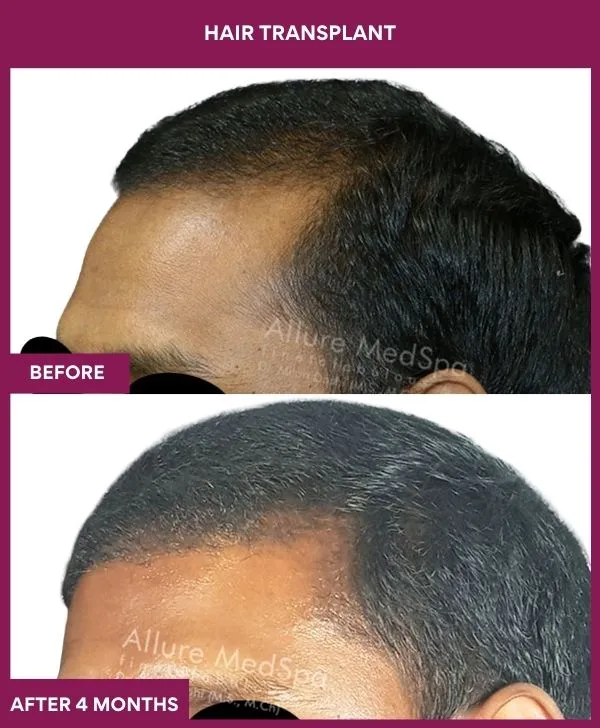
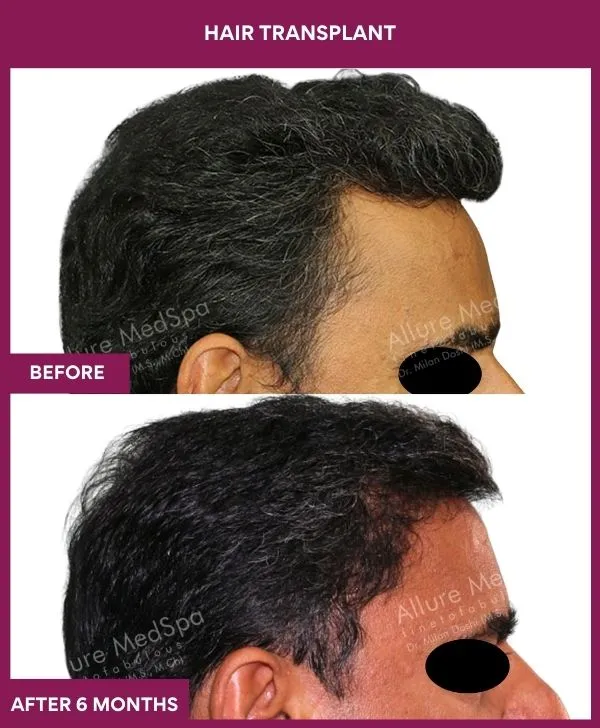
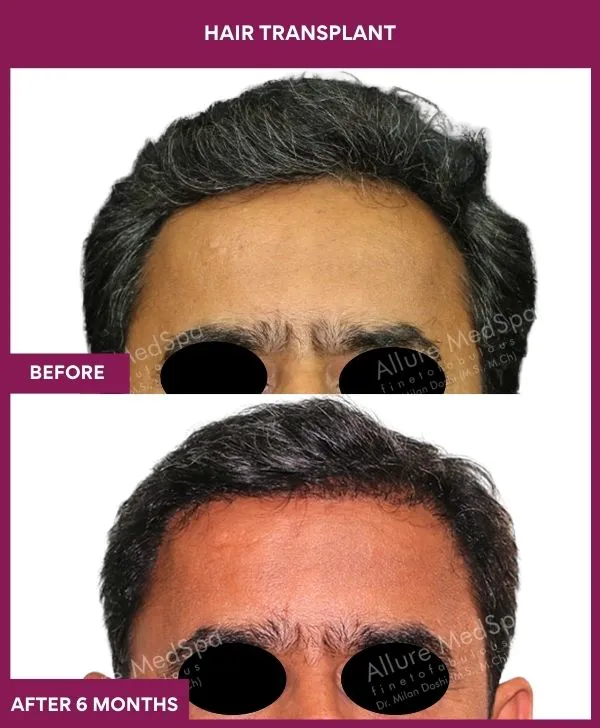
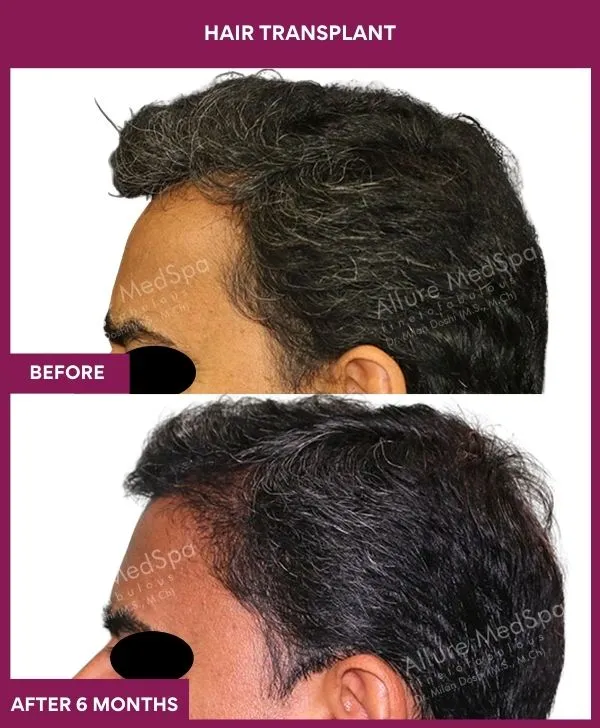
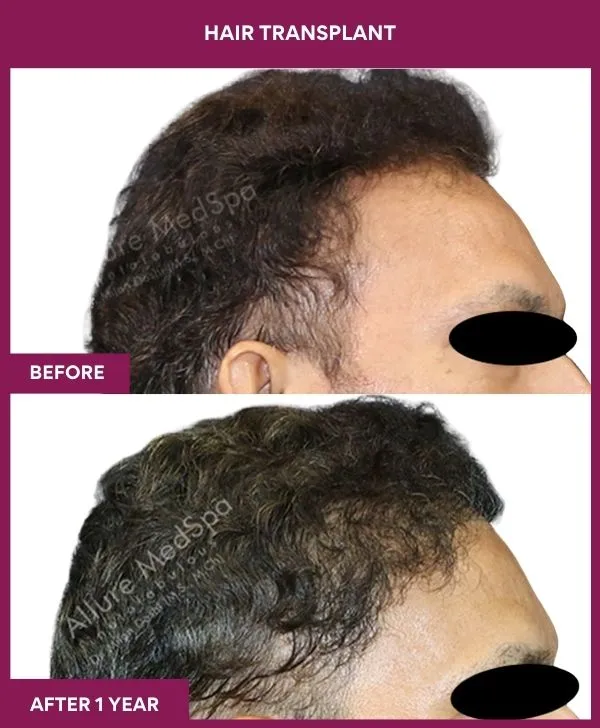
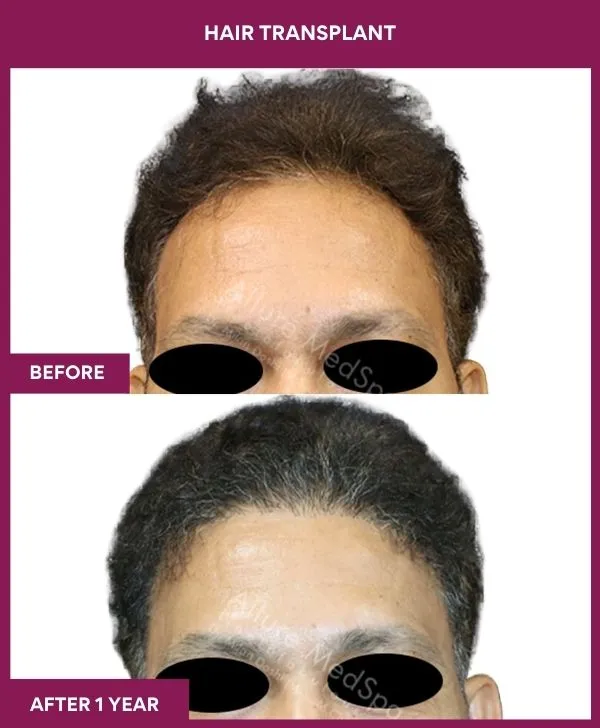
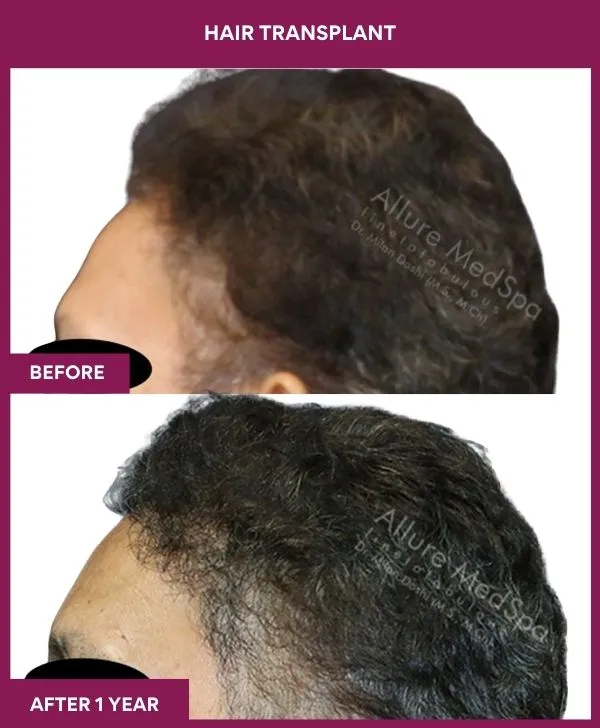
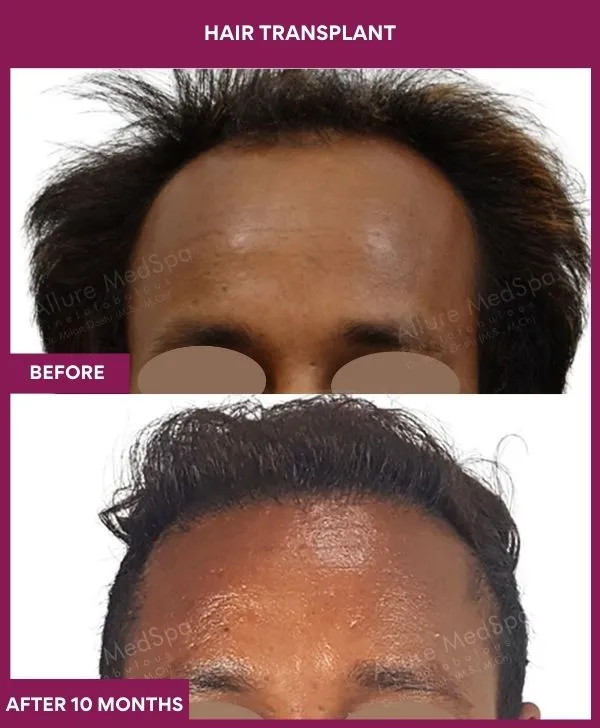
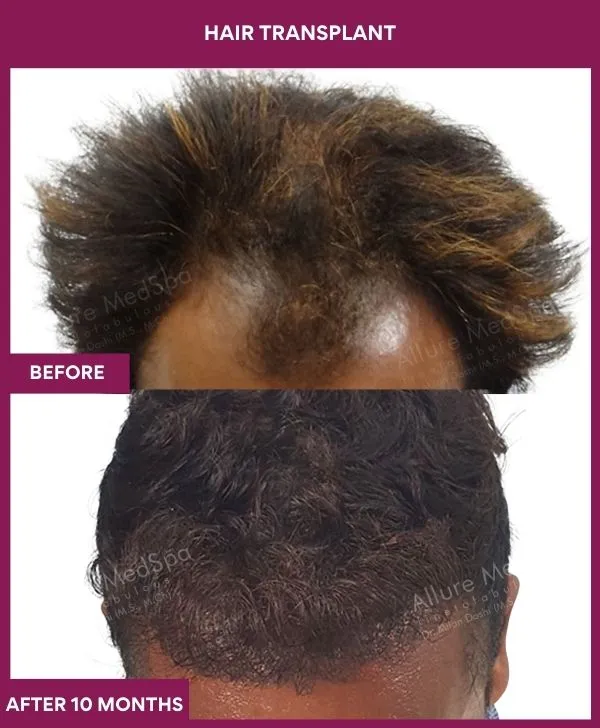
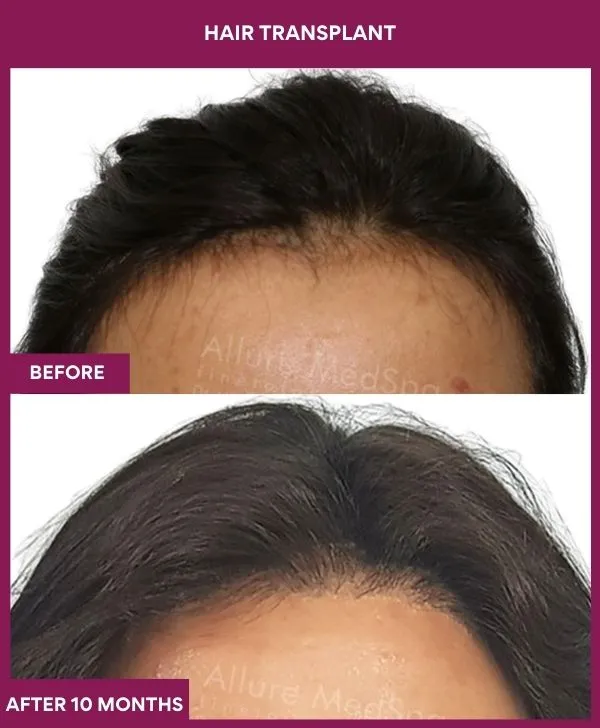
Hair Transplant Surgery Testimonials: Fine To Fabulous Journeys




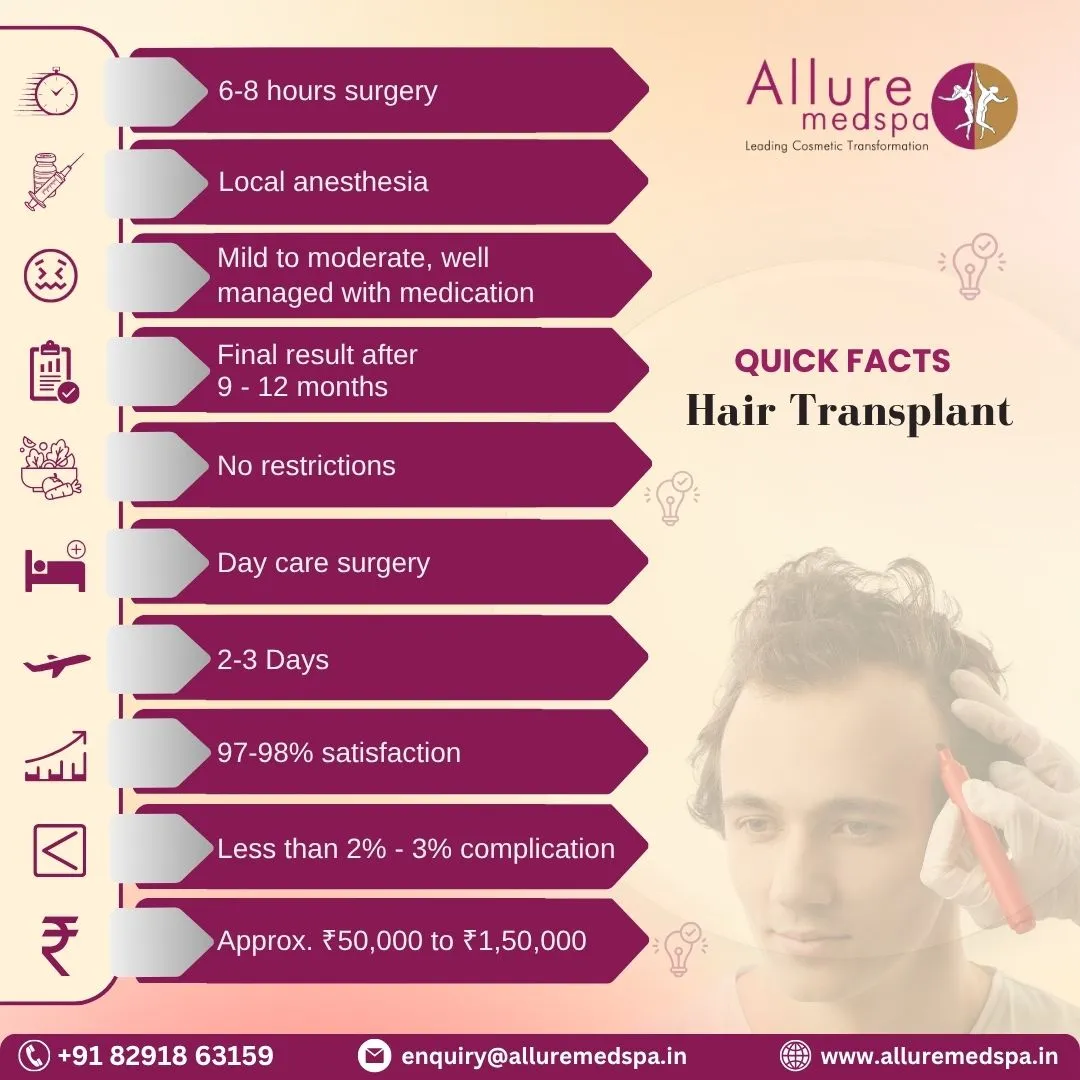
Hair Transplant Surgery Quick Facts
What Are the Key Benefits of Hair Transplant Surgery?
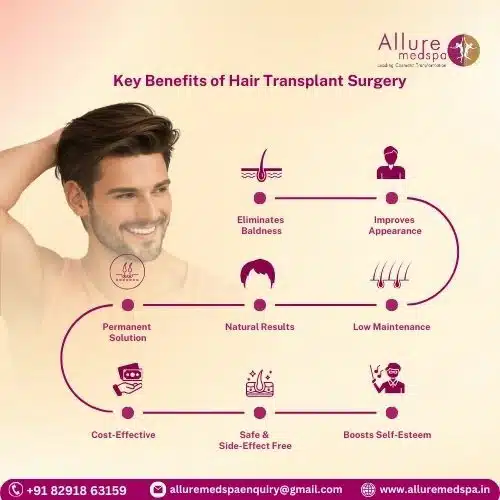
Hair transplant surgery offers a natural, long-lasting solution to hair loss — restoring your own growing hair and, for many people, a real boost in confidence.
Restores your own hair — natural growth in thinning or bald areas, with a designed, natural hairline
Permanent transplanted hair — donor follicles are DHT-resistant, so the transplanted hair itself lasts for life
Natural, low-maintenance — transplanted hair is your own; it’s cut, washed and styled normally
One-time procedure (often) — many people need a single session, though larger areas may need more
Confidence & quality of life — documented improvement in self-image
Which Conditions Can Be Treated with Hair Transplant Surgery?
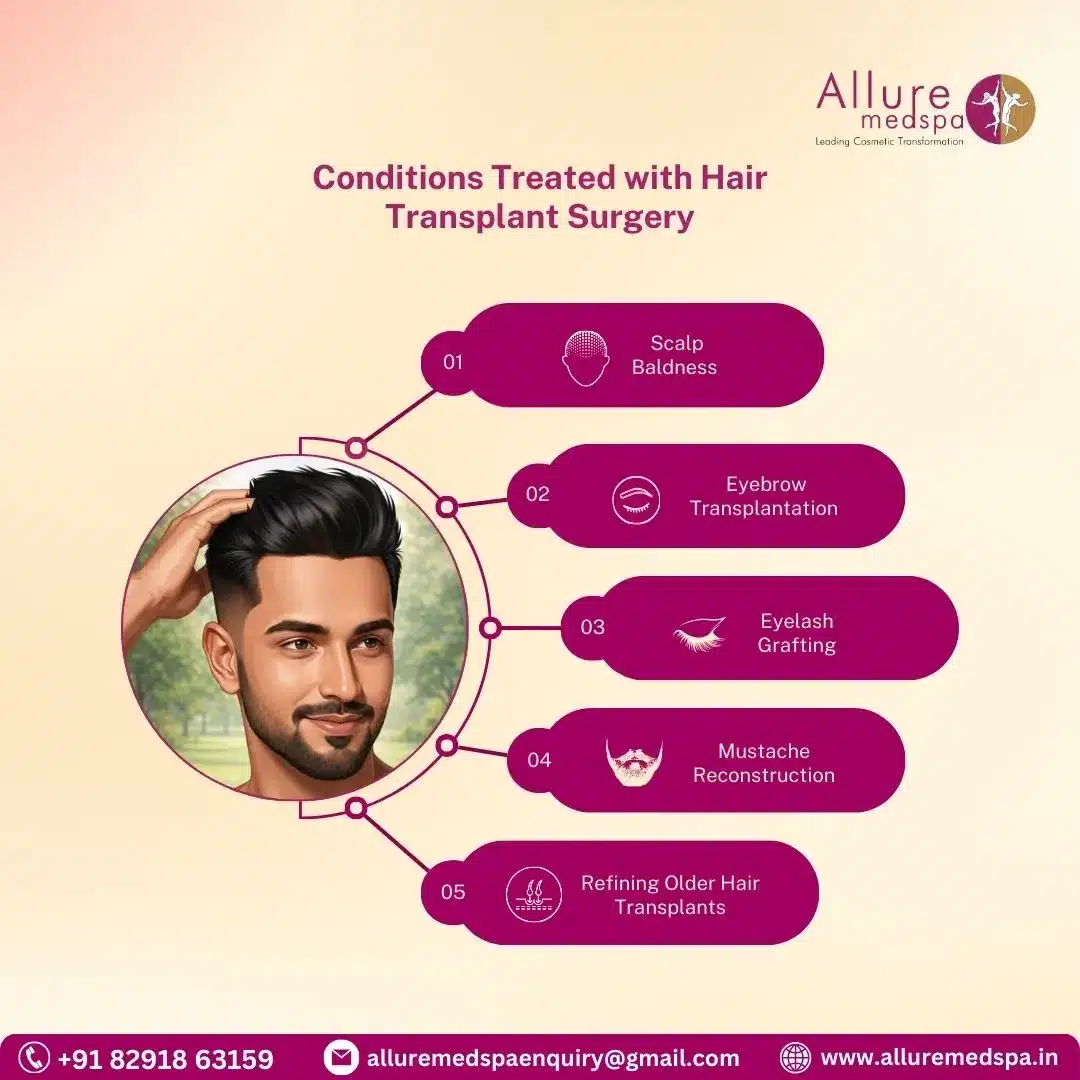
Hair transplant surgery works best for androgenetic (pattern) hair loss — the most common type — and can also restore eyebrows, beard and hairlines; some other conditions are treatable only in specific, stable circumstances.
Male & female pattern baldness — androgenetic alopecia: the main, best-responding indication (graft survival ~90%)
Receding hairline & thinning — hairline lowering/restoration and added density
Eyebrow & beard/moustache restoration — including scar-related gaps, using matched donor hair
Stable scarring (cicatricial) alopecia — possible only when the underlying condition is burnt-out/inactive, and with realistic expectations — graft survival in scarred tissue is lower (often ~40–55% over years) because blood supply is reduced
Refining old transplants — softening ‘pluggy’ hairlines from older-style grafts
Who Is the Ideal Candidate for Hair Transplant Surgery?

You’re a good candidate for a hair transplant if you’re over 18, in good health, have enough good-quality donor hair, and hold realistic expectations.
Adult (18+) with stable-ish loss — ideally a clear pattern; very early or rapidly-changing loss may be managed medically first
Healthy donor area — adequate DHT-resistant hair at the back/sides (or beard/body) to harvest
Good general health — well-controlled diabetes/blood pressure; non-smoker (smoking lowers graft survival)
Realistic expectations — results depend on donor supply and healing; density has limits
May need medical therapy too — to protect native hair; discuss minoxidil/finasteride and PRP with your surgeon
What Are the Limitations of Hair Transplant Surgery?
Why Is a Consultation Important Before Hair Transplant Surgery?

A consultation before a hair transplant sets realistic expectations, confirms whether surgery, medical therapy or both suit you, and produces a personalised plan.
Right treatment — surgery, medical therapy, or a combination
Donor & scalp assessment — extent of loss, donor quality, graft estimate and hairline design
Risks & recovery — a clear picture of shock loss, timeline and aftercare
Personalised quote — based on graft count; online consultation with photos is available
What Are the Different Techniques of Hair Transplant Surgery?

Hair transplant techniques include FUT and FUE (the two core methods) plus advanced options like DHI and robotic systems — the best choice depends on your hair, donor and goals, not the brand name.
FUT (strip) — a strip of donor scalp is removed and dissected into grafts under magnification; efficient for large numbers, leaves a fine linear scar
FUE — individual follicles are extracted with tiny punches; no linear scar, minimal downtime — compare FUE vs FUT
DHI (Choi pen) — grafts extracted and implanted with minimal out-of-body time, which can help survival
Robotic (ARTAS) / mini-robotic — assisted harvesting for consistency and speed
Session length — about 4–8 hours; larger cases may need more than one session. Technique matters far less than surgeon skill and hairline design
How Is Hair Transplant Surgery Performed?

Hair transplant surgery is a minimally invasive, day-care procedure under local anaesthesia — the follicles are harvested, prepared, and implanted at planned angles for a natural result.
Preparation — health check; stop smoking and blood-thinners as advised; hairline marked and agreed
Anaesthesia — local, keeping you comfortable and awake
Harvest — grafts taken by FUT strip or FUE punches, then sorted and preserved
Implantation — grafts placed into tiny incisions at natural angles and density
Duration — about 4–8 hours by graft count; outpatient, home the same day
What Does Post-Operative Care Involve After Hair Transplant Surgery?

Good aftercare protects graft survival and supports natural growth — keeping the area clean, avoiding trauma, and following your surgeon’s plan. See the full aftercare guide.
First 24–48 hours — keep the scalp clean and dry; sleep with the head elevated; don’t touch or scratch grafts
Medication — antibiotics, anti-inflammatories and pain relief as prescribed; topical minoxidil only if advised
Washing — gentle shampooing usually from day 2–3; avoid strong water pressure for ~2 weeks
Activity — no heavy workouts, swimming, direct sun or tight headgear for 10–14 days
Follow-ups — attend checks to monitor healing and growth
How Long Does It Take to See Hair Transplant Results?
 Hair transplant results appear gradually — the transplanted hair sheds in the first weeks (normal ‘shock loss’), regrowth starts around 3–4 months, and the final result takes 8–12 months. See the month-by-month timeline.
| Stage | What to expect |
|---|---|
| Immediately | Scalp tender; tiny crusts around grafts |
| 2–8 weeks | Transplanted hair sheds — normal ‘shock loss’, not failure |
| 3–4 months | Early regrowth begins; can look thin/patchy at first |
| 6–9 months | Density builds; hair thickens and matures |
| 8–12 months | Final, natural result (up to 12–18 months for full maturity) |
- Boost growth — combining with PRP may support density and healing.
Source: Clinicana – Hair transplant success & graft survival rates
How Do You Recover After Hair Transplant Surgery?

Hair transplant recovery is generally quick and comfortable — mild tenderness for a day or two, with a staged return to normal activity.
Pain & healing — mild tenderness/swelling for 1–2 days; dressings off within 24–48 hours
Back to work — desk work in 2–3 days; driving in 3–4 days
Exercise — light activity same day; cardio after 7–10 days; heavy training after 2–3 weeks
Protect the grafts — don’t scratch or rub; follow the aftercare guide
What Are the Risks and Complications of Hair Transplant Surgery?
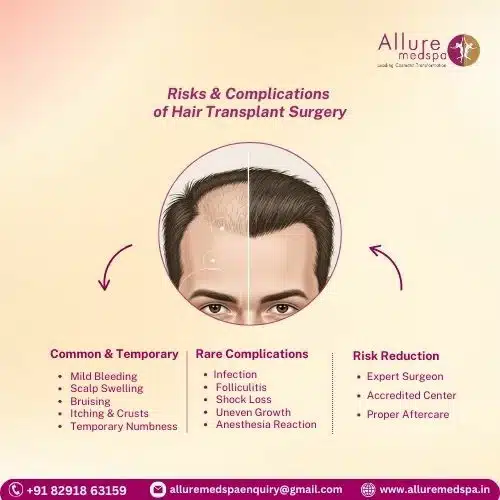
Hair transplant surgery is generally safe with an experienced surgeon, and serious complications are rare — but honest awareness helps, especially about ‘shock loss’, which is common and temporary.
Common, usually temporary
Swelling, mild bleeding & bruising — of the scalp/forehead, sometimes around the eyes; settles in days
Itching & small crusts — at graft sites as they heal
Numbness — temporary altered sensation in the treated/donor area
Shock loss — temporary shedding of the transplanted hairs (and sometimes nearby native hairs) in the first weeks; this is normal effluvium — the follicles survive and regrow, so it is not graft failure
Less common
Infection or folliculitis — uncommon; treated with medication
Poor growth / low density — if too many grafts are transected or handling is poor — why surgeon skill and graft care matter most
Unnatural appearance — ‘pluggy’ or wrong-angle hair if poorly designed; avoided with proper hairline planning
Donor-area thinning or scarring — over-harvesting can thin the donor; FUT leaves a linear scar
Anaesthetic reaction (e.g. lidocaine) — very rare
Minimised by expertise — low transection technique, careful graft handling, an accredited centre and honest planning keep results high — choose a board-certified surgeon
Sources: Clinical failure (<70% survival) in under 5% at accredited clinics; shock loss vs failure; smoking lowers survival, Realistic survival 90–95%; 100% biologically unrealistic
🩺 Dr. Milan Doshi’s note: “In hair transplant surgery, graft survival depends on careful extraction, minimal transection, short out-of-body time, and gentle implantation. I design the hairline according to age, face, and donor capacity. Shock loss is usually temporary, but native hair may still need medical support after surgery.”
What Lifestyle Changes Help Maximise Hair Transplant Results?

Healthy habits after a hair transplant support graft survival and long-term results — good nutrition, no smoking, gentle hair care and sun protection.
Nutrition & hydration — protein, iron and vitamins support hair growth
Stop smoking & limit alcohol — nicotine reduces blood flow and lowers graft survival
Gentle hair care — mild, sulfate-free shampoo; avoid harsh chemicals/heat for ~3 months
Protect from sun & pollution — loose hat, avoid direct sun for 3–4 weeks
Consider maintenance therapy — to protect native hair — discuss medication and PRP
Does Hair Transplant Surgery Offer Permanent Results?
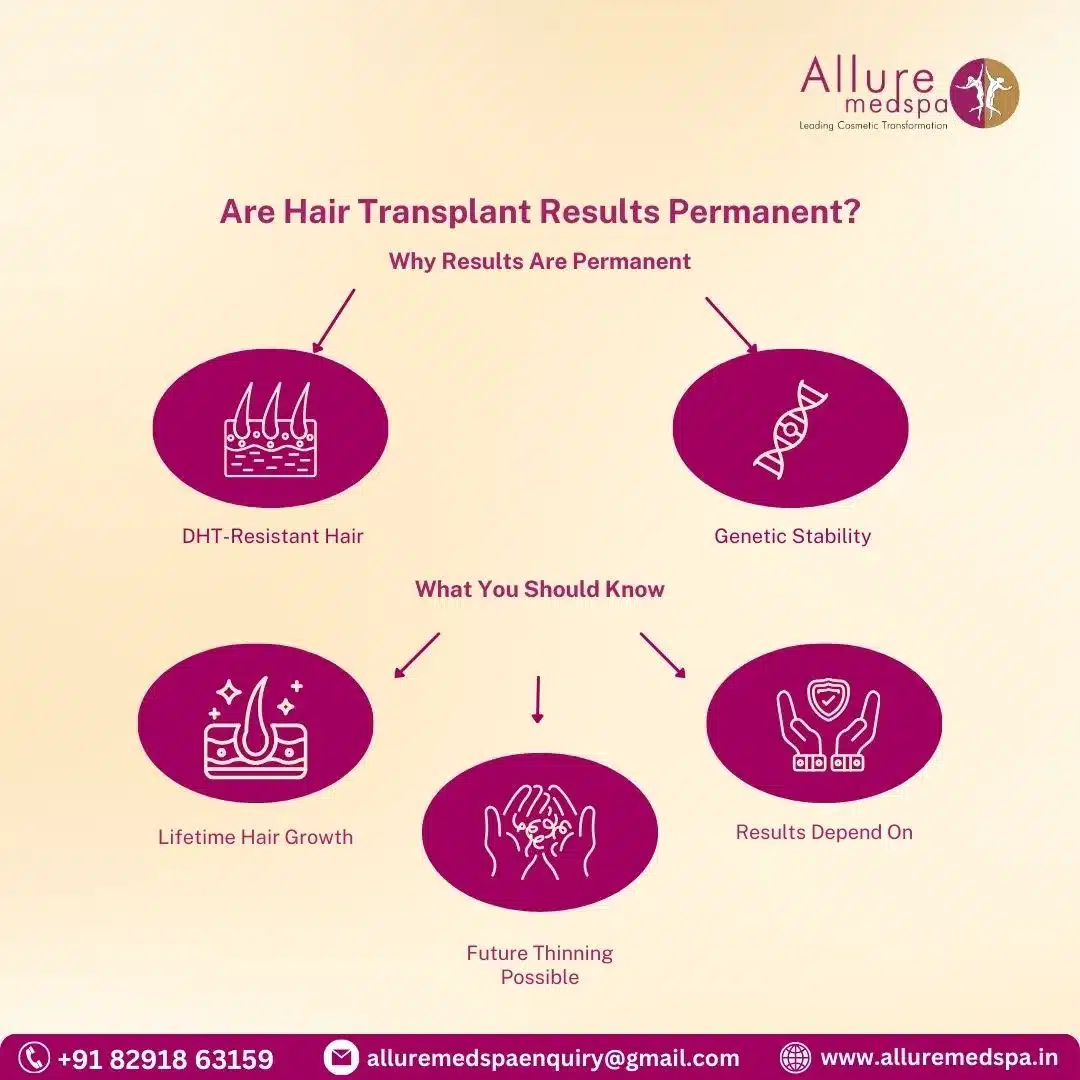
Yes — the transplanted hair is permanent, because the follicles are taken from DHT-resistant donor areas and keep their genetic resistance after moving. Honestly, though, your untreated native hair can keep thinning, so a transplant restores hair rather than freezing the whole scalp in time.
Why transplanted hair lasts — donor follicles are naturally resistant to the balding hormone (DHT) and retain that trait
Grows for life — transplanted hair continues to grow like the rest of your hair
But native hair keeps ageing — hair in untreated areas may still thin over time, sometimes needing future sessions or medication — this is the key honest caveat
Results depend on — surgeon skill, aftercare and a healthy lifestyle
What Is the Cost of Hair Transplant Surgery in Mumbai, India?
Who Is the Best Surgeon for Hair Transplant Surgery in Mumbai, India?
Which Is the Best Centre for Hair Transplant Surgery in Mumbai, India?
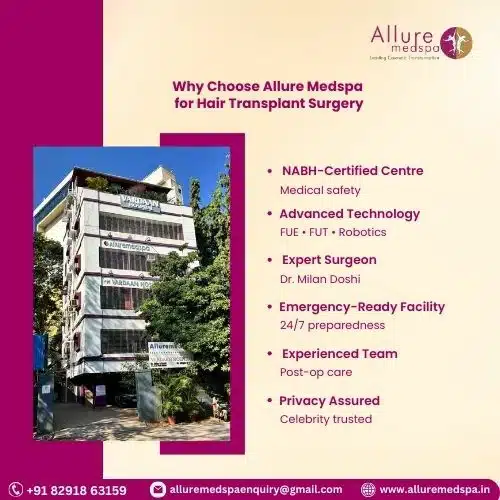
Allure Medspa, led by board-certified plastic surgeon Dr. Milan Doshi, is a NABH-certified cosmetic surgery centre in Mumbai offering FUE, FUT and advanced hair transplant techniques with end-to-end care.
NABH-certified — strict safety and hygiene protocols
Advanced technology — microscope-assisted and mini-robotic FUE/FUT
Surgeon-led — procedures performed personally by Dr. Milan Doshi
Outstation & overseas — visa, travel and concierge support via our outstation patients service