
Open vs Closed Rhinoplasty in Mumbai: Which Technique Does Your Nose Actually Need?

Indian Board Certified Plastic Surgeon
M.CH, MS, ISAPS Mentor
16000+ Cosmetic Surgeries
1500+ Rhinoplasty Surgeries
Open and closed rhinoplasty are two ways of reaching the same framework — through a tiny incision across the columella with the skin lifted for full view, or entirely through the nostrils with no external cut. Neither is “better”: the open approach gives precision and control for complex, structural and revision work; the closed approach gives scarless access and a quicker recovery for mild-to-moderate refinement. At Allure Medspa Mumbai, Dr. Milan Doshi chooses the approach from your anatomy and your goals — never from what sounds more modern or more discreet.
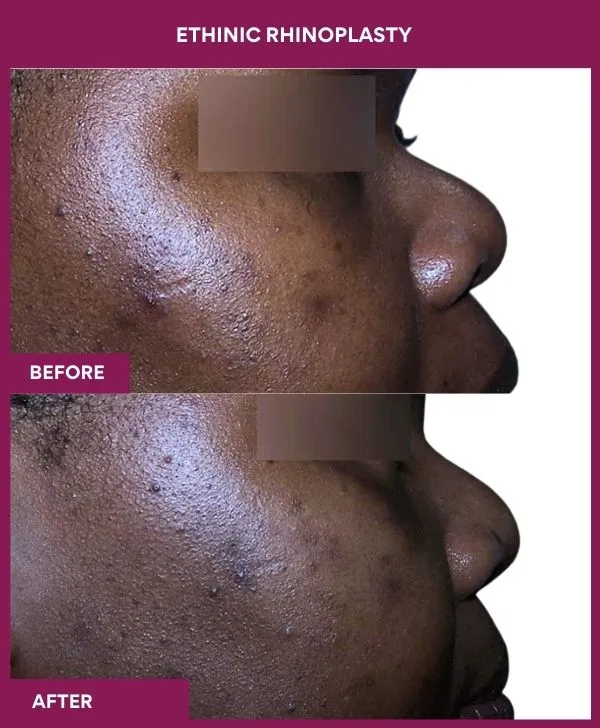
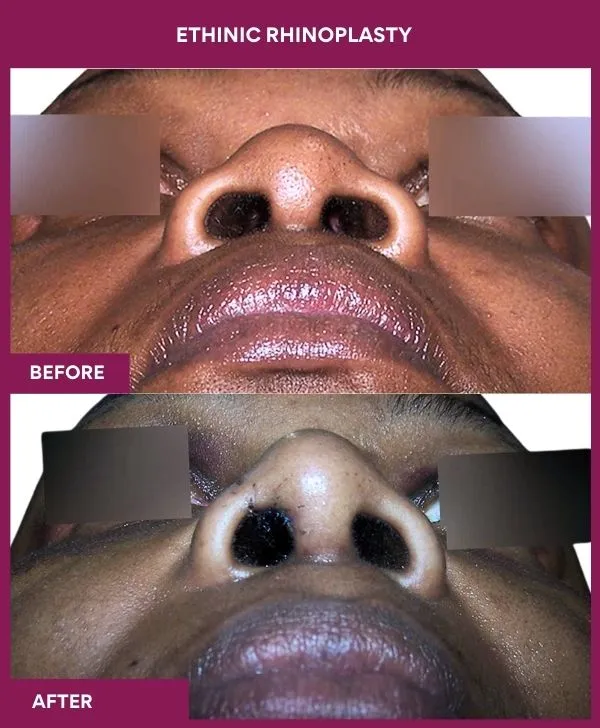
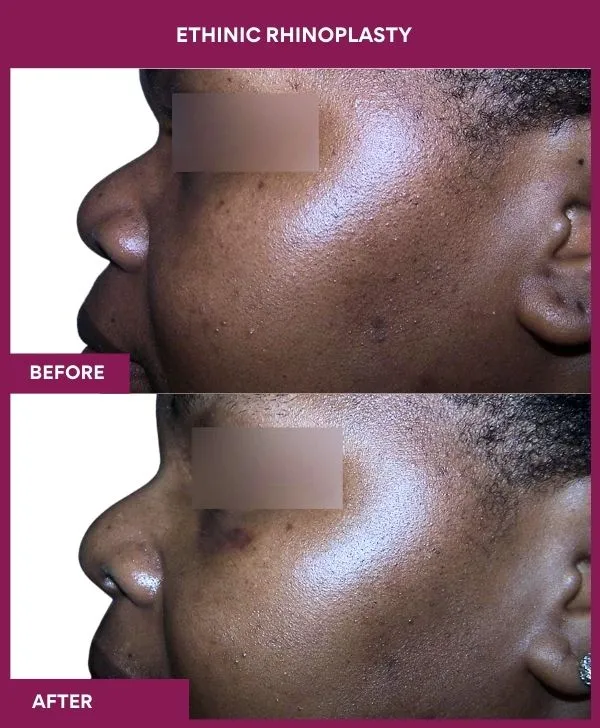
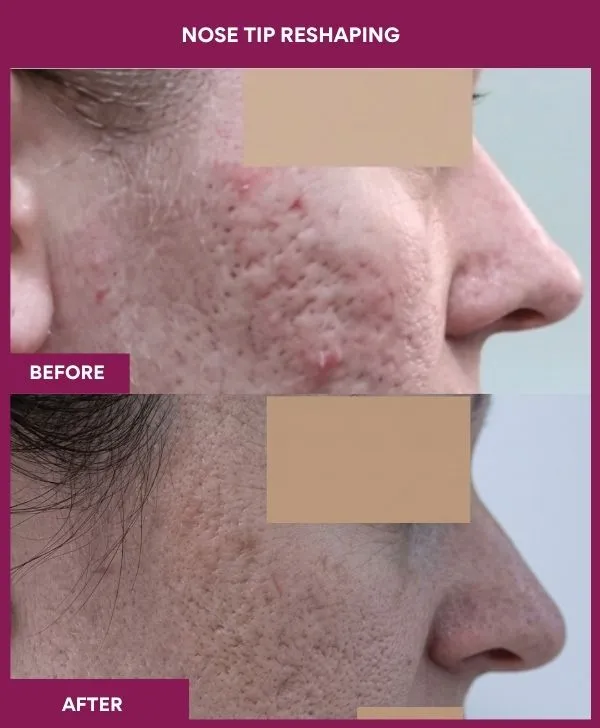
Open and Closed Rhinoplasty Before And After Images
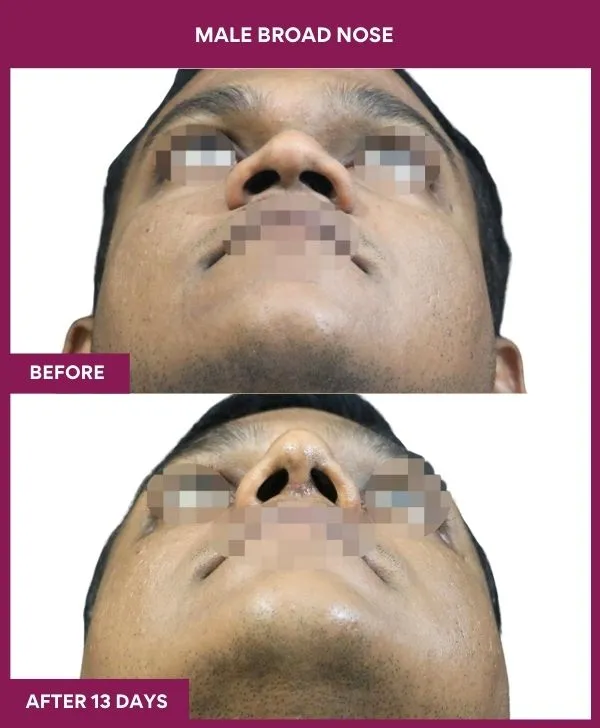
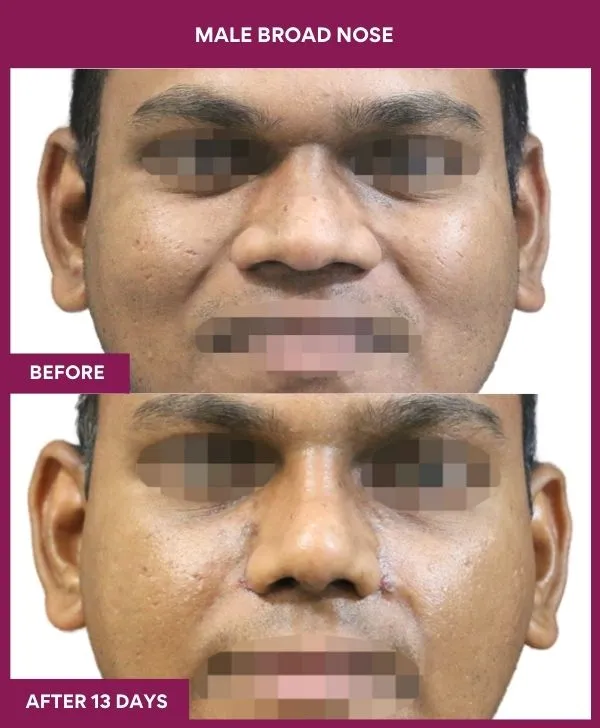
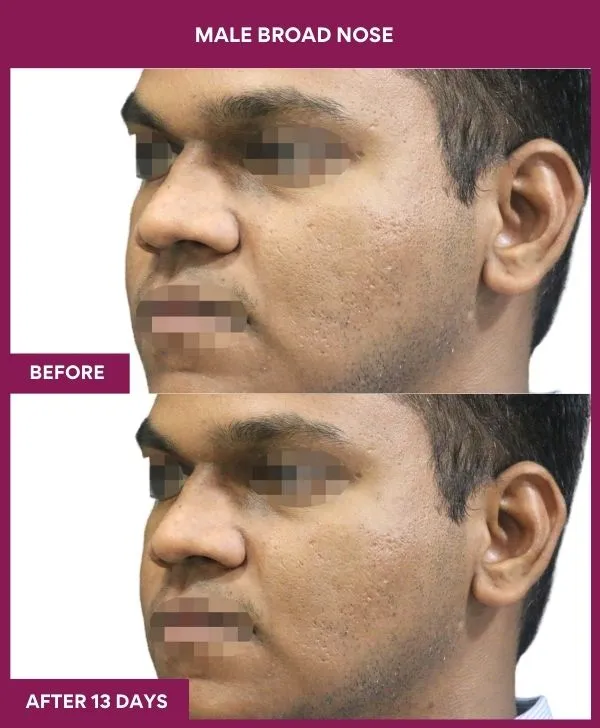
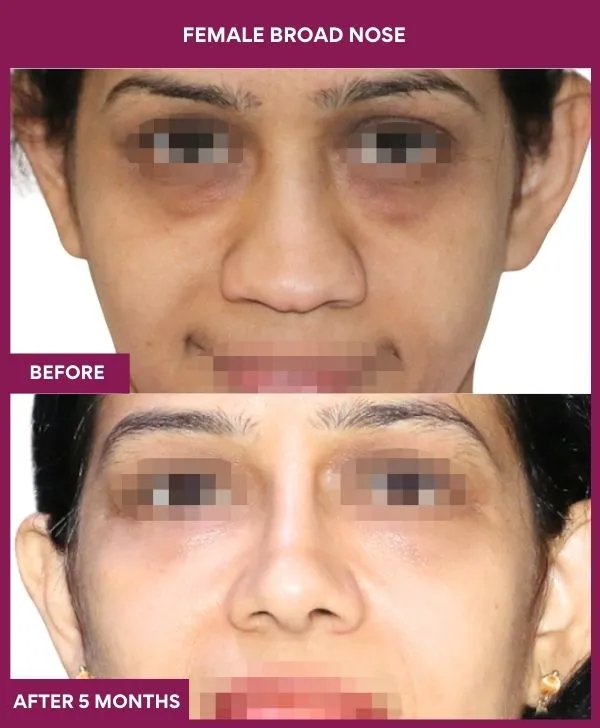
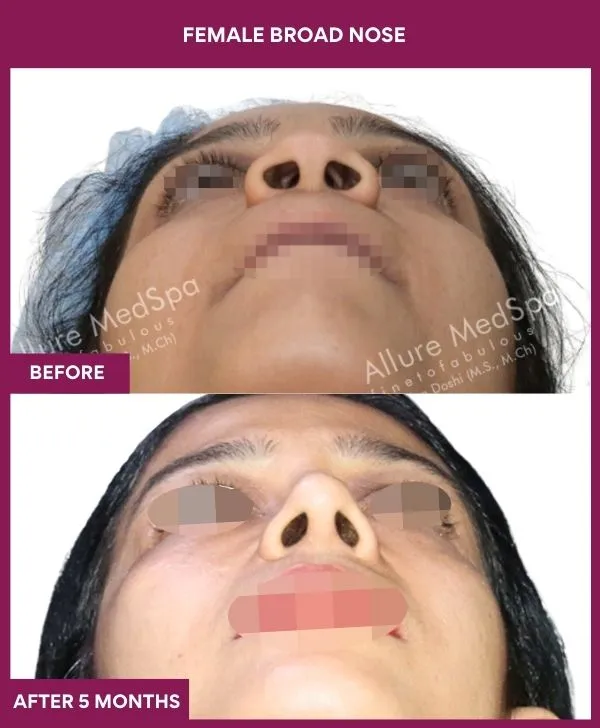
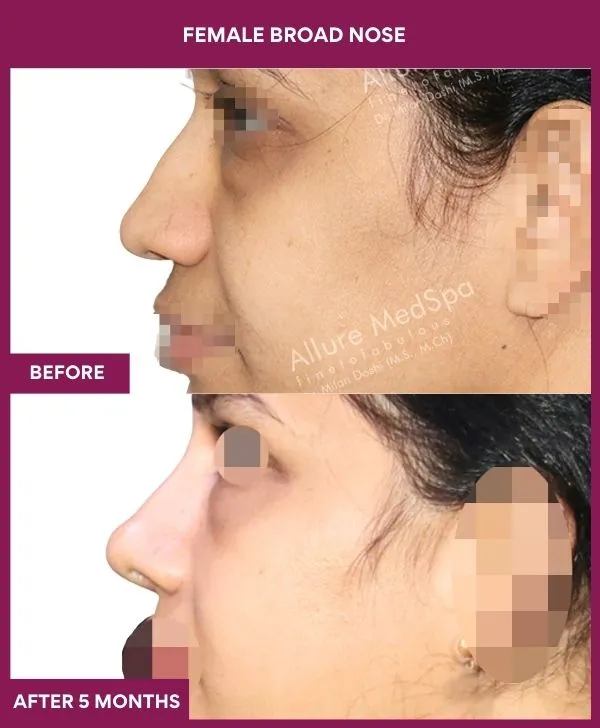
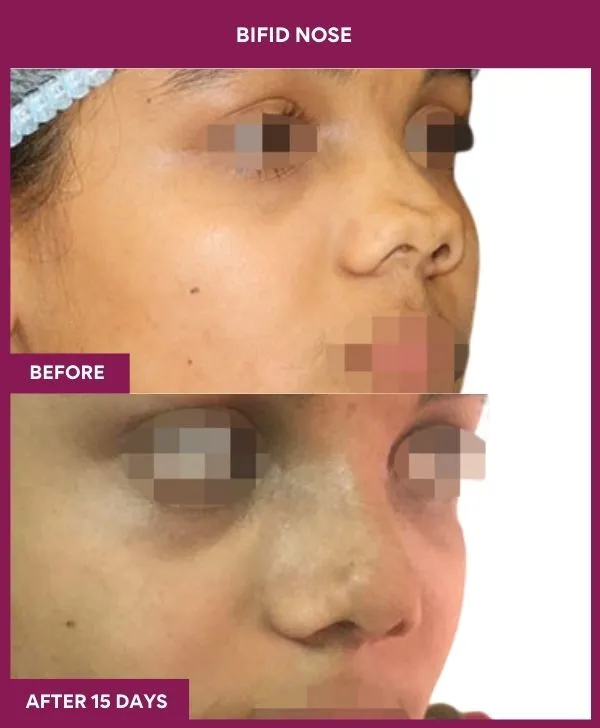
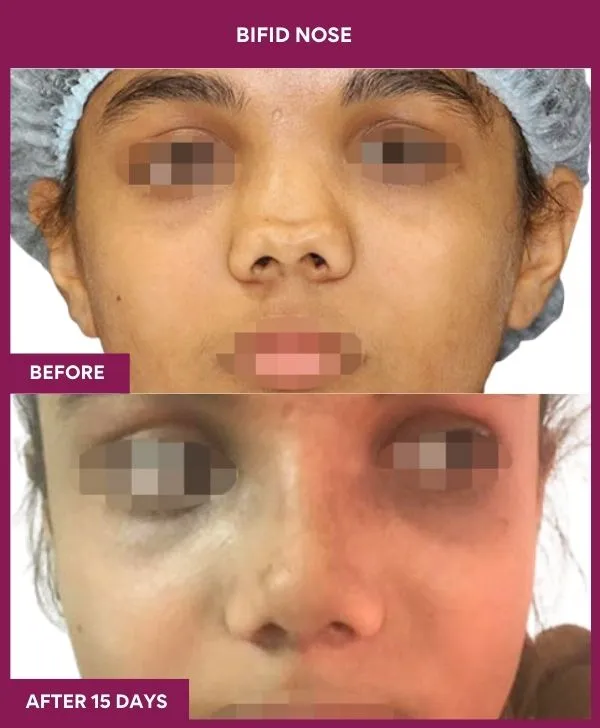
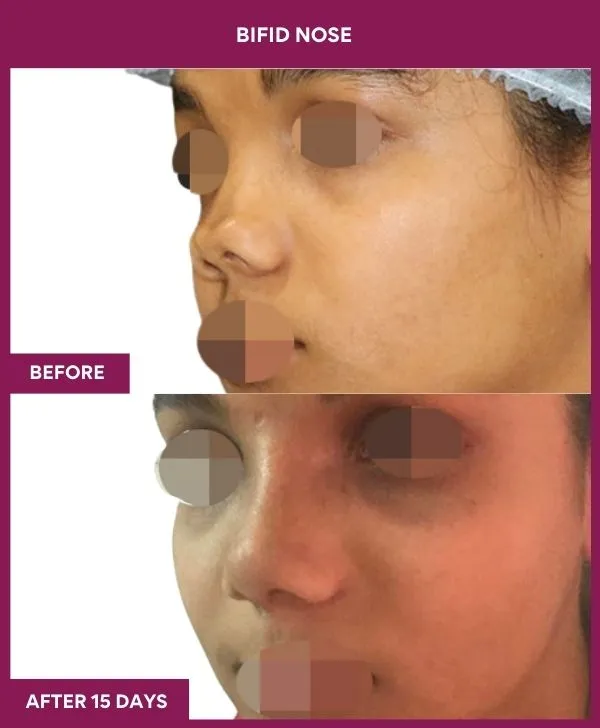
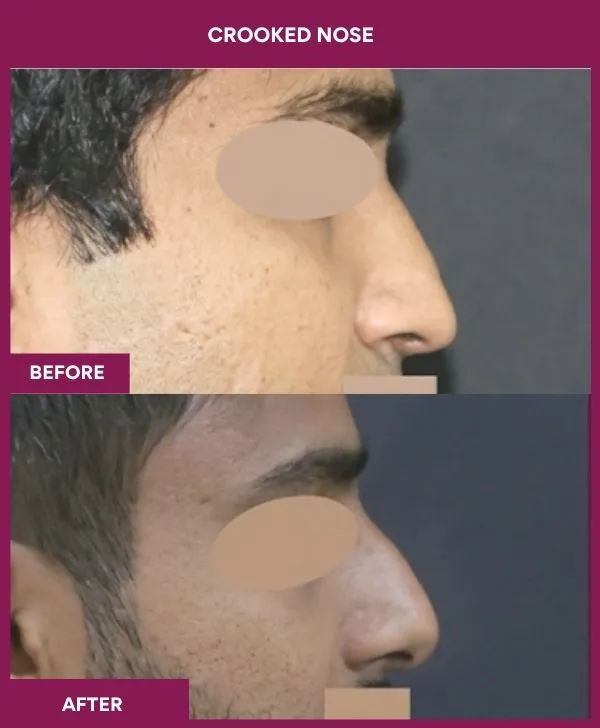
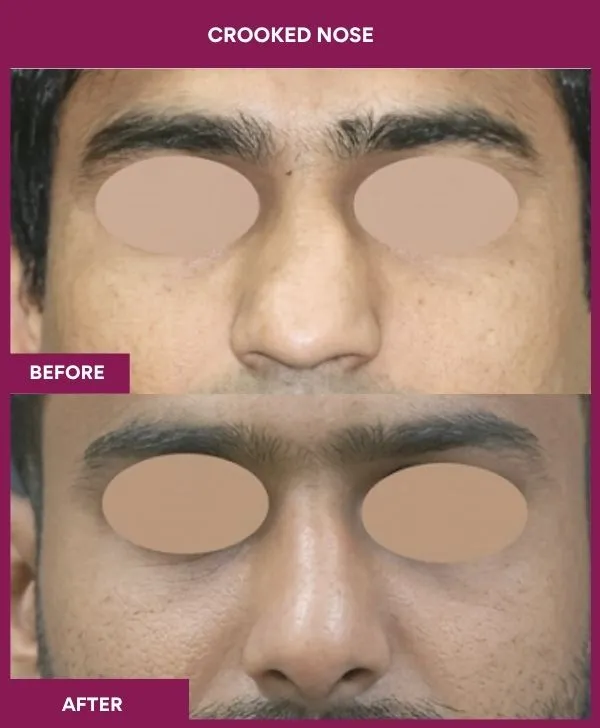
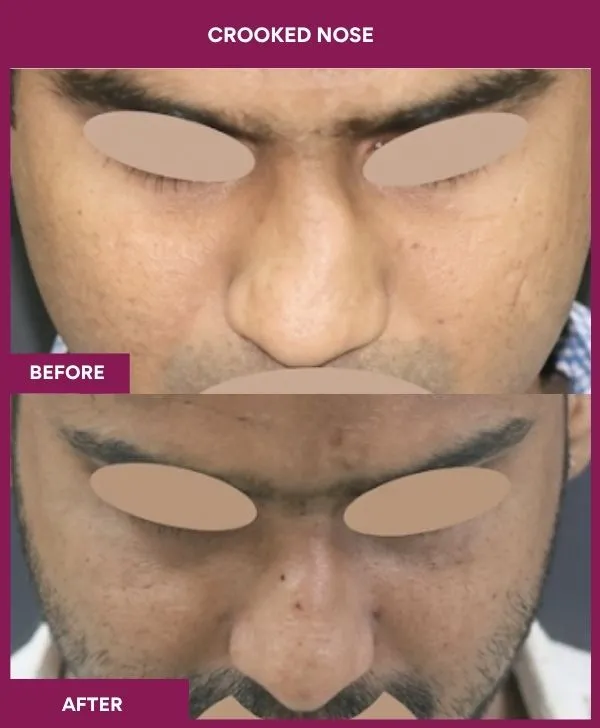
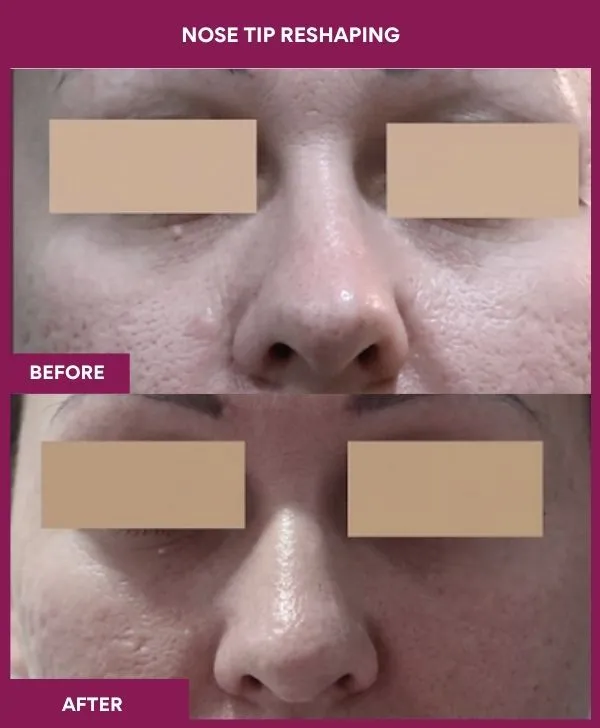
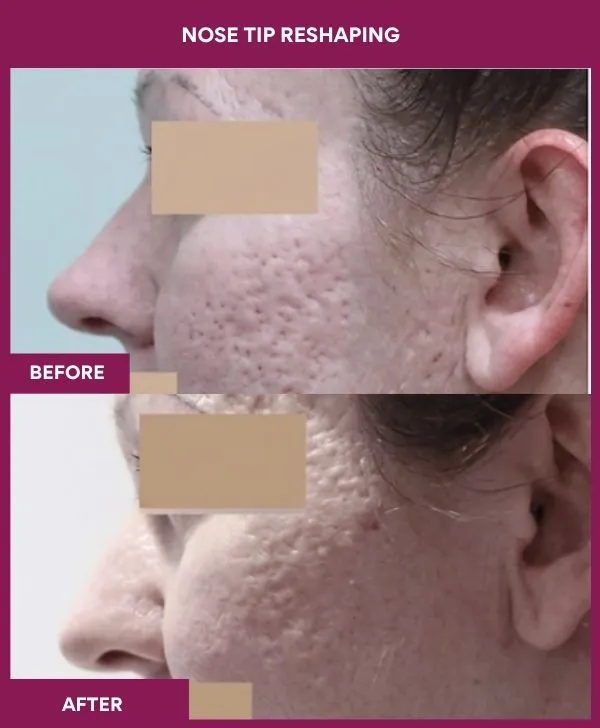
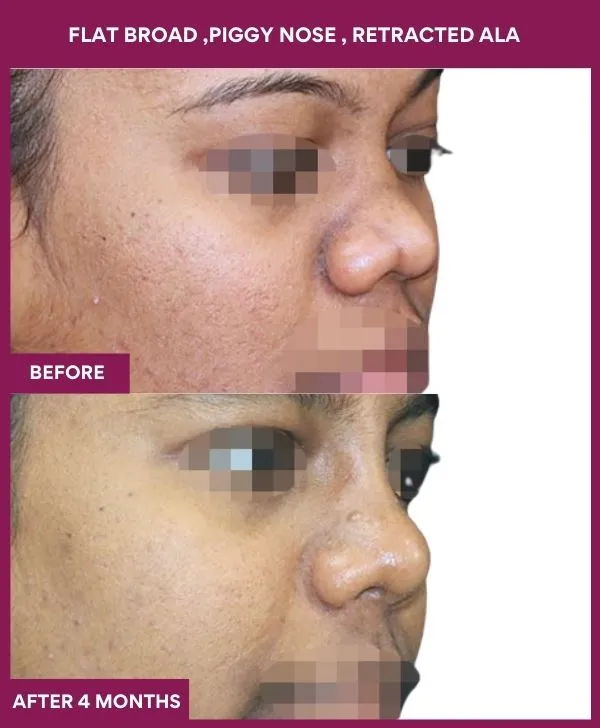
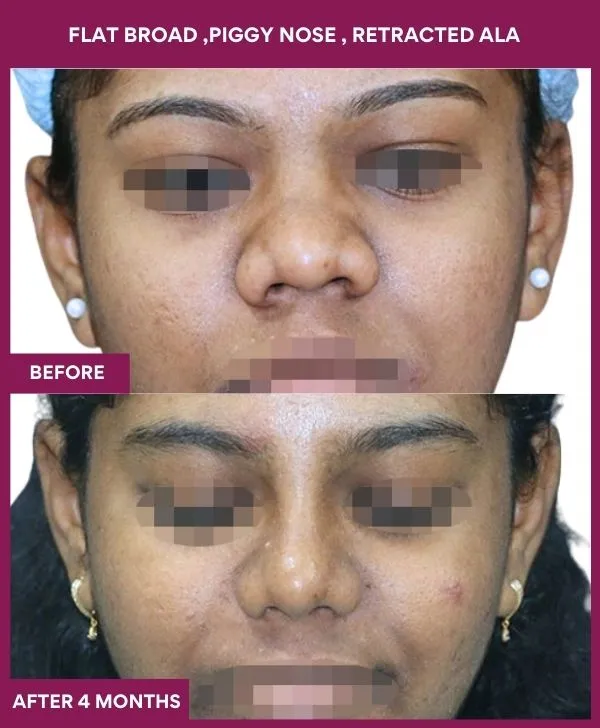
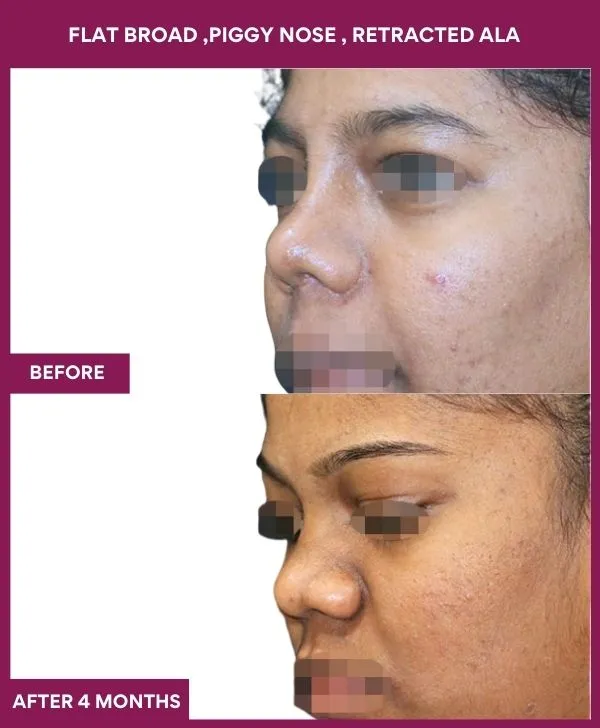
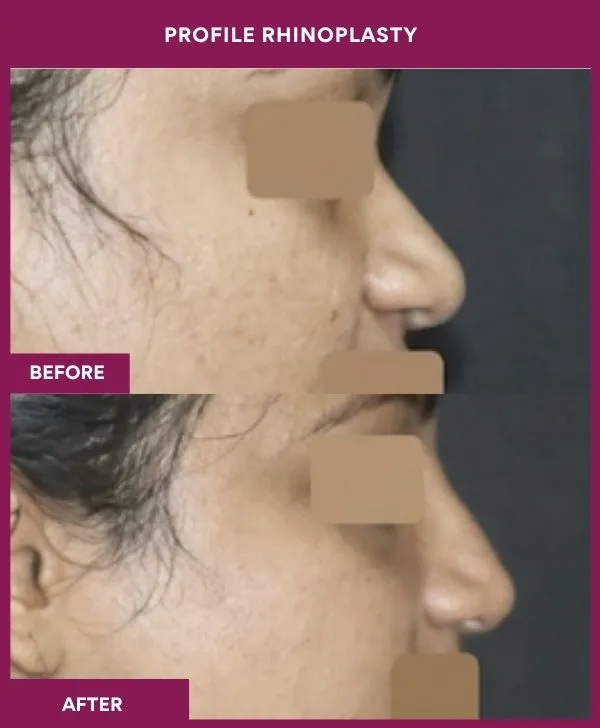
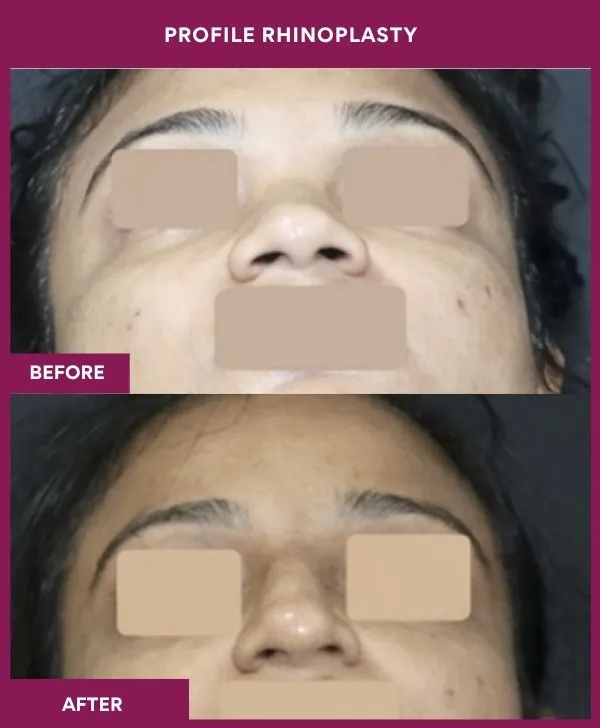
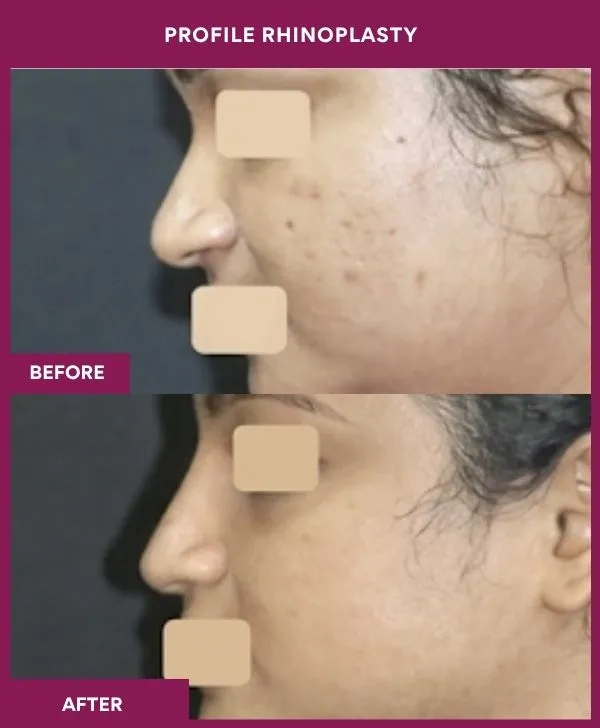
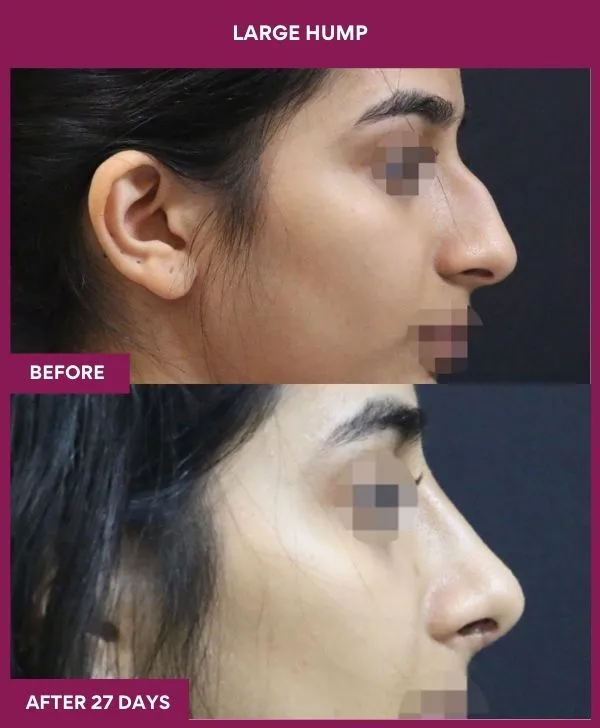
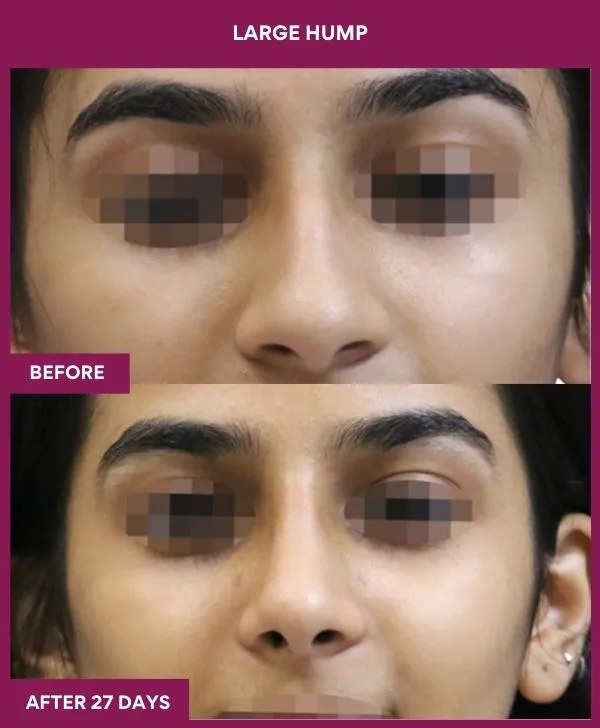
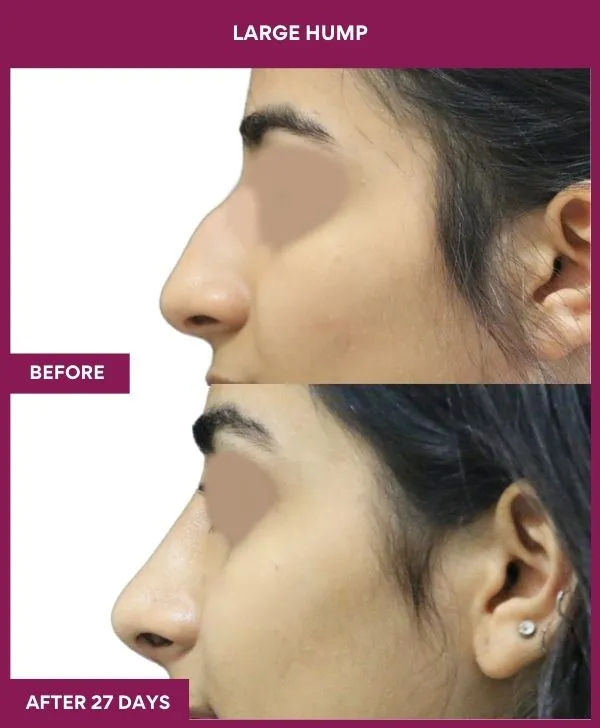
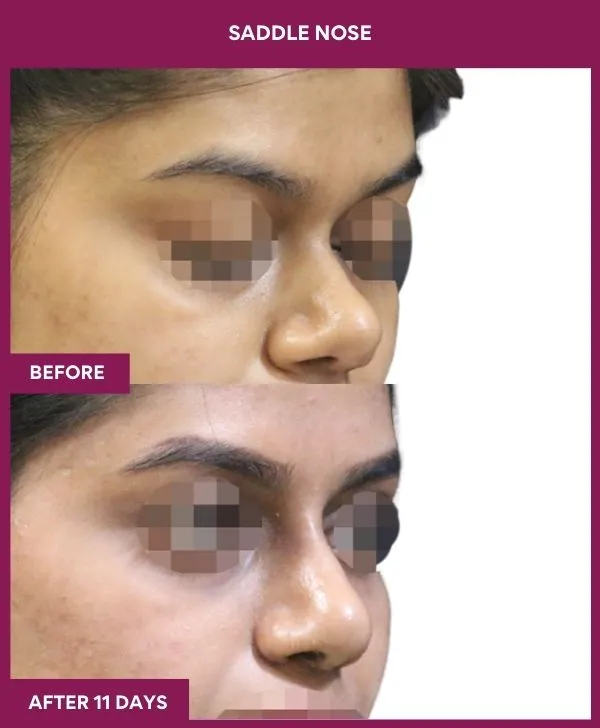
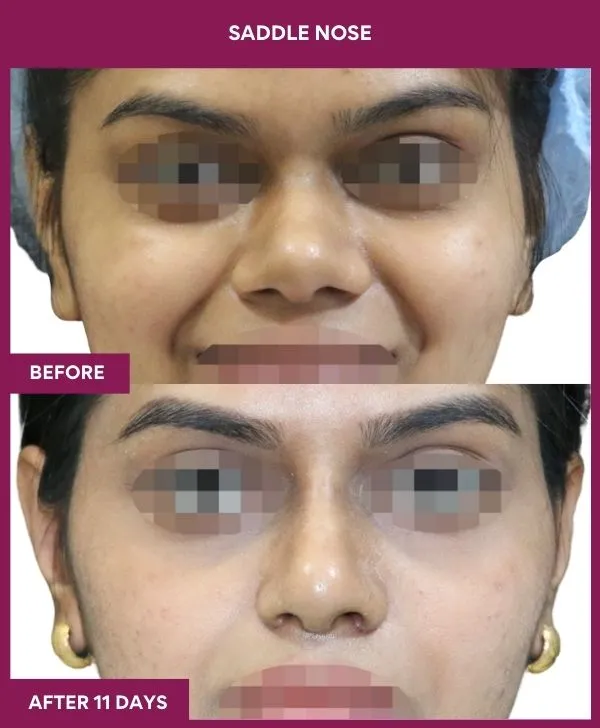
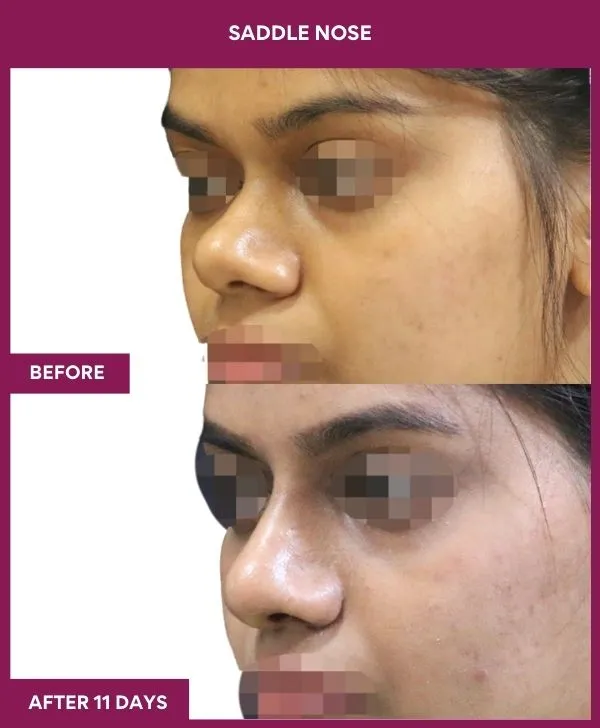
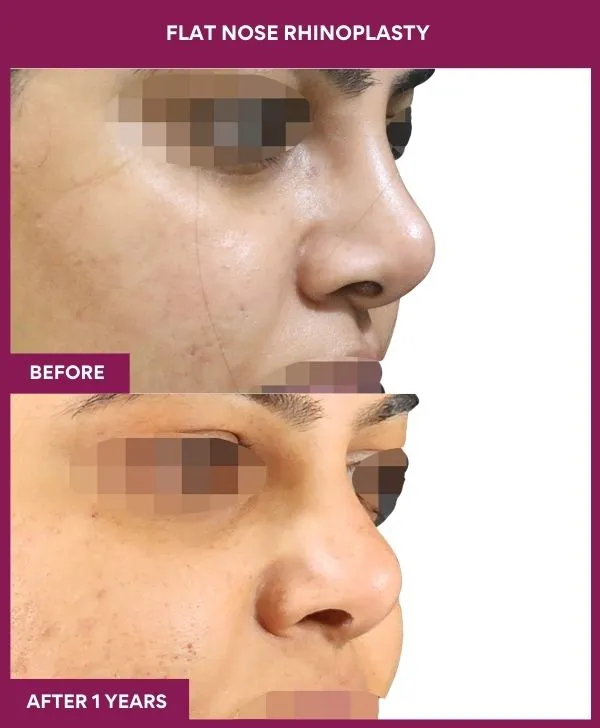
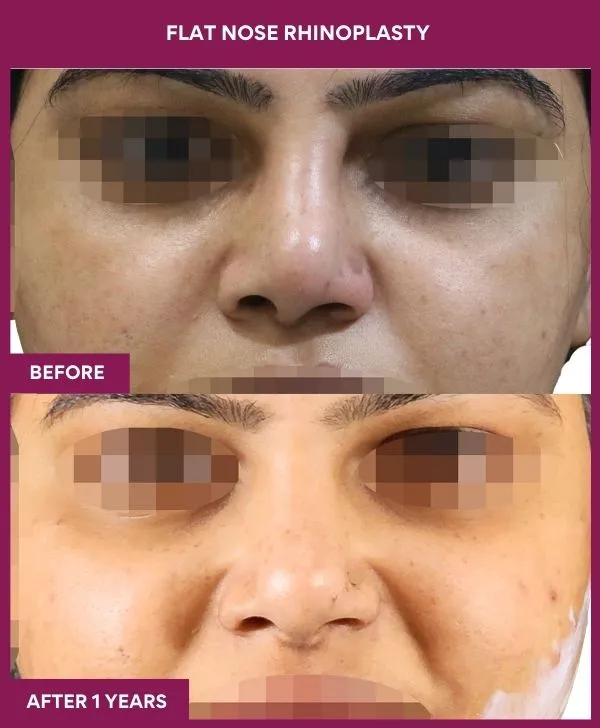
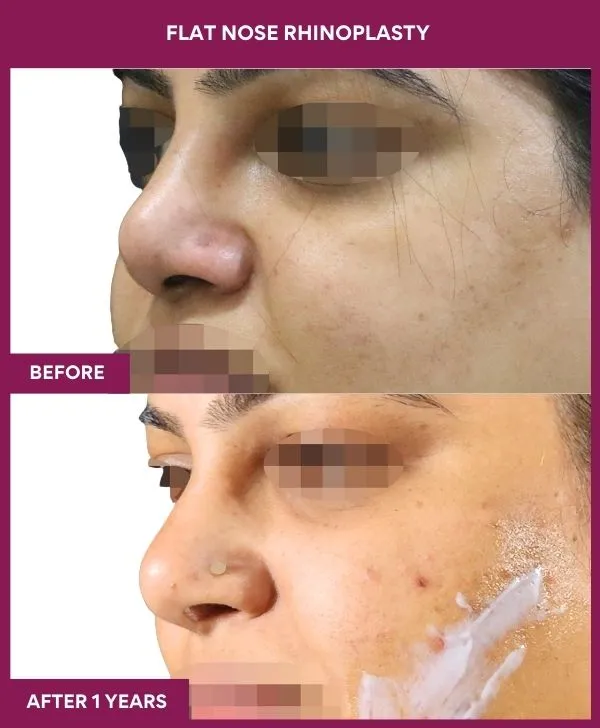
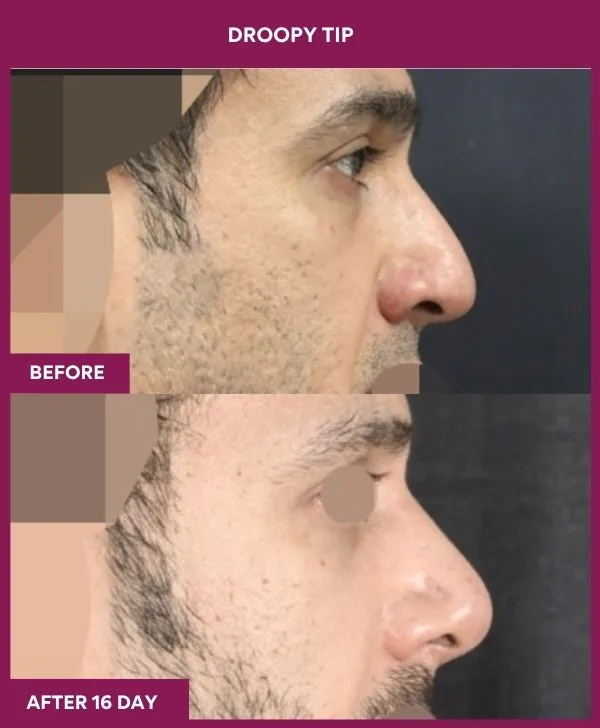
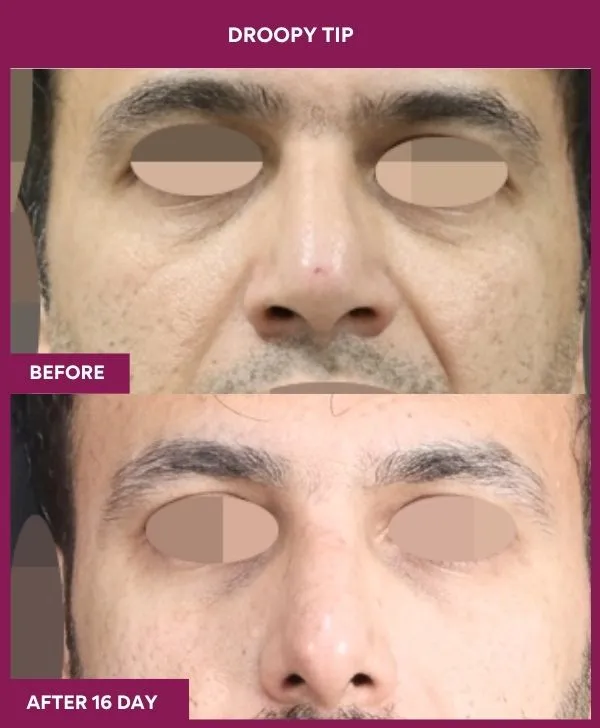
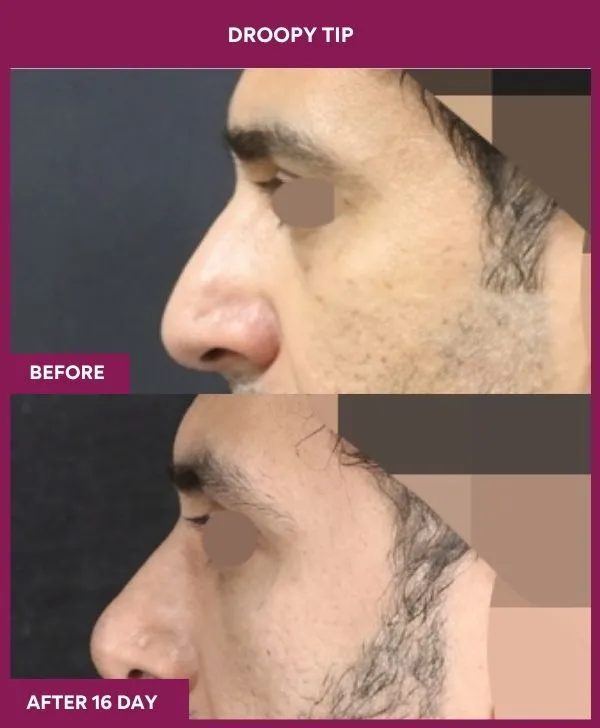
Rhinoplasty Surgery Testimonials: Celebrities Patient

Awarded by Google.com
Rating: 4.7
Reviews: 485+
Awarded by WhatClinic.com
Rating: 4.8
Reviews: 119+

Awarded by Realself
Rating: 4.9
Reviews:453+

Awarded by Facebook
Rating: 4.6
Reviews:105+
Dr Milan Doshi and his staff are very professional and committed as the centre is highly equipped with advanced technology. I had closed rhinoplasty 4 months back and I’m seeing the results as to how it becomes successful.
Deepika Shetty
The doctor explained everything clearly and the surgery was smooth. Recovery was faster than I expected and the team was very supportive.
Rahul Mehta
Very natural results and excellent staff. From consultation to follow-up, the experience was outstanding and boosted my confidence.
Sneha Kapoor
Video: Best Rhinoplasty Surgeon explain nose reshape procedure
Dr Milan Doshi is describing the Rhinoplasty Surgery in detail with benefits, techniques, recovery, result, risk and complecations
Am I a Candidate?
(4 quick questions)
Mild refinement or structural work? The answer picks the approach.
Get My AssessmentHonest answer — and the approach comes free
Quick Facts About Open vs Closed Rhinoplasty Rhinoplasty
| Metric | Closed rhinoplasty | Open rhinoplasty |
|---|---|---|
| TIME REQUIRED | 1–2 hours | 2–3 hours (longer with grafting or revision) |
| ANESTHESIA | General (local with sedation in selected limited cases) | General |
| HOSPITAL STAY | Day-care | Day-care or 1 night |
| PAIN LEVEL | Mild — blocked-cold feeling | Mild — blocked-cold feeling; tip numb for longer |
| BACK TO WORK | 5–7 days | 7–10 days |
| EXTERNAL SCAR | None | A few millimetres across the columella; usually fades to near-invisible by 6–12 months |
| RESULTS LAST | Permanent | Permanent |
| SUCCESS / COMPLICATIONS | 97–98% · under 2–3% | 97–98% · under 2–3% (revision cases lower / higher) |
How Much Does Open or Closed Rhinoplasty Cost in Mumbai?
Rhinoplasty in Mumbai starts from ₹1,00,000 to ₹3,50,000 — and the approach itself is not what sets the price. Cost follows what is done: a closed hump reduction sits at the lower end because the operation is shorter and needs no grafts; an open structural or revision rhinoplasty sits higher because of operating time, grafting and reconstruction. Two noses treated open can differ in cost more than an open and a closed nose treated for the same thing. A final quotation follows examination and a written surgical plan — it cannot be given accurately by phone or from photographs.
| Typical scope (and usual approach) | Indicative price range |
|---|---|
| Closed — hump reduction with osteotomies | ₹1,00,000 – ₹1,50,000 |
| Closed — hump + minor tip refinement | ₹1,20,000 – ₹1,70,000 |
| Closed — small bridge narrowing / minor bony correction | ₹1,00,000 – ₹1,50,000 |
| Open — tip reconstruction with grafts (bulbous / drooping / thick-skin tip) | ₹1,40,000 – ₹2,20,000 |
| Open — crooked nose / septorhinoplasty | ₹1,50,000 – ₹2,80,000 |
| Open — augmentation with rib or diced cartilage | ₹1,90,000 – ₹2,80,000 |
| Open — full structural / ethnic rhinoplasty | ₹1,80,000 – ₹2,80,000 |
| Open — revision rhinoplasty | ₹1,50,000 – ₹3,50,000 |
Get your exact quote & surgery plan
Share your details — our team responds within working hours with cost, EMI options and next steps.
Most Common Question People Ask
Q1. Which is better — open or closed rhinoplasty?
Ans. Neither is universally better. “Open” and “closed” describe how the surgeon reaches the framework, not what is done to it. Closed suits mild-to-moderate refinement with no external scar and a quicker recovery; open gives full visibility for complex, structural, thick-skin and revision work. The right approach is the one your anatomy and goals require.
Q2. Will the open rhinoplasty scar show?
Ans. The incision is a few millimetres across the columella — the strip between the nostrils — placed in a zigzag or step so it does not contract. It is pink for the first weeks and usually fades to near-invisible by 6–12 months; it sits underneath the nose, where people do not look. It does not disappear entirely, and darker skin may hold colour a little longer.
Q3. How much does open or closed rhinoplasty cost in Mumbai?
Ans. The guide range for rhinoplasty is ₹1,00,000–₹3,50,000 plus 5% GST. The approach does not set the price — the scope does. Closed hump reductions sit at the lower end; open structural, grafted and revision operations higher. A written quotation follows examination.
Q4. Will people know I had surgery?
Ans. Most patients look refreshed, not operated — with either approach. With closed rhinoplasty there is no visible scar at all. With open rhinoplasty, the healed columellar scar is rarely noticed even by people looking for it. What gives surgery away is an over-done nose, not the approach.
Q5. Is closed rhinoplasty faster to recover from?
Ans. Usually, yes. Because soft-tissue lifting is minimal, swelling is often less, the splint comes off at 5–7 days and most patients are back at desk work within a week. Open rhinoplasty adds a few days and the tip stays numb and swollen for longer. Final contour with either approach settles over 12 months.
Q6. Can closed rhinoplasty do everything open can?
Ans. No. Closed rhinoplasty is not about doing less — it is about doing precisely what is needed — but it cannot safely provide the exposure required for severe crooked noses, major asymmetry, complex tip reconstruction, extensive grafting or revision. In those cases an open approach gives safer, more predictable results.
Q7. Will it look natural?
Ans. A natural result depends on diagnosis and restraint, not on the approach. Dr. Doshi chooses the technique that delivers long-term stability rather than short-term appearance — closed where it achieves the goal cleanly, open where the nose demands exposure. Results vary between individuals and cannot be guaranteed.
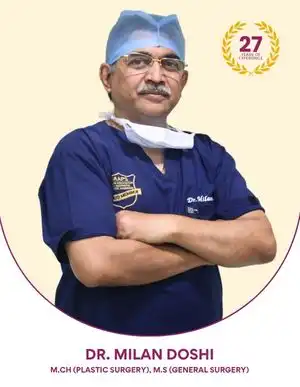
Why Choose Dr. Milan Doshi?
Dr. Milan Doshi, MCh, MS — Indian board-certified plastic surgeon with 27+ years in aesthetic surgery and 1,500+ rhinoplasties performed by both approaches. A surgeon who does only one of the two will recommend the one he does; a surgeon fluent in both can choose the one your nose needs. ISAPS mentor, trusted by patients from 70+ countries. Consults at Andheri West; surgeries at the NABH-accredited surgical centre, Goregaon West.
Read his full profile and credentials → About Dr Milan Doshi
🩺 Dr Doshi Note: “Not every nose requires an open technique. Proper examination tells us whether closed access will safely achieve your goals.”
The Complete Guide About Open vs Closed Rhinoplasty
What Are Open and Closed Rhinoplasty?
Open and closed rhinoplasty are the two approaches — the two routes in — for any nose reshaping operation. They describe access, not technique: the same hump reduction, tip suture or graft can in principle be done through either, but each approach makes some things easy and others difficult.
Closed rhinoplasty (endonasal)
Closed rhinoplasty is performed through incisions inside the nostrils, leaving no visible external scar. All cuts are placed inside the nose; there is no incision on the columella (the strip between the nostrils); bone and cartilage are reshaped internally. It is also called endonasal rhinoplasty. In Dr. Doshi’s clinical experience, this approach works beautifully for patients seeking subtle, natural refinement without external scarring.
Open rhinoplasty (external)
Open rhinoplasty uses a small columellar incision to fully expose nasal structures for precise reshaping. It involves a small incision on the columella, gentle lifting of the nasal skin, and direct visualisation of cartilage and bone. Unlike closed rhinoplasty, this method allows the surgeon to see the entire nasal framework clearly — ideal for complex reshaping, graft placement and revision.
This distinction matters. Patients often arrive asking for “closed” because they fear a scar, or for “open” because they read it is more precise. Both instincts are reasonable and both miss the point: the approach should be chosen after the plan, not before it. Decide what the nose needs; then choose the route that delivers it safely.
Open vs closed at a glance
| Aspect | Closed rhinoplasty | Open rhinoplasty |
|---|---|---|
| Incisions | Inside nostrils | Inside nostrils + small columellar incision |
| Scar | None visible | Fine scar that fades |
| Access | Moderate | Full exposure |
| Swelling | Usually less | Can be slightly more, especially at the tip |
| Operating time | Shorter | Longer |
| Best for | Mild–moderate refinement | Complex structural work |
Are open and closed rhinoplasty cosmetic or reconstructive?
| Type | Main purpose | Common example |
|---|---|---|
| Cosmetic (aesthetic) | Improve shape and proportion in a healthy nose | Closed hump reduction; open tip refinement |
| Functional / reconstructive | Restore breathing or structure | Open septorhinoplasty with spreader grafts; open revision |
Most rhinoplasty in private practice is cosmetic. Cosmetic rhinoplasty should not be assumed to be covered by health insurance; coverage, where it exists, applies only to documented functional indications and requires prior verification with your insurer.
Synonyms
Closed — patient terms: scarless nose job, no-scar rhinoplasty, internal rhinoplasty ·
medical terms: endonasal rhinoplasty, closed-approach rhinoplasty, delivery / non-delivery approach
Open — patient terms: open nose job, columella-cut rhinoplasty ·
medical terms: external rhinoplasty, open-approach rhinoplasty, transcolumellar rhinoplasty
Sources: NCBI – Rhinoplasty (StatPearls) · ASPS – Rhinoplasty
“I Want a Better Nose — But Not a Scar”
Many patients describe the same worry: they want a more balanced nose but feel hesitant about visible scars or prolonged swelling. Many of Dr. Doshi’s patients in Mumbai say they want refinement without obvious signs of rhinoplasty surgery — and for professionals, models and anyone in front of a camera, discretion matters. That concern is valid, and it should be answered honestly rather than used to sell one approach.
Three questions patients actually ask at consultation:
- “Can you do it closed so there’s no scar?”
- “I read that open is more precise — will I get a worse result if you do it closed?”
- “Where exactly is the open scar, and can you show me one that’s healed?”
The honest answers are: often yes, if what you need is mild-to-moderate refinement; no, a closed operation done for the right problem is not a compromise; and yes — the scar sits across the columella underneath the nose, and healed examples are shown at consultation. What a patient should not do is choose the approach before the diagnosis. The useful question is not “open or closed?” but “what does my nose need, and which route delivers that safely?”
Global and Indian trends
The open approach became dominant worldwide from the 1990s as structural, graft-based rhinoplasty replaced reduction-only surgery, and it remains the majority approach for tip work, ethnic noses and revision. Closed rhinoplasty has seen a renewed interest with preservation techniques and with patients who prioritise a scar-free result for mild deformities. In India — where thick skin, low bridges and structural grafting are the norm — open rhinoplasty is the more common approach, but a meaningful share of hump and minor corrections are done closed. Allure Medspa performs both.
What Are the Benefits of Each Approach?
Each approach has real advantages — which is exactly why both exist. The benefit of choosing correctly is that you get the strengths of the approach your nose needs without paying the costs of the one it does not.
Benefits of closed rhinoplasty
- No visible scar — all incisions are inside the nostrils.
- Less soft-tissue disruption — the skin is not lifted off the tip, so swelling is usually less.
- Often quicker recovery — splint off at 5–7 days, desk work within a week.
- Preservation of natural nasal support — the tip’s soft-tissue attachments are left intact.
- Shorter anaesthesia time in many cases.
- Discretion — for many professionals and models in Mumbai, this is the deciding factor.
Benefits of open rhinoplasty
- Enhanced surgical accuracy — the whole framework is seen directly, both sides compared at once.
- Better correction of asymmetry — crooked noses and uneven tips are judged under direct vision.
- Strong structural support — grafts (spreader, strut, extension, rib) are placed and fixed precisely.
- Lower revision likelihood in complex cases, when properly executed.
- Natural-looking outcomes in thick-skin, ethnic and revision noses that need structure rather than reduction.
- Functional improvement — valve and septal work are more controllable open.
Because the internal anatomy is fully visible in open rhinoplasty, cartilage reshaping and graft placement can be done more precisely; because the tip is never lifted in closed rhinoplasty, it swells less and settles faster. The right patient gets the benefit that matters to them.
Which Problems Does Each Approach Suit?
Closed rhinoplasty suits mild-to-moderate reshaping without major structural reconstruction. Open rhinoplasty suits complex corrections requiring detailed tip and structural refinement. Most noses fall clearly on one side; some could be done either way, and there the patient’s priorities (scar vs precision) reasonably decide.
| Concern | Usual approach | Why | Learn more |
|---|---|---|---|
| Small-to-moderate dorsal hump | Closed | Bridge is reached easily from inside; no tip work needed | Nasal Hump / Dorsum Deformities |
| Slight bridge narrowing | Closed | Osteotomies are done through internal incisions | Broad Nose Correction |
| Mild tip refinement, thin skin | Closed (or either) | Small suture changes possible via delivery approach | Nasal Tip Plasty |
| Selected breathing corrections (septum) | Closed | Septoplasty is an internal operation | Septorhinoplasty |
| Crooked or asymmetric nose | Open | Both sides compared under direct vision; asymmetric grafts | Crooked Nose Correction |
| Bulbous / boxy / drooping tip, thick skin | Open | Precise suture work, grafts and soft-tissue management need exposure | Bulbous & Boxy Tip Correction |
| Low bridge needing augmentation | Open (often) | Graft placement and fixation on the midline | Augmentation Rhinoplasty |
| Ethnic / structural rhinoplasty | Open | Build-not-reduce surgery is graft-heavy | Ethnic Rhinoplasty |
| Post-trauma deformity | Open | Scar and distorted landmarks need direct view | Crooked Nose Correction |
| Revision rhinoplasty | Open | Reconstruction through scar; graft placement | Revision Rhinoplasty |
| Valve collapse / functional rebuild | Open | Spreader and batten grafts placed precisely | Functional Rhinoplasty |
The anatomy behind the choice — what each approach reaches
- Columella — the skin strip between the nostrils. The open incision crosses its narrowest point in a zigzag; the closed approach leaves it untouched.
- Nasal bones and bony hump — reached equally well from inside; the reason most pure hump reductions can be closed.
- Middle vault and internal valve — reachable closed for simple hump work; spreader graft placement is more controlled open.
- Tip cartilages (lower lateral) — the deciding structure. Closed “delivery” lets the surgeon pull each cartilage into view one at a time; open lays both side by side. Complex tip work, thick skin and asymmetry favour open.
- Septum — an internal structure; septoplasty is closed by nature, though grafts harvested from it may be placed open.
- Skin–soft-tissue envelope — lifted off the tip in open surgery (more swelling, more control); left attached in closed (less swelling, less view). Thick skin that needs thinning or strong grafts favours open.
What Are the Limitations of Each Approach?
Every approach has a ceiling. The limitation of closed rhinoplasty is access; the limitation of open rhinoplasty is soft-tissue disturbance and a scar. Choosing an approach beyond its ceiling — closed for a nose that needs reconstruction, or open for a nose that needed a small rasp — is where results are compromised. Being clear about these boundaries before surgery is one of the strongest predictors of satisfaction afterwards.
Limitations of closed rhinoplasty
Closed rhinoplasty is not suitable for complex deformities or major reconstruction: severe crooked noses, major asymmetry, complex revision rhinoplasty, extensive structural rebuilding, thick-skin tips needing grafts and soft-tissue thinning. In such cases an open approach provides safer and more predictable results. Closed rhinoplasty is not about doing less — it is about doing precisely what is needed — but forcing it beyond its access risks an under-corrected or asymmetric result.
Limitations of open rhinoplasty
Open rhinoplasty leaves a small external scar, lifts the tip skin (so tip swelling lasts longer and numbness is more prolonged), takes longer under anaesthesia, and — used for a nose that only needed a small hump reduction — subjects healthy soft tissue to dissection it did not need. The scar heals well in the great majority of patients but does not disappear, and in a minority it can thicken, widen or hold pigment.
Why “which is better?” is the wrong question
- Same result, different route: a hump reduced open or closed looks the same at a year.
- Surgeon fluency matters more than approach: an operation performed well within the surgeon’s expertise beats an unfamiliar approach chosen for its label.
- The scar is rarely the real trade-off: an under-corrected closed nose is far more visible than a healed columellar scar.
- Trends are not diagnoses: Dr. Doshi always chooses the technique that delivers long-term stability, not just short-term appearance.
Results vary by individual anatomy, skin type and healing.
Sources: NCBI – Rhinoplasty (StatPearls) · PMC3321146
Why Consult Before Choosing Open or Closed?
A consultation is a diagnostic appointment, not a sales appointment — and on this page, it is where the approach is decided. Its purpose is to work out what the nose needs, and only then which route delivers it safely and with the least disturbance.
What happens during the consultation?
Assessment typically covers your goals in your own words; the nose from front, profile, three-quarter and base with the patient upright; skin thickness by pinch (thin and strong cartilage favours closed; thick and weak favours open); tip cartilage strength and symmetry; the bridge and bones; the septum and airway, with a breathing history; documented asymmetry; previous nasal surgery or trauma (revision is open); full medical history including medicines, supplements and nicotine use; and — specific to this page — your feelings about a columellar scar, with healed examples shown. You should leave understanding your diagnosis, the recommended approach and why, what the other approach would and would not achieve, the realistic result, the risks and the recovery required.
What should I prepare before consultation?
- Your main concerns in order of priority — and how strongly you feel about no external scar.
- Front, profile and basal photographs in even light without makeup.
- All medicines and supplements, including blood thinners, isotretinoin and herbal products.
- Medical and surgical history, including anaesthetic problems, breathing issues and how you scar.
- Previous nasal treatments — fillers, prior rhinoplasty, fracture — with approximate dates.
- Reference photographs, useful for discussing goals — not as a target to replicate.
Is an online consultation possible?
If you are outside Mumbai, you can request a preliminary WhatsApp photo pre-check with front, side, three-quarter and basal photographs in even, natural lighting, without makeup or filters. This is preliminary guidance only — and the approach in particular cannot be decided remotely, because skin thickness and cartilage strength must be examined by hand. No definitive technique recommendation or final quotation can be given from photographs.
Consultation fee: ₹1,500
Link: How to prepare → How to Prepare for Rhinoplasty
Open vs Closed: The Technique Comparison
“Technique” on this page means the approach itself — where the incisions go, what is lifted, what can be seen and what can be placed. Within each approach, the same reshaping techniques (hump reduction, osteotomies, tip sutures, grafts) are used; the approach decides how controllable each one is.
| Feature | Closed (endonasal) | Open (external) |
|---|---|---|
| Incisions | Inside the nostrils only | Inside the nostrils + a few-millimetre zigzag across the columella |
| Skin | Stays attached to the tip | Lifted off the tip and bridge |
| View of the framework | Partial; each tip cartilage “delivered” into view one at a time | Complete; both sides seen together |
| Hump reduction | Excellent | Excellent |
| Osteotomies | Standard | Standard |
| Tip sutures | Possible for simple changes | Precise, symmetric, any complexity |
| Grafts (spreader, strut, extension, tip, rib) | Limited; small grafts only | Full range, placed and fixed under vision |
| Soft-tissue thinning (thick skin) | Not practical | Controlled |
| Revision through scar | Rarely suitable | Standard |
| Operating time | Shorter | Longer |
| Tip swelling / numbness | Less, shorter | More, longer |
| External scar | None | Fine, fades over 6–12 months |
How the closed approach works
Incisions are made inside each nostril; the skin over the bridge is tunnelled up from within so the hump can be lowered and the bones cut; for tip work, each tip cartilage can be pulled out through the nostril (“delivered”), sutured and returned. Dissolvable stitches are used internally. Precision and structural preservation are prioritised; the procedure is usually completed in a shorter time than open rhinoplasty.
How the open approach works
A small zigzag incision is made across the narrowest part of the columella and joined to incisions inside each nostril; the skin is gently lifted off the tip and bridge like a hood, exposing the entire cartilage and bone framework. Reshaping, grafting and fixation are performed under direct vision, both sides compared; the skin is redraped and the columellar incision closed with fine sutures removed at about a week. The small external scar usually heals well and becomes barely noticeable.
Is open rhinoplasty always more precise?
For what it is needed for, yes; for what it is not, no. Open surgery is more precise for tip work, grafting and asymmetry because those depend on seeing both sides at once. For a bridge hump, the bones and cartilage are reached and judged equally well from inside — and the closed approach spares the tip a dissection it never needed.
- Anatomy decides. Skin thickness, cartilage strength and what must be changed pick the approach.
- Fluency matters. A surgeon who does both can choose; a surgeon who does one will recommend one.
- Trends are not diagnoses. “Preservation” and “scarless” are useful ideas, not reasons to under-treat a nose that needs structure.
- Either approach can be over-done. An operated look comes from over-resection, not from the incision.
Sources: NCBI – Rhinoplasty (StatPearls) · ASPS – Rhinoplasty
What Are the Types of Open and Closed Rhinoplasty?
Where the comparison describes the two routes, type describes the operations that typically travel each route — so patients can see where their nose is likely to sit.
- Closed hump reduction — the classic closed operation: bridge lowered, bones narrowed, no tip work. → Nasal Hump / Dorsum Deformities · Reduction Rhinoplasty
- Closed minor tip refinement (delivery approach) — small dome sutures in a thin-skinned tip. → Nasal Tip Plasty
- Closed septoplasty ± hump — breathing corrected internally with or without bridge work. → Septorhinoplasty
- Closed preservation rhinoplasty — the dorsum lowered as one unit in selected humps. → Reduction Rhinoplasty
- Open tip rhinoplasty — bulbous, boxy or drooping tips reshaped and supported with grafts. → Bulbous & Boxy Tip Correction · Drooping Tip Correction
- Open structural / ethnic rhinoplasty — bridge built, tip supported, base balanced. → Ethnic Rhinoplasty · Augmentation Rhinoplasty
- Open crooked-nose / functional septorhinoplasty — straightening with spreader grafts and septal reconstruction. → Crooked Nose Correction · Functional Rhinoplasty
- Open revision rhinoplasty — reconstruction through scar with ear or rib cartilage. → Revision Rhinoplasty
Non-surgical options: for a mild bridge dip or a small asymmetry, filler can preview a change for 12–18 months with no incision at all — a reasonable step for someone still undecided about surgery. It cannot reduce, narrow or support. → Non-Surgical Rhinoplasty
How Are Open and Closed Rhinoplasty Performed Step-by-Step?
Both approaches share the same preparation, anaesthesia and reshaping principles; they differ at steps 5–6 (incision and exposure) and again at closure. The table shows both side by side.
| Step | Closed rhinoplasty | Open rhinoplasty |
|---|---|---|
| 1. Consultation and planning | What the nose needs decided first; closed chosen when the list is short and skin thin | Open chosen when the list involves tip, grafts, asymmetry or revision |
| 2. Preoperative preparation | Medical assessment, anaesthetic review, medication adjustment, nicotine cessation, photographs | Same |
| 3. Surgical markings | Dorsal line, osteotomy paths marked upright | Same, plus the columellar zigzag |
| 4. Anaesthesia | General (local with sedation in selected limited cases) | General |
| 5. Incisions | Inside each nostril only | Inside each nostril, joined by the columellar incision |
| 6. Exposure | Skin tunnelled over the bridge from within; tip cartilages delivered through the nostril if needed | Skin lifted off tip and bridge; entire framework in view |
| 7. Septal work / graft harvest | Septoplasty and cartilage harvest if planned | Same; ear or rib cartilage if larger grafts needed |
| 8. Dorsal work | Hump lowered by rasp / osteotome; spreader flaps if needed | Same, plus spreader grafts placed under vision |
| 9. Osteotomies | Bones cut and narrowed through internal incisions | Same |
| 10. Tip work | Simple sutures on delivered cartilages | Full suture and graft reconstruction; both sides compared |
| 11. Closure | Dissolvable internal stitches | Internal stitches + fine columellar sutures (removed ~day 7) |
| 12. Splint and observation | External splint; day-care discharge | External splint; day-care or overnight |
Surgical elements and devices
| Element / device | Closed | Open |
|---|---|---|
| Nasal speculum and retractors | Primary means of visualisation | Used for internal steps |
| Rasps and osteotomes (conventional / piezoelectric) | Standard | Standard |
| Fine sutures (dome, interdomal) | Limited, on delivered cartilage | Full use under direct vision |
| Cartilage grafts (septal, ear, rib) | Small grafts only | Full range, fixed with sutures |
| Columellar skin sutures | Not used | Fine, removed at about a week |
| Internal splints | If septal work done | If septal work done |
| External splint and tapes | Standard | Standard |
Sources:
NCBI – Rhinoplasty (StatPearls)
When Will I See Final Results — Open vs Closed?
With either approach the bridge change is visible when the splint comes off at about a week. The difference is the tip: because closed rhinoplasty leaves the tip skin attached, tip swelling is usually less and settles faster; because open rhinoplasty lifts it, the tip stays fuller and numb for longer. With either approach the final shape settles over 12 months — and up to 18 in thick skin — and results should be judged only after 3–6 months.
| Time | Closed rhinoplasty | Open rhinoplasty |
|---|---|---|
| 1 week | Splint off at 5–7 days; bridge visible; modest tip swelling | Splint and columellar sutures off at ~7 days; bridge visible; tip swollen |
| 2–4 weeks | Bruising gone; nose presentable; tip close to settled in thin skin | Bruising gone; nose presentable; tip still full and firm |
| 3 months | Most of the result visible | Bridge near final; tip definition emerging |
| 6 months | Result essentially final in thin skin | Most of the intended shape visible |
| 12 months | Final, including any thick-skin settling | Final in most patients; scar faded |
| 12–18 months | — | Final tip in thick-skin, grafted and revision noses |
What can affect the final result?
Whether the approach matched what the nose needed; skin thickness — more than approach, this sets how sharply and how soon the result shows; graft strength and take (open cases); scar behaviour at the columella; smoking and nicotine exposure; individual healing; whether glasses, pressure or knocks disturbed the bones early; and adherence to taping and follow-up.
“Early swelling can distort perception. I advise my patients to judge results only after 3–6 months.”
What Is the Aftercare After Open or Closed Rhinoplasty?
Aftercare is almost identical for both approaches — protect the repositioned bones, keep the head elevated, keep the splint dry, no nose-blowing, no nicotine, attend every follow-up. Open rhinoplasty adds care of the columellar incision and a longer period of tip taping. These are general principles — your written personal instructions always take priority.
What care is usually advised?
- Keep your head elevated on two pillows for the first week or as instructed.
- Protect the splint and tapes — keep them dry; do not press, adjust or remove them.
- Do not blow your nose for the period advised; sneeze with the mouth open.
- Use saline spray and ointment inside the nostrils as shown.
- Open cases: care for the columellar incision — keep it clean and dry, ointment as instructed, no picking; sun protection once healed so it does not darken.
- Open cases: continue tip taping at night for as long as instructed — it speeds settling of a lifted tip.
- Take medicines exactly as prescribed and do not restart blood-thinning medicines or supplements without approval.
- Attend all follow-up appointments — splint (and suture) removal, symmetry check, taping review, later photographs.
What should patients avoid?
| Avoid | Why |
|---|---|
| Glasses resting on the bridge (usually 4–6 weeks) | Pressure can shift freshly narrowed bones; tape glasses to the forehead or use contact lenses |
| Contact sports, crowded transport, playing with small children near the face | A knock can displace the bones before they knit |
| Smoking, vaping, nicotine in any form | Reduces blood supply to skin and grafts; poor columellar scar healing |
| Strenuous exercise and heavy lifting (2–4 weeks) | Raises blood pressure and swelling |
| Nose blowing, sniffing hard | Can cause bleeding and disturb internal healing |
| Swimming, steam, sauna (2–4 weeks) | Wets the splint; heat increases swelling |
| Direct sun on the nose and columella | Worsens swelling; darkens the open scar |
| Touching, pressing or “checking” the tip (open cases especially) | Sutures and grafts need weeks to fix |
| Unapproved medicines or supplements | Some affect bleeding or healing — check every product with your surgeon |
| Judging the result in the first months | Swelling — especially open-tip swelling — makes early shape unrepresentative |
Full aftercare detail: Rhinoplasty recovery timeline
What Are the Risks and Complications — Open vs Closed?
Both approaches are well-established and safe when performed by an experienced surgeon in an equipped facility, with proper patient evaluation, modern anaesthesia and good aftercare. They share the general risks of rhinoplasty; each adds a small set of approach-specific ones. Expected postoperative effects must be separated from true complications — and no surgeon can eliminate risk.
Common / expected early effects (normal healing, not complications): swelling and bruising; a blocked nose; numbness of the tip (longer after open); mild aching; temporary asymmetry; a pink columellar line after open surgery.
Shared uncommon complications: bleeding; infection; asymmetry; contour irregularity or a palpable step; under- or over-correction; persistent swelling in thick skin; prolonged numbness; dissatisfaction leading to a revision request.
Closed-specific: under-correction or asymmetry when the approach was pushed beyond its access (the commonest closed-rhinoplasty problem); limited ability to place or fix grafts; less predictable tip symmetry in complex tips.
Open-specific: a visible, widened, thickened or pigmented columellar scar (uncommon); notching at the incision; prolonged tip swelling and numbness; rarely, delayed healing or tip skin compromise, most strongly associated with nicotine.
Rare but important (either): valve collapse or breathing difficulty from over-resection; septal perforation after septal work; skin compromise; anaesthesia-related complications.
How risk is minimised
| Risk area | How we work to minimise it |
|---|---|
| Wrong approach for the nose | Plan decided before approach; closed only when it can achieve the full plan; open when the nose needs exposure |
| Closed under-correction | Honest assessment of access; conversion to open if the plan cannot be completed safely |
| Open columellar scar | Zigzag / step incision at the narrowest point; tension-free layered closure; suture removal at ~7 days; sun protection; silicone scar care in pigmented skin |
| Open tip swelling | Careful dissection plane; night taping; selective steroid injection at follow-up |
| Asymmetry | Upright marking; direct side-by-side comparison (open) or careful sequential delivery (closed) |
| Undetected medical risk | Preoperative medical evaluation, investigations and anaesthetic review before scheduling |
| Nicotine-related healing failure | A clear, enforced nicotine cessation requirement before and after surgery |
| Bleeding | Medication and supplement review, blood-pressure control, meticulous haemostasis |
| Infection | Sterile technique, theatre sterilisation protocols, perioperative antibiotics, wound-care instruction |
| Facility and equipment risk | Surgery at an NABH-accredited surgical centre with appropriate equipment |
| Delayed recognition of a problem | Structured postoperative observation, written warning signs, accessible follow-up |
⚠️ When to seek urgent medical attention
Seek urgent advice or immediate emergency care for: heavy or continuing bleeding from the nose · rapidly increasing swelling · fever · severe or escalating pain · foul discharge · sudden inability to breathe through the nose after it had been improving · spreading redness or dark discolouration of the nasal skin or columella · chest pain or breathlessness.
In an emergency, go to the nearest emergency department or call emergency services. Do not wait for a WhatsApp or email reply.
Full risk guide: Rhinoplasty Risks & Safety
Sources: NCBI – Rhinoplasty (StatPearls) · PMC3321146
What Is the Recovery Timeline — Open vs Closed?
Recovery after either approach is gradual; closed is typically a few days quicker at every stage because the tip is not lifted. Closed: splint 5–7 days, bruising 10–14 days, desk work within a week. Open: splint and sutures at about 7 days, bruising 2 weeks, desk work 7–10 days, tip swelling for months. Final contour with either approach refines up to 12 months. This is a summary — for detailed day-by-day guidance, see the rhinoplasty recovery timeline.
| Timepoint | Closed rhinoplasty | Open rhinoplasty |
|---|---|---|
| First 24–48 hours | Splint on; swelling, some bruising, blocked nose, mild aching; day-care discharge | Splint on; swelling and bruising slightly more; blocked nose; day-care or overnight |
| Days 3–7 | Bruising fading; splint removed at 5–7 days | Bruising fading; splint and columellar sutures removed around day 7 |
| Weeks 2–3 | Bruising gone; desk work usually from day 5–7; nose presentable | Bruising gone; desk work from day 7–10; tip still full; night taping |
| Weeks 4–6 | Bones knit; glasses, exercise and travel cleared at review; tip close to settled in thin skin | Bones knit; glasses, exercise and travel cleared; tip settling |
| 3–6 months | Result largely visible | Bridge near final; tip definition emerging; scar fading |
| 12 months | Final | Final; scar near-invisible |
| 12–18 months | — | Final tip in thick-skin, grafted and revision noses |
Medical Codes for Open and Closed Rhinoplasty
Codes below are for administrative and documentation reference. Note that CPT does not distinguish open from closed approach — the code follows what is done, not how it is reached. All codes must be verified against the current CPT and ICD-10 code sets before publication and before any use in documentation.
| CPT Code | CPT Description | ICD-10 |
|---|---|---|
| 30400 | Rhinoplasty, primary; lateral and alar cartilages and/or elevation of nasal tip (tip-only, either approach) | Z41.1 (cosmetic) · M95.0 (acquired deformity of nose) |
| 30410 | Rhinoplasty, primary; complete, external parts including bony pyramid, lateral and alar cartilages, and/or elevation of nasal tip (hump + osteotomies ± tip, either approach) | Z41.1 · M95.0 |
| 30420 | Rhinoplasty, primary; including major septal repair | J34.2 · M95.0 |
| 30430 / 30435 / 30450 | Rhinoplasty, secondary; minor / intermediate / major (revision — usually open) | M95.0 · Z98.890 |
| 30520 | Septoplasty (closed by nature) | J34.2 |
| 21235 / 20912 / 20910 | Cartilage graft harvest — ear / nasal septum / rib (usually open cases) | — |
(FAQs) Frequently Asked Questions About Open vs Closed Rhinoplasty
Q1. Can either approach fail or need revision?
Ans. Yes. The commonest closed-approach revision is under-correction or asymmetry because the approach was pushed beyond its access; the commonest open-approach problems are prolonged tip swelling or, rarely, a scar concern. Revision is assessed only after 12 months and is almost always performed open.
Q2. Is open or closed rhinoplasty safer in India?
Ans. Both are safe for an appropriately selected patient when performed by a qualified plastic surgeon in an accredited facility with proper anaesthetic support. Safety depends on matching the approach to the nose, the surgeon’s fluency in both, and the facility — not on the approach itself or the country.
Q3. How long does each take?
Ans. Closed rhinoplasty usually takes 1–2 hours; open rhinoplasty 2–3 hours, longer with grafting or revision. The planned duration is confirmed only after examination and surgical planning.
Q4. Is closed rhinoplasty painful?
Ans. Discomfort is mild and manageable with medication — most patients describe a blocked-cold feeling rather than pain. Open rhinoplasty feels similar; the tip is numb rather than painful for longer.
Q5. Can closed rhinoplasty improve breathing?
Ans. In selected structural cases, yes — septoplasty is an internal operation and functional correction can be done internally. Valve reconstruction with grafts is more controllable open.
Q6. What does the open rhinoplasty scar look like, and where is it?
Ans. A few millimetres, zigzag or stepped, across the narrowest point of the columella — the strip between the nostrils, underneath the nose. Pink for the first weeks, it usually fades to near-invisible by 6–12 months. It does not disappear entirely; in darker skin it may hold colour a little longer, which sun protection and silicone care help with.
Q7. Can the surgeon start closed and switch to open?
Ans. Yes — and a good surgeon will, if the plan cannot be completed safely through the nostrils. The columellar incision can be added during surgery. Patients are consented for this possibility whenever a closed plan is borderline.
Q8. Does thick skin rule out closed rhinoplasty?
Ans. Not for bridge work — a hump can be reduced closed in any skin. For tip work, thick skin usually needs grafts and soft-tissue management that are only practical open. Thin skin and strong cartilage give the most predictable closed results.
Q9. Is preservation rhinoplasty the same as closed rhinoplasty?
Ans. No. Preservation describes what is done to the dorsum (lowered as one unit rather than removed piecemeal); closed describes the route in. Preservation is often done closed but can be done open; closed rhinoplasty can be classic or preservation.
Q10. When can I fly after open or closed rhinoplasty?
Ans. Only after written clearance at a follow-up review, usually once the splint (and, for open, the columellar sutures) are off and there is no bleeding concern — around a week. Outstation patients typically stay in Mumbai until then. Do not book non-refundable travel around an assumed date.
Q11. Does insurance cover rhinoplasty?
Ans. Cosmetic rhinoplasty — open or closed — should not be assumed to be covered by health insurance. Coverage, where it exists at all, applies only to documented functional indications such as a deviated septum with obstruction and must be confirmed directly with your insurer before surgery.
Related Links
- Rhinoplasty Surgery (hub)
- Rhinoplasty Cost
- Rhinoplasty Before & After Gallery
- Nasal Hump / Dorsum Deformities
- Reduction Rhinoplasty
- Nasal Tip Plasty
- Bulbous & Boxy Tip Correction
- Drooping Tip Correction
- Crooked Nose Correction
- Broad Nose Correction
- Augmentation Rhinoplasty
- Ethnic Rhinoplasty
- Septorhinoplasty
- Functional Rhinoplasty
- Revision Rhinoplasty
- Non-Surgical Rhinoplasty
- Rhinoplasty Recovery Timeline
- How to Prepare for Rhinoplasty
- Rhinoplasty Risks & Safety