
Spider Vein Treatment (Sclerotherapy & Laser) in Mumbai: Safe, Effective Care For Clear Skin
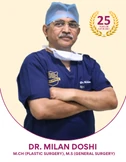
Indian Board Certified Plastic Surgeon
M.CH, MS, ISAPS Mentor
16000+ Cosmetic Surgeries
350+ Thread Vein Removal
Spider vein (thread vein) treatment is a minimally invasive procedure that fades the thin red, purple or blue web-like veins visible under the skin — by injecting a sclerosant that closes them (sclerotherapy, the standard for legs) or by heating them with a vascular laser or IPL (the choice for the face and nose). Treated veins are reabsorbed over 3–12 weeks and do not return; at Allure Medspa the veins are mapped first, deeper vein disease is ruled out when leg veins are extensive, and the method is matched to vein size, site and skin tone.
Spider Vein Treatment Testimonials: Fine To Fabulous Journeys

Awarded by Google.com
Rating: 4.7
Reviews: 485+

Awarded by WhatClinic.com
Rating: 4.8
Reviews: 119+
Awarded by Realself
Rating: 4.9
Reviews:453+

Awarded by Facebook
Rating: 4.6
Reviews:105+
Dr Milan Doshi and his staff are very professional and committed as the centre is highly equipped with advanced technology. I had closed rhinoplasty 4 months back and I’m seeing the results as to how it becomes successful.
Deepika Shetty
The doctor explained everything clearly and the surgery was smooth. Recovery was faster than I expected and the team was very supportive.
Rahul Mehta
Very natural results and excellent staff. From consultation to follow-up, the experience was outstanding and boosted my confidence.
Sneha Kapoor
Book Your Appointment Now
Is Spider Vein Treatment Right For Me?
(4 quick questions)
Site, look, symptoms, safety — four questions choose the method.
Check My SuitabilityHonest routing
Quick Facts About Facelift Surgery
SESSION TIME
30–60 minutes
ANESTHESIA
None
SESSIONS
Course of 1–3
RESULTS SHOW
3–6 weeks
DOWNTIME
1-2 Days
RESULTS LAST
Permanent
SIDE-EFFECT RATE
Under 1%
COST
₹2,000–₹8,000
What Is The Cost Of Spider Vein Treatment In Mumbai?
In Mumbai, spider vein removal starts around ₹2,000 per session; the final cost varies by vein size and number, treatment type (sclerotherapy vs surface laser / IPL) and sessions. The extent of veins (clusters / length) affects time and cost; many patients need 1–3 sessions 3–6 weeks apart; a NABH-grade setup and experienced team influence pricing; compression stockings (legs) and follow-ups add to the total. Dr. Doshi gives a personalised, itemised quote after clinical assessment. EMI options are on our payment process page.
| Treatment | Per session (₹) | Sessions |
|---|---|---|
| Sclerotherapy — small leg area (one cluster) | 2,000 – 3,000 | 1–2 |
| Sclerotherapy — one leg, multiple clusters | 4,000 – 8,000 | 1–3 |
| Sclerotherapy — both legs | 7,000 – 12,000 | 2–3 |
| Facial veins — nose / cheeks, Nd:YAG or IPL | 3,000 – 6,000 | 1–3 |
| Feeder (reticular) vein treatment add-on | +2,000 – 4,000 | Per session |
| Duplex ultrasound (when indicated) | 1,500 – 3,000 | Once |
| Compression stockings | 1,500 – 3,000 | Pair |
Get your exact quote & surgery plan
Share your details — our team responds within working hours with cost, EMI options and next steps.
Most Common Question People Ask
Q1. What is the best treatment for spider veins?
Ans. Sclerotherapy is the gold standard for leg spider veins; vascular laser or IPL is best for fine facial veins where needles are impractical. Radiofrequency and foam techniques treat feeder veins. The right one depends on size, location and skin type.
Q2. How many sessions are needed?
Ans. Most people need 1–3 sessions spaced 3–6 weeks apart; extensive clusters or feeder veins can need a fourth. Each session clears more, and the result is judged at 6–12 weeks.
Q3. Does it hurt?
Ans. Sclerotherapy feels like tiny pinpricks with brief stinging; laser feels like a rubber-band snap under cooling. No anaesthesia is needed, though numbing cream can be used on the face.
Q4. Can spider veins be cured permanently?
Ans. Treated veins are sealed and reabsorbed and do not come back. New spider veins can form over years from genetics, hormones, standing or sun — treating feeder veins and wearing compression slows this.
Q5. How much does spider vein treatment cost in Mumbai?
Ans. From about ₹2,000 per session for a small area, up to ₹8,000–12,000 for both legs; facial laser ₹3,000–6,000 per session (+5% GST). An itemised quote follows vein mapping.
Q6. When should I worry about spider veins?
Ans. They are usually cosmetic, but pain, heaviness, ankle swelling, skin darkening, an ulcer or bulging varicose veins can signal deeper venous reflux — a duplex ultrasound is arranged before surface treatment.
Q7. How do spider veins differ from varicose veins?
Ans. Spider veins are fine, flat and painless; varicose veins are larger, bulging and often ache. Varicose veins may need endovenous treatment rather than sclerotherapy of the surface veins alone.
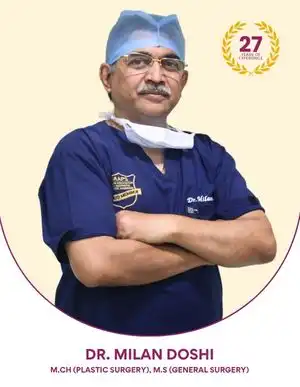
Why Choose Dr. Milan Doshi?
Dr. Milan Doshi, MCh, MS — Indian board-certified plastic and cosmetic surgeon, ISAPS mentor, 27+ years and 16,000+ procedures, trusted by celebrities for discreet, natural results. Board-certified authority; deep experience; the full treatment range — sclerotherapy (gold standard), surface laser / IPL and compression planning; personalised care — detailed consultation to map veins, rule out deeper reflux and tailor sessions; NABH-grade protocols, a trained team and discreet care at Andheri West; outcome-focused — natural clearance with clear aftercare, prevention tips and follow-ups; pre-treatment guidance on diet, hydration and medications. Allure Medspa: microsclerotherapy for leg veins; Nd:YAG / IPL lasers for facial and tiny telangiectasias; sterile technique and skin-type-specific energy settings; duplex evaluation arranged when extensive leg veins suggest deeper reflux; compression guidance, sun protection and review visits. Outstation and overseas patients supported end-to-end
The Complete Guide About Facelift Surgery
What Is Thread / Spider Vein Treatment?
Thread / spider vein treatment is a minimally invasive cosmetic procedure designed to reduce or eliminate the appearance of spider veins — those thin, web-like red, purple or blue veins visible beneath the skin. These treatments target faulty veins where blood flow has pooled due to damaged valves, restoring a clearer and healthier skin appearance. Sclerotherapy — a safe injectable solution that collapses and fades visible veins; laser therapy — focused light energy that heats and shrinks the vessels; radiofrequency — heat-based energy to seal off abnormal veins. Procedures are outpatient, involve minimal discomfort and little to no downtime; patients see visible improvement in skin clarity within weeks.
| Spider vein treatment | Varicose vein treatment |
|---|---|
| Fine surface veins; sclerotherapy or laser; outpatient; no anaesthesia | Larger reflux veins; endovenous laser / RF ablation under ultrasound → vascular specialist |
| Cosmetic, occasionally symptomatic | Symptomatic; medical |
| From ₹2,000 per session | Quoted as a vascular procedure |
Also called: spider vein removal, thread vein removal, vein removal therapy, spider vein therapy, sclerotherapy, vascular laser treatment, vein reduction procedure, capillary vein treatment, telangiectasia treatment, non-surgical vein removal.
What Causes Spider Veins?
Spider veins form when tiny valves weaken and blood pools — driven by genetics, hormones, pregnancy, prolonged standing, obesity, sun damage and age.
- Genetics — a family history is the strongest predictor.
- Hormones — pregnancy, oral contraceptives and menopause weaken vein walls; women are affected more often.
- Standing and sitting — long hours upright raise venous pressure in the legs.
- Weight — obesity increases pressure on leg veins.
- Sun and skin damage — UV thins facial skin and dilates capillaries; rosacea drives nose and cheek veins.
- Injury and pressure — trauma, tight garments, or nose-blowing and sneezing on the face.
- Age — valves and skin lose elasticity; veins commonly appear from the late 20s and 30s.
- Underlying reflux — feeder (reticular) veins or deeper valve failure keep refilling surface veins — the reason extensive leg veins are scanned.
What Are The Indications For Spider Vein Treatment?
Treat red, blue or purple thread veins on legs, face, nose or ears — especially with aching, itching or cosmetic concern — once reflux is excluded.
- Visible signs — red / blue / purple thread-like veins (telangiectasia / venulectasia), starburst or matting clusters.
- Symptoms that merit care — aching, burning, heaviness, night cramps, itching, ankle swelling.
- Common sites — legs (thighs, calves, ankles), face and nose (often rosacea-prone), outer ear.
- Risk factors — family history, pregnancy / hormones, prolonged standing, obesity, sun damage.
- When to prioritise evaluation — bleeding, skin discolouration / ulcer, sudden spread, or coexisting varicose veins.
- Treatment paths — sclerotherapy (gold standard), surface lasers / IPL for facial veins, compression support.
What Are The Benefits Of Spider Vein Treatment?
Clearer legs and face, relief of aching or itching, no anaesthesia or downtime, and permanent removal of treated veins.
- Visible clearance of 60–90% after a short course; treated veins do not return.
- Relief of aching, heaviness, itching or burning where veins are symptomatic.
- No anaesthesia, no incisions, no downtime — walk out and go back to work.
- Facial veins cleared without needles, using light.
- Treating feeder veins cuts recurrence and matting.
- Screening finds the minority with deeper venous disease early.
What Are The Limitations Of Spider Vein Treatment?
It clears treated veins, not the tendency — new veins can form; varicose veins need endovenous care; darker skin risks pigment lines.
- It does not prevent new spider veins — genetics, hormones, standing and sun keep working; maintenance sessions are normal.
- Bulging varicose veins and deeper reflux are not treated by surface sclerotherapy — they need ultrasound-guided endovenous treatment.
- Darker skin has a higher risk of temporary brown lines (hyperpigmentation) after both sclerotherapy and laser.
- Telangiectatic matting (a blush of new fine vessels) can appear after treatment and may need a touch-up.
- Compression stockings improve outcomes on the legs but do not remove existing veins.
- Not during pregnancy or breastfeeding; not on tanned skin for laser.
Why Should You Consult Before Spider Vein Treatment?
A consultation confirms the vein type, screens for deeper vein disease, picks sclerotherapy or laser and sets realistic sessions, aftercare and cost.
- Accurate diagnosis — distinguishes spider veins from reticular / varicose veins; identifies triggers (rosacea, sun damage).
- Safety screening — medical history, pregnancy, allergies, anticoagulants; skin type to reduce burn / pigment risks.
- Duplex ultrasound (when needed) — rules out deeper venous reflux that may need endovenous therapy before surface work.
- Right technique, right settings — sclerotherapy vs laser / IPL; agent, concentration and energy by vein size / depth.
- Expectations and sessions — number of treatments, clearance rates, downtime and recurrence prevention.
- Aftercare plan — compression wear, sun protection, activity limits and follow-up schedule.
- Transparent pricing — itemised estimate aligned to vein extent, modality and session count.
How to prepare
- Stop aspirin, NSAIDs and fish-oil / vitamin E for a week before (with your physician’s consent) to reduce bruising.
- No sun or tanning on the area for 4 weeks before laser; SPF daily.
- No lotions or oils on the legs on the day; bring or buy compression stockings if advised.
- Tell us about pregnancy, clots, blood thinners, allergies and previous vein treatments.
- Eat normally and stay hydrated; wear loose trousers.
Online consultation
Daylight photos of the area and a video call settle vein type and method; a duplex scan is arranged when leg veins are extensive: Online Consultations
Sclerotherapy, Laser / IPL Or Radiofrequency — Which Is Used And When?
Sclerotherapy is the gold standard for leg spider veins; Nd:YAG laser or IPL suits fine facial veins; RF and foam techniques treat feeder veins.
| Method | How it works | Best for | Sessions | Note |
|---|---|---|---|---|
| Microsclerotherapy | Micro-injections of polidocanol or sodium tetradecyl sulfate irritate the vein wall so it collapses and is reabsorbed | Leg spider and reticular veins | 1–3 | Gold standard; compression after |
| Nd:YAG 1064 nm laser | Light absorbed by haemoglobin heats and seals the vessel; contact cooling protects skin | Facial veins, nose, very fine leg veins; safe on darker skin | 1–3 | No needles |
| IPL / pulsed dye | Filtered light targets superficial red vessels | Facial redness, rosacea veins on lighter skin | 2–4 | Pigment-contrast dependent → Photo Facial Treatment |
| Radiofrequency / foam sclerotherapy | Heat or foam closes feeder / reticular veins that refill surface veins | Recurrent clusters; feeders | 1–2 | Cuts recurrence and matting |
| Compression stockings | Support venous return | Legs — before and after treatment | Ongoing | Improves results; does not erase veins |
Why legs get injections and faces get light
Leg veins sit deeper and are longer; a sclerosant travels along the vein and closes it more reliably than heat from the surface, and bruising on the leg is acceptable. Facial veins are superficial, short and on skin where a needle is impractical and bruising is not — light seals them cleanly. Skin tone matters on the face: the 1064 nm Nd:YAG passes epidermal melanin and is the safe choice for Indian skin.
Spider, Reticular Or Varicose — Which Veins Do You Have?
Spider veins are fine flat red-purple threads; reticular veins are blue 1–3 mm feeders; varicose veins are bulging ropey veins from deeper reflux.
| Vein type | Looks like | Symptoms | Treatment | Scan? |
|---|---|---|---|---|
| Spider (telangiectasia) | Red / purple threads, starbursts, under 1 mm | Usually none; itching | Sclerotherapy (legs); laser / IPL (face) | Only if extensive or symptomatic |
| Reticular (feeder) | Blue-green veins 1–3 mm feeding spider clusters | Aching after standing | Sclerotherapy / foam / RF first, then spiders | Often |
| Varicose | Bulging, ropey, over 3 mm | Heaviness, swelling, cramps, skin changes | Endovenous laser / RF ablation — vascular specialist | Always |
| Facial / nasal | Fine red vessels on nose, cheeks, chin | Flushing; rosacea | Nd:YAG / IPL | No |
How Is Spider Vein Treatment Performed? (Step By Step)
Veins are mapped, then micro-injections of sclerosant (legs) or cooled laser pulses (face) close each vein; 30–60 minutes, walk out the same day.
| Step | Sclerotherapy (legs) | Laser / IPL (face and fine veins) |
|---|---|---|
| 1 | Consultation, vein mapping in standing position, photographs, duplex scan if indicated | Consultation, skin-type assessment, test spot |
| 2 | Pre-care: no blood thinners for a week; no lotions; stockings ready | Pre-care: no sun for 4 weeks; no actives 3 days |
| 3 | Skin cleansed; you lie with legs slightly raised | Skin cleansed; cooling gel; numbing cream optional |
| 4 | No anaesthesia — a fine 30-gauge needle | Eye protection for everyone |
| 5 | Sclerosant injected into each vein; the vein blanches and spasms | Energy, pulse width and spot size set to vein size, depth and skin type |
| 6 | Cotton pad and tape or compression applied over each site | Short pulses tracked along each vein under contact / air cooling; blood coagulates and the vessel collapses |
| 7 | Compression stockings put on before you stand | Soothing gel and SPF applied |
| 8 | Walk for 10–15 minutes immediately | Home at once |
| 9 | Session 30–60 minutes; back to work the same day | Session 20–40 minutes; back to work the same day |
| 10 | Review at 3–6 weeks; next session if needed; photographs at 12 weeks | Review at 3–6 weeks; next session if needed |
What Results Can You Expect — And When?
Treated veins darken first, then fade over 3–6 weeks with continued clearing to 12 weeks; expect 60–90% improvement after 1–3 sessions.
| Time | What you see |
|---|---|
| Session day | Veins look darker or bruised; mild swelling; tiny bumps at injection sites |
| Weeks 1–2 | Bruising settles; brown lines may appear along treated veins |
| Weeks 3–6 | Veins fade; pigment lines lighten; review and next session |
| Weeks 6–12 | Best result — 60–90% clearance after 1–3 sessions |
| Months–years | Treated veins gone; new veins may form; touch-ups as needed |
What influences outcome: skin type, sun exposure, hormones / pregnancy, standing jobs and the presence of feeder veins.
What Post-Care Steps Should You Follow?
Walk the same day, wear compression stockings if advised, avoid heat and heavy exercise for a few days, don’t rub the area and use sunscreen.
- Walk the same day — light walking supports circulation and smooth healing.
- Wear compression stockings if advised — especially after leg vein treatment; reduces swelling and supports recovery.
- Avoid heavy exercise briefly — skip gym, running and intense workouts for a few days; gentle activity is fine.
- Avoid heat — no hot baths, steam, sauna or prolonged sun; heat increases redness and irritation.
- Do not rub the treated area — let the veins settle naturally.
- Use sunscreen — essential after facial laser or IPL to prevent pigmentation.
- Expect mild temporary effects — redness, bruising or slight swelling improve over days.
- Come for follow-up — some patients need more than one session; review plans the next step.
| Avoid | For how long |
|---|---|
| Hot baths, sauna, steam, sunbathing | 1–2 weeks |
| Running, gym, heavy lifting | 3–7 days |
| Flights over 4 hours | 1 week (legs) |
| Removing compression (legs) | Wear as advised — typically 3–7 days, longer for larger veins |
| Sun on treated facial skin without SPF | Always |
| Rubbing, massage, waxing over the area | 2 weeks |
What Are The Side Effects Of Spider Vein Treatment?
Mild redness, swelling or bruising is common; temporary brown lines or matting can occur and fade over weeks to months; ulceration or burns are rare.
Common and short-term
- Redness, swelling, tenderness, mild itching or warmth at the sites; small bruises that settle within 1–2 weeks.
Uncommon
- Temporary pigment change — light brown lines or spots (post-inflammatory hyperpigmentation) often fade over weeks to months.
- Matting — fine new red vessels near the site; often improves with time or touch-up therapy.
- Sclerotherapy-specific — small lumps or “trapped blood” that may need drainage; allergic reactions are uncommon.
- Laser-specific — surface crusting or blister if aftercare or sun protection is inadequate.
Rare
- Ulceration, superficial thrombophlebitis, infection, or burns (improper settings); deep vein thrombosis is very rare and why screening and walking matter.
| Risk | How it is minimised at Allure Medspa |
|---|---|
| Pigment lines | Correct sclerosant concentration; low fluence on darker skin; drainage of trapped blood; SPF |
| Matting | Feeder veins treated first; conservative volumes; touch-up plan |
| Ulceration / burn | Small volumes; no extravasation; cooling; test spot |
| Clots | Screening; compression; walking immediately after |
| Missed deep reflux | Duplex ultrasound when leg veins are extensive or symptomatic |
What Is The Recovery — And How Long Do Results Last?
You walk out the same day; bruising fades in 1–2 weeks and veins over 3–12 weeks; treated veins never return, though new ones can form over years.
| Phase | What happens | Your part |
|---|---|---|
| Day 0 | Injection sites taped; stockings on; walk 15 minutes | Back to desk work |
| Days 1–7 | Bruising, tenderness; veins look darker | Compression; no heat or gym |
| Weeks 2–6 | Fading; possible brown lines | SPF; review at 3–6 weeks |
| Weeks 6–12 | Clearance judged; touch-up if needed | Photographs |
| Years | Treated veins gone; new veins possible | Compression at work, exercise, weight control, breaks from standing; SPF on the face |
Treated veins are sealed and reabsorbed — those specific veins do not come back. Genetics, hormones, pregnancy, sun and standing jobs can create new spider veins over time; treating feeder veins improves durability. Reassess if ankle swelling, skin darkening or rapid spread appears — deeper reflux may need a duplex ultrasound.
Medical Codes For Spider Vein Treatment?
ICD-10 I78.1 (telangiectasia), I83.9x (varicose veins), Z41.1; CPT 36468 spider vein sclerotherapy, 36470/36471 single or multiple veins, 17999 laser.
| Code system | Code | Description |
|---|---|---|
| ICD-10 | I78.1 | Naevus, non-neoplastic (telangiectasia / spider veins) |
| ICD-10 | I78.8 | Other specified diseases of capillaries |
| ICD-10 | I83.90 / I83.91 / I83.92 | Asymptomatic varicose veins of unspecified / right / left lower extremity |
| ICD-10 | L71.9 | Rosacea (facial telangiectasia) — added |
| ICD-10 | Z41.1 | Encounter for cosmetic procedure |
| CPT | 36468 | Injection(s) of sclerosant for spider veins (telangiectasia), limb or trunk |
| CPT | 36470 / 36471 | Injection of sclerosant; single vein / multiple veins, same leg |
| CPT | 36475 / 36476 | Endovenous laser ablation, first / subsequent vein (varicose veins) |
| CPT | 36478 / 36479 | Endovenous radiofrequency ablation, first / subsequent vein |
| CPT | 17999 | Unlisted procedure, skin (cosmetic laser / IPL for telangiectasia) |
(FAQs) Frequently Asked Question About Thread Vein Removal?
Q1. How do I stop spider veins from progressing?
Ans. Regular exercise, compression stockings for standing jobs, a healthy weight, avoiding prolonged standing, elevating the legs and sun protection on the face; early treatment of feeder veins also prevents worsening.
Q2. What deficiency causes spider veins?
Ans. Vitamin C and bioflavonoid deficiency may weaken vessel walls, but most spider veins result from genetics, hormones and pressure rather than any deficiency.
Q3. Can spider veins go away with weight loss?
Ans. Weight loss reduces pressure and helps prevent new veins, but it will not remove existing ones; sclerotherapy or laser is needed for visible results.
Q4. Can I treat spider veins myself?
Ans. Compression stockings ease discomfort, but visible removal needs professional treatment. Avoid DIY injections or unverified creams.
Q5. Are spider vein treatments safe?
Ans. Yes — modern sclerotherapy and vascular lasers are safe with minimal side effects when performed by a certified surgeon or dermatologist after proper screening.
Q6. Can you get rid of spider veins naturally?
Ans. Exercise, an anti-inflammatory diet and leg elevation improve circulation but cannot remove existing spider veins; claims of removal “in 3 minutes” are misleading.
Q7. Can spider veins cause blood clots?
Ans. Spider veins themselves are harmless and do not cause clots. Swelling, pain or deep-vein symptoms alongside them warrant medical attention.
Q8. At what age do spider veins start?
Ans. Commonly from the late 20s to early 30s, more frequently with age; hormones, genetics and lifestyle accelerate their appearance.
Q9. What is the fastest way to treat spider veins?
Ans. Sclerotherapy gives the quickest improvement in smaller leg veins with minimal downtime; laser is fast and effective for superficial facial veins.
Q10. Do compression socks make spider veins disappear?
Ans. No — compression improves circulation and helps prevent new veins and supports healing after treatment, but it does not eliminate existing spider veins.
Q11. Can massage help spider veins?
Ans. Gentle massage aids circulation and reduces swelling but does not remove spider veins; avoid massage over freshly treated areas for two weeks.