
Body Lift Surgery (Belt Lipectomy) in Mumbai — The Final Step After Massive Weight Loss
Body lift surgery removes the excess sagging skin left after major weight loss and reshapes the body’s contours — the final milestone after bariatric surgery or a big weight-loss journey. It is the most extensive operation in body contouring, and it delivers genuinely life-changing results, but it asks a lot of you: long scars, a real recovery, and a high rate of minor wound problems that are expected rather than exceptional.
What Is Body Lift Surgery?
Body lift surgery is a comprehensive contouring procedure that removes excess sagging skin, tightens the underlying tissue and reshapes the body after major weight loss — addressing the abdomen, waist, hips, outer thighs, buttocks, arms and back.
Lower body lift / belt lipectomy — a circumferential (360°) procedure treating the abdomen, flanks, buttocks and outer thighs
Upper body lift — arms (brachioplasty), upper back and chest/breast
Total body lift — both, usually staged across more than one operation
More than cosmetic — it restores comfort, mobility and hygiene where skin folds cause rashes and irritation; for many it is the final step after bariatric surgery
Related procedures — tummy tuck (abdomen only), liposuction (fat, not skin), mommy makeover (post-pregnancy).
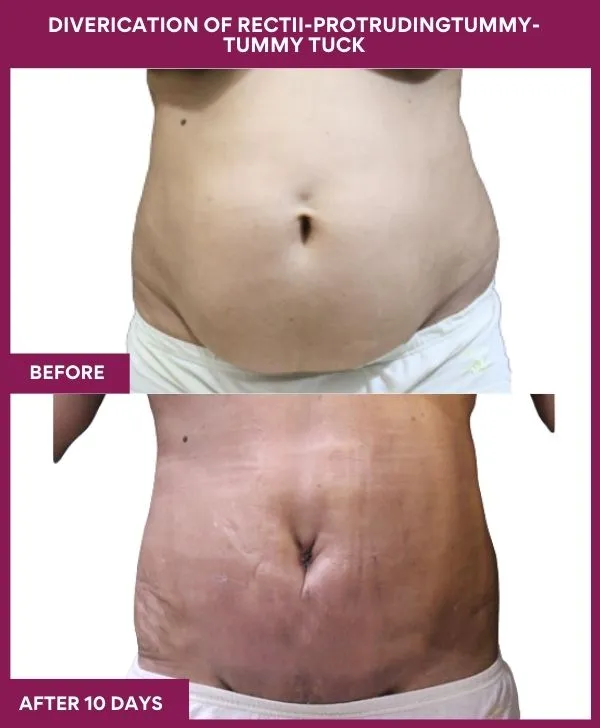
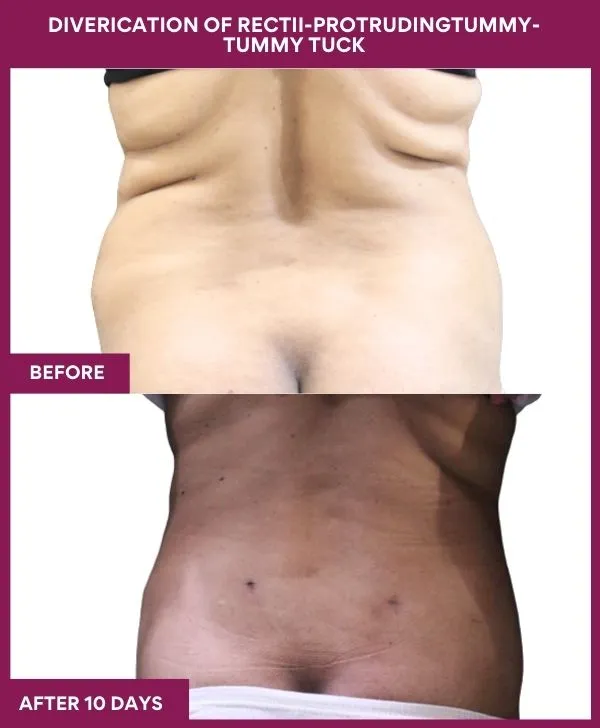
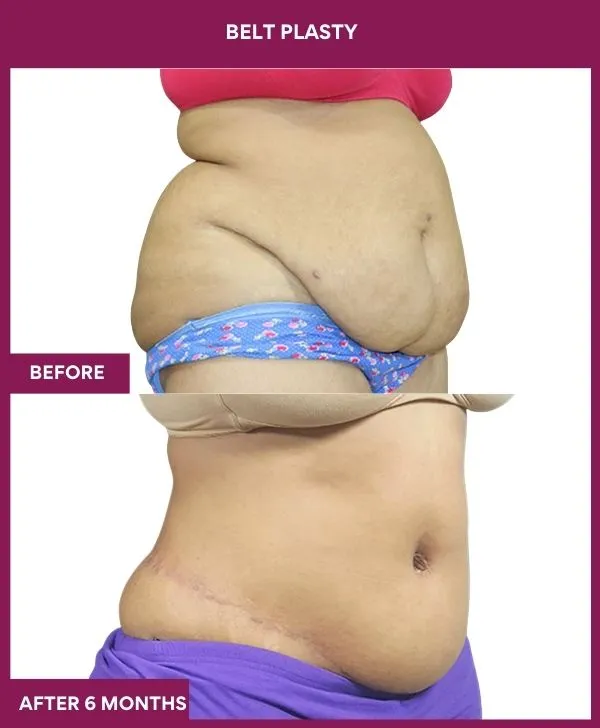
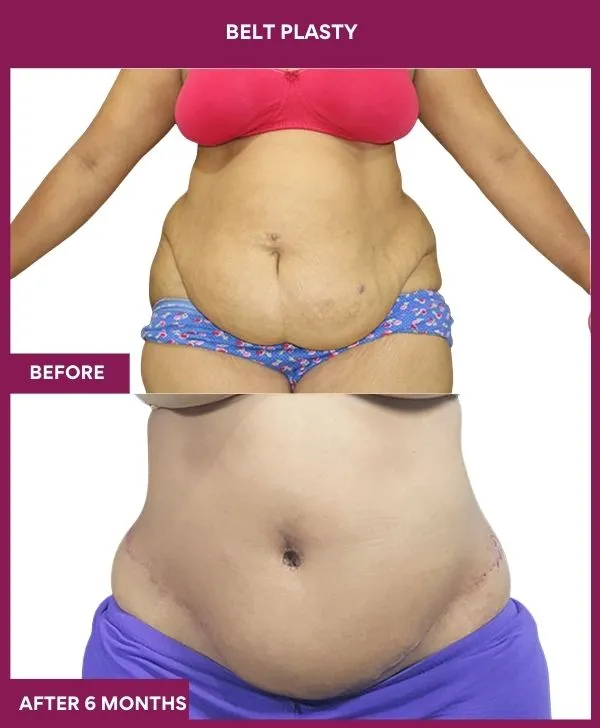
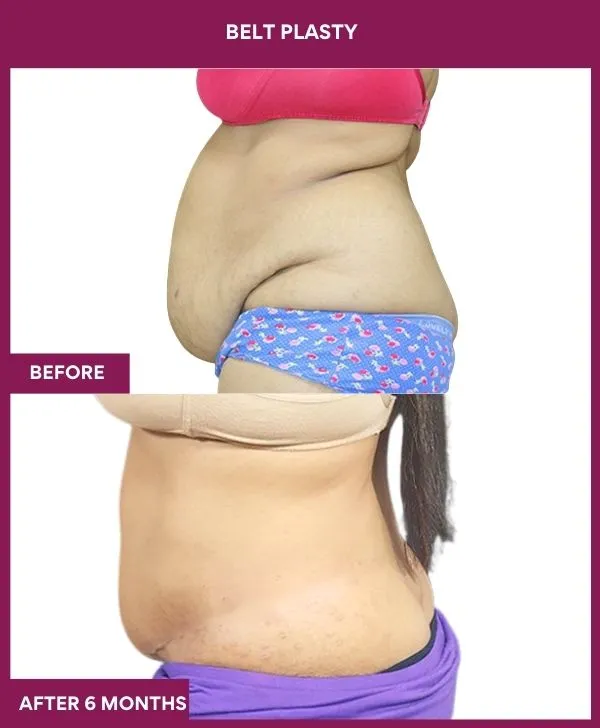
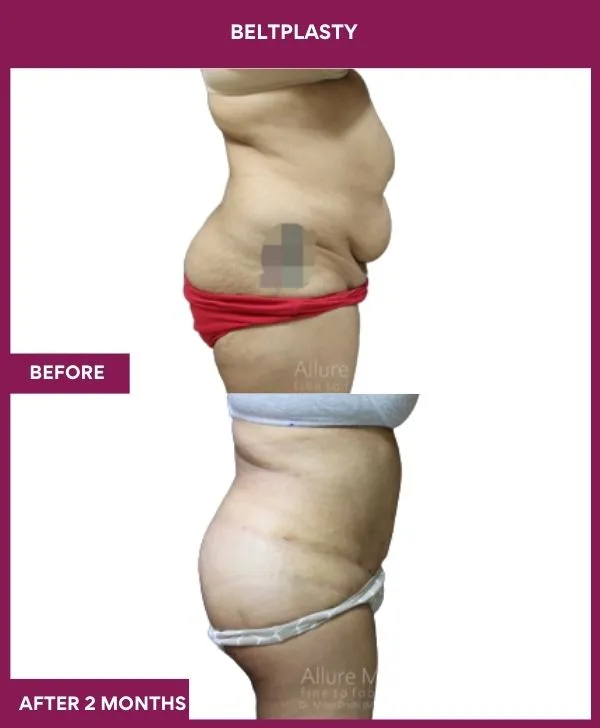
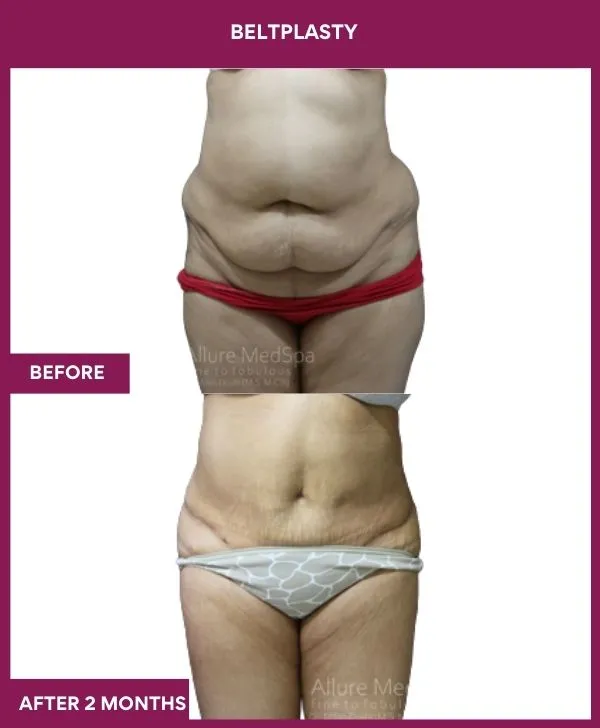
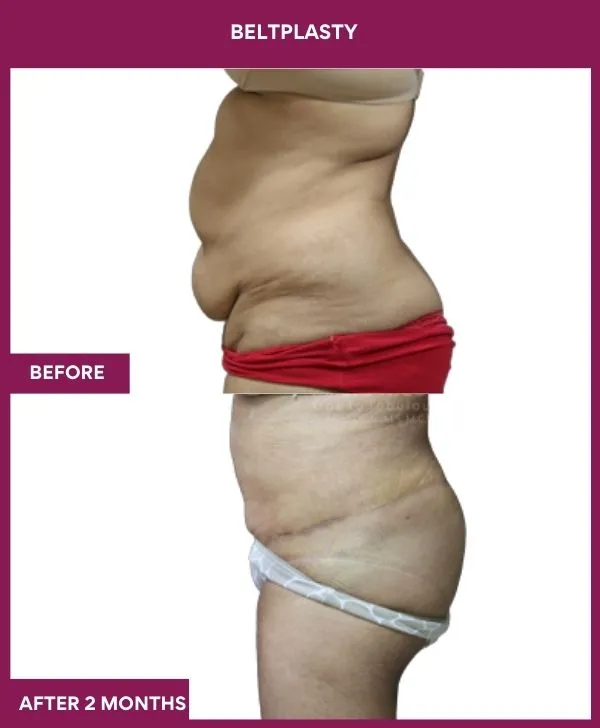
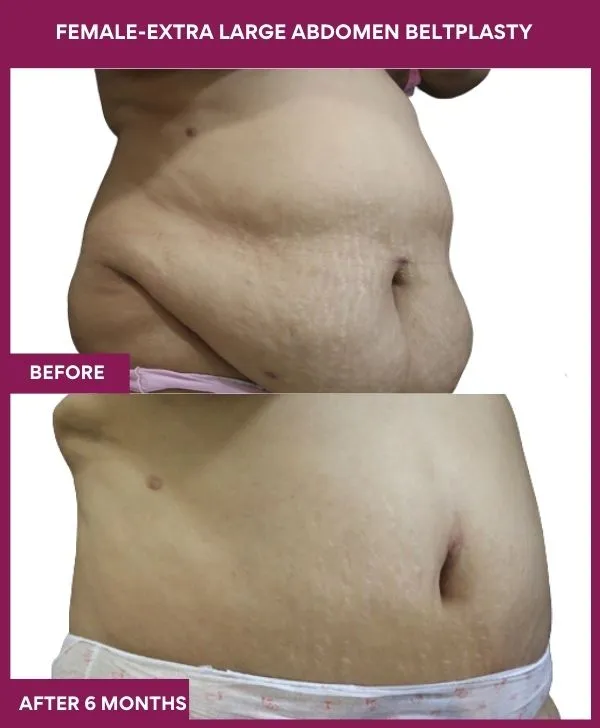
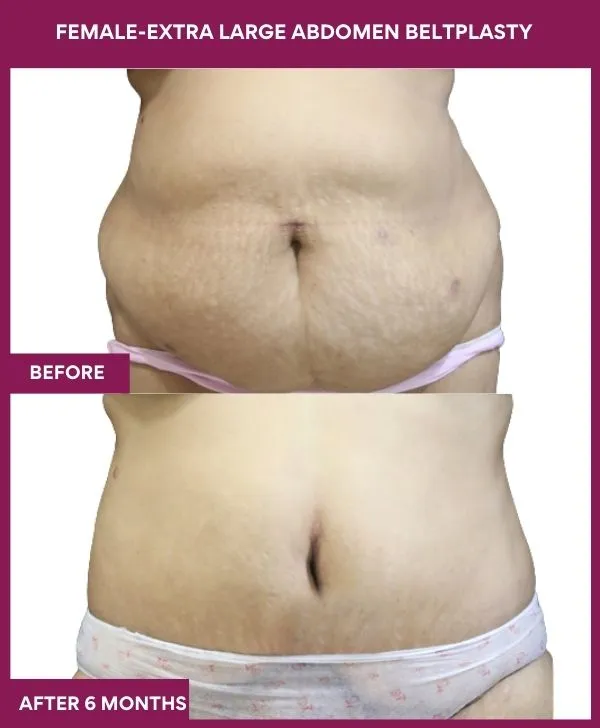
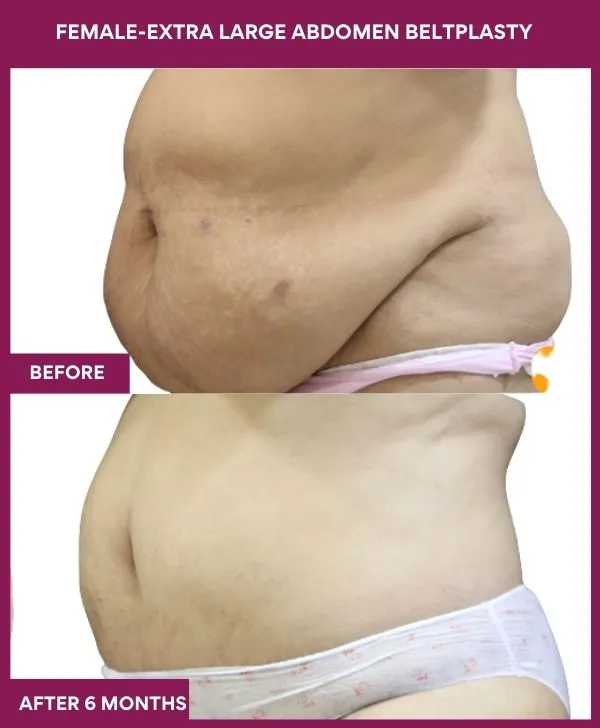
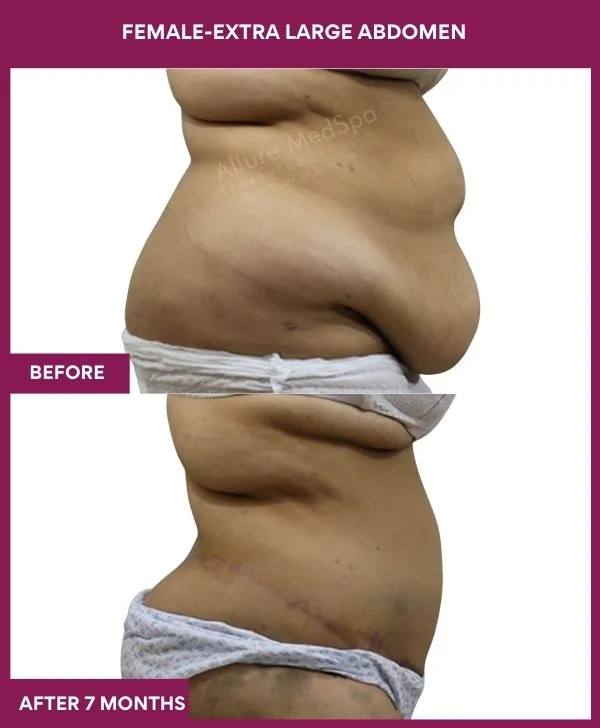
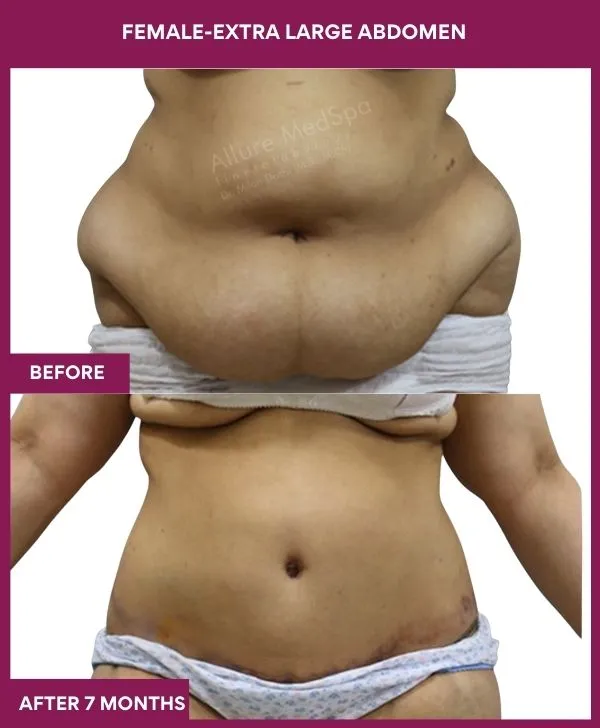
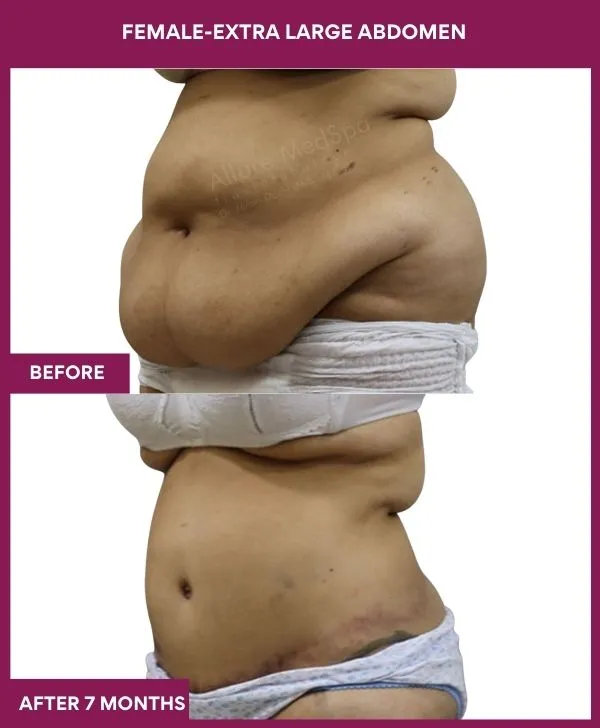
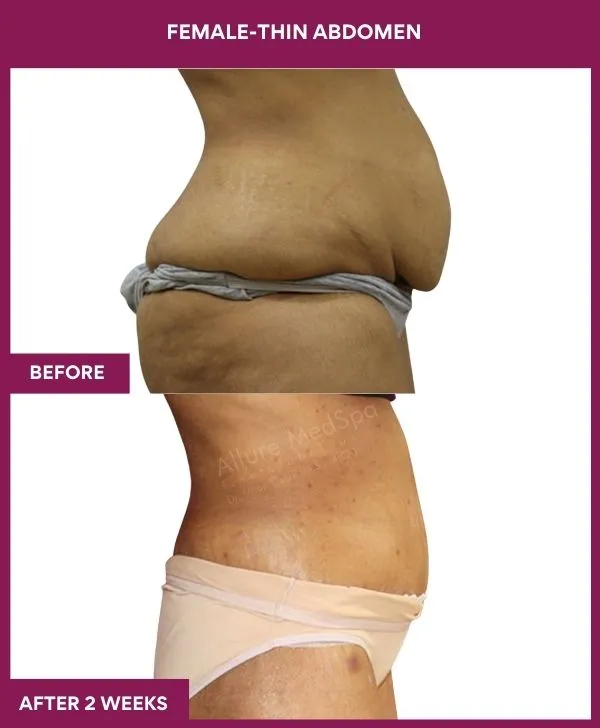
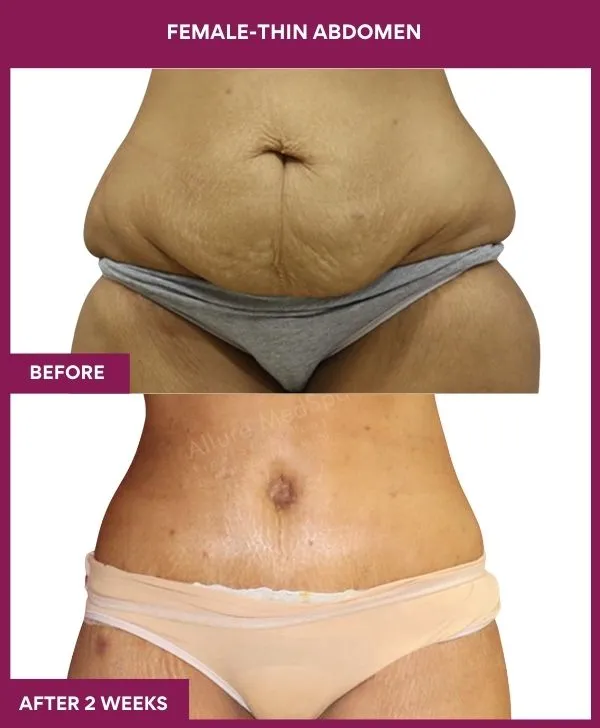
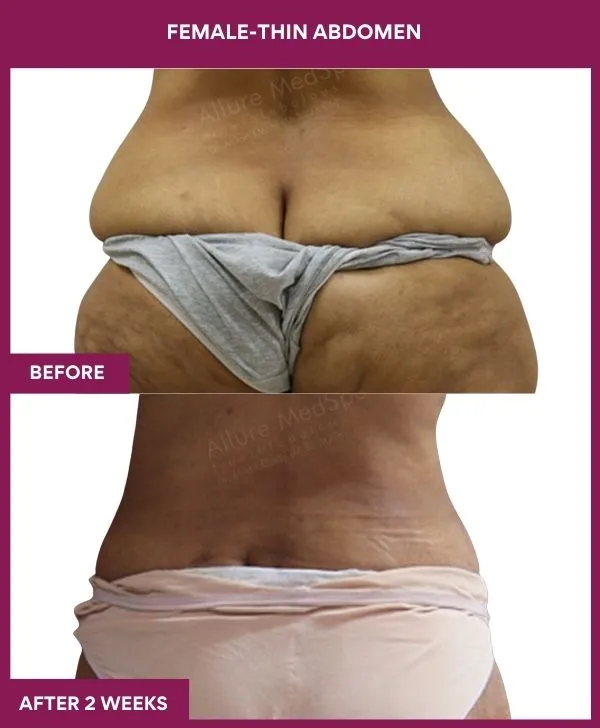
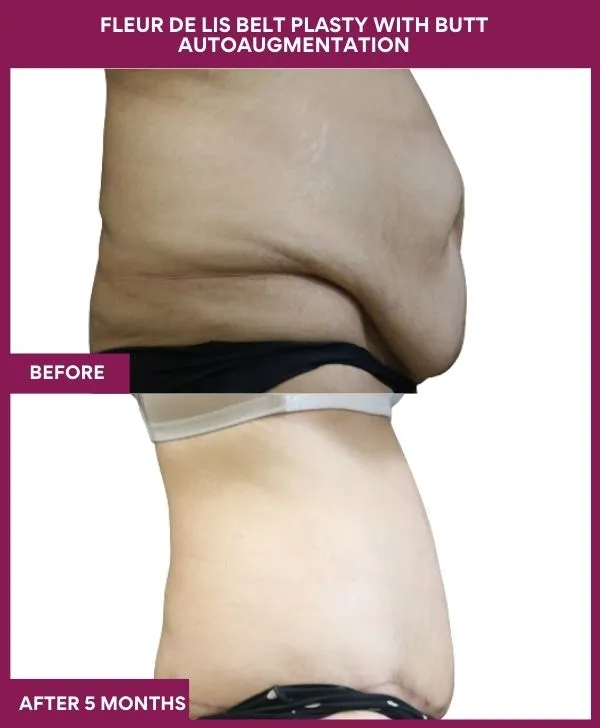
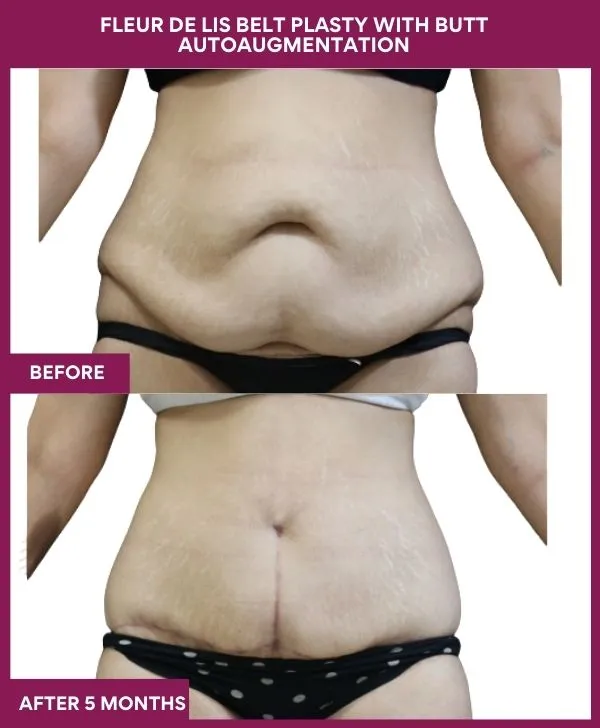
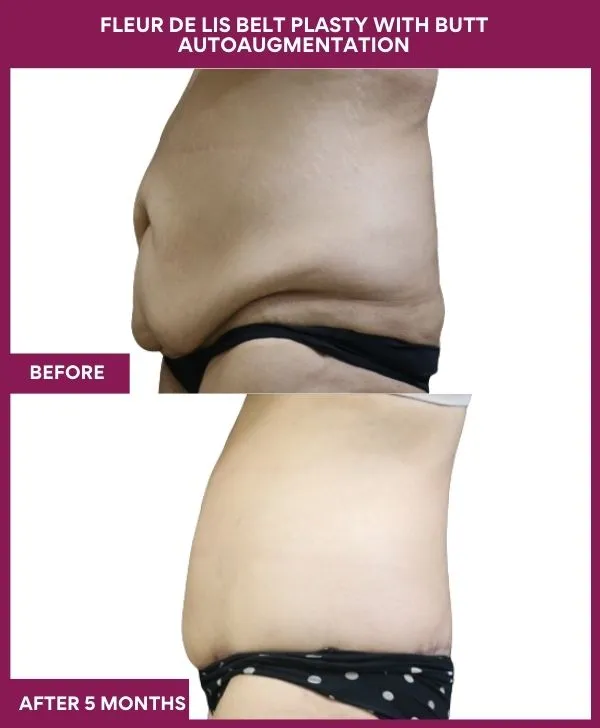
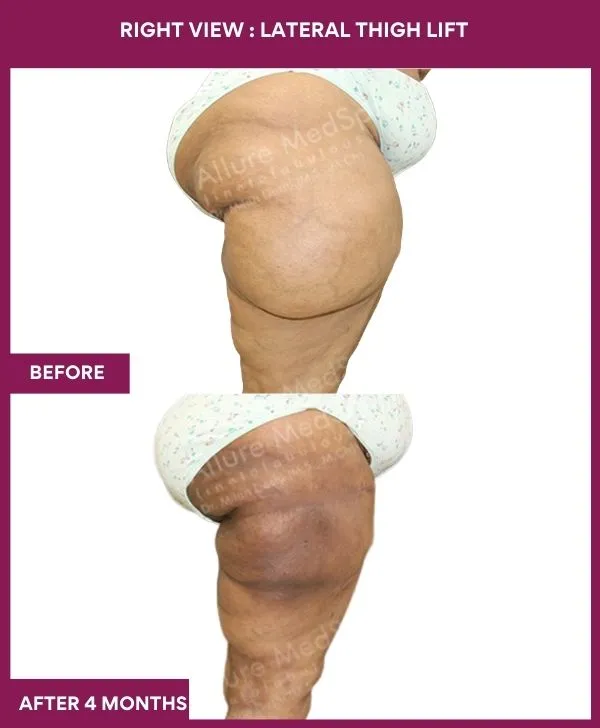
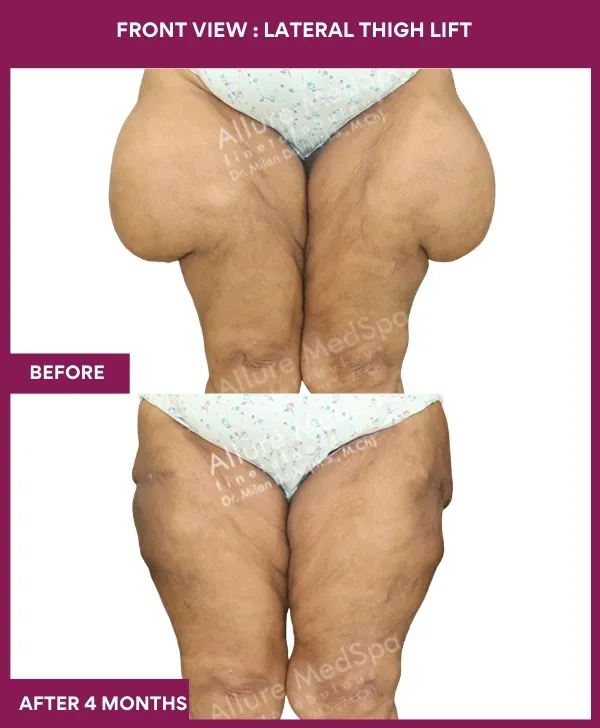
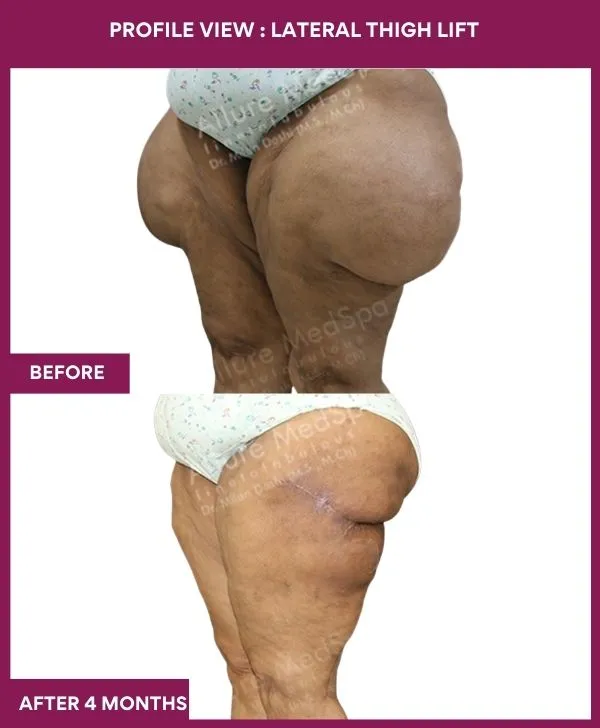
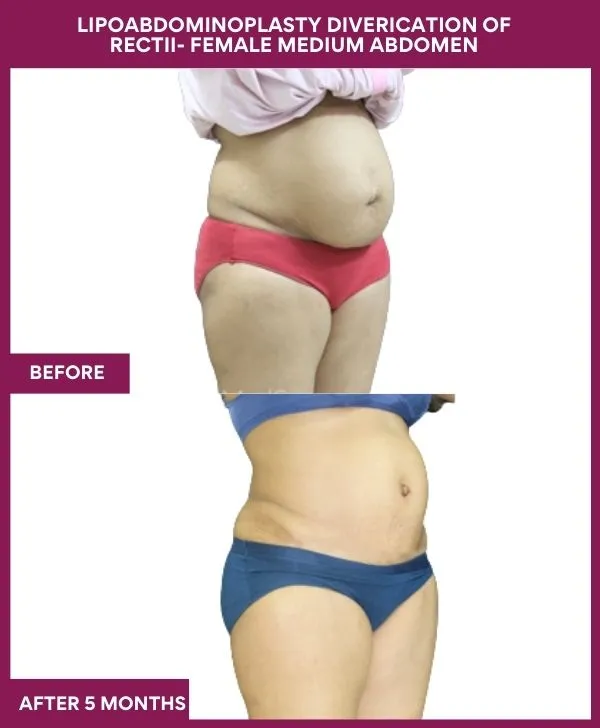
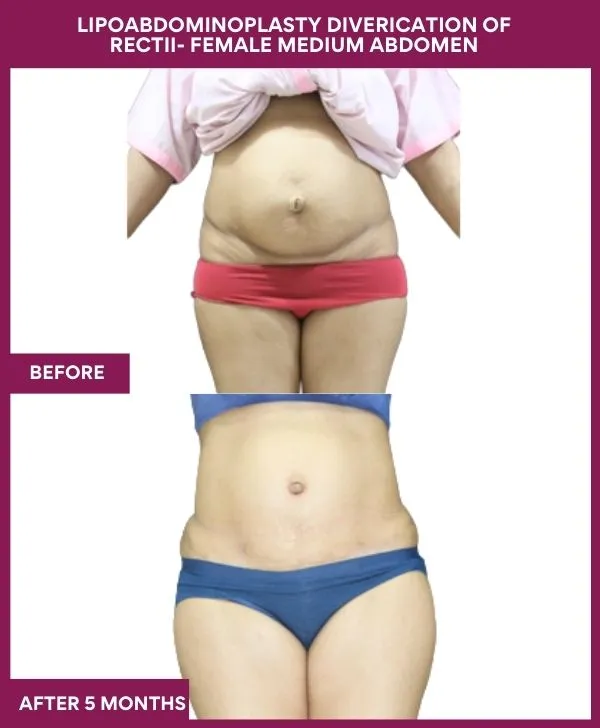
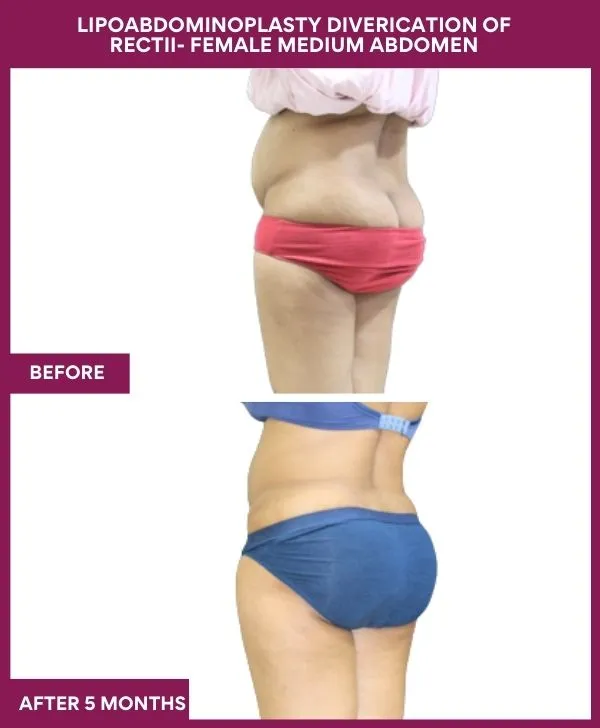
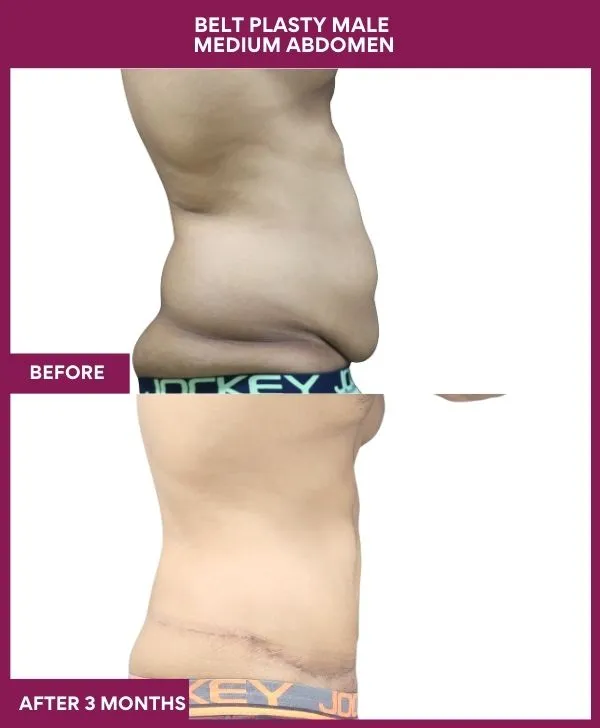
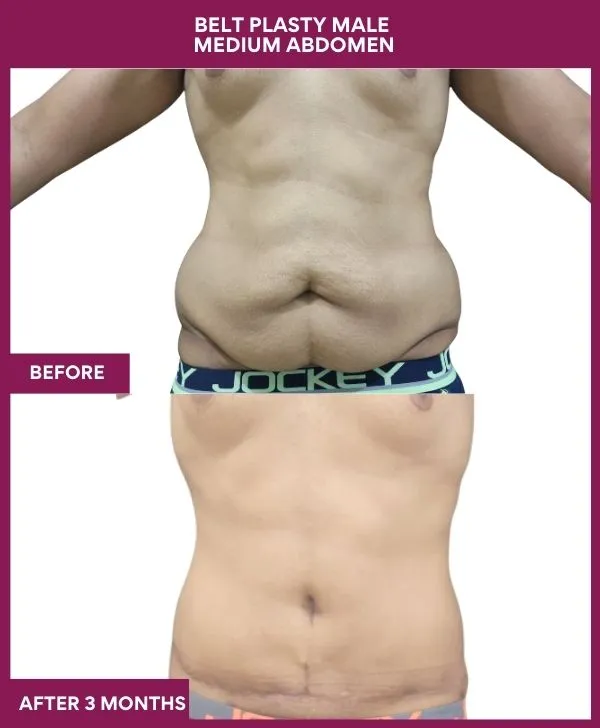
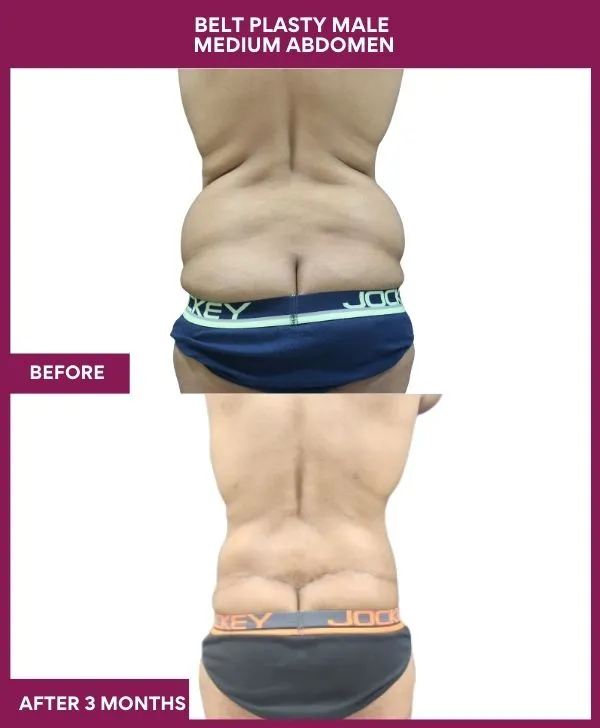
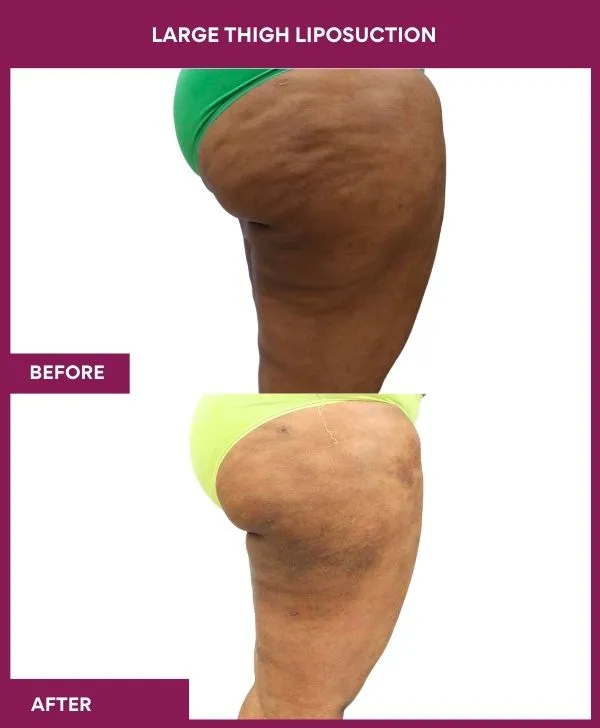
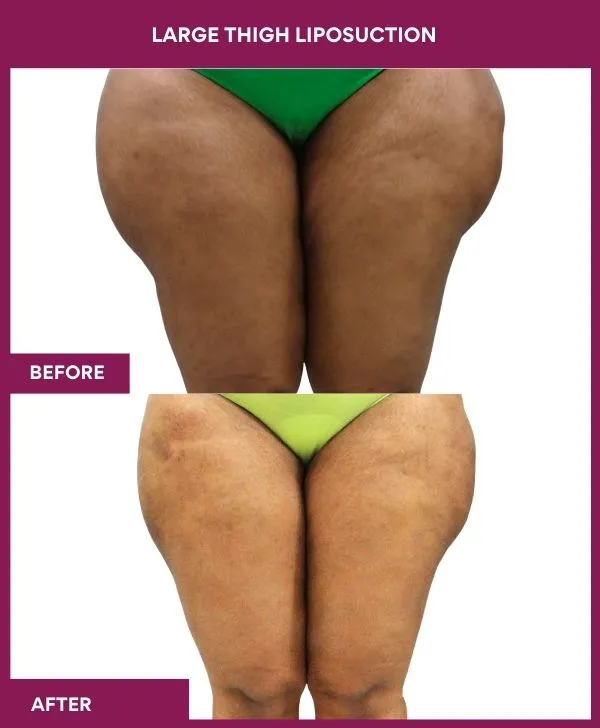
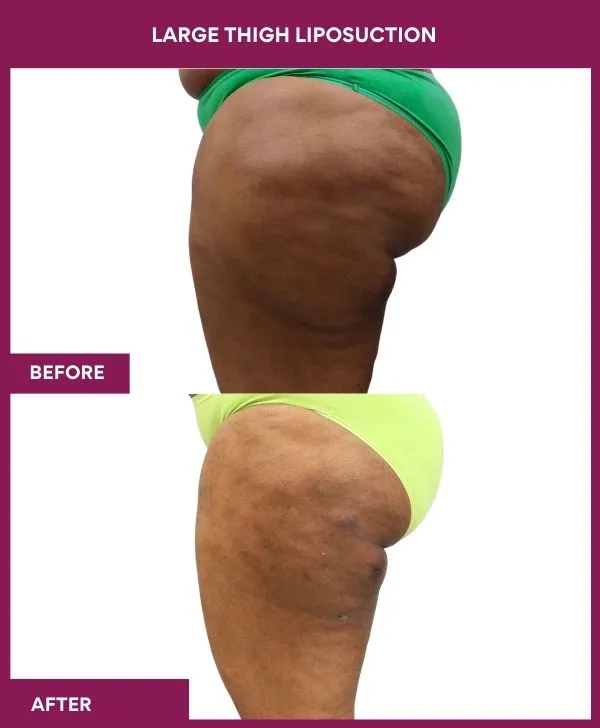
BodyLift Surgery Before and After Images
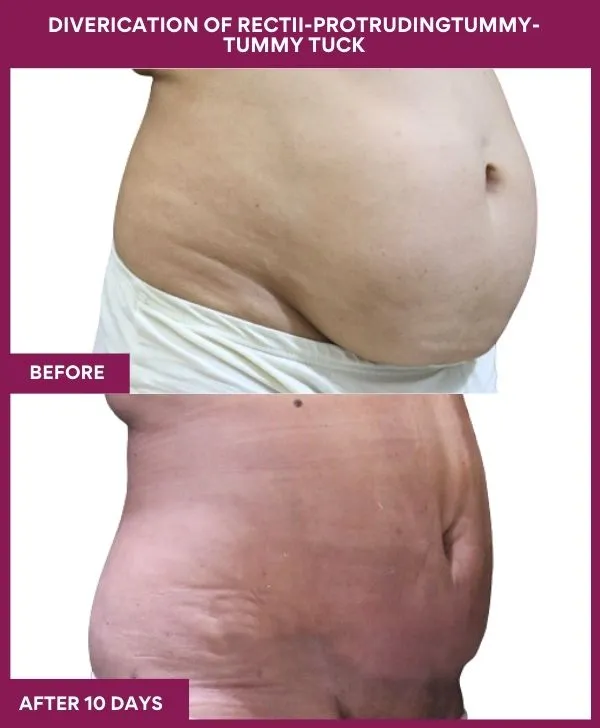
Wondering If a Body Lift Can Help You? View Real Results & Talk to an Expert Today.
Body Lift Surgery Testimonials: Fine To Fabulous Journeys

Awarded by Google.com
Rating: 4.7
Reviews: 485+
Awarded by WhatClinic.com
Rating: 4.8
Reviews: 119+
Awarded by Realself
Rating: 4.9
Reviews:453+
Awarded by Facebook
Rating: 4.6
Reviews:105+
Dr Milan Doshi and his staff are very professional and committed as the centre is highly equipped with advanced technology. I had closed rhinoplasty 4 months back and I’m seeing the results as to how it becomes successful.
Deepika Shetty
The doctor explained everything clearly and the surgery was smooth. Recovery was faster than I expected and the team was very supportive.
Rahul Mehta
Very natural results and excellent staff. From consultation to follow-up, the experience was outstanding and boosted my confidence.
Sneha Kapoor
Inspired by These Transformations? Let’s Start Your Fine-to-Fabulous Journey Today.
Lost the Weight But Not Happy With the Shape — Can Body Lift Surgery Help?
If you’ve achieved major weight loss but are left with hanging skin that no diet or gym work will fix, body lift surgery is the only treatment that removes it — completing the transformation you’ve already earned.
Have you worked hard in the gym, followed aggressive diets, or even undergone bariatric surgery — yet still struggle with excess skin and stubborn fat?
Are folds of sagging skin making it difficult to wear fitted clothes or feel truly confident in your new body?
Do you feel like your transformation is incomplete because loose skin has replaced the fat you lost?
After massive weight loss, many people find themselves in a frustrating place. While the scale shows success, the mirror reflects a new challenge: hanging skin, uneven contours and residual fat deposits that prevent you from fully enjoying your achievement. It can affect how you move, dress and feel about yourself — even after the hardest part is done.
Body lift surgery is the answer to that specific problem. Designed for post-weight-loss patients, it removes excess skin and tightens the tissue underneath to sculpt a smoother, firmer shape. It is more than cosmetic — it’s the final step in reclaiming your body. The honest part: this is the biggest operation in body contouring, with long scars and a demanding recovery, and minor wound-healing problems are common. Patients who know that in advance cope with it far better.
Trends in post-bariatric body contouring
Body contouring after massive weight loss is a growing field worldwide as bariatric surgery volumes rise.
Body lift patients are typically those who have lost a very large amount of weight.
India has seen steady growth in post-bariatric body contouring demand.
Source: ISAPS Global Survey 2024
Struggling With Loose Skin After Weight Loss? Discover How a Body Lift Can Restore Firmness & Shape.
Body Lift Surgery Video Explained by Dr. Milan Doshi
Lower Body Lift Surgery
Upper Body Lift Surgery
Dr Milan Doshi is describing the Body Lift Surgery in detail with benefits, candidacy, associated risks and significance
Ready for a body that matches your hard work?
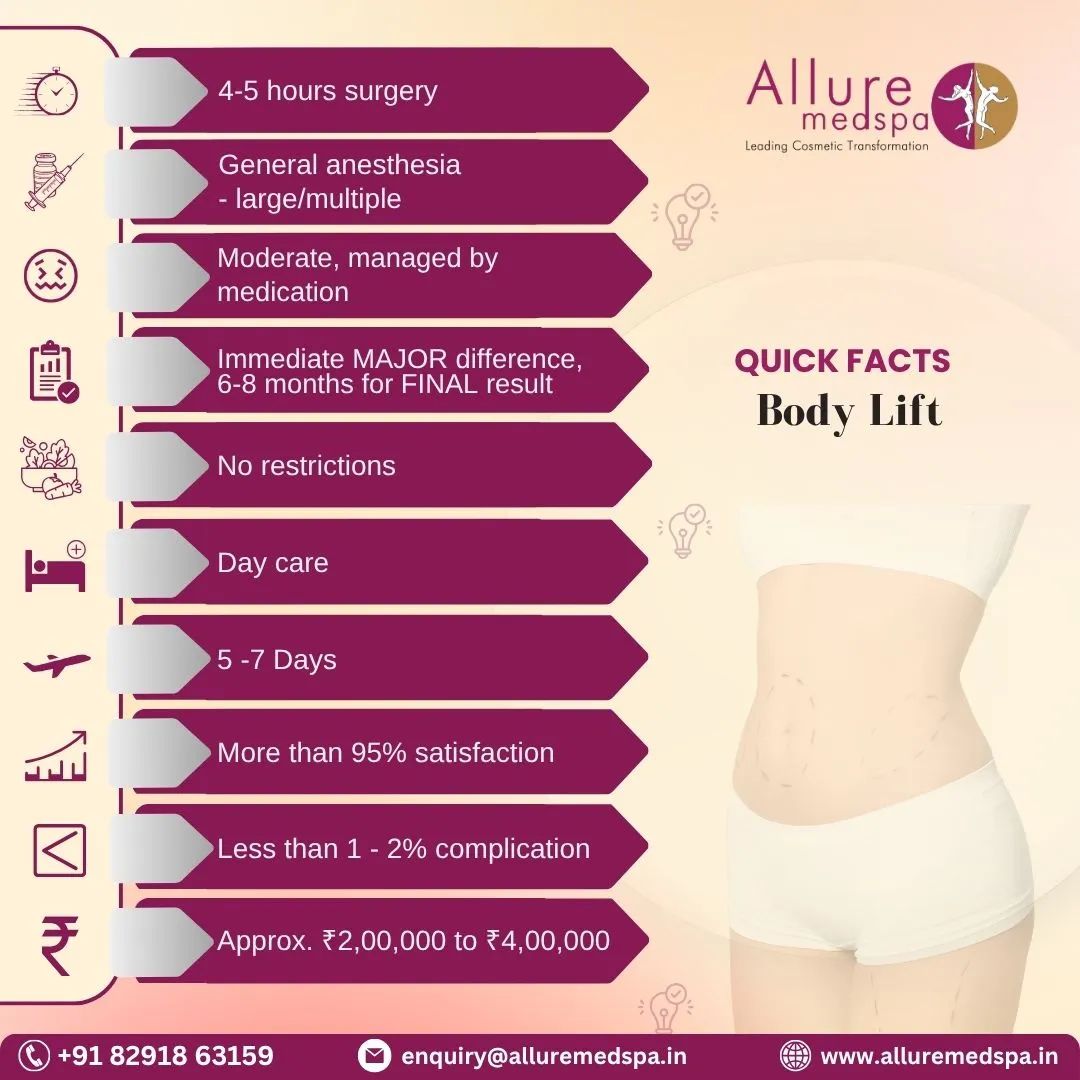
Quick Facts about Body Lift Surgery
| Time Required | 4–5 hours |
| Anesthesia | General anesthesia - large/multiple |
| Pain Level | Moderate, managed by medication |
| Flyback | 5–7 Days |
| Success Rate | 95% to 98% |
| Result | Major improvement immediately; final result in 6–8 months |
| Diet | No Restrictions |
| Complication Rate | Less than 1–2% |
| Cost in Mumbai | INR 2,00,000 to 4,00,000 Approx. |
Loose skin doesn’t define your transformation.
What Body Changes Happen After Massive Weight Loss?
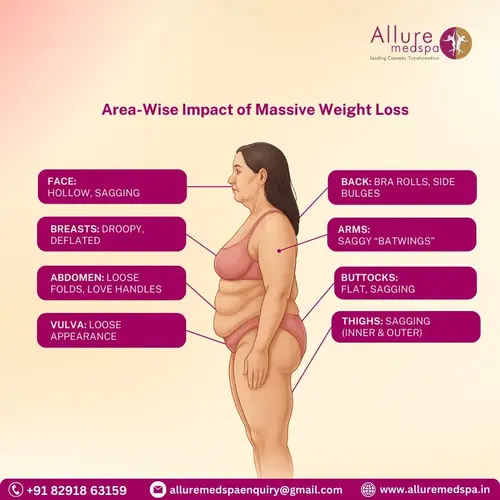
Massive weight loss leaves lasting changes to skin, fat, muscle and tissue that don’t reverse on their own — which is why body lift surgery exists.
What happens to the tissues
Skin — stretches and develops stretch marks; after weight loss it doesn’t retract, so it hangs and folds
Fat — stubborn deposits remain even after overall loss
Muscle — abdominal muscles overstretch, weakening core strength
Blood vessels & structural tissue — enlarge with weight gain and don’t fully shrink back, which affects surgical planning
Area by area
Abdomen — protruding, with lower skin folds and ‘love handles’
Back & flanks — bra-line and side folds
Buttocks — flattened and sagging
Thighs — pseudo-saddlebags outside; wrinkled, chafing skin inside
Arms — hanging skin creating a ‘batwing’ appearance
Breasts — deflated and dropped
Face — deflated and older-looking, with folds and sagging
This section is genuinely strong content — it explains why surgery is the only answer, which is exactly what a post-weight-loss patient needs to understand.
What Are the Benefits of Body Lift Surgery After Major Weight Loss?
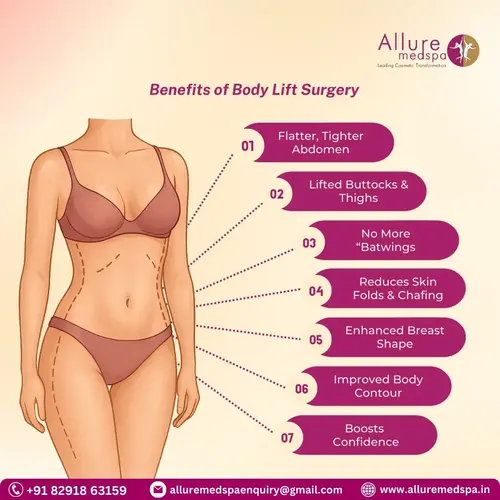
Body lift surgery removes hanging skin and reshapes the body — improving not just appearance but comfort, hygiene, mobility and how clothes fit.
Flatter, tighter abdomen — with no overhanging fold
Firmer thighs and buttocks — which can be auto-augmented using your own tissue rather than implants
Real medical benefit — eliminates the skin irritation, rashes and hygiene problems caused by permanent skin folds — for many patients this matters more than the aesthetics
Better mobility — less bulk and weight dragging on movement
Arms and back — batwing correction and reduced bra rolls
Face and neck — a facelift or neck lift can address facial deflation if wanted
Clothes fit — patients often drop 1–2 clothing sizes
Confidence — completing a transformation that felt unfinished
Which Body Areas Can Be Treated with Body Lift Surgery?
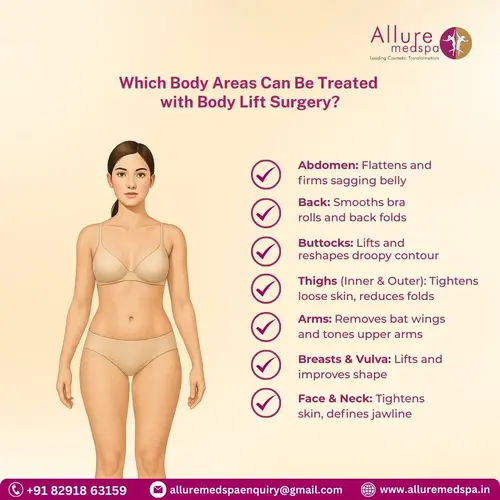
Body lift surgery can treat the abdomen, back, buttocks, thighs, arms, breasts and face — wherever massive weight loss has left loose skin.
Abdomen — removes the overhanging apron of skin and tightens
Back — eliminates bra rolls and smooths folds
Buttocks & thighs — lifts, reshapes, reduces saddlebags and inner-thigh chafing
Breasts — lift or auto-augmentation to correct deflation
Arms — brachioplasty for hanging ‘bat wing’ skin
Genital area — monsplasty and labial procedures are handled by our cosmetic gynaecologist, Dr. Dimple Doshi
Am I the Right Candidate for Body Lift Surgery?
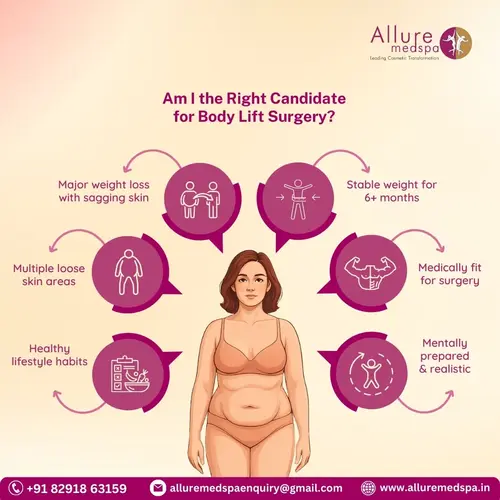
You may be a candidate for body lift surgery if you’ve achieved major weight loss, held a stable weight for at least six months, are medically fit and nutritionally replete, and understand the scars and recovery involved.
Major weight loss with hanging skin — in more than one area
Weight stable 6+ months — at a weight you can maintain; further loss or gain will affect the result
Nutritionally optimised — this is critical after bariatric surgery: protein, iron, B12 and vitamin D deficiencies are common and directly impair wound healing. Your surgeon should check and correct these BEFORE operating
BMI optimised — a higher BMI at the time of surgery is one of the strongest predictors of complications; getting closer to target substantially lowers your risk
Non-smoker — smoking dramatically increases wound breakdown in an operation already prone to it
Realistic about scars — the scars are long and permanent; the trade is skin for scar
Prepared for the recovery — and for the possibility of minor wound problems along the way
Sources: Complication risk directly related to maximum BMI and patient age (JPRAS prospective study), Optimising BMI before surgery is key to avoiding complications
🩺 Dr. Milan Doshi’s note: “For body lift surgery, I first check weight stability, BMI, smoking status, nutrition, and medical fitness. In post-bariatric patients, protein/albumin, iron, B12, and vitamin D levels must be corrected before surgery. If skin excess is extensive or risk is high, I prefer staging for safer healing.”
What Are the Different Types of Body Lift Surgery?
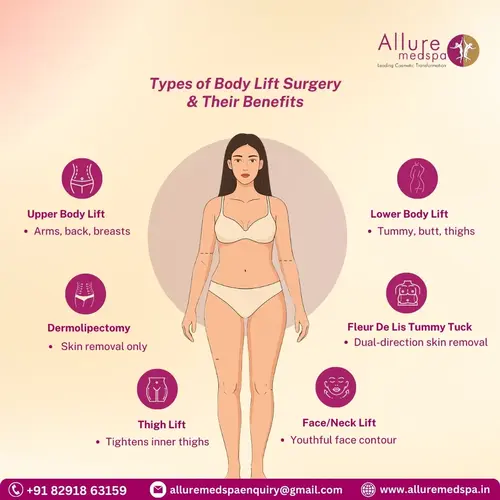
Body lift surgery is not one operation — it’s a family of procedures, chosen by where your loose skin is and how much can safely be done at once.
| Type | What it treats | Notes |
|---|---|---|
| Lower body lift / belt lipectomy | Abdomen, flanks, buttocks, outer thighs (360°) | The classic post-bariatric procedure; most extensive; includes tummy tuck |
| Upper body lift | Arms (brachioplasty), upper back, breasts | Often staged after the lower body lift |
| Fleur-de-Lis tummy tuck | Horizontal and vertical excess skin | Inverted-T scar; for very large skin excess after MWL |
| Panniculectomy / dermolipectomy | Skin only — muscles left alone | Simpler, faster recovery; when muscle repair isn’t needed |
| Inner thigh lift | Loose inner thigh skin | Reduces chafing; scar in the groin crease |
| Facelift / neck lift | Facial deflation after weight loss | Optional add-on, usually separate |
What Happens During a Body Lift Consultation?
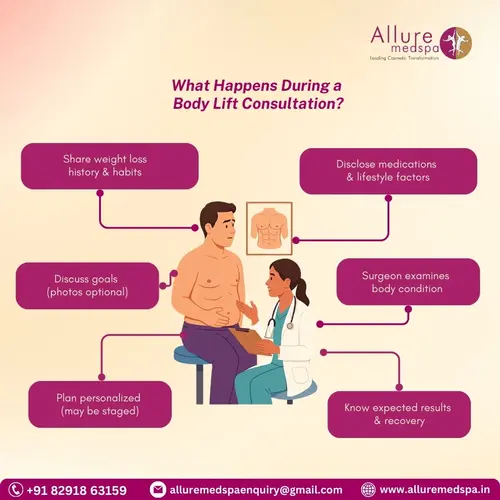
A body lift consultation assesses your weight-loss journey, nutrition, skin laxity and health, and produces a plan that may be staged over more than one operation.
Your weight-loss story — how you lost it, including bariatric surgery, and how long you’ve been stable
Nutrition & bloods — checking and correcting deficiencies before surgery
Medical review — medications, supplements, smoking, alcohol, other conditions
Examination — skin laxity, fat distribution, muscle tone, area by area
Photographs — for planning and outcome comparison
The plan — which procedures, in what order, and whether staging is safer
Honest expectations — results, scars, recovery, and the real complication profile
How Is Body Lift Surgery Performed, Step by Step?
Body lift surgery is performed under general anaesthesia: the surgeon marks the excess skin with you standing, removes it in a planned pattern, lifts and re-drapes the underlying tissue, places drains, and closes in layers.
Step 1 — Marking: detailed markings are made with you standing, since skin position changes when you lie down; this planning largely determines the result
Step 2 — Anaesthesia & positioning: general anaesthesia, with clot-prevention measures (compression devices) applied before the operation starts
Step 3 — Excision: the excess skin and fat is removed along the planned belt-line pattern; for a circumferential lift you’re repositioned during surgery to treat front and back
Step 4 — Lifting & tightening: the underlying tissue is lifted and secured, the abdominal muscles repaired if separated, and the buttocks or thighs auto-augmented with your own tissue where appropriate
Step 5 — Drains: drains are placed to remove fluid and reduce seroma risk — usually kept 2–6 days
Step 6 — Closure: closed in layers under controlled tension (excess tension is a main cause of wound breakdown), then dressings and a compression garment
Step 7 — Early mobilisation: you’re walked the same evening — essential for preventing blood clots
Should Body Lift Surgery Be Staged Across More Than One Operation?
Often, yes. A total body lift is usually staged across two or more operations several months apart — because doing everything at once means a very long anaesthetic on a patient whose tissues are already healing-compromised.
Why staging is normal here — not a limitation but standard practice in post-bariatric contouring
Typical sequence — lower body lift first (the biggest functional gain), then upper body lift/arms, then face, months apart
Why it’s safer — shorter operations, less blood loss, less tension on closures, and lower clot risk; complication rates in this operation rise with extent, BMI and age
Recovery between stages — typically 3–6 months, letting tissues settle and nutrition recover
It also spreads the cost — though total cost is higher than a single combined operation
Sources: Complication risk related to maximum BMI and age; 70% complication rate in MWL lower body lift, Body contouring after MWL: complications are frequent; both patient and surgeon must be prepared
When Will You See Results After Body Lift Surgery?
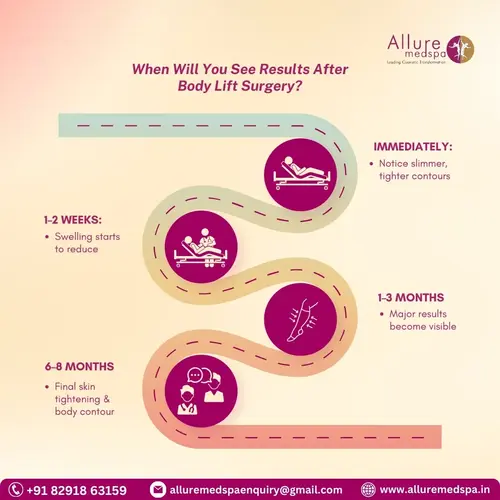
You’ll see a dramatic change immediately after body lift surgery, with contours refining over weeks and the final result at 6–8 months.
Immediately — slimmer, tighter contours are visible on the table
First weeks — swelling settles gradually
1–3 months — most of the visible result has appeared
6–8 months — final skin tightening and definition
Scars — mature over 12–18 months, fading from red to pale; they are permanent. Scar treatments can improve their appearance
How Long Does It Take to Recover from Body Lift Surgery?
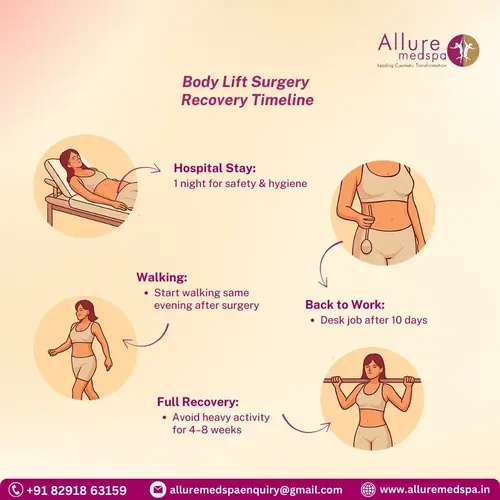
Initial recovery from body lift surgery takes about 2–3 weeks, with a return to full activity at 4–8 weeks and healing continuing for months.
Hospital — overnight stay; you’ll be walked the same evening to prevent clots
Drains — usually removed within 2–6 days
Week 1–2 — limited activity; compression garment; wound care
~10 days–2 weeks — light desk work for many patients
4–8 weeks — no strenuous activity or workouts
Expect wound fussiness — small areas of wound separation are common in this operation and usually heal with dressing care; it’s disappointing but rarely affects the final contour
Outstation patients — plan to stay in Mumbai 7+ days; see our outstation patients service
What Are the Risks and Complications of Body Lift Surgery?
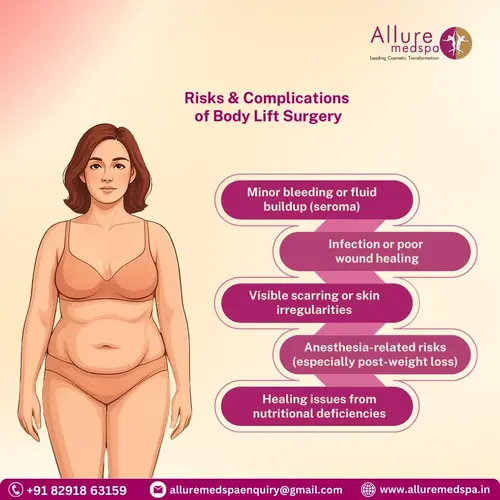
Body lift surgery has the highest complication rate in aesthetic surgery — between roughly 37% and 70% of patients experience at least one problem — but the great majority are minor wound issues that heal with dressing care, which is why satisfaction remains very high.
Common — expect these rather than fear them
Wound separation (dehiscence) — the most common issue: reported in 17% in meta-analysis and up to 60% in massive-weight-loss series. Usually small areas along a long closure, managed with dressings; rarely affects the final contour
Seroma (fluid collection) — 13–34%; drains reduce it, and it’s treated by drainage in clinic. Almost expected in higher-BMI patients
Swelling, bruising, numbness — widespread and slow to settle over such a large area
Less common but serious
Blood clots (DVT/PE) — around 3% in belt lipectomy — high compared with other cosmetic surgery. Prevented with compression devices, early walking and blood thinners where indicated. Report calf pain, breathlessness or chest pain urgently
Infection — around 5%
Skin necrosis — around 4%; more likely in smokers and where closure is under tension
Haematoma — around 3%
Major complication needing revision surgery — around 10% in massive-weight-loss series
What lowers your risk
Nutritional optimisation — correcting post-bariatric protein and vitamin deficiencies before surgery
BMI and age — the two strongest predictors; getting closer to target weight genuinely matters
Not smoking — the single biggest modifiable factor for wound breakdown
Staging — shorter operations, less tension, lower clot risk
An experienced surgeon in an accredited facility — a board-certified plastic surgeon who does this operation regularly
Sources: Belt lipectomy meta-analysis (28 studies, 1,380 patients): 37% overall; seroma 13%, dehiscence 17%, infection 5%, necrosis 4%, haematoma 3%, DVT/PE 3%, Prospective MWL lower body lift: 70% complication rate, dehiscence 60%, seroma 34%, 10% major; risk tied to max BMI and age, Seroma incidence high in MWL belt lipectomy; dehiscence often secondary to seroma or closure tension, Dehiscence, seroma, delayed healing, necrosis, scars, clots must be discussed pre-operatively to temper disappointment; optimise BMI first

What Is the Cost of Body Lift Surgery in Mumbai?
Body lift surgery in Mumbai typically costs ₹2,00,000 to ₹4,00,000, depending on the type and extent — with staged plans costing more in total but spread over time. EMI options are on our payment process page.
What’s included
Surgeon, anaesthetist and theatre — plus consumables and pressure garments
Hospital stay — overnight facility
Post-operative follow-ups — including drain removal and dressing care
Not included
Pre-op fitness tests — and nutritional bloodwork
Home medications — and additional garments
Unforeseen issues — or extended stay
Insurance — cosmetic body contouring isn’t covered under standard plans [note: where excess skin causes documented recurrent infections, some policies may consider panniculectomy — clinic to confirm]
What moves the price
Type and extent — upper, lower, belt plasty, or staged total
Surgery duration & complexity — and your BMI/health profile
Accredited facility — a NABH centre with overnight care costs more, and for this operation that’s the right trade
Who Is the Best Body Lift Surgeon in Mumbai?
Dr. Milan Doshi is an Indian board-certified plastic surgeon in Mumbai with 27+ years’ experience in body contouring, performing body lift surgery for post-bariatric and massive-weight-loss patients at a NABH-accredited centre.
Board-certified plastic surgeon — M.Ch; 27+ years; recognised by ASPS and ISAPS
Body lift experience — 500+ body lift surgeries
Former microvascular surgeon — relevant precision for large excisional work
Post-bariatric focus — nutritional optimisation and staged planning for MWL patients
Accredited facility — founder of Allure Medspa, NABH-accredited with overnight care
Which Is the Best Centre for Body Lift Surgery in Mumbai?
Allure Medspa is a NABH-certified surgical centre in Mumbai with overnight facilities, experienced anaesthetists and post-operative support — the accredited setting a body lift requires.
NABH-certified facility — with strict sterilisation and safety protocols
Overnight inpatient care — essential for this operation: drains, monitoring and early mobilisation
Experienced anaesthetists — for a long procedure in post-weight-loss patients
Post-operative support — wound care and drain management, which this operation genuinely needs
3D virtual consultations — for outstation and international patients; see our outstation patients service
Medical Codes for Body Lift Surgery
ICD-10, CPT Code and Description about Body Lift Surgery:
| CPT Code | CPT Description | ICD-10 Procedure |
|---|---|---|
| 15830 | Excision, excessive skin and subcutaneous tissue (includes lipectomy); abdomen, infraumbilical panniculectomy | Z41.1 |
| 15832 | Excision, excessive skin and subcutaneous tissue (includes lipectomy); thigh | Z41.1 |
| 15835 | Excision, excessive skin and subcutaneous tissue (includes lipectomy); leg | Z41.1 |
| 15839 | Excision, excessive skin and subcutaneous tissue (includes lipectomy); other area | Z41.1 |
| 15847 | Excision (includes lipectomy); abdomen (includes abdominoplasty), including umbilical transposition and fascial plication | Z41.1 |
(FAQ's) Frequently Asked Question of Body Lift Surgery
Q1. What is body lift surgery?
Ans. A procedure that removes excess sagging skin and fat and tightens the tissue underneath, usually after major weight loss — treating the abdomen, thighs, buttocks and lower back.
Q2. How long is recovery?
Ans. About 2–3 weeks for light activities and 4–8 weeks before strenuous exercise, with healing continuing for months and scars maturing over a year or more.
Q3. How much does it cost in India?
Ans. Roughly ₹2,00,000–₹4,00,000 depending on the type and extent.
Q4. Is a body lift worth it?
Ans. For people with significant loose skin after major weight loss, it’s one of the most transformative operations in plastic surgery — satisfaction is very high, even though the recovery is demanding and minor wound problems are common.
Q5. Does a lower body lift include a tummy tuck?
Ans. Yes — a lower body lift is circumferential and includes the tummy tuck along with reshaping of the flanks, outer thighs and buttocks.
Q6. How painful is it?
Ans. You’re asleep for the surgery. Afterwards there’s moderate discomfort, well controlled with medication — this is a large operation and honest expectations help.
Q7. What are the scars like?
Ans. Long and permanent — typically placed low around the torso like a belt, concealable under underwear or swimwear. A Fleur-de-Lis pattern adds a vertical scar. The trade is skin for scar.
Q8. How long do results last?
Ans. Long-lasting with stable weight and healthy habits, though natural ageing gradually changes skin over time.
Q9. Who is the right candidate?
Ans. Someone with significant loose skin after major weight loss, weight-stable for 6+ months, nutritionally replete, a non-smoker, in good health, and realistic about scars.
Q10. How much weight will I lose?
Ans. A body lift isn’t weight-loss surgery. Roughly 2–6 kg of skin and fat may be removed — the benefit is shape, comfort and hygiene, not the scale.
Q11. What’s included in a full body lift?
Ans. Usually a tummy tuck, outer thigh lift and buttock lift, sometimes with arm or breast procedures — typically staged across more than one operation.
Q12. What is a 360 body lift?
Ans. A belt lipectomy — a circumferential procedure tightening the abdomen, waist, back, flanks, thighs and buttocks in one go.
Q13. How successful is body lift surgery?
Ans. Patient satisfaction is famously high. But be clear on the trade-off: complication rates are the highest in aesthetic surgery (roughly 37–70% experience at least one issue), mostly minor wound separation and seroma treated with dressings and drainage.
Q14. What are the main risks?
Ans. Wound separation (17–60%) and seroma (13–34%) are common. Less common but serious: blood clots (~3%), infection (~5%), skin necrosis (~4%), and about 10% need a revision procedure. Risk is driven by BMI, age, smoking and how much is done at once.
Q15. What’s the best surgery for loose skin?
Ans. A body lift is the only effective option for significant loose skin — no non-surgical treatment removes it. It can be tailored as upper, lower or staged total.
Q16. Should I have it in stages?
Ans. Often yes. Staging a total body lift across two or more operations several months apart is standard practice and lowers risk — it isn’t a compromise.
Q17. How do I sleep afterwards?
Ans. In a slightly flexed position — on your back with pillows under your knees, or in a recliner — to reduce tension on the incisions.
Q18. What diet should I follow?
Ans. High-protein, low-sodium, plenty of water — protein is genuinely important for healing, especially after bariatric surgery. Avoid alcohol and smoking.
Q19. When can I have it after bariatric surgery?
Ans. Usually once your weight has been stable for at least six months (often 12–18 months after bariatric surgery) and your nutritional markers are corrected.
Q20. What should I avoid afterwards?
Ans. Strenuous exercise, heavy lifting, smoking and alcohol — and anything that puts tension on the incisions.
Still Have Questions About Body Lift Surgery?
Related Links
Note: The author of this content is Dr. Milan Doshi, An Indian board-certified plastic & cosmetic Surgeon wholly & solely confirms the authenticity of the information & knowledge delivered by this write-up.