
Bariatric (Metabolic) Surgery in Mumbai — Sleeve Gastrectomy & Gastric Bypass, Honestly Explained

Indian Board Certified Plastic Surgeon
M.CH, MS, ISAPS Mentor
16000+ Cosmetic Surgeries
500+ Bariatric Surgeries
Bariatric surgery (also called metabolic or weight-loss surgery) is a group of operations — mainly sleeve gastrectomy and gastric bypass — that change the digestive system to treat severe obesity and conditions like type 2 diabetes. It is major surgery, not a cosmetic procedure, and it works best alongside lifelong dietary, nutritional and lifestyle follow-up. Most patients lose about 60–80% of their excess weight within 12–18 months. The operation is done by keyhole (laparoscopic) surgery in 1–3 hours with a 1–2 day hospital stay. In India, medically necessary bariatric surgery is covered by health insurance, subject to your policy’s conditions. Cost is about ₹2,50,000–₹3,50,000.
Bariatric Surgery Before and After Images
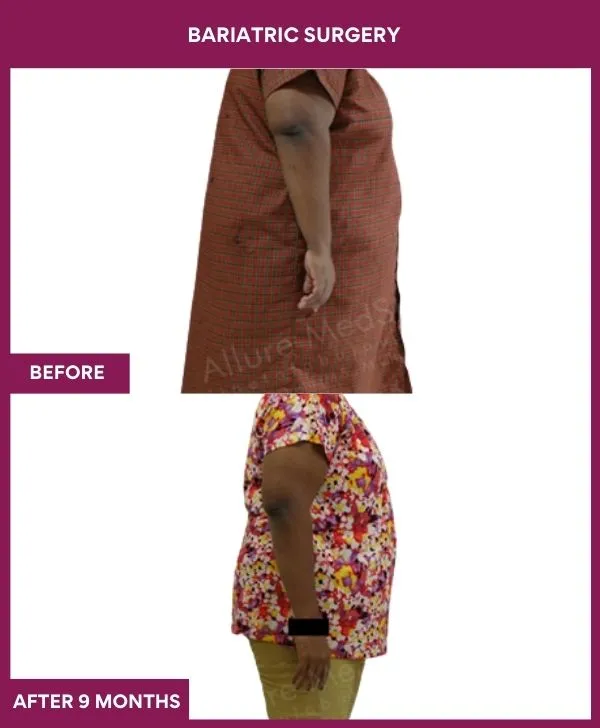
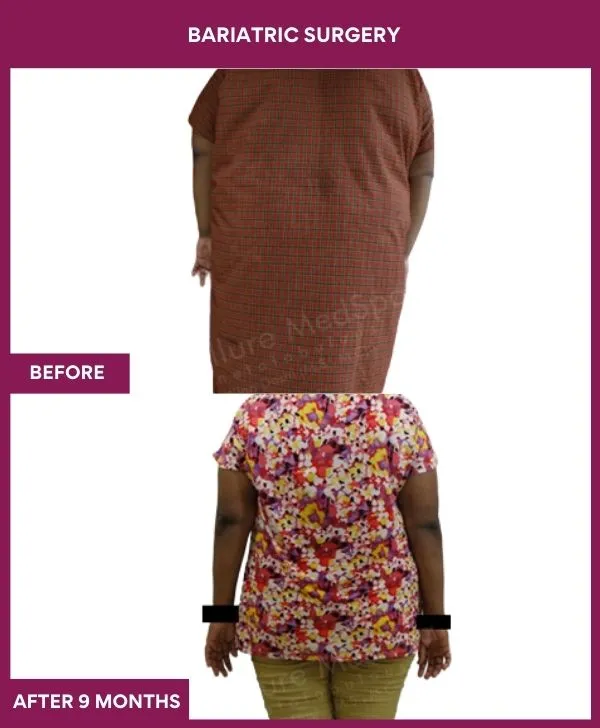
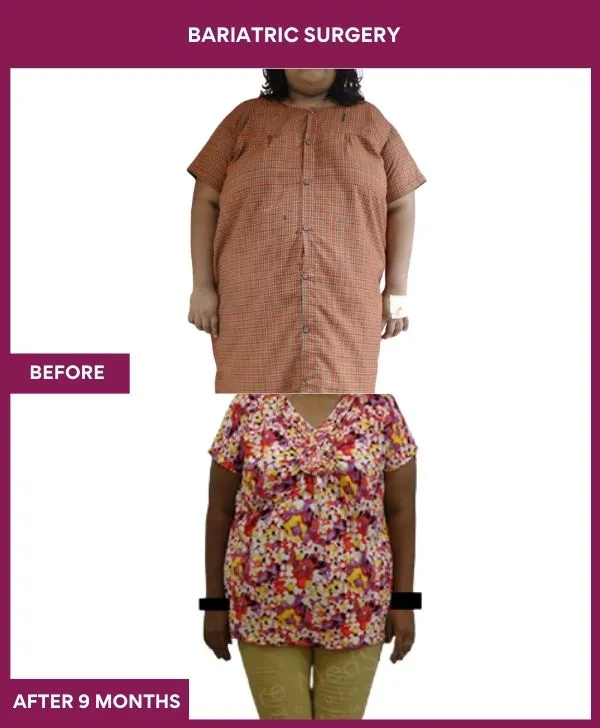
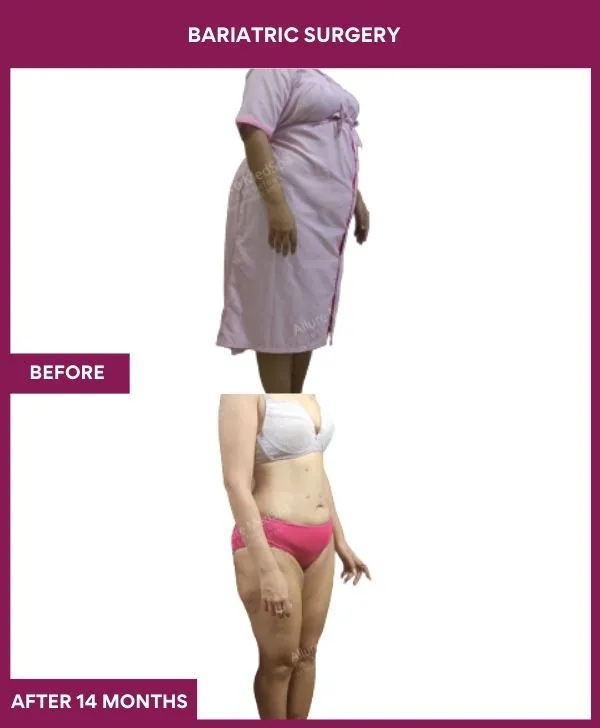
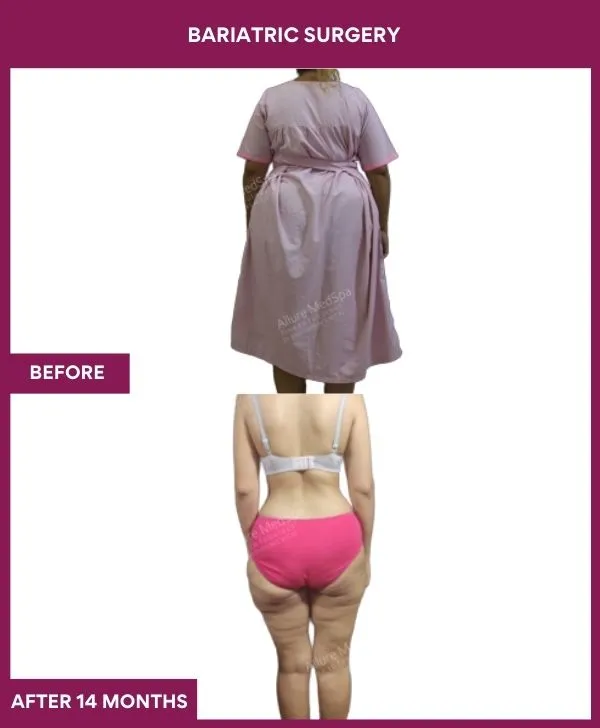
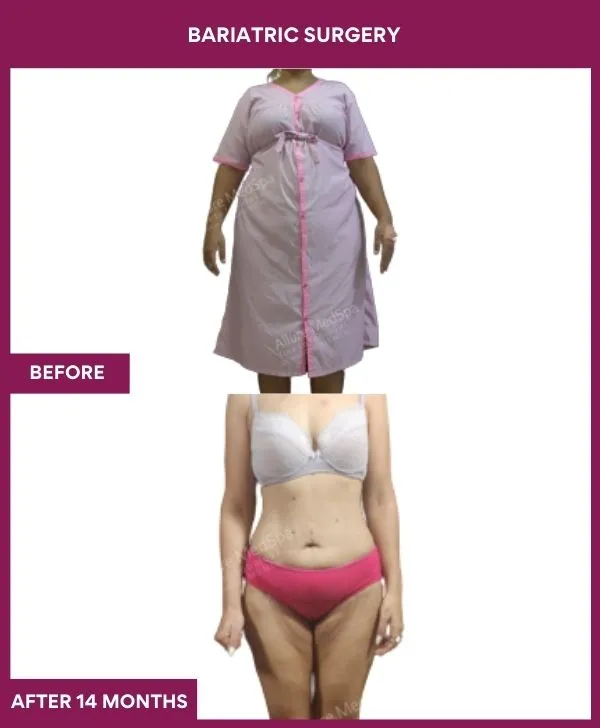
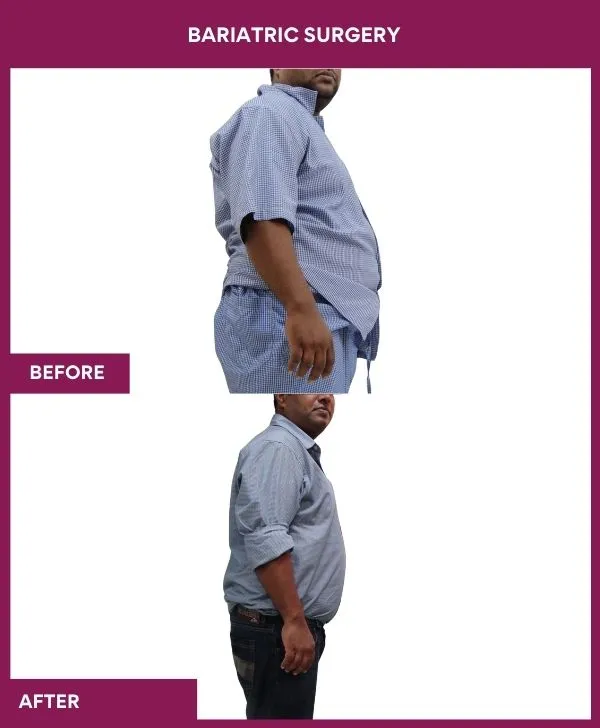
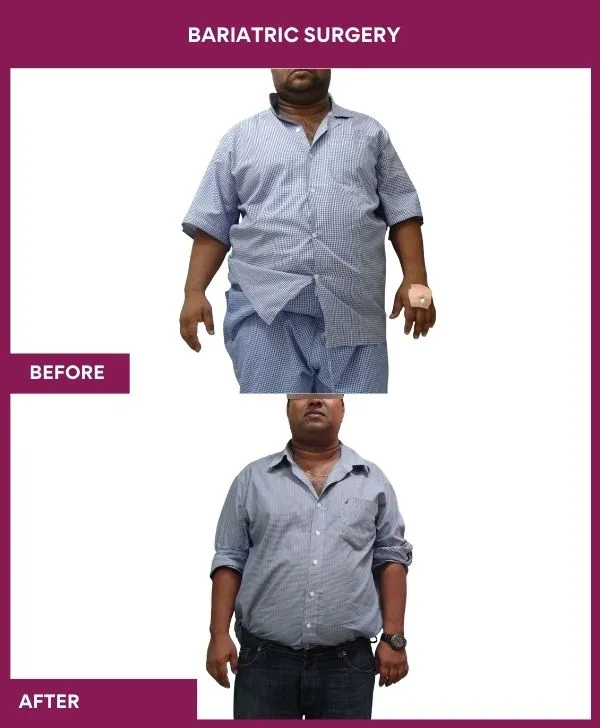
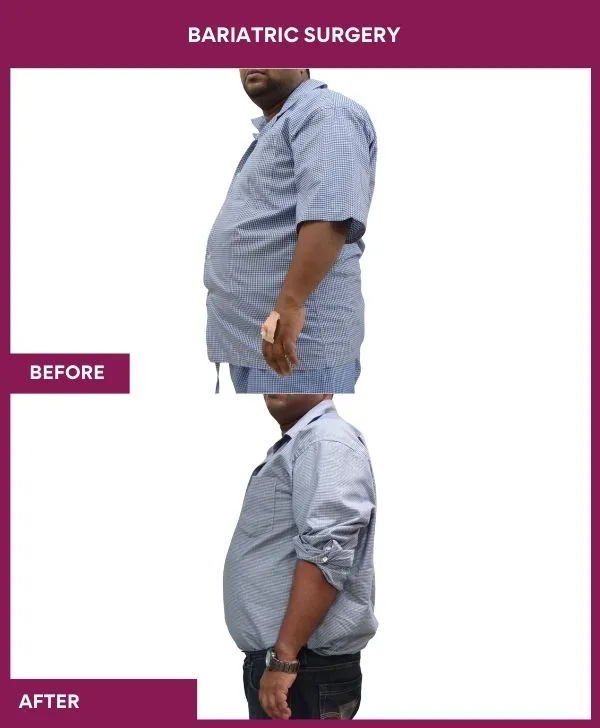
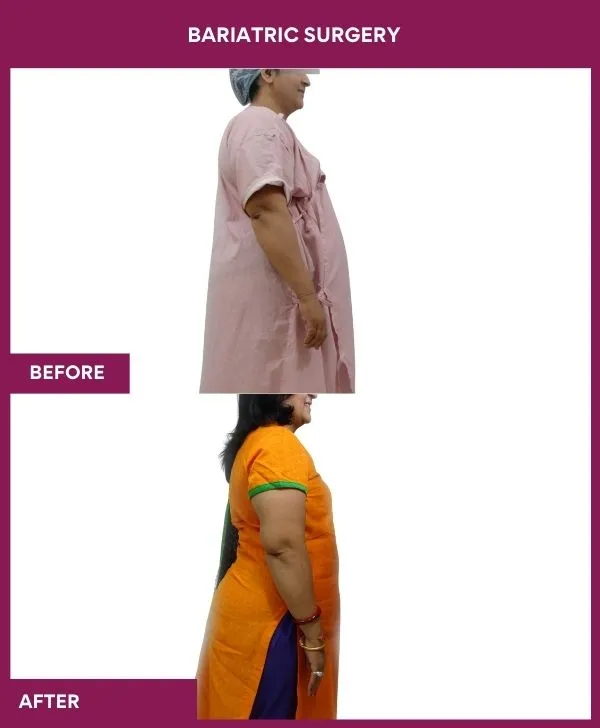
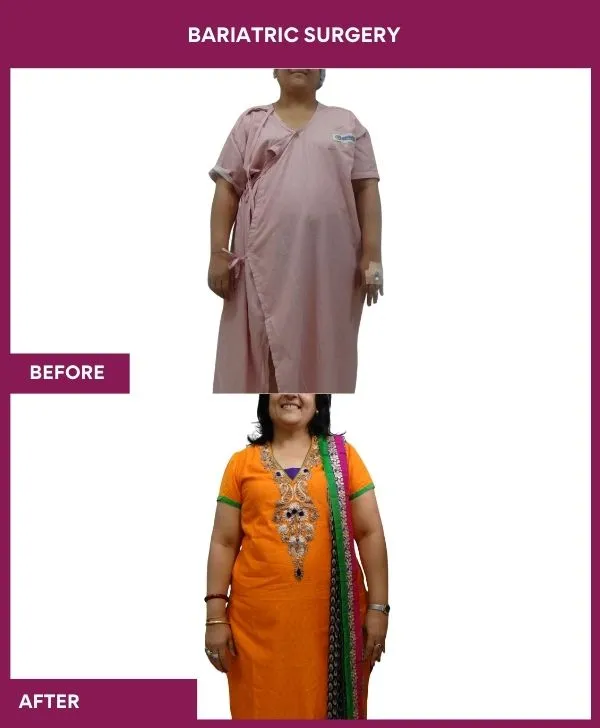
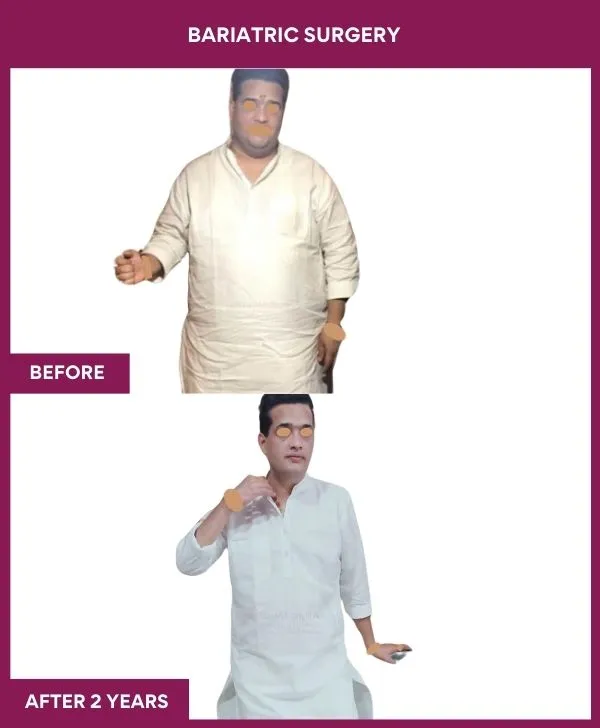
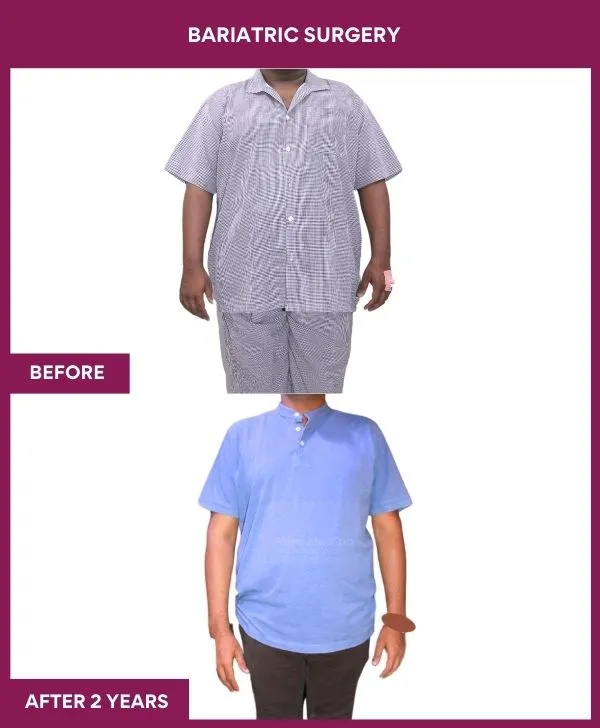
Seeing real results but unsure if they’re possible for you?
Bariatric Surgery Testimonials: Fine To Fabulous Journeys

Awarded by Google.com
Rating: 4.7
Reviews: 485+

Awarded by WhatClinic.com
Rating: 4.8
Reviews: 119+

Awarded by Realself
Rating: 4.9
Reviews:453+

Awarded by Facebook
Rating: 4.6
Reviews:105+
Dr Milan Doshi and his staff are very professional and committed as the centre is highly equipped with advanced technology. I had closed rhinoplasty 4 months back and I’m seeing the results as to how it becomes successful.
Deepika Shetty
The doctor explained everything clearly and the surgery was smooth. Recovery was faster than I expected and the team was very supportive.
Rahul Mehta
Very natural results and excellent staff. From consultation to follow-up, the experience was outstanding and boosted my confidence.
Sneha Kapoor
See how moms just like you went from hiding to shining — your journey starts here.
Video: Facelift Surgery Explained By Dr. Milan Doshi
Dr. Milan Doshi explains how a natural facelift is planned — technique, safety and realistic results.
Am I a Candidate?
(4 quick questions)
BMI, health, history, commitment — four answers to start.
Check My EligibilityA guide only — not a diagnosis
Quick Facts About Bariatric Surgery
TIME REQUIRED
1–2 hours
ANESTHESIA
General
HOSPITAL STAY
1–2 days
PAIN LEVEL
Mild–moderate
BACK TO WORK
1–2 weeks
EXPECTED WEIGHT LOSS
About 60–80%
SUCCESS RATE
97–98%
COMPLICATIONS
Under 2–3%
How Much Does Bariatric Surgery Cost in Mumbai?
About ₹2,50,000–₹3,50,000 by procedure; medically necessary bariatric surgery is covered by Indian health insurance, subject to policy terms.
| Procedure | Estimated cost (Mumbai) |
|---|---|
| Sleeve gastrectomy | ₹2,50,000–₹3,25,000 |
| Roux-en-Y gastric bypass | ₹3,25,000–₹3,50,000 |
| One-anastomosis (mini) bypass | ₹3,00,000–₹3,50,000 |
| Intragastric balloon | ₹1,50,000–₹2,50,000 |
| Revision surgery | ₹3,00,000–₹4,00,000+ |
| Consultation | ₹1,500 |
| Insurance — the important part | Detail |
|---|---|
| IRDAI mandates coverage | Since 1 October 2019 for new policies (1 October 2020 for existing policyholders), insurers must cover medically-necessary bariatric surgery 🩺 |
| Eligibility conditions | Surgery must be advised by a doctor, follow clinical protocols, patient 18+, and meet BMI criteria (generally BMI ≥40, or ≥35 with severe comorbidities) |
| Waiting periods apply | Commonly 2–4 years from policy start, depending on the policy |
| Cosmetic weight loss isn’t covered | Only medically-necessary surgery qualifies |
| Pre-authorisation | Surgeon’s medical-necessity certificate submitted through the hospital TPA desk; ask whether cashless is available at this hospital 🩺 |
- Not included in the package: pre-op tests, take-home medicines and supplements, any extended stay
- EMI
Get your exact quote & surgery plan
Share your details — our team responds within working hours with cost, EMI options and next steps.
Most Common Question People Ask
Q1. Do I qualify if my BMI is under 40?
Ans. Possibly. Current international guidance recommends surgery at BMI ≥35 regardless of comorbidity, and BMI 30–35 with metabolic disease. Indian guidance uses lower thresholds again for South Asians — so get assessed rather than assume.
Q2. Sleeve or bypass — which is better?
Ans. Both are excellent. Sleeve gastrectomy is simpler with a slightly lower complication rate; gastric bypass is often preferred for significant reflux or poorly-controlled type 2 diabetes. Your bariatric surgeon will advise.
Q3. What are the main risks?
Ans. The most serious early risks are a staple-line or anastomotic leak and blood clots (DVT/PE), plus bleeding and infection. 30-day mortality is around 0.3%. Later risks include nutritional deficiencies, dumping syndrome, ulcers, gallstones and weight regain.
Q4. Is bariatric surgery covered by insurance in India?
Ans. Yes — IRDAI has required insurers to cover medically-necessary bariatric surgery since October 2019 (October 2020 for existing policyholders), subject to eligibility (doctor-advised, 18+, BMI criteria) and your policy’s waiting period.
Q5. Will I need vitamins for life?
Ans. Yes. Lifelong vitamin and mineral supplements plus periodic blood tests are essential after bariatric surgery — especially after gastric bypass — to prevent deficiencies.
Q6. When can I return to work?
Ans. Most people resume desk work in 1–2 weeks; avoid heavy lifting and intense activity for about 4–6 weeks.
Q7. What does bariatric surgery cost?
Ans. About ₹2,50,000–₹3,50,000 in Mumbai depending on the procedure 🩺; medically-necessary surgery may be covered by insurance — ask us about pre-authorisation.

Why Choose Dr. Milan Doshi?
Dr. Milan Doshi, MCh, MS — an experienced surgeon with 27+ years in surgical practice. He assesses bariatric surgery candidacy based on BMI, obesity-related health conditions, previous weight-loss efforts and readiness for long-term follow-up. Surgery is performed laparoscopically at Vardaan Hospital, Goregaon West, with appropriate pre-operative assessment, inpatient care and structured follow-up.
The Complete Guide About Bariatric Surgery
What Is Bariatric Surgery?
improve diabetes and other conditions.
| Operation | What it does |
|---|---|
| Sleeve gastrectomy | About 75–80% of the stomach is removed, reducing intake and hunger hormones |
| Roux-en-Y gastric bypass | Creates a small stomach pouch and reroutes the intestine; combines restriction with reduced absorption |
| One-anastomosis (mini) gastric bypass | A simplified bypass with a single join |
| The two dominant operations | Sleeve gastrectomy and Roux-en-Y bypass together account for roughly 90% of all bariatric operations worldwide |
| Metabolic, not cosmetic | These operations treat a chronic disease; body-contouring surgery is a separate, later step |
Sources: Eisenberg D, et al. 2022 ASMBS and IFSO: Indications for Metabolic and Bariatric Surgery. Surg Obes Relat Dis. 2022 — BMI ≥35 regardless of comorbidity; BMI 30–34.9 with metabolic disease; lower thresholds for Asian populations; sleeve + RYGB ≈ 90% of operations 🩺
- Also called: weight loss surgery, metabolic surgery, obesity surgery, gastric sleeve, gastric bypass
- Related, later procedures → Body Lift · Tummy Tuck
Could Bariatric Surgery Help You Lose Weight And Regain Your Health?
If severe obesity is harming your health and supervised diet and exercise have not worked, surgery is the most effective long-term treatment.
- Do you want long-term weight loss and better overall health?
- Are you struggling with severe obesity, low energy, or conditions like diabetes, high blood pressure or sleep apnoea?
- Have diet and exercise failed repeatedly — and are you ready for a medically-guided solution?
- The honest part: it is major surgery with real risks, and it requires lifelong dietary changes, vitamin supplementation and follow-up — so it’s a decision to make carefully with a qualified bariatric surgeon
How common is bariatric surgery?
Sleeve gastrectomy and gastric bypass are now the two dominant operations worldwide, and numbers in India have grown over the past decade.
What Are The Benefits Of Bariatric Surgery?
Lasting weight loss plus improvement or remission of type 2 diabetes, blood pressure, sleep apnoea, joint pain and fertility problems.
| Benefit | What it means |
|---|---|
| Significant weight loss | Typically ~60–80% of excess weight over 12–18 months |
| Type 2 diabetes improvement | Many patients achieve remission or greatly reduced medication needs |
| Cardiovascular benefit | Improved blood pressure, cholesterol and long-term cardiac risk |
| Sleep apnoea | Often improves substantially; many patients reduce or stop CPAP |
| Mobility & joints | Less load on joints, better movement and activity tolerance |
| Fertility | Hormonal balance often improves, especially with PCOS |
| Quality of life & mood | Most patients report better energy, confidence and wellbeing |
What Are Overweight, Obesity And BMI — And What Are The Health Hazards?
Obesity is graded by BMI — 30+ obese, 35+ severe, 40+ class 3 — and raises the risk of diabetes, heart disease, sleep apnoea and some cancers.
| BMI | Classification | Health risk |
|---|---|---|
| Under 18.5 | Underweight | Minimal |
| 18.5 – 24.9 | Normal weight | Minimal |
| 25 – 29.9 | Overweight | Increased |
| 30 – 34.9 | Obesity (Class 1) | High |
| 35 – 39.9 | Severe obesity (Class 2) | Very high |
| 40 and over | Class 3 obesity | Extremely high |
- Important for Indian patients — South Asians develop obesity-related conditions such as type 2 diabetes at lower BMI levels, so Indian guidance (OSSI) uses lower thresholds than Western criteria
- BMI = weight (kg) ÷ height (m)²
What causes obesity?
A mix of diet, inactivity, genes, hormones such as thyroid or PCOS, some medicines, sleep and stress — a chronic disease, not a lack of willpower.
What are the health hazards of obesity?
Type 2 diabetes, high blood pressure, heart disease and stroke, sleep apnoea, fatty liver, joint damage, infertility and several cancers.
| System | Risks |
|---|---|
| Metabolic & cardiovascular | Type 2 diabetes, hypertension, heart disease, stroke, high cholesterol |
| Respiratory | Obstructive sleep apnoea, breathlessness |
| Other physical | Fatty liver, gallstones, GERD, osteoarthritis, incontinence, infertility |
| Cancer risk | Increased risk of breast, uterine and colon cancers |
| Psychological & social | Low self-esteem, social isolation, depression and anxiety |
What Are The Limitations And Contraindications Of Bariatric Surgery?
It is not for everyone: some heart, lung, liver, bowel or psychiatric conditions, pregnancy and inability to follow up make it unsafe.
| Condition | Why |
|---|---|
| Inflammatory bowel disease | e.g. Crohn’s disease can complicate healing and digestion |
| Severe heart, lung or liver disease | Raises surgical risk |
| Active substance-use disorder | Ongoing alcohol or drug dependence |
| Untreated severe psychiatric illness | Needs stabilising first |
| Pregnancy | Postpone until after delivery and breastfeeding |
| Active infection or chronic pancreatitis | Treat before considering surgery |
| Unable to commit to follow-up | Lifelong supplements and monitoring are essential to safety |
- It is not a cure — some weight regain over the years is common
- It does not remove loose skin — that is a later, separate operation
- A sleeve cannot be reversed
What Happens At The Consultation — And Am I A Candidate?
A full medical assessment: history, BMI, related illnesses, nutrition and readiness, with a dietitian and counsellor, before any plan is made.
| What happens | Detail |
|---|---|
| Weight & treatment history | Previous supervised attempts, patterns, and what’s worked |
| Medical review | Medications, allergies, past surgery, smoking and alcohol |
| Clinical assessment | BMI, comorbidities (diabetes, sleep apnoea), nutritional status |
| Tests | Blood tests, endoscopy, ultrasound, heart and lung checks, sleep study if needed |
| Procedure discussion | Balloon, sleeve or bypass, and why one suits you |
| Risks, benefits & expectations | Including lifelong dietary and supplement commitments |
| Multidisciplinary input | Dietitian and psychological assessment are part of good bariatric practice |
- Dietitian and counsellor are part of the first visit
- Online first consultation · Outstation patients
Am I the right candidate for bariatric surgery?
Adults with BMI 35+, or 30–35 with diabetes or similar illness — lower for South Asians — after supervised weight loss has failed.
| Criterion | Detail |
|---|---|
| BMI criteria (international) | BMI 35 or above regardless of comorbidities; BMI 30–35 with metabolic disease such as type 2 diabetes (ASMBS/IFSO 2022) |
| BMI criteria (Indian / OSSI) | Lower thresholds apply for South Asians |
| Failed sustained non-surgical weight loss | Despite genuine, supervised attempts |
| Committed & informed | Ready for staged diets, lifelong supplements and follow-up |
| Not currently pregnant | And free of untreated severe psychiatric or active substance-use disorders |
| Age | Usually 18–65; outside this range is a specialist decision |
Sources: Eisenberg D, et al. 2022 ASMBS and IFSO: Indications for Metabolic and Bariatric Surgery. Surg Obes Relat Dis. 2022 — BMI ≥35 regardless of comorbidity; BMI 30–34.9 with metabolic disease; lower thresholds for Asian populations; sleeve + RYGB ≈ 90% of operations 🩺
What Are The Options Besides Bariatric Surgery?
Diet, activity, behaviour change, treating hormonal causes and weight-loss medicines come first; a gastric balloon is a temporary step.
| Option | What it involves | Expected effect |
|---|---|---|
| Dietary management | A balanced plan guided by a dietitian; fewer sugary drinks, refined carbohydrates and processed foods | Modest, depends on adherence |
| Regular activity | Walking, aerobic exercise, resistance training, yoga | Supports loss and health |
| Behaviour, sleep, stress | Sleep quality, stress management, reduced screen time | Supports the above |
| Treat underlying conditions | PCOS, hypothyroidism, medicine side-effects | Removes a driver |
| Weight-loss medicines | Prescription drugs, including the newer injectable GLP-1 type, under medical supervision | Meaningful loss while taken; weight often returns on stopping |
| Intragastric balloon | Temporary endoscopic balloon for lower BMI or as a bridge | Temporary |
Is liposuction a treatment for obesity?
No. Liposuction removes small, stubborn fat pockets for shape; it does not treat obesity or improve diabetes or blood pressure.
What Are The Different Types Of Bariatric Surgery?
Sleeve gastrectomy and gastric bypass (Roux-en-Y or one-anastomosis) are the main operations; the gastric band is now rarely used.
| Procedure | How it works | Notes |
|---|---|---|
| Sleeve gastrectomy | ~75–80% of the stomach removed; restricts intake, lowers hunger hormones | Most commonly performed; permanent; lower complication rate than bypass; can worsen reflux |
| Roux-en-Y gastric bypass | Small pouch + intestinal rerouting; restriction + reduced absorption | Long-established; strong for type 2 diabetes and reflux; needs lifelong supplements |
| One-anastomosis (mini) bypass | Single join; simplified bypass | Effective; growing use |
| Intragastric balloon | Endoscopic, temporary balloon limits intake | Non-surgical; temporary; for lower BMI or as a bridge |
| Adjustable gastric band | Band restricts stomach capacity; adjustable / reversible | Use has declined significantly — weaker long-term results, high reoperation |
Sources: Eisenberg D, et al. 2022 ASMBS and IFSO: Indications for Metabolic and Bariatric Surgery. Surg Obes Relat Dis. 2022 — BMI ≥35 regardless of comorbidity; BMI 30–34.9 with metabolic disease; lower thresholds for Asian populations; sleeve + RYGB ≈ 90% of operations 🩺
- The right choice depends on your BMI, your obesity-related conditions (especially type 2 diabetes and reflux), and your goals — decided with a qualified bariatric surgeon
- Which of these does this team perform, and how many of each?
How Is Bariatric Surgery Performed, Step By Step?
Under general anaesthesia, through five or six small keyhole cuts, the stomach is stapled into a sleeve or pouch, tested for leaks and closed.
| Step | What happens |
|---|---|
| 1. Pre-operative preparation | Tests completed; a low-calorie “liver-shrinking” diet for 1–2 weeks |
| 2. Admission | Fasting; clot-prevention stockings and injection |
| 3. Anaesthesia | General, by an anaesthetist experienced in obesity |
| 4. Keyhole access | Five or six small cuts; camera and instruments inserted |
| 5a. Sleeve gastrectomy | The stomach is stapled along a sizing tube and the outer part removed |
| 5b. Gastric bypass | A small pouch is created and joined to the small intestine |
| 6. Leak test | The staple line or join is checked |
| 7. Closure | Small cuts closed; no large wound |
| 8. Recovery | Walking the same day; sips of water, then liquids |
| 9. Discharge | After 1–2 days, with diet plan and supplements |
How long does bariatric surgery take?
Usually 1–2 hours for a sleeve and 2–3 hours for a bypass, done laparoscopically.
What Results Can I Expect After Bariatric Surgery?
About 30–50% of excess weight lost in 6 months and 60–80% by 12–18 months, with the biggest health gains in the first year.
| Time | What to expect |
|---|---|
| First 6 months | Rapid initial loss, often ~30–50% of excess weight |
| 12–18 months | Typically ~60–80% of excess weight lost |
| Health gains | Diabetes, blood pressure, sleep apnoea and mobility often improve markedly |
| Results vary | Outcomes depend on the procedure and, critically, on long-term adherence to diet, activity and follow-up |
| Later years | Some weight regain is common and manageable with support |
What is “excess weight”?
The weight above your ideal weight: if you weigh 110 kg and your ideal is 65 kg, excess is 45 kg, so a 70% loss is about 31 kg.
What Diet And Aftercare Are Needed After Bariatric Surgery?
A staged diet from liquids to small normal meals over weeks, protein first, vitamins and minerals for life, and regular blood tests.
| Stage | When | What |
|---|---|---|
| Clear liquids | First days | Sips; no fizzy drinks |
| Full liquids | About weeks 1–2 | Soups, milk, protein drinks |
| Purée | About weeks 3–4 | Smooth, protein-rich |
| Soft foods | About weeks 5–6 | Eggs, dal, soft vegetables, fish |
| Small normal meals | From about week 6–8 | Protein first; chew well; stop when full |
| For life | Why |
|---|---|
| Vitamin and mineral supplements — iron, B12, calcium, vitamin D, multivitamin | Prevents deficiencies, especially after bypass |
| Blood tests at set intervals | Detects deficiencies early |
| Small, slow meals; liquids between meals, not with them | Comfort; avoids vomiting and dumping |
| Limit sugary, fatty, fried and fizzy items | They can cause dumping syndrome and slow weight loss |
| Regular exercise and follow-up visits | Protects muscle; prevents regain |
What Are The Risks Of Bariatric Surgery — And Is It Safe Long Term?
About 9–12% have a complication and 30-day mortality is about 0.3%; a leak and blood clots are the most serious early risks.
| Serious early complications | What it means |
|---|---|
| Leak (staple-line / anastomotic) | The most feared complication; leaked gastric contents cause severe infection and may need endoscopic or surgical repair |
| Venous thromboembolism (DVT / PE) | Blood clots in the legs or lungs; prevented with early mobilisation, compression and blood thinners |
| Bleeding | May need transfusion or reoperation |
| Infection | Wound or intra-abdominal |
| Anaesthetic risk | Needs an anaesthetist experienced in obesity |
| Reoperation | Roughly 3% (sleeve) to 5% (bypass) within 30 days |
| Later complications | What it means |
|---|---|
| Nutritional deficiencies | Iron, B12, calcium, vitamin D and others — requiring LIFELONG supplements and blood monitoring, especially after bypass |
| Dumping syndrome | Cramping, nausea and palpitations after sugary / fatty foods (mainly after bypass) |
| Stricture, marginal ulcer, internal hernia, gallstones | May need endoscopic or surgical treatment |
| Reflux | Can worsen after sleeve gastrectomy; bypass is often preferred if reflux is significant |
| Weight regain | Some regain is common over the years; long-term support helps |
Sources: PMC8671878 — 30-day mortality ~0.29% (sleeve) / ~0.38% (bypass); complications ~8.9% / ~12.0%; reoperation ~2.96% / ~5.34% 🩺
Sources: PMC10545609 — sleeve gastrectomy series: 30-day mortality 0.22%; reoperation 0.9% 🩺
Is bariatric surgery safe in the long term?
Yes — it lowers long-term mortality in people with severe obesity, provided vitamins, blood tests and follow-up continue for life.
- Conditional on follow-up — deficiencies are the main long-term hazard and are preventable
What Is The Bariatric Surgery Recovery Timeline?
Hospital for 1–2 days, desk work in 1–2 weeks, a staged diet over 6–8 weeks, exercise from 4–6 weeks and follow-up for life.
| Time | What to expect |
|---|---|
| Day 0 | Walking the same day; sips of fluid |
| Days 1–2 | Hospital stay; discharge on liquids |
| Weeks 1–2 | Limited activity; desk work often resumes |
| Weeks 2–6 | Diet advances through purée and soft stages |
| Weeks 4–6 | Gradual return to exercise; avoid heavy lifting |
| Months 3, 6, 12 | Review, weight, blood tests 🩺 |
| Every year, for life | Blood tests and review |
- Outstation / international — arrive 1–2 days before and stay at least ~7 days post-op → Outstation Patients
What about loose skin after weight loss?
Large weight loss often leaves loose skin; a body lift, tummy tuck or arm lift can remove it once your weight is stable for six months.
| Area | Procedure |
|---|---|
| All round the waist, hips, buttocks | Body lift |
| Abdomen only | Tummy tuck |
| Breasts | Breast lift |
Medical Codes for Bariatric Surgery
Sleeve gastrectomy is CPT 43775 and laparoscopic gastric bypass CPT 43644; obesity is coded under ICD-10 E66 with a Z68 BMI code.
| Code | Description |
|---|---|
| CPT 43775 | Laparoscopy, surgical, gastric restrictive procedure; longitudinal gastrectomy (sleeve gastrectomy) |
| CPT 43644 | Laparoscopic gastric bypass with Roux-en-Y gastroenterostomy (Roux limb 150 cm or less) |
| CPT 43645 | Laparoscopic gastric bypass with small-intestine reconstruction to limit absorption |
| CPT 43770 | Laparoscopic placement of adjustable gastric restrictive device (band) |
| ICD-10 E66.01 | Morbid (severe) obesity due to excess calories |
| ICD-10 E66.811–E66.813 | Obesity, class 1 / 2 / 3 (codes introduced in the 2025 ICD-10-CM update) 🩺 |
| ICD-10 Z68.35–Z68.45 | Body mass index 35.0 and above, adult (one code per BMI band) |
| ICD-10 E11.- | Type 2 diabetes mellitus (when it is the indication) |
(FAQs) Frequently Asked Question About Bariatric Surgery
Q1. Is bariatric surgery painful?
Ans. It’s done under general anaesthesia, so there’s no pain during surgery. Mild to moderate soreness for a few days afterwards is normal and managed with medication.
Q2. What is the success rate of bariatric surgery?
Ans. Most patients lose about 60–80% of excess weight within 12–18 months, and obesity-related conditions such as type 2 diabetes often improve markedly. Long-term success depends heavily on diet, activity and follow-up.
Q3. Can weight loss surgery be reversed?
Ans. Gastric banding is removable and bypass can sometimes be reversed, but sleeve gastrectomy is permanent because part of the stomach is removed.
Q4. What are the dietary changes?
Ans. A staged progression — clear liquids, then purees, then soft foods, then small normal meals over several weeks — with lifelong portion control and supplements.
Q5. Can I get pregnant afterwards?
Ans. Yes, and fertility often improves — but wait 12–18 months until your weight and nutrition are stable, and plan with your obstetrician.
Q6. Is there anything I can never eat again?
Ans. No food is permanently banned, but sugary, fatty, fried and carbonated items are best limited — they can cause dumping syndrome and slow weight loss.
Q7. Does anyone regret bariatric surgery?
Ans. Regret is uncommon when expectations are realistic and support is good. Pre-operative counselling and follow-up make a real difference.
Q8. What’s the hardest part?
Ans. Usually the lifelong behavioural and dietary adjustment — which is why dietitian and psychological support matter.
Q9. Is bariatric surgery permanent?
Ans. The anatomical changes are largely permanent, but lasting weight loss still depends on diet, activity and follow-up. Some regain over the years is common.
Q10. What happens years after gastric bypass?
Ans. Most patients maintain substantial weight loss and improved health, but lifelong nutritional monitoring is essential.
Q11. What is the safest weight loss surgery?
Ans. Sleeve gastrectomy has a slightly lower complication rate and is the most commonly performed, but the safest option for you depends on your health profile — and on the surgeon’s experience and the facility.
Q12. Are weight-loss injections an alternative to surgery?
Ans. For some people, yes — they can produce meaningful weight loss while taken. Surgery generally gives larger and more durable loss at higher BMI. The two can also be used together; your doctor will advise 🩺.
Q13. Will I lose my hair after surgery?
Ans. Temporary hair thinning is common 3–6 months after rapid weight loss and usually recovers; adequate protein, iron and vitamins help 🩺.
Q14. I live outside Mumbai — how long should I stay?
Ans. Arrive 1–2 days before and stay at least about 7 days after surgery; later reviews and blood-test checks can be online → Outstation Patients.