
What Nasal Deformities Can Rhinoplasty Correct?
Rhinoplasty can improve many nasal deformities. Some are cosmetic. Some are structural. Some affect both appearance and breathing.
At Allure Medspa, our approach is simple:
- Everyone notices. No one knows.
- Natural-looking results
- Tailor-made planning
- Precise execution
- Safe and smooth recovery
The aim is not to create one standard nose. The aim is to understand the real problem and correct it in a way that suits the face.
Useful links: Rhinoplasty Surgery | Rhinoplasty Cost in Mumbai | Outstation Patients
Rhinoplasty Surgery Before and After Results
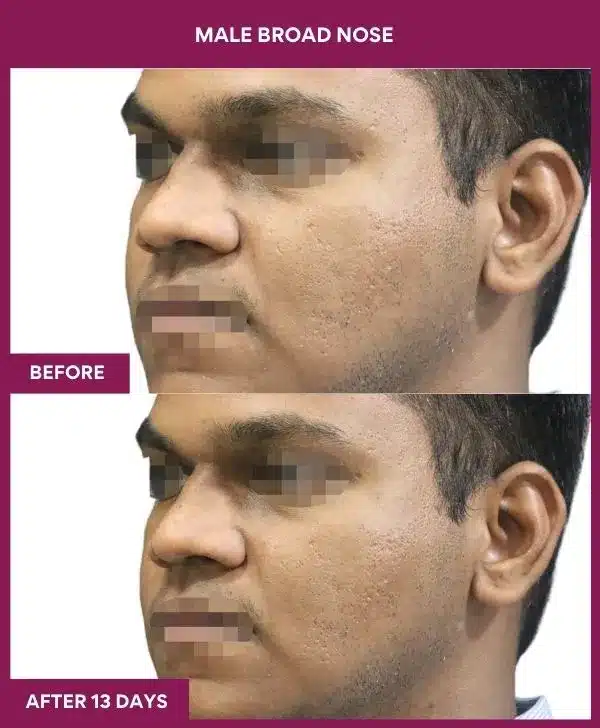
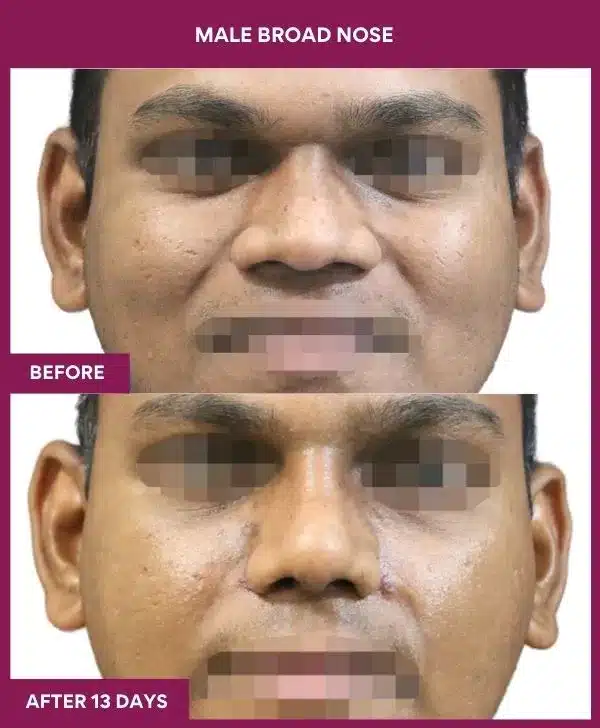
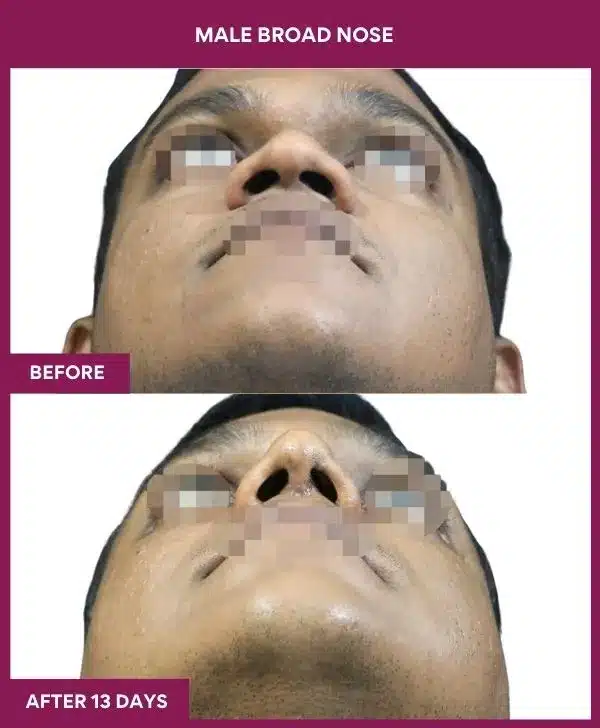
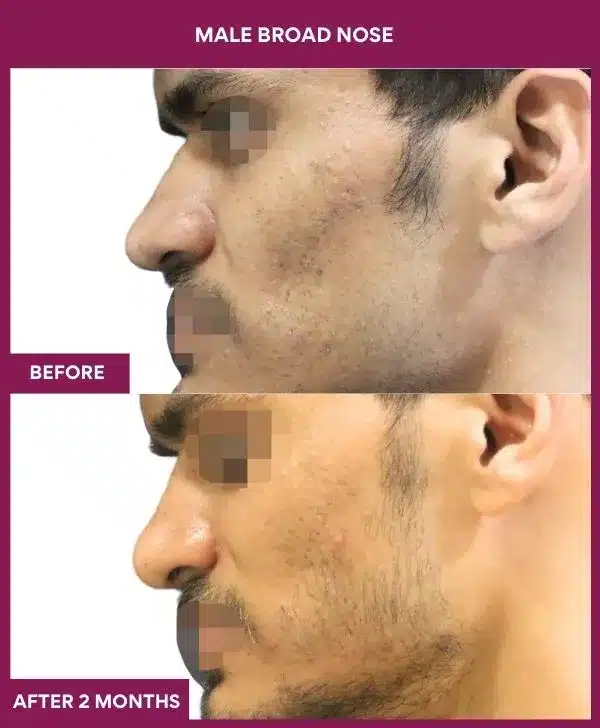
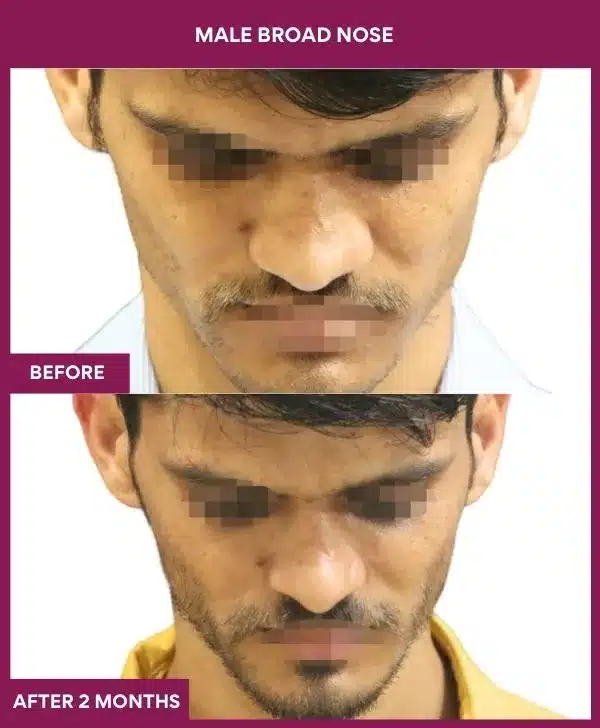
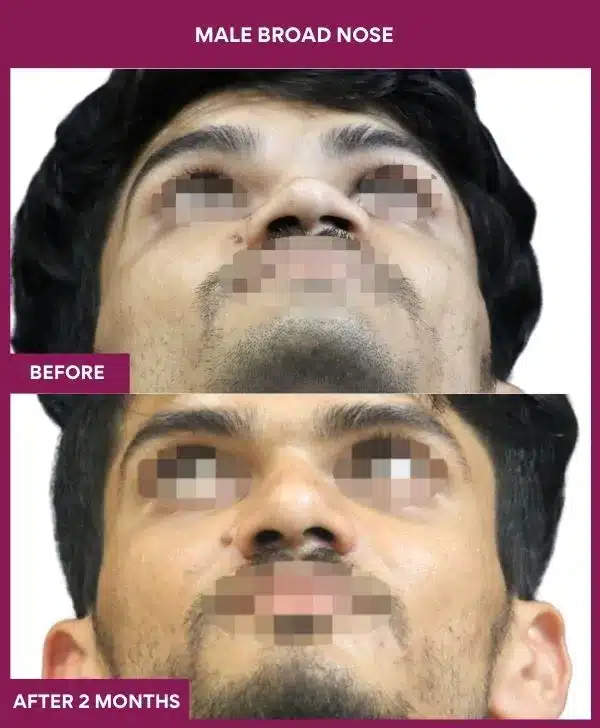
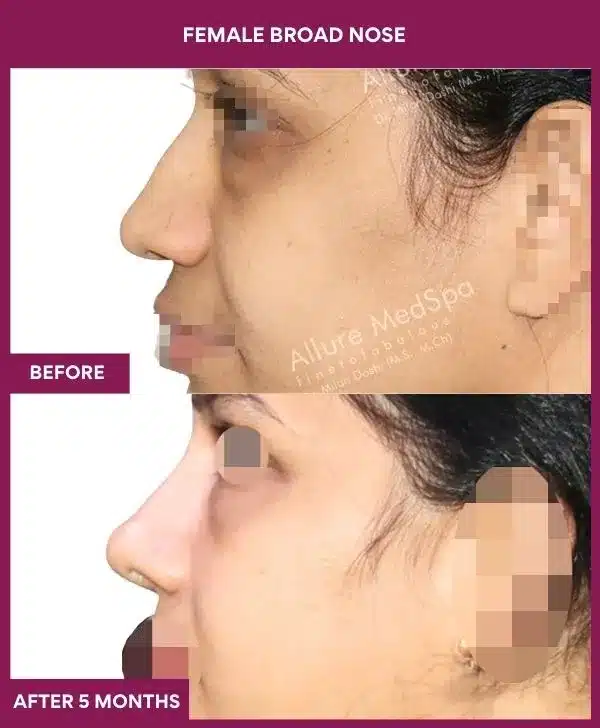
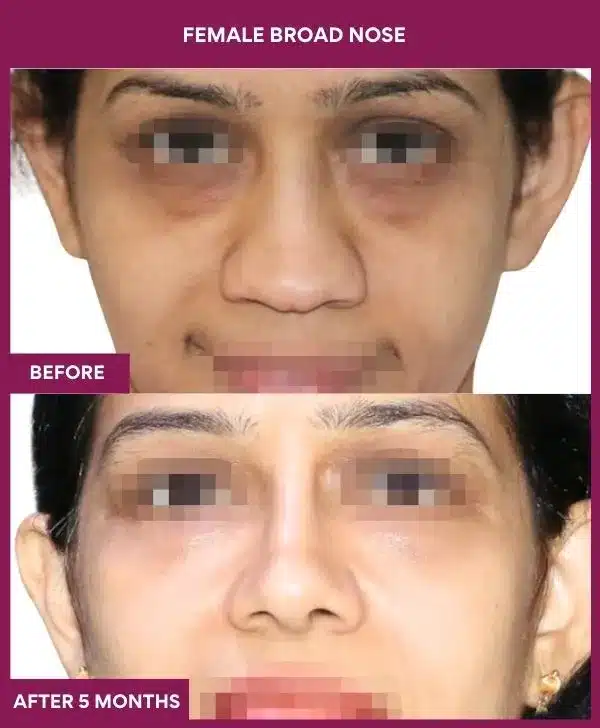
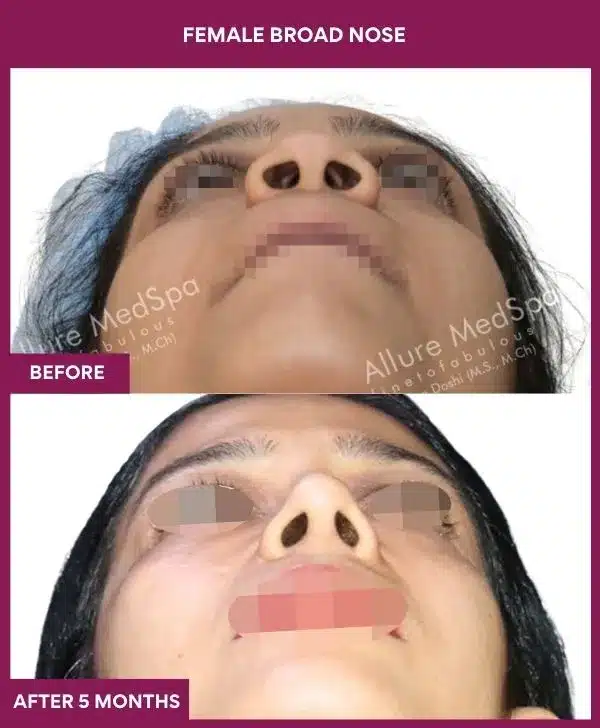
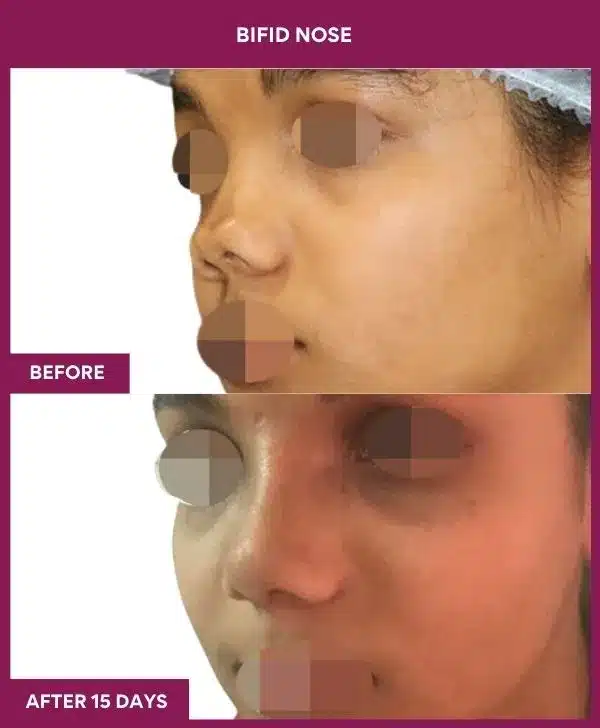
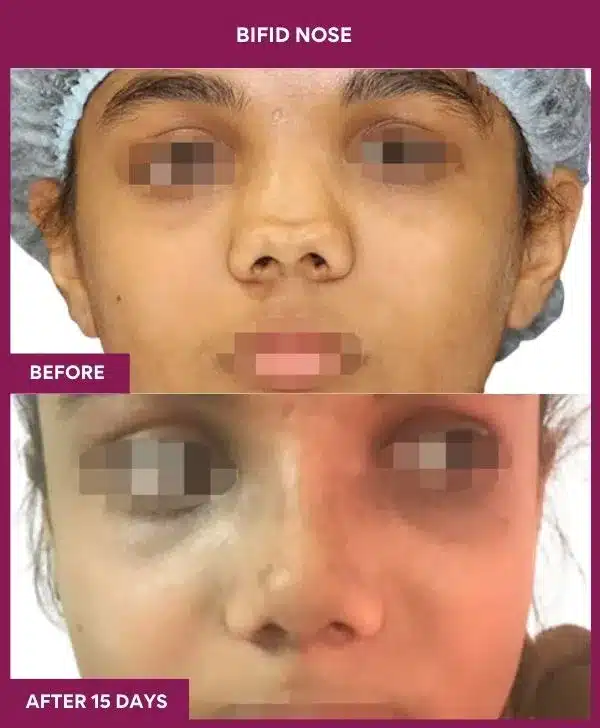
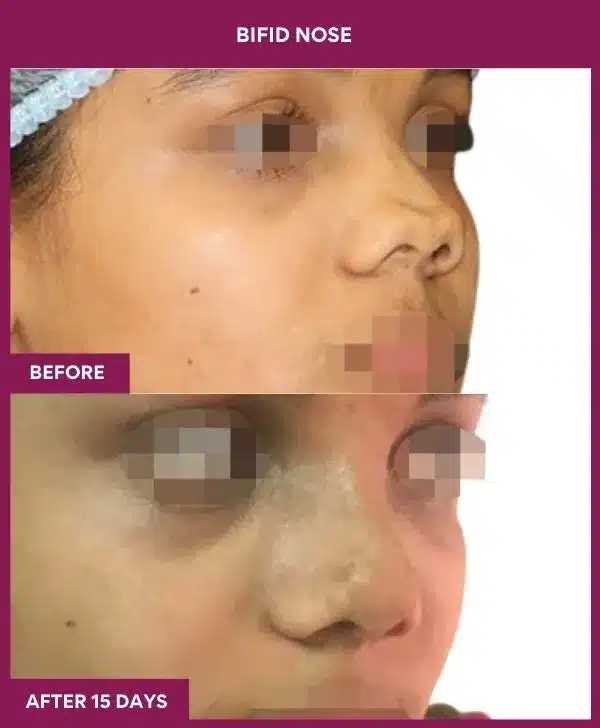
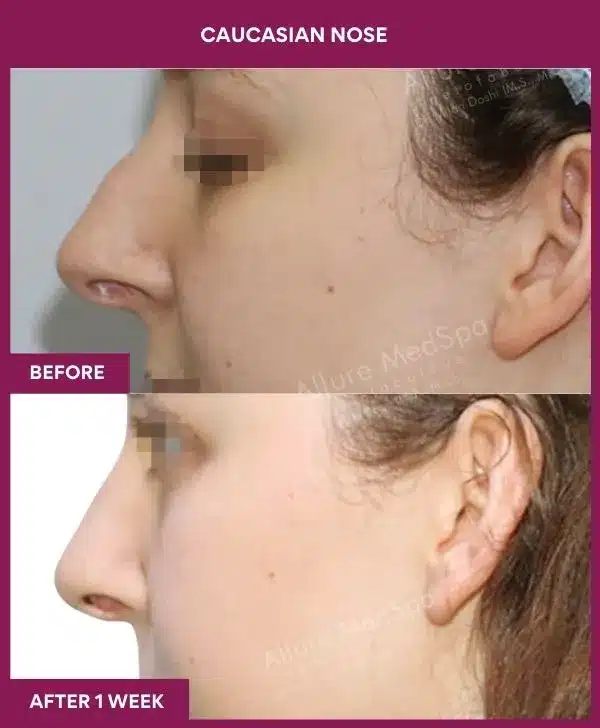
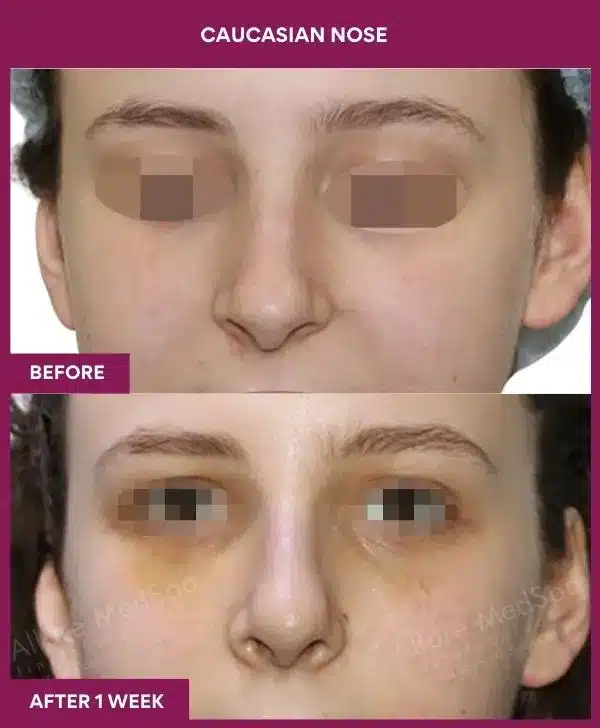
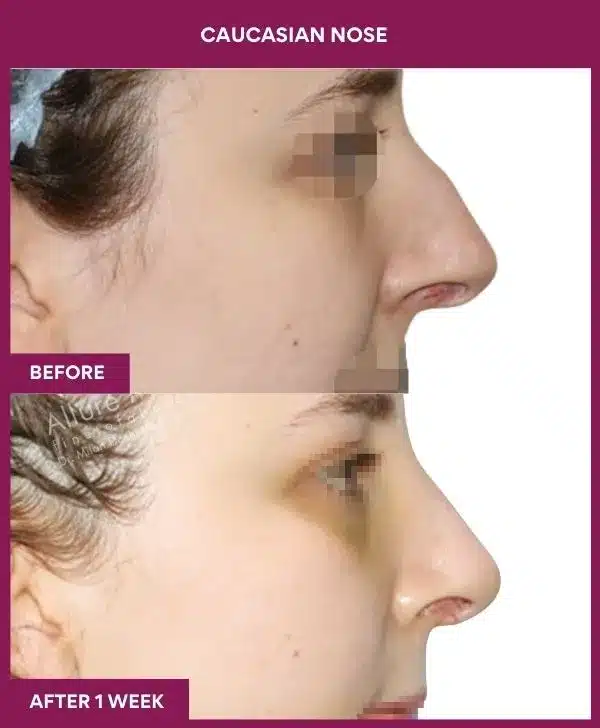
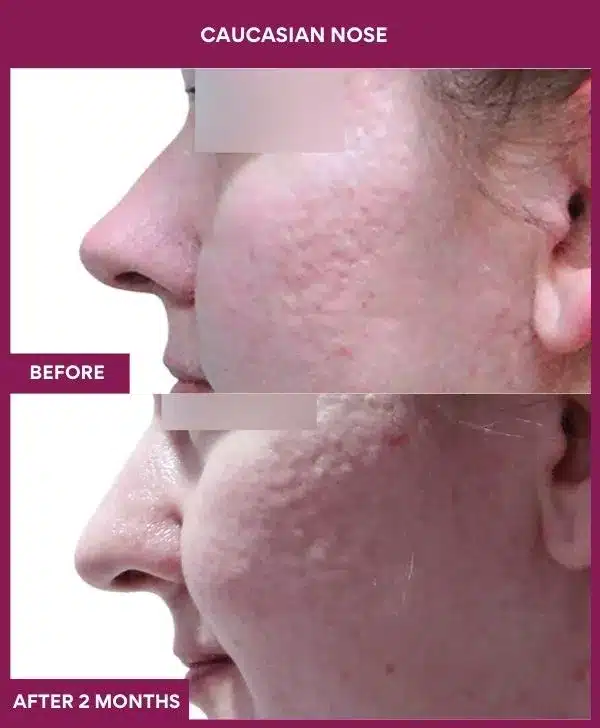
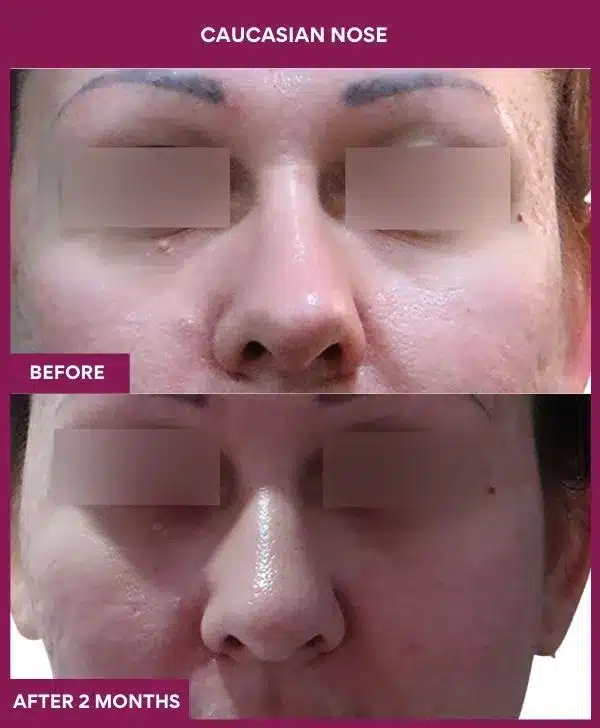
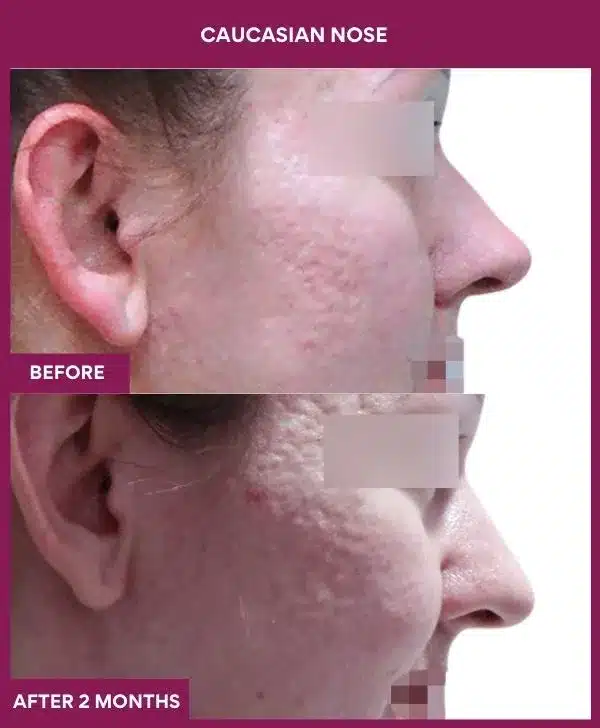
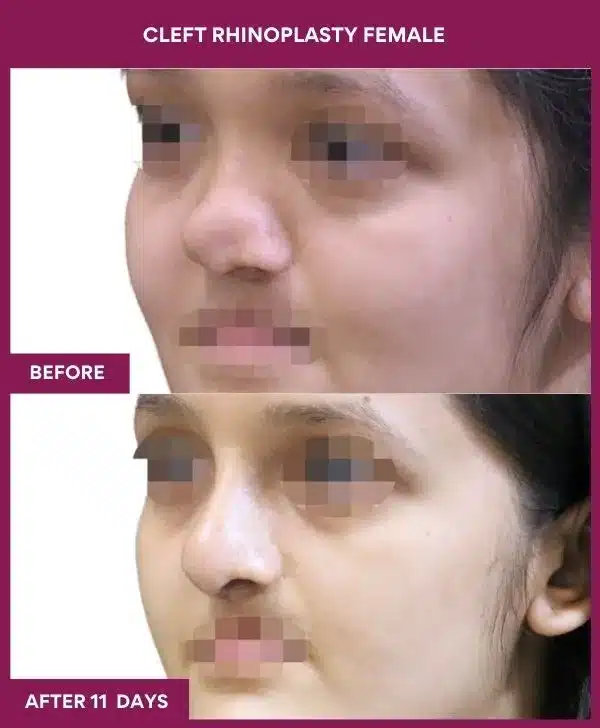
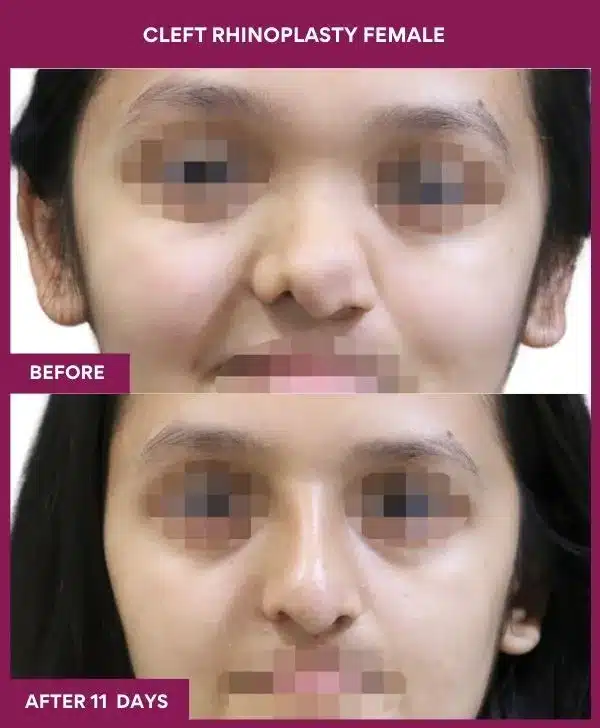
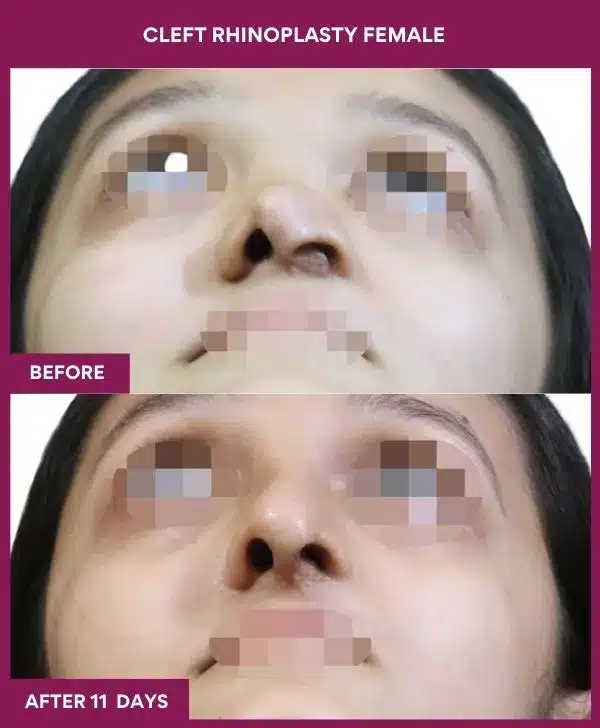
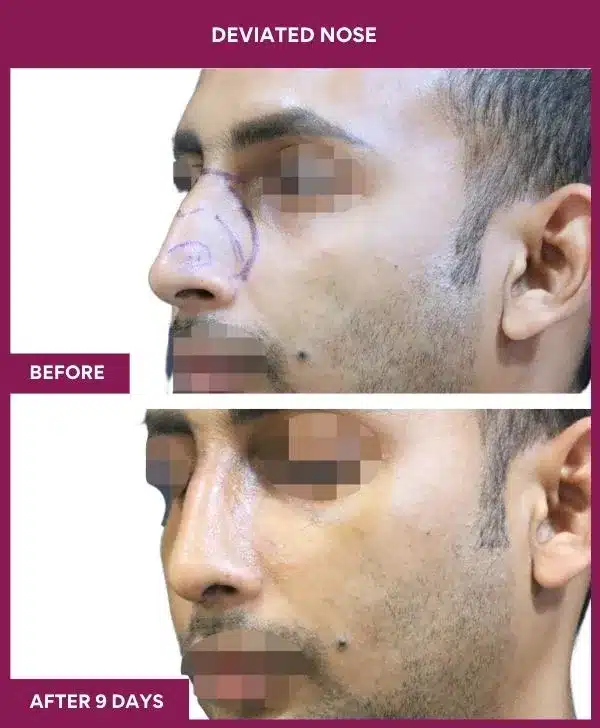
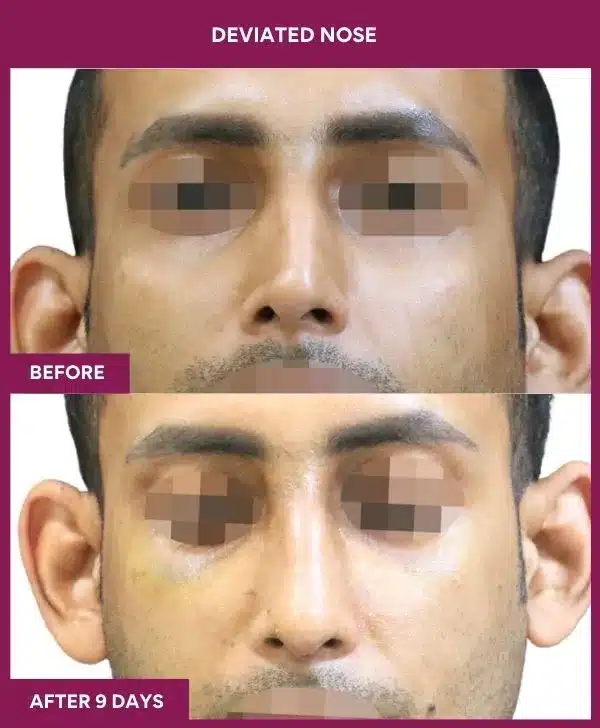
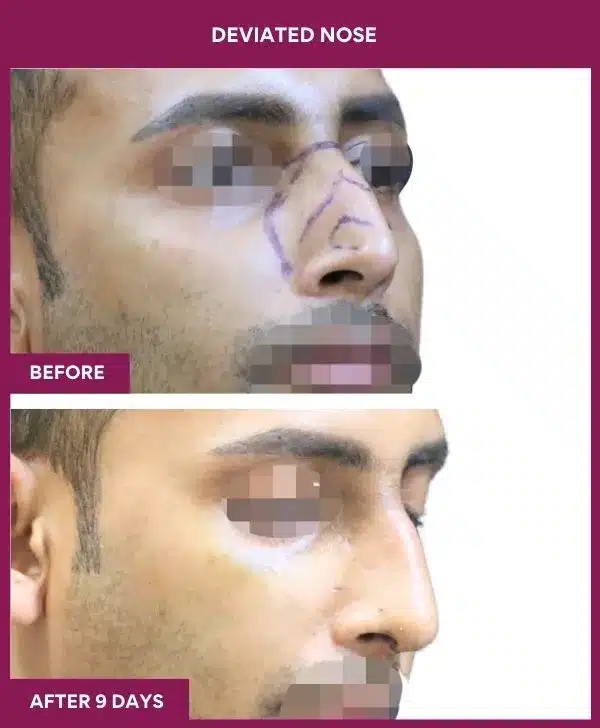
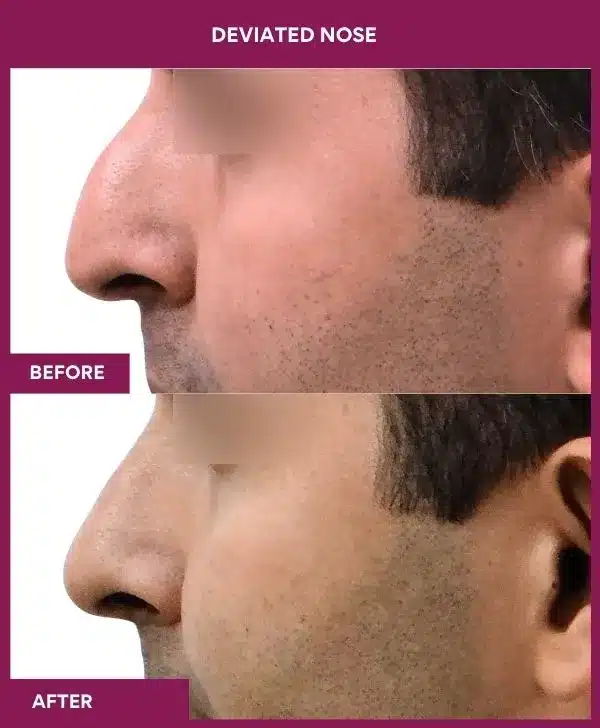
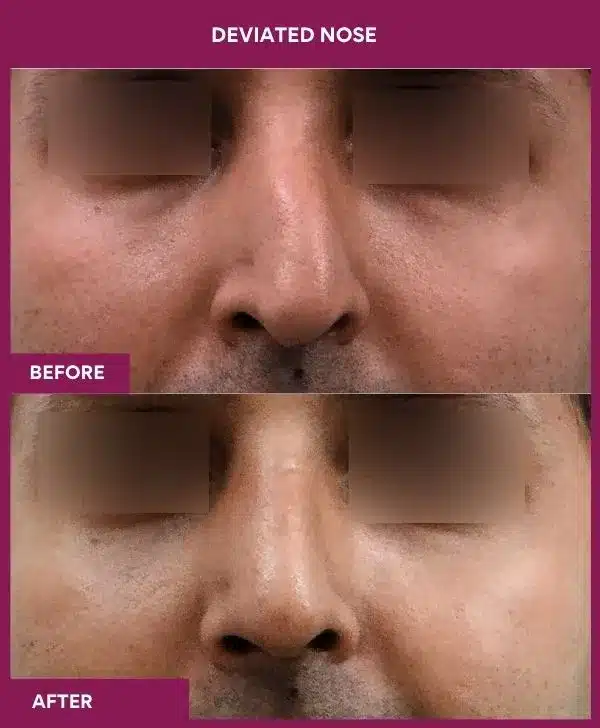
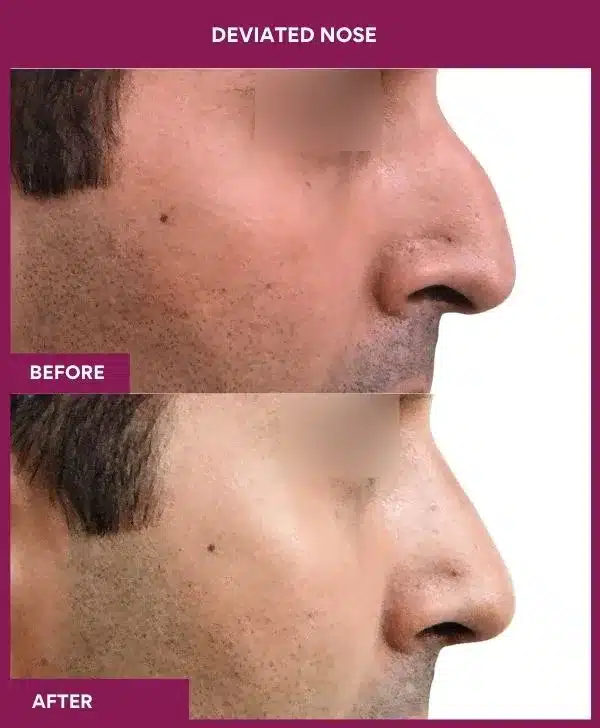
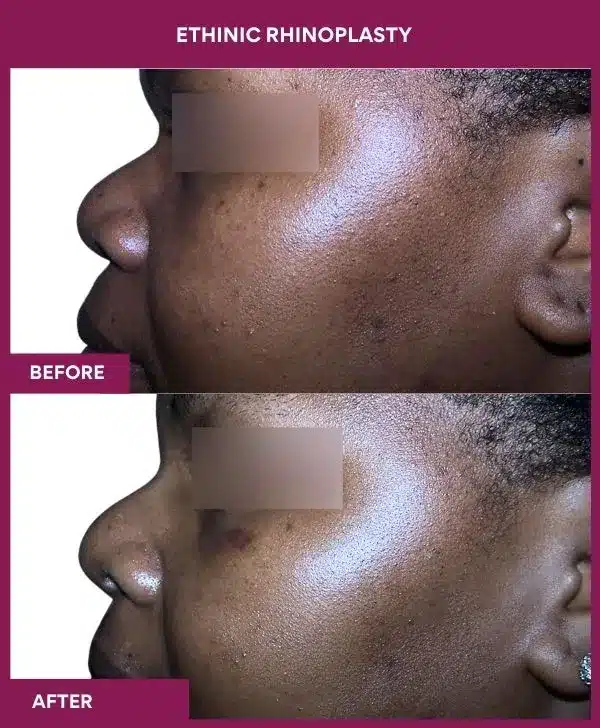
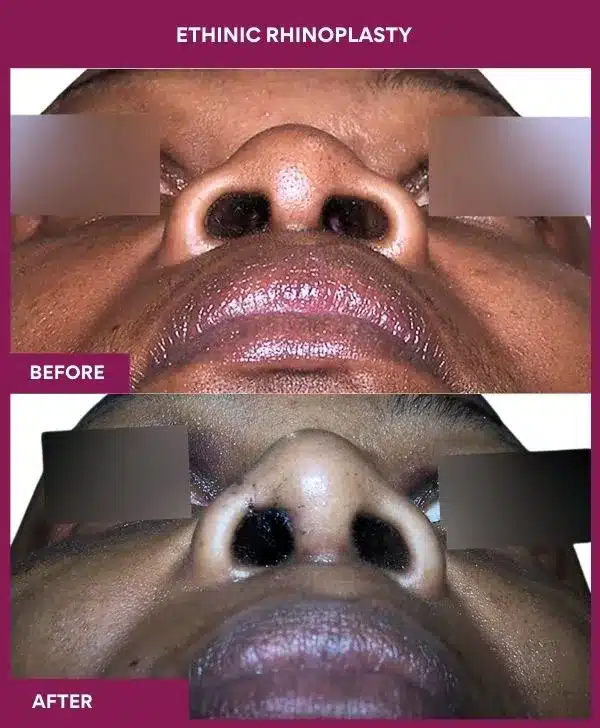
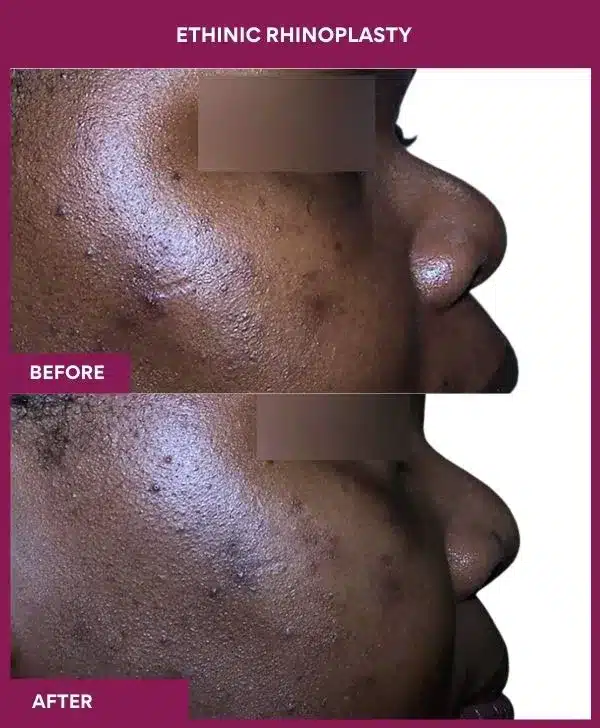
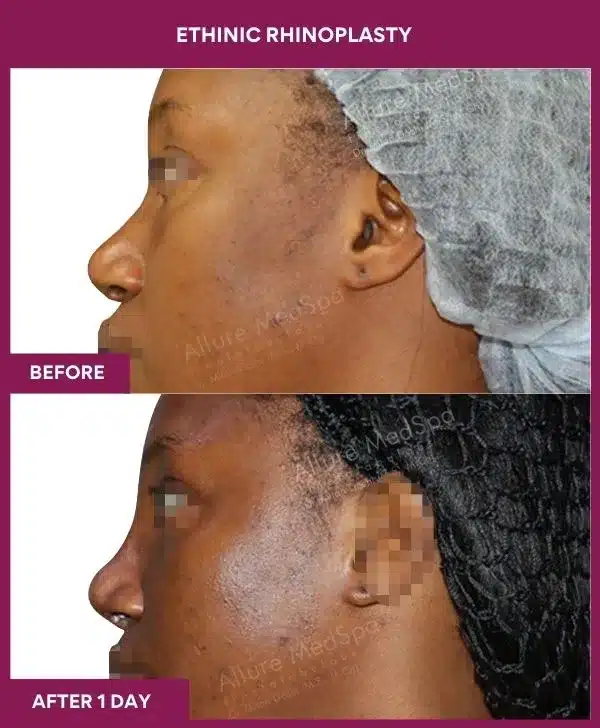
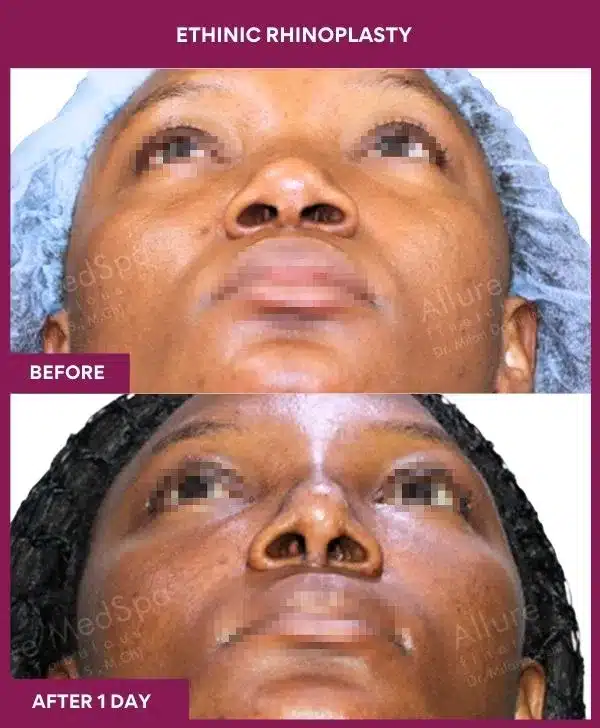
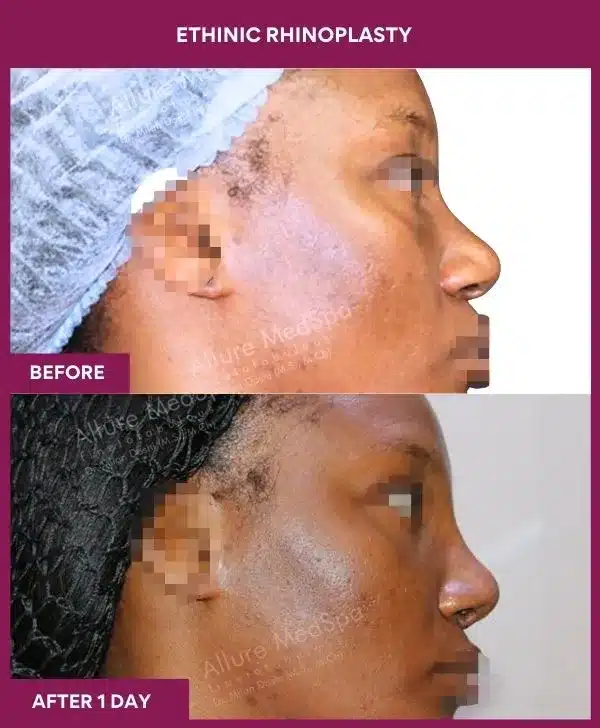
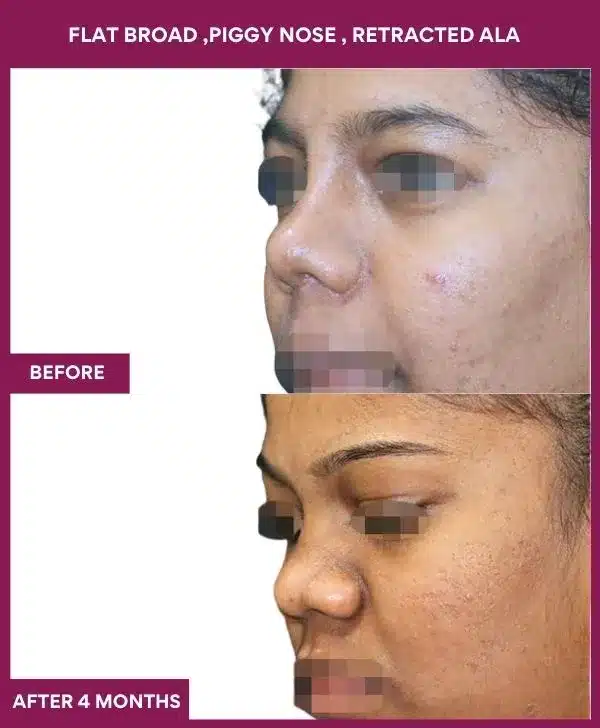
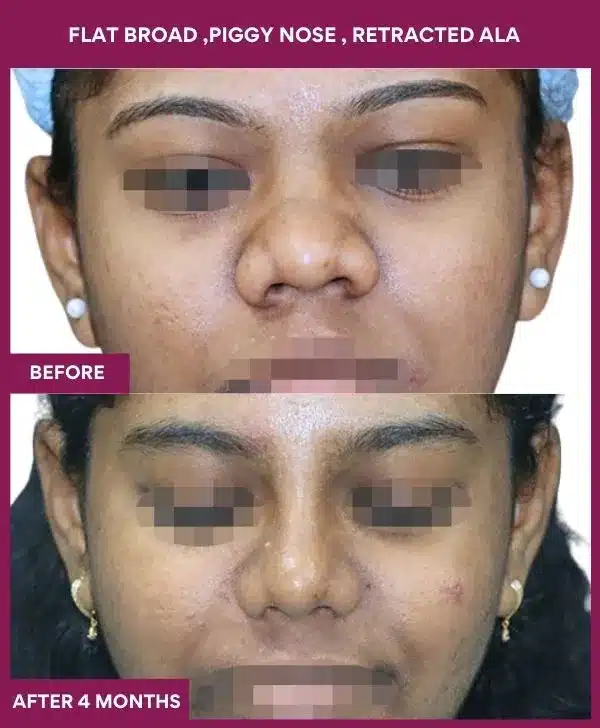
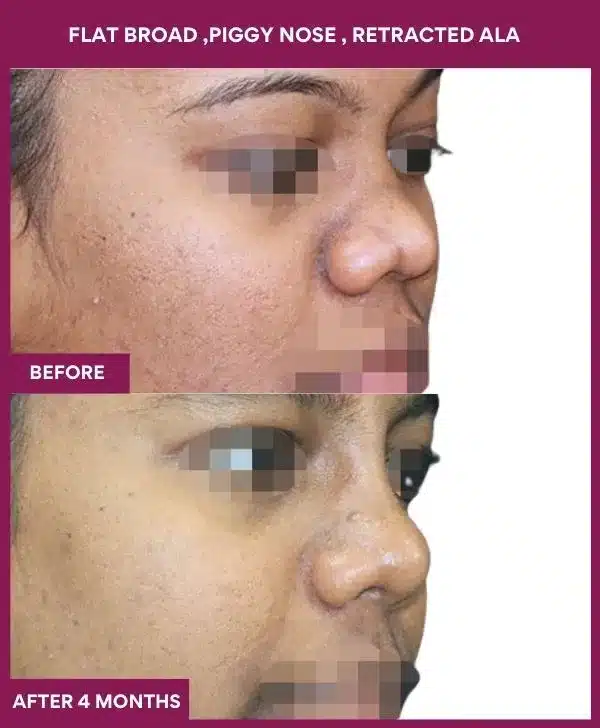
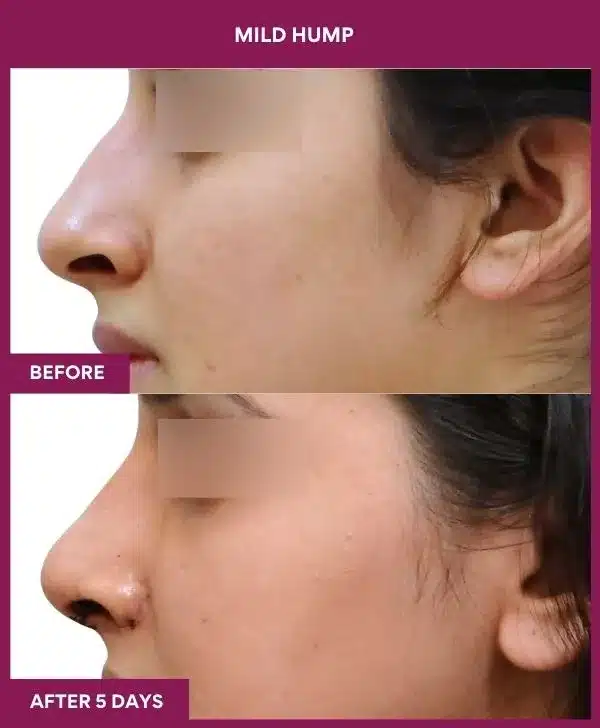
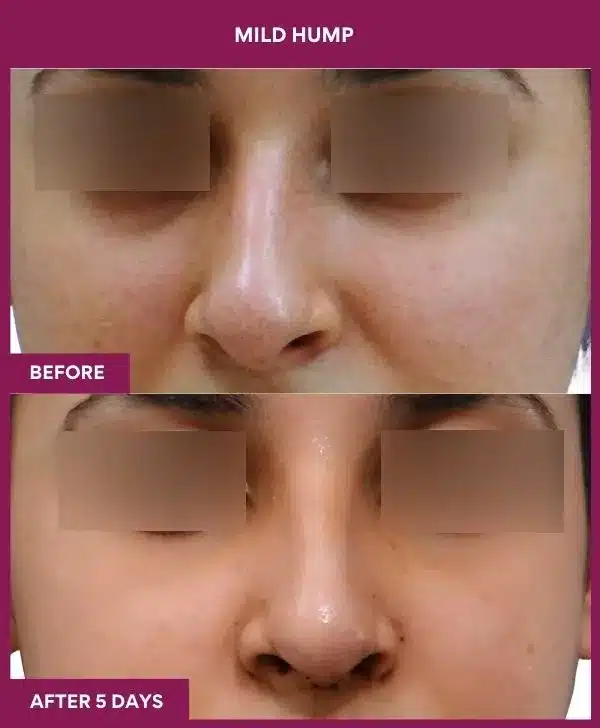
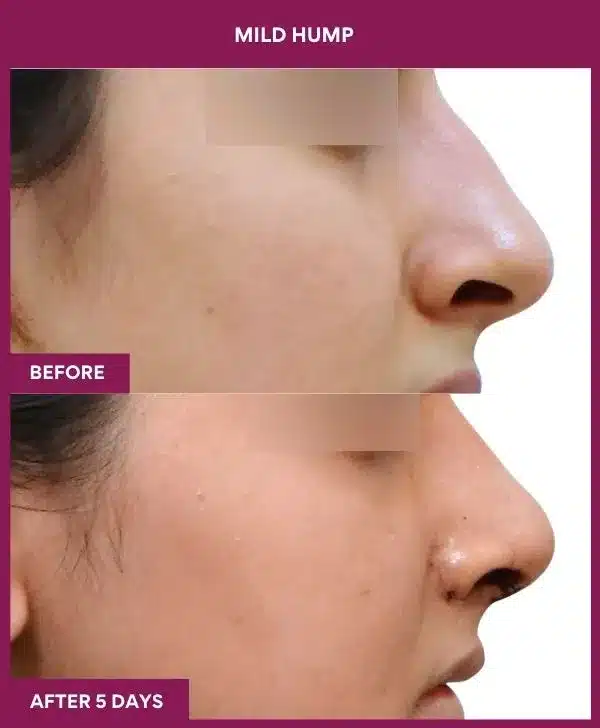
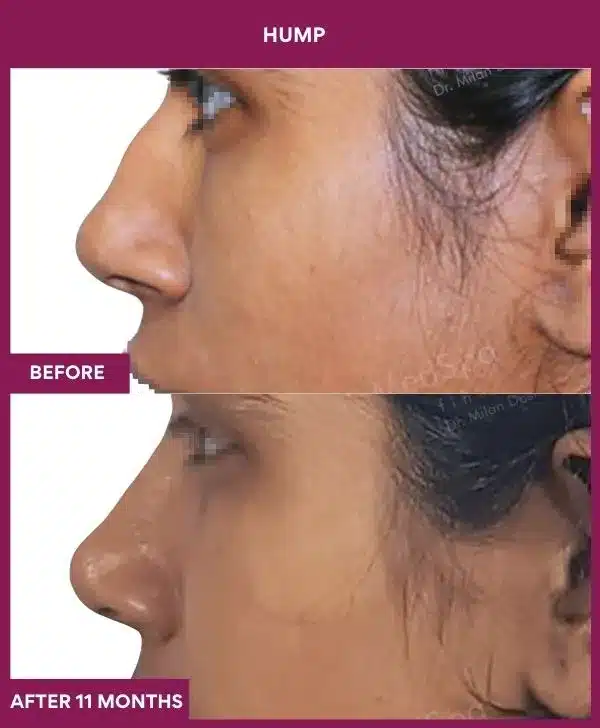
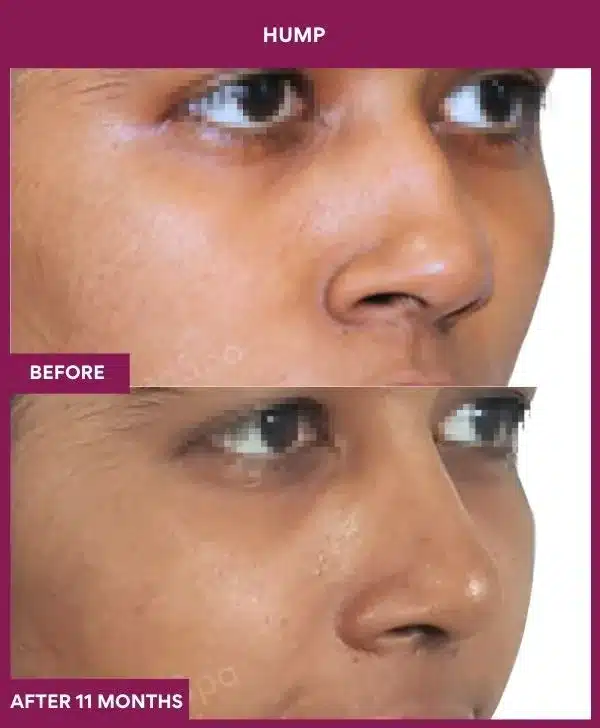
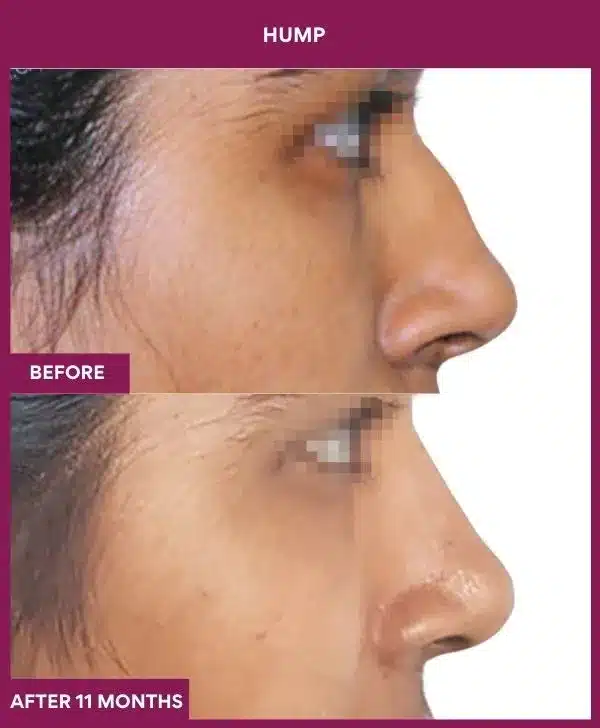
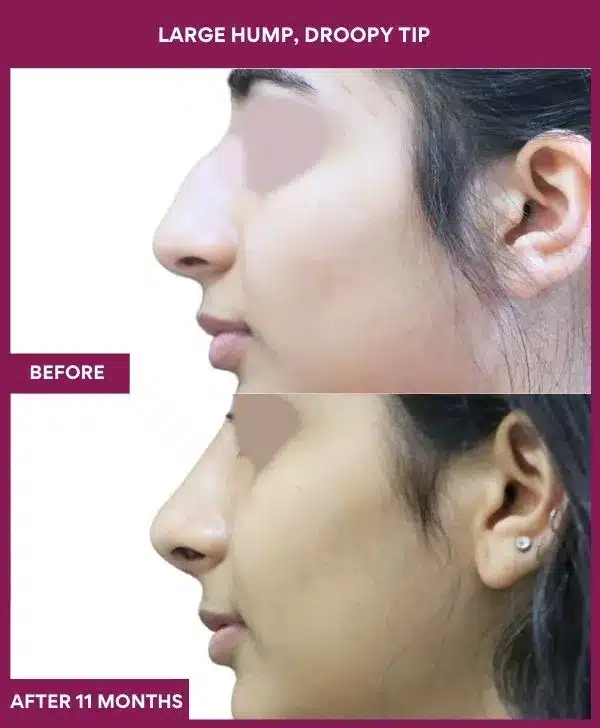

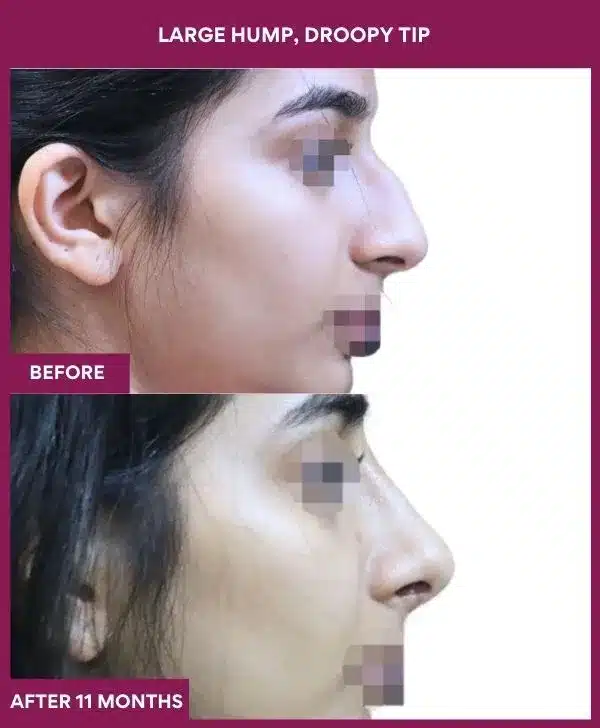
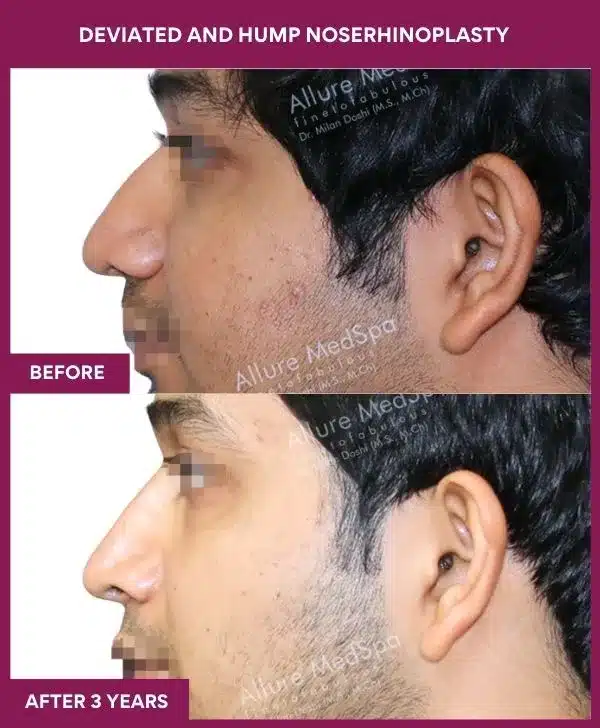
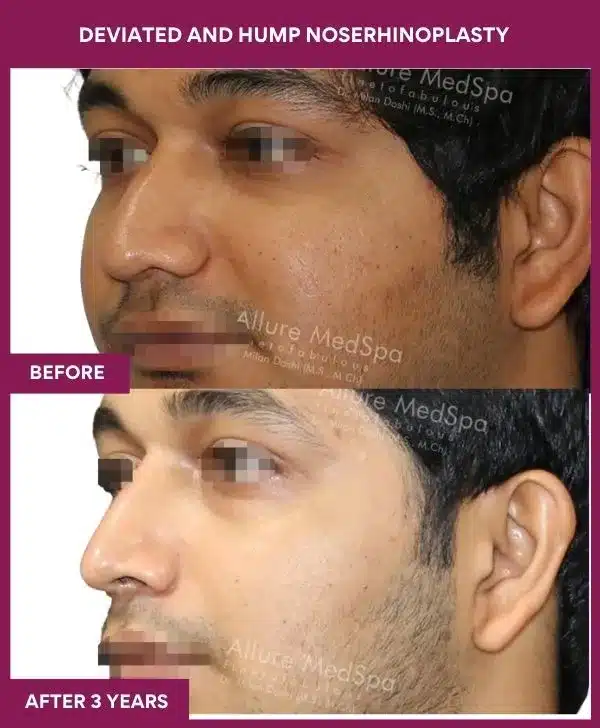
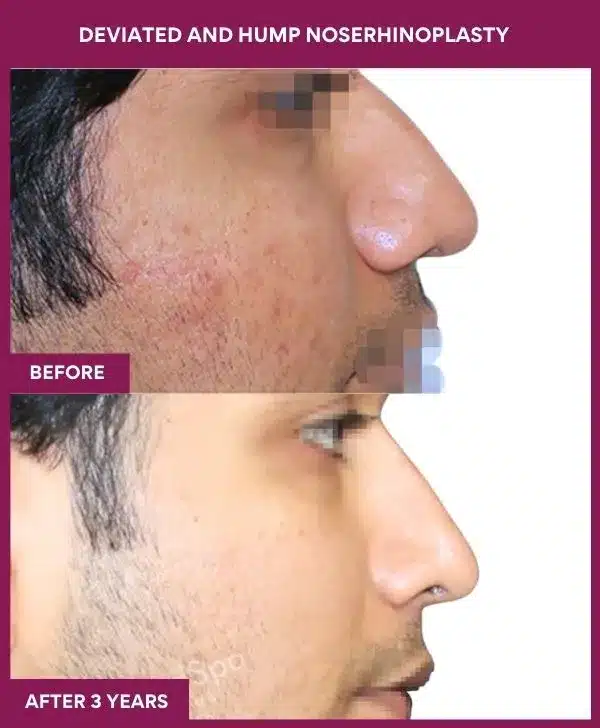
“Liked the results? Let's plan yours.”
Rhinoplasty Surgery Testimonials: Fine To Fabulous Journeys

Awarded by Google.com
Rating: 4.7
Reviews: 485+

Awarded by WhatClinic.com
Rating: 4.8
Reviews: 119+

Awarded by Realself
Rating: 4.9
Reviews:453+

Awarded by Facebook
Rating: 4.6
Reviews:105+
Dr Milan Doshi and his staff are very professional and committed as the centre is highly equipped with advanced technology. I had closed rhinoplasty 4 months back and I’m seeing the results as to how it becomes successful.
Deepika Shetty
The doctor explained everything clearly and the surgery was smooth. Recovery was faster than I expected and the team was very supportive.
Rahul Mehta
Very natural results and excellent staff. From consultation to follow-up, the experience was outstanding and boosted my confidence.
Sneha Kapoor
“Inspired by their journey? Start yours”
Rhinoplasty Surgery Video Explained By Celebrity Cosmetic Surgeon Dr.Milan Doshi
Dr Milan Doshi is describing the Rhinoplasty Surgery in detail with benefits, techniques, recovery, result, risk and complecations
“Understood the process? Let’s talk next steps.”
What kinds of nasal deformities can rhinoplasty improve?
Rhinoplasty can improve many cosmetic and structural nasal deformities, including hump nose, bulbous tip, crooked nose, broad nose, wide nostrils, drooping tip, flat nasal bridge, post-traumatic deformity, deviated nose with functional issues, ethnic nasal concerns, revision rhinoplasty problems, and cleft-related nasal deformity.
- hump nose
- bulbous tip
- crooked nose
- broad nose
- wide nostrils
- drooping tip
- flat nasal bridge
- post-traumatic deformity
- deviated nose with functional issue
- ethnic nasal concerns
- revision rhinoplasty problems
- cleft-related nasal deformity
Many patients have more than one issue at the same time.
For example:
- a hump may come with a drooping tip
- a broad nose may come with wide nostrils
- a crooked nose may come with septal deviation
- a bulbous tip may come with weak projection
That is why rhinoplasty should be planned as a whole-nose procedure, not as a random correction of one visible point.
What is a hump nose, and can rhinoplasty correct it?
A hump nose has a visible bump on the bridge. It may be bony, cartilaginous, or mixed.
Rhinoplasty can improve this by:
- reducing the hump
- smoothing the bridge line
- improving profile balance
Good hump correction is not just “bump removal.” The surgeon must also maintain support and overall harmony.
What is a bulbous tip, and how is it corrected?
A bulbous tip is a nasal tip that appears round, broad, and poorly defined due to cartilage shape, weak support, thick skin, or excess soft tissue. Rhinoplasty corrects it by refining shape, improving support, and enhancing definition.
A bulbous tip may look:
- round
- broad
- heavy
- poorly defined
This may happen because of:
- tip cartilage shape
- weak support
- thick skin
- excess soft tissue
Rhinoplasty can improve the tip by:
- refining shape
- improving support
- improving symmetry
- improving definition
In thick-skinned noses, the goal is refinement, not an artificial needle-sharp tip.
Can rhinoplasty correct a crooked nose?
Yes. Rhinoplasty can correct a crooked nose, but the correction is often more demanding than it looks because the deviation may involve the nasal bones, septum, cartilage, tip, or the entire nasal framework.
The deviation may involve:
- nasal bones
- septum
- cartilage
- tip
- the whole nasal framework
Some crooked noses are caused by trauma. Some are developmental. Some also affect breathing.
Correction may need:
- bone realignment
- septal correction
- cartilage support
- tip balancing
The goal is:
- better straightness
- better symmetry
- better support
- a more natural look
Read more: Crooked Nose Correction
Also see: Septorhinoplasty
What is the difference between a broad nose and wide nostrils?
Patients often mix these two up, but they are related and not the same. A broad nose means the nose looks wide overall, while wide nostrils usually refer more to width at the nostril base or alar flare.
Broad nose
A broad nose means the nose looks wide overall. The width may come from:
- bridge
- middle third
- tip
- base
- a combination of these
Wide nostrils
Wide nostrils usually refer more to:
- nostril base width
- alar flare
- outward spread of the nostrils
So:
- broad nose = whole nose width issue
- wide nostrils = base / flare issue
Can rhinoplasty correct a broad nose?
Yes. Rhinoplasty can often improve a broad nose, but the treatment depends on where the width lies.
The width may be in:
- the bony bridge
- the middle vault
- the tip
- the base
- more than one area
Correction may involve:
- bridge refinement
- narrowing where appropriate
- tip definition
- better structural balance
Because this is common in your market and has clear search intent, it should stay a separate page.
Read more: Broad Nose Correction
Can wide nostrils or alar flare be reduced?
Yes. Wide nostrils can often be reduced when they appear out of proportion to the rest of the nose.
The issue may be:
- nostril base width
- alar flare
- outward pull of the alar rim
- imbalance with the bridge or tip
The goal is not just “smaller nostrils.” The goal is better balance.
Over-reduction can look unnatural, so this correction must be planned carefully.
Read more: Wide Nostril Correction
Can a drooping tip be lifted?
Yes. A drooping nasal tip can be improved with rhinoplasty by adjusting support, projection, and rotation to create better balance with the rest of the nose and face.
A drooping tip can make the nose look:
- longer
- heavier
- tired
- less refined
Sometimes the tip droops at rest. Sometimes it drops more on smiling.
Rhinoplasty can improve this by adjusting:
- tip support
- projection
- rotation
- balance with the bridge and upper lip
The aim is a natural, elegant tip position, not an over-lifted, artificial result.
Can rhinoplasty improve a flat nasal bridge?
Yes. A flat nasal bridge or low dorsum can often be improved with rhinoplasty when the goal is better profile definition, more bridge height, improved projection, and better balance between the bridge and tip.
This usually requires augmentation, not reduction.
Depending on the case, augmentation may involve:
- cartilage grafts
- other structural support
- selected implant-based planning in suitable cases
This topic should stay brief here. It can later become a separate page or blog.
Future related blog: Silicone Implant vs Cartilage Graft Augmentation
What is post-traumatic nasal deformity?
Post-traumatic nasal deformity is a change in nasal shape or function that happens after an injury to the nose. It may cause cosmetic changes, breathing difficulty, or both.
Patients may notice:
- crooked appearance
- depression
- irregularity
- hump formation
- collapse
- breathing difficulty
- mixed cosmetic and functional concerns
These cases may need:
- bone correction
- septal work
- cartilage grafting
- support reconstruction
- combined cosmetic and functional planning
Trauma noses often look simpler than they really are. The internal damage may be greater than the outer appearance suggests.
Can a deviated nose also affect breathing?
Yes. A deviated-looking nose may also affect breathing due to internal structural issues such as septal deviation, valve narrowing, or airflow imbalance.
A deviated nose may involve:
- septal deviation
- valve narrowing
- internal asymmetry
- airflow problems
So not every deviated nose is only a cosmetic issue.
When both appearance and breathing need correction, the surgery may fall under septorhinoplasty.
This is especially relevant if you have:
- nasal blockage
- trauma history
- mouth breathing
- long-standing asymmetry
Read more: Septorhinoplasty
What are ethnic nasal concerns in rhinoplasty?
Ethnic rhinoplasty focuses on improving the nose while respecting the patient’s natural facial identity, anatomy, and ethnic features.
It involves careful planning based on:
- facial identity
- skin thickness
- cartilage strength
- bridge height
- nostril shape
- natural ethnic features
The aim is:
- refinement
- balance
- harmony
- identity-preserving improvement
It is not about erasing identity or copying someone else’s nose. Good ethnic rhinoplasty should look natural, not transplanted from another face.
Read more: Ethnic Rhinoplasty
What are revision rhinoplasty concerns?
Revision rhinoplasty is performed to correct problems that remain or develop after previous nose surgery. These concerns may involve appearance, support, breathing, or implant-related issues.
Patients may seek revision because of:
- asymmetry
- residual hump
- pinched tip
- over-reduction
- undercorrection
- collapse
- breathing issues
- implant-related problems
- dissatisfaction with shape
Revision cases are often harder than primary rhinoplasty because of:
- scar tissue
- altered anatomy
- weak support
- lack of septal cartilage
- healing distortion
Not every problem needs major revision. The treatment depends on the actual defect.
Read more: Revision Rhinoplasty
What is cleft-related nasal deformity?
Cleft-related nasal deformity is a complex reconstructive and aesthetic nasal condition seen in patients with a history of cleft lip or palate. It often involves asymmetry, support issues, and structural imbalance.
It may involve:
- asymmetry
- weak tip support
- base imbalance
- alar distortion
- septal deviation
- scarring
- support deficiency
These patients often need more advanced planning than routine cosmetic rhinoplasty, with a focus on both reconstruction and aesthetic balance.
Why is proper diagnosis more important than self-labeling the deformity?
Proper diagnosis is more important than self-labeling because most patients do not have just one nasal issue. What appears to be a single concern is often part of a larger structural and aesthetic combination.
A patient may say:
- “I have a hump nose”
- “My nostrils are wide”
- “My nose is crooked”
But on proper analysis, the real issue may be a combination of:
- hump + drooping tip
- broad nose + wide nostrils
- crooked nose + septal deviation
- bulbous tip + weak projection
- trauma + support loss + breathing issue
That is why proper consultation matters.
Good rhinoplasty is not about chasing labels. It is about understanding:
- the real deformity
- the facial balance
- the patient’s goals
- the safest, most natural correction
CTA: Book Consultation for Nose Analysis
Useful link: Dr Milan Doshi
The plan depends on:
- the deformity
- the combination of deformities
- skin thickness
- cartilage strength
- facial proportions
- breathing issues
- history of trauma
- previous surgery
- patient expectations
Some noses need:
- reduction
- support
- augmentation
- septal correction
- a combination of these
That is why the planning must be tailor-made.
This is where our approach matters most:
- Natural-looking results
- Tailor-made planning
- Precise execution
- Safe and smooth recovery
Why choose Dr Milan Doshi for deformity correction rhinoplasty?
Correcting a nasal deformity is not just about surgical technique. It is also about judgment, planning, and knowing how to improve the nose safely while keeping the result natural and structurally sound.
The surgeon must understand:
- what is actually wrong
- what matters most to the patient
- what can be improved safely
- how to preserve support
- how to keep the result natural
This matters even more in:
- crooked noses
- broad noses
- trauma-related deformities
- revision cases
- thick-skinned noses
- augmentation cases
- combined cosmetic and functional cases
At Allure Medspa, the philosophy is clear:
- Everyone notices. No one knows.
- Natural-looking results
- Tailor-made planning
- Precise execution
- Safe and smooth recovery
Useful links: Our Centre | Dr Milan Doshi | Contact Us
Frequently Asked Questions About Nasal Deformities Treated by Rhinoplasty
Q1. Can rhinoplasty correct more than one deformity at the same time?
Ans. Yes. Many patients have a combination of concerns. A well-planned rhinoplasty can address multiple deformities together.
Q2. Is every crooked nose caused by trauma?
Ans. No. Some are developmental. Some are septal. Some are trauma-related.
Q3. Is a broad nose the same as wide nostrils?
Ans. No. A broad nose is an overall width issue. Wide nostrils are more of a base or flare issue.
Q4. Can a bulbous tip be corrected in thick skin?
Ans. Often yes. But the level of visible refinement depends on anatomy and skin quality.
Q5. Can a flat bridge be improved without looking artificial?
Ans. Yes. When planned properly, augmentation can look natural and balanced.
Q6. Is a deviated nose always a breathing problem?
Ans. No. Some are mainly cosmetic. Others also affect airflow.
Q7. Is revision rhinoplasty harder than first-time surgery?
Ans. Very often yes. Scar tissue and altered anatomy make it more complex.
Q8. Can ethnic rhinoplasty still look natural?
Ans. Yes. Good ethnic rhinoplasty should refine the nose while respecting identity.
Q9. Do all deformities need open rhinoplasty?
Ans. No. The surgical approach depends on the anatomy and the correction needed.
Q10. Can online photos tell me exactly what deformity I have?
Ans. They can give an idea. Final diagnosis needs consultation and proper examination.
External References for Rhinoplasty and Nasal Deformities
- rhinoplasty can address both aesthetic and functional concerns
- crooked nose
- septal deviation and airflow obstruction
- improving nasal form and function after rhinoplasty
- tip-shaping surgery
- evaluation of the wide nasal dorsum
- nasal septal fracture and post-traumatic deformity
- ethnic rhinoplasty considerations
- revision rhinoplasty
- cleft nasal deformity and rhinoplasty