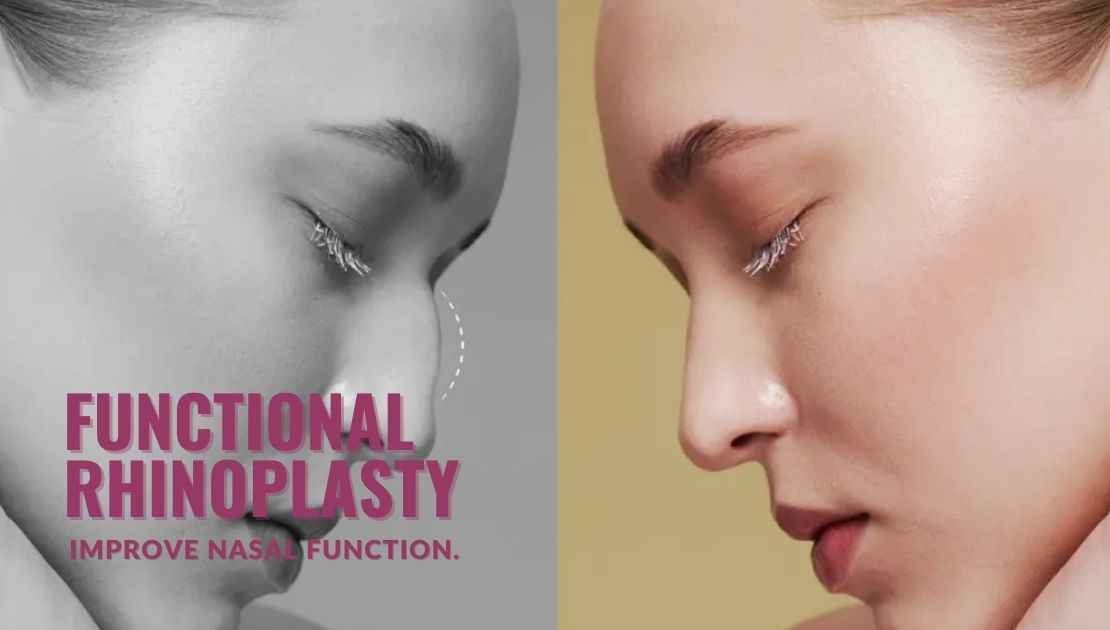
Functional rhinoplasty in Mumbai is surgery planned to improve nasal breathing by correcting structural airway problems such as nasal valve collapse, turbinate enlargement, trauma-related narrowing, or persistent blockage after previous nose surgery. The aim is simple: easier breathing while protecting the natural appearance of your nose. It is a focused part of the wider rhinoplasty surgery family of procedures.
What Is Functional Rhinoplasty and What Blocks Nasal Breathing?
Functional rhinoplasty corrects structural causes of nasal obstruction when airflow is blocked by the septum, nasal valve, turbinates, trauma, or previous surgery. Unlike cosmetic rhinoplasty, the primary goal is breathing; appearance is still respected because airway support and nasal shape are closely connected. Where the septum is the main issue, see septorhinoplasty.
A blocked nose is often blamed on the septum alone. In reality, obstruction may come from more than one level. A patient can have a straightened septum and still struggle to breathe if the nasal valve was never assessed.
| Blockage source | What it means | This page owns? |
|---|---|---|
| Septum | Internal partition is deviated or obstructing airflow | Summary only → septorhinoplasty |
| Internal nasal valve | Narrowest airflow area collapses or narrows | Yes |
| External nasal valve | Nostril opening or alar rim collapses | Yes |
| Turbinates | Enlarged internal tissues reduce airway space | Yes |
| Trauma | Injury changes support, valve, septum, or bones | Yes, airway angle only |
| Post-surgical narrowing | Prior surgery weakens support or leaves valve collapse | Yes |
Sources: PMC6585764 · AAO-HNS – Nasal Valve Repair Position Statement
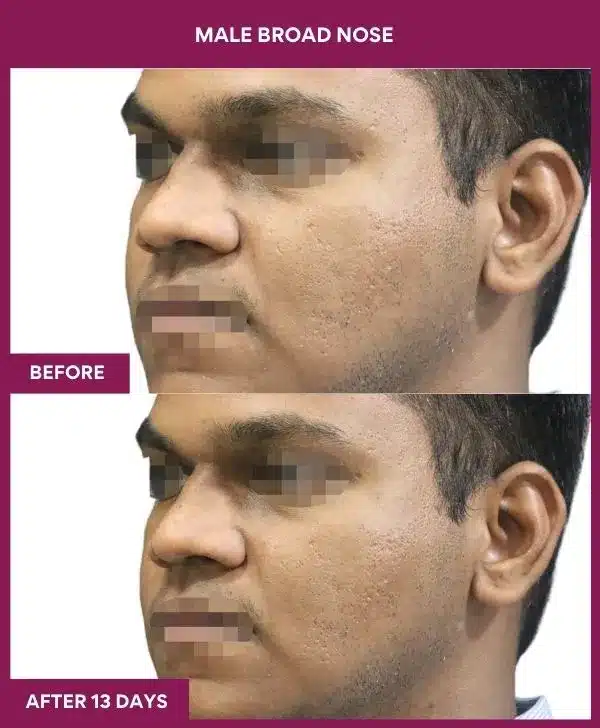
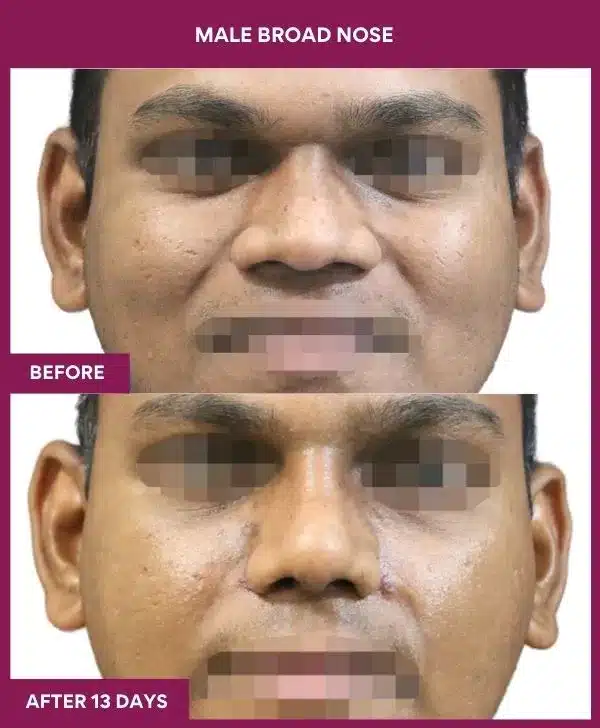
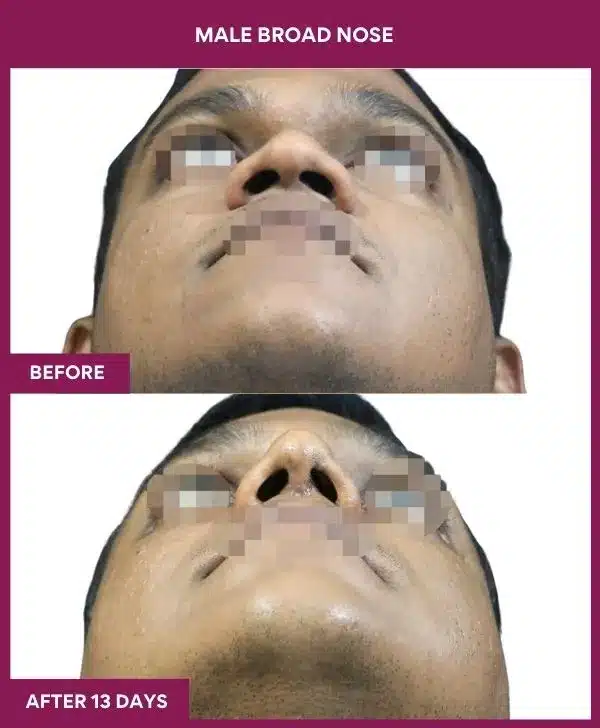
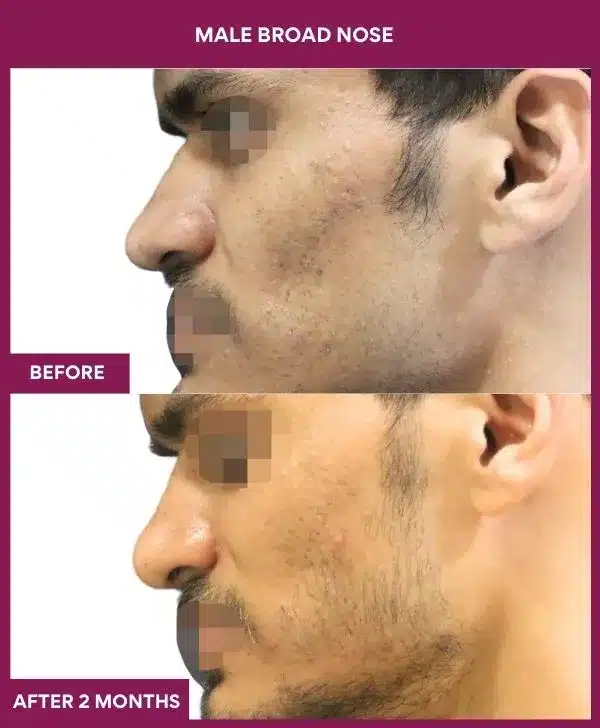
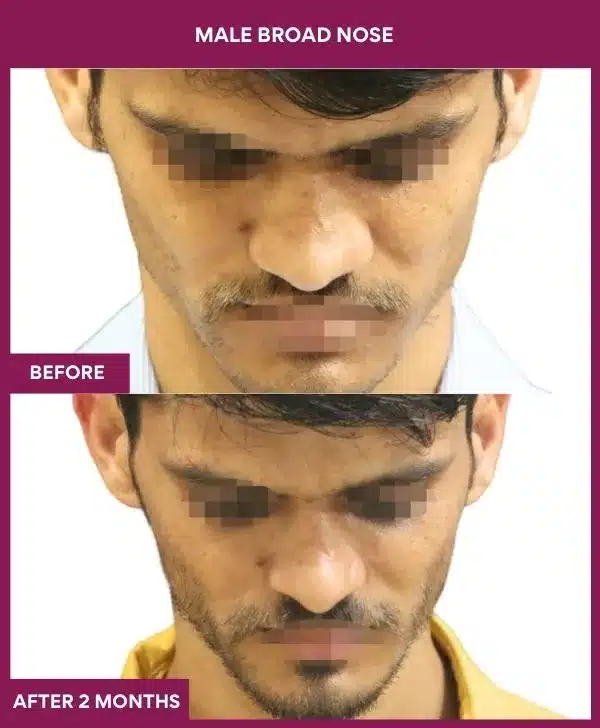
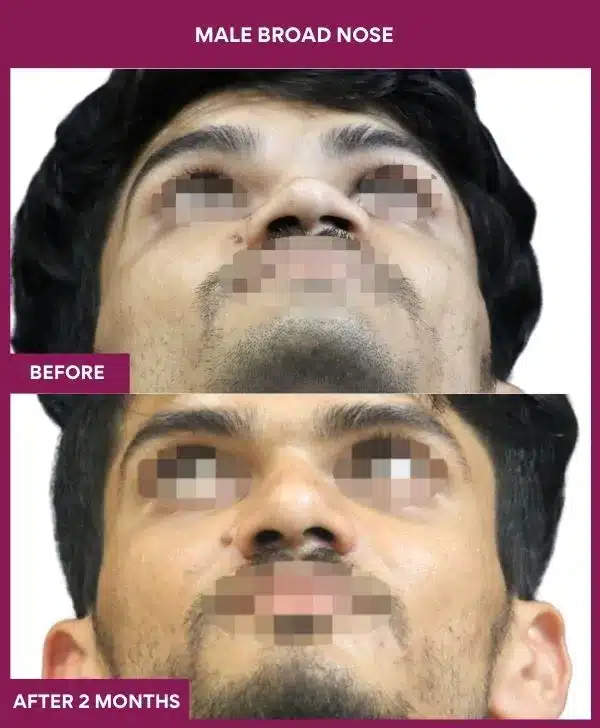
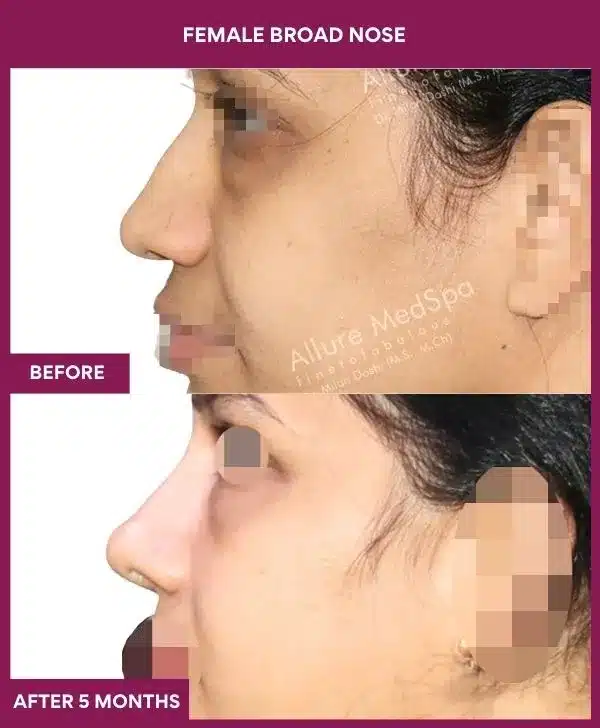
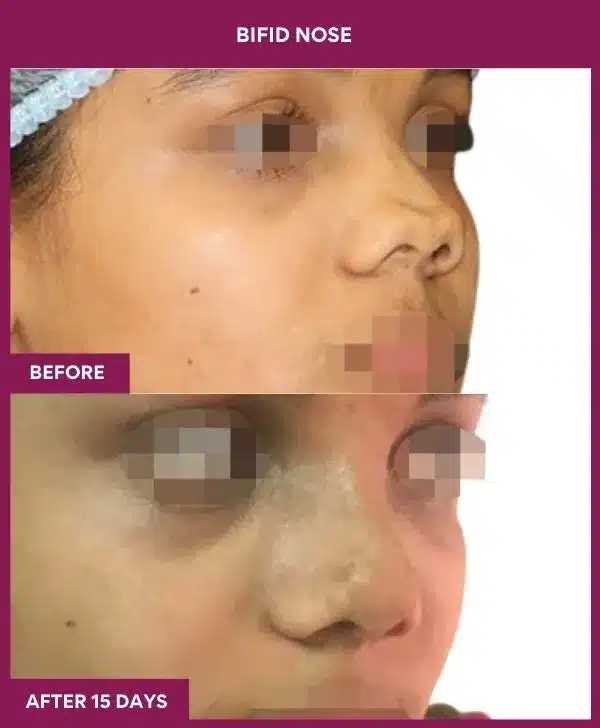
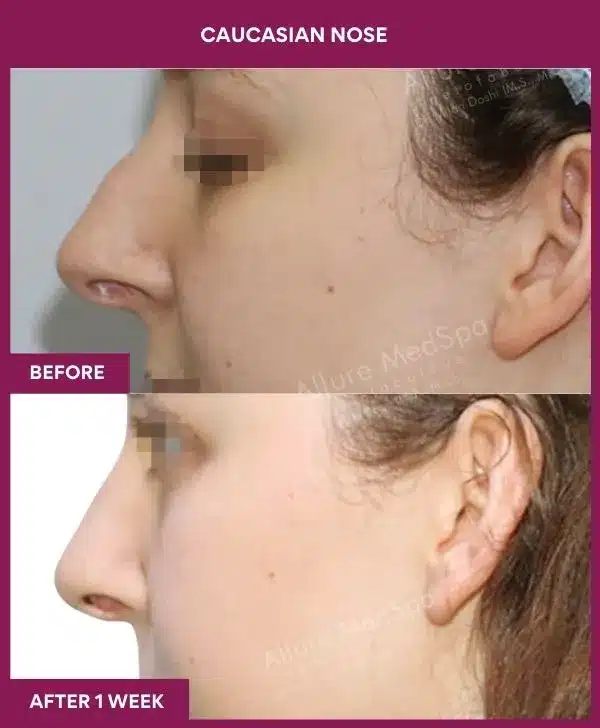
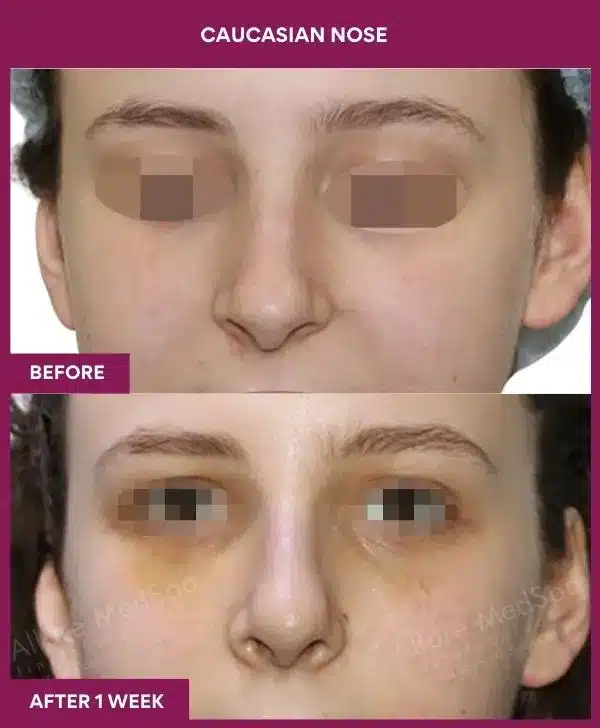
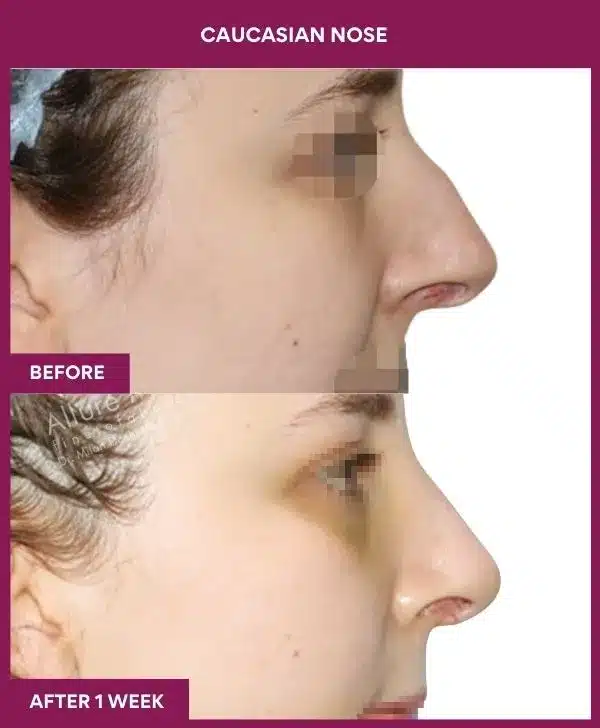
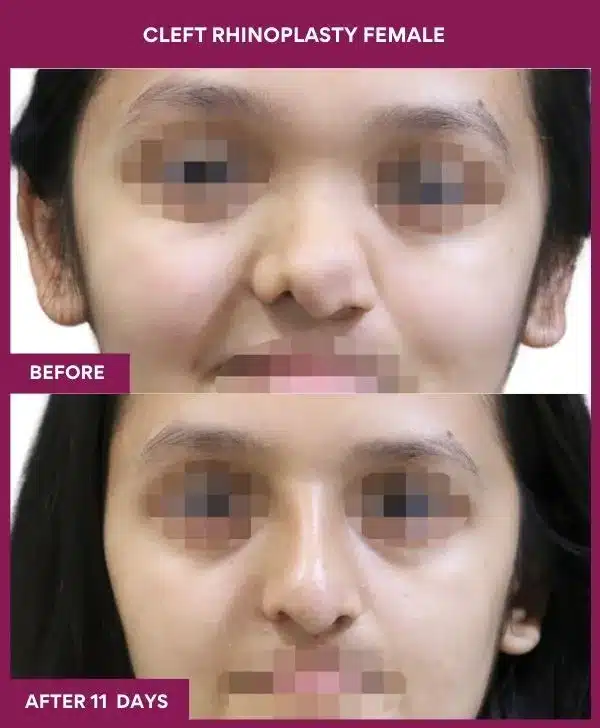
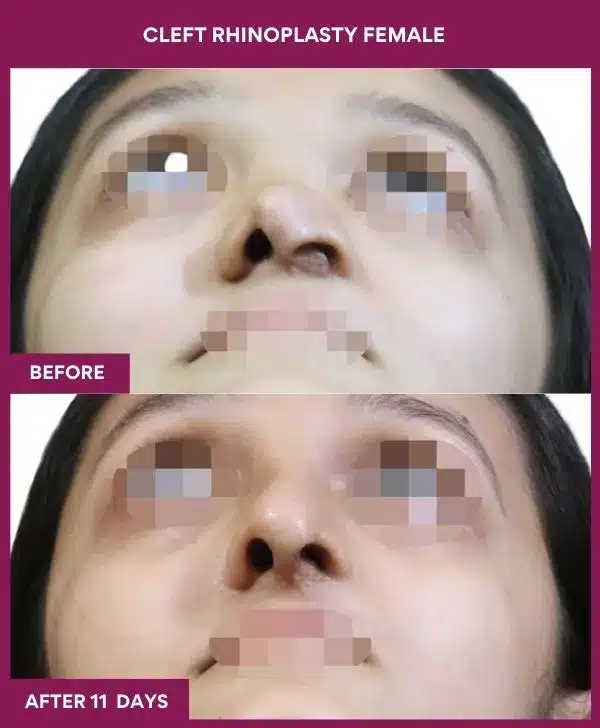
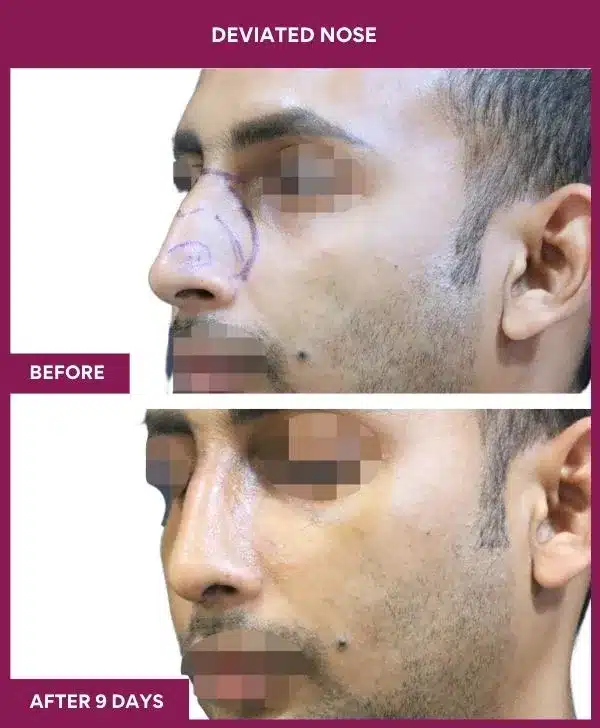
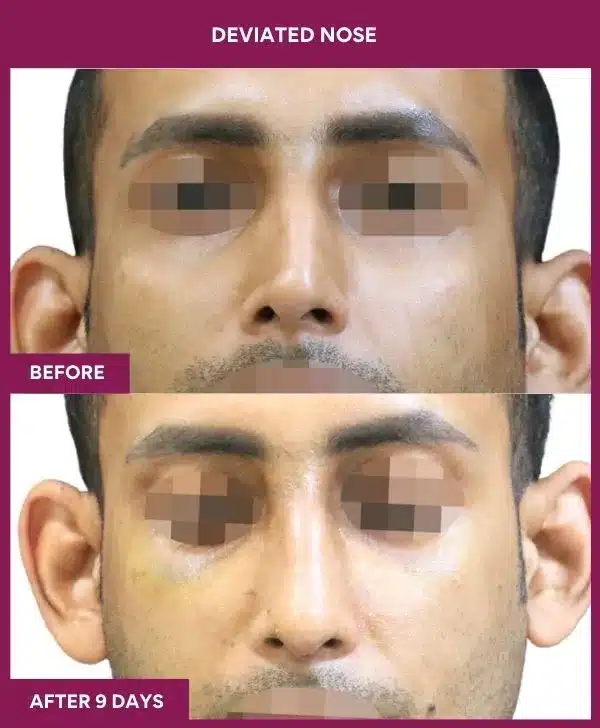
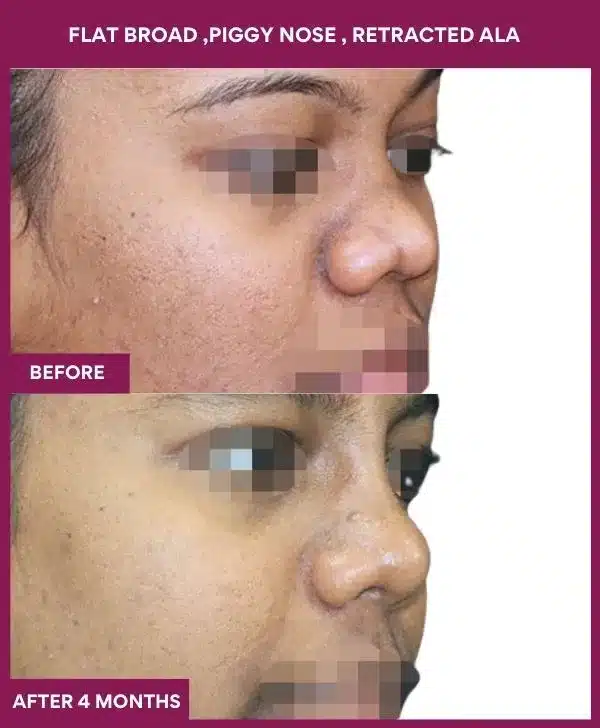
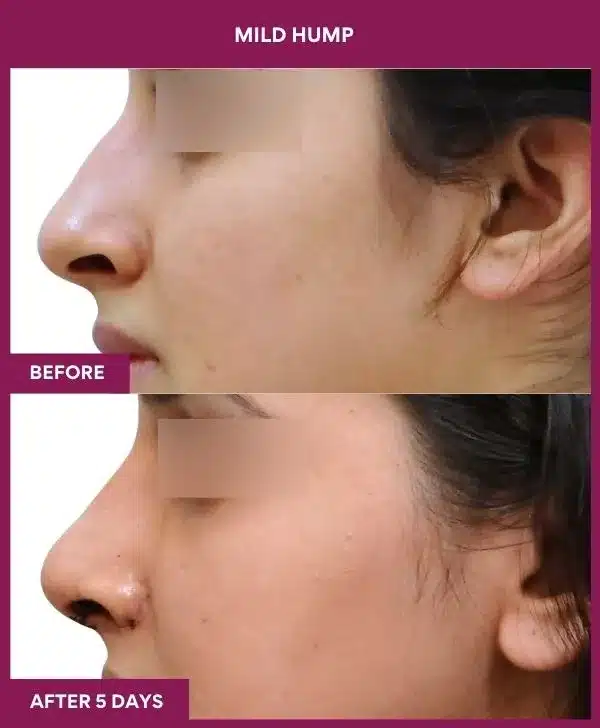
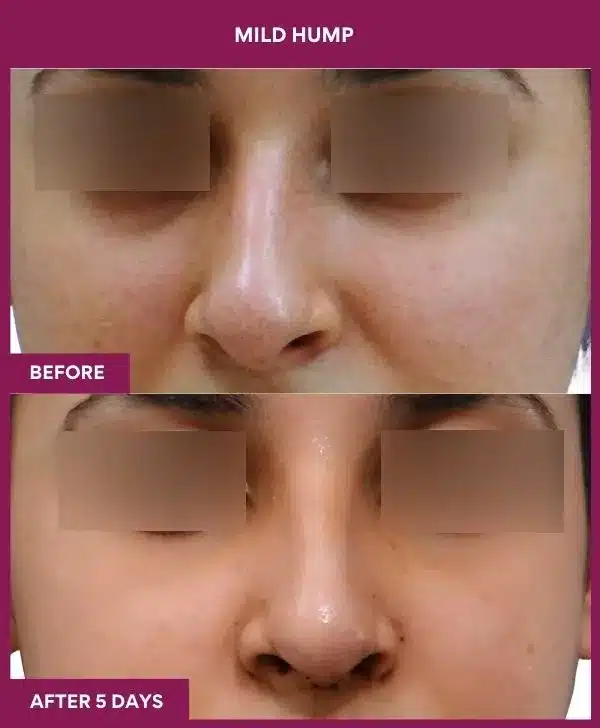
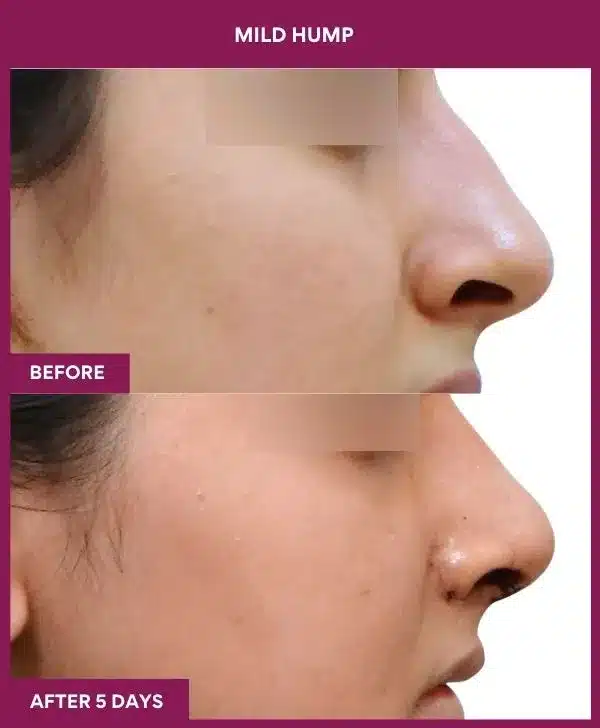
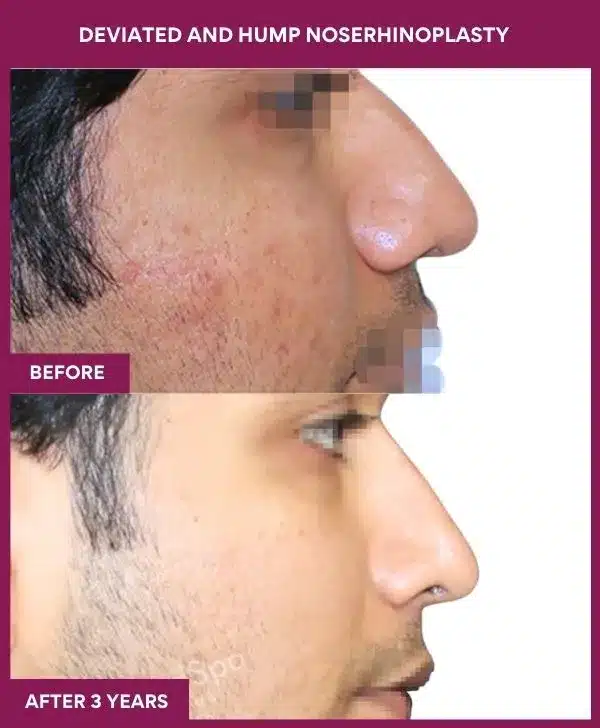
Rhinoplasty/ Nose Job Surgery Results: Before & After
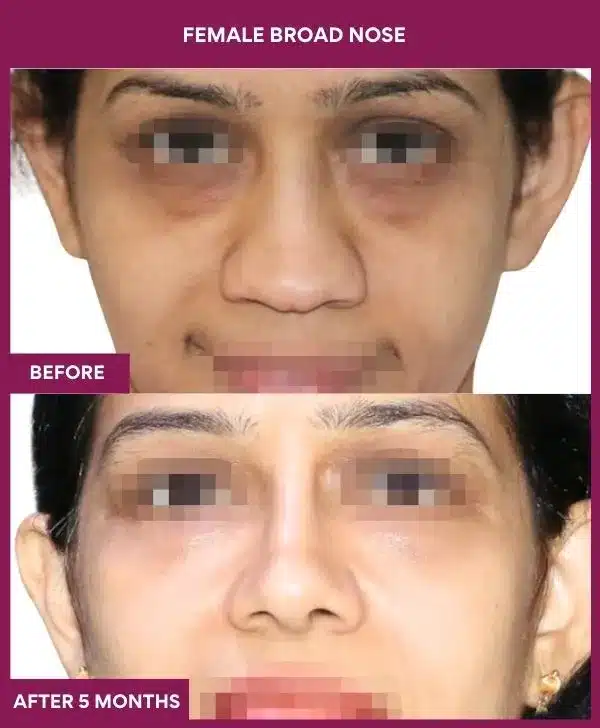
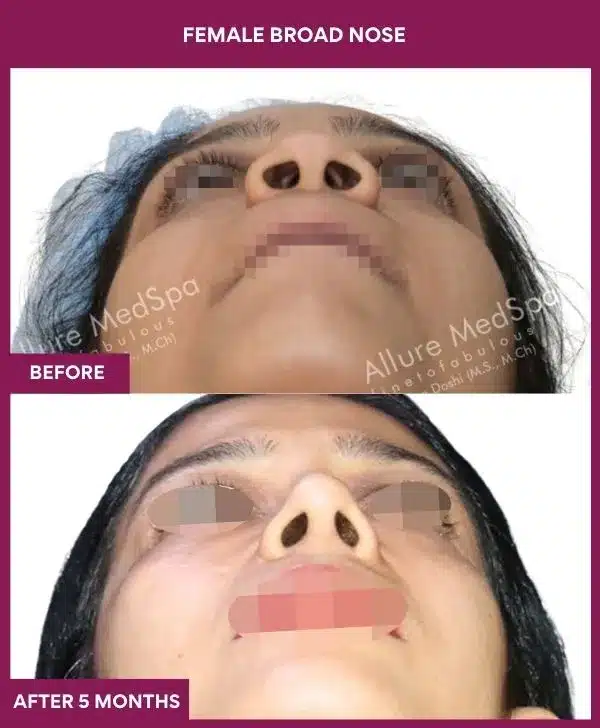
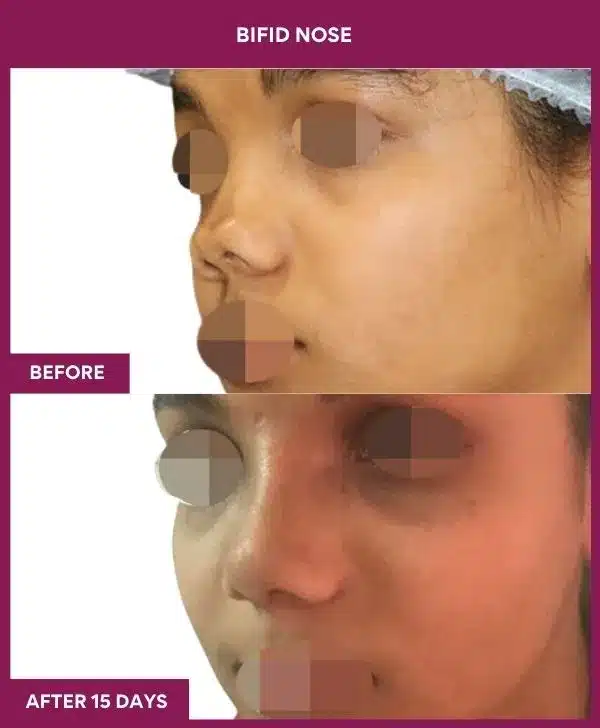
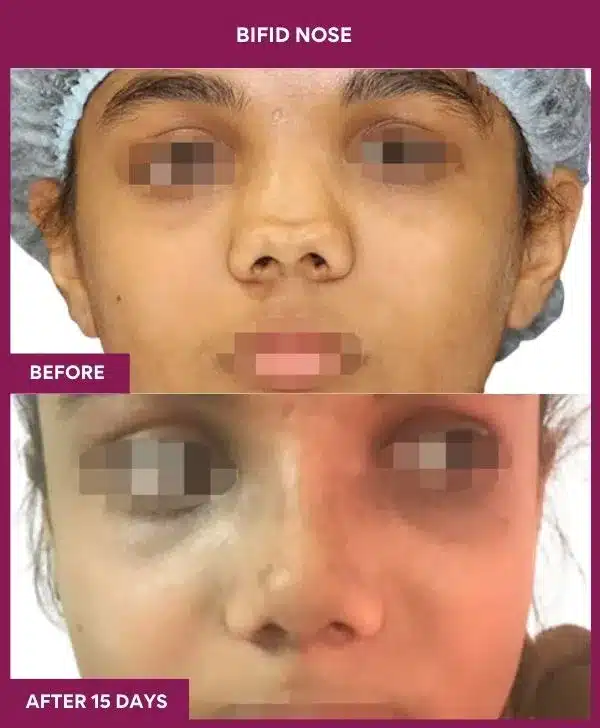
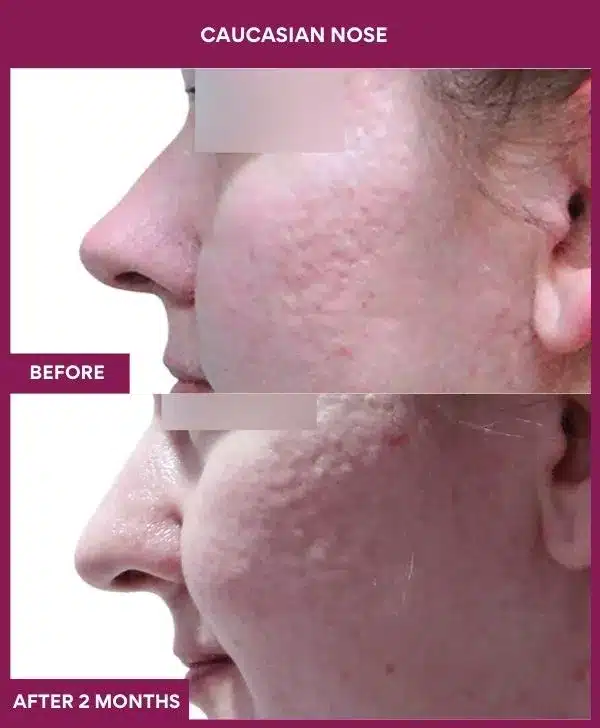
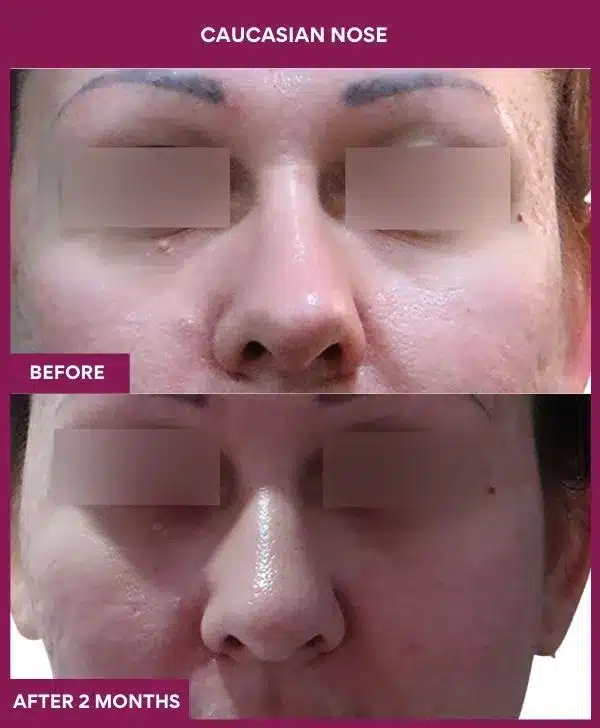
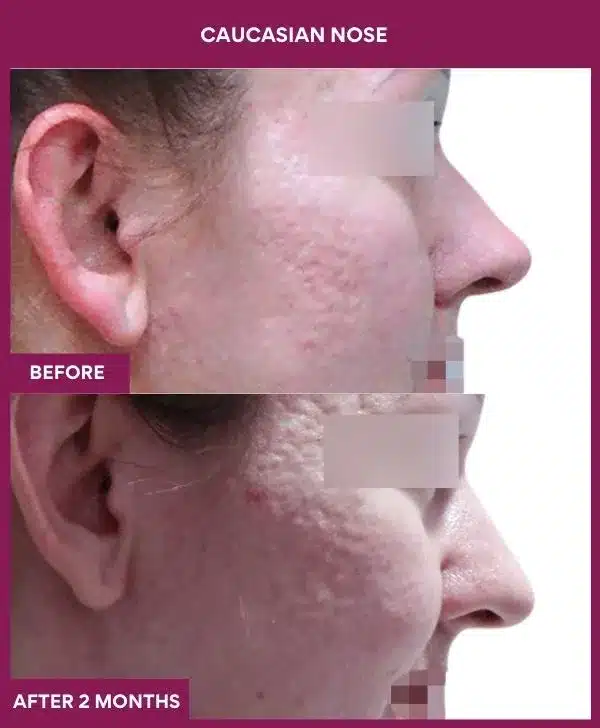
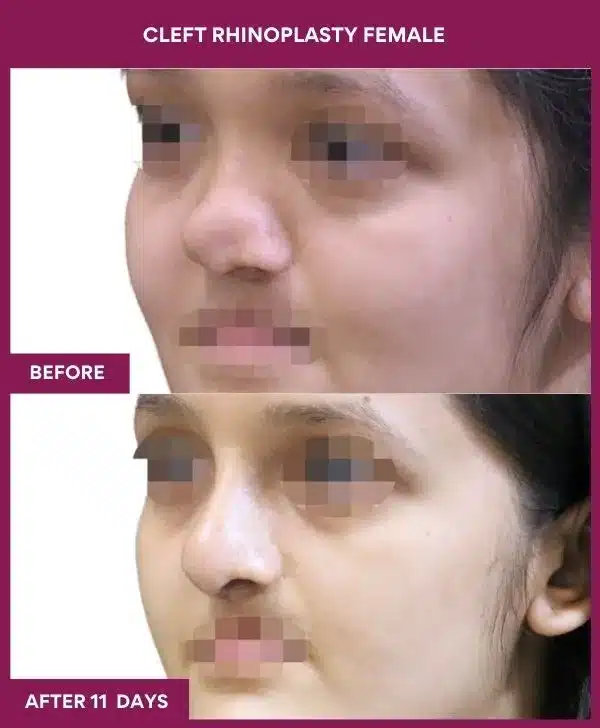
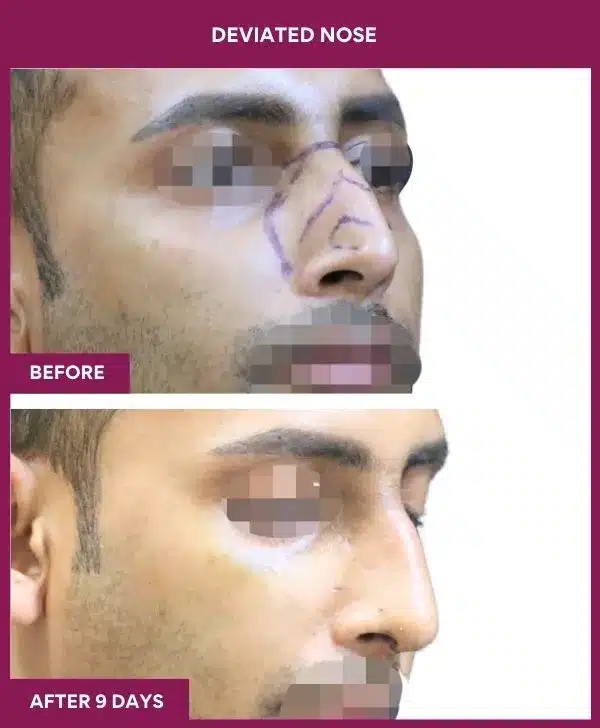
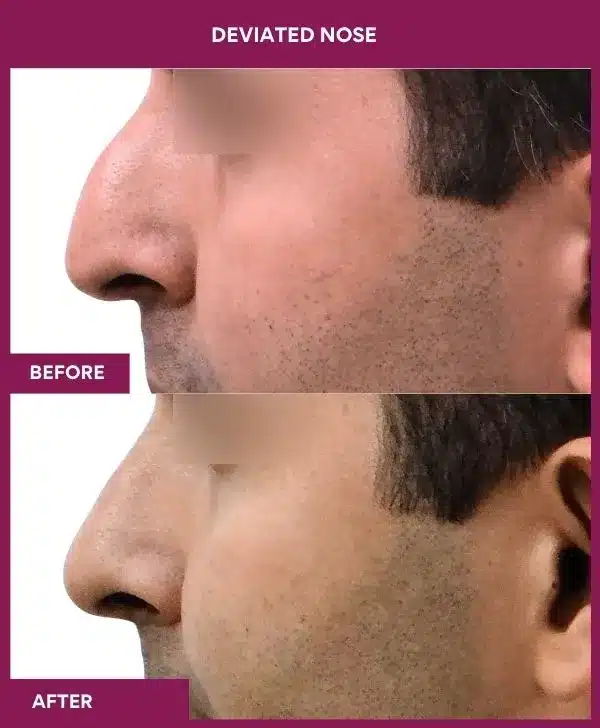
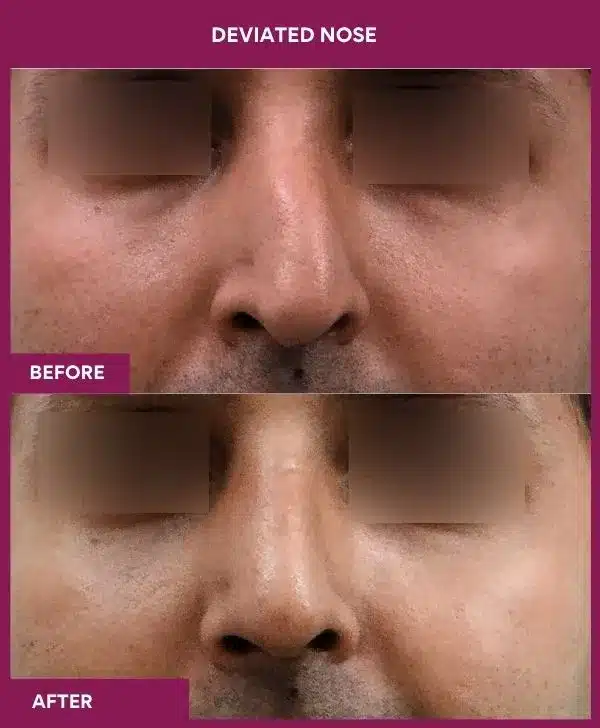
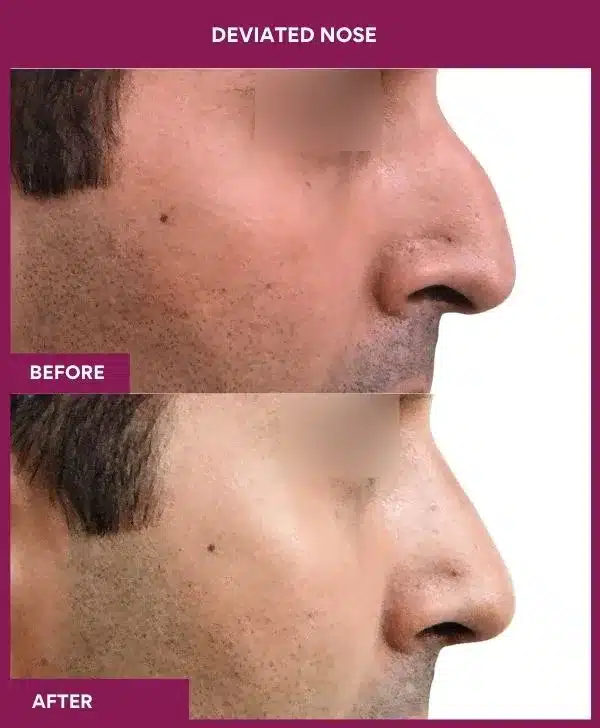
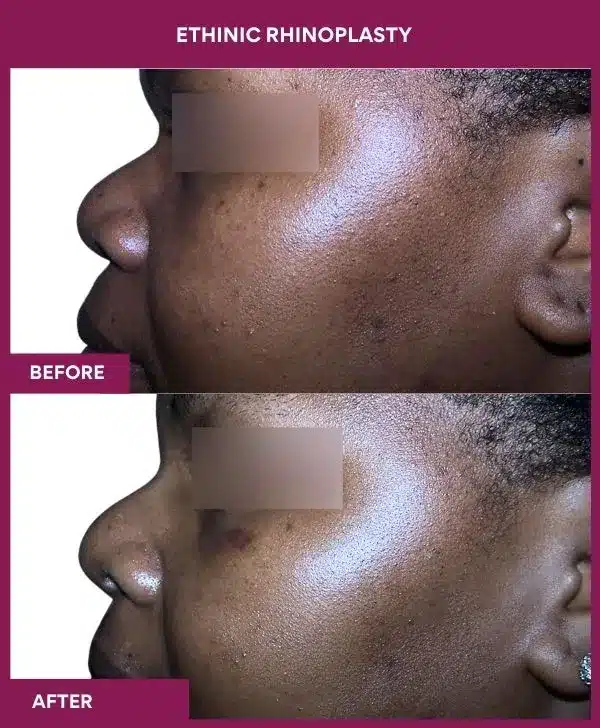
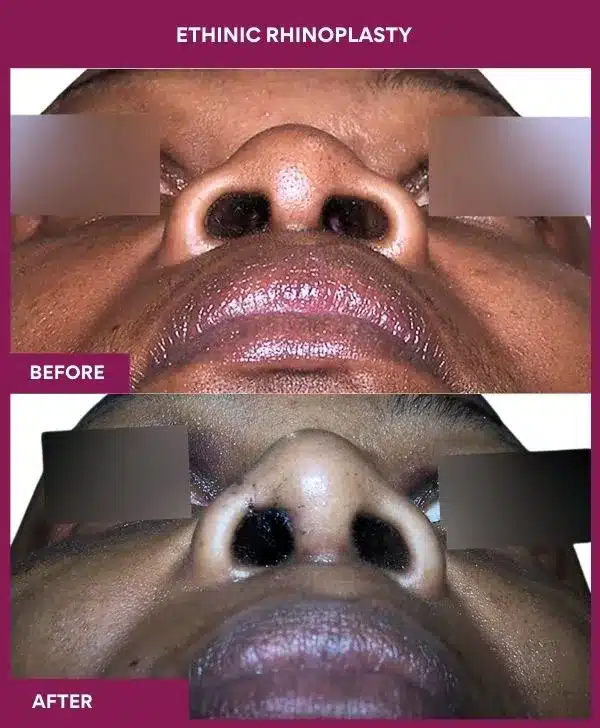
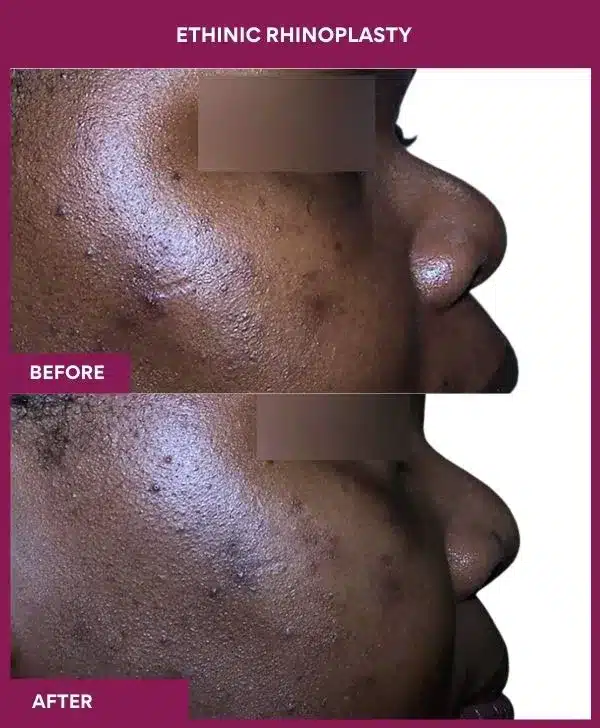
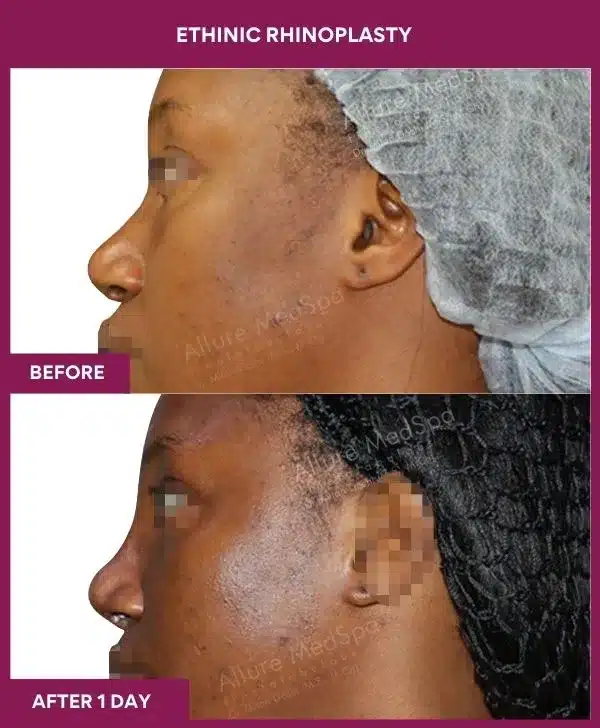
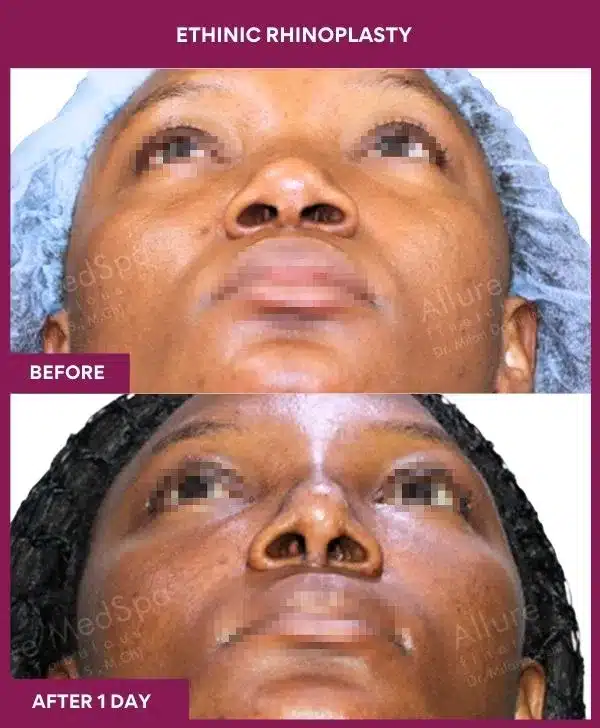
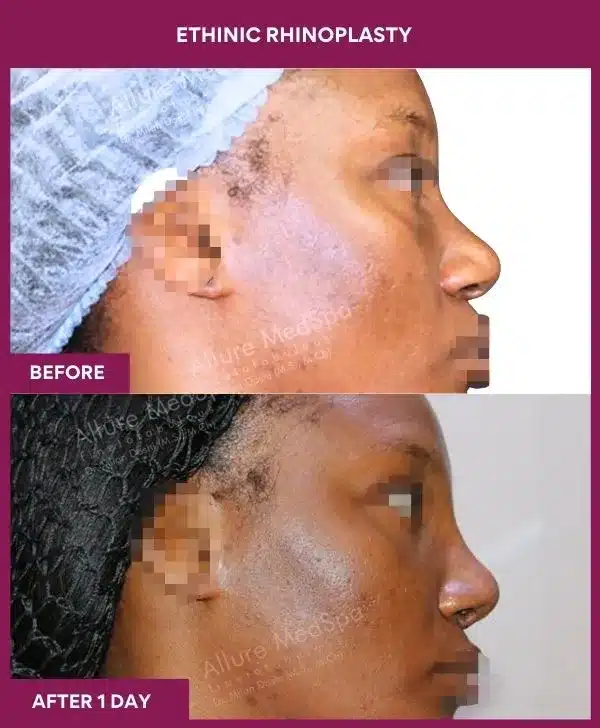
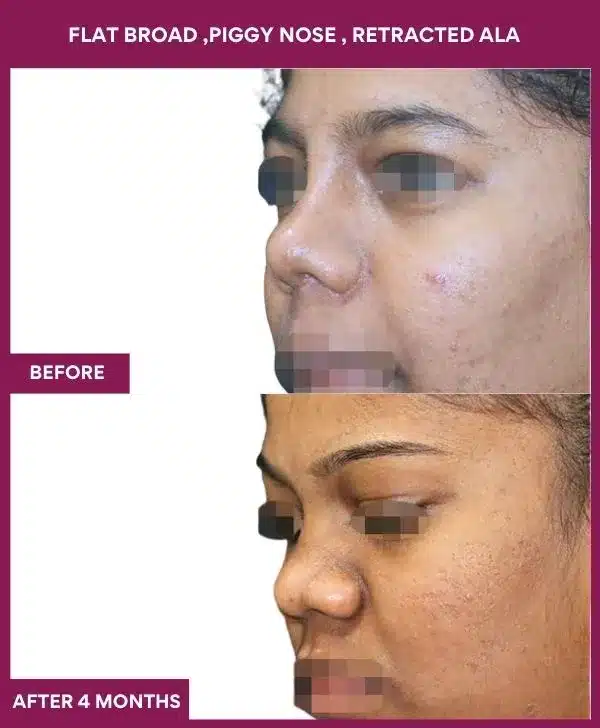
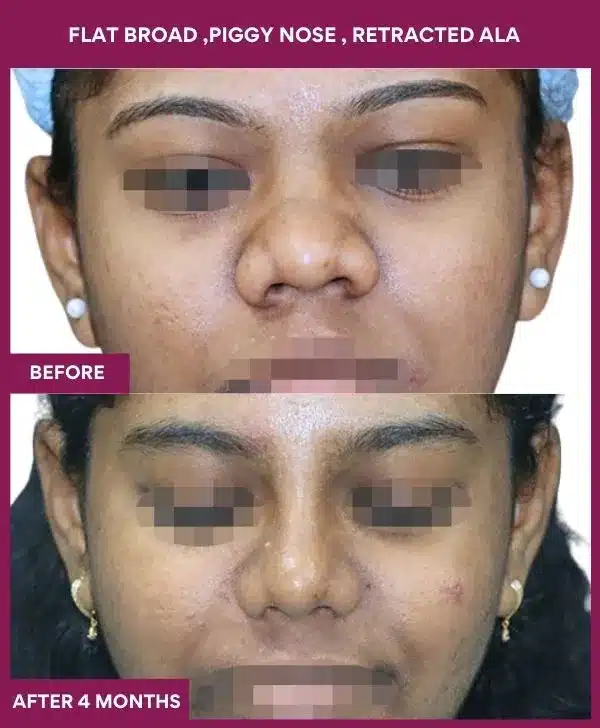
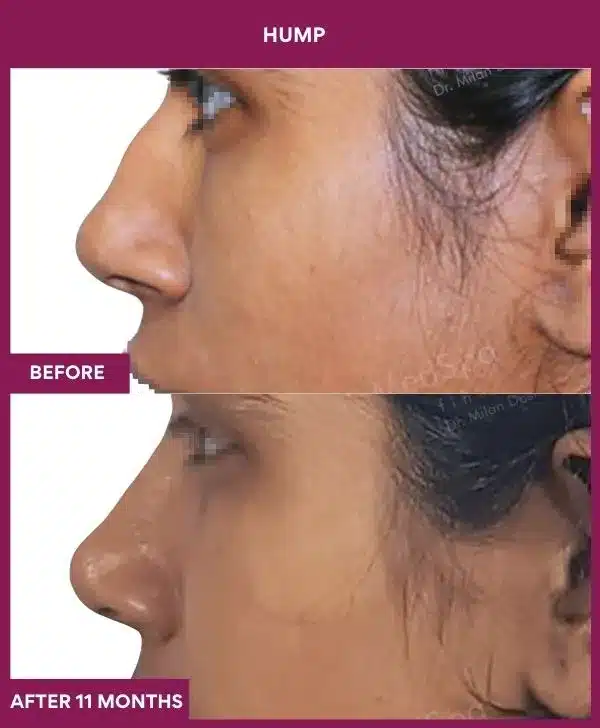
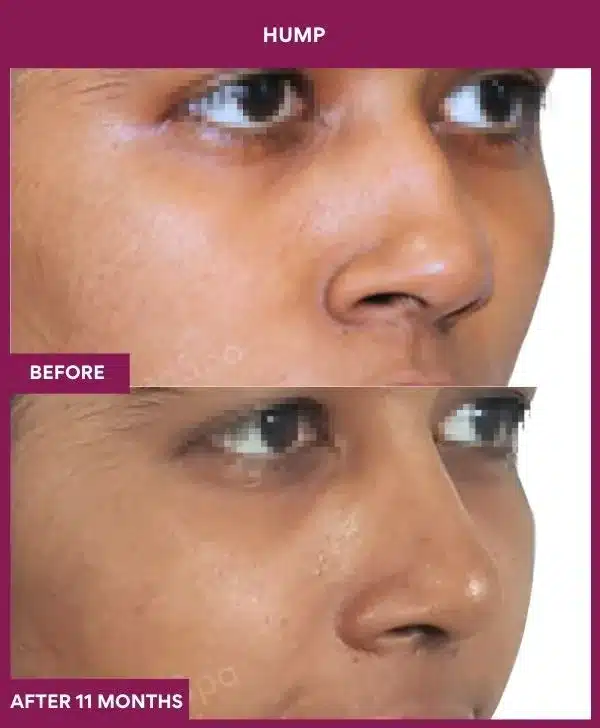
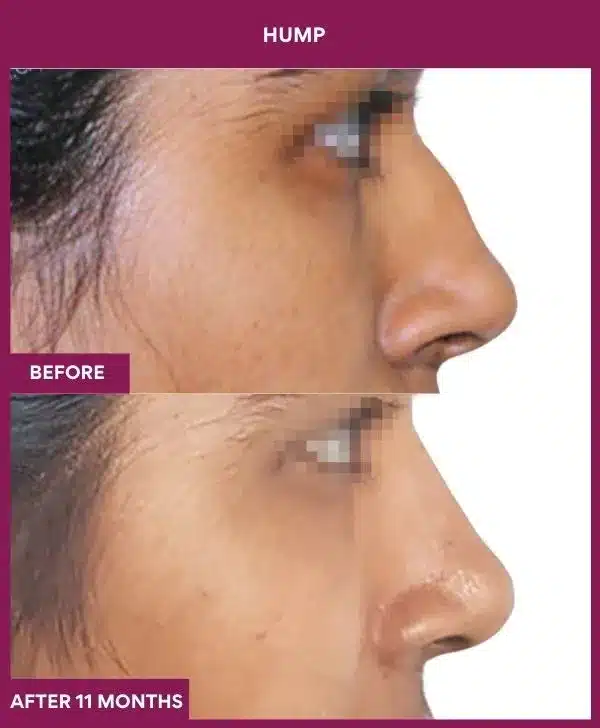
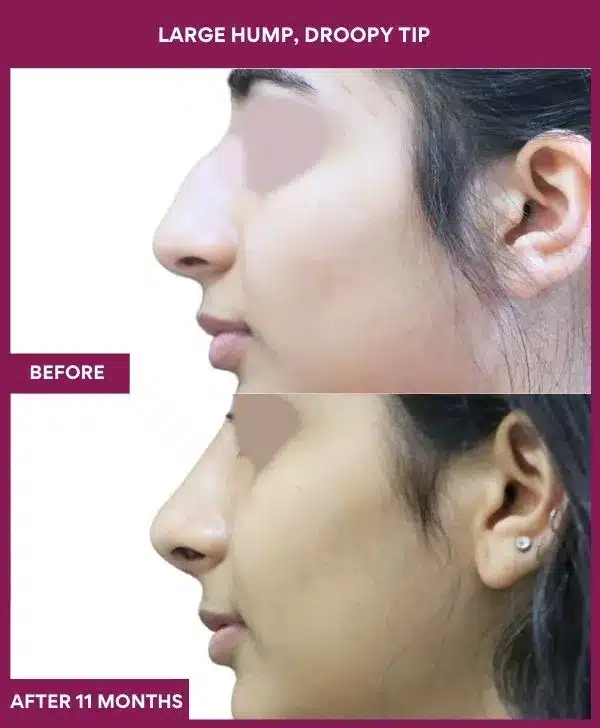
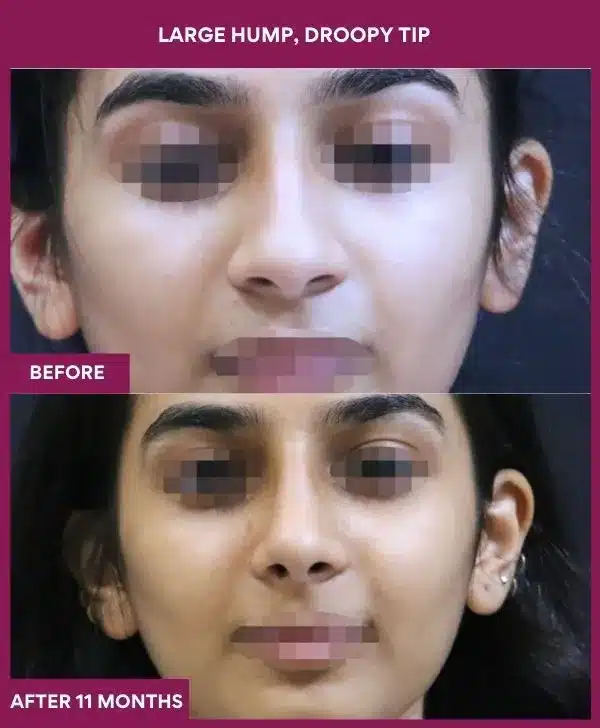
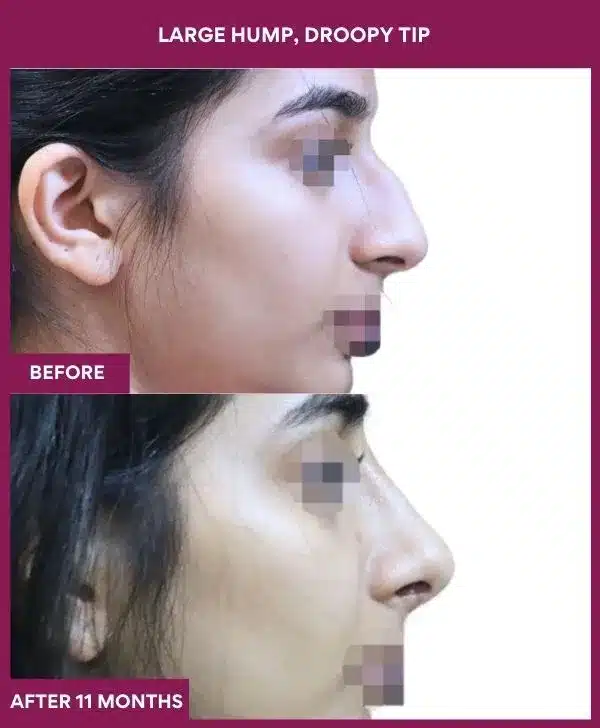
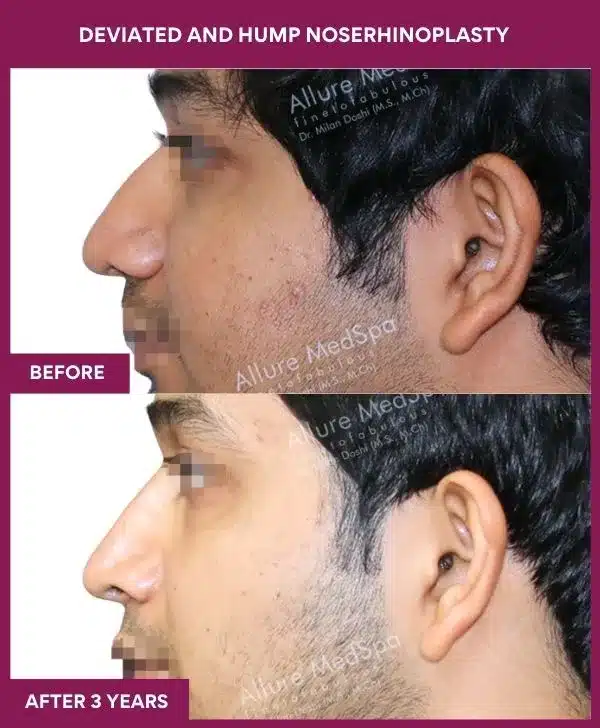
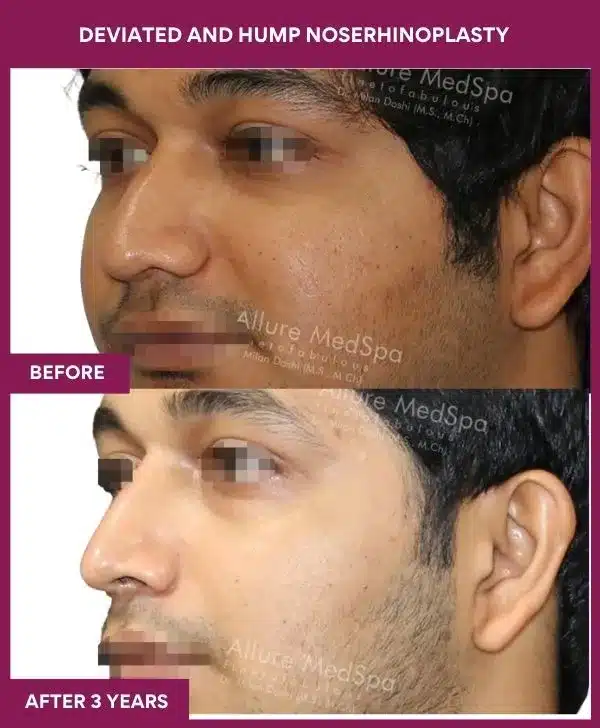
Rhinoplasty Surgery Testimonials: Celebrities Patient

Awarded by Google.com
Rating: 4.7
Reviews: 485+

Awarded by WhatClinic.com
Rating: 4.8
Reviews: 119+

Awarded by Realself
Rating: 4.9
Reviews:453+

Awarded by Facebook
Rating: 4.6
Reviews:105+
Dr Milan Doshi and his staff are very professional and committed as the centre is highly equipped with advanced technology. I had closed rhinoplasty 4 months back and I’m seeing the results as to how it becomes successful.
Deepika Shetty
The doctor explained everything clearly and the surgery was smooth. Recovery was faster than I expected and the team was very supportive.
Rahul Mehta
Very natural results and excellent staff. From consultation to follow-up, the experience was outstanding and boosted my confidence.
Sneha Kapoor
“I Can Breathe Through One Side, Not the Other”
“One side opens, the other stays blocked” is one of the common ways patients describe structural nasal obstruction. The blockage may shift, worsen during sleep, appear during exercise, or persist after septoplasty, because the narrow point may be the valve or turbinates, not only the septum.
You may be thinking: “I already had septoplasty, but breathing is still poor,” “one side collapses when I breathe in,” “I sleep better only on one side,” “sprays help for a while, then the blockage returns,” or “I want breathing fixed, but I do not want my nose changed.”
🩺 Dr. Doshi’s Note
A blocked nose is not always a septum problem. Many patients fear that even after surgery, breathing may not improve — and that fear is valid. Sometimes breathing difficulty continues because other causes were not assessed properly. Functional rhinoplasty should start with airway diagnosis, not assumption. My first job is to identify the exact level of blockage before deciding whether the patient needs septal work, valve support, turbinate treatment, revision planning, or a combined approach.
What Is the Nasal Valve — and Why Is It So Often Missed?
The nasal valve is the narrowest and most resistance-sensitive part of the nasal airway. It is often missed because the septum is easier to blame, while valve collapse may appear only during inspiration, exercise, or careful examination of the lateral nasal wall. There are two main valve zones, and they need different correction.
| Valve area | Where it is | What goes wrong | How patients describe it |
|---|---|---|---|
| Internal nasal valve | Between septum, upper lateral cartilage, floor, turbinate head | Middle wall narrows or collapses inward | “Deep blockage,” “air feels tight inside” |
| External nasal valve | Nostril opening and alar margin | Nostril rim collapses during breathing | “My nostril sucks in when I inhale” |
The internal nasal valve is typically the narrowest part of the nasal cavity. If it collapses during inspiration, airflow can feel restricted even when the septum has already been corrected.
Sources: Hilger Facial Plastic Surgery – Nasal Valve Collapse · PMC6585764
Why Am I Still Blocked After Previous Nose Surgery?
Persistent nasal blockage after septoplasty or rhinoplasty usually means the airway needs a fresh, level-by-level assessment. The septum may be corrected, but breathing can still remain limited if another part of the nasal airway is narrowing, weak, scarred, or unsupported. Where prior surgery is the issue, see revision rhinoplasty.
Patients often feel frustrated because they were told the septum was fixed, yet they still struggle during deep breathing, sleep, exercise, or one-sided nasal breathing. The key question is not only “was surgery done?” but “where is the airway still failing?”
| Cause | What it means |
|---|---|
| Valve collapse | Sidewall narrows during breathing |
| Weak middle vault | Support is reduced after surgery |
| Large turbinates | Internal tissue still blocks airflow |
| Scar narrowing | Healing has tightened the passage |
| Old trauma | Injury distorted the airway framework |
| Over-narrowing | Cosmetic narrowing reduced airflow space |
| Revision anatomy | Previous surgery changed tissue planes |
Published literature recognises nasal valve problems and post-rhinoplasty functional issues as important reasons for persistent obstruction, but exact percentages should be confirmed clinically rather than assumed.
Source: PMC5109384
What Are Enlarged Turbinates, and When Do They Need Treating?
Turbinates are normal internal nasal structures that warm, humidify, and regulate airflow. They need treatment only when enlarged turbinates significantly block breathing despite appropriate medical care, and surgery should reduce bulk while preserving mucosa and function.
Inferior turbinate hypertrophy can make the nose feel persistently blocked. Some patients become dependent on topical decongestant sprays, which may worsen the cycle if overused. Turbinate treatment may be considered when:
-
Obstruction persists despite appropriate medicines.
-
Sprays are overused or relief is short-lived.
-
Sleep or exercise breathing is affected.
-
Endoscopy confirms enlarged turbinates.
-
Valve/septum issues are assessed together, and mucosal preservation is part of the plan.
Sources: https://www.ncbi.nlm.nih.gov/pmc/articles/PMC11096638/ · https://www.ncbi.nlm.nih.gov/pmc/articles/PMC12321921/
How Is Nasal Obstruction Properly Diagnosed?
Nasal obstruction is diagnosed by combining the patient’s symptoms with a structured airway examination. The aim is to identify the exact level of blockage — rather than assuming that every blocked nose is only a septum problem.
| Tool | Purpose |
|---|---|
| Symptom history | Blockage pattern, sleep, exercise, allergy, trauma, previous surgery |
| Nasal examination | Septum, turbinates, nostrils, sidewall support, visible narrowing |
| Endoscopy | Direct internal airway assessment |
| Dynamic valve check | Observes whether the sidewall collapses during breathing |
| Modified Cottle test | Supports the valve area to see whether airflow improves |
| NOSE scale | Validated questionnaire measuring obstruction symptoms |
| Photo / video analysis | Documents dynamic collapse or smile-related changes |
| Rhinomanometry | Measures nasal airflow and resistance when required |
| Acoustic rhinometry | Maps nasal cavity cross-sectional area when required |
Sources: Otolaryngology–Head and Neck Surgery – NOSE Scale Validation · PMC5109384
Am I a Candidate for Functional Rhinoplasty?
You may be a candidate for functional rhinoplasty if nasal obstruction is structural, persistent, one-sided, trauma-related, valve-related, turbinate-related, or unresolved after previous surgery. You may need another pathway if the main cause is allergy, sinus disease, temporary congestion, or medical inflammation.
May be suitable
- Valve collapse: nostril or sidewall collapses during breathing.
- Persistent blockage: symptoms remain after septoplasty.
- Trauma history: injury changed support or airway shape.
- Turbinate hypertrophy: enlarged turbinates narrow airflow.
- Functional crookedness: airway is affected, not only appearance.
- Failed prior surgery: obstruction source was incomplete or missed.
- Symptom burden: obstruction affects sleep, exercise, or daily comfort.
Needs another pathway first
| Situation | Why it matters |
|---|---|
| Allergy-driven congestion | Medical treatment may be primary |
| Sinus disease | ENT assessment may be needed |
| Temporary cold / infection | Surgery is not the first answer |
| Spray overuse | Decongestant dependency must be addressed |
| Pure cosmetic concern | Use cosmetic rhinoplasty pages |
| Sleep-apnoea concern | Do not assume rhinoplasty will treat it |
| Unclear symptoms | Diagnosis must come before surgery |
How Is Functional Rhinoplasty Performed?
Functional rhinoplasty is performed by correcting the specific obstruction level: valve repair for collapse, cartilage support for weak sidewalls, conservative turbinate reduction for enlarged turbinates, and septal or revision work when structural narrowing remains. The operation should strengthen breathing without unnecessarily changing appearance.
Possible techniques include:
-
Spreader grafts: support the internal valve and middle vault.
-
Alar batten grafts: support the external valve or lateral wall.
-
Strut grafts: strengthen weak nasal support.
-
Septal correction: when the septum contributes to obstruction.
-
Turbinoplasty: reduces turbinate bulk while preserving mucosa.
-
Scar release: for selected post-surgical narrowing.
-
Combined repair: used when septum, valve, and turbinates coexist.
Sources: https://www.entnet.org/resource/position-statement-nasal-valve-repair/ · https://www.ncbi.nlm.nih.gov/pmc/articles/PMC4709971/ · https://www.ncbi.nlm.nih.gov/pmc/articles/PMC11096638/
How Is Functional Rhinoplasty Different From Cosmetic Rhinoplasty or Septorhinoplasty?
Functional rhinoplasty is breathing-led, cosmetic rhinoplasty is appearance-led, and septorhinoplasty combines septal correction with nasal reshaping. These categories can overlap, but the owner of this page is airway structure: nasal valves, turbinates, persistent obstruction, and post-surgical breathing problems.
| Procedure | Main goal | Typical focus |
|---|---|---|
| Functional rhinoplasty | Improve nasal breathing | Valve, turbinates, structural airway (this page) |
| Cosmetic rhinoplasty | Improve appearance | Shape, profile, proportion (rhinoplasty hub) |
| Septorhinoplasty | Septum + nose correction | Septal deviation with nasal reshaping |
| Reduction rhinoplasty | Smaller external profile | Hump, de-projection, support |
| Revision rhinoplasty | Correct prior surgery | Scar, support, appearance, breathing |
Why Does Conservative Turbinate Surgery Matter?
Conservative turbinate surgery matters because turbinates are functional tissues, not useless obstructions. Excessive reduction can contribute to empty nose syndrome, where a patient feels blocked despite an objectively open airway, so modern planning favours preserving mucosa and reducing only what is necessary.
This is the honesty section. Turbinate surgery can help breathing when turbinates are truly enlarged, but “more removal” is not better. The turbinate helps humidify, warm, and regulate airflow. Research describes empty nose syndrome as an iatrogenic condition after excessive turbinate resection; it may create paradoxical obstruction, dryness, crusting, and distress even when the airway looks open. The risk cannot always be predicted precisely, which is why conservative technique matters.
Sources: https://www.sciencedirect.com/science/article/pii/S1879729612000312 · https://www.ncbi.nlm.nih.gov/pmc/articles/PMC12321921/ · https://www.enttoday.org/article/empty-nose-syndrome-physiological-psychological-or-perhaps-a-little-of-both/
What Results Can I Expect?
Functional rhinoplasty can improve nasal obstruction when the correct structural cause is identified and repaired. Studies using NOSE scores and airway assessment show meaningful improvement after septorhinoplasty, nasal valve repair, and selected Asian functional rhinoplasty cases, but outcomes depend on diagnosis and technique. The NOSE scale is a validated symptom measure that helps convert a breathing complaint into a trackable score before and after treatment.
Published evidence includes:
-
Septorhinoplasty: significant NOSE score improvement in nasal obstruction.
-
Septoplasty studies: large mean NOSE score reduction after surgery, with imperfect correlation to acoustic rhinometry.
-
Asian internal-valve series: functional improvement on VAS and NOSE scores.
-
Spreader graft study: improved valve grading, cross-sectional area, NOSE and SNOT-22 scores in a small series.
Sources: https://pmc.ncbi.nlm.nih.gov/articles/PMC4899361/ · https://www.sciencedirect.com/science/article/abs/pii/S0385814611002173 · https://www.ncbi.nlm.nih.gov/pmc/articles/PMC11015505/ · https://www.ncbi.nlm.nih.gov/pmc/articles/PMC4709971/
What Are the Limitations of Functional Rhinoplasty?
Functional rhinoplasty works best when obstruction is structural. It may not solve allergy-driven congestion, sinus disease, mucosal inflammation, decongestant overuse, or sleep-apnoea symptoms unless those conditions are separately diagnosed and treated.
-
Allergy: may need medicines or allergy care.
-
Sinus disease: may need ENT-led sinus evaluation.
-
Inflammation: surgery does not replace medical control.
-
Spray overuse: rebound congestion must be addressed.
-
Multifactorial obstruction: more than one cause may coexist.
-
Previous surgery: scar and support issues may limit correction.
-
Sleep symptoms: do not assume nasal surgery treats sleep apnoea.
A careful diagnosis protects the patient from the wrong operation.
What Are the Risks and Complications?
Functional rhinoplasty risks are linked to airway support, grafting, turbinate treatment, scarring, persistent obstruction, overcorrection, undercorrection, synechiae, dryness, and revision need. Turbinate surgery also requires special restraint because excessive resection may contribute to empty nose syndrome.
| Risk | Meaning |
|---|---|
| Persistent blockage | Obstruction may not fully resolve |
| Valve undercorrection | Collapse may remain |
| Overcorrection | Nasal shape or airflow sensation may feel altered |
| Synechiae | Internal adhesions may form |
| Dryness / crusting | Especially after turbinate work |
| ENS concern | Rare but important after excessive turbinate resection |
| Revision need | Complex obstruction may require further correction |
⚠ Seek immediate care
| Red flag | Why it matters |
|---|---|
| Heavy bleeding | Needs urgent review |
| High fever | Infection must be ruled out |
| Spreading redness | Infection concern |
| Sudden worsening of breathing | Airway concern — urgent |
See our recovery & warning-signs guide for full aftercare.
What Is Recovery Like After Functional Rhinoplasty?
Recovery depends on whether surgery includes valve repair, septal correction, turbinate reduction, grafting, trauma repair, or revision work. Early swelling may affect breathing temporarily, so final airway improvement is judged after healing rather than immediately after surgery. This is a summary only — full aftercare belongs on the rhinoplasty recovery timeline.
| Recovery point | Summary |
|---|---|
| Early phase | Swelling, congestion, splint or internal care |
| Breathing change | May fluctuate while swelling settles |
| Turbinate healing | Crusting or dryness may need follow-up care |
| Final judgement | Depends on valve repair, turbinate work, and revision status |
Will Insurance Cover Functional Rhinoplasty?
Insurance coverage usually depends on whether the procedure is medically necessary, documented as functional obstruction, and separated from cosmetic change. Because insurance details belong on the septorhinoplasty page, this section stays brief — see septorhinoplasty and functional coverage. India-specific insurance and documentation language should be confirmed before relying on it.
What Is the Cost of Functional Rhinoplasty in Mumbai?
Functional rhinoplasty cost in Mumbai depends on valve repair, turbinate reduction, septal work, grafting, revision complexity, anaesthesia, and surgical facility. The full price owner is the cost page — see rhinoplasty cost in Mumbai. Final cost is confirmed after consultation; where a cosmetic portion applies, 5% GST may apply to that part.
Why Choose Dr. Milan Doshi for Functional Rhinoplasty?
Choosing a surgeon for functional rhinoplasty is about judgement: finding the real level of obstruction, protecting nasal shape, and knowing when a breathing problem needs support rather than simply more removal. Dr. Milan Doshi is a plastic and cosmetic surgeon (MCh, MS) with 27+ years of experience, 16,000+ surgeries, and 1,500+ rhinoplasties.
A patient who wants breathing fixed may fear that the nose will look different. The plan should make that trade-off clear: functional correction should restore airflow while preserving a nose that still looks like the patient’s own.
| Credential | Detail |
|---|---|
| Surgeon | Dr. Milan Doshi |
| Qualification | MCh (Plastic Surgery), MS, MBBS |
| Experience | 27+ years |
| Surgeries | 16,000+ total · 1,500+ rhinoplasties |
| Memberships | ISAPS, IAAPS, ASPS, MUHS |
| Clinic | Allure Medspa, Andheri West, Mumbai |
| Surgical facility | Vardan Hospital, Goregaon (NABH-certified) |
Read his full profile and credentials on the Dr. Milan Doshi profile page.
What Are the Most Common Questions About Functional Rhinoplasty?
Q1. What is functional rhinoplasty?
Ans. Functional rhinoplasty is nose surgery performed mainly to improve breathing. It may correct nasal valve collapse, turbinate obstruction, trauma-related narrowing, or structural problems left after previous surgery. Cosmetic change is not the primary goal.
Q2. Is functional rhinoplasty the same as septoplasty?
Ans. No. Septoplasty corrects the septum. Functional rhinoplasty may treat the septum, but it also evaluates nasal valves, sidewall collapse, turbinates, trauma, and post-surgical support problems. Many patients need more than septal correction alone.
Q3. What is nasal valve collapse?
Ans. Nasal valve collapse means the narrow airflow area of the nose weakens or narrows, especially during inspiration. It may affect the internal valve deep inside or the external valve near the nostril opening.
Q4. Why am I still blocked after septoplasty?
Ans. The septum may not have been the only problem. Nasal valve collapse, turbinate hypertrophy, scar tissue, trauma-related support loss, or sidewall weakness may still be narrowing airflow. A full airway assessment is needed.
Q5. How do I know if my nasal valve is weak?
Ans. Patients often notice nostril or sidewall collapse while breathing in. The Cottle or modified Cottle manoeuvre may temporarily improve airflow by supporting the valve. Endoscopy and airway assessment help confirm the diagnosis.
Q6. What are enlarged turbinates?
Ans. Turbinates are normal internal nasal tissues that warm and humidify air. When enlarged, they can narrow the airway and cause blockage. Treatment should reduce excess bulk while preserving mucosa and function.
Q7. What is empty nose syndrome?
Ans. Empty nose syndrome is a paradoxical obstruction problem described after excessive turbinate removal. The airway may look open, but the patient feels blocked, dry, or distressed. Conservative turbinate surgery helps reduce this risk.
Q8. Will functional rhinoplasty change my appearance?
Ans. It may not need to, but airway support and nasal shape are connected. The aim is to strengthen breathing while preserving appearance. Any expected visible change should be discussed before surgery.
Q9. Can functional rhinoplasty improve sleep apnoea?
Ans. Do not assume that. Functional rhinoplasty may improve nasal airflow in selected structural obstruction, but sleep apnoea has multiple causes and needs separate evaluation. No sleep-apnoea benefit should be claimed without proper diagnosis and evidence.
Q10. How is nasal obstruction measured?
Ans. Symptoms can be measured using validated tools like the NOSE scale. Examination may include endoscopy, modified Cottle testing, observation of dynamic collapse, and selected objective tests such as rhinomanometry or acoustic rhinometry.
Q11. Is turbinate reduction safe?
Ans. Turbinate reduction can help selected patients, but it should be conservative. Excessive turbinate removal may cause dryness, crusting, altered airflow sensation, or empty nose syndrome. The goal is reduction, not removal for its own sake.
Q12. What is the cost of functional rhinoplasty?
Ans. Cost depends on valve repair, septal work, turbinate treatment, grafting, revision complexity, anaesthesia, and facility. Use the cost page for current ranges. GST may apply to the cosmetic portion where relevant.