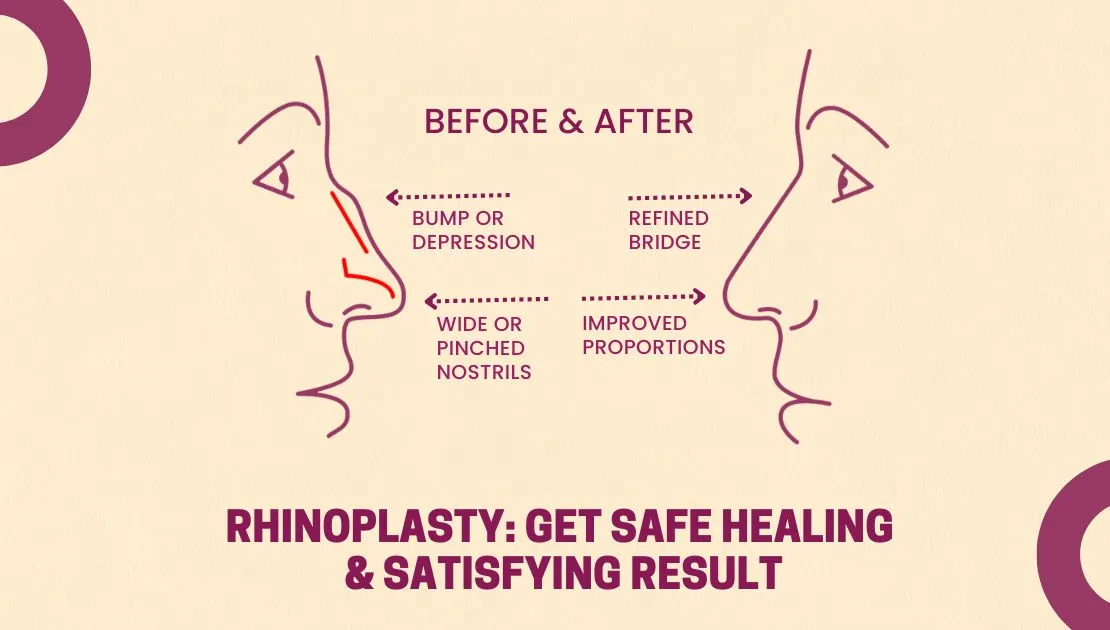
Many patients come to me with one common concern—“What if something goes wrong?” The fear of complications, unnatural results, or prolonged recovery often delays their decision. In my clinical experience, most rhinoplasty risks can be significantly reduced with the right planning, surgical expertise, and disciplined aftercare.
Realted Links: Rhinoplasty Cost | Rhinoplasty Before After | Non Surgical Rhinoplasty
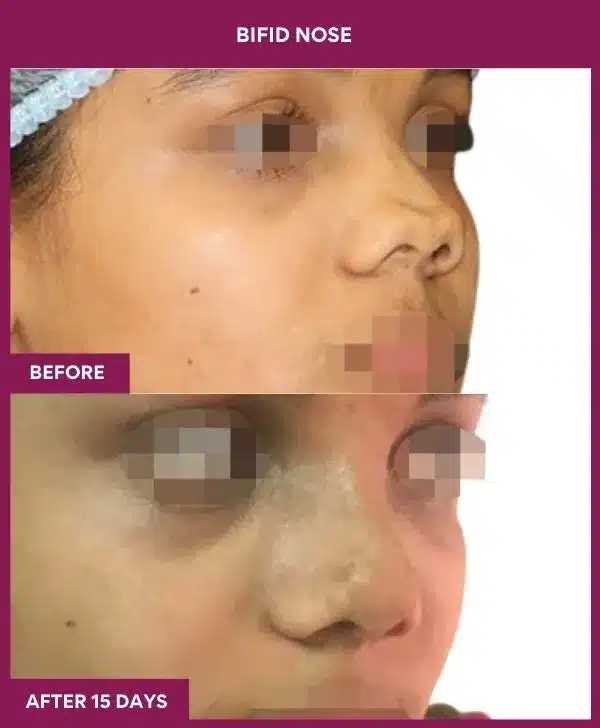
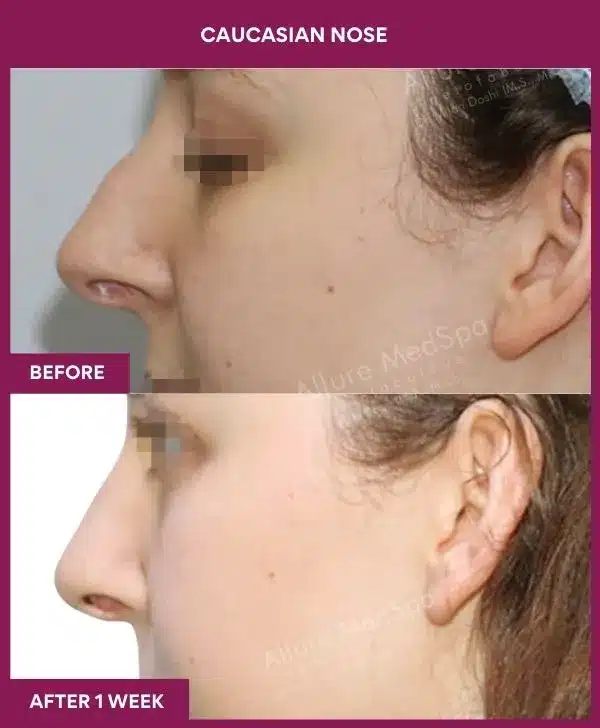
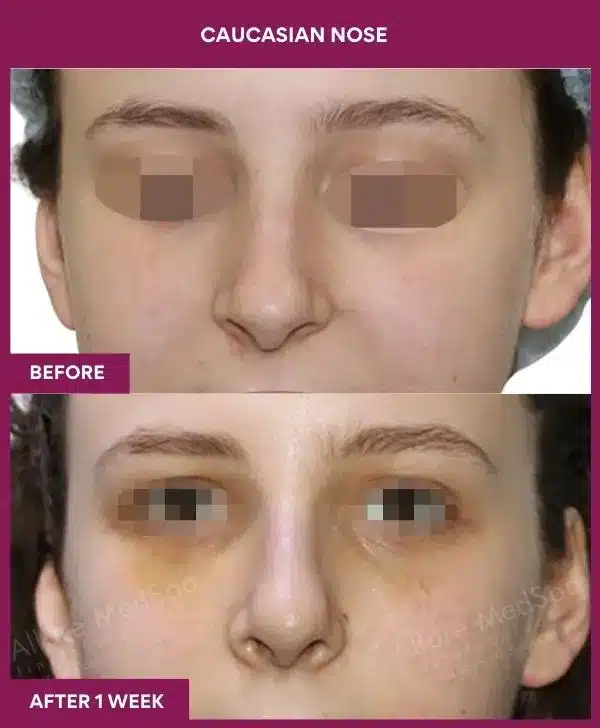
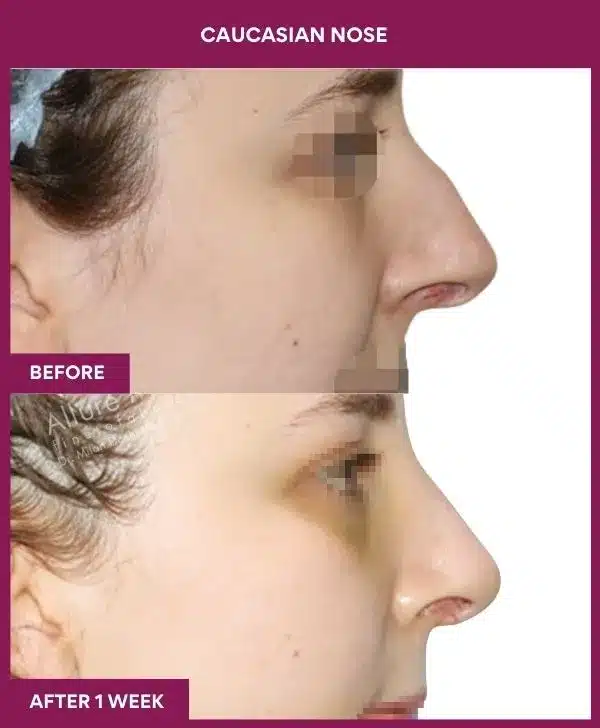
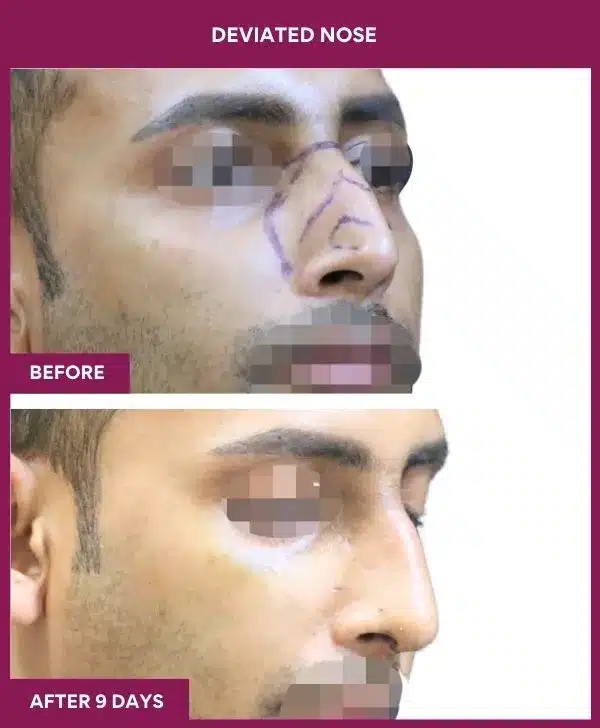
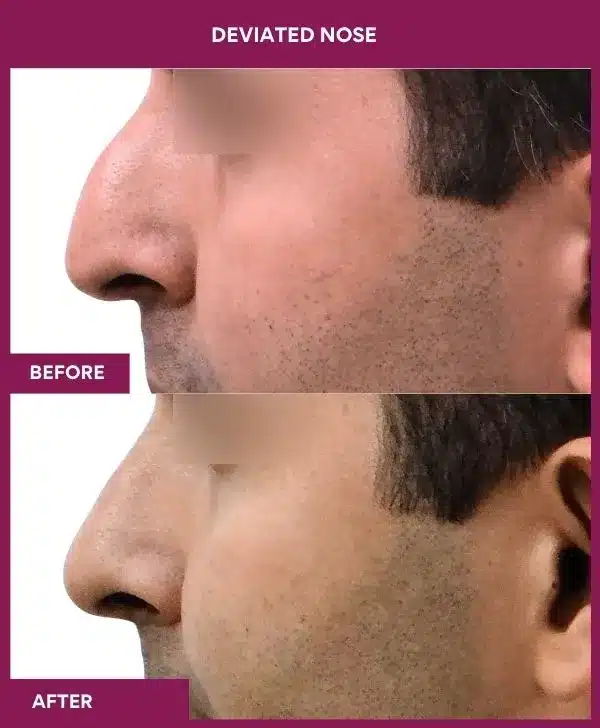
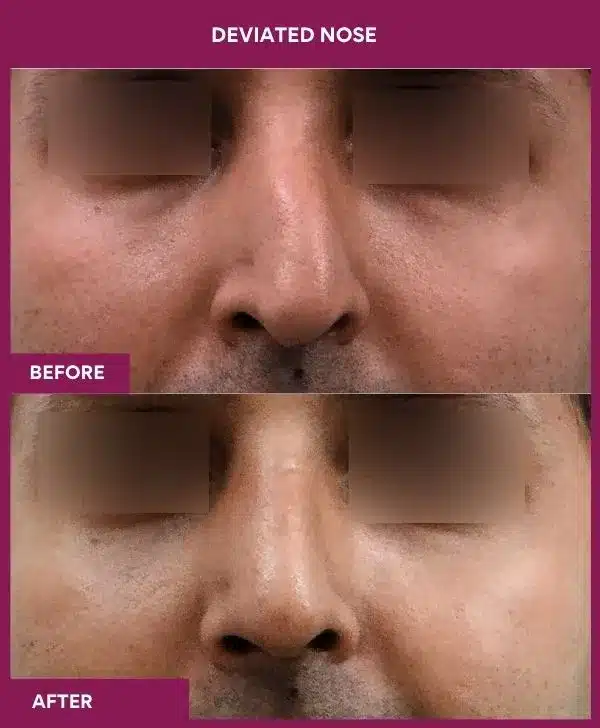
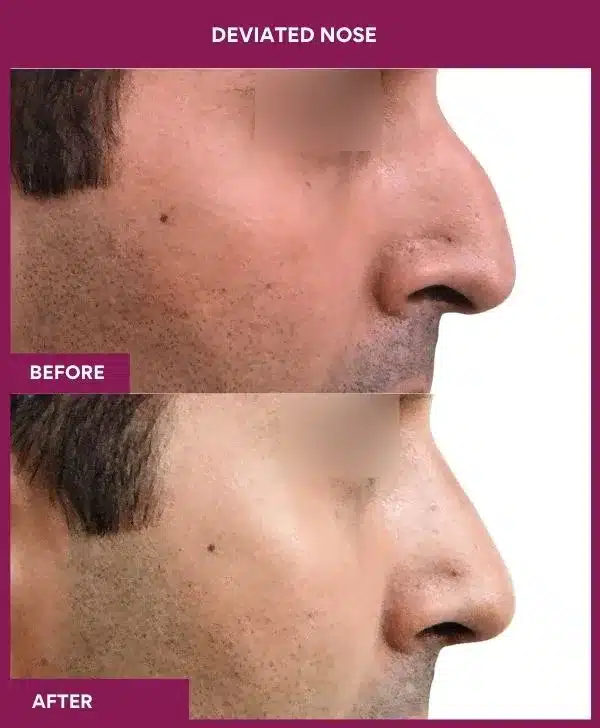
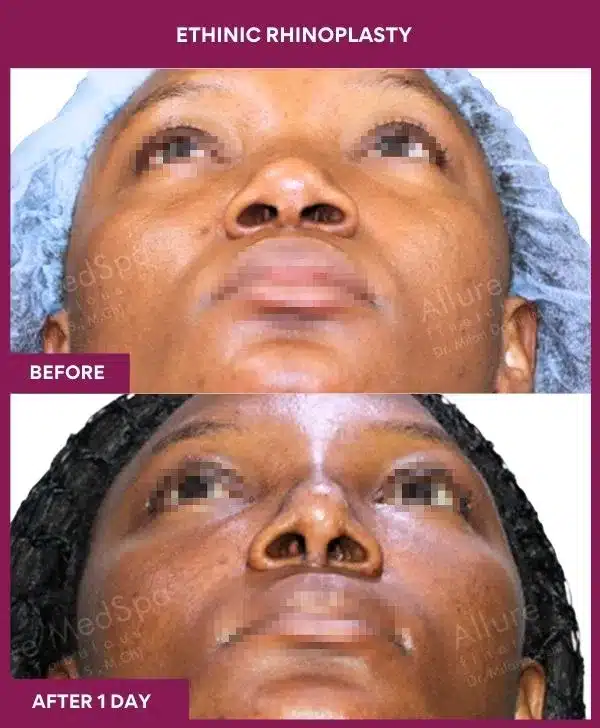
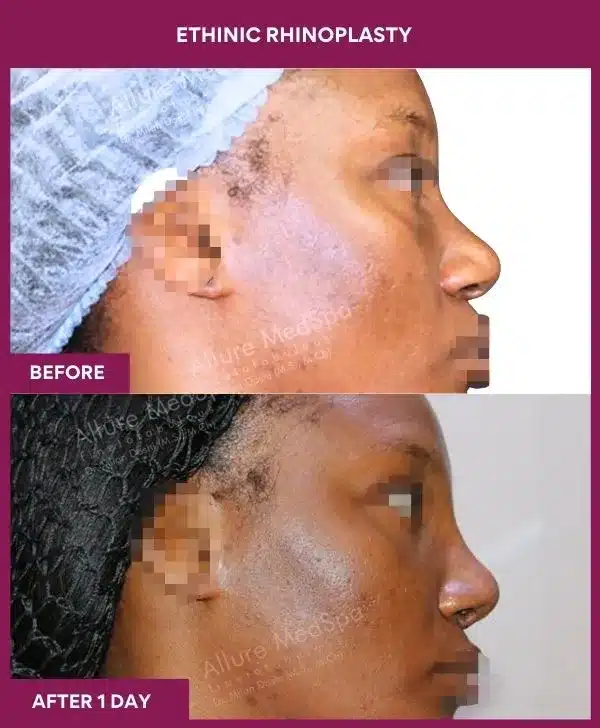
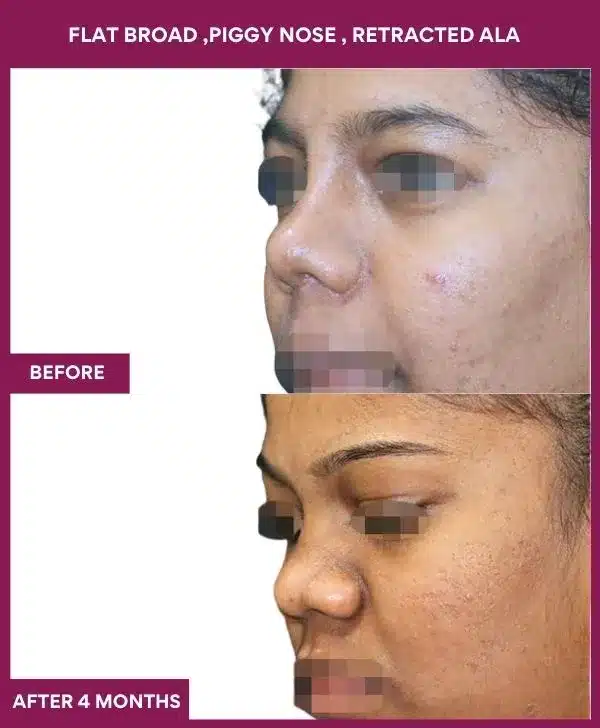
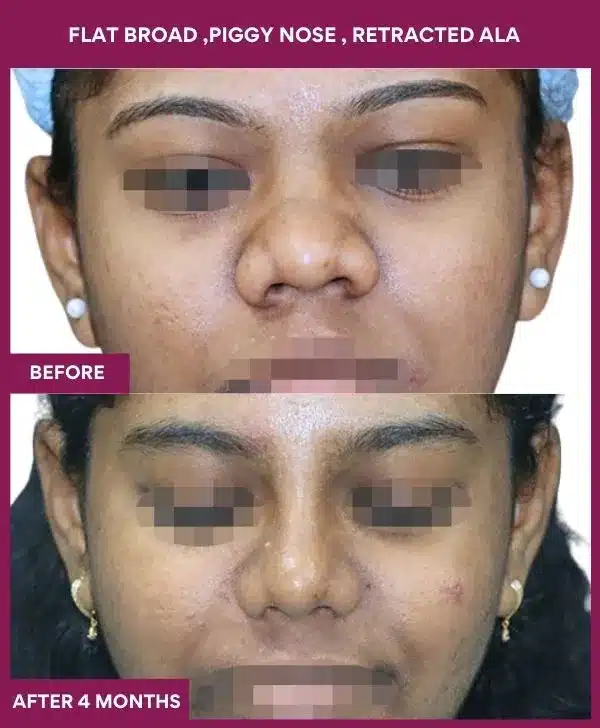
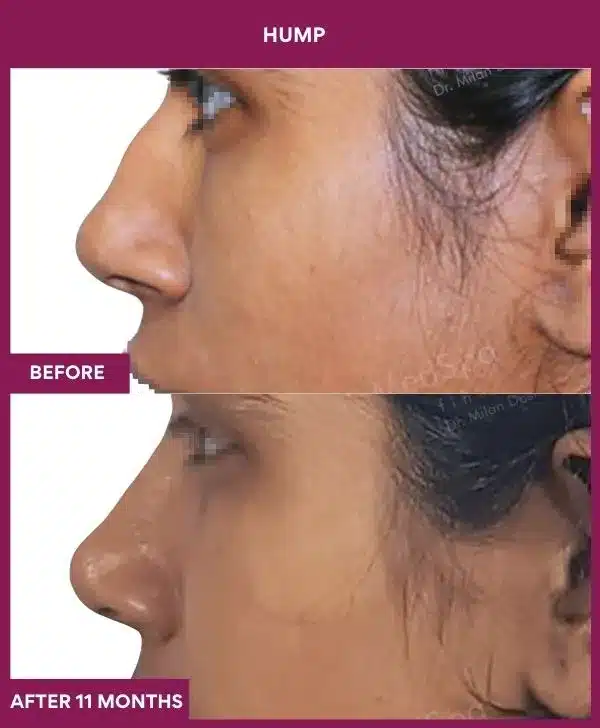
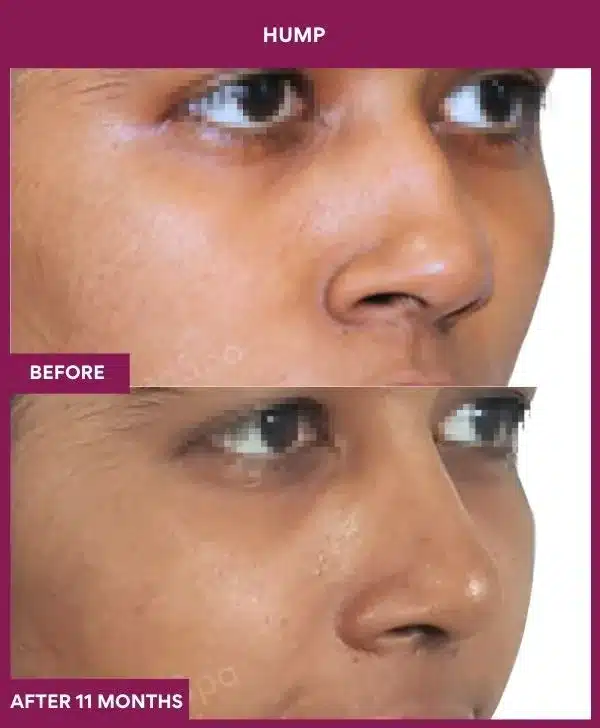
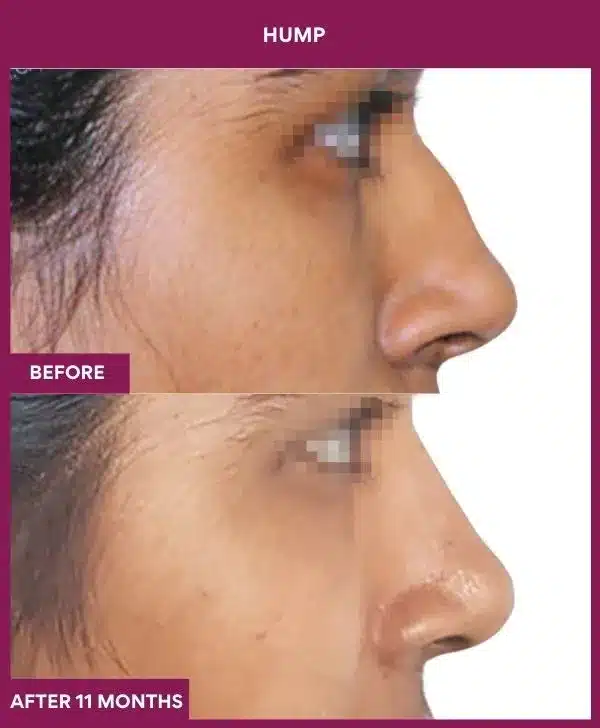
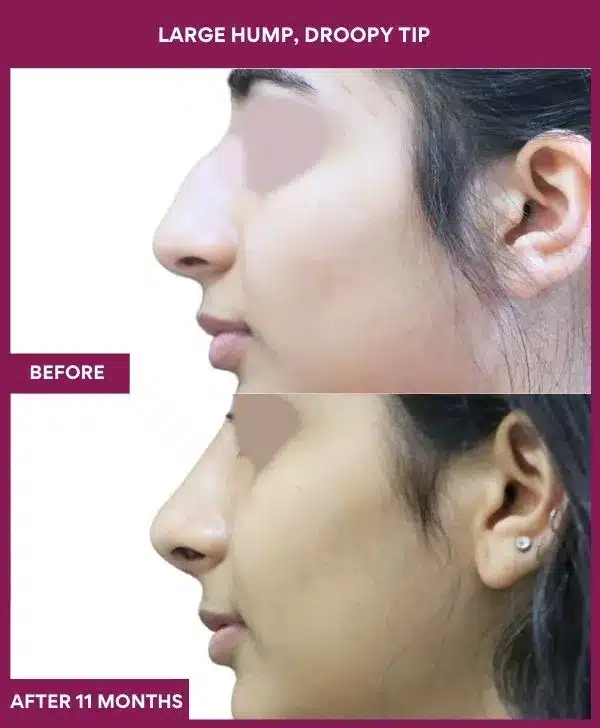
Rhinoplasty Surgery Before and After Results
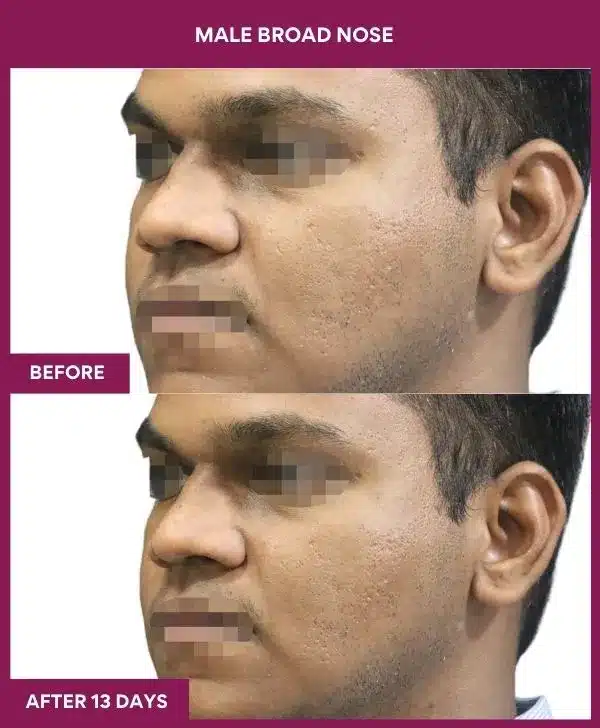
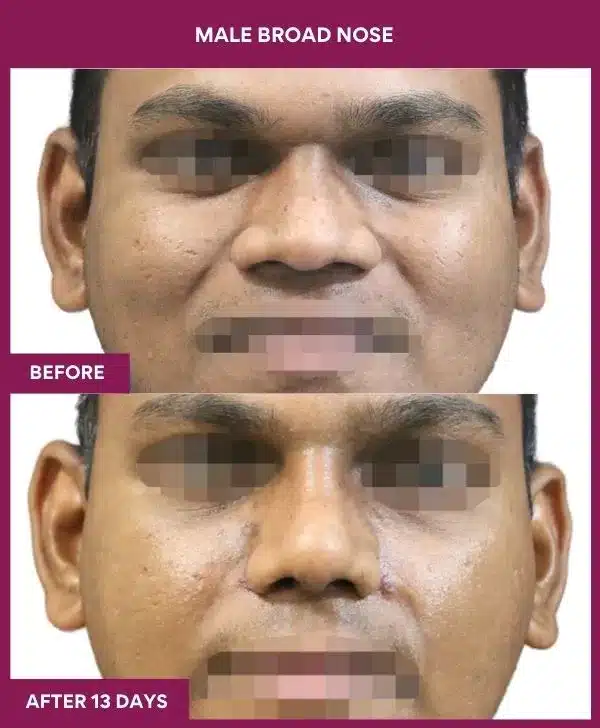
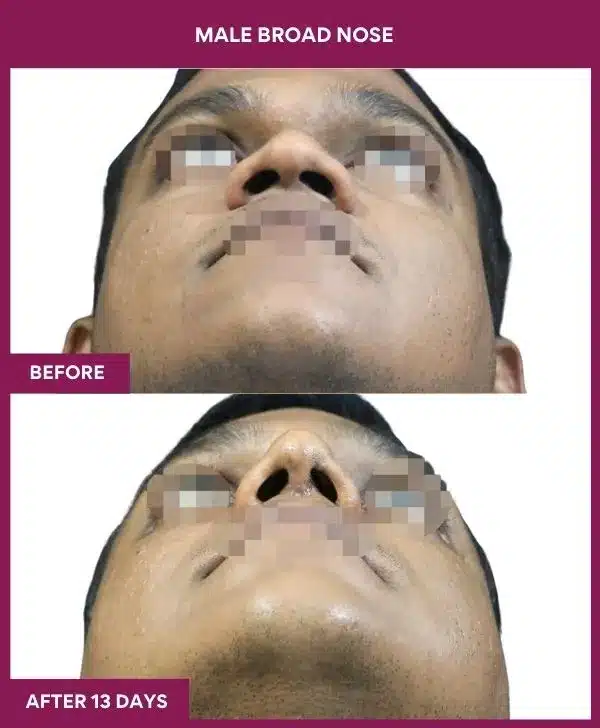
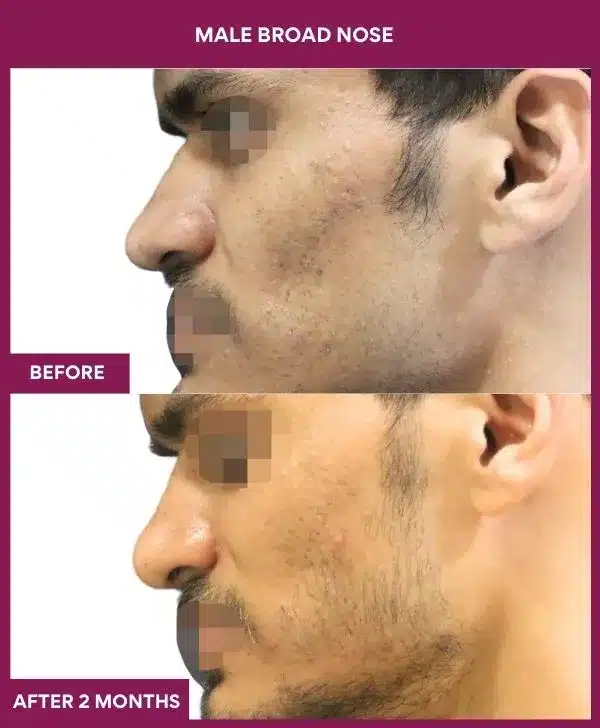
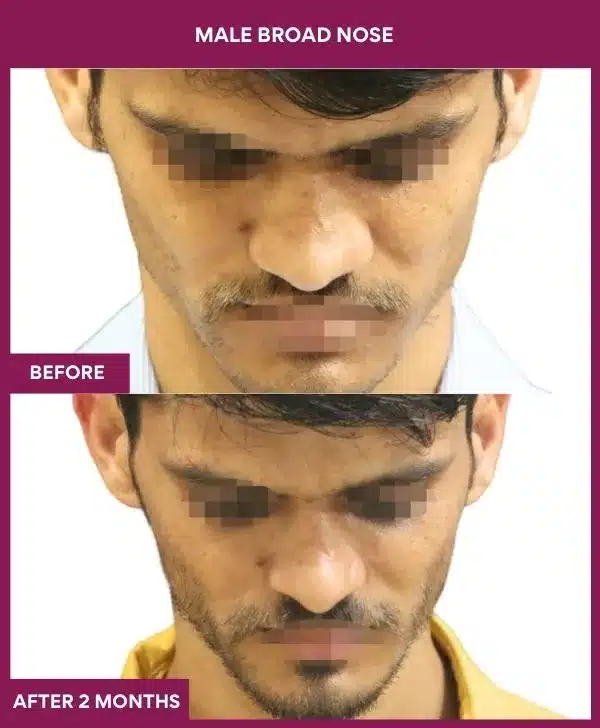
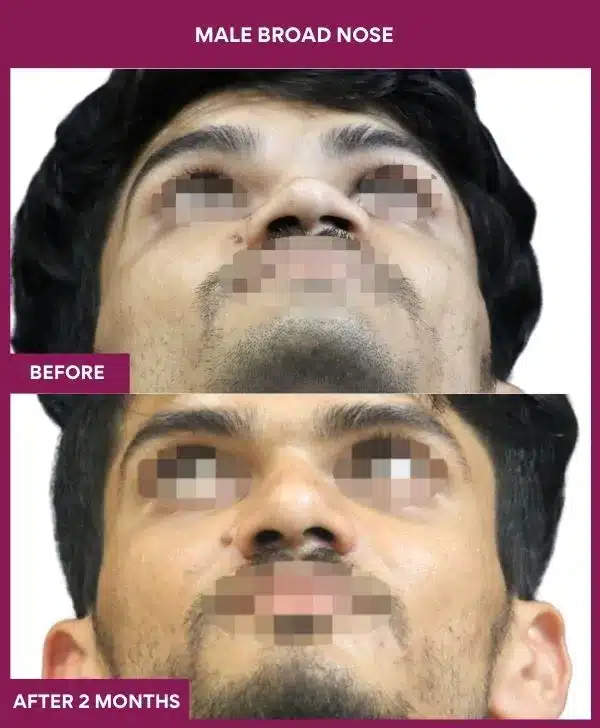
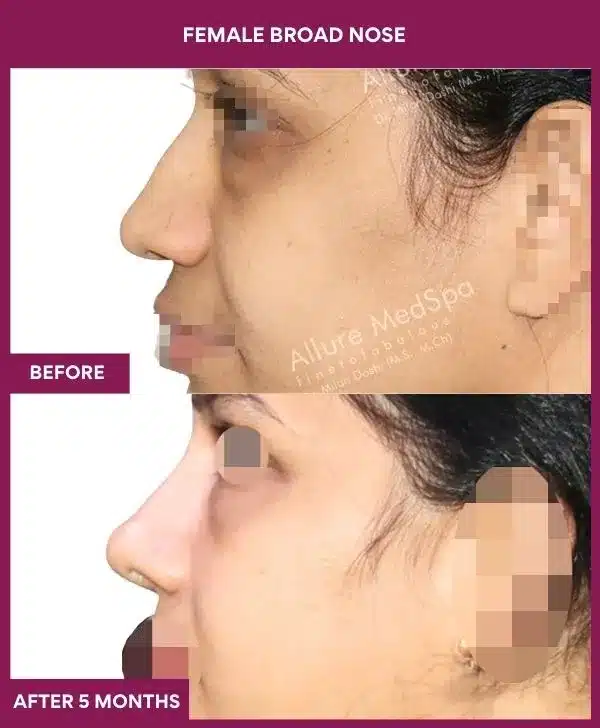
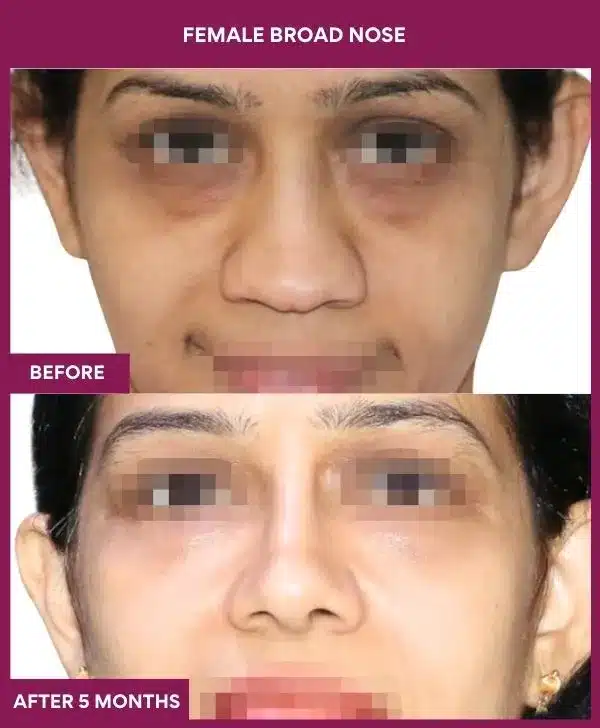
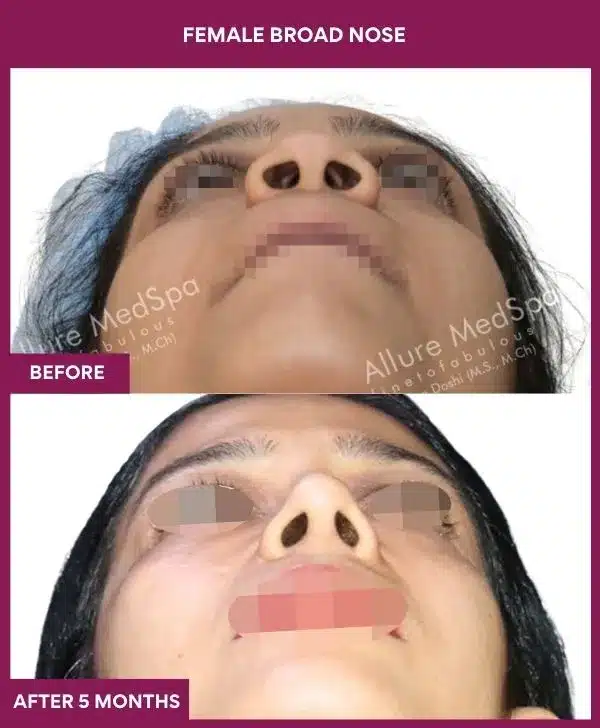
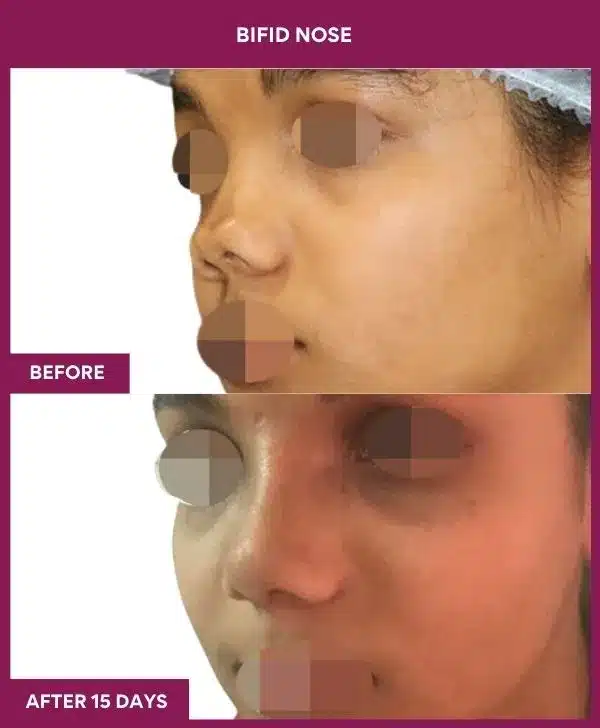
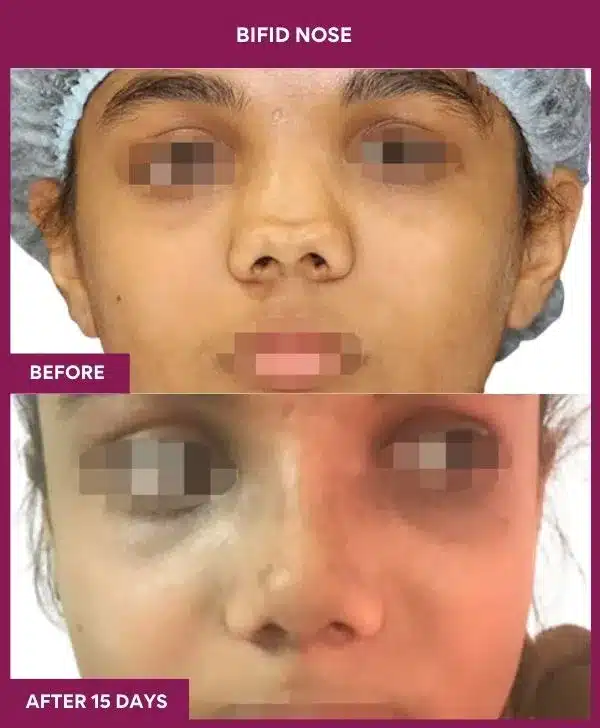
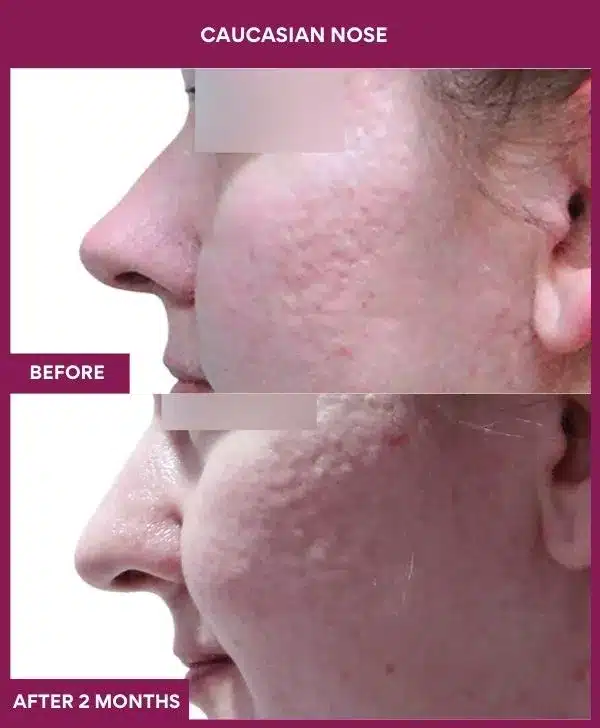
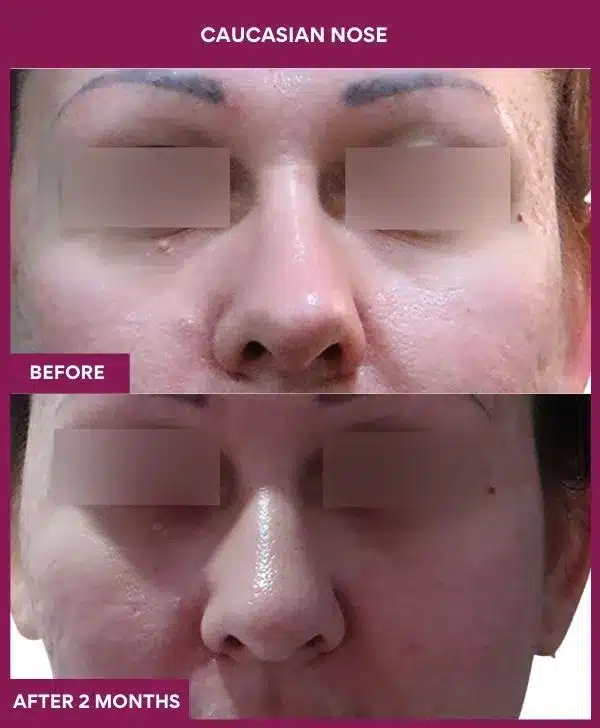
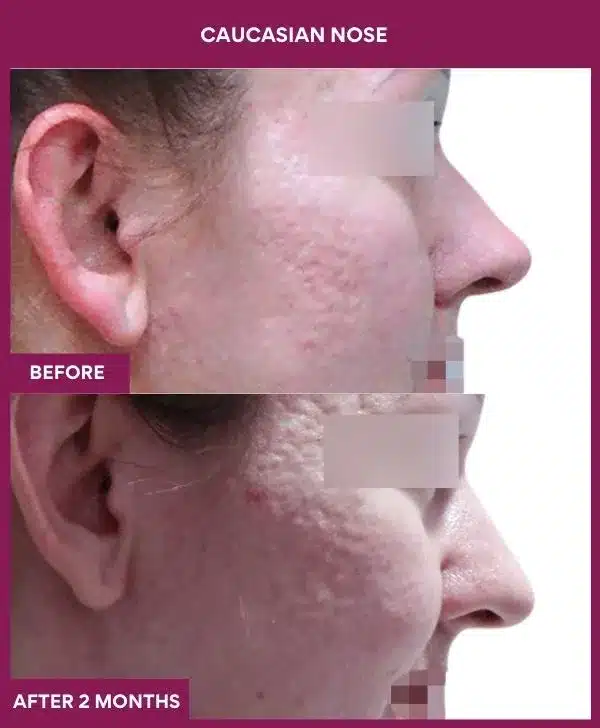
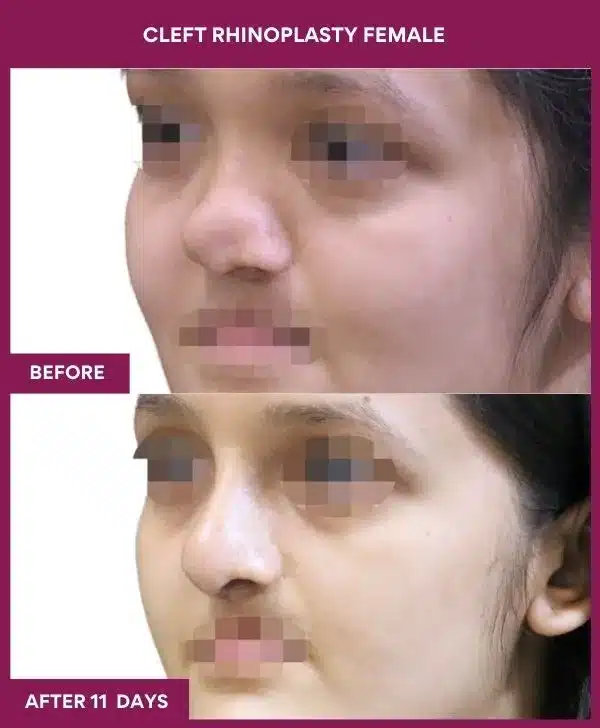
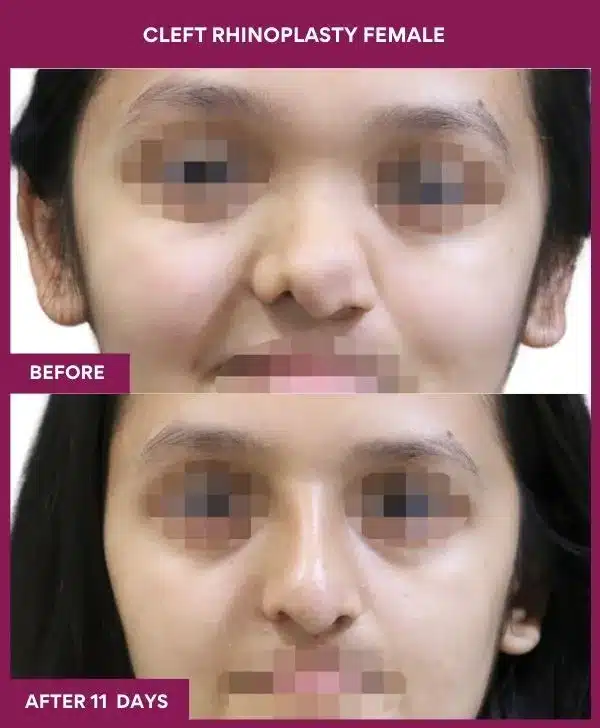
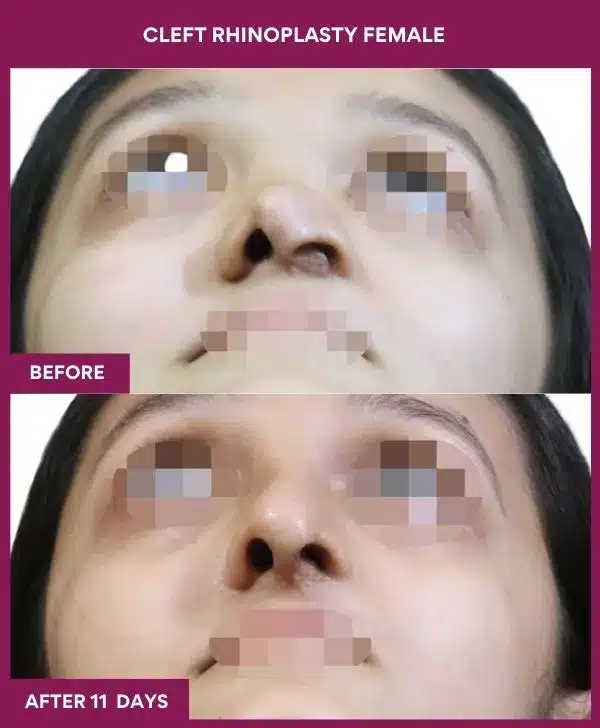
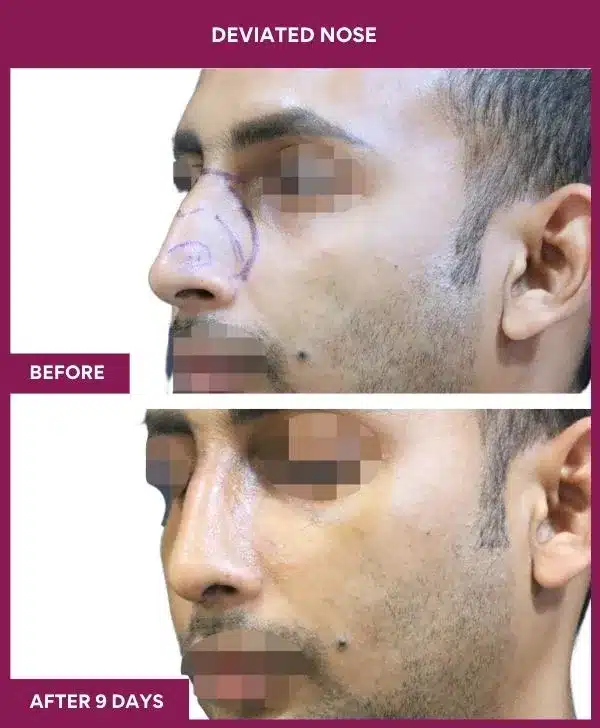
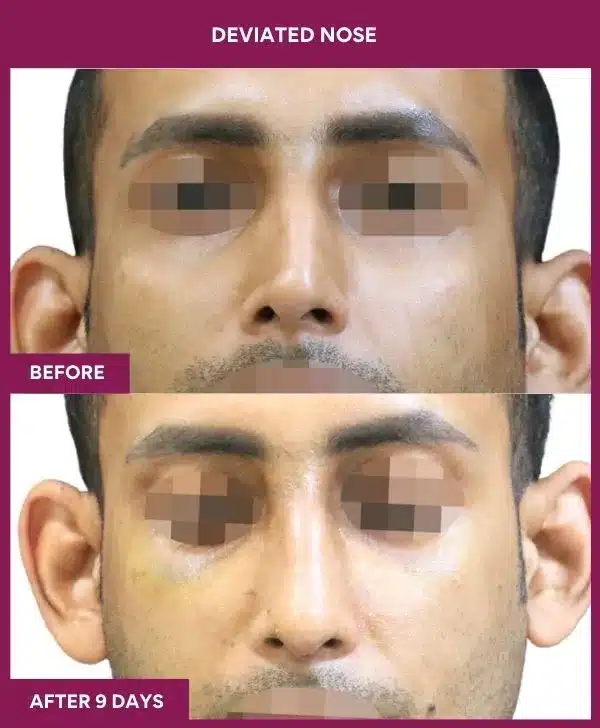
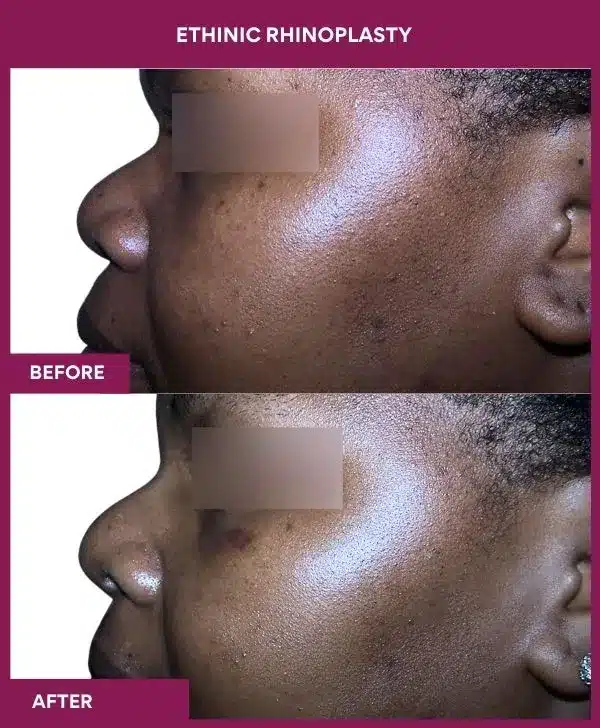
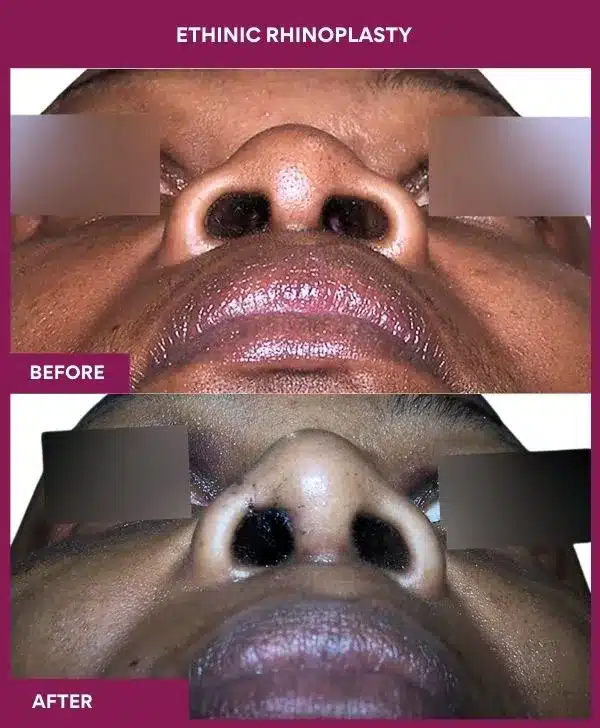
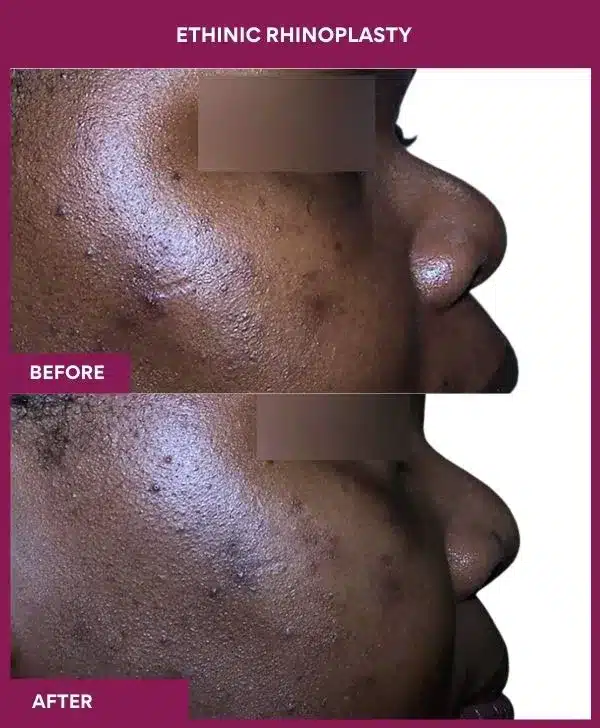
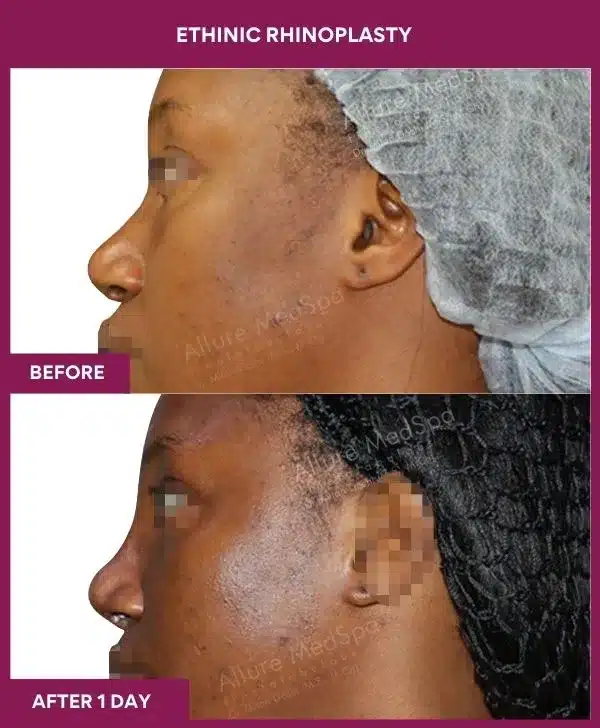
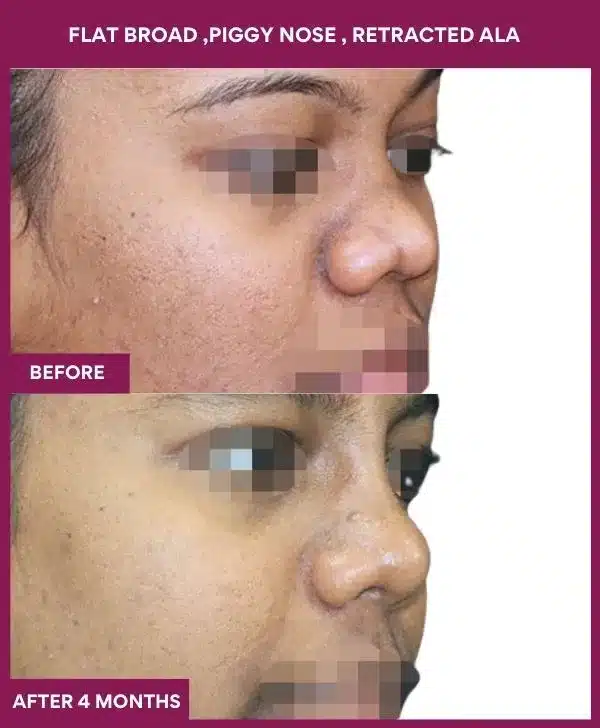
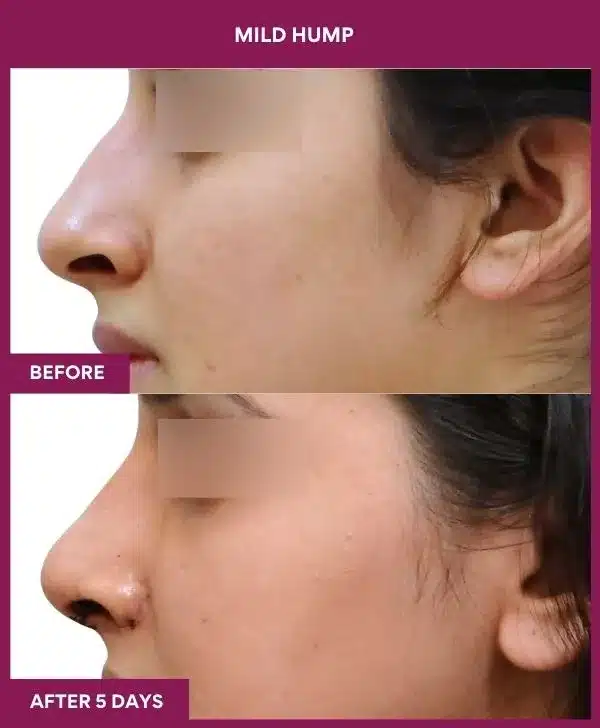
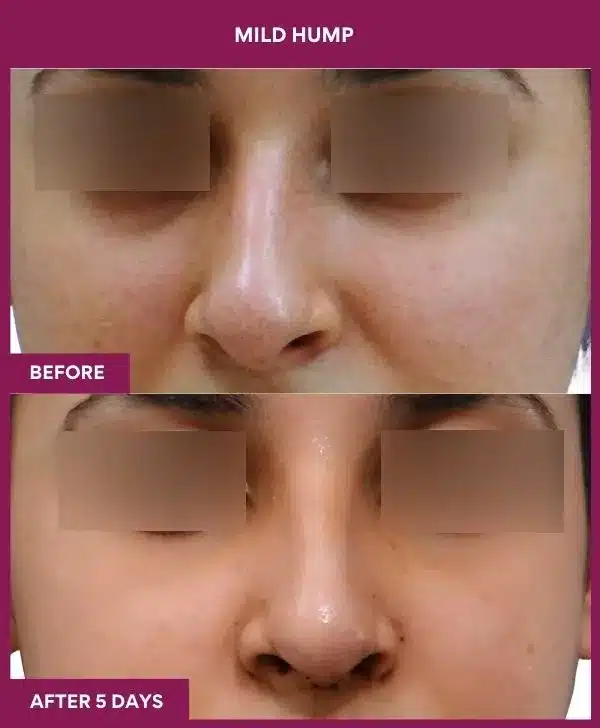
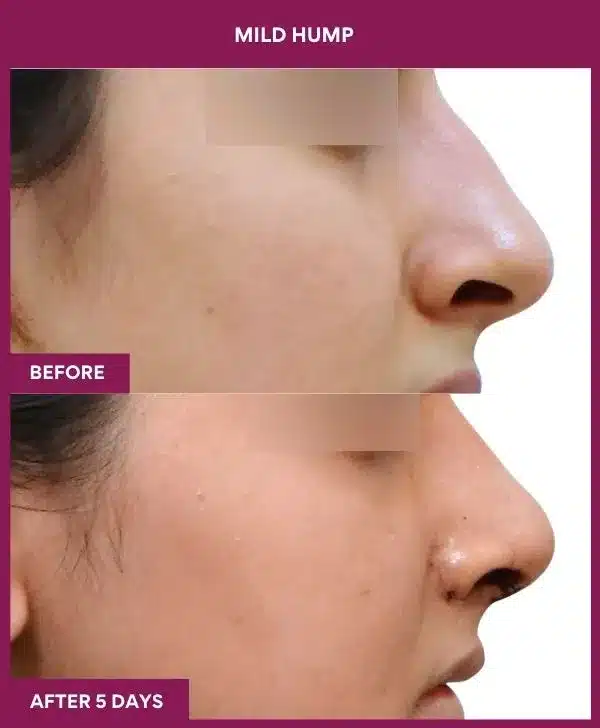
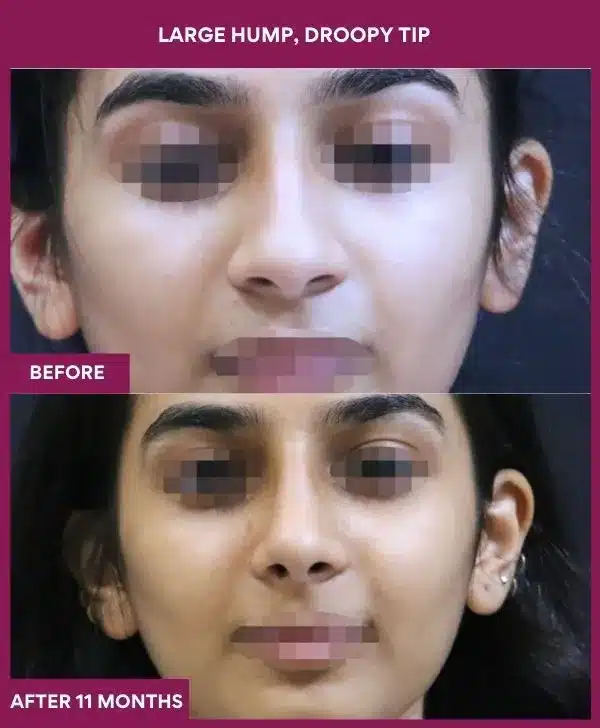
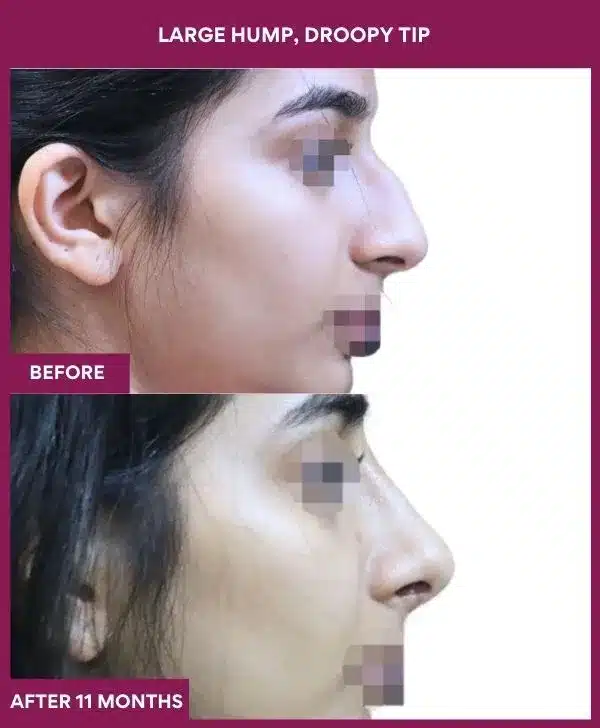
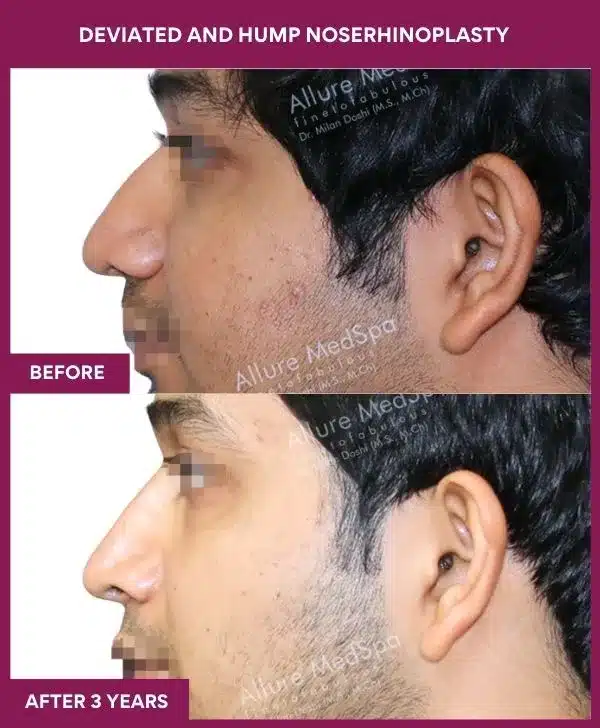
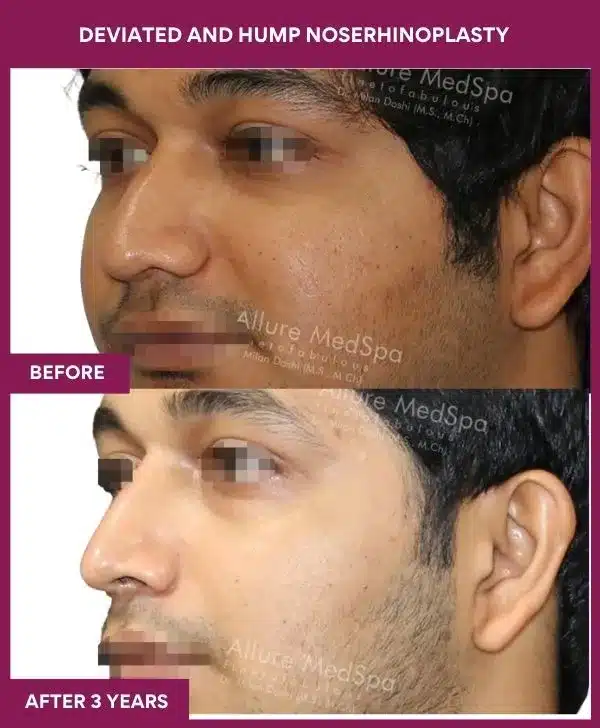
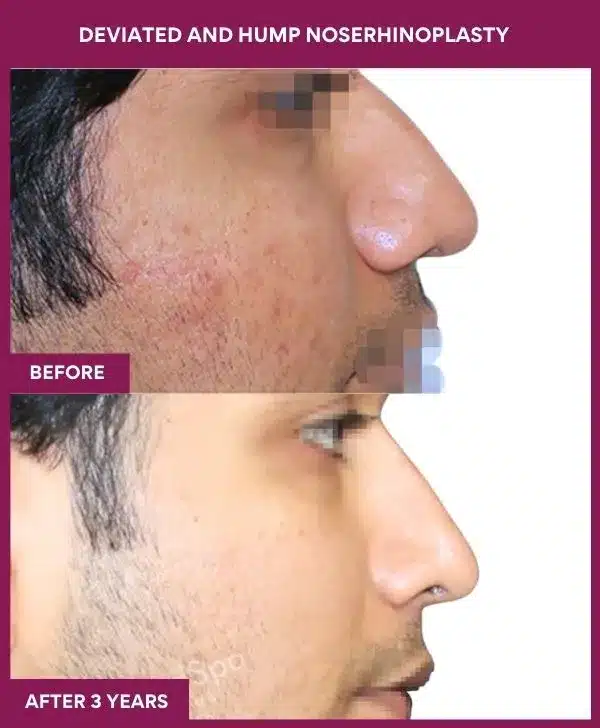
“Liked the results? Let's plan yours.”
Rhinoplasty Surgery Testimonials: Fine To Fabulous Journeys

Awarded by Google.com
Rating: 4.7
Reviews: 485+
Awarded by WhatClinic.com
Rating: 4.8
Reviews: 119+
Awarded by Realself
Rating: 4.9
Reviews:453+

Awarded by Facebook
Rating: 4.6
Reviews:105+
Dr Milan Doshi and his staff are very professional and committed as the centre is highly equipped with advanced technology. I had closed rhinoplasty 4 months back and I’m seeing the results as to how it becomes successful.
Deepika Shetty
The doctor explained everything clearly and the surgery was smooth. Recovery was faster than I expected and the team was very supportive.
Rahul Mehta
Very natural results and excellent staff. From consultation to follow-up, the experience was outstanding and boosted my confidence.
Sneha Kapoor
“Inspired by their journey? Start yours”
Rhinoplasty Surgery Video Explained By Celebrity Cosmetic Surgeon Dr.Milan Doshi
Dr Milan Doshi is describing the Rhinoplasty Surgery in detail with benefits, techniques, recovery, result, risk and complecations
“Understood the process? Let’s talk next steps.”
Why is choosing the right surgeon critical for rhinoplasty safety?
An experienced surgeon significantly reduces risks by planning precisely, maintaining safety standards, and delivering natural, balanced results.
-
Look for:
-
Board certification in plastic or facial plastic surgery
-
Strong focus on rhinoplasty cases
-
Experience in:
-
Primary rhinoplasty
-
Revision rhinoplasty
-
Ethnic rhinoplasty
-
-
-
Evaluate:
-
Before–after results across different face types
-
Consistency in natural-looking outcomes
-
-
Safety considerations:
-
Accredited surgical facility
-
Hospital privileges
-
Dr. Milan Doshi’s Tip:
In my clinical experience, rhinoplasty is not a “standard procedure.” Each nose is different, and surgical judgment plays a major role in avoiding complications.
Why are realistic expectations important before rhinoplasty?
Rhinoplasty improves your natural features, not replaces them, and realistic goals help avoid dissatisfaction after surgery.
-
The nose must match:
-
Face structure
-
Chin projection
-
Skin thickness
-
-
It cannot replicate:
-
Celebrity noses
-
Edited photos
-
-
Ideal goals include:
-
Better balance
-
Subtle refinement
-
Improved proportions
-
-
Overcorrection can lead to:
-
Artificial appearance
-
Functional issues
-
Dr. Milan Doshi’s Tip:
In my OPD, I always explain that a beautiful result is one that blends naturally with your face—not one that stands out.
What medical preparations are necessary before rhinoplasty?
Proper pre-surgical preparation reduces complications like bleeding, infection, and delayed healing.
-
Share complete medical history:
-
Allergies
-
Previous surgeries
-
Breathing issues
-
Medications
-
-
Medication precautions:
-
Avoid blood-thinning drugs (as advised)
-
Review supplements like:
-
Vitamin E
-
Fish oil
-
Garlic
-
Ginkgo
-
-
-
Lifestyle preparation:
-
Stop smoking/nicotine 4–6 weeks before
-
Avoid alcohol before surgery
-
-
Plan recovery:
-
Arrange caregiver for 24–48 hours
-
Prepare sleeping setup with head elevation
-
Dr. Milan Doshi’s Tip:
Patients often underestimate preparation. In my clinical experience, good pre-operative planning directly improves post-operative recovery quality.
How should you care for your nose after rhinoplasty?
Strict post-operative care protects your results and prevents complications like displacement, swelling, or infection.
-
Protect the nose:
-
Avoid pressure, bumps, or sleeping sideways
-
Do not rest glasses on the bridge
-
-
Position:
-
Sleep with head elevated
-
-
Nasal care:
-
Use saline only if advised
-
Avoid nose blowing
-
Sneeze with mouth open
-
-
Activity:
-
Start light walking early
-
Avoid gym, bending, heavy lifting
-
-
Medication:
-
Follow prescribed antibiotics and pain relief
-
-
Hygiene:
-
Keep splints dry as instructed
-
-
Nutrition:
-
Protein-rich diet
-
Adequate hydration
-
Fiber to avoid straining
-
Dr. Milan Doshi’s Tip:
The surgery is only one part of the journey. In my clinical experience, patients who follow aftercare instructions strictly achieve smoother recovery and better results.
What are the early signs of rhinoplasty complications?
Recognizing warning signs early helps prevent minor issues from becoming serious complications.
-
Contact your surgeon if you notice:
-
Increasing pain not controlled by medication
-
Fever or signs of infection
-
Persistent bleeding
-
Sudden breathing difficulty
-
Unusual skin discoloration (pale, gray, or dark patches)
-
-
Do not ignore:
-
Sudden changes
-
Worsening symptoms after initial improvement
-
Dr. Milan Doshi’s Tip:
Early communication is key. In my clinical experience, patients who report concerns early can often avoid more serious problems.
How long does it take to see final rhinoplasty results?
Rhinoplasty results develop gradually, with final refinement—especially of the tip—taking up to 12–18 months.
-
Timeline:
-
0–2 weeks:
-
Swelling and bruising improve
-
Splints removed
-
-
2–6 weeks:
-
Return to daily routine
-
Visible swelling reduces
-
-
3–6 months:
-
Shape becomes more defined
-
-
6–18 months:
-
Final refinement, especially tip
-
-
-
Thick skin may take longer for definition.
Dr. Milan Doshi’s Tip:
One of the biggest mistakes is judging results too early. In my clinical experience, patience is essential for appreciating the final outcome.
(FAQs) Frequently Asked Questions
Q1. How long until I see final rhinoplasty results?
Ans. Initial improvement is visible in weeks, but final refinement—especially at the tip—can take up to 12–18 months.
Q2. When can I wear glasses after rhinoplasty?
Ans. Most patients are advised to avoid resting glasses on the nose for about 4–6 weeks, depending on healing.
Q3. When can I exercise after rhinoplasty?
Ans. Light walking is allowed early, but gym workouts and intense activity are usually avoided for 4–6 weeks.
Q4. Which medicines should I avoid before surgery?
Ans. Avoid non-prescribed blood-thinners and certain supplements unless your surgeon advises otherwise.
Q5. Can I blow my nose after rhinoplasty?
Ans. Usually not for about 2 weeks. Follow saline care instructions and sneeze with your mouth open.
Q6. Is rhinoplasty a safe procedure?
Ans. In experienced hands and with proper care, rhinoplasty is generally safe, but like any surgery, it requires careful planning and follow-up.
Q7. What increases the risk of complications?
Ans. Smoking, poor aftercare, unrealistic expectations, and choosing an inexperienced surgeon can increase risks.
Conclusion
Rhinoplasty can be a safe and rewarding procedure when approached thoughtfully. In my clinical experience, the key to minimizing risks lies in choosing the right surgeon, preparing properly, following aftercare instructions carefully, and allowing enough time for healing. With a balanced, patient-focused approach, most individuals achieve natural-looking results that enhance facial harmony and confidence.
If you are considering rhinoplasty, a detailed consultation can help you understand what is realistically achievable and how to plan your journey safely.