
Liposuction Body Areas - What Can Be Treated (and What Suits You)

Indian Board Certified Plastic Surgeon
M.CH, MS, ISAPS Mentor
16000+ Cosmetic Surgeries
4000+ Liposuction Surgeries
Which body areas can liposuction treat?
Liposuction can treat many areas where excess fat sits beneath the skin. The right area for you depends on your fat distribution, skin quality and proportions — not on a list of popular areas.
- Torso: stomach / abdomen · love handles & hips · back.
- Limbs: thighs & legs · arms.
- Face & chest: double chin · male chest · female breast (selected cases).
- Buttocks: reduction or reshaping — adding volume is a separate fat-transfer discussion.
Pathway callout: Areas are planned around each other, not one at a time. This guide helps you find the area that matches your concern, see which neighbouring areas usually need assessing with it, and recognise when the answer isn’t liposuction at all.
Liposuction Surgery Before After Results
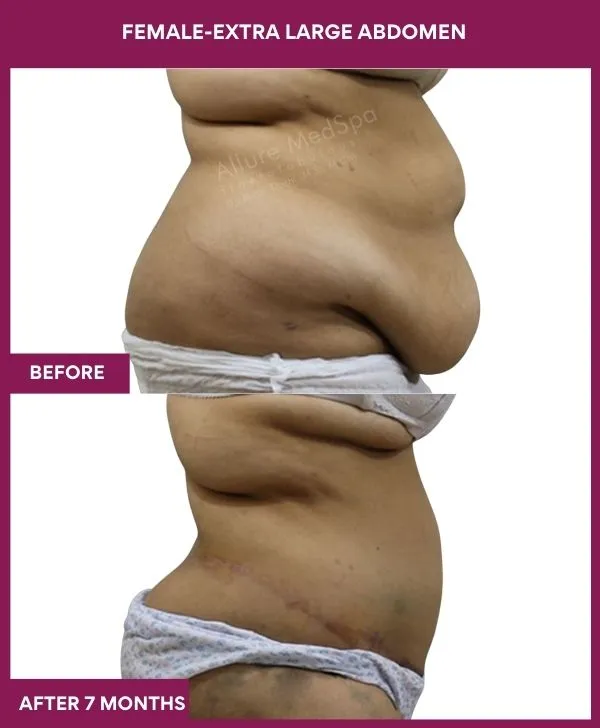
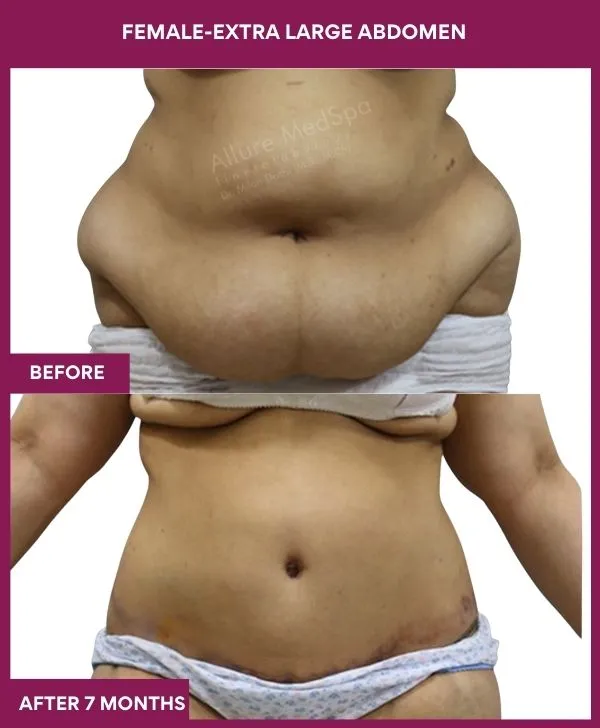
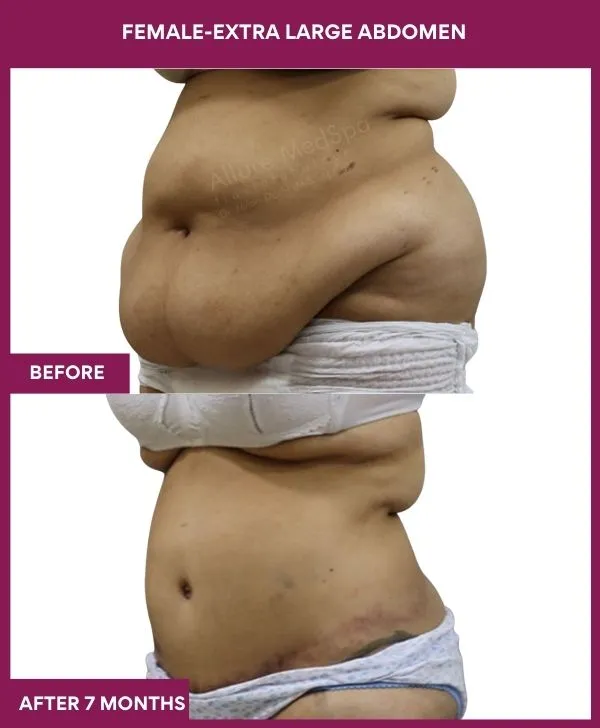
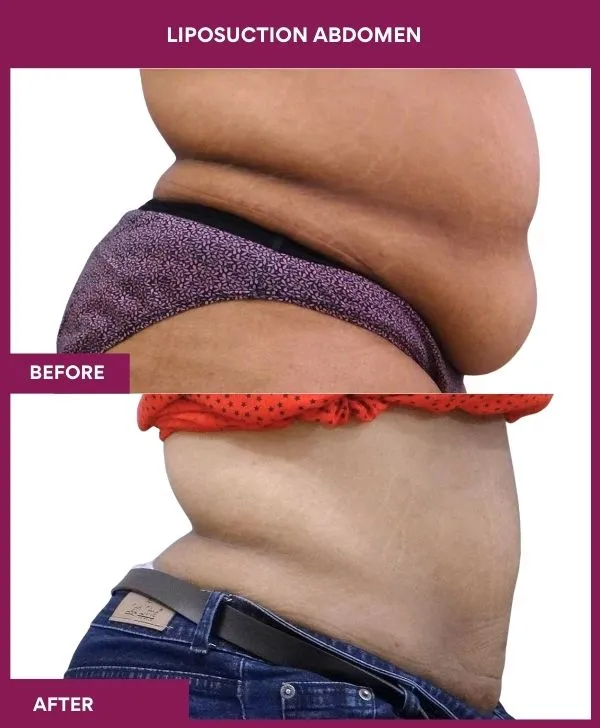
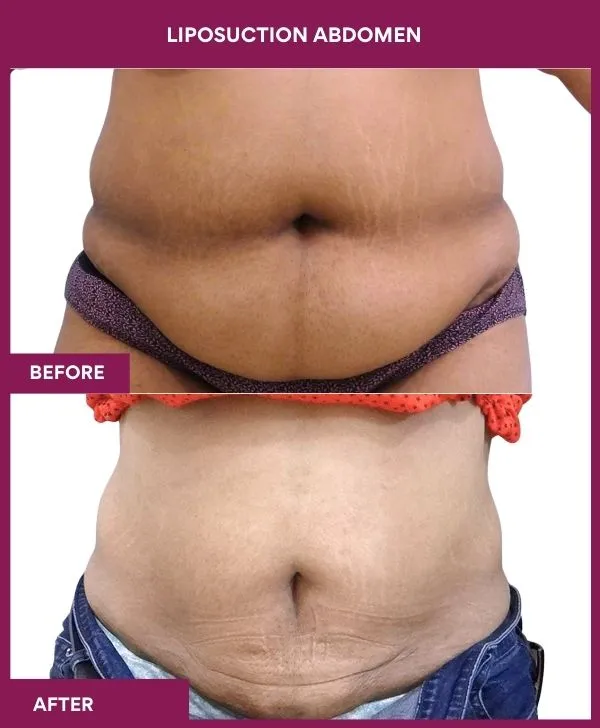
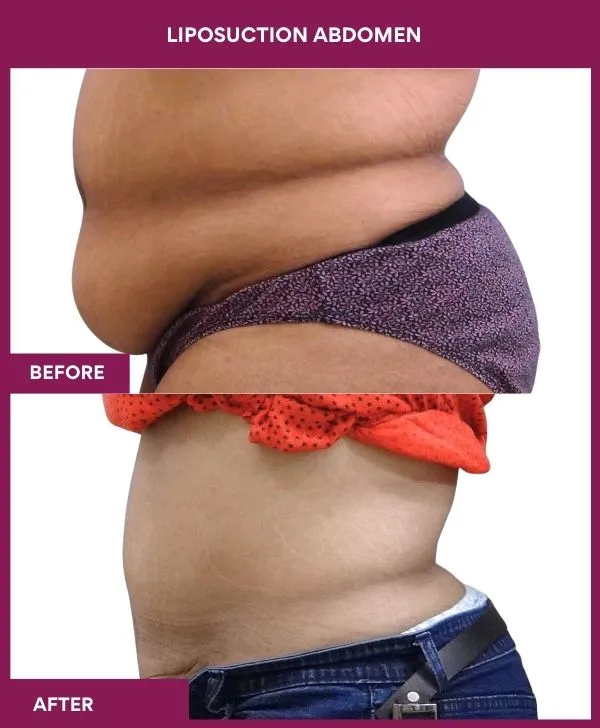
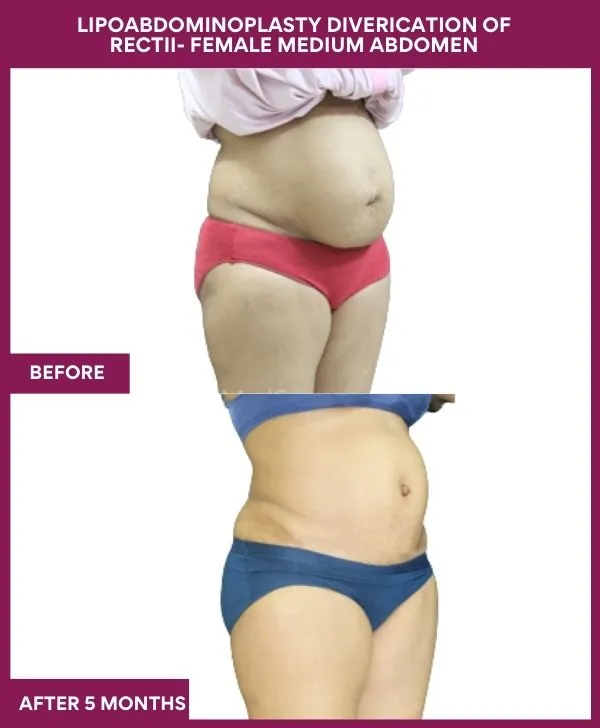
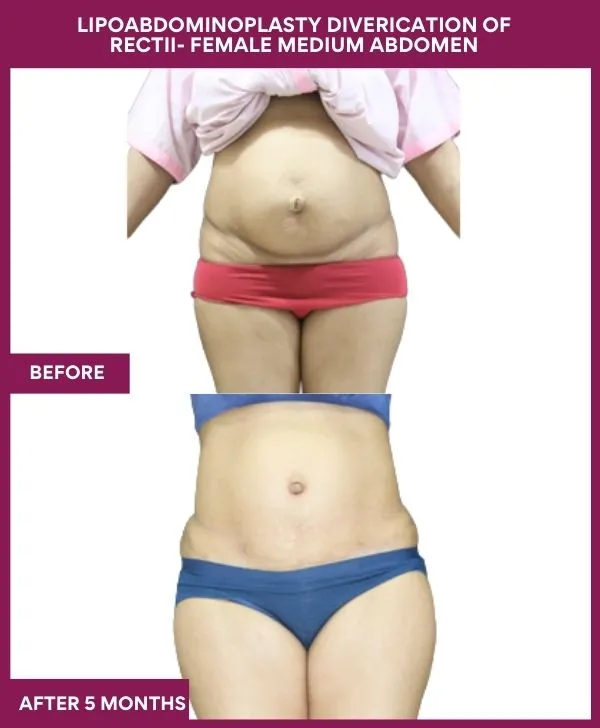
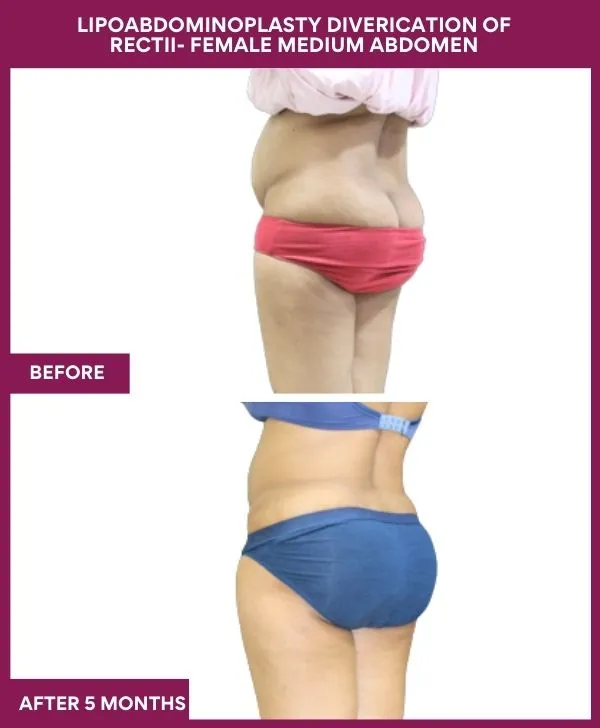
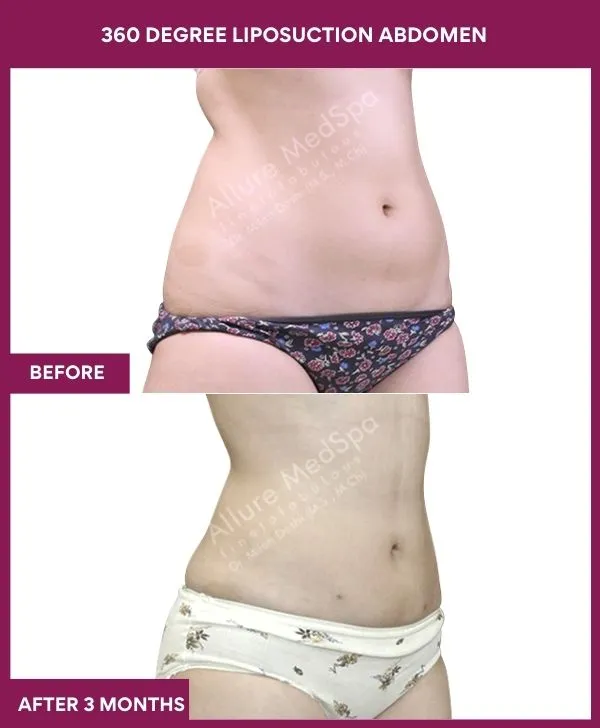
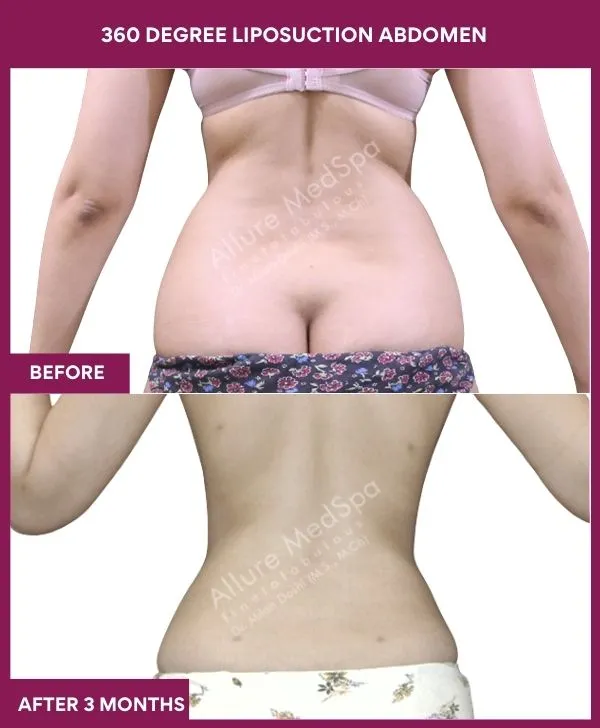
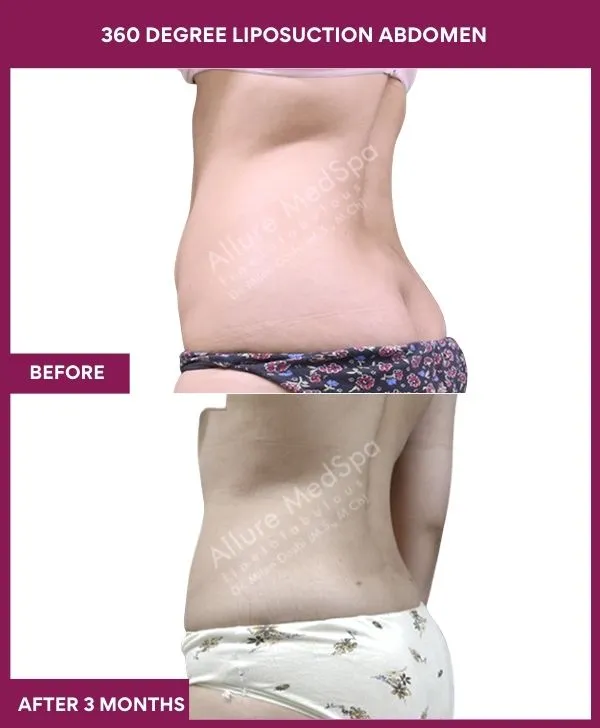
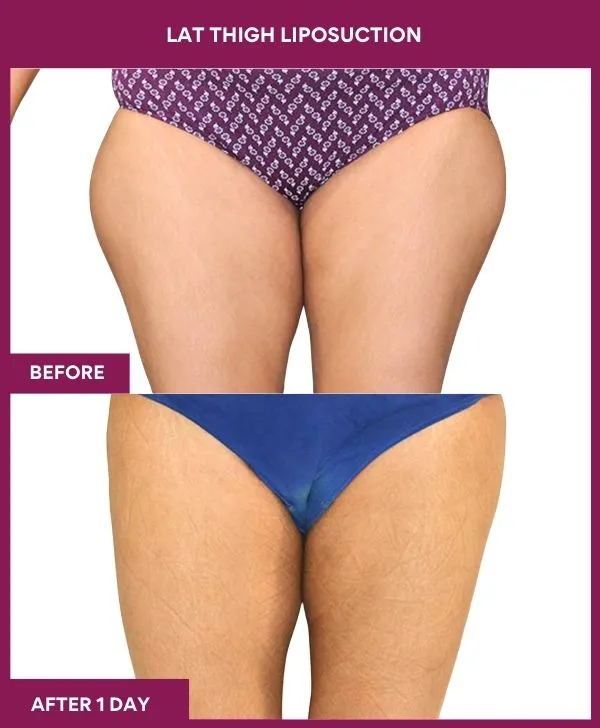
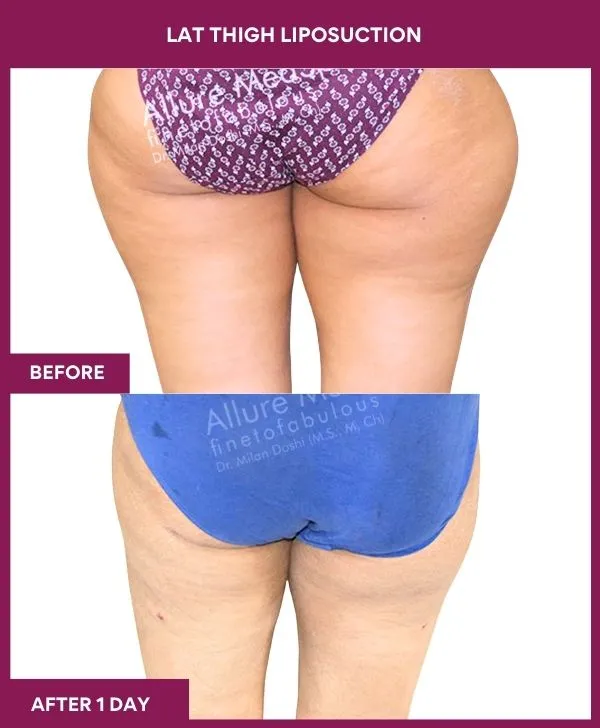
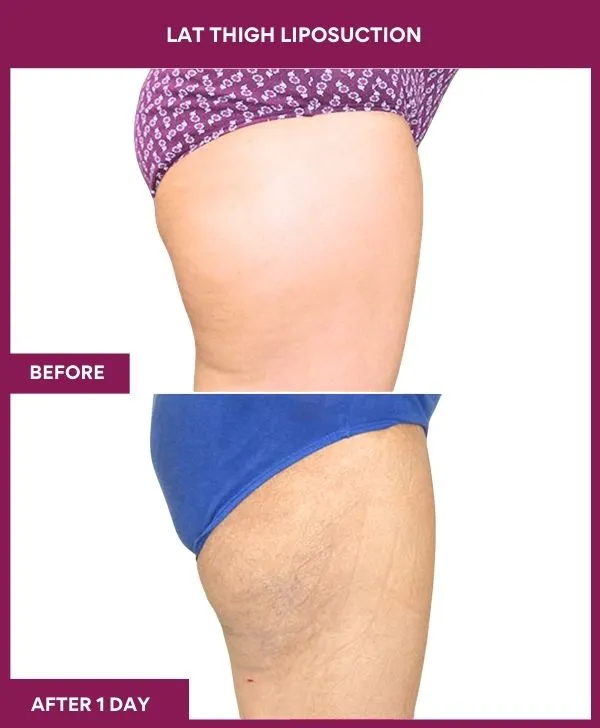
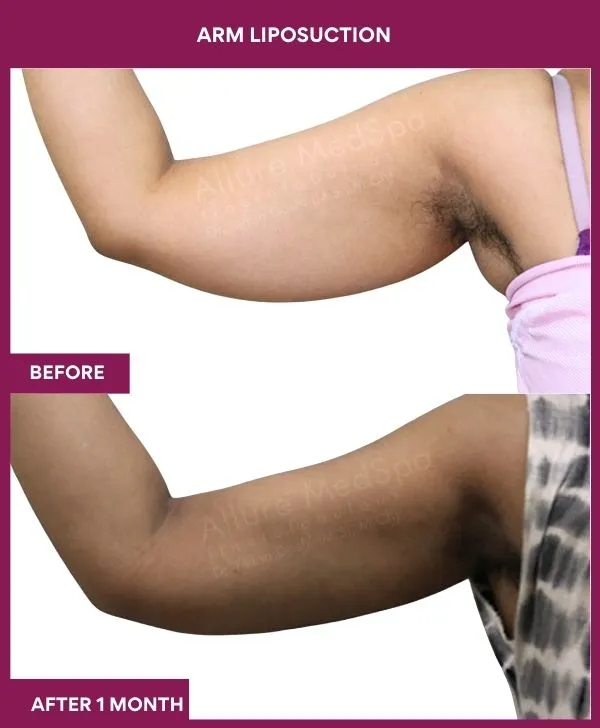
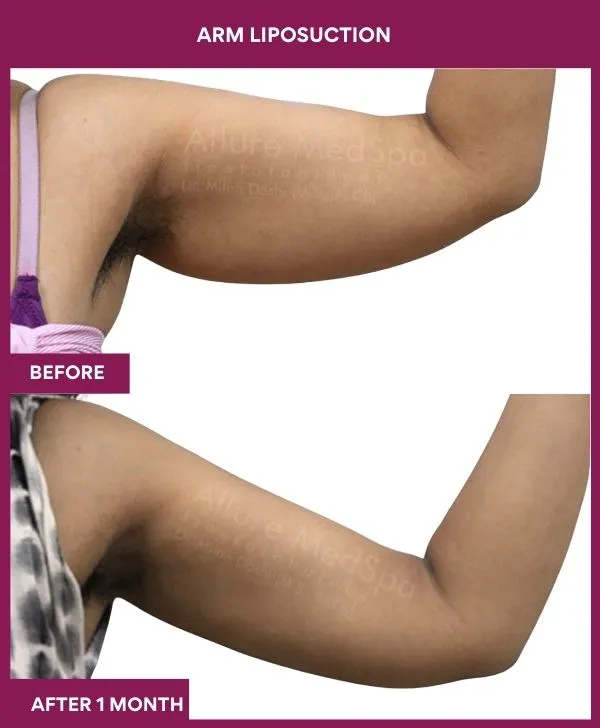
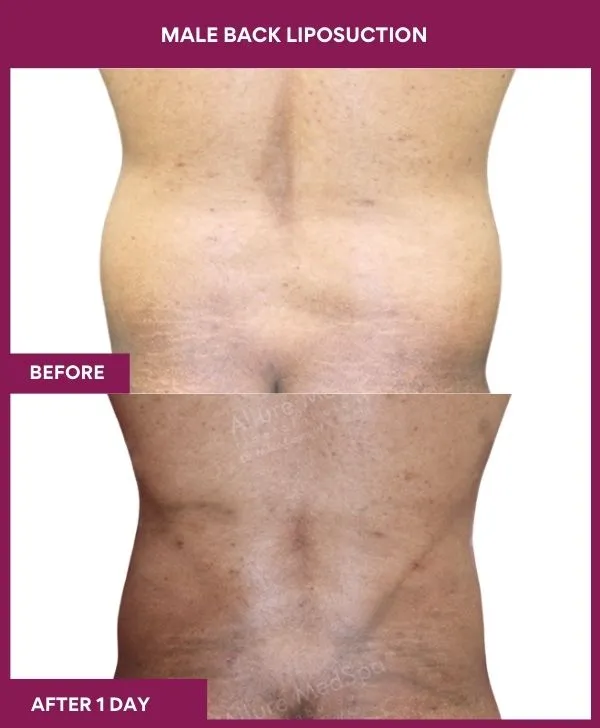
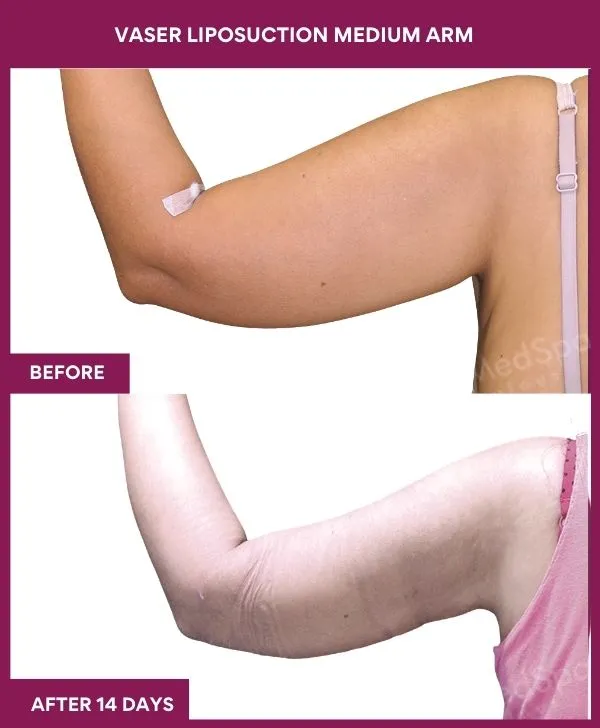
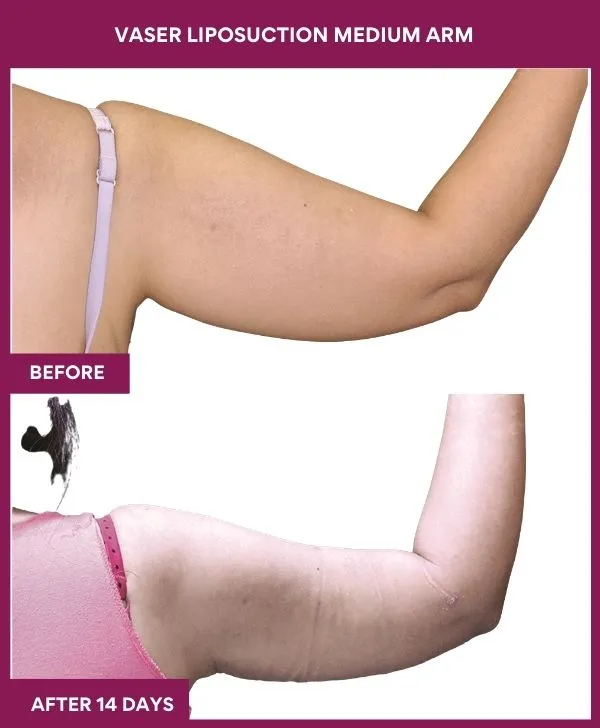
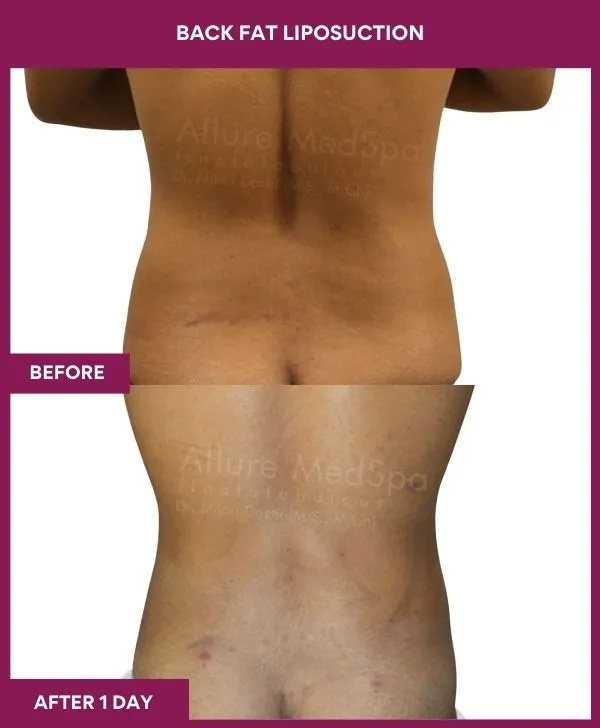
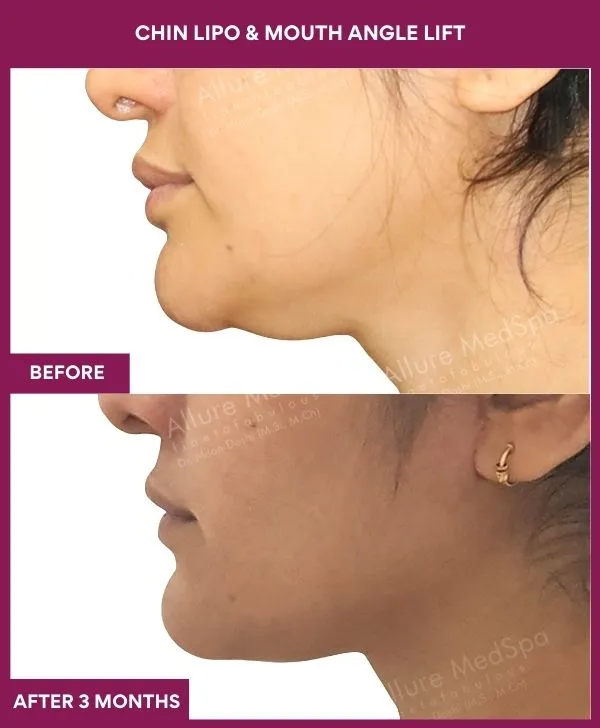
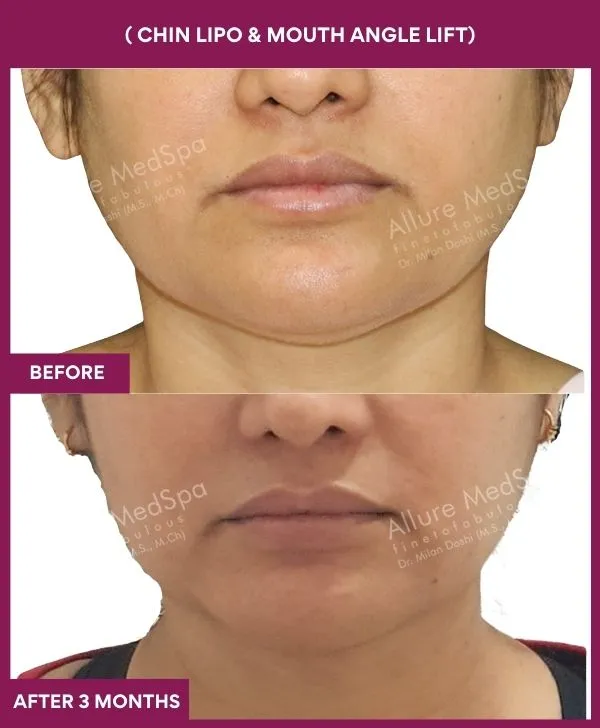
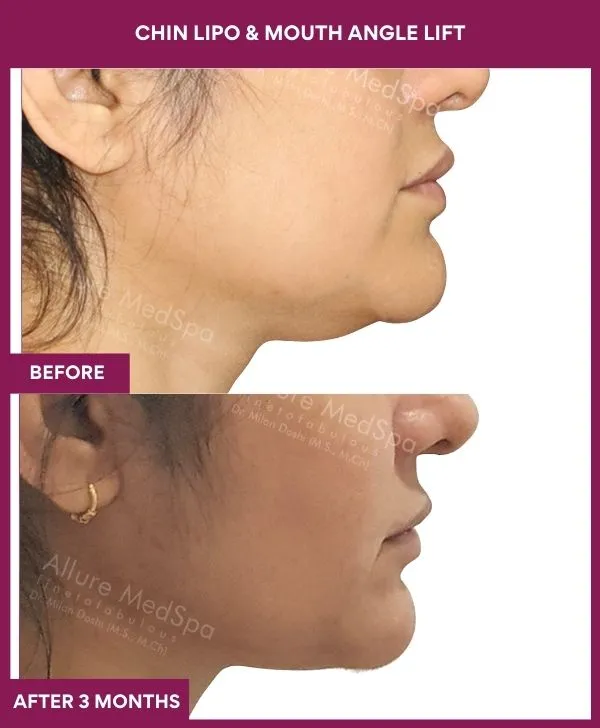
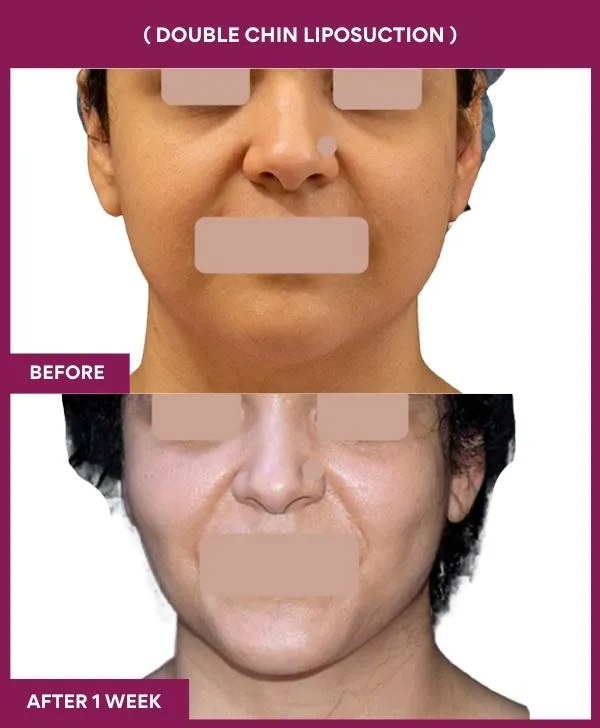
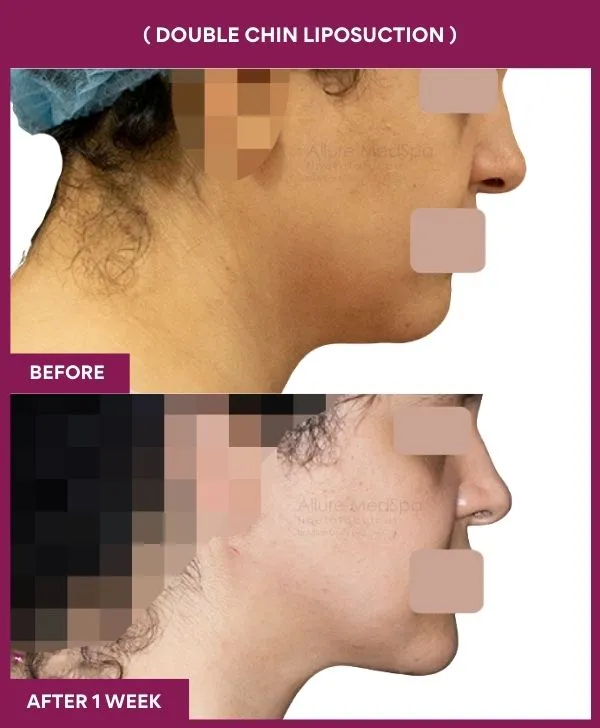
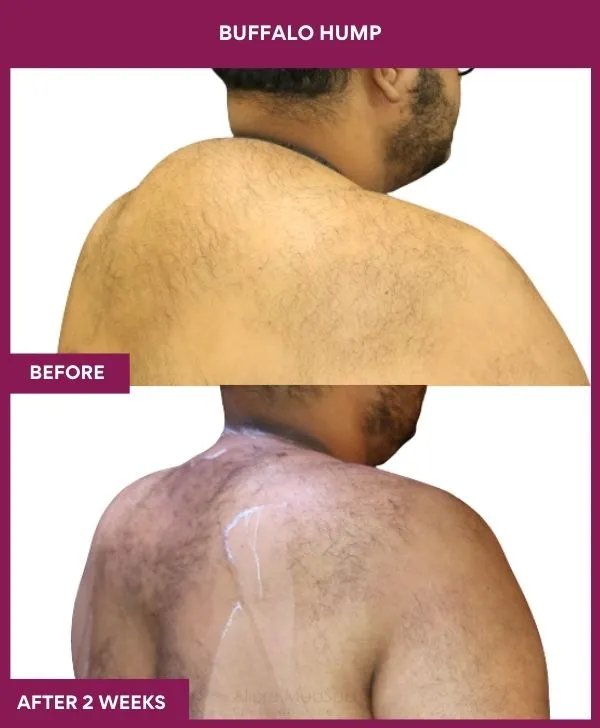
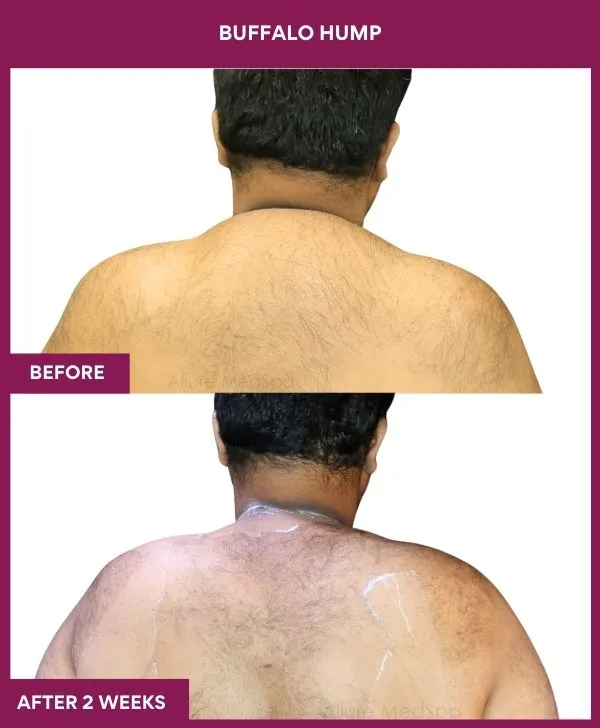
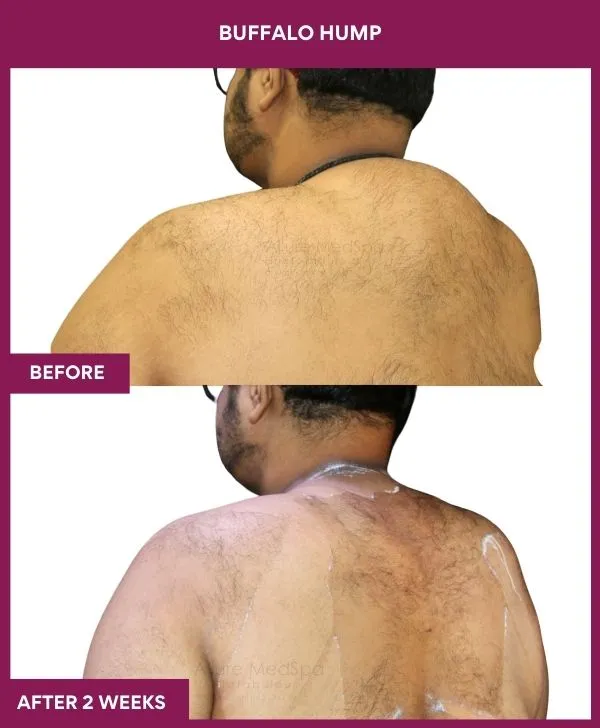
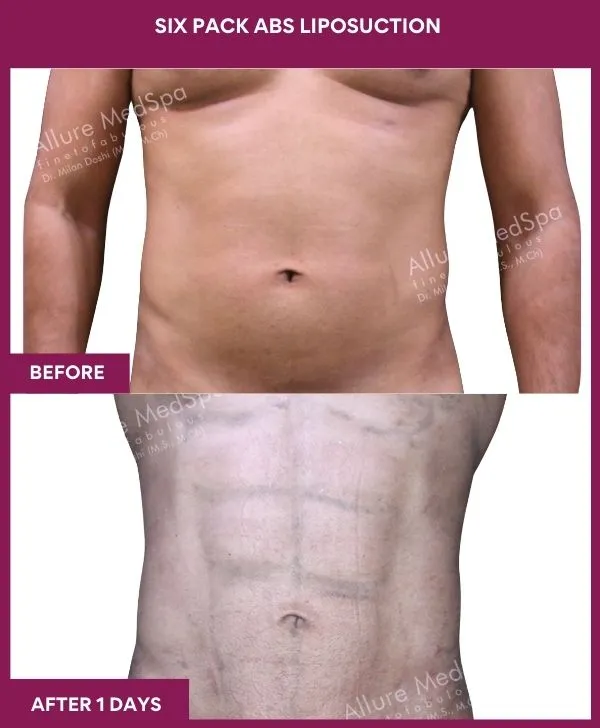
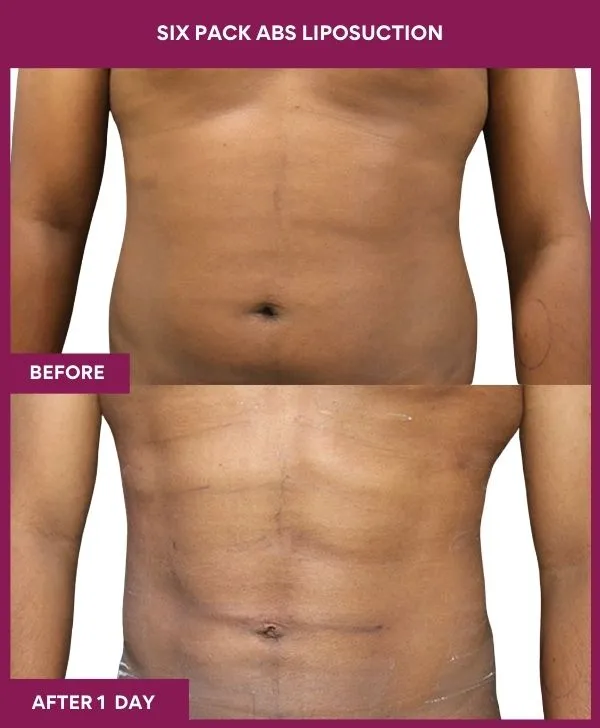
Wondering How Liposuction Can Transform You?
Liposuction Surgery Patient Testimonials: Fine To Fabulous Journeys

Awarded by Google.com
Rating: 4.7
Reviews: 485+

Awarded by WhatClinic.com
Rating: 4.8
Reviews: 119+

Awarded by Realself
Rating: 4.9
Reviews:453+

Awarded by Facebook
Rating: 4.6
Reviews:105+
Dr Milan Doshi and his staff are very professional and committed as the centre is highly equipped with advanced technology. I had closed rhinoplasty 4 months back and I’m seeing the results as to how it becomes successful.
Deepika Shetty
The doctor explained everything clearly and the surgery was smooth. Recovery was faster than I expected and the team was very supportive.
Rahul Mehta
Very natural results and excellent staff. From consultation to follow-up, the experience was outstanding and boosted my confidence.
Sneha Kapoor
Inspired by Their Transformation
Video: Liposuction Surgery Explain By Dr. Milan Doshi
Dr Milan Doshi is describing the Liposuction Surgery in detail with benefits, candidacy, associated risks and significance
Which Liposuction Area Is Actually Yours?
(4 quick questions)
Area, spread, skin, goal — four questions map the plan.
Discuss My ResultNon-diagnostic — an examination confirms it
8 Quick Facts About Liposuction Body Areas
Body Areas Covered
9 Areas
Most Treated Area
Abdomen — 61%
Flank / Waist
50% of Cases
Hips
35% of Cases
Patient Satisfaction
85% at 6 Months
Large-Volume Liposuction
Over 5,000 mL Aspirate
Over 5,000 mL Aspirate
97–98%
Consultation Fee
₹1,500
What Does Liposuction Cost for Each Body Area?
Liposuction in Mumbai ranges from approximately ₹60,000 to ₹2,50,000, depending on the treatment area, total volume, technique and overall procedure plan. Exact area-wise prices live on the dedicated cost page rather than being duplicated here.
| Item | Detail |
|---|---|
| Liposuction overall (indicative) | ₹60,000 – ₹2,50,000 |
| Area-wise prices | See the Liposuction cost in Mumbai guide |
| Consultation | ₹1,500 — adjusted against surgery if the surgery is done within 6 months |
| GST | Shown separately on your invoice |
Why are neighbouring areas priced differently in one session?
Treating neighbouring areas in one suitable session is priced differently from booking each area as a separate procedure — because theatre, anaesthesia and team costs are shared once rather than paid repeatedly. Additional areas still add surgical time and consumables.
What changes the price between areas?
- Size of the area and total volume removed
- Tissue type — dense, fibrous areas such as the back may need ultrasound assistance
- Anaesthesia — small areas may suit local anaesthesia; larger or multiple areas usually need regional or general
- Whether neighbouring areas are treated in the same session
Get your exact quote & surgery plan
Share your details — our team responds within working hours with cost, EMI options and next steps.
Most Common Question People Ask
Q1. Which body areas can be treated together in one liposuction session?
Ans. Neighbouring areas — the abdomen and flanks, thighs and knees, or back and flanks — can often be treated together when doing so creates a smoother overall contour. The limit isn’t simply the number of areas: total aspirate and procedure scale decide whether one session or staged treatment is more appropriate.
Q2. Which liposuction area is most commonly treated?
Ans. The abdomen was the most frequently treated area in the historical US practice data cited on this page, followed by the flank/waist and hips. But frequency isn’t a recommendation for your own treatment. The correct area is whichever region is genuinely out of proportion with your surrounding contour — decided during examination.
Q3. Is there a limit to how many areas can be treated at once?
Ans. The important safety limit is total treatment volume, not the number of named areas. More than 5,000 mL of total aspirate is classed as large-volume liposuction, with an accredited facility and postoperative monitoring advised; some larger cases are better staged.
Q4. Can liposuction treat a double chin?
Ans. Yes — fat beneath the chin and selected facial fullness can be treated in small volumes to improve jaw and neck definition. Skin elasticity decides whether liposuction alone will define the jawline.
Q5. Can liposuction treat a male chest?
Ans. It can treat soft, fatty chest fullness. A firm disc behind the nipple is glandular tissue that liposuction alone can’t reliably remove, so gland excision may also be needed. The difference is confirmed by examination.
Q6. Can liposuction reduce breast size?
Ans. In selected women whose breasts have a significant fatty component and suitable skin quality, liposuction-only reduction may be an option. Heavy or significantly sagging breasts usually need a formal breast reduction instead.
Q7. Can liposuction make my buttocks bigger?
Ans. No. Liposuction can reduce or reshape selected fatty fullness around the buttocks. Increasing volume belongs to the fat-transfer pathway, which has its own safety rules about injection depth.
Q8. Can arm liposuction fix loose upper-arm skin?
Ans. Liposuction suits upper-arm fullness when the skin still has enough elasticity to re-drape. If the skin hangs, removing fat can make it look emptier, and an arm lift may be more appropriate.
Q9. Why is back fat harder to treat?
Ans. Back and bra-line fat is often denser and more fibrous than soft lower-abdominal fat, so the technique is chosen according to tissue density — ultrasound assistance may help there.
Q10. Can the thighs, knees and calves be treated together?
Ans. Often, yes. The leg is judged as one continuous shape, so inner thighs, outer thighs and sometimes knees are planned in relation to one another. Calves are treated less commonly and need careful assessment.

Why Choose Dr. Milan Doshi?
Because the result lives in the transitions between areas — and choosing them takes examination, not a menu. Dr. Doshi assesses every proposed area standing, from the front, sides and back, and plans neighbouring zones together so nothing looks operated on in isolation.
Dr. Milan Doshi — Indian board-certified plastic surgeon · MCh (Plastic Surgery), MS · ISAPS member · 27+ years in aesthetic and body-contouring practice in Mumbai · 16,000+ cosmetic surgeries.
What does area planning with Dr. Doshi involve?
- Standing examination of every area you point to — and the ones next to it.
- A pinch test in each area to judge skin re-drape.
- Tissue assessment — soft or fibrous fat, fat or gland.
- A volume plan set before surgery, with staging when it’s safer.
- A different procedure recommended when the problem isn’t fat.
The Complete Guide About Liposuction Body Areas
The Body Map — Which Liposuction Area Is Yours?
Liposuction can treat many areas where excess fat sits beneath the skin. The right area for you depends on your fat distribution, skin quality and proportions. Use the nine guides below to find the concern that most closely matches your body.
Area | What it addresses | Key consideration |
Stomach / abdomen | Lower-belly and upper-abdominal fullness | Commonly assessed with the flanks, because both shape the waistline → Abdomen guide |
Love handles & hips | Fullness at the sides of the waist and hip flare below it | Usually considered as one connected waistline zone → Love handles guide |
Thighs & legs | Inner thighs, outer thighs, knees and calves | Planned in relation to one another — the leg is judged as one shape → Thighs & legs guide |
Arms | Upper-arm fullness and the underarm transition | Most suitable when skin still has enough elasticity to re-drape → Arms guide |
Back | Upper- and lower-back rolls, including bra-line fullness | Often fibrous — technique chosen by tissue density → Back guide |
Buttocks | Selected fatty fullness — reduction or reshaping | Increasing volume is the separate fat-transfer discussion → Buttocks guide |
Face & double chin | Fat beneath the chin and selected facial fullness | Small volumes to improve jaw and neck definition → Double chin guide |
Male chest | Soft fatty chest fullness | Firm glandular tissue must first be distinguished from fat → Male chest guide |
Female breast | Selected breasts with a significant fatty component | Liposuction-only reduction needs appropriate skin quality → Female breast guide |
What if the whole waist is the problem?
If your fullness extends around the abdomen, flanks, hips and lower back, those areas may be assessed together as a circumferential plan. → Lipo 360 guide
🩺 Dr. Doshi’s Note: “Patients arrive pointing at one area. By the end of the examination, roughly half have changed their mind about which area is actually the problem — usually because what they were looking at in the mirror was a transition between two zones, not the zone itself.”
Sources: Salemy S. Where on your body can you get liposuction? American Society of Plastic Surgeons, 2019, plasticsurgery.org/news/blog/where-on-your-body-can-you-get-liposuction · American Society of Plastic Surgeons. Liposuction, plasticsurgery.org/cosmetic-procedures/liposuction
How Does Each Area Differ — Tissue, Skin, Technique and Garment?
Fat doesn’t behave the same everywhere. Tissue density, skin thickness and how the area is judged change from one zone to the next — which is why each area has its own planning points.
Area | Typical tissue | Skin consideration | Garment after surgery |
Abdomen | Soft lower belly; firmer upper abdomen | Post-pregnancy laxity or muscle separation changes the plan | Abdominal binder or high-waist compression |
Love handles & hips | Often soft to moderate | Usually re-drapes well with good elasticity | High-waist shorts or full girdle |
Thighs & legs | Variable; inner-thigh skin is thin | Conservative inner-thigh work protects smoothness | Mid-thigh or knee-length shorts |
Arms | Soft to moderate | Hanging skin may need an arm lift instead | Compression sleeves or arm vest |
Back | Dense, fibrous | Usually thicker skin; ultrasound assistance may help | Full vest or torso garment |
Buttocks | Variable | Reduction only — over-removal can flatten shape | Compression shorts; sitting instructions matter |
Double chin | Small, soft volume | Skin elasticity decides jaw definition | Facial band or chin strap |
Male chest | Fat, gland or both | A firm gland needs excision | Compression vest |
Female breast | Must be predominantly fatty | Significant sagging needs formal reduction | Non-underwired compression bra |
Which areas are most likely to need an energy assist?
Dense or fibrous areas — the back, male chest and upper abdomen — are where ultrasound assistance such as VASER is most often considered. Soft lower-abdominal and hip fat is usually treated well with standard tumescent liposuction. → Liposuction techniques
Which areas take longer to settle?
Smaller areas such as the chin may look settled sooner; thicker zones such as the abdomen or a full circumferential plan can take longer to soften — the contour commonly refines over three to six months. → Liposuction recovery
Sources: Wu S, Coombs DM, Gurunian R. Liposuction: concepts, safety, and techniques in body-contouring surgery. Cleve Clin J Med. 2020;87(6):367–375, ccjm.org/content/87/6/367 · Mysore V. Indian J Dermatol Venereol Leprol. 2008;74 Suppl:S54–S60, PMID 18688105 · Salemy S. Where on your body can you get liposuction? American Society of Plastic Surgeons, 2019, plasticsurgery.org/news/blog/where-on-your-body-can-you-get-liposuction
How Do We Choose Your Areas Together?
Areas are planned in relation to one another, because body fat and contour transitions don’t stop neatly at anatomical labels. Treating one zone while leaving connected fullness untouched can create an obvious step between treated and untreated areas.
Why do several areas travel together?
- The abdomen doesn’t exist visually in isolation from the waist.
- The upper arm is judged in relation to the underarm and upper back.
- The inner thigh is seen as part of the entire leg.
- So the consultation looks at proportion and transitions, not the number of areas you point to.
What does published practice data suggest?
AAAHC practice study (US, 2005 data) | Finding |
Patients treated on a single area in a session | Only 24% |
Abdomen | Most frequently treated — 61% of cases |
Flank / waist | 50% |
Hips | 35% |
Very or nearly very satisfied | 82% at one month; 85% at six months |
This is historical US practice data, not an Allure Medspa statistic. Its only value here is showing that multi-area treatment isn’t unusual when neighbouring contours are connected.
Which areas are commonly considered together?
If you’re treating… | Usually consider… | Why |
Abdomen | Flanks / love handles | Front and sides form one waistline; prominent flanks left behind create an abrupt transition |
Abdomen + flanks | Hips and lower back, where needed | When fat continues all the way round, this becomes the Lipo 360 discussion |
Inner thighs | Outer thighs, sometimes knees | The leg is judged as one overall contour |
Upper arms | Underarm roll / upper back where needed | The arm-to-torso transition can reveal untreated neighbouring fullness |
Back / bra-line | Flanks | Back and flank fat can continue around the side of the torso |
Double chin | Jawline and selected cheek fullness | Jaw definition depends on a continuous line |
Does treating more areas always give a better result?
No. Additional areas should be treated only when they’re genuinely out of proportion, because every extra area increases treatment volume, operating time and recovery without necessarily adding visible benefit. If your back is already proportionate, treating it to complete a circumferential set doesn’t improve the plan.
Is there a limit to how many areas can be treated?
- The safety limit is total treatment volume, not the number of named areas.
- More than 5,000 mL of total aspirate — fat plus fluid — is classed as large-volume liposuction.
- Above that threshold, an accredited or licensed facility with postoperative monitoring is recommended.
- Some larger cases are better staged into separate procedures. → How your areas and sessions are planned
🩺 Dr. Doshi’s Note: “The commonest revision I do is an abdomen that was treated in isolation — flat in front, untouched at the sides, with a ledge where the two meet. Nobody has ever come back to me regretting that we treated the flanks along with the stomach. Several have come back wishing we had.”
Sources: AAAHC Institute for Quality Improvement liposuction practice study (2005 data), reported by The Aesthetic Guide, theaestheticguide.com/body-sculpting/high-satisfaction-rate-among-liposuction-patients · American Society of Plastic Surgeons. Executive Summary — Practice Advisory on Liposuction, plasticsurgery.org/documents/medical-professionals/health-policy/key-issues/Executive-Summary-on-Liposuction.pdf · Dixit VV, Wagh MS. Unfavourable outcomes of liposuction and their management. Indian J Plast Surg. 2013;46(2):377–392, PMID 24501474
When Is the Problem Not a Liposuction Problem?
A guide like this also needs to tell you when to take a different route. Liposuction removes fat beneath the skin — it doesn’t remove loose skin, repair muscle, remove gland or add volume.
What you see | What it may really be | The likely route |
Loose abdominal skin, an overhang, or a gap after pregnancy | Skin laxity or muscle separation | Tummy tuck — see liposuction vs tummy tuck |
A firm disc behind the nipple | Glandular tissue | Gynecomastia surgery (gland excision ± liposuction) |
Heavy or significantly sagging breasts | Breast tissue and skin excess | Formal breast reduction |
Wanting more buttock or hip volume | A volume deficit, not excess fat | Fat transfer pathway |
Hanging upper-arm skin | Skin excess | Arm lift, sometimes with liposuction |
Generalised weight across the body | Overall weight, not localised fat | Weight management first |
Painful, symmetrical leg or arm fat that bruises easily | Possibly lipoedema | Condition-specific assessment |
Why does adding volume need a separate safety conversation?
Gluteal fat grafting has a different safety profile from liposuction. Multi-society guidance states fat should be placed only in the subcutaneous layer, above the muscle — never into the gluteal muscle. Ask any clinic what plane it injects into and whether ultrasound guidance is used. → Fat injection / fat transfer surgery
Sources: Carman W. Ten common misconceptions about liposuction. American Society of Plastic Surgeons, 2018, plasticsurgery.org/news/blog/ten-common-misconceptions-about-liposuction · Multi-Society Task Force for Safety in Gluteal Fat Grafting. Gluteal Fat Grafting Safety Advisory, plasticsurgery.org/documents/Patient-Safety/BBL/Gluteal-Fat-Grafting-Safety-Advisory_Jan18.pdf · National Health Service (UK). Liposuction, nhs.uk/conditions/cosmetic-procedures/cosmetic-surgery/liposuction/
Related Links
-
- Liposuction Before & After Gallery
- Liposuction Body Areas
- Liposuction Techniques
- VASER Liposuction
- Laser Liposuction
- Mega Liposuction
- Liposuction for Men
- Liposuction vs Tummy Tuck
- Fat-Dissolving Injections
- Non-Surgical Lipolysis
- Tummy Tuck Surgery
- Gynecomastia Surgery
- Body Lift Surgery
- Brazilian Butt Lift
- Fat Injection Surgery
- Bariatric Surgery