
Laser Liposuction in Mumbai — How It Works and Where It Actually Fits

Indian Board Certified Plastic Surgeon
M.CH, MS, ISAPS Mentor
16000+ Cosmetic Surgeries
4000+ Liposuction Surgeries
Laser liposuction, also called laser-assisted lipolysis, uses a thin laser fibre beneath the skin to disrupt fat before it is removed. The same energy produces controlled heating in the tissue beneath the skin.
Strongest role: small, delicate areas — the chin, jawline and selected localised pockets.
Not a large-volume technique — and not automatically better than conventional liposuction.
Skin tightening: its most marketed benefit, and one of its least securely proven.
Indicative cost: ₹60,000 – ₹2,00,000 with a technique premium.
Its strongest role is where treatment volumes are modest and precision matters more than removal power. At Allure Medspa Mumbai, Dr. Milan Doshi explains where the laser genuinely fits, what the evidence supports — and what it doesn’t. → Liposuction Techniques · Double Chin & Face Liposuction
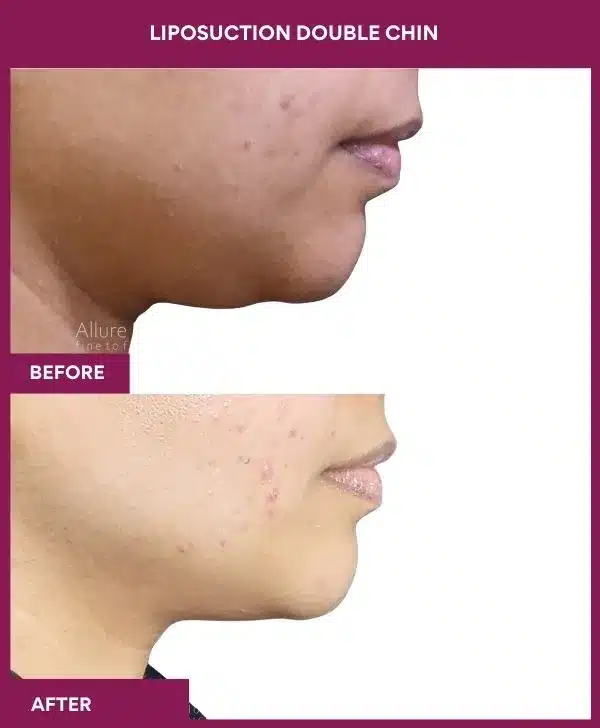
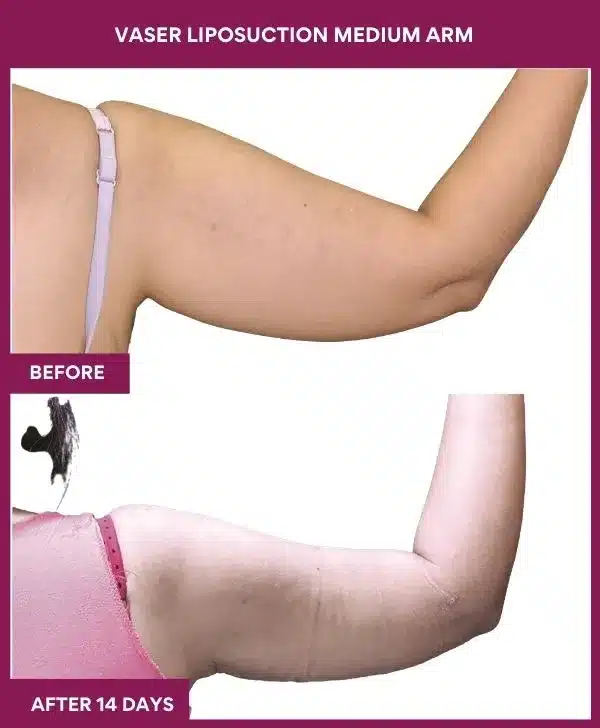
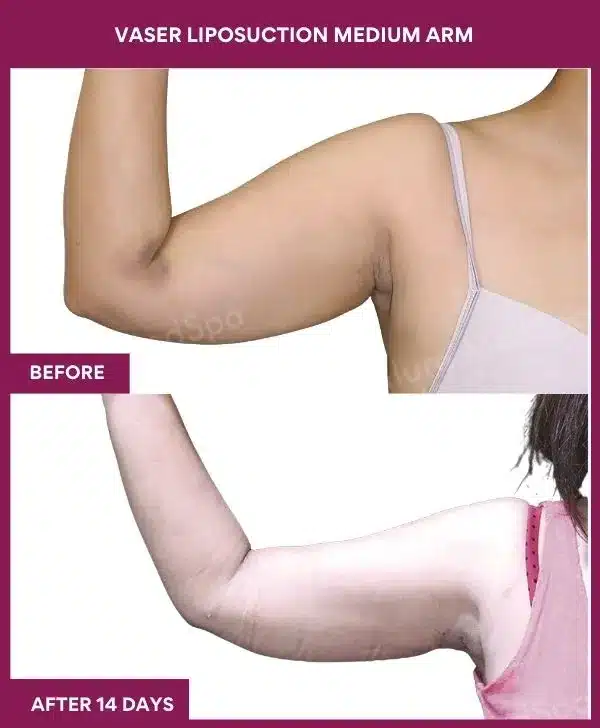
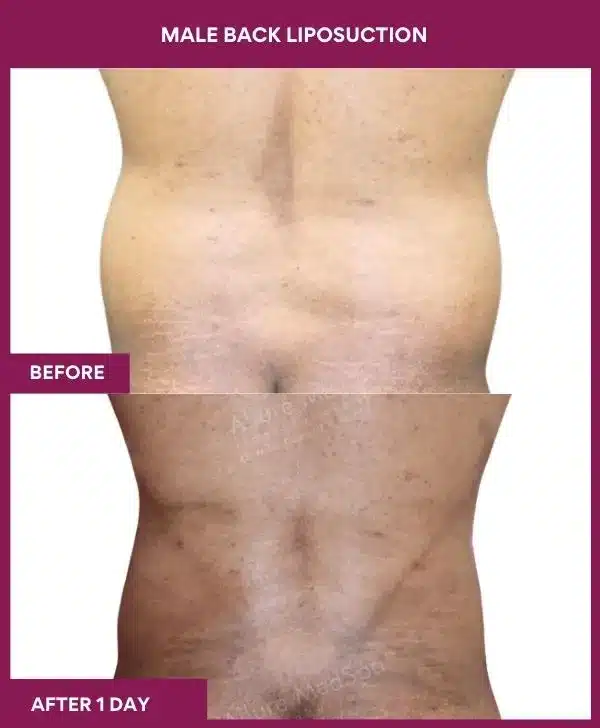
Laser Liposuction Surgery Before and After Images
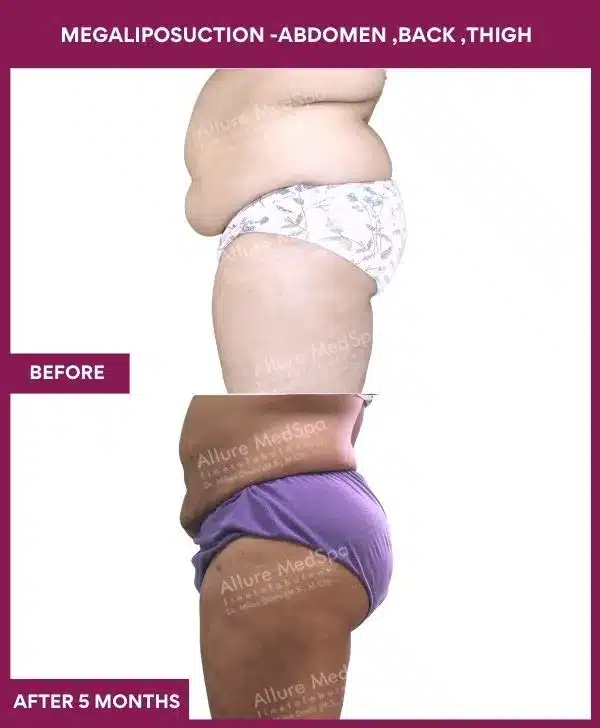
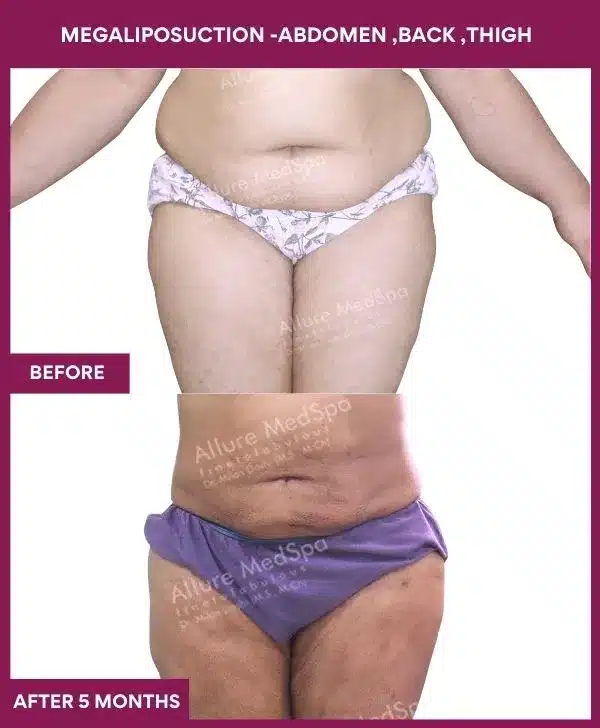
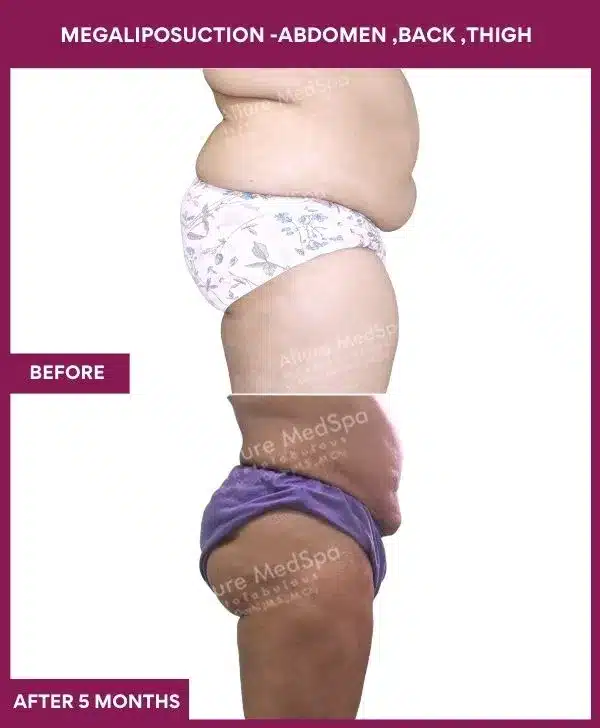
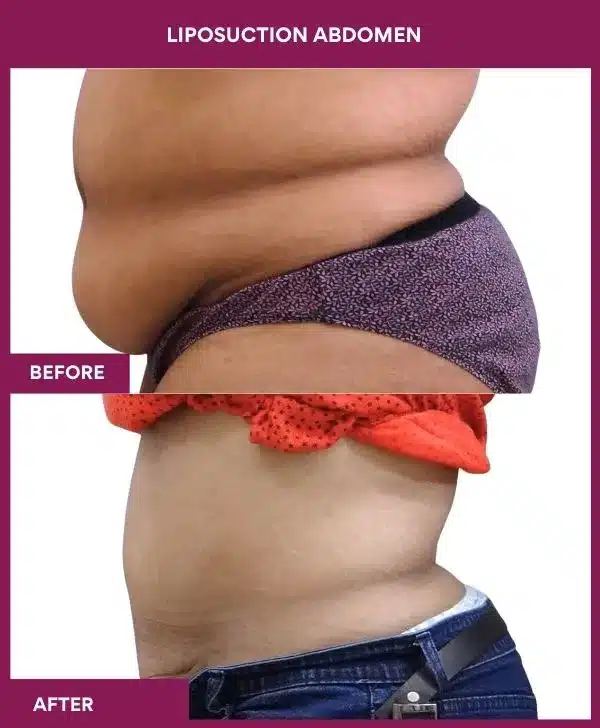
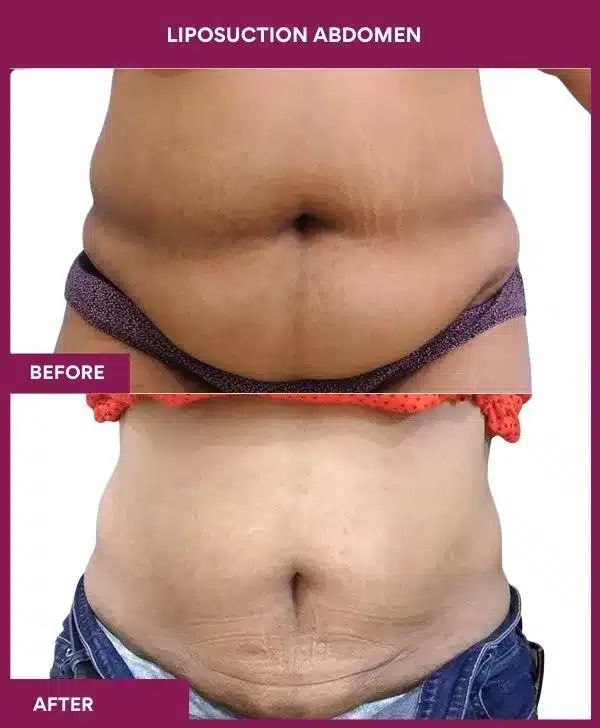
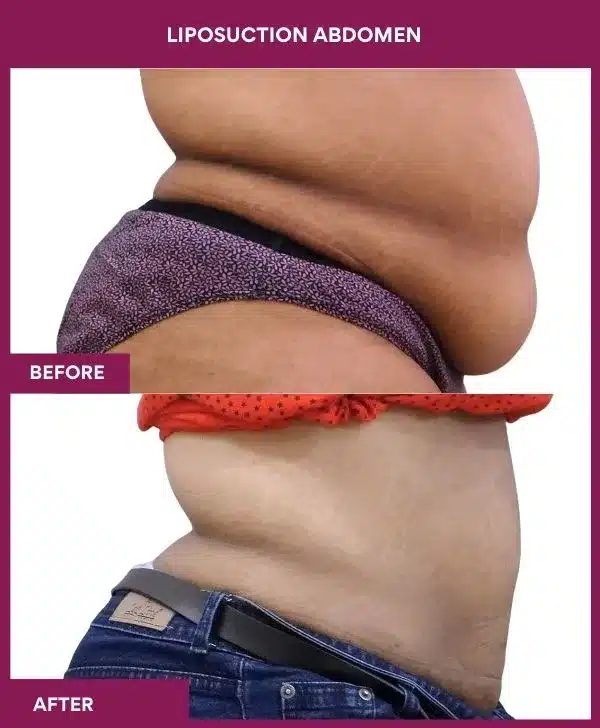
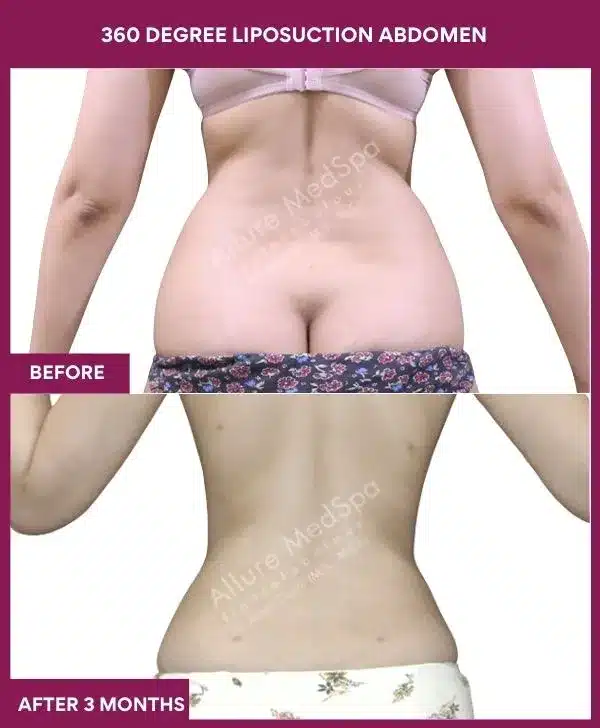
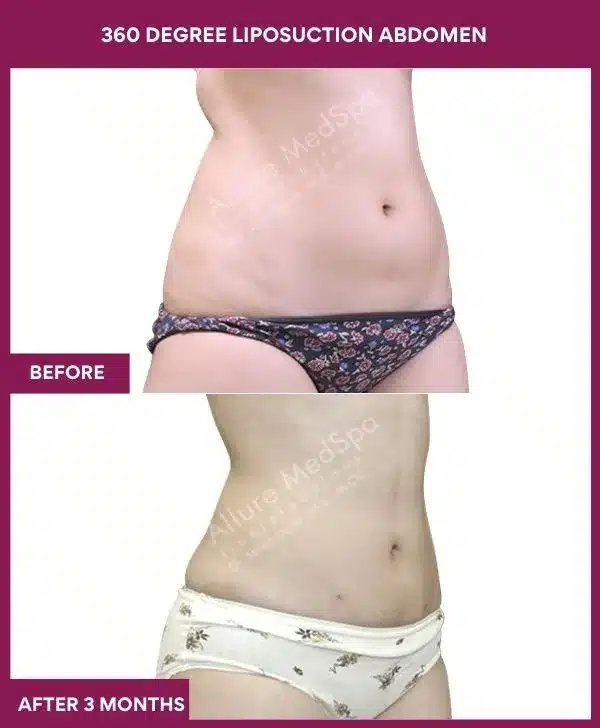
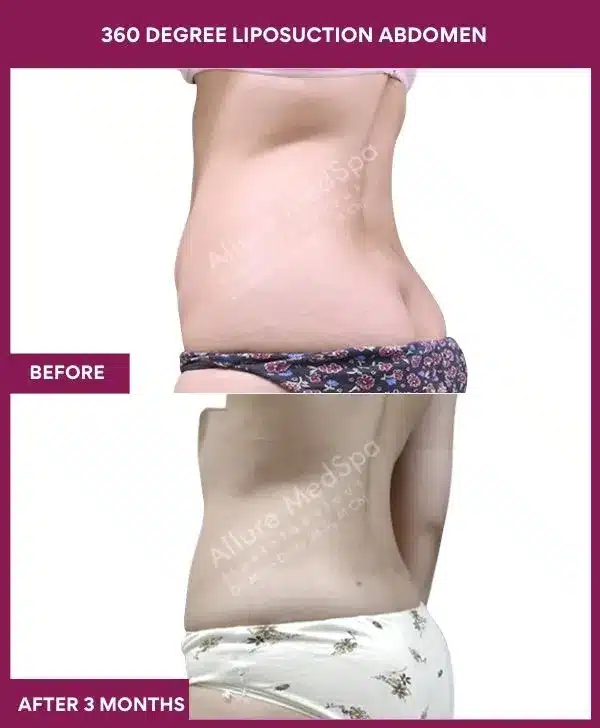
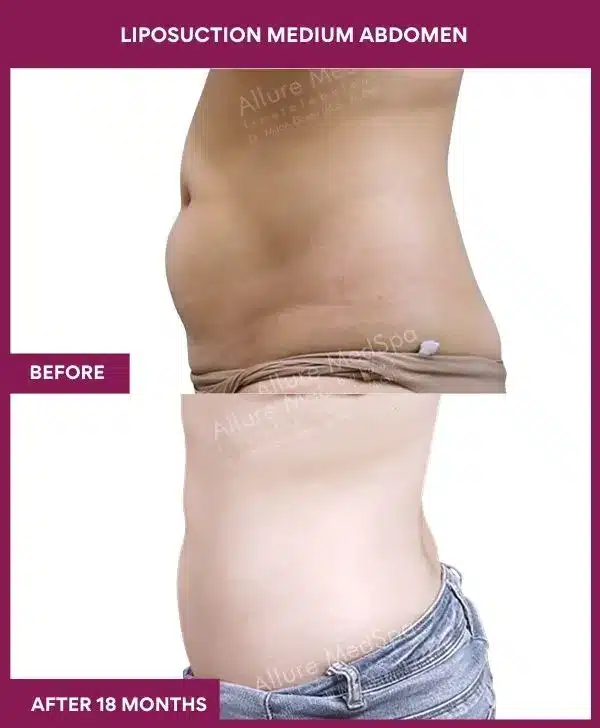
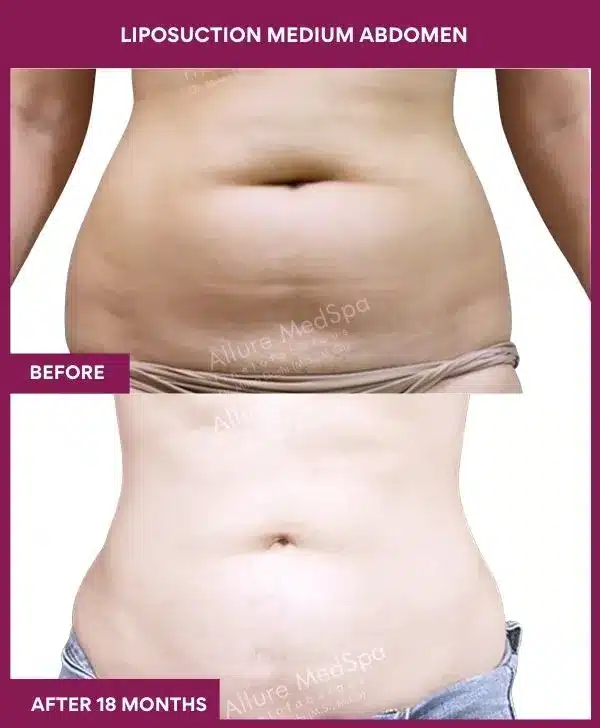
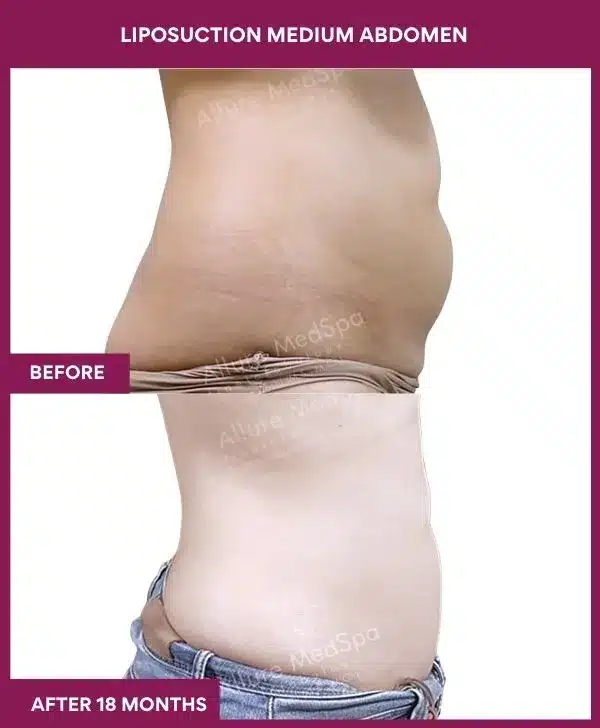
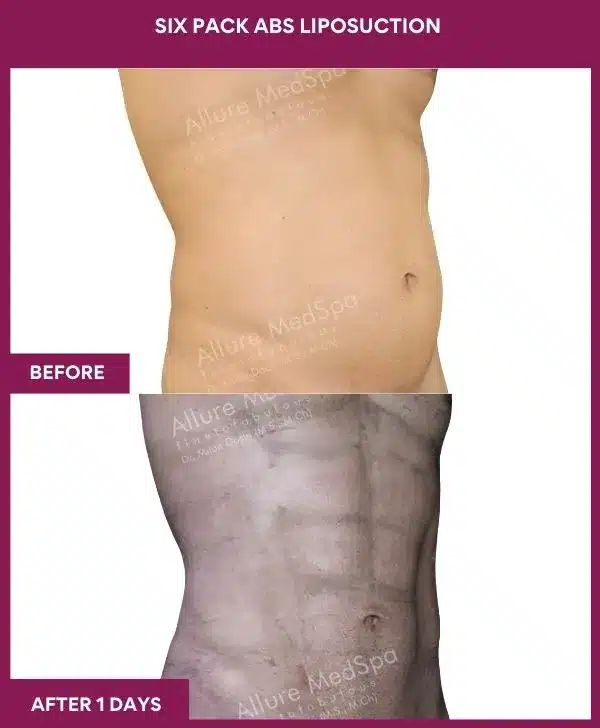
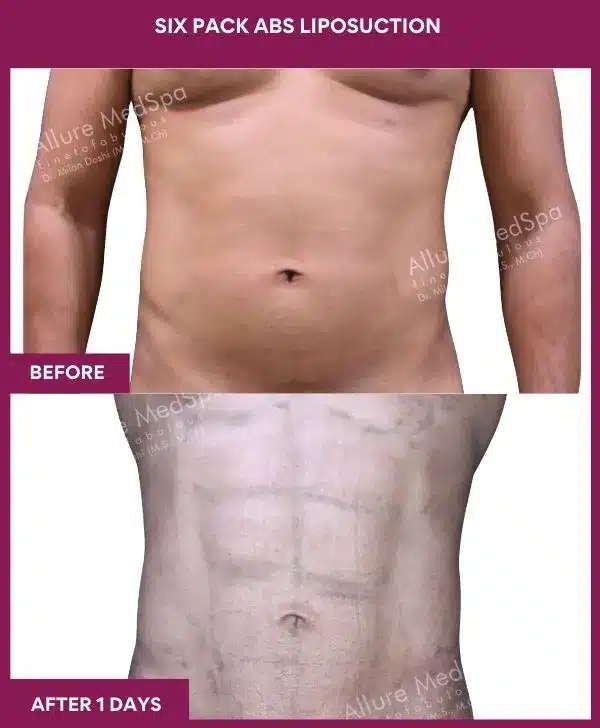
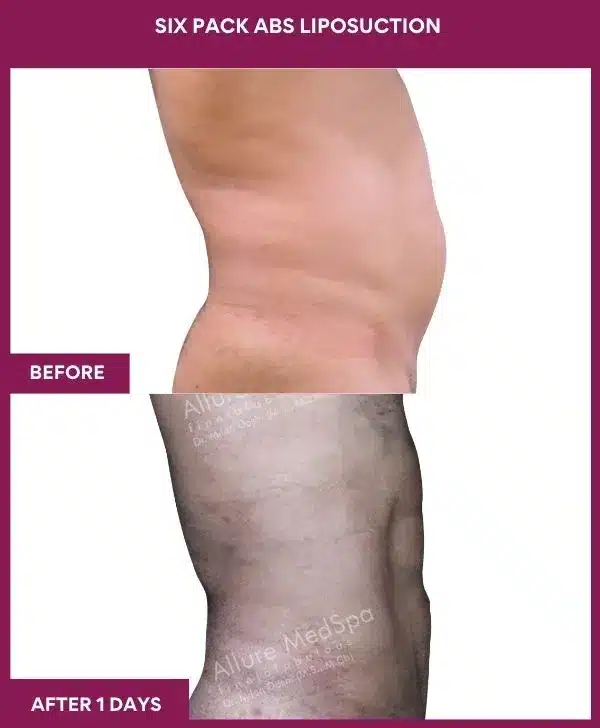
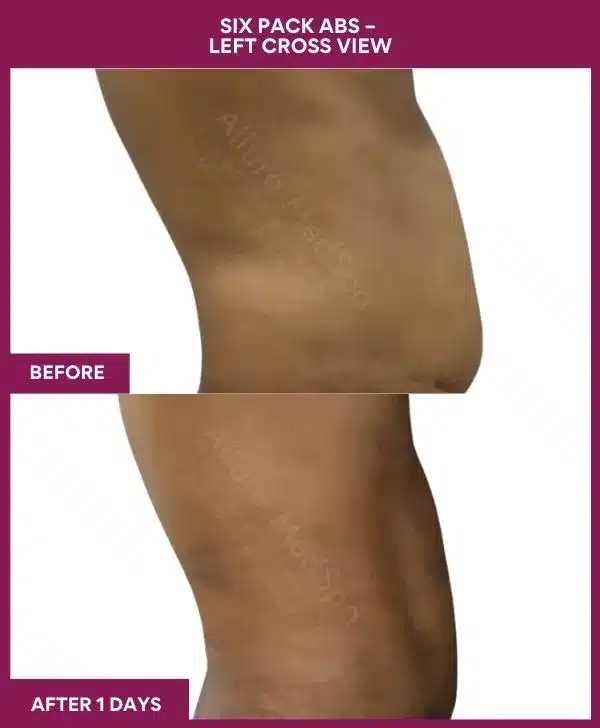
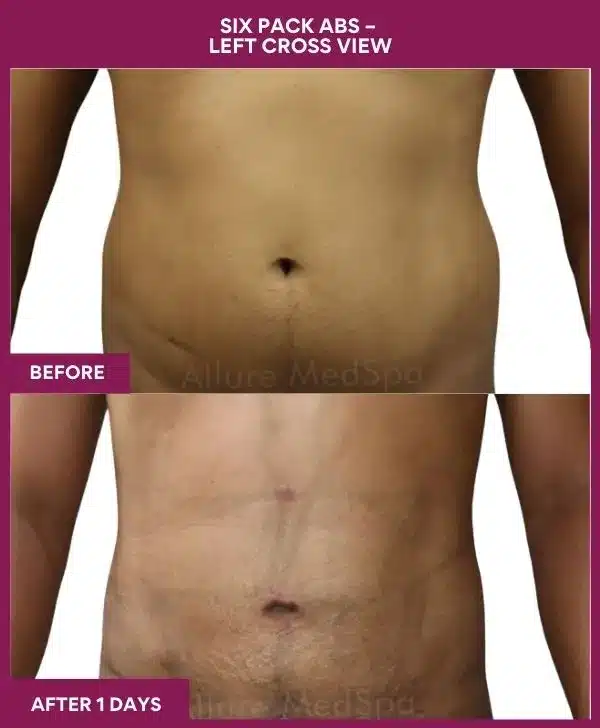
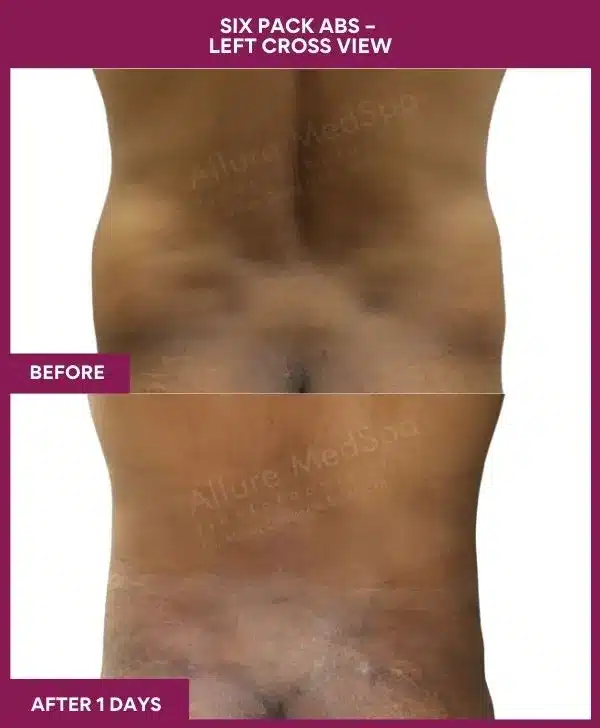
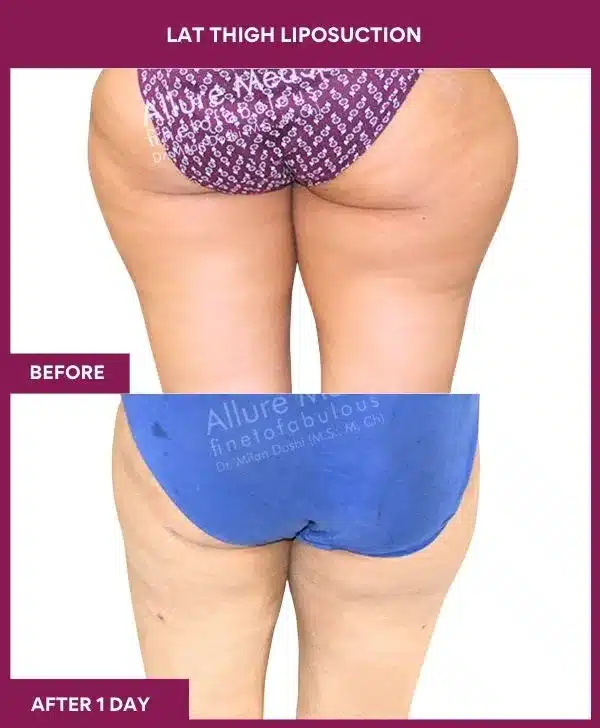
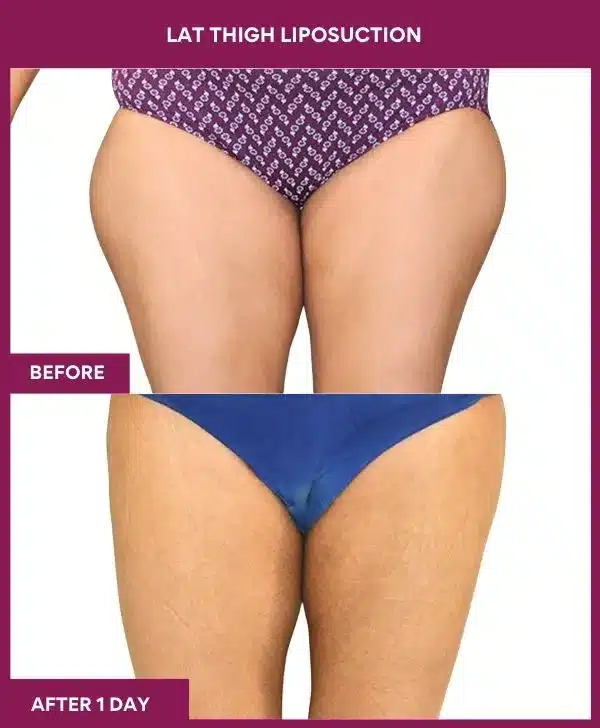
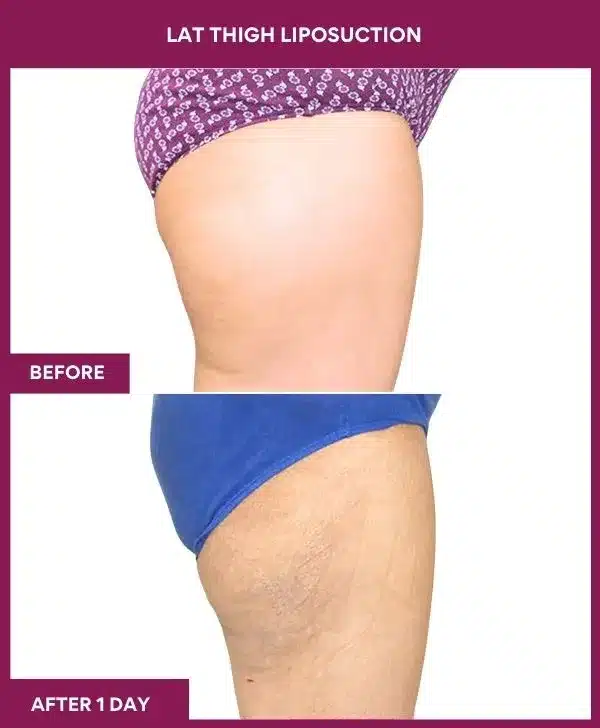
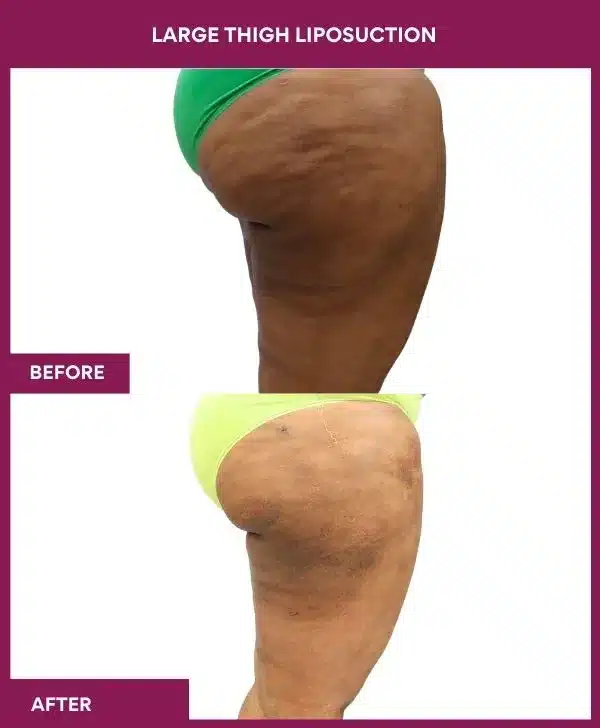
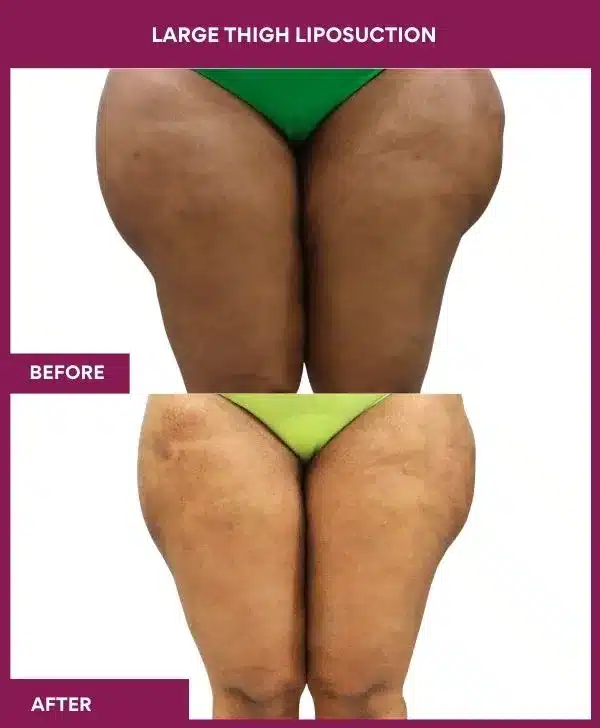
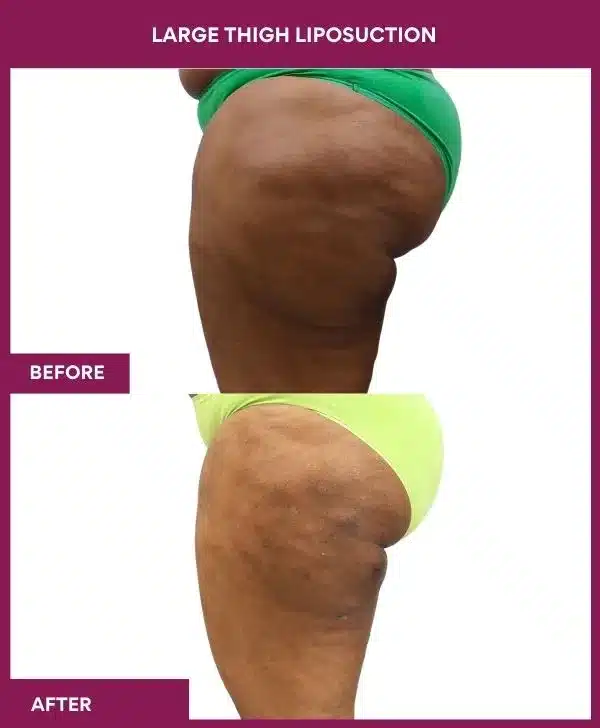
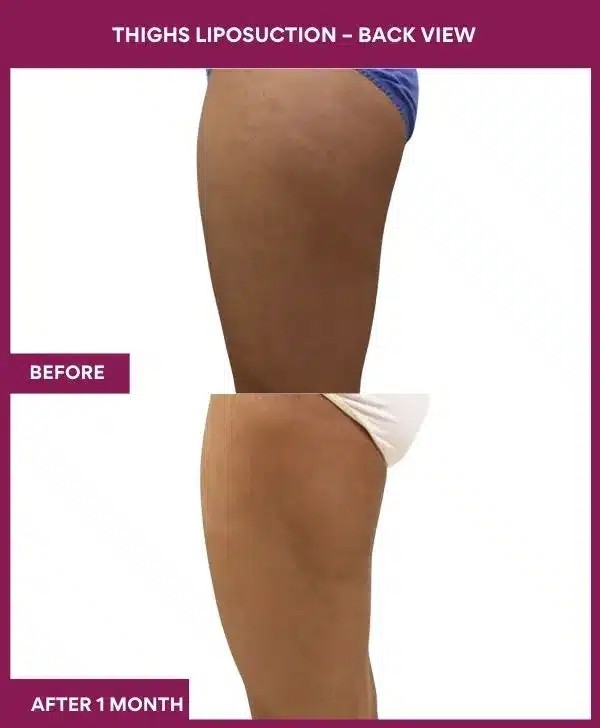
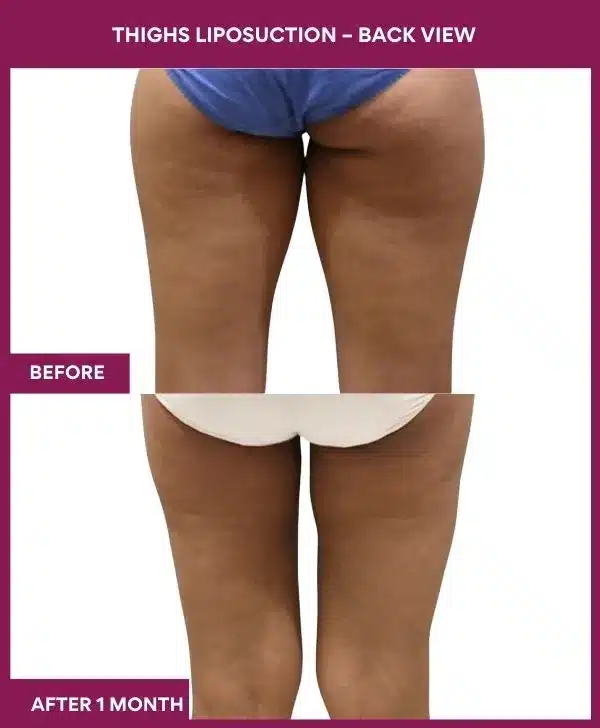
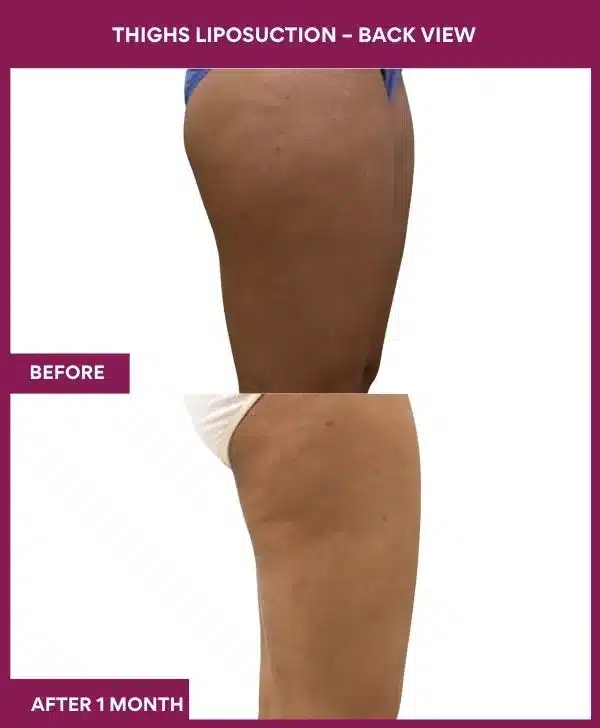
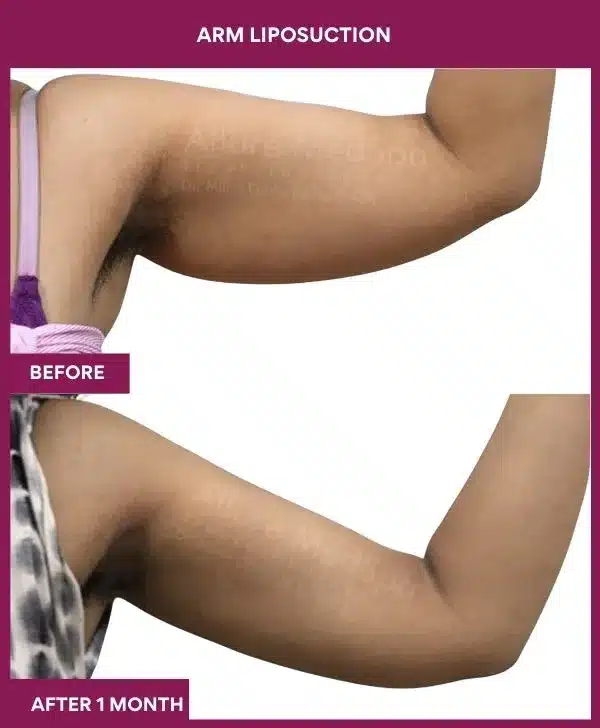
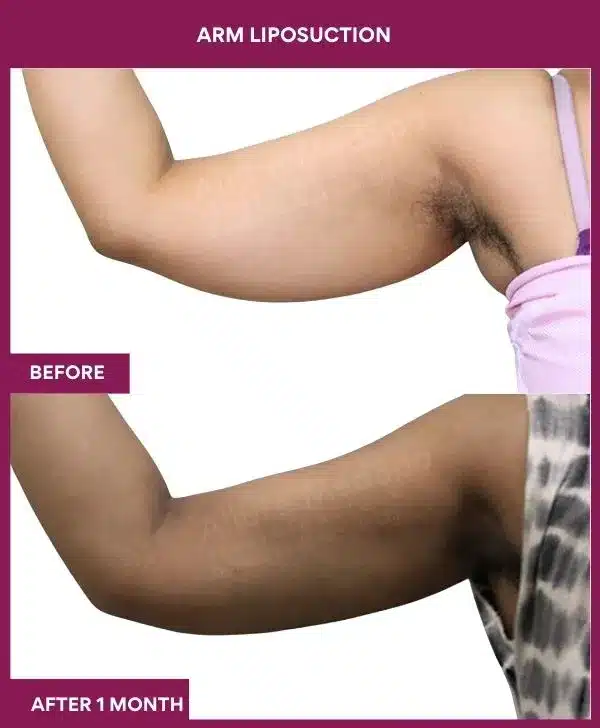
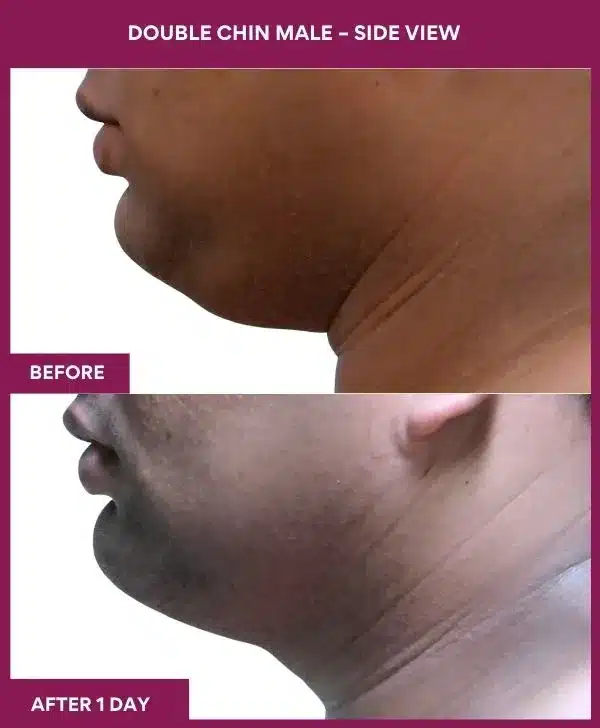
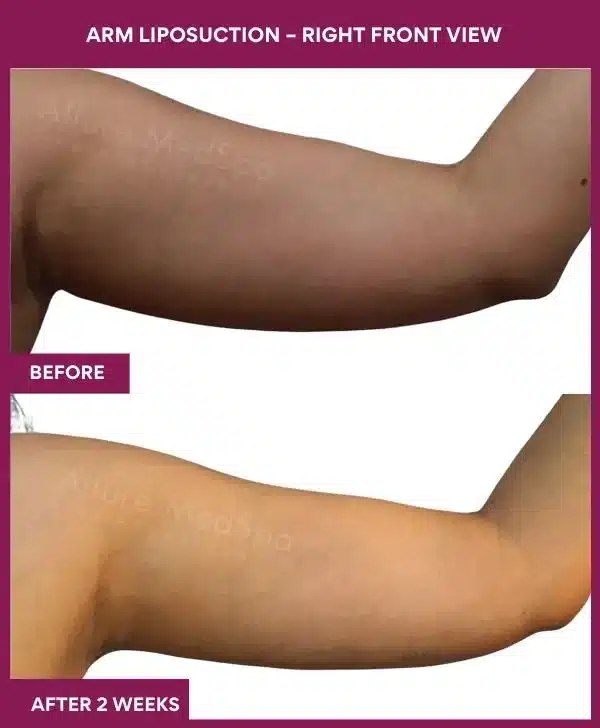
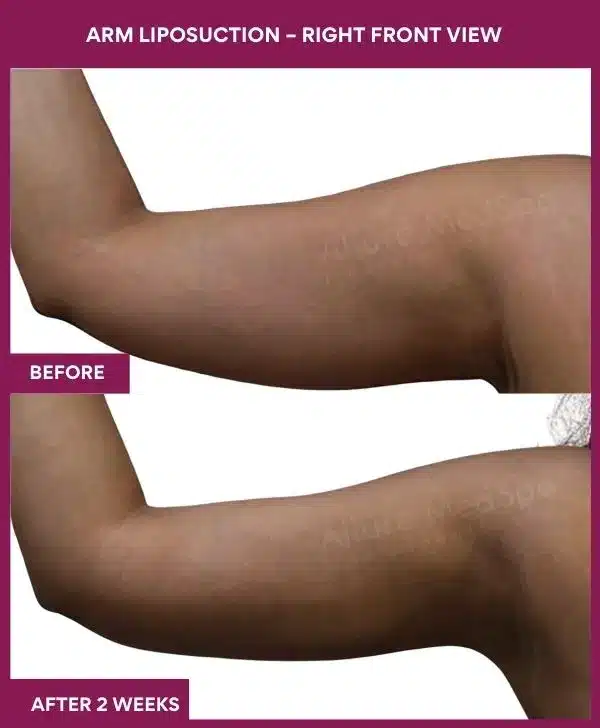
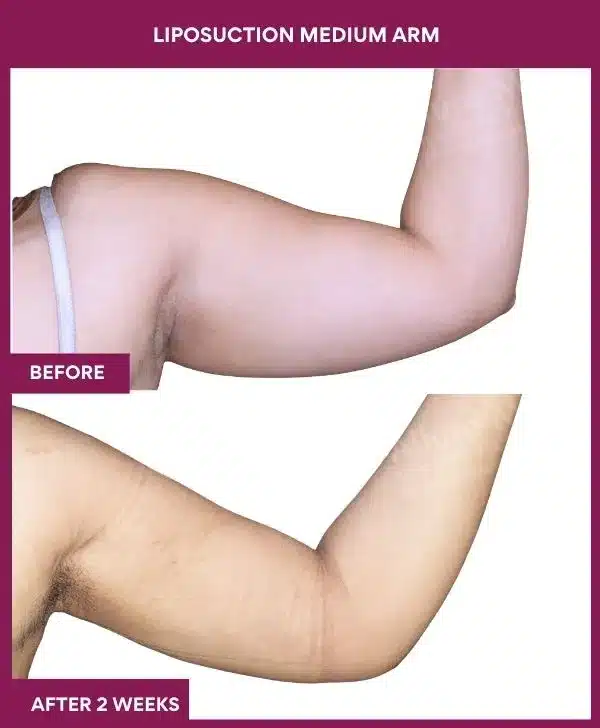
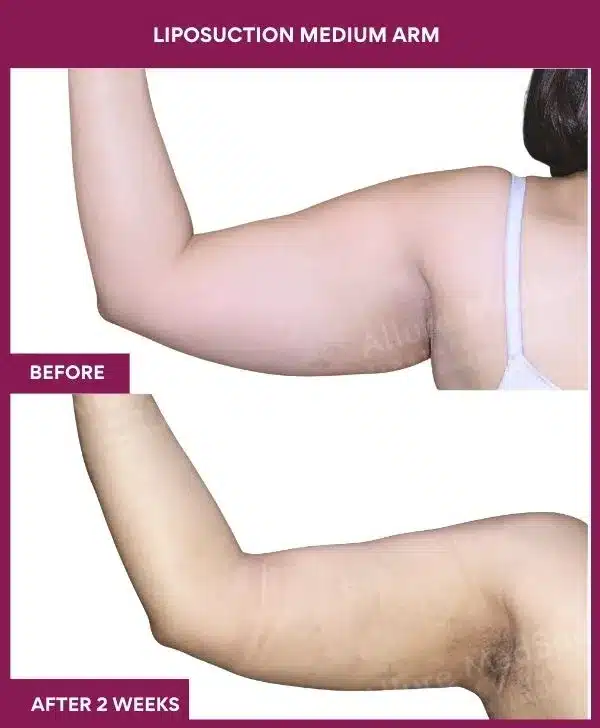
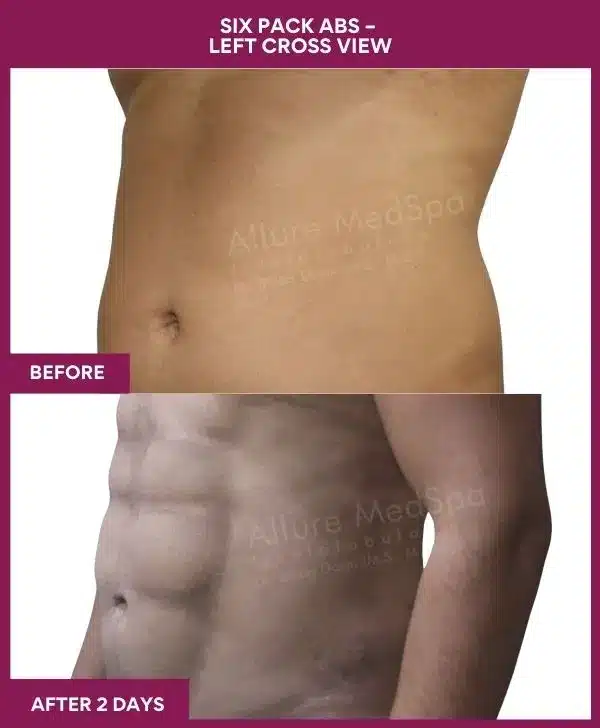
Wondering How Liposuction Can Transform You?
Liposuction Surgery Patient Testimonials: Fine To Fabulous Journeys

Awarded by Google.com
Rating: 4.7
Reviews: 485+

Awarded by WhatClinic.com
Rating: 4.8
Reviews: 119+

Awarded by Realself
Rating: 4.9
Reviews:453+

Awarded by Facebook
Rating: 4.6
Reviews:105+
Dr Milan Doshi and his staff are very professional and committed as the centre is highly equipped with advanced technology. I had closed rhinoplasty 4 months back and I’m seeing the results as to how it becomes successful.
Deepika Shetty
The doctor explained everything clearly and the surgery was smooth. Recovery was faster than I expected and the team was very supportive.
Rahul Mehta
Very natural results and excellent staff. From consultation to follow-up, the experience was outstanding and boosted my confidence.
Sneha Kapoor
Inspired by Their Transformation
Video: Liposuction Surgery Explain By Dr. Milan Doshi
Dr Milan Doshi is describing the Liposuction Surgery in detail with benefits, candidacy, associated risks and significance
Am I a Candidate?
(4 quick questions)
Quick Facts About Laser Liposuction
TIME REQUIRED
1–3 hours
ANESTHESIA
General / local
HOSPITAL STAY
Day care
PAIN LEVEL
Mild–moderate
BACK TO WORK
3–7 days
FInal RESULTS
3–6 months
SUCCESS RATE
97–98%
COMPLICATIONS
Under 2–3%
How Much Does Laser Liposuction Surgery Cost in Mumbai?
Laser liposuction at Allure Medspa costs ₹60,000 – ₹2,00,000 . Laser carries a technique premium over standard tumescent liposuction, because it uses specialised fibre consumables and adds an energy-delivery step. But laser is most often used for smaller areas, so the total may still be lower than a large-volume body procedure — the premium applies to a smaller treatment.
| Item | Allure price |
|---|---|
| Laser liposuction | ₹60,000 – ₹2,00,000 |
| Laser premium over standard tumescent liposuction | Stated in your written quotation, for your specific area |
| Double chin, for comparison | ₹45,000 – ₹60,000 (chin alone) |
| Consultation | ₹1,500 |
| Is the consultation fee adjusted against surgery? | Yes — adjusted against surgery if the surgery is done within 6 months. |
| GST | Shown separately on your invoice |
| EMI | Available |
What decides the final quotation?
- The treatment area and volume.
- Whether conventional suction is also needed.
- Anaesthesia — local, sedation or general.
- Facility requirements.
- Whether additional areas are treated.
What’s included: surgeon, anaesthesia, OT, medicines and follow-ups.
Get your exact quote & surgery plan
Share your details — our team responds within working hours with cost, EMI options and next steps.
Most Common Question People Ask
Q1. Is laser liposuction better than normal liposuction?
Ans. Not for overall clinical results, based on the best direct comparison available. A prospective, randomised, double-blind split-body trial of 25 patients found no major clinical differences between laser-assisted and conventional suction lipoplasty. Laser’s more defensible advantage is its favourable reported safety profile in selected, usually small, treatment areas.
Q2. Does laser liposuction tighten skin?
Ans. Possibly modestly, but the evidence is thinner than marketing suggests. The most-cited quantitative study reported 9.1% contraction at three months and 7.6% at six, in only three patients. A randomised split-abdomen study of ten women found greater skin shrinkage on the laser side. Neither replaces a surgical lift.
Q3. Is laser liposuction non-surgical?
Ans. No. It is surgery involving anaesthesia, a small incision, a fibre passed beneath the skin and usually aspiration of the treated fat. It shouldn’t be described as a non-surgical or no-downtime procedure, and it is different from external laser devices applied to the skin surface without any incision.
Q4. Is laser liposuction really safer?
Ans. It had the lowest reported complication rates among techniques in a 2025 systematic review, but the laser data came from a small number of studies, the authors flagged publication bias, and laser is often used on smaller areas and lower volumes. Patient selection remains more important than any device ranking.
Q5. Which areas suit laser liposuction best?
Ans. Small, delicate areas where treatment volumes are modest and precision matters — especially the chin, jawline and selected localised pockets. Large-volume or particularly fibrous areas generally call for another technique, such as standard tumescent liposuction for soft fat or ultrasound assistance for dense, fibrous tissue.
Q6. Is laser liposuction better than VASER?
Ans. Neither technique is universally better. Laser is best suited to small delicate areas, while VASER is more useful for dense fibrous tissue, revisions and definition work. Both rest on small comparative trials, so the technique should be selected according to your anatomy and the area treated, not according to the device’s reputation.
Q7. Can laser liposuction replace a neck lift?
Ans. No. Laser may help selected patients with small-volume fat under the chin and useful skin elasticity, but it can’t reliably remove significant loose skin or correct structural neck laxity. When the skin hangs or the neck bands show, a neck lift or facelift conversation is more relevant than any device.
Q8. Does laser liposuction remove fat permanently?
Ans. Fat cells physically removed from the treated area don’t return, but the remaining cells can enlarge if weight increases, and fat distribution shifts with age. A reasonably stable weight helps maintain the contour, which is why the result is judged at around three months and then protected rather than assumed.
Q9. How long is recovery after laser liposuction?
Ans. For a small area, short — in a 30-patient neck study, patients returned to normal activity in about 3.2 days on average. More generally, desk work commonly resumes within three to seven days. Swelling, a garment or chin strap and gradual settling still apply, and larger areas take longer.
Q10. Is laser liposuction good for a double chin?
Ans. It can be, when the fullness is soft fat above the neck muscle and the skin recoils well. Fat below the muscle, loose skin or a low-set hyoid bone won’t be corrected by any liposuction device. The double chin guide explains how the cause of the fullness is identified before a technique is chosen.

Why Choose Dr. Milan Doshi?
Dr. Milan Doshi, MCh, MS — Indian board-certified plastic surgeon with 27+ years in aesthetic surgery · ISAPS Mentor · 16,000+ cosmetic surgeries. Technique selection should begin with anatomy rather than device marketing. Laser may fit a small delicate treatment area, while another patient may be better served by standard liposuction, VASER, or an operation that removes loose skin. For a technique page, the most useful indicator is selection — when the surgeon chooses not to use it.
What does that mean for you?
Area first, device second — laser where small volumes and precision matter.
Tightening described as modest — so the operation is judged on what it can deliver.
Energy matched to the area — minimum effective energy, fibre always moving.
Access points placed with Indian-skin pigmentation in mind.
🩺 Dr. Doshi’s Note: “Laser liposuction is the technique I am most careful about describing, because the gap between what the evidence supports and what the marketing promises is wider here than almost anywhere else. It is genuinely useful for small areas and low-trauma contouring. What it is not is a substitute for lifting skin that actually needs to be removed.”
The Complete Guide About Laser Liposuction Surgery
What is Laser Liposuction (Laser-Assisted Lipolysis)?
Laser-assisted lipolysis passes a thin optical fibre through the fat layer to deliver controlled laser energy, disrupting fat cells before aspiration while also heating collagen-containing tissue beneath the skin.
| Step | What happens |
|---|---|
| 1. Tumescent infiltration | A dilute local-anaesthetic and adrenaline solution is introduced first — every laser case is still a tumescent procedure at its foundation |
| 2. Laser fibre | A thin optical fibre inside a small cannula is inserted through an access point |
| 3. Controlled energy delivery | Energy is applied through the fat layer while the surgeon monitors area, total energy, fibre movement and tissue response |
| 4. Fat removal | In most cases the disrupted fat is aspirated |
What does the laser actually do?
| Proposed effect | What it means | How certain |
|---|---|---|
| Thermolipolysis | Laser energy disrupts fat cells | Well described |
| Collagen response | Controlled heating may stimulate contraction and remodelling | Plausible — the size of any extra clinical tightening is uncertain |
Published laser-lipolysis systems use several wavelengths, including 980 nm, 1064 nm, 1320 nm, 1440 nm and combination systems. It’s a fair question to ask any clinic which device and wavelength they use.
Synonyms for laser liposuction
- Patient terms: laser lipo · laser fat removal · SmartLipo-style lipo · laser chin lipo.
- Medical terms: laser-assisted lipolysis (LAL) · laser-assisted liposuction · laser-assisted lipoplasty · thermolipolysis.
- Hindi / colloquial: लेज़र लिपोसक्शन · लेज़र से चर्बी हटाना.
Sources: Sasaki GH. Quantification of human abdominal tissue tightening and contraction after component treatments with 1064-nm/1320-nm laser-assisted lipolysis: clinical implications. Aesthet Surg J. 2010;30(2):239–245, PMID 20442102 · McBean JC, Katz BE. Laser lipolysis: an update. J Clin Aesthet Dermatol. 2011 · Atiyeh B, et al. Aesthetic Plast Surg. 2025;49(18):5186–5198, doi:10.1007/s00266-025-05022-4 · Mysore V. Tumescent liposuction: standard guidelines of care. Indian J Dermatol Venereol Leprol. 2008;74 Suppl:S54–S60, PMID 18688105
Does Your Chin or Jawline Look Fuller Than You Feel?
The people who ask about laser liposuction usually have one small, stubborn area in mind — fullness under the chin that shows in every side-on photograph, a softened jawline, or a small pocket that diet and exercise never seem to touch. The area is small, but because it is on the face or in plain view, it can feel much larger than it is.
| What you notice | What’s usually happening |
|---|---|
| Fullness under the chin in side-on photos | Soft fat above the neck muscle — or sometimes fat below it, or loose skin |
| A jawline that has softened | A small fat volume blurring the line between jaw and neck |
| One pocket that never changes with weight loss | Localised fat that weight loss doesn’t target |
| Loose skin as well as fullness | A different problem that no liposuction device removes |
Small areas are exactly where laser has a sensible role — but only when the fullness is genuinely soft fat and the skin can recoil. The first step is working out what is filling the area.
Sources: Leclère FM, et al. J Cosmet Laser Ther. 2014;16(6):284–289, PMID 25065416 · Spalding KL, Arner E, Westermark PO, et al. Dynamics of fat cell turnover in humans. Nature. 2008;453(7196):783–787, PMID 18454136 · Carman W. Ten common misconceptions about liposuction. American Society of Plastic Surgeons, 2018
What Are the Benefits of Laser Liposuction?
Laser-assisted lipolysis is a real technique with a real place: a chin, a jawline, a small localised pocket — areas where volumes are modest, precision matters and the energy required stays low. In those situations it does what it is designed to do.
| Benefit | What it means | The honest limit |
|---|---|---|
| Precision in small areas | A thin fibre and fine cannula suit delicate anatomy | Not a large-volume technique |
| Short recovery for small areas | 3.2 ± 1 days to normal activity in a 30-patient neck study | Study data for a small area, not a promise |
| Favourable reported safety | Lowest pooled complication rates in a 2025 review | Small, selected evidence base |
| Possible modest skin contraction | Controlled heating beneath the skin | Not a lift; evidence limited |
| Small access points | A few millimetres, placed discreetly | Can pigment in Indian skin |
Is your area small enough for laser to make sense?
| If… | Then… |
|---|---|
| Your area is small, the fat modest and the skin elastic | Laser can be a sensible, precise choice |
| The area is large or the tissue fibrous | Standard liposuction or VASER usually fits better |
| Tightening is your main goal | The effect is smaller and less certain than the advertising suggests |
| Your skin stays lifted when you pinch it | No liposuction device will remove it; that’s a skin-excision conversation |
Sources: Leclère FM, et al. J Cosmet Laser Ther. 2014;16(6):284–289, PMID 25065416 · Ahmed MB, et al. Eur J Plast Surg. 2025;48(1):8, doi:10.1007/s00238-024-02268-0 · Prado A, et al. Plast Reconstr Surg. 2006;118(4):1032–1045, PMID 16980867
Which Problems Can Laser Liposuction Correct?
Laser liposuction is best suited to small, delicate treatment zones where fat volumes are modest, fine cannula work matters and the total energy required can remain relatively low.
| Area | Why laser may fit |
|---|---|
| Chin and jawline | Small volume, delicate anatomy and the strongest published use-case evidence |
| Small localised pockets | Precision matters more than large-volume removal |
| Selected facial areas | Large cannulas are unsuitable |
| Small-area patients prioritising a short recovery | The neck study reported return to normal activity at 3.2 ± 1 days |
What does the neck evidence show?
A prospective study of 30 patients treated with a 980 nm laser for an ageing neck (Rohrich types I–III) reported a decrease in the cervicomental angle at six months, return to normal activity at 3.2 ± 1 days, and mild hyperpigmentation in three patients that resolved after four months. The cervicomental angle is the contour between the underside of the chin and the neck. A companion study by the same group concluded laser alone was insufficient for the most advanced (type IV) necks. → Double Chin & Face Liposuction
Sources: Leclère FM, Moreno-Moraga J, Alcolea JM, et al. Laser assisted lipolysis for neck and submental remodeling in Rohrich type I to III aging neck: a prospective study in 30 patients. J Cosmet Laser Ther. 2014;16(6):284–289, PMID 25065416 · Ahmed MB, et al. Eur J Plast Surg. 2025;48(1):8, doi:10.1007/s00238-024-02268-0 · Mysore V. Tumescent liposuction: standard guidelines of care. Indian J Dermatol Venereol Leprol. 2008;74 Suppl:S54–S60, PMID 18688105
What Are the Limitations of Laser Liposuction?
Laser isn’t a large-volume technique, it isn’t proven better than conventional liposuction overall, and its skin-tightening effect is modest and debated.
| Situation | Usually better served by |
|---|---|
| Large-volume procedures | Standard tumescent liposuction |
| Dense fibrous areas or revision | VASER |
| High-definition abdominal work | Definition-focused liposculpture |
| Significant loose skin | A skin-removal discussion, not another device |
Does laser liposuction really tighten skin?
Laser lipolysis may produce modest additional skin contraction, but the clinical evidence remains limited, the best-known quantitative study involved only three patients, and the literature hasn’t cleanly isolated how much tightening comes from the laser itself rather than ordinary post-liposuction retraction.
| Study | Finding | What to keep in mind |
|---|---|---|
| Sasaki 2010 — 3D imaging after 1064/1320 nm lipolysis | 9.1% skin contraction at 3 months, 7.6% at 6 months | Three patients; the figure fell between measurements; tumescence alone produced about 1.1% |
| DiBernardo 2010 — randomised, blinded split abdomen | Significantly greater skin shrinkage on the laser side at 1 and 3 months; stiffness higher on the laser side at 3 months | Ten women; stronger design — but it doesn’t show the size of the effect in everyday practice |
| Atiyeh 2025 — review of subdermal energy-based technologies | Only a limited number of clinical studies for each technology; low-level evidence for skin tightening | Covers laser, ultrasound and radiofrequency |
| Žgaljardić 2026 — 59 laser-lipolysis patients | Upper-abdominal skin retracted about 1.9 cm by 3 months; starting distance and elasticity predicted how much | No conventional-liposuction control group |
| Term | What it means |
|---|---|
| Retraction | Skin recoils because the volume beneath it has been reduced — every liposuction technique produces some when skin has useful elasticity |
| Tightening | An additional, active collagen response produced by heat |
| What we will say | What we won’t say |
|---|---|
| Laser-assisted lipolysis may add a modest degree of skin contraction, particularly in selected small areas such as the neck | That laser reliably tightens genuinely loose skin, replaces a facelift or neck lift, substitutes for skin excision, or guarantees meaningful lifting |
Sources: Sasaki GH. Quantification of human abdominal tissue tightening and contraction after component treatments with 1064-nm/1320-nm laser-assisted lipolysis: clinical implications. Aesthet Surg J. 2010;30(2):239–245, PMID 20442102 · DiBernardo BE. Randomized, blinded split abdomen study evaluating skin shrinkage and skin tightening in laser-assisted liposuction versus liposuction control. Aesthet Surg J. 2010;30(4):593–602, PMID 20829257 · Atiyeh B, Greige G, Hajjar M, et al. Clinical relevance of skin tightening with minimally invasive subdermal energy-based (EB) technologies. Aesthetic Plast Surg. 2025;49(18):5186–5198, doi:10.1007/s00266-025-05022-4 · Žgaljardić I, Smuđ Orehovec S, Bulić K, et al. Supraumbilical skin retraction after laser assisted liposuction/lipolysis. J Cosmet Dermatol. 2026;25(6):e70948, doi:10.1111/jocd.70948
Why Consult Before Laser Liposuction?
The consultation decides whether your area is small enough, whether the fullness is soft fat, and whether your skin can recoil — the three things that determine whether laser makes sense at all. Ask a clinic which technique they would use on your area and why.
| What is assessed | Why it matters |
|---|---|
| The size of the area and the fat volume | Laser suits small volumes; large areas suit other techniques |
| What is filling the area | Fat below the neck muscle, glands or a low hyoid don’t respond to liposuction |
| Skin recoil — the pinch test | Skin that stays lifted needs a skin-removal discussion |
| Skin type and pigmentation history | Indian skin tends to pigment at access sites |
| Medicines and medical history | Anaesthesia and healing planning |
Why does the pigmentation finding matter in India?
Indian dermatosurgical guidance notes that Indian skin shows a tendency to pigmentation at liposuction access sites. That makes access-point placement, sun protection and prompt management particularly relevant.
Sources: Mysore V. Tumescent liposuction: standard guidelines of care. Indian J Dermatol Venereol Leprol. 2008;74 Suppl:S54–S60, PMID 18688105 · Leclère FM, et al. J Cosmet Laser Ther. 2014;16(6):284–289, PMID 25065416 · American Society of Plastic Surgeons. Executive Summary — Practice Advisory on Liposuction
Which Techniques Are Used in Laser Liposuction?
Standard tumescent liposuction remains the reference technique for soft fat, VASER is particularly useful in fibrous or scarred tissue, and laser is best positioned for smaller delicate areas where precision and low treatment volume matter. A prospective, randomised, double-blind trial of 25 patients compared laser-assisted lipoplasty on one side of the body with suction-assisted lipoplasty on the other and found no major clinical differences — which is why this page doesn’t claim laser produces better overall contouring results.
| Technique | Strongest use | Weaker fit |
|---|---|---|
| Standard tumescent | Soft fat, most body areas, larger volumes | Dense fibrous tissue; heavy scarring |
| VASER / ultrasound | Fibrous tissue, revision, high-definition work | Small soft pockets where the premium adds little |
| Laser | Small delicate areas, chin and jawline, low volumes | Large-volume work; significant loose skin |
What do the published laser numbers show?
| Source | Finding | How to read it |
|---|---|---|
| Randomised split-body trial (2006) | No major clinical difference from conventional suction | 25 patients |
| Most-cited skin-contraction study (2010) | 9.1% at 3 months, 7.6% at 6 months | 3 patients |
| 2025 systematic review | Lowest pooled rates of the techniques compared — about 0.13% each for key complications | Small laser evidence base; publication bias flagged |
| 30-patient neck study (2014) | Return to normal activity 3.2 ± 1 days | Small-area study data |
The most-cited VASER trial was similarly small — 20 patients, linked to the manufacturer — so neither energy-assisted technique has strong evidence of superior overall results. → Liposuction techniques compared
Sources: Prado A, Andrades P, Danilla S, et al. A prospective, randomized, double-blind, controlled clinical trial comparing laser-assisted lipoplasty with suction-assisted lipoplasty. Plast Reconstr Surg. 2006;118(4):1032–1045, PMID 16980867 · Ahmed MB, Shraim BA, Al-Matwi MA, et al. Comparison of complications in isolated aesthetic liposuction procedures across different techniques: a systematic review and meta-analysis. Eur J Plast Surg. 2025;48(1):8, doi:10.1007/s00238-024-02268-0 · Nagy MW, Vanek PF Jr. Plast Reconstr Surg. 2012;129(4):681e–689e, PMID 22456382 · Sasaki GH. Aesthet Surg J. 2010;30(2):239–245, PMID 20442102 · Leclère FM, et al. J Cosmet Laser Ther. 2014;16(6):284–289, PMID 25065416
What Are the Types of Laser Liposuction?
Laser liposuction differs mainly in two ways: whether the disrupted fat is suctioned out, and whether laser is the only technique or one part of a mixed plan.
| Type | What it involves | Usually suits |
|---|---|---|
| Laser with aspiration | Fibre disrupts fat; it is then suctioned out | Most laser cases — the standard approach |
| Laser alone, without suction | Disrupted fat left for the body to reabsorb | Limited, contested evidence — see below |
| Laser within a mixed plan | Laser for the small delicate zone; conventional suction or VASER elsewhere | Several areas of different size and tissue |
| Submental (chin and neck) laser | Small-volume treatment under the chin and along the jawline | Soft fat above the neck muscle with good recoil |
Does the disrupted fat need to be suctioned out?
The published evidence is thin and mixed. In a five-subject arm pilot of laser lipolysis without suction, mean change in mid-arm circumference was 0 cm at three months and independent photo review found no observable improvement. A separate study of 20 women’s arms — ten with laser alone, ten with laser plus aspiration — reported similar results either way. Leaving disrupted fat to be reabsorbed is therefore a protocol with limited, contested support.
Sources: Kotlus BS, Mok C. Patient satisfaction after upper extremity laser lipolysis without suction. Plast Surg Int. 2011;2011:352451, PMC3335565 · Dudelzak J, Hussain M, Goldberg DJ. Laser lipolysis of the arm, with and without suction aspiration: clinical and histologic changes. J Cosmet Laser Ther. 2009;11(2):70–73, doi:10.1080/14764170902984895 · McBean JC, Katz BE. Laser lipolysis: an update. J Clin Aesthet Dermatol. 2011
How Is Laser Liposuction Performed Step-by-Step?
Laser liposuction follows the tumescent liposuction sequence with one added stage — controlled laser energy through the fibre before the fat is aspirated.
| Step | What happens |
|---|---|
| 1. Assessment | Area size, fat volume, what fills the area and skin recoil confirmed |
| 2. Marking | Treatment zone and transitions marked — for the chin, with the head upright |
| 3. Anaesthesia | Local, with or without sedation, for selected small areas; general or regional for larger plans |
| 4. Tumescent infiltration | Dilute local anaesthetic with adrenaline; dose calculated by body weight |
| 5. Laser stage | Fibre moved continuously; total energy matched to the area |
| 6. Aspiration | Disrupted fat suctioned through a fine cannula |
| 7. Endpoint check | Contour and symmetry compared; a soft layer preserved under the skin |
| 8. Garment or chin strap | Applied before you go home |
How long does it take?
The overall procedure falls within the usual one-to-three-hour range for liposuction. For a single small area such as the chin, the laser-and-aspiration stage itself is often about 30–60 minutes; several areas or a mixed plan take longer. Your own timing is confirmed at consultation.
Sources: Mysore V. Tumescent liposuction: standard guidelines of care. Indian J Dermatol Venereol Leprol. 2008;74 Suppl:S54–S60, PMID 18688105 · Klein JA, Jeske DR. Estimated maximal safe dosages of tumescent lidocaine. Anesth Analg. 2016;122(5):1350–1359, PMID 26895001 · McBean JC, Katz BE. Laser lipolysis: an update. J Clin Aesthet Dermatol. 2011
When Will I See Final Laser Liposuction Results?
The contour usually settles around three months, with refinement continuing to six months — the neck study measured its cervicomental-angle change at six months. Any modest skin contraction develops gradually over the same period.
| When | What you see |
|---|---|
| Week 1 | Swelling and mild bruising; the change is partly hidden |
| Weeks 2–4 | Temporary firmness can make the area feel lumpy — normal healing |
| Around month 3 | Contour largely settled; profile comparison becomes useful |
| Around month 6 | Final refinement; access marks and any pigmentation fading |
For the chin and jawline, judge the result in profile at eye level — the view where the chin-to-neck transition is easiest to assess.
Sources: Leclère FM, et al. J Cosmet Laser Ther. 2014;16(6):284–289, PMID 25065416 · National Health Service (UK). Liposuction
What Is the Aftercare After Laser Liposuction?
Aftercare follows the same pattern as other liposuction — garment or chin strap, gentle activity, clean access points — with two additions: watching for any heat-related skin change and protecting access points from the sun.
| Aftercare step | Why | What helps |
|---|---|---|
| Garment or chin strap | Supports the tissue while swelling settles | Worn as instructed; report anything digging in |
| Check the skin around access points | Thermal injury is the laser-specific risk | Report blistering, unusual warmth or colour change the same day |
| Sun protection | Indian skin tends to pigment at access sites | Cover and protect access points while they heal |
| Head elevated for a chin case | Reduces swelling in the first nights | An extra pillow |
| Short, regular walks | Reduces clot risk | From the first day |
Sources: Klein JA. Post-tumescent liposuction care: open drainage and bimodal compression. Dermatol Clin. 1999;17(4):881–889, doi:10.1016/S0733-8635(05)70135-2 · Mysore V. Tumescent liposuction: standard guidelines of care. Indian J Dermatol Venereol Leprol. 2008;74 Suppl:S54–S60, PMID 18688105 · National Health Service (UK). Liposuction
What Are the Risks and Complications of Laser Liposuction?
Laser-assisted liposuction had the lowest reported complication rates among the techniques compared in a 2025 systematic review, but it remains an operation using thermal energy beneath the skin, and therefore carries a specific risk of heat-related injury. The review reported about 0.13% each for haemorrhage, infection, seroma, thermal injury and skin necrosis with laser — pooled from a small number of studies, with publication bias flagged by the authors.
| Category | What it includes |
|---|---|
| Normal during early healing | Swelling, bruising, tenderness, tightness, temporary numbness and firmness |
| Possible complications | Contour irregularity, seroma, infection, prolonged swelling, pigmentation and thermal injury |
| Hyperpigmentation | Mild in 3 of 30 patients in the neck series, resolving by four months — particularly relevant in Indian skin |
| Thermal injury | Excessive or poorly distributed energy can cause blistering, burn-like injury, skin-colour change and, rarely, skin necrosis |
Total energy matters. Small treatment areas need much less energy than larger ones — one reason laser’s favourable safety record has to be read together with how the technique is commonly used. The split-body randomised trial also found higher free-fatty-acid levels on the laser side, which the investigators flagged as warranting caution; it is an observed laboratory finding, not proof of harm.
| Risk | Risk-reduction approach |
|---|---|
| Thermal injury | Controlled fibre movement, energy matched to the area, minimum effective energy |
| Hyperpigmentation | Concealed access points, sun protection and Indian-skin counselling |
| Contour irregularity | Even treatment and a conservative endpoint |
| Poor case selection | Laser reserved mainly for suitable small-volume areas |
| Overpromised tightening | Expectations set before treatment |
Sources: Ahmed MB, Shraim BA, Al-Matwi MA, et al. Comparison of complications in isolated aesthetic liposuction procedures across different techniques: a systematic review and meta-analysis. Eur J Plast Surg. 2025;48(1):8, doi:10.1007/s00238-024-02268-0 · Prado A, et al. Plast Reconstr Surg. 2006;118(4):1032–1045, PMID 16980867 · Leclère FM, et al. J Cosmet Laser Ther. 2014;16(6):284–289, PMID 25065416 · Mysore V. Tumescent liposuction: standard guidelines of care. Indian J Dermatol Venereol Leprol. 2008;74 Suppl:S54–S60, PMID 18688105 · Emergency Response Support System, Government of India. Dial 112
What Is the Laser Liposuction Recovery Timeline?
Recovery follows the same basic pattern as other liposuction, and many desk-based patients return to work within about three to seven days. Because laser is generally used for small areas and modest volumes, recovery may be at the shorter end — in a 30-patient neck study, patients returned to normal activity at 3.2 ± 1 days.
| Question | Answer |
|---|---|
| What did the neck study report? | Return to normal activity at 3.2 ± 1 days in 30 patients — published study data for a small area; your own time off is confirmed at consultation |
| What should you expect? | Mild swelling, bruising, tenderness, temporary firmness, a compression garment or chin strap, and gradual contour settling |
| What is different with laser? | Watch for blistering, unusual warmth, a burn-like appearance or unexpected skin-colour change — report these rather than waiting for a routine review |
| What isn’t different? | Laser doesn’t eliminate swelling, compression, activity restrictions, weight-stability requirements or the wait for the final contour |
| Timepoint | What typically happens |
|---|---|
| Days 1–3 | Swelling and tightness; garment or chin strap on; short walks |
| Days 3–7 | Many desk-based patients return to work; small areas often sooner |
| Weeks 1–4 | Swelling settling; firmness can come and go |
| Weeks 4–6 | Exercise resumes after clearance |
| Months 3–6 | Contour settled and refining |
Protect access points from the sun while they heal, because Indian skin tends to pigment at access sites. → Complete liposuction recovery guide
Sources: Leclère FM, et al. J Cosmet Laser Ther. 2014;16(6):284–289, PMID 25065416 · Mysore V. Tumescent liposuction: standard guidelines of care. Indian J Dermatol Venereol Leprol. 2008;74 Suppl:S54–S60, PMID 18688105 · Klein JA. Post-tumescent liposuction care: open drainage and bimodal compression. Dermatol Clin. 1999;17(4):881–889, doi:10.1016/S0733-8635(05)70135-2 · National Health Service (UK). Liposuction · NHS. Deep vein thrombosis (DVT)
Medical Codes for Laser Liposuction
There is no separate code for laser-assisted liposuction. It is reported with the same suction-assisted lipectomy codes as other liposuction, by body region.
| CPT code | CPT description | ICD-10 code |
|---|---|---|
| 15876 | Suction assisted lipectomy; head and neck — chin, jawline and neck | E65 Localized adiposity · Z41.1 Encounter for cosmetic surgery |
| 15877 | Suction assisted lipectomy; trunk | E65 · Z41.1 |
| 15878 | Suction assisted lipectomy; upper extremity | E65 · Z41.1 |
| 15879 | Suction assisted lipectomy; lower extremity | E65 · Z41.1 |
- Codes describe, they don’t decide cover: cosmetic surgery is a standard exclusion in Indian health insurance policies (IRDAI Excl08).
(FAQs) Frequently Asked Question About Laser Liposuction
Q1. How long does laser liposuction take?
Ans. The whole procedure usually falls within the one-to-three-hour range for liposuction, including preparation. For a single small area such as the chin, the laser-and-aspiration stage itself is often around 30–60 minutes; several areas or a mixed plan take longer. Your own timing is confirmed after examination.
Q2. Is laser liposuction done under local anaesthesia?
Ans. Often, for small areas. A chin, jawline or small pocket can usually be treated under local anaesthesia, with or without sedation. Larger or multi-area plans may need general or regional anaesthesia. The choice depends on the area, the planned volume and your health, and is made with the anaesthesia team.
Q3. Which laser wavelengths are used?
Ans. Published laser-lipolysis systems use several wavelengths, including 980 nm, 1064 nm, 1320 nm, 1440 nm and combinations. No single wavelength has been shown to be best for every patient. It is a fair question to ask any clinic which device and wavelength it uses, and why for your area.
Q4. Will I need a chin strap or garment after laser liposuction?
Ans. Usually, yes. A chin strap after neck and jawline treatment, or a compression garment after a body area, supports the tissue while swelling settles. It should sit smoothly without digging in. How long you wear it is agreed at follow-up rather than set by a generic timeline online.
Q5. Is laser liposuction suitable for darker Indian skin?
Ans. It can be, with planning. Indian skin tends to pigment at liposuction access sites, and the neck study reported temporary darkening in three of thirty patients that resolved by four months. Discreet access-point placement, sun protection and early treatment of any darkening reduce the risk of lasting marks.
Q6. How many sessions of laser liposuction are needed?
Ans. Usually one. Laser-assisted liposuction is a surgical procedure performed in a single session for the planned area, not a course of repeated treatments. A small touch-up is occasionally discussed once the contour has fully settled, but that decision is made at around six months, not planned in advance.
Q7. Can laser liposuction be combined with other procedures?
Ans. Sometimes. Chin and jawline laser is occasionally planned alongside other facial procedures, and laser can form one part of a mixed body plan with conventional suction or VASER. Combining adds operating time and recovery, so the plan follows what is genuinely needed rather than a package.
Q8. Does insurance cover laser liposuction?
Ans. Usually no. Cosmetic surgery is a standard exclusion in Indian health insurance policies under IRDAI guidelines, and laser liposuction for contour is treated as cosmetic whatever device is used. EMI is available, and your written quote states what is included and the laser premium for your area.
Q9. Is laser liposuction the same as non-surgical laser fat reduction?
Ans. No. Laser liposuction passes a fibre beneath the skin through a small incision and usually removes the fat with suction, under anaesthesia. Non-surgical laser fat reduction devices are applied to the skin surface without incisions and typically produce smaller, gradual changes over several sessions. They are different treatments with different evidence.
Related Links
-
- Liposuction Before & After Gallery
- Liposuction Body Areas
- Liposuction Techniques
- VASER Liposuction
- Laser Liposuction
- Mega Liposuction
- Liposuction for Men
- Liposuction vs Tummy Tuck
- Fat-Dissolving Injections
- Non-Surgical Lipolysis
- Tummy Tuck Surgery
- Gynecomastia Surgery
- Body Lift Surgery
- Brazilian Butt Lift
- Fat Injection Surgery
- Bariatric Surgery