
Mega Liposuction in Mumbai — High-Volume Fat Removal Within Strict Safety Limits

Indian Board Certified Plastic Surgeon
M.CH, MS, ISAPS Mentor
16000+ Cosmetic Surgeries
4000+ Liposuction Surgeries
Mega liposuction, also called high-volume or large-volume liposuction, removes a substantially greater volume of fat than a standard procedure. It may be considered for selected patients with multiple large areas of localised fat, or as one stage of a broader body-contouring plan.
Pathway callout: The safe limit is agreed before surgery — not in theatre.
The threshold: 5,000 cc (5 litres) or more of total aspirate — fat plus fluid — in one procedure.
What changes: fluid balance, blood loss, clot prevention, temperature control and overnight monitoring all matter more.
Not weight-loss surgery: it contours; it doesn’t treat obesity or visceral fat.
Sometimes two operations: staging can be the safer plan.
More is not better. The most important question isn’t “How much can be removed?” — it is: “How much can be removed safely in my case, and when should the procedure be divided into two stages?” This guide explains what counts as high-volume, the safety framework it needs, how the one-session-or-staged decision is made, loose skin, recovery, risks and cost. → Liposuction Surgery · Lipo 360
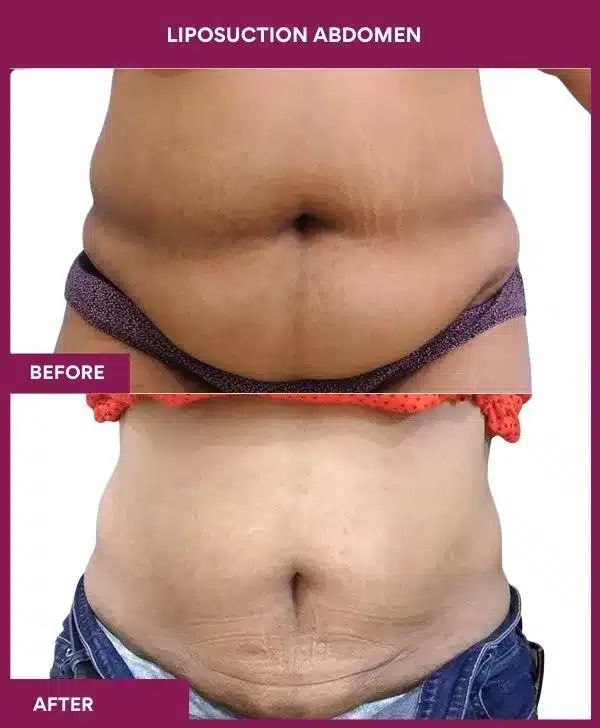
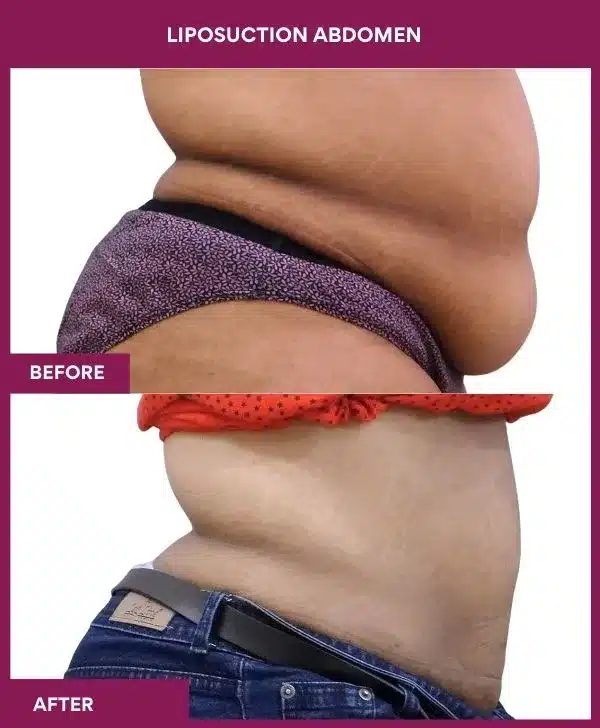
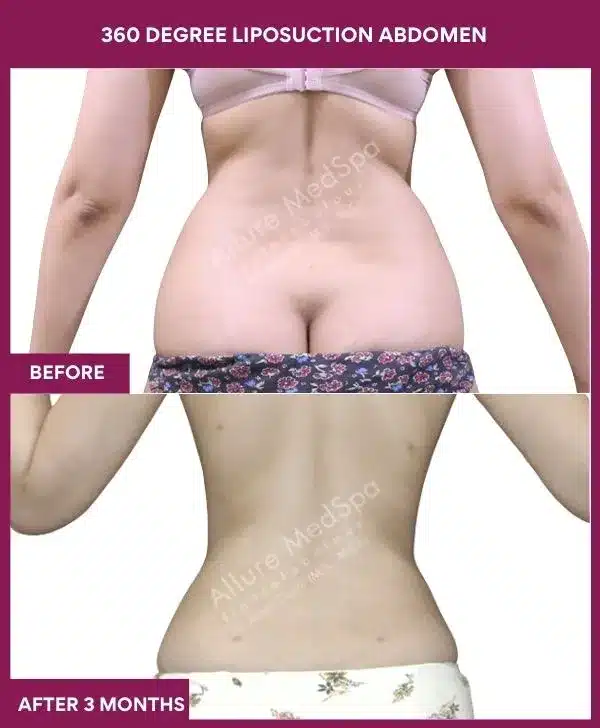
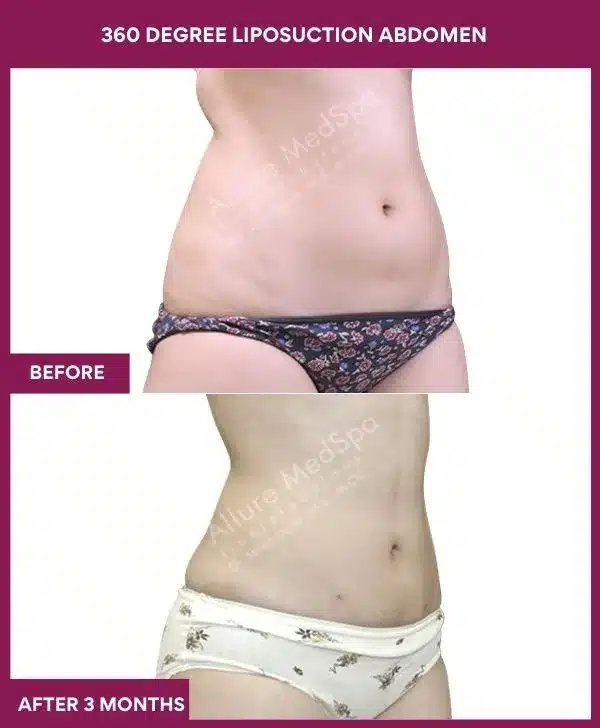
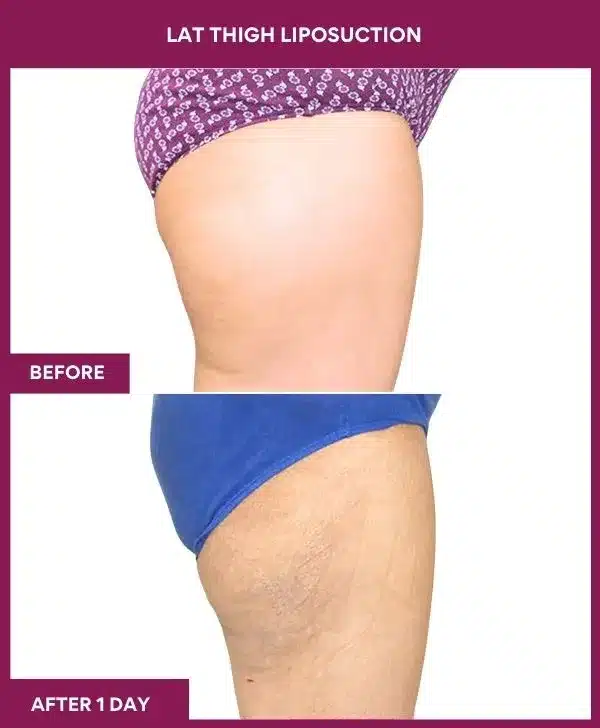
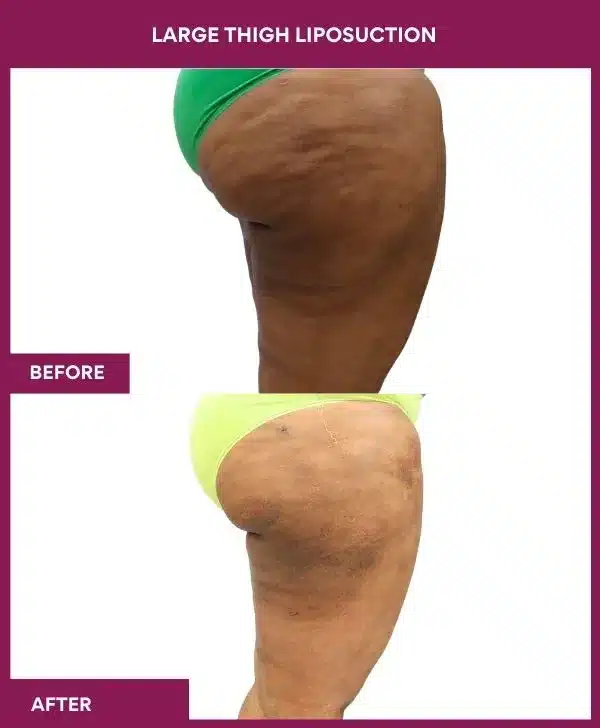
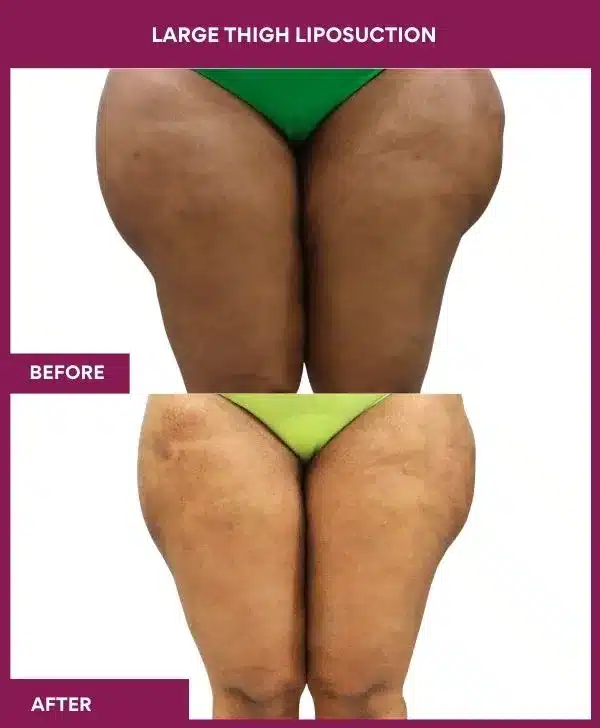
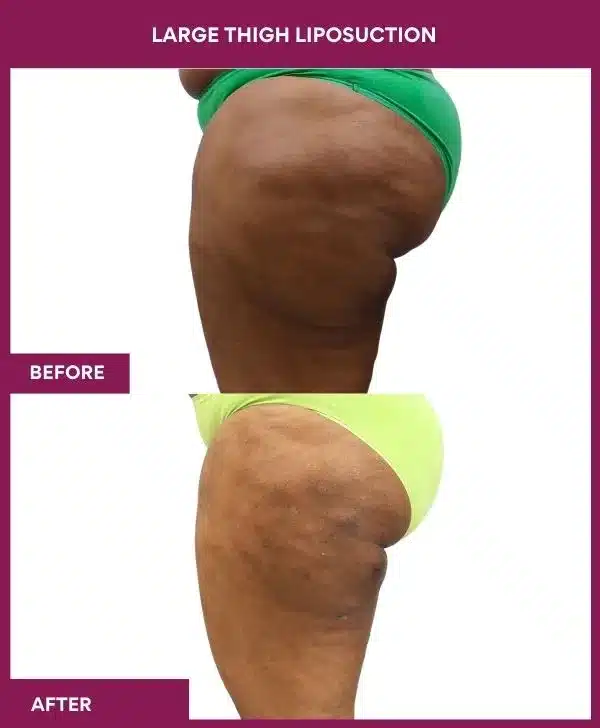
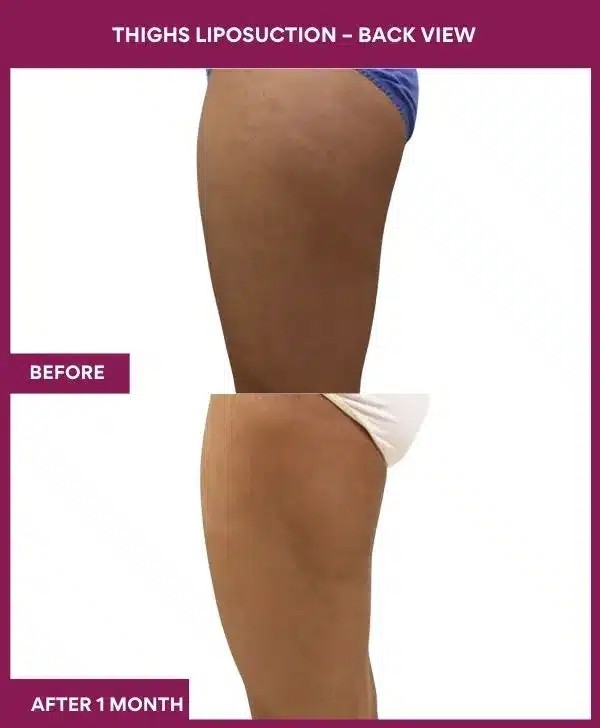
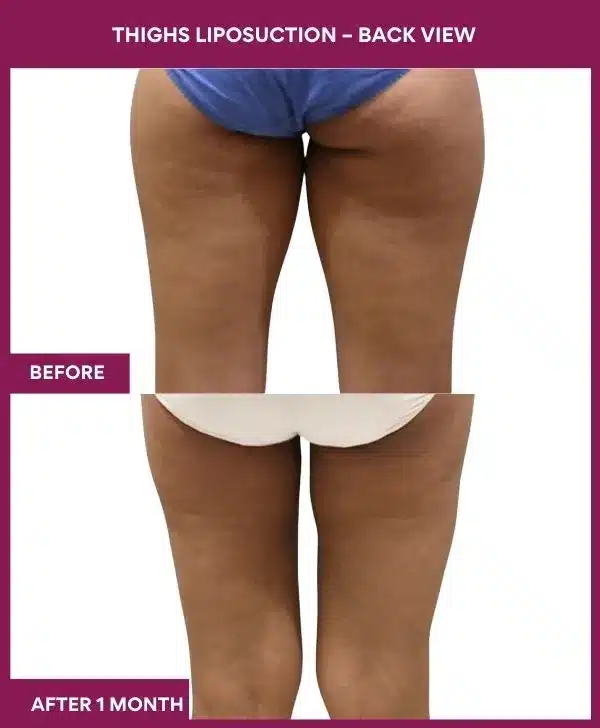
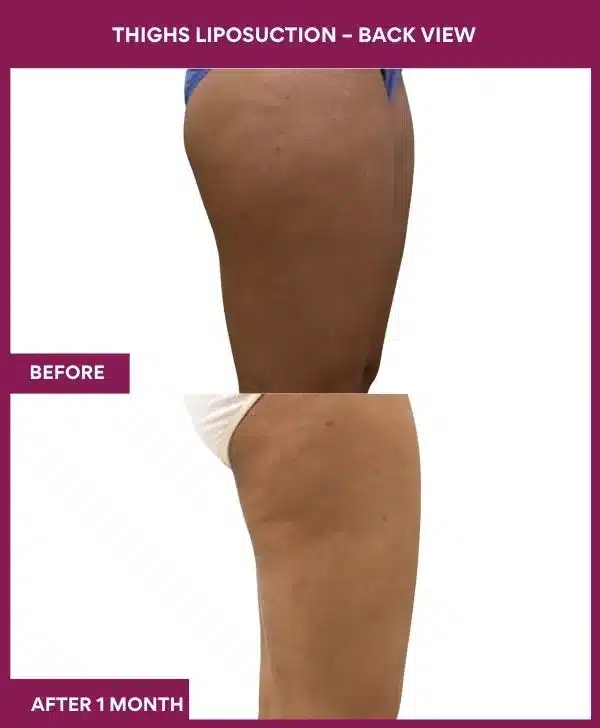
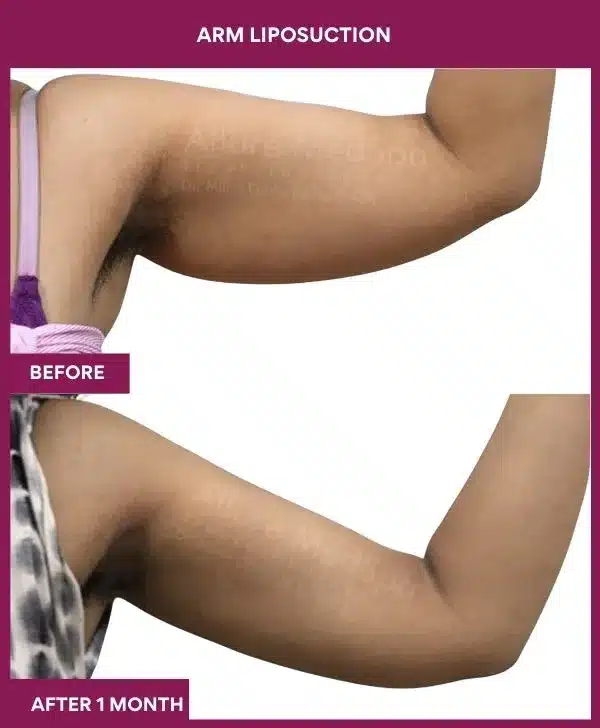
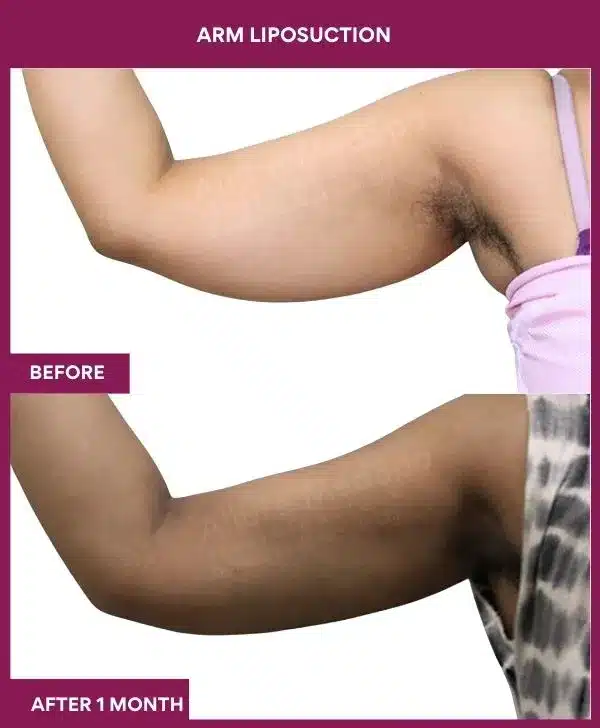
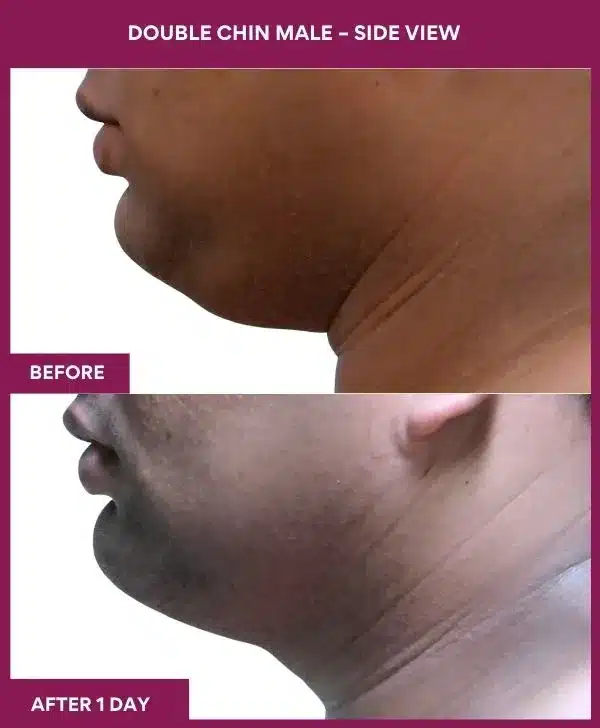
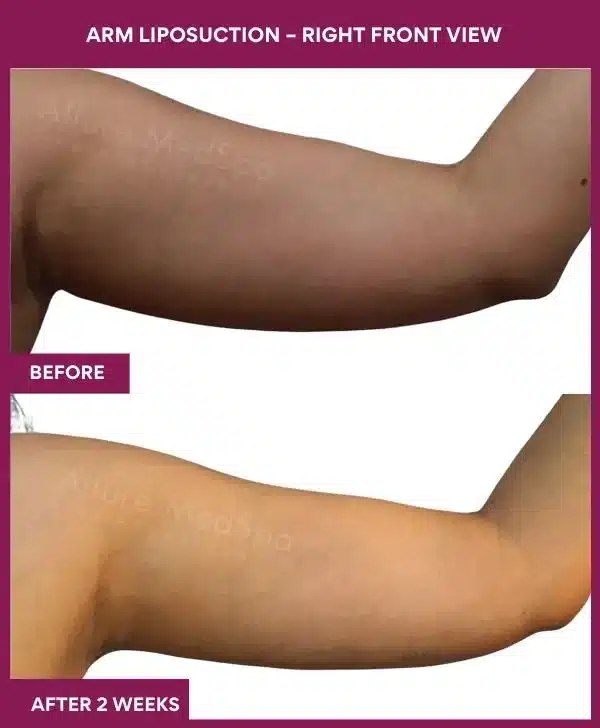
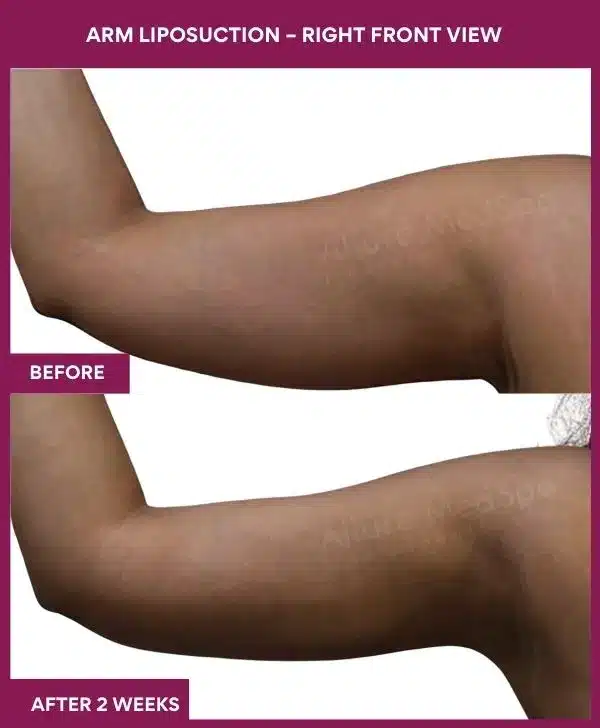
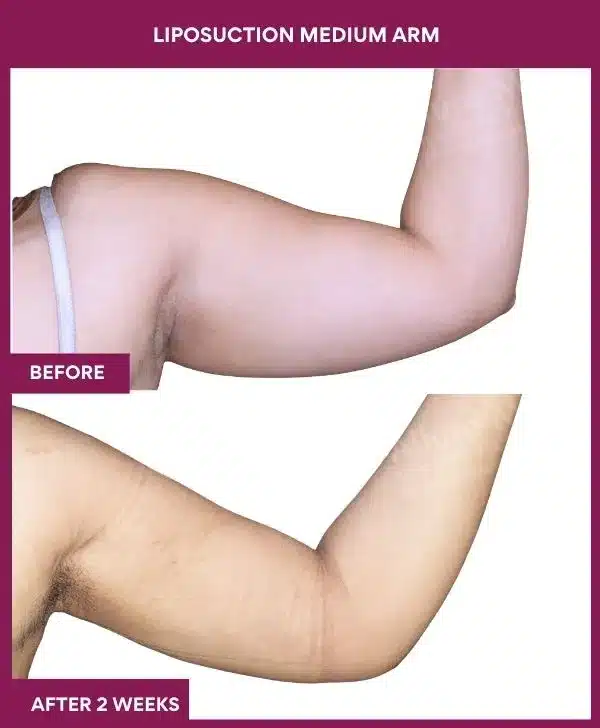
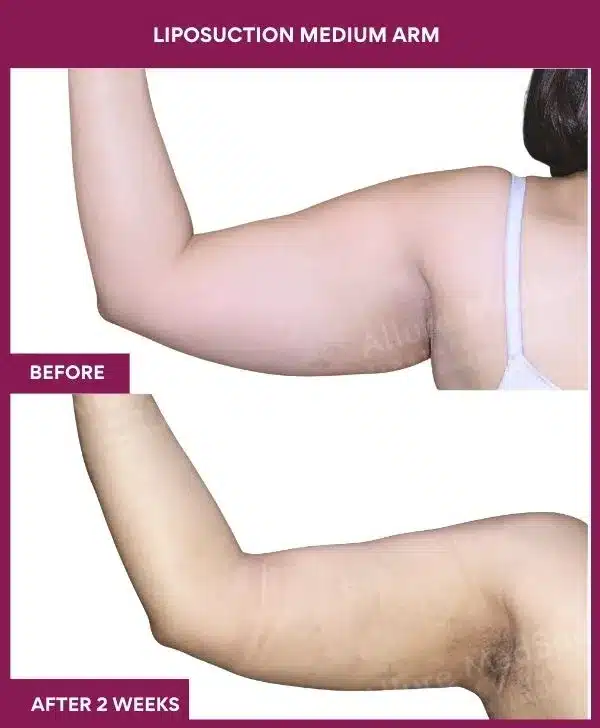
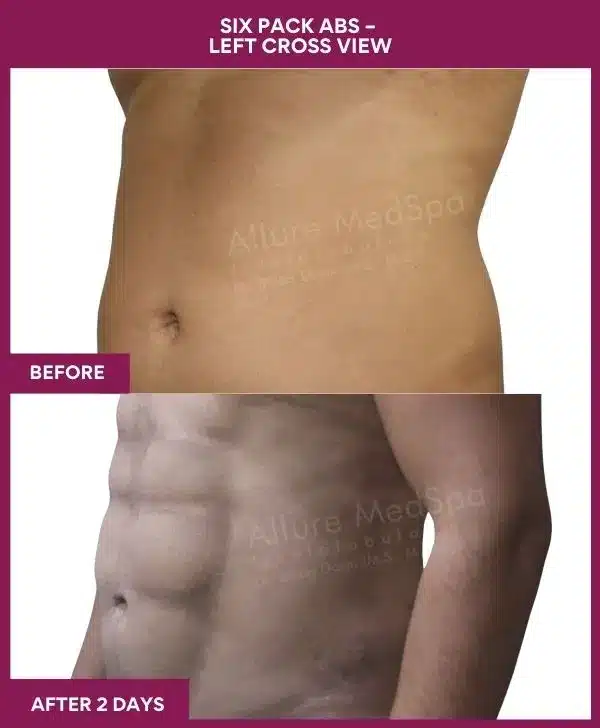
Mega Liposuction Surgery Patient Before and After Images
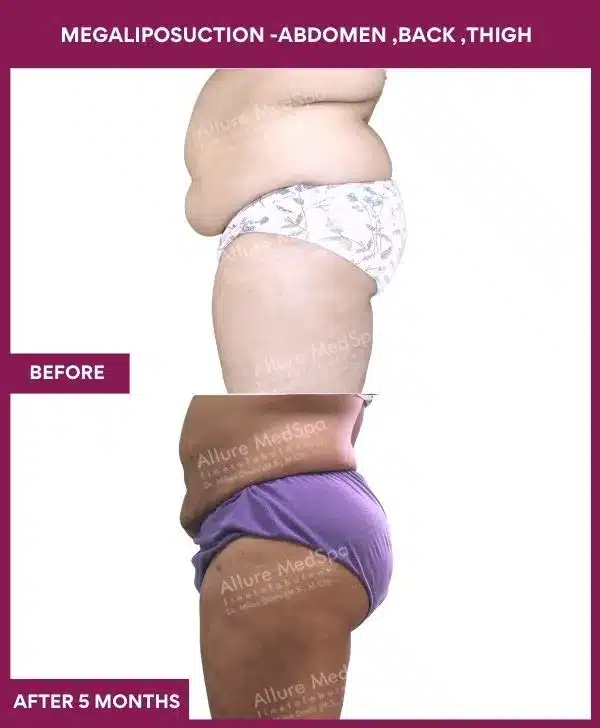
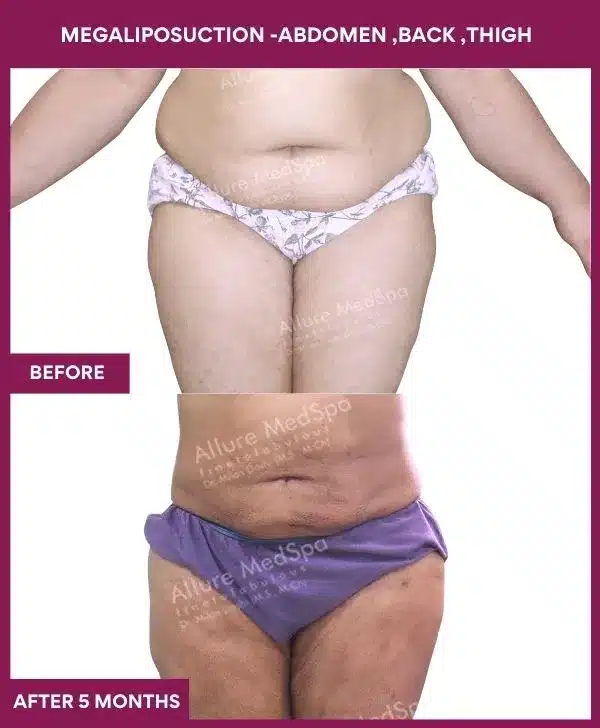
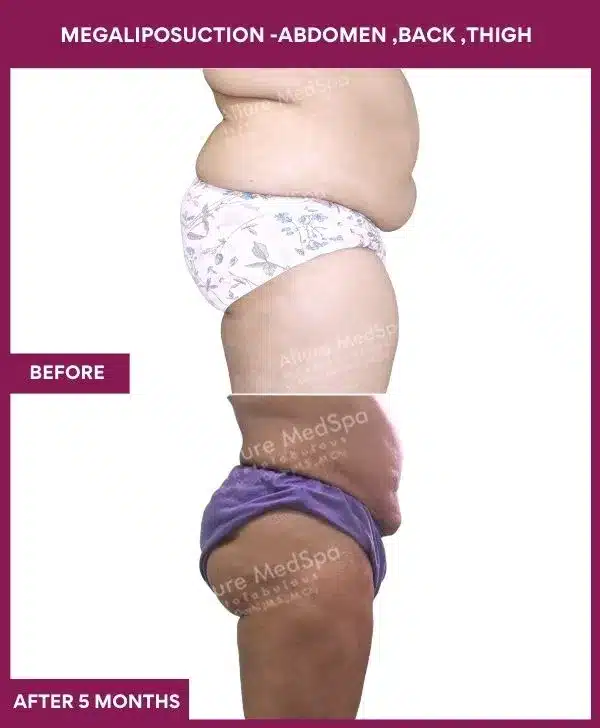
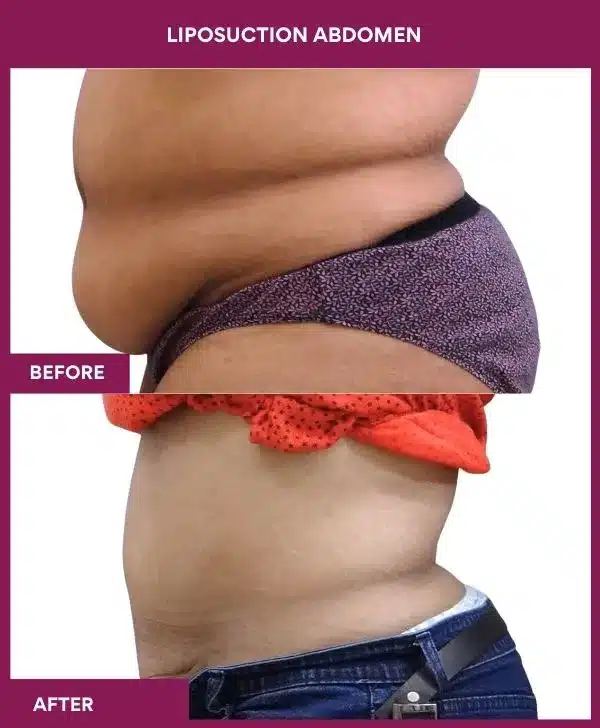
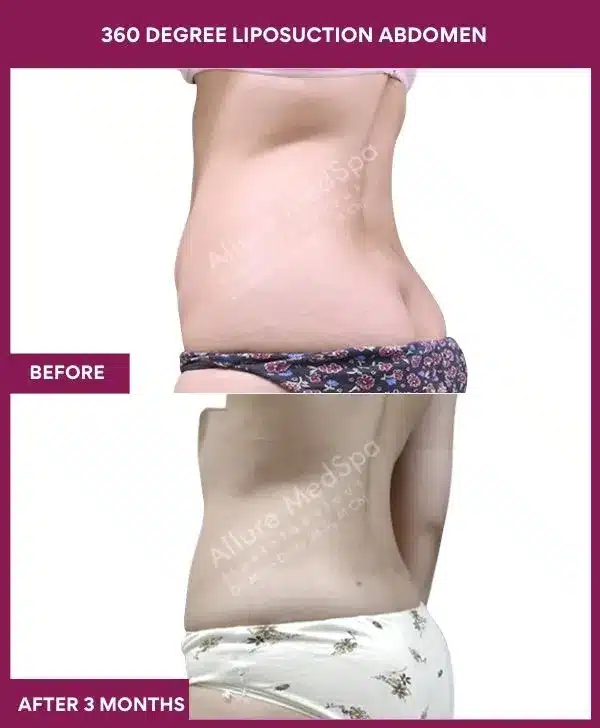
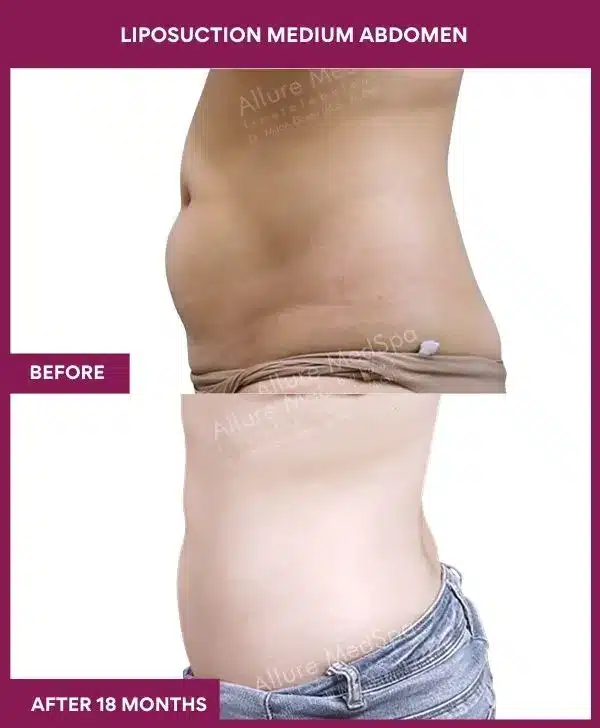
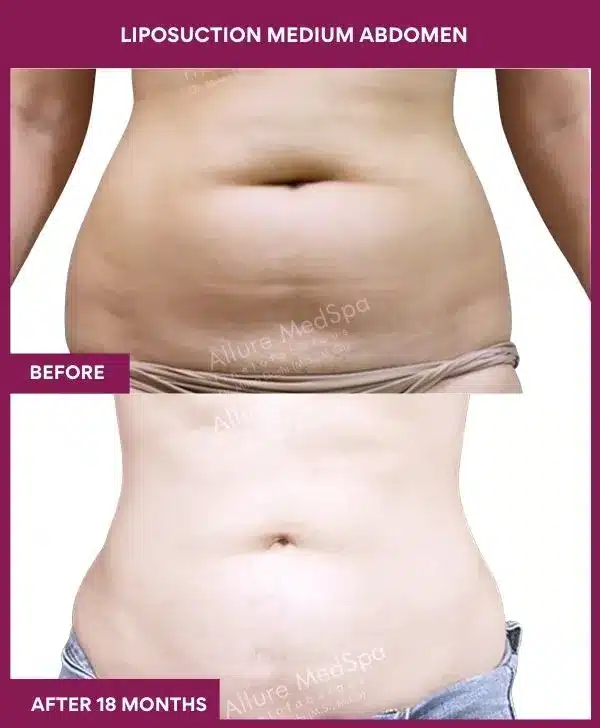
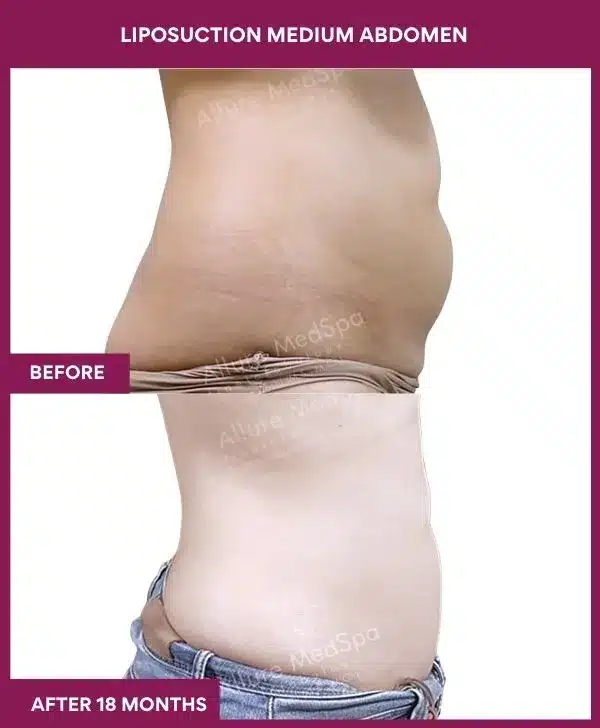
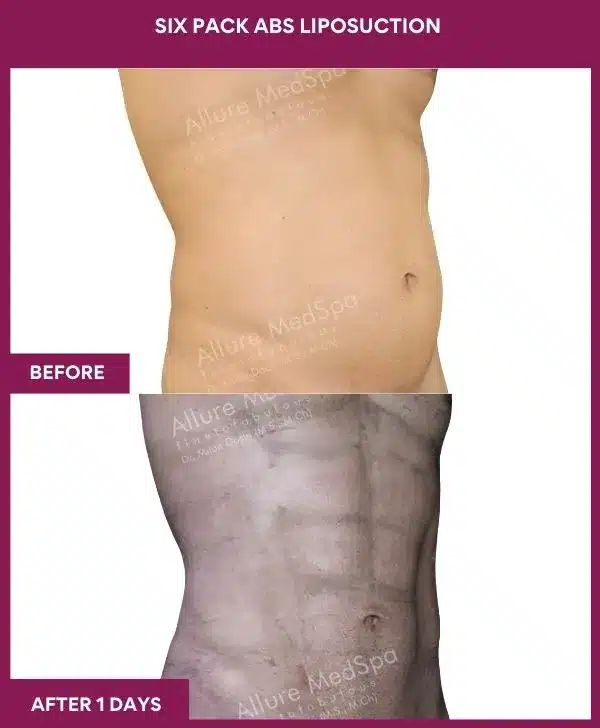
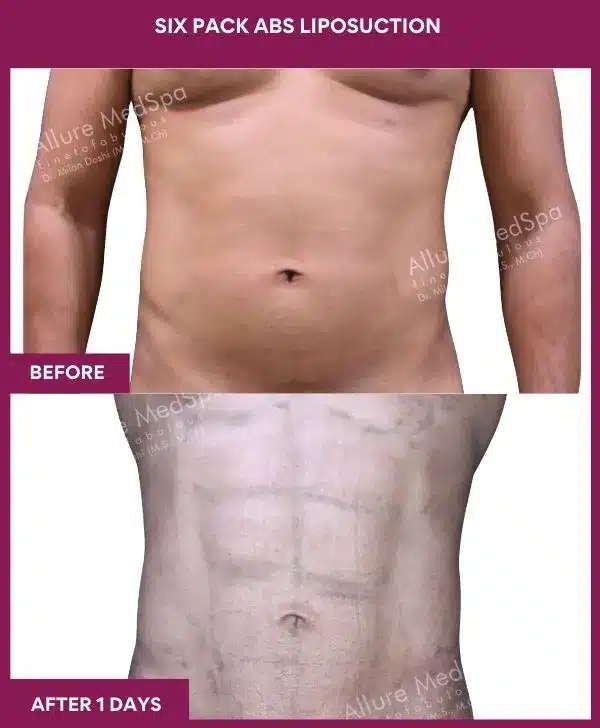
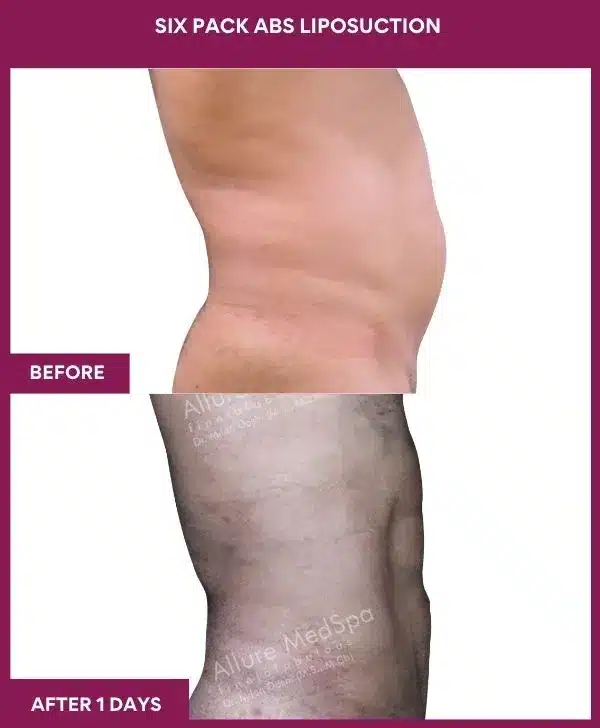
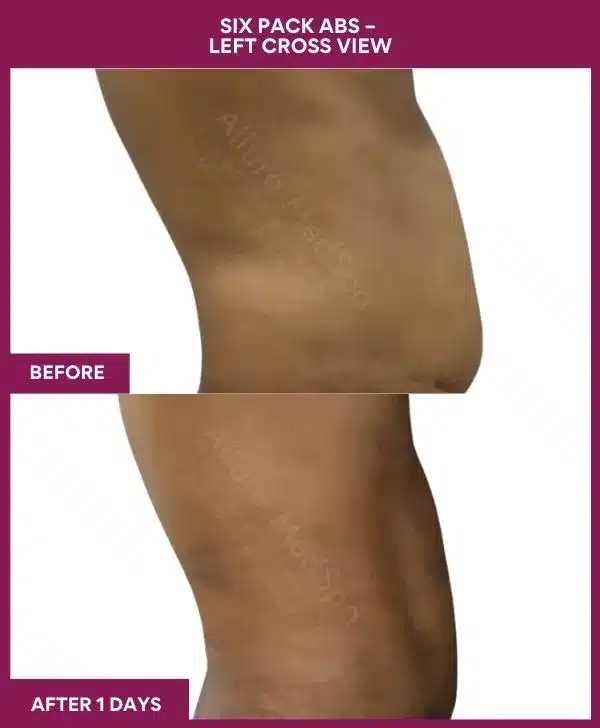
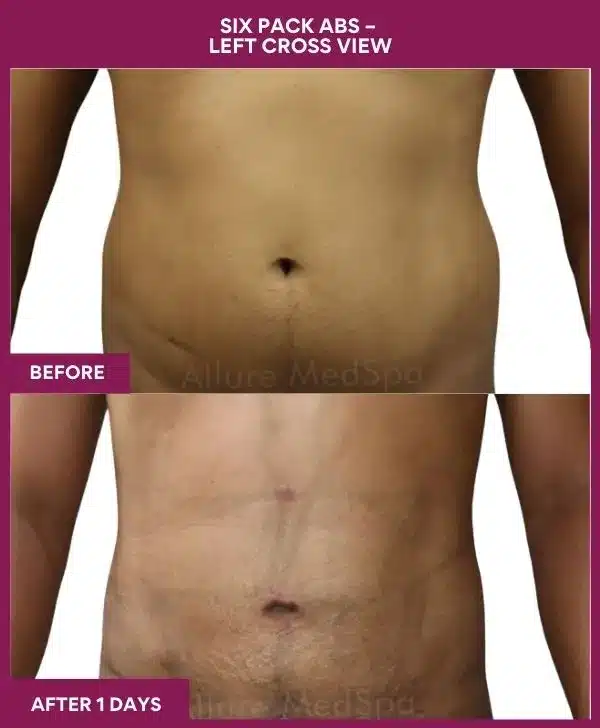
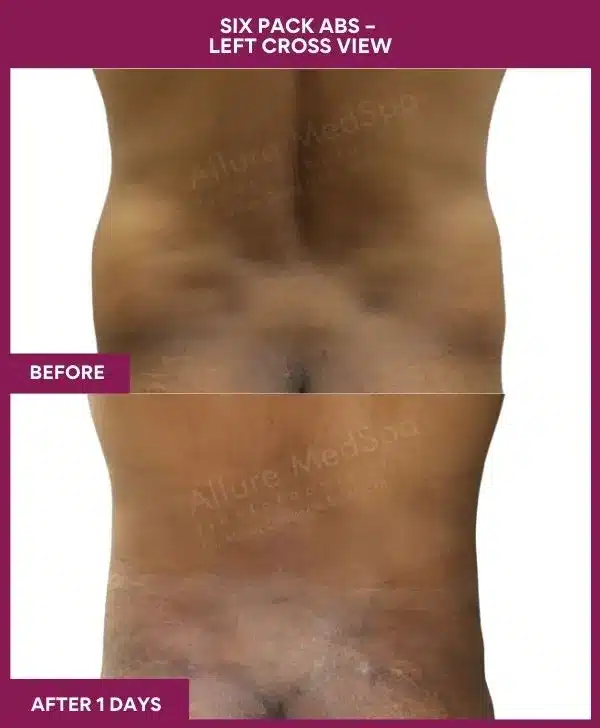
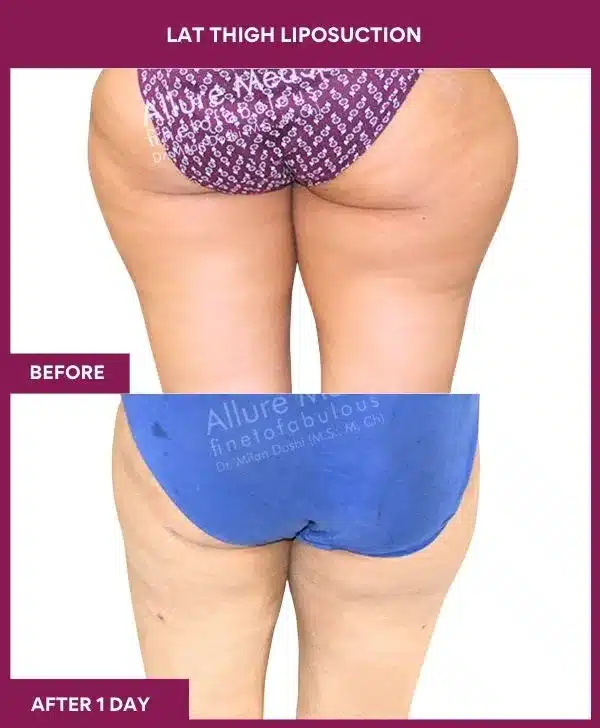
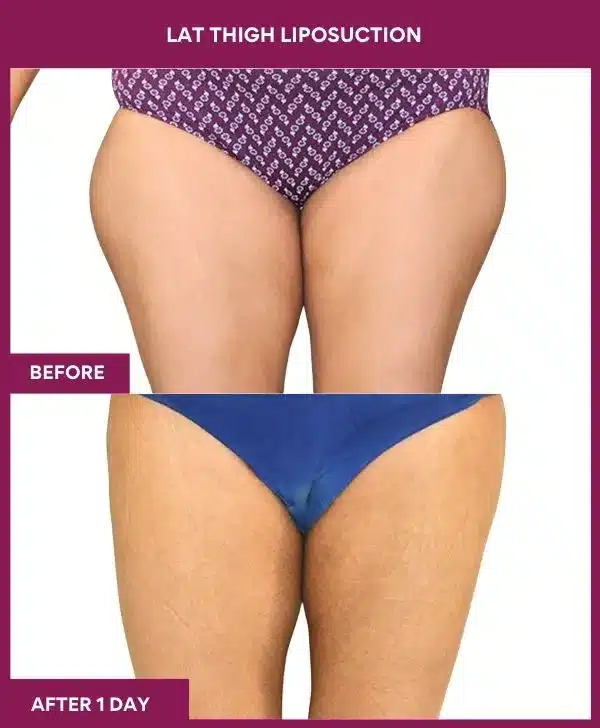
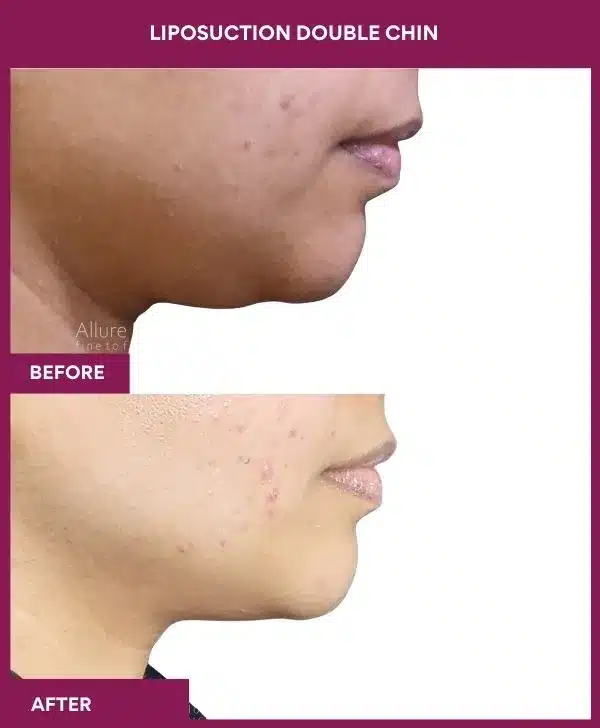
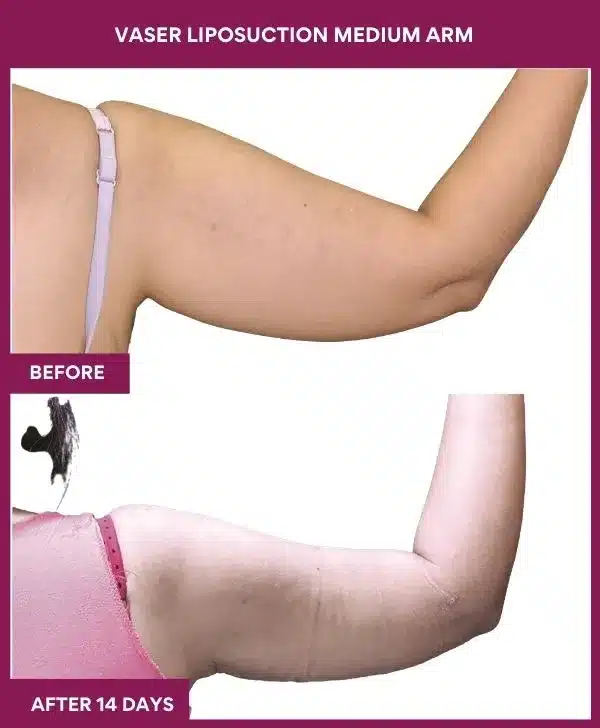
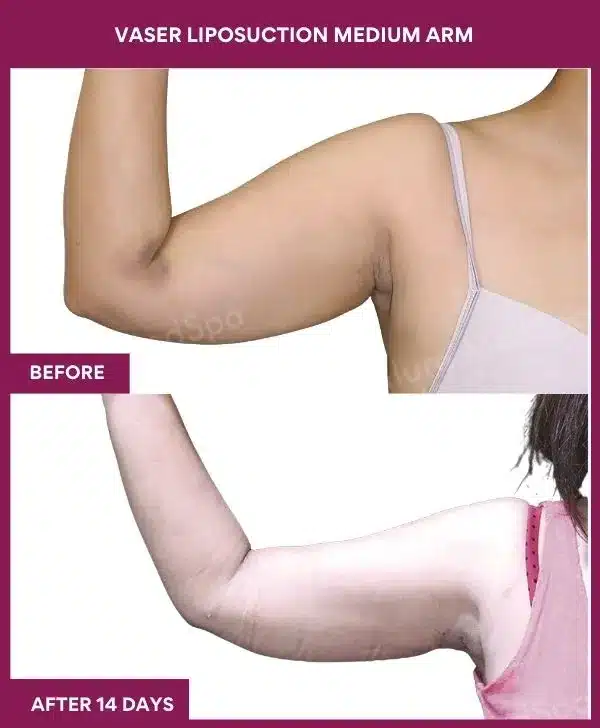
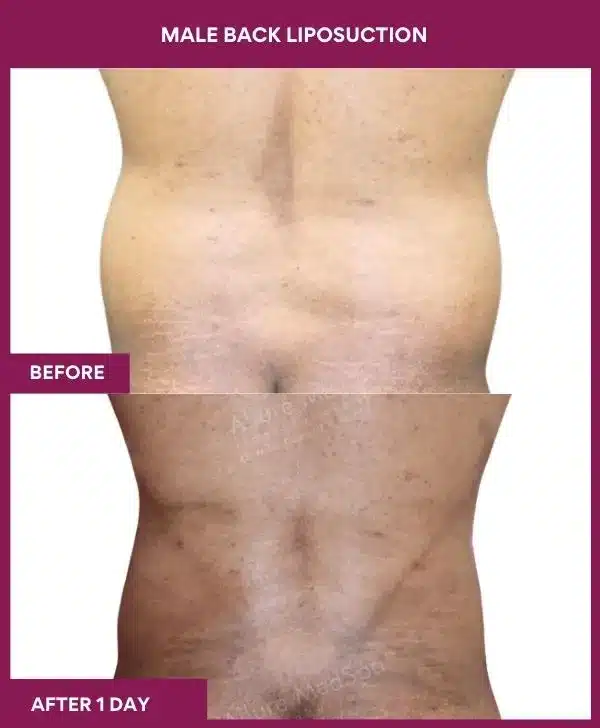
Wondering How Liposuction Can Transform You?
Liposuction Surgery Patient Testimonials: Fine To Fabulous Journeys

Awarded by Google.com
Rating: 4.7
Reviews: 485+

Awarded by WhatClinic.com
Rating: 4.8
Reviews: 119+

Awarded by Realself
Rating: 4.9
Reviews:453+

Awarded by Facebook
Rating: 4.6
Reviews:105+
Dr Milan Doshi and his staff are very professional and committed as the centre is highly equipped with advanced technology. I had closed rhinoplasty 4 months back and I’m seeing the results as to how it becomes successful.
Deepika Shetty
The doctor explained everything clearly and the surgery was smooth. Recovery was faster than I expected and the team was very supportive.
Rahul Mehta
Very natural results and excellent staff. From consultation to follow-up, the experience was outstanding and boosted my confidence.
Sneha Kapoor
Inspired by Their Transformation
Video: Liposuction Surgery Explain By Dr. Milan Doshi
Dr Milan Doshi is describing the Liposuction Surgery in detail with benefits, candidacy, associated risks and significance
Am I a Candidate?
(4 quick questions)
Quick Facts About Mega Liposuction
TIME REQUIRED
4–6 hours
ANESTHESIA
General
HOSPITAL STAY
1–2 days
PAIN LEVEL
Mild–moderate
BACK TO WORK
2–3 weeks
Final RESULTS
3–6 months
SUCCESS RATE
97–98%
COMPLICATIONS
Under 2–3%
How Much Does Mega Liposuction Surgery Cost in Mumbai?
High-volume liposuction at Allure Medspa is quoted after examination. It costs more than a standard single-area procedure because it may need longer operating time, anaesthesia, overnight admission, extended monitoring and — in selected patients — staged surgery.
| Item | Allure price |
|---|---|
| High-volume liposuction — one session | Quoted after examination |
| Staged high-volume plan — two sessions | Quoted as a plan; generally more overall |
| Lipo 360 (for comparison) | ₹1,50,000 – ₹2,00,000 |
| Overnight monitored admission | Included in the high-volume quotation |
| Consultation | ₹1,500 |
| Is the consultation fee adjusted against surgery? | Yes — adjusted against surgery if the surgery is done within 6 months. |
| GST | Shown separately on your invoice |
| EMI | Available |
Why does staging cost more — and why is it sometimes still right?
| One session | Staged plan |
|---|---|
| One theatre booking, one anaesthetic | Theatre and anaesthesia twice |
| One admission, one recovery | Two admissions, two recoveries |
| Lower total cost when it is safe | Higher total cost, quoted upfront as one plan |
| Suitable when the estimated load is acceptable | Safer when one operation would ask too much of your physiology |
Cosmetic liposuction is generally excluded from standard Indian health insurance (IRDAI Excl08). → Full pricing
Get your exact quote & surgery plan
Share your details — our team responds within working hours with cost, EMI options and next steps.
Most Common Question People Ask
Q1. Is mega liposuction safe?
Ans. It can be performed safely in selected patients when strict volume limits, appropriate anaesthesia, fluid management, a properly equipped facility and overnight monitoring are in place. High-volume procedures carry specific risks — blood loss needing transfusion, fluid overload, pulmonary oedema, blood clots, hypothermia and electrolyte disturbance — and the larger the volume, the more those safeguards matter.
Q2. How much fat can be removed in one session?
Ans. There is no universal maximum. American Society of Plastic Surgeons guidance treats 5,000 cc or more of total aspirate — fat plus fluid — as large-volume liposuction, while Indian literature has also used a body-weight-relative definition. The more conservative threshold should guide your individual plan, which requires examination and a medical assessment.
Q3. Is mega liposuction a weight-loss operation?
Ans. No. Liposuction removes subcutaneous fat for body contouring and doesn’t treat obesity or remove visceral fat around the internal organs. Published metabolic research hasn’t shown that liposuction provides the health effects expected from medical weight loss, so weight management usually comes first when weight is the goal.
Q4. Will I need loose-skin surgery afterwards?
Ans. Possibly. High-volume fat removal can reveal skin that was stretched around the larger volume. Selected patients later need a tummy tuck, body lift, arm lift or other skin-removal procedure — and that possibility should be discussed before the first operation, not discovered once the swelling has gone.
Q5. Why would you divide my treatment into two operations?
Ans. Because total aspirate, operating time, fluid shift and your individual fitness determine risk. Staging means two anaesthetics, two admissions and a longer overall pathway, so it is less convenient and more expensive — but in some patients it is safer than increasing the volume of a single operation.
Q6. Will I stay overnight after mega liposuction?
Ans. Yes — high-volume cases are planned with a monitored overnight admission rather than same-day discharge. Vital signs, fluid balance and urine output are key parts of that monitoring, because fluid shifts and blood loss continue to matter in the hours after surgery, when a problem is most likely to show.
Q7. Why is fluid management so important?
Ans. Because tumescent and intravenous fluid enter the body while aspirate and urine remove fluid. Giving too much fluid can contribute to pulmonary oedema and cardiovascular instability, so published protocols deliberately keep the balance controlled and track the ratio of fluid given to aspirate removed throughout the operation.
Q8. Is Lipo 360 the same as mega liposuction?
Ans. No. Lipo 360 describes a circumferential treatment plan around the torso; mega liposuction describes the total volume removed. A Lipo 360 case can be moderate-volume or high-volume depending on the patient, and the estimated total aspirate — not the name of the plan — decides the setting and monitoring.
Q9. How long is recovery after mega liposuction?
Ans. Longer than after standard liposuction. It begins with an overnight monitored stay; fatigue and swelling are often most noticeable in the first week, garments are worn for longer, and exercise returns gradually after clearance, usually from around six weeks. The contour settles over three to six months.
Q10. Does a staged plan cost more?
Ans. Generally yes — two theatre sessions, two anaesthetics, two admissions and two recoveries. When one operation would ask too much of your physiology, staging is still the safer plan, and the cost is quoted upfront as a whole plan rather than revealed after the first operation.

Why Choose Dr. Milan Doshi?
Dr. Milan Doshi, MCh, MS — Indian board-certified plastic surgeon with 27+ years in aesthetic surgery · ISAPS Mentor · 16,000+ cosmetic surgeries. The most important sign of responsible high-volume planning isn’t willingness to remove more fat — it is willingness to set a limit before surgery and stage the procedure when the estimated physiological load becomes excessive. For this operation the facility and the team matter as much as the surgeon: surgery at Allure Medspa’s surgical centre in Goregaon West, with a qualified anaesthetist and overnight monitored admission.
What does that mean for you?
- Your volume limit agreed in writing before surgery.
- A qualified anaesthetist present throughout.
- Overnight monitored admission — vital signs, fluid balance, urine output.
- Staging when physiology asks for it — not when theatre time runs out.
- Skin surgery discussed upfront if it’s likely to be part of the complete plan.
The Complete Guide About Mega Liposuction
What is Mega Liposuction (Large-Volume Liposuction)?
Mega liposuction is liposuction planned to remove a large total aspirate — fat plus fluid — in one procedure. Two different published definitions are used, and when they produce different thresholds, the more conservative limit should guide planning.
| Definition | Threshold | Source |
|---|---|---|
| Fixed volume (large-volume) | 5,000 cc or more of total aspirate in one procedure; at this level, an acute-care hospital or an accredited or licensed facility and overnight monitoring are recommended | American Society of Plastic Surgeons practice advisory |
| Relative to body weight (megaliposuction) | Aspirate in litres above 10% of body weight in kilograms | Indian tumescent liposuction literature (Dhami 2008) |
| Patient weight | ASPS threshold | Relative threshold | Which is reached first |
|---|---|---|---|
| 60 kg | 5 litres | Above 6 litres | 5 litres |
| 90 kg | 5 litres | Above 9 litres | 5 litres |
| 110 kg | 5 litres | Above 11 litres | 5 litres, by a wide margin |
This is why a single online number can’t define what is appropriate for an individual patient. Total aspirate also isn’t the same as fat removed — it includes the tumescent fluid that was infiltrated and suctioned back out.
Sources: Iverson RE, Lynch DJ; ASPS Committee on Patient Safety. Practice advisory on liposuction. Plast Reconstr Surg. 2004;113(5):1478–1490, PMID 15060366 · Dhami LD. Liposuction. Indian J Plast Surg. 2008;41(Suppl):S27–S40
Does Your Body Carry More Fat Than You Feel?
Many people considering high-volume liposuction carry fat in several large areas while feeling fit and stable — and the question is whether that fat is localised and pinchable, or part of overall weight that liposuction won’t change.
| Who may be considered | Who shouldn’t use liposuction as a shortcut |
|---|---|
| Substantial localised subcutaneous fat | Obesity, where weight management is the treatment |
| A stable weight | Rapidly changing weight |
| Multiple large treatment areas | Mostly visceral fat — a firm abdomen that can’t be pinched |
| Adequate medical fitness | Significant loose skin without a skin-management plan |
| Realistic expectations, and where appropriate a staged pathway | Expecting metabolic or health benefits |
Why isn’t it a weight-loss operation? A New England Journal of Medicine study found that substantial abdominal liposuction didn’t produce the improvements in insulin action and heart-disease risk factors expected from medically meaningful weight reduction.
Sources: Klein S, Fontana L, Young VL, et al. Absence of an effect of liposuction on insulin action and risk factors for coronary heart disease. N Engl J Med. 2004;350(25):2549–2557, PMID 15201411 · Carman W. Ten common misconceptions about liposuction. American Society of Plastic Surgeons, 2018
What Are the Benefits of Mega Liposuction?
In the right patient, high-volume liposuction can contour several large areas within one planned pathway — but its benefits only hold when the plan respects physiological limits.
| Benefit | What it means in practice |
|---|---|
| Several areas, one plan | Abdomen, flanks, back and thighs assessed together so transitions blend |
| Fewer operations where safe | When the estimated load allows, one session replaces several |
| A staged route where it doesn’t | Dividing treatment keeps each operation within safer limits |
| A clearer next step | Removing volume shows how much loose skin remains, guiding any later skin surgery |
| Durable contour | Removed fat cells don’t return; stable weight preserves the shape |
Weight stability after surgery matters. In a 631-case large-volume series, 80% of patients had maintained a stable weight at one-year follow-up.
Sources: Commons GW, Halperin B, Chang CC. Large-volume liposuction: a review of 631 consecutive cases over 12 years. Plast Reconstr Surg. 2001;108(6):1753–1763, PMID 11711959 · Iverson RE, Lynch DJ. Plast Reconstr Surg. 2004;113(5):1478–1490, PMID 15060366
Which Problems Can Mega Liposuction Correct?
High-volume liposuction corrects large deposits of localised subcutaneous fat across several areas. It doesn’t correct obesity, visceral fat or loose skin.
| Your situation | What it usually points to |
|---|---|
| One area | Usually standard liposuction — total aspirate, not the area name, decides |
| Two areas | Probably a moderate-volume plan; the estimate decides setting and monitoring |
| Several large areas | A high-volume assessment — estimate total aspirate and physiological load |
| Almost the whole torso or body | Staging is likely to be discussed |
| Skin stays lifted after a pinch | Plan for skin as well as fat — a later skin operation may be needed |
| Weight still changing | Let it settle for about three months first |
Sources: Iverson RE, Lynch DJ. Plast Reconstr Surg. 2004;113(5):1478–1490, PMID 15060366 · Carman W. Ten common misconceptions about liposuction. American Society of Plastic Surgeons, 2018
What Are the Limitations of Mega Liposuction?
Removing a large amount of fat doesn’t remove stretched skin, doesn’t treat visceral fat, and doesn’t make a body resistant to future weight gain. Some high-volume patients ultimately need a second, skin-removal procedure — and that possibility should be discussed before the first operation.
| Stage | What happens |
|---|---|
| Stage 1 — volume reduction | Liposuction, divided into two sessions if required |
| Stage 2 — skin removal | After the tissues have settled and weight remains stable |
| Loose-skin area | Procedure |
|---|---|
| Abdomen | Tummy Tuck Surgery |
| Multiple post-weight-loss regions | Body Lift Surgery |
| Upper arms | Arm Lift Surgery |
| Breasts | Breast Reduction Surgery |
Needing a second operation isn’t failure of the first — fat and skin are different tissues and need different treatments. Can the pinch test help? Pinch the skin and let it go. If it springs back, useful elasticity may allow redraping. If it stays lifted, loose skin is likely to remain after fat removal. This should be assessed before surgery — not discovered when the swelling disappears.
Sources: Carman W. Ten common misconceptions about liposuction. American Society of Plastic Surgeons, 2018 · National Health Service (UK). Liposuction · Nagrath N, Winters R. Brachioplasty. In: StatPearls. StatPearls Publishing; updated 2025 · Klein S, Fontana L, Young VL, et al. Absence of an effect of liposuction on insulin action and risk factors for coronary heart disease. N Engl J Med. 2004;350(25):2549–2557, PMID 15201411
Why Consult Before Mega Liposuction?
Everything on this page comes back to one number, and it’s different for every patient. It depends on your weight, your medical fitness, how many areas are involved, how long the operation would take and how much fluid would move through your body while it happened. That number should be agreed before surgery, written down, and not revised in theatre.
| Ask at your consultation | Why |
|---|---|
| What is my estimated total aspirate? | It decides the setting, monitoring and risk |
| Would my case be staged? | And why, or why not |
| What does the overnight monitoring involve? | Vital signs, fluid balance, urine output — and who is watching |
What to bring: your height and weight and how long it has been stable, the areas you’re considering, and your medical conditions and medicines — they shape the safe limit. A surgeon who can’t answer those three questions before surgery isn’t planning a high-volume case — they’re improvising one. Consultation fee: ₹1,500 — adjusted against surgery if the surgery is done within 6 months.
Sources: Iverson RE, Lynch DJ; ASPS Committee on Patient Safety. Practice advisory on liposuction. Plast Reconstr Surg. 2004;113(5):1478–1490, PMID 15060366 · Kanapathy M, et al. Aesthet Surg J. 2021;41(9):1040–1053, PMID 33252626
Which Techniques Are Used in Mega Liposuction?
High-volume liposuction uses the same tumescent or superwet foundations as other liposuction, with far stricter fluid management. Large-volume liposuction creates a complex fluid exchange: fluid enters through tumescent infiltration and intravenous administration, and leaves through aspirate, urine and physiological losses. Giving too much additional intravenous fluid can contribute to fluid overload, pulmonary oedema and cardiovascular instability. More fluid is not safer.
Published protocols track a fluid ratio: (infiltrated fluid + IV fluid) ÷ total aspirate.
| Published protocol | Fluid ratio | Reported outcome |
|---|---|---|
| Rohrich 2006 — 89 patients, small volume | 1.8 | No pulmonary oedema or major complications |
| Rohrich 2006 — 89 patients, large volume | 1.2 | No pulmonary oedema or major complications |
| Wang 2018 — 83 extensive-liposuction patients | 1.66, with IV fluid minimised to about 300–500 mL | No pulmonary oedema, heart-failure exacerbation or other major complications; urine output monitored throughout |
Local-anaesthetic dose is calculated, not guessed. Tumescent lidocaine dose rises with the volume infiltrated, so it is calculated from body weight and documented. Energy-assisted devices such as ultrasound may be used where tissue is fibrous, but no device changes the physiological volume limits. → Liposuction techniques compared
Sources: Rohrich RJ, Leedy JE, Swamy R, Brown SA, Coleman J. Fluid resuscitation in liposuction: a retrospective review of 89 consecutive patients. Plast Reconstr Surg. 2006;117(2):431–435, PMID 16462322 · Wang G, Cao WG, Zhao TL. Fluid management in extensive liposuction: a retrospective review of 83 consecutive patients. Medicine (Baltimore). 2018;97(41):e12655 · Trott SA, Beran SJ, Rohrich RJ, et al. Safety considerations and fluid resuscitation in liposuction: an analysis of 53 consecutive patients. Plast Reconstr Surg. 1998;102(6):2220–2229, PMID 9811024 · Klein JA, Jeske DR. Estimated maximal safe dosages of tumescent lidocaine. Anesth Analg. 2016;122(5):1350–1359, PMID 26895001
What Are the Types of Mega Liposuction?
There are two types of high-volume plan: one session, or staged. The choice is based on estimated aspirate, expected operating time and your individual medical reserve — not on how many areas you want treated or how inconvenient a second operation would be.
| Type | What it means | When it fits |
|---|---|---|
| Single session | All planned areas in one operation, with overnight monitoring | When the estimated aspirate, operating time and your fitness keep the load acceptable |
| Staged | Treatment divided into two operations, separated by an appropriate interval | When one operation would approach the volume ceiling or ask too much of your physiology |
What makes staging more likely?
- Approaching the planned volume ceiling.
- A long estimated operating time.
- Several large areas, with repeated repositioning.
- Significant medical risk factors.
- Combination surgery adding physiological load.
| We won’t… | Because… |
|---|---|
| Decide the safe aspirate volume after anaesthesia has started | It should be estimated during planning and committed to beforehand |
| Extend an operation because theatre time remains | Spare time isn’t a safety margin |
| Price a case into one session because the patient would prefer one operation | When the safer plan is two, the plan is two |
ASPS guidance acknowledges that some patients are better treated with separate, serial procedures. That is the distinction between planning around physiology and competing on volume.
Sources: Iverson RE, Lynch DJ; ASPS Committee on Patient Safety. Practice advisory on liposuction. Plast Reconstr Surg. 2004;113(5):1478–1490, PMID 15060366 · Commons GW, Halperin B, Chang CC. Large-volume liposuction: a review of 631 consecutive cases over 12 years. Plast Reconstr Surg. 2001;108(6):1753–1763, PMID 11711959
How Is Mega Liposuction Performed Step-by-Step?
High-volume liposuction safety depends on strict patient selection, a qualified surgical and anaesthetic team, an appropriately equipped facility, disciplined fluid management and monitored postoperative care.
| Pillar of safety | Why it matters |
|---|---|
| A properly trained surgeon | Volume, technique and endpoint judgement |
| A well-trained anaesthesiologist | Fluid, temperature and haemodynamic control throughout |
| A completely equipped facility | Resuscitation, monitoring and overnight care |
| Trained support staff | In theatre and recovery |
| Proper patient selection | The safety decision made before anyone enters theatre |
| Step | What happens |
|---|---|
| 1. Planning | Estimated total aspirate, areas, staging decision and volume limit agreed in writing |
| 2. Preoperative tests | Blood count and medical assessment; medication review; clot-risk assessment |
| 3. Standing markings | Areas and transitions marked upright |
| 4. Anaesthesia and warming | General anaesthesia with a qualified anaesthetist; warmed fluid and forced-air warming |
| 5. Tumescent infiltration | Fluid and lidocaine dose calculated from body weight and documented |
| 6. Aspiration | Fat removed area by area, within the agreed limit |
| 7. Fluid tracking | Fluid in, aspirate out and urine output recorded throughout |
| 8. Overnight monitored admission | Vital signs, fluid balance and urine output watched by qualified staff |
At 5,000 cc or more of total aspirate, ASPS guidance recommends an acute-care hospital or an accredited or licensed facility, with postoperative vital signs and urine output monitored overnight by qualified staff. For this operation, ask about the theatre, the anaesthetist and the overnight protocol before you ask about anything else.
Sources: Iverson RE, Lynch DJ; ASPS Committee on Patient Safety. Practice advisory on liposuction. Plast Reconstr Surg. 2004;113(5):1478–1490, PMID 15060366 · Wang G, Cao WG, Zhao TL. Fluid management in extensive liposuction: a retrospective review of 83 consecutive patients. Medicine (Baltimore). 2018;97(41):e12655 · Klein JA, Jeske DR. Estimated maximal safe dosages of tumescent lidocaine. Anesth Analg. 2016;122(5):1350–1359, PMID 26895001 · Mysore V. Tumescent liposuction: standard guidelines of care. Indian J Dermatol Venereol Leprol. 2008;74 Suppl:S54–S60, PMID 18688105
When Will I See Final Mega Liposuction Results?
The contour settles over three to six months, and the amount of residual loose skin becomes clearer during that time. Don’t decide whether skin-removal surgery is needed during the early swollen phase.
| When | What you see |
|---|---|
| Weeks 1–2 | Extensive swelling and bruising hide much of the change |
| Weeks 2–6 | Firmness persists; the new shape becomes visible |
| Months 3–6 | Contour settles; residual loose skin becomes clearer |
| After the final stage | A staged plan is judged after the last operation has settled |
How long does the result last? Removed fat cells don’t return, but the remaining fat cells can enlarge with weight gain. Long-term results depend on a stable weight.
Sources: National Health Service (UK). Liposuction · Commons GW, Halperin B, Chang CC. Large-volume liposuction: a review of 631 consecutive cases over 12 years. Plast Reconstr Surg. 2001;108(6):1753–1763, PMID 11711959
What Is the Aftercare After Mega Liposuction?
Aftercare after a high-volume case is more intensive than after standard liposuction — more fatigue, more extensive swelling, longer garment use, more frequent monitoring and possible postoperative blood tests.
| Aftercare step | Why it matters |
|---|---|
| Gentle walking from the first day | Reduces clot risk after longer surgery |
| Compression garment for longer | Supports larger treated areas while swelling settles |
| Blood count checked where indicated | Blood loss is the commonest major complication in pooled data |
| Fluids and rest as advised | Fatigue reflects a larger physiological event |
| Open drainage managed as instructed | Tumescent fluid drains in the first days |
| Individual clearance for travel and flying | Long journeys add clot risk |
Report unusual weakness or breathlessness on mild exertion — it can be a sign of significant anaemia.
Sources: Klein JA. Post-tumescent liposuction care: open drainage and bimodal compression. Dermatol Clin. 1999;17(4):881–889, doi:10.1016/S0733-8635(05)70135-2 · Mysore V. Tumescent liposuction: standard guidelines of care. Indian J Dermatol Venereol Leprol. 2008;74 Suppl:S54–S60, PMID 18688105 · Kanapathy M, et al. Aesthet Surg J. 2021;41(9):1040–1053, PMID 33252626 · NHS. Deep vein thrombosis (DVT)
What Are the Risks and Complications of Mega Liposuction?
High-volume liposuction carries ordinary liposuction risks plus a set of potentially serious complications related specifically to greater aspirate, longer operating time and larger fluid shifts.
| Category | What it includes |
|---|---|
| Common or expected effects | Widespread swelling, bruising, drainage, firmness, fatigue and numbness |
| Less common problems | Contour irregularity, seroma, garment pressure injury, hyperpigmentation, prolonged swelling, infection, and anaemia needing monitoring |
| Serious volume-related risks | Significant blood loss, potentially needing transfusion · fluid overload · pulmonary oedema · DVT · pulmonary embolism · hypothermia · electrolyte disturbance · local anaesthetic toxicity |
| Risk | Why volume raises it | Standard mitigation |
|---|---|---|
| Blood loss and anaemia | More aspirate means more cumulative blood loss | Tumescent adrenaline, preoperative bloods, postoperative haemoglobin where indicated |
| Fluid overload / pulmonary oedema | Greater infiltrate and fluid shifts | Fluid calculation, restricted IV fluid, urine monitoring, overnight observation |
| Hypothermia | Longer surgery and large fluid volumes cool the body | Warmed fluid, forced-air warming, theatre temperature control |
| DVT and pulmonary embolism | Longer surgery and immobility | Risk assessment, pneumatic compression, early mobilisation, prophylaxis where indicated |
| Local anaesthetic toxicity | Lidocaine dose rises with infiltrate | Weight-based calculation and documentation |
| Contour irregularity | More treatment fields and transition zones | Standing marking, conservative technique, staging where appropriate |
| Study | Finding |
|---|---|
| Kanapathy 2021 — meta-analysis, 23 studies, 3,583 patients, mean aspirate about 7.7 litres | Major 3.35% (transfusion 2.89%, PE 0.18%, haematoma 0.16%, necrotising fasciitis 0.13%, DVT 0.12%); minor 11.62% (seroma 5.51%); no fat embolism or deaths reported |
| Commons 2001 — 631 consecutive cases (from 3,000 cc), 1986–1998 | 4 mild pulmonary oedema and 1 pneumonia, all recovered; minor contour irregularity 10%; 80% weight-stable at one year |
| Saleh 2009 — single-centre series | Skin irregularity 20%, seroma 15%, garment pressure sores 10%, hyperpigmentation 5%; no major complications |
These are results from experienced teams operating under defined safety conditions. They aren’t a promise, and they shouldn’t be transferred to a large-volume operation performed without an appropriately equipped facility, a qualified anaesthetist or overnight monitoring.
Sources: Kanapathy M, Pacifico M, Yassin AM, Bollen E, Mosahebi A. Safety of large-volume liposuction in aesthetic surgery: a systematic review and meta-analysis. Aesthet Surg J. 2021;41(9):1040–1053, PMID 33252626 · Commons GW, Halperin B, Chang CC. Large-volume liposuction: a review of 631 consecutive cases over 12 years. Plast Reconstr Surg. 2001;108(6):1753–1763, PMID 11711959 · Saleh Y, El-Oteify M, Abd-El-Salam AR, et al. Safety and benefits of large-volume liposuction: a single center experience. Int Arch Med. 2009;2:4 · Iverson RE, Lynch DJ. Plast Reconstr Surg. 2004;113(5):1478–1490, PMID 15060366 · Comerci AJ, Arellano JA, Alessandri-Bonetti M, et al. Risks and complications rate in liposuction: a systematic review and meta-analysis. Aesthet Surg J. 2024;44(7):NP454–NP463, doi:10.1093/asj/sjae074 · NHS. Deep vein thrombosis (DVT) · Emergency Response Support System, Government of India. Dial 112
What Is the Mega Liposuction Recovery Timeline?
Recovery is longer than after standard liposuction, and begins with a monitored overnight admission rather than routine same-day discharge. Return to work is later than the three to seven days typical of standard liposuction and is agreed for your plan.
| Timepoint | What typically happens |
|---|---|
| Night of surgery | Overnight admission; vital signs, urine output and fluid balance monitored |
| Days 1–3 | Significant swelling, drainage and tightness; gentle walking encouraged |
| Days 3–7 | Bruising and fatigue often most noticeable |
| Weeks 1–2 | Swelling reducing; blood count may be checked |
| Weeks 2–6 | Firmness persists; a longer compression period |
| Weeks 6+ | Exercise returns gradually after clearance |
| 3–6 months | Contour settles, and the amount of residual loose skin becomes clearer |
Sources: Wang G, Cao WG, Zhao TL. Fluid management in extensive liposuction: a retrospective review of 83 consecutive patients. Medicine (Baltimore). 2018;97(41):e12655 · Mysore V. Tumescent liposuction: standard guidelines of care. Indian J Dermatol Venereol Leprol. 2008;74 Suppl:S54–S60, PMID 18688105 · National Health Service (UK). Liposuction
Medical Codes for Mega Liposuction
There is no separate code for high-volume liposuction. It is reported with the suction-assisted lipectomy codes for each region treated. Codes are for documentation reference and should be confirmed against the current code set.
| CPT code | CPT description | ICD-10 code |
|---|---|---|
| 15876 | Suction assisted lipectomy; head and neck | E65 · Z41.1 |
| 15877 | Suction assisted lipectomy; trunk | E65 · Z41.1 |
| 15878 | Suction assisted lipectomy; upper extremity | E65 · Z41.1 |
| 15879 | Suction assisted lipectomy; lower extremity | E65 · Z41.1 |
- E65 — Localized adiposity. Z41.1 — Encounter for cosmetic surgery.
- Codes describe, they don’t decide cover: cosmetic surgery is a standard exclusion in Indian health insurance policies (IRDAI Excl08).
(FAQs) Frequently Asked Question About Mega Liposuction
Q1. What does “total aspirate” mean?
Ans. Total aspirate is everything suctioned out during the operation — fat plus the tumescent fluid that was infiltrated beforehand. That is why a five-litre aspirate is not five litres of fat. Volume thresholds, the setting and the monitoring are all based on total aspirate, which is estimated and agreed before surgery.
Q2. Will I need a blood transfusion?
Ans. Most patients don’t, but blood loss needing transfusion was the commonest major complication in a 23-study meta-analysis, at about 2.9%. That is why haemoglobin is checked before surgery and, where indicated, afterwards, and why tumescent adrenaline and volume limits are used to keep blood loss down.
Q3. Can mega liposuction be done under local anaesthesia?
Ans. High-volume cases are planned under general anaesthesia with a qualified anaesthetist present throughout, because fluid balance, temperature and circulation need active management during a long operation. Local tumescent anaesthesia alone is used for smaller, standard procedures. The anaesthetic plan is confirmed at your pre-operative assessment.
Q4. Can men have mega liposuction?
Ans. Yes. Men often carry fat across the abdomen, flanks, chest and back, which can add up to a high total aspirate. The same rules apply — stable weight, pinchable rather than visceral fat, an agreed limit and overnight monitoring — and a firm, unpinchable abdomen usually points to weight management first.
Q5. How long between the two stages of a staged plan?
Ans. Long enough for you to recover fully from the first operation — swelling settled, blood count recovered and energy back to normal — before the second is scheduled. The interval is agreed as part of the plan at consultation rather than a fixed number of weeks, and it is quoted upfront with the plan.
Q6. Can mega liposuction be combined with a tummy tuck?
Ans. Sometimes, but combining procedures adds operating time and physiological load, so it is weighed against the volume planned. Many high-volume patients are safer with volume reduction first and skin removal later, once the tissues have settled and weight is stable. The sequence is decided before the first operation. → Tummy Tuck Surgery
Q7. Is high-volume liposuction riskier than standard liposuction?
Ans. It carries additional, volume-related risks — blood loss, fluid shifts, clots and hypothermia — that are less relevant in small cases. Pooled data showed major complications of 3.35% in large-volume series, compared with about 2.6% overall across liposuction generally, measured differently. Stricter planning and monitoring exist for exactly that reason.
Q8. Will I lose a lot of weight on the scale?
Ans. Less than many people expect. Much of the total aspirate is tumescent fluid, and liposuction is measured in contour and clothing fit rather than kilograms. Fluid retention and swelling can even mask the change on the scale for the first weeks, so judge the result by shape at three to six months.
Q9. When can I travel or fly after mega liposuction?
Ans. Later than after standard liposuction. Long journeys add blood-clot risk after a long operation, so timing is agreed with your surgeon after your blood count and recovery have been reviewed. Keep walking, stay hydrated and wear your garment as advised. Outstation patients plan follow-up before travelling home.
Related Links
-
- Liposuction Before & After Gallery
- Liposuction Body Areas
- Liposuction Techniques
- VASER Liposuction
- Laser Liposuction
- Mega Liposuction
- Liposuction for Men
- Liposuction vs Tummy Tuck
- Fat-Dissolving Injections
- Non-Surgical Lipolysis
- Tummy Tuck Surgery
- Gynecomastia Surgery
- Body Lift Surgery
- Brazilian Butt Lift
- Fat Injection Surgery
- Bariatric Surgery