
Thigh & Leg Liposuction — Inner, Outer, Knees & Calves, One Complete Guide

Indian Board Certified Plastic Surgeon
M.CH, MS, ISAPS Mentor
16000+ Cosmetic Surgeries
4000+ Liposuction Surgeries
Thigh and leg liposuction isn’t one procedure repeated at four different levels. The inner thigh, outer thigh, knee and calf behave differently, carry different risks, and often need different degrees of restraint.
- Inner thighs: can reduce rubbing — treated most conservatively.
- Outer thighs (saddlebags): usually the biggest visible change.
- Knees and calves: delicate zones, carefully selected patients only.
- Indicative thigh cost: ₹50,000 – ₹1,20,000.
This guide explains why leg fat is so stubborn, how each zone is treated, what recovery involves, why a thigh gap is largely skeletal, and when a thigh lift is the better operation. → Liposuction Surgery · Liposuction Body Areas
Thigh & Leg Liposuction Surgery Before and After
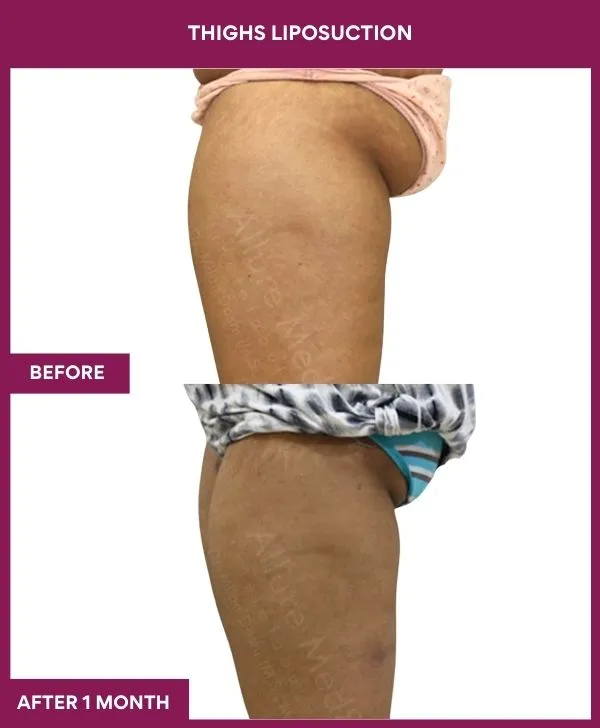
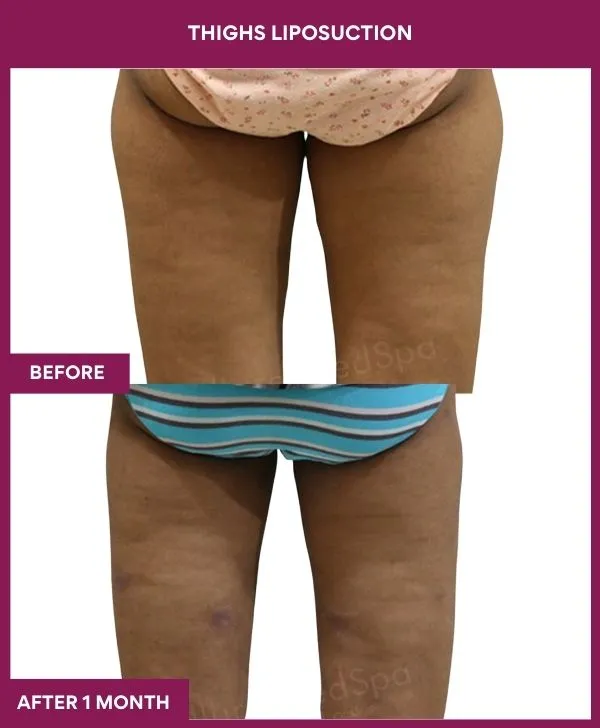
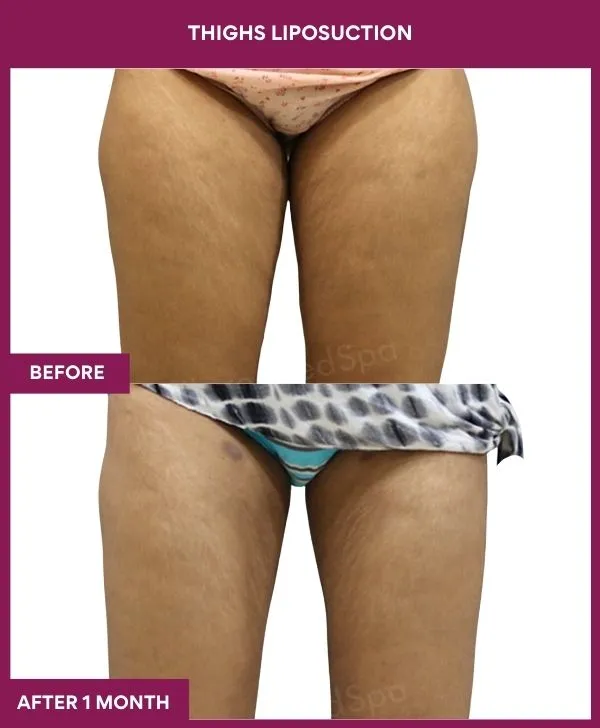
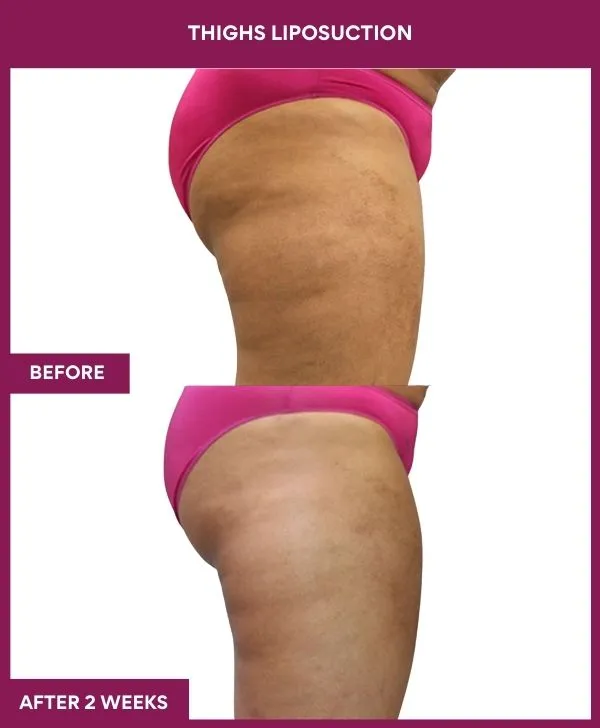
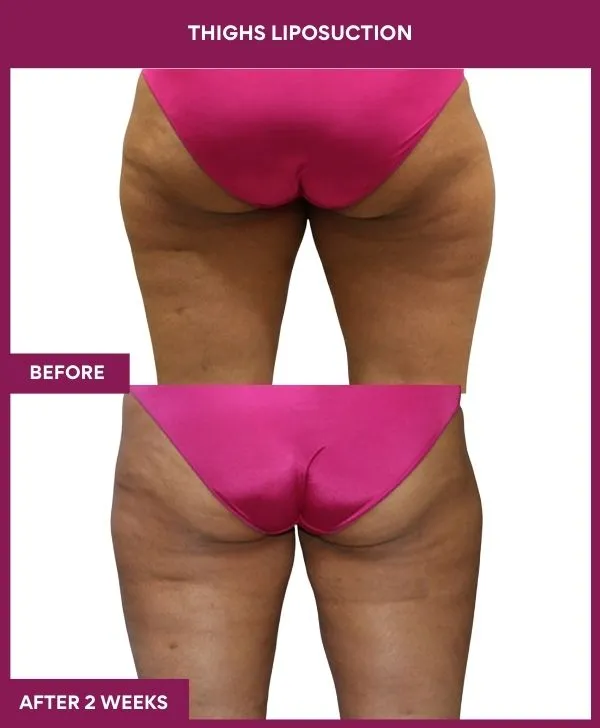
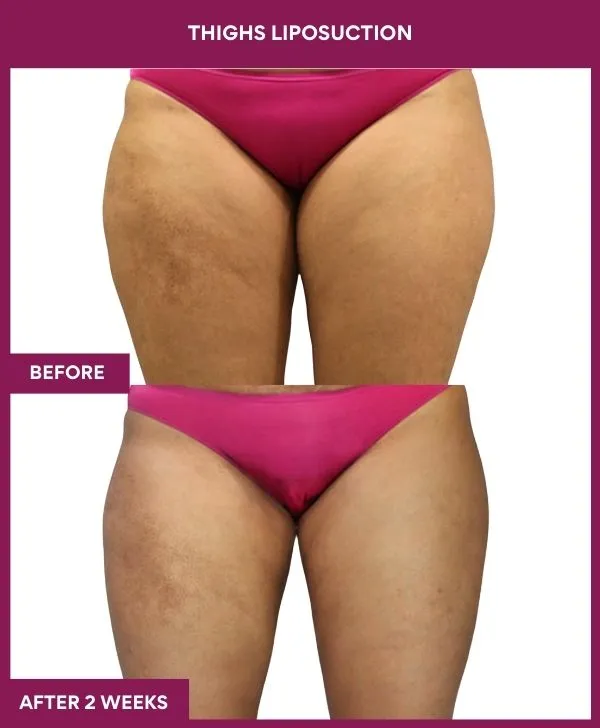
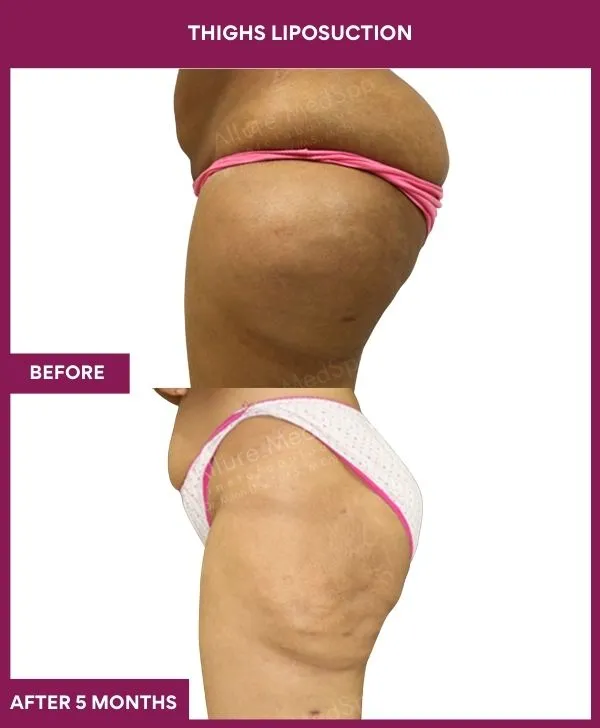
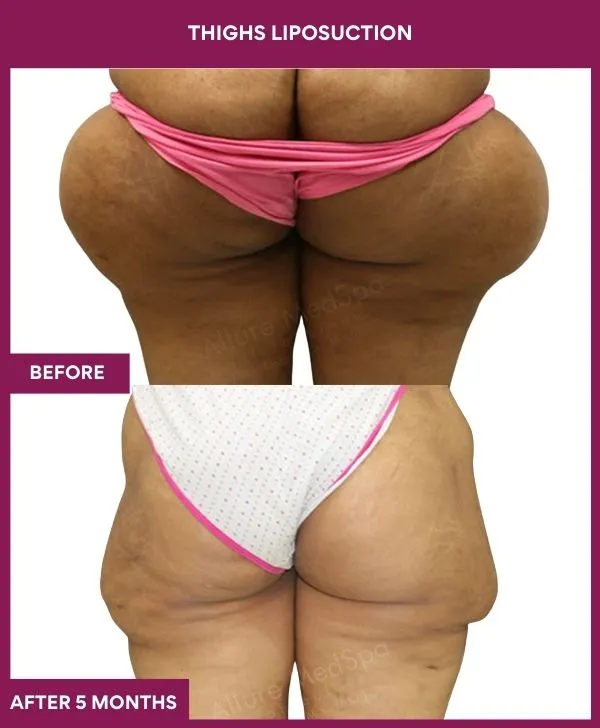
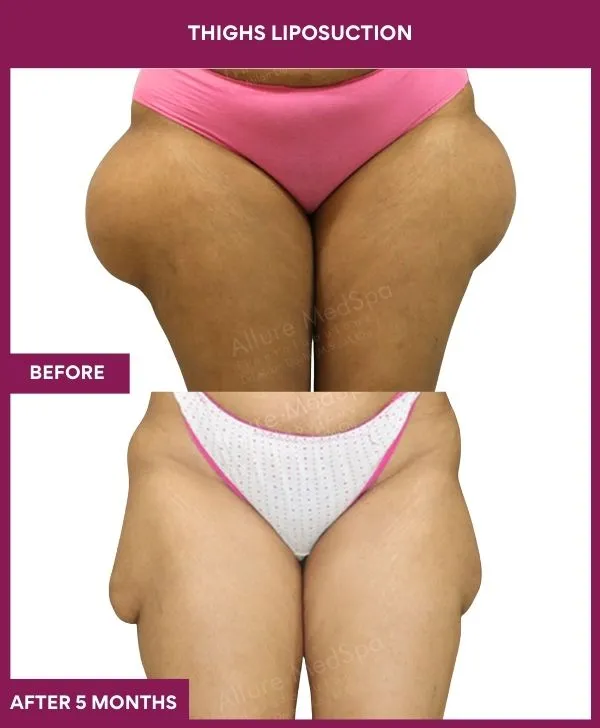
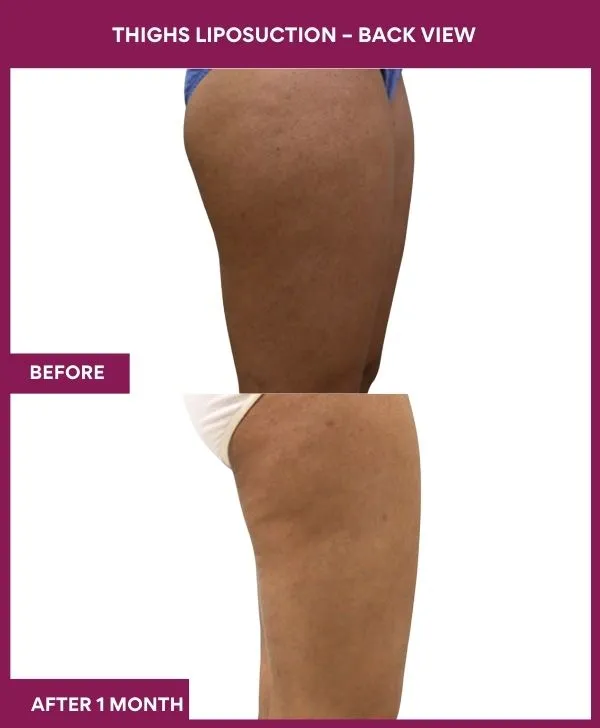
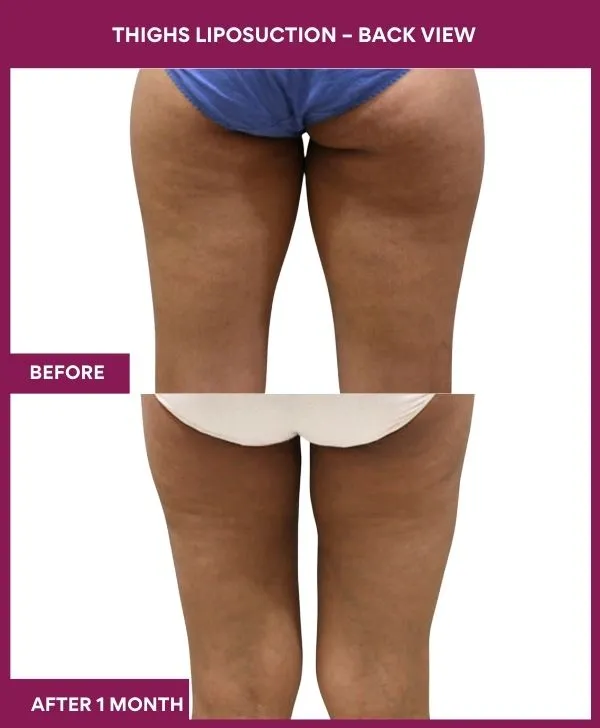
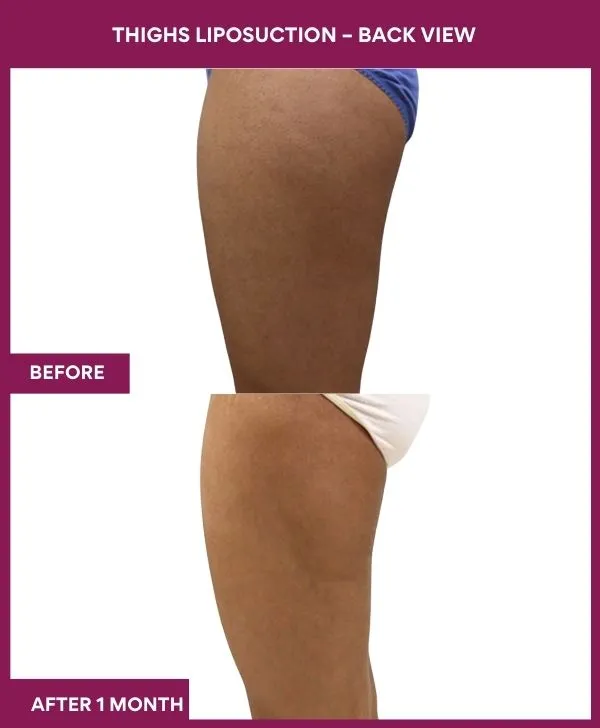
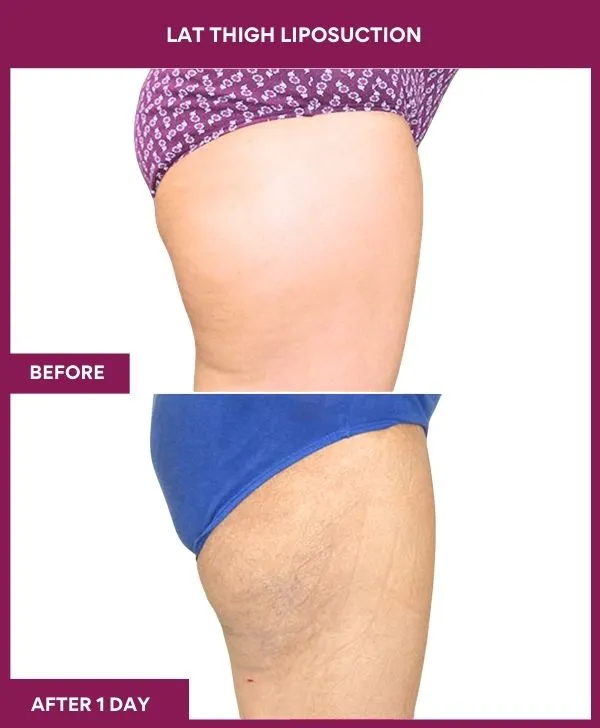
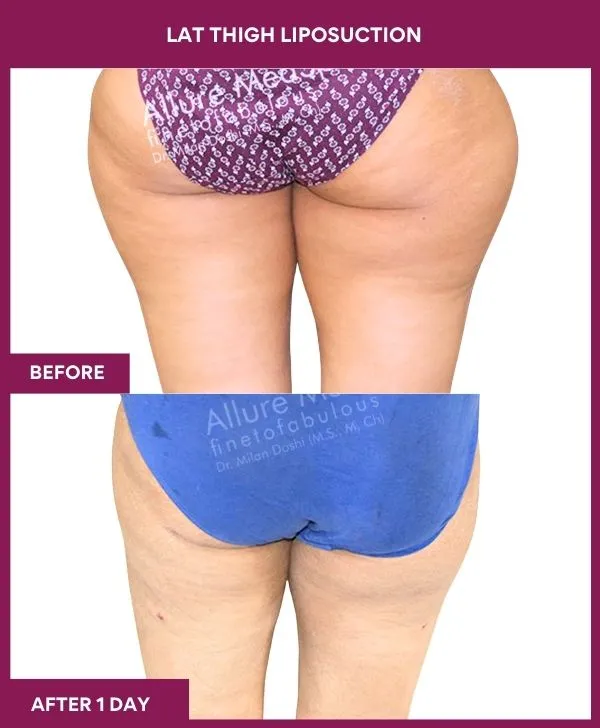
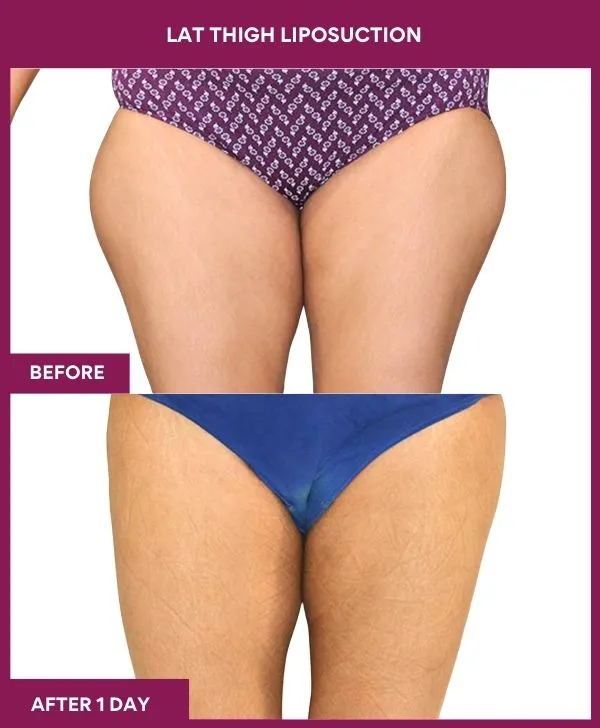
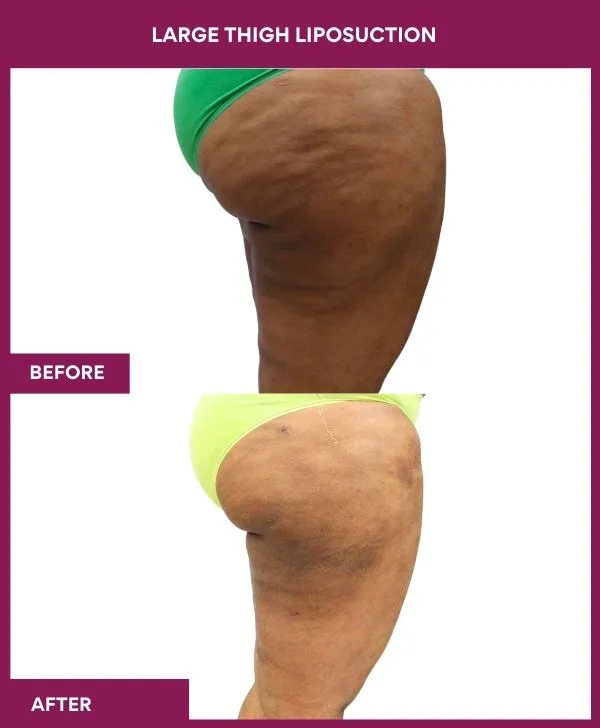
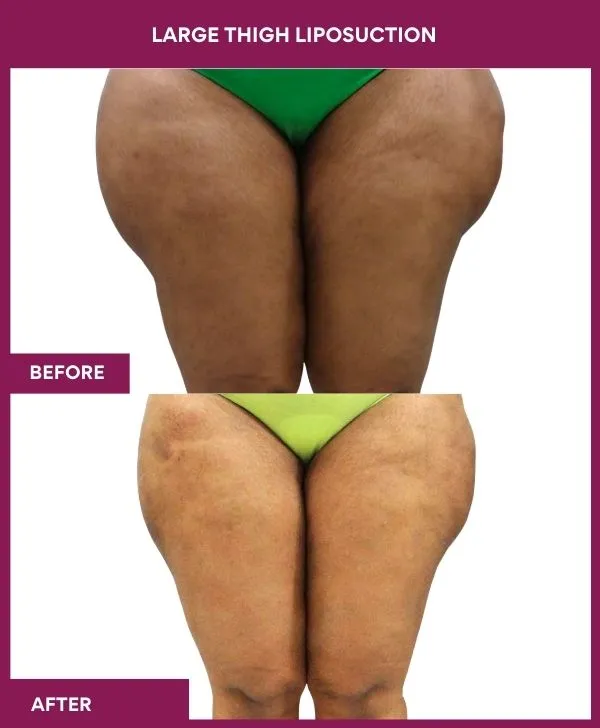
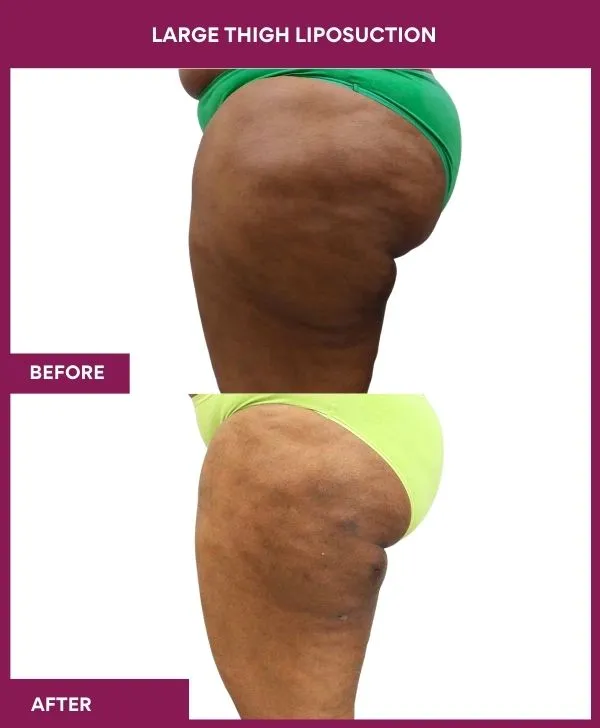
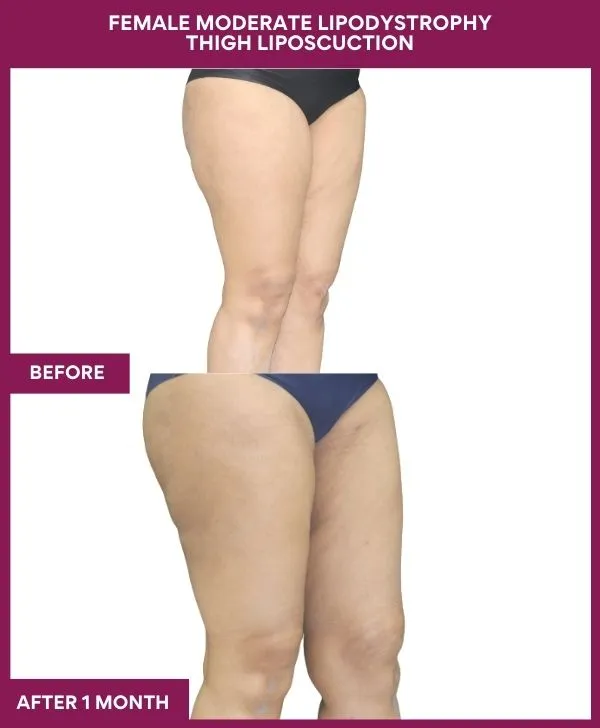
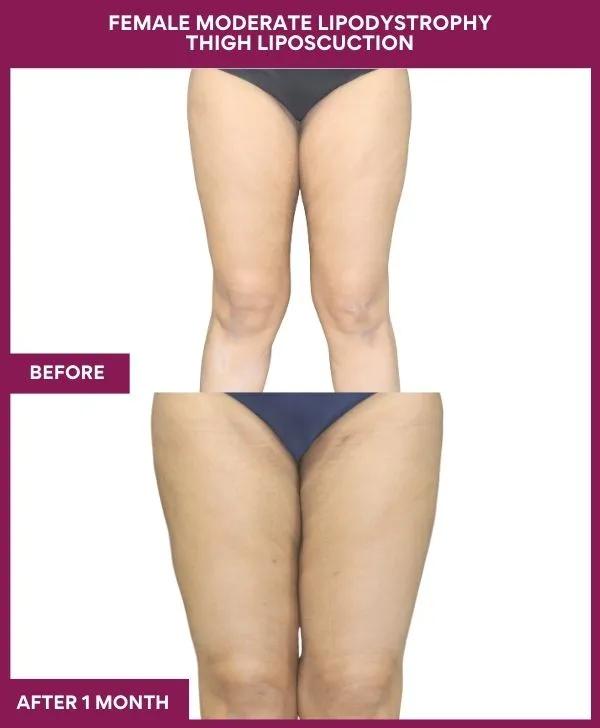
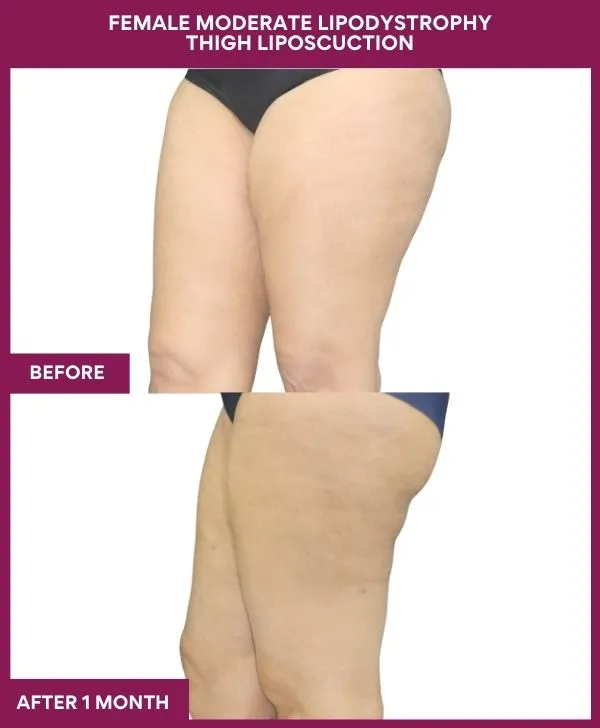
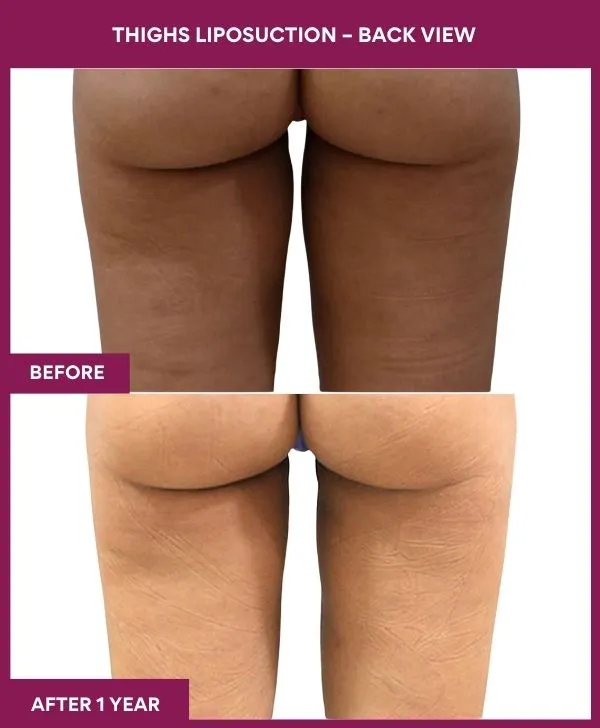
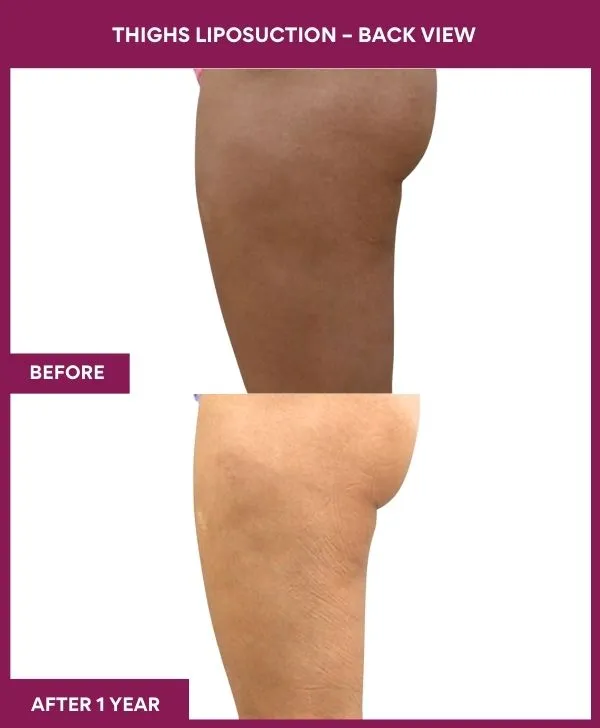
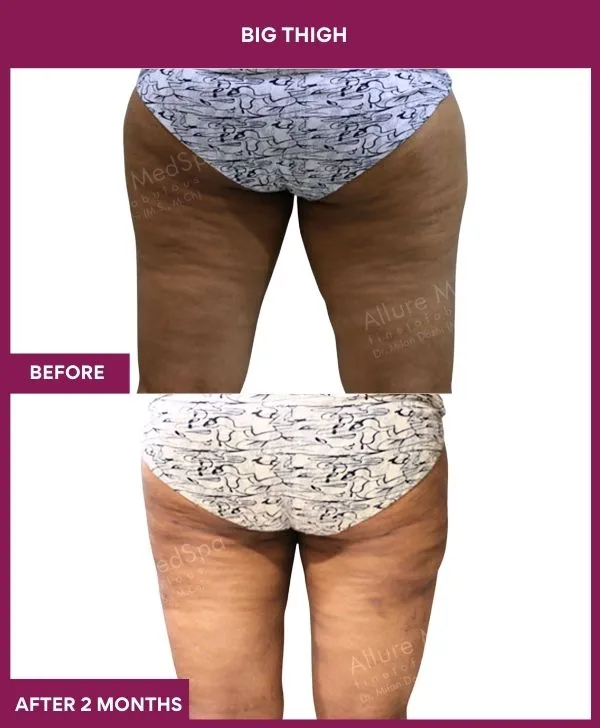
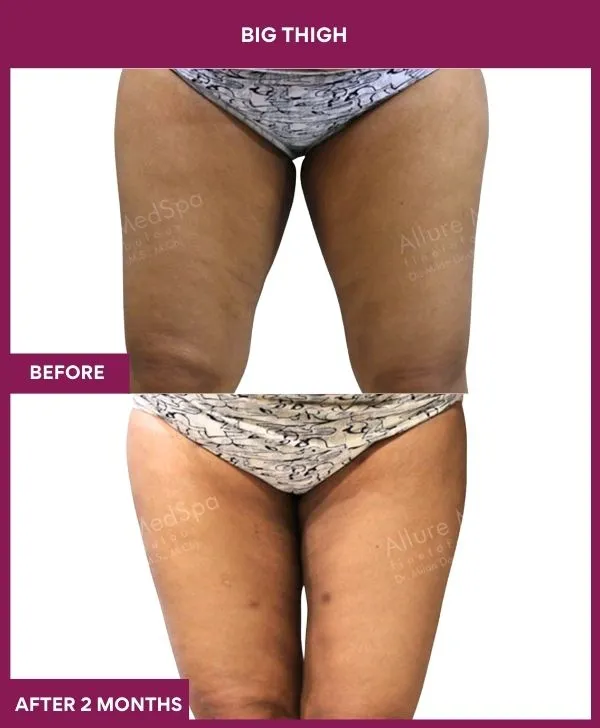
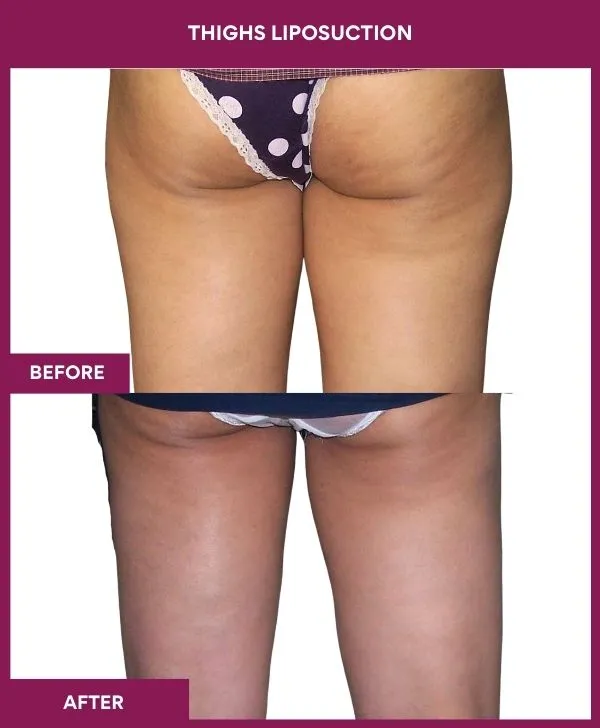
“Liked the results? Let’s plan yours.”
Thigh & Leg Liposuction Surgery Patient Testimonials: Fine To Fabulous Journeys
“Inspired by their journey? Start yours.”
Video: Liposuction Surgery Explain By Dr. Milan Doshi
Dr Milan Doshi is describing the Liposuction Surgery in detail with benefits, candidacy, associated risks and significance
Am I a Candidate?
(4 quick questions)
Area, tissue, leg health, goal — four questions start the plan.
Discuss My ResultNon-diagnostic — an examination confirms it
Quick Facts About Thigh & Leg Liposuction Surgery
TIME REQUIRED
1–3 hours
ANESTHESIA
General / local
HOSPITAL STAY
Day care
PAIN LEVEL
Mild–moderate
BACK TO WORK
3–7 days
Final results
3–6 months
SUCCESS RATE
97–98%
COMPLICATIONS
Under 2–3%
How Much Does Thigh & Leg Liposuction Cost in Mumbai?
Indicative thigh liposuction cost in Mumbai: ₹50,000 – ₹1,20,000. The exact quote varies with the zones treated, anaesthesia, technique and whether another region is combined.
| Item | Allure price |
|---|---|
| Thigh liposuction | ₹50,000 – ₹1,20,000 |
| Inner + outer thighs together | Priced as a combination — not two separate operations |
| Knees or lower legs | Quoted after examination |
| Thigh lift (medial thighplasty) | Quoted after examination |
| Consultation | ₹1,500 |
| Is the consultation fee adjusted against surgery? | Yes — adjusted against surgery if the surgery is done within 6 months. |
| GST | Shown separately on your invoice |
| EMI | Available |
What changes the leg price?
- Inner versus outer thigh — or both.
- Knee involvement.
- Lower-leg treatment — calves and ankles.
- Anaesthesia and technique.
- Combination with another region — hips, buttocks or abdomen.
Inner and outer thighs are often planned together when both genuinely contribute to the leg contour — the combined price isn’t the same as paying for two separate operations, because theatre, anaesthesia and follow-up are shared. → Full liposuction cost guide
Get your exact quote & surgery plan
Share your details — our team responds within working hours with cost, EMI options and next steps.
Most Common Question People Ask
Q1. Will thigh liposuction give me a thigh gap?
Ans. Not reliably. Whether your thighs touch depends heavily on pelvic width and the angle of your thigh bones — skeletal features liposuction can’t change. Inner-thigh liposuction can reduce soft-tissue bulk and may reduce rubbing, but no surgeon can honestly promise a thigh gap.
Q2. Does inner thigh liposuction help with chafing?
Ans. It can, when chafing comes from excess soft-tissue contact between the inner thighs — reducing medial-thigh fat decreases skin rubbing during walking and exercise. Treatment is deliberately conservative, because inner-thigh skin is thin and important lymphatic and venous structures lie close to the surface.
Q3. Does calf liposuction actually work?
Ans. It can in carefully selected patients with true subcutaneous calf fat, but it won’t reduce muscular calves and it’s technically demanding, because the fat layer is thin and lower-leg swelling can persist for months. Examination must first distinguish fat from muscle, venous swelling or lymphatic causes.
Q4. Can thigh liposuction remove cellulite?
Ans. No. Cellulite comes from fibrous bands tethering the skin to deeper tissue, not a removable pocket of fat. Liposuction doesn’t release those bands — and reducing the volume underneath can make existing dimpling more visible. Cellulite-specific treatments are a separate discussion from contouring the thigh.
Q5. Can inner and outer thighs be treated together?
Ans. Yes, when both genuinely contribute to the leg contour. They’re planned as one leg line, from hip to ankle, rather than as two separate pockets of fat, and priced as a combination — because theatre time, anaesthesia, garments and follow-up visits are shared rather than paid for twice.
Q6. How long does swelling last after leg liposuction?
Ans. Swelling falls over the first weeks but tends to collect around the knees and ankles by evening early on, because gravity pulls fluid down while you stand. The thigh contour settles over three to six months; lower-leg swelling after calf or ankle treatment can last noticeably longer.
Q7. When can I go back to work and the gym?
Ans. Many desk-based patients return within about a week. Short, regular walks start from the first days and are part of recovery. Lower-body training returns in stages around four to six weeks, after clearance at your review, because squats and lunges load exactly the tissue that’s healing.
Q8. Should my hips be treated with my saddlebags?
Ans. Often, yes. The saddlebag sits directly under the hip — reducing the pad while a full hip remains above can leave a dent rather than a smooth curve. The hip and outer thigh are assessed as one decision, standing and from the back, before anything is marked.
Q9. Is the banana roll part of thigh liposuction?
Ans. Not automatically. The fold beneath the buttock affects the buttock-thigh transition and needs its own assessment, because over-treatment there can alter the support of the buttock and leave a lower-looking crease. It’s planned separately, and only when it is genuinely out of proportion.
Q10. When is a thigh lift better than liposuction?
Ans. When loose inner-thigh skin, rather than fat, is the main problem — particularly after major weight loss. A thigh lift is a larger operation with a different scar and complication profile, and a 2025 review found liposuction-assisted techniques had substantially fewer complications than thigh lifts without liposuction.

Why Choose Dr. Milan Doshi?
What does that mean for your legs?
- Standing marking — front, back and both sides, weight evenly distributed.
- Conservative inner-thigh work to protect thin skin and lymphatics.
- Hip and outer thigh planned together.
- Fat, muscle and swelling told apart before any calf treatment.
- A thigh lift recommended when skin, not fat, is the problem.
The Complete Guide About Thigh & Leg Liposuction Surgery
What is Thigh & Leg Liposuction (Lower-Extremity Suction Lipectomy)?
Thigh and leg liposuction — medically, suction-assisted lipectomy of the lower extremity — removes selected fat from the inner thigh, outer thigh, knee or calf through small access points, to give a smoother line from hip to ankle. Most people are asking for better proportion rather than simply smaller legs, without one localised pad or transition interrupting the shape.
There’s no single correct leg shape; the useful question is whether one fatty area sits out of proportion with the rest of your leg. Liposuction is one of the most performed aesthetic operations worldwide — ISAPS estimated 2,087,189 procedures in 2024, about 97,160 of them in India.
Why does the line matter more than the number?
| If you treat… | But leave… | The result |
|---|---|---|
| The outer thigh | An overly full hip | A dip |
| The inner thigh | A full inner knee | The heavy-looking contour simply moves down |
| The knee | A full thigh above | A lower zone that looks disconnected |
The operation follows the whole leg line, even when only one or two zones are treated.
What do patients most often describe?
- Inner-thigh rubbing.
- Fullness around the knee.
- Outer-thigh saddlebags.
- Thick-looking calves.
- A leg contour that feels disproportionate despite stable weight.
Men often focus on the inner thigh and knee, particularly when fullness hides the lines of a trained leg. Women more commonly describe outer-thigh and hip fullness — though individual variation is enormous.
Will liposuction give you a thigh gap?
A thigh gap isn’t simply a measure of thigh fat. Whether the thighs touch depends heavily on pelvic width and the angle of the femurs — the thigh bones — neither of which liposuction can change. Two people at the same body-fat percentage can have completely different thigh contact. Inner-thigh liposuction can reduce soft-tissue bulk; it can’t widen the pelvis or reposition bone. The realistic goal is a more proportionate inner-thigh contour — and, for many, less rubbing.
Synonyms for thigh liposuction
- Patient terms: thigh lipo · saddlebag removal · inner thigh fat removal · leg liposuction · thigh fat removal surgery.
- Medical terms: suction-assisted lipectomy (lower extremity) · medial and lateral thigh liposuction · lower-limb liposculpture.
- Hindi / colloquial: जांघ की चर्बी हटाने की सर्जरी · जांघ की लिपोसक्शन.
Sources: American Society of Plastic Surgeons. Liposuction · Wu S, Coombs DM, Gurunian R. Liposuction: concepts, safety, and techniques in body-contouring surgery. Cleve Clin J Med. 2020;87(6):367–375 · International Society of Aesthetic Plastic Surgery (ISAPS). Global Survey 2024 — full report, published June 2025
Do Your Legs Look Heavier Than You Feel?
Fat around the hips and thighs behaves differently from abdominal fat. The gluteofemoral fat depot — the fat around the hips, buttocks and thighs — is relatively passive in everyday metabolism and geared toward long-term storage of fatty acids rather than releasing them readily. That’s one reason thighs can stay disproportionately full even when the abdomen becomes noticeably leaner.
Why do thighs sometimes change last during weight loss?
When overall weight falls, different depots don’t reduce at the same speed. A typical sequence people notice: the face becomes leaner, the waist reduces, the upper body changes — and the thighs remain relatively unchanged. That doesn’t mean you exercised wrongly; the body doesn’t let you choose where fat is mobilised.
Is thigh fat unhealthy?
Not in the way visceral abdominal fat is. Gluteofemoral fat has been associated with a comparatively favourable lipid and glucose profile and lower cardiometabolic risk. Thigh fat can be cosmetically frustrating without being metabolically harmful — so thigh liposuction is purely a shape decision and should never be sold as improving health.
What are the three main leg fat zones?
| Zone | Where it sits | Typical character |
|---|---|---|
| Inner thigh | Medial upper thigh, often most noticeable near the groin | Softer, mobile fat beneath relatively thin skin; often linked with rubbing |
| Outer thigh / saddlebags | Side of the thigh, below the hip | A genetically influenced localised pad that may remain even in lean patients |
| Knees & calves | Inner-knee pad and selected lower-leg fullness | Small volumes, thin tissue, very little margin for over-treatment |
Why do genetics still matter?
The number of fat cells in a region becomes relatively stable in adulthood. Weight loss makes fat cells smaller; it doesn’t selectively delete a genetically determined outer-thigh pad. That’s why saddlebags can remain obvious at a person’s lowest adult weight.
Sources: Manolopoulos KN, Karpe F, Frayn KN. Gluteofemoral body fat as a determinant of metabolic health. Int J Obes (Lond). 2010;34(6):949–959, PMID 20065965 · Spalding KL, Arner E, Westermark PO, et al. Dynamics of fat cell turnover in humans. Nature. 2008;453(7196):783–787, PMID 18454136 · Klein S, Fontana L, Young VL, et al. Absence of an effect of liposuction on insulin action and risk factors for coronary heart disease. N Engl J Med. 2004;350(25):2549–2557, PMID 15201411
What Are the Benefits of Thigh & Leg Liposuction?
The main benefits of facelift surgery are reduced jowls, a clearer jawline, corrected lower-face and neck laxity, and softening of deep folds caused by tissue descent. Because the lift comes from the deeper SMAS layer, the correction is structural and longer-lasting than non-surgical alternatives.
Cosmetic benefits
- Improvement in jowls — descended tissue along the lower face is repositioned, reducing heaviness either side of the chin.
- Restored jawline definition — a clearer transition between face and neck, one of the most consistently valued outcomes in suitable patients.
- Correction of lower-face laxity — excess skin removed or redistributed conservatively, so contour improves without an overly tight appearance.
- Softening of deep folds associated with descent, particularly nasolabial and marionette folds — these may soften rather than disappear.
- Support for downturned mouth corners caused by descending tissue.
- Improved neck contour and selected platysma bands when neck correction is included.
Sources: American Society of Plastic Surgeons. Liposuction · Di Pietro V, Colicchia GM, Cervelli V, Gentile P. Medial thigh contouring in massive weight loss: a liposuction-assisted medial thigh lift. World J Plast Surg. 2019;8(2):171–180 · Spalding KL, Arner E, Westermark PO, et al. Dynamics of fat cell turnover in humans. Nature. 2008;453(7196):783–787, PMID 18454136 · Carman W. Ten common misconceptions about liposuction. American Society of Plastic Surgeons, 2018
Which Problems Can Thigh & Leg Liposuction Correct?
Thigh and leg liposuction treats localised, pinchable fat in four zones — the inner thigh, the outer thigh (saddlebags), the inner knee and selected calves and ankles — each with its own degree of restraint.
| Concern | Zone | Can liposuction help? | What decides it |
|---|---|---|---|
| Inner-thigh rubbing and bulk | Inner thigh | Often — conservatively | Thin skin, lymphatics, skin recoil |
| A bulge below the hip on the side of the thigh | Outer thigh / saddlebag | Usually, with the biggest visible change | Whether the hip above is planned too |
| Fullness around the inner knee | Knee | In selected patients | A full inner thigh above it |
| Thick-looking calves or ankles | Calves and ankles | Only when there’s true fat | Fat versus muscle, venous or lymphatic swelling |
| A fold beneath the buttock | Banana roll | Needs its own assessment | Buttock support — over-treatment can alter it |
| Loose, crepey inner-thigh skin | Inner thigh | No — skin is the problem | Thigh lift discussion |
Why does inner-thigh rubbing matter?
Not every liposuction concern is purely cosmetic. In a hot, humid climate, regular skin-on-skin friction can contribute to soreness, irritation, recurrent rashes, skin breakdown, difficulty walking longer distances comfortably, and limits on clothing choice. Reducing soft-tissue bulk between the thighs can therefore have a functional as well as a visual effect. For properly selected patients, it can make walking, exercising and wearing skirts or shorts more comfortable — the goal is less rubbing and bulk, not a skeletal thigh gap.
Why can saddlebags survive weight loss?
The outer-thigh pad is often strongly influenced by genetics. Someone can be lean and weight-stable and still retain a distinct outer-thigh bulge — not more total fat, just one depot that stays locally disproportionate.
What about the inner-knee fat pad?
A small fat pad often sits on the inner knee. Its volume may be modest, but its visual effect can be large, because the knee is the transition between thigh and lower leg. An isolated knee treatment rarely makes sense if the inner thigh above stays significantly full — the eye should move smoothly from inner thigh to knee to calf. A full inner knee visually continues the same line as a full inner thigh, so the inner knee is assessed during an inner-thigh examination even if it doesn’t ultimately need treatment.
Sources: Di Pietro V, Colicchia GM, Cervelli V, Gentile P. Medial thigh contouring in massive weight loss: a liposuction-assisted medial thigh lift. World J Plast Surg. 2019;8(2):171–180 · Di Pietro V, Colicchia GM, Cervelli V. Medial thigh contouring after massive weight loss: the liposuction-assisted medial thigh lift (LAMeT). J Cutan Aesthet Surg. 2020;13(4):305–313 · Manolopoulos KN, Karpe F, Frayn KN. Gluteofemoral body fat as a determinant of metabolic health. Int J Obes (Lond). 2010;34(6):949–959, PMID 20065965 · Spalding KL, Arner E, Westermark PO, et al. Dynamics of fat cell turnover in humans. Nature. 2008;453(7196):783–787, PMID 18454136 · Dixit VV, Wagh MS. Unfavourable outcomes of liposuction and their management. Indian J Plast Surg. 2013;46(2):377–392, PMID 24501474
What Are the Limitations of Thigh & Leg Liposuction?
Thigh liposuction won’t correct significant loose skin, cellulite, muscular calf bulk, or leg enlargement caused by fluid or vascular disease. Each has a different treatment pathway — which is why examination identifies the tissue before surgery is discussed.
| Problem | Why liposuction fails | What may help instead |
|---|---|---|
| Loose thigh skin | Removing supporting fat makes wrinkling, hanging and laxity more obvious — especially on the inner thigh | A thigh lift (medial thighplasty) |
| Cellulite | Caused by fibrous bands tethering the skin, which liposuction doesn’t release; less volume can make dimpling more visible | Cellulite-specific treatments — not liposuction |
| Muscular calves | Little pinchable fat; suction doesn’t shrink muscle | Usually no surgical fat treatment |
| Swelling from venous insufficiency or lymphoedema | Not a fat problem | Proper medical assessment first |
| Lipoedema | Liposuction can have a role — but as a medical pathway, not routine cosmetic contouring | Condition-specific assessment |
| A thigh gap | Largely skeletal — pelvic width and femoral angle | A proportionate inner-thigh contour instead |
A useful clinical clue for skin: does it spring back after being lifted? If it stays elevated, skin removal may be more appropriate than fat removal.
When is a thigh lift the better operation?
A medial thigh lift, or thighplasty, removes excess inner-thigh skin. It’s mainly considered when skin laxity — rather than fat — is the dominant problem, particularly after major weight loss. It’s a larger operation than liposuction, and the scar and complication profile need discussing openly.
What do the published thigh-lift numbers show?
A 2025 systematic review of 19 studies and 1,113 patients found that adding liposuction to a medial thigh lift roughly halved the overall complication rate — 36.75% with liposuction versus 70.68% without (p < 0.001).
| Complication | Thighplasty without liposuction | Liposuction-assisted thighplasty |
|---|---|---|
| Seroma | 24.81% | 8.95% |
| Infection | 9.02% | 1.77% |
| Haematoma | 6.77% | 1.30% |
These aren’t minor numbers, and they don’t mean a thigh lift is a poor operation. Skin-removal surgery is a different level of procedure from isolated liposuction — and where a thigh lift is genuinely needed, a liposuction-assisted technique has a substantially better published complication profile. The medial thigh is humid, mobile, high-friction and rich in lymphatics, which helps explain why healing there can be demanding.
Sources: Albanese R, Blessent CGF, Tomaselli F, et al. A comprehensive review of medial thighplasty: the role of liposuction in reducing complications and optimizing patient outcomes. J Clin Med. 2025;14(7):2426 · Di Pietro V, Colicchia GM, Cervelli V, Gentile P. Medial thigh contouring in massive weight loss: a liposuction-assisted medial thigh lift. World J Plast Surg. 2019;8(2):171–180 · Carman W. Ten common misconceptions about liposuction. American Society of Plastic Surgeons, 2018 · National Health Service (UK). Liposuction
Why Consult Before Thigh & Leg Liposuction?
A thigh liposuction consultation is a diagnostic appointment, not a sales appointment. Its job is to decide, zone by zone, whether your leg is a fat problem, a skin problem, a muscle shape, a swelling problem — or a combination — and whether liposuction, a thigh lift, medical assessment or nothing is the honest answer.
| What is checked | Why it matters |
|---|---|
| Standing examination — front, back and both sides | Thigh fat shifts lying down; asymmetry shows best standing |
| The pinch test on each zone | Fat thickness versus muscle |
| Skin recoil on the inner thigh | Decides liposuction versus a thigh lift |
| Evening swelling, varicose veins, painful bruising fat | Venous, lymphatic or lipoedema causes need assessment first |
| The hip above the saddlebag and the knee below the inner thigh | Transitions decide whether the result looks natural |
| Weight history, medicines, smoking, clotting history | Healing and blood-clot risk |
What should I prepare before consultation?
- Photos from the front, back and both sides, hip to ankle, in natural light.
- Which zone bothers you most — rubbing, saddlebags, knees or calves.
- Any leg swelling, varicose veins or painful, bruising fat.
- Medicines and supplements, including blood thinners and hormonal medicines.
- Your question: “What will liposuction not fix for my legs?”
Is an online thigh liposuction consultation possible?
Yes — a virtual first consultation is available for outstation and international patients, using standing photos and video from all four sides; the plan is confirmed at examination. Consultation fee ₹1,500, adjusted against surgery if the surgery is done within 6 months.
Sources: American Society of Plastic Surgeons. Executive Summary — Practice Advisory on Liposuction · National Health Service (UK). Liposuction · NHS. Deep vein thrombosis (DVT)
Which Techniques Are Used in Thigh & Leg Liposuction?
“Technique” in leg liposuction means how the fat is loosened and removed — standard tumescent suction, power-assisted or ultrasound-assisted — and, just as importantly, how much restraint each zone gets. Small cannulas are used throughout, especially on the inner thigh, knee, calf and ankle, where the fat layer is thin.
| Technique | How it works | May suit |
|---|---|---|
| Tumescent suction-assisted (SAL) | Dilute local anaesthetic is infiltrated, then fat is removed with fine cannulas | Most thighs with good skin recoil |
| Power-assisted (PAL) | A vibrating cannula helps move through fibrous fat | Denser outer-thigh fat or previously treated areas |
| Ultrasound-assisted (UAL / VASER) | Ultrasound energy loosens fat before suction | Selected dense tissue — chosen for the tissue, not as a default |
| Liposuction-assisted thigh lift | Liposuction combined with removal of loose inner-thigh skin | Significant skin laxity — a different operation |
Why is the inner thigh technically unforgiving?
| Reason | What it means |
|---|---|
| The skin is thin | Medial-thigh skin may have less elasticity than the outer thigh — contour irregularities show more |
| Superficial lymphatics are nearby | Important drainage channels lie close to the surface; damage can contribute to persistent swelling |
| Superficial veins need respect | They can be injured if treatment is too aggressive or in the wrong plane |
| The area is humid and high-friction | Moisture, friction and movement make healing less straightforward |
Why can taking less produce a better result?
If too much fat is removed from beneath thin skin, the skin may fail to re-drape smoothly — leaving rippling, wrinkles, hollows or visible asymmetry. A small residual fat layer on the inner thigh isn’t a failure; it’s often what preserves a smooth leg. Published work on inner-thigh contouring emphasises preserving lymphatic and blood vessels for exactly this reason.
Sources: Di Pietro V, Colicchia GM, Cervelli V, Gentile P. Medial thigh contouring in massive weight loss: a liposuction-assisted medial thigh lift. World J Plast Surg. 2019;8(2):171–180 · Di Pietro V, Colicchia GM, Cervelli V. Medial thigh contouring after massive weight loss: the liposuction-assisted medial thigh lift (LAMeT). J Cutan Aesthet Surg. 2020;13(4):305–313 · Wu S, Coombs DM, Gurunian R. Liposuction: concepts, safety, and techniques in body-contouring surgery. Cleve Clin J Med. 2020;87(6):367–375 · Klein JA, Jeske DR. Estimated maximal safe dosages of tumescent lidocaine. Anesth Analg. 2016;122(5):1350–1359, PMID 26895001 · Dixit VV, Wagh MS. Unfavourable outcomes of liposuction and their management. Indian J Plast Surg. 2013;46(2):377–392, PMID 24501474
What Are the Types of Thigh & Leg Liposuction?
Types describe which zone is treated: inner thigh, outer thigh, inner knee, calves and ankles — alone or as one planned leg line, sometimes with the hips or as part of a thigh lift.
| Feature | Inner thigh | Outer thigh |
|---|---|---|
| Skin | Thin | Thicker |
| Fat | Soft, mobile | A more substantial, localised pad |
| Volume reduction | Conservative | More meaningful reduction possible |
| Main risk | Rippling, swelling | A dent if the hip above is ignored |
Why must the hip above the saddlebag be assessed?
The saddlebag sits directly beneath the hip. Reduce the pad while the hip immediately above stays full, and the result looks like a dent rather than a smoother curve. So the outer thigh is assessed with the hip, the flank and the buttock crease. → Love handles & hips
What about the banana roll?
The small fold beneath the buttock — the banana roll — isn’t automatically part of outer-thigh liposuction. It affects the buttock-thigh transition and needs its own assessment, because over-treatment can alter the support of the buttock. → Buttock liposuction
Why do standing marking and symmetry matter?
The outer-thigh pad changes position lying down, so the thigh is examined and marked standing, with weight evenly distributed, from the front, behind and both sides. Outer-thigh asymmetry is easy to see because this area sets the side silhouette of the leg — the endpoint isn’t equal volumes removed, but a visually balanced contour.
Sources: Manolopoulos KN, Karpe F, Frayn KN. Gluteofemoral body fat as a determinant of metabolic health. Int J Obes (Lond). 2010;34(6):949–959, PMID 20065965 · Spalding KL, Arner E, Westermark PO, et al. Dynamics of fat cell turnover in humans. Nature. 2008;453(7196):783–787, PMID 18454136 · Dixit VV, Wagh MS. Unfavourable outcomes of liposuction and their management. Indian J Plast Surg. 2013;46(2):377–392, PMID 24501474
How Is Thigh & Leg Liposuction Performed Step-by-Step?
Thigh and leg liposuction uses several small access points and multiple patient positions, so the surgeon can blend the leg from front, back and sides.
| Step | What happens | Why |
|---|---|---|
| Standing marking | The whole leg viewed from multiple angles | Thigh fat shifts lying down, outer pads flatten on the table, knee fullness changes in flexion, asymmetry shows best standing |
| Anaesthesia and technique | General or regional; ultrasound assistance where tissue is dense | Confirmed at consultation → Liposuction techniques |
| Tumescent infiltration | Dilute local anaesthetic with adrenaline, dose calculated by body weight | Reduces bleeding and pain; the dose is documented |
| Access points | Natural creases — groin, buttock fold, behind the knee, selected lower-leg sites | Discreet placement; the pattern depends on the zones |
| Repositioning | Inner, outer and back surfaces treated from different positions | The contour can be judged rather than worked blindly |
| Small cannulas | Throughout — especially the inner thigh, knee, calf and ankle | The fat layer is thin there |
| Both legs assessed | Even if one side bothers you more | Treatment aims for balance, not equal volumes |
| Compression garment | Fitted before you wake fully, extending beyond the treated zones | Even support and no pressure line |
Sources: Mysore V. Tumescent liposuction: standard guidelines of care. Indian J Dermatol Venereol Leprol. 2008;74 Suppl:S54–S60, PMID 18688105 · Klein JA, Jeske DR. Estimated maximal safe dosages of tumescent lidocaine. Anesth Analg. 2016;122(5):1350–1359, PMID 26895001 · American Society of Plastic Surgeons. Executive Summary — Practice Advisory on Liposuction · National Health Service (UK). Liposuction
When Will I See Final Thigh & Leg Liposuction Results?
Visible contour change usually appears within several weeks, while the final leg shape develops over roughly three to six months — and can take longer when the knees, calves or ankles are treated.
| When | What you see |
|---|---|
| Weeks 1–2 | Swelling hides much of the change; legs look slimmer in the morning than by evening |
| Weeks 2–4 | Firmness, ridging and uneven-feeling tissue during healing |
| Months 1–3 | The thigh contour becomes clearer |
| Months 3–6 | The thigh contour settles; lower-leg cases may stay swollen longer |
Why might chafing feel worse before it feels better?
Swelling temporarily increases the volume of treated tissue, so someone who had surgery partly to reduce rubbing can briefly feel the thighs touch more. Judge the functional change after swelling settles.
Sources: National Health Service (UK). Liposuction · Niddam J, Castel N, Berl A, Shalom A. Dry liposculpture of the calves and ankles: a novel technique for sculpting the lower legs. Aesthetic Plast Surg. 2024;48(23):5074–5082, PMID 39342542
What Is the Aftercare After Thigh & Leg Liposuction?
Leg liposuction aftercare centres on a correctly sized compression garment that extends beyond the treated zones, short regular walks from the first days, elevation when resting, and a staged return to lower-body training.
Why does garment length matter?
A leg garment must extend beyond the treatment zone — one ending directly over a treated area creates a tight band and a pressure line. Thigh treatment may need longer compression shorts; knee treatment, compression below the knee; lower-leg treatment, compression below the treated calf or ankle. Ask which garment and length applies to your zones, whether it’s included, and for how long.
Why is swelling worse in the evening — and why keep walking?
Gravity pulls fluid down while you stand and walk, so legs may look slimmer in the morning and more swollen by evening early on; elevation when resting helps. Short, frequent walks are part of postoperative care and reduce prolonged immobility — stopping all movement because the leg feels swollen is the opposite of what the plan intends.
| Avoid | Why |
|---|---|
| Long periods sitting or lying still | Raises blood-clot risk and lets swelling pool |
| A garment that rolls into a tight band | Leaves a pressure line over a treated zone |
| Squats, lunges and running before clearance | They load exactly the tissue that’s healing |
| Removing compression early | Swelling settles less evenly |
| Smoking | Slows healing and raises complication risk |
| Aspirin or anti-inflammatories unless prescribed | Can increase bleeding |
| Sun on fresh access points | Indian skin can pigment at access sites |
| Judging the result at week three | Firmness and uneven swelling are normal then |
Sources: Mysore V. Tumescent liposuction: standard guidelines of care. Indian J Dermatol Venereol Leprol. 2008;74 Suppl:S54–S60, PMID 18688105 · Klein JA. Post-tumescent liposuction care: open drainage and bimodal compression. Dermatol Clin. 1999;17(4):881–889, doi:10.1016/S0733-8635(05)70135-2 · National Health Service (UK). Liposuction · World Health Organization. Smoking greatly increases risk of complications after surgery. 20 Jan 2020
What Are the Risks and Complications of Thigh & Leg Liposuction?
Thigh and leg liposuction is generally safe for an appropriately selected patient operated on by a trained plastic surgeon, but it is real surgery with recognised risks — and on the leg, the biggest avoidable risks are over-treating thin inner-thigh skin and treating swelling or muscle as if it were fat.
Common / expected: swelling (often collecting at the knees and ankles), bruising travelling downward, tightness and temporary numbness.
Uncommon: contour irregularity or rippling, seroma, prolonged lower-leg swelling, access-point pigmentation.
Rare but important: infection, lymphatic injury, blood clots (DVT/PE), local-anaesthetic toxicity and anaesthesia reactions.
| Complication (2024 meta-analysis, 29,368 patients, all areas) | Reported pooled rate |
|---|---|
| Any complication | 2.62% |
| Contour deformity / touch-up | 2.35% |
| Hyperpigmentation | 1.49% |
| Seroma | 0.65% |
| Haematoma | 0.27% |
| Infection | 0.02% |
What does the evidence on calf and ankle liposuction show?
Calf and ankle liposuction was historically described as a “taboo” procedure because of postoperative pain, disappointing results and technical difficulty. Modern techniques have improved that picture: a 2024 series of 70 women with two-year follow-up reported low pain scores and no major complications such as haematoma, infection or blood clots. That’s encouraging — it doesn’t make lower-leg liposuction simple.
| Why lower legs are different | What it means |
|---|---|
| Very little fat is available | Little margin between useful reduction and visible irregularity |
| Unforgiving anatomy | Surface anatomy and vascular structures demand special care |
| Gravity works against recovery | Swelling can stay in the calf, ankle and foot longer than expected |
| Thick calves may be muscle | Liposuction removes fat only — a muscular calf gains little |
| Our lower-leg approach | When we would say no |
|---|---|
| Conservative fat removal | The calf is mainly muscular |
| Fine cannulas | Venous disease is suspected |
| Deliberately stopping short of maximum reduction | Lymphatic swelling is present |
| Prolonged compression and elevation | The desired change is disproportionate to the small fat layer |
| Accepting a possible second small session later | A major reduction in circumference is expected |
Sources: Comerci AJ, Arellano JA, Alessandri-Bonetti M, et al. Risks and complications rate in liposuction: a systematic review and meta-analysis. Aesthet Surg J. 2024;44(7):NP454–NP463, doi:10.1093/asj/sjae074 · Niddam J, Castel N, Berl A, Shalom A. Dry liposculpture of the calves and ankles: a novel technique for sculpting the lower legs. Aesthetic Plast Surg. 2024;48(23):5074–5082, PMID 39342542 · De Freitas GM. Calves and ankle liposuction: advanced concepts. In: Avelar JM, Ribeiro RC, eds. Body Contouring. Springer; 2023:889–905 · Iverson RE, Lynch DJ; ASPS Committee on Patient Safety. Practice advisory on liposuction. Plast Reconstr Surg. 2004;113(5):1478–1490, PMID 15060366 · NHS. Deep vein thrombosis (DVT) · Emergency Response Support System, Government of India — Dial 112
What Is the Thigh & Leg Liposuction Recovery Timeline?
Recovery usually takes longer than arm liposuction — and longest when the calves or ankles are treated. Many desk-based patients return to work within about a week.
| Time | What you may notice |
|---|---|
| Days 1–3 | Drainage, swelling and tightness; compression garment on; short, regular walks encouraged |
| Days 3–7 | Bruising more visible and often travelling downward; many desk-based patients return to work |
| Weeks 1–2 | Swelling reduces but can collect around knees and ankles by evening; elevation helps |
| Weeks 2–4 | Firmness, ridging and uneven-feeling tissue during healing |
| Weeks 4–6 | Staged return to lower-body training, after clearance |
| Months 3–6 | Contour progressively settles; lower-leg cases may stay swollen longer |
Sources: Mysore V. Tumescent liposuction: standard guidelines of care. Indian J Dermatol Venereol Leprol. 2008;74 Suppl:S54–S60, PMID 18688105 · Klein JA. Post-tumescent liposuction care: open drainage and bimodal compression. Dermatol Clin. 1999;17(4):881–889, doi:10.1016/S0733-8635(05)70135-2 · National Health Service (UK). Liposuction · American Society of Plastic Surgeons. Executive Summary — Practice Advisory on Liposuction
Medical Codes for thigh & leg liposuction Surgery
Codes below are for administrative and documentation reference.
| CPT code | CPT description | ICD-10 code |
|---|---|---|
| 15879 | Suction assisted lipectomy; lower extremity — thigh, knee and calf liposuction | E65 Localized adiposity · Z41.1 Encounter for cosmetic surgery |
| 15832 | Excision, excessive skin and subcutaneous tissue (includes lipectomy); thigh — thigh lift | L98.7 Excessive and redundant skin and subcutaneous tissue |
- Codes describe, they don’t decide cover: cosmetic surgery is a standard exclusion in Indian health insurance policies (IRDAI Excl08).
- Lipoedema and venous or lymphatic swelling are diagnosed and coded separately after medical assessment.
Sources: AAPC. CPT 15879 — Suction assisted lipectomy; lower extremity · AAPC. CPT 15832 — Excision, excessive skin and subcutaneous tissue (includes lipectomy); thigh · AAPC. ICD-10-CM E65 — Localized adiposity · AAPC. ICD-10-CM L98.7 — Excessive and redundant skin and subcutaneous tissue · ICD10Data. Z41.1 — Encounter for cosmetic surgery · IRDAI. Guidelines on Standardization of Exclusions in Health Insurance Contracts, Ref. IRDAI/HLT/REG/CIR/177/09/2019, 27 Sep 2019 — Excl08
(FAQs) Frequently Asked Question About thigh & leg liposuction Surgery
Q1. Is thigh liposuction safe?
Ans. For appropriately selected patients it is generally safe, but it is real surgery. A 2024 meta-analysis of 29,368 liposuction patients reported an overall complication rate of about 2.6%, most often contour irregularity. On the legs, the main avoidable risks are over-treating thin inner-thigh skin and treating swelling as fat.
Q2. How long does thigh liposuction take?
Ans. Usually about one to three hours, depending on how many zones are treated — inner thighs, outer thighs, knees or calves — whether ultrasound assistance is used, and how often you need repositioning. Many cases are day care; larger-volume or multi-area surgery may need a longer stay.
Q3. Is thigh liposuction painful?
Ans. Most patients describe mild to moderate discomfort — tightness, soreness and bruising for the first few days — controlled with prescribed medicines. Tumescent local anaesthetic numbs the treated area for several hours afterwards. Lower-leg treatment tends to feel sorer for longer, because swelling collects there when you stand.
Q4. Can men have thigh liposuction?
Ans. Yes. Men most often ask about the inner thigh and knee, particularly when fullness hides the lines of a trained leg. The same rules apply: the fat must be pinchable, the skin must recoil, and thick calves or thighs are checked for muscle before liposuction is offered.
Q5. Will the fat come back after thigh liposuction?
Ans. Removed fat cells don’t return, because the number of fat cells in a region is relatively stable in adulthood. Remaining fat cells can still enlarge with weight gain, so a stable weight and regular activity help preserve the new leg line. Very large weight gain can change any result.
Q6. Can thigh liposuction be combined with hip or buttock liposuction?
Ans. Often, when each area genuinely contributes to the contour. The saddlebag and hip are usually one decision, and the banana roll is assessed separately because of buttock support. Combining areas shares theatre time and anaesthesia, but adds swelling and recovery, so only zones that need treatment are included.
Q7. Will I have scars after leg liposuction?
Ans. Only small access points, usually a few millimetres long, placed in natural creases — the groin, the buttock fold, behind the knee or at selected lower-leg sites. They usually fade over months, although Indian skin can develop darker marks at access points, so sun protection and early review help.
Q8. Does insurance cover thigh liposuction?
Ans. Usually no. Cosmetic surgery is a standard exclusion in Indian health insurance policies under IRDAI guidelines, and thigh liposuction for contour is treated as cosmetic. Lipoedema and other medical leg conditions follow a separate medical pathway. EMI is available, and your written quote shows exactly what is included.
Q9. When can I travel or fly after thigh liposuction?
Ans. Short trips are often possible within days, but long journeys add blood-clot risk after leg surgery, so timing is agreed with your surgeon after your first review. Keep walking, stay hydrated and wear your garment as advised. Outstation patients can start with a virtual consultation and plan follow-up back home.
Related Links
-
- Liposuction Before & After Gallery
- Liposuction Body Areas
- Liposuction Techniques
- VASER Liposuction
- Laser Liposuction
- Mega Liposuction
- Liposuction for Men
- Liposuction vs Tummy Tuck
- Fat-Dissolving Injections
- Non-Surgical Lipolysis
- Tummy Tuck Surgery
- Gynecomastia Surgery
- Body Lift Surgery
- Brazilian Butt Lift
- Fat Injection Surgery
- Bariatric Surgery