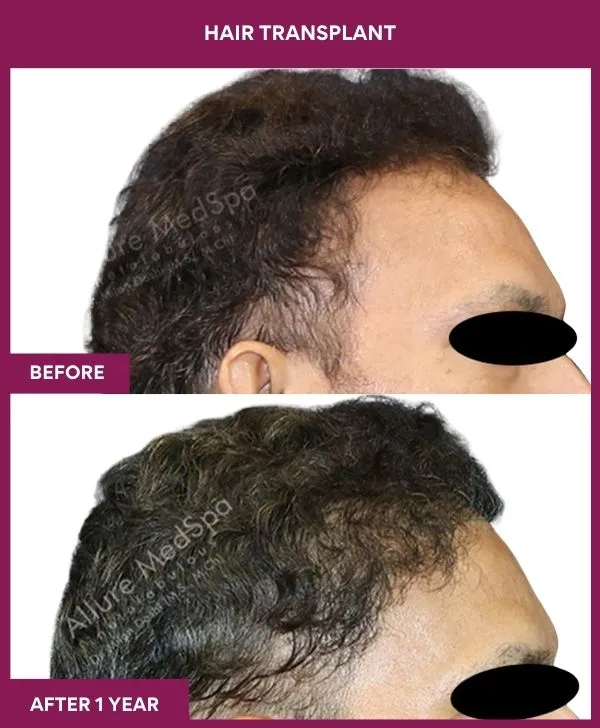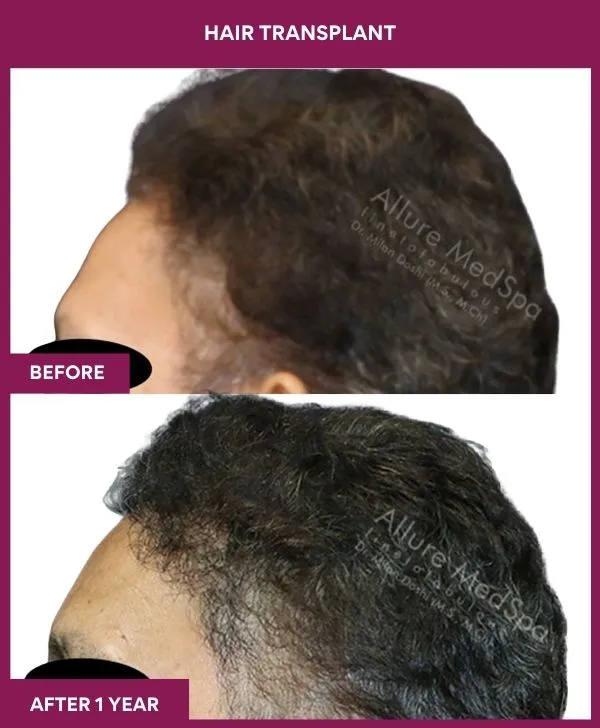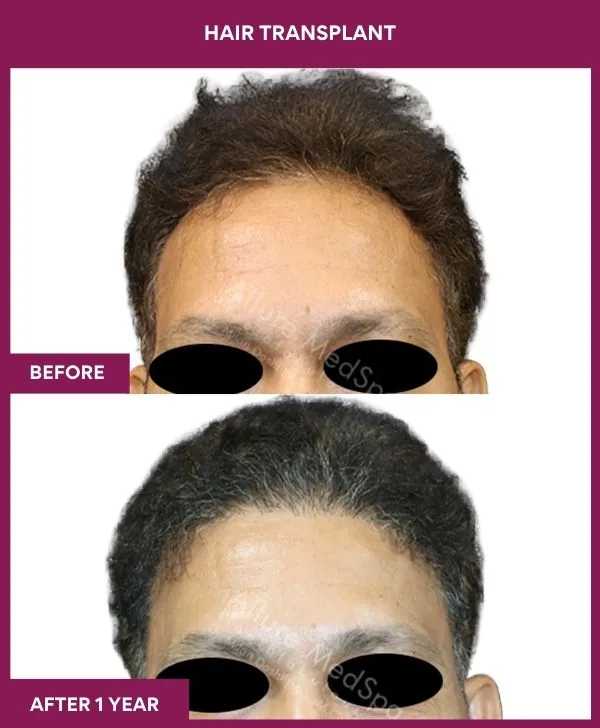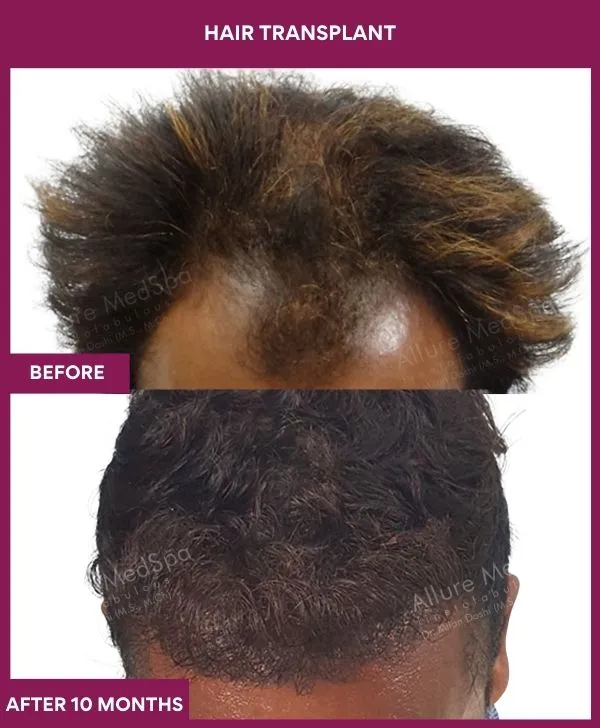
Many patients feel a surge of hope after their hair transplant—only to feel confused when they’re advised to continue Minoxidil or Finasteride afterward.
A common thought:
“But transplanted hair is permanent… so why do I still need medicines?”
This confusion is completely normal.
Here’s the truth:
– Transplanted hair is permanent.
– But the rest of your native hair is still vulnerable to DHT and future thinning.
– Medicines don’t protect grafts.
– They protect the hair you already have.
Understanding this difference is the key to long-term success.
Want faster, denser hair growth after your transplant?
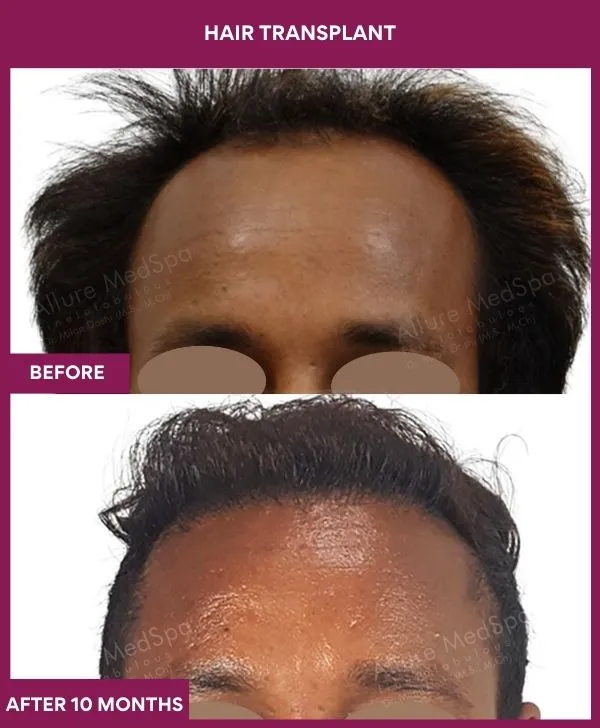
Hair Transplant Surgery Before and After Images
Hair Transplant Surgery Testimonials: Fine To Fabulous Journeys

Awarded by Google.com
Rating: 4.7
Reviews: 485+
Awarded by WhatClinic.com
Rating: 4.8
Reviews: 119+
Awarded by Realself
Rating: 4.9
Reviews:453+
Awarded by Facebook
Rating: 4.6
Reviews:105+
Dr Milan Doshi and his staff are very professional and committed as the centre is highly equipped with advanced technology. I had closed rhinoplasty 4 months back and I’m seeing the results as to how it becomes successful.
Deepika Shetty
The doctor explained everything clearly and the surgery was smooth. Recovery was faster than I expected and the team was very supportive.
Rahul Mehta
Very natural results and excellent staff. From consultation to follow-up, the experience was outstanding and boosted my confidence.
Sneha Kapoor
What Do Minoxidil & Finasteride Actually Do? (Simple Science)
Minoxidil (Topical)
What it does:
- Widens scalp blood vessels
- Improves follicle oxygenation
- Pushes resting (telogen) hair into growth (anagen)
- Increases hair shaft diameter
Best for:
- Weak/thinning native hair
- Shock loss recovery
- Faster post-op regrowth
Not a DHT blocker.
Medical source: StatPearls pharmacology
Finasteride (Oral)
What it does:
- Blocks DHT (root cause of male pattern baldness)
- Prevents miniaturization of native hair
- Maintains long-term density
- Reduces future recession
Best for:
- Men under 45
- Grades 3, 4, 5, 6 balding
- Strong family history of baldness
Medical source: NCBI Finasteride
Do You Really Need Minoxidil After a Hair Transplant?
Yes, IF:
- You have diffuse thinning
- You experienced shock loss
- You want faster visible regrowth
- You’re under 35
- You want thicker texture early
Optional IF:
- Your baldness is mild
- You have strong donor genetics
- You’re over 40 with stable hair loss
Not Needed IF:
- You had complete bald areas transplanted (no native hair to protect)
- You cannot tolerate topical products
Medical Authority Link (Shock Loss): NCBI – Telogen Effluvium after hair transplant:
Do You Still Need Finasteride After a Hair Transplant?
Finasteride is the most powerful preventive medicine for ongoing hair loss.
Must Continue IF:
- You’re under 30 (high risk)
- Baldness runs in family
- You want to preserve native hair
- You had frontal zone + midscalp transplant
- You’re prone to rapid recession
Optional IF:
- Age 45+
- Hair loss stabilized for 5+ years
- Transplant covers full area & donor is strong
Can Avoid IF:
- You have side effects
- You have low DHT sensitivity (rare)
Medical Source (DHT & Miniaturization): NCBI
If Transplanted Hair Is Permanent, Why Medicines?
Because:
✔ Transplanted hair is DHT-resistant
❌ Native hair around it is NOT
Without medicines:
- Native hairs continue thinning
- You lose density
- You require a second transplant earlier
- The result may look “patchy” in 2–3 years
Medical Support: Dermatology Journal on donor dominance
What Happens If You Stop Medicines After a Hair Transplant?
Scenario 1: You stop Minoxidil
- Transplanted hair = safe
- Native hair = may thin faster
- Shock loss recovery may slow
- Regrowth may be 4–6 weeks slower
Scenario 2: You stop Finasteride
- DHT rises again
- Native hair starts thinning within 3–12 months
- You may need PRP or repeat transplant
Scenario 3: You stop BOTH
- Transplanted hair stays
- Native hair declines
- Overall density drops
- A second transplant becomes necessary sooner
Medical Source: AAD – Androgenetic Alopecia Progression
Dr. Milan Doshi’s Recommended Protocol (26+ Years Experience)
✔ Minoxidil
- Start: 2–4 weeks post-op
- Duration: 6–12 months
- Dose: 5% foam/liquid once daily
✔ Finasteride
- Start: 1 month before transplant OR 1 month after
- Duration: Minimum 12 months, ideally long-term
- Dose: 1 mg daily
✔ For High-Risk Patients
- Add PRP at month 1–3
- Consider Dutasteride (under supervision)
Who Can Safely Stop Medicines After a Hair Transplant?
You MAY stop medicines IF:
- You are over 40
- Your hair loss is stable
- Your transplant covered all thinning zones
- You have thick donor hair
- You are Grade 2–3 Norwood
Important:
Stopping medicines must be done gradually and monitored.
When Are Medicines Non-Negotiable?
- Age 20–35
- Family history of baldness
- Fast-progressing hair loss
- Diffuse thinning
- Weak donor
- Large session (3000–4000 grafts)
Medical Link (Progressive Baldness): PubMed Study – hair loss progression
Do Minoxidil & Finasteride Help Shock Loss Recovery?
Yes — especially Minoxidil.
Minoxidil helps by:
- Increasing blood flow
- Shortening telogen
- Accelerating anagen entry
Finasteride helps by:
- Protecting weak native hair from miniaturization
Medical Authority: Telogen Effluvium – NCBI
Alternatives for Patients Who Cannot Tolerate Medicines
dicines
- PRP Therapy (growth factors)
- LLLT Laser Helmet
- Microneedling
- Dutasteride (0.5 mg) – more potent DHT blocker
- Topical Finasteride – lower side effects
Medical Source: PRP in hair growth – NCBI
Summary – Do You Need Them? (Decision Map)
You NEED medicines if:
- Age < 35
- Family history of baldness
- Diffuse thinning
- Large area transplant
- Rapid balding
Optional for:
- Age 35–45
- Localized baldness
- Strong donor genetics
NOT needed if:
- Age > 45 with stable loss
- Bald area fully transplanted
- No native hair to protect
Conclusion
A hair transplant gives you new permanent hair, but medicines protect the old hair still vulnerable to DHT.
For most patients under 40, Minoxidil and Finasteride dramatically improve long-term success.
At Allure Medspa, we design individualised, medically precise post-transplant plans, ensuring your result stays natural, dense, and long-lasting.