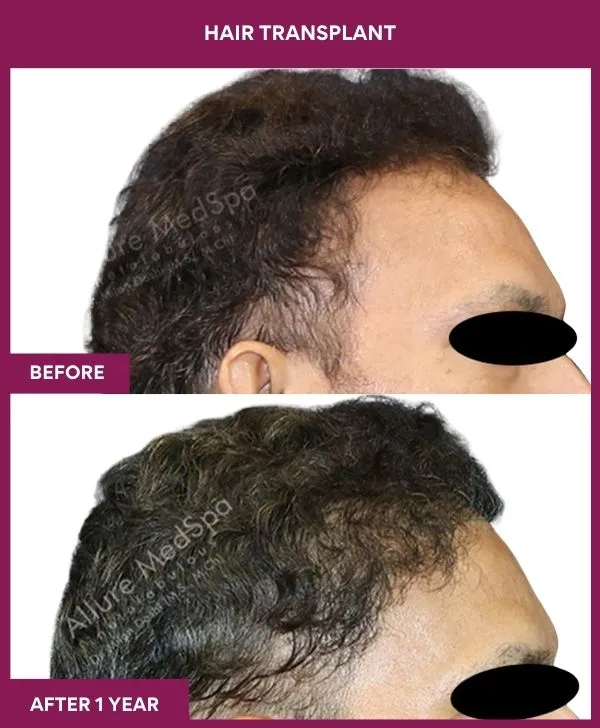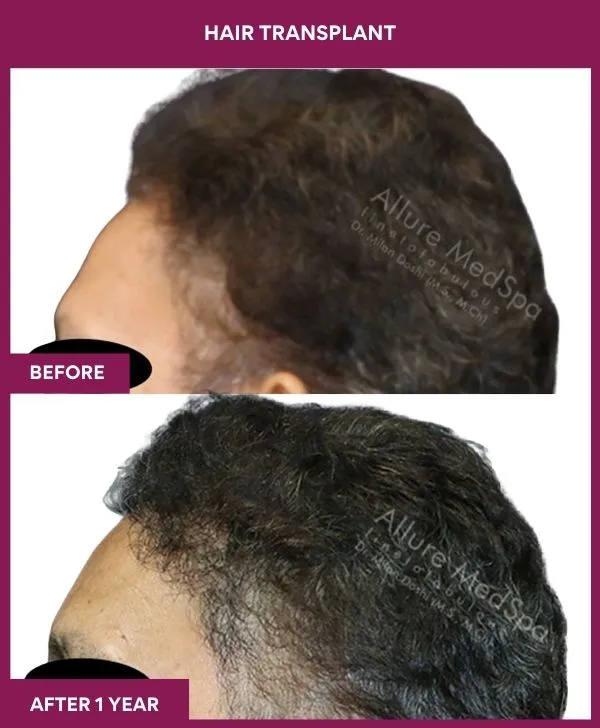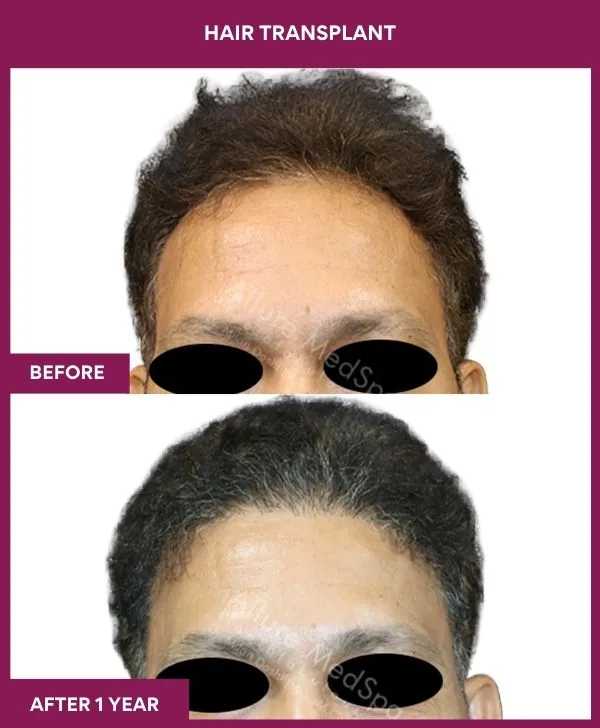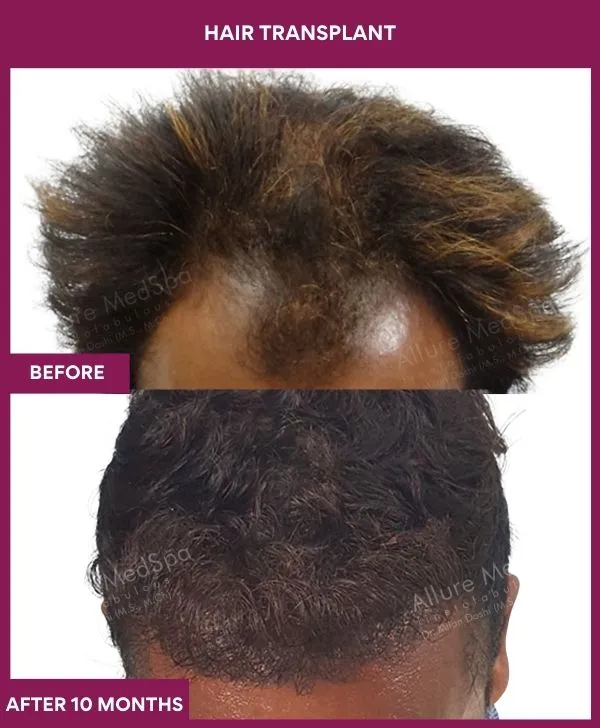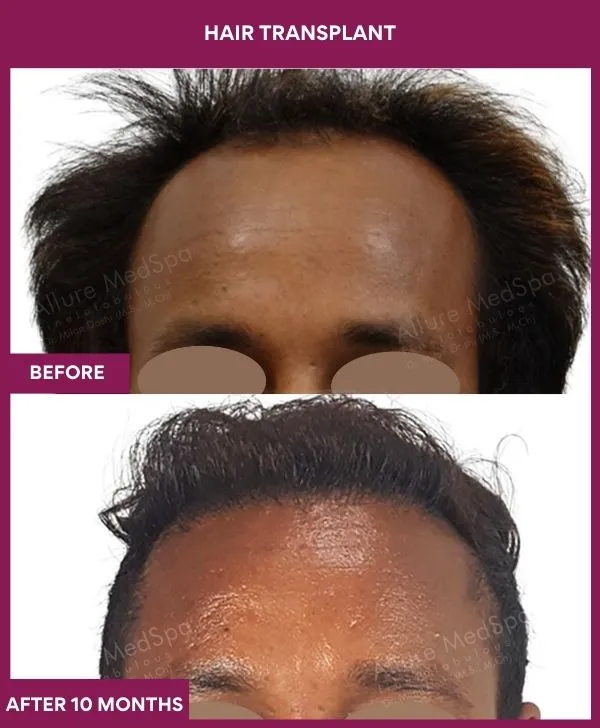
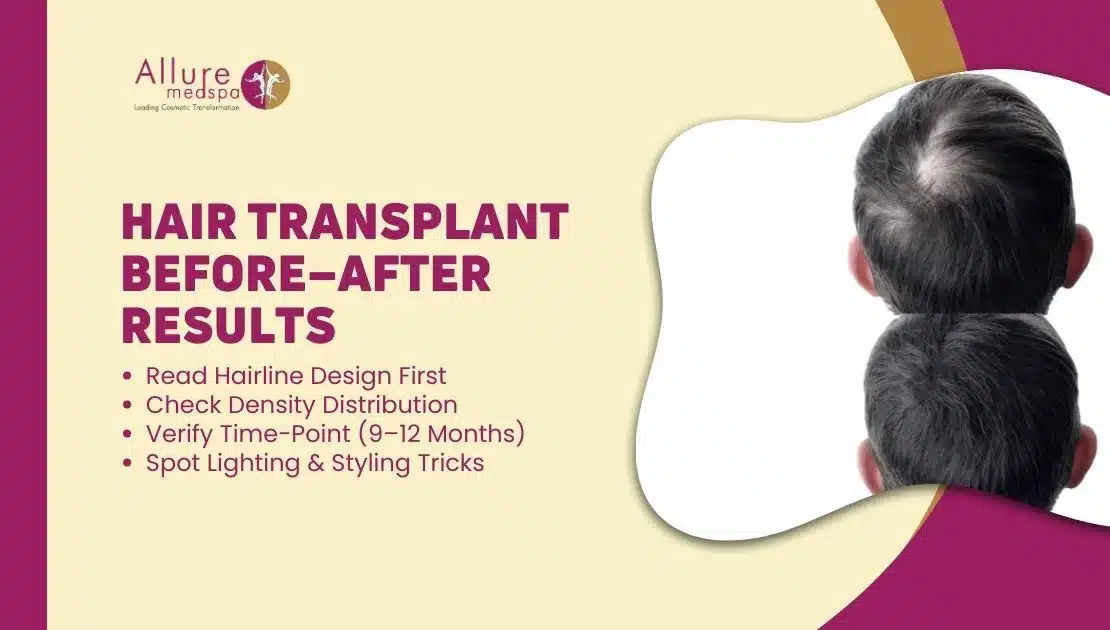
Before–after photos can show what a hair transplant may improve, but they don’t guarantee your outcome. Read galleries by checking hairline design, angles, density distribution, and the time-point.
Talk to Mumbai’s Leading Hair Transplant Specialist
Hair Transplant Surgery Before and After Images
“Hair Transplant Surgery Mumbai”
Hair Transplant Surgery Testimonials: Fine To Fabulous Journeys

Awarded by Google.com
Rating: 4.7
Reviews: 485+
Awarded by WhatClinic.com
Rating: 4.8
Reviews: 119+
Awarded by Realself
Rating: 4.9
Reviews:453+
Awarded by Facebook
Rating: 4.6
Reviews:105+
Dr Milan Doshi and his staff are very professional and committed as the centre is highly equipped with advanced technology. I had closed rhinoplasty 4 months back and I’m seeing the results as to how it becomes successful.
Deepika Shetty
The doctor explained everything clearly and the surgery was smooth. Recovery was faster than I expected and the team was very supportive.
Rahul Mehta
Very natural results and excellent staff. From consultation to follow-up, the experience was outstanding and boosted my confidence.
Sneha Kapoor
What can before–after photos truly tell you?
They show the surgeon’s design sense and consistency across cases—not your guaranteed density.
They help you judge
- Hairline shape + naturalness
- Temple blending
- Density pattern (front vs mid vs crown)
- Quality across multiple cases (not one “hero” photo)
They cannot prove
- Your exact final density
- Your speed of growth
- Long-term control of future hair loss
What is the first thing you should check in a before–after?
Check the hairline edge first—unnatural work shows here fastest.
Look for
- Soft, irregular edge (not ruler-straight)
- Natural curve (not sharp corners)
- No “pluggy” thick grafts in front
- Correct temple angles and flow
Read more: Natural Hairline Design in Mumbai
How do you judge if density is good or misleading?
Density can be “enhanced” by lighting and styling. Judge distribution, not drama.
Check
- Is density realistic for the area treated?
- Front dense but mid-scalp empty (the “front-island” look)?
- Crown promised as “full” in one go? Be cautious.
- Same hair length + similar lighting in before vs after?
Read more: Hair Transplant Density: What’s Possible in One Session
What time point should you consider “final result”?
Most results look meaningfully better by 9–12 months, with ongoing maturation for some beyond that. (NCBI)
Useful timeline
- 1–3 months: shedding phase can happen
- 4–6 months: early growth begins
- 9–12 months: strong cosmetic improvement
- 12+ months: texture/thickness can continue improving
Read more: Hair Transplant Timeline: Recovery + Growth
What photo tricks can make results look better than reality?
Marketing photos can be honest—or optimized. Look for consistency.
Common tricks
- Different lighting angle
- Wet hair vs dry hair
- Longer hair in the “after”
- Styled comb-over
- Hair fibers/concealers
- Different camera distance/zoom
What you want
- Similar lighting + distance
- Similar hair length
- Multiple angles (front + temples + top)
- Same patient at multiple time points
How do you read hairline results for “natural look”?
A natural look is design + direction. Density can’t fix a bad hairline.
Good signs
- Feathered front edge (micro-irregularity)
- Proper temple direction
- No sharp artificial border
- Smooth transition into existing hair
(Internal link: Receding Hairline Transplant Mumbai)
How do you judge crown results differently from hairline results?
The crown is harder and often needs more grafts and sometimes staged sessions.
Crown reality
- Swirl pattern needs precise direction control
- Density needs more grafts than most patients expect
- One session often gives improvement, not perfection
- Crown looks thinner under overhead lighting (even when improved)
What is “shock loss” and why should you check it in results?
Shock loss is temporary shedding of nearby native hair in some patients—early photos can look worse before they improve.
What to ask
- Was there thinning behind the hairline early?
- Did hair recover by 6–12 months?
- Was medical support discussed when needed?
Read more: Shock Loss After Hair Transplant
What questions should you ask after viewing a gallery?
A gallery should lead to a plan—not a promise.
Ask
- Which case is closest to my hair loss pattern?
- What graft plan would you suggest for me?
- What is realistic in one session?
- Who does hairline design and critical steps?
- What aftercare and follow-up system is included?
Where should you go next for an accurate estimate?
A real estimate needs scalp assessment + donor analysis. Online numbers are rough.
Next steps
- Read cost transparency: Hair Transplant Cost in Mumbai
Conclusion: Learn to Read Results Before You Decide
Before-and-after photos can be powerful tools — but only when you know how to evaluate them correctly.
Look beyond density and focus on hairline design, angles, donor management, lighting conditions, and long-term consistency.
True success is not about dramatic change.
It is about natural balance, durability, and realistic outcomes.
An informed patient makes better decisions — and gets better results.
Always choose expertise, transparency, and ethical planning over promises.