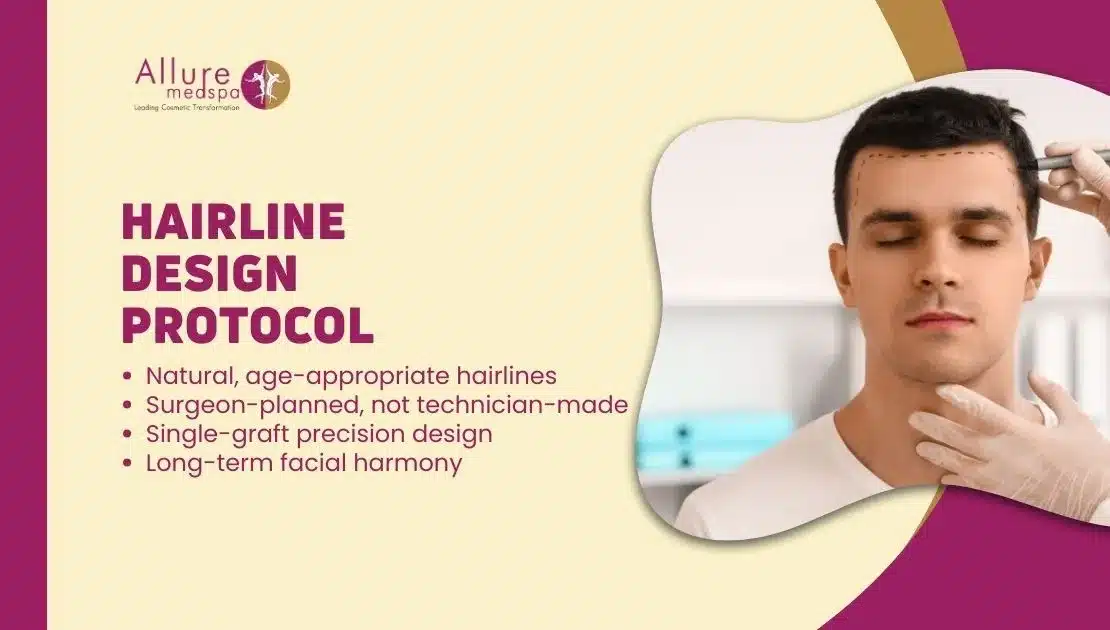
A hair transplant becomes truly life-changing only when the hairline looks natural, effortless, and age-appropriate.
Density is science.
But the hairline… that’s art + surgical precision + emotional intelligence.
In 2026, patients don’t ask only for “more hair.”
They ask for:
- “Will my hairline suit my face?”
- “Will people know I did something?”
- “Will this look good at 40, 50, 60?”
- “Can you make it NATURAL… not a straight line?”
This guide reveals exactly how Dr. Milan Doshi designs natural, ageless hairlines using a medically validated 7-Point Protocol, supported by global references and real surgical standards.
Want a natural-looking hairline that suits your face at every age?
Hair Transplant Surgery Before and After Images


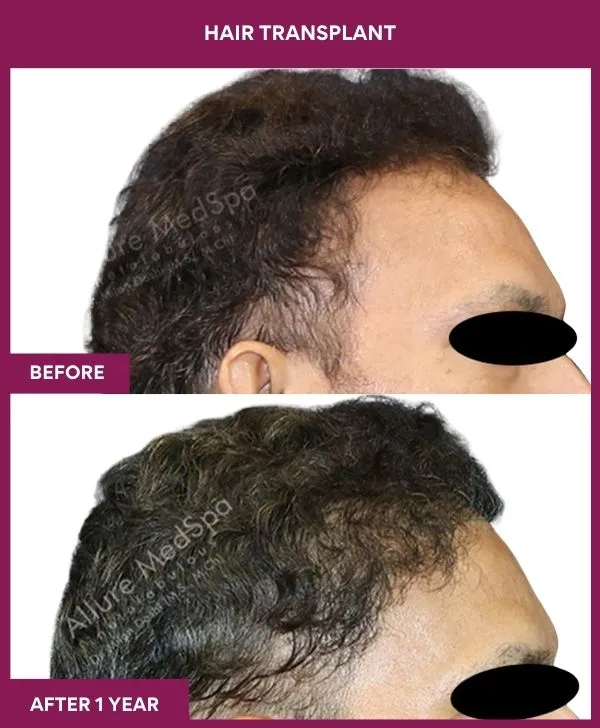
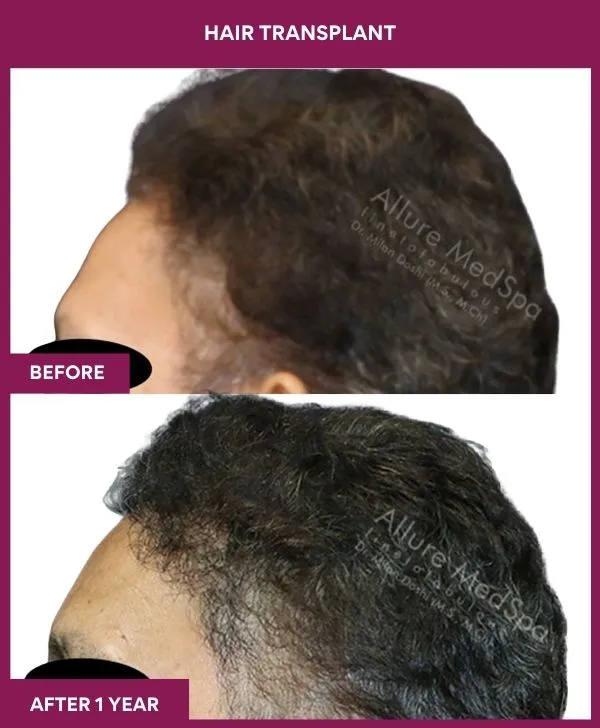
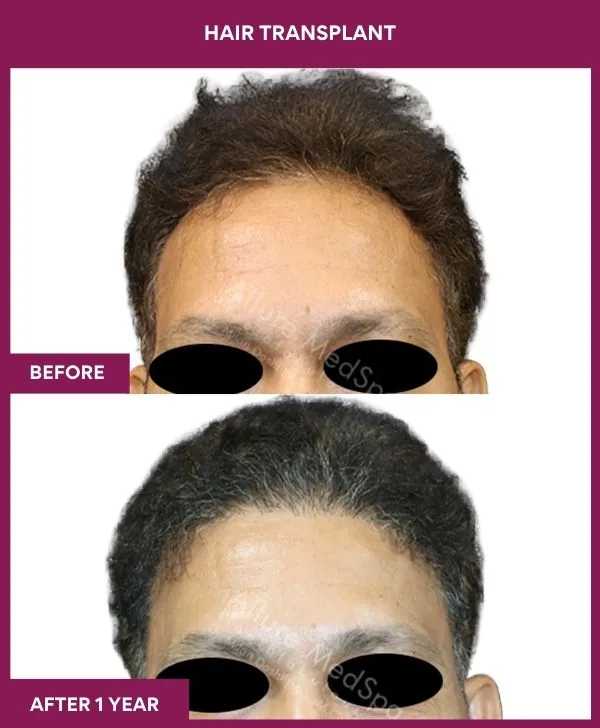
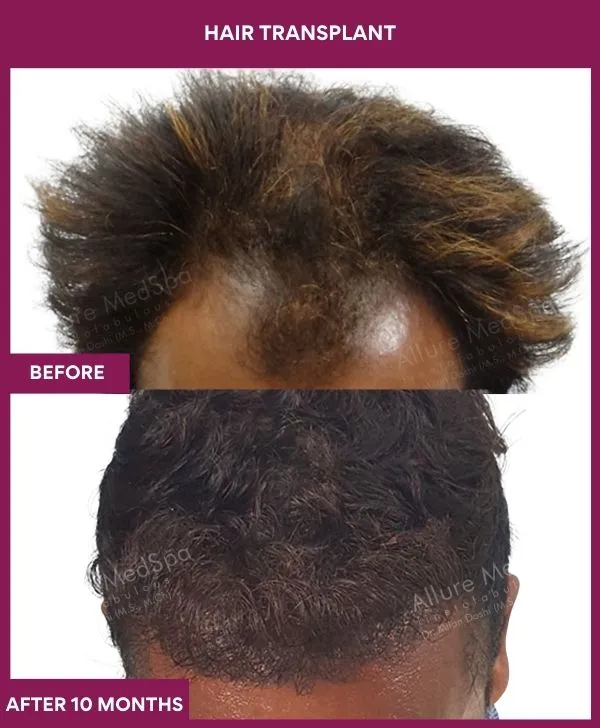
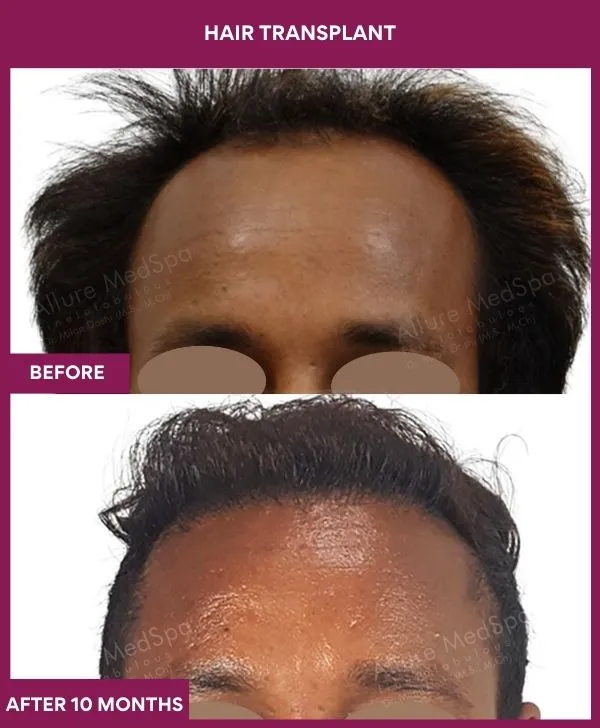

“Hair Transplant Surgery Mumbai”
Hair Transplant Surgery Testimonials: Fine To Fabulous Journeys

Awarded by Google.com
Rating: 4.7
Reviews: 485+

Awarded by WhatClinic.com
Rating: 4.8
Reviews: 119+

Awarded by Realself
Rating: 4.9
Reviews:453+

Awarded by Facebook
Rating: 4.6
Reviews:105+
Dr Milan Doshi and his staff are very professional and committed as the centre is highly equipped with advanced technology. I had closed rhinoplasty 4 months back and I’m seeing the results as to how it becomes successful.
Deepika Shetty
The doctor explained everything clearly and the surgery was smooth. Recovery was faster than I expected and the team was very supportive.
Rahul Mehta
Very natural results and excellent staff. From consultation to follow-up, the experience was outstanding and boosted my confidence.
Sneha Kapoor
What Is Hairline Design & Why Is It the Most Critical Part of Hair Transplant?
Hairline design = the architecture of your face.
It defines your identity, your age perception, and how people see you.
A medically correct hairline:
- Restores the facial rule of thirds
- Frames your eyes and temples naturally
- Makes your face look younger without looking “done”
- Ages gracefully over decades
- Blends seamlessly with your native hair
A wrong hairline looks artificial because:
- It is too low
- It is too straight
- It uses wrong graft types
- It ignores temple proportions
- It doesn’t match age or ethnicity
A hairline is not a “line”—it’s a transitional zone with softness, direction, texture, and depth.
Authentic Reference:
- Novel Hairline Design Principles – NCBI PMC
- Cambridge University Press – Frontal Hairline Design
What Makes a Hairline Look Natural vs Artificial?
Real hairlines have organized imperfections.
Cheap clinics create straight, dense, artificial borders.
Natural Hairlines Have:
- Micro-Irregularities: tiny zig-zags
- Macro-Irregularities: soft curves, not straight lines
- Single-hair grafts in the first 2–3 rows
- Soft density → medium density → higher density pattern
- Forward-angled exit (about 15–20°)
- Temple blending – the most ignored part by budget clinics
Artificial Hairlines Have:
- Straight ruler-like line
- Multigrafts in the front row
- Too low placement (juvenile hairline)
- Incorrect hair angles
- No blending into temples
Authentic References:
- Plastic Surgery Key – Hairline Restoration Principles
- Creative Hairline Design – Anagen
Dr. Milan Doshi’s 7-Point Natural Hairline Protocol (Premium Protocol 2026)
This is Allure Medspa’s signature, premium artistic framework.
Each step is deliberate, precise, and based on long-term planning.
1. Facial Aesthetic Analysis (Rule of Thirds)
- Measure forehead height, brow position, facial length
- Identify patient’s natural proportion
- Adjust for age, future hair loss, donor supply
2. The Soft Zone – 300–500 Single Grafts
- Only finest single-hair grafts
- Creates a subtle, realistic transition
- Prevents “hairline blocks” or plug-like appearance
3. Micro & Macro Irregularity Design
- Handcrafted zig-zags
- Soft curves to break straightness
- Makes hairline undetectable under bright light
4. Temple Peak Integration
- Essential for male hairlines
- Maintains masculine V-frame
- Avoids “U-shaped feminine hairline”
5. Directional Flow Architecture
- Every graft placed at correct angle & direction
- Mimics native hair exit
- Prevents upright, artificial look
6. Future-Proofing (Age-Appropriate Design)
- Conservative height
- Slight temple recession maintained for realism
- Plans for aging + future hair loss
7. Patient Co-Creation
- Real-time mirror marking
- Patient approves final shape before extraction
- Ensures emotional connection & confidence
Authentic Reference:
- NCBI – Revision of Unfavorable Hairlines
- StatPearls – Conservative Hairline Design
How Are Single, Double & Multi-Hair Grafts Used in Hairline Creation?
A natural result depends on graft selection and placement strategy.
Single-Hair Grafts (1s)
- Used in the first 2–3 rows
- Create softness
- Avoid pluggy look
Double-Hair Grafts (2s)
- Placed behind singles
- Add mid-grade density
Multi-Hair Grafts (3s & 4s)
- Placed in mid-scalp & forelock
- Build volume and thickness
Critical Mistake in Bad Clinics:
Using 2–3 hair grafts in front → doll’s head look
Authentic Reference:
- Smile Hair Clinic – Hairline Density Guide
- Harley’s Clinic – Graft Distribution
How Do Face Shape, Age & Ethnicity Influence Hairline Planning?
Your Norwood–Hamilton grade is a key factor in planning.
Early Grades – Norwood II–III
- Both FUT and FUE work well
- Many patients prefer FUE to avoid a linear scar
- Focus is usually on hairline & temples
Medium Grades – Norwood IV–V
- You may need 1800–3500 grafts
- Choice depends on:
- Donor laxity (for FUT)
- Hair characteristics
- Scar tolerance & hairstyle
Some surgeons prefer:
- FUT first for maximum graft yield
- FUE later for refinement, crown fill or hairline touches
Advanced Grades – Norwood VI–VII
- Need 4000–6000+ grafts overall (often in stages)
- FUT can be a strong base for high-yield extraction
FUE can be added as a combination strategy to maximise coverage
Which Technique Preserves More Donor Hair in the Long Term?
Hairline design is personalized, not one-size-fits-all.
Face Shape Rules:
- Round face: Slightly higher hairline elongates face
- Square face: Wider, flatter hairline fits masculine frame
- Long face: Slightly lower & curved hairline balances proportions
Age:
- 20s → can go lower, but still natural
- 40s & 50s → need mature, conservative shape
- Prevents looking “artificially young”
Ethnicity:
- Asian: Coarser, straighter hair → lower density in frontal row
- Afro-textured: Curly hair → fewer grafts create more coverage
- Caucasian: Requires careful angle matching to avoid “flat” look
Authentic Reference:
- Capila Health – Hairline Design for Different Faces
- Shapiro Medical – Ethnic Hairline Design
What Tools & Technology Improve Hairline Accuracy in 2026?
Allure Medspa uses advanced precision systems, ensuring millimeter-perfect design.
Laser Alignment
- Corrects asymmetry
- Helps guide temple angle
Trichoscopy
- Measures hair thickness
- Determines how many single vs double grafts available
DHI / Implanter Pens
- Perfect angle control
- Reduced trauma
- Better graft survival
- Denser packing safely
Stereomicroscopes
- 100% accurate graft sorting
- Ensures right graft in right zone
Authentic Reference:
- PlasticSurgery.in – Surgeon Technique Review
What Hairline Mistakes Do Budget Clinics Commonly Make?
Cheap clinics often rely on technicians → leads to disastrous hairlines.
Common Errors:
- Straight hairline (ruler-line)
- Wrong angle (upright tooth-brush effect)
- Too low → forehead looks short & feminine
- No temple blending
- Multigrafts in front rows
- Hairline placed on moving muscle → looks unnatural
Authentic Reference:
- ISHRS – Hairline Revision Guide
- OrangeTree – Why Hair Transplants Fail
How Much Does a Natural Hairline Transplant Cost in Mumbai?
Typical Graft Requirement
1,500–2,500 grafts depending on recession.
Price Range in Premium Clinics (2026)
- ₹1,00,000 – ₹2,00,000+
- Includes design, surgeon-performed planning, DHI/FUE, microscopic sorting
Budget Clinics
- ₹40,000–₹60,000
- High chance of artificial result → costs more to fix later
Why Premium Costs More
You’re paying for:
- Design
- Experience
- Microscopic dissection
- Artistic planning
- Surgeon-driven execution
Authentic Reference:
- Saraswat Hospital – Hair Transplant Cost India
How Long Until a Natural Hairline Matures?
Hairline evolution happens in phases.
Timeline:
- 0–2 Weeks: Scabs, minor redness, shape visible
- 1 Month: Shedding begins (shock loss normal)
- 3–4 Months: Early fragile growth
- 6 Months: 50–60% visible improvement
- 9 Months: Texture improves, density builds
- 12–18 Months: Final matured hairline
Authentic Reference:
- Dr Serkan Aygin – Hair Growth Timeline
Why Choose Dr. Milan Doshi for Hairline Design?
Because your FACE deserves a surgeon, not a technician.
What makes Dr. Doshi exceptional:
- Over 27+ years designing natural hairlines
- Expert in hairline repair & correction
- Uses a strict 7-Point Protocol
- Treats celebrities, models & professionals
- Emotion-driven, aesthetic-first planning
- Known for soft, undetectable hairlines
Read more: Dr. Milan Doshi – Top Plastic Surgeon for Hair Trasplant in Mumbai India