A hair transplant is not a “one-week miracle.”
It’s a carefully staged healing and growth journey that unfolds over 12–18 months.
Patients who understand:
- What to expect each week and month
- Why shedding happens
- When growth actually starts
- When to worry and when not to
…are usually happier, calmer and more satisfied with their final result.
This guide explains your hair transplant timeline – from day 0 to 18 months – based on medical literature and real-world clinical experience.
Quick Links: Hair Transplant Cost | Hair Loss Treatment | Hair Transplant Recovery Timeline
Want a personalized timeline and expert guidance for your hair transplant recovery?
Hair Transplant Surgery Before and After Images


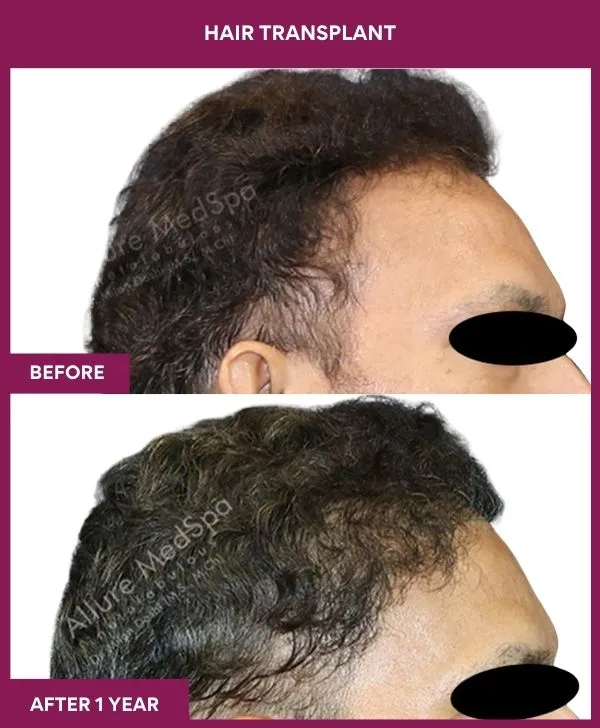
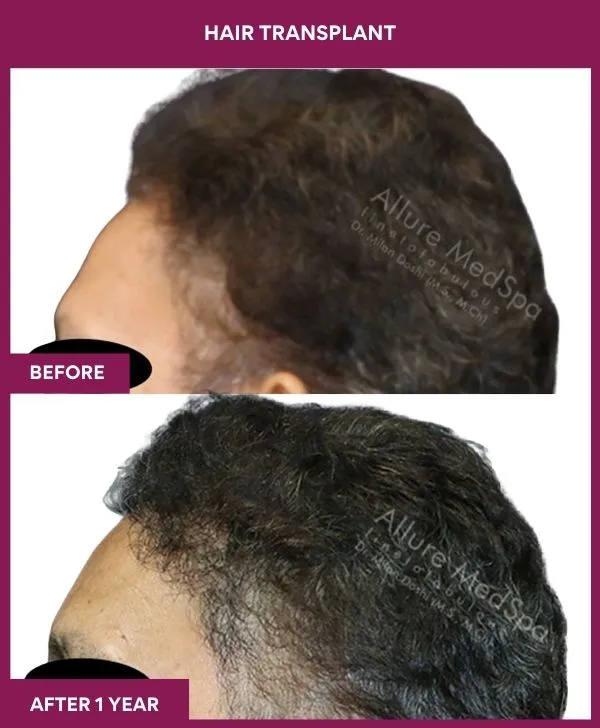
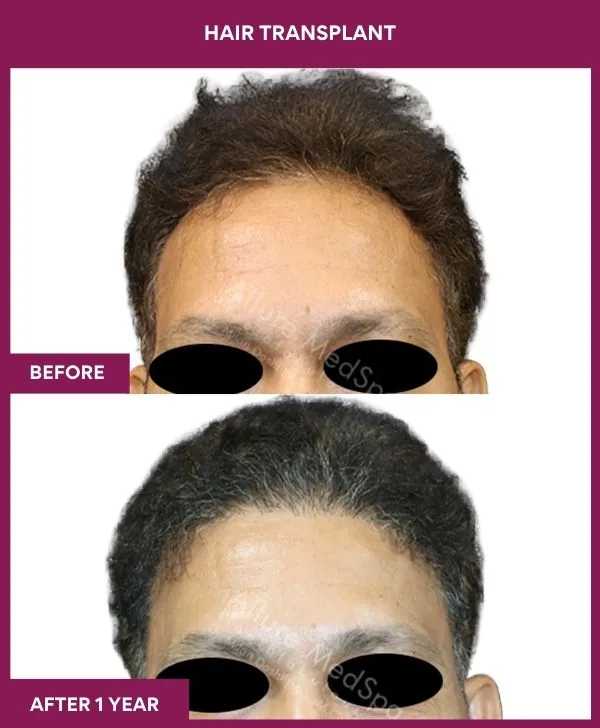
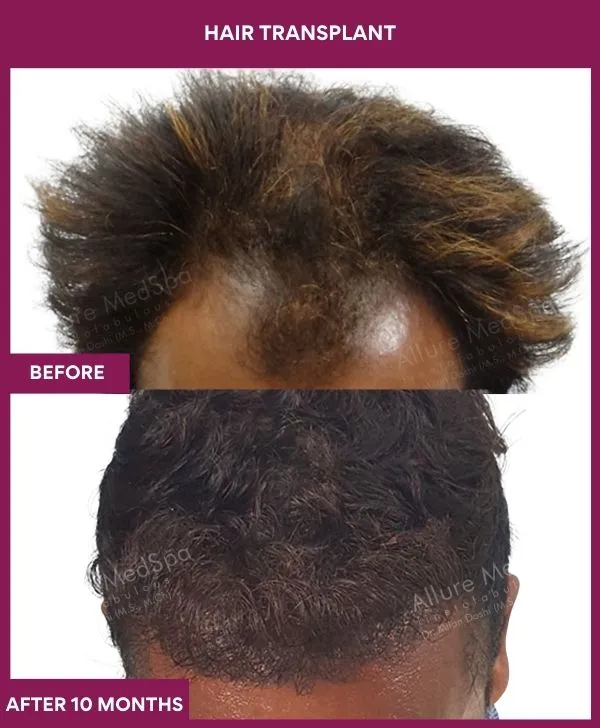
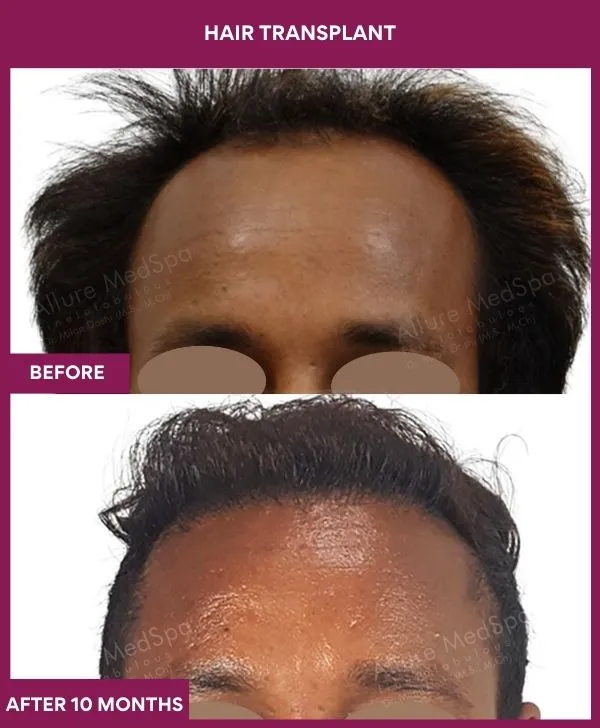

“Hair Transplant Surgery Mumbai”
Hair Transplant Surgery Testimonials: Fine To Fabulous Journeys

Awarded by Google.com
Rating: 4.7
Reviews: 485+

Awarded by WhatClinic.com
Rating: 4.8
Reviews: 119+

Awarded by Realself
Rating: 4.9
Reviews:453+

Awarded by Facebook
Rating: 4.6
Reviews:105+
Dr Milan Doshi and his staff are very professional and committed as the centre is highly equipped with advanced technology. I had closed rhinoplasty 4 months back and I’m seeing the results as to how it becomes successful.
Deepika Shetty
The doctor explained everything clearly and the surgery was smooth. Recovery was faster than I expected and the team was very supportive.
Rahul Mehta
Very natural results and excellent staff. From consultation to follow-up, the experience was outstanding and boosted my confidence.
Sneha Kapoor
What Happens in the First 0–7 Days After Hair Transplant?
This is the surgical healing phase. The main goals are to protect grafts and control swelling and pain.
Days 0–3: Immediate Post-Op
You may experience:
- Redness & swelling
- Common around the recipient area and forehead
- Swelling often peaks around 24–48 hours
- Crusts / scabs forming around each graft
- Mild to moderate discomfort
- FUT: tightness at the back due to sutures
- FUE: multiple small sore spots instead of a single line
Recipient Area
- Very delicate during first week
- Scabs are protective – do not scratch or pick
- Avoid direct water pressure, rubbing, helmets, or friction
Donor Area – FUT vs FUE
- FUT (Strip):
- Thin linear incision with sutures or staples
- Tightness or pulling sensation is common
- Sutures usually removed around 10–14 days
- FUE:
- Many tiny punch sites, no sutures
- Scabs at each site dry and fall off by about day 7–10
Sleep & Washing
- Sleep with head elevated on 3–4 pillows for 3–5 days
- Avoid face-down posture
- Days 0–2: Keep scalp dry
- Days 3–7: Start gentle washing/soaking as per surgeon protocol – no rubbing or hard spray
When to Call the Surgeon (First Week)
- Increasing severe pain instead of improving
- Spreading redness and heat
- Pus, yellow/green discharge or foul smell
- Fever or general unwell feeling
What Should You Expect in Weeks 2–4? (Scabs, Shedding & Shock Loss)
This is the phase where many patients panic unnecessarily. Knowing the science helps.
Week 2 – Scabs Fall Off
- Most scabs shed naturally by end of week 2
- Scalp may look:
- Slightly pink or red
- Patchy or uneven
- This is normal and not a sign of poor graft survival
Weeks 2–4 – Shock Loss
This is the “shock loss” or shedding phase.
- Transplanted hairs fall out from the shaft
- Some existing surrounding hair may also shed
- This is called localized telogen effluvium
- The follicles remain alive under the skin
Why Does Shock Loss Happen?
- Surgical trauma
- Temporary blood flow changes
- Local inflammation
- Stress and metabolic responses
- Miniaturized hairs (already weak) may shed more
Normal vs Abnormal Shedding
- Normal:
- Hair falling from grafted areas
- Some thinning around the transplant zone
- Worrisome:
- Sudden bald spots far from the transplant
- Severe pain, pus, or spreading redness
What Happens in Month 1–2? (The Quiet / Dormant Phase)
This is the “nothing seems to be happening” stage – but under the skin, a lot is happening.
What You See
- Most transplanted hair shafts have shed
- Scalp often looks similar to pre-transplant
- Some redness or pinkness may linger, especially in fair skin
What’s Going On Inside
- Follicles are integration mode
- Reconnecting with blood supply
- Entering and exiting rest (telogen)
- Preparing to re-enter growth (anagen)
- Grafts are stabilizing permanently in their new position
Emotional Aspect
- Common thoughts:
- “Did my transplant fail?”
- “Why can’t I see anything yet?”
- Answer: This dormant phase is normal and essential.
Hair usually starts to visibly appear from month 3–4 onward.
What Happens in Month 3–4? (Early Growth Stage)
Now comes the first visible reward
What You Start To See
- Thin, soft, “baby” hairs sprouting
- Occasional curled or wiry appearance
- Very uneven growth – some patches ahead of others
Growth Percentage
- Around 20–30% of the final visible growth
- Many follicles are just waking up
Is Patchiness Normal?
Yes.
Each follicle enters anagen (growth) at its own pace. Growth is staggered, not synchronized.
What Happens in Month 5–6? (Visible Transformation Begins)
This is a big turning point. Most patients start to feel visibly different.
Key Changes
- Hair appears clearly thicker and longer
- Coverage in transplanted region is visibly improved
- You can usually:
- Comb normally
- Style hair
- Stop relying on caps or concealers
Growth Level
- Around 40–60% of the cosmetic result visible
- Texture gradually becoming more like native hair
What Happens in Month 7–9? (Density Build-Up Phase)
This is where you start hearing:
“You look different… did you do something?”
Visual Changes
- Hair shafts thicken further
- Gaps and spaces begin to fill up
- Overall density becomes much more satisfying
- Shock loss areas (if any) typically fully recovered
Growth Level
- Around 60–80% of your final look
- Hair behaves and styles much more like your natural hair
What Happens in Month 10–12? (Major Density & Texture Improvement)
This is the classic “1-year result” milestone.
What to Expect
- 70–90% of final cosmetic result visible
- Density more even across the transplanted region
- Hairline & angles look natural and settled
- Texture and colour match native hair well
Lifestyle at This Stage
- You can:
- Cut hair short or long
- Use regular styling products
- Swim, play sports, attend events without worrying
Are We Done at 12 Months?
Almost—but not completely.
Subtle refinements in thickness and texture can continue up to 15–18 months.
What Happens in Month 12–18? (Final Mature Hairline & Full Result)
This is the fine finishing phase.
Final Refinement
- Hair reaches maximum thickness & strength
- Any early wiriness softens
- Colour and shine stabilize
- Crown area (if done) often shows its best density by now
By 15–18 months, your result is usually considered final.
How Do FUT and FUE Recovery Timelines Differ?
The growth phases are similar. The donor healing differs.
FUT (Strip Method)
- Sutures / staples for 10–14 days
- More tightness along the incision initially
- Linear scar matures and fades over 12–18 months
- Slightly slower comfort with heavy exercise
FUE
- Tiny dots that heal in 7–10 days
- No stitches, less tightness
- Scars are micro-dots visible only with very short/shaved head
- Often quicker retour to gym/sports (still as per surgeon advice)
From about month 2 onward, FUT and FUE share the same growth timeline.
What Factors Influence Growth Speed & Final Results?
Not all patients grow at the same pace. Key influencers:
Patient Factors
- Age and general health
- Genetics and hair quality
- Smoking / alcohol habits
- Nutrition and micronutrient status
- Stress levels and sleep quality
Surgical & Technical Factors
- Surgeon’s experience & planning
- Graft survival (extraction, handling, storage)
- Use of magnification & atraumatic technique
- Correct depth, angle and direction of graft insertion
- Appropriate density per cm² for blood supply
How Can You Maximize Your Hair Growth After Transplant?
You can’t “hack biology,” but you can support it.
Do’s
- Follow post-op instructions exactly
- Protect scalp from trauma and sun
- Eat a high-protein, balanced diet
- Manage stress, sleep well
- Attend scheduled follow-up visits
Don’ts
- Smoking (especially first 2–4 weeks)
- Heavy alcohol in early healing
- Scratching or picking scabs
- Wearing tight caps or helmets too early
Medical Support (As Advised)
- PRP Therapy as an adjunct in selected cases
- Minoxidil to support ongoing hair growth
- Finasteride (for men with androgenetic alopecia) to protect non-transplanted hair
When Should You Contact the Surgeon? (Red Flags vs Normal Healing)
Contact Immediately If You Notice:
- Increasing, sharp or severe pain
- Spreading redness / warmth around scalp
- Pus or foul-smelling discharge
- Fever > 101°F (38.3°C)
- Large, sudden bald patches far from transplant zone
- Severe allergic reaction (hives, major swelling)
- Bleeding that doesn’t stop with gentle pressure
Usually Normal:
- Mild swelling & bruising in first week
- Itching as healing progresses
- Scabbing and shedding in Weeks 1–4
When Can You Expect Final Results & Psychological Benefits?
Visual Milestones
- 3–4 months: first fragile growth
- 5–6 months: clearly visible change
- 9–12 months: major cosmetic result
- 12–18 months: final refinement
Emotional Milestones
- Early weeks: anxiety, over-checking mirror
- Months 3–4: cautious hope
- Months 5–6: visible confidence boost
- Months 9–12: feeling “like myself again”
- After 12 months: hair becomes “normal,” no longer an obsession
A good transplant is not only about hair – it’s about freedom from hair loss anxiety.
Authentic Medical Backlinks:
- AHRS India – Hair Transplant Results Month by Month
- NCBI – Localized Telogen Effluvium After Hair Transplant
- Eterne Clinic – Shock Loss Explanation