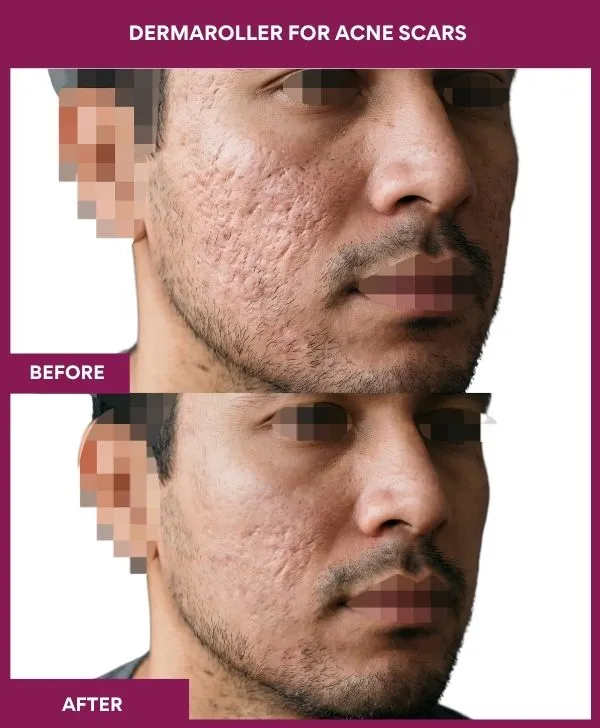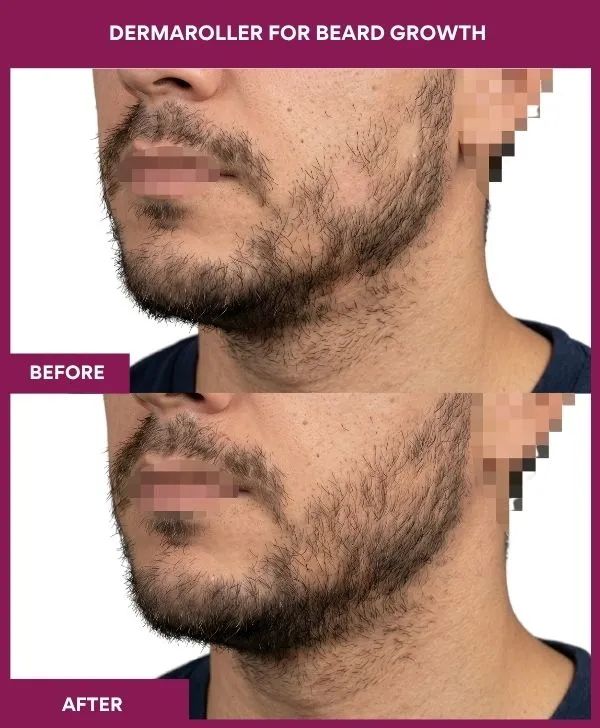

When your skin loses its natural tone and texture, it affects more than just your reflection in the mirror—it impacts how you feel in social gatherings, at work, and even in intimate moments. The frustration of constantly hiding flaws under makeup or filters can take a toll on your confidence.
That’s where Dermaroller Treatment offers hope. Also known as microneedling roller therapy, this minimally invasive procedure uses fine medical needles to gently stimulate your skin’s natural healing process. It boosts collagen production, reduces scars, smooths texture, and revives your skin’s youthful radiance—without surgery or long downtime.
Source: ISAPS Global Survey 2023
Also Check: Skin Whitening Treatment | MNRF Treatment | Acne Treatment
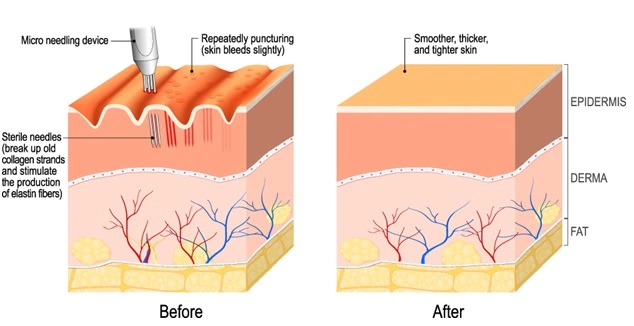
Dermaroller treatment is a skin rejuvenation technique that uses a device with microneedles to create controlled micro-injuries on the skin. These stimulate collagen and elastin production, improving texture, reducing pigmentation, and giving your skin a healthy, youthful glow.
Microneedling Roller Therapy, Collagen Stimulating Roller, Skin Needling Treatment, Dermal Roller Therapy, Skin Micro-Roller
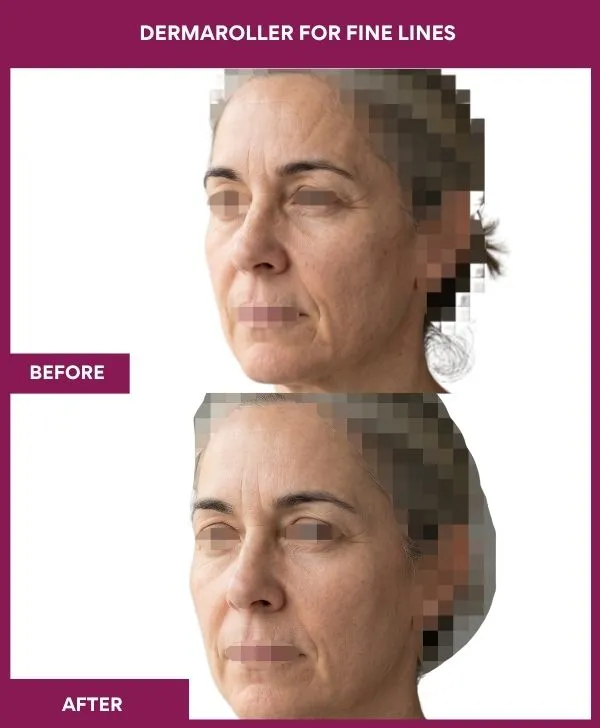
Derma rolling boosts collagen, reduces wrinkles, and enhances product absorption—making your skin firmer, clearer, and more youthful over time.
Derma rollers are powerful tools used in microneedling to address a variety of common skin and scalp concerns by stimulating collagen and improving product absorption.
With the right needle length and guidance from a professional, derma rolling can deliver noticeable improvements across multiple skin and hair-related issues.
Derma rollers create micro-injuries on the skin surface, triggering collagen production and boosting serum absorption for smoother, firmer, and younger-looking skin.
Visible skin improvements from derma rolling often begin after 2–3 sessions, with enhanced texture, reduced scars, and firmer skin lasting up to 6 months.
To maximize the benefits of derma rolling, use soothing and collagen-boosting products like sheet masks, vitamin C, and hyaluronic acid post-treatment.
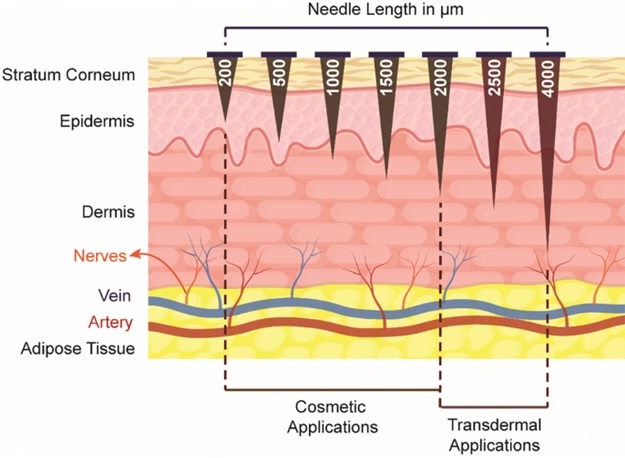
The ideal derma roller needle size depends on your specific skin concern—whether it’s acne scars, pores, wrinkles, or pigmentation.
| Concern | Recommended Needle Length |
|---|---|
| Shallow acne scars | 1.0 mm |
| Deep acne scars | 1.5 mm |
| Enlarged pores | 0.25 – 0.5 mm |
| Post-inflammatory hyperpigmentation | 0.25 – 0.5 mm |
| Skin discoloration | 0.2 – 1.0 mm (start with smallest) |
| Sun-damaged or sagging skin | 0.5 – 1.5 mm (combine for best results) |
| Stretch marks | 1.5 – 2.0 mm (avoid 2.0 mm at home) |
| Surgical scars | 1.5 mm |
| Uneven skin tone or texture | 0.5 mm |
| Wrinkles | 0.5 – 1.5 mm |
Note: Derma rollers above 0.3 mm should only be used by professionals. Microneedling does not help with redness or pink marks post-inflammation.

Using a derma roller correctly is key to seeing results while minimizing risks. Follow these expert steps to ensure safety and efficacy.
Tip: Always follow a hygienic routine before and after using the derma roller to avoid infections and maximize collagen production benefits.
The ideal frequency of derma rolling depends on the needle length used. Always allow full skin recovery before the next session to boost collagen safely.
| Needle Length | Recommended Frequency |
|---|---|
| 0.25 mm | Every other day |
| 0.5 mm | 1 to 3 times per week (start slow) |
| 1.0 mm | Every 10 to 14 days |
| 1.5 mm | Once every 3 to 4 weeks |
| 2.0 mm | Every 6 weeks (not recommended for home use) |
Note: Your skin needs time to heal and produce new collagen. Overuse can lead to irritation, sensitivity, and reduced effectiveness. Always follow professional guidance when in doubt.
Both stainless steel and titanium derma rollers work well, but they differ in durability, sharpness, and sterilization—affecting performance and safety.
Expert Tip: If you prioritize longevity for at-home use, go for titanium. For sharper precision and higher sterility, stainless steel is often the professional’s choice.
When done correctly, derma rolling is safe—but improper use can lead to scarring, pigmentation issues, or skin irritation, especially for sensitive skin types.
Consulting a dermatologist ensures safe, tailored treatment—helping you avoid side effects and get the best results from derma rolling or microneedling.
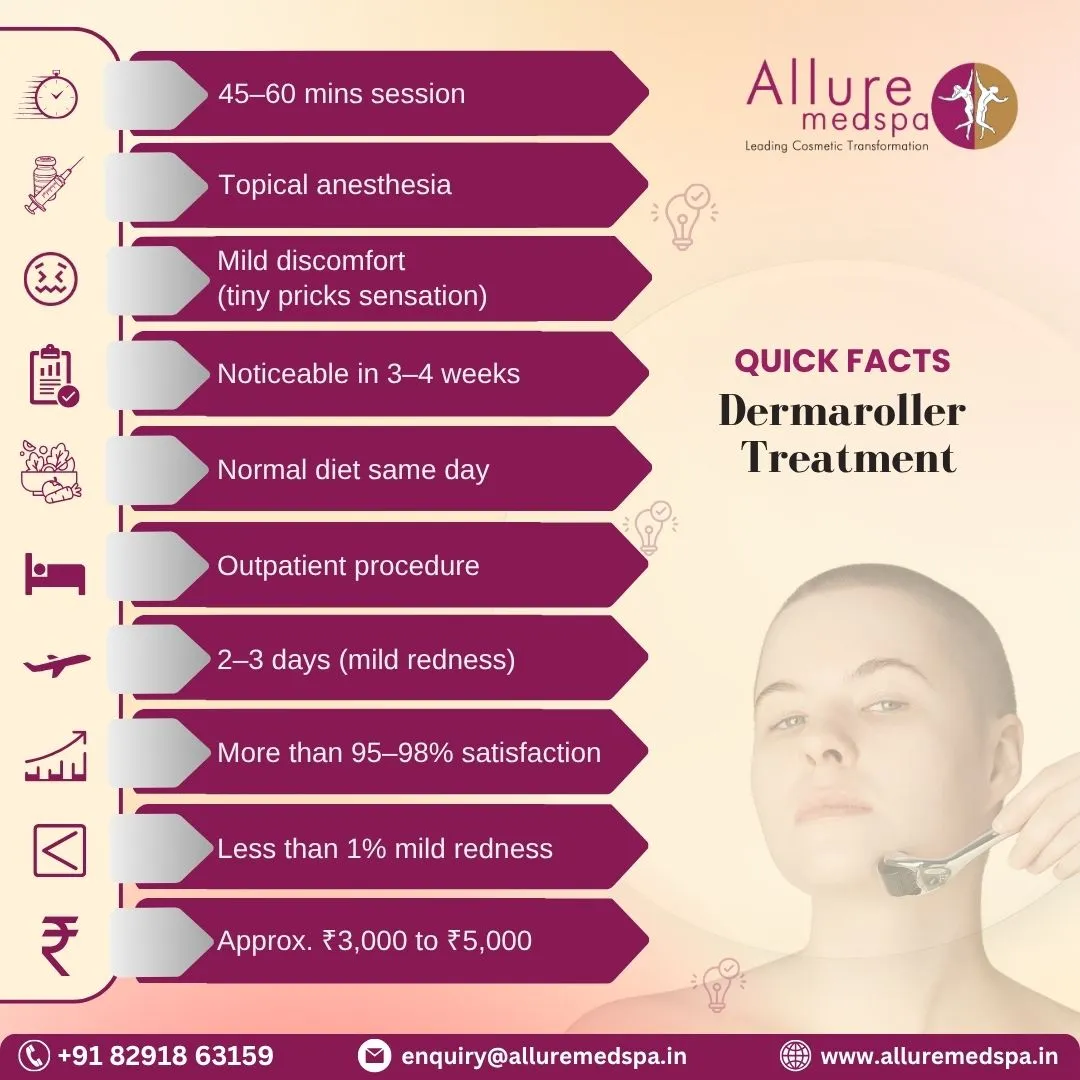
Derma rolling in Mumbai typically costs between ₹1,500 to ₹4,000 per session, depending on the skin condition and treatment area.
Expert Insight: At Allure Medspa, we combine affordability with international-grade care. Book your consultation today to get a personalized cost estimate tailored to your skin goals.
If you’re considering derma rolling to address skin issues like scars, pigmentation, or uneven texture, choosing the right expert is key to achieving safe and visible results.
Dr. Milan Doshi is a board-certified cosmetic surgeon and one of Mumbai’s most trusted names in aesthetic treatments. With over 25 years of experience, he has successfully treated thousands of patients—including Bollywood celebrities and international clients—seeking solutions for various skin concerns.
At Allure Medspa, Dr. Doshi offers personalized care using internationally approved technologies. His attention to detail and deep understanding of skin anatomy ensure maximum results with minimal side effects.
Book your consultation today to explore a tailor-made derma roller plan for your skin type and concerns.
Looking for a trusted place to begin your derma rolling journey in Mumbai? Allure Medspa is the city’s leading destination for world-class cosmetic skin treatments.
At Allure Medspa, we combine cutting-edge technology, experienced dermatologists, and international protocols to deliver safe and effective derma roller treatments tailored to your skin type and concern.
Whether you’re targeting uneven skin tone, scars, or aging signs, Allure Medspa offers everything from basic derma roller therapies to advanced stretch mark and rejuvenation solutions—all under one roof.
Experience the difference of expert care—book your consultation today.
| ICD-10 Code | Description |
|---|---|
| L70.0 | Acne vulgaris (active acne treated with dermaroller adjunctively) |
| L90.5 | Atrophic facial scars (commonly used for acne scarring) |
| L81.4 | Other melanin hyperpigmentation (uneven tone, dark spots) |
| R23.4 | Changes in skin texture (rough, dull, enlarged pores) |
| Z41.1 | Encounter for cosmetic skin procedure (aesthetic microneedling) |
| CPT Code | Description |
|---|---|
| 17999 | Unlisted procedure, skin (commonly used for dermaroller treatment) |
| 15788 | Chemical peel, facial; epidermal (if combined with light peel post-microneedling) |
| 96999 | Unlisted dermatologic service or procedure (alternative to 17999) |
Ans. Yes, dermaroller treatment can be highly effective for improving skin texture, reducing scars, and promoting collagen production—especially when used consistently under expert guidance.
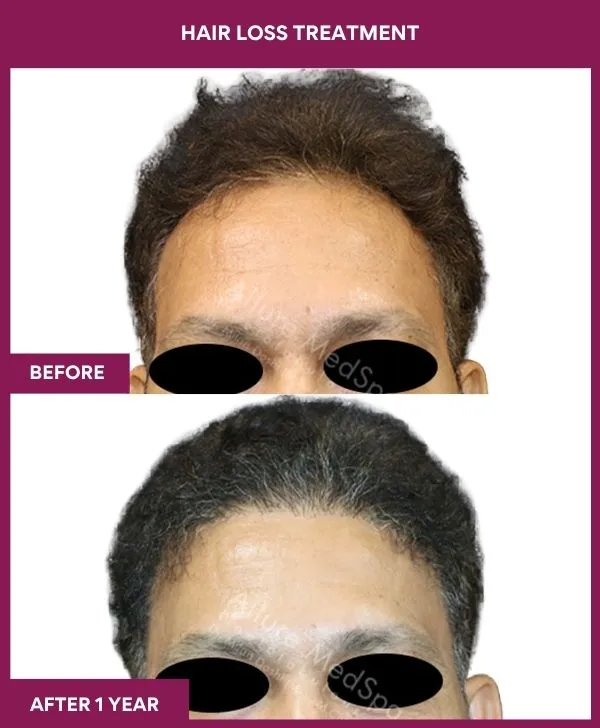
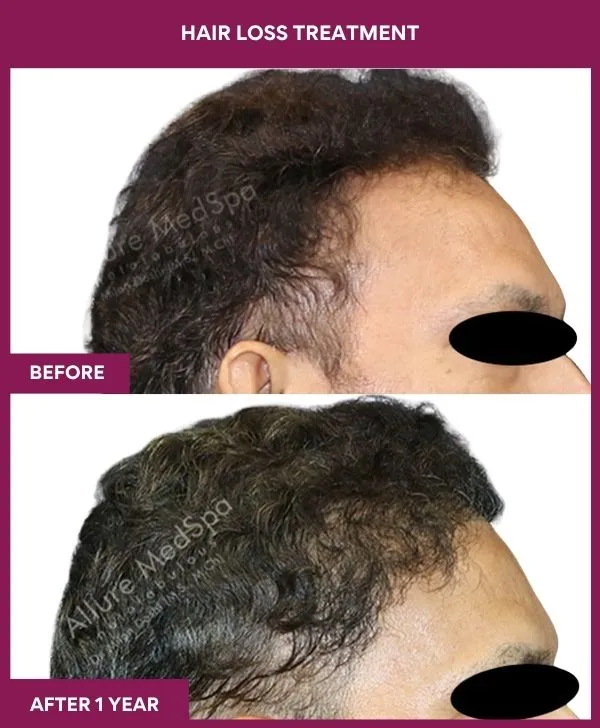
Ans. Dermarollers can stimulate hair follicles and improve blood circulation, especially when paired with topical hair growth serums like minoxidil, helping in hair regrowth.
Ans. Stopping dermarolling won’t reverse progress, but skin improvements may gradually fade over time as collagen production slows without stimulation.
Ans. Yes, applying a cold compress or ice pack wrapped in a cloth can help soothe the skin, reduce redness, and minimize inflammation after treatment.
Ans. Avoid makeup, direct sunlight, exfoliants, retinoids, and alcohol-based products for at least 24–48 hours post-treatment to allow skin healing.
Ans. Common side effects include mild redness or irritation on the scalp, which usually subsides within a day. Using an unclean roller may cause infection.
Ans. No, daily use can irritate your skin. Most dermarollers (especially 0.5 mm and above) should be used only once a week or as advised by your dermatologist.
Ans. A full-face session typically takes 5–10 minutes. Avoid over-rolling and limit the number of passes per area to avoid irritation.
Ans. Success varies depending on skin condition, consistency, and technique. With regular use, visible improvements are seen in 4–8 weeks in most cases.
Ans. While not designed to lighten skin, dermarolling can improve overall complexion by enhancing cell turnover and product absorption.
Ans. Before rolling, cleanse your skin. Afterward, apply a hyaluronic acid serum or a calming product. Avoid active ingredients like retinol or AHAs for 24 hours.
Ans. Yes, it is generally safe for the hairline when using a smaller needle size like 0.5mm. Always disinfect the roller before use and be gentle to avoid irritation.
Ans. Overuse, incorrect technique, or using unclean devices can lead to infections, prolonged redness, or scarring. Professional guidance is crucial.
Ans. Daily use is not safe for most people. It can lead to over-exfoliation, irritation, or damage to the skin’s protective barrier.
Ans. Both sizes are commonly used. 0.5mm is ideal for beginners or sensitive scalps, while 1.0mm provides deeper stimulation for more severe hair loss.
Ans. While at-home use is popular, consulting a dermatologist ensures safety and proper technique—especially if you have skin conditions or sensitive skin.
Ans. If misused or used too frequently, it can cause skin thinning, irritation, or long-term redness. Proper use under expert advice prevents this.
Ans. Overuse can lead to inflammation, damaged skin barriers, increased sensitivity, or even broken capillaries. Follow the recommended schedule strictly.
Ans. Yes, numerous clinical studies support its effectiveness in reducing scars, wrinkles, and improving overall skin texture and tone.
Ans. Visible improvement in skin tone or hair growth typically begins around the 4th to 6th week, with more dramatic results seen by the 3rd month.
Speak to Our Friendly & Knowledgeable Adviser: +918291863159
162 reviews