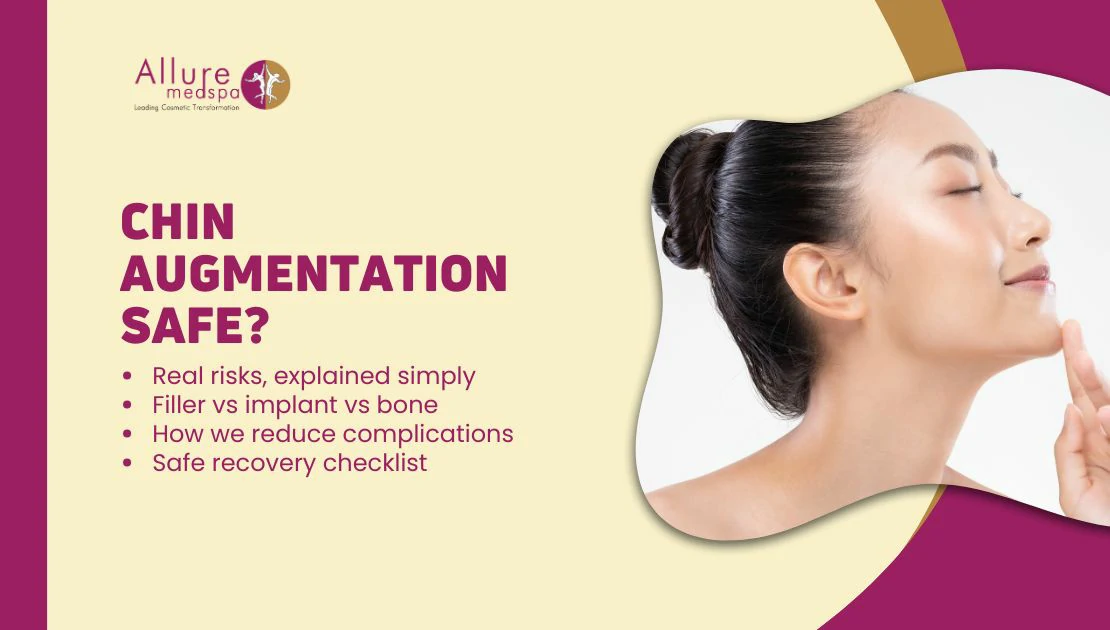
Chin augmentation is widely performed around the world—and when it’s done with the right technique, sterile systems, and correct patient selection, it’s generally considered a safe, predictable procedure. The problem is not “chin augmentation.” The problem is bad planning, wrong technique choice, and unsafe execution.
“Do you know that each Chin Augmentation surgery is different, so is the cost?”
Chin Augmentation Before & After Result
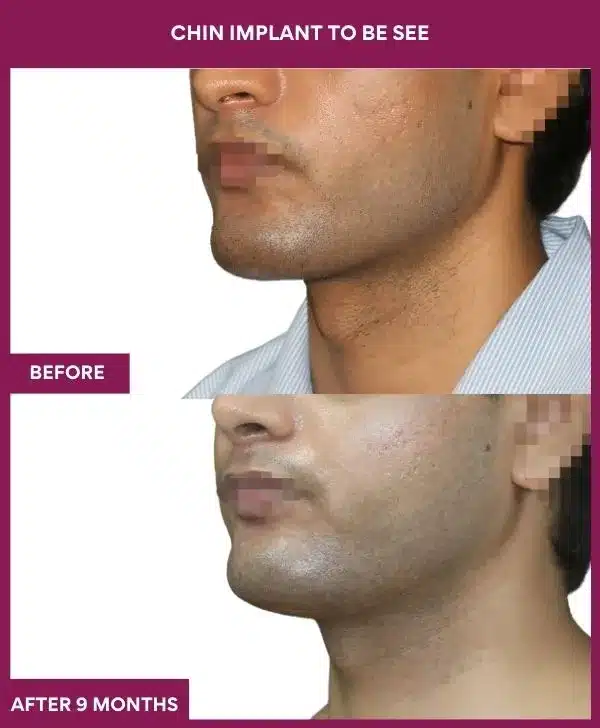
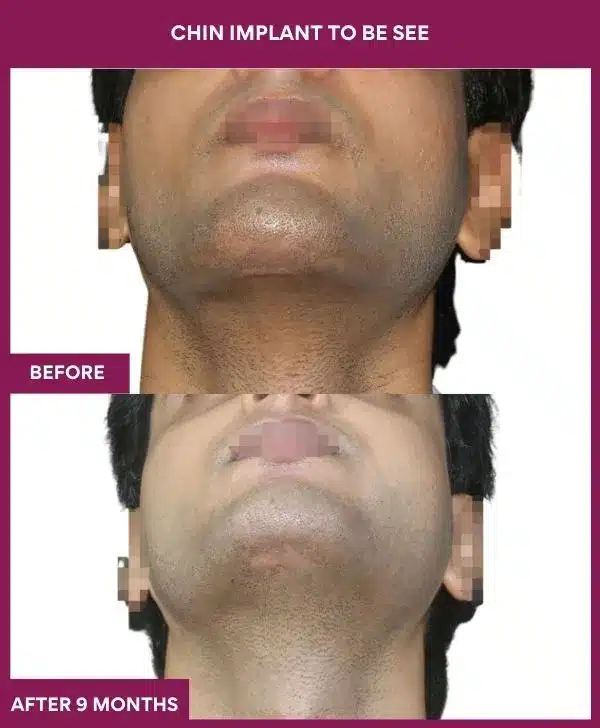
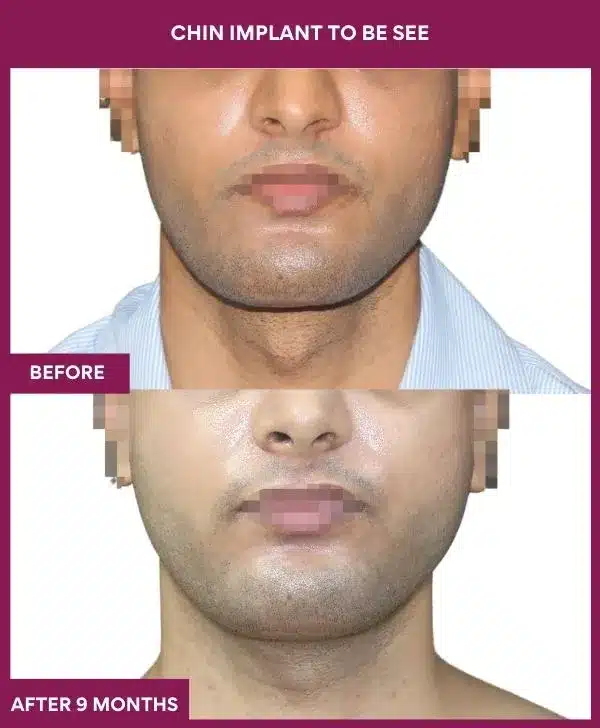
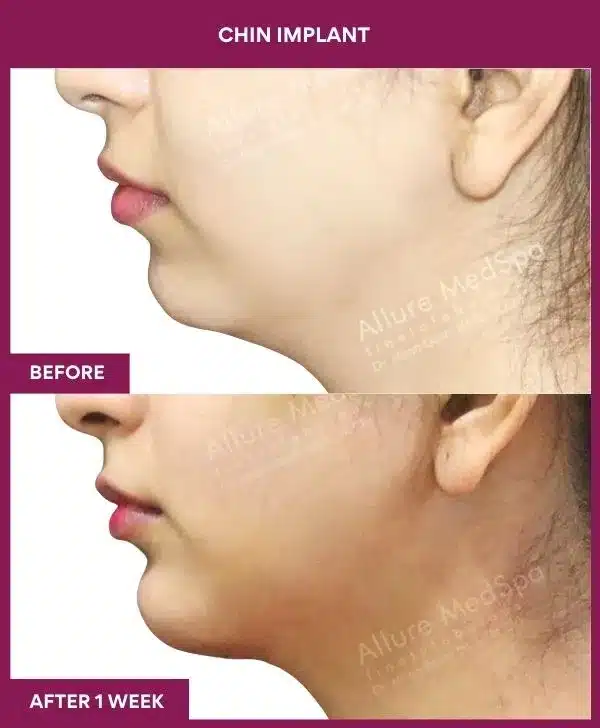
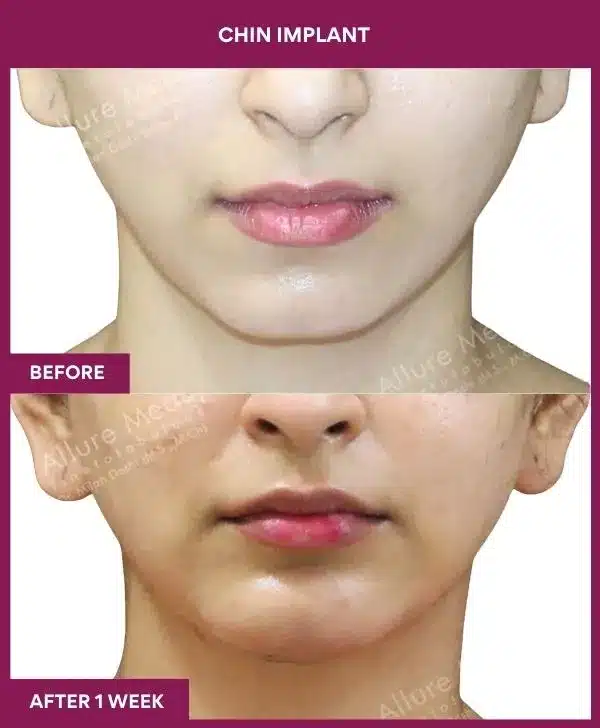
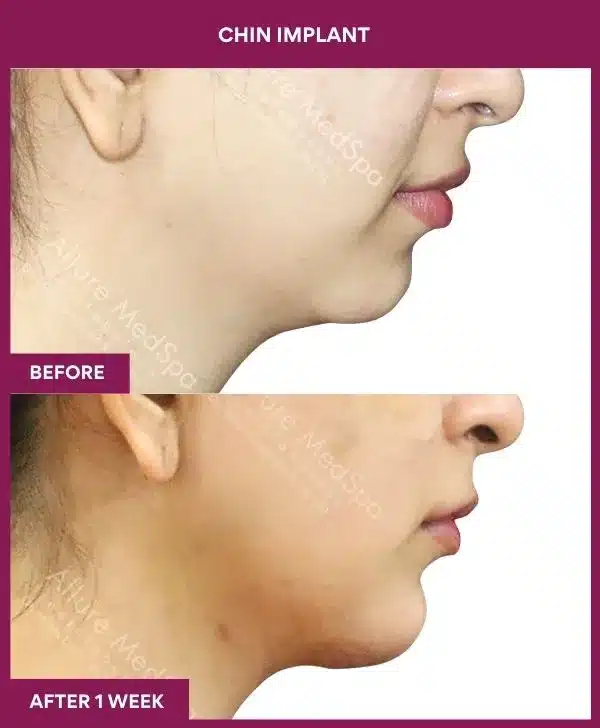
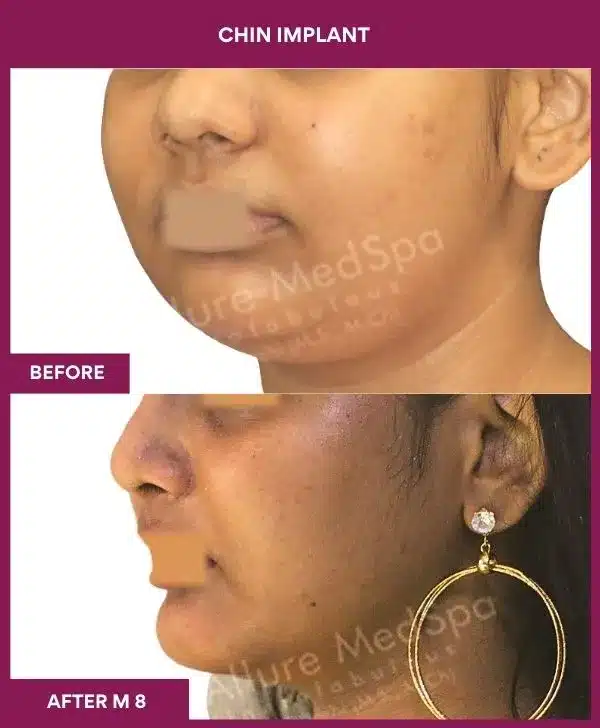
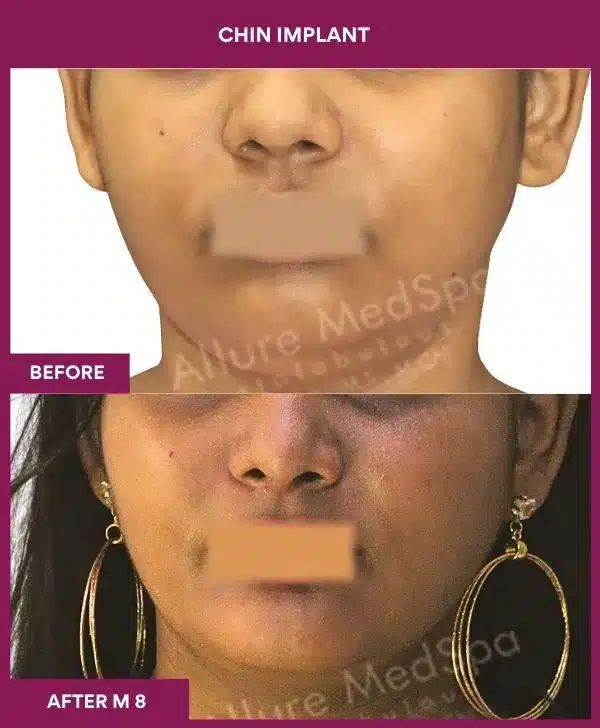
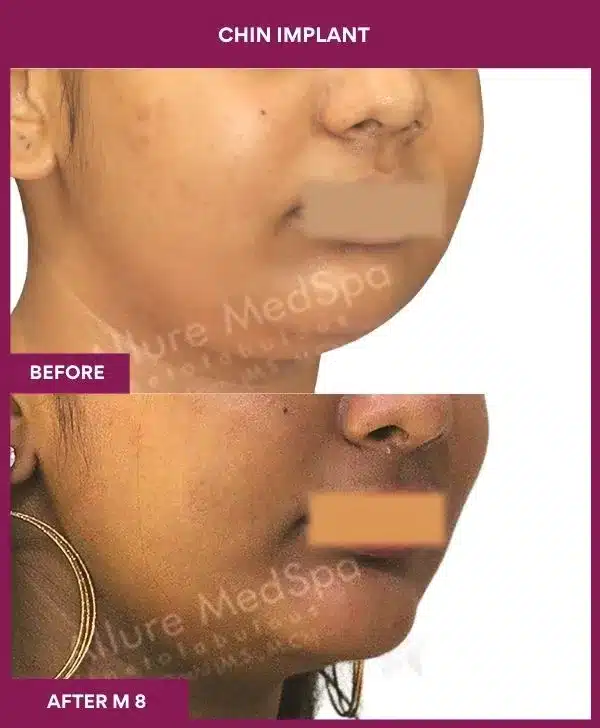
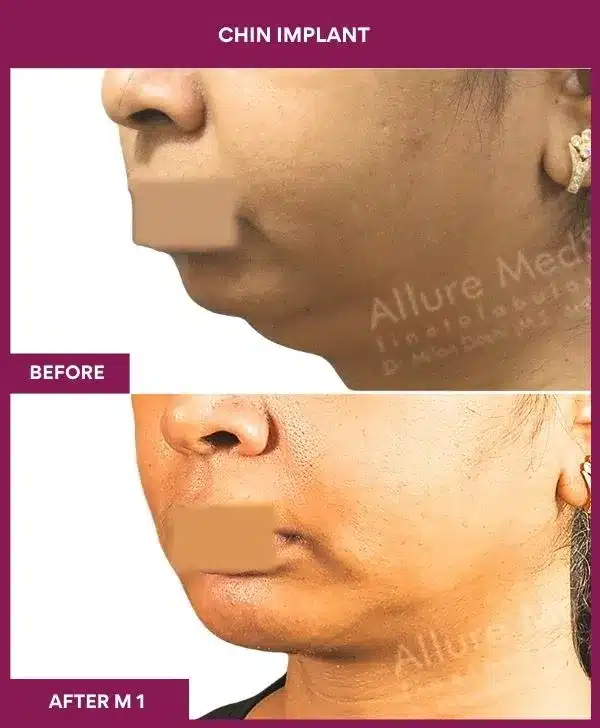
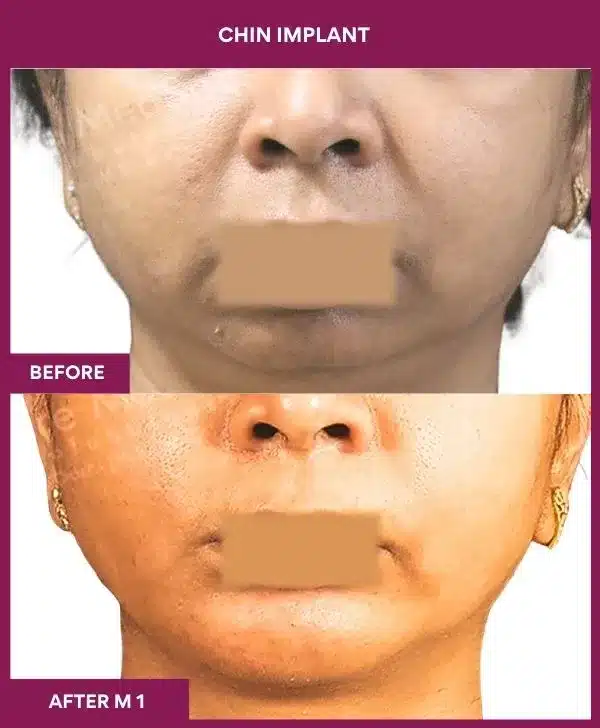
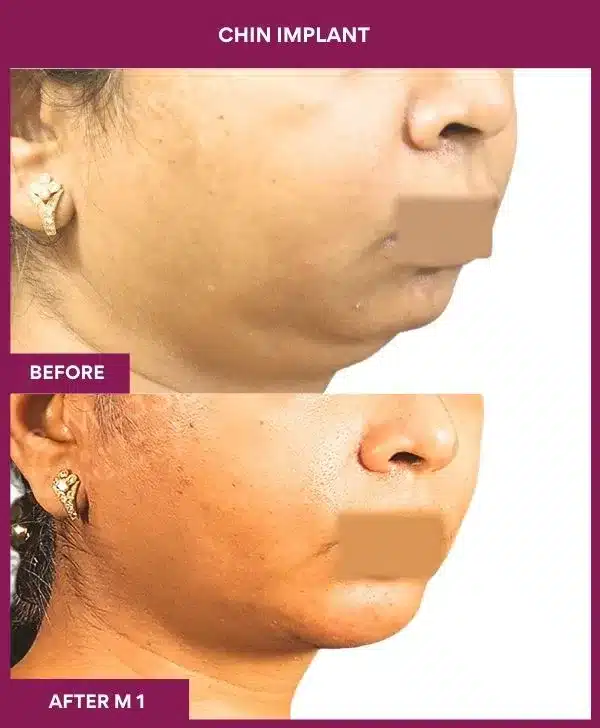
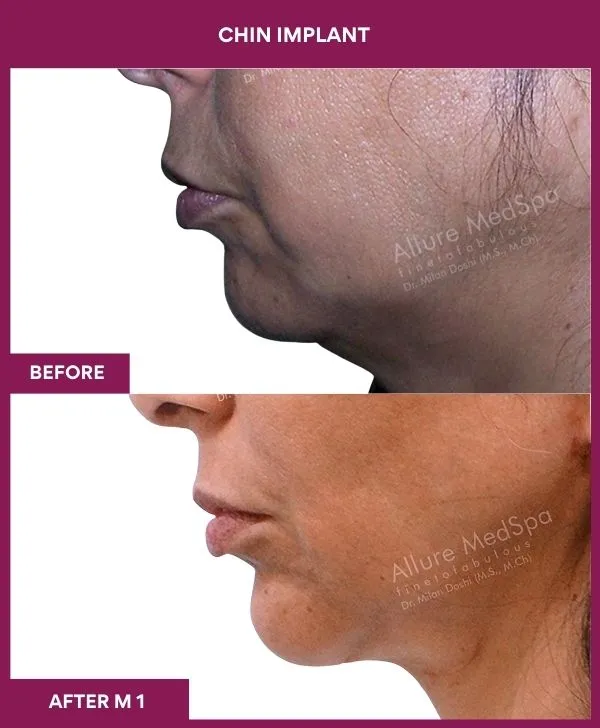
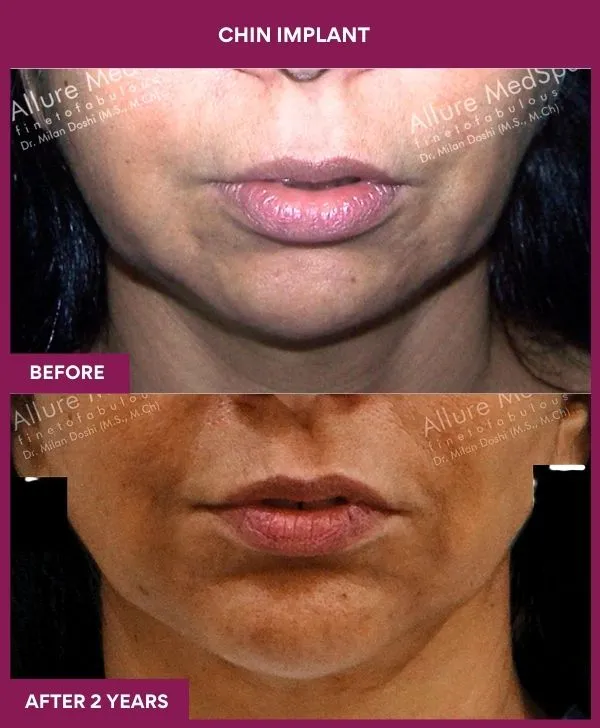
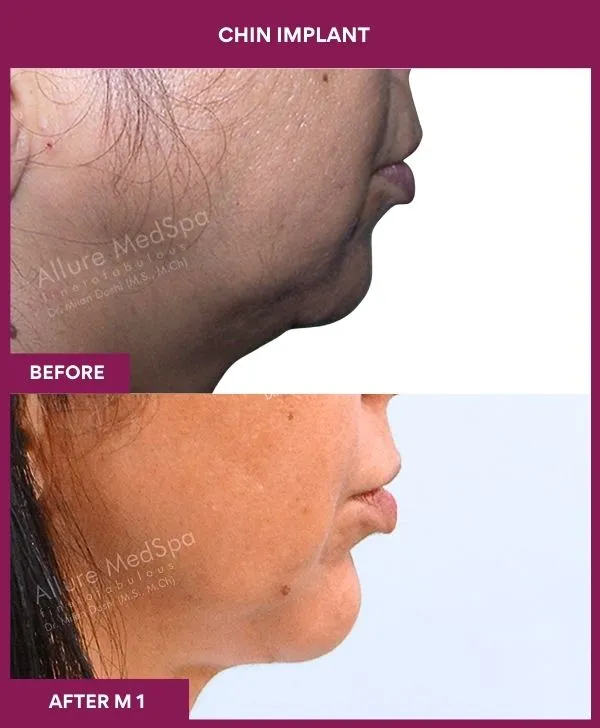
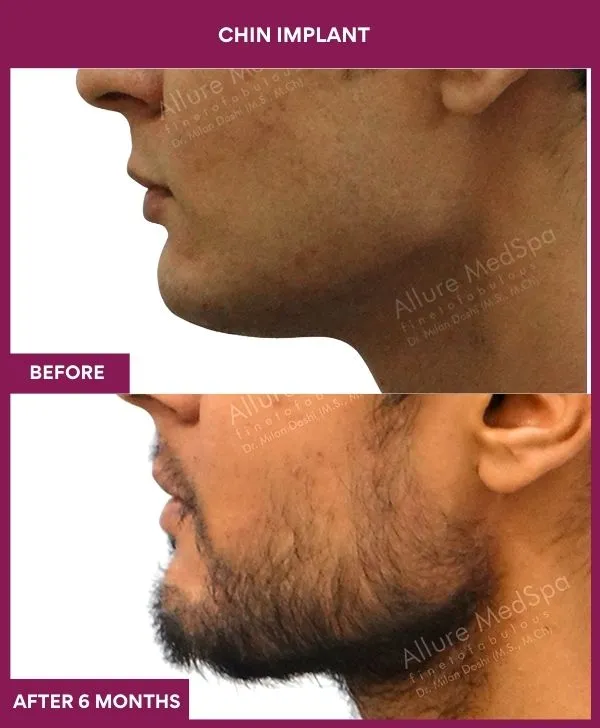
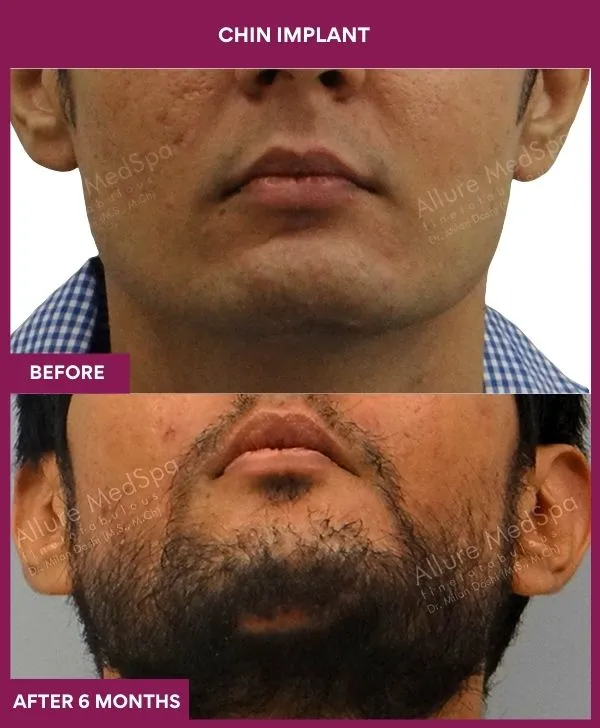
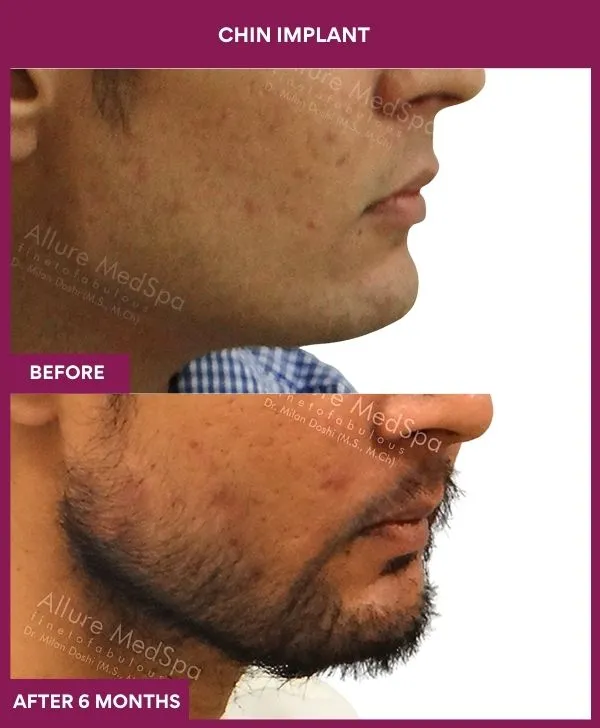
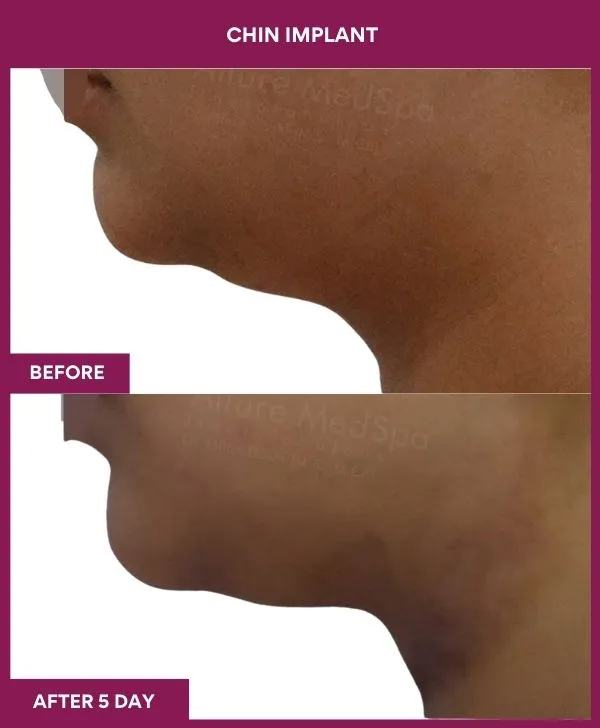
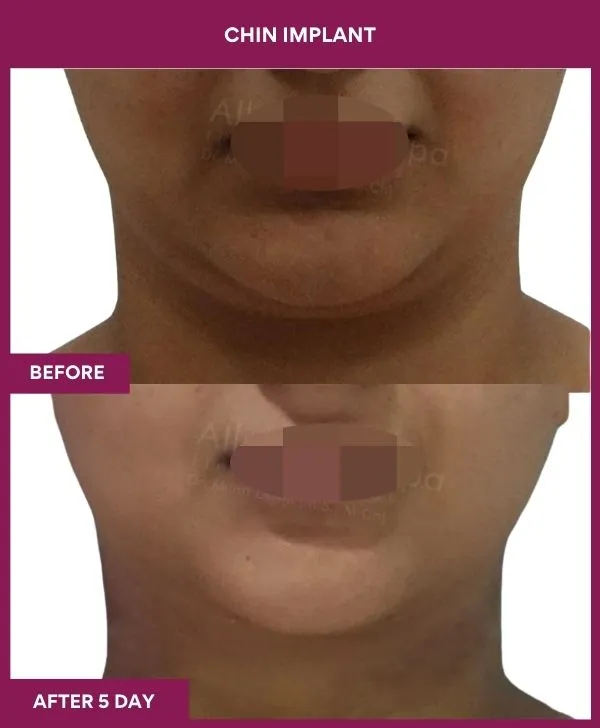
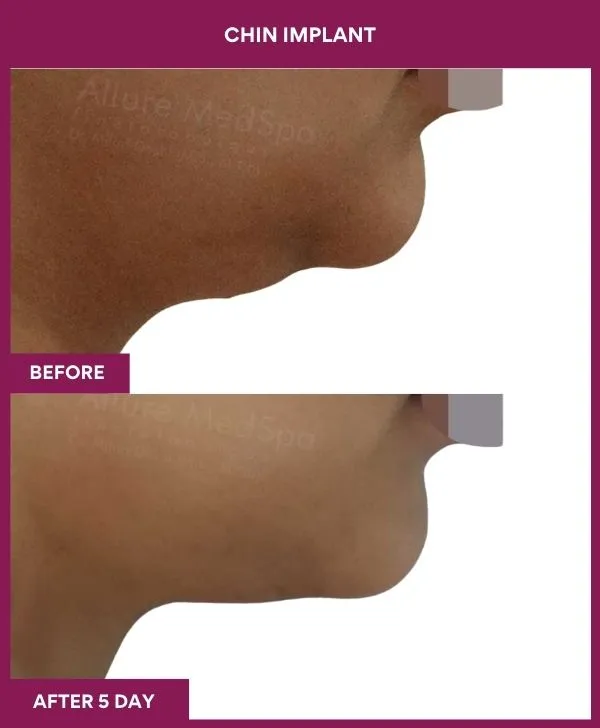
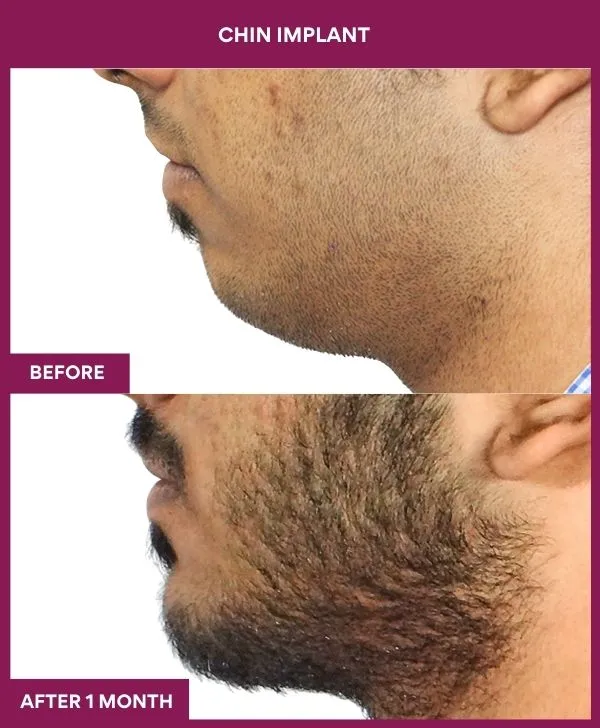
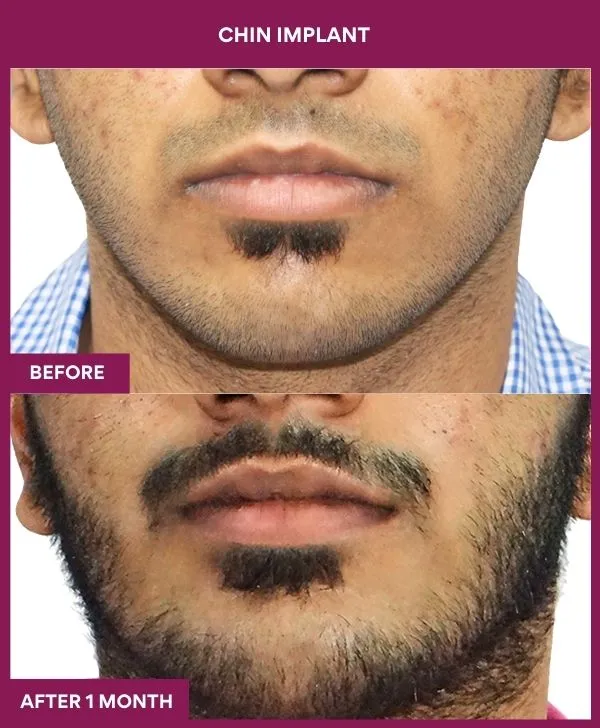
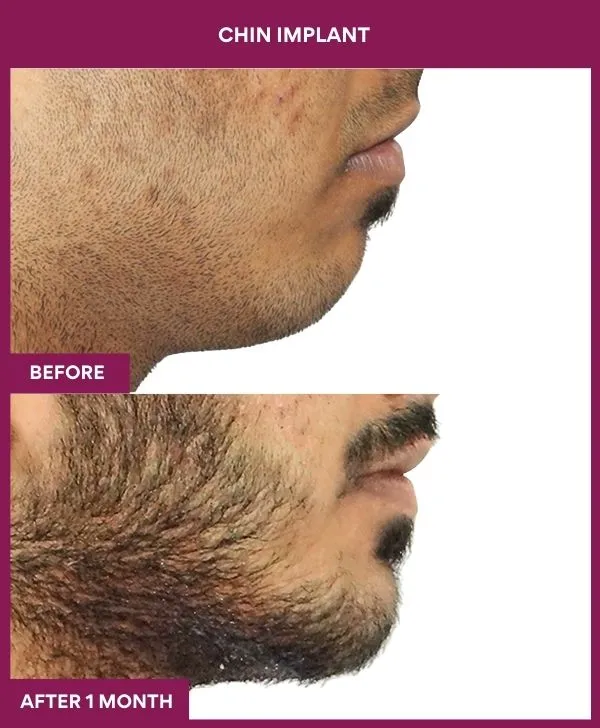
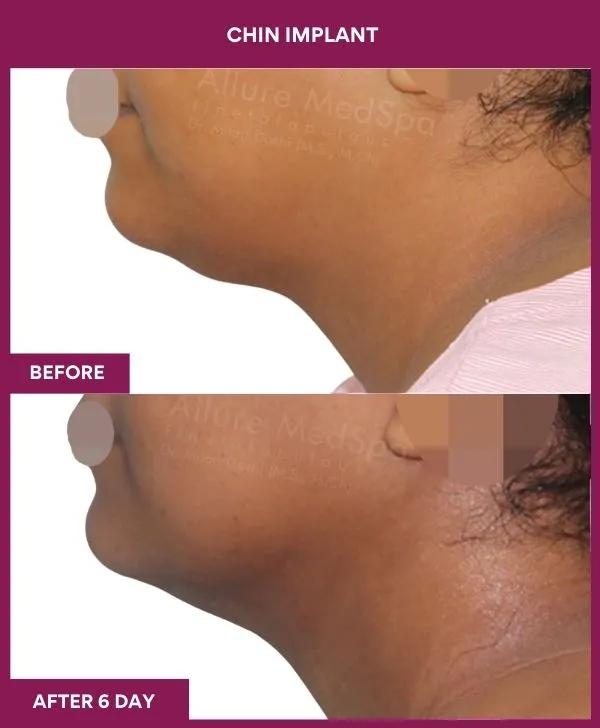
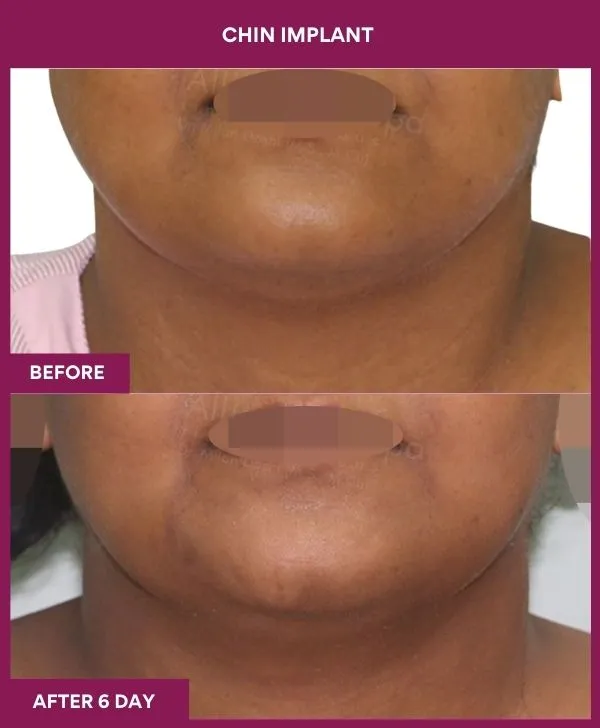
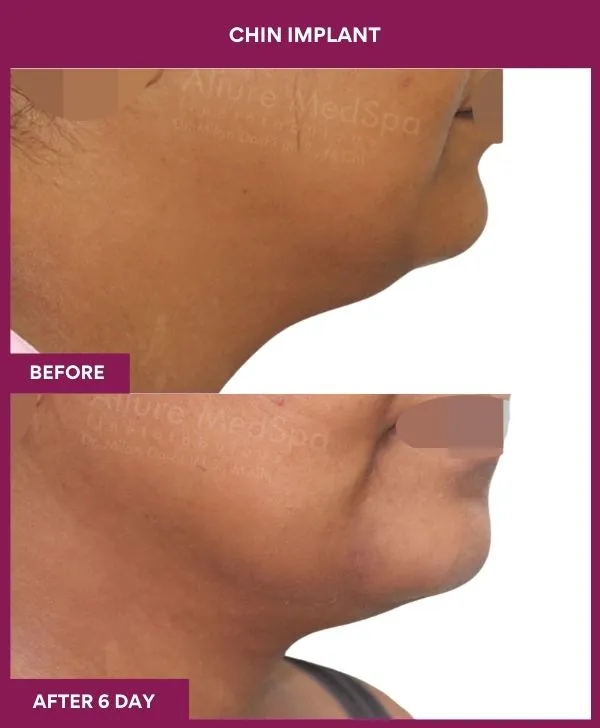
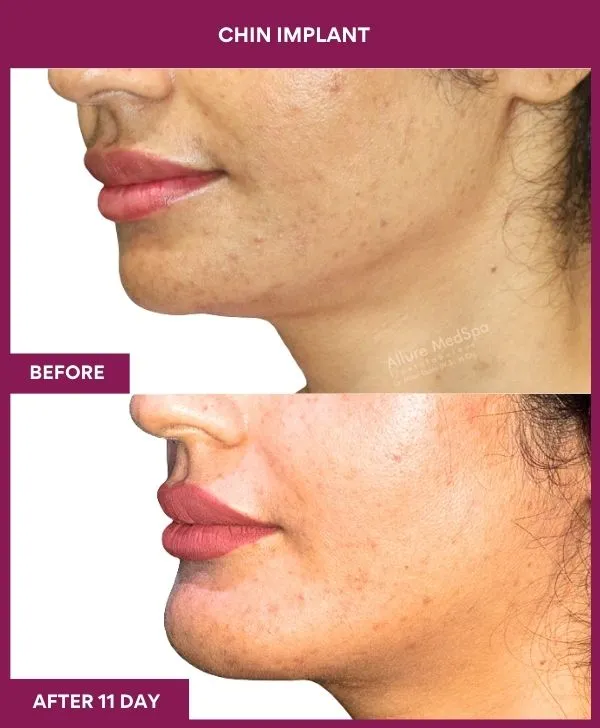
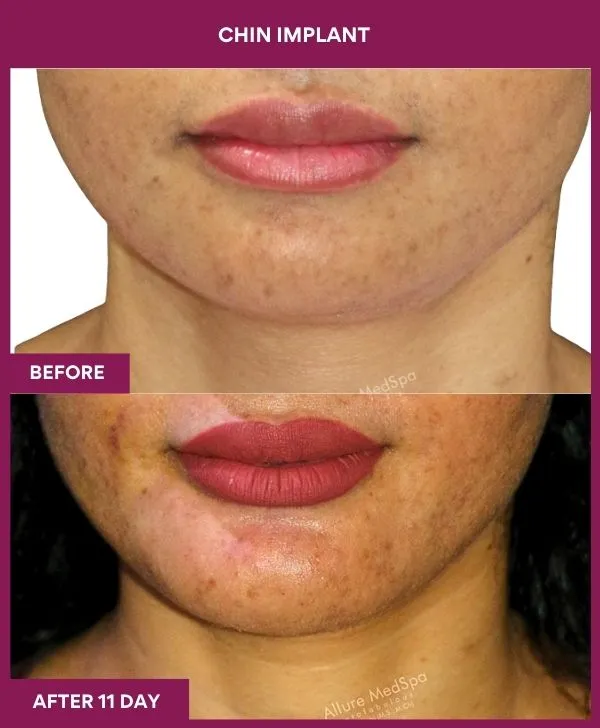
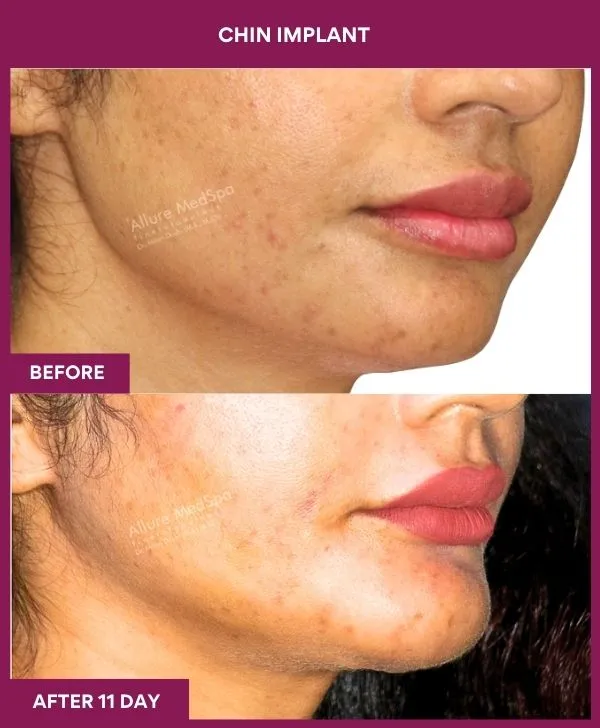
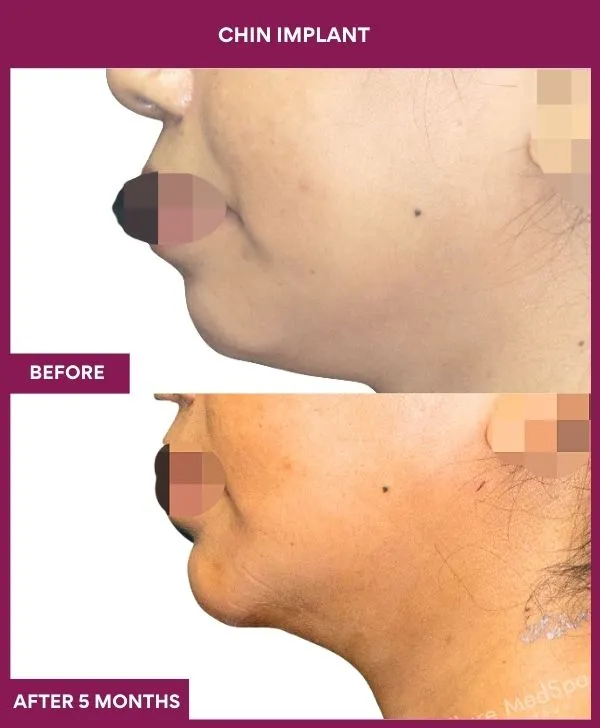
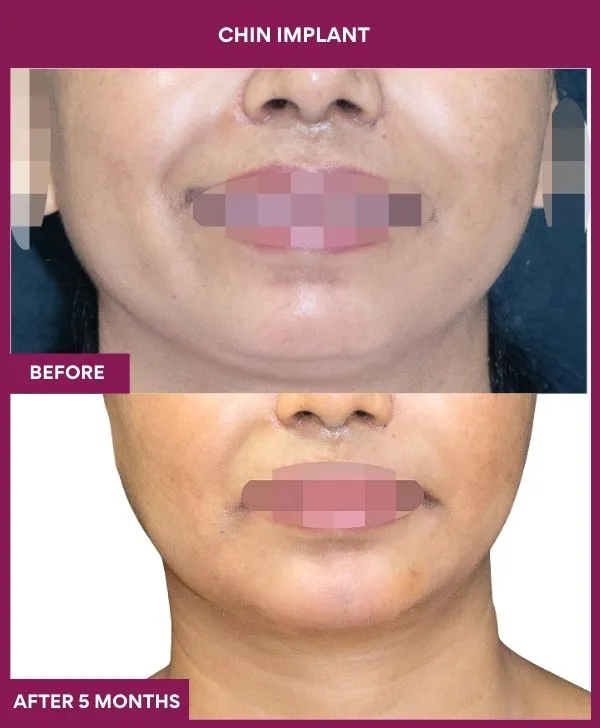
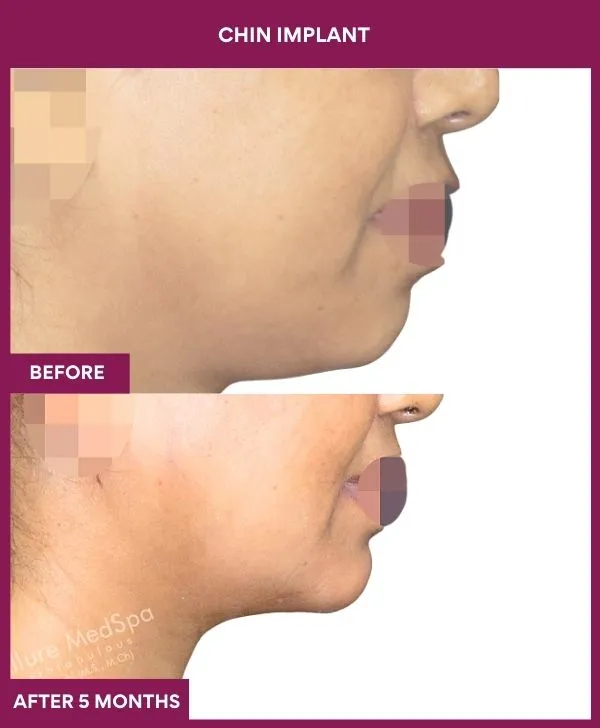
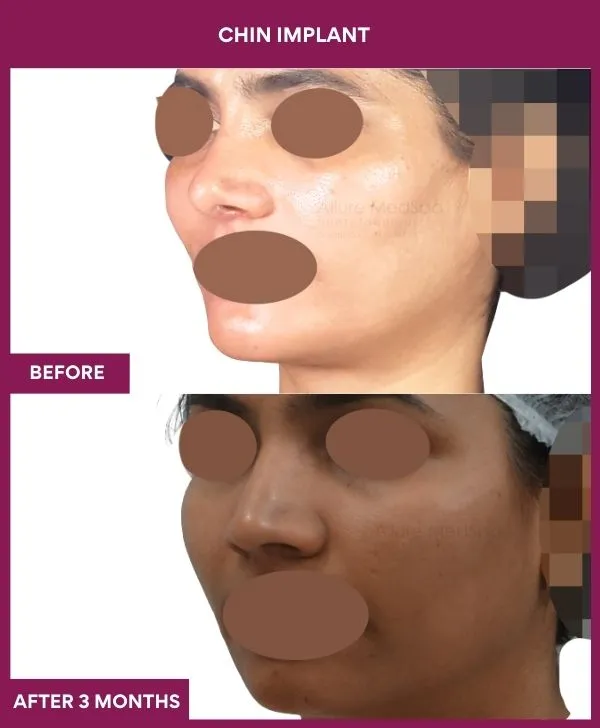
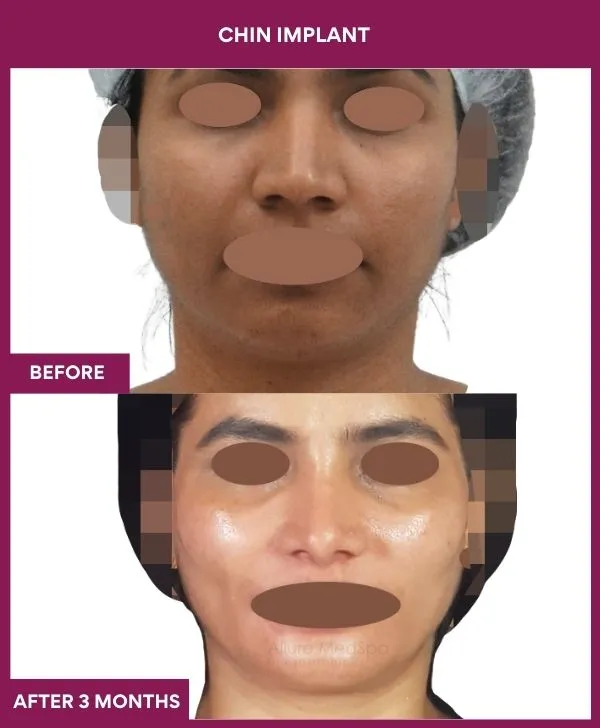
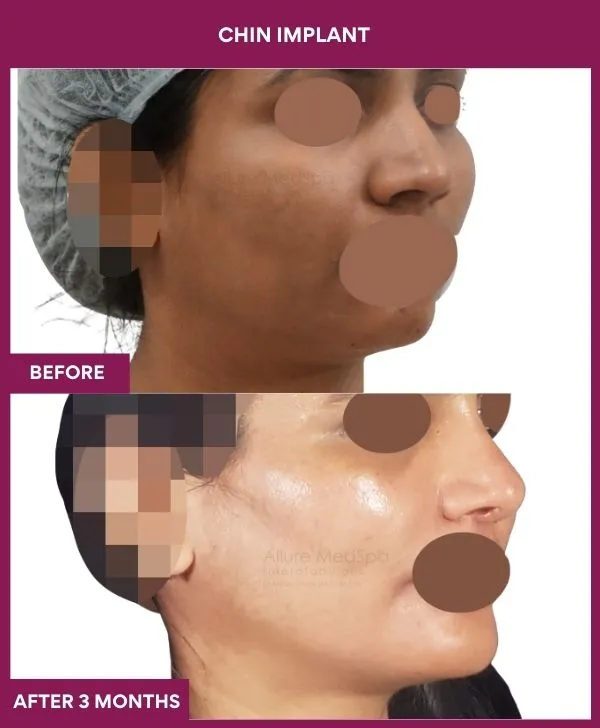
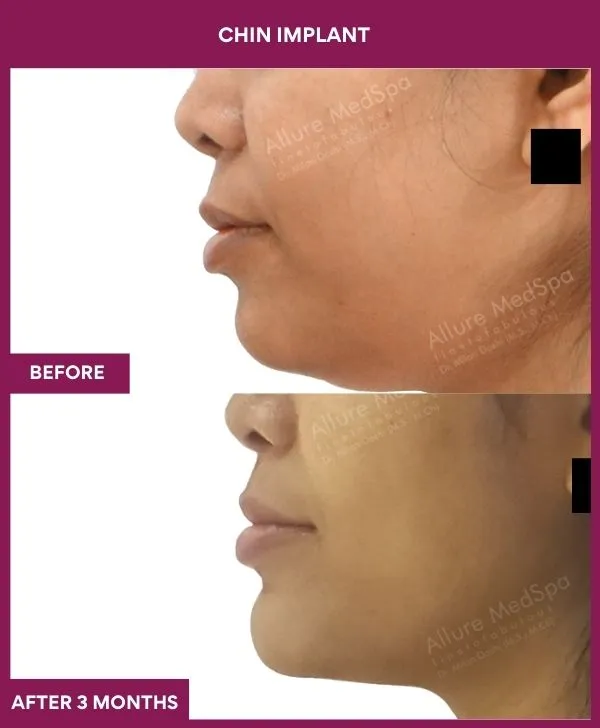
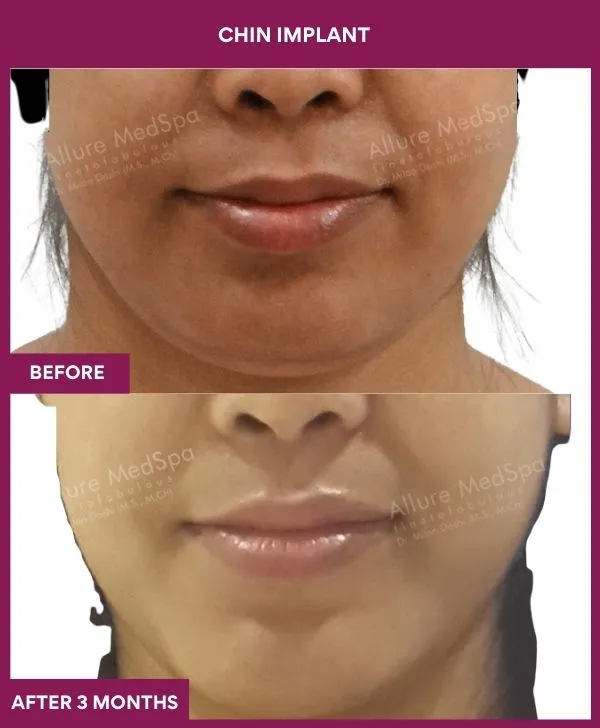
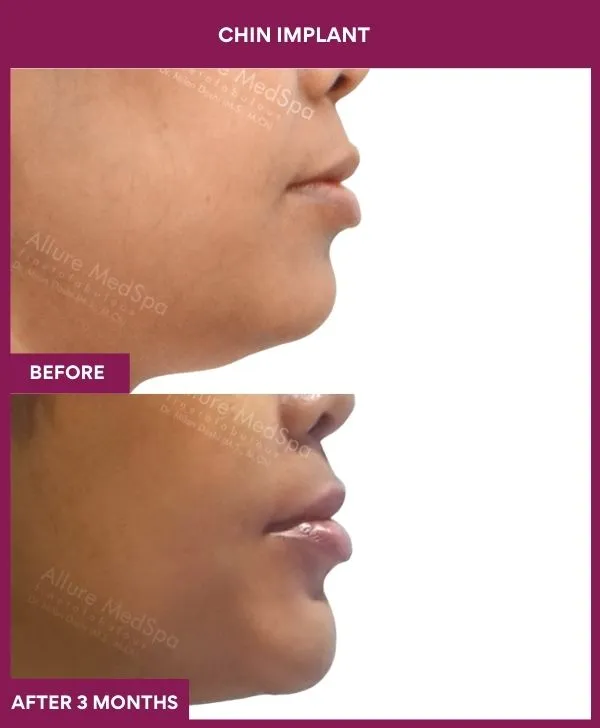
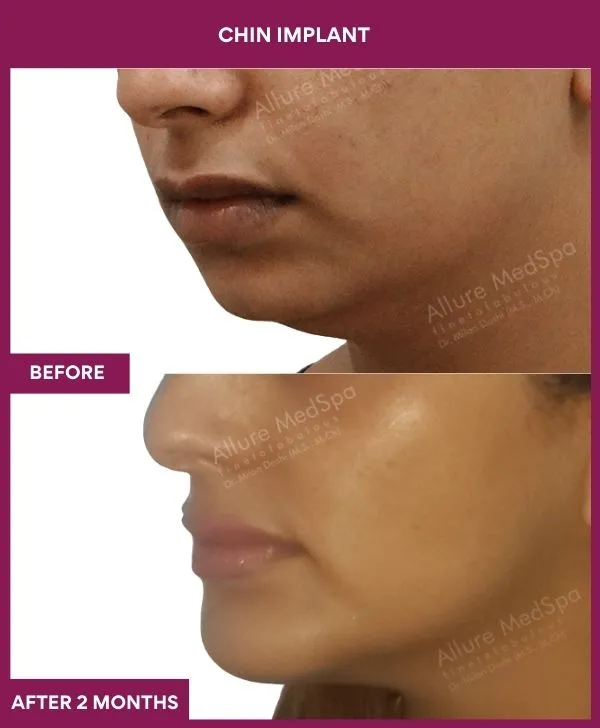
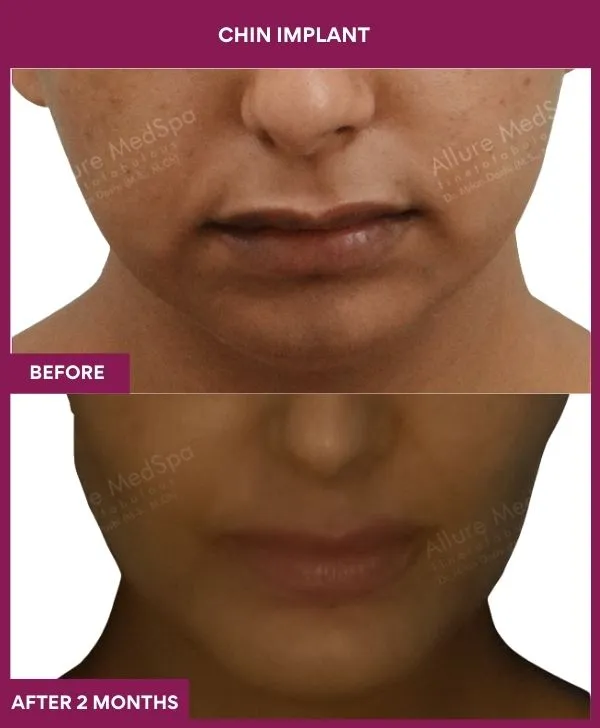
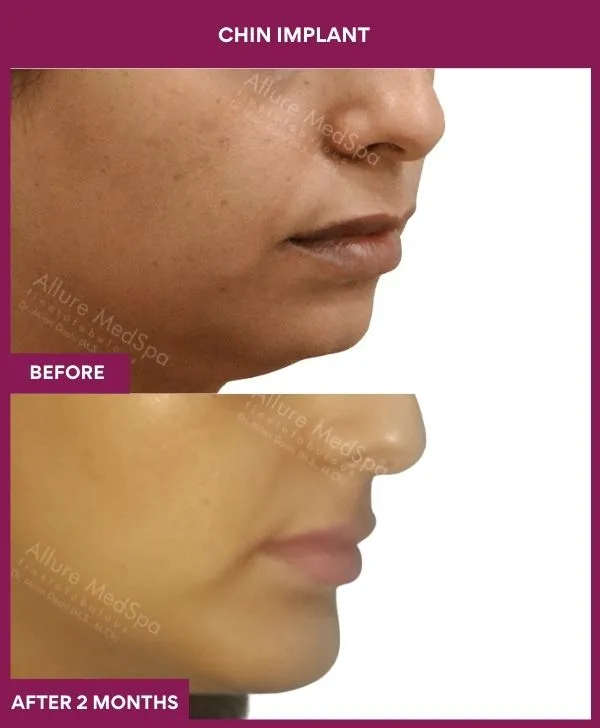
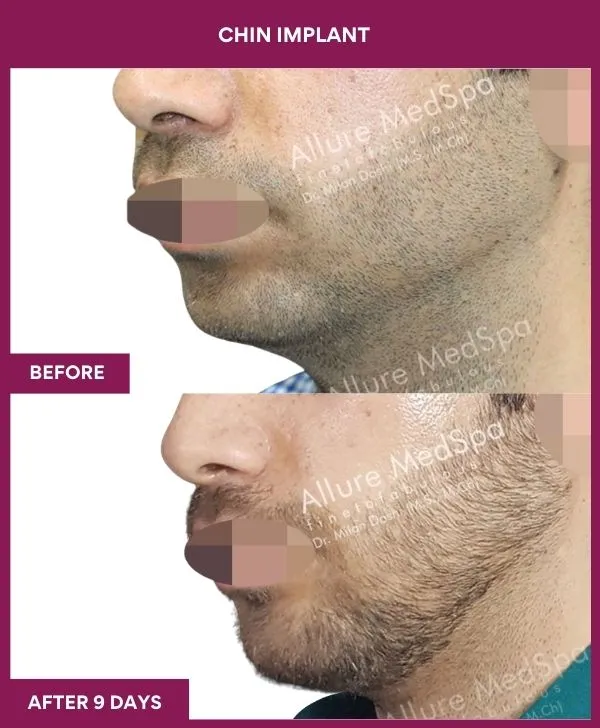
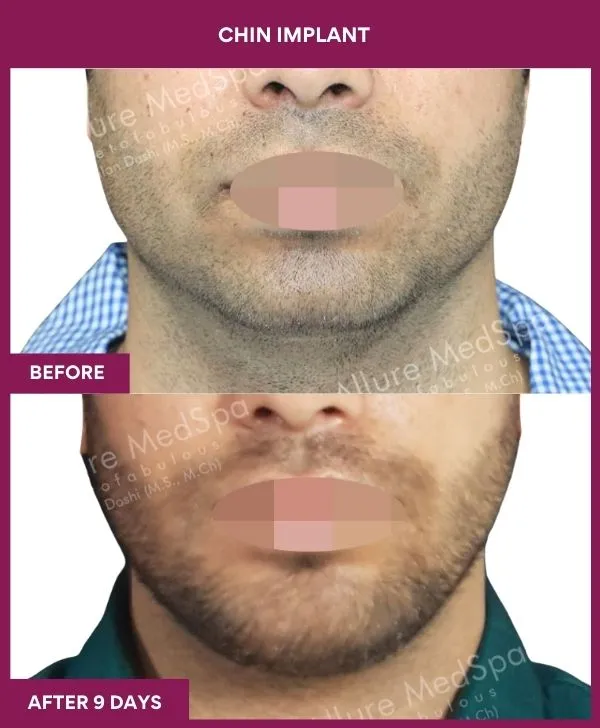
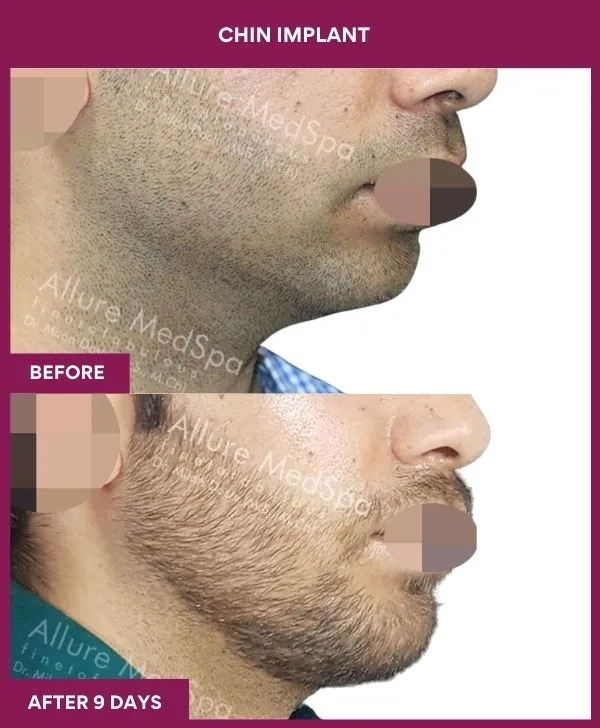
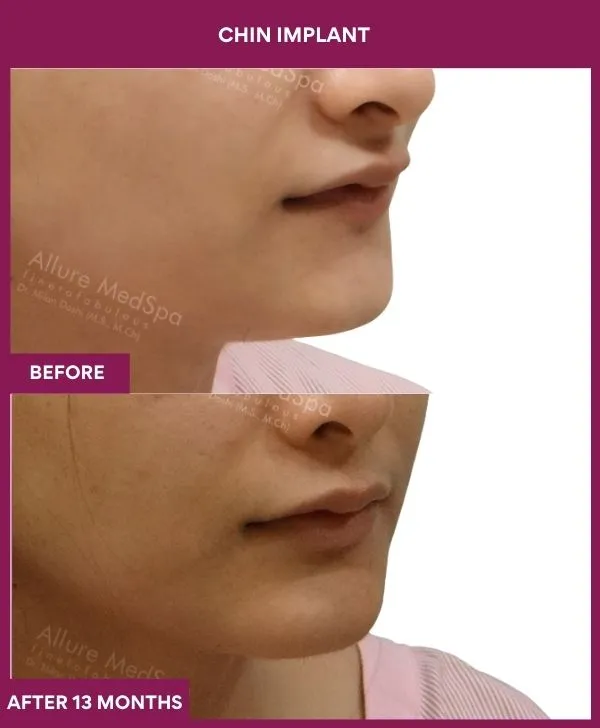
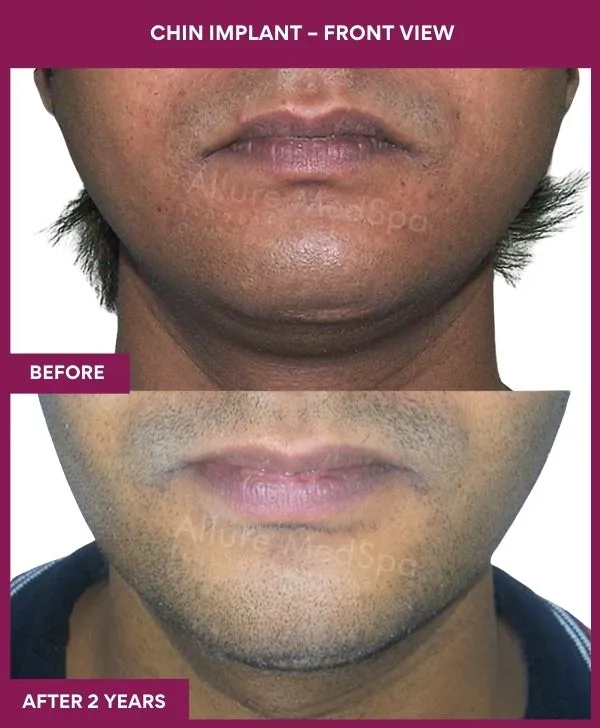
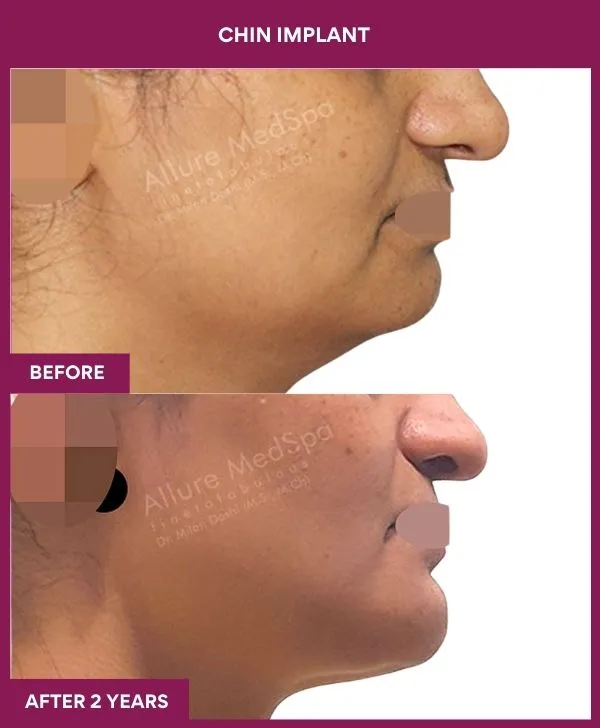
“Liked the results? Let's plan yours.”
Chin Augmentation Surgery Testimonials: Fine To Fabulous Journeys

Awarded by Google.com
Rating: 4.7
Reviews: 485+

Awarded by WhatClinic.com
Rating: 4.8
Reviews: 119+

Awarded by Realself
Rating: 4.9
Reviews:453+

Awarded by Facebook
Rating: 4.6
Reviews:105+
Dr Milan Doshi and his staff are very professional and committed as the centre is highly equipped with advanced technology. I had closed rhinoplasty 4 months back and I’m seeing the results as to how it becomes successful.
Deepika Shetty
The doctor explained everything clearly and the surgery was smooth. Recovery was faster than I expected and the team was very supportive.
Rahul Mehta
Very natural results and excellent staff. From consultation to follow-up, the experience was outstanding and boosted my confidence.
Sneha Kapoor
Is chin augmentation generally safe when done by an experienced surgeon?
Yes—chin augmentation is generally safe when performed by an experienced, board-certified surgeon in a properly equipped facility with strict protocols and structured follow-up.
A surgeon’s experience matters because safety is not just “doing the procedure.” It’s:
Choosing the right technique (filler vs implant vs genioplasty)
Understanding lower-face anatomy precisely
Avoiding overcorrection (a common cause of poor outcomes)
Running safety systems that reduce avoidable problems
I’ve spent 27+ years doing facial aesthetic surgery where millimeters affect harmony—and that mindset is what keeps chin augmentation safe and natural-looking.
What are the most common short-term effects after chin augmentation?
The most common short-term effects are swelling, bruising, tightness, and mild tenderness—usually temporary and expected as part of healing.
Common, normal early effects (vary by technique and person):
Swelling and firmness around the chin
Bruising (more common in some patients)
Tightness while smiling or talking
Temporary numbness or altered sensation
The key word is temporary. What matters is whether things steadily improve and follow the expected pattern your surgeon explains.
What are the real risks of chin fillers and how are they prevented?
Chin fillers are usually safe in expert hands, but real risks include lumps, asymmetry, and rare blood-vessel complications—prevention depends on anatomy knowledge, correct technique, and using appropriate reversible products.
Key risk categories (kept realistic, not scary)
Contour issues: lumps, unevenness, overfilling
Placement issues: migration or unnatural “pillow” look
Vascular risk: rare but serious if filler enters or compresses a vessel
How we reduce risk (the non-negotiables)
Proper assessment of chin shape + lower-face proportions
Conservative planning (build gradually; don’t chase a “one-shot transformation”)
Correct product choice and technique selection (case dependent)
Clear aftercare instructions + early review if anything feels off
Reference (dermal filler safety context):
Read more: Chin Filler vs Chin Implant
What are the real risks of chin implants and how are they prevented?
Chin implants can be very safe when properly selected and placed, but risks include infection, shifting, and contour irregularity—prevention depends on sterile systems, correct pocket creation, accurate sizing, and disciplined aftercare.
Real risks (without fear-mongering)
Infection risk (reduced with sterile protocols and appropriate prophylaxis)
Implant shift / malposition (reduced by correct technique and stabilization when needed)
Contour visibility/palpability in specific anatomy (prevented by sizing, placement plane, and soft-tissue assessment)
How we reduce risk in a premium, protocol-driven setup
Correct patient selection (not every chin needs an implant)
Proper implant choice and sizing (avoid “too big” vanity sizing)
Meticulous surgical plane + clean handling
Structured follow-up so early issues don’t become late problems
Read more: Chin Implant vs Sliding Genioplasty
What are the real risks of sliding genioplasty and how are they prevented?
Sliding genioplasty is a powerful and stable option when bone repositioning is needed, but risks can include temporary numbness, healing-related issues, and contour irregularity—prevention relies on precise planning, controlled osteotomy technique, rigid fixation, and follow-up.
Genioplasty is not “better” than an implant. It’s different:
Implant: adds structure with an implant
Genioplasty: repositions your own bone (useful in selected anatomical needs)
Why it can be safe:
It follows established surgical principles with controlled fixation and healing timelines
(General genioplasty/chin augmentation overview):
Read More: Chin Implant vs Sliding Genioplasty
Risk by technique table
This table shows what’s common, what’s less common, and what actually prevents problems—so you don’t judge “safety” based on random internet stories.
Chin fillers
Common temporary effects: Mild swelling, bruising
Less common risks: Lumps, asymmetry, rare vascular events
Prevention steps (clinic): Anatomy-based plan, conservative dosing, correct technique, proper product selection
What you can do (patient): Avoid pressure/massage unless advised, follow aftercare, report unusual pain/color change immediately
Chin implant
Common temporary effects: Swelling, tightness
Less common risks: Infection, shift, contour irregularity
Prevention steps (clinic): Sterile protocols, correct pocket/plane, accurate sizing, stabilization when needed
What you can do (patient): Follow diet/activity restrictions, avoid trauma, attend follow-ups
Sliding genioplasty
Common temporary effects: Swelling, temporary altered sensation
Less common risks: Healing-related issues, contour irregularity
Prevention steps (clinic): Precise planning, controlled technique, rigid fixation, follow-up
What you can do (patient): Follow instructions strictly, avoid early strain, keep review appointments
What is the #1 mistake patients make when judging safety?
The #1 mistake is judging safety by price, social media, or “before-after glamour,” instead of judging the surgeon’s process: diagnosis, planning, sterile systems, and follow-up.
Here’s the blunt truth: A pretty Instagram result doesn’t tell you anything about safety. A safe result comes from:
Correct indication (right procedure for the right problem)
A surgeon trained to handle anatomy + complications
A facility with protocols and emergency readiness
A team that monitors you, not disappears after payment
How do I choose a safe surgeon and safe facility in India?
Choose a surgeon with formal plastic surgery credentials and deep facial experience, and choose a facility with disciplined operating room protocols, anesthesia safety, and structured post-op follow-up.
What to verify (India context, practical):
Surgeon credentials: M.Ch (Plastic Surgery) or equivalent specialist training, plus consistent facial work
Clear discussion of options (filler vs implant vs genioplasty) instead of one-size-fits-all selling
NABH facility standards, trained OT staff, anesthesia monitoring, and emergency readiness
Transparent follow-up plan (you should know exactly how you’re monitored)
References:
– Clinical planning considerations / outcomes discussion context
– Professional bodies for patient education
What can I do to reduce risk before and after the procedure?
Your behavior matters—good outcomes require good biology, and good biology needs good habits: honest medical disclosure, nicotine avoidance, correct medication handling, and disciplined aftercare.
Pre-procedure checklist (simple, high-impact)
Disclose all medicines/supplements and medical history honestly
Avoid smoking/nicotine (major healing risk factor)
Don’t self-medicate with “blood-thinning” painkillers unless your doctor approves
Plan your schedule so you’re not forced to “rush healing”
Post-procedure checklist (where patients often sabotage themselves)
Follow diet/activity restrictions exactly (especially after surgery)
Don’t press/massage/tamper unless specifically advised
Show up for reviews (early correction prevents late correction)
Report unusual pain, increasing asymmetry, discharge, fever, or skin color changes promptly
What are the red flags after chin augmentation that need urgent attention?
Red flags include rapidly increasing pain or swelling, fever, discharge, skin color change after filler, or worsening asymmetry—these require prompt evaluation, not “wait and watch.”
Red flags (mobile-friendly list)
Rapidly increasing swelling (especially one-sided): contact clinic urgently, same day
Fever, discharge, foul smell: urgent evaluation
Severe pain not improving: call clinic urgently
Skin color change after filler (pale/blue/dusky): emergency evaluation immediately
Worsening asymmetry after initial settling: schedule prompt review
Why can “cheap” chin augmentation become expensive later?
Because shortcuts often shift costs into the future—correction, revision, prolonged downtime, and emotional stress can exceed the original “savings.”
No drama, just reality:
Low-quality product choice or poor technique can create unnatural contour or instability
Poor follow-up allows small problems to become big problems
Revision work is usually more complex than primary work
Read more: Chin Augmentation Cost in Mumbai
How does recovery affect safety and results?
Recovery is part of the procedure—most preventable problems happen when patients return too fast, ignore instructions, or skip follow-ups.
What “safe recovery” actually means:
Protecting surgical work while swelling settles
Avoiding unnecessary strain/pressure
Early detection if healing deviates from expected pattern
Following the timeline your surgeon gives you (not your gym trainer)
Read more:
– Chin Augmentation Recovery Timeline
– Chin Augmentation Before & After Results
FAQs: Frequently Asked Question
Q1) Are chin fillers safer than chin implants?
Ans. Different risk profiles—fillers avoid surgery but require expert anatomy-based injection; implants require surgery but can be very safe in the right setting.
Q2) What’s the safest technique for a weak chin?
Ans. The safest technique is the right technique for your anatomy—that decision is made after assessment.
Q3) Do I need tests before surgery?
Ans. Often yes for surgical procedures; the exact list depends on your health profile.
Q4) Is numbness after surgery permanent?
Ans. Temporary sensation changes can happen; persistent changes are uncommon but should be monitored.
Q5) How do I reduce filler risks?
Ans. Choose an experienced injector, don’t overfill, follow aftercare, and report warning symptoms early.
Q6) How do I reduce implant risks?
Ans. Correct sizing, sterile systems, proper technique, and disciplined aftercare are the foundation.
Q7) Can I do fillers first, then implant later?
Ans. Often yes—many patients use fillers as a preview.
8) Is it safe to combine chin augmentation with rhinoplasty?
Ans. In selected cases, yes—planning and patient fitness decide.
9) What should I avoid immediately after the procedure?
Ans. Pressure/trauma, early workouts, and ignoring instructions—these are common causes of avoidable issues.
Q10) How do I know if a complication is starting?
Ans. If symptoms are worsening instead of improving—especially pain, swelling, fever, discharge, or skin color change—contact the clinic promptly.
Conclusion: Safety Comes From Systems, Skill, and Smart Choices
Chin augmentation is not risky by default. It becomes risky when planning is rushed, technique is mismatched to anatomy, or protocols are ignored. Whether you choose fillers, implants, or genioplasty, safety depends far more on who performs the procedure, how it is planned, and how recovery is managed than on the method itself.
At Allure Medspa, Dr. Milan Doshi follows a protocol-driven, anatomy-first approach—focused on correct indication, sterile execution, conservative correction, and structured follow-up. This reduces avoidable complications and ensures results that are both safe and natural-looking.
Patients also play a vital role. Honest medical disclosure, disciplined aftercare, and timely reporting of warning signs are essential parts of a safe outcome.
If your priority is long-term safety—not shortcuts—start with a proper evaluation.
Get a Complete Nose–Chin Harmony Evaluation