

Indian Board Certified Plastic Surgeon
M.CH, MS, ISAPS Mentor
16000+ Cosmetic Surgeries
500+ Chin Augmentation Surgery
Chin Augmentation Surgery Before After Result in Mumbai, India
Before–after photos help you understand what chin augmentation can realistically change—chin projection, profile balance, and jawline definition. These images show real patient outcomes (with consent), but they are not guarantees because anatomy, technique choice, and healing vary.
Chin augmentation (implant, sliding genioplasty, or fillers) is described in established medical references as a procedure that can improve lower-face balance and harmony. (NCBI)
Related Link: Chin Augmentation Surgery | Chin Augmentation Cost in Mumbai
Female Chin Augmentation Surgery Before & After Result
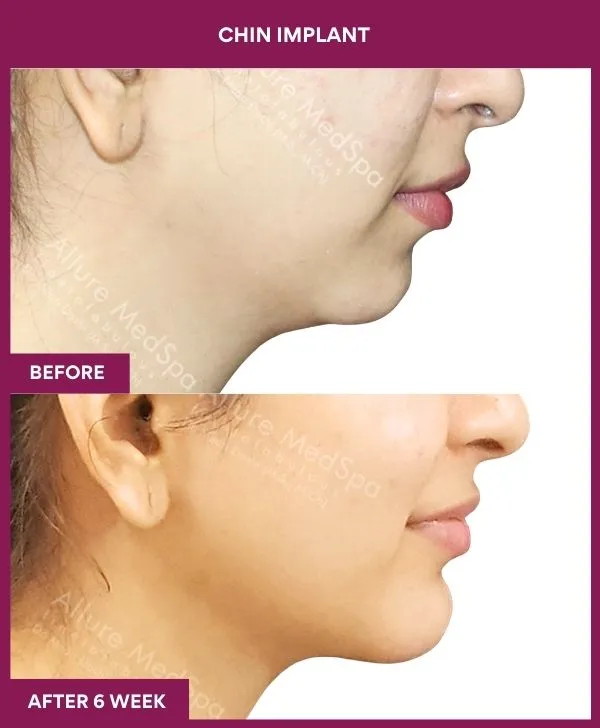
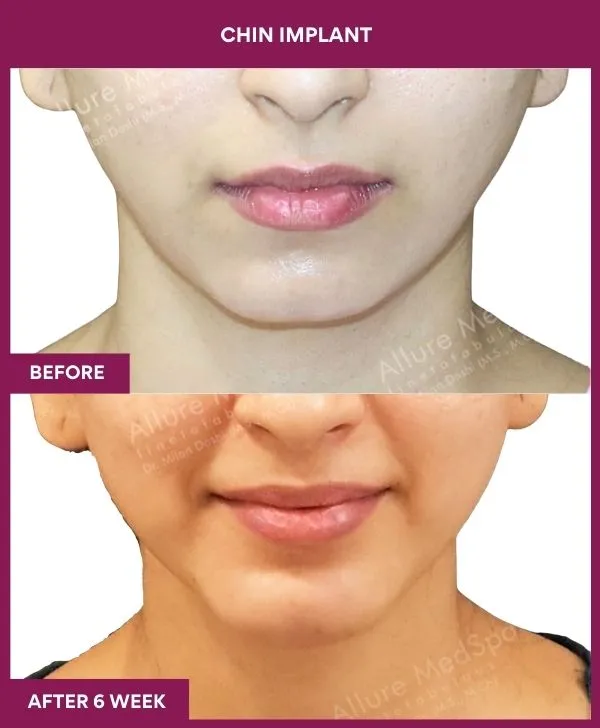
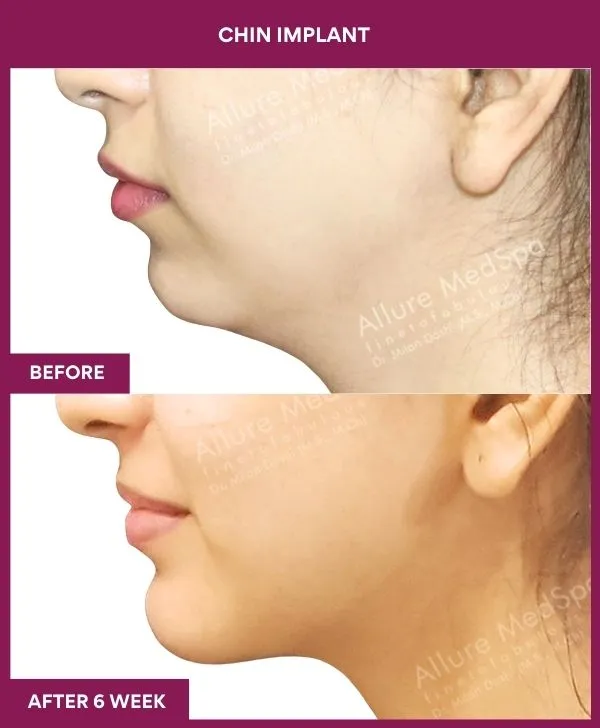
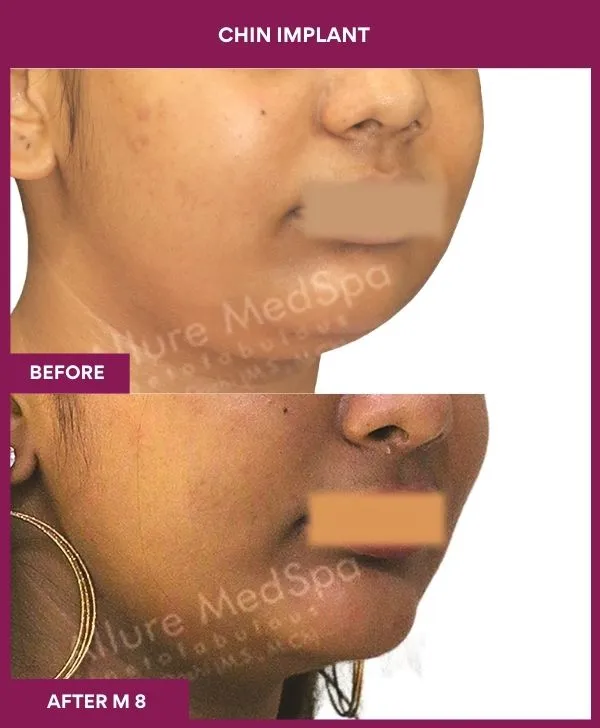
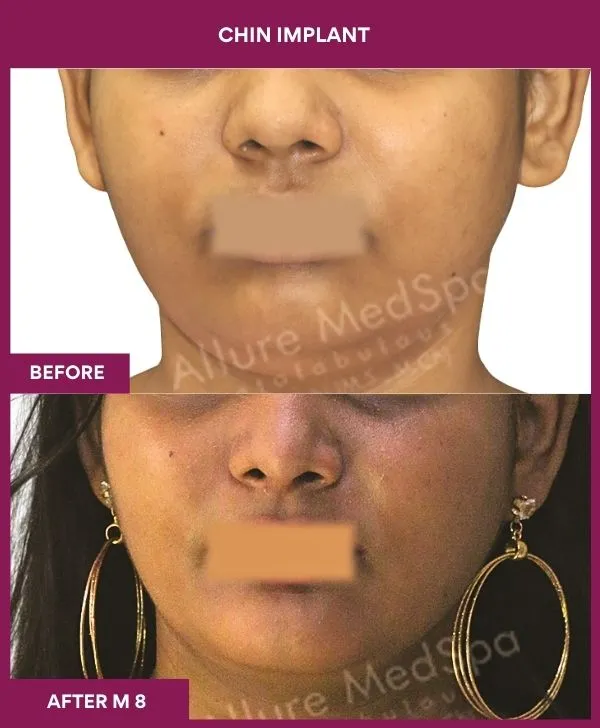
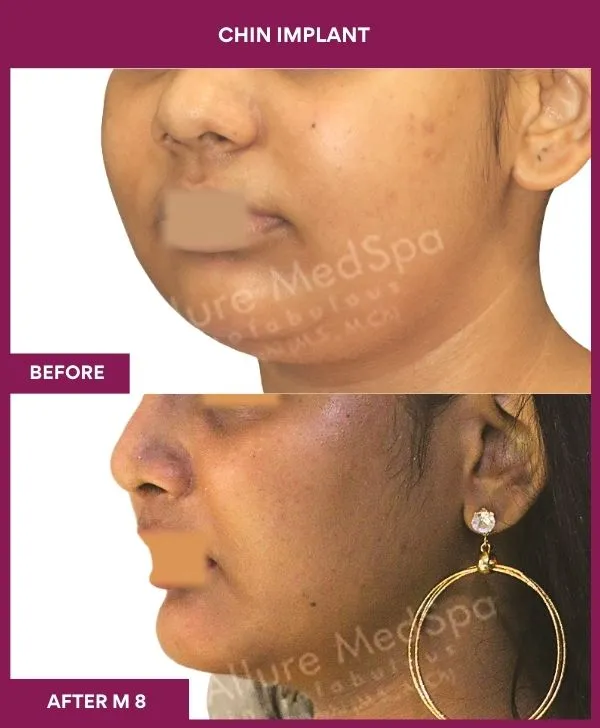
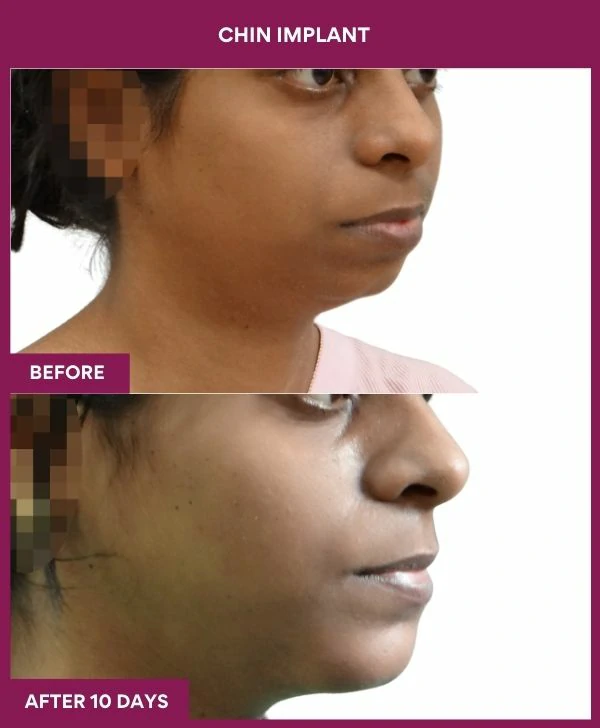
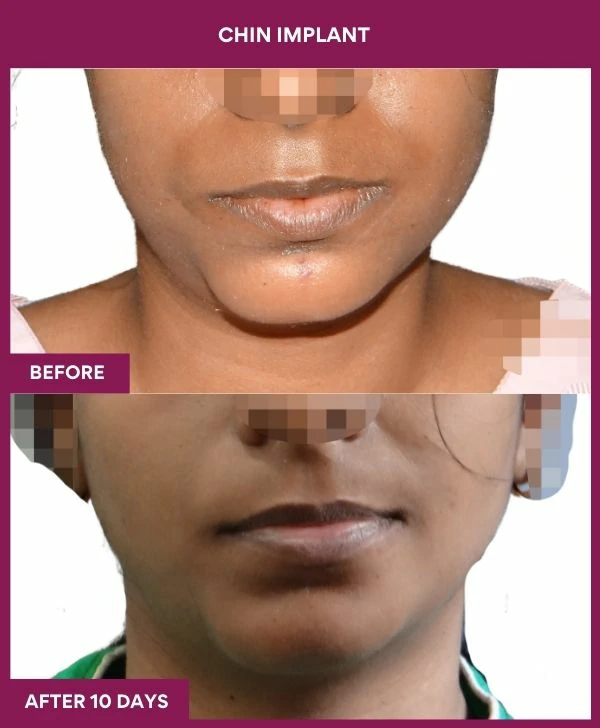
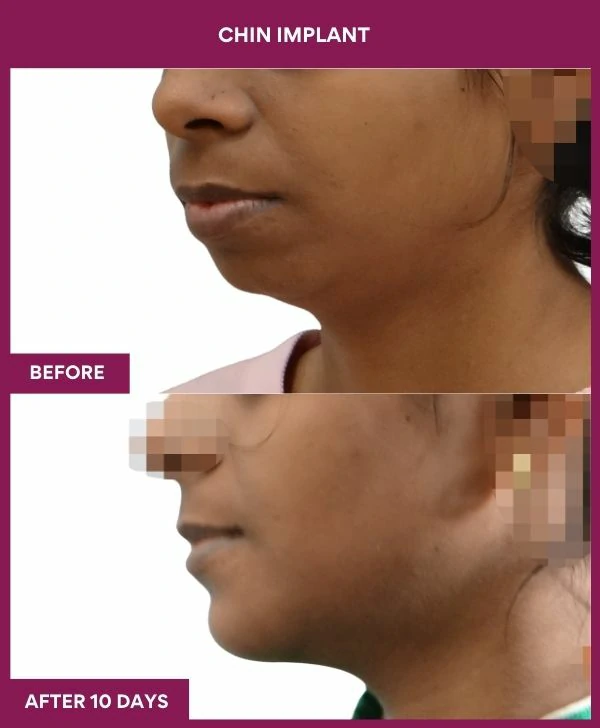
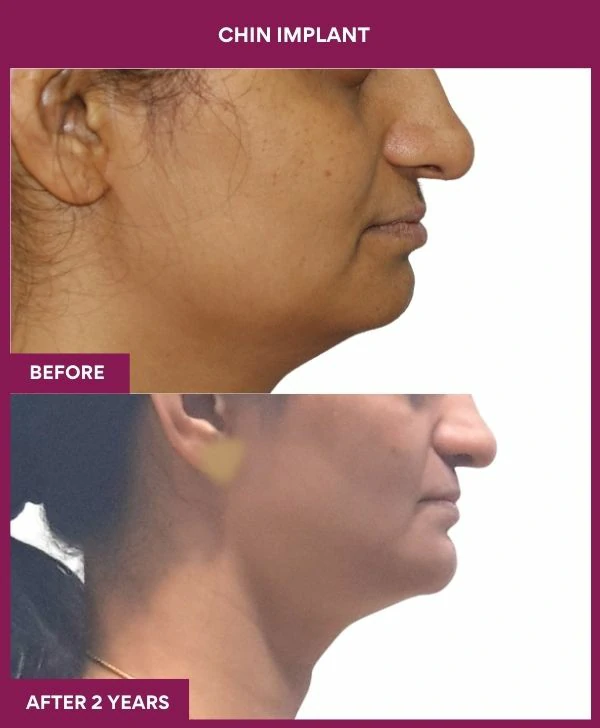
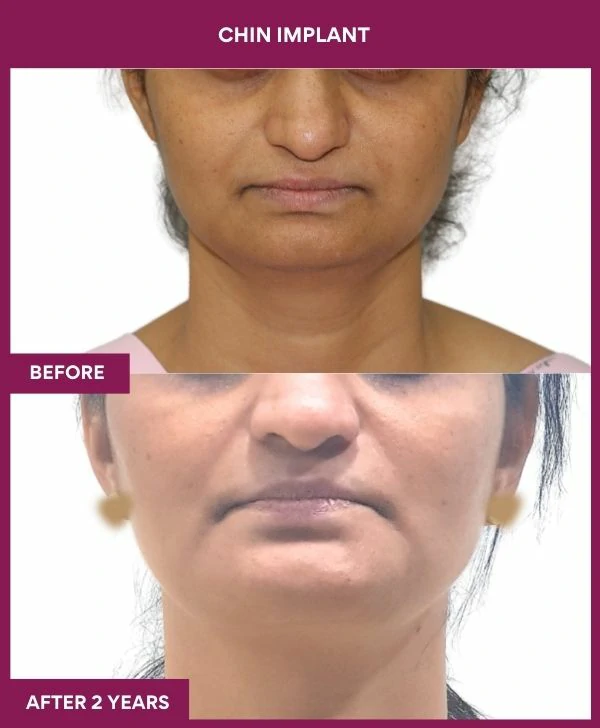
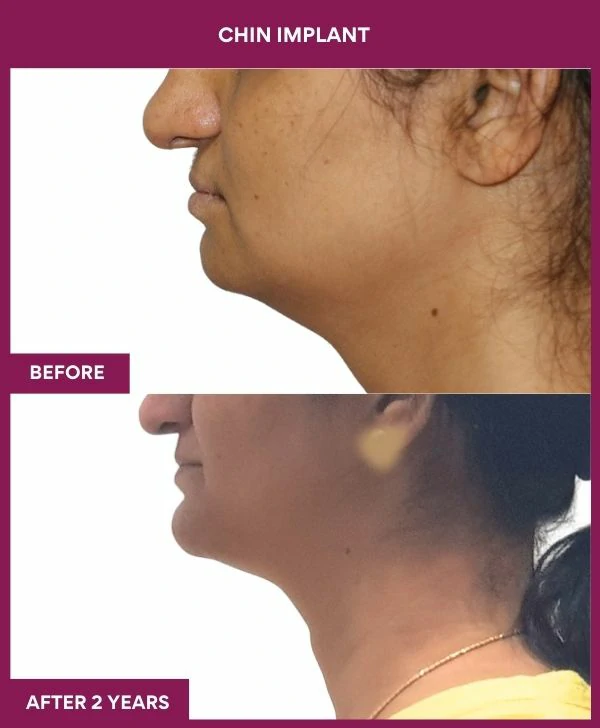
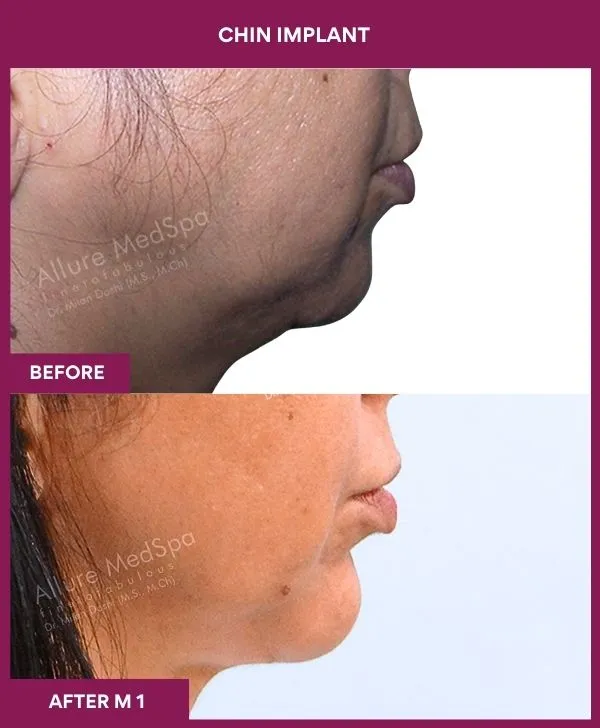
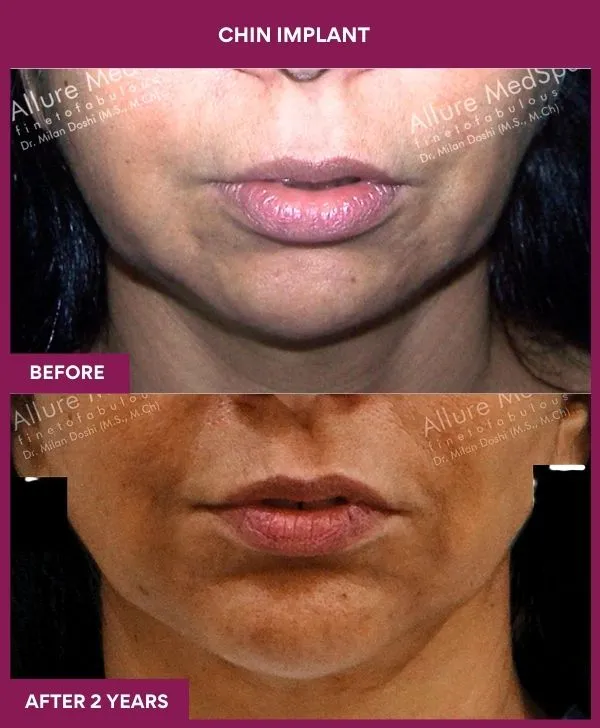
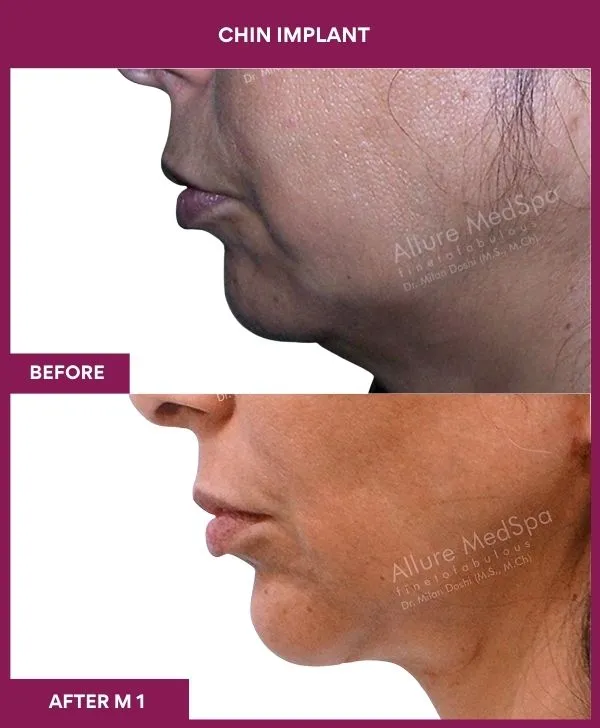
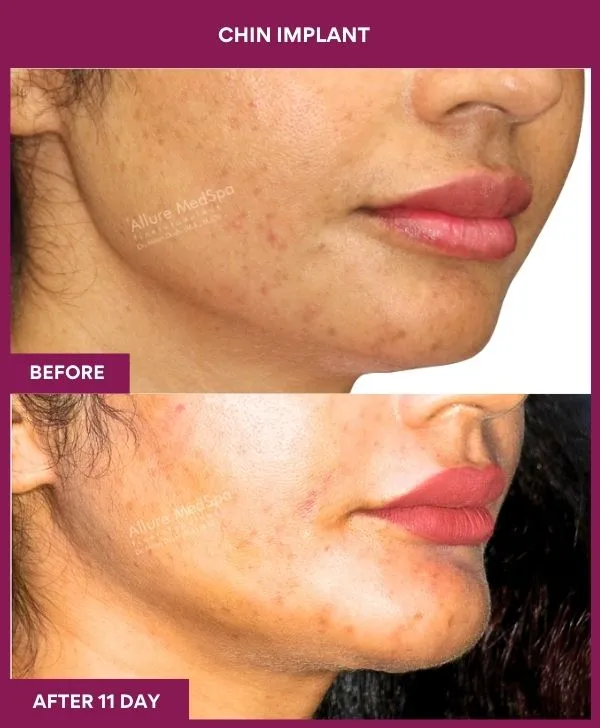
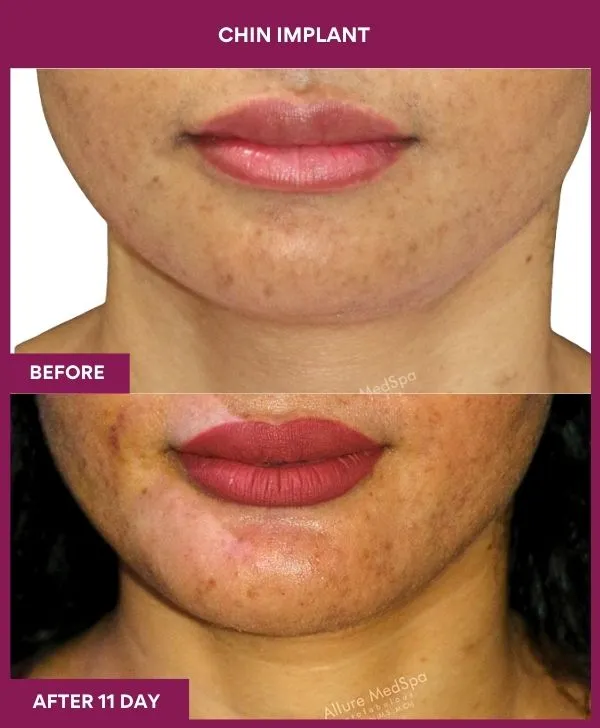
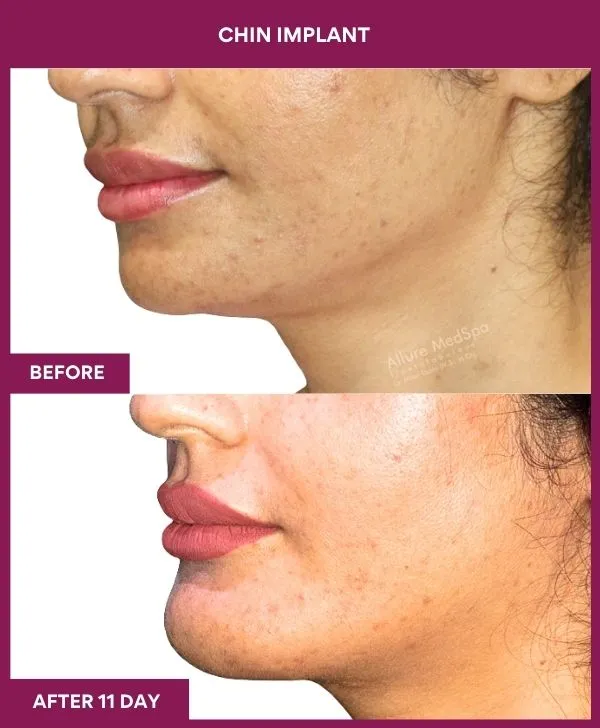
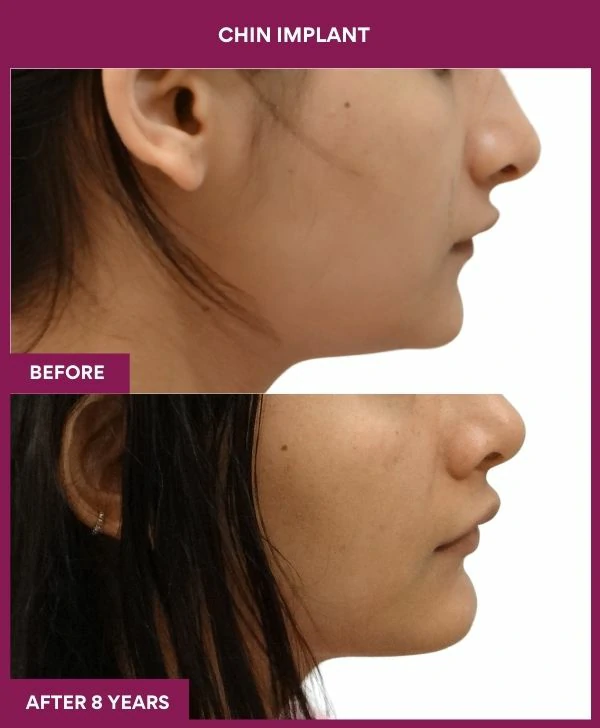
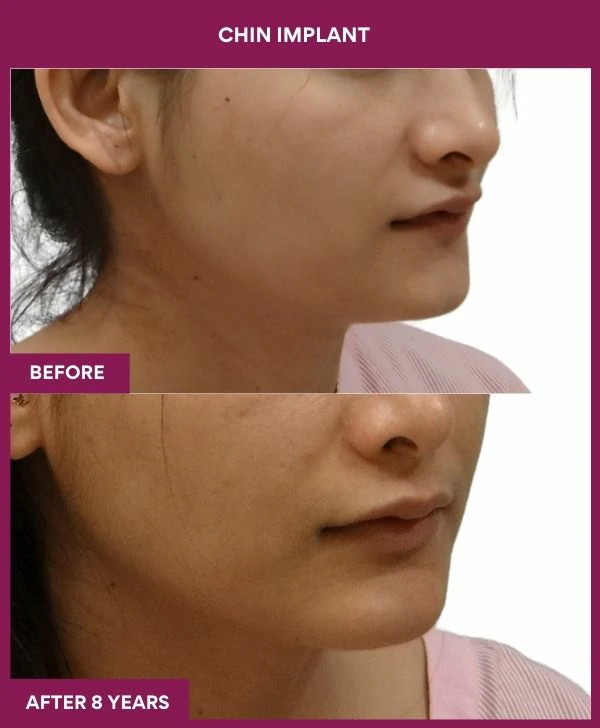
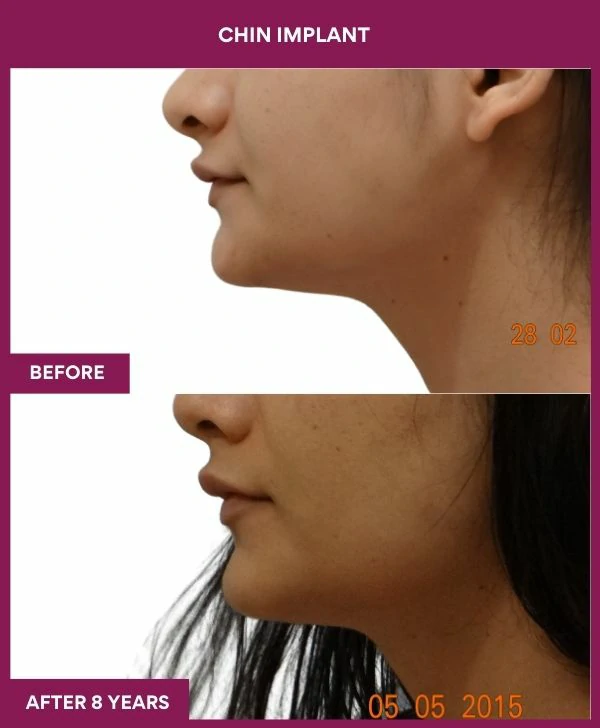
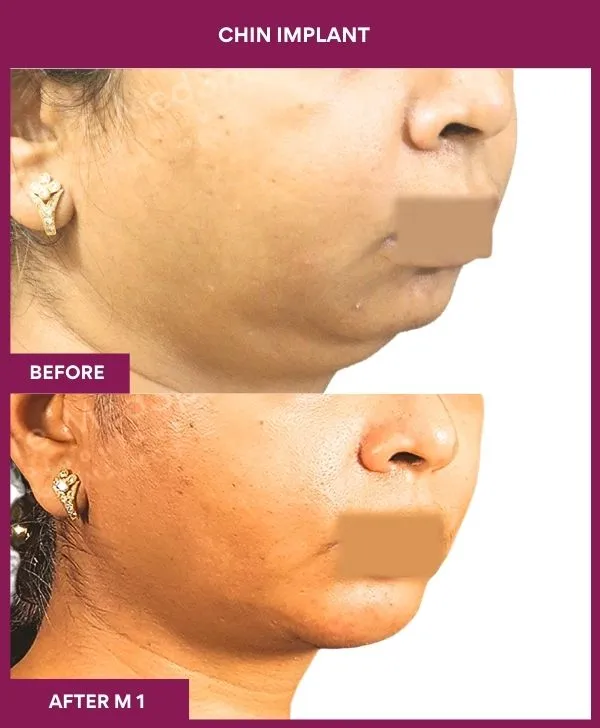
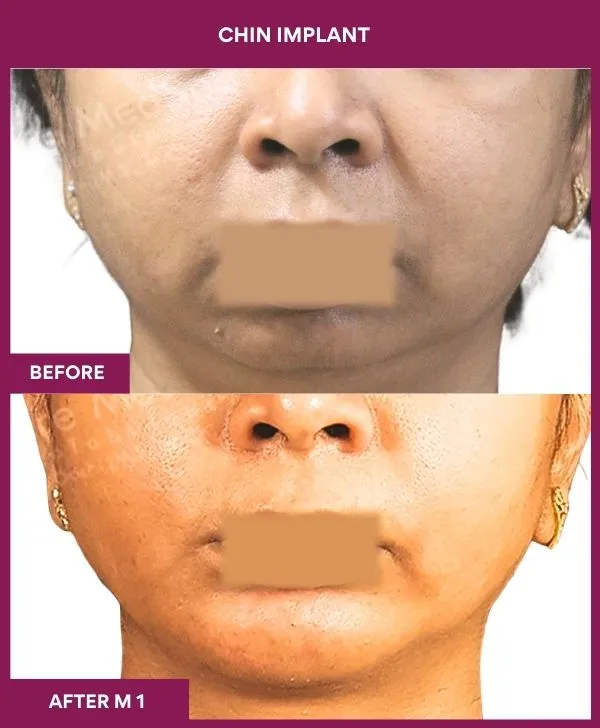
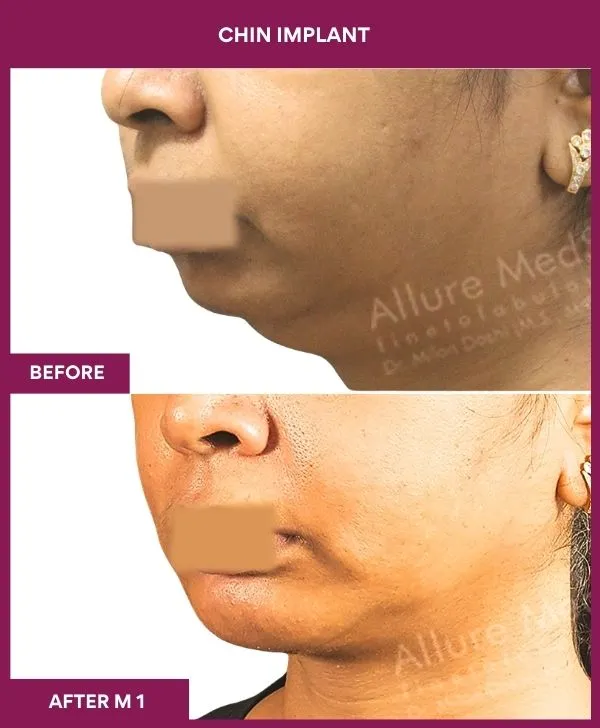
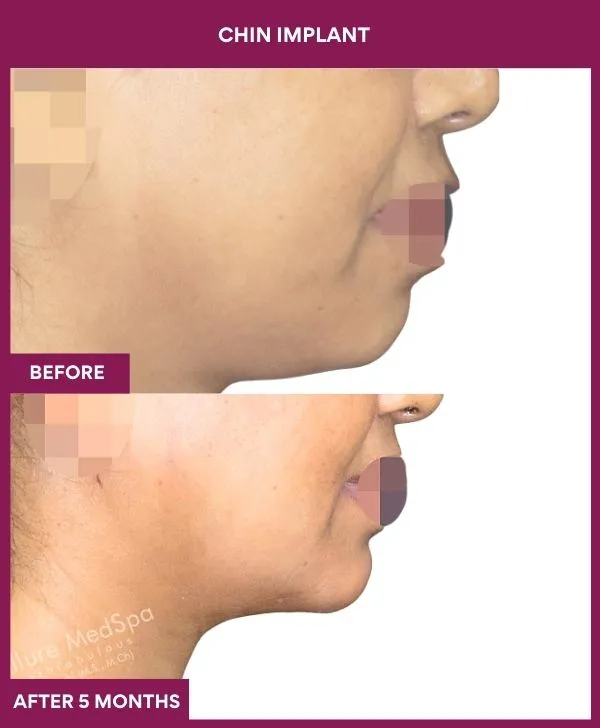
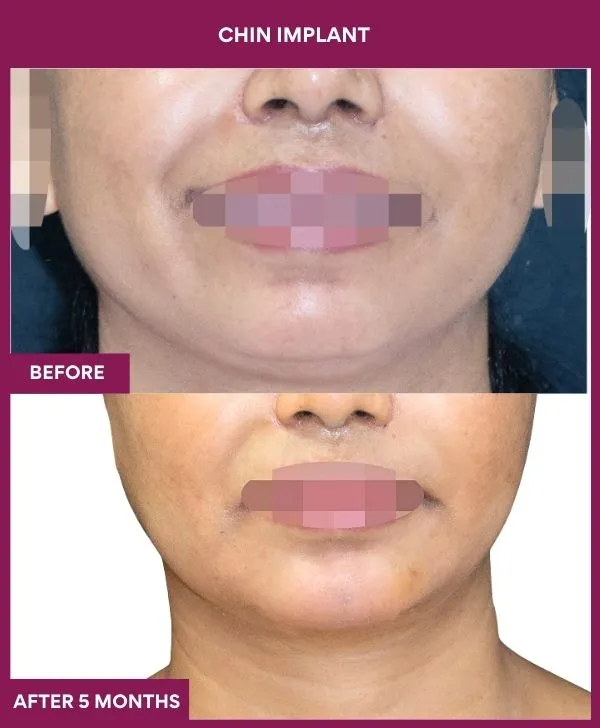
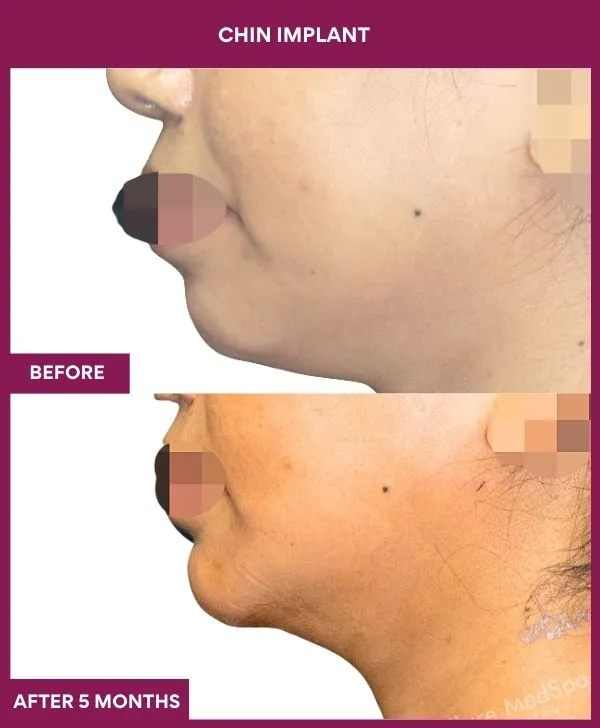
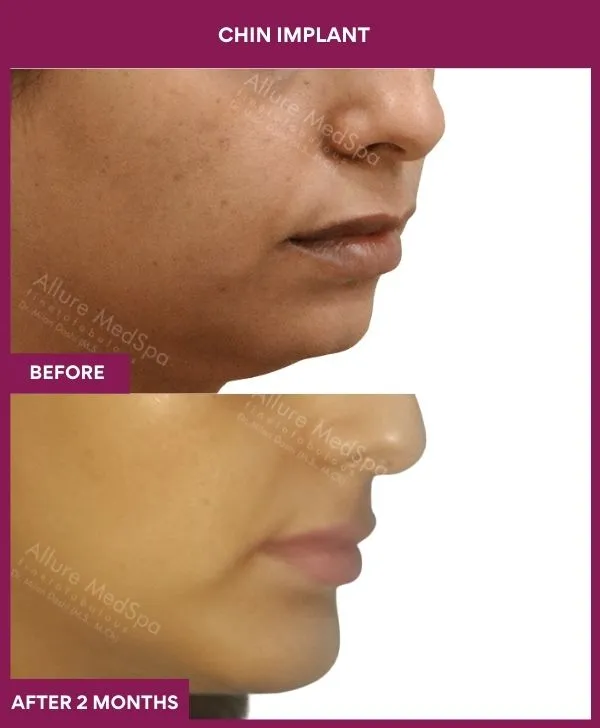
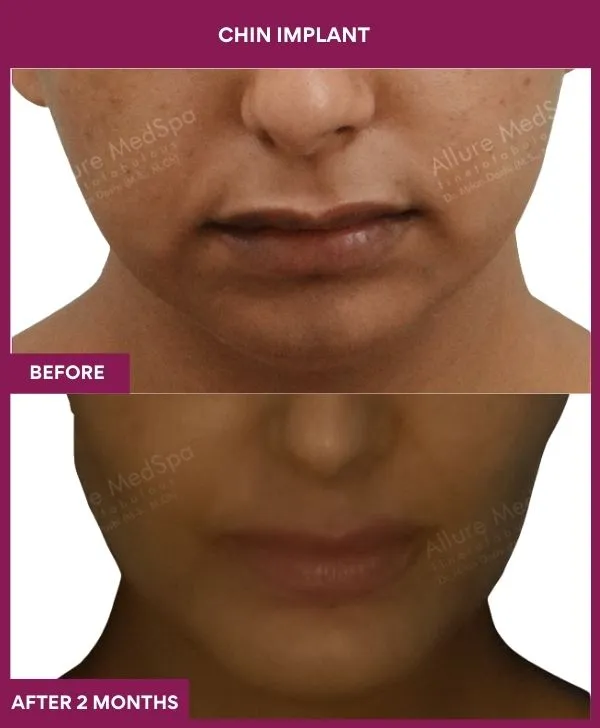
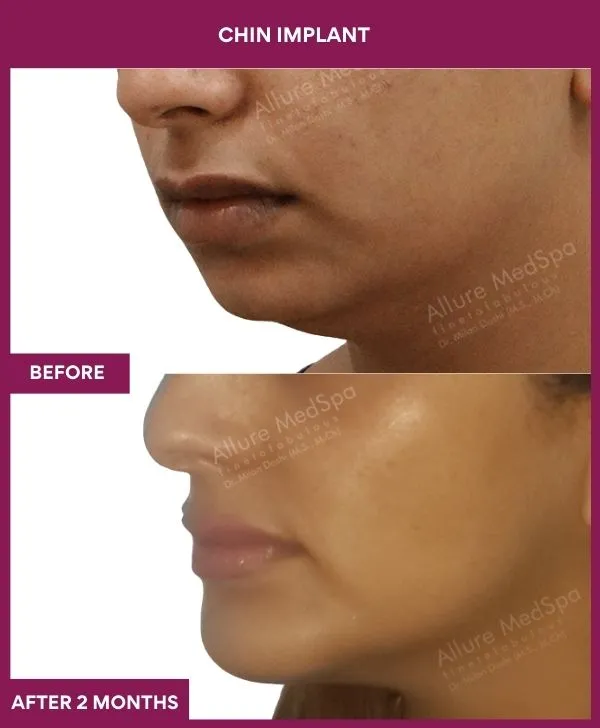
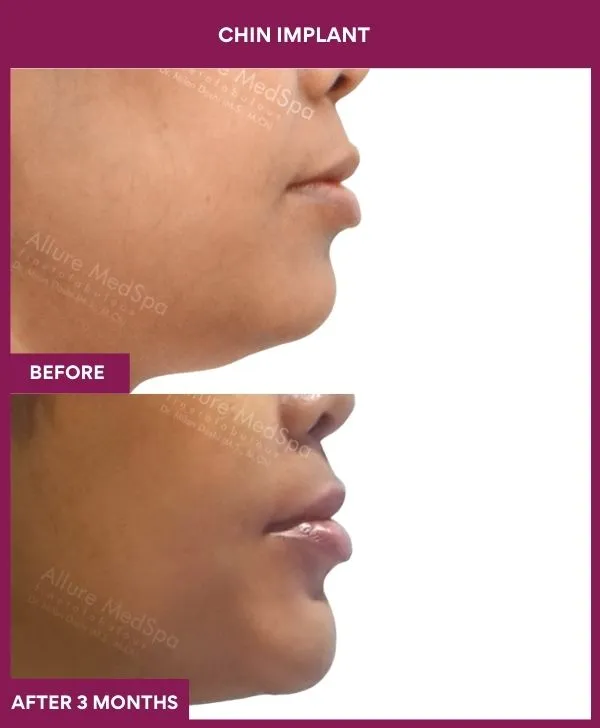
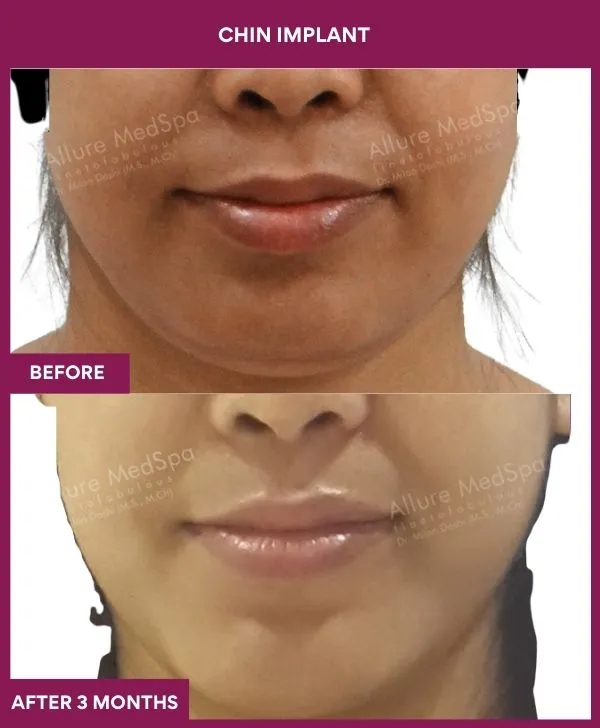
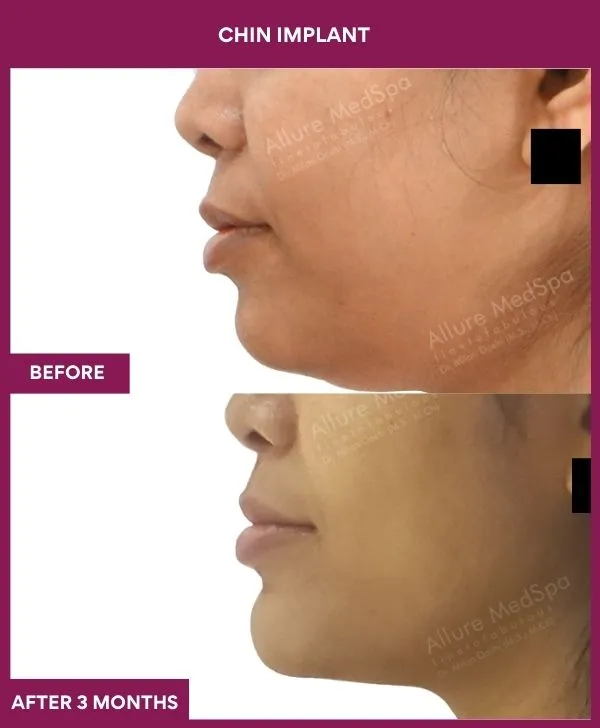
“Liked the results? Let's plan yours.”
Male Chin Augmentation Surgery Before & After Result
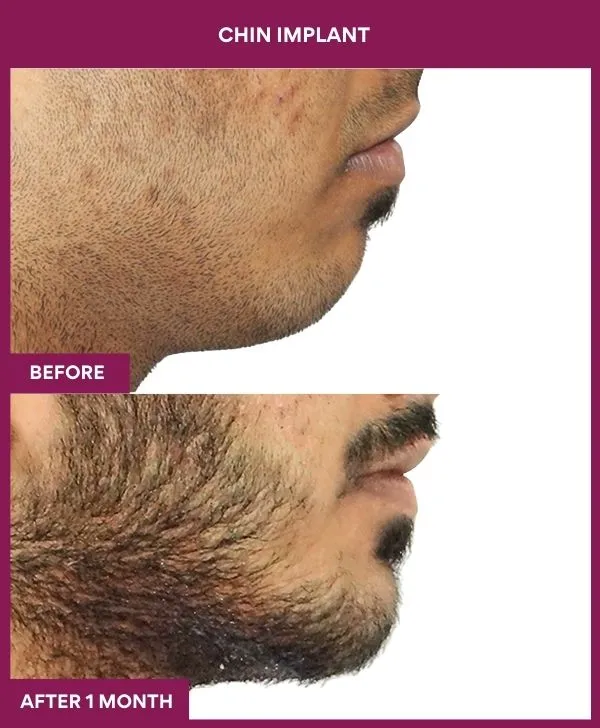
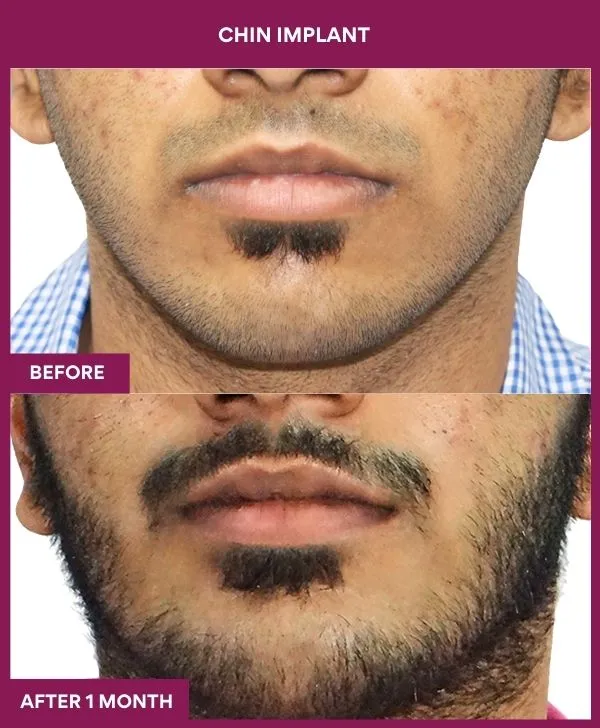
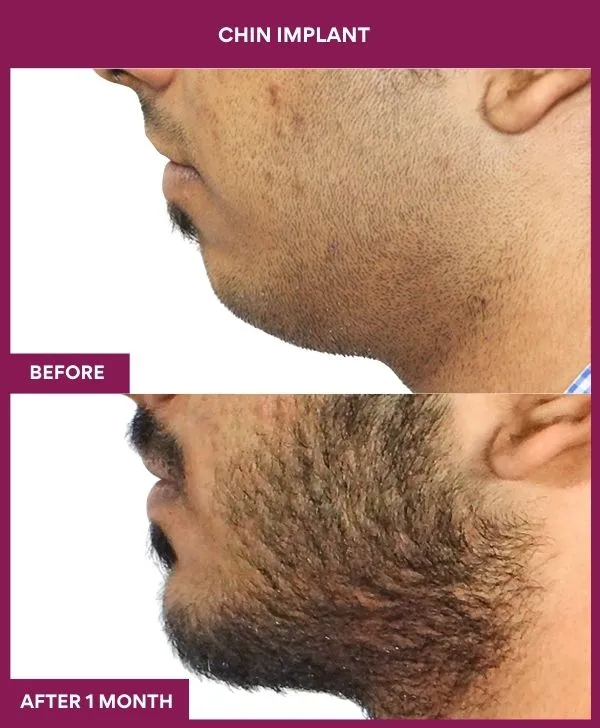
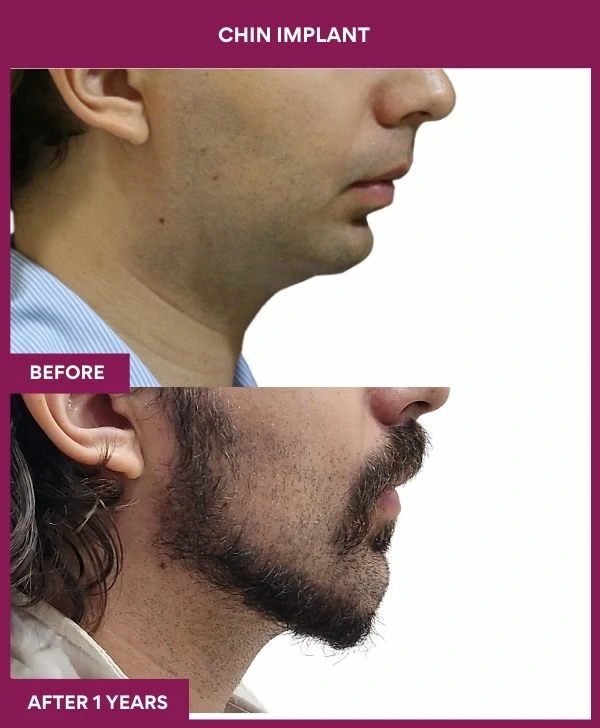
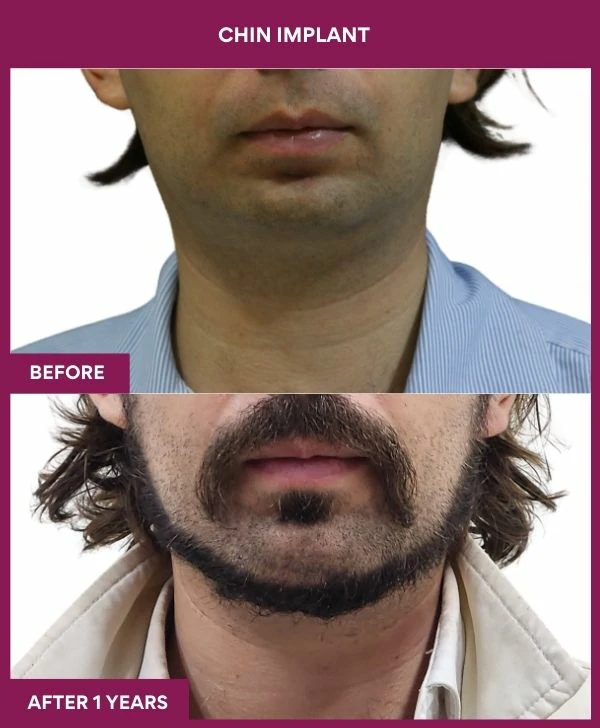
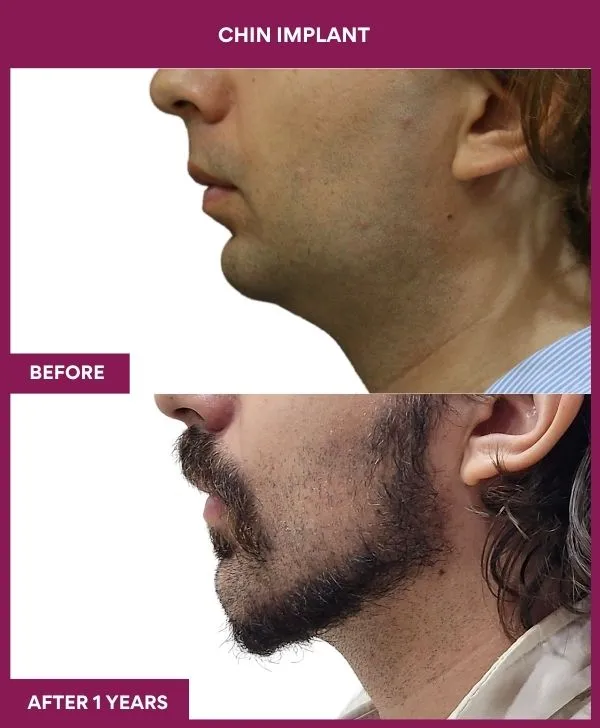
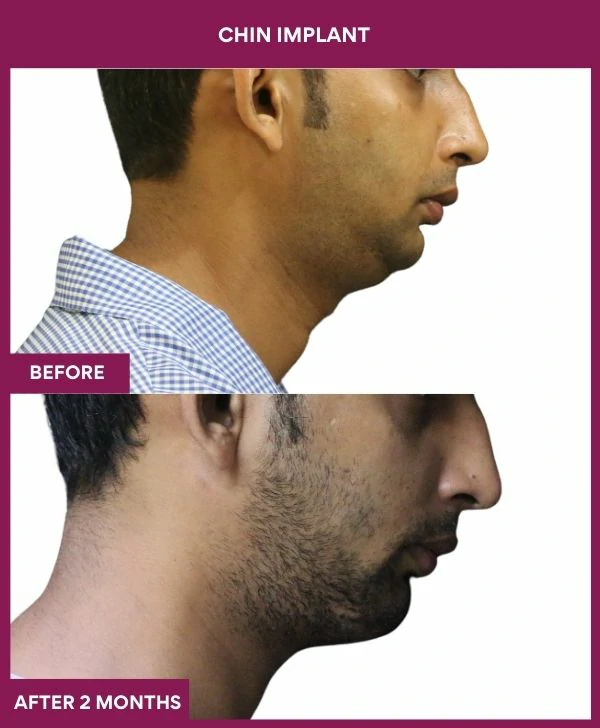
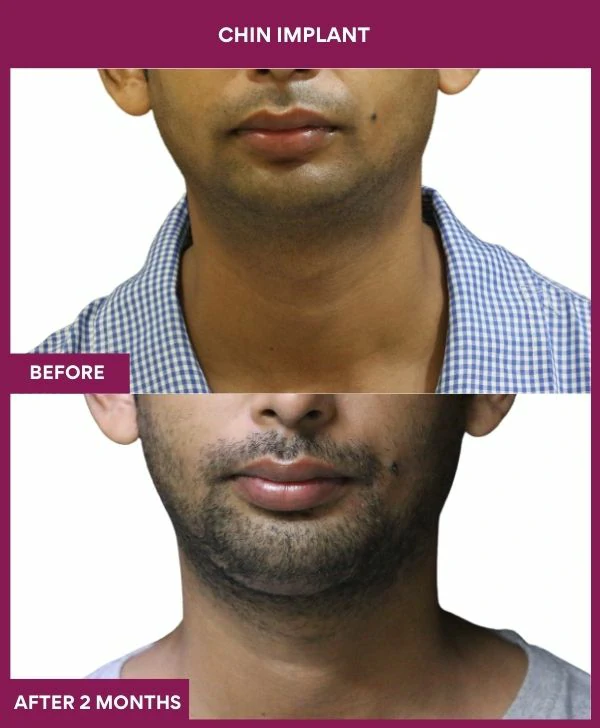
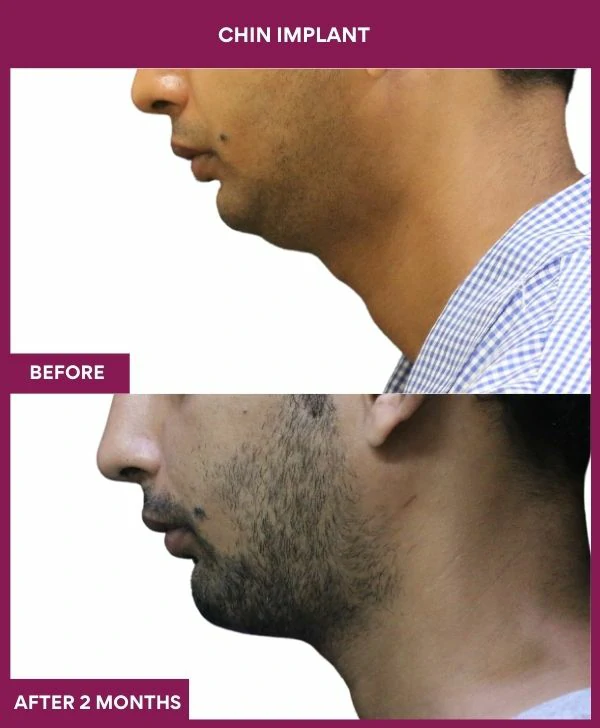
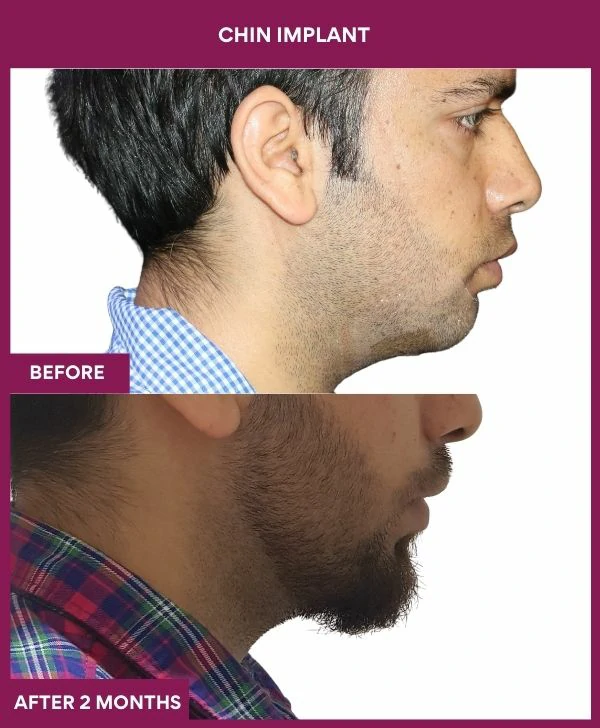
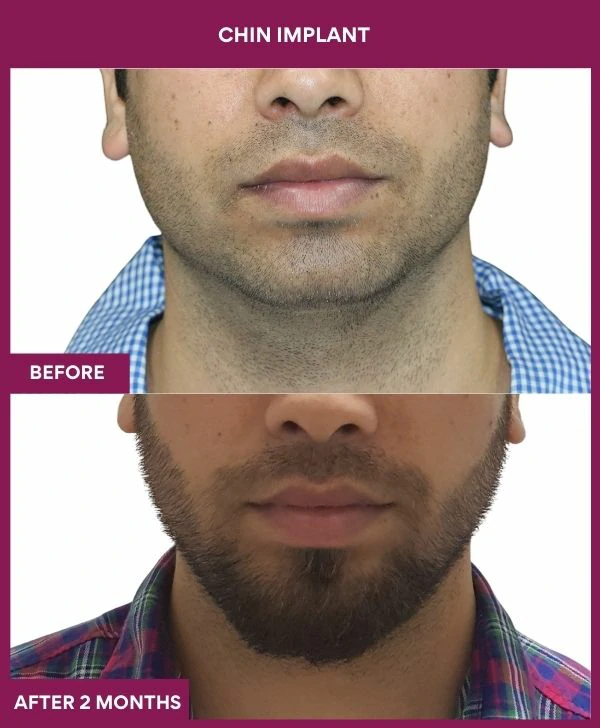
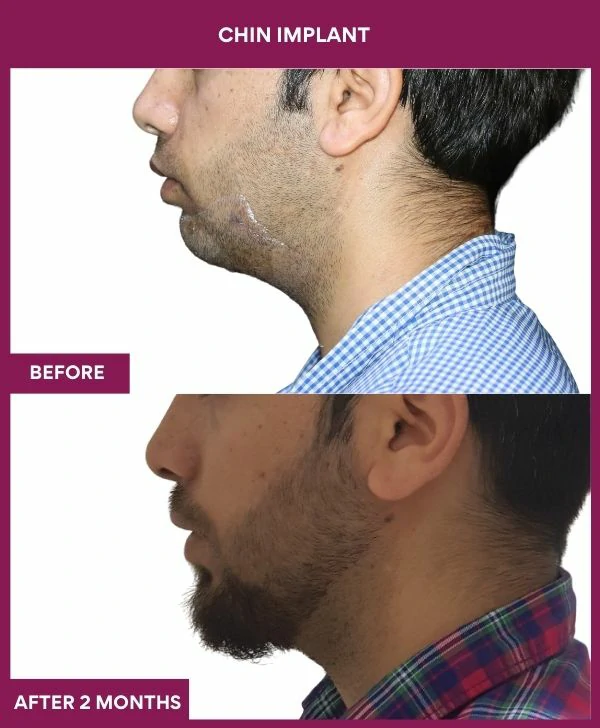
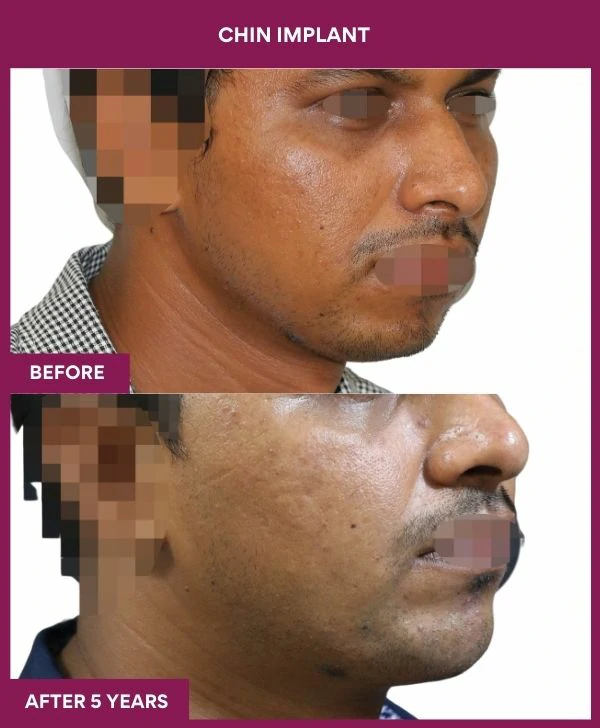
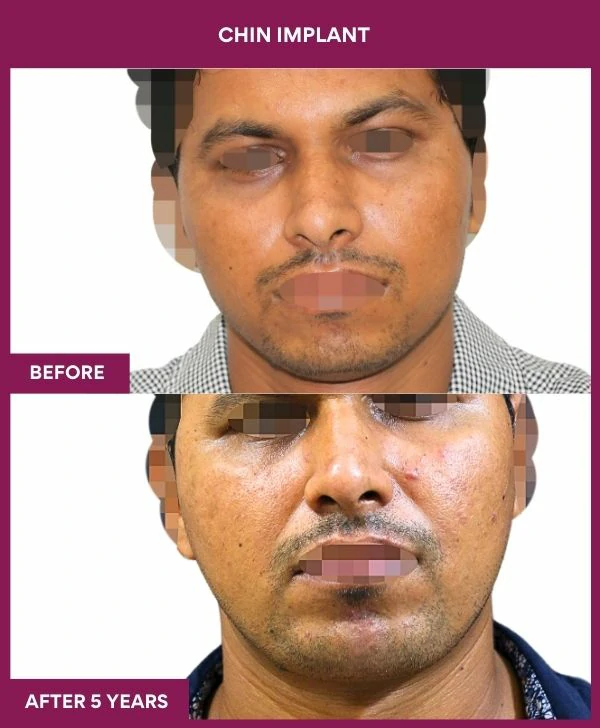
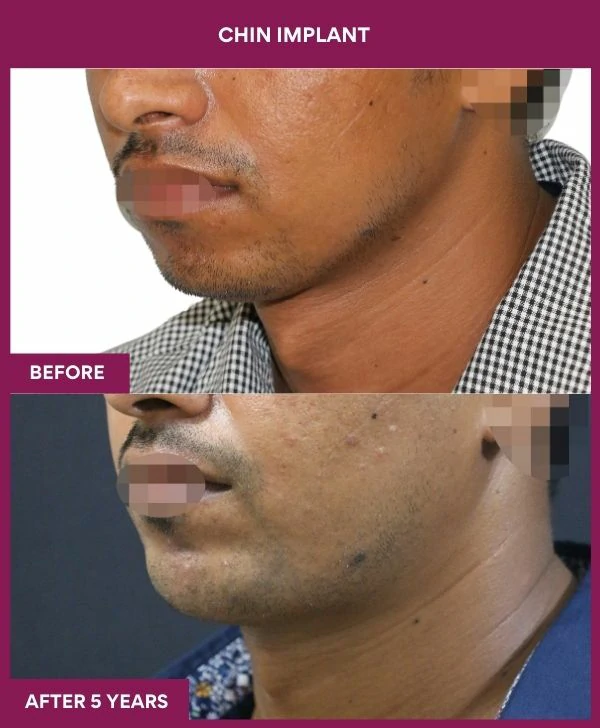
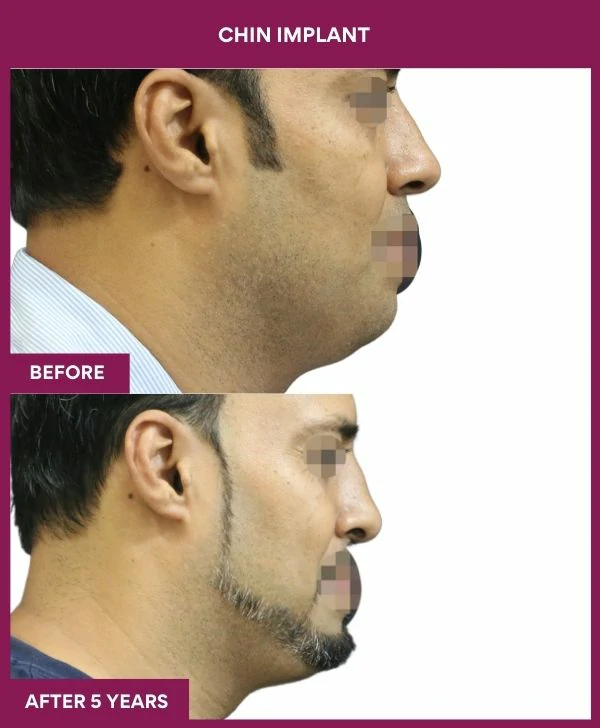
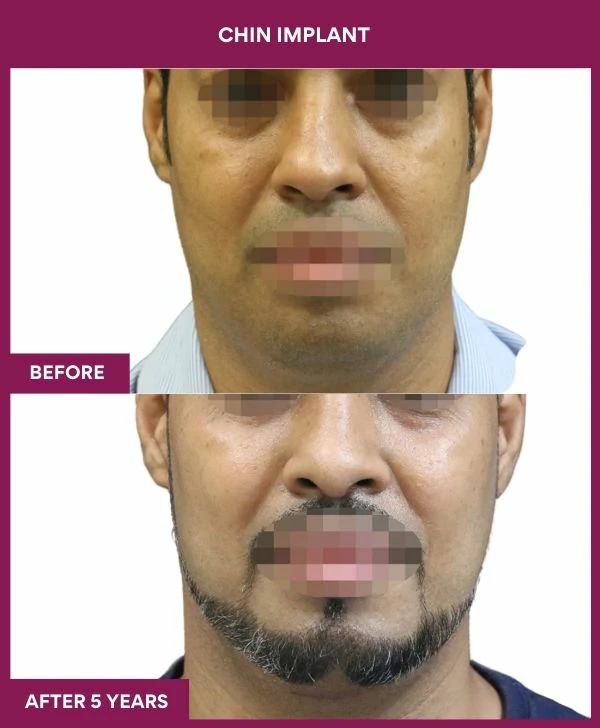
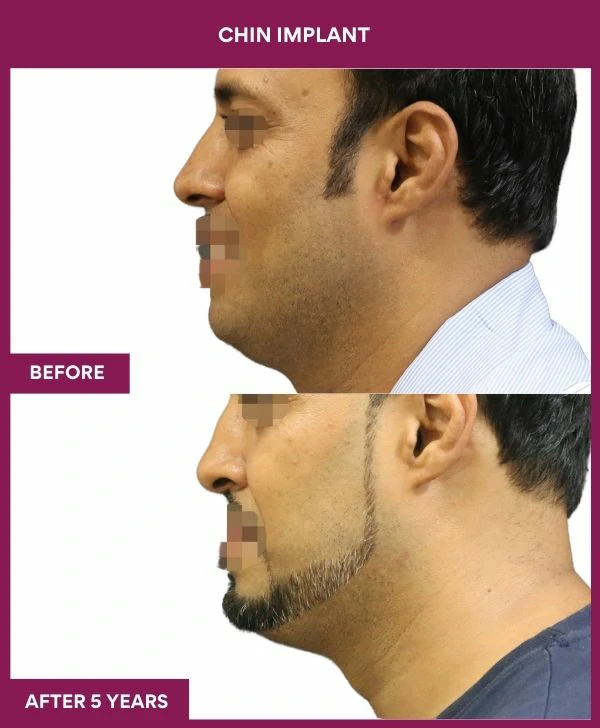
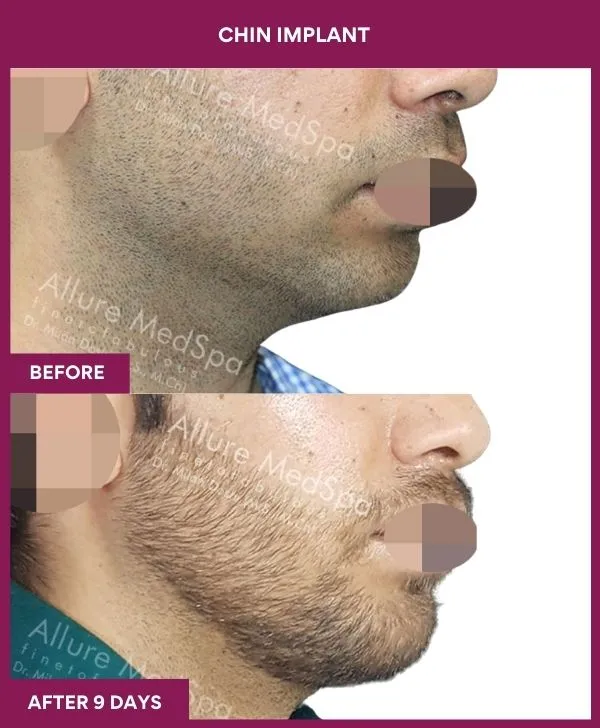
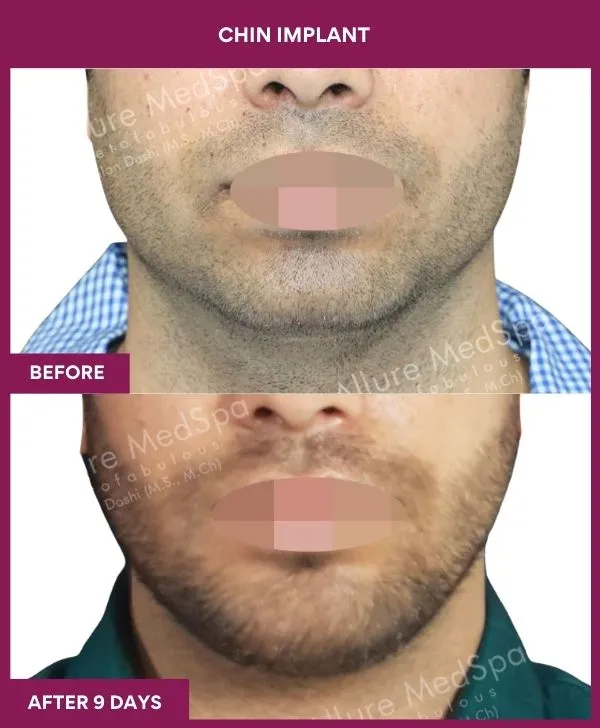
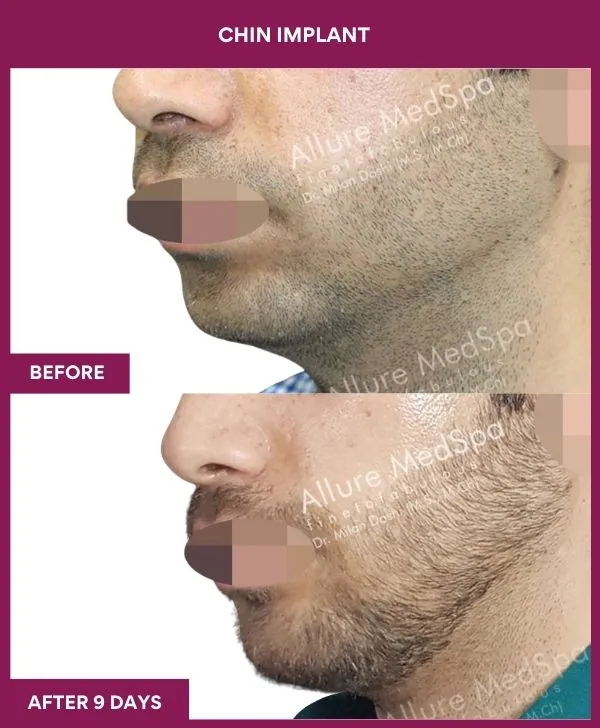
“Liked the results? Let's plan yours.”
What do chin augmentation before–after photos actually show?
They show the direction of improvement—better chin projection and facial harmony—not a copy-paste result.
Photos are most useful when viewed by case type (weak chin, asymmetry, rhinoplasty combo, filler trial, aging-related changes) because your “starting point” drives what’s realistic.
What to look for in a trustworthy gallery
Same angles (front/oblique/profile), consistent lighting
Neutral facial expression, relaxed jaw
Clear time-stamp (e.g., 8 weeks, 3 months)
A short plan summary (“why this technique”)
What realistic changes can chin augmentation create?
Most patients want a stronger, more balanced lower face—without looking “done.” Common visible changes include:
Improved chin projection (more defined profile)
Better proportion between nose–lips–chin (profile harmony)
Sharper jawline appearance, sometimes reducing the “double chin” illusion from retrusion
More balanced front view (in selected asymmetry cases)
For an evidence-based overview of goals and planning considerations, see the NCBI Bookshelf chapter on facial chin augmentation. (NCBI)
Why do chin augmentation results vary so much?
Because anatomy + technique selection matter more than the camera. Key factors:
Bone structure (how recessed/short/asymmetric the chin is)
Soft-tissue thickness (thin tissue may look sharper; thicker tissue often looks softer/more blended)
Technique used
Implants add projection
Sliding genioplasty repositions your own bone
Fillers offer temporary enhancement or a “trial run”
Healing & aftercare (swelling timeline, scar/oral care, smoking)
For a current review of genioplasty techniques and considerations, see “Current concepts in genioplasty” on PubMed Central. (PMC)
Related Links
Note: The author of this content is Dr. Milan Doshi, An Indian board-certified plastic & cosmetic Surgeon wholly & solely confirms the authenticity of the information & knowledge delivered by this write-up.