
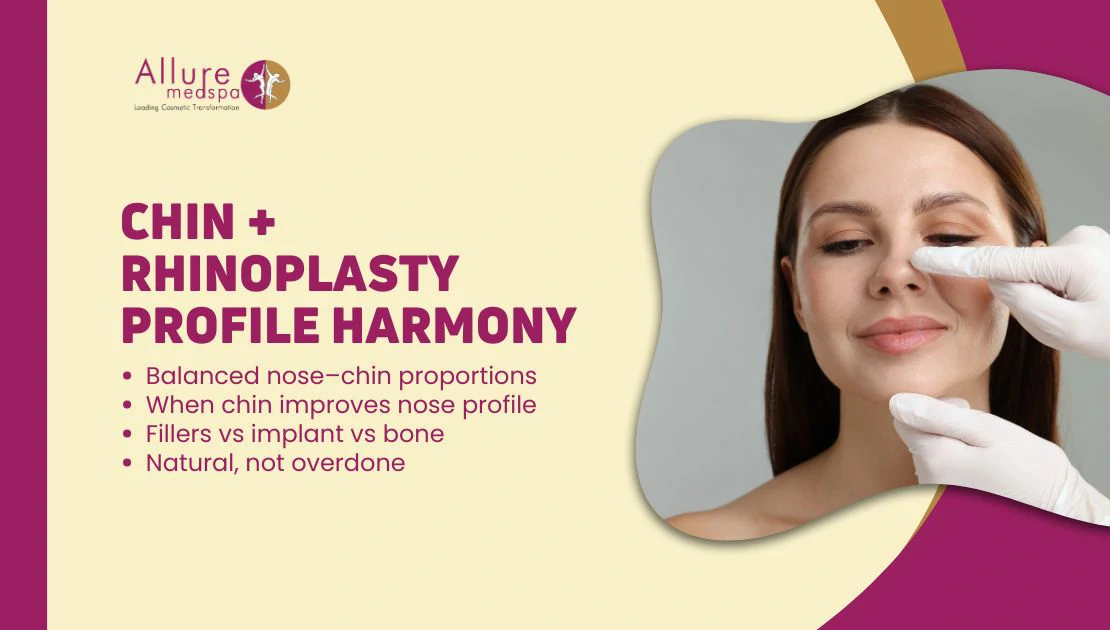
If you’re considering rhinoplasty in Mumbai, your chin matters more than you think. The nose and chin form the “frame” of your profile—so improving one without assessing the other can leave you with a result that’s technically good, but still looks slightly “off.” Done correctly, rhinoplasty + chin enhancement can create a more balanced, natural-looking face—without overdoing anything.
“Do you know that each Chin Augmentation surgery is different, so is the cost?”
Chin Augmentation Before & After Result
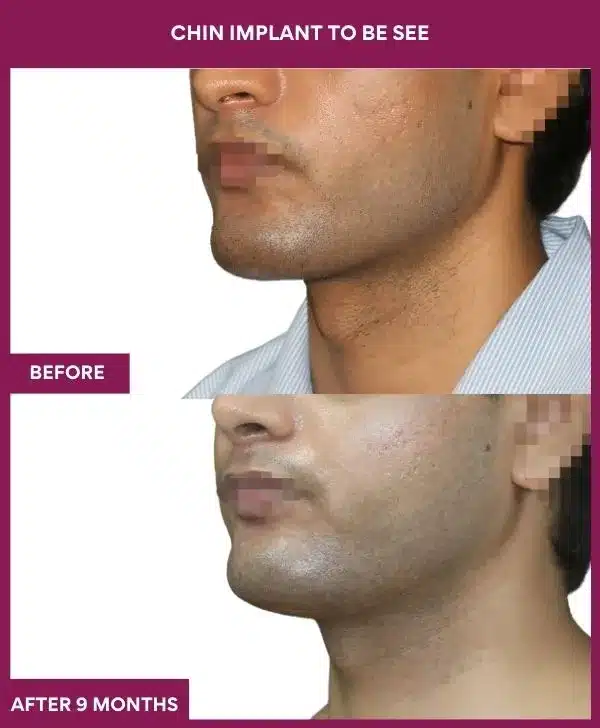
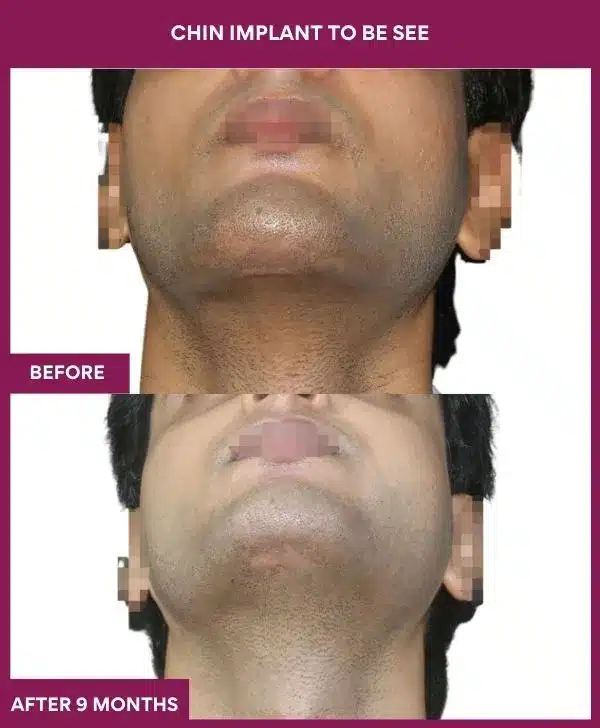
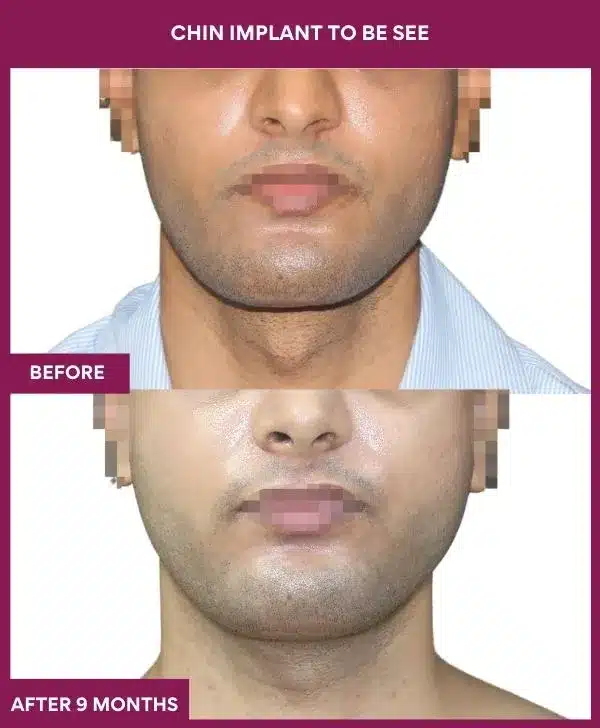
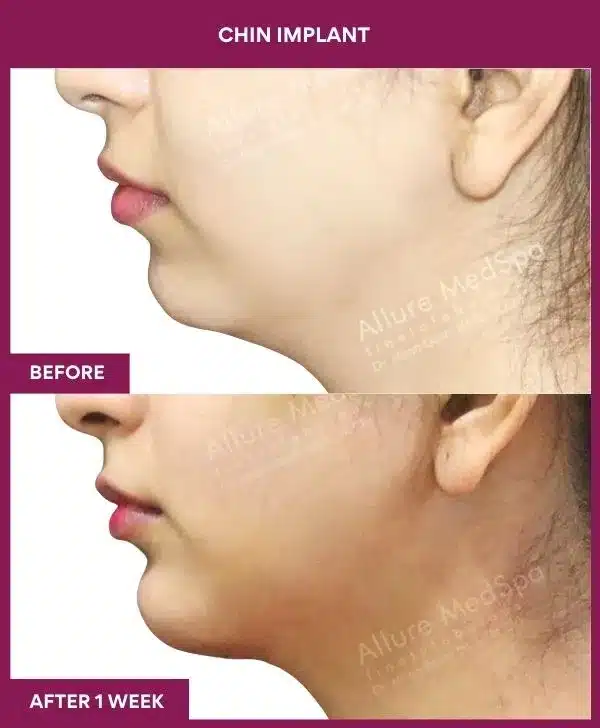
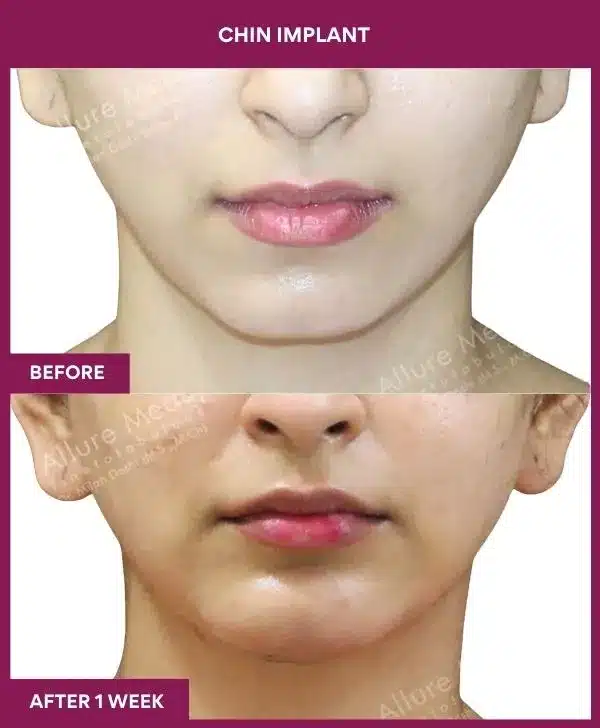
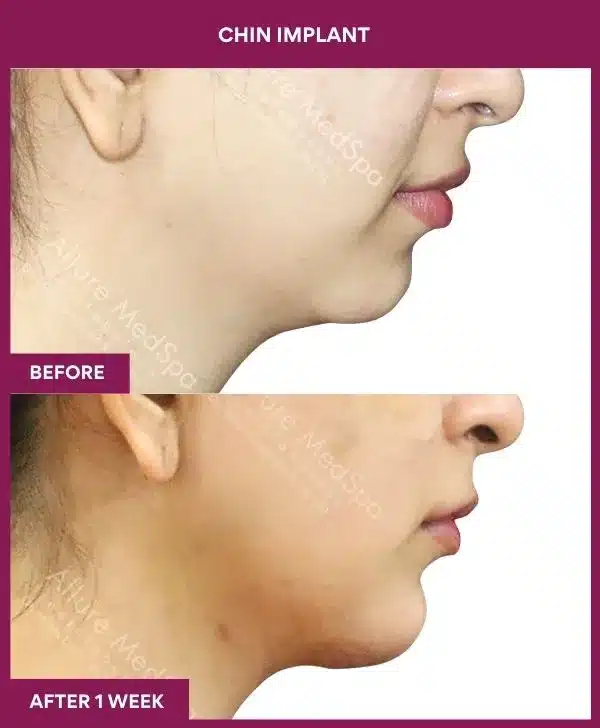
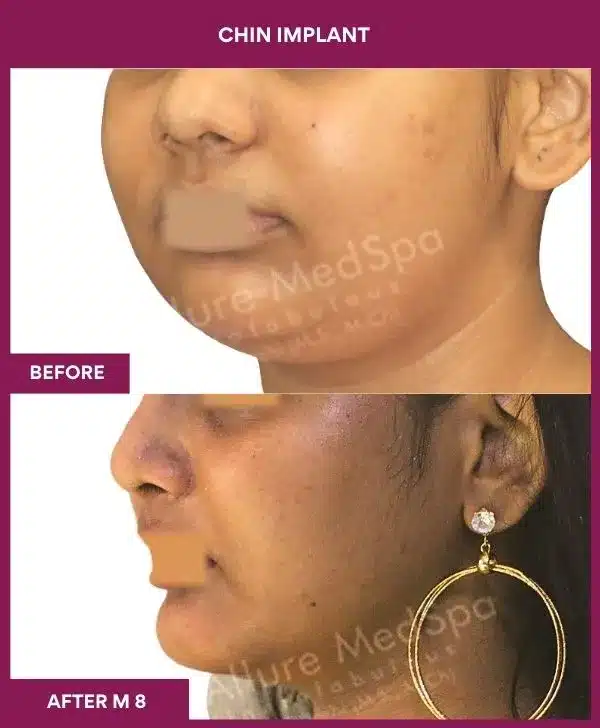
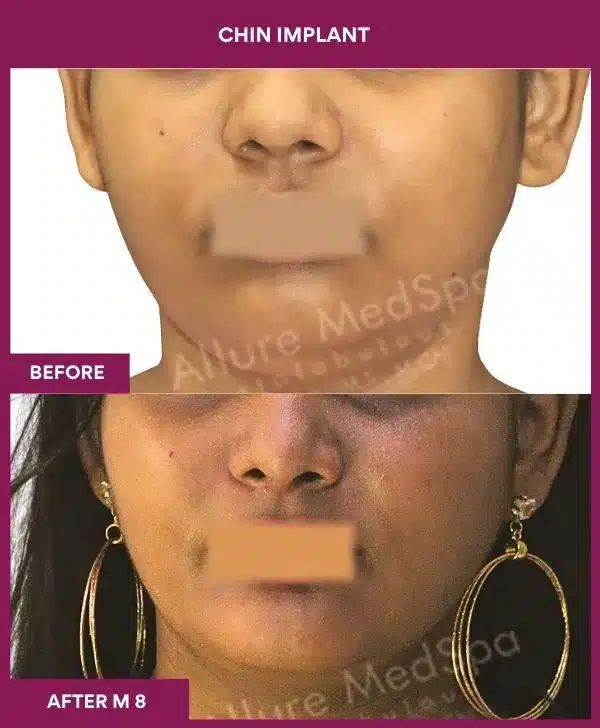
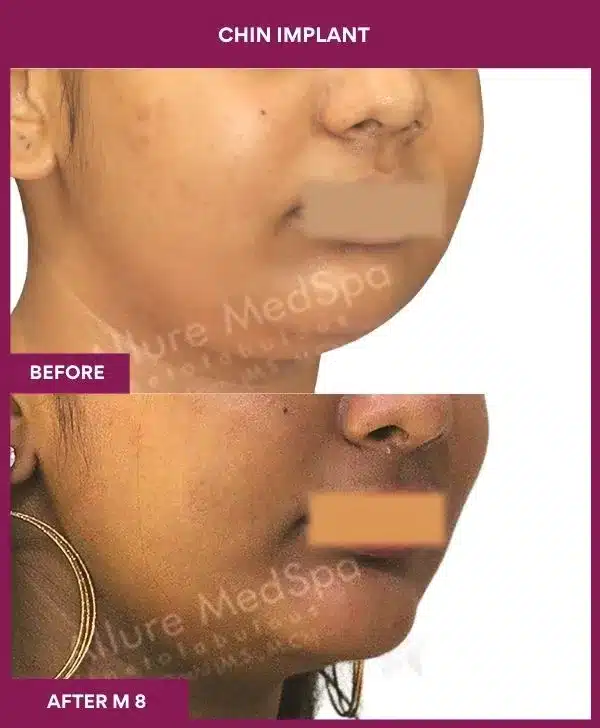
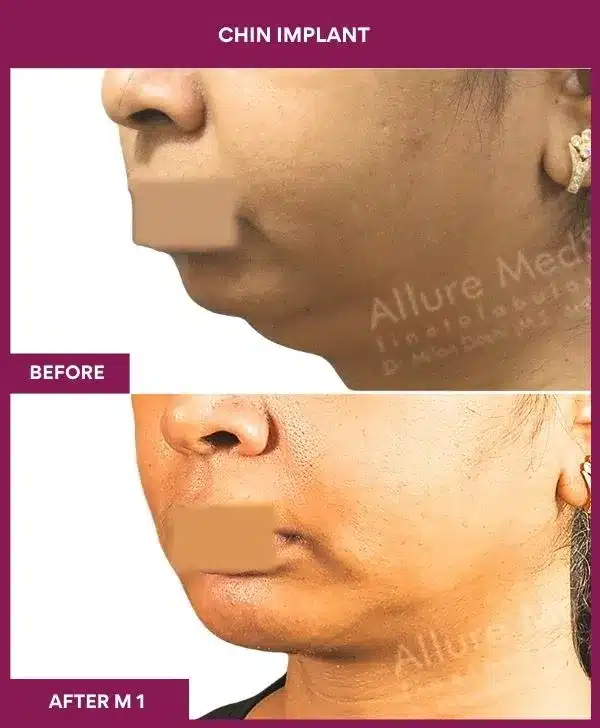
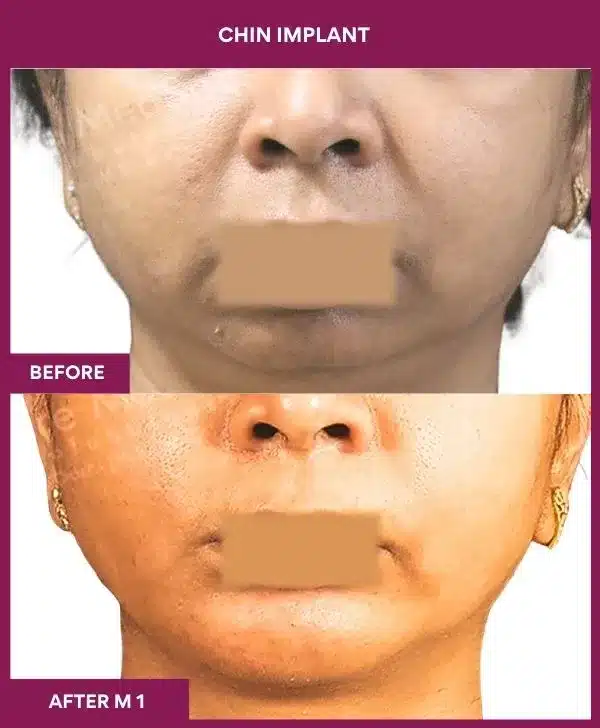
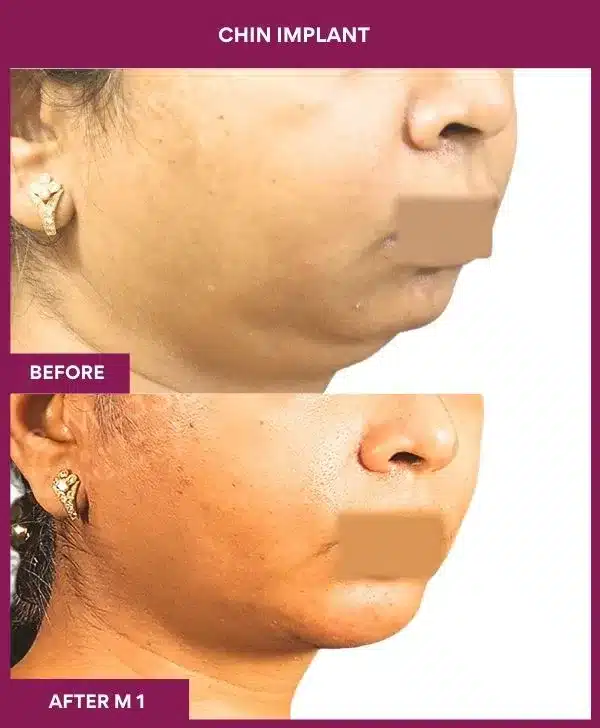
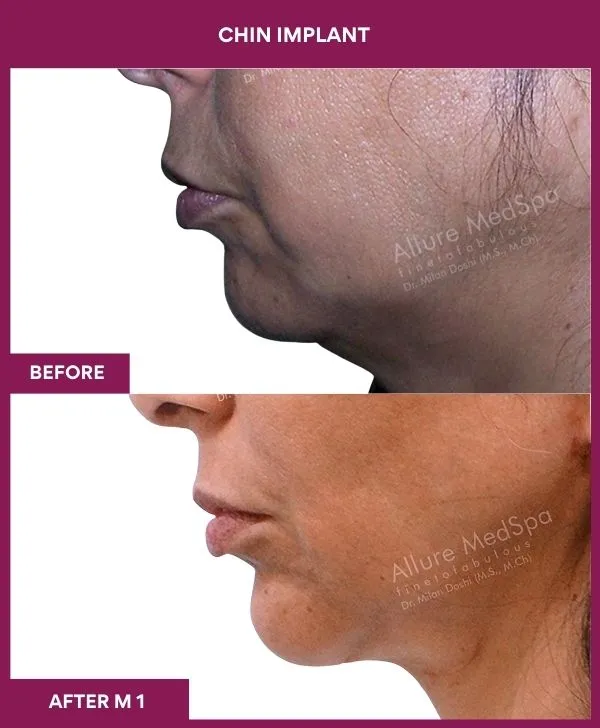
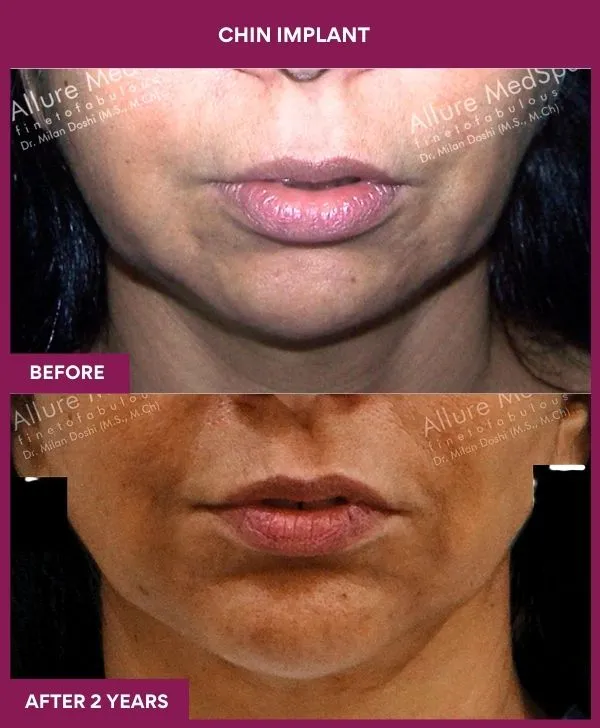
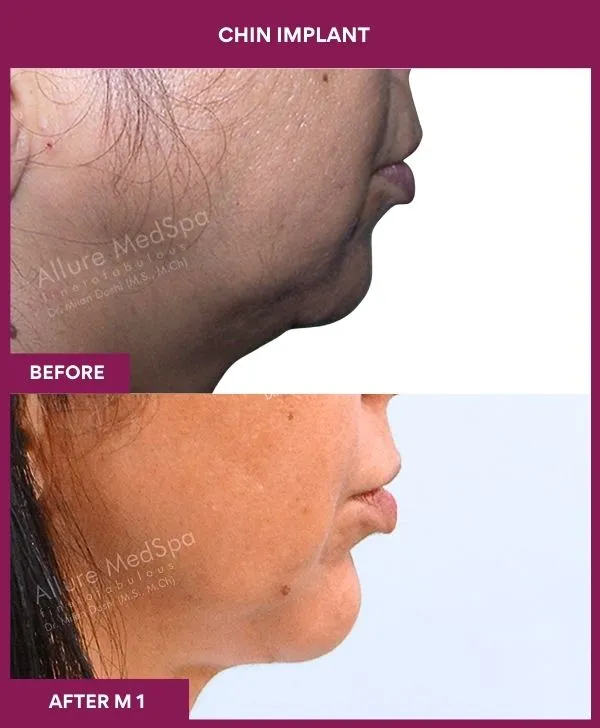
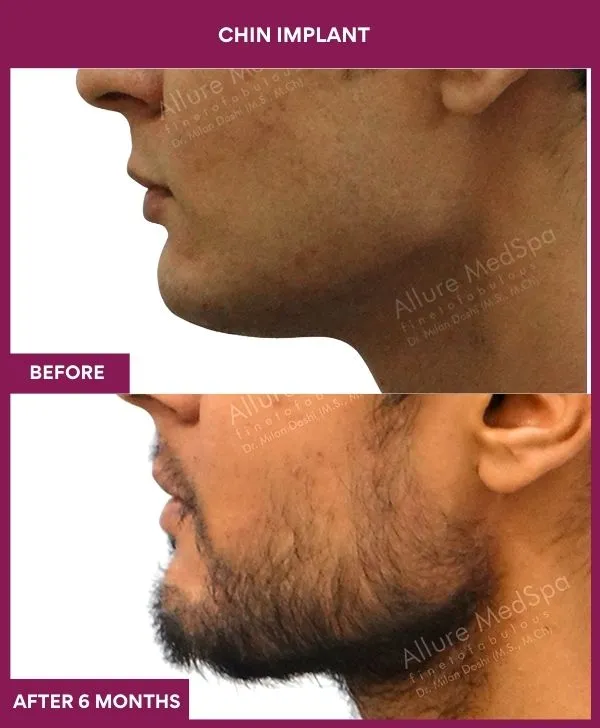
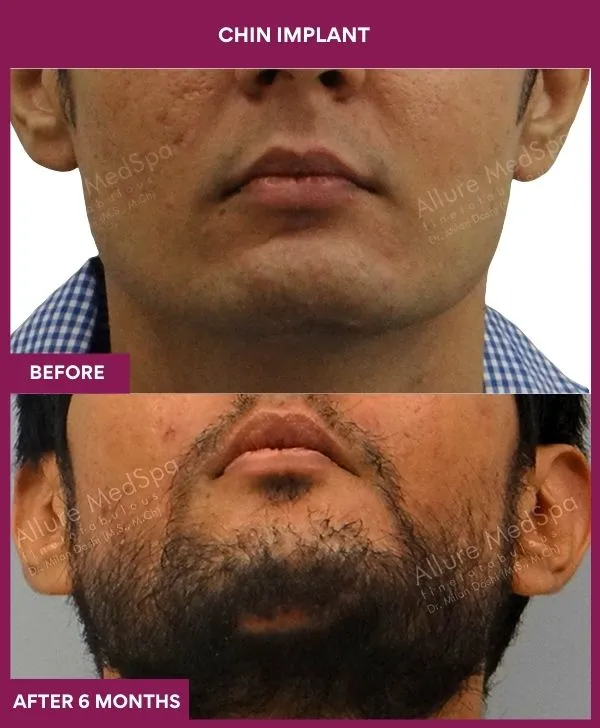
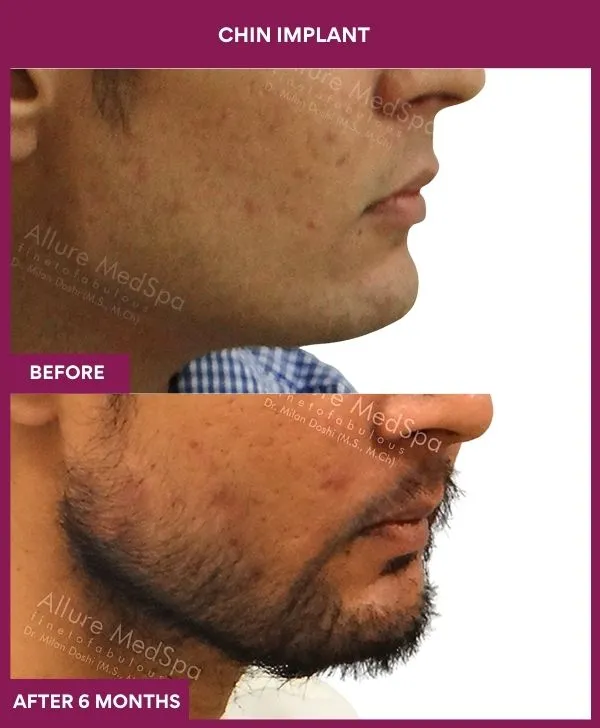
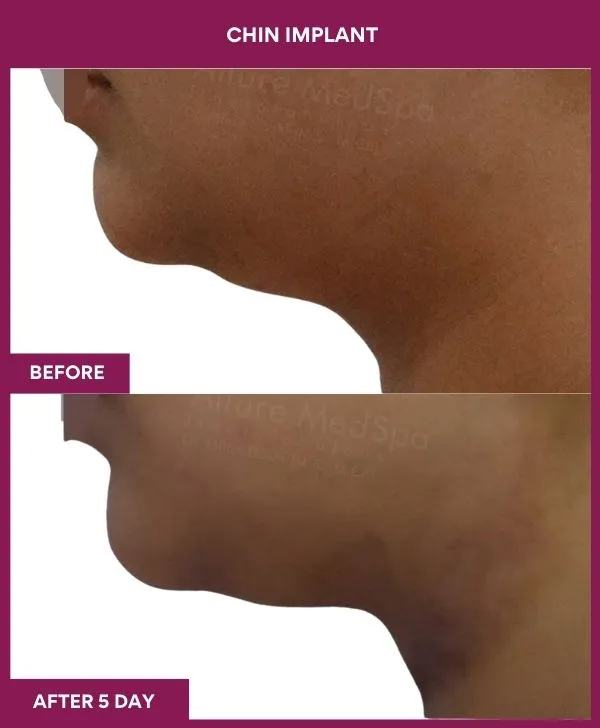
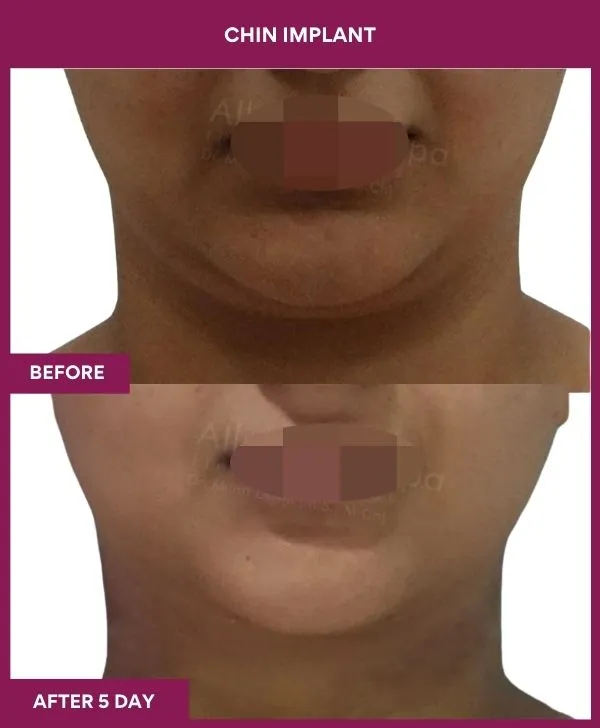
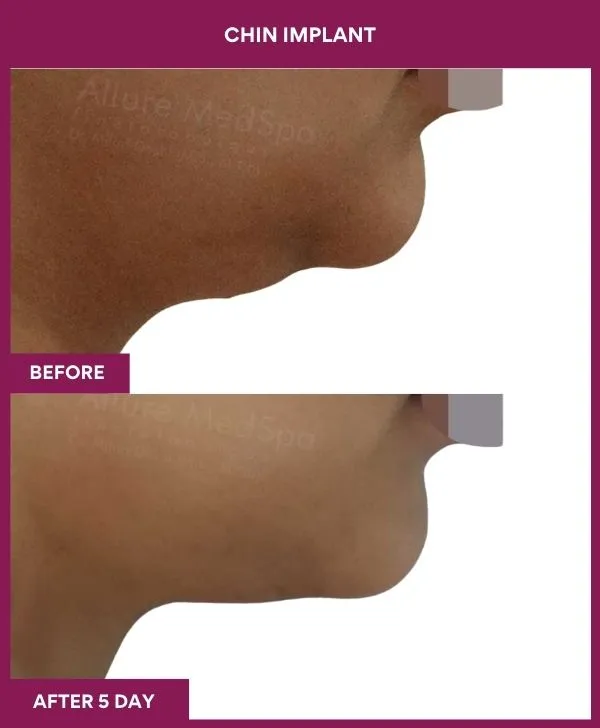
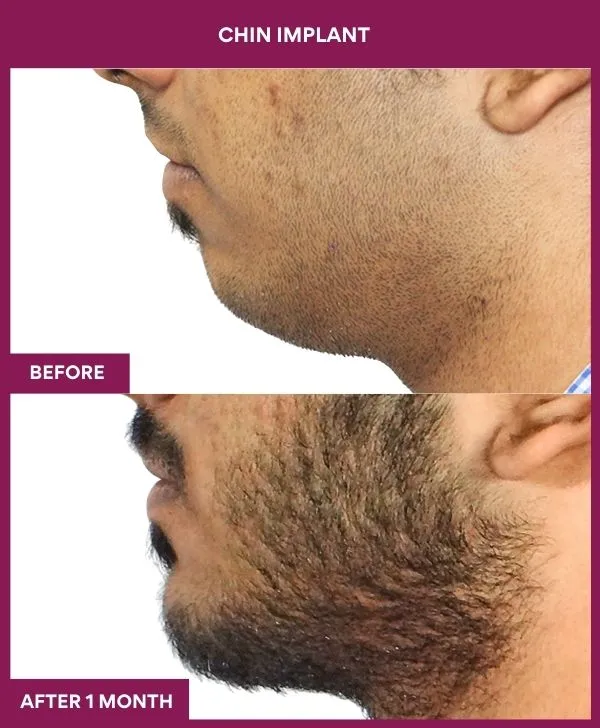
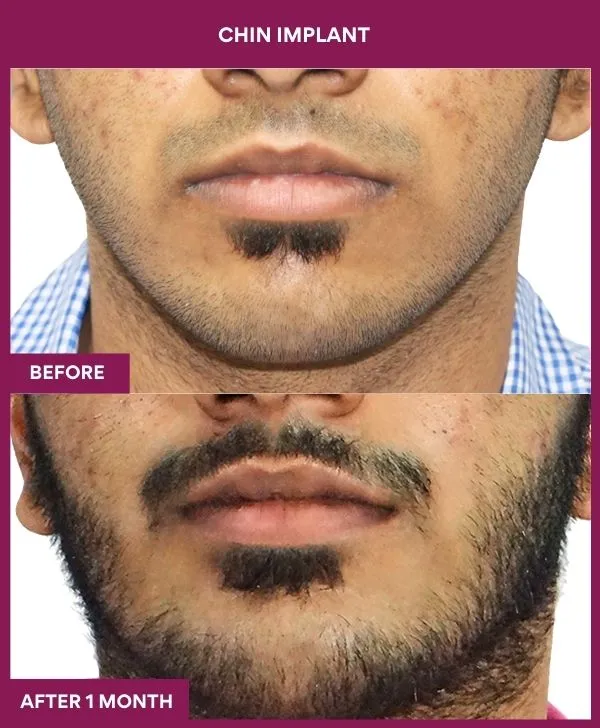
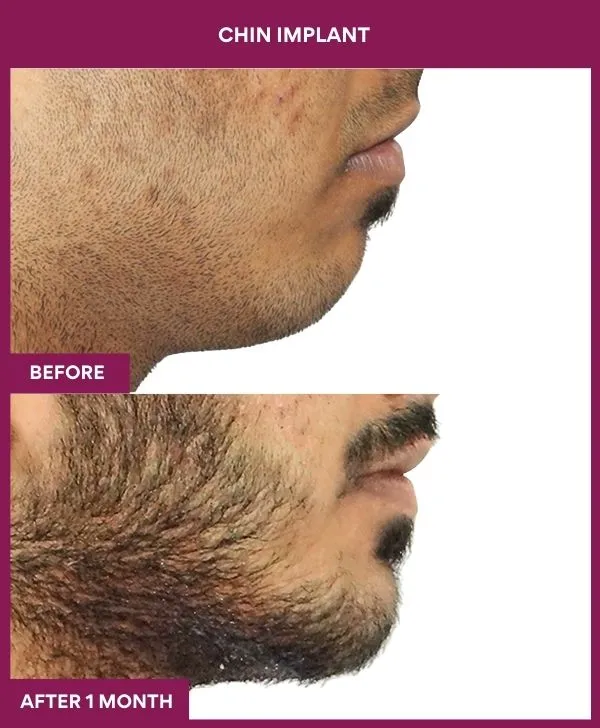
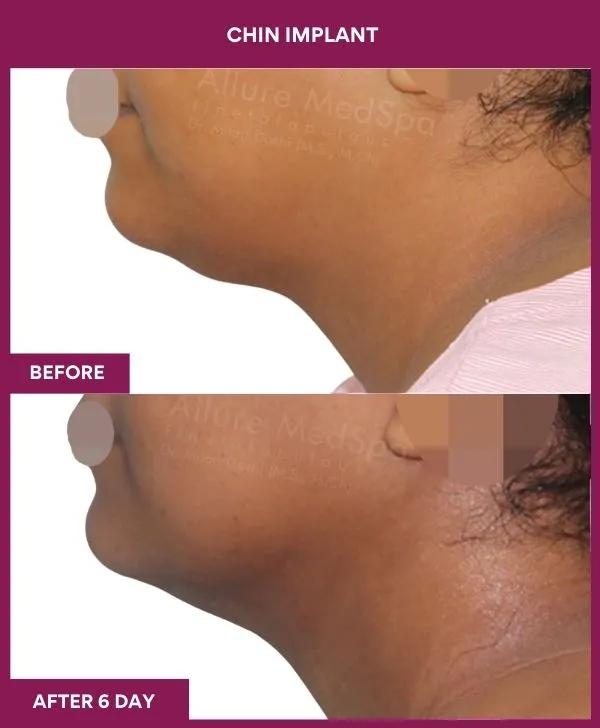
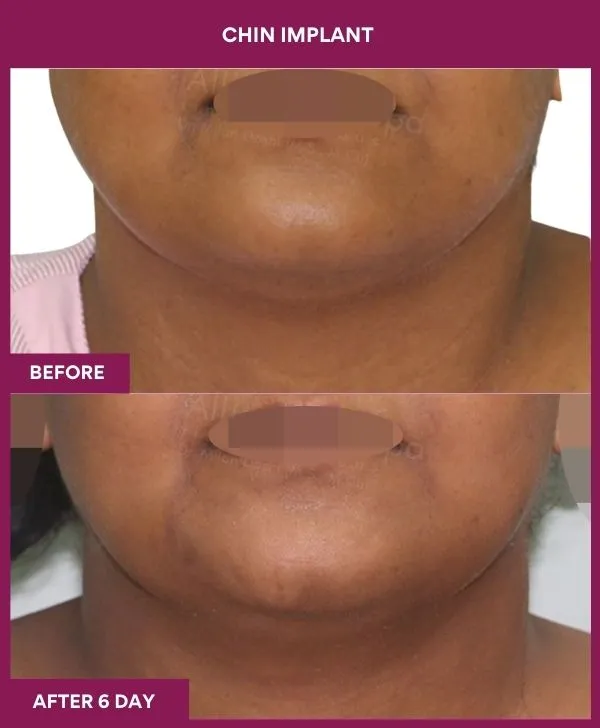
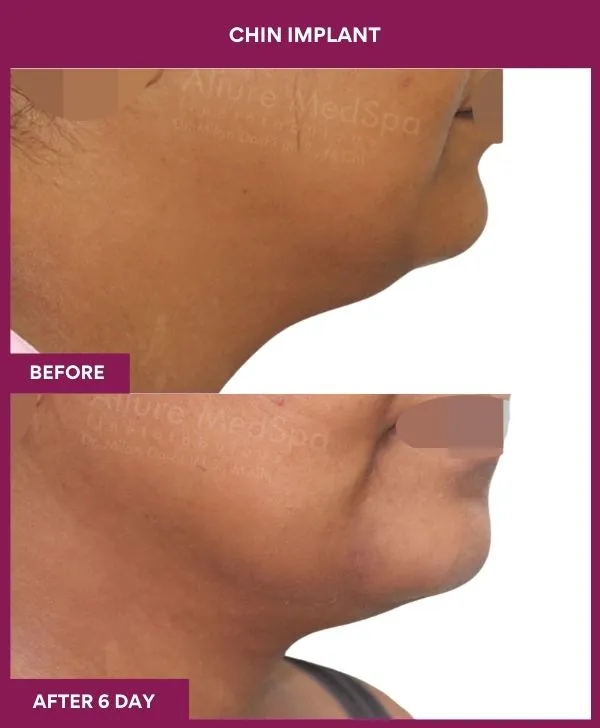
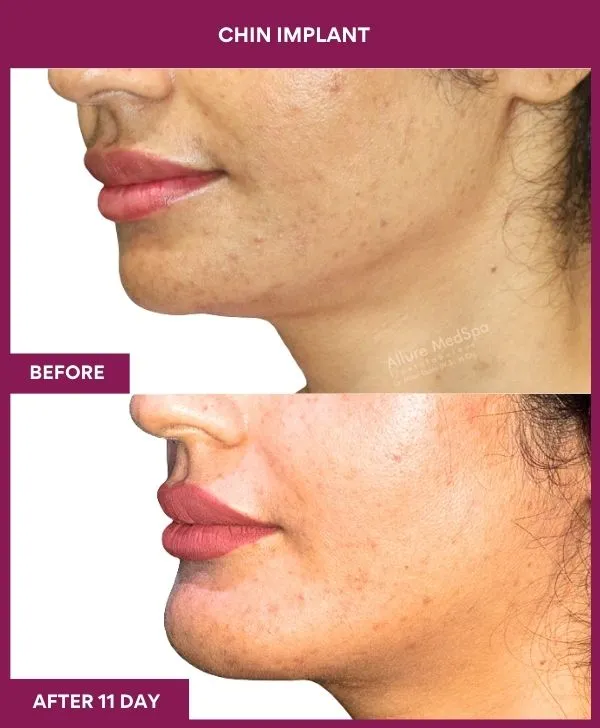
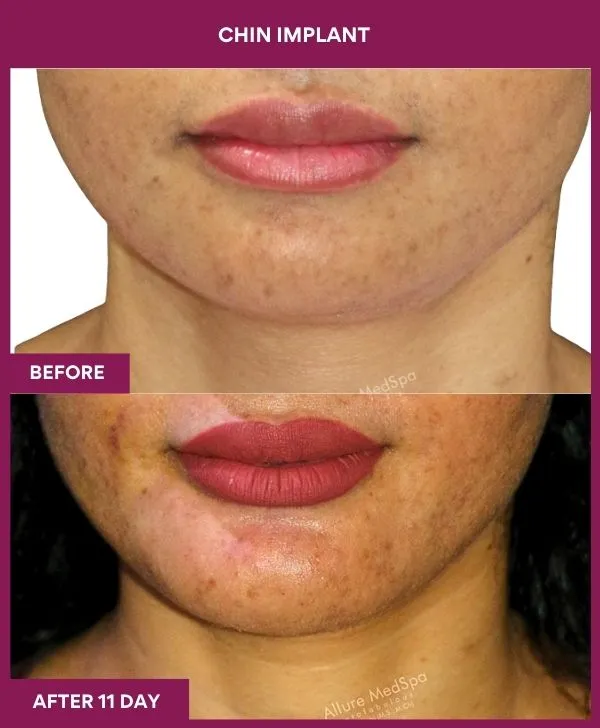
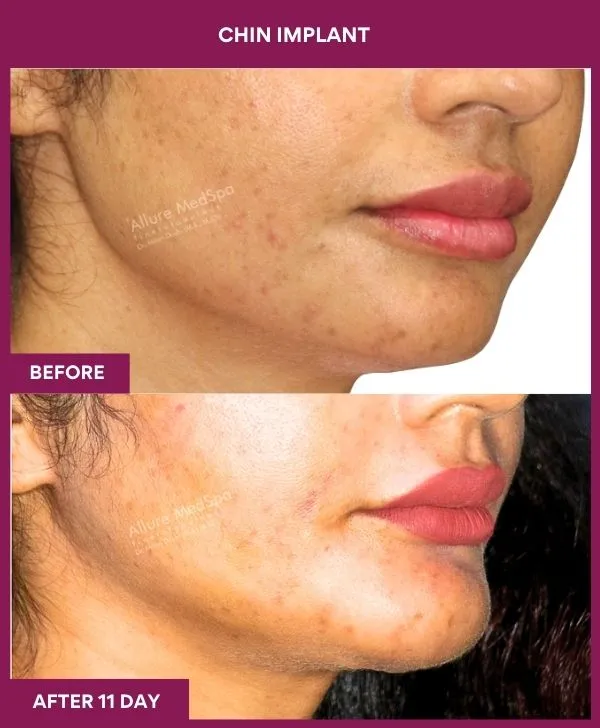
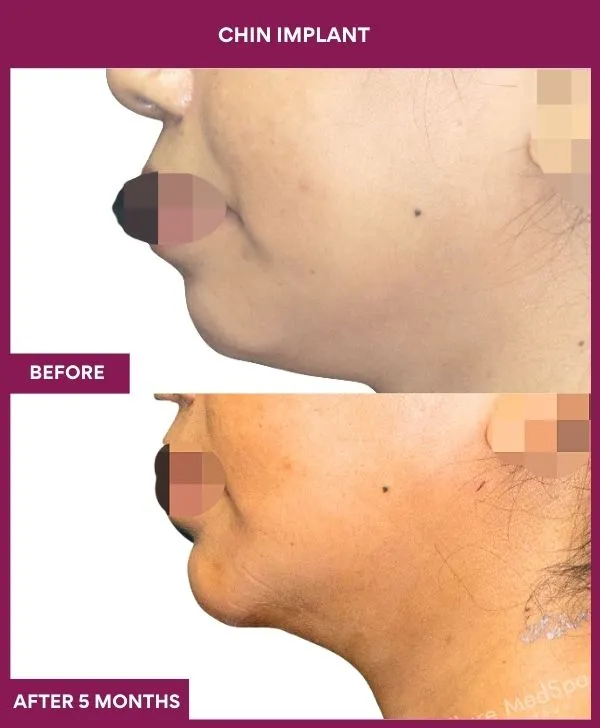
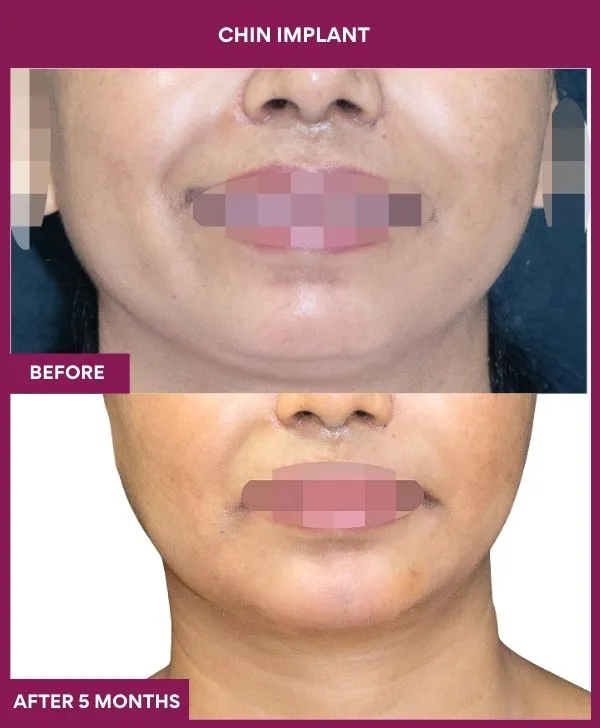
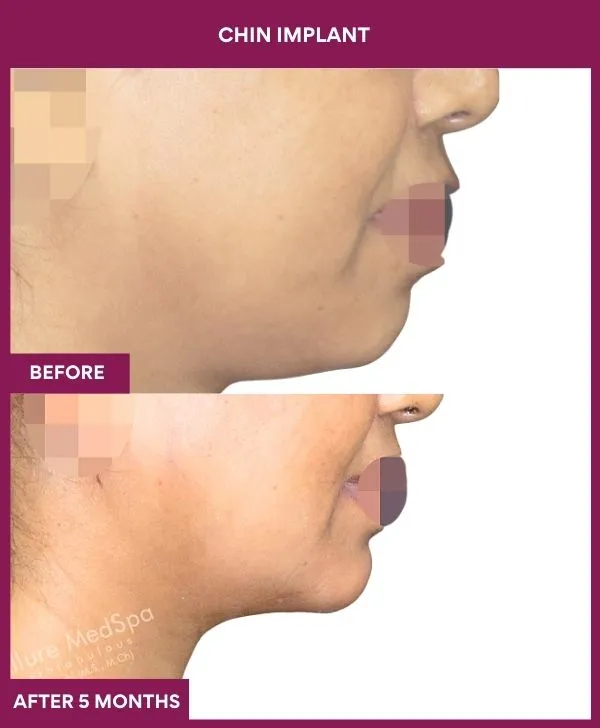
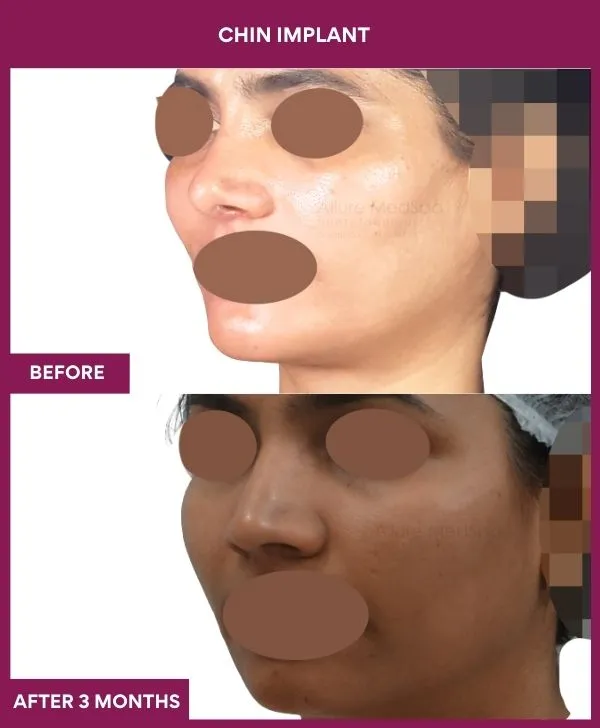
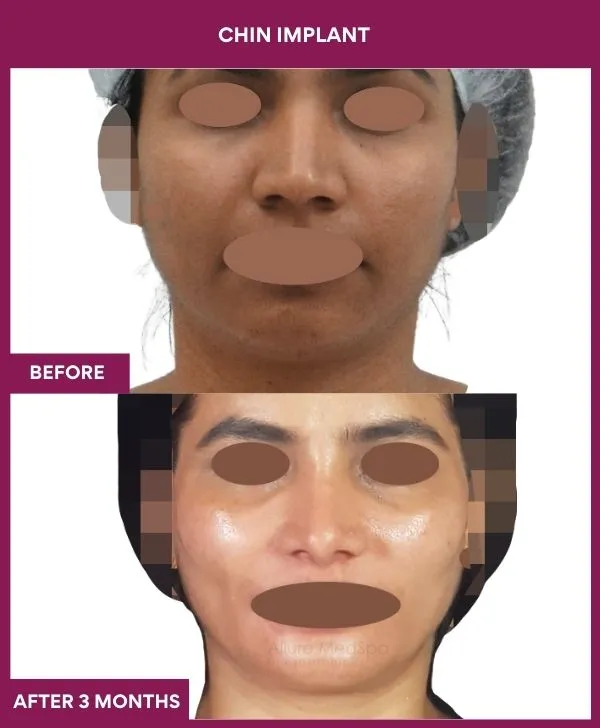
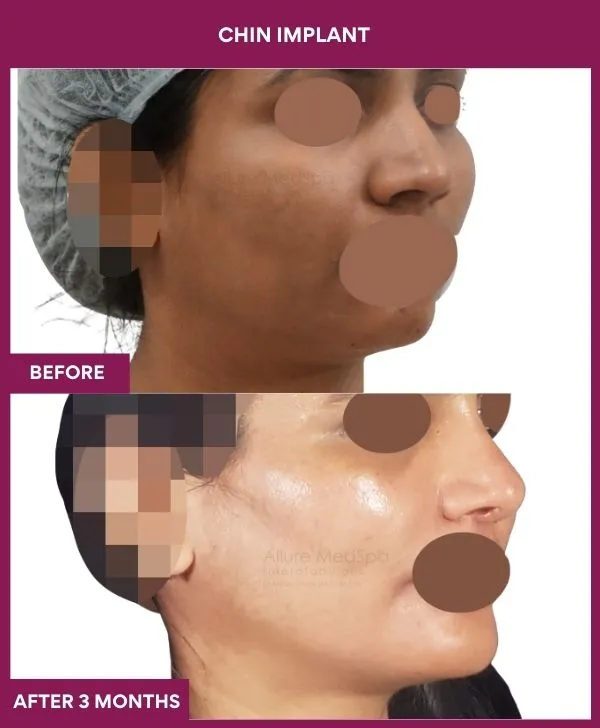
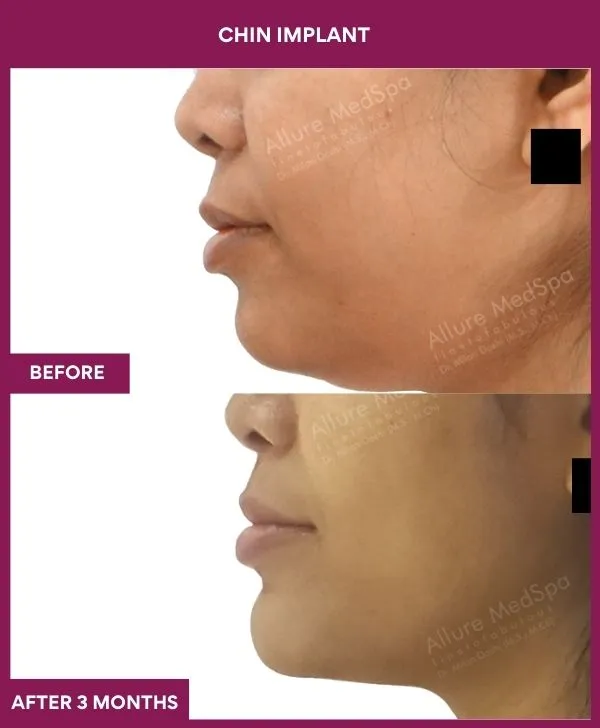
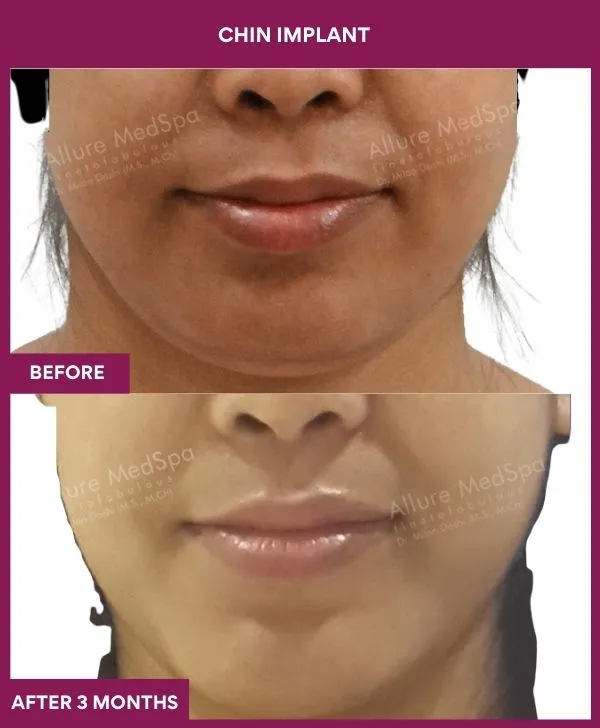
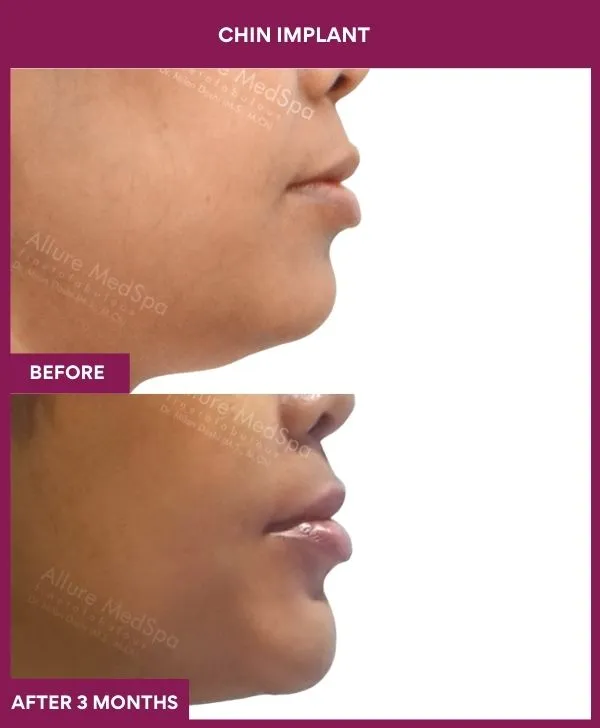
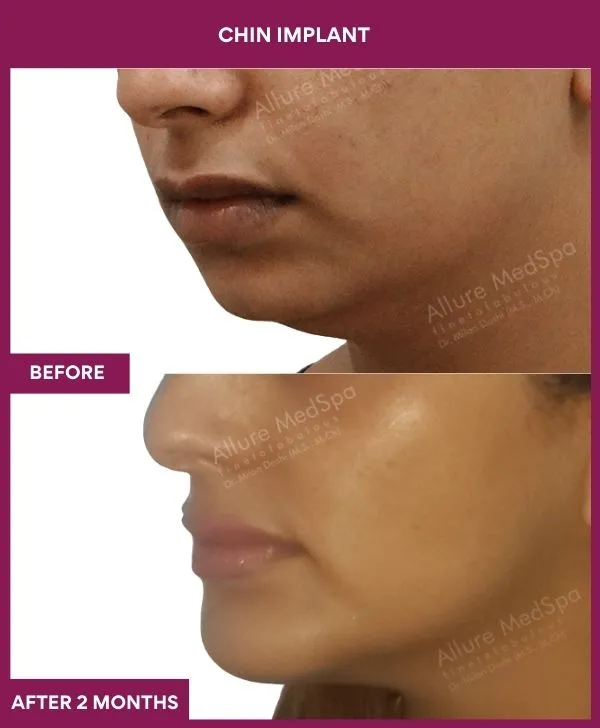
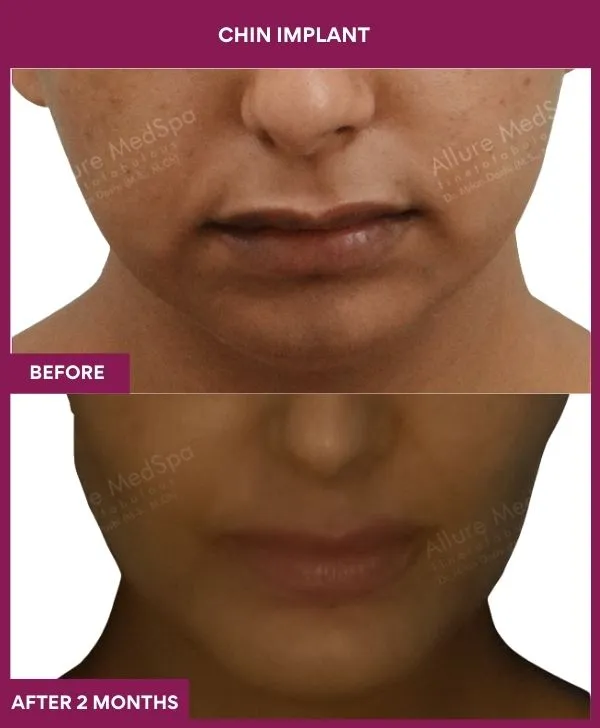
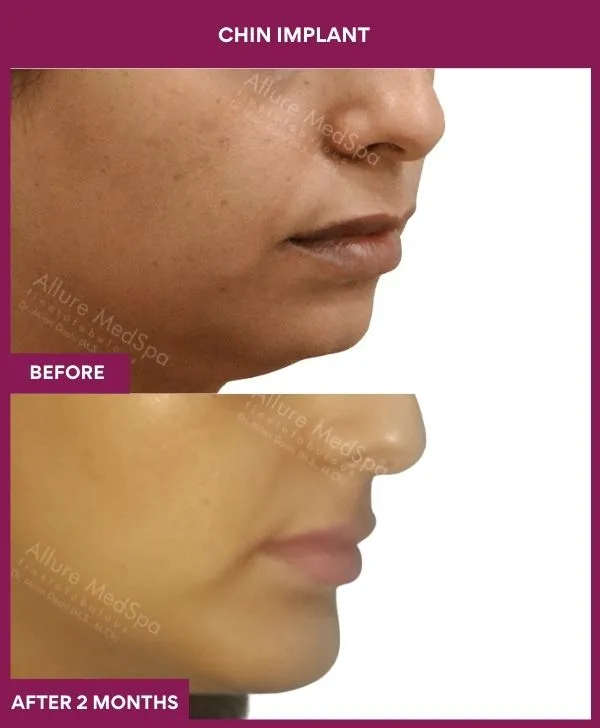
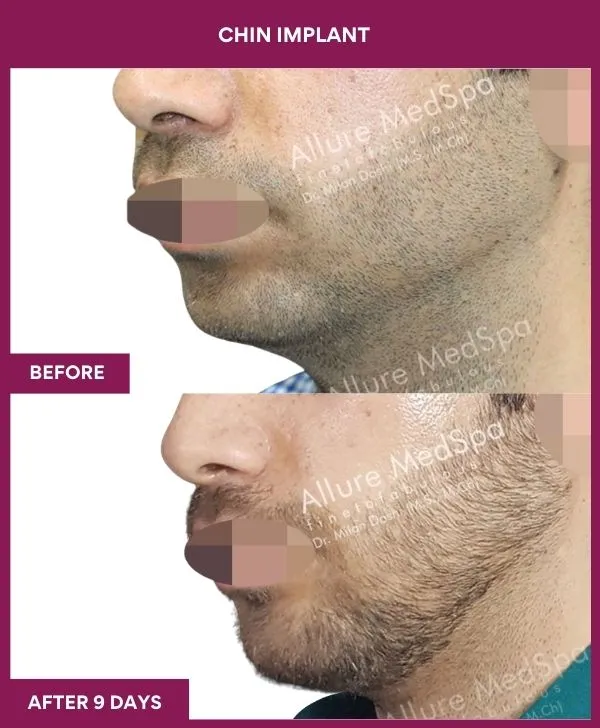
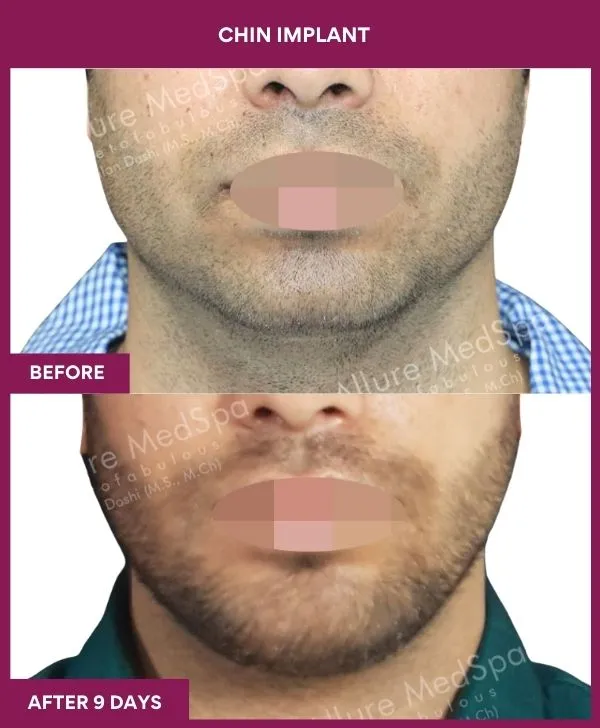
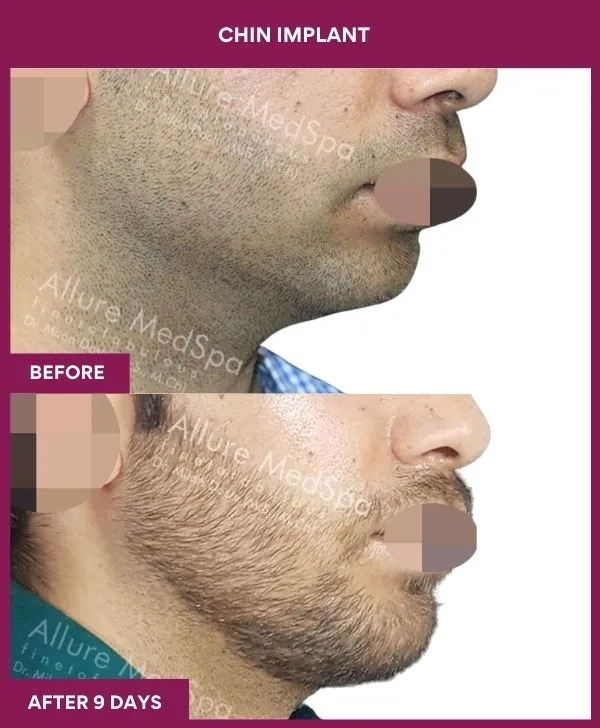
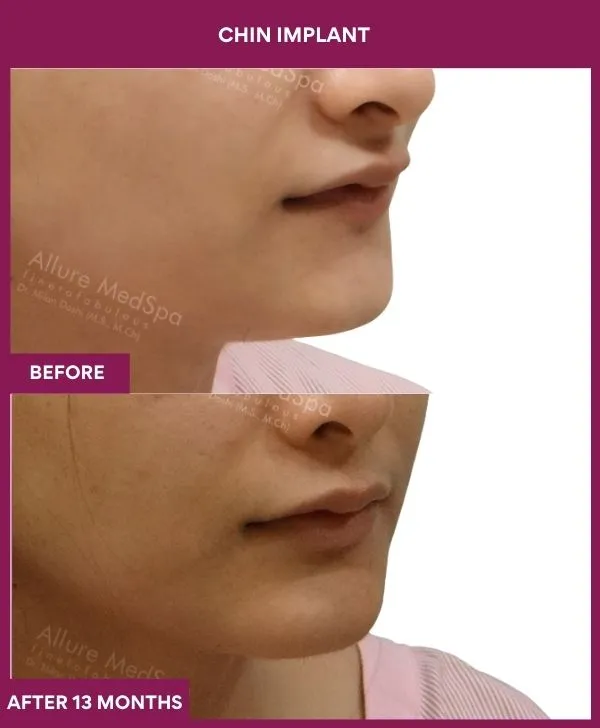
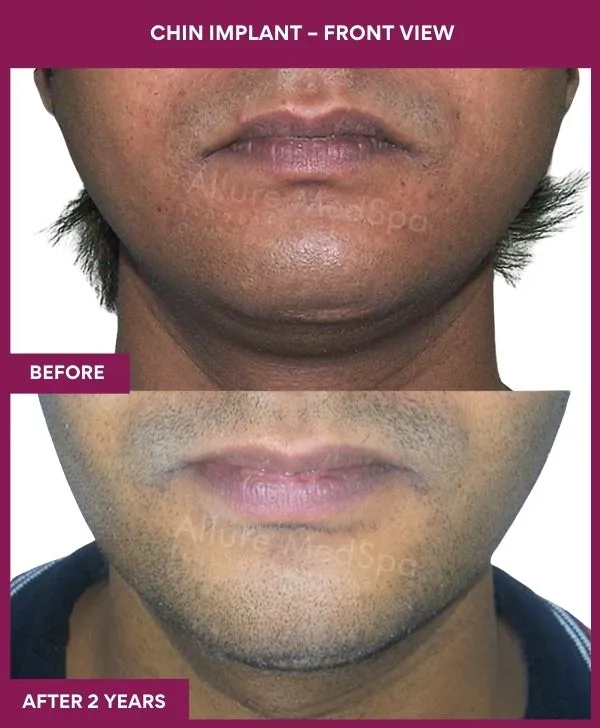
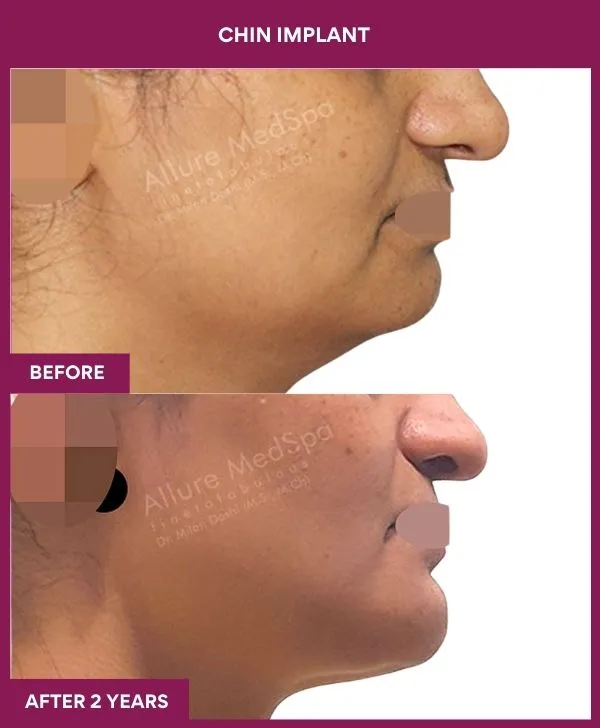
“Liked the results? Let's plan yours.”
Chin Augmentation Surgery Testimonials: Fine To Fabulous Journeys

Awarded by Google.com
Rating: 4.7
Reviews: 485+

Awarded by WhatClinic.com
Rating: 4.8
Reviews: 119+

Awarded by Realself
Rating: 4.9
Reviews:453+

Awarded by Facebook
Rating: 4.6
Reviews:105+
Dr Milan Doshi and his staff are very professional and committed as the centre is highly equipped with advanced technology. I had closed rhinoplasty 4 months back and I’m seeing the results as to how it becomes successful.
Deepika Shetty
The doctor explained everything clearly and the surgery was smooth. Recovery was faster than I expected and the team was very supportive.
Rahul Mehta
Very natural results and excellent staff. From consultation to follow-up, the experience was outstanding and boosted my confidence.
Sneha Kapoor
Why does a recessed chin make the nose look bigger?
A recessed chin can make the nose appear more prominent because the lower third lacks forward support—so the midface (including the nose) visually dominates the profile.
Practical takeaway: Sometimes the “big nose problem” is actually a balance problem. In those cases, modest chin enhancement can make the nose appear more proportionate—even if the nose itself is not dramatically changed.
Reference (general facial analysis / chin augmentation overview)
When is rhinoplasty alone enough?
Rhinoplasty alone is often enough when the chin is already well-proportioned and the imbalance is clearly limited to the nose (bridge, tip, width, or deviation).
You may not need chin enhancement if:
Your chin projection supports the lower third naturally
Your jawline already transitions well into the neck
The profile looks balanced even before the nose is refined
This is why a proper consultation must assess the face as a whole—front, oblique, and profile.
When does adding chin augmentation create a better result?
Adding chin enhancement is most helpful when the chin is under-projected and contributes to profile imbalance—so correcting the chin improves the “final look” of the rhinoplasty result.
Common scenarios:
You feel your nose looks large mainly in side profile
You want a stronger jawline definition but don’t want a “macho” or exaggerated look
You want a refined nose and a better lower-face balance
The goal is not “more chin.” The goal is proportion.
Which chin option pairs best with rhinoplasty: implant, genioplasty, or fillers?
The best chin option depends on how much structural change you need: fillers for temporary/adjustable enhancement, implants for long-lasting structural projection, and genioplasty for bone repositioning in selected cases.
A simple decision logic
Chin fillers: best for subtle enhancement, reversibility, or “preview”
Chin implant: best for stable structural projection when deficiency is moderate
Sliding genioplasty: best when bone repositioning is needed (larger retrusion, vertical issues, or certain asymmetries)
Read More: Chin Augmentation in Mumbai
When is rhinoplasty alone enough vs when chin enhancement helps?
This gives a quick, safe framework—without forcing everyone into a combined plan.
Mobile-first “stacked” comparison
1) Profile harmony
Rhinoplasty alone may be enough: Chin already supports the lower third
Chin enhancement often improves balance: Chin retrusion makes the nose look dominant
2) Nose correction
Rhinoplasty alone may be enough: Main issue is nasal hump/tip/deviation
Chin enhancement often improves balance: Nose is fine, but chin deficiency drives the imbalance
3) Patient goal
Rhinoplasty alone may be enough: “Refine my nose”
Chin enhancement often improves balance: “I want a better profile”
4) Overall face
Rhinoplasty alone may be enough: Lower face already defined
Chin enhancement often improves balance: Lower face looks weak or recessed
How do we plan the nose–chin balance for natural-looking results?
Planning focuses on facial proportions and harmony—not chasing “golden ratio” perfection or millimeter promises.
What matters in real clinic planning:
Whole-face assessment (front + oblique + profile)
Your existing skeletal support and soft tissue thickness
Your preferences: subtle refinement vs stronger definition
A plan that still looks natural in motion, not just in posed photos
View 50+ Transformation: Chin Augmentation Before & After Results
Reference (clinical overview of chin augmentation assessment)
Does the front view change with chin + rhinoplasty?
Yes—while profile improvements are most obvious, chin enhancement can also improve the front view by strengthening the lower face and making facial proportions look more balanced.
Key point: A great result must look good from:
Straight-on photos
45° angle (most selfies)
Side profile
Smile and speech movement
This is why “profile-only planning” is incomplete.
What is recovery like when you combine procedures?
When combined, recovery is usually managed as a single recovery period—swelling and tightness settle gradually, and refinement continues over weeks.
Typical guidance (kept general for safety):
First week: swelling + rest + strict instructions
Week 2: most people are socially presentable
Weeks 3–6: gradual return to workouts after clearance
Refinement continues beyond that (individual)
Read more: Chin Augmentation Recovery Timeline
Reference (general recovery concepts)
Is it better to do a staged approach or one combined surgery?
Combined surgery can be efficient in selected patients, while staging can be smarter when you want a filler “trial,” or when medical/recovery factors suggest caution.
How we decide (practical, not salesy):
Combined if: patient is fit, goals are clear, and both corrections are truly needed
Staged if: uncertainty about chin size, patient wants reversibility first, or medical reasons warrant a conservative plan
No heroism. The goal is safe, predictable results.
Is Chin Augmentation Safe? Real Risks & How We Reduce Them
Every procedure has risks, but the biggest difference in safety comes from planning, sterile technique, correct patient selection, and disciplined follow-up—not “aggressive changes” or shortcuts.
What patients should understand (calm, honest, non-alarming)
Potential issues can include infection, asymmetry, implant shift (if an implant is used), prolonged swelling, or dissatisfaction if the plan is not proportion-based. The point of a consultation isn’t to “sell” a combined plan—it’s to choose the lowest-risk path to a result that still looks like you.
How we reduce risk in real practice
Right procedure choice: filler vs implant vs genioplasty—based on anatomy and goals (no one-size-fits-all)
Conservative, proportion-based correction: helps prevent an “overdone” lower face
Controlled OR protocol (when surgery is done): sterile technique + disciplined handling
Clear post-op instructions + early follow-ups: problems are best managed early, not late
If your main concern is safety, a staged approach (often starting with a conservative plan) can be a very reasonable strategy.
Reference (implant considerations; avoid quoting scary numbers)
Options matrix: Which combination fits which goal?
Use this matrix to understand common pairing strategies—then let your anatomy decide the final plan.
Mobile-first “stacked” matrix
i. Option: Rhinoplasty + Chin Implant
Best for: Clear chin deficiency needing structural projection
Key advantage: Long-lasting definition
Key limitation: Requires surgery + recovery
ii. Option: Rhinoplasty + Sliding Genioplasty
Best for: Selected cases needing bone repositioning
Key advantage: Uses your own bone structure
Key limitation: Deeper healing; more complex
iii. Option: Rhinoplasty + Chin Filler
Best for: Mild deficiency / preview
Key advantage: Reversible, adjustable
Key limitation: Maintenance required
iv. Option: Staged approach
Best for: Uncertain patients / trial first
Key advantage: Highest control
Key limitation: Longer overall timeline
Reference (filler evidence context)
What does cost depend on when procedures are combined?
Cost depends mainly on the complexity of rhinoplasty, the chin technique chosen (filler vs implant vs genioplasty), anesthesia needs, and facility standards—not on “packages.”
Read more: Chin Augmentation Cost in Mumbai | Rhinoplasty Cost in Mumbai
Myths vs Facts: Chin Augmentation With Rhinoplasty
Most myths come from internet extremes—either overselling “instant transformation” or fear-mongering.
Myth: “If I do rhinoplasty, I must do chin too.”
Fact: No. Only when chin deficiency actually affects balance.
Myth: “Chin enhancement is only for profile.”
Fact: It can influence overall facial harmony, including the front view.
Myth: “Fillers are pointless if I want surgery later.”
Fact: Fillers can be a useful preview for selected patients.
FAQs: Chin Augmentation With Rhinoplasty
Q1) Does adding chin enhancement make rhinoplasty look more natural?
Ans. Often yes—when the chin was contributing to imbalance, the overall face looks more proportionate. If your chin is recessed, even a conservative enhancement can “quiet down” the profile and make the nose look more balanced. The best results come from planning both areas together so neither looks overdone.
Q2) Can I do chin filler at the same time as rhinoplasty?
Ans. In selected cases it may be possible; your surgeon decides based on safety and planning. Many surgeons prefer a cautious approach depending on swelling patterns and the details of the nasal plan. If you want a “preview,” fillers can also be staged before or after surgery depending on your anatomy.
Q3) If I don’t do chin enhancement now, can I do it later?
Ans. Yes—many patients choose a staged approach after seeing the rhinoplasty result. This can be especially helpful if you’re unsure about how much chin projection you want. A structured assessment (and sometimes a temporary option first) helps avoid regret and keeps the look natural.
Q4) Does combined surgery increase recovery time a lot?
Ans. It usually feels like one recovery period, but the final experience depends on technique and individual healing. You may notice added tightness around the chin early on if augmentation is done. Most people plan social downtime around the first couple of weeks, then refinement continues gradually.
Q5) Is genioplasty always better than an implant?
Ans. No. Each has different indications; the “best” is anatomy-dependent. Implants can be excellent for stable projection in selected patients, while genioplasty is useful when bone repositioning is needed. Your surgeon should explain why one option fits your structure better—without pushing a one-size-fits-all solution.
6) Will chin enhancement change my smile or speech?
Temporary tightness can occur early; long-term issues are uncommon with correct planning. The key is appropriate technique and realistic sizing. You should expect some early stiffness or “awareness,” but this typically settles as swelling reduces and tissues adapt.
7) Is this strategy suitable for men and women?
Yes—goals differ, but the rule is the same: proportion, not exaggeration. Men may prefer a slightly stronger lower-face line, while many women prefer softer definition. Either way, the target is harmony between nose, lips, chin, and jawline.
8) How do I know if my nose looks big because of my chin?
A profile assessment (and sometimes imaging) clarifies this in minutes. If your chin is set back, the nose can appear more prominent even when it’s not objectively large. A good consultation includes side-profile evaluation and explains whether balance—not just nose size—is driving your concern.
9) What if I want a very subtle change?
That’s often where conservative planning (and sometimes fillers first) shines. Small, proportion-based adjustments tend to age better and look more “you.” The goal is to improve harmony without making your face look altered.
10) Can we preview the change before deciding?
Yes—clinical simulation tools and structured assessment help guide decisions. While no simulation is perfect, it can help you understand direction and proportion. For the chin, temporary fillers can sometimes function as a real-world “trial” when appropriate.
Conclusion: Profile Harmony Comes From Balance—Not Bigger Changes
Rhinoplasty and chin enhancement work best when they are planned together, not in isolation. In many patients, what feels like a “nose problem” is actually a balance issue between the nose and the chin. When this relationship is corrected thoughtfully, the entire face looks more refined, natural, and proportionate—without appearing overdone.
Not everyone needs combined treatment. Some patients do beautifully with rhinoplasty alone. Others benefit from subtle chin enhancement to complete the profile. The right choice depends on your anatomy, goals, and comfort with permanence and recovery—not on trends or “package” surgery.
At Allure Medspa, Dr. Milan Doshi focuses on whole-face analysis, conservative planning, and long-term harmony. Whether through a combined approach or a staged plan, the goal is always the same: results that look balanced, age well, and still feel like you.
If you’re considering rhinoplasty and want to be sure your profile is truly optimized, a personalized assessment is the smartest first step.
Get a Complete Nose–Chin Harmony Evaluation