
Liposuction Techniques Explained — Tumescent, VASER, Laser, PAL & More

Indian Board Certified Plastic Surgeon
M.CH, MS, ISAPS Mentor
16000+ Cosmetic Surgeries
4000+ Liposuction Surgeries
Your technique is chosen according to the area being treated, the type and density of fat in that area, and the quality of your skin. It shouldn’t be chosen because one device is advertised more heavily than another.
Every technique on this page ultimately removes fat through a cannula, a thin tube placed beneath the skin. What changes is mainly how the fat is loosened before or during suction — ultrasound, laser energy, mechanical vibration, pressurised water, radiofrequency, or helium plasma combined with radiofrequency. These are different assists to the same basic operation, not completely different operations.
- Tumescent — the foundation of every modern technique.
- VASER, laser, PAL, water-jet — assists for specific tissue problems.
- Radiofrequency and Renuvion — energy adjuncts aimed at mild skin laxity.
- Hi-def / 4D — a different surgical objective, not just more liposuction.
Pathway callout: The tool follows the tissue — never the other way round. This guide compares each technique honestly, including the evidence behind it and the techniques we don’t offer, so you can judge them fairly.
Liposuction Techniques Compared at a Glance
No single technique is right for every patient. Tumescent liposuction remains the foundation, while ultrasound, laser, power, water-jet, radiofrequency and plasma-based technologies each have narrower situations where they may add something useful.
| Technique | How it loosens fat | Often considered for | Skin-contraction effect | Strength of evidence |
|---|---|---|---|---|
| Tumescent / SAL | Fluid infiltration, then direct suction | Soft fat, good skin the foundation of most cases | None directly | Strongest decades of use |
| VASER / ultrasound-assisted | Ultrasound emulsifies fat | Fibrous fat, back, male chest, upper abdomen, revisions, definition | Modest and measurable | Good randomised comparison |
| Laser-assisted | Laser energy liquefies fat | Smaller localised areas | Claimed; superiority not shown in the key randomised trial | Weak for superiority |
| Power-assisted / PAL | Cannula vibrates mechanically | Larger volumes, fibrous tissue, surgeon efficiency | None directly | Moderate |
| Water-jet / WAL | Pressurised fluid loosens fat during suction | Lipoedema, fat harvesting, tissue-sparing situations | None directly | Moderate mainly lipoedema data |
| Radiofrequency / RFAL | RF heats fat and the underside of the skin | Mild skin laxity | The main reason for its use | Moderate; thermal risks reported |
| Renuvion / J-Plasma | Helium plasma + RF beneath the skin | Adjunct for selected laxity within appropriate indications | Its intended purpose | Limited; regulatory history important |
| Hi-def / 4D liposculpture | Usually ultrasound-assisted superficial sculpting | Lean patients seeking visible definition | High retraction demand | Growing; technique-dependent |
Downtime is broadly similar across techniques, recovery depends more on the number of areas and total volume. Water-jet studies report less bruising; hi-def work usually means a longer recovery.
What do the comparison reviews show?
| Review | Key finding | How to read it |
|---|---|---|
| 2025 meta-analysis of complications by technique (23 studies) | Laser-assisted had the lowest complication rates; PAL the highest bleeding, infection and necrosis; RFAL the highest seroma and thermal injury; standard suction the highest contour irregularity | Different studies, different patients — not proof one device causes a problem |
| 2026 review of skin-tightening adjuncts (19 studies) | Reported mean skin retraction: RFAL ~31%, laser ~30%, ultrasound ~17%, standard suction ~12% | Very high variation between studies and serious bias in about half — the authors drew no firm conclusion on superiority |
| 2026 literature overview of assisted technologies | Burns, seromas, haematomas, infection and scarring were the commonest complications; no strong evidence that assisted beats traditional liposuction | A call for caution, not a ban |
Pathway callout: Not every technique listed here is performed at Allure Medspa. Techniques we don’t offer are included so you can compare them fairly rather than only reading about what we sell. We’ll tell you plainly at consultation which of these we perform.
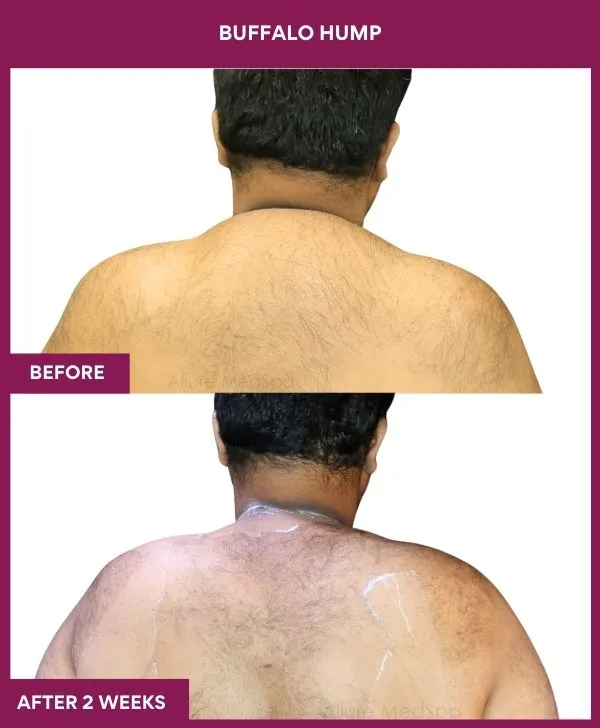
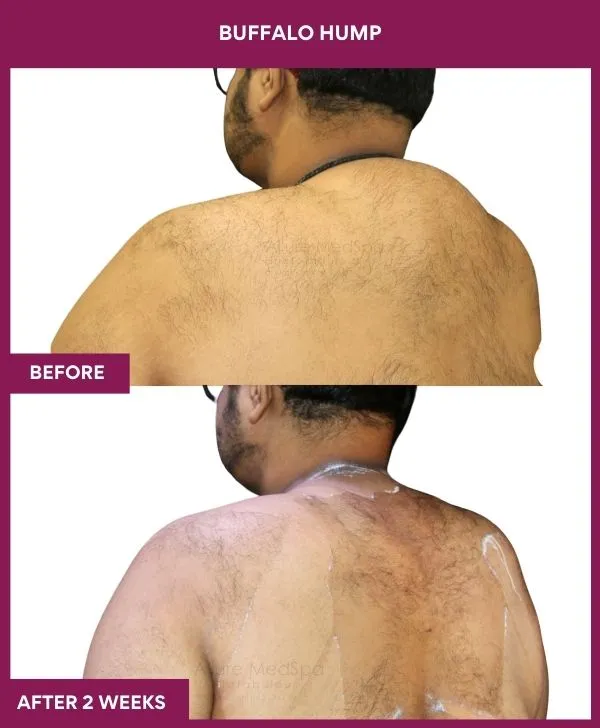
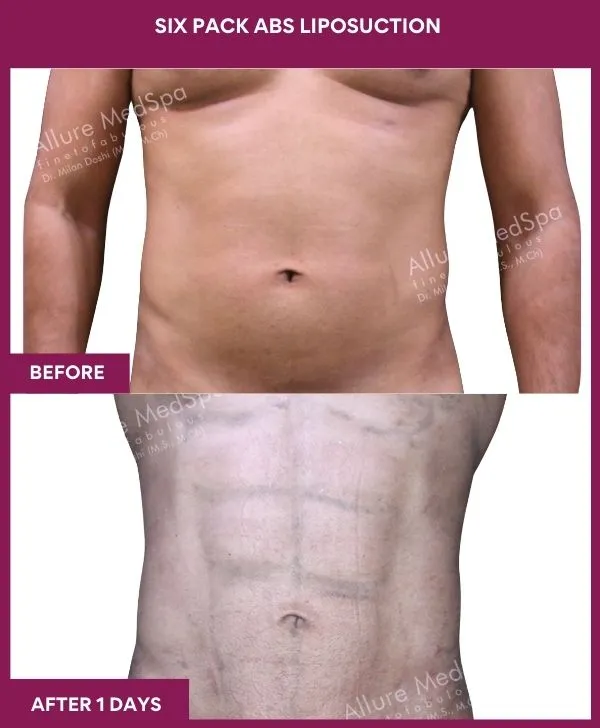
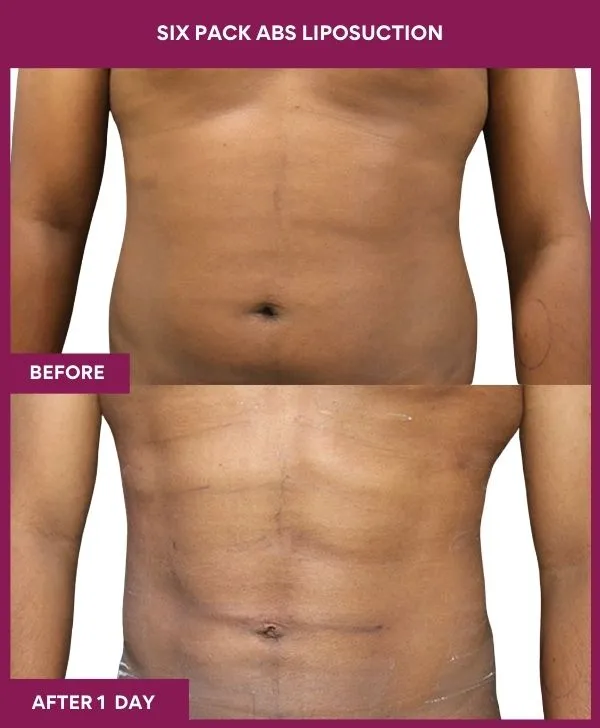
Liposuction Surgery Before After Results
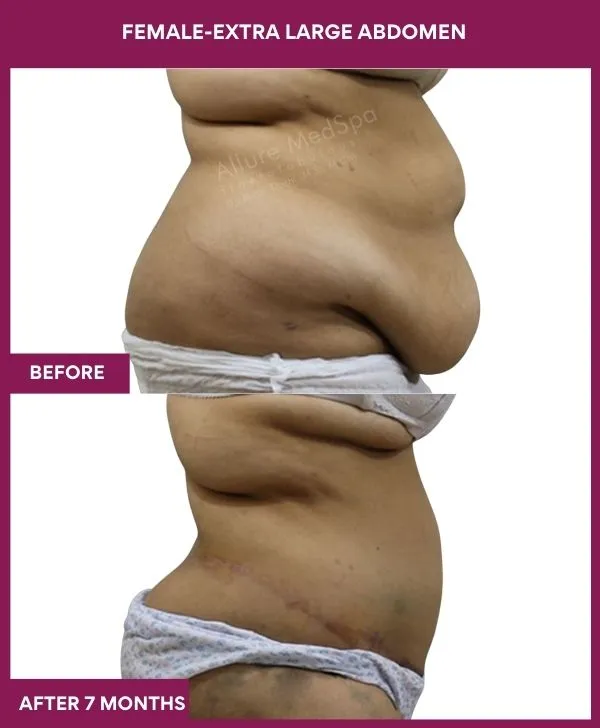
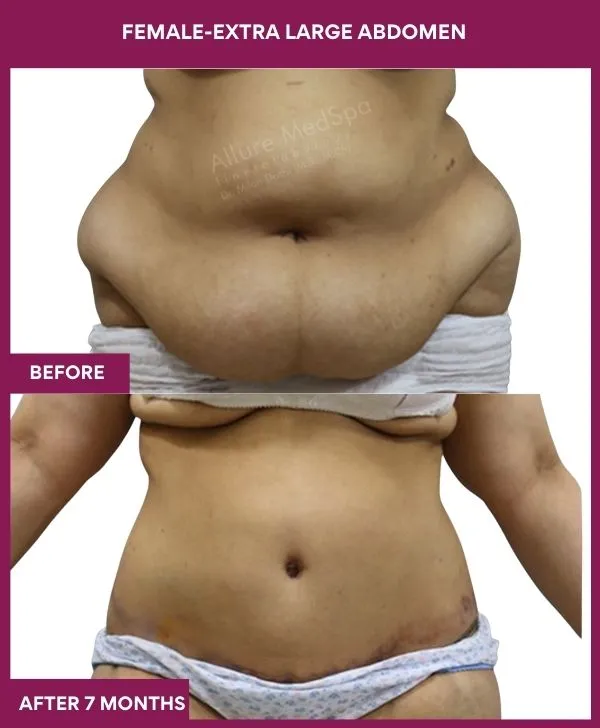
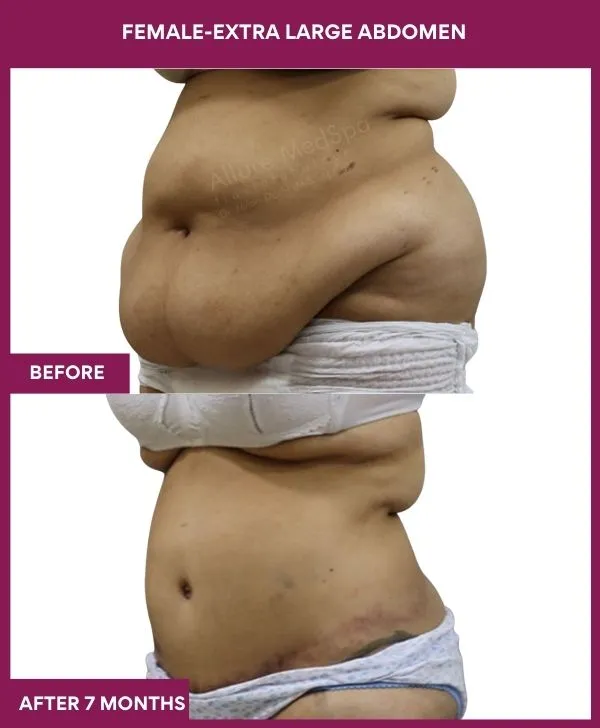
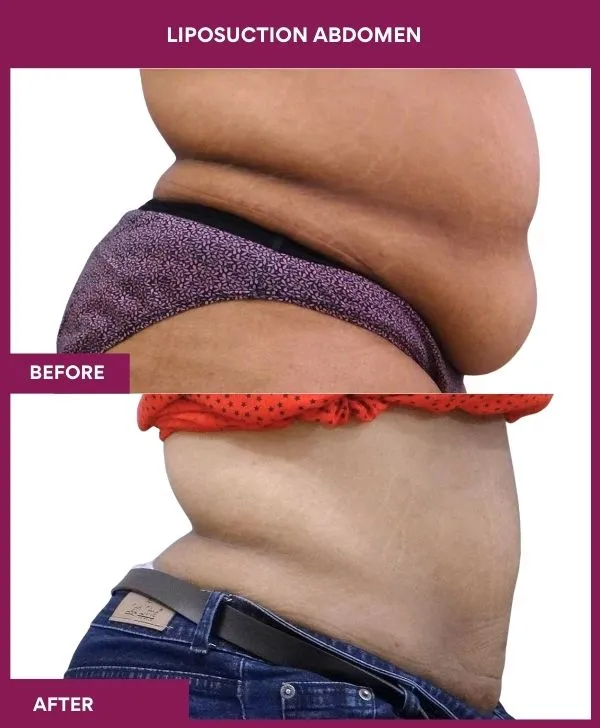
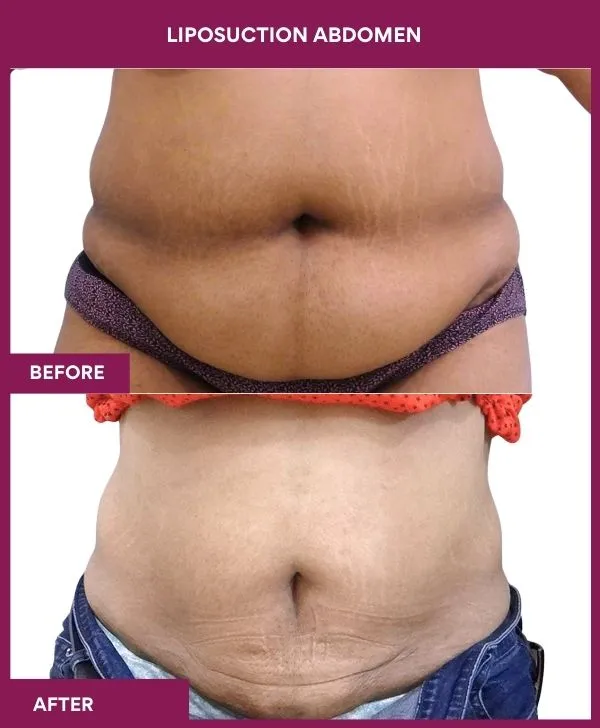
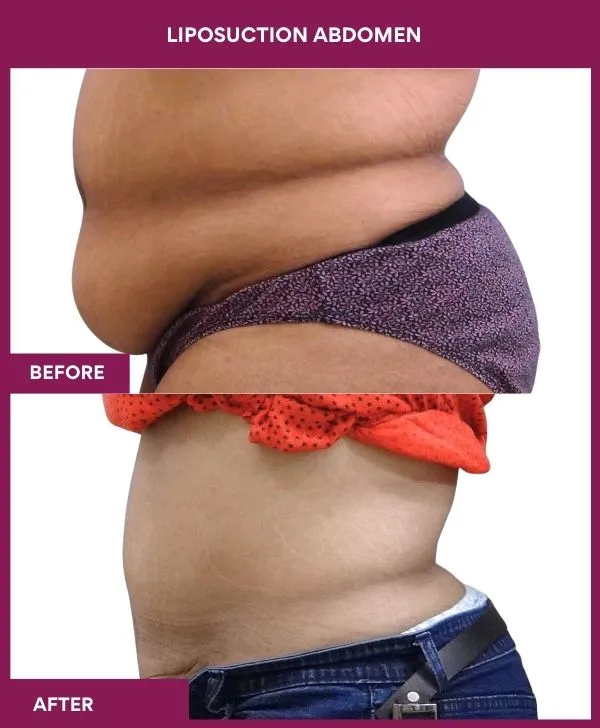
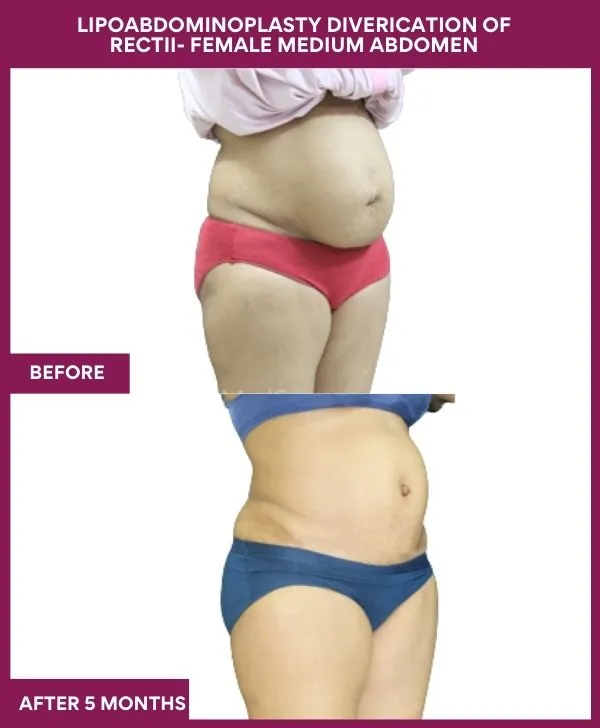
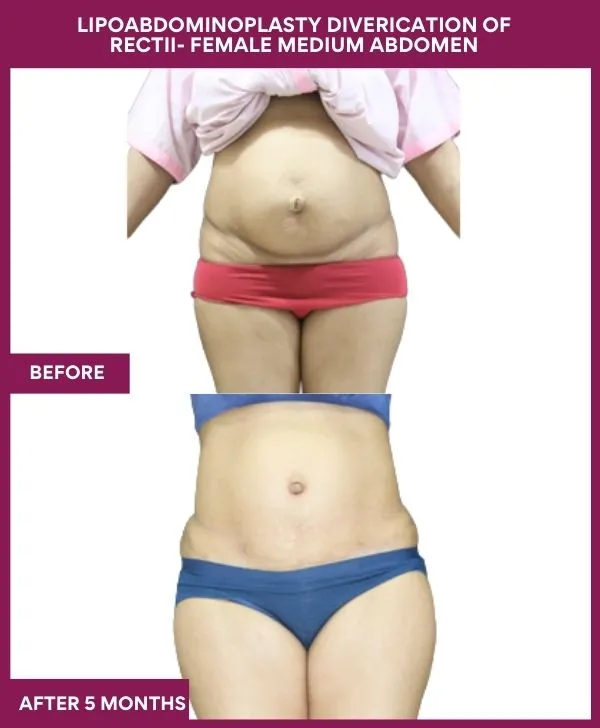
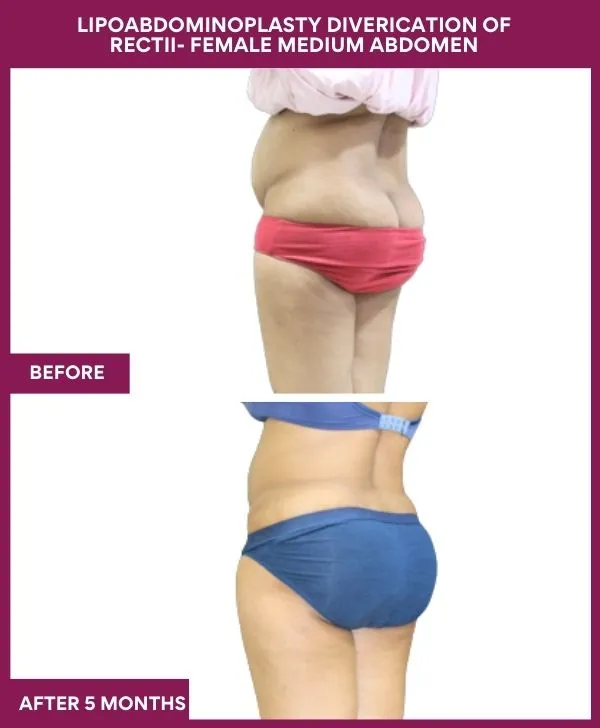
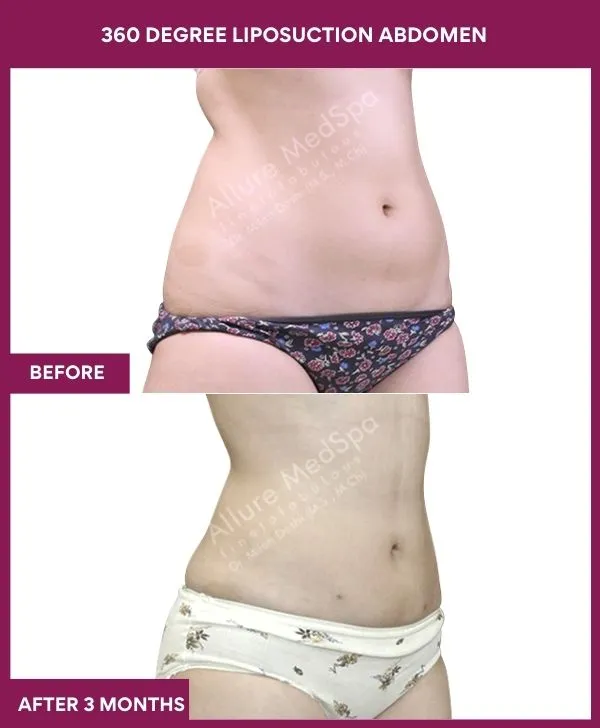
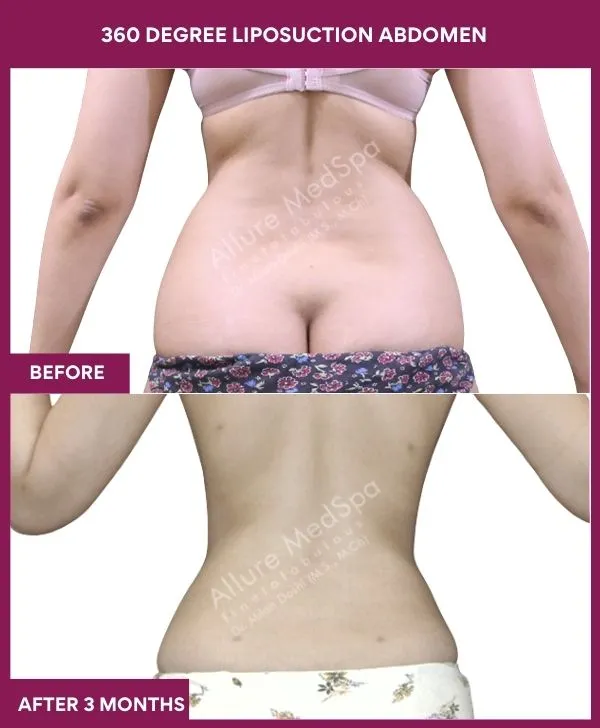
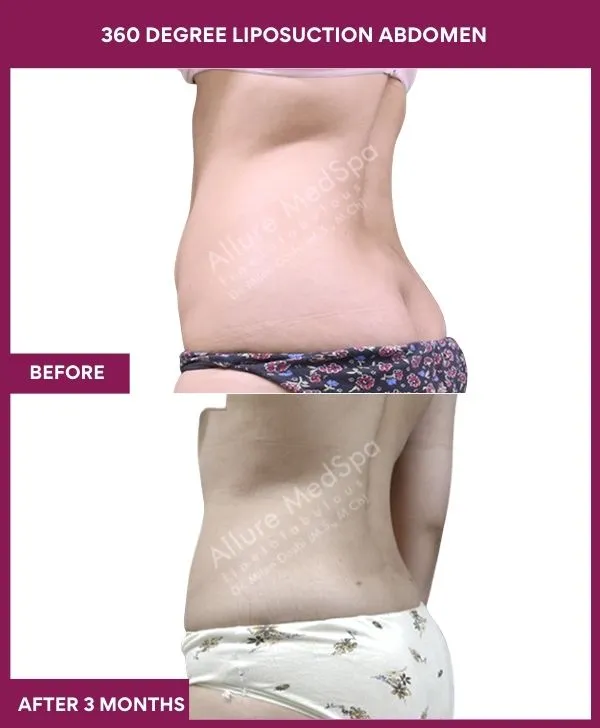
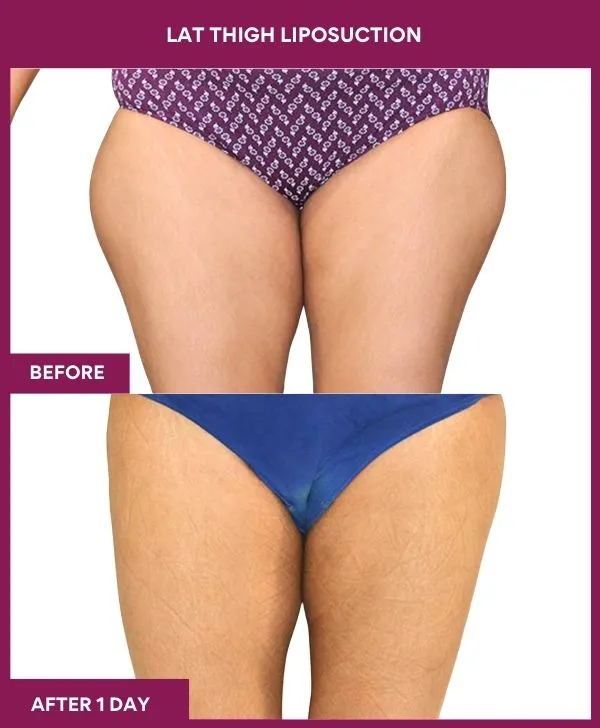
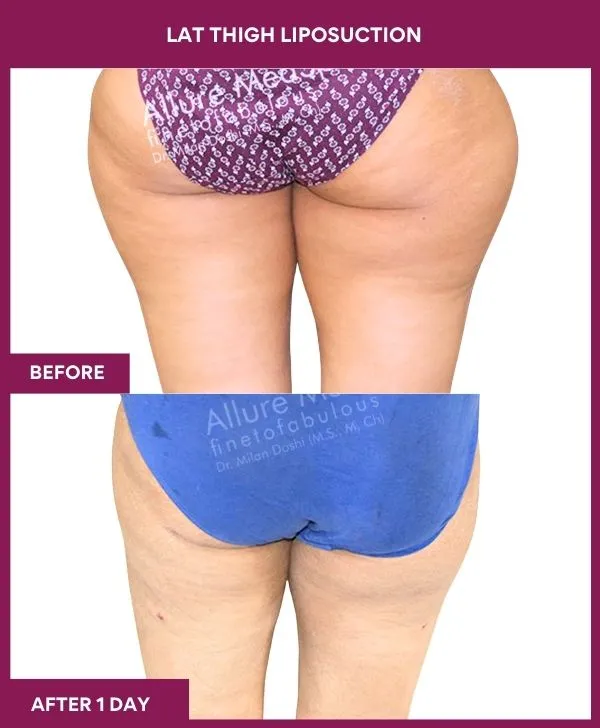
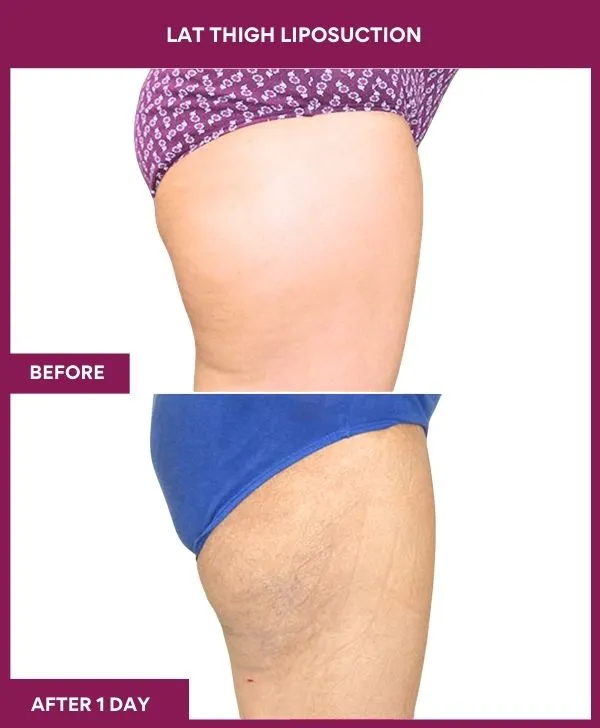
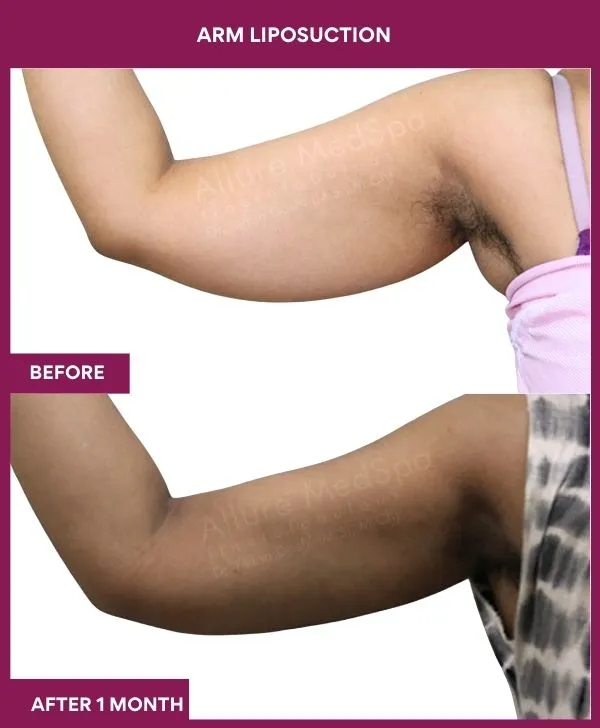
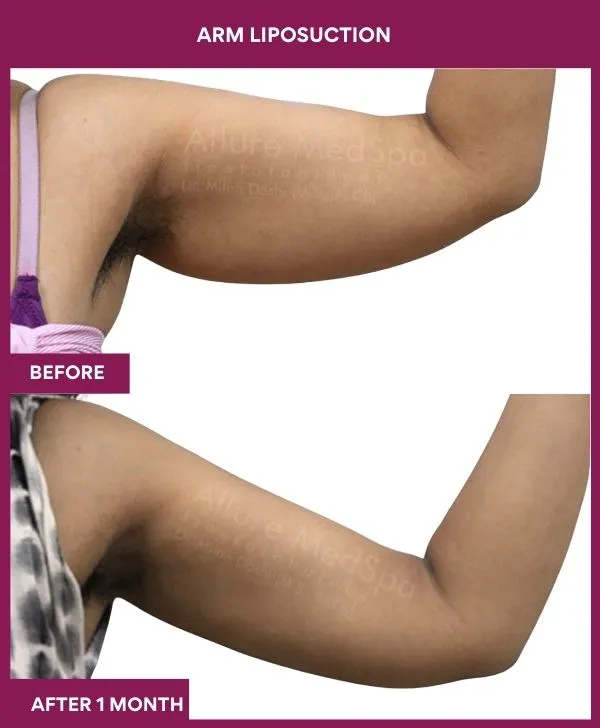
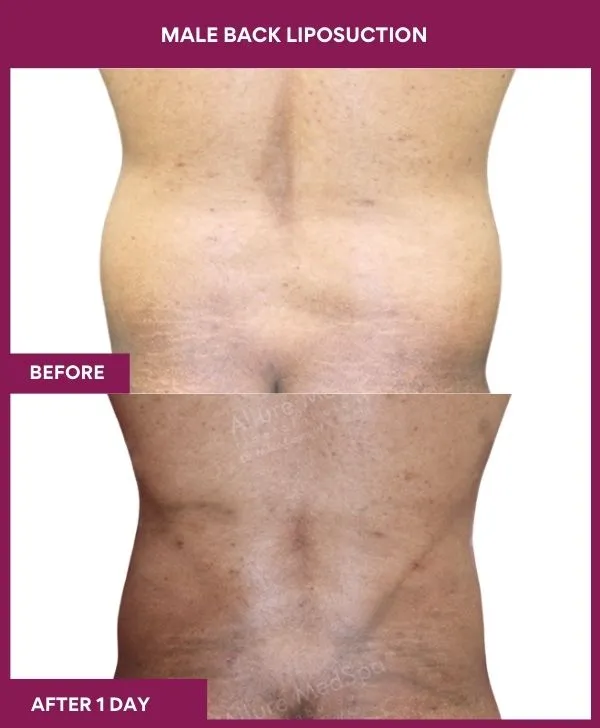
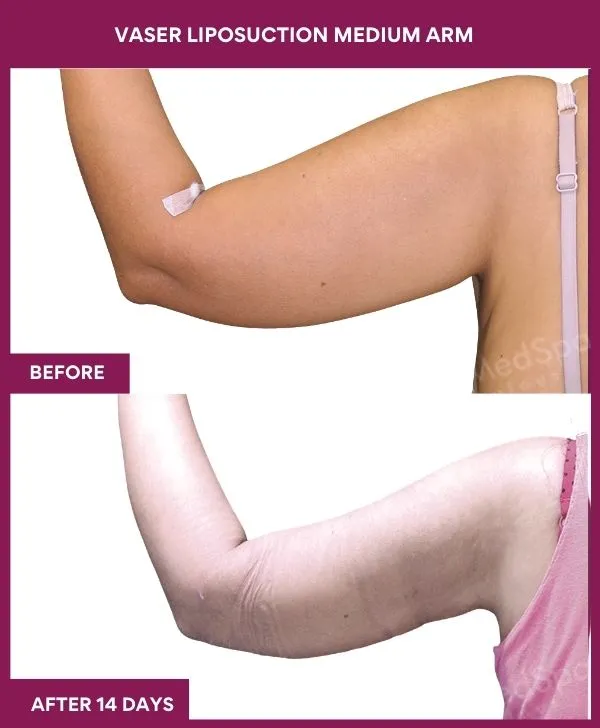
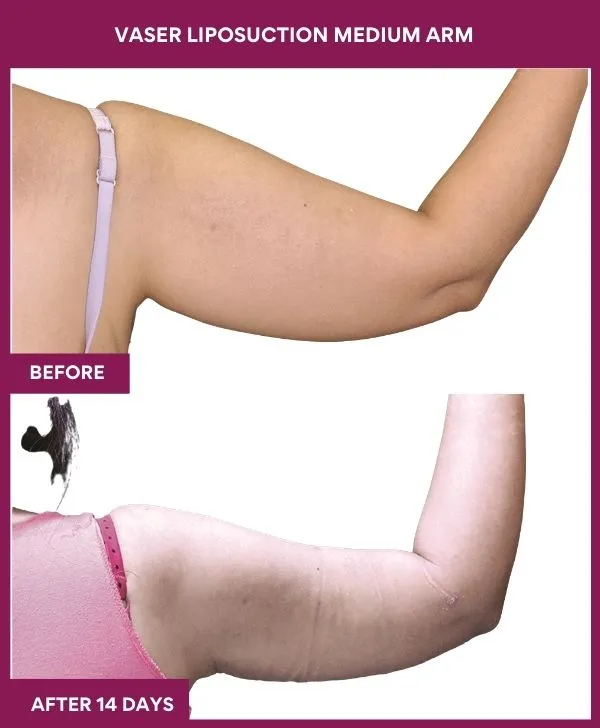
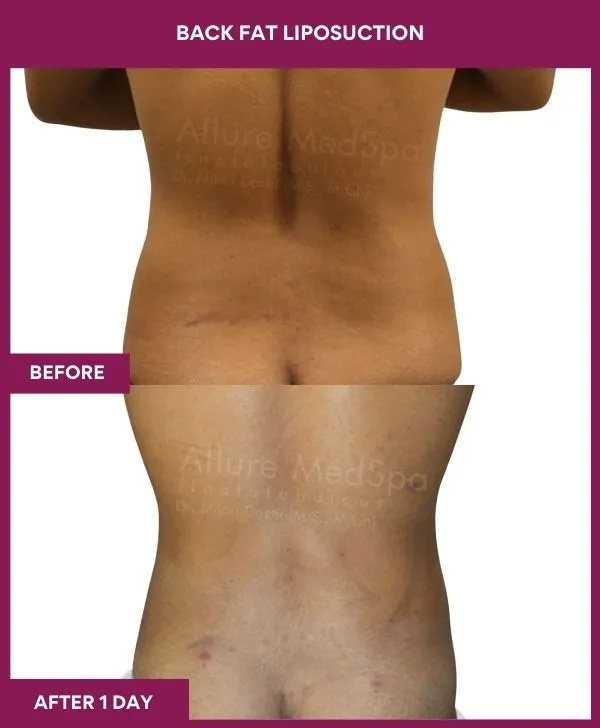
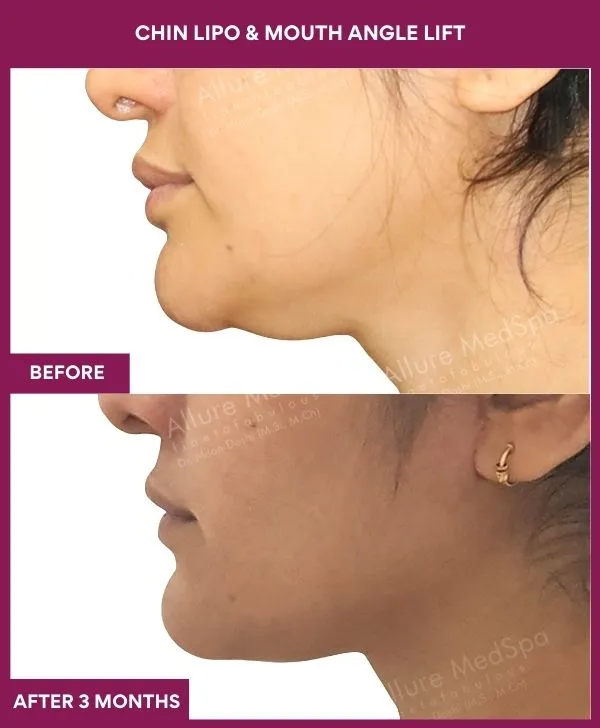
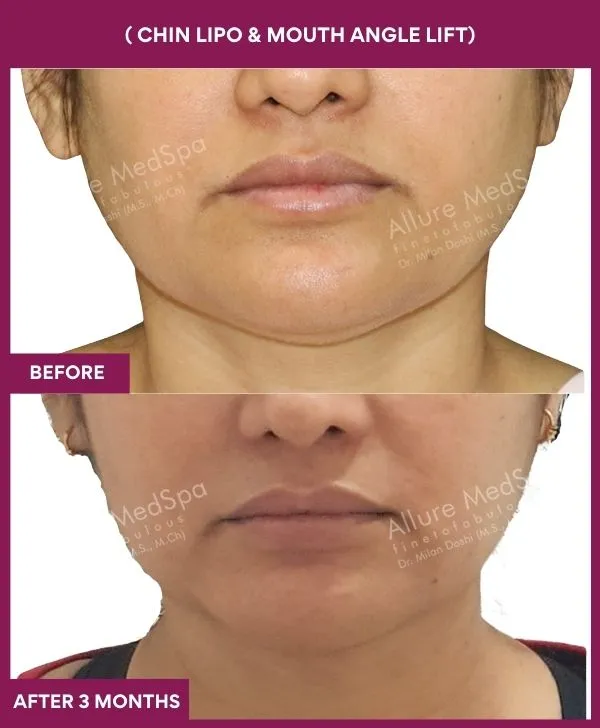
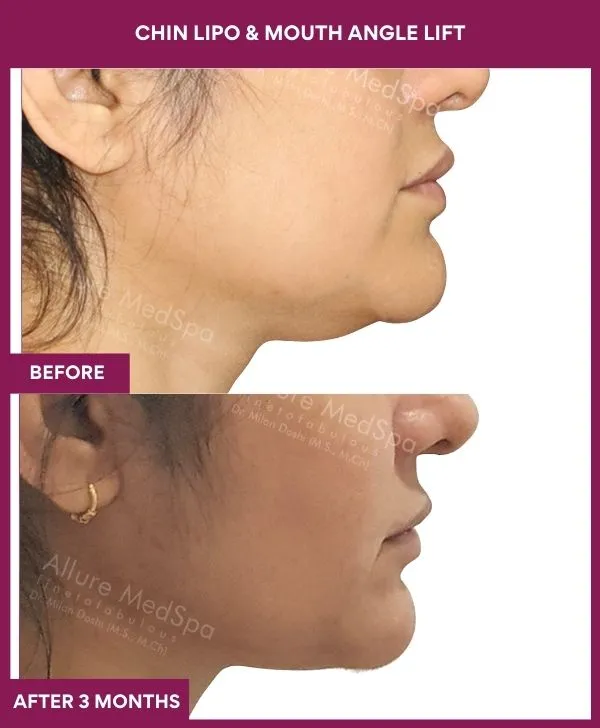
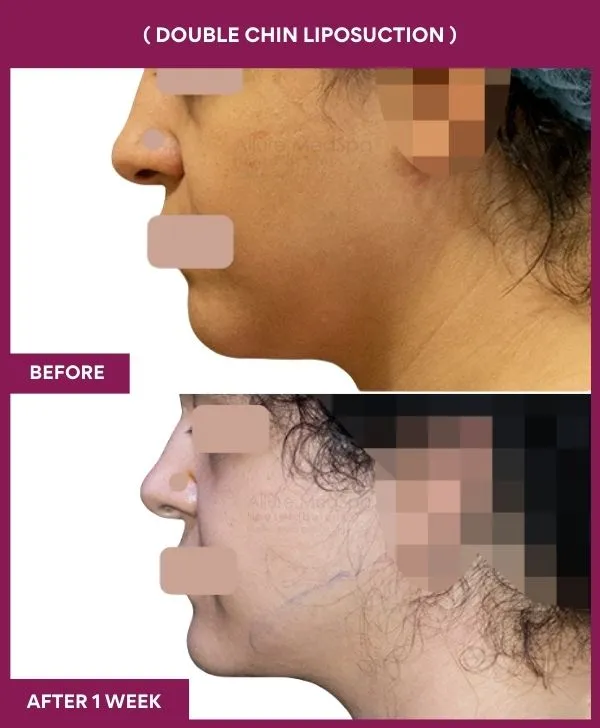
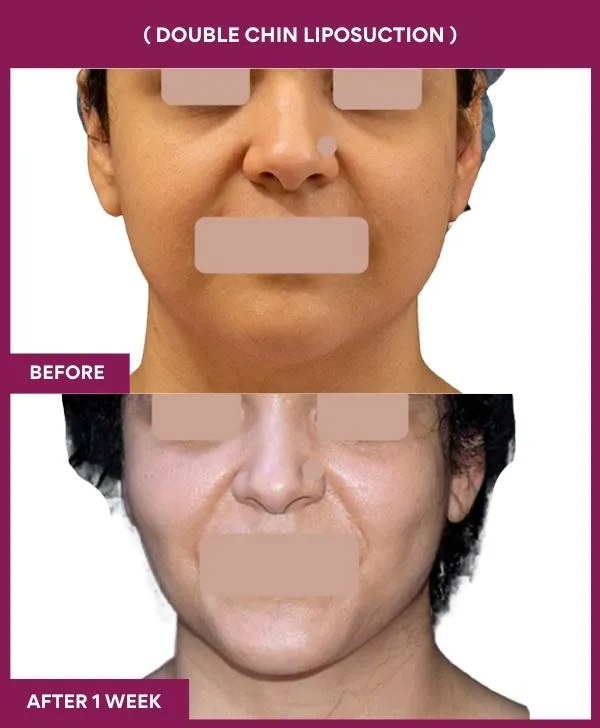
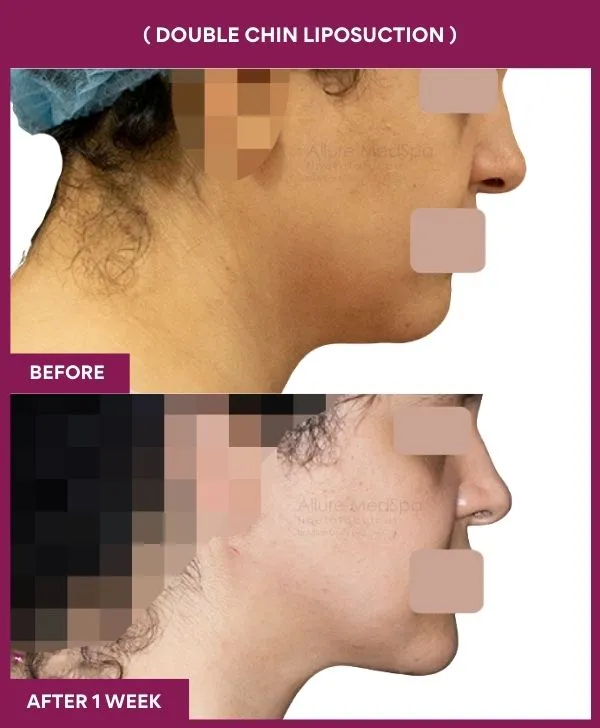
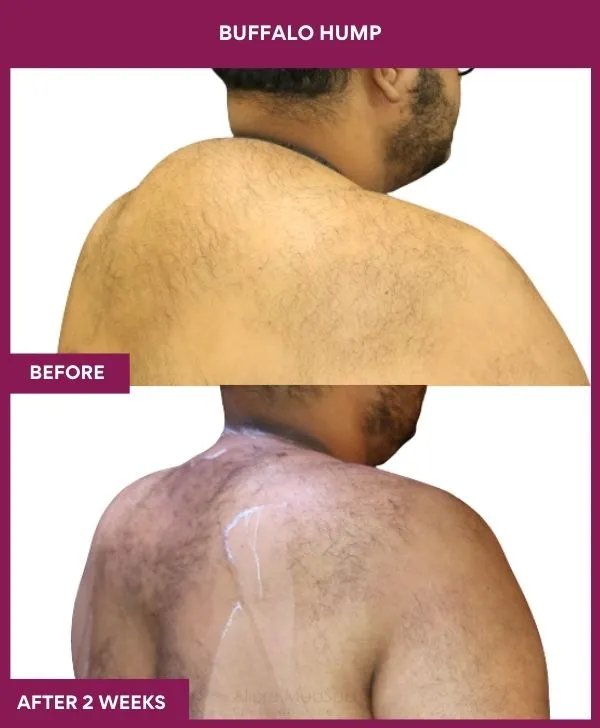
Wondering How Liposuction Can Transform You?
Liposuction Surgery Patient Testimonials: Fine To Fabulous Journeys

Awarded by Google.com
Rating: 4.7
Reviews: 485+

Awarded by WhatClinic.com
Rating: 4.8
Reviews: 119+

Awarded by Realself
Rating: 4.9
Reviews:453+

Awarded by Facebook
Rating: 4.6
Reviews:105+
Dr Milan Doshi and his staff are very professional and committed as the centre is highly equipped with advanced technology. I had closed rhinoplasty 4 months back and I’m seeing the results as to how it becomes successful.
Deepika Shetty
The doctor explained everything clearly and the surgery was smooth. Recovery was faster than I expected and the team was very supportive.
Rahul Mehta
Very natural results and excellent staff. From consultation to follow-up, the experience was outstanding and boosted my confidence.
Sneha Kapoor
Inspired by Their Transformation
Video: Liposuction Surgery Explain By Dr. Milan Doshi
Dr Milan Doshi is describing the Liposuction Surgery in detail with benefits, candidacy, associated risks and significance
Which Liposuction Technique Might Your Tissue Need?
(4 quick questions)
Area, tissue, skin, history — four questions start the plan.
Discuss My ResultNon-diagnostic — an examination confirms it
Quick Facts About Facelift Surgery
EVERY TECHNIQUE STARTS WITH
Tumescent fluid
SOFT FAT, GOOD SKIN
Standard lipo is enough
BACK, MALE CHEST, UPPER ABDOMEN
VASER may help
MILD LOOSE SKIN
Energy assist, modest gain
LOOSE, HANGING SKIN
Needs excision, not a device
WANT MUSCLE DEFINITION
Hi-def — lean patients only
NEWER MACHINE
Not always a better result
RECOVERY TIME
Set by areas, not device
Do Liposuction Techniques Change the Cost?
Yes — some techniques carry a premium because of equipment, consumables and operating time. Liposuction in Mumbai typically costs ₹60,000 to ₹2,50,000 overall; the technique is one of four factors, alongside the number of areas, total volume and the anaesthesia and facility level needed.
| Technique | Cost position | When the extra cost may be worth it |
|---|---|---|
| Tumescent liposuction | Baseline | Soft, easily treated fat in a patient with suitable skin |
| VASER / ultrasound-assisted | Premium over baseline | Dense or fibrous tissue, male chest, back, upper abdomen, revision, selected sculpting |
| Laser-assisted | Premium over baseline | Selected smaller localised areas |
| Power-assisted (PAL) | Usually no separate premium | Efficiency in selected larger-volume cases |
| High-definition / etching | Highest premium | Already-lean patients seeking detailed muscle definition |
| Consultation | ₹1,500 | Technique decided after examination |
Is the consultation fee adjusted against surgery? Yes — adjusted against surgery if the surgery is done within 6 months.
What should you ask before paying a technique premium?
- Why this technique for this area? — the answer should be about your tissue.
- What would standard tumescent liposuction achieve here?
- Is skin tightening a separate charge? — it isn’t automatically included.
- Is the device used within its approved indication? — particularly for energy adjuncts.
The exact premium for your case is confirmed in your itemised written quotation after examination, with GST shown separately.
Get your exact quote & surgery plan
Share your details — our team responds within working hours with cost, EMI options and next steps.
Most Common Question People Ask
Q1. Which liposuction technique is best?
Ans. There is no single best technique for every patient. The appropriate method depends on the treatment area, whether your fat is soft or fibrous, your skin quality, and whether you’re having first-time or revision surgery. Tumescent liposuction is the foundation; ultrasound, laser, power, water-jet and radiofrequency are assists used for selected problems.
Q2. Is VASER always better than tumescent liposuction?
Ans. No. A randomised trial found VASER produced 17% skin retraction per litre versus 11% with conventional treatment, and about 26% less blood loss — but the absolute retraction difference was around six percentage points. VASER is most useful in fibrous fat, revision cases and definition work, rather than automatically in every patient.
Q3. What is J-Plasma or Renuvion skin tightening?
Ans. Renuvion/J-Plasma combines helium plasma with radiofrequency beneath the skin as a tightening adjunct. The FDA issued a safety warning in March 2022 before later clearing specific handpieces for specific uses. The Dermal Handpiece clearance is limited to Fitzpatrick skin types I–III, which is directly relevant when treating Indian patients.
Q4. Does any liposuction technique tighten loose skin?
Ans. Energy-assisted liposuction may produce modest tissue contraction and can sometimes help mild laxity, but no liposuction device substitutes for removing significantly loose skin. If lax skin stays lifted after a pinch test, a tummy tuck, arm lift or body lift may be more appropriate than adding another device.
Q5. Does the technique change my recovery time?
Ans. Usually not dramatically. Recovery depends more on the number of areas treated and total procedure volume than on which assist is used. Some techniques may reduce bruising in selected cases, while heat-based technologies introduce additional considerations such as thermal injury.
Q6. What is power-assisted liposuction (PAL)?
Ans. Power-assisted liposuction uses a mechanically vibrating cannula to help the surgeon move through fat more efficiently, particularly in larger or fibrous areas. It’s an assist to standard liposuction rather than a completely different operation.
Q7. Is laser liposuction better than VASER?
Ans. Neither is universally better. Laser-assisted and ultrasound-assisted liposuction use different forms of energy, each with specific advantages and risks. The choice should depend on the treatment area, degree of fibrosis, skin quality and the surgeon’s experience — not on which device is newer or more expensive.
Q8. What is water-jet liposuction?
Ans. Water-jet liposuction uses a controlled stream of fluid to loosen fat while it’s being removed. It may be useful in selected cases, including lipoedema and gentle fat harvesting for grafting. It doesn’t remove the usual limitations of liposuction, such as loose skin.
Q9. Is high-definition liposuction a different technique?
Ans. It’s mainly a more detailed sculpting approach rather than one device. It aims to create definition around natural muscle contours and needs suitable anatomy, good skin quality and careful planning — it isn’t simply removing more fat.
Q10. Does a more advanced liposuction machine guarantee a better result?
Ans. No. The device can assist the procedure, but it can’t replace correct patient selection, surgical planning, safe fat removal and contour judgement. An advanced machine used in the wrong patient can still produce a poor result.

Why Choose Dr. Milan Doshi?
Because technique choice is a judgement about tissue, and that judgement comes from examining and operating on it — not from owning a particular machine. Dr. Doshi uses assists where they add something and declines them where they don’t, and this page includes techniques Allure doesn’t offer so you can compare them fairly.
Dr. Milan Doshi — Indian board-certified plastic surgeon · MCh (Plastic Surgery), MS · ISAPS member · 27+ years in aesthetic and body-contouring practice in Mumbai · 16,000+ cosmetic surgeries.
What does that mean at your consultation?
- Each area examined — fat texture, fibrous tissue and previous scarring.
- A pinch test — to judge whether your skin can re-drape.
- A technique matched to tissue — and a plain answer when standard tumescent is enough.
- Honesty about devices — including regulatory status and off-label use.
- Excision recommended when loose skin is the real problem.
The Complete Guide About Liposuction Techniques
How Is Your Liposuction Technique Actually Chosen?
Three questions decide the technique: which area is being treated, what type of fat you have, and what your skin quality is. A technique that makes sense for dense male-chest fat may add little for soft lower-abdominal fat — and a device that produces some extra tissue contraction won’t correct skin that’s already too loose to re-drape.
1. Which area is being treated?
| Area | Typical fat | What it means for technique |
|---|---|---|
| Lower abdomen, hips, thighs | Often softer | Usually easier to remove through standard suction |
| Back, male chest, upper abdomen | Denser, more fibrous — held firmly by connective tissue | An energy-assisted technique may make fat easier to remove |
| Previously treated areas | Scarred tissue | Technique selection often changes in revision |
2. What type of fat do you have?
Soft fat can usually be treated effectively with straightforward tumescent suction. Dense or fibrous fat may benefit from an assist such as ultrasound or mechanical vibration. Revision liposuction is a separate challenge, because the surgeon works through scarred tissue that can make previously treated fat:
- Harder to enter
- Less predictable
- More resistant to a plain cannula
- More technically demanding to contour evenly
3. What is your skin quality?
| Skin after a pinch test | What it suggests |
|---|---|
| Firm, elastic — snaps back | Generally contracts well on its own |
| Mild laxity — returns slowly | May justify discussing an energy-based adjunct |
| Significant loose skin — stays lifted | Not a technology problem: a tummy tuck, arm lift or other skin-removal procedure is more appropriate |
What do all techniques have in common?
Every technique removes fat through a cannula. What changes is how fat is loosened before or during suction — ultrasound, laser energy, mechanical vibration, pressurised water, radiofrequency, or helium plasma with radiofrequency. These are different assists to the same basic operation.
Sources: Wu S, Coombs DM, Gurunian R. Liposuction: concepts, safety, and techniques in body-contouring surgery. Cleve Clin J Med. 2020;87(6):367–375 · Dixit VV, Wagh MS. Unfavourable outcomes of liposuction and their management. Indian J Plast Surg. 2013;46(2):377–392, PMID 24501474
Tumescent Liposuction — Why Is It the Foundation of Every Technique?
Tumescent liposuction is the foundation of the modern operation: a dilute solution containing local anaesthetic and adrenaline is first placed into the fat to numb the tissue, reduce bleeding and prepare it for controlled suction. “Tumescent” describes how the tissue becomes firm and swollen once the solution is introduced.
Why did tumescent liposuction change the operation?
- Less blood loss than older “dry” techniques — before tumescent methods, blood loss was a much greater concern.
- Adrenaline constricts small blood vessels.
- Local anaesthetic provides pain control.
- Still essential with devices — think of VASER or PAL as tumescent liposuction plus an additional assist.
How is the anaesthetic dose kept within safe limits?
Tumescent liposuction uses calculated lidocaine doses rather than estimating by eye, because the total dose must be matched to your body weight and to how the procedure is performed.
| Research finding | What it means for you |
|---|---|
| Estimated maximal safe dose with liposuction: up to 45 mg/kg | Higher than infiltration without suction, partly because some lidocaine-containing fluid leaves with the aspirate |
| Estimated maximal safe dose without liposuction: 28 mg/kg | A reminder that the context of infiltration changes the limit |
| Dose must be calculated and documented | Adjusted to body weight and considered with the rest of the anaesthetic plan |
What does Indian guidance say?
| Topic | Indian dermatosurgery guidance |
|---|---|
| Compression | Approximately 2–4 weeks after surgery, depending on the case |
| Pigmentation | Indian skin may develop Pigmentation around small access openings, sometimes needing topical treatment — better discussed before surgery |
| Access openings | Can be left open to drain residual fluid in the early postoperative period |
Sources: Klein JA, Jeske DR. Estimated maximal safe dosages of tumescent lidocaine. Anesth Analg. 2016;122(5):1350–1359, PMID 26895001 · Mysore V. Tumescent liposuction: standard guidelines of care. Indian J Dermatol Venereol Leprol. 2008;74 Suppl:S54–S60, PMID 18688105 · Klein JA. Post-tumescent liposuction care: open drainage and bimodal compression. Dermatol Clin. 1999;17(4):881–889, PMID 10526718
VASER, Laser and Power-Assisted Liposuction — How Do They Differ?
These three all add an extra step to standard liposuction, but they do different jobs: VASER uses ultrasound, laser uses heat-based light energy, and PAL uses mechanical vibration to assist fat removal.
What does VASER (ultrasound-assisted) liposuction do?
VASER uses ultrasound energy to emulsify and break up fatty tissue before suction. This can make dense or fibrous fat easier to remove and may produce a modest increase in tissue retraction. A randomised study — VASER on one side, conventional liposuction on the other — reported:
- 17% skin retraction per litre with VASER
- 11% per litre with conventional suction
- About 26% less measured blood loss
The absolute retraction difference was around six percentage points. VASER is most relevant when tissue is fibrous, scarred from previous surgery, in areas such as the back or male chest, or being sculpted for higher-definition work. → VASER liposuction
What does laser-assisted liposuction do?
Laser-assisted liposuction uses laser energy to liquefy fat before suction. The strongest randomised comparison didn’t show a major clinical advantage over conventional liposuction.
| Evidence | Finding |
|---|---|
| Randomised double-blind trial (25 patients, opposite sides) | No major clinical difference between laser-assisted and conventional sides |
| Same trial — blood chemistry | Higher free-fatty-acid levels after laser treatment, flagged by the authors as needing attention |
| 2025 comparative meta-analysis | Lowest complication rates for laser-assisted liposuction among the techniques compared |
The balanced reading: laser assistance can be used safely and may suit smaller areas, but the available trial doesn’t establish it as a universal improvement in visible results. → Laser liposuction
What does power-assisted liposuction (PAL) do?
PAL uses a rapidly vibrating cannula to do some of the mechanical work that would otherwise come from the surgeon’s hand, improving efficiency in larger or more fibrous cases. Its advantage isn’t a different-looking contour — it’s less physical effort moving through resistant tissue, which matters in longer procedures.
| PAL in the 2025 meta-analysis | Highest technique-specific rate |
|---|---|
| Bleeding | 0.72% |
| Infection | 1.34% |
| Skin necrosis | 0.72% |
Read these in context — different studies involve different patients and operating conditions, so they don’t prove PAL directly causes each problem.
Sources: Nagy MW, Vanek PF Jr. A multicenter, prospective, randomized, single-blind, controlled clinical trial comparing VASER-assisted lipoplasty and suction-assisted lipoplasty. Plast Reconstr Surg. 2012;129(4):681e–689e, PMID 22456382 · Prado A, Andrades P, Danilla S, et al. Plast Reconstr Surg. 2006;118(4):1032–1045, PMID 16980867 · Ahmed MB, et al. Eur J Plast Surg. 2025;48(1):8
What Is Water-Jet Assisted Liposuction (WAL)?
Water-jet assisted liposuction uses a fine pressurised stream of tumescent fluid to loosen fatty tissue while suction happens at the same time, aiming to reduce mechanical trauma to surrounding blood vessels, nerves, connective tissue and lymphatic structures.
How is it different from standard tumescent treatment?
| Standard tumescent | Water-jet (WAL) |
|---|---|
| Fluid is infiltrated first | A fan-shaped pressurised jet loosens fat |
| Time is allowed for the solution to act | Infiltration and suction happen together |
| Suction follows as a separate stage | Another channel removes fat at the same time |
The theory is that more selective fluid dissection reduces unnecessary trauma to surrounding structures.
What does the evidence show?
| Study | Finding |
|---|---|
| 2024 lipoedema cohort (WAL vs conventional tumescent) | Lower postoperative C-reactive protein after WAL — less measured inflammation |
| Same study | A greater fall in blood potassium with WAL — a potential hypokalaemia concern |
| 2024 review of liposuction for lipoedema (10 studies) | Relatively low complication rates overall; the one WAL-only study reported none — but WAL evidence came from few studies |
| Water-assisted lipoharvesting series (41 patients) | High viability of harvested fat cells in the patients tested |
Hypokalaemia means blood potassium falls too low. Potassium matters for normal nerve and muscle function, including heart rhythm — so this finding is relevant to postoperative monitoring.
Where might WAL make sense?
- Selected lipoedema cases, where tissue preservation matters.
- Fat harvesting for grafting — published work has reported high viability of WAL-harvested fat.
- Routine cosmetic contouring — best viewed as an alternative technique, not automatically an upgrade.
Sources: Hoffmann J, Stepniewski A, Lehmann W, Jäckle K. J Plast Reconstr Aesthet Surg. 2024;99:468–474, PMID 39476528 · Fijany AJ, Ford AL, Assi PE, et al. J Plast Reconstr Aesthet Surg. 2024;97:256–267, PMID 39173577 · Sasaki GH. Aesthet Surg J. 2011;31(1):76–88, PMID 21239675
What Is Radiofrequency-Assisted Liposuction (RFAL)?
RFAL combines fat removal with controlled radiofrequency heating beneath the skin, mainly to produce additional tissue contraction in patients with mild laxity who may not need — or may not want — a skin-excision operation.
How does it work?
Controlled RF energy passes through tissue between an internal probe and an external electrode, heating the fatty layer and the underside of the skin while temperature and exposure are controlled. The heat is intended to contract existing collagen, trigger remodelling, and improve skin retraction over the months after surgery. That is the main reason RFAL exists.
How much loose skin can RFAL actually tighten?
| Skin | Likely answer |
|---|---|
| Reasonable elasticity, slightly loose | An energy assist may add useful contraction |
| Hanging, heavily stretched, or stays lifted after a pinch | More fat removal plus heat won’t reproduce removing excess skin |
| Significant laxity | A tummy tuck, arm lift or body lift may be the more appropriate operation |
What are the trade-offs?
The same heat that produces contraction also creates a risk of heat-related injury — so technique, temperature control, exposure and operator experience all matter. In the 2025 meta-analysis comparing techniques, RFAL showed the highest reported rates of:
- Seroma — 3.93% (a pocket of fluid collecting beneath the skin)
- Thermal injury or blistering — 1.64%
These figures shouldn’t be used to predict your exact risk, but they’re relevant when weighing extra contraction against heat exposure. Early RFAL reports were small, preliminary case series.
Sources: Ahmed MB, Shraim BA, Al-Matwi MA, et al. Eur J Plast Surg. 2025;48(1):8, doi:10.1007/s00238-024-02268-0 · Faustino LD, et al. Aesthetic Plast Surg. 2026;50(4):1556–1570 · Paul M, Mulholland RS. Aesthetic Plast Surg. 2009;33(5):687–694, doi:10.1007/s00266-009-9342-z
J-Plasma / Renuvion Skin Tightening — What Should You Know First?
Renuvion, also known as J-Plasma, combines helium plasma and radiofrequency energy beneath the skin as an adjunct to selected aesthetic procedures. Its regulatory history includes an important FDA safety warning, followed by later clearances for specific handpieces and indications.
What happened with Renuvion and the FDA?
| Date | FDA action |
|---|---|
| March 2022 — safety communication | Warned against use for dermal resurfacing or skin contraction, alone or with liposuction, after reports of serious and potentially life-threatening adverse events. The device was then cleared only for general cutting, coagulation and ablation of soft tissue in open and laparoscopic surgery. |
| May 2022 — Dermal Handpiece cleared | For moderate-to-severe wrinkles and rhytides — limited to Fitzpatrick skin types I, II and III |
| July 2022 — APR Handpiece cleared for the neck | Beneath the skin to improve the appearance of lax skin in the neck and submental region (beneath the chin) |
| February 2023 — broader APR clearance | Delivery of RF energy and/or helium plasma where contraction or coagulation of soft tissue is needed, including subcutaneous tissue |
| April 2023 — post-liposuction clearance | Coagulation of subcutaneous soft tissues following liposuction for aesthetic body contouring |
Why does the Fitzpatrick limitation matter in India?
The Fitzpatrick scale classifies skin from Type I to VI, partly by how it responds to sun. The dermal-handpiece clearance covers Types I–III, while many Indian patients are Types IV–VI — so the exact device, indication and regulatory status matter when discussing whether treatment is appropriate for you.
Use outside a formally cleared skin type or indication is considered off-label. Off-label medical use isn’t automatically improper, but you should be told about it as part of consent rather than assuming every advertised use is covered by the same clearance.
What about Indian regulatory status?
FDA clearance is a United States regulatory status. It doesn’t automatically establish a device’s approval or indication in India, where the regulator is the Central Drugs Standard Control Organisation (CDSCO). Before agreeing to treatment with this device at any clinic, ask for:
- The exact device and handpiece being used
- The intended indication
- Whether your treatment falls within or outside that indication
- The applicable Indian regulatory status
Is J-Plasma a replacement for a tummy tuck?
No. Renuvion/J-Plasma is a skin-tightening adjunct for selected mild laxity, not a replacement for surgically removing significantly loose skin. Like other energy-based approaches, it can’t reproduce what a tummy tuck or other excision does when excess skin physically needs to come off.
Sources: U.S. Food and Drug Administration. UPDATE: Use of Renuvion/J-Plasma Device for Certain Aesthetic Procedures — FDA Safety Communication · U.S. FDA 510(k) K230272 — Renuvion APR Handpiece
What Is Hi-Def and 4D Liposculpture?
High-definition liposculpture is a more detailed form of liposuction in which superficial fat is selectively reduced to make underlying muscle contours visible. It’s mainly considered for already-lean patients seeking definition, not for simple volume reduction.
| Standard liposuction | Hi-def / 4D liposculpture | |
|---|---|---|
| Aim | A smoother reduction in fatty volume | Reveal muscle borders, grooves, shadow lines and waist transitions |
| Fat removal pattern | Even reduction | Deliberately removes and leaves fat in different patterns |
| Layer worked | Mainly deep | Closer to the skin |
| Best candidate | Localised fat, elastic skin | Lean patient, very good skin elasticity |
| If it goes wrong | Looks under-treated | Looks obviously operated on |
Why is the margin for error smaller?
Because the work takes place closer to the skin, the superficial layer is also where excessive removal can produce visible grooves, waviness, depressions or an obviously operated appearance. Good skin elasticity is especially important, because the skin must contract precisely over the newly sculpted surface.
What does the hi-def complication research show?
A series of 417 high-definition liposculpture patients reported no systemic complications. Local issues were common but mostly manageable — hyperpigmentation, seroma and nodular fibrosis were the most frequent; unnatural contour and unsatisfactory definition each affected a small number of patients; and 94% reported satisfaction. That profile is why aftercare and patient selection matter so much in definition work.
Sources: Danilla S, Babaitis RA, Jara RP, et al. Aesthetic Plast Surg. 2020;44(2):411–418, doi:10.1007/s00266-019-01475-6 · Comerci AJ, Arellano JA, Alessandri-Bonetti M, et al. Aesthet Surg J. 2024;44(7):NP454–NP463, doi:10.1093/asj/sjae074
Is VASER Always Better Than Tumescent Liposuction?
No. VASER can outperform conventional liposuction in selected fibrous tissue, revision cases and definition work. In soft fat with good skin, the measured difference may be too small to justify treating VASER as automatically better.
What did the randomised trial actually find?
Each patient received VASER on one side and conventional suction-assisted liposuction on the other — a useful design, because both sides belong to the same person.
| Measure | Result |
|---|---|
| VASER skin retraction | 17% per litre |
| Conventional skin retraction | 11% per litre |
| Relative improvement | About 53% |
| Absolute difference | About 6 percentage points |
| Measured blood loss | About 26% lower with VASER |
Both figures matter. Saying only “53% better retraction” makes a six-point absolute difference sound much larger than it is.
Was the difference clinically important?
A published commentary questioned whether the measured advantage was large enough to produce a visibly meaningful difference for patients. That criticism is reasonable: a statistically measurable difference isn’t automatically a clearly visible one in the mirror — which is why the evidence supports selective use rather than a blanket claim.
How is the choice made in practice?
| Your situation | Usual technique logic |
|---|---|
| Soft fat, good skin, single area | Tumescent may be enough; VASER may add cost without much visible gain |
| Fibrous back, male chest or upper abdomen | VASER may earn its premium |
| Revision liposuction through scarred tissue | VASER may be useful |
| Hi-def / definition work | VASER is commonly used |
| Mild skin laxity as the main issue | Discuss an energy adjunct, with its trade-offs |
| Significant skin laxity | A device is unlikely to solve it; excision may be more appropriate |
→ What technique premiums cost — Liposuction cost in Mumbai
Sources: Nagy MW, Vanek PF Jr. Plast Reconstr Surg. 2012;129(4):681e–689e, PMID 22456382 · Swanson E. Improved skin contraction after VASER-assisted lipoplasty: is it a change we can believe in? Plast Reconstr Surg. 2012;130(5):754e–756e, PMID 23096647
Which Liposuction Technique Will You Need?
Your technique can’t be selected reliably from a website or a device preference alone. The decision depends on examining your fat texture, skin elasticity, treatment areas, previous surgery and how much contour change you actually need.
What happens at the assessment?
| Dr. Doshi will | Why |
|---|---|
| Examine each proposed area | Tissue differs from area to area |
| Perform a pinch test | Shows whether skin will re-drape |
| Assess skin elasticity | Decides whether an adjunct or excision is relevant |
| Judge whether fat is soft or fibrous | Decides whether an assist adds value |
| Check for previous scar tissue | Revision changes the technique |
| Decide which areas to treat together | Prevents shelves and transitions |
| Explain why a technique is — or isn’t — needed | So you don’t pay a premium without a reason |
Sometimes the useful answer is that an additional device is justified. Sometimes it’s simply: standard tumescent liposuction is enough. That distinction should be made before the operation — not after you’ve already paid a device premium.
Consultation fee: ₹1,500 — adjusted against surgery if the surgery is done within 6 months. → Consultation and preparation · Technique pricing
Sources: American Society of Plastic Surgeons. Executive Summary — Practice Advisory on Liposuction
Related Links
- Liposuction Before & After Gallery
- Liposuction Body Areas
- Liposuction Techniques
- VASER Liposuction
- Laser Liposuction
- Mega Liposuction
- Liposuction for Men
- Liposuction vs Tummy Tuck
- Fat-Dissolving Injections
- Non-Surgical Lipolysis
- Tummy Tuck Surgery
- Gynecomastia Surgery
- Body Lift Surgery
- Brazilian Butt Lift
- Fat Injection Surgery
- Bariatric Surgery