Why Am I Getting Acne From Wearing a Mask?
Many patients tell me, “Doctor, I never had acne before… but now I’m suddenly getting breakouts around my mouth and chin.”
This can be frustrating, especially when masks are necessary for daily protection.
In my clinical experience, mask-related acne (maskne) is a common and manageable concern with the right skincare approach and guidance.
Realted Links: Acne Treatment
What Is Maskne and Why Does It Happen?
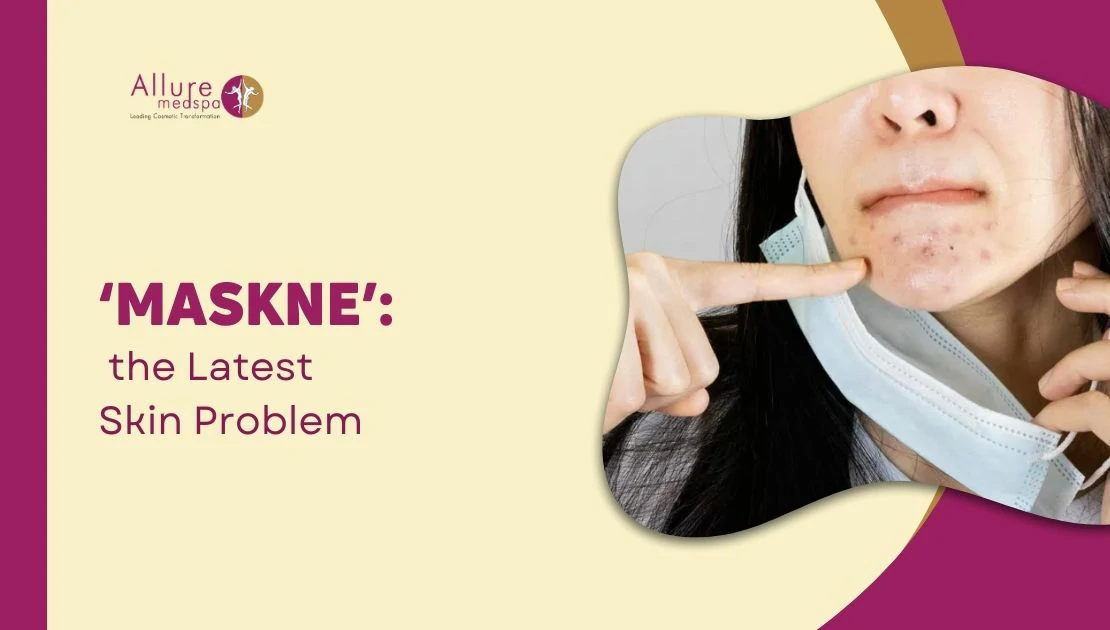
Maskne is acne or skin irritation caused by prolonged mask use, leading to sweat, friction, and bacteria buildup on the skin.
In my clinical experience, maskne is not just typical acne—it is a combination of acne, irritation, and inflammation triggered by the environment under the mask.
Key reasons include:
- Friction & pressure: Continuous rubbing damages the skin barrier
- Heat & humidity: Creates a breeding ground for bacteria
- Clogged pores: Sweat and oil get trapped under the mask
- Skin barrier disruption: Leads to sensitivity and breakouts
Dr. Milan Doshi’s Tip:
Patients often treat maskne like regular acne, but the key is reducing friction and restoring the skin barrier first.
What Are the Common Symptoms of Maskne?
Maskne typically appears as acne-like breakouts and irritation in areas covered by the mask.
Common signs I see in my clinic include:
- Redness and inflammation
- Small acne bumps or pustules
- Itching or burning sensation
- Dry or peeling skin
- Irritated patches around the nose, chin, and jawline
These symptoms usually appear exactly where the mask sits on the face.
Which Mask Materials Are Best to Prevent Acne?
Breathable and soft fabrics like cotton or silk help reduce friction and moisture buildup, lowering the risk of maskne.
Choosing the right mask makes a significant difference:
- 100% Cotton masks
- Breathable and skin-friendly
- Absorb sweat effectively
- Silk masks
- Smooth surface reduces friction
- Hypoallergenic and gentle on sensitive skin
- Avoid synthetic fabrics (polyester, nylon)
- Trap heat and moisture
- Increase risk of clogged pores
Dr. Milan Doshi’s Tip:
In my OPD, simply switching to a soft cotton mask has significantly improved maskne in many patients.
How Can You Prevent Maskne Effectively?
A simple skincare routine focused on cleansing, hydration, and hygiene can significantly reduce maskne.
Here’s what I recommend:
- Cleanse your face
- Use a gentle, fragrance-free cleanser
- Wash before and after mask use
- Use a light moisturizer
- Oil-free and non-comedogenic
- Protects the skin barrier
- Avoid heavy makeup
- Foundation and concealer clog pores under masks
- Maintain mask hygiene
- Wash cloth masks daily
- Change disposable masks every 4–6 hours
- Avoid harsh products
- Reduce use of strong exfoliants under mask area
What Is the Best Way toTreat Maskne at Home?
Mild acne treatments combined with barrier repair can help control maskne effectively.
Treatment options include:
- Salicylic acid cleansers
- Help unclog pores
- Benzoyl peroxide (mild use)
- Reduces acne-causing bacteria
- Lightweight moisturizers
- Prevent dryness and irritation
- Hydrocolloid patches
- Protect active pimples and speed healing
- Avoid picking or squeezing
- Prevents scarring and marks
If required, professional acne treatments at a clinic may help in stubborn cases.
When Should You See a Doctor for Maskne?
Consult a doctor if acne becomes painful, persistent, or does not improve with basic skincare.
Warning signs include:
- Severe or painful acne
- Pus-filled lesions
- Increasing redness or swelling
- No improvement after weeks of care
At my clinic in Mumbai, I often customize treatment plans based on skin type, lifestyle, and severity.
(FAQs) Frequently Asked Questions About Maskne
Q1. Can maskne affect people with otherwise clear skin?
Ans. Yes. Even patients with no acne history can develop maskne due to friction, sweat, and bacterial buildup.
Q2. How often should I change my mask?
Ans. Cloth masks should be washed daily. Disposable masks should be changed every 4–6 hours.
Q3. Can sunscreen help prevent maskne?
Ans. Yes. A non-comedogenic sunscreen can act as a protective barrier and reduce irritation.
Q4. Is maskne permanent?
Ans. No. With proper care and routine changes, maskne usually resolves completely.
Q5. What skincare ingredients should I avoid?
Ans. Avoid alcohol-based toners, heavy creams, and strong exfoliants that can irritate the skin under masks.
Final Thoughts
In my clinical experience, maskne is a temporary and treatable condition that many patients face today.
With the right skincare routine, proper mask hygiene, and early intervention, your skin can return to a healthy, balanced state.
If your acne persists or worsens, a personalised consultation can help identify the exact cause and provide targeted treatment.