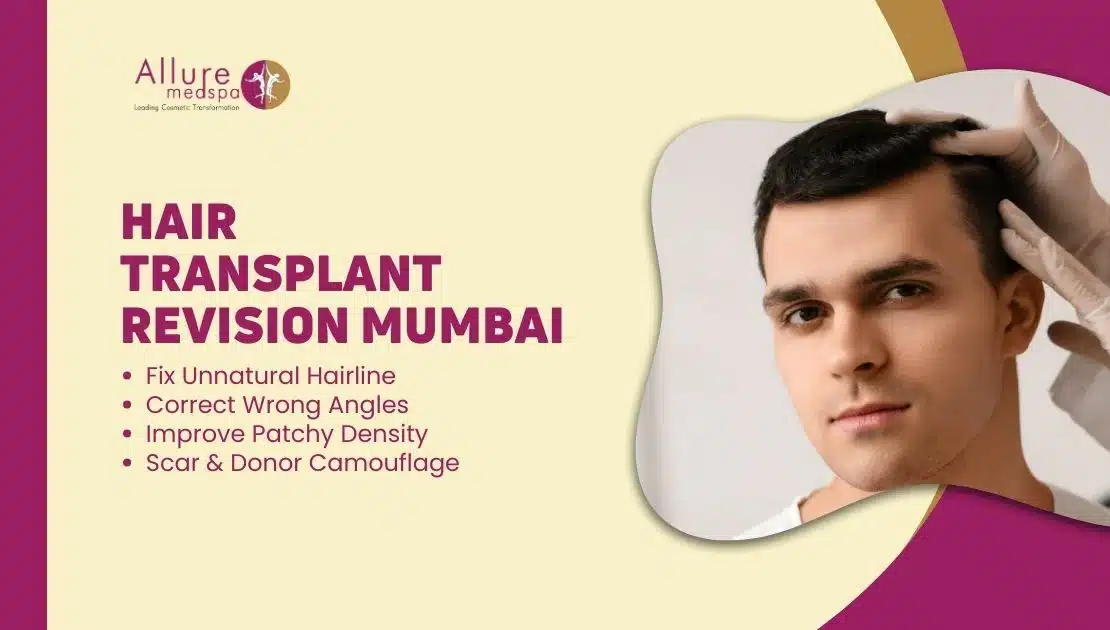
Hair transplant revision can improve an unnatural hairline, poor density, wrong angles, pluggy grafts, and visible scarring. The key is an honest donor + scalp assessment and a plan that matches what’s realistically correctable.
Talk to Mumbai’s Leading Hair Transplant Specialist
Hair Transplant Surgery Before and After Images


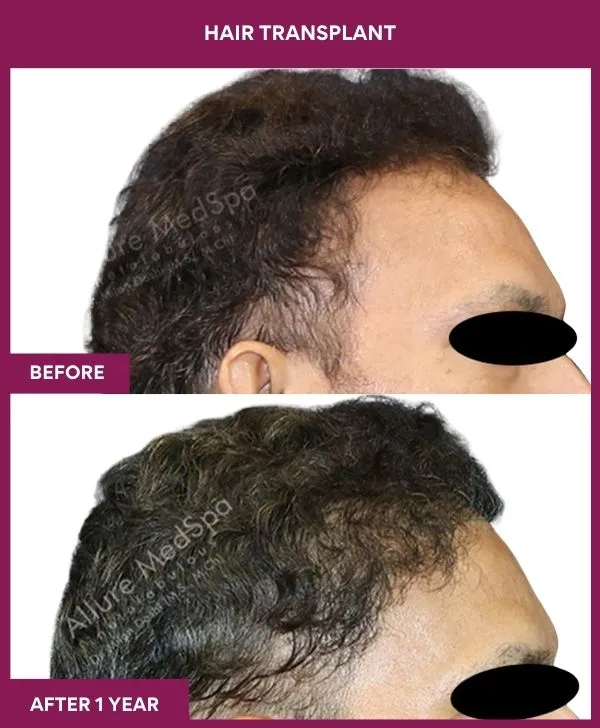
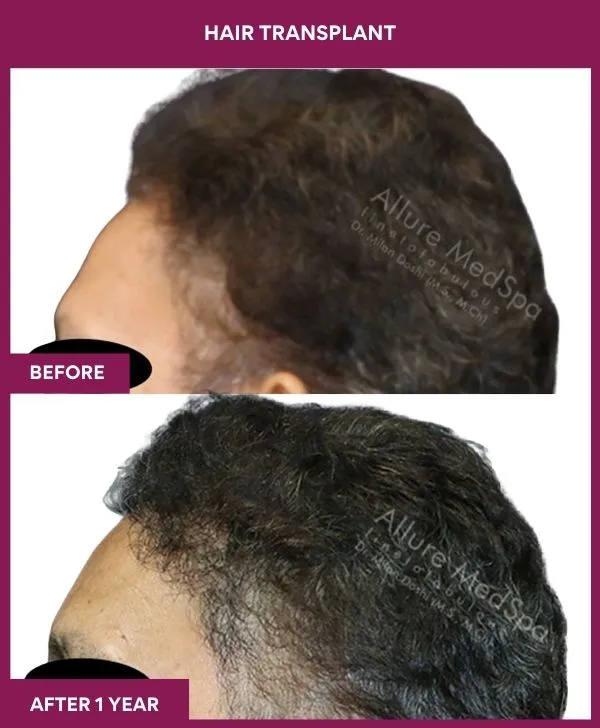
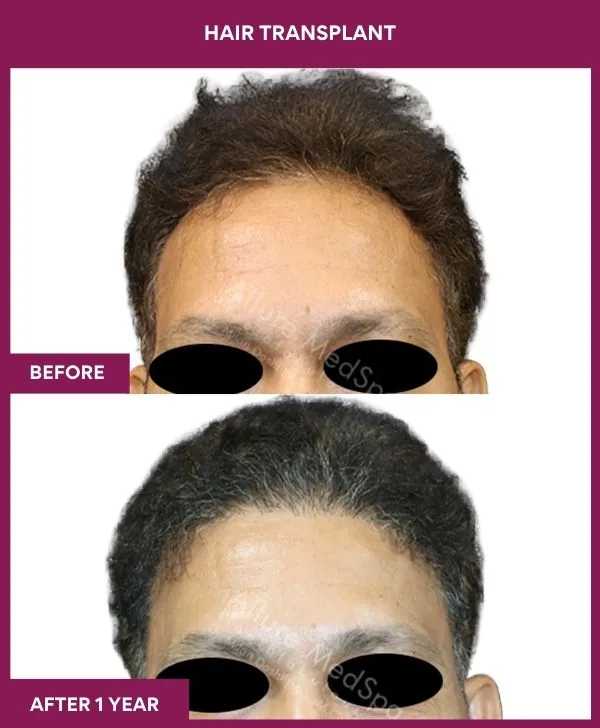
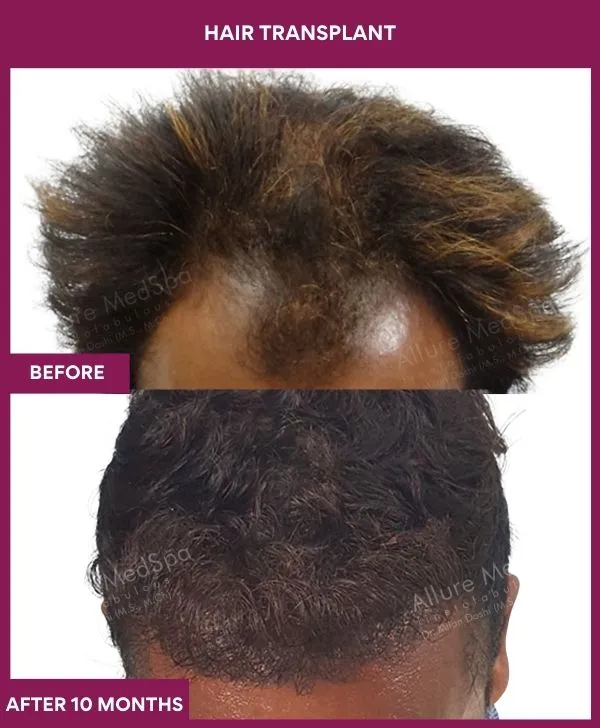
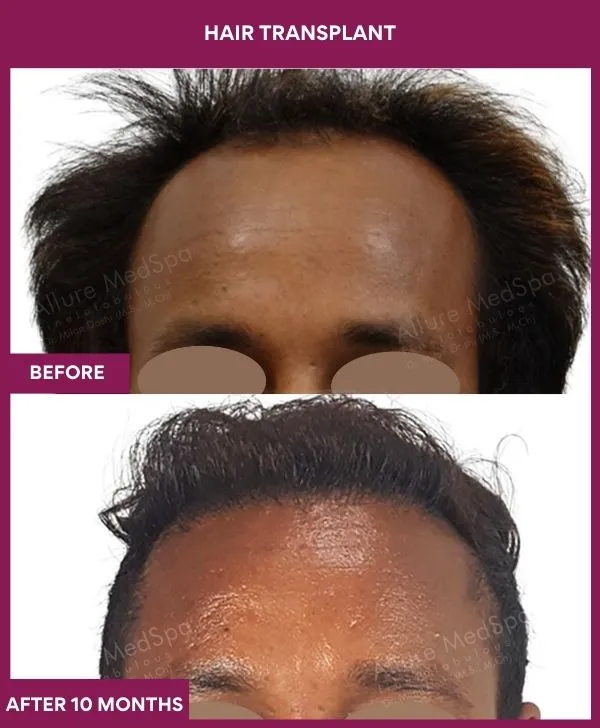

“Hair Transplant Surgery Mumbai”
Hair Transplant Surgery Testimonials: Fine To Fabulous Journeys

Awarded by Google.com
Rating: 4.7
Reviews: 485+

Awarded by WhatClinic.com
Rating: 4.8
Reviews: 119+

Awarded by Realself
Rating: 4.9
Reviews:453+

Awarded by Facebook
Rating: 4.6
Reviews:105+
Dr Milan Doshi and his staff are very professional and committed as the centre is highly equipped with advanced technology. I had closed rhinoplasty 4 months back and I’m seeing the results as to how it becomes successful.
Deepika Shetty
The doctor explained everything clearly and the surgery was smooth. Recovery was faster than I expected and the team was very supportive.
Rahul Mehta
Very natural results and excellent staff. From consultation to follow-up, the experience was outstanding and boosted my confidence.
Sneha Kapoor
What counts as a “bad” hair transplant result?
A “bad” result usually means the hair looks unnatural, does not match the plan, or creates new visible issues.
Common problems
- Straight, sharp, artificial hairline
- Wrong angles (hair stands up / grows in the wrong direction)
- Pluggy look (thick grafts at the front edge)
- Patchy density or “see-through” zones
- Front dense but mid/crown weak (“front-island look”)
- Visible donor thinning from over-harvesting
- Visible scarring (donor or recipient)
When is hair transplant revision actually possible?
Revision is possible when donor hair is available and the scalp can safely tolerate more work. Some cases need a staged approach.
Revision is usually possible if
- Donor area still has usable density
- Scalp is healthy and not heavily scarred
- Enough time has passed to judge true results
- Ongoing hair loss is being managed (case-dependent)
Revision may be limited if
- Donor is depleted or patchy
- Heavy scarring reduces blood supply
- Ongoing hair loss is uncontrolled
- Expectations don’t match donor/scalp reality
How long should you wait before planning a revision?
Most revisions should wait until the result has matured enough for a true assessment.
General rule
- Wait until growth and maturation are clear
- Consider earlier action only if:
- There is a clear correctable design issue (example: obvious hairline error)
- Your surgeon confirms the scalp is ready and it is safe
Read more: Hair Transplant Timeline: Recovery + Growth
What are the common revision options?
Revision is not “one solution.” The plan depends on the defect.
Options include
- Hairline redesign (softening a straight line)
- Angle correction in selected zones
- Density improvement (adding grafts where needed)
- Graft removal or redistribution (for pluggy grafts)
- Scar camouflage (donor or recipient scars)
- Staged sessions for large corrections
- Medical stabilization plan to protect native hair
Read more: Hair Transplant Density: What’s Possible in One Session
How do you fix an unnatural hairline?
Most beard transplants use FUE. The “technique name” matters less than placement quality.
What actually matters
- Graft survival
- Correct angle and direction
- Natural spacing (not carpet density)
- Proper graft hydration/handling
Can wrong angles be corrected?
Sometimes yes, but not always fully. It depends on scar tissue and existing graft direction.
What is realistic
- Mild-to-moderate angle issues can be improved
- Severe wrong-direction growth may need graft removal + rework
- Temples are the most sensitive zone for angle correction
How do you assess donor area before revision?
Donor assessment decides whether revision is safe.
We check
- Donor density and distribution
- Signs of over-harvesting
- Hair caliber (thick vs thin hair)
- Scalp laxity and skin quality
- Existing scars (FUE/FUT) and camouflage options
- Whether beard/body hair is relevant (case-dependent)
What role do medicines or PRP play in revision cases?
They can support native hair and reduce future thinning, but they do not replace surgical correction when design or placement is wrong.
Useful for
- Stabilizing ongoing hair loss
- Supporting native hair behind transplanted zones
- Improving overall hair quality in some patients
Read more: Minoxidil and Finasteride After Hair Transplant
PRP After Hair Transplant
What results are realistic after a revision?
Revision improves what is correctable. It does not always create a “perfect” outcome, especially when donor is limited.
Realistic goals
- More natural hairline and better framing
- Better density distribution in key visible zones
- Reduced obvious “transplant look”
- Better blending of scars or patchy areas
How much does hair transplant revision cost in Mumbai?
Revision cost depends on complexity and graft requirements. It can be more demanding than a primary transplant due to scar tissue and correction work.
Cost depends on
- Graft removal vs graft addition vs both
- Extent of correction needed
- Donor limitations and technique
- Number of stages planned
Exact fees/charges are decided after assessment.
Read more: Hair Transplant Cost in Mumbai
What should you ask before choosing a revision surgeon?
Revision needs planning discipline. Choose based on method, not marketing.
Ask
- What exactly is wrong in my current result?
- What can be improved and what cannot?
- What is the donor status and safe graft limit?
- Will this be one session or staged?
- Who performs the critical steps?
- What aftercare and follow-up is included?
FAQs
Q1. Can a bad hair transplant be fixed?
Ans. Yes, many unsatisfactory hair transplants can be improved with revision.
- Fixability depends on donor reserve, scarring, and the type of defect.
- Some cases require staged sessions for safer correction.
Q2. When should I plan a hair transplant revision?
Ans. Most revisions are planned only after the original results mature enough for a true assessment.
- Earlier correction may be considered for obvious design errors, if safe.
- Your surgeon should confirm timing based on scalp condition.
Q3. How do you fix an unnatural hairline after a transplant?
Ans. An unnatural hairline can often be refined using micro-design and strategic grafting.
- Add single-hair grafts to soften the front edge.
- Break straight lines with micro-irregularity.
- Correct temple transitions for a natural frame.
- Remove or redistribute thick “pluggy” grafts if needed.
Q4. Can wrong hair angles be corrected?
Ans. Yes. Mild-to-moderate angle issues can often be improved, while severe wrong-direction growth may need removal and rework.
- Temples are the most technical zone for angle correction.
Q5. What if my donor area is over-harvested?
Ans. Over-harvesting reduces how many grafts can be safely taken in future sessions.
- Focus shifts to smart redistribution and camouflage.
- Beard/body hair may be considered in selected cases.
Q6. Do PRP or medicines help in revision cases?
Ans. They can support hair health, but they do not correct surgical design or placement issues.
- Helpful for stabilizing hair loss and supporting native hair.
- May improve overall hair quality in some patients.
- Do not fix wrong design, placement, or pluggy grafts.
Q7. How much does revision hair transplant cost in Mumbai?
Ans. Costs vary depending on the correction required and the number of sessions.
- Depends on graft removal vs addition vs both.
- Depends on scar tissue complexity and staging needs.
- Exact fees are finalized after in-person assessment.
Q8. How do I choose the right revision surgeon in Mumbai?
Ans. Choose a surgeon who is transparent about what is wrong, what is fixable, and what isn’t.
- Ask what’s wrong, what’s fixable, and what’s not.
- Confirm the donor safety plan and safe graft limits.
- Clarify who performs critical steps and the follow-up plan.