You finally did it. You went through your hair transplant, survived the first few days, looked in the mirror and felt hopeful.
Then, around 2–4 weeks later, you see more hair falling again.
On your pillow.
In the shower.
On your hands when you touch your scalp.
The first thought most patients have is:
“My transplant has failed.”
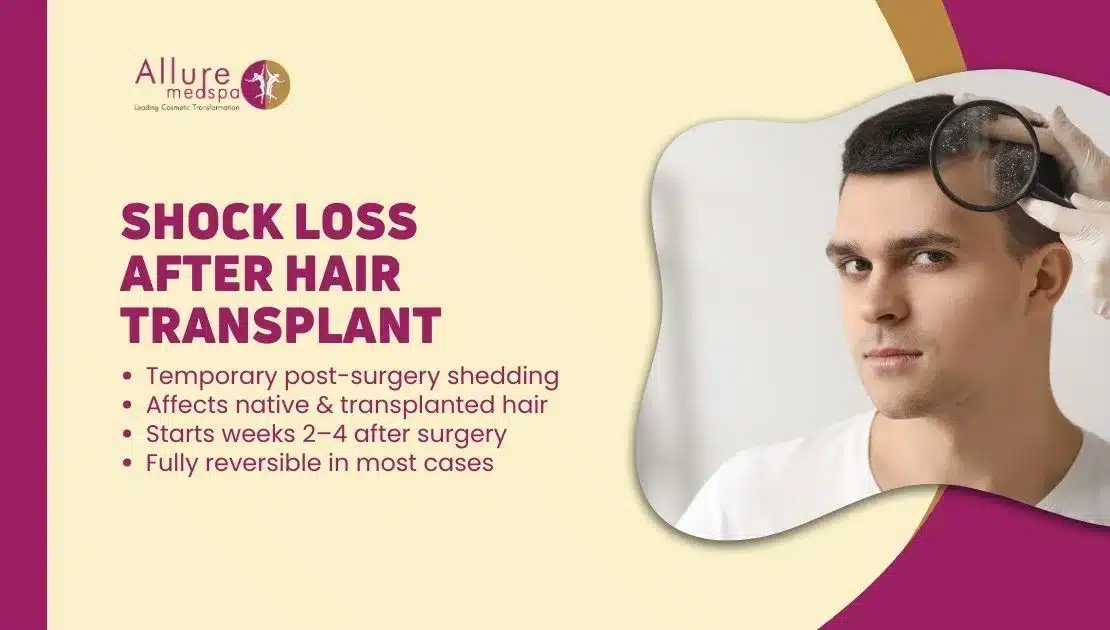
In reality, in the vast majority of cases, this is not failure – it’s something called shock loss.
Shock loss is a temporary, medically recognised phenomenon where hair sheds after surgery due to stress on the follicles. Multiple scientific papers describe this as a type of post-operative telogen effluvium, not permanent damage to the follicle.
This guide will help you understand:
- What shock loss is
- Why it happens after FUE/FUT
- When it starts and when it ends
- How we manage it at Allure Medspa – medically and emotionally
Quick Links: Hair Transplant Cost | Hair Loss Treatment | Hair Transplant Recovery Timeline
Worried about hair fall after transplant? Understand what’s normal and what’s not.
Hair Transplant Surgery Before and After Images


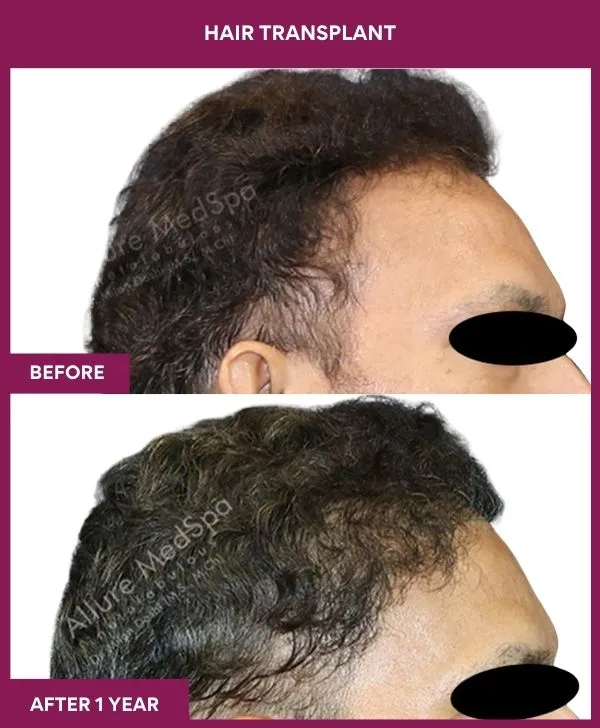
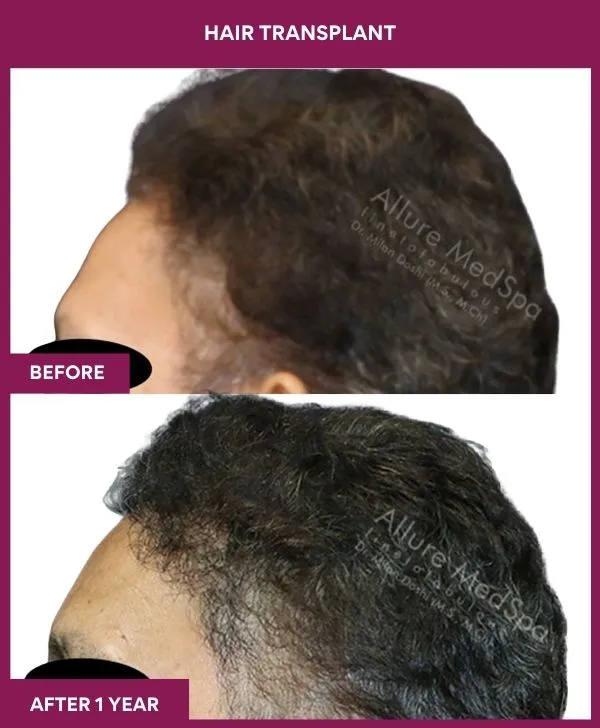
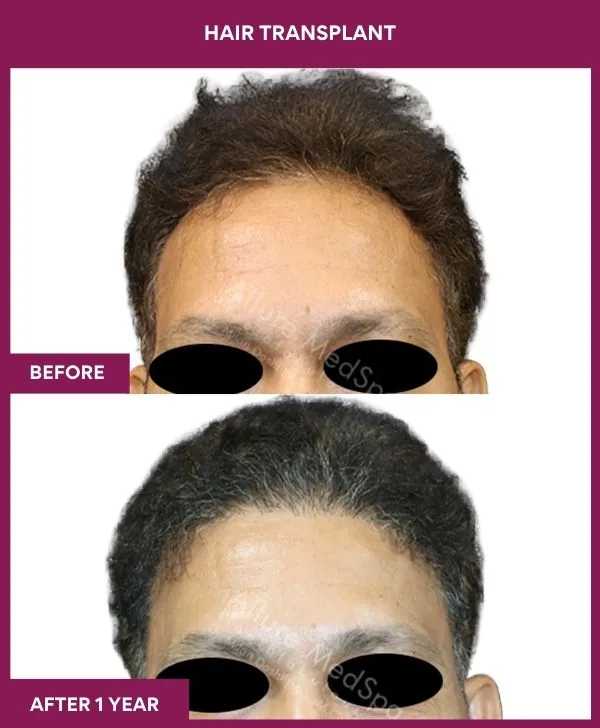
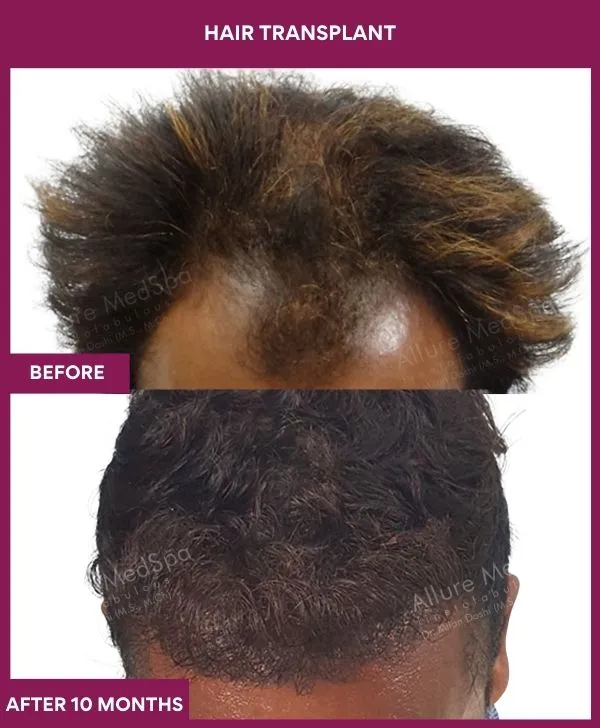
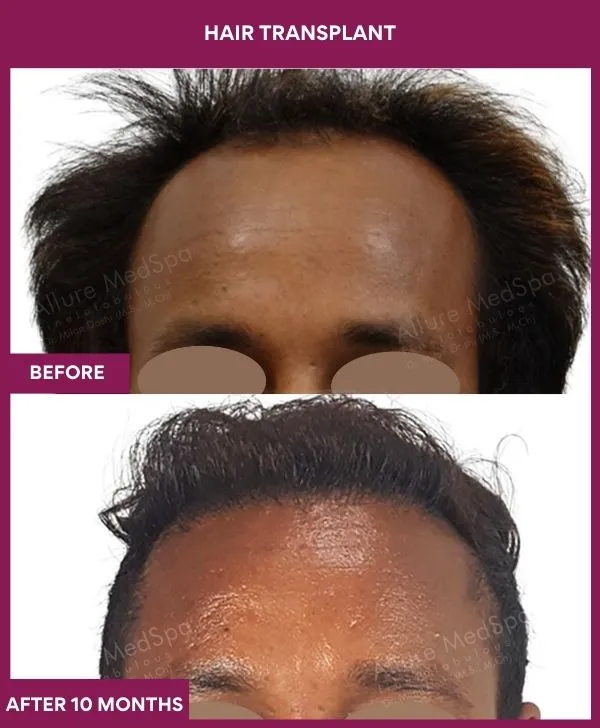

“Hair Transplant Surgery Mumbai”
Hair Transplant Surgery Testimonials: Fine To Fabulous Journeys

Awarded by Google.com
Rating: 4.7
Reviews: 485+

Awarded by WhatClinic.com
Rating: 4.8
Reviews: 119+

Awarded by Realself
Rating: 4.9
Reviews:453+

Awarded by Facebook
Rating: 4.6
Reviews:105+
Dr Milan Doshi and his staff are very professional and committed as the centre is highly equipped with advanced technology. I had closed rhinoplasty 4 months back and I’m seeing the results as to how it becomes successful.
Deepika Shetty
The doctor explained everything clearly and the surgery was smooth. Recovery was faster than I expected and the team was very supportive.
Rahul Mehta
Very natural results and excellent staff. From consultation to follow-up, the experience was outstanding and boosted my confidence.
Sneha Kapoor
What Is Shock Loss After a Hair Transplant?
Shock loss is temporary shedding of hair after hair transplant surgery. It can affect:
- Native hair (your original hair)
- Newly transplanted hair shafts (the visible part)
Medically, this is usually a post-operative telogen effluvium – hairs are pushed from the active anagen (growth) phase into telogen (resting) due to stress and inflammation. The follicles usually remain alive and later regrow new hair.[
Explained in detail in Localized Telogen Effluvium Following Hair Transplantation – NCBI.]
Temporary vs Permanent
- Temporary shock loss (most cases):
- Follicle “goes to sleep” → hair shaft falls
- Follicle is still intact under the skin
- Hair grows back once the follicle re-enters anagen
- Permanent loss / graft failure (rare with good surgery):
- Follicle itself is damaged or dies (e.g., due to infection, severe trauma)
- No new hair grows from that site
According to StatPearls – Hair Transplantation, true graft failure is uncommon when procedures are performed by trained surgeons using proper technique and sterile environments.
Why Does Shock Loss Happen After FUE or FUT?
Several mechanisms work together to cause shock loss.
1. Surgical Trauma & Inflammation
During a transplant, the surgeon creates thousands of tiny sites and implants grafts. This microscopic trauma triggers an inflammatory cascade in the skin.
Inflammatory mediators can push hairs into telogen, leading to shedding.[Documented as a trigger for localized telogen effluvium in NCBI case reports.]
2. Temporary Blood Supply Changes
When incisions are made and grafts are placed, micro-vessels are temporarily disturbed. The follicle responds to reduced oxygen and nutrients by “shutting down” into a resting state, then reactivating once revascularisation occurs.[Discussed under graft survival and vascularisation in Hair Transplantation – StatPearls.]
3. Stress & Hormonal Response
Surgery (even done gently) is a stress event. Raised stress hormones (like cortisol) are known to trigger telogen effluvium in susceptible follicles.
4. Miniaturised Native Hair Is Fragile
The native hair in balding zones is already miniaturised by DHT (thin, weak). These hairs are more vulnerable to:
- Surgical handling
- Inflammation
- Blood flow changes
Hence they are more likely to shed in the shock phase.[Explained in patient education resources like Healthy Jeena Sikho – Understanding Shock Loss.]
5. FUT vs FUE
- FUT: strip removal + microscopic dissection → trauma at the strip line.
- FUE: many tiny punches in donor → lots of micro-wounds.
Both can trigger localized shock loss. The mechanism is the same.
When Does Shock Loss Start After a Hair Transplant? (Timeline Weeks 2–8)
The pattern is surprisingly consistent across patients and clinics.
According to the Association of Hair Restoration Surgeons India – Month-by-Month Guide recovery timelines :
Week 2–3 – Shedding Starts
- Scabs are mostly gone
- Tiny hairs (transplanted + some native) begin to fall
- You notice more hair in your hand, shower or pillow
Week 4–5 – Peak Shock Loss
- Thinning becomes very noticeable
- Some areas may look worse than before transplant
- Emotionally, this is the toughest time for patients
Week 6–8 – Shedding Slows
- Hair fall gradually reduces
- You enter the “quiet” phase – less fall, but not yet much growth
- Inside, follicles are resting and preparing to re-enter anagen
Is Shock Loss Normal or a Sign of Graft Failure?
Most of the time, it’s normal. Occasionally, it can point to a problem.
Normal Shock Loss (Expected)
Based on descriptions in https://pmc.ncbi.nlm.nih.gov/articles/PMC6371733/ and NCBI reports:
- Shed hairs often have a small white bulb at the end
- Thinning is diffuse over the treated area, not a perfect “bald rectangle”
- No severe pain, no pus, no expanding hotspot of redness
- Shedding follows the 2–8 week pattern
- Regrowth starts from month 3–4 onward
Possible Graft Failure / Complication
- No new hair visible even by month 4–5
- Black/purple necrotic patches
- Pus, foul smell, fever
- Clear infection or poor wound healing
- Localised failure of one patch (technique-related)
Medical textbooks like Hair Transplantation – StatPearls explain that true graft failure rates are low in experienced hands and are usually related to poor handling, prolonged graft desiccation, or infection.
What Does Shock Loss Look Like? (Symptoms & Visual Signs)
From both clinical experience and timelines shared by AHRS India:
What You See
- Overall thinner, more see-through transplant zone
- Patchy look – some clusters hold, some look bare
- More hair fall in shower, towel, hands
- Scalp appears more visible and sometimes slightly pink
What You Feel
- Emotionally: frustrated, scared, sometimes regretful
- Physically:
- Mild itching or tightness
- Usually not severe pain
All of this fits classic shock loss – not a catastrophe.
What Is the Difference Between Shock Loss and Normal Shedding?
Normal Shedding
- Happens daily in all humans
- 50–100 hairs/day
- Random, not region-specific
- You usually don’t notice it
Shock Loss
- Triggered by surgical stress
- Starts 2–3 weeks after procedure
- Peaks around week 4–5
- Visible, patchy thinning in treated area
- Then stops, follicles regrow
Shock Loss vs Progressive Baldness
- Shock loss: acute, temporary, related to surgery, reversible
- Androgenetic alopecia: chronic, hormone-driven, progressive, needs long-term treatment (Finasteride, Minoxidil)[As discussed in StatPearls – Hair Transplantation.]
Does Shock Loss Affect Native Hair, Transplanted Hair or Both?
According to both NCBI case reports and practical clinic data, it often affects both.
Native Hair
- Especially miniaturised, DHT-affected hair
- Highly sensitive to inflammation and stress
- Often sheds in shock loss phase
- Typically regrows unless it was at end-stage miniaturisation
Transplanted Hair
- Newly transplanted hair shafts usually shed within first 2–4 weeks
- Follicle remains rooted in the skin
- Regrowth commonly begins between months 3–4
So yes, both can fall – but both usually come back.
Can Shock Loss Happen in the Donor Area?
Short Answer Yes.
Donor Shock Loss
- Appears as temporary thinning behind or around extraction zone
- Typically begins 2–4 weeks after transplant
- More often mild compared to recipient shock loss
- Regrowth usually seen by months 3–6
Donor region has high density and strong blood supply, so recovery is usually excellent.
How Long Does Shock Loss Last and When Does Recovery Start?
Combining data from AHRS India and https://northwesternhair.com/what-to-expect-from-shock-loss-after-a-hair-transplant/ :
Typical Course
- Weeks 2–8: Shedding phase (shock loss)
- Months 2–3: Follicles are quiet, “sleeping” (dormant)
- Months 3–4: First thin hairs start to appear
- Months 5–6: Visible density improvement
- Months 9–12: Most of your cosmetic change is obvious
- Months 12–18: Final refinement and maturation
Once shedding slows by week 6–8, recovery has already started internally – even if you can’t see it yet.
How Is Shock Loss Treated? (Medical & Home Care Options)
Guidance from StatPearls and clinical protocols like AHRS India emphasise support rather than “cure”.
Medical Support
- Minoxidil (topical):
- Improves blood flow
- May shorten telogen and speed regrowth
- Often started 1–2 weeks post-op (if scalp is stable)
- Finasteride (oral, for men with androgenetic alopecia):
- Blocks DHT
- Protects native hair from further thinning
- Doesn’t directly treat shock loss, but preserves the bigger picture
- PRP (Platelet-Rich Plasma):
- Provides growth factors (VEGF, PDGF, etc.)
- May help grafts and native follicles recover faster
Lifestyle & Aftercare
- Strict, gentle post-op washing
- No scratching, rubbing, or friction
- No smoking (or at least strong reduction)
- Balanced nutrition (protein, iron, zinc, B-complex)
- Good sleep and stress management
Do Minoxidil and Finasteride Help With Shock Loss Recovery?
According to clinical practice summaries and reviews like AHRS India, https://northwesternhair.com/what-to-expect-from-shock-loss-after-a-hair-transplant/ and StatPearls:
Minoxidil
- Can speed return to anagen in shocked follicles
- May reduce the duration of visible thinning
- Useful especially in shock loss of native hair
Finasteride
- Protects existing native hair from ongoing androgenetic loss
- Helps ensure the transplant result ages better over time
- Does not “stop” shock loss, but prevents additional permanent thinning
Often, both are used together for maximum long-term benefit – but always under medical supervision.
Can PRP Therapy Reduce Shock Loss or Speed Growth?
PRP is increasingly used as an adjunct therapy.
Why PRP Helps (Mechanism)
PRP contains concentrated platelets that release growth factors:
- Stimulate angiogenesis (new micro-vessels)
- Support collagen and tissue healing
- Potentially help follicles exit telogen quicker
Some clinical reports and clinic experiences suggest a 15–25% improvement in perceived density and faster regrowth when PRP is done post-transplant – but results can vary.
How to Prevent Shock Loss After a Hair Transplant?
This is important:
You can’t fully prevent shock loss – even top surgeons see it. But we can reduce its severity and duration.
Surgeon’s Role (Allure Medspa)
- Gentle extraction and implantation
- Correct density to avoid vascular overload
- Cold, well-controlled graft storage
- Sterile OT and meticulous haemostasis
These factors are emphasised in surgical best-practices like Hair Transplantation – StatPearls.
Your Role (Before & After)
- Optimise nutrition and health before surgery
- Manage stress and sleep
- Follow aftercare exactly as advised
- Avoid trauma, smoking, excess alcohol
- Use prescribed medications correctly
When Should You Be Worried About Shock Loss? (Red Flags)
Usually Normal – No Panic
- Shedding fits 2–8 week timeline
- No severe pain or heat
- No pus or foul smell
- Gradual improvement after week 6–8
Red Flags – Call Your Surgeon Immediately
As per complication profiles in StatPearls:
- Fever, chills, feeling acutely unwell
- Spreading redness and warmth of scalp
- Pus or foul odour from any area
- Black/purple devitalised skin patches
- Persistent or worsening severe pain
- Absolutely no signs of regrowth by month 5–6
When Will Hair Fully Grow Back After Shock Loss?
Approximate Recovery Curve
- Month 3–4: First new hairs appear
- Month 5–6: Clearly visible difference from pre-transplant
- Month 9–12: Looks like a different person in photos
- Month 12–18: Final thickness, texture and shine
By 12–18 months, shock loss is completely behind you. What remains is your stable, natural result.
How Does Dr. Doshi Manage Shock Loss at Allure Medspa?
Shock loss is both medical and emotional – and we treat it as both.
Before Surgery
- Explain shock loss clearly with photos
- Set realistic expectations
- Discuss optional support (Finasteride, Minoxidil, PRP)
During Surgery
- Gentle handling of grafts
- Correct density and pattern to protect blood flow
- Use of magnification and proper instruments
After Surgery
- Written and video aftercare instructions
- Early start of medical support (if suitable)
- Optional PRP after transplant
- WhatsApp and teleconsult support during critical weeks 2–8
- Scheduled reviews at 1, 3, 6, 9 and 12 months
We don’t just perform a procedure – we stay with you through the vulnerable middle part that most clinics ignore.