
You’ve invested time, money, and emotion into your hair transplant.
Now every extra percentage of growth, every extra graft that survives, matters.
That’s where PRP (Platelet-Rich Plasma) comes in.
Most premium hair transplant centers now offer PRP as an add-on – but patients ask:
“Is PRP really worth it, or is it just a marketing extra?”
This guide answers that question with science, not hype – and also explains exactly how Dr. Milan Doshi uses PRP at Allure Medspa to support faster, denser, more predictable hair transplant results.
Quick Links: Hair Transplant Cost | Hair Loss Treatment | Hair Transplant Recovery Timeline
Want faster, denser hair growth after your transplant?
Hair Transplant Surgery Before and After Images


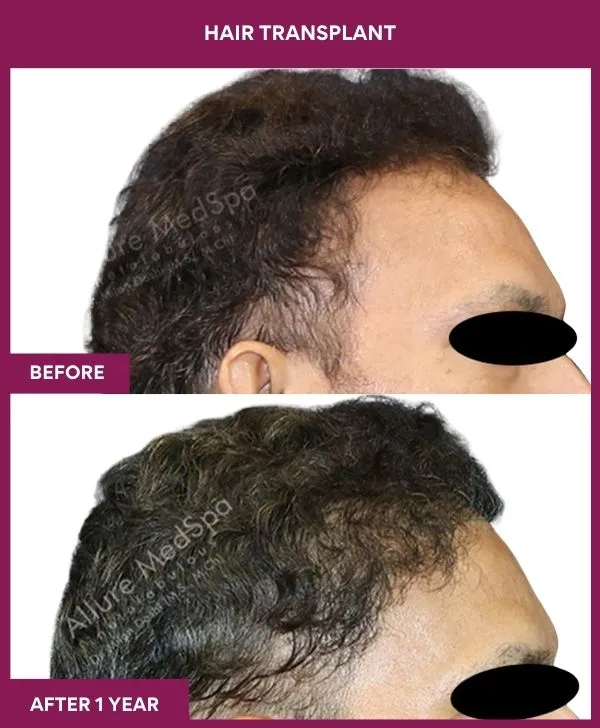
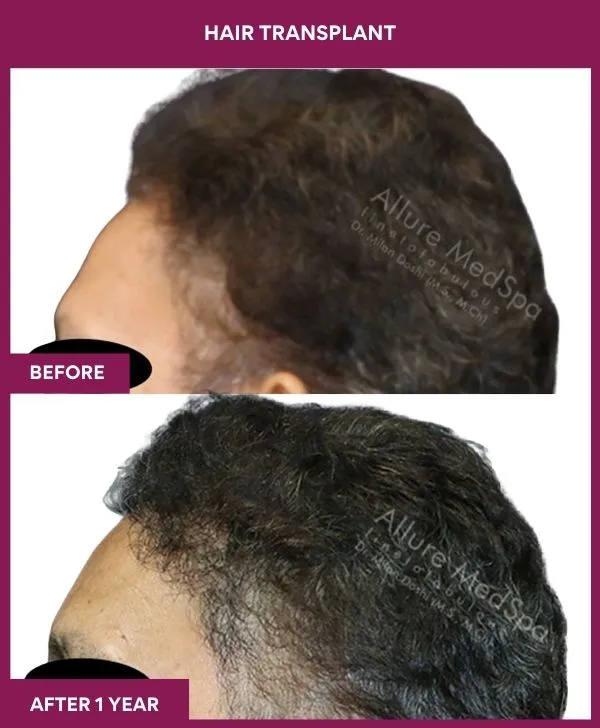
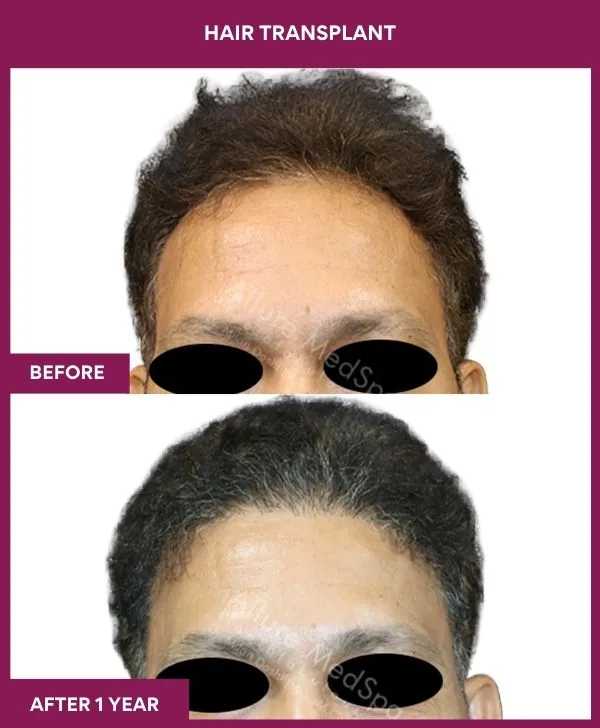
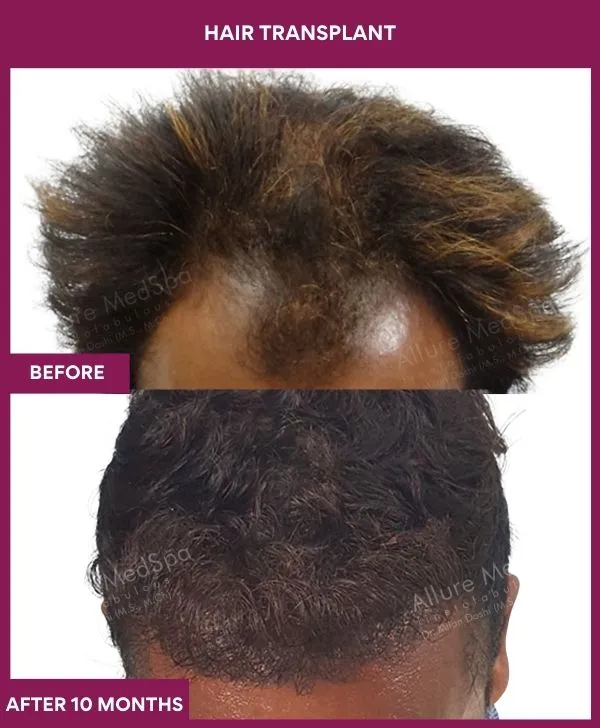
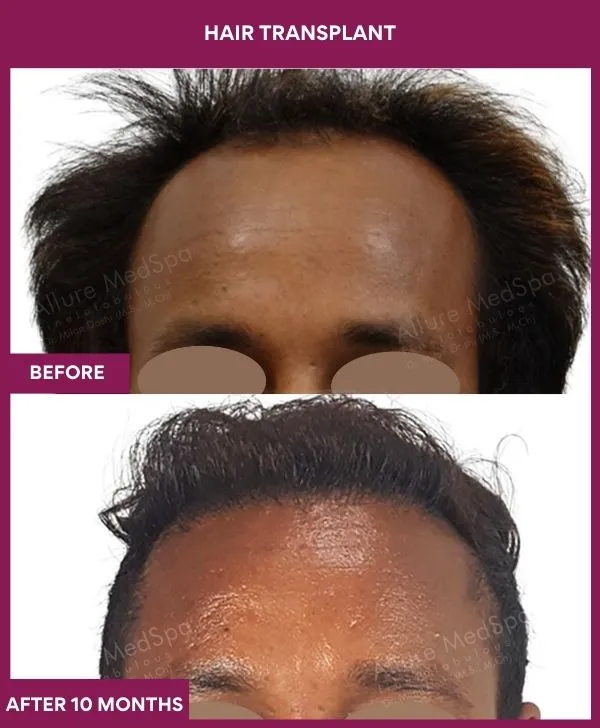

“Hair Transplant Surgery Mumbai”
Hair Transplant Surgery Testimonials: Fine To Fabulous Journeys

Awarded by Google.com
Rating: 4.7
Reviews: 485+

Awarded by WhatClinic.com
Rating: 4.8
Reviews: 119+

Awarded by Realself
Rating: 4.9
Reviews:453+

Awarded by Facebook
Rating: 4.6
Reviews:105+
Dr Milan Doshi and his staff are very professional and committed as the centre is highly equipped with advanced technology. I had closed rhinoplasty 4 months back and I’m seeing the results as to how it becomes successful.
Deepika Shetty
The doctor explained everything clearly and the surgery was smooth. Recovery was faster than I expected and the team was very supportive.
Rahul Mehta
Very natural results and excellent staff. From consultation to follow-up, the experience was outstanding and boosted my confidence.
Sneha Kapoor
What Is PRP Therapy and How Does It Work?
What Exactly Is PRP?
PRP (Platelet-Rich Plasma) is a concentrated portion of your own blood, rich in platelets and growth factors.
Basic steps:
- Blood is drawn from your arm (usually 10–20 ml)
- It is spun in a centrifuge to separate components
- The layer rich in platelets (PRP) is extracted
- This PRP is injected into your scalp in the areas where grafts and native hair need support
What’s Inside PRP?
PRP contains:
- Platelets – 4–6x higher concentration than normal blood
- Growth factors, such as:
- PDGF – Platelet-Derived Growth Factor
- VEGF – Vascular Endothelial Growth Factor
- IGF-1 – Insulin-Like Growth Factor 1
- Cytokines – signalling molecules that help healing and reduce inflammation
These growth factors are well described in scientific literature as stimulators of hair follicle activity and angiogenesis (new blood vessel formation).
See: Platelet-rich plasma for androgenetic alopecia: A review of the literature and proposed treatment protocol
Why Is PRP Recommended After a Hair Transplant?
Your transplanted grafts go through a critical survival window in the first few weeks. PRP is designed to support them through this.
Key Reasons Surgeons Add PRP After Transplant
- Supports blood supply
- VEGF in PRP helps form new microscopic vessels around grafts (angiogenesis)
- Better blood flow = better oxygen and nutrient supply
- Accelerates healing
- PRP supports fibroblast activity and collagen remodelling
- Faster wound closure, less prolonged inflammation
- Reduces inflammatory stress
- Anti-inflammatory cytokines may reduce the intensity of shock loss
- Calmer environment for follicles to recover
- Encourages quicker follicle recovery
- Growth factors can help follicles move from telogen (rest) back into anagen (growth) earlier
Several clinical reviews suggest that adjunctive PRP improves density and hair shaft thickness when combined with hair transplant, compared to transplant alone.[
See: Platelet-rich plasma for androgenetic alopecia: A review of the literature and proposed treatment protocol
How Do Growth Factors in PRP Help Hair Follicles Recover?
Think of PRP’s growth factors as a repair and growth command signal for your follicles.
PDGF (Platelet-Derived Growth Factor)
- Encourages cell division and migration
- Helps with wound healing, collagen deposition
- Supports the dermal papilla, the “control centre” of the follicle
VEGF (Vascular Endothelial Growth Factor)
- Master switch for new blood vessel formation
- Critical for ensuring transplanted grafts get new capillaries quickly
IGF-1 (Insulin-Like Growth Factor 1)
- Prolongs anagen (growth) phase of the hair cycle
- Associated with increased hair shaft diameter and stronger hair
These effects have been demonstrated in multiple hair and wound healing studies.
Does PRP Really Improve Hair Transplant Results? (Evidence & Studies)
This is the heart of the question: does it actually work?
What Studies Suggest
Systematic reviews and clinical studies on PRP in hair restoration report that, on average:
- Graft survival: improved by roughly 5–15% with PRP compared to no PRP
- Final density: often 10–20% higher in PRP-treated areas than control sides
- Hair thickness: increase in hair shaft diameter
- Early growth: visible regrowth can appear 2–4 weeks earlier in PRP groups
Examples of evidence:
- A review of PRP for hair loss showed statistically significant increases in hair density and thickness compared with placebo in many trials.[
Platelet-rich plasma for androgenetic alopecia: A review of the literature and proposed treatment protocol ] - Additional clinical series and reviews from 2014–2023 support PRP as a useful adjunct, though protocols vary widely.[
PRP for Hair Loss: Procedure, Benefits & Costs ] - and newer reviews like Platelet-Rich Plasma for Treatment of Hair Loss Improves Patient-Reported Quality of Life. & Phase I Clinical Trial: Evaluating the Efficacy, Safety, and Patient Satisfaction of Platelet‐Rich Plasma (PRP) Injections and Microneedling for Androgenetic Alopecia Treatment.]
Why Results Vary Between Clinics
- Different centrifuge systems → different platelet concentration
- Different activation methods
- Different number of sessions and timing
- Different injection depths and patterns
Honest Summary
- PRP is not magic
- It is a good amplifier of a well-done transplant
- It cannot fix bad surgery, but can help a good surgery give even better results
How Soon Should You Start PRP After a Hair Transplant?
Timing is critical for PRP to make sense.
Option 1: Early Start (Weeks 2–3)
- Pros: Targets early inflammation and vascularisation
- Cons: Scalp still tender; risk of discomfort; some surgeons prefer to wait until scabs are gone
Option 2: Standard Start (Weeks 4–6) – Most Common
- Scalp has healed
- Scabs are off
- Shock loss is beginning or underway
- Grafts have early vascular attachment
This window is widely used and supported in many protocols because it balances safety and impact.
Option 3: Late Start (Week 8+)
- Shock loss mostly done
- Follicles entering dormant phase
- PRP used to “wake up” follicles into anagen sooner
At Allure Medspa
Dr. Doshi typically prefers a Week 4–5 first session, when:
- Skin is healed
- Grafts are secure
- Inflammation and shock loss are active – ideal for PRP support
How Many PRP Sessions Are Needed After Transplant?
Standard 3-Session Protocol
Most evidence-based protocols use 3 sessions:
- Session 1: Week 4–5
- Session 2: Week 8–9
- Session 3: Week 12–13
This covers:
- Early vascularisation
- Peak shock loss
- Early anagen re-entry
Extended 6-Session Protocol (Advanced Cases)
For large sessions or advanced baldness:
- Sessions 1–3 as above
- Sessions 4–6 at roughly weeks 16, 20, 24
Maintenance PRP (Optional)
- Single session at month 9–12
- Then annual PRP to maintain hair quality (for those who want maximum optimisation)
Most clinical benefit is seen with 3 focused sessions; extra sessions are more of an optional “booster”.
What Is the Month-by-Month Timeline of PRP Benefits?
We combine typical hair transplant recovery data (e.g. AHRS India timeline) with PRP effects.
Month 1 (First PRP Session at Week 4–5)
- Healing phase finishing
- Shock loss starting
- PRP #1: growth factors begin working over several days
- Benefit: better micro-circulation, reduced inflammatory drag
Month 2 (PRP Session #2)
- Shock loss typically at its worst
- PRP #2: supports follicles as they shift through telogen
- Benefit: may lessen depth and duration of shedding
Month 3–4 (PRP Session #3)
- Early new hairs sprouting
- PRP #3: supports anagen onset
- Benefit: earlier and more robust early growth vs non-PRP cases
Month 5–6
- Hair getting thicker and denser
- If extended protocol: more PRP sessions here
- Benefit: further support for follicle quality and shaft thickness
Month 9–12
- Final density approaching
- Optional “finishing” PRP session
- Benefit: hair quality and shine support in the maturation phase
Who Benefits the Most From PRP After Hair Transplant?
PRP is especially valuable when the margin for error is small.
Best Candidates for PRP
- Limited donor hair – you need every graft to count
- High Norwood grades (VI–VII) – large sessions, higher stress on the scalp
- Age 50+ – slower natural healing, reduced microcirculation
- Smokers – compromised blood flow; PRP helps compensate
- Diabetics / slow healers – need extra healing support
- Repair/revision cases – scarred, previously operated tissue
Who Might Need It Less
- Very young, healthy patients with:
- Strong donor
- Small to moderate transplant
- No systemic disease
But even here, PRP can be used as a performance enhancer if budget permits.
Can PRP Prevent Shock Loss or Speed Up Regrowth?
PRP & Shock Loss
- Shock loss = follicles temporarily entering rest (telogen) after surgery
- PRP can:
- Reduce inflammation
- Improve local blood supply
- Encourage quicker transition back to anagen
Some clinical reports suggest 15–30% less intense shock loss with PRP, though results vary and more controlled trials are needed.
PRP & Regrowth Speed
Patients who receive PRP often report:
- Early sprouting at month 3 instead of 3.5–4
- Slightly fuller appearance at 6 months compared to similar non-PRP cases
So PRP doesn’t skip the process, but it can smoothen and slightly fast-forward it.
What Are the Risks or Side Effects of PRP After Hair Transplant?
Common & Temporary
- Mild pain or burning at injection sites
- Scalp tenderness for 24–48 hours
- Slight swelling or tightness
- Occasional minor bruising
Rare Complications
- Infection (extremely rare when done in sterile OT)
- Allergic reaction to additives (very rare; PRP itself is your own blood)
- Temporary tingling if a superficial nerve is irritated
Major reviews conclude PRP is very safe when done correctly.[
See: Phase I Clinical Trial: Evaluating the Efficacy, Safety, and Patient Satisfaction of Platelet‐Rich Plasma (PRP) Injections and Microneedling for Androgenetic Alopecia Treatment.]
When We Delay or Avoid PRP
- Active scalp infection
- Poorly controlled clotting disorders
- Active systemic illness or sepsis
- Some cancers (case-by-case decision)
Is PRP Worth the Cost After a Hair Transplant?
Typical PRP Cost (India, 2026)
- Per session: about ₹8,000 – ₹20,000
- 3-session protocol: roughly ₹25,000 – ₹60,000
- 6-session protocol: roughly ₹50,000 – ₹1,20,000
At a premium centre like Allure, cost reflects:
- High-quality centrifuge systems
- Sterile OT environment
- Experienced injector (doctor, not technician)
- Verified concentration of PRP
Simple Value Thinking
Example:
- 3,000-graft FUE at ₹100/graft = ₹3,00,000
- PRP 3-session protocol ~₹40,000–₹60,000 (≈ 13–20% extra cost)
If PRP gives:
- 5–15% better graft survival
- 10–20% higher final visible density
…you gain the equivalent of hundreds of extra “effective” grafts in appearance.
For patients with limited donor or advanced baldness, that margin is very valuable.
How Does PRP Compare With Minoxidil and Finasteride?
PRP
- Type: Procedure, local
- Acts on: Healing, blood supply, follicle environment
- Timeline: Strongest effect in first 6–12 months after transplant
- Use: Limited sessions
Minoxidil
- Type: Topical medication
- Acts on: Blood flow & anagen duration
- Timeline: Results build over 3–6 months
- Use: Continuous, long-term
Finasteride (for men)
- Type: Oral medication
- Acts on: DHT reduction, protects native hair
- Timeline: 3–12 months to see full impact
- Use: Long-term, under medical supervision
Clinical overviews (e.g. Hair Transplantation – StatPearls) suggest combining these modalities for best hair preservation.
Combined Strategy (Most Powerful)
- PRP: Short-term boost after surgery
- Minoxidil: Ongoing growth support
- Finasteride: Long-term protection of non-transplanted hair
How Does Dr. Milan Doshi Use PRP in Hair Transplant Protocol at Allure Medspa?
PRP Preparation
- Uses CE/FDA-grade PRP systems
- Aims for 4–6x baseline platelet concentration
- Ensures minimal contamination with red or white blood cells
Typical Protocol
- Session 1: Week 4–5 post-op
- Session 2: Week 8–9
- Session 3: Week 12–13
- Extra 2–3 sessions for:
- Advanced baldness
- Repair cases
- High-risk healing profiles
Injection Technique
- Injected at 3–4 mm depth into the dermis (where follicles live)
- Distributed across:
- Recipient area
- Strategic native hair regions
- Local anaesthesia to keep pain very tolerable
Integrated Approach
PRP at Allure is not a standalone product. It’s part of a system that includes:
- High-quality FUE/FUT technique
- Proper post-op care
- Medication support (when indicated)
- Regular clinical and photographic follow-up
What Results Can You Expect From PRP After Hair Transplant?
Visually, Patients Usually Experience:
- Month 1–2:
- Better healing
- Shock loss still happens, but often less dramatic
- Month 3–4:
- Earlier visible sprouting vs non-PRP cases
- Thin hairs starting to cover previously empty zones
- Month 5–6:
- Clear difference in density and volume
- Easier styling and better coverage
- Month 9–12:
- Final density 10–20% higher (approx) than similar non-PRP cases
- Thicker, stronger hair shafts
Texture & Quality
Patients often report:
- Hair feels stronger, less wispy
- Better shine and volume
- Better “camera-ready” look at the 12-month mark
Realistic Expectation
- PRP is a booster, not a magic wand
- It can turn a 7/10 result into an 8 or 8.5/10
- It cannot turn a 3/10 surgery into a 10/10 – surgeon and planning are still the foundation