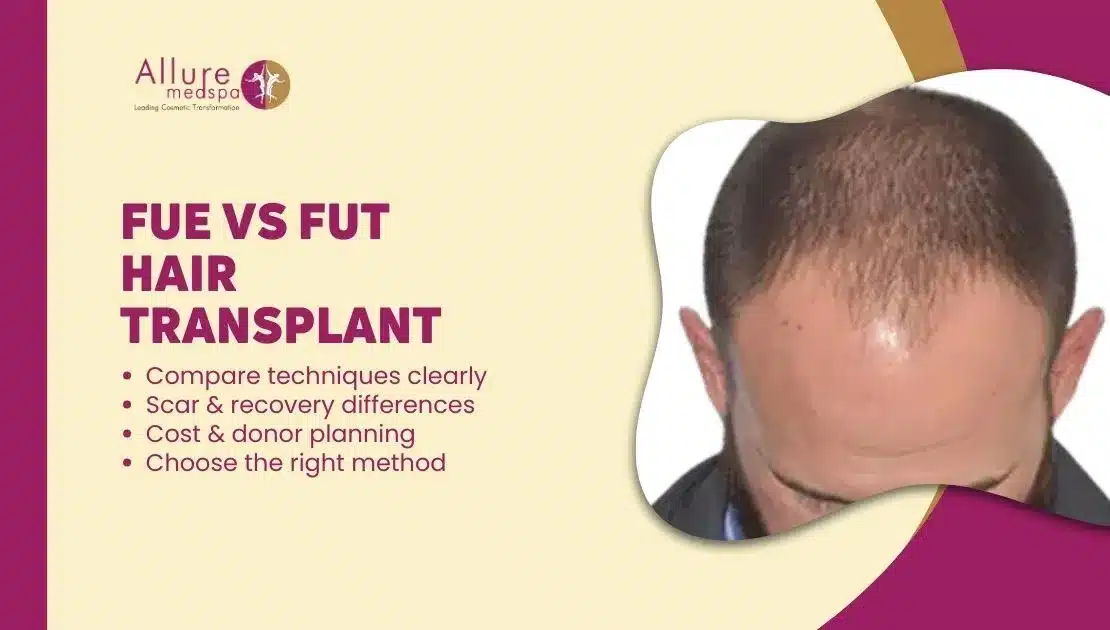
Hair transplant is no longer a one-technique-fits-all procedure.
In 2026, FUT (Follicular Unit Transplantation) and FUE (Follicular Unit Extraction) are the two gold-standard surgical methods worldwide. Both are endorsed in major hair restoration textbooks and international guidelines.
The confusion comes when patients hear:
- “FUE is modern, FUT is outdated”
- “FUT is cheaper, FUE is better”
- “No scar vs big scar”
Most of these are half-truths or marketing lines.
This guide explains FUT vs FUE in simple, honest language, so you can understand:
- How each technique works
- Scar, recovery, pain, and donor differences
- Price & package differences in Mumbai
- Which technique may be better for your baldness grade and long-term plan
Quick Links: Hair Transplant Cost | Hair Loss Treatment | Hair Transplant Recovery Timeline
Confused between FUE and FUT? Get expert guidance tailored to your baldness grade.
Hair Transplant Surgery Before and After Images


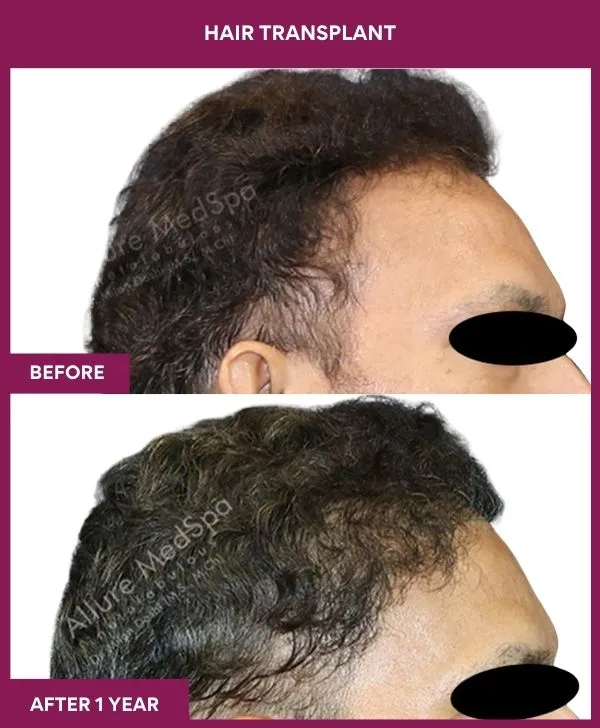
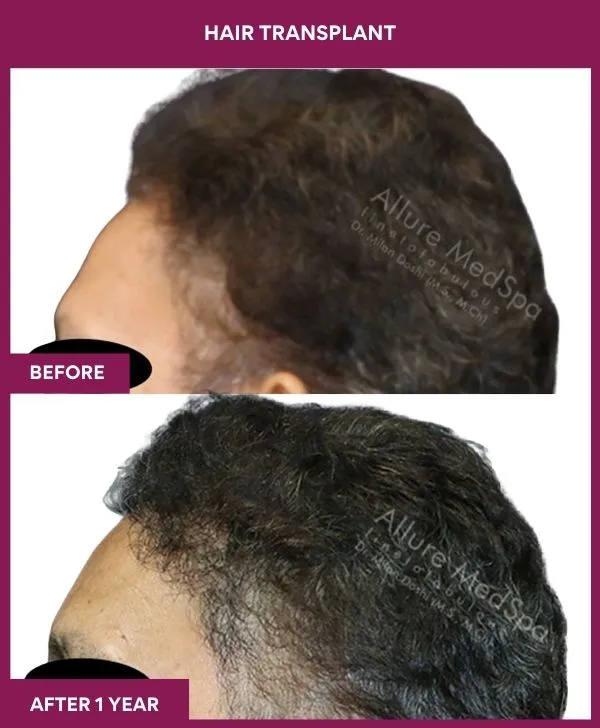
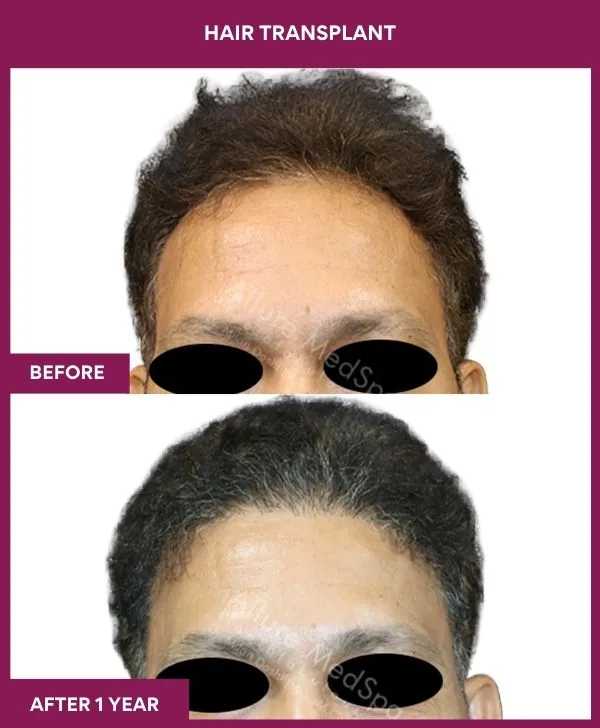
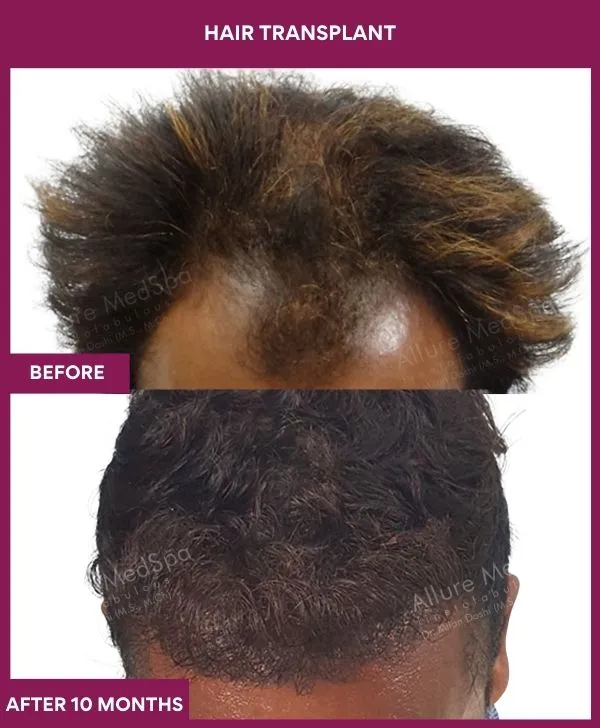
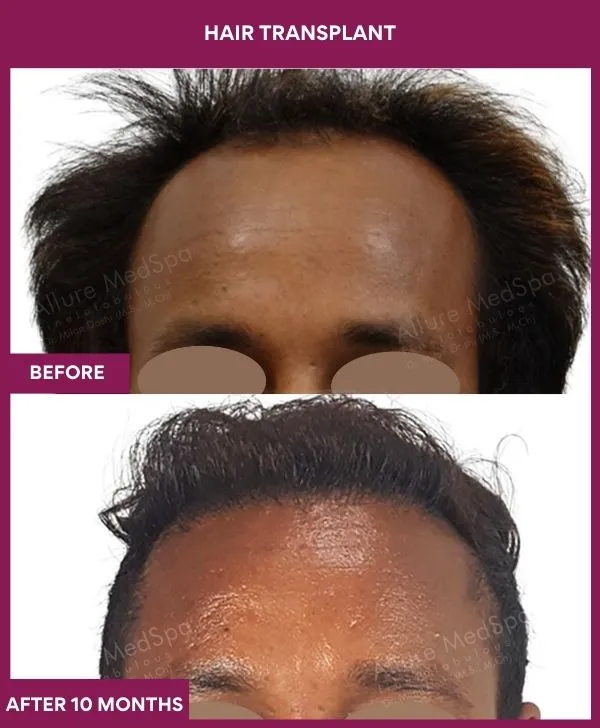

“Hair Transplant Surgery Mumbai”
Hair Transplant Surgery Testimonials: Fine To Fabulous Journeys

Awarded by Google.com
Rating: 4.7
Reviews: 485+

Awarded by WhatClinic.com
Rating: 4.8
Reviews: 119+

Awarded by Realself
Rating: 4.9
Reviews:453+

Awarded by Facebook
Rating: 4.6
Reviews:105+
Dr Milan Doshi and his staff are very professional and committed as the centre is highly equipped with advanced technology. I had closed rhinoplasty 4 months back and I’m seeing the results as to how it becomes successful.
Deepika Shetty
The doctor explained everything clearly and the surgery was smooth. Recovery was faster than I expected and the team was very supportive.
Rahul Mehta
Very natural results and excellent staff. From consultation to follow-up, the experience was outstanding and boosted my confidence.
Sneha Kapoor
What Is FUT Hair Transplant and How Does It Work?
FUT (Follicular Unit Transplantation), also known as the strip method, is the more “traditional” but still very relevant technique.
How FUT Works – Step by Step
- A narrow strip of scalp is removed from the permanent donor zone (usually the back of the head).
- The strip is placed under a stereomicroscope and dissected into individual follicular units (1–4 hairs each).
- These grafts are prepared and then implanted into the thinning/bald areas as per the design.
- The donor area is sutured or stapled, leaving a fine linear scar that is usually hidden by surrounding hair once healed.
Why FUT Is Still Respected in 2026
- High graft yield in a single session
- Excellent for advanced baldness needing many grafts
- Microscopic dissection → low transection (damage) rate
- Allows maximum use of central safe donor zone
FUT is particularly useful when:
- You have a higher Norwood grade (IV–VII)
- You need a large number of grafts in one sitting
You wear hair slightly longer at the back, so the linear scar is easily hidden
What Are the Key Differences Between FUT and FUE?
Both FUT and FUE are scientifically valid; the main differences lie in how grafts are harvested and what that means for scars, yield, and planning.
Donor Harvesting
- FUT:
- A strip of scalp is removed
- Grafts are dissected under a microscope
- FUE:
- Individual follicular units are punched one by one
- No strip taken
Scarring Pattern
- FUT:
- Leaves a single linear scar
- Usually hidden under moderately long hair at the back
- FUE:
- Leaves multiple tiny dot scars scattered in donor
- Good option if you like short-back-and-sides style
Graft Yield & Donor Management
- FUT:
- Very high graft yield in experienced hands
- Microscope use → lower graft transection
- FUE:
- Yield depends heavily on punch size, angle, surgeon skill
- Poor technique can reduce graft survival and waste donor capacity
Shaving Requirements
- FUT:
- Can sometimes be done with minimal shaving in the donor
- FUE:
Typically requires shaving a larger donor area
Which Technique Gives Better Results in 2025 – FUT or FUE?
Short answer: Neither technique is automatically “better.”
Both FUT and FUE can produce:
- Natural, undetectable hairlines
- Good density (when donor allows)
- Long-term stable results
What Really Decides Your Result
- Planning of hairline and density
- Strategic graft placement (1-hair vs multi-hair units)
- Handling time (out-of-body time for grafts)
- Use of magnification & atraumatic technique
- Overall artistry and experience of the surgeon
When performed correctly, long-term satisfaction and graft survival are similar for FUT and FUE. Global trends show FUE is more popular today, but FUT still plays a key role, especially in:
- High Norwood grades
- Repair cases
Patients needing maximum graft yield
What Is the Cost & Price Difference Between FUT and FUE in Mumbai?
In Mumbai 2025, hair transplant cost, price and package structure vary by technique due to differences in:
- Surgical time
- Equipment
- Team size
- Surgeon involvement
Typical Pattern in Cost / Fees:
- FUT cost / price (per graft):
- Often at the lower end of the per-graft range
- Because one strip can yield many grafts quickly
- FUE cost / price (per graft):
- Usually higher per graft than FUT
- Due to individual follicle extraction, more time and manpower
Realistic Cost Range in Mumbai (Approximate):
These numbers are for education only, exact quotation is personalised.
- FUT package:
- May start at a lower per-graft fee, making it cost-efficient for large graft sessions
- FUE package:
- Per-graft price is typically higher, so the overall package cost for the same graft count is often more than FUT
For example:
If FUT is priced around the lower band of your clinic’s per-graft rate and FUE in the mid or upper band, then a 2000-graft FUT procedure will usually have a lower total quotation than a 2000-graft FUE in the same center.
Which Technique Is Better for Your Baldness Grade?
Your Norwood–Hamilton grade is a key factor in planning.
Early Grades – Norwood II–III
- Both FUT and FUE work well
- Many patients prefer FUE to avoid a linear scar
- Focus is usually on hairline & temples
Medium Grades – Norwood IV–V
- You may need 1800–3500 grafts
- Choice depends on:
- Donor laxity (for FUT)
- Hair characteristics
- Scar tolerance & hairstyle
Some surgeons prefer:
- FUT first for maximum graft yield
- FUE later for refinement, crown fill or hairline touches
Advanced Grades – Norwood VI–VII
- Need 4000–6000+ grafts overall (often in stages)
- FUT can be a strong base for high-yield extraction
FUE can be added as a combination strategy to maximise coverage
Which Technique Preserves More Donor Hair in the Long Term?
Your donor hair is finite. Donor management is critical for:
- Future touch-ups
- Crown work later in life
- Repairing results if needed
FUT for Donor Conservation
- Uses a central strip from the safe donor zone
- Subsequent FUTs can be “stacked” within this zone
- Leaves surrounding donor intact for future FUE if required
FUE for Flexible Extraction
- Spreads extractions across a wider area
- If done conservatively (correct spacing, density), donor can still look full
- Overharvesting leads to see-through or moth-eaten donor
Best Long-Term Strategy
Many experienced surgeons (including globally) use:
- FUT for maximum initial yield
- FUE later as a secondary tool for fine-tuning or smaller areas
But this must be personalized; some patients are still better served with:
- Only FUE
- Only FUT
- Or staged hybrid planning, depending on donor anatomy
What About Pain, Recovery & Scarring Differences?
Both FUT and FUE are done under local anaesthesia and are generally well tolerated.
Pain & Discomfort
- FUT:
- More feeling of tightness or pulling in the donor area for a few days
- FUE:
- Usually milder discomfort but spread over a larger shaved area
Recovery
- Most patients resume desk work in about a week after either procedure, if post-op care is followed.
- FUT:
- Sutures/staples are removed in ~10–14 days
- FUE:
- No sutures; tiny donor scabs fall off within 7–10 days
Scarring
- FUT:
- Single fine linear scar
- Hidden by hair of moderate length
- FUE:
- Many micro dot scars; can look excellent when done well and harvesting is limited
- Visible risk increases with overharvesting or shaving to skin
Are There Risks or Side Effects in FUT vs FUE?
Both FUT and FUE are safe in experienced, guideline-compliant hands, but like any surgery they carry risks.
Shared Risks
- Swelling
- Temporary numbness
- Folliculitis or pimples
- Shock loss (temporary shedding)
- Infection (rare with sterile OT)
FUT-Specific Considerations
- Thick or widened linear scar in some individuals
- Suture line discomfort
- Rare wound healing issues if instructions not followed
FUE-Specific Considerations
- Donor overharvesting leading to patchy look
- Higher risk of transection if poorly executed
- Uneven extraction patterns
The National Medical Commission (NMC) and specialty societies stress that hair transplant must be done only by qualified registered doctors, not technicians or non-medical operators. Unsafe setups increase complication risk dramatically.
So, Which Technique Does Dr. Doshi Recommend for You?
There is no blanket answer like “FUE is always better” or “FUT is best for everyone”.
At Allure Medspa, Dr. Milan Doshi:
- Evaluates your baldness pattern (Norwood grade)
- Analyses donor density, scalp laxity, and hair characteristics
- Discusses your hairstyle, scar tolerance and future hair loss risk
- Plans a long-term donor strategy (one or more sittings)
- Then recommends:
- FUT
- FUE
- Or a combination approach
The right choice is the one that:
- Gives you natural results
- Preserves donor for the future
- Fits your budget and expectations
Respects medical safety guidelines