A recessed or weak chin can quietly throw off your entire profile—making the nose look bigger, the jawline softer, and the lower face less defined. Two reliable surgical options are chin implant and sliding genioplasty. The “best” choice depends on your anatomy, goals, and the kind of change your face actually needs—not what’s trending online.
“Do you know that each Chin Augmentation surgery is different, so is the cost?”
Chin Augmentation Before & After Result
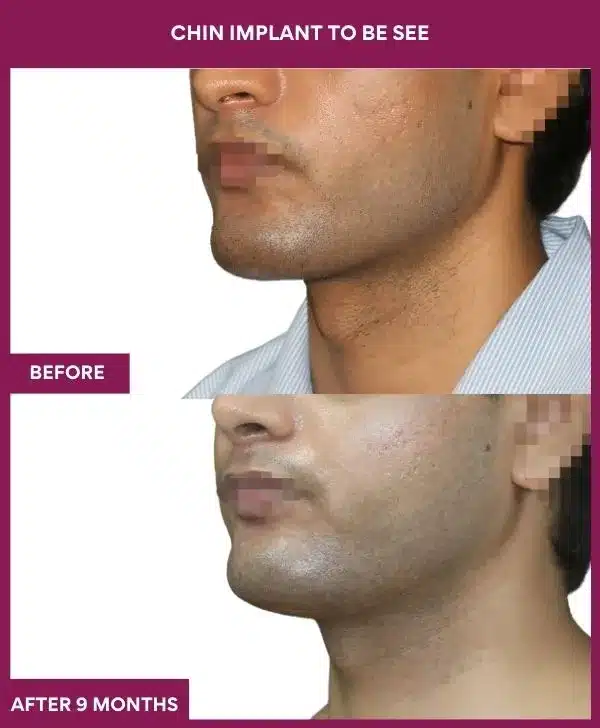
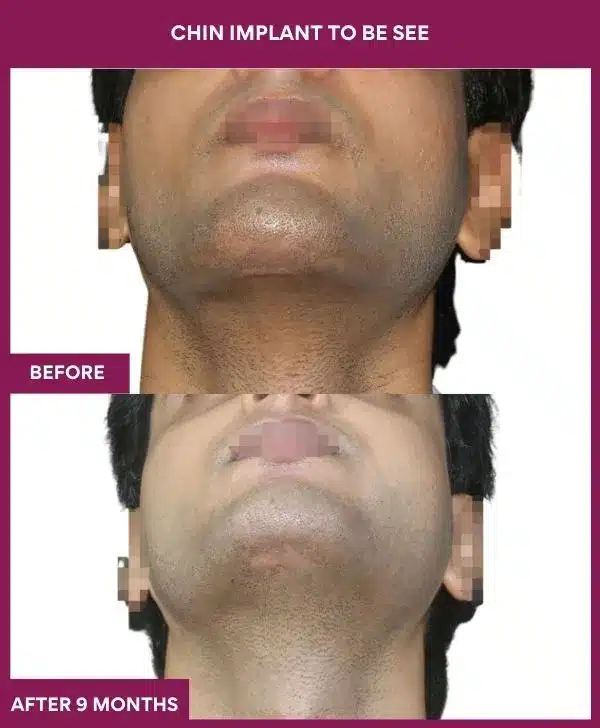
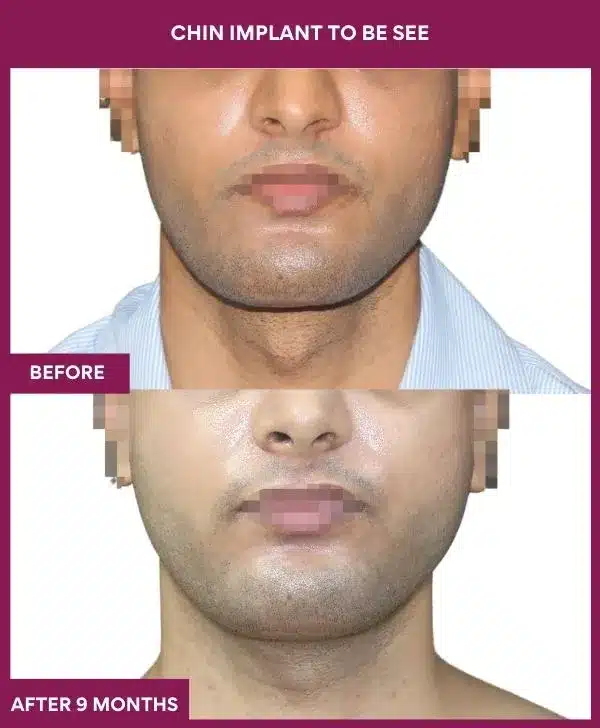
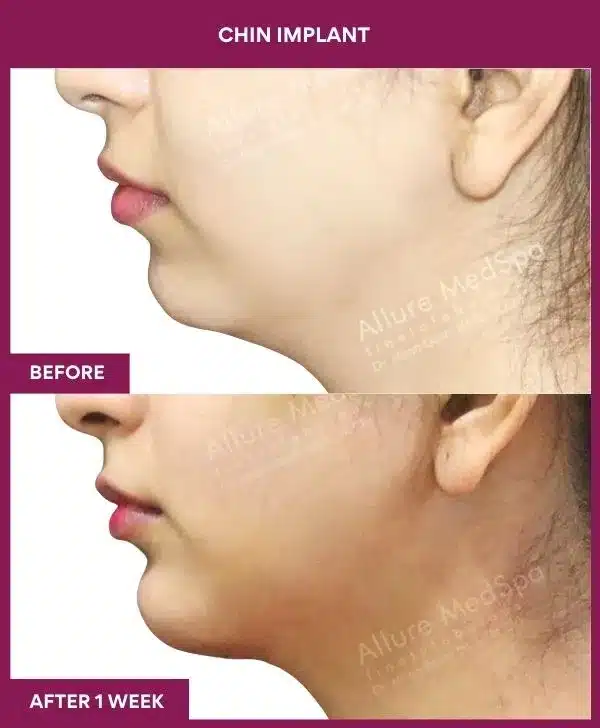
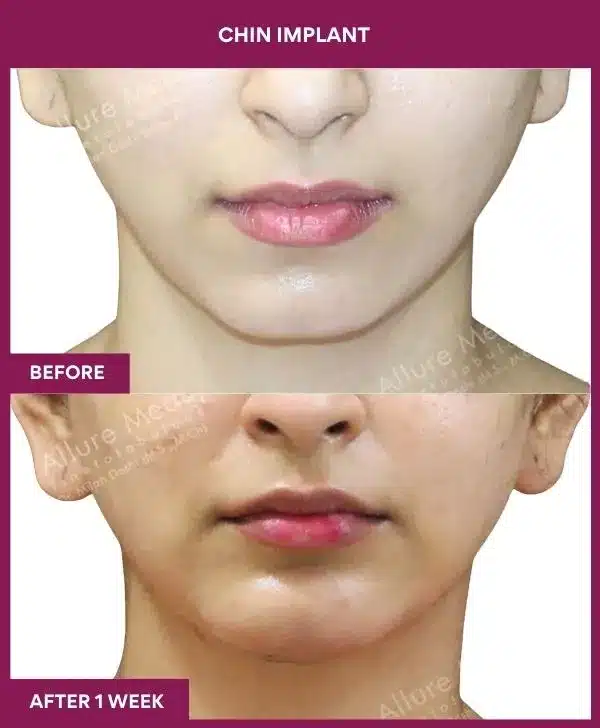
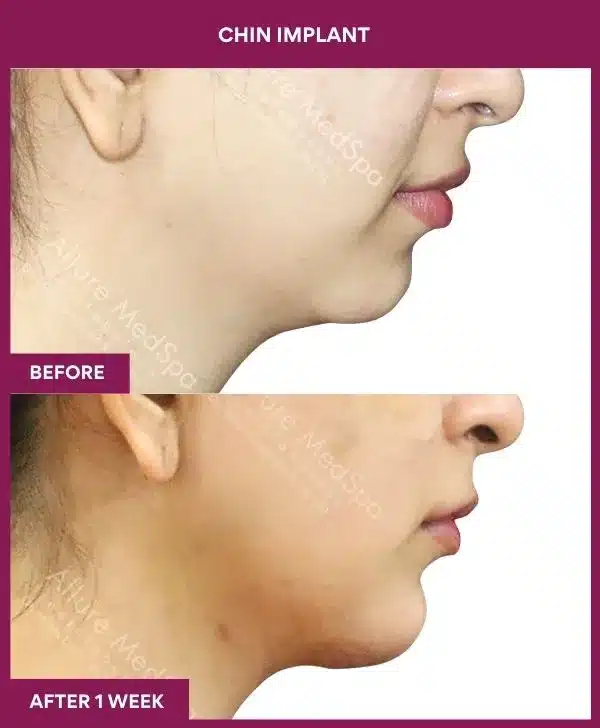
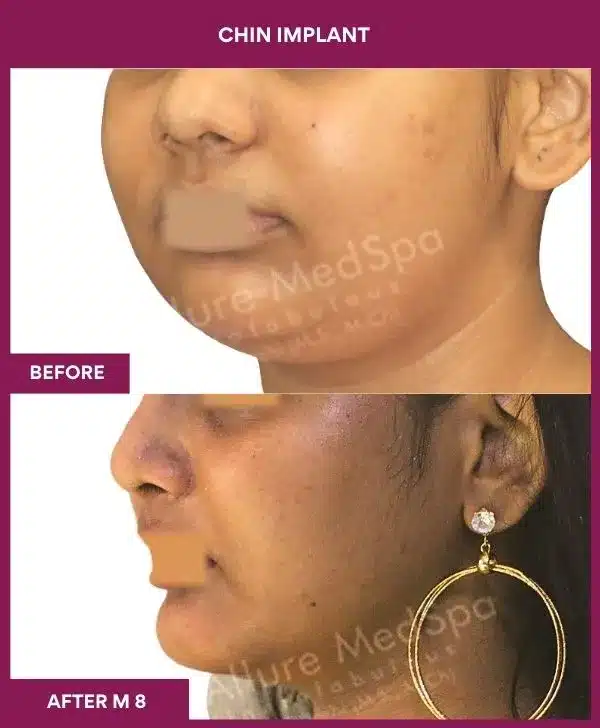
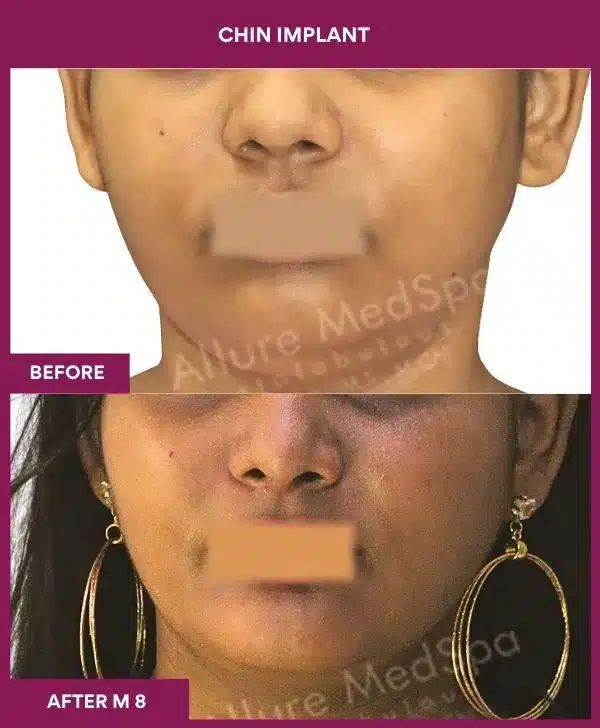
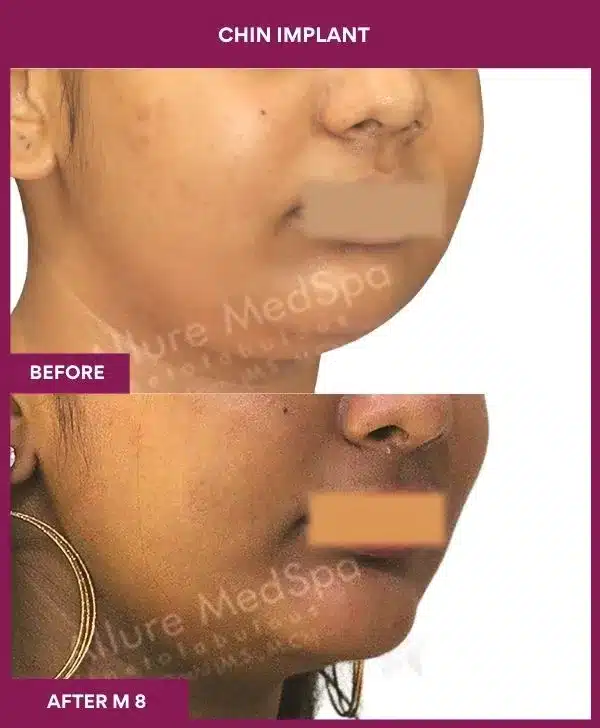
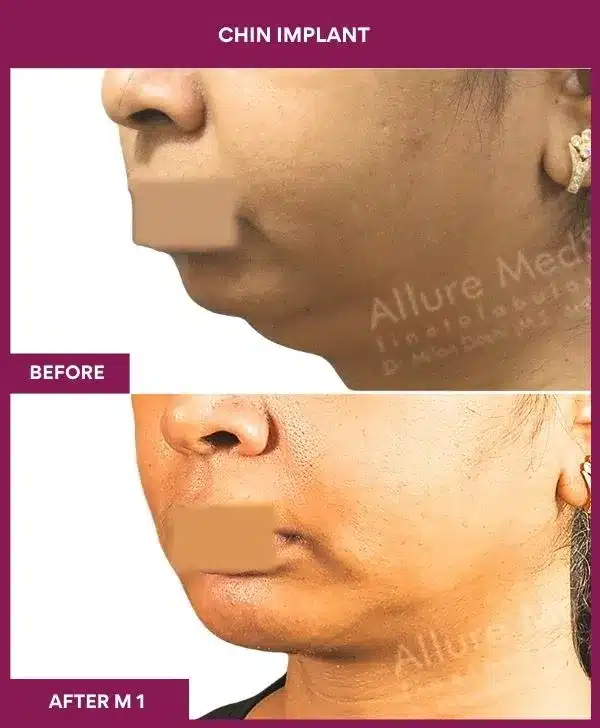
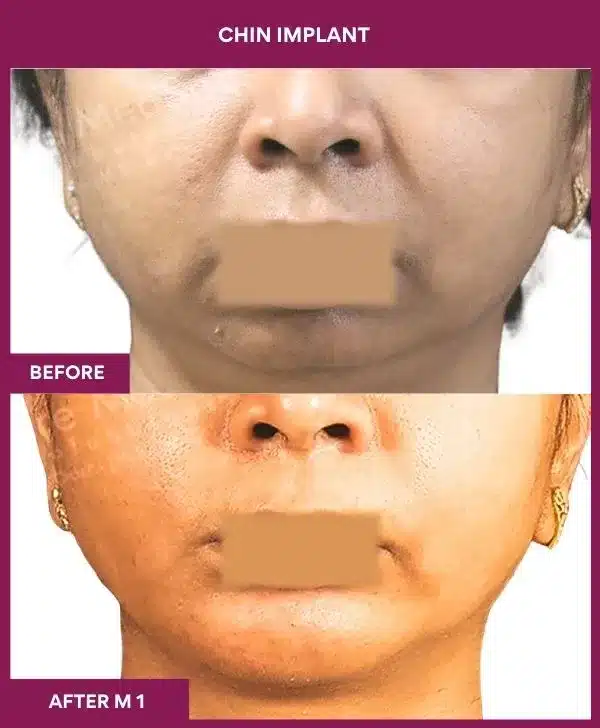
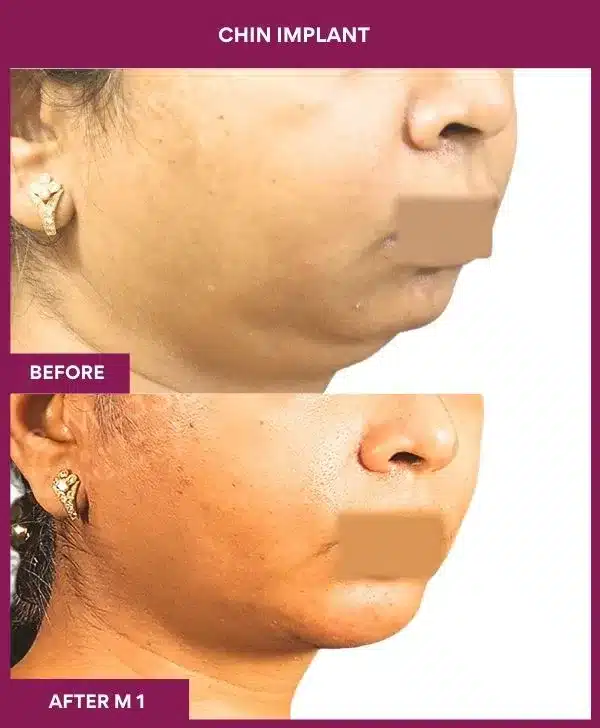
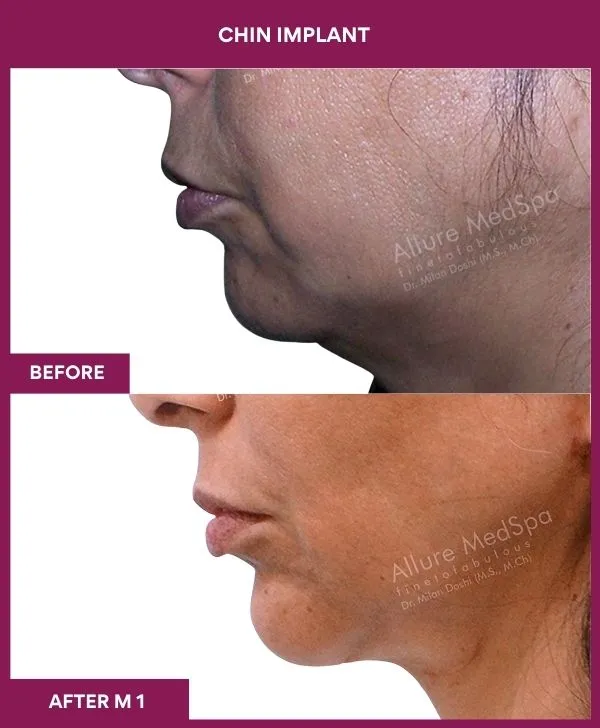
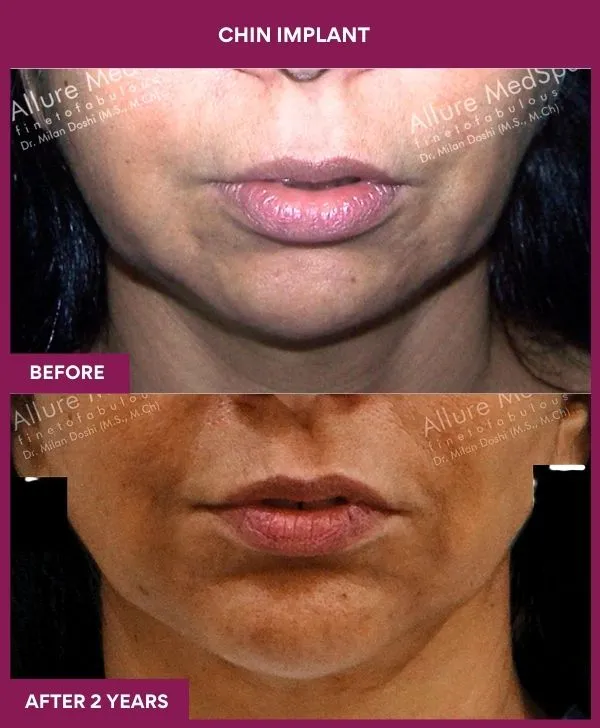
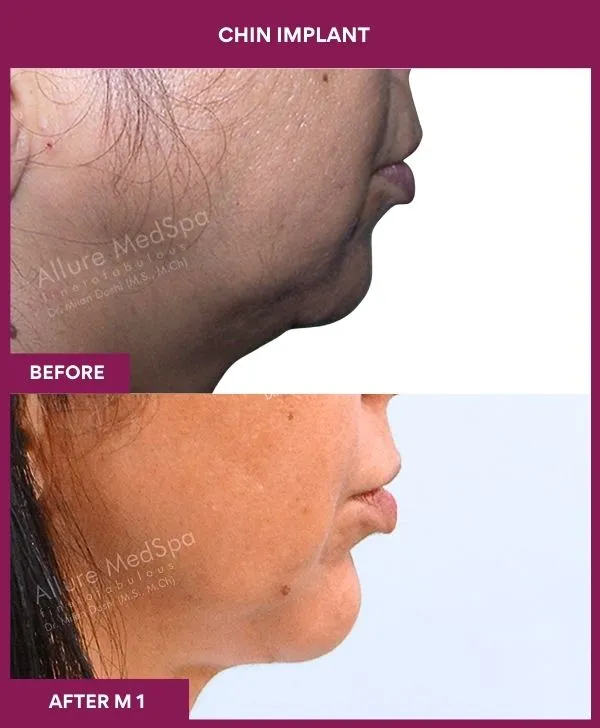
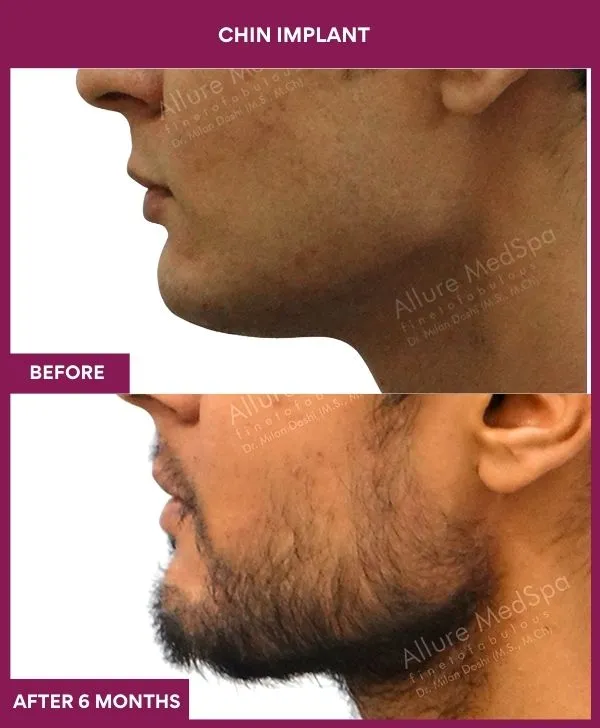
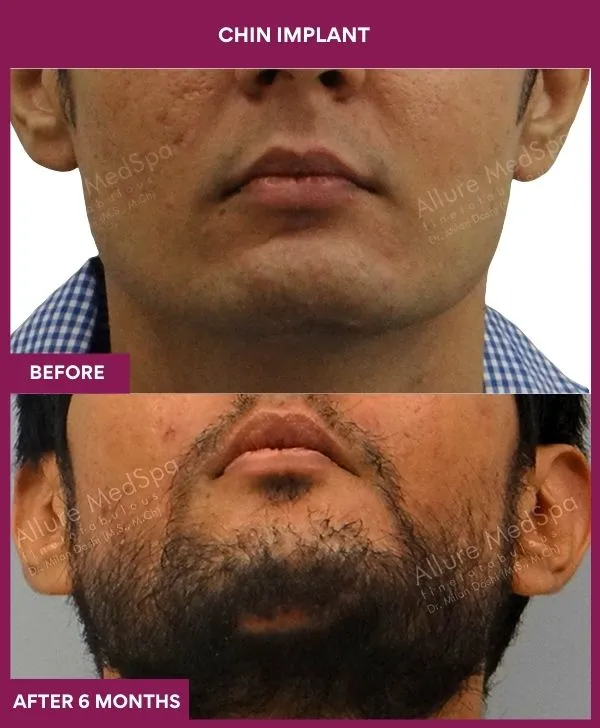
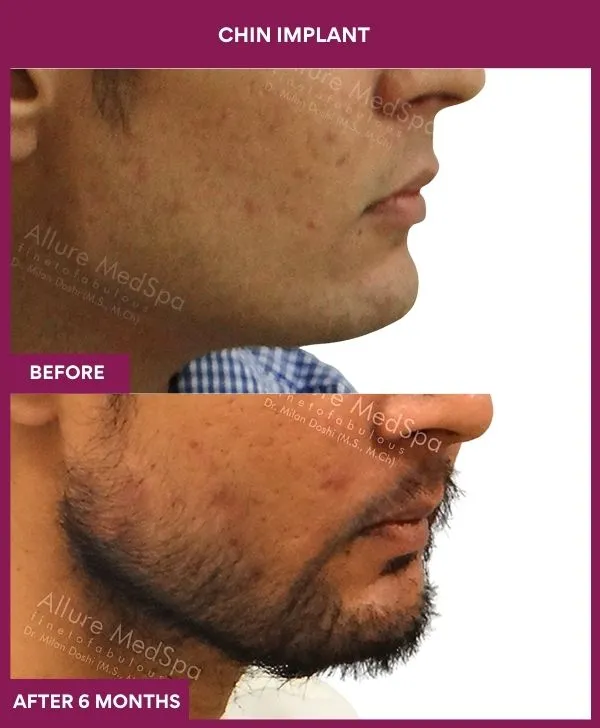
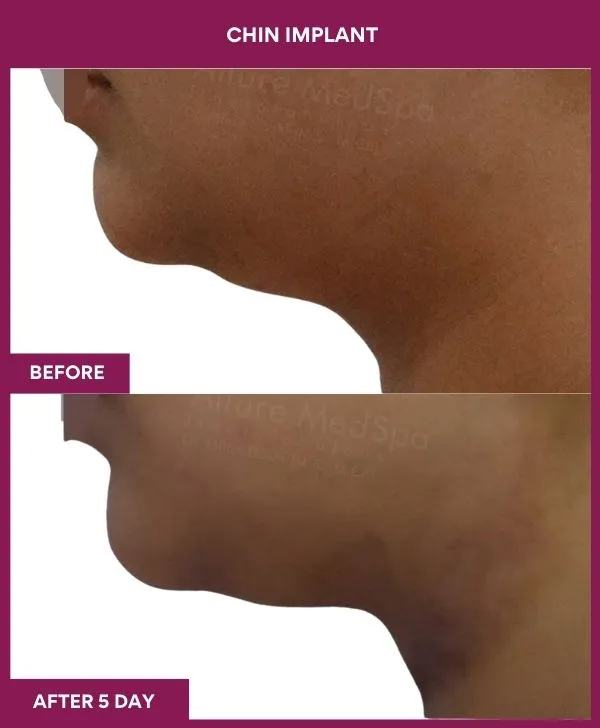
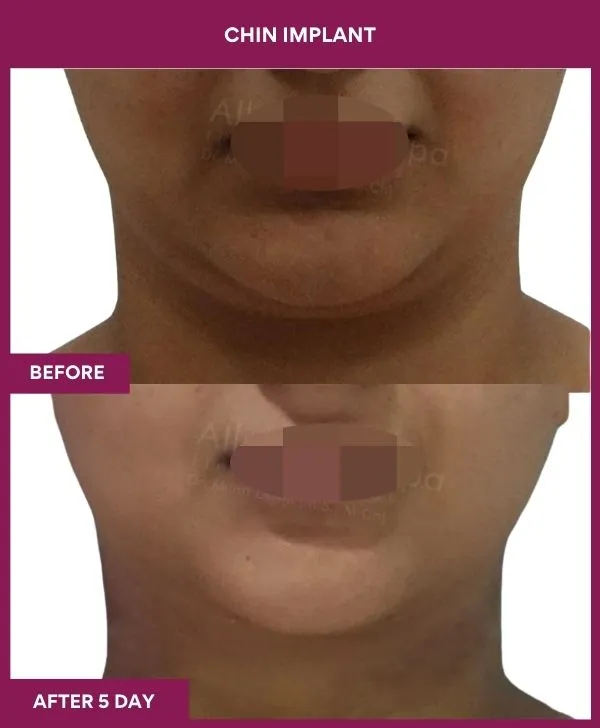
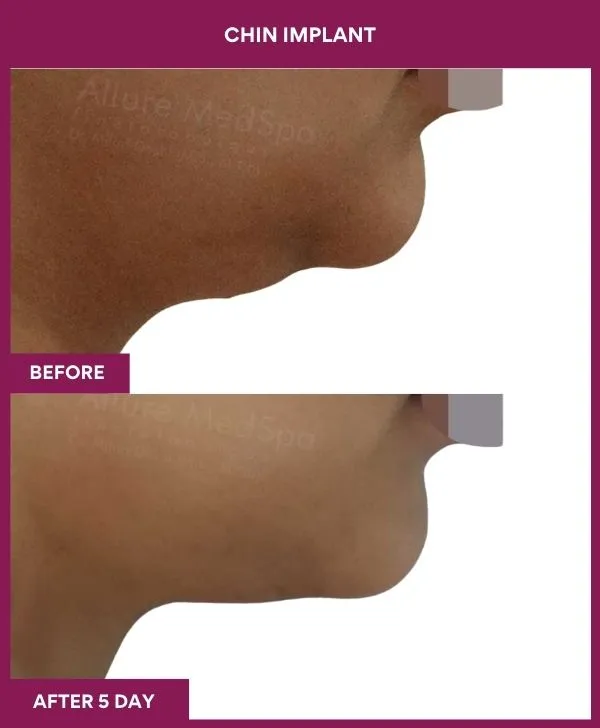
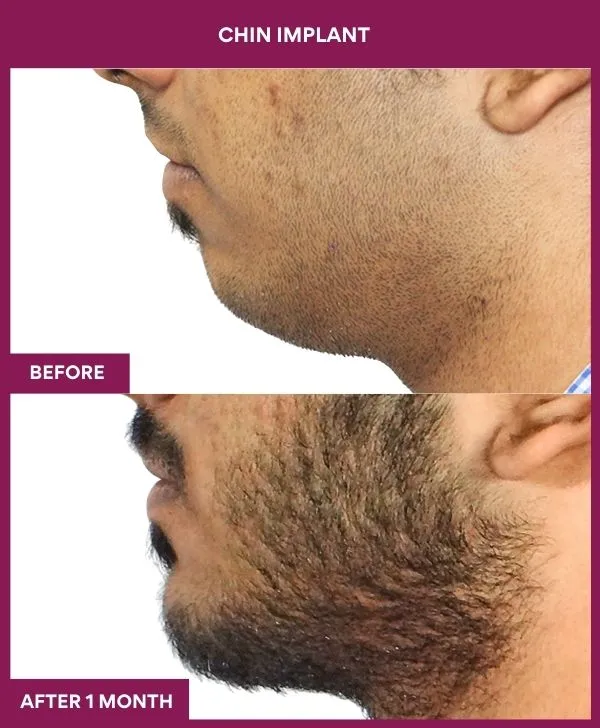
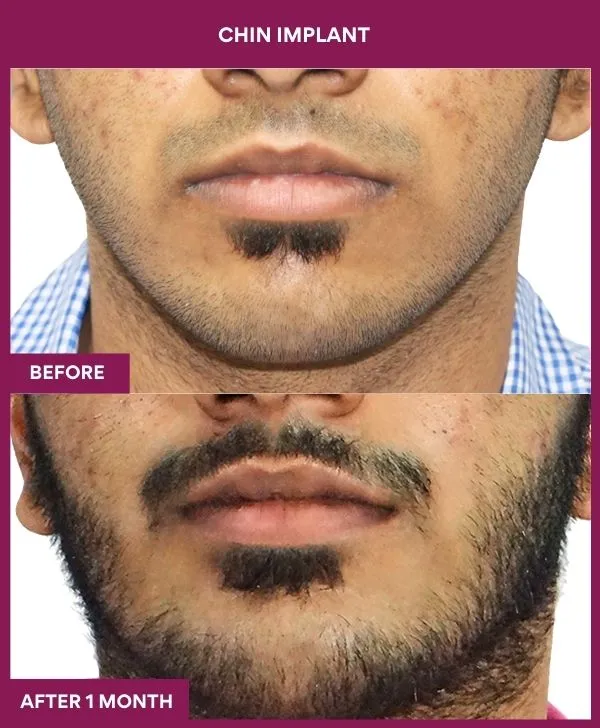
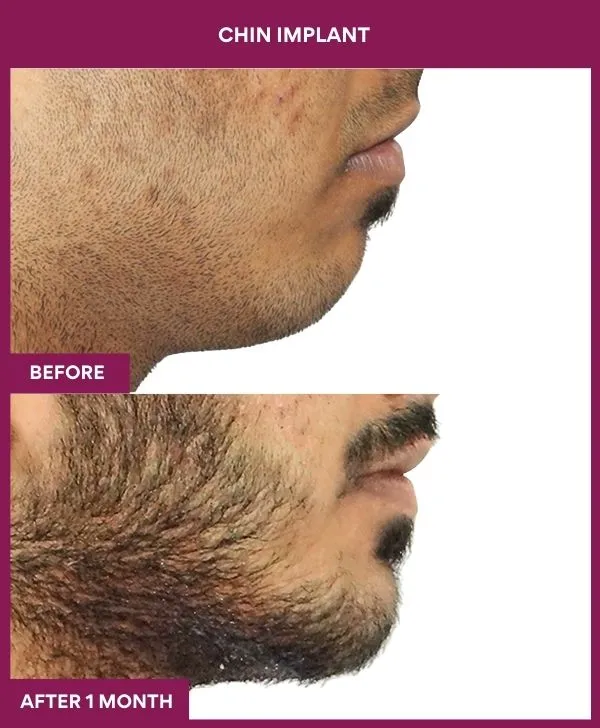
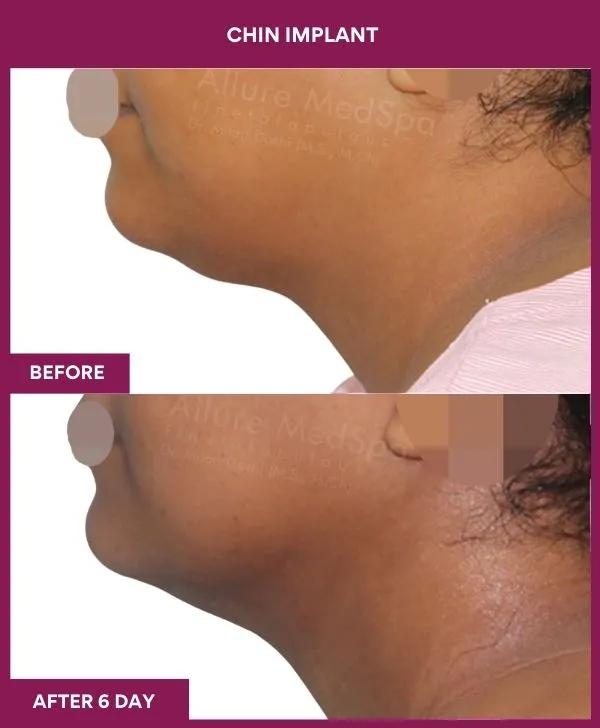
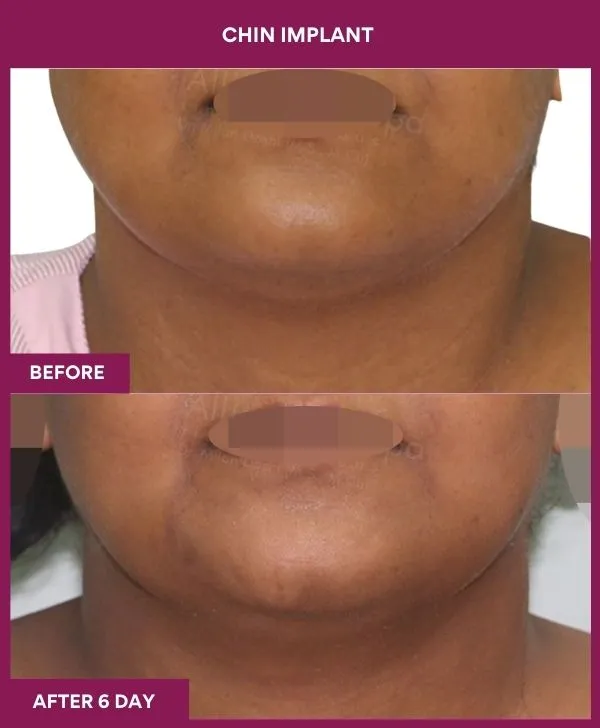
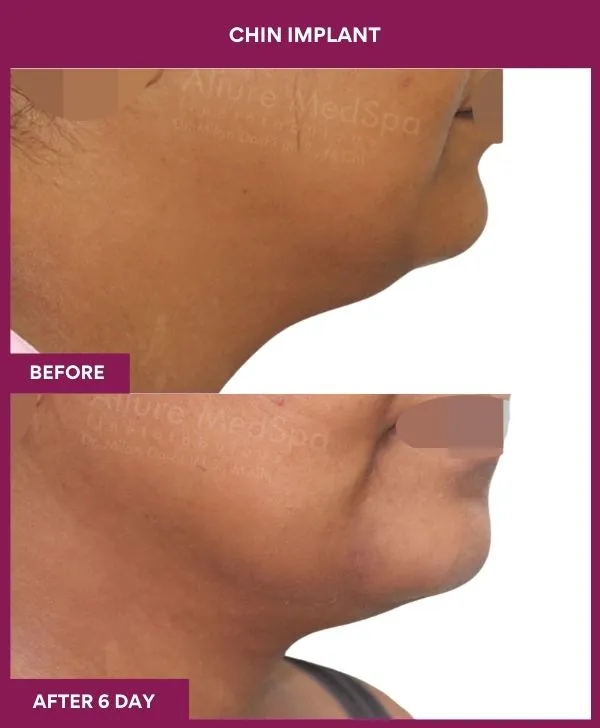
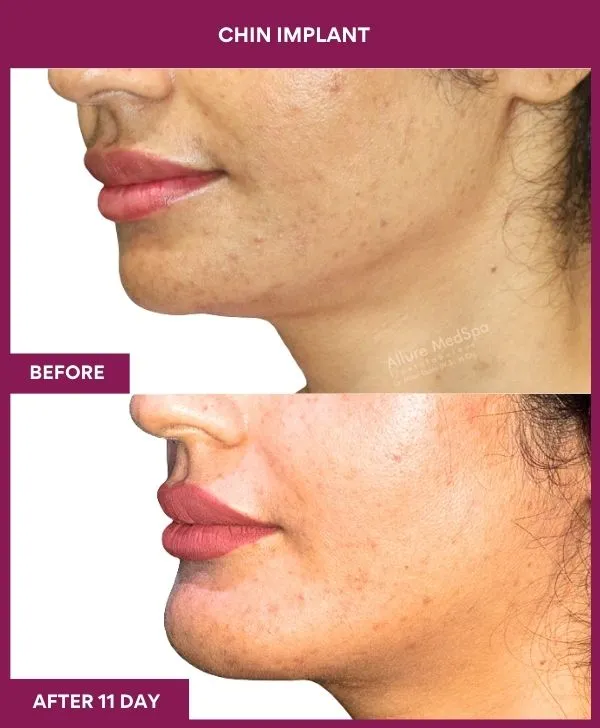
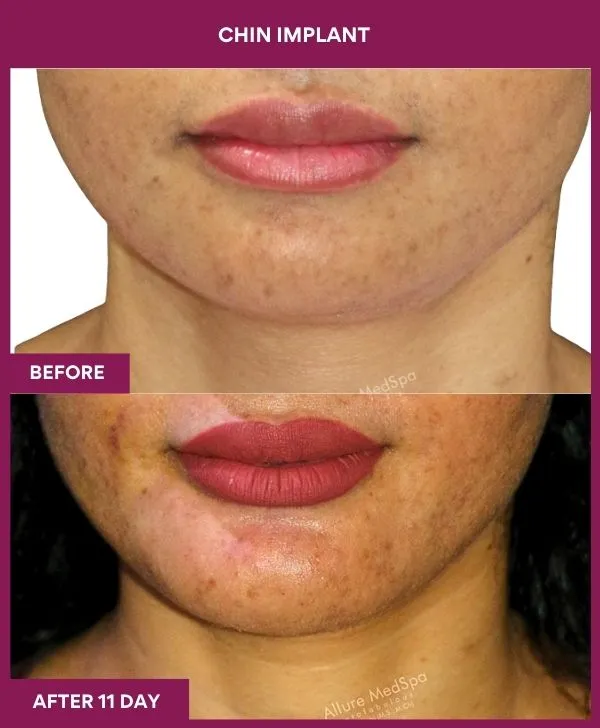
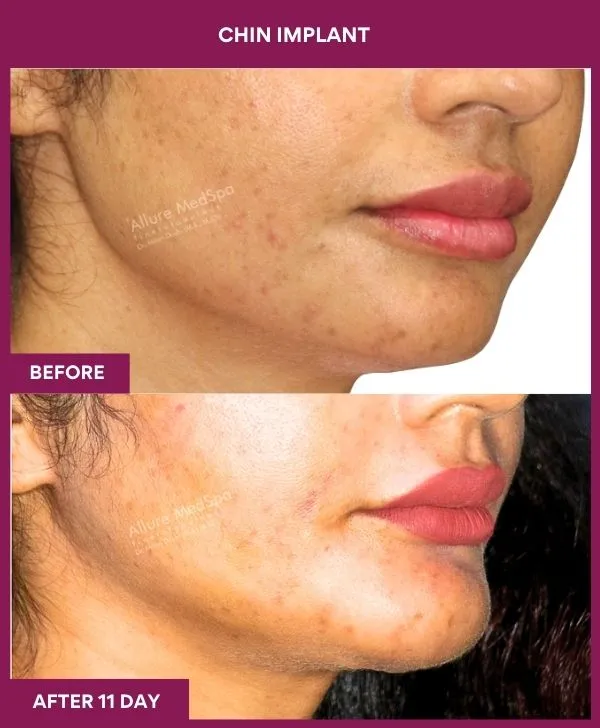
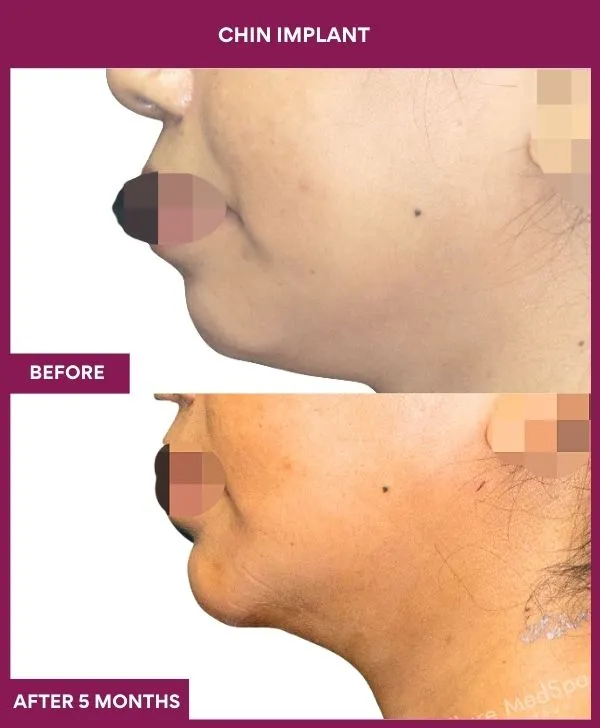
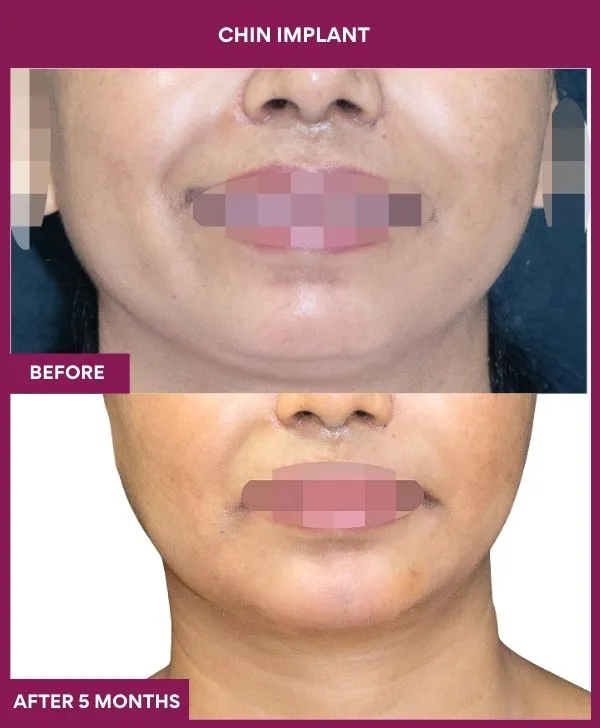
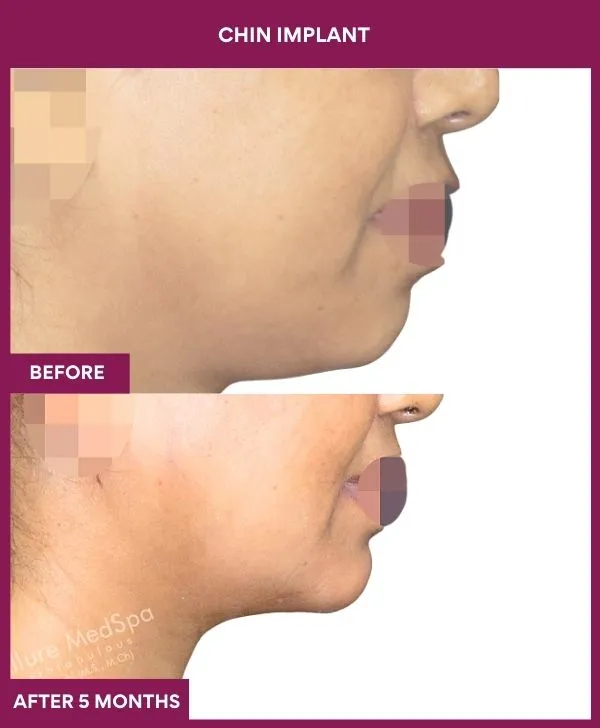
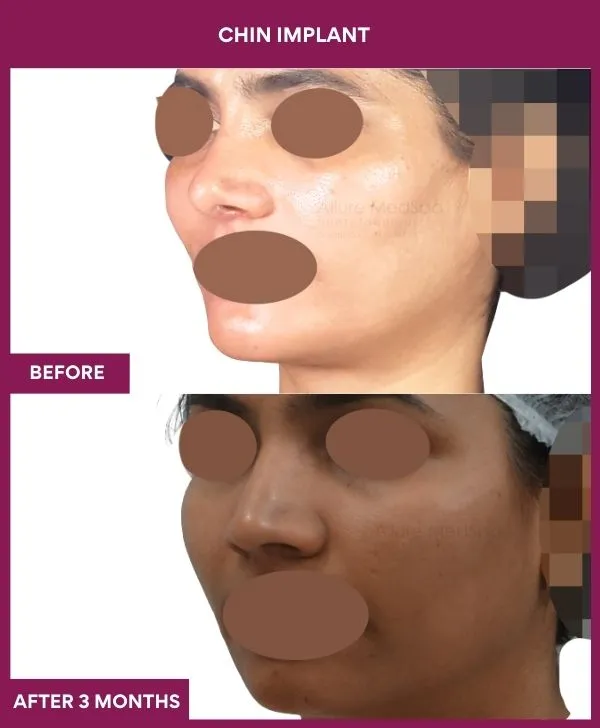
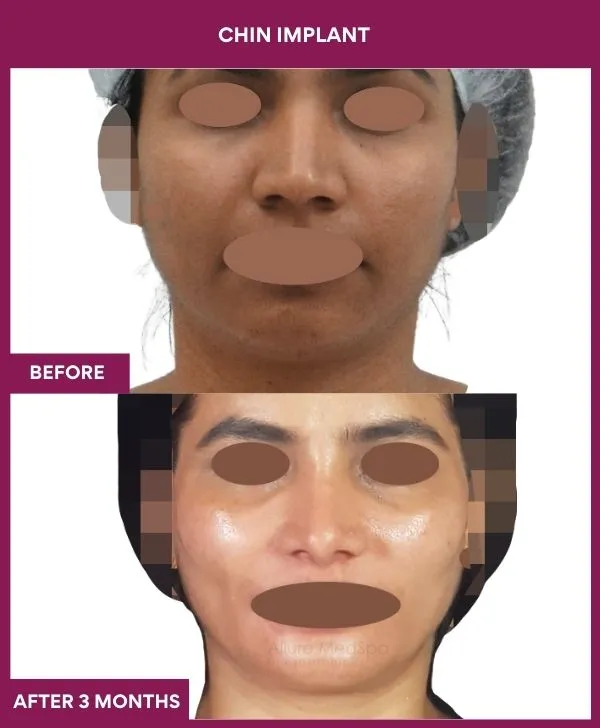
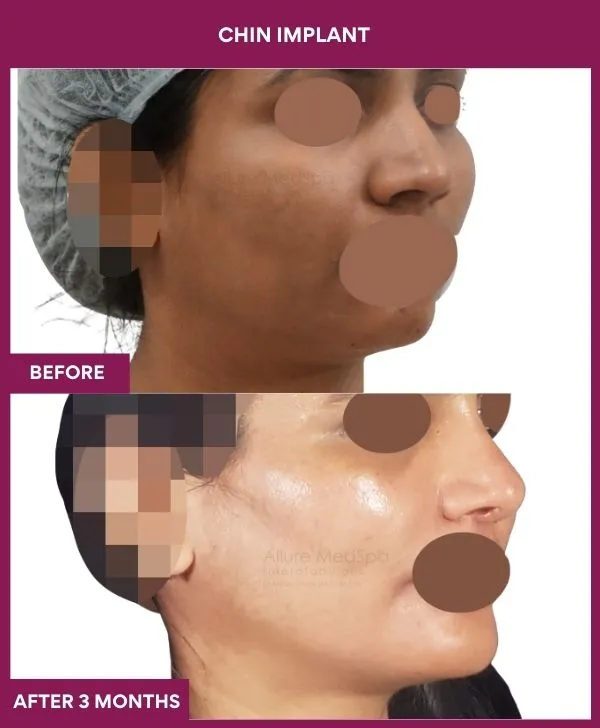
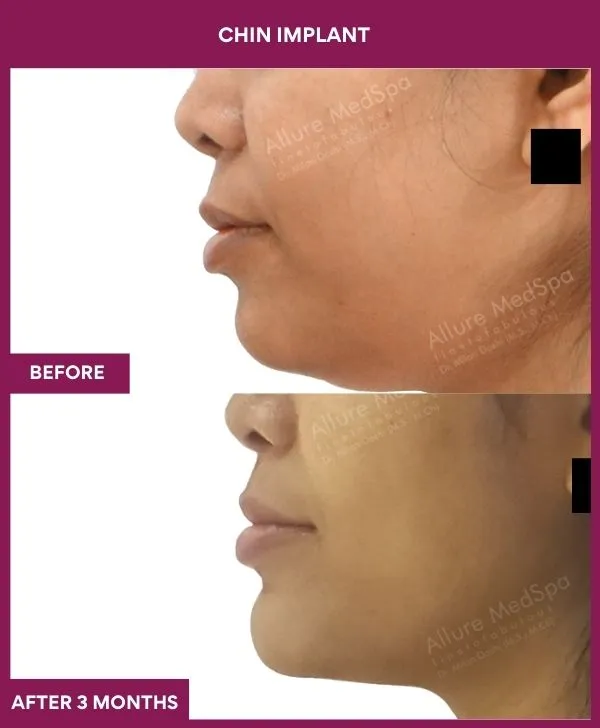
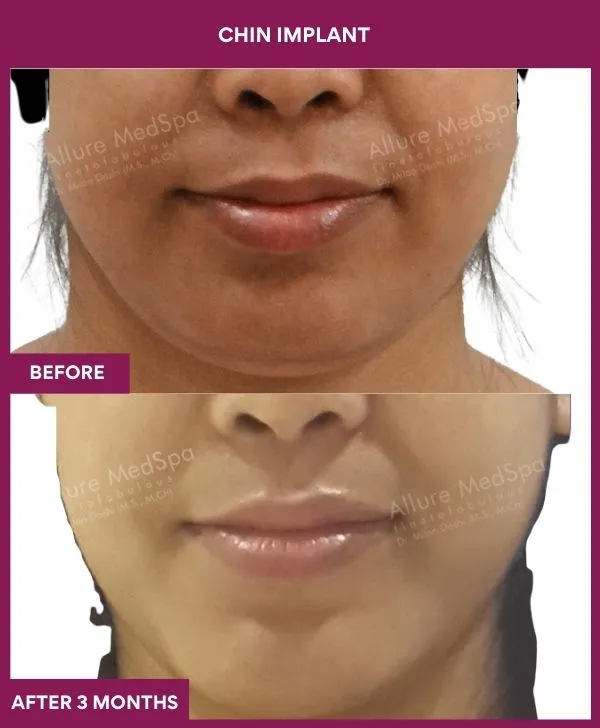
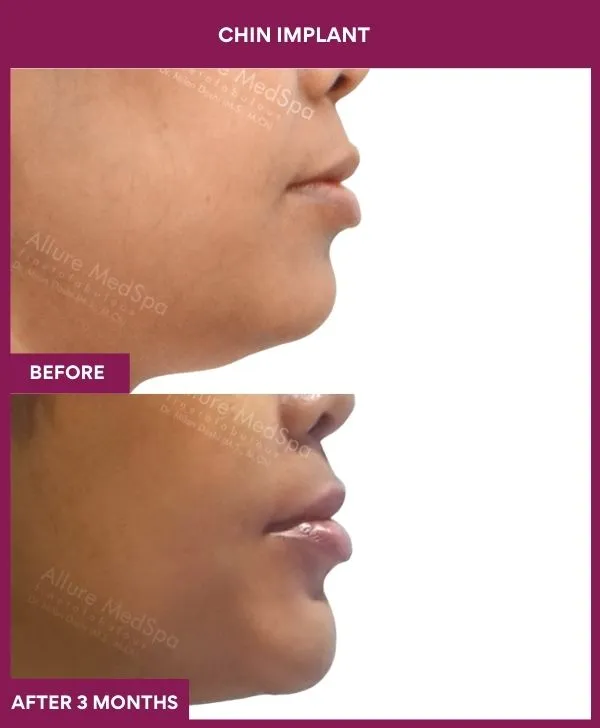
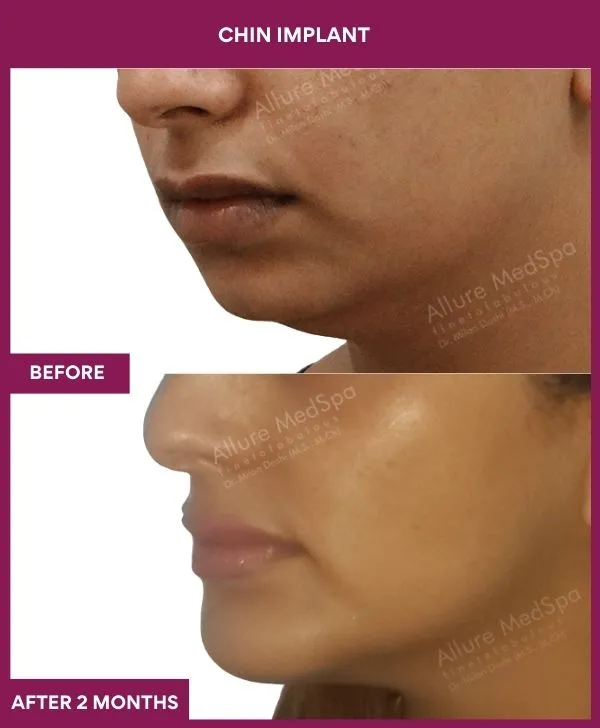
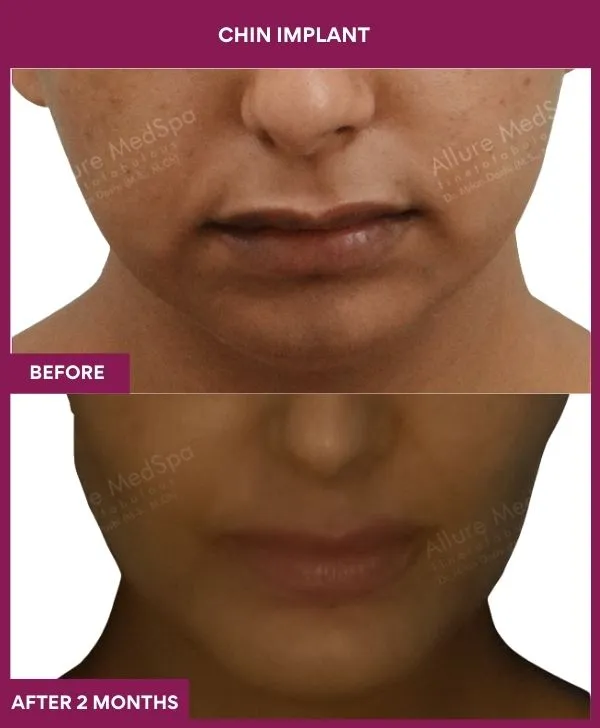
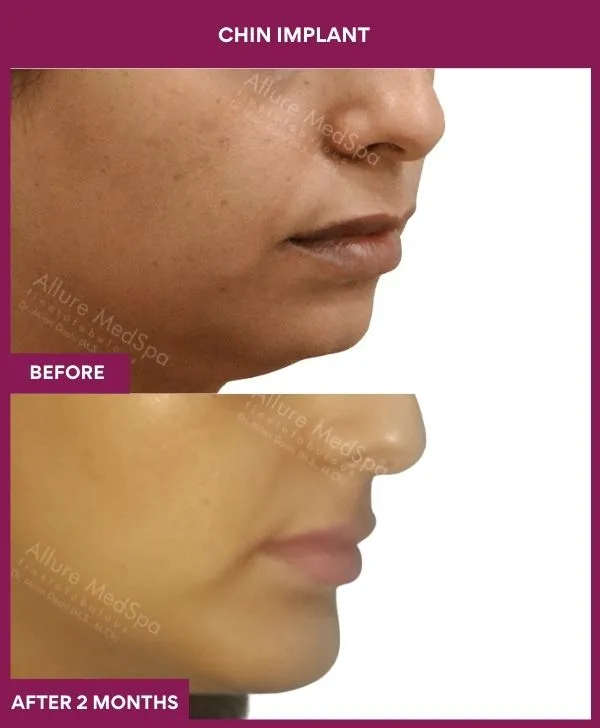
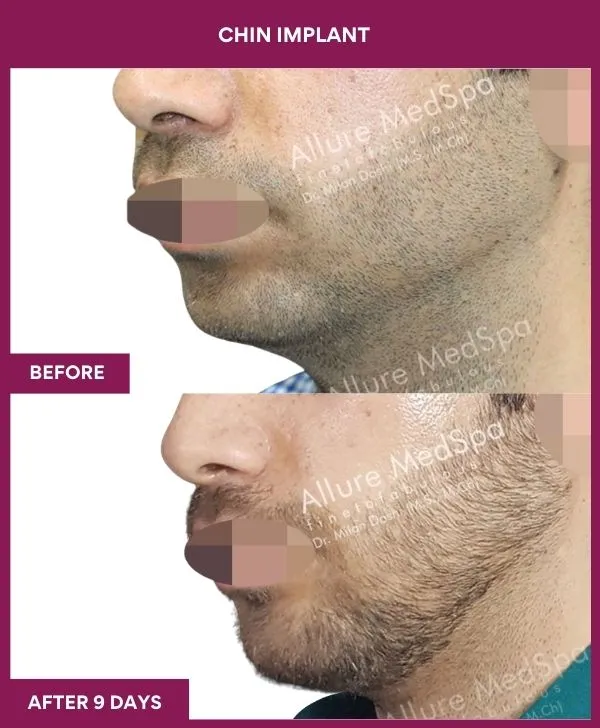
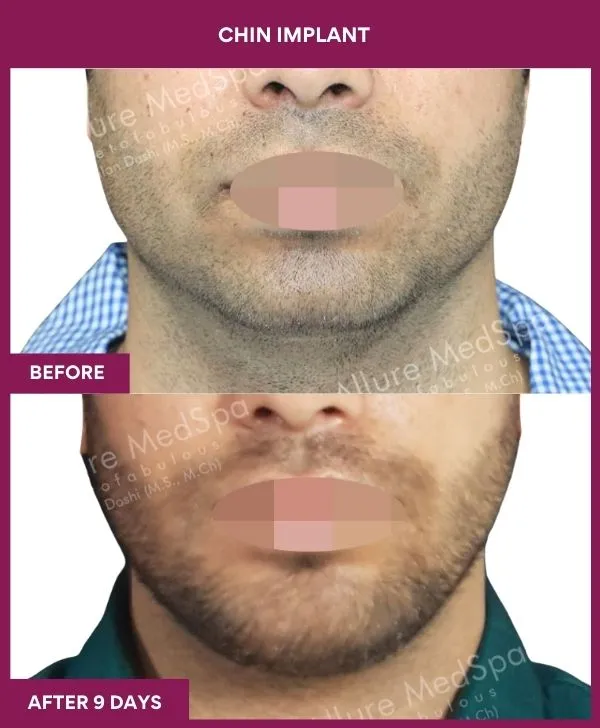
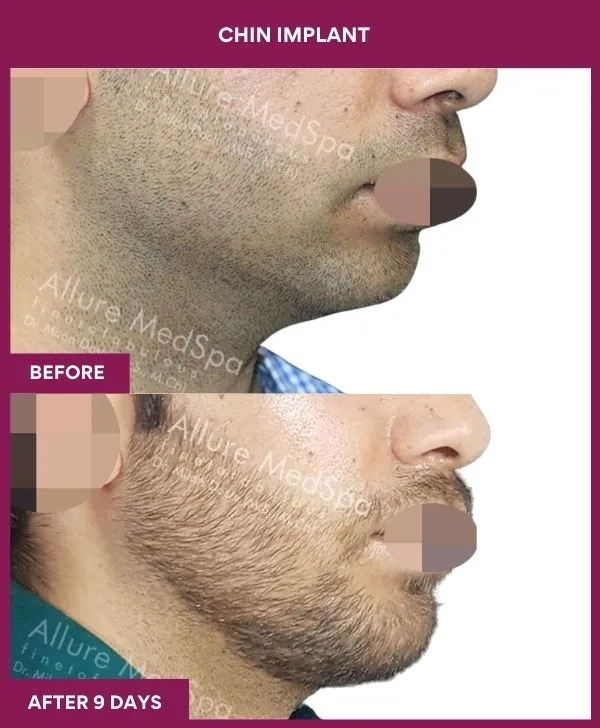
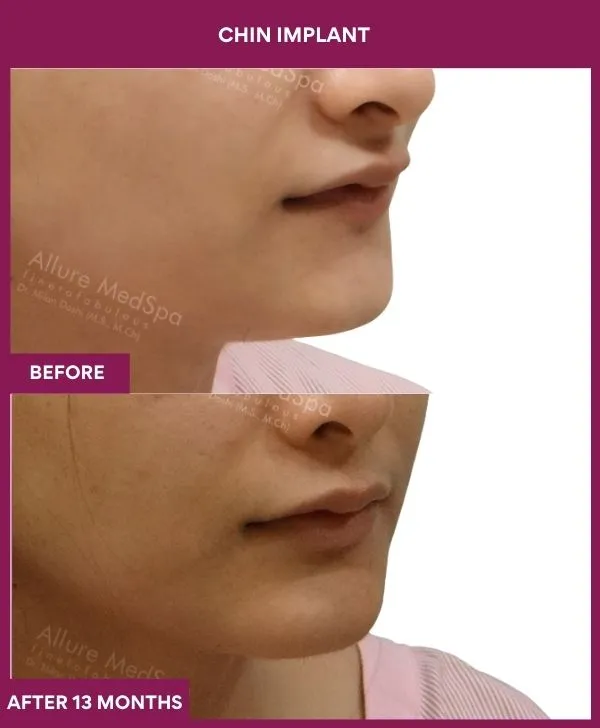
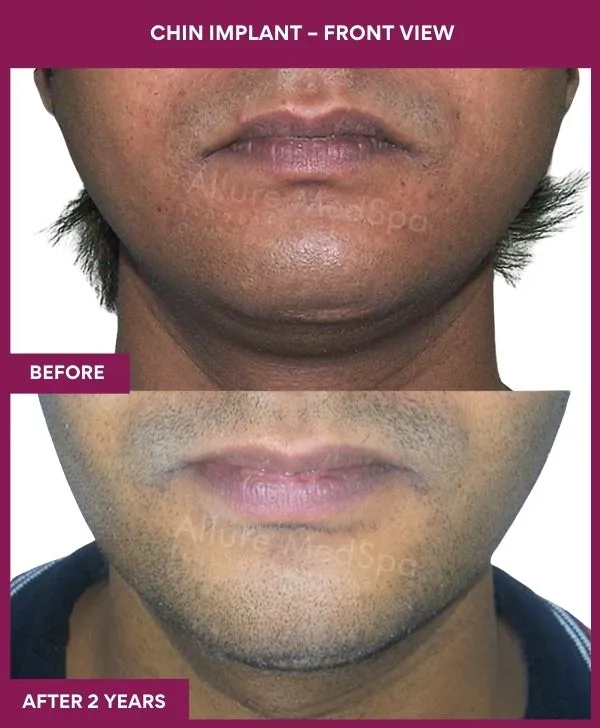
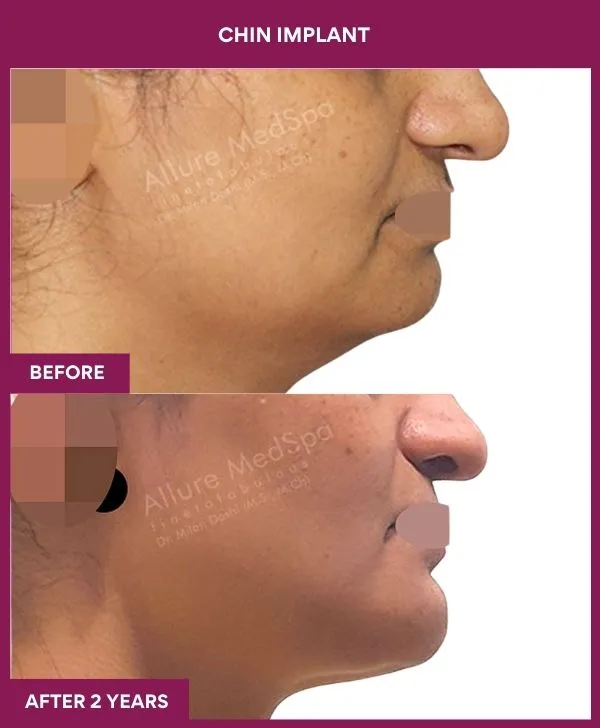
“Liked the results? Let's plan yours.”
Chin Augmentation Surgery Testimonials: Fine To Fabulous Journeys

Awarded by Google.com
Rating: 4.7
Reviews: 485+

Awarded by WhatClinic.com
Rating: 4.8
Reviews: 119+

Awarded by Realself
Rating: 4.9
Reviews:453+

Awarded by Facebook
Rating: 4.6
Reviews:105+
Dr Milan Doshi and his staff are very professional and committed as the centre is highly equipped with advanced technology. I had closed rhinoplasty 4 months back and I’m seeing the results as to how it becomes successful.
Deepika Shetty
The doctor explained everything clearly and the surgery was smooth. Recovery was faster than I expected and the team was very supportive.
Rahul Mehta
Very natural results and excellent staff. From consultation to follow-up, the experience was outstanding and boosted my confidence.
Sneha Kapoor
What is the difference between a chin implant and sliding genioplasty?
A chin implant adds projection by placing a medical-grade implant over your chin bone, while sliding genioplasty repositions your own chin bone to change projection and, in selected cases, height and symmetry.
Chin implant: adds structure (projection/shape) using an implant
Sliding genioplasty: moves your bone forward (and sometimes adjusts vertical height) and fixes it with plates/screws
Both can look natural when the plan is proportionate and tailored
Refrence: NCBI Bookshelf (StatPearls) – Facial Chin Augmentation (NCBI)
Who is a better candidate for a chin implant?
A chin implant is usually ideal when you need straightforward projection enhancement and your chin position doesn’t require complex bone repositioning.
Chin implant is often a great fit if:
You need mild to moderate forward projection
You want a predictable contour enhancement
You value a less invasive option than bone repositioning
You prefer a solution that is modifiable/revisable if needed later
Chin implant may NOT be ideal if:
You need major vertical change or significant asymmetry correction
You have extremely thin soft tissue where implant edges could become more noticeable
Your correction requires skeletal repositioning rather than “adding projection”
Internal links (place mid-section):
Chin Augmentation in Mumbai (main page)
Chin Augmentation Before & After Results
Who is a better candidate for sliding genioplasty?
Sliding genioplasty is often better when the chin needs a structural correction—especially larger retrusion, vertical deficiency, or selected asymmetry that benefits from bone repositioning.
Genioplasty is commonly preferred if:
Your chin is more significantly recessed
You need bone-level repositioning to get a natural balance
You have vertical chin deficiency (short lower face) in selected cases
You want correction using your own tissue rather than an implant
Considerations:
It typically involves general anesthesia
Early recovery may feel stricter because deeper healing is involved
Reference link: Aesthetic Surgery Journal Open Forum – Implant-Based Chin Augmentation vs Osseous Genioplasty (OUP Academic)
Which gives more natural-looking results in Indian patients?
Both can look natural in Indian patients when the goal is proportion, not “more projection.” The best-looking result depends on what your face needs—implant for clean projection, genioplasty for structural repositioning.
Practical planning points we consider commonly in Mumbai clinics:
Many patients want a defined but not exaggerated lower face
Soft tissue thickness can vary widely; planning is individualized
The goal is harmony from front, oblique, and profile, not just a “side profile win”
Internal link: Chin Augmentation Before & After Results
Which option is more predictable long-term?
Both are long-lasting when planned properly; long-term predictability depends more on technique selection, fixation, and patient anatomy than on the label “implant” or “genioplasty.”
Genioplasty: bone heals in the new position; tends to feel “built-in”
Implants: can remain stable long-term, but may occasionally need adjustment in selected cases
Aging affects soft tissue in everyone—planning proportions helps results stay balanced as facial tissues change
If you’re choosing based on fear (“foreign body” vs “bone cut”), pause. The correct decision is usually more anatomical than emotional.
What are the scars and incision options for each?
Both procedures often use hidden incisions—either inside the mouth or discreetly under the chin, depending on what improves safety and precision.
Intraoral (inside lower lip): no visible external scar
Submental (under-chin crease): small external scar hidden in a natural fold (commonly used for some implant cases)
Your surgeon chooses the approach based on anatomy, implant type (if used), control needed, and infection-risk management.
Internal link: Chin Augmentation Recovery Timeline
What is recovery like for implant vs genioplasty?
mplant recovery is often a bit quicker for social comfort, while genioplasty may feel stricter early due to deeper healing—yet both typically follow a structured 6–8 week refinement period.
Typical recovery pattern (patient-friendly)
Week 1: swelling + tightness, soft diet as advised, elevated sleep
Week 2: most people look socially presentable
Weeks 3–4: gradual return to light workouts (after clearance)
Weeks 6–8: refinement continues; most swelling settled
Read More: Chin Augmentation Recovery Timeline: Week-by-Week Guide
What are the risks and how are they minimized?
Both procedures have risks—like infection, bleeding, temporary altered sensation, asymmetry, or healing issues—but outcomes are strongly influenced by patient selection, sterile protocols, precise technique, and follow-up discipline.
Risk-minimizing checklist (what actually matters)
Correct procedure choice (implant vs genioplasty vs filler)
Sterile OT protocols and appropriate anesthesia monitoring
Careful implant sizing/positioning (when implant is chosen)
Structured follow-up and strict aftercare compliance (especially first 2 weeks)
We discuss risks clearly during consultation—without sugarcoating, without panic.
Read more: Is Chin Augmentation Safe? Real Risks & How We Reduce Them
Can chin augmentation be combined with rhinoplasty?
Yes—combining rhinoplasty with chin correction is one of the most effective ways to improve profile harmony, because nose and chin balance each other visually.
When it’s worth considering
The nose looks prominent mainly because the chin is recessed
You want a single “profile harmony” strategy rather than isolated changes
Read more: Chin Augmentation With Rhinoplasty: The Profile Harmony Strategy
How do I choose the right option with my surgeon?
The best choice comes from matching your anatomy to the technique—using profile assessment (and imaging if needed), and aligning it with your lifestyle, downtime tolerance, and long-term preference.
What we evaluate in consultation
Chin bone position and degree of retrusion
Soft tissue thickness and symmetry needs
Whether you need projection only or structural repositioning
Whether a filler “trial” is sensible before surgery
Your recovery timeline expectations (work/travel/events)
Internal link: Chin Augmentation Cost in Mumbai
Table 1 — Implant vs Genioplasty Comparison
| Aspect | Chin Implant | Sliding Genioplasty |
|---|---|---|
| Best for | Mild–moderate projection | Larger/structural correction |
| What changes | Projection + contour | Bone repositioning (projection ± height) |
| Longevity | Long-lasting | Long-lasting |
| Anesthesia | Local/sedation/general (case-based) | Usually general |
| Social downtime | Often ~1 week+ | Often ~1–2 weeks+ |
| Incision options | Intraoral or under-chin | Often intraoral |
| Reversibility | Modifiable/revisable | Revision is more complex |
| Key limitation | Not ideal for major skeletal changes | Deeper healing + stricter early care |
Table 2 — Decision Guide (Simple)
| If you want… | Consider… |
|---|---|
| A straightforward projection boost | Chin implant |
| Structural repositioning / bigger correction | Sliding genioplasty |
| A reversible “preview” first | Chin fillers first |
| Avoiding implants (personal preference) | Sliding genioplasty |
| Fast recovery priority | Often implant (case-dependent) |
| Complex asymmetry correction | Often genioplasty (case-dependent) |
Myths vs Facts: Chin implant vs Sliding Genioplasty
Myth: Chin implants always look fake.
Fact: Poor sizing looks fake. Correct sizing + positioning looks natural.
Myth: Sliding genioplasty is “dangerous.”
Fact: Any surgery has risks. With proper planning and protocols, genioplasty is a standard facial procedure.
Myth: Everyone should choose the “most permanent” option.
Fact: The best option matches anatomy and produces balanced proportions—permanence is only one factor.
Chin Implant vs Sliding Genioplasty FAQs
Q1) Chin implant vs sliding genioplasty—how do I decide in Mumbai?
Ans. If you’re choosing between a chin implant and sliding genioplasty in Mumbai, start with what needs to change: projection only (often implant) vs structural repositioning (often genioplasty). A good consult includes profile analysis, symmetry assessment, and discussion of downtime and scar approach. If you’re unsure, some patients benefit from a temporary filler “trial” to preview projection before committing to surgery.
Q2) Is a chin implant safe, and what reduces the risk of infection?
Ans. A chin implant can be safe when you have appropriate anatomy and the procedure is performed with strict sterile technique and careful implant positioning. Risk reduction depends on surgeon experience, incision selection (inside-mouth vs under-chin when appropriate), meticulous handling of tissues, and disciplined aftercare—especially in the first 1–2 weeks. Your surgeon should explain warning signs, hygiene measures, diet instructions, and follow-up timing clearly.
Q3) Does genioplasty change the smile or lip movement?
Ans. Sliding genioplasty is performed on the chin portion of the jaw (not the teeth alignment). In most cases, the goal is to improve chin position and facial balance without changing how you smile. Temporary tightness, swelling, or altered sensation can affect how the lower lip feels early on, but this typically improves as healing progresses. If you have bite concerns, your surgeon may recommend jaw-alignment evaluation separately.
Q4) How long is recovery for chin implant vs genioplasty?
Ans. Most patients feel socially presentable in about 1–2 weeks, but refinement continues for weeks after. Implant cases can feel “lighter” early for many patients, while genioplasty can feel stricter initially because bone healing is involved. Regardless of method, the first week is about swelling control, soft diet as advised, elevated sleep, and careful hygiene. Return to workouts is gradual and should follow surgeon clearance.
Q5) Will I look “over-projected” after chin augmentation?
Ans. A natural result comes from proportion, not maximal projection. Planning considers your nose, lips, jawline, and soft tissue thickness from front and oblique views—not only the profile. Over-projection usually happens when sizing is aggressive or the chin is treated in isolation. In consultation, imaging and structured measurements help decide the right endpoint for your face (and avoid the “strong chin” trend overshooting your natural harmony).
Q6) Can chin augmentation be combined with rhinoplasty safely?
Ans. Chin correction is commonly combined with rhinoplasty when the goal is profile harmony. Many profiles look more balanced when both nose and chin are planned together rather than separately. Combining procedures may reduce total downtime versus staging surgeries, but suitability depends on your health, surgical complexity, and anesthesia plan. Your surgeon should discuss sequencing, expected swelling, and what changes you should (and shouldn’t) expect from a combined plan.
Q7) Is sliding genioplasty always more expensive than a chin implant in Mumbai?
Ans. Often it can be, because it usually involves general anesthesia, bone repositioning, and fixation—yet costs vary widely by complexity, facility, and whether procedures are combined. Rather than focusing on “cheap vs expensive,” compare what each option can realistically achieve for your anatomy. For transparent planning, use: Chin Augmentation Cost in Mumbai and confirm what’s included (OT time, anesthesia, follow-ups, imaging if needed).
Conclusion: Choose Anatomy First. Trends Last.
Chin implant and sliding genioplasty are both proven, effective procedures—but they serve different anatomical needs. An implant works best when you need clean, predictable projection. Genioplasty is ideal when your chin requires deeper structural repositioning for long-term balance.
The “right” choice is not about what sounds more advanced, permanent, or popular online. It’s about what brings your nose, lips, jawline, and lower face into natural harmony—without overcorrection.
At Allure Medspa, Dr. Milan Doshi focuses on individualized planning, precise execution, and structured aftercare—so your result looks refined, stable, and suited to your face for years to come.
If you’re deciding between implant and genioplasty, the next step isn’t guessing. It’s getting a proper facial analysis.
Get a Personalized Chin & Profile Assessment