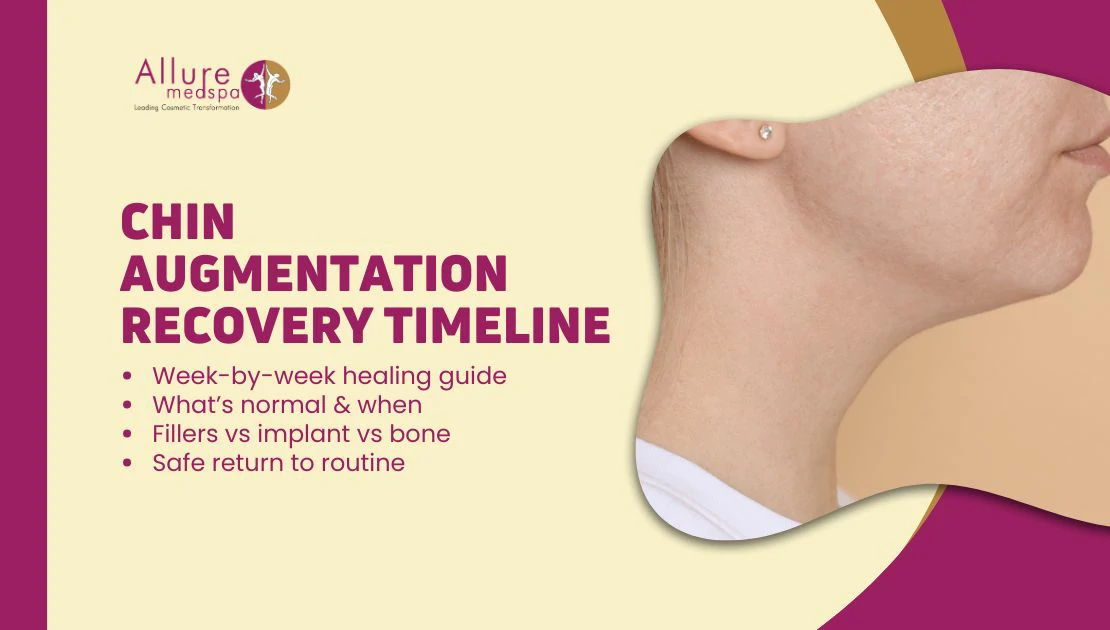
After Chin Augmentation Surgery, Most patients feel socially presentable within 5–10 days, while final contour refinement is usually seen by 6–8 weeks. Your exact recovery depends on whether you choose fillers, an implant, or sliding genioplasty—and whether the incision is inside the mouth or under the chin.
Read more:
– Chin Filler vs Chin Implant: Which Gives Better Results?
– Chin Implant vs Sliding Genioplasty: Which Is Better for You?
“Do you know that each Chin Augmentation surgery is different, so is the cost?”
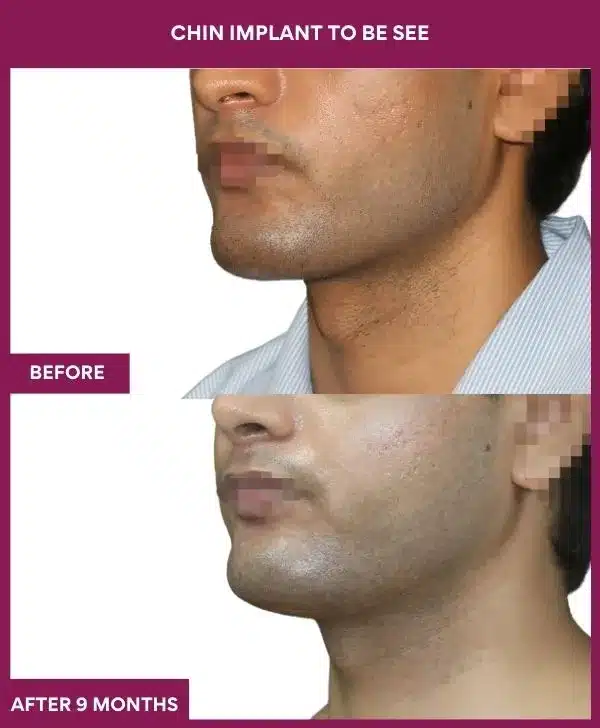
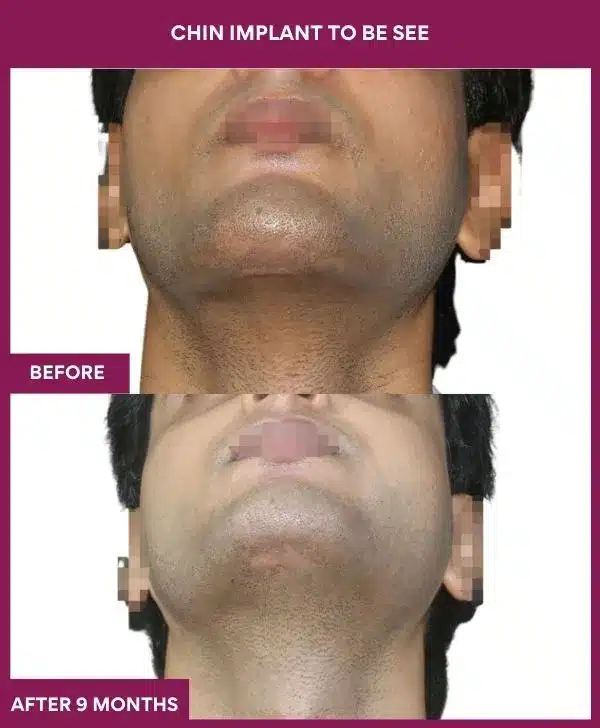
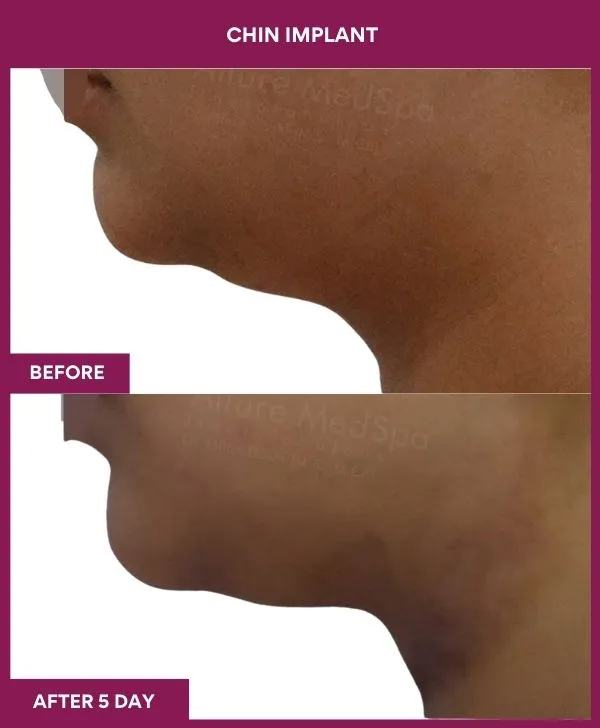
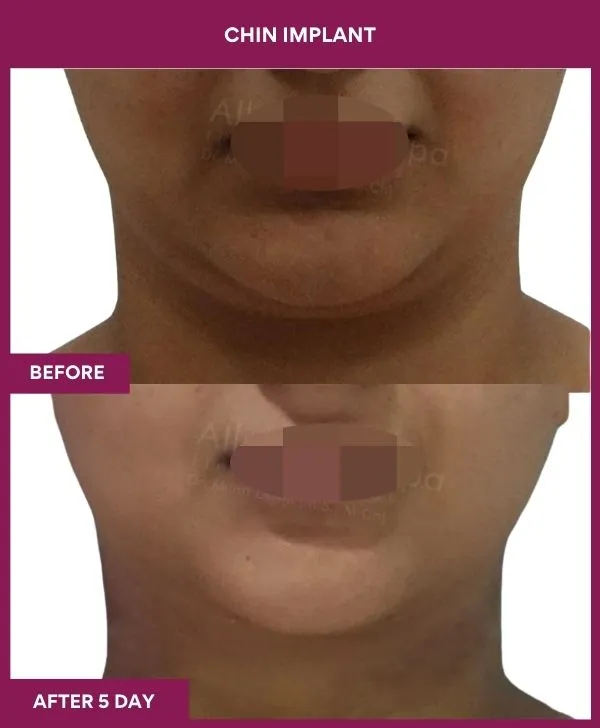
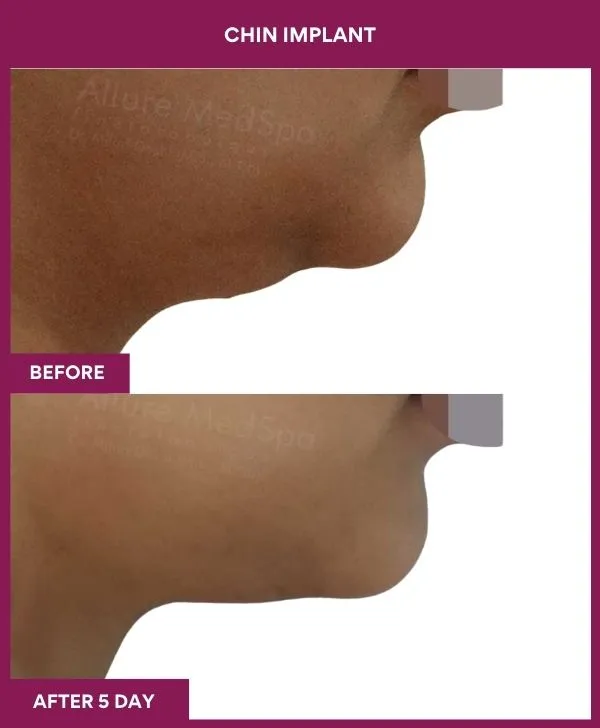
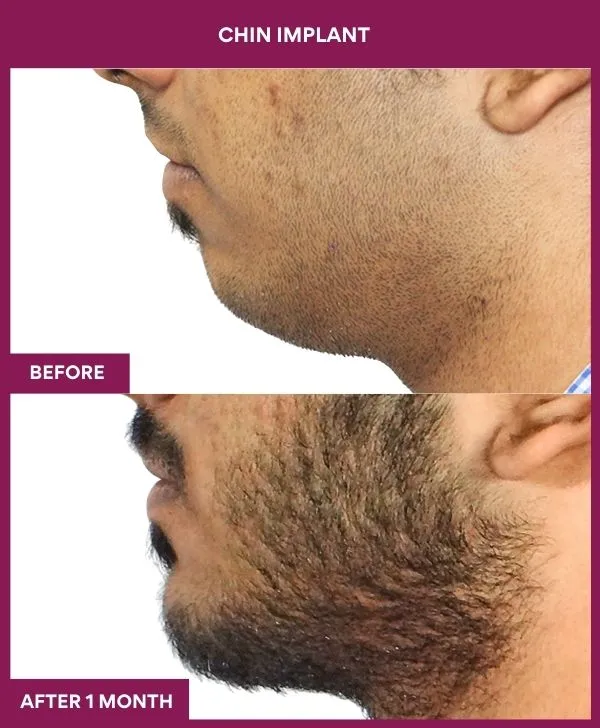
Chin Augmentation Before & After Result
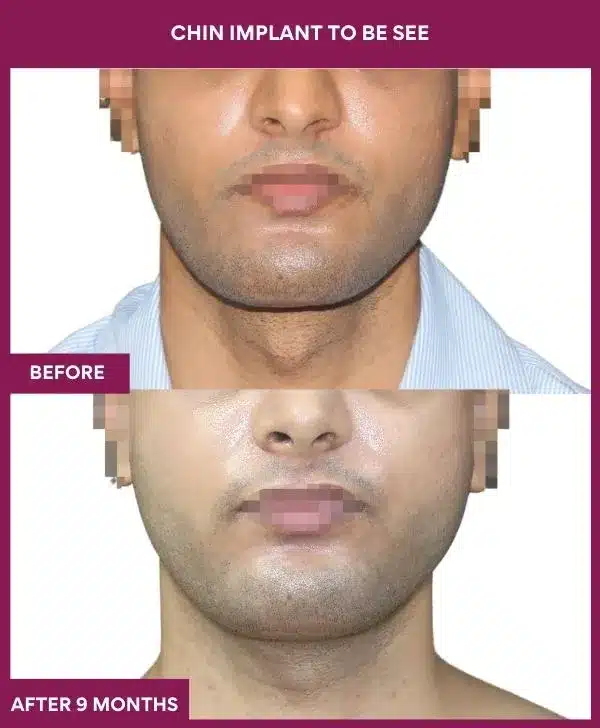
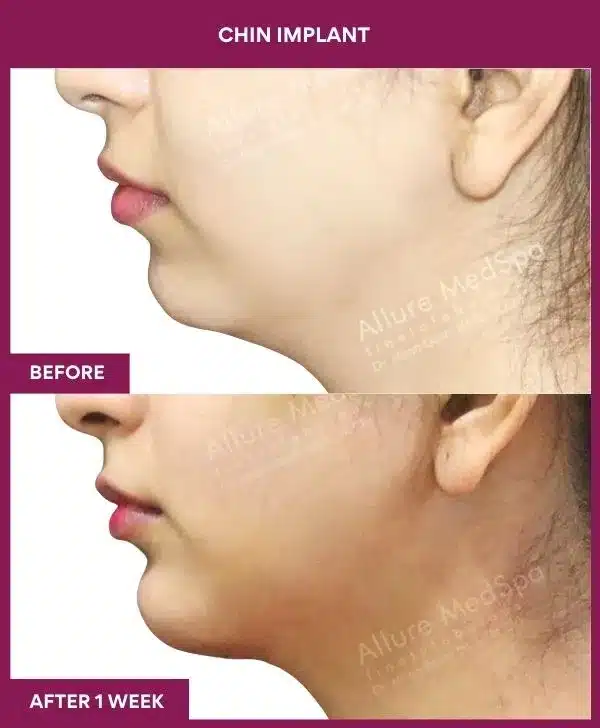
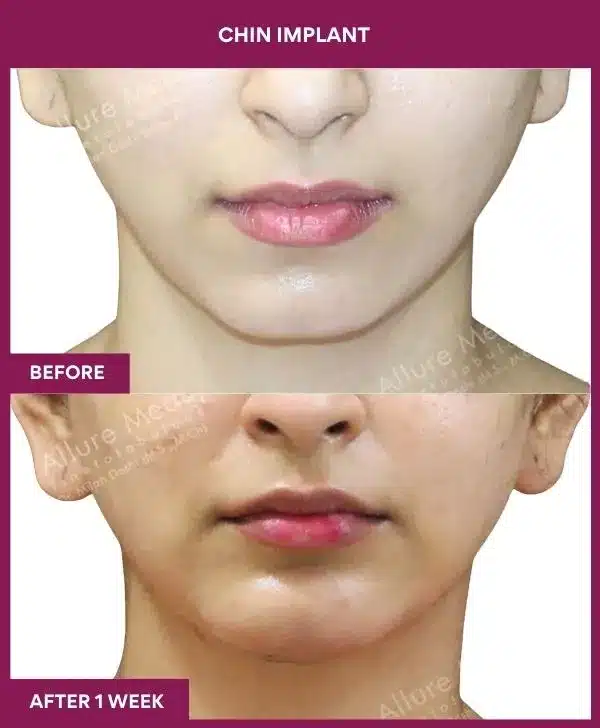
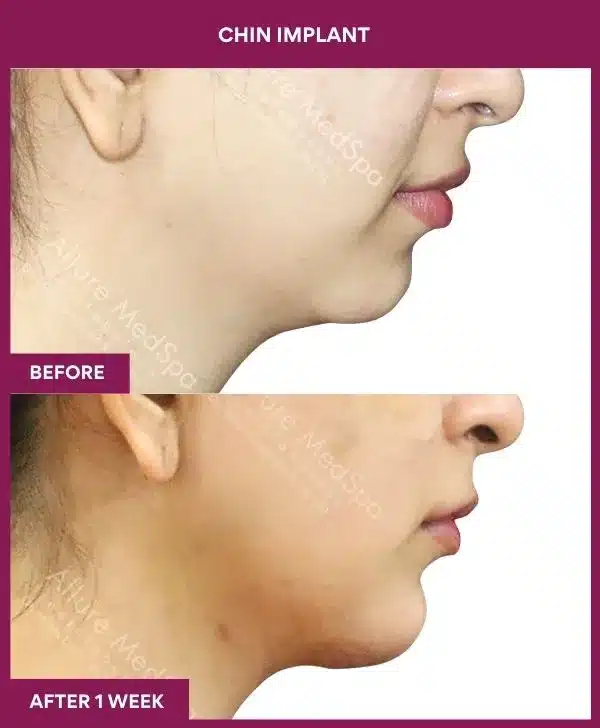
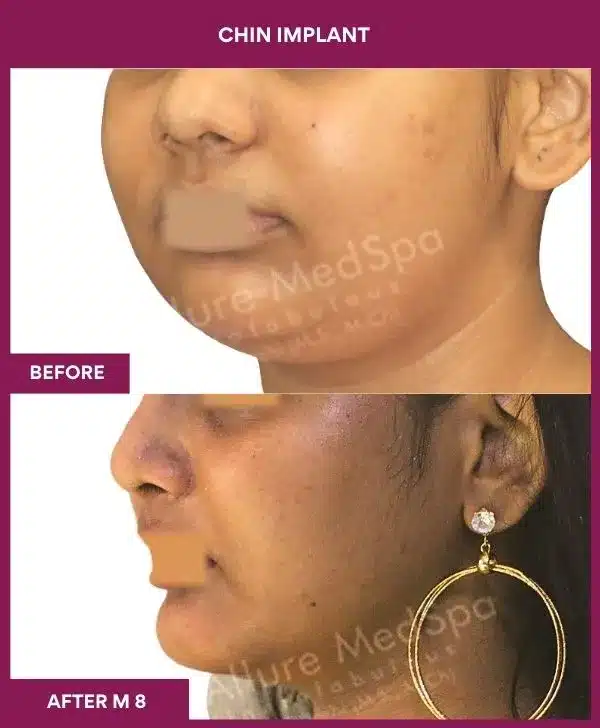
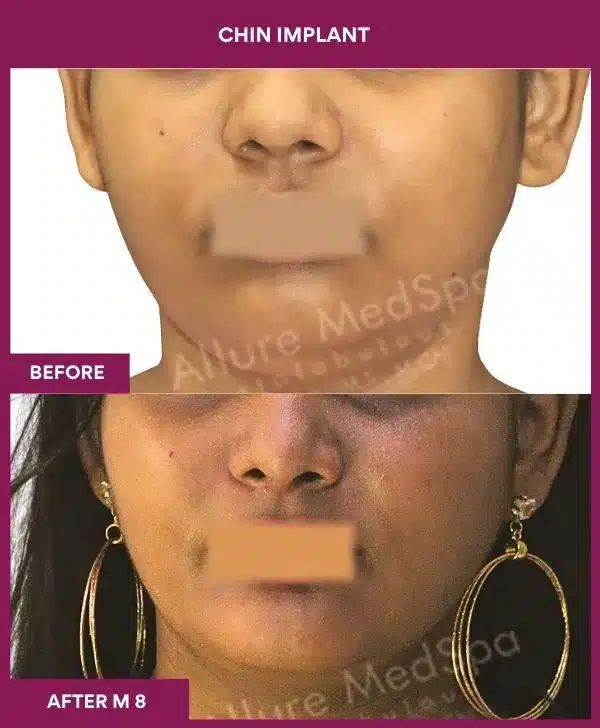
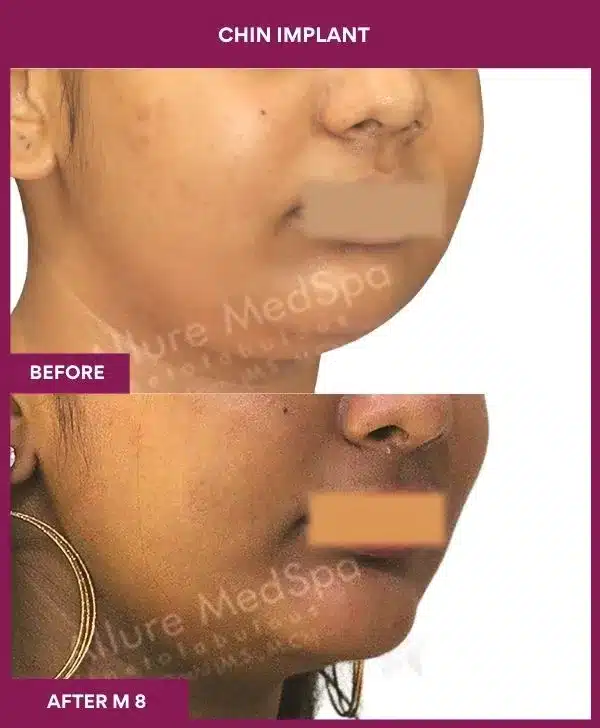
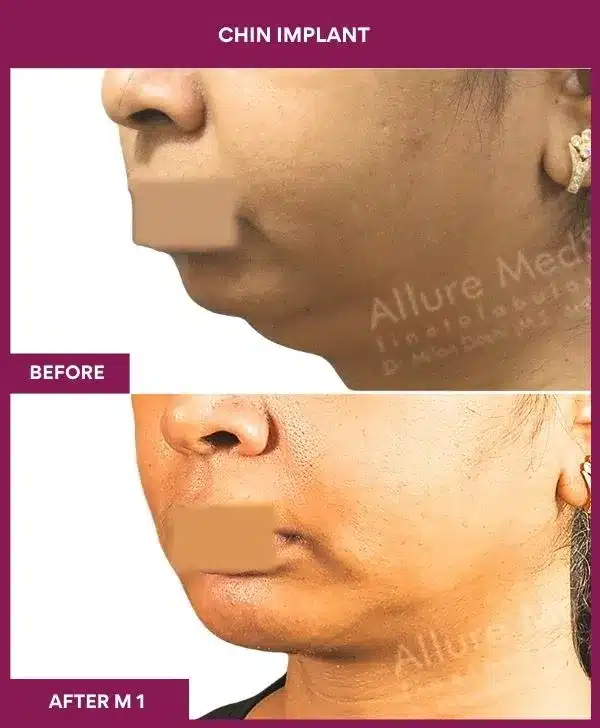
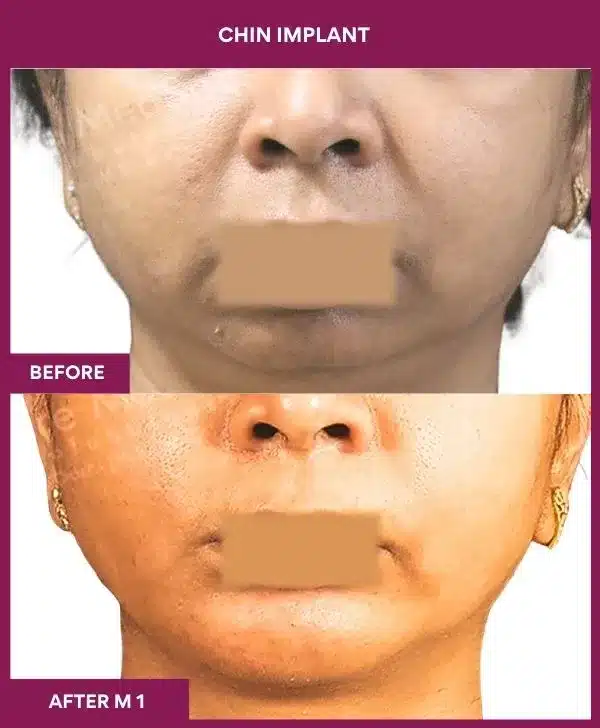
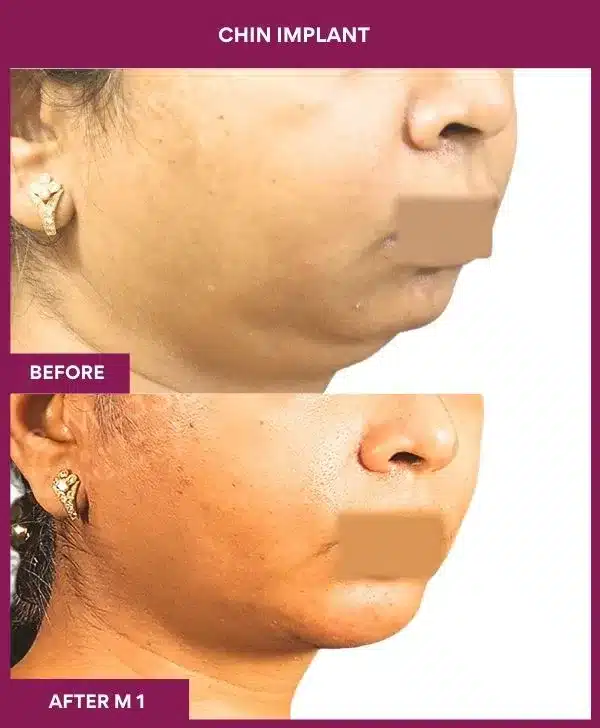
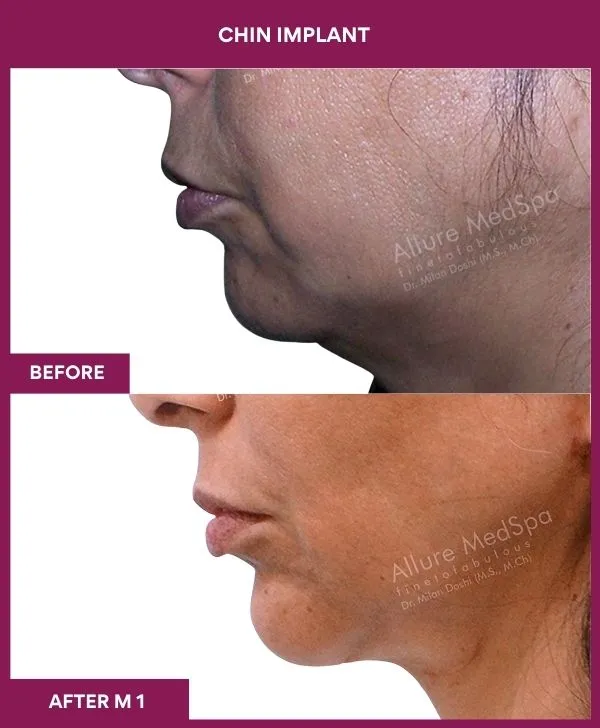
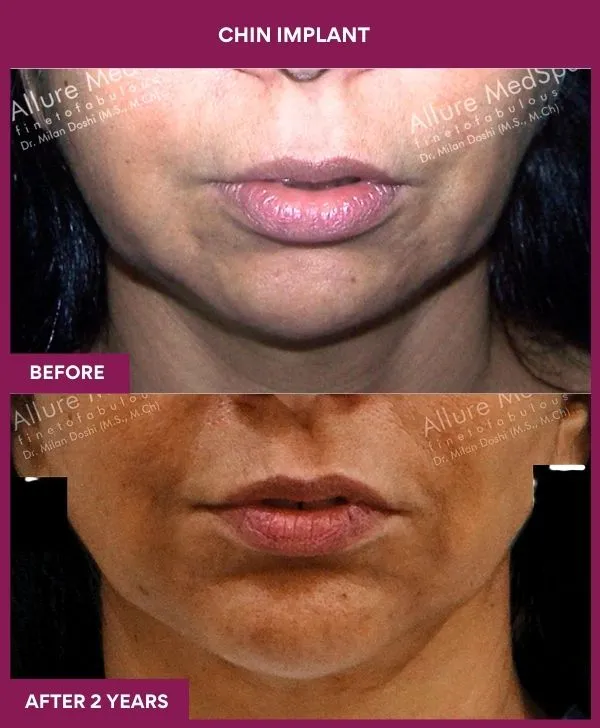
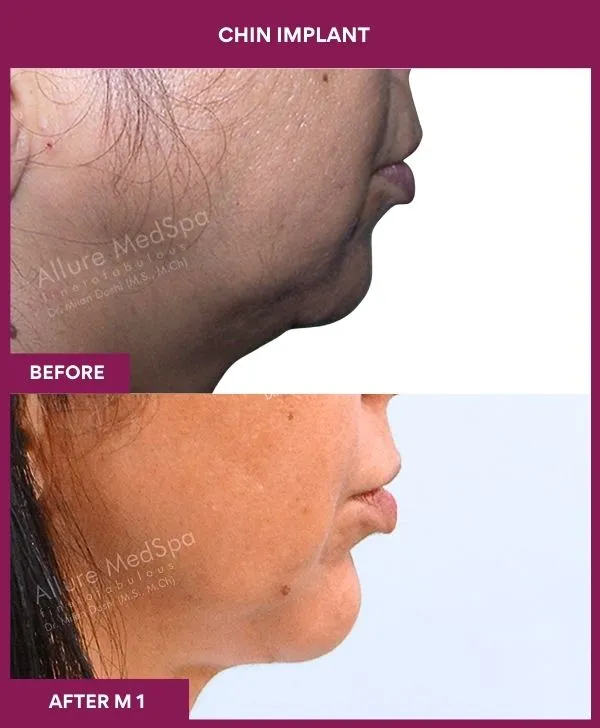
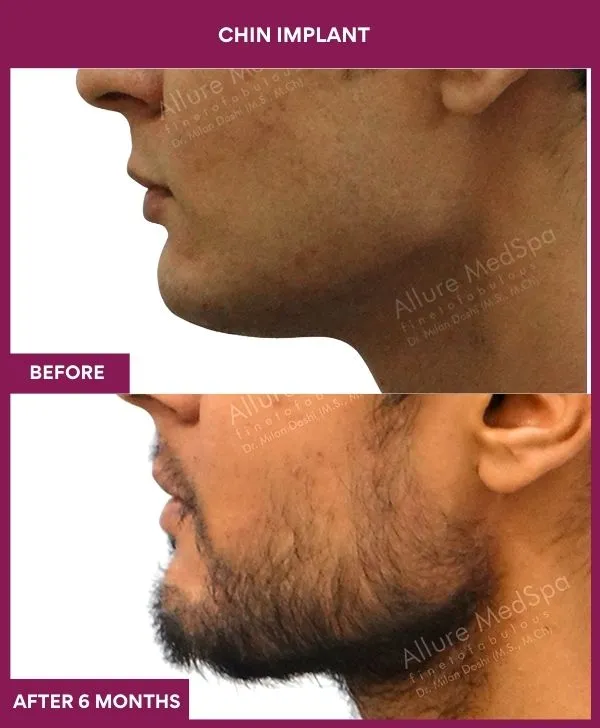
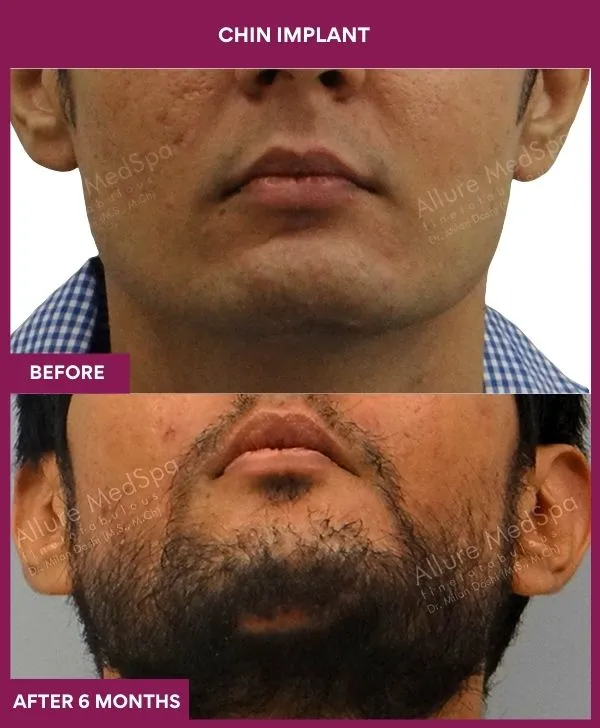
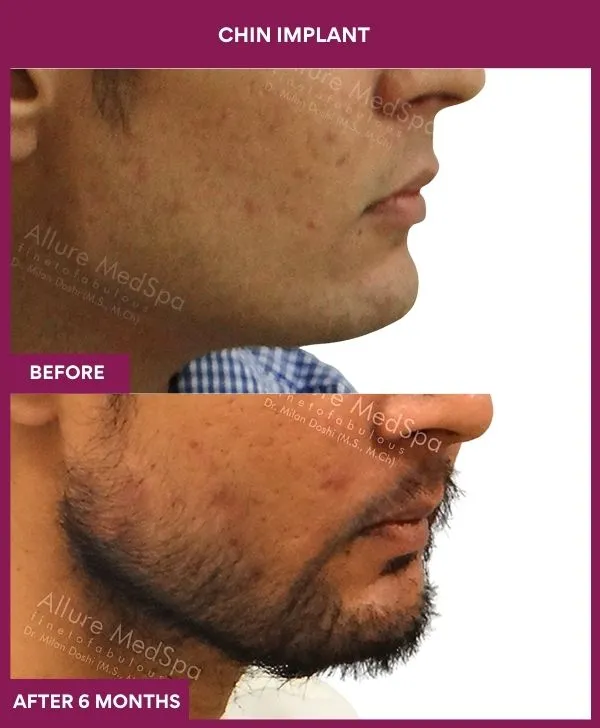
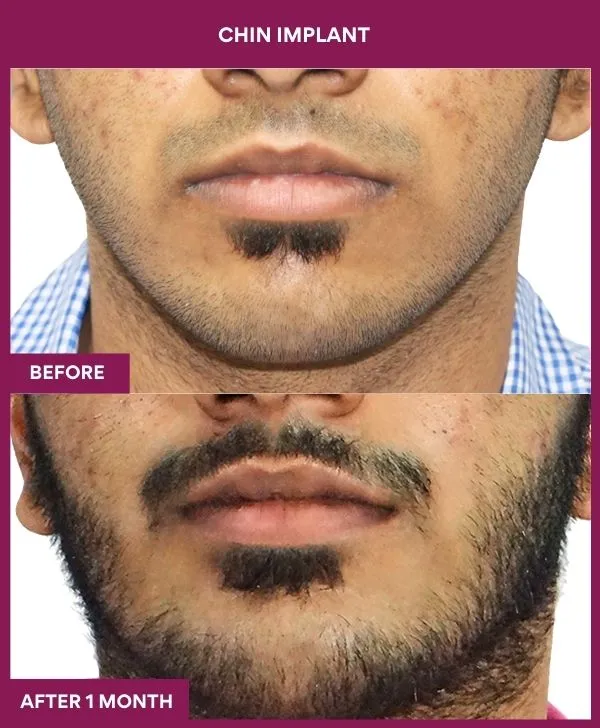
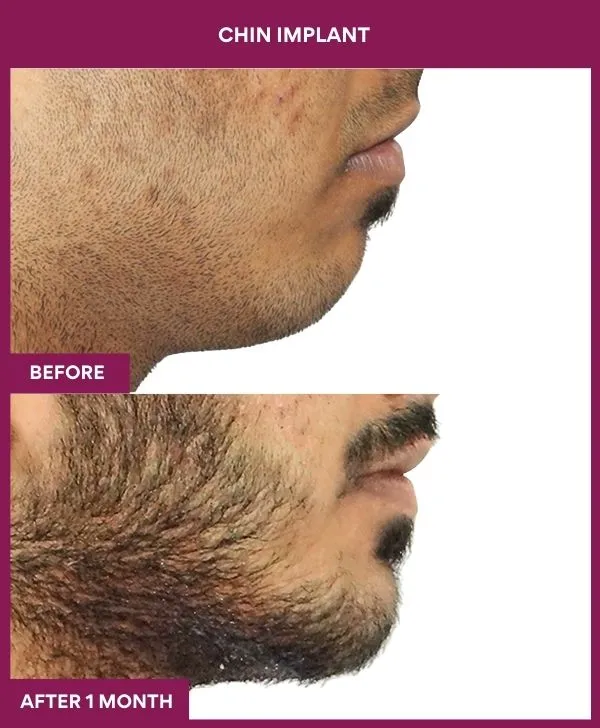
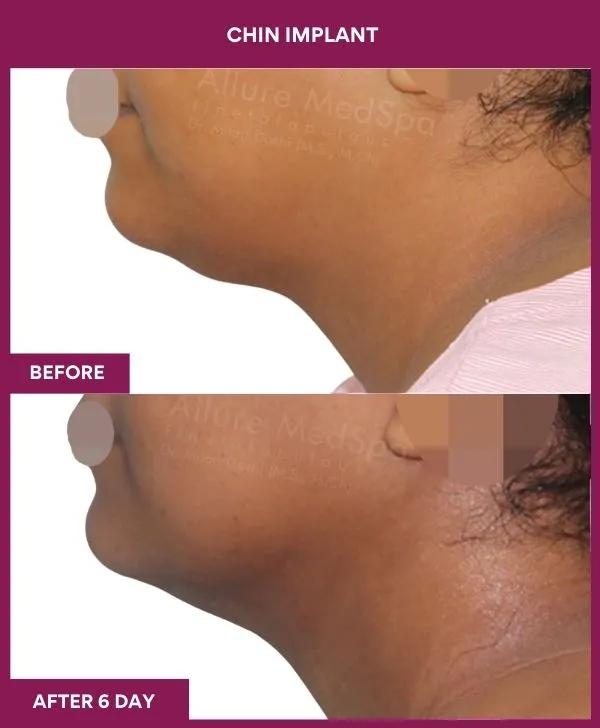
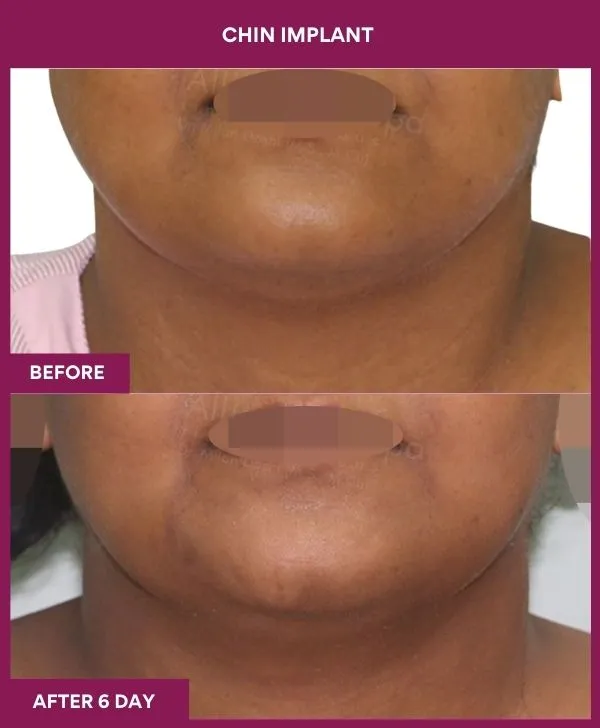
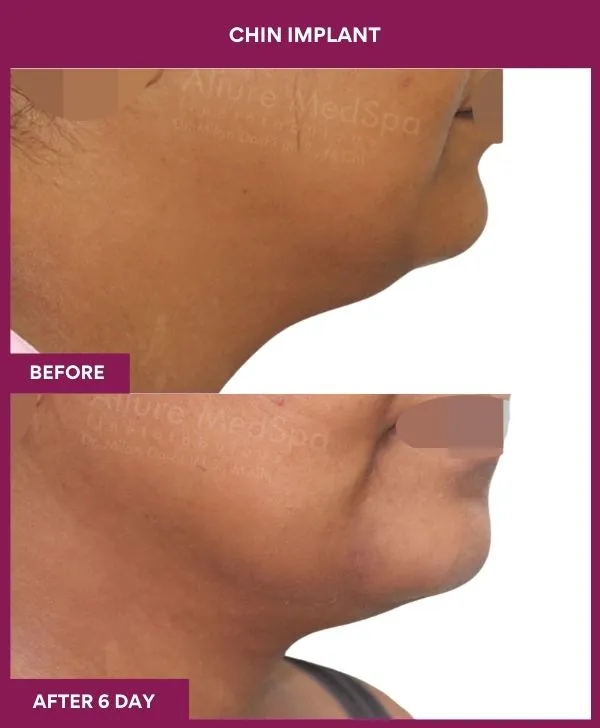
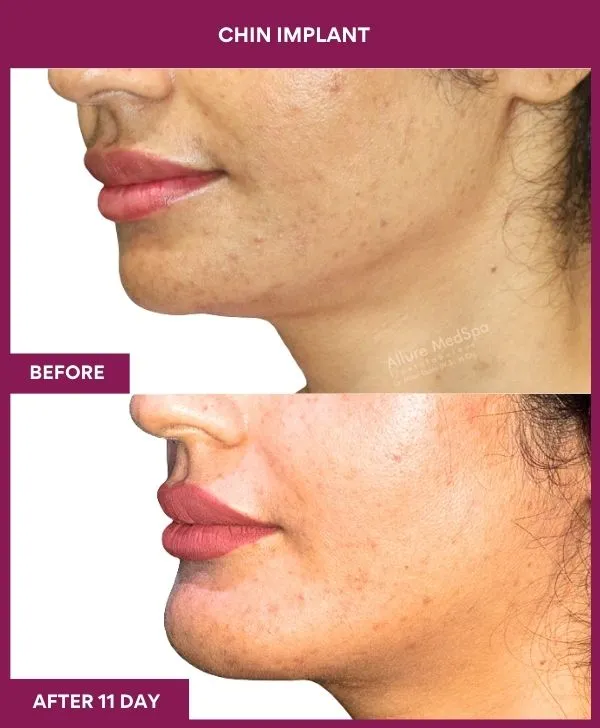
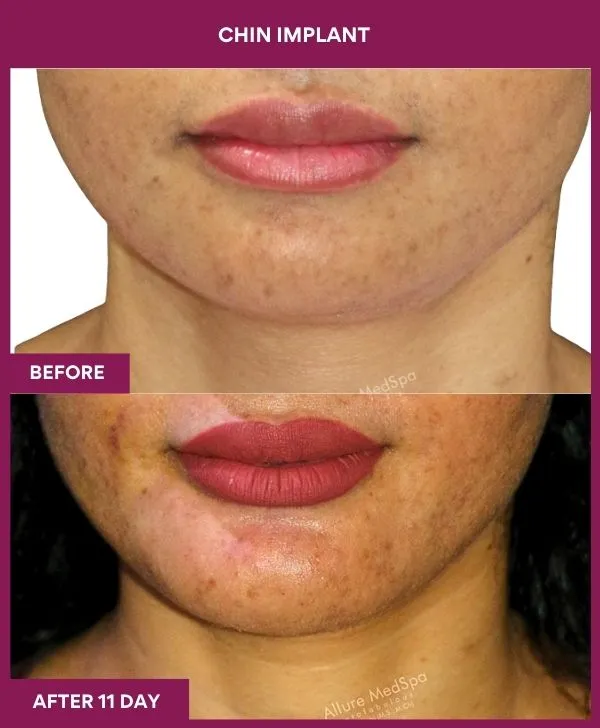
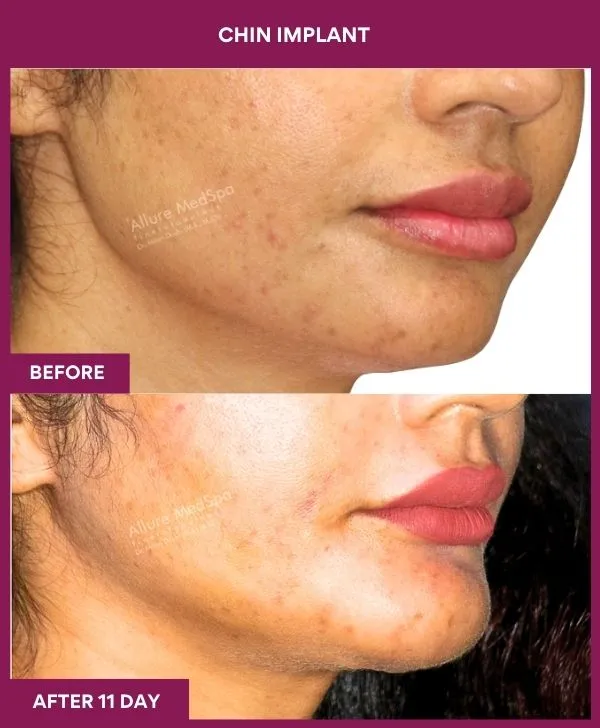
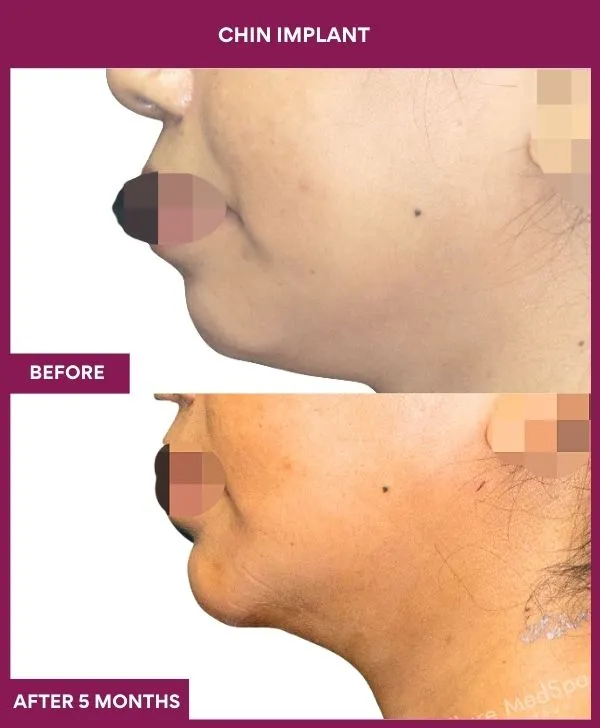
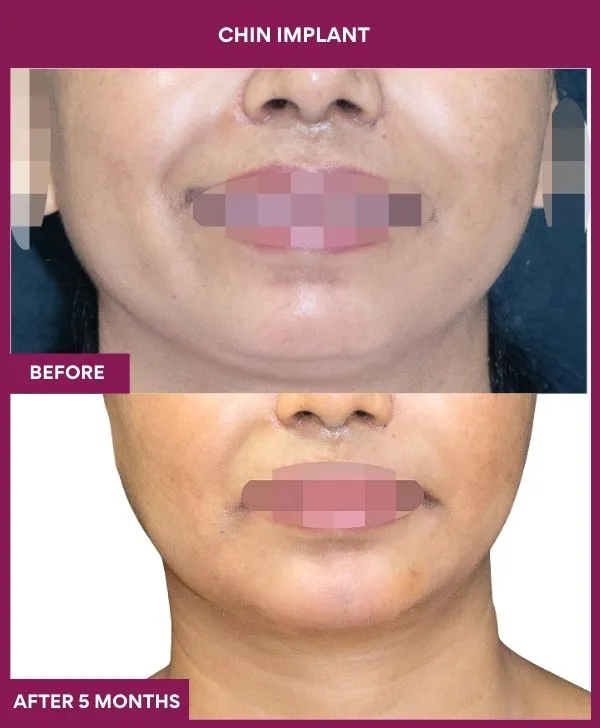
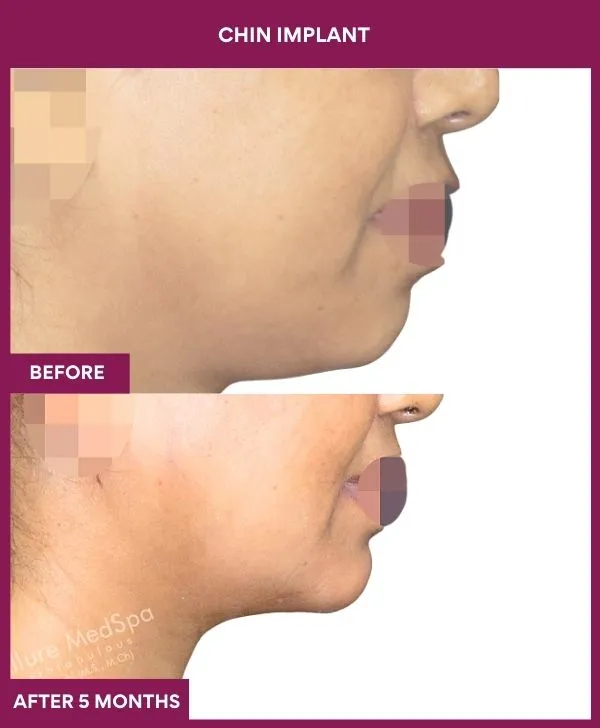
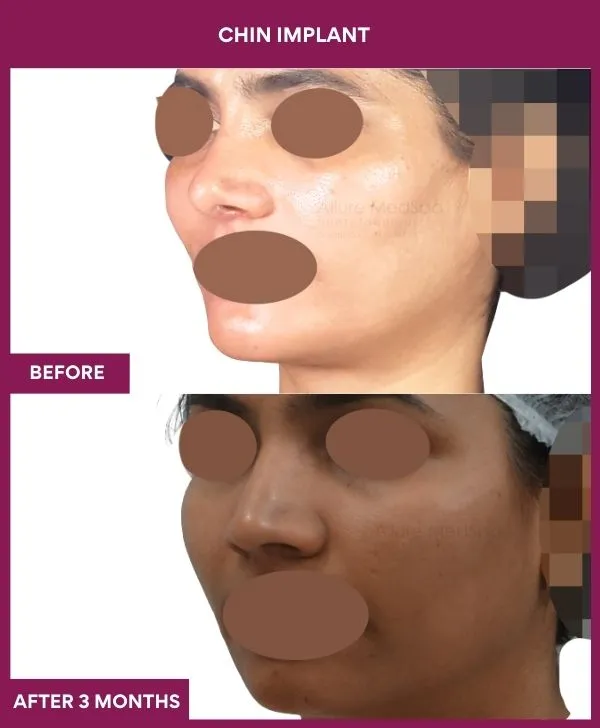
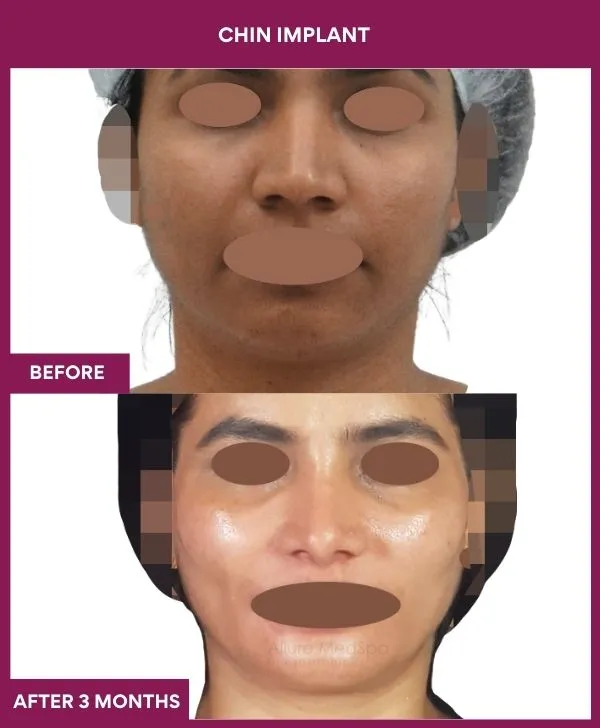
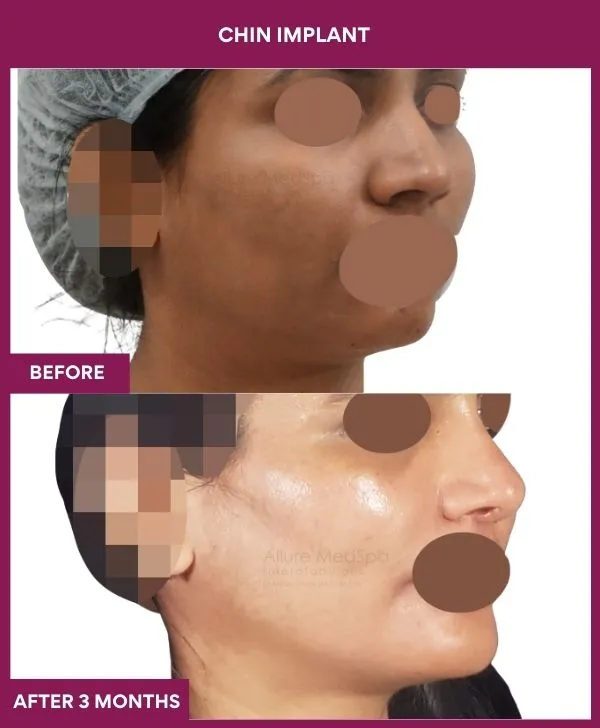
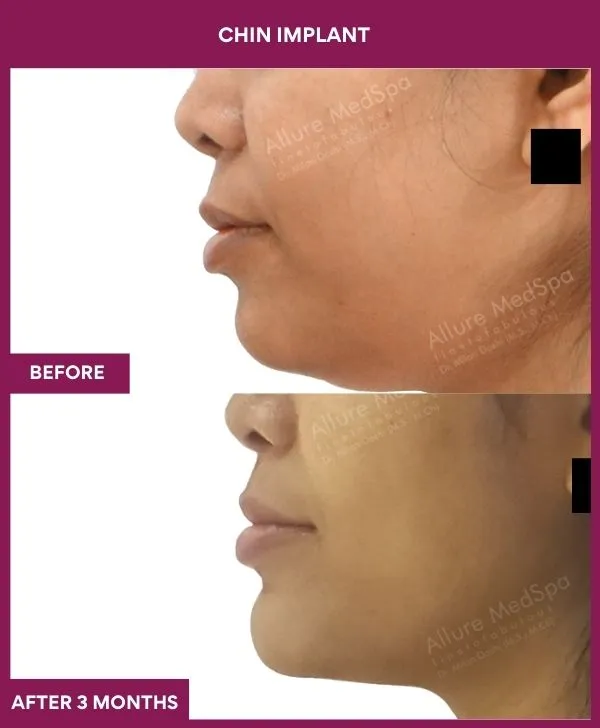
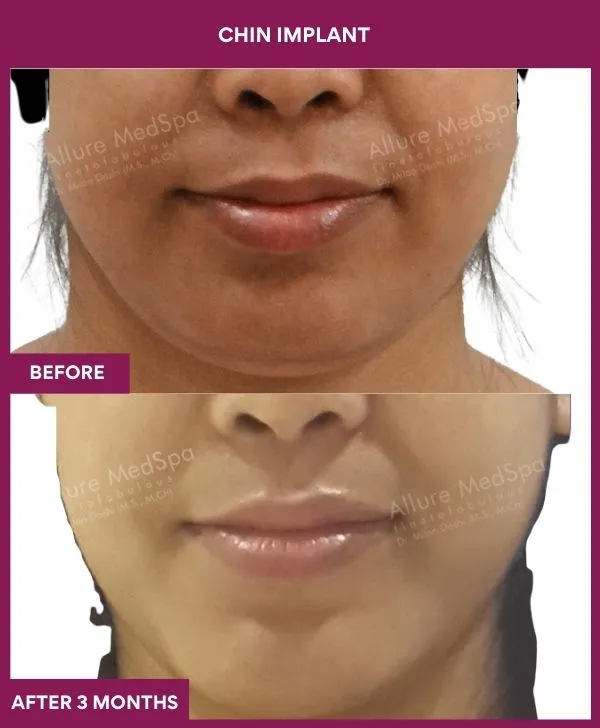
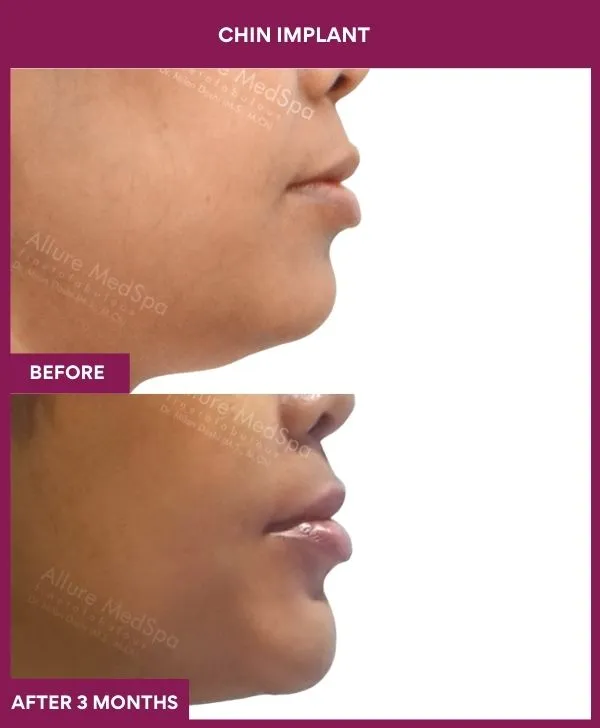
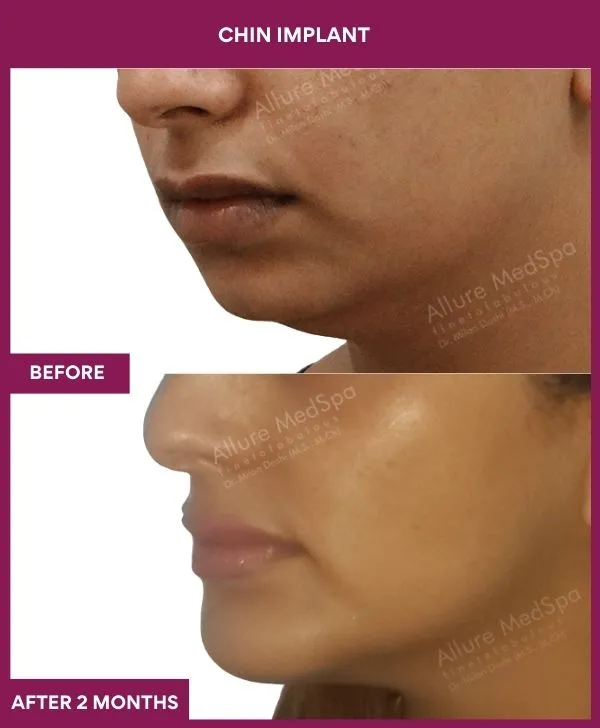
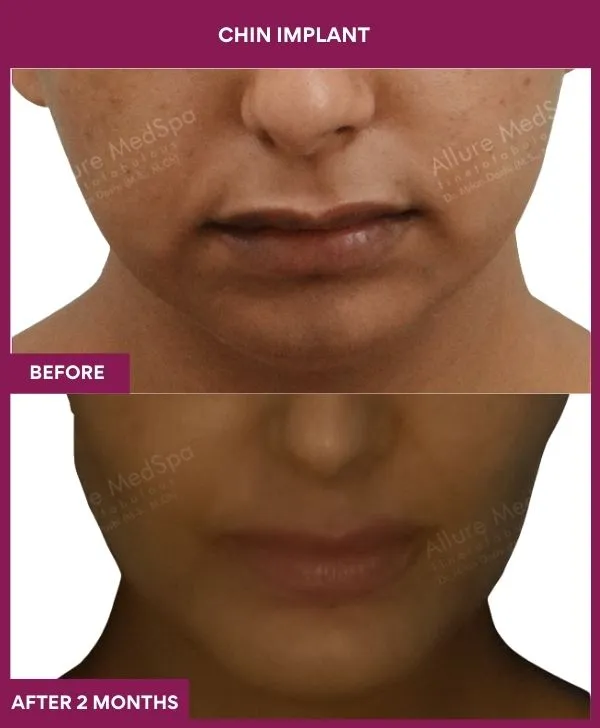
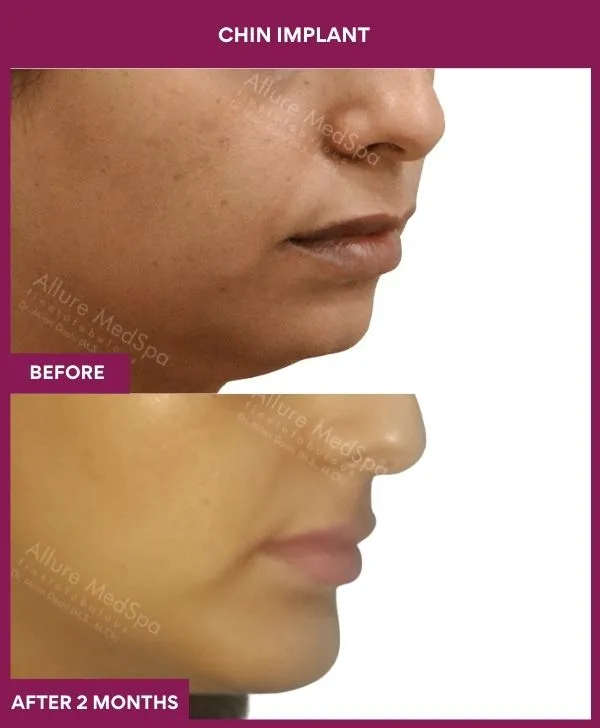
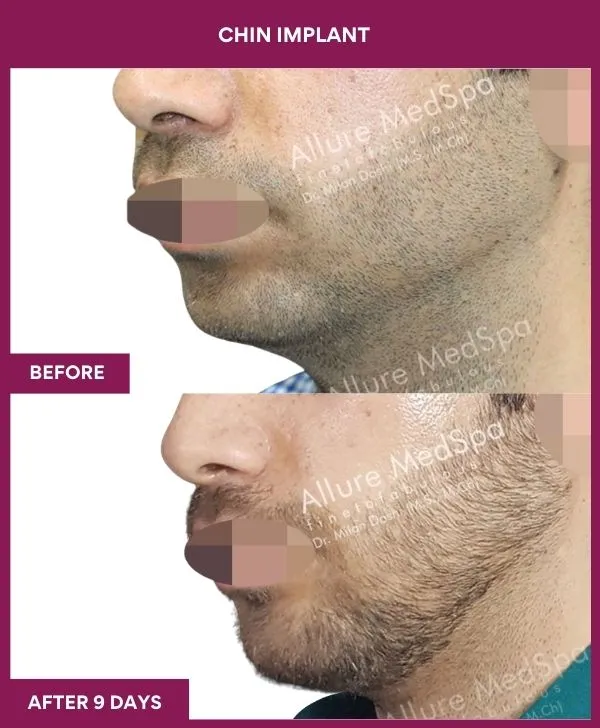
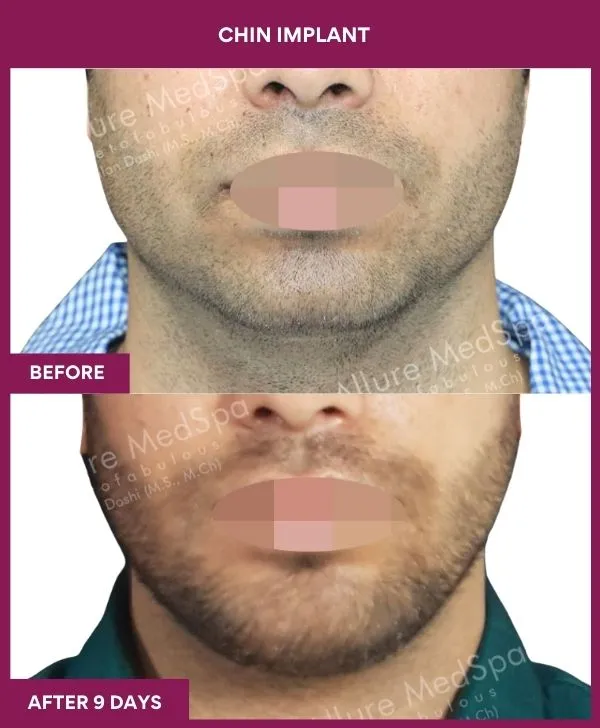
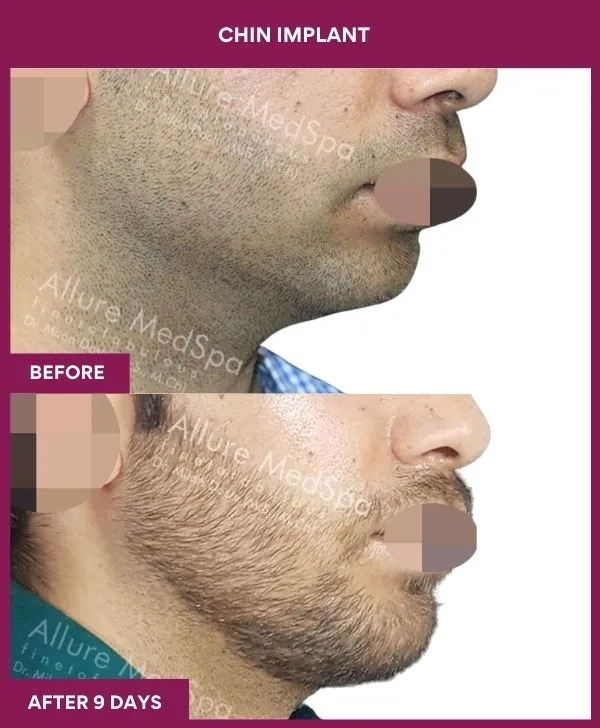
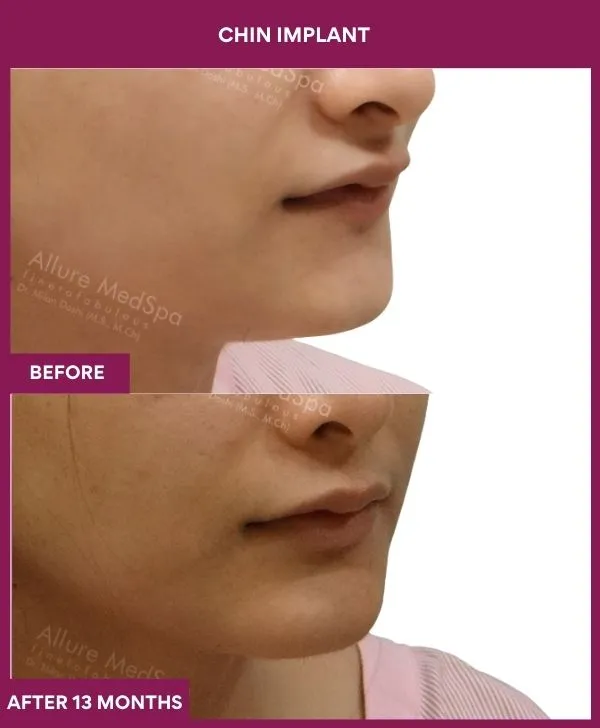
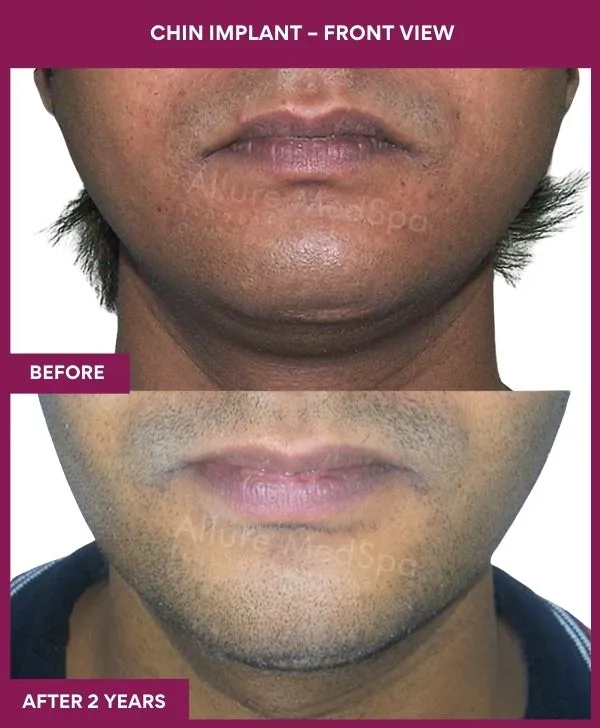
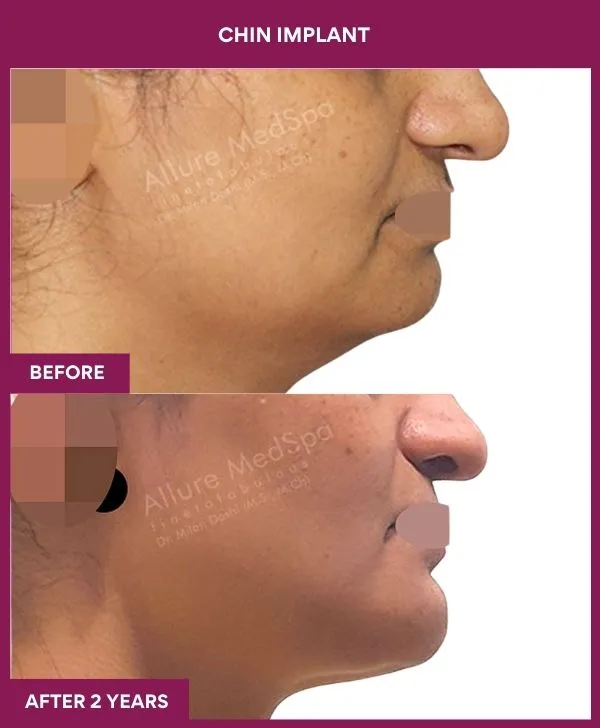
“Liked the results? Let's plan yours.”
Chin Augmentation Surgery Testimonials: Fine To Fabulous Journeys

Awarded by Google.com
Rating: 4.7
Reviews: 485+

Awarded by WhatClinic.com
Rating: 4.8
Reviews: 119+

Awarded by Realself
Rating: 4.9
Reviews:453+

Awarded by Facebook
Rating: 4.6
Reviews:105+
Dr Milan Doshi and his staff are very professional and committed as the centre is highly equipped with advanced technology. I had closed rhinoplasty 4 months back and I’m seeing the results as to how it becomes successful.
Deepika Shetty
The doctor explained everything clearly and the surgery was smooth. Recovery was faster than I expected and the team was very supportive.
Rahul Mehta
Very natural results and excellent staff. From consultation to follow-up, the experience was outstanding and boosted my confidence.
Sneha Kapoor
How long does chin augmentation recovery take?
Recovery looks different depending on the technique:
Non-surgical chin fillers: often settle in 1–3 days
Chin implant surgery: commonly needs about 5 TO 10 days
s for social recovery, with refinement over 6–8 weeks
Sliding genioplasty (bone movement): may take longer than implants because it involves deeper healing
If you’d like a neutral, patient-friendly overview of genioplasty concepts and peri-operative considerations, you can reference the
What should I expect in the first 72 hours after chin augmentation?
Days 0–3 are typically peak swelling days. You may notice:
swelling and tightness
mild bruising (not everyone bruises)
temporary numbness/tingling (especially around the lower lip/chin area)
mild difficulty chewing if you have an intraoral (inside-mouth) incision
Temporary altered sensation can happen because sensory nerves (including the mental nerve region) are close to the surgical area.
What helps most (simple, practical)
Sleep with your head elevated
Use cold compresses as advised (not directly on incisions unless instructed)
Rest + light walking at home (helps circulation)
Stick to soft foods and hydrate well
Follow incision-specific aftercare (mouth vs. skin)
Week 1: When can I return to work?
Most desk-job patients can return in about 3-4 days, depending on swelling, comfort, and the procedure type.
Typical Week-1 pattern
swelling begins to settle gradually
bruising (if present) starts fading
tightness reduces slowly
if incision is intraoral, mouth tenderness improves day-by-day
Tip: If you want to look more “public-ready” sooner, plan your procedure so you have 7–10 days before an important social event.
Week 2: When will I look presentable?
By week 2, most patients look socially presentable. You may still notice mild puffiness (you’ll notice it more than anyone else).
What to avoid in week 2
heavy lifting / intense workouts
smoking / vaping / nicotine
alcohol excess (can worsen swelling and interfere with good recovery habits)
Smoking can reduce oxygen delivery and slow wound healing—so avoiding nicotine during recovery is strongly advised.
Weeks 3–4: When can I restart exercise?
Light workouts are often restarted around week 2-3 if healing is smooth and your surgeon clears you.
Usually okay after clearance
light cardio (walking, cycling at low intensity)
gentle gym routines
yoga (avoid early inverted poses)
Still avoid
heavy lifting / straining
contact sports
direct pressure or impact to the chin
Practical rule: If a workout makes your swelling noticeably worse afterward, scale it back and re-progress gradually.
Weeks 6–8: When are final results visible?
By 6–8 weeks, swelling is largely settled and contours look refined and stable.
If you had sliding genioplasty, subtle settling can continue longer because deeper tissues and bone healing take time.
Intraoral vs under-chin incision: does recovery differ?
Both approaches can heal well. The main difference is the type of aftercare.
Intraoral incision (inside the mouth)
no visible external scar
requires stricter oral hygiene early
soft diet discipline matters more in the first week
Under-chin incision
small scar hidden in the under-chin crease
easier wound monitoring and scar care
usually simpler for patients who prefer visible wound checks
Quick Recovery Milestones Table
| Milestone | Typical timeline |
|---|---|
| Peak swelling | Days 2–3 |
| Back to desk work | 3-5 days (varies) |
| Socially presentable | 7–14 days (varies) |
| Light exercise | 2-3 weeks (after clearance) |
| Heavy gym / contact sports | 4-6 weeks (after clearance) |
| Final refined contour | ~6–8 weeks (sometimes longer for genioplasty) |
Do’s and Don’ts after chin augmentation
Do
elevate your head in the first week
take medicines exactly as prescribed
maintain incision-specific hygiene as instructed
eat soft foods initially and hydrate well
attend follow-ups on schedule
Don’t
smoke early in recovery
use straws / chew hard foods too early (especially with intraoral incision)
touch, press, or massage the area unless advised
restart heavy workouts without clearance
Red flags: when should I contact the clinic urgently?
Contact us immediately if you have:
fever/chills or feeling unwell
rapidly increasing swelling, redness, warmth, or severe pain
pus-like discharge or foul smell
persistent bleeding
sudden worsening asymmetry
any breathing difficulty (rare but urgent)
Why choose Dr. Milan Doshi and Allure Medspa for a smoother recovery?
Recovery is not luck—it’s planning, technique, protocols, and structured follow-up. We keep aftercare simple, monitored, and predictable, with clear milestones so you know what’s normal and when to reach out.
FAQs: Chin Augmentation Recovery
Q1) Is chin augmentation painful?
Ans. Most patients describe tightness and pressure more than severe pain. Discomfort is usually highest in the first few days and then improves steadily as swelling reduces. Pain control typically involves prescribed medication for a short period, followed by simple measures like rest, soft foods, and head elevation. If pain is worsening instead of improving—especially with fever, increasing redness, or discharge—contact your surgeon promptly.
Q2) How long does numbness last after chin augmentation?
Ans. Temporary numbness or tingling can occur because sensory nerves are close to the chin region. Many patients notice gradual improvement over weeks as swelling settles and tissues heal. The timeline varies by procedure type (fillers vs implant vs genioplasty), surgical approach, and individual healing. Mild, improving numbness is common; numbness that worsens or is paired with severe pain should be reviewed by your surgeon.
Q3) When can I return to work after chin augmentation?
Ans. For most desk-based jobs, patients often return in 3-5 days, depending on swelling, comfort, and confidence. If your work involves heavy physical activity, prolonged speaking, or public-facing roles where you want minimal visible swelling, you may prefer 10–14 days. Your surgeon will guide you based on incision type and healing progress. When in doubt, plan for a slightly longer buffer—you’ll feel less rushed.
Q4) When can I exercise again after chin augmentation?
Ans. Light activity may restart around weeks 2-3 if healing is smooth and you’re cleared by your surgeon. Intense training, heavy lifting, and contact sports are commonly delayed until around 4-6 weeks after clearance. The main goal is to avoid raising blood pressure too early (which can worsen swelling) and avoid any risk of direct impact to the chin. A gradual return is usually safer than jumping straight back into full workouts.
Q5) What is recovery like after chin fillers?
Ans. Fillers typically have the fastest downtime. Mild swelling, tenderness, or bruising can happen but often settles in 1–3 days. You’ll usually be advised to avoid heavy pressure on the chin, vigorous exercise for a short window, and unnecessary touching or massage unless your injector recommends it. Results can look better after a few days once minor swelling settles and the filler integrates naturally into the tissues.
Q6) Which recovery is slower: chin implant or sliding genioplasty?
Ans. Sliding genioplasty often takes longer because it involves bone repositioning and deeper healing. Chin implants usually have a quicker “social recovery” (many patients feel presentable by 1–2 weeks), but both procedures still need time for swelling to settle and for the chin/jawline contours to look fully refined. Your best timeline depends on the technique, incision approach, and how your body typically heals.
Q7) Will I have a visible scar after chin augmentation?
Ans. If the incision is inside the mouth (intraoral), there’s no external scar. If the incision is under the chin, the scar is typically small and placed within the natural crease so it’s usually well hidden. Good scar care (if applicable), sun protection, and avoiding picking/tension on the area help scars fade smoothly. Your surgeon will advise when to start scar gel or silicone-based care if needed.
Conclusion: Your Recovery, Guided at Every Step
Chin augmentation recovery is a gradual, predictable process when done with proper planning, skilled technique, and consistent aftercare. Most patients feel socially comfortable within 7–14 days, return to routine activities within a few weeks, and enjoy refined, stable results by 6–8 weeks.
Whether you choose fillers, an implant, or sliding genioplasty, the key to a smooth recovery is following personalized instructions, attending follow-ups, and communicating openly with your care team. Small daily habits—like head elevation, good nutrition, and timely rest—play a major role in long-term results.
At Allure Medspa, under the expert guidance of Dr. Milan Doshi, recovery is structured, monitored, and patient-focused. From day one to final refinement, you’re supported with clear timelines, proactive check-ins, and reliable medical care—so you can heal confidently and enjoy your new profile with peace of mind.

Start Your Transformation with Expert Care