Functional Rhinoplasty in Mumbai: Breathe Freely, Look Like Yourself

Indian Board Certified Plastic Surgeon
M.CH, MS, ISAPS Mentor
16000+ Cosmetic Surgeries
1500+ Rhinoplasty Surgeries
Functional rhinoplasty corrects the structural causes of a blocked nose — a collapsing nasal valve, enlarged turbinates, a weak sidewall, an old injury, or narrowing left behind by previous surgery — so you can breathe through both sides, at rest, in sleep and during exercise. At Allure Medspa Mumbai, Dr. Milan Doshi starts with a level-by-level airway diagnosis rather than assuming the septum is the only problem, and supports the airway in a way that leaves the nose looking like your own.
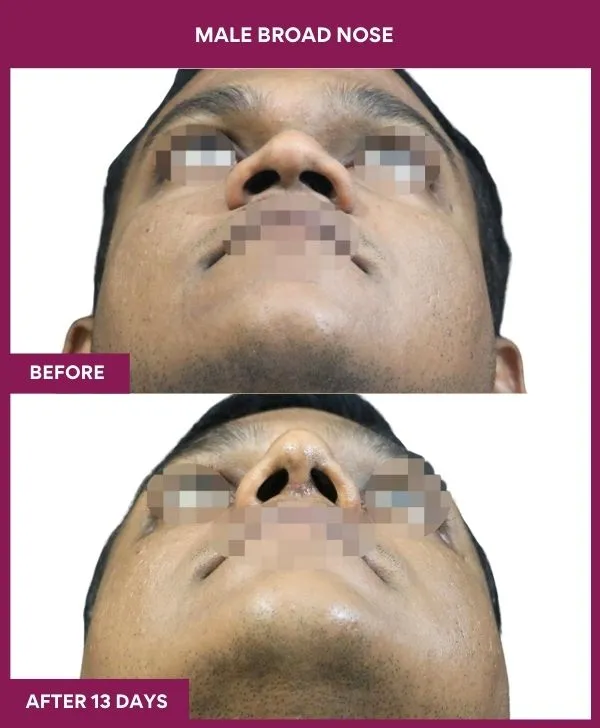
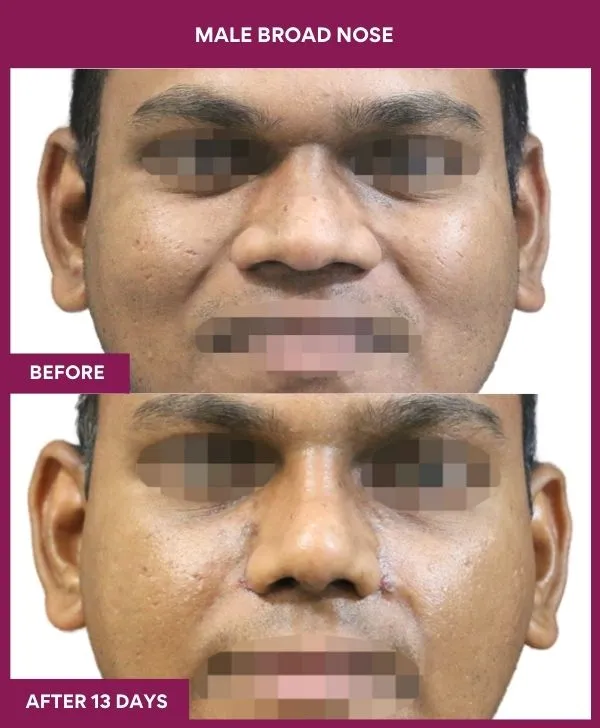
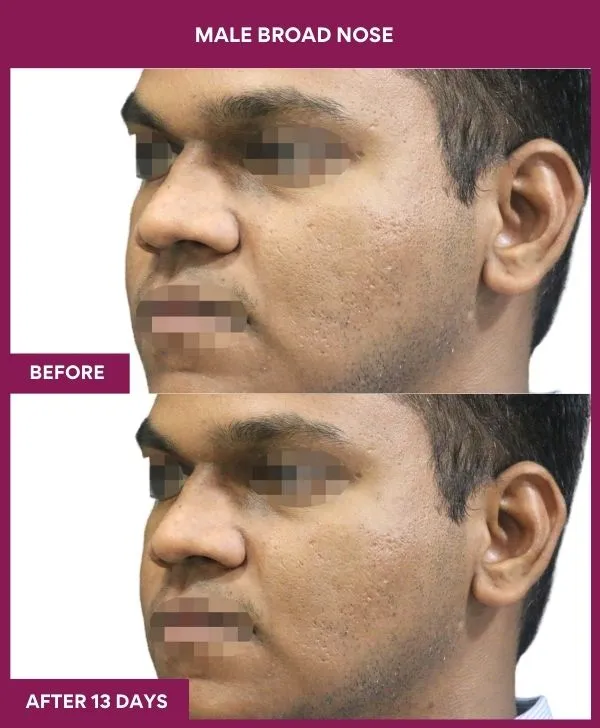
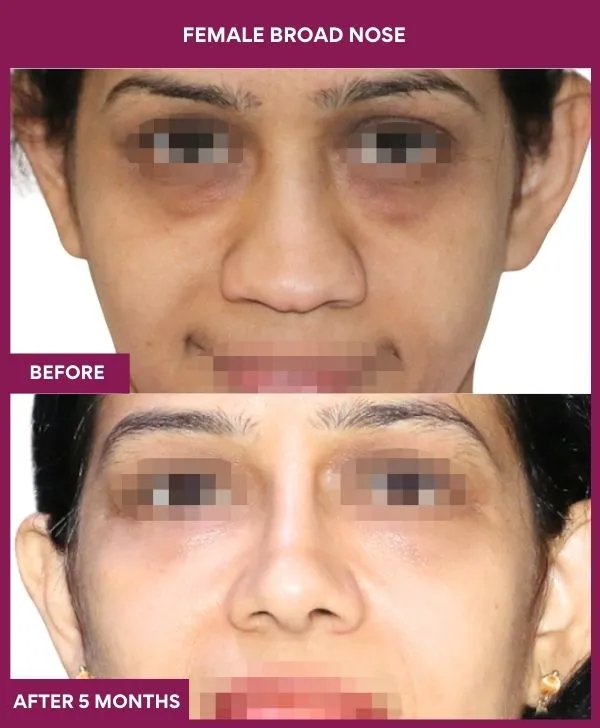
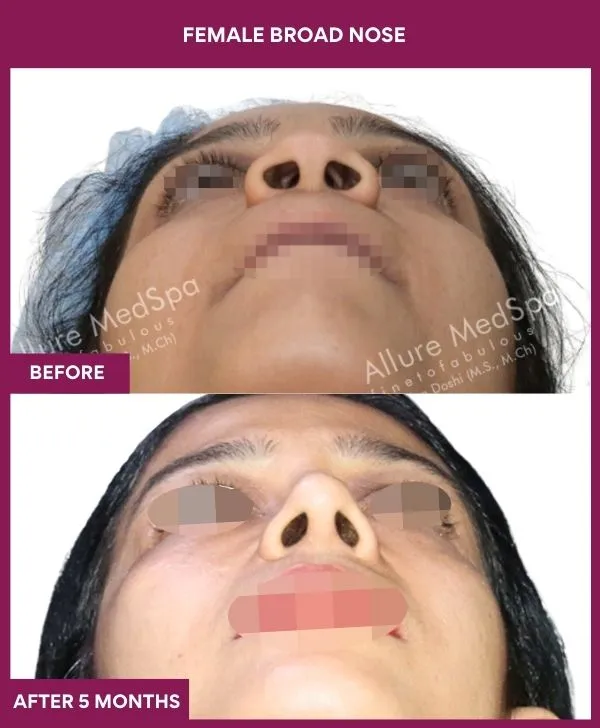
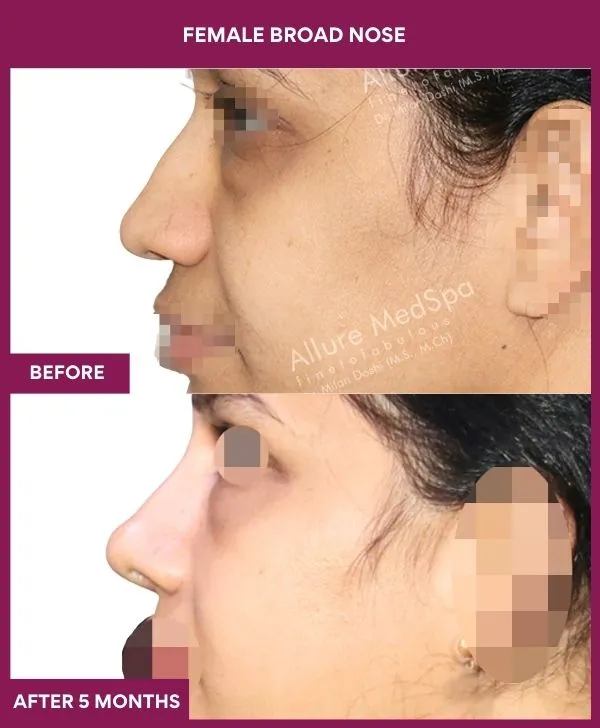
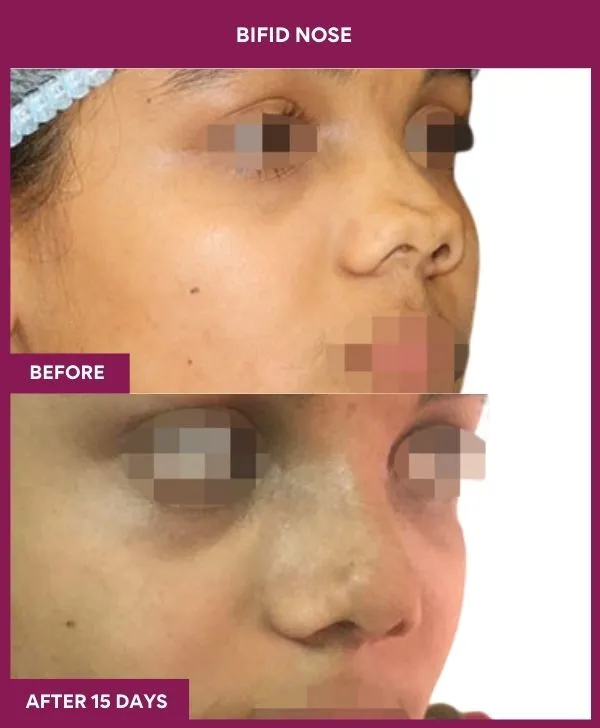
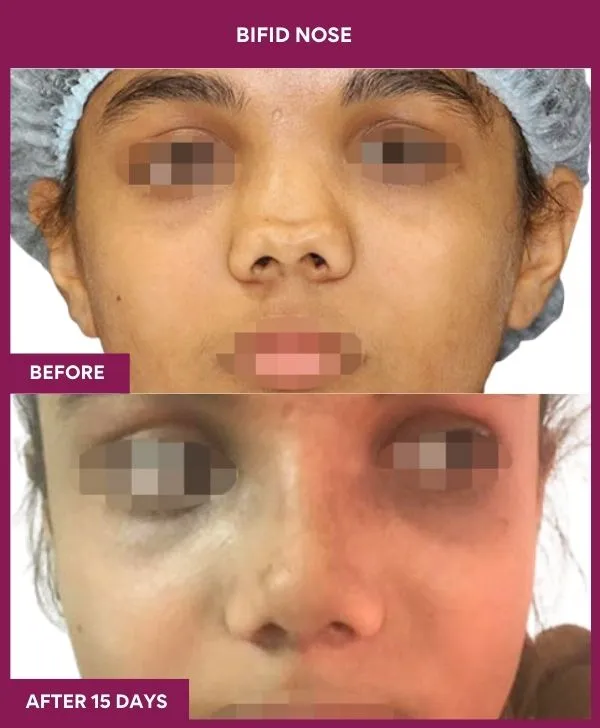
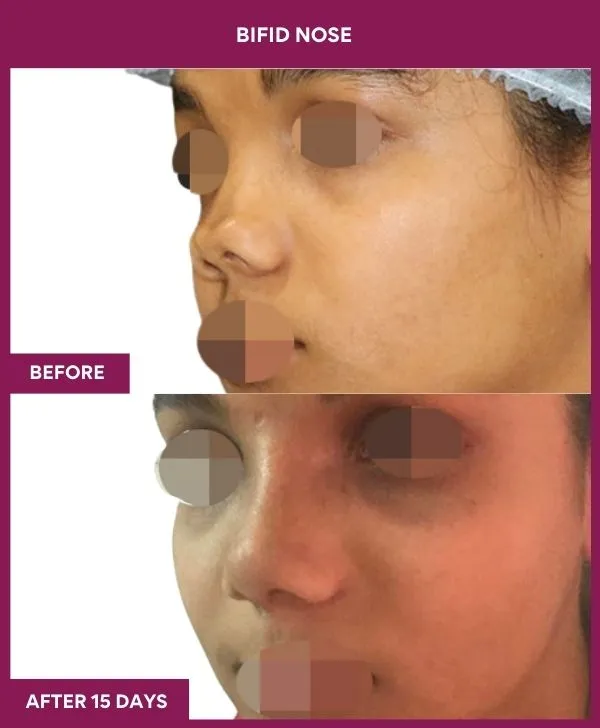
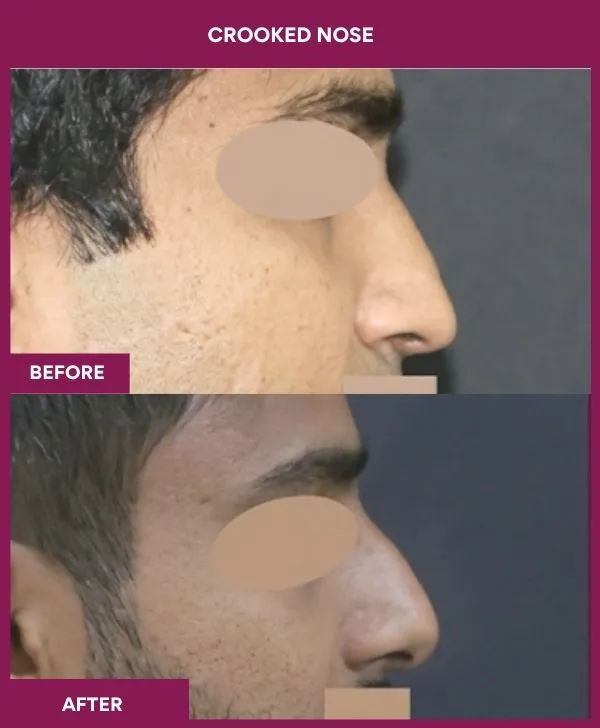
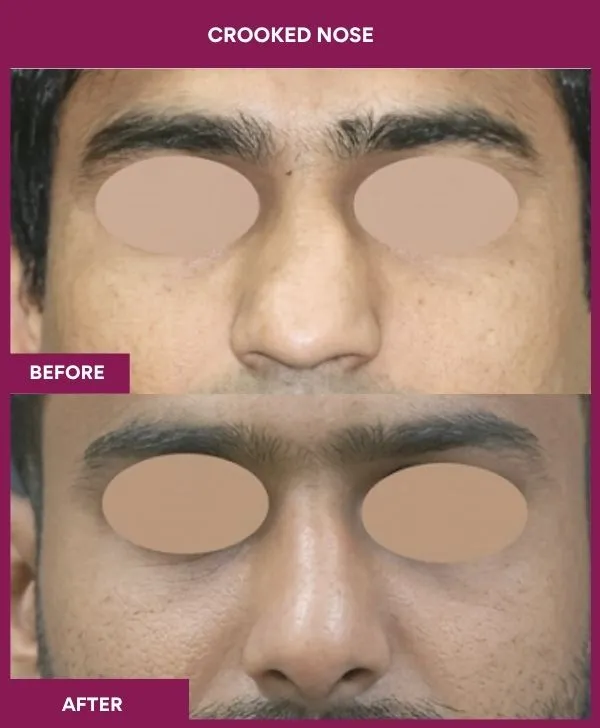
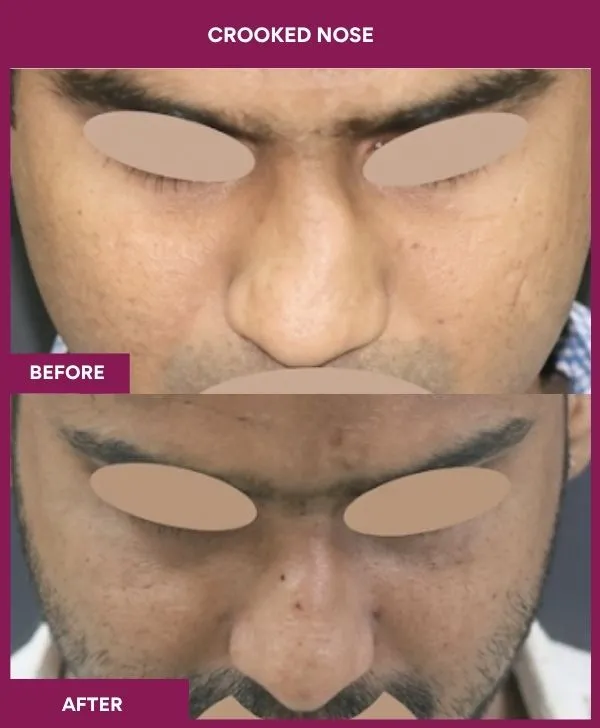
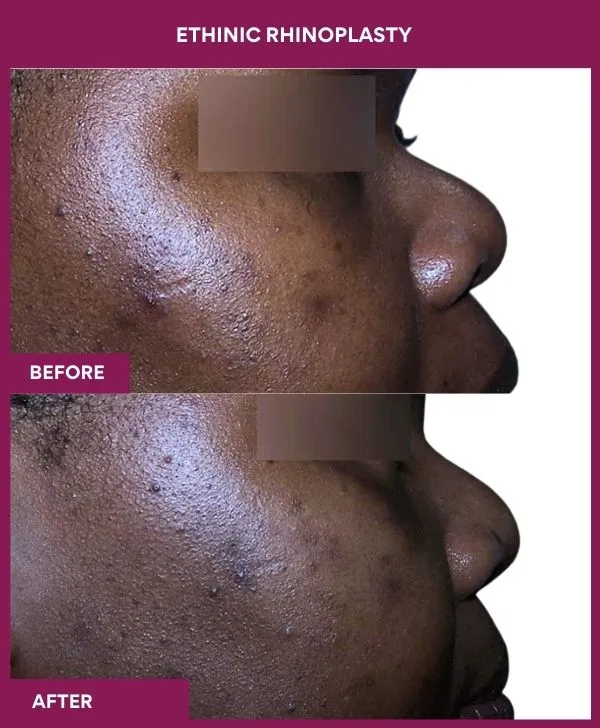
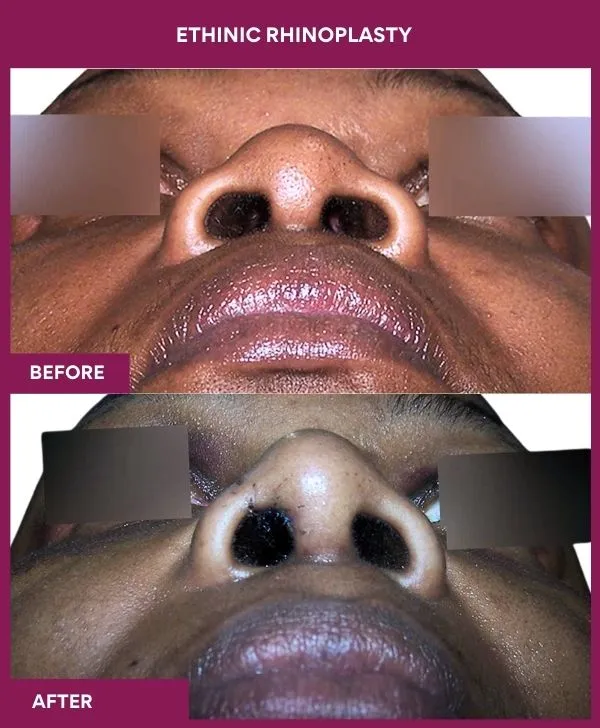
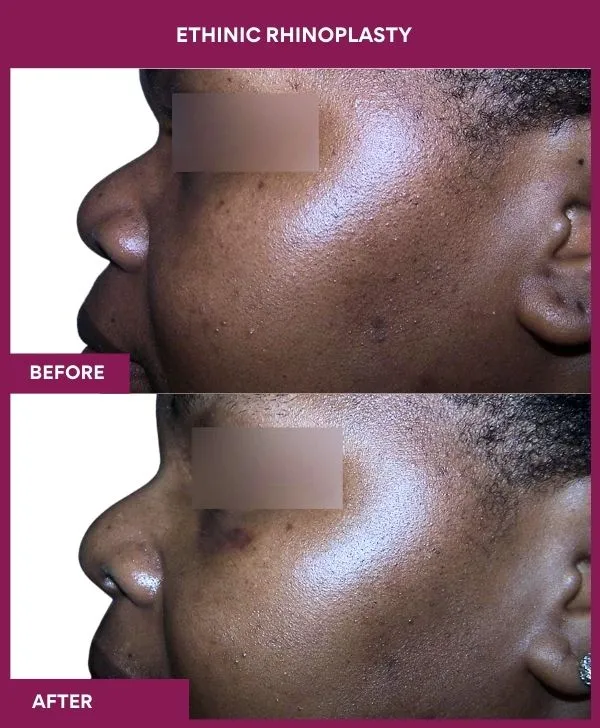
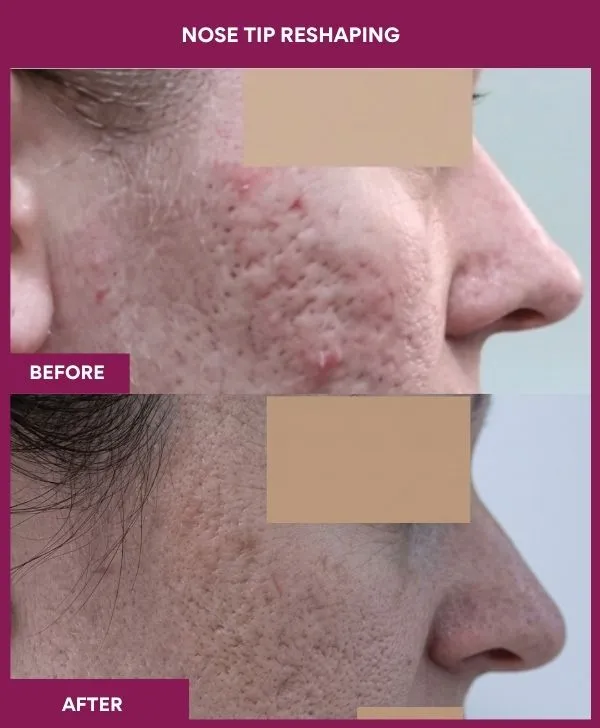
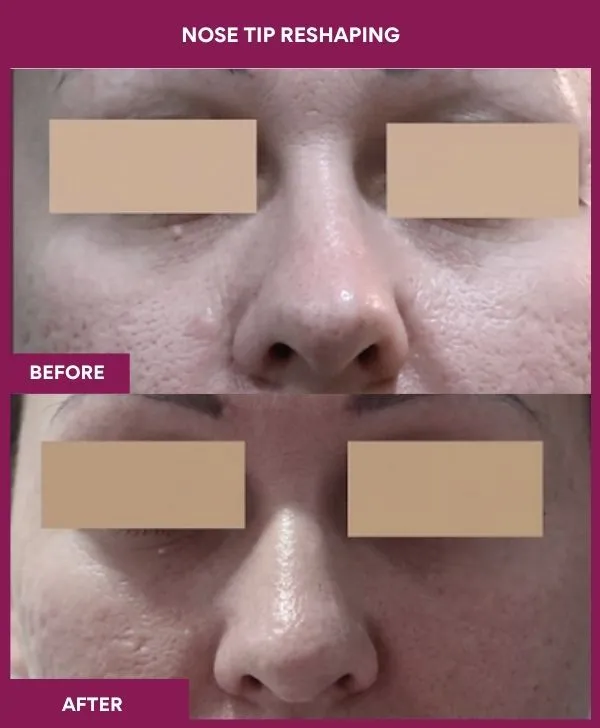
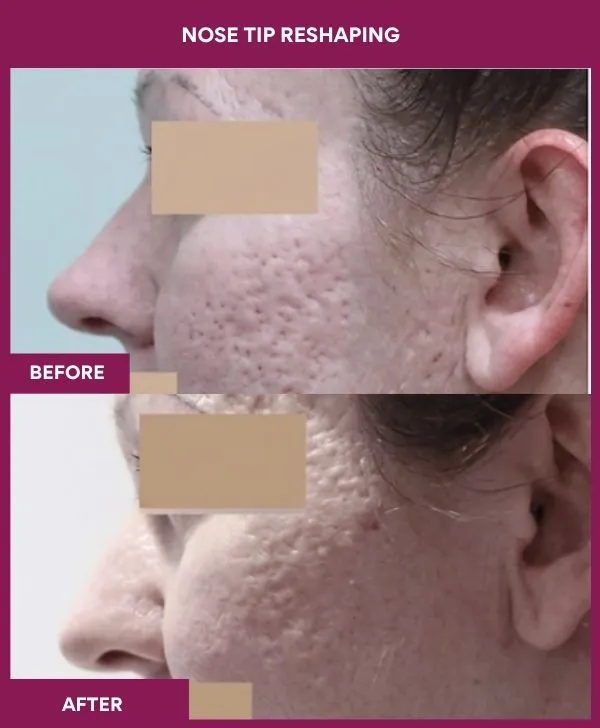
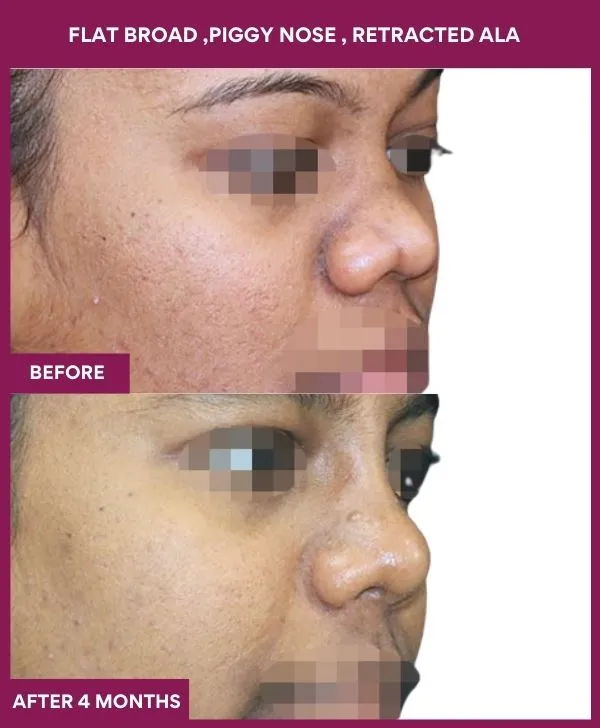
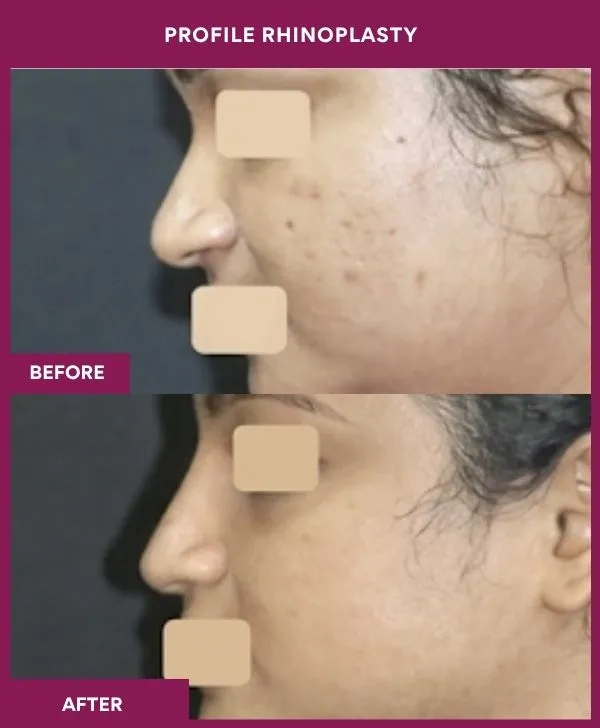
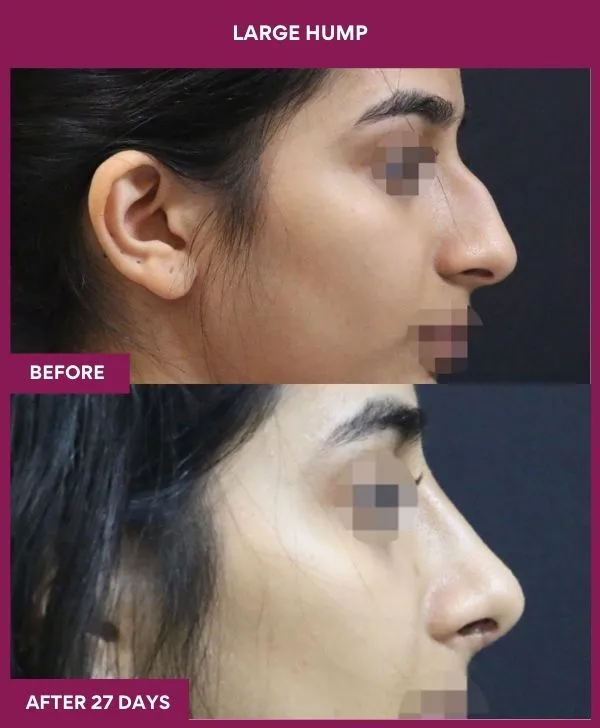
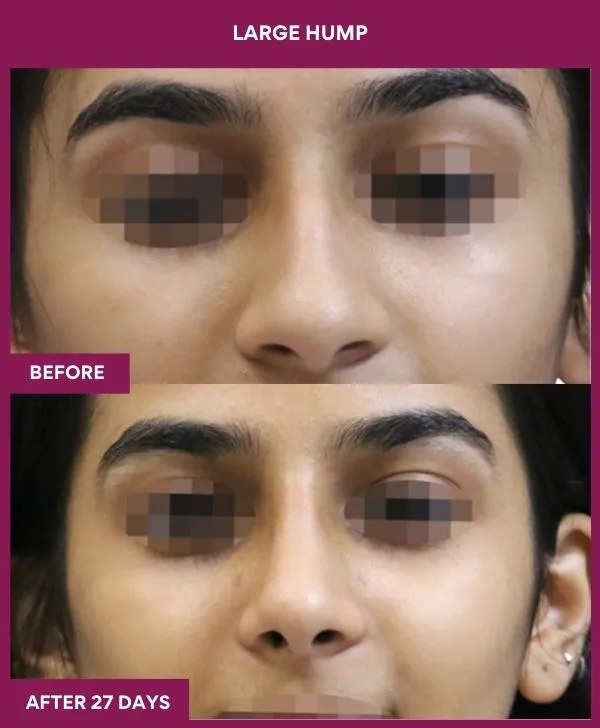
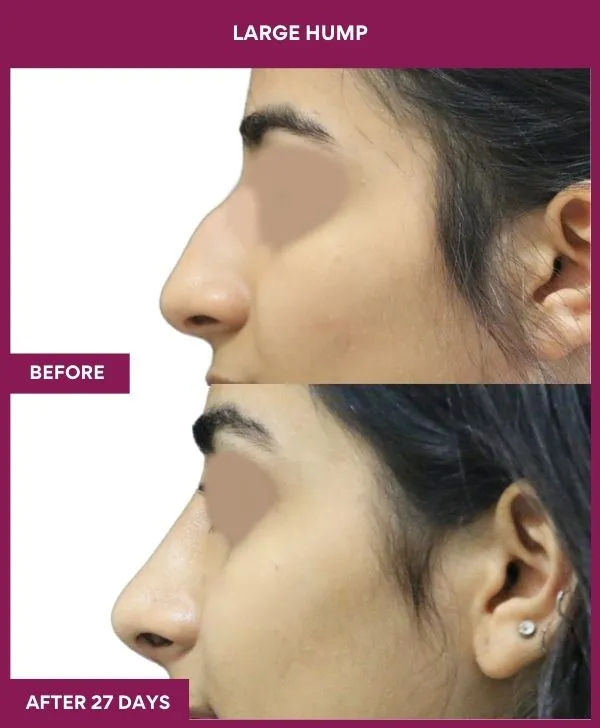
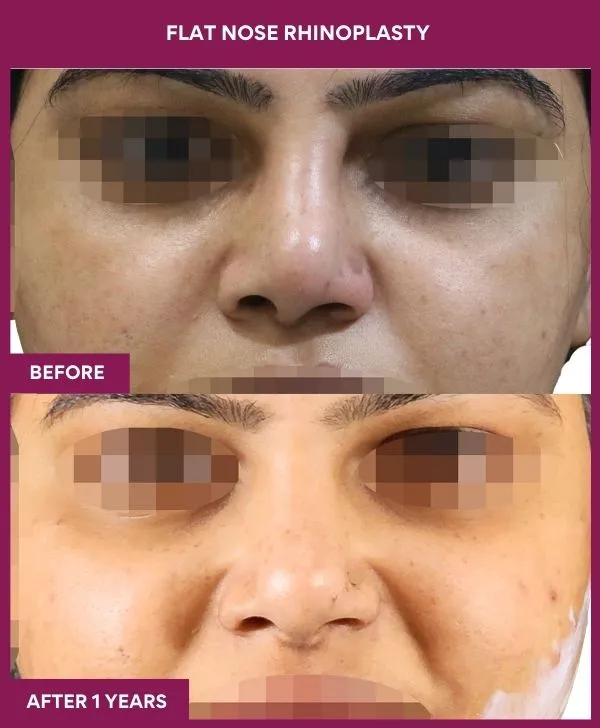
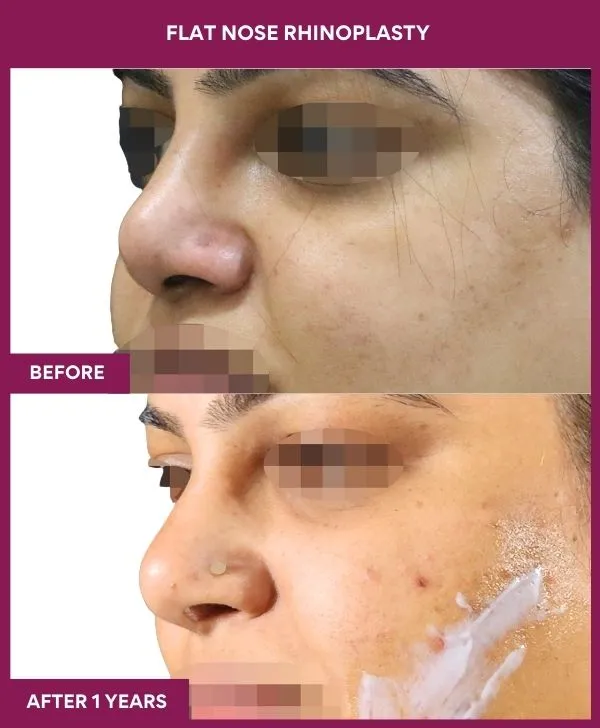
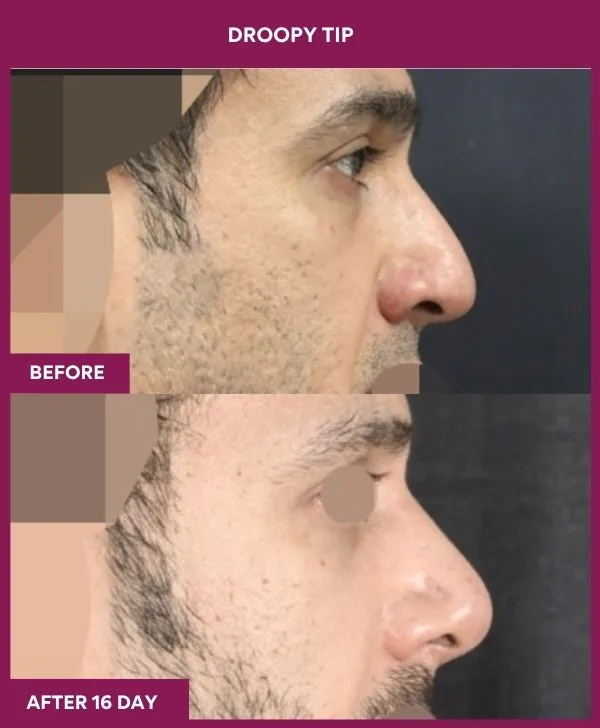
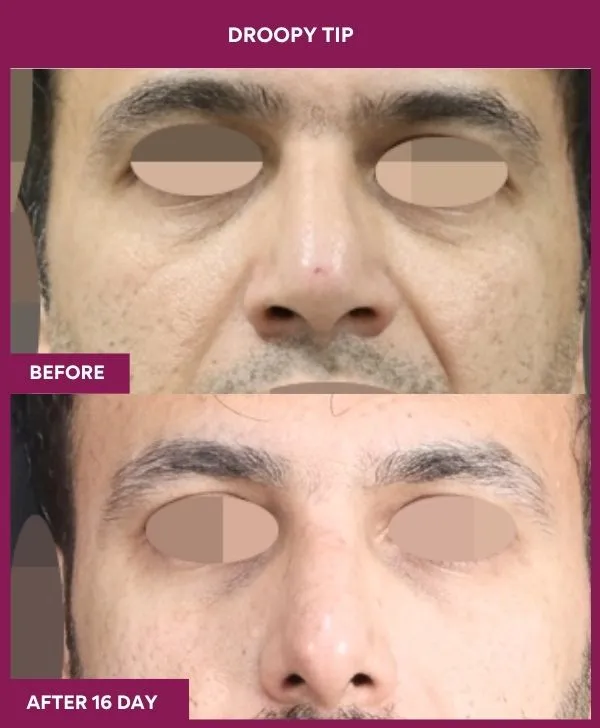
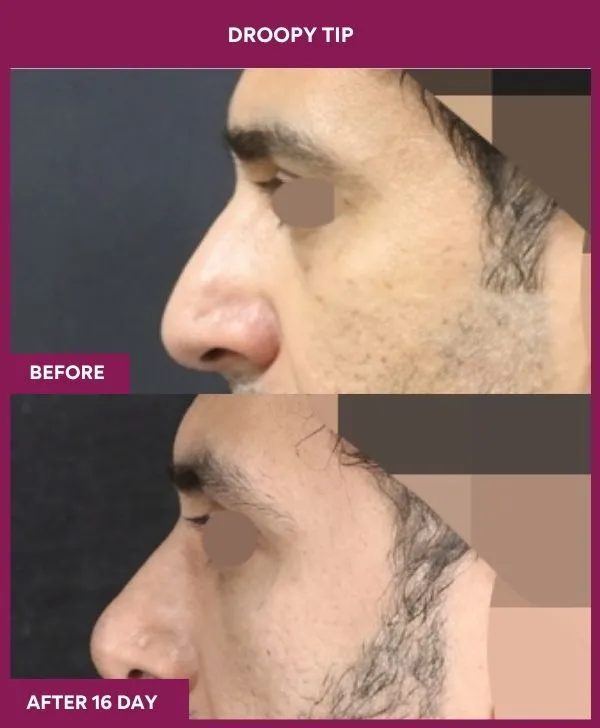
Functional Rhinoplasty Before And After Images
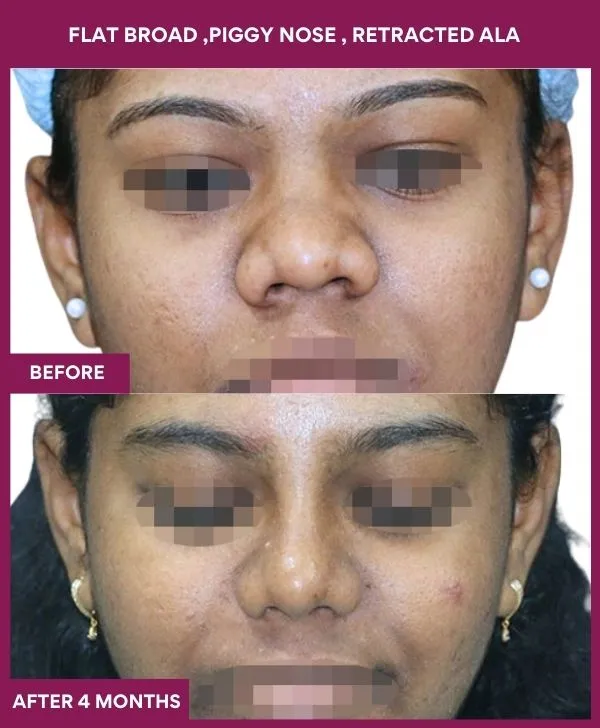
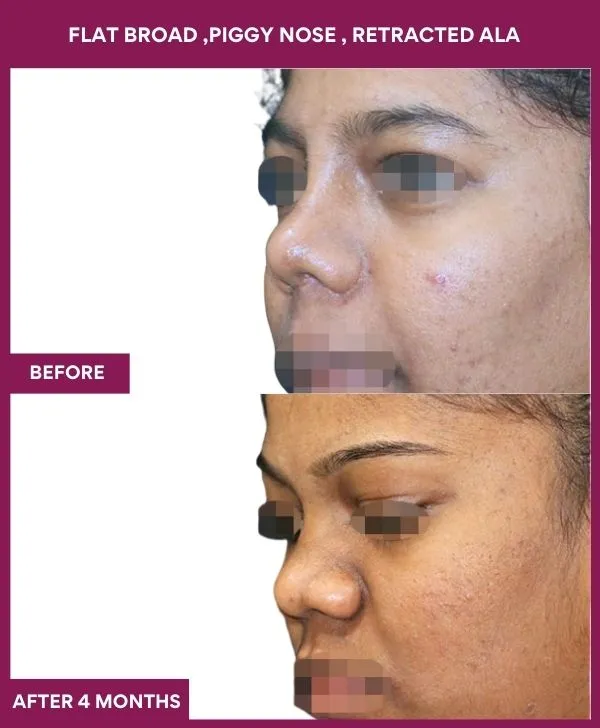
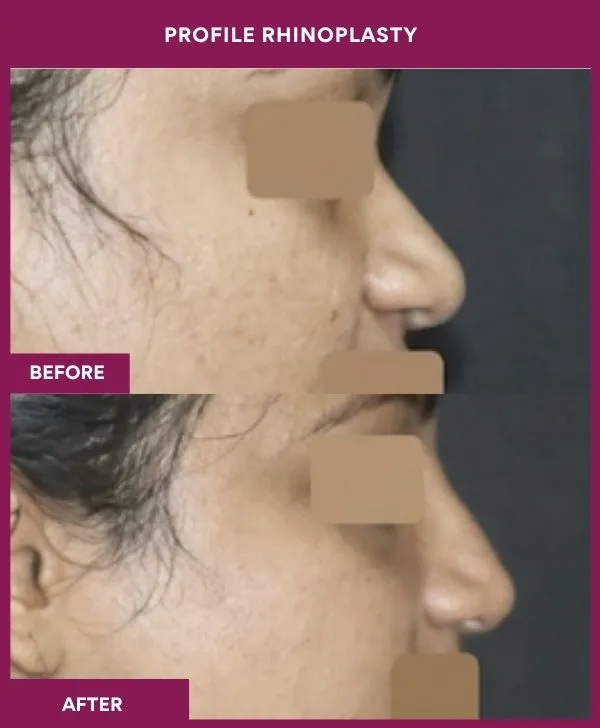
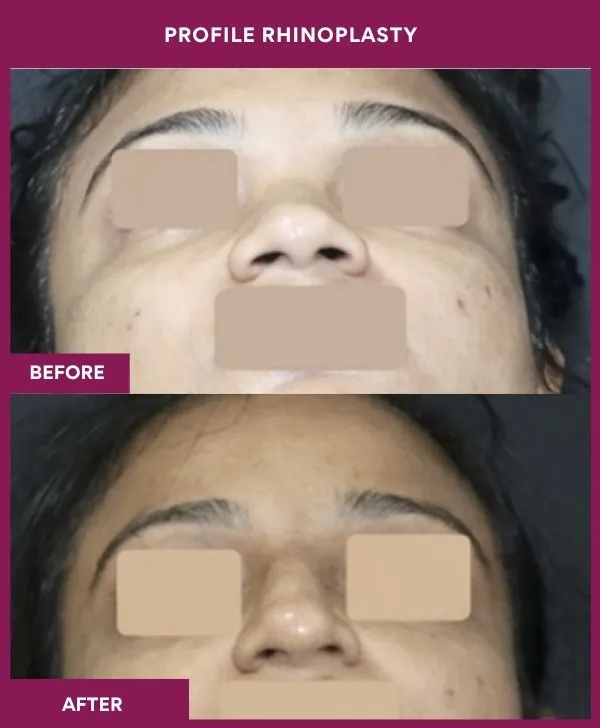
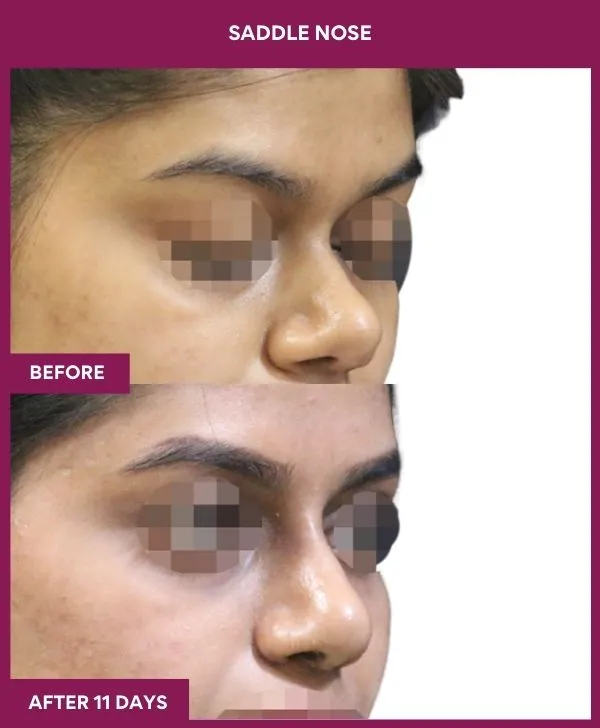
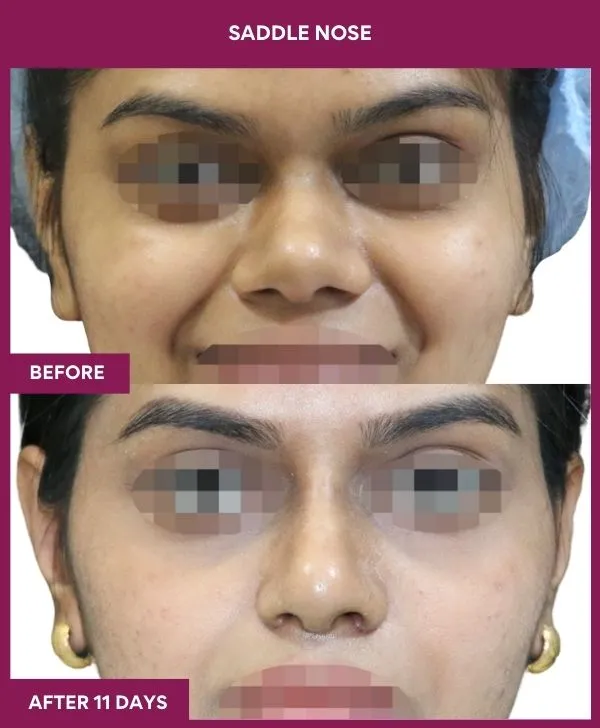
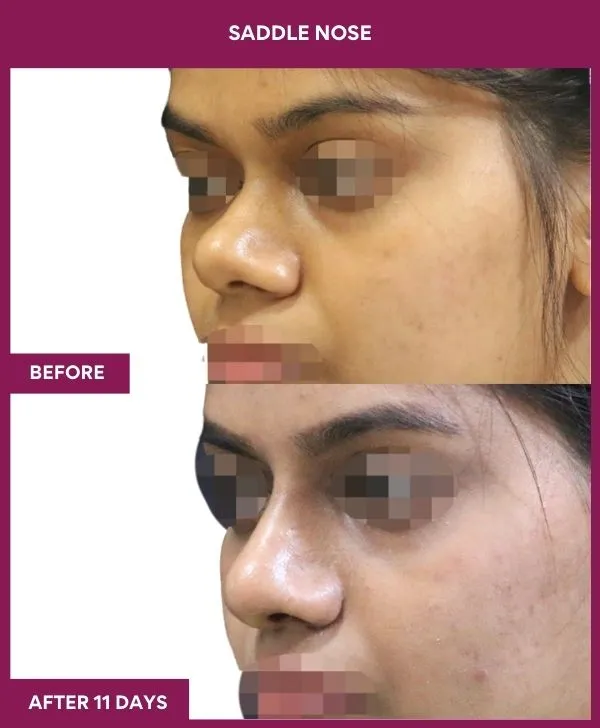
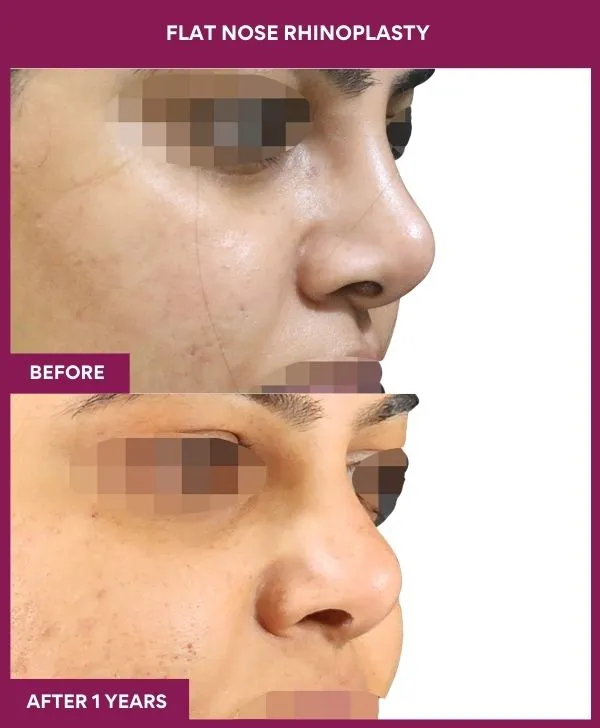
Rhinoplasty Surgery Testimonials: Celebrities Patient

Awarded by Google.com
Rating: 4.7
Reviews: 485+
Awarded by WhatClinic.com
Rating: 4.8
Reviews: 119+

Awarded by Realself
Rating: 4.9
Reviews:453+

Awarded by Facebook
Rating: 4.6
Reviews:105+
Dr Milan Doshi and his staff are very professional and committed as the centre is highly equipped with advanced technology. I had closed rhinoplasty 4 months back and I’m seeing the results as to how it becomes successful.
Deepika Shetty
The doctor explained everything clearly and the surgery was smooth. Recovery was faster than I expected and the team was very supportive.
Rahul Mehta
Very natural results and excellent staff. From consultation to follow-up, the experience was outstanding and boosted my confidence.
Sneha Kapoor
Video: Best Rhinoplasty Surgeon explain nose reshape procedure
Dr Milan Doshi is describing the Rhinoplasty Surgery in detail with benefits, techniques, recovery, result, risk and complecations
Am I a Candidate?
(4 quick questions)
Blocked, one-sided, or worse after surgery? Strong signs.
Get My AssessmentHonest yes, no, or “see an ENT first”
Quick Facts About Augmentation Rhinoplasty
TIME REQUIRED
1.5–3 hours
ANESTHESIA
General
HOSPITAL STAY
Day-care or 1 night
PAIN LEVEL
Mild–moderate
BACK TO WORK
7–10 days
RESULTS LAST
Permanent
SUCCESS RATE
97–98%
COMPLICATIONS
Under 2-3%
How Much Does Functional Rhinoplasty Cost in Mumbai?
Functional rhinoplasty in Mumbai starts from ₹1,20,000 to ₹3,50,000 and varies with which levels of the airway need correction — valve repair, turbinate reduction, septal work, or all three — whether cartilage grafts are needed and from where, scar release after previous surgery, the open or closed approach, anaesthesia and facility time, and whether the case is primary or revision. A final quotation follows examination, endoscopy and a written surgical plan — it cannot be given accurately by phone or from photographs.
| Functional rhinoplasty scope | Indicative price range |
|---|---|
| Turbinate reduction (turbinoplasty) alone | ₹60,000 – ₹1,00,000 |
| Nasal valve repair — spreader / batten grafts, no septal work | ₹1,20,000 – ₹1,80,000 |
| Valve repair + turbinate reduction | ₹1,40,000 – ₹2,00,000 |
| Septal correction + valve repair (functional septorhinoplasty) | ₹1,50,000 – ₹2,50,000 |
| Post-traumatic airway reconstruction | ₹1,80,000 – ₹2,80,000 |
| Revision functional rhinoplasty (blocked after previous surgery; ear / rib cartilage) | ₹2,00,000 – ₹3,50,000 |
| Functional work combined with cosmetic reshaping | Quoted as one plan — see rhinoplasty cost guide |
Get your exact quote & surgery plan
Share your details — our team responds within working hours with cost, EMI options and next steps.
Most Common Question People Ask
Q1. Why am I still blocked after septoplasty?
Ans. The septum may not have been the only problem. Nasal valve collapse, turbinate hypertrophy, scar tissue, trauma-related support loss or sidewall weakness may still be narrowing airflow. A full, level-by-level airway assessment is needed before any further surgery.
Q2. How much does functional rhinoplasty cost in Mumbai?
Ans. The guide range is ₹1,20,000–₹3,50,000 depending on whether valve repair, turbinate reduction, septal work or revision is needed. 5% GST applies to any cosmetic portion. A written quotation follows examination and endoscopy.
Q3. Will functional rhinoplasty change my appearance?
Ans. It may not need to, but airway support and nasal shape are connected. The aim is to strengthen breathing while preserving appearance. Any expected visible change — usually a slightly stronger middle third from spreader grafts — is discussed before surgery.
Q4. Is functional rhinoplasty the same as septoplasty?
Ans. No. Septoplasty corrects the septum only. Functional rhinoplasty may treat the septum, but it also evaluates and repairs the nasal valves, sidewall collapse, turbinates, trauma and post-surgical support problems. Many patients need more than septal correction alone.
Q5. How do I know if my nasal valve is weak?
Ans. Patients often notice the nostril or sidewall collapsing while breathing in. If breathing feels better when the side of the nose is lightly supported (the Cottle test), valve weakness is likely part of the blockage. Endoscopy and airway assessment confirm it.
Q6. How long does recovery take?
Ans. Splints come off at about a week and most people return to desk work within 7–10 days. Breathing often feels worse before it feels better — swelling and crusting block the airway for the first weeks — and the true airway result is judged at 3–6 months.
Q7. Can functional rhinoplasty improve sleep apnoea?
Ans. Do not assume that. Functional rhinoplasty may improve nasal airflow in selected structural obstruction, but sleep apnoea has multiple causes and needs separate evaluation. No sleep-apnoea benefit is claimed without proper diagnosis and evidence.

Why Choose Dr. Milan Doshi?
Dr. Milan Doshi, MCh, MS — Indian board-certified plastic surgeon with 27+ years in aesthetic surgery and 1,500+ rhinoplasties, where breathing and shape are planned as one problem. ISAPS mentor, trusted by patients from 70+ countries. Consults at Andheri West; surgeries at the NABH-accredited surgical centre, Goregaon West.
🩺 Dr Doshi Note: “A blocked nose is not always a septum problem. Many patients fear that even after surgery, breathing may not improve — and that fear is valid. Sometimes breathing difficulty continues because other causes were not assessed properly. Functional rhinoplasty should start with airway diagnosis, not assumption. My first job is to identify the exact level of blockage before deciding whether the patient needs septal work, valve support, turbinate treatment, revision planning, or a combined approach.”
The Complete Guide About Functional Rhinoplasty
What Is Functional Rhinoplasty?
Functional rhinoplasty corrects structural causes of nasal obstruction when airflow is blocked by the septum, nasal valve, turbinates, trauma or previous surgery. Unlike cosmetic rhinoplasty, the primary goal is breathing; appearance is still respected because airway support and nasal shape are closely connected. Where the septum is the main issue, see septorhinoplasty.
A blocked nose is often blamed on the septum alone. In reality, obstruction may come from more than one level. A patient can have a straightened septum and still struggle to breathe if the nasal valve was never assessed.
This distinction matters. Operating on the septum when the valve is collapsing, or reducing turbinates when the sidewall is weak, leaves the patient blocked and disappointed. Diagnosis of the level of obstruction is the single most important step.
Where breathing gets blocked
| Blockage source | What it means | This page owns? |
|---|---|---|
| Septum | Internal partition is deviated or obstructing airflow | Summary only → septorhinoplasty |
| Internal nasal valve | Narrowest airflow area collapses or narrows | Yes |
| External nasal valve | Nostril opening or alar rim collapses | Yes |
| Turbinates | Enlarged internal tissues reduce airway space | Yes |
| Trauma | Injury changes support, valve, septum or bones | Yes, airway angle only |
| Post-surgical narrowing | Prior surgery weakens support or leaves valve collapse | Yes |
What is the nasal valve — and why is it so often missed?
The nasal valve is the narrowest and most resistance-sensitive part of the nasal airway. It is often missed because the septum is easier to blame, while valve collapse may appear only during inspiration, exercise or careful examination of the lateral nasal wall. There are two main valve zones, and they need different correction.
| Valve area | Where it is | What goes wrong | How patients describe it |
|---|---|---|---|
| Internal nasal valve | Between septum, upper lateral cartilage, floor, turbinate head | Middle wall narrows or collapses inward | “Deep blockage,” “air feels tight inside” |
| External nasal valve | Nostril opening and alar margin | Nostril rim collapses during breathing | “My nostril sucks in when I inhale” |
The internal nasal valve is typically the narrowest part of the nasal cavity. If it collapses during inspiration, airflow can feel restricted even when the septum has already been corrected.
Is functional rhinoplasty cosmetic or reconstructive?
| Type | Main purpose | Common example |
|---|---|---|
| Functional / reconstructive | Restore nasal breathing by repairing valve, sidewall, turbinate or post-surgical narrowing | Spreader and batten grafts for valve collapse after septoplasty |
| Cosmetic (aesthetic) | Improve appearance — shape, profile, proportion | Hump reduction, tip refinement (rhinoplasty hub) |
| Mixed | Breathing and shape corrected in one operation | Functional septorhinoplasty with hump reduction |
Functional rhinoplasty is, by definition, medically indicated. Where obstruction is documented (NOSE score, endoscopy findings), the functional component may be considered by insurers; any cosmetic reshaping done in the same operation is self-paid. Coverage in India is policy-specific and needs pre-authorisation.
Synonyms for functional rhinoplasty
Patient terms: breathing nose surgery, blocked nose surgery, nasal valve surgery, nose surgery for breathing problems, deviated nose breathing surgery, nostril collapse surgery
Medical terms: nasal valve repair, internal / external valve reconstruction, spreader graft, alar batten graft, lateral crural strut, turbinoplasty, inferior turbinate reduction, functional septorhinoplasty, nasal airway surgery
Sources: PMC6585764 · AAO-HNS – Nasal Valve Repair Position Statement · Hilger Facial Plastic Surgery – Nasal Valve Collapse
“A simple clue for nasal valve collapse is this: breathe in gently and watch if the nostril or sidewall pulls inward. If breathing feels better when the side of the nose is lightly supported, valve weakness may be part of the blockage.”
“I Can Breathe Through One Side, Not the Other”
“One side opens, the other stays blocked” is one of the common ways patients describe structural nasal obstruction. The blockage may shift, worsen during sleep, appear during exercise, or persist after septoplasty, because the narrow point may be the valve or turbinates, not only the septum.
Three things patients actually say at consultation:
- “I already had septoplasty, but breathing is still poor.”
- “One side collapses when I breathe in. I sleep better only on one side.”
- “Sprays help for a while, then the blockage returns — and I want breathing fixed, but I do not want my nose changed.”
These complaints do not automatically mean surgery is needed. Allergy, sinus disease and spray-rebound congestion are medical problems first. But a persistent, one-sided, positional or exercise-related blockage — especially one that survived a septoplasty — usually has a structural cause that no spray will fix. The useful question is not “is my septum deviated?” but “at which level is my airway actually failing?”
Why am I still blocked after previous nose surgery?
Persistent nasal blockage after septoplasty or rhinoplasty usually means the airway needs a fresh, level-by-level assessment. The septum may be corrected, but breathing can still remain limited if another part of the nasal airway is narrowing, weak, scarred or unsupported. Patients often feel frustrated because they were told the septum was fixed, yet they still struggle during deep breathing, sleep, exercise or one-sided nasal breathing. The key question is not only “was surgery done?” but “where is the airway still failing?”
| Cause | What it means |
|---|---|
| Valve collapse | Sidewall narrows during breathing |
| Weak middle vault | Support is reduced after surgery |
| Large turbinates | Internal tissue still blocks airflow |
| Scar narrowing | Healing has tightened the passage |
| Old trauma | Injury distorted the airway framework |
| Over-narrowing | Cosmetic narrowing reduced airflow space |
| Revision anatomy | Previous surgery changed tissue planes |
Published literature recognises nasal valve problems and post-rhinoplasty functional issues as important reasons for persistent obstruction, but exact percentages should be confirmed clinically rather than assumed. Where prior surgery is the issue, see revision rhinoplasty.
Sources: PMC5109384
“I understand how disappointing it feels when breathing remains blocked even after nose surgery. In such cases, I do not believe in repeating surgery blindly. The first step is to find the exact level of obstruction and understand why the airway is not functioning well. My aim is accurate diagnosis, stable airflow, structural support, and a natural-looking nose — not just another operation.”
What Are the Benefits of Functional Rhinoplasty?
The main benefits of functional rhinoplasty are breathing through both sides of the nose at rest, in sleep and during exercise; freedom from decongestant sprays; a stable sidewall that no longer collapses on inspiration; and — because the airway is rebuilt with structural support — a nose that keeps its shape, or is quietly improved, rather than altered. Because the change is made in cartilage and bone, the correction is durable.
Breathing benefits
- Two-sided nasal breathing — the internal and external valves are supported so both sides stay open on inspiration.
- Better sleep — no more turning to the “good side”; reduced mouth-breathing and dry mouth at night (sleep apnoea is a separate diagnosis and is not claimed).
- Easier exercise — the sidewall no longer collapses under the stronger airflow of exertion.
- Freedom from sprays — the rebound cycle of decongestant overuse can be broken once the structural cause is fixed.
- A measurable result — your NOSE score before and after surgery turns “I feel better” into a tracked outcome.
Appearance benefits (a by-product, never the goal)
- Spreader grafts straighten and strengthen the middle third, often softening an inverted-V or pinched look left by earlier surgery.
- Batten grafts restore a collapsed nostril rim.
- A crooked, post-traumatic nose is straightened as its airway is rebuilt.
- Where cosmetic change is wanted too, it is planned openly as one operation — never slipped in.
Which Problems Can Functional Rhinoplasty Correct?
Functional rhinoplasty mainly treats internal and external nasal valve collapse, weak or scarred sidewalls, enlarged turbinates, airway narrowing from an old injury, and obstruction that persists after septoplasty or cosmetic rhinoplasty. It does not reliably correct: allergy-driven congestion, sinus disease, mucosal inflammation, decongestant-rebound swelling, sleep apnoea, or a purely cosmetic concern.
| Concern | Relevance to this page | Possible approach | Learn more |
|---|---|---|---|
| Internal valve collapse (“deep blockage”) | Core target | Spreader grafts / spreader flaps | This page |
| External valve collapse (“nostril sucks in”) | Core target | Alar batten / lateral crural strut grafts | This page |
| Enlarged turbinates | Core target | Conservative turbinoplasty (mucosa-sparing) | This page |
| Still blocked after septoplasty | Core target | Fresh diagnosis → valve / turbinate repair | This page |
| Breathing worse after cosmetic rhinoplasty | Core target (revision) | Structural grafts to rebuild over-narrowed vault | Revision Rhinoplasty |
| Post-traumatic airway narrowing | Core target | Bone / septum realignment + valve support | Crooked Nose Correction |
| Deviated septum as the main cause | Summary only | Septorhinoplasty | Septorhinoplasty |
| Crooked nose with breathing issue | Combined when present | Straightening + functional support | Crooked Nose Correction |
| Allergic rhinitis / sinus disease | Medical pathway first | ENT / allergy management | Consult |
| Sleep apnoea | Not treated by this surgery | Sleep-medicine evaluation | Consult |
The anatomy of the nasal airway — the structures this surgery works on
Understanding a few terms makes consultation far easier.
- Septum — the central wall. Deviation narrows one side; it is also the main support for the middle of the nose. Septal cartilage is the usual source of grafts.
- Internal nasal valve — the angle between the septum and the upper lateral cartilage, normally 10–15°. The narrowest point of the whole airway; a few degrees of collapse makes a big difference to airflow.
- Upper lateral cartilages — form the middle third and the outer wall of the internal valve. Weak or over-trimmed cartilage here collapses inward on breathing in.
- Lower lateral cartilages and alar rim — form the external valve at the nostril. Over-resection in cosmetic surgery leaves a rim that sucks inward.
- Inferior turbinates — scroll-shaped shelves of bone covered by thick lining that warm, humidify and regulate air. They swell with allergy and sprays, and can be permanently enlarged.
- Nasal bones — an old fracture can push the whole vault, and the valve with it, to one side.
- Mucosa — the nasal lining. Preserving it is what separates safe turbinate surgery from empty nose syndrome.
What are enlarged turbinates, and when do they need treating?
Turbinates are normal internal nasal structures that warm, humidify and regulate airflow. They need treatment only when enlarged turbinates significantly block breathing despite appropriate medical care, and surgery should reduce bulk while preserving mucosa and function. Inferior turbinate hypertrophy can make the nose feel persistently blocked. Some patients become dependent on topical decongestant sprays, which may worsen the cycle if overused. Turbinate treatment may be considered when obstruction persists despite appropriate medicines; sprays are overused or relief is short-lived; sleep or exercise breathing is affected; endoscopy confirms enlarged turbinates; and valve / septum issues are assessed together, with mucosal preservation part of the plan.
Sources: PMC11096638 · PMC12321921 · PMC6585764
What Are the Limitations of Functional Rhinoplasty?
Functional rhinoplasty works best when obstruction is structural. It may not solve allergy-driven congestion, sinus disease, mucosal inflammation, decongestant overuse or sleep-apnoea symptoms unless those conditions are separately diagnosed and treated. It cannot make a nose feel “more open than normal,” and it cannot fully undo scar and support loss from every previous operation. Being clear about these boundaries before surgery is one of the strongest predictors of satisfaction afterwards.
- Allergy: may need medicines or allergy care.
- Sinus disease: may need ENT-led sinus evaluation.
- Inflammation: surgery does not replace medical control.
- Spray overuse: rebound congestion must be addressed.
- Multifactorial obstruction: more than one cause may coexist.
- Previous surgery: scar and support issues may limit correction.
- Sleep symptoms: do not assume nasal surgery treats sleep apnoea.
Why conservative turbinate surgery matters — the honesty section
Conservative turbinate surgery matters because turbinates are functional tissues, not useless obstructions. Excessive reduction can contribute to empty nose syndrome, where a patient feels blocked despite an objectively open airway, so modern planning favours preserving mucosa and reducing only what is necessary. Turbinate surgery can help breathing when turbinates are truly enlarged, but “more removal” is not better. The turbinate helps humidify, warm and regulate airflow. Research describes empty nose syndrome as an iatrogenic condition after excessive turbinate resection; it may create paradoxical obstruction, dryness, crusting and distress even when the airway looks open. The risk cannot always be predicted precisely, which is why conservative technique matters.
A careful diagnosis protects the patient from the wrong operation. Results vary by individual anatomy, healing and the presence of coexisting medical conditions.
Sources: ScienceDirect S1879729612000312 · PMC12321921 · ENT Today – Empty Nose Syndrome
Why Consult Before Functional Rhinoplasty?
A functional rhinoplasty consultation is a diagnostic appointment, not a sales appointment. Its purpose is to identify the exact level of blockage — septum, internal valve, external valve, turbinates, scar, trauma — to separate structural obstruction from allergy or sinus disease, and to decide whether surgery, medical treatment or an ENT referral is the proportionate answer.
How is nasal obstruction properly diagnosed?
Nasal obstruction is diagnosed by combining the patient’s symptoms with a structured airway examination. The aim is to identify the exact level of blockage — rather than assuming that every blocked nose is only a septum problem.
| Tool | Purpose |
|---|---|
| Symptom history | Blockage pattern, sleep, exercise, allergy, trauma, previous surgery |
| Nasal examination | Septum, turbinates, nostrils, sidewall support, visible narrowing |
| Endoscopy | Direct internal airway assessment |
| Dynamic valve check | Observes whether the sidewall collapses during breathing |
| Modified Cottle test | Supports the valve area to see whether airflow improves |
| NOSE scale | Validated questionnaire measuring obstruction symptoms |
| Photo / video analysis | Documents dynamic collapse or smile-related changes |
| Rhinomanometry | Measures nasal airflow and resistance when required |
| Acoustic rhinometry | Maps nasal cavity cross-sectional area when required |
You should leave understanding which level(s) of your airway are failing, your NOSE score, whether the cause is structural or medical, the recommended plan, the alternatives including medical treatment or no surgery, any expected change to appearance, the risks and the recovery required.
What should I prepare before consultation?
- Your blockage pattern — which side, when (night / exercise / seasons), how long, and whether it moves.
- Previous nose surgery reports — operation notes, discharge summary, any CT or endoscopy reports.
- Injury history — when, how, whether it was ever treated.
- Every nasal spray and medicine you use — including how often; decongestant overuse changes the diagnosis.
- Allergy and sinus history — tests, seasonal patterns, previous ENT visits.
- Medical and surgical history, including anaesthetic problems, snoring and any sleep study.
- Your goals in your own words — especially whether you want the appearance left alone or improved.
Is an online functional rhinoplasty consultation possible?
If you are outside Mumbai, you can request a preliminary WhatsApp pre-check with front, basal and side photographs — plus a short video breathing in deeply so sidewall collapse can be seen — in even, natural lighting. This is preliminary guidance only. Photographs and video cannot replace endoscopy, the Cottle test or airflow measurement, and no definitive diagnosis, technique recommendation or final quotation can be given from them.
Consultation fee: ₹1,500
Link: How to prepare
Sources: Otolaryngology–Head and Neck Surgery – NOSE Scale Validation · PMC5109384
Which Techniques Are Used in Functional Rhinoplasty?
“Technique” in functional rhinoplasty refers to how each failing level of the airway is repaired — cartilage grafts that hold the valves open, conservative reduction of turbinate bulk, septal correction, and scar release after previous surgery — and whether the airway is reached through an open or closed approach. These are surgical decisions made from your airway diagnosis, not a menu. The operation should strengthen breathing without unnecessarily changing appearance.
| Technique | Purpose | Used for | Key caution |
|---|---|---|---|
| Spreader grafts | Support the internal valve and middle vault | Internal valve collapse, inverted-V after surgery | Slightly widens the middle third — discussed in advance |
| Spreader flaps | Fold the patient’s own upper lateral cartilage to widen the valve | Selected primary cases with hump reduction | Not available if cartilage was previously removed |
| Alar batten grafts | Stiffen a collapsing sidewall / external valve | External valve collapse, weak lateral wall | Placement must match the collapse point |
| Lateral crural strut grafts | Reinforce weak or over-trimmed tip cartilages | External valve collapse after cosmetic rhinoplasty | Case-dependent |
| Columellar strut / septal extension | Strengthen weak nasal support | Loss of tip support affecting the airway | Must suit anatomy |
| Septal correction | Straighten a deviated septum | When the septum contributes to obstruction | Preserve L-strut support → septorhinoplasty page |
| Turbinoplasty (submucosal / outfracture / radiofrequency) | Reduce turbinate bulk while preserving mucosa | Enlarged inferior turbinates | Conservative — avoid empty nose syndrome |
| Scar release / synechiae division | Reopen a passage tightened by healing | Selected post-surgical narrowing | May need splinting to prevent re-adhesion |
| Open approach | Full exposure for grafting | Complex valve reconstruction, revision | Small columellar scar |
| Closed approach | Internal access | Isolated turbinate or septal work, selected batten grafts | Less exposure |
Holding the internal valve open: Spreader grafts are thin strips of cartilage placed between the septum and the upper lateral cartilages, widening the valve angle and holding the middle third straight. In a primary case where a hump is also being removed, the patient’s own upper lateral cartilage can be folded inward as spreader flaps instead.
Stopping the nostril collapsing: Batten grafts are placed along the weak point of the sidewall — like a stiffening rib — so the wall no longer sucks inward on inspiration. Where cosmetic surgery over-trimmed the tip cartilages, lateral crural struts rebuild them.
Reducing turbinates safely: Bulk is reduced from within, or the turbinate is gently repositioned outward, leaving the mucosal lining intact. Total or near-total resection is never performed.
Combined repair: Most patients with persistent obstruction have more than one failing level; septum, valve and turbinates are treated in the same operation when each is confirmed to contribute.
Is open rhinoplasty always better than closed for a breathing problem?
No. Neither approach is universally superior — and “open” or “closed” describes access, not what is done to the airway.
- Anatomy matters most. Precise spreader and batten grafting in a scarred or revision nose is far more controllable open; an isolated turbinate reduction or a simple septal correction is done closed.
- Surgeon experience matters. A technique performed well within a surgeon’s established expertise generally serves a patient better than an unfamiliar one chosen for its label.
- Appearance preservation matters. When the patient wants no visible change, the approach with the least soft-tissue disturbance for that particular repair is chosen.
- Scar is minor either way. The open columellar scar is a few millimetres and usually fades to near-invisible; it should not be the deciding factor.
The right question at consultation is not “do you do closed?” but “which approach does my airway repair need, and why?”
Links: Open technique | Closed technique | Septorhinoplasty
Sources: AAO-HNS – Nasal Valve Repair Position Statement · PMC4709971 · PMC11096638
What Are the Types of Functional Rhinoplasty?
Where technique describes how each level is repaired, type describes the scope — which levels are treated, whether appearance is deliberately changed, and whether the case is primary or revision.
- Nasal valve repair — for internal or external valve collapse with a reasonably straight septum. Spreader and/or batten grafts. The core operation of this page.
- Turbinate reduction (turbinoplasty) — for enlarged turbinates that have not responded to medical treatment. Often done alone under short anaesthesia, or added to any of the other types.
- Functional septorhinoplasty — for the common combination of septal deviation plus valve weakness. Septum straightened and valves supported in one operation.
- Post-traumatic airway reconstruction — for a nose bent and blocked by an old fracture. Bones and septum realigned, valve supported.
- Revision functional rhinoplasty — for breathing that stayed blocked or got worse after septoplasty or cosmetic rhinoplasty. Over-narrowed vaults and over-trimmed cartilages rebuilt with septal, ear or rib grafts; scar released. Technically the most demanding.
- Appearance-preserving functional rhinoplasty — any of the above, planned specifically so the external nose looks unchanged. The default when the patient asks for breathing only.
- Combined functional and cosmetic rhinoplasty — breathing repaired and shape improved in one operation, planned openly with the cosmetic portion priced separately.
How is functional rhinoplasty different from cosmetic rhinoplasty or septorhinoplasty?
Functional rhinoplasty is breathing-led, cosmetic rhinoplasty is appearance-led, and septorhinoplasty combines septal correction with nasal reshaping. These categories can overlap, but the owner of this page is airway structure: nasal valves, turbinates, persistent obstruction and post-surgical breathing problems.
| Procedure | Main goal | Typical focus |
|---|---|---|
| Functional rhinoplasty | Improve nasal breathing | Valve, turbinates, structural airway (this page) |
| Cosmetic rhinoplasty | Improve appearance | Shape, profile, proportion (rhinoplasty hub) |
| Septorhinoplasty | Septum + nose correction | Septal deviation with nasal reshaping |
| Reduction rhinoplasty | Smaller external profile | Hump, de-projection, support |
| Revision rhinoplasty | Correct prior surgery | Scar, support, appearance, breathing |
Non-surgical options: external nasal dilator strips or internal cones can preview the effect of valve support (if a strip helps you sleep, a batten graft probably will too). Steroid sprays, antihistamines and saline are first-line for allergic swelling. There is no injectable that opens a collapsed valve.
How Is Functional Rhinoplasty Performed Step-by-Step?
Functional rhinoplasty repairs the airway from the inside out — septum first if involved, then the valves are supported with grafts, then turbinates are reduced conservatively — with every step checked against the diagnosis made at consultation. Incisions sit inside the nostrils (closed) or inside the nostrils plus a small cut across the columella (open).
| Step | What happens |
|---|---|
| 1. Consultation and diagnosis | Level-by-level airway examination, endoscopy, Cottle test, NOSE score; structural vs medical causes separated; plan written including any expected change to appearance |
| 2. Preoperative preparation | Medical assessment, investigations, anaesthetic review, medication and supplement adjustment, decongestant sprays weaned, allergy controlled, confirmed nicotine cessation, photographs and breathing video |
| 3. Surgical markings | Collapse points on the sidewall, planned graft positions and any external change marked with the patient upright |
| 4. Anaesthesia | General anaesthesia with the airway protected; local anaesthetic with adrenaline to limit bleeding. Monitoring is continuous |
| 5. Incision and exposure | Closed or open approach; airway structures exposed with minimal soft-tissue disturbance where appearance is to be preserved |
| 6. Septal work and graft harvest | Deviated septum straightened if it contributes; septal cartilage harvested for grafts (ear or rib cartilage in revision or cartilage-poor noses) |
| 7. Internal valve repair | Spreader grafts or flaps placed between septum and upper lateral cartilages to widen and stabilise the valve angle |
| 8. External valve / sidewall repair | Alar batten or lateral crural strut grafts placed at the collapse point so the wall no longer sucks inward |
| 9. Turbinate reduction | Bulk reduced submucosally or turbinate outfractured; mucosa preserved throughout |
| 10. Scar release (revision cases) | Synechiae divided, scarred passages reopened, splints placed to prevent re-adhesion |
| 11. Airway check | Both sides inspected for patency and symmetry before closure; external shape confirmed against the plan |
| 12. Closure, splints and observation | Incisions closed with fine sutures; internal silicone splints placed; external tapes / splint if bone work done; monitored recovery, day-care or overnight |
Surgical elements and devices
| Element / device | Possible role | Important consideration |
|---|---|---|
| Nasal endoscope | Diagnosis and intra-operative airway check | Standard for functional cases |
| Septal cartilage | Spreader, batten and strut grafts | Preferred graft; may be scarce after previous septoplasty |
| Ear (conchal) cartilage | Batten grafts when septum unavailable | Additional donor site; naturally curved — suits battens |
| Rib (costal) cartilage | Structural grafts in major revision | Warping risk; rarely needed for primary functional work |
| Microdebrider / radiofrequency / coblation device | Mucosa-sparing turbinate reduction | Choice depends on turbinate anatomy and surgeon preference |
| Permanent fine sutures | Graft fixation, valve suspension sutures | Placement decides valve angle |
| Internal silicone splints | Support septum, prevent adhesions after turbinate / scar work | Removed at first follow-up |
| External tapes / splint | Only if bone work was done | Must not be removed or wet by the patient |
| Saline irrigation kit | Post-op crust and clot clearance | Started once splints are out |
Sources: AAO-HNS – Nasal Valve Repair Position Statement · PMC4709971 · PMC11096638
When Will I See Final Functional Rhinoplasty Results?
Breathing usually feels worse before it feels better. For the first 1–2 weeks the airway is blocked by swelling, splints, clots and crust; once splints are out and crusting clears, most patients notice a clear improvement at 3–6 weeks. The true airway result — measured by your NOSE score — is judged at 3–6 months, when internal swelling has fully settled; any external refinement continues to 12 months.
| Time | What you may notice |
|---|---|
| First few days | Nose blocked by splints, swelling and clot. Mouth-breathing expected. Do not judge breathing at this stage |
| 1 week | Splints removed — breathing often opens noticeably the same day, then partially re-blocks with swelling and crust |
| 2–3 weeks | Crusting clears with saline; both sides begin to feel open. Turbinate sites may still be swollen |
| 4–6 weeks | Most patients breathe clearly through both sides; exercise breathing tested |
| 3 months | Internal swelling settled; NOSE score re-measured. Airway result essentially final |
| 6 months | Grafts fully scarred in; sidewall stability confirmed on deep inspiration |
| 12 months | External shape (if any change) final; scars mature |
What results can I expect?
Functional rhinoplasty can improve nasal obstruction when the correct structural cause is identified and repaired. Studies using NOSE scores and airway assessment show meaningful improvement after septorhinoplasty, nasal valve repair and selected Asian functional rhinoplasty cases, but outcomes depend on diagnosis and technique. Published evidence includes: significant NOSE score improvement after septorhinoplasty; large mean NOSE score reduction after septoplasty, with imperfect correlation to acoustic rhinometry; functional improvement on VAS and NOSE scores in Asian internal-valve series; and improved valve grading, cross-sectional area, NOSE and SNOT-22 scores after spreader grafting in a small series.
What can affect the final result?
Accuracy of the level-by-level diagnosis; whether every contributing level was treated; graft strength and take; the extent of scar and cartilage loss from previous surgery; untreated allergy or sinus disease; decongestant spray use after surgery; smoking and nicotine exposure; individual healing and scar response; adherence to irrigation, splint care and follow-up.
Sources: PMC4899361 · ScienceDirect S0385814611002173 · PMC11015505 · PMC4709971
What Is the Aftercare After Functional Rhinoplasty?
Aftercare after airway surgery centres on keeping the newly opened passages clean and open — saline irrigation, no nose-blowing, splint care — protecting grafts from pressure, controlling allergy, staying off decongestant sprays, and no nicotine. These are general principles — your written personal instructions always take priority.
What care is usually advised?
- Keep your head elevated on two pillows for the first week or as instructed.
- Saline irrigation or spray several times a day once cleared — this is the single most important step after turbinate or valve work; it clears crust and keeps grafted passages open.
- Do not blow your nose for the period advised; sneeze with the mouth open.
- Apply ointment inside the nostrils as shown to soften crusts.
- Continue allergy treatment (steroid spray / antihistamine) exactly as prescribed — allergy control protects the result.
- Stay off decongestant sprays unless specifically prescribed for a few days; rebound swelling undoes the benefit.
- Take medicines exactly as prescribed and do not restart blood-thinning medicines or supplements without approval.
- Attend all follow-up appointments — splint removal, crust clearance under endoscopy, and NOSE-score review at 3 months.
What should patients avoid after functional rhinoplasty?
| Avoid | Why |
|---|---|
| Smoking, vaping, nicotine in any form | Reduces blood supply to grafts and mucosa; increases crusting, infection and graft failure |
| Nose blowing, sniffing hard, picking crusts | Can dislodge grafts, cause bleeding and re-adhesion |
| Decongestant sprays (oxymetazoline / xylometazoline) | Rebound swelling; dependence returns |
| Glasses resting on the nose (4–6 weeks if bone or spreader work) | Pressure on healing grafts and bones |
| Strenuous exercise and heavy lifting (2–4 weeks) | Raises blood pressure, swelling and bleeding risk |
| Swimming, diving, dusty or smoky environments (4 weeks) | Infection and irritation of healing mucosa |
| Very dry air-conditioning without humidification | Increases crusting after turbinate work |
| Sleeping flat or face-down | Increases swelling and pressure on the sidewalls |
| Unapproved medicines or supplements | Some affect bleeding or healing — check every product with your surgeon |
| Judging your breathing in the first 2–3 weeks | Swelling and crust block the airway temporarily |
Full aftercare detail: Rhinoplasty recovery timeline
What Are the Risks and Complications of Functional Rhinoplasty?
Functional rhinoplasty is generally safe for an appropriately selected patient operated on by a trained plastic surgeon in an equipped facility, but it is surgery on the airway with recognised risks — and turbinate work in particular demands restraint. Expected postoperative effects must be separated from true complications — and no surgeon can eliminate risk.
Common / expected early effects (normal healing, not complications): a blocked nose for 1–2 weeks; crusting and mild bloody discharge, especially after turbinate work; dryness; numbness of the tip; mild aching; a temporary change in the sensation of airflow as the passages open.
Uncommon complications: bleeding; infection; persistent blockage (obstruction may not fully resolve); valve under-correction (collapse remains); over-correction (nasal shape or airflow sensation feels altered); synechiae (internal adhesions); prolonged dryness or crusting after turbinate work; a visible or palpable graft; subtle change in external appearance from spreader grafts; graft shift or resorption; dissatisfaction leading to a revision request.
Rare but important: empty nose syndrome after excessive turbinate resection — a paradoxical sense of blockage, dryness and distress despite an open airway; septal perforation after septal work; loss of graft support; skin compromise, most strongly associated with nicotine; anaesthesia-related complications.
How risk is minimised
| Risk area | How we work to minimise it |
|---|---|
| Wrong level treated / persistent blockage | Level-by-level diagnosis with endoscopy, Cottle test and NOSE score before surgery; every contributing level treated |
| Operating on a medical (not structural) problem | Allergy, sinus disease and spray rebound identified and treated first; ENT referral where needed |
| Empty nose syndrome | Mucosa-sparing, conservative turbinate reduction only; total resection never performed |
| Valve under-correction | Grafts sized and positioned to the observed collapse point; airway checked on the table |
| Unexpected change in appearance | Expected external effect of every graft discussed and consented before surgery |
| Synechiae / re-adhesion | Internal splints after turbinate and scar work; endoscopic crust clearance at follow-up |
| Undetected medical risk | Preoperative medical evaluation, investigations and anaesthetic review before scheduling |
| Nicotine-related healing failure | A clear, enforced nicotine cessation requirement before and after surgery |
| Bleeding | Medication and supplement review, blood-pressure control, meticulous haemostasis, selective packing |
| Infection | Sterile technique, theatre sterilisation protocols, perioperative antibiotics, irrigation instruction |
| Facility and equipment risk | Surgery at an NABH-accredited surgical centre with appropriate equipment |
| Delayed recognition of a problem | Structured postoperative observation, written warning signs, accessible follow-up |
⚠️ When to seek urgent medical attention
Seek urgent advice or immediate emergency care for: heavy or continuing bleeding · high fever · spreading redness · sudden worsening of breathing after it had been improving · severe pain · foul-smelling discharge · chest pain or breathlessness.
In an emergency, go to the nearest emergency department or call emergency services. Do not wait for a WhatsApp or email reply.
Full risk guide: Rhinoplasty Risks & Safety
Sources: PMC12321921 · ScienceDirect S1879729612000312 · Cleveland Clinic – Rhinoplasty
What Is the Functional Rhinoplasty Recovery Timeline?
Recovery after functional rhinoplasty is gradual and, for breathing, back-to-front: the nose is more blocked in the first week than before surgery, then opens progressively as splints come out and crusts clear. Most patients return to desk work within 7–10 days. Airway improvement is judged at 3–6 months, not immediately. Recovery depends on whether surgery includes valve repair, septal correction, turbinate reduction, grafting, trauma repair or revision work. This is a summary — for detailed day-by-day guidance, see the rhinoplasty recovery timeline.
| Timepoint | What typically happens |
|---|---|
| First 24–48 hours | Internal splints (and external splint if bone work) in place. Nose fully blocked; mouth-breathing, dry mouth, mild aching and slight bloody discharge expected. Rest head-elevated; day-care discharge or overnight observation |
| Days 3–7 | Swelling begins reducing. Crusting starts, especially after turbinate work. Splints removed at the first follow-up around day 7 — breathing usually opens the same day |
| Weeks 2–3 | Saline irrigation clears crust; both sides begin to feel open. Many patients return to desk work. Endoscopic crust clearance at review if needed |
| Weeks 4–6 | Breathing clearly through both sides at rest; exercise, glasses and travel usually cleared at review |
| 3 months | Internal swelling settled; NOSE score re-measured and compared with baseline. Airway result essentially final |
| 6–12 months | Grafts fully integrated; sidewall stable on deep inspiration; any external change final |
Key recovery points: expect to breathe WORSE for the first week — this is splints and swelling, not failure · splint removal is the turning point · saline irrigation is the job for the first month · allergy control continues after surgery · flying requires written clearance at follow-up — do not book non-refundable travel around an assumed date · outstation patients usually stay in Mumbai until splints are removed.
Do not use another patient’s timeline as permission for exercise, travel or restarting medication.
Related links: Rhinoplasty Recovery Timeline · Outstation Patients
Medical Codes for Functional Rhinoplasty
Codes below are for administrative and documentation reference — and for insurance pre-authorisation of the functional component. All codes must be verified against the current CPT and ICD-10 code sets before publication and before any use in documentation.
| CPT Code | CPT Description | ICD-10 |
|---|---|---|
| 30465 | Repair of nasal vestibular stenosis (e.g. spreader grafting, lateral nasal wall reconstruction) — nasal valve repair | J34.89 (other specified disorders of nose) · J34.2 (deviated septum) |
| 30520 | Septoplasty or submucous resection, with or without cartilage scoring, contouring or replacement with graft | J34.2 |
| 30140 | Submucous resection inferior turbinate, partial or complete, any method | J34.3 (hypertrophy of nasal turbinates) |
| 30130 | Excision inferior turbinate, partial or complete, any method (rarely used — conservative approach preferred) | J34.3 |
| 30930 | Fracture nasal inferior turbinate(s), therapeutic (outfracture) | J34.3 |
| 30802 | Ablation, soft tissue of inferior turbinates, unilateral or bilateral, any method; intramural (radiofrequency) | J34.3 |
| 30420 | Rhinoplasty, primary; including major septal repair (functional septorhinoplasty) | J34.2 · M95.0 |
| 30435 / 30450 | Rhinoplasty, secondary; intermediate / major revision (revision functional cases) | J34.89 · Z98.890 |
| 30560 | Lysis intranasal synechia (scar release) | J34.89 |
| 21235 / 20912 | Ear cartilage graft / nasal septal cartilage graft harvest | — |
(FAQs) Frequently Asked Questions About Functional Rhinoplasty
Q1. Can functional rhinoplasty fail or need revision?
Ans. Yes. Blockage can persist if a contributing level was missed, a valve graft under-corrects, adhesions form, or allergy is uncontrolled. Complex, multi-level or previously operated airways carry the highest revision risk. Revision is assessed only after 6 months, once internal swelling has fully settled and the NOSE score has been re-measured.
Q2. Is functional rhinoplasty safe in India?
Ans. It is generally safe for an appropriately selected patient when performed by a qualified surgeon in an accredited facility with proper anaesthetic support. Recognised risks remain — persistent blockage, adhesions, and dryness after turbinate work. Judge the surgeon’s qualification, rhinoplasty and airway volume, conservative turbinate philosophy, and the facility’s accreditation, not the country.
Q3. How long does functional rhinoplasty surgery take?
Ans. Isolated turbinate reduction may take under an hour; valve repair with grafts 1.5–2 hours; combined septum, valve and turbinate work 2–3 hours; revision cases longer. The planned duration is confirmed only after examination and surgical planning.
Q4. What is nasal valve collapse?
Ans. Nasal valve collapse means the narrow airflow area of the nose weakens or narrows, especially during inspiration. It may affect the internal valve deep inside or the external valve near the nostril opening. It is repaired with cartilage grafts that hold the wall open.
Q5. What is empty nose syndrome?
Ans. Empty nose syndrome is a paradoxical obstruction problem described after excessive turbinate removal. The airway may look open, but the patient feels blocked, dry or distressed. Conservative, mucosa-sparing turbinate surgery is how the risk is minimised — total turbinate removal is never performed here.
Q6. Is turbinate reduction safe?
Ans. Turbinate reduction can help selected patients, but it should be conservative. Excessive turbinate removal may cause dryness, crusting, altered airflow sensation or empty nose syndrome. The goal is reduction, not removal for its own sake — and allergy must still be controlled afterwards or turbinates can re-enlarge.
Q7. How is nasal obstruction measured?
Ans. Symptoms can be measured using validated tools like the NOSE scale. Examination may include endoscopy, modified Cottle testing, observation of dynamic collapse, and selected objective tests such as rhinomanometry or acoustic rhinometry. Your NOSE score is recorded before surgery and again at 3 months.
Q8. Do nasal strips prove I need valve surgery?
Ans. Not by themselves, but they are a useful clue. If an external nasal dilator strip clearly improves your breathing or sleep, the external or internal valve is probably part of the problem — and a batten or spreader graft would likely help. Endoscopy and the Cottle test confirm it.
Q9. When can I fly after functional rhinoplasty?
Ans. Only after written clearance at a follow-up review, usually once internal splints are out and there is no bleeding concern. Dry cabin air worsens crusting, so travel with saline spray. Outstation patients typically stay in Mumbai for about a week. Do not book non-refundable travel around an assumed date.
Q10. Will insurance cover functional rhinoplasty?
Ans. Insurance coverage usually depends on whether the procedure is medically necessary, documented as functional obstruction (NOSE score, endoscopy findings, failed medical treatment) and separated from any cosmetic change. In India, coverage is policy-specific and needs pre-authorisation — our team helps prepare the documentation, but confirm directly with your insurer before surgery.
Q11. Can breathing surgery and a cosmetic change be done together?
Ans. Yes, and it is often the sensible choice because the same cartilage and support structures are involved. The functional and cosmetic portions are planned openly, consented separately and priced separately (GST applies to the cosmetic portion). If you want the appearance left alone, that is planned just as carefully.
Related Links
- Rhinoplasty Surgery (hub)
- Rhinoplasty Cost
- Rhinoplasty Before & After Gallery
- Septorhinoplasty
- Crooked Nose Correction
- Revision Rhinoplasty
- Cosmetic Rhinoplasty
- Reduction Rhinoplasty
- Open Rhinoplasty Technique
- Closed Rhinoplasty Technique
- Nasal Deformities Treated by Rhinoplasty
- Broad Nose Correction
- Wide Nostril Correction
- Rhinoplasty Recovery Timeline
- How to Prepare for Rhinoplasty
- Rhinoplasty Risks & Safety