Augmentation Rhinoplasty in Mumbai: A Higher, Natural Bridge Built to Last
Indian Board Certified Plastic Surgeon
M.CH, MS, ISAPS Mentor
16000+ Cosmetic Surgeries
1500+ Rhinoplasty Surgeries
Augmentation rhinoplasty raises a low, flat or collapsed nasal bridge by adding height and support — with your own cartilage, diced cartilage wrapped in fascia, or a carefully chosen implant — so the nose gains definition from the side and looks narrower from the front. At Allure Medspa Mumbai, Dr. Milan Doshi plans the bridge for an Indian or Asian face rather than an imported profile: natural height in proportion to the eyes, lips and chin, never an obvious implant look.
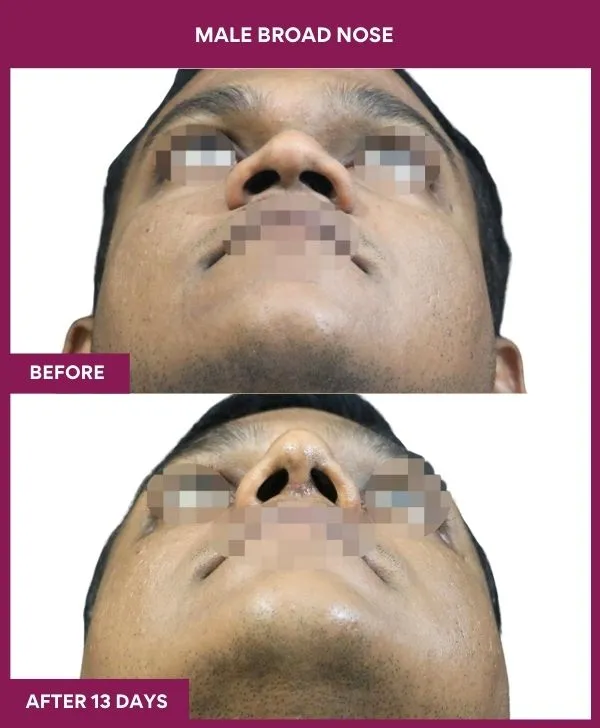
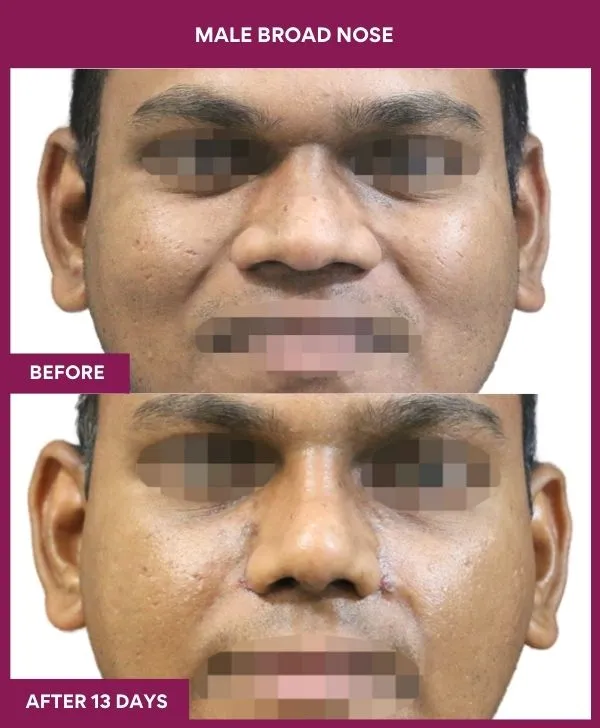
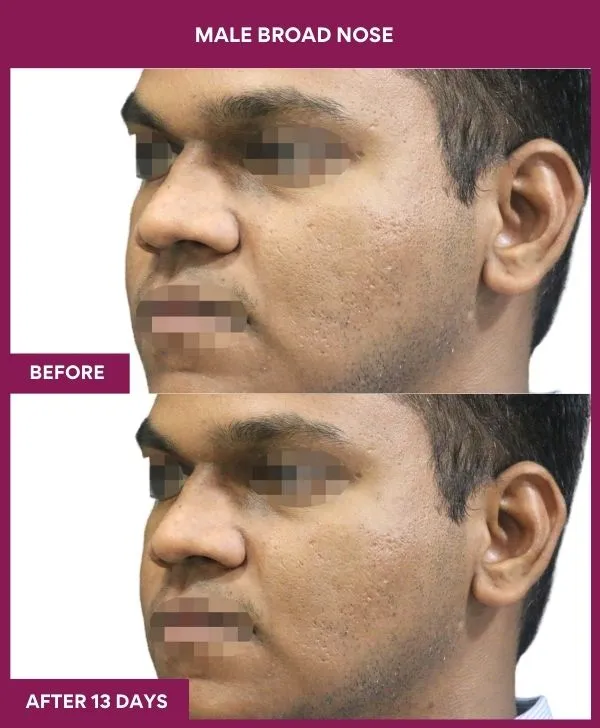
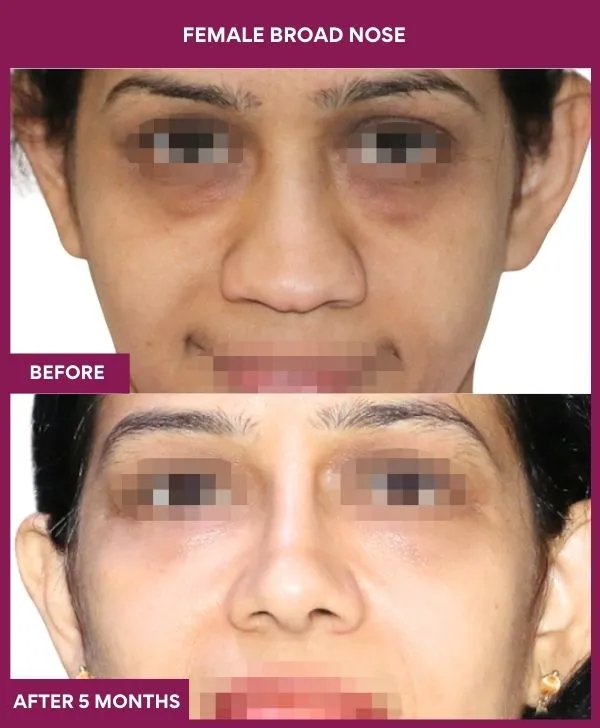
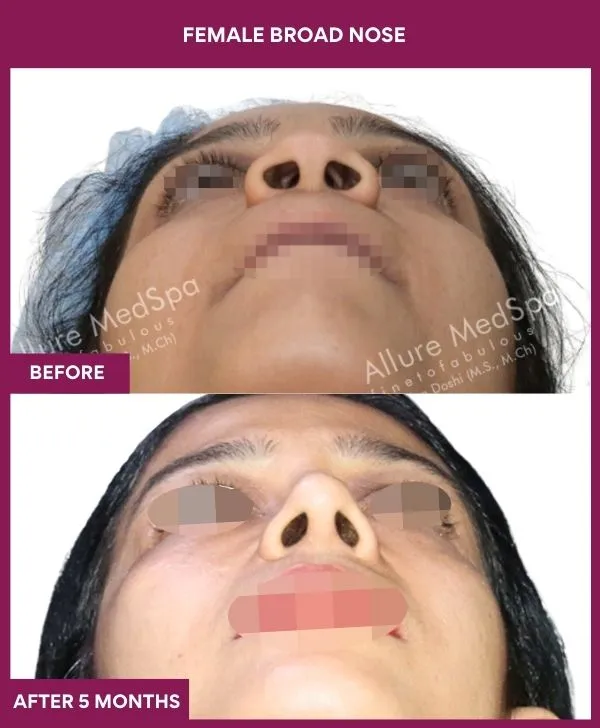
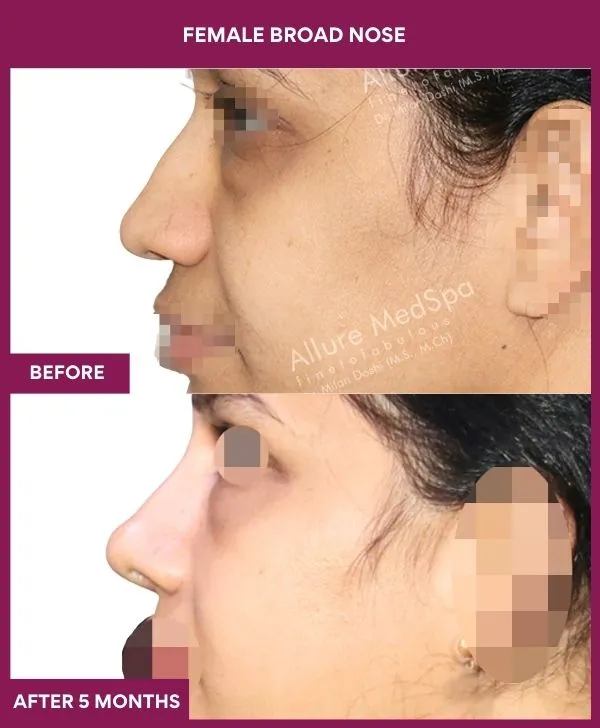
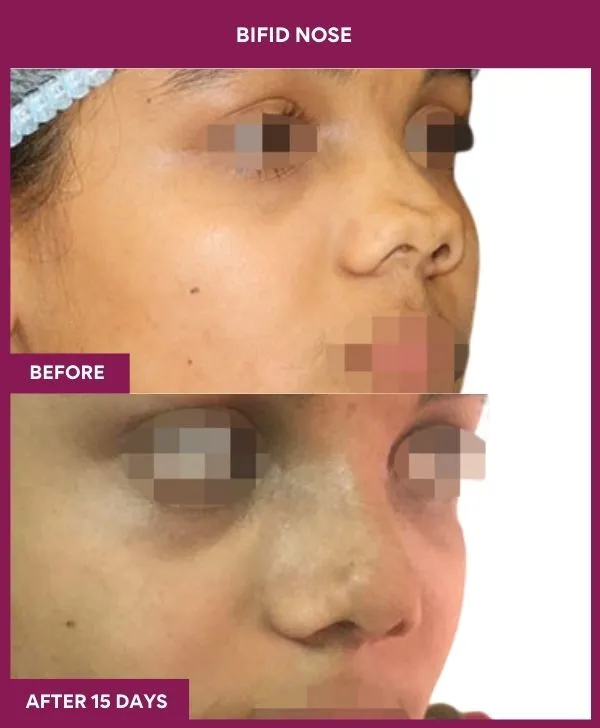
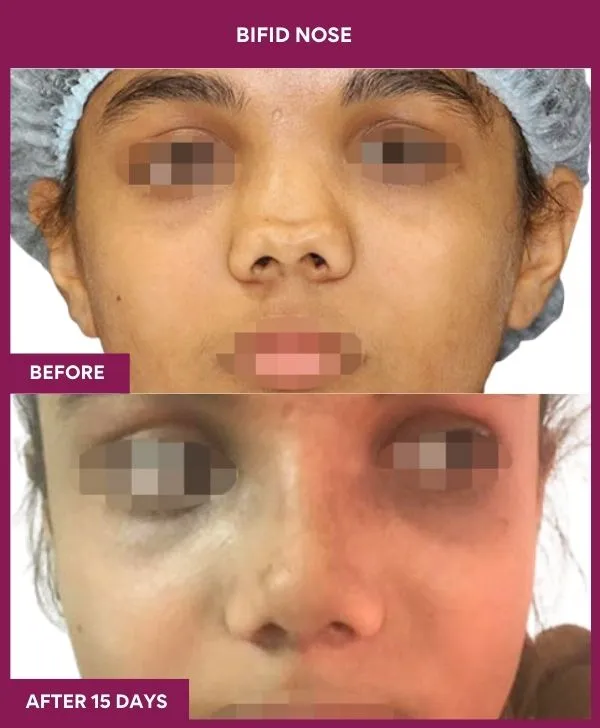
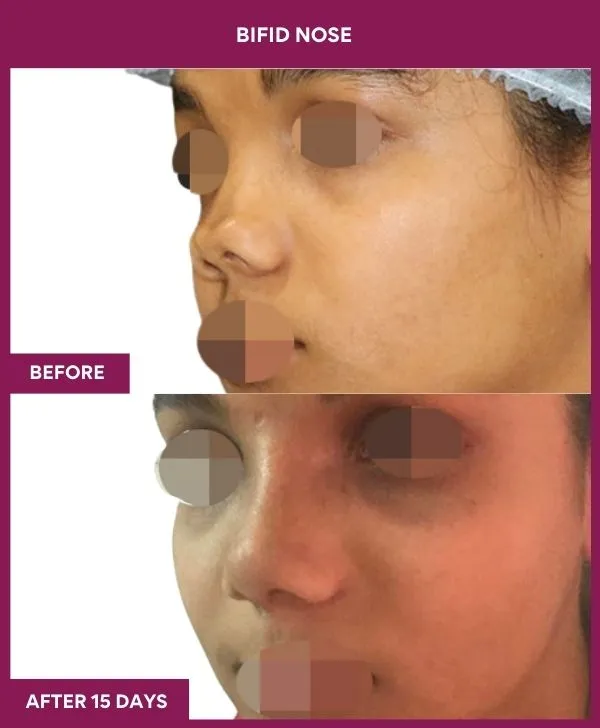
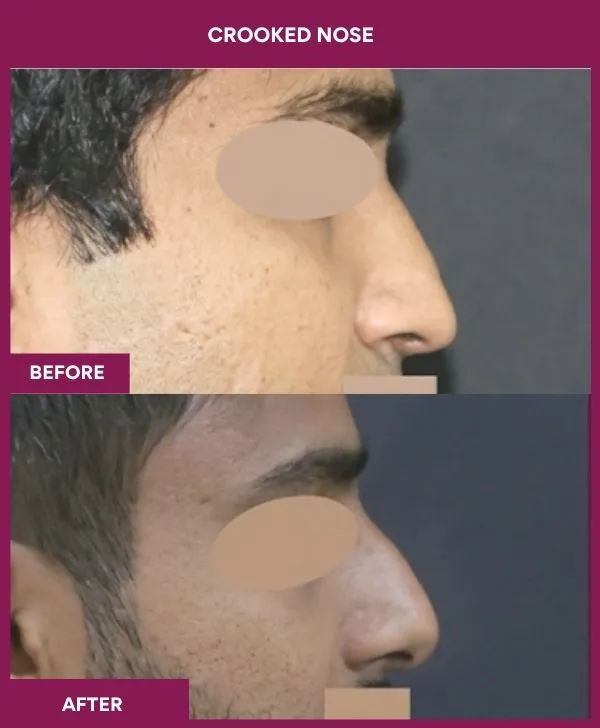
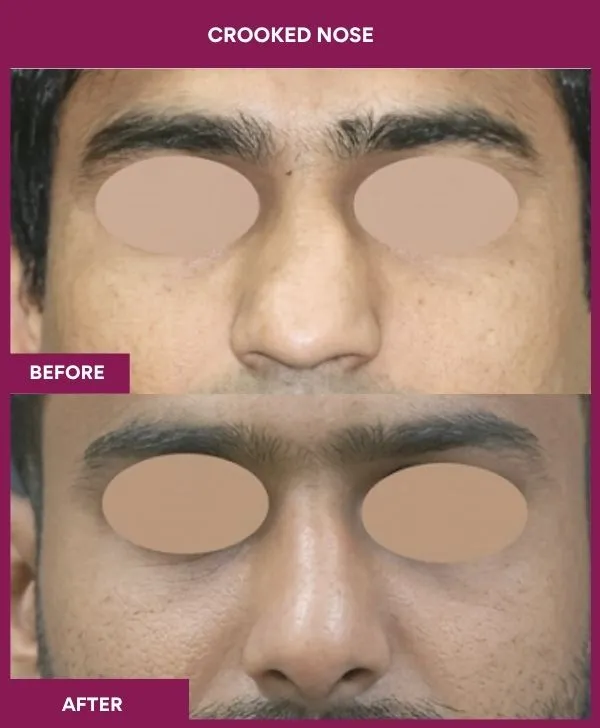
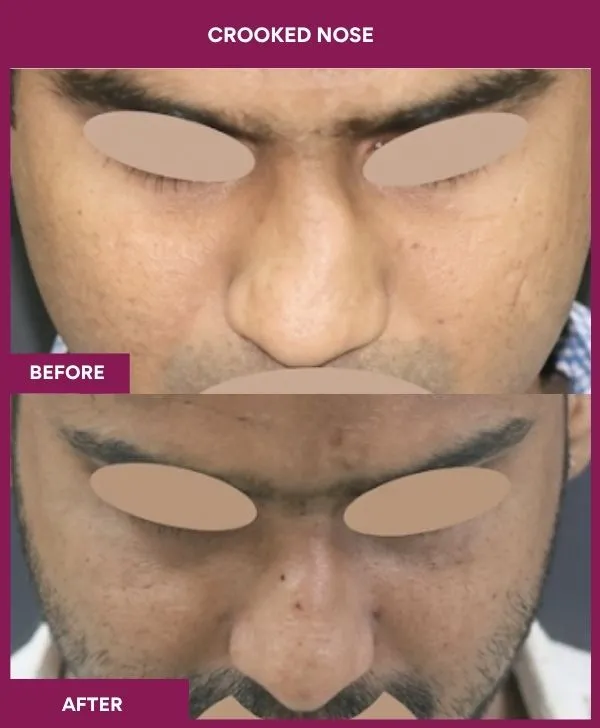
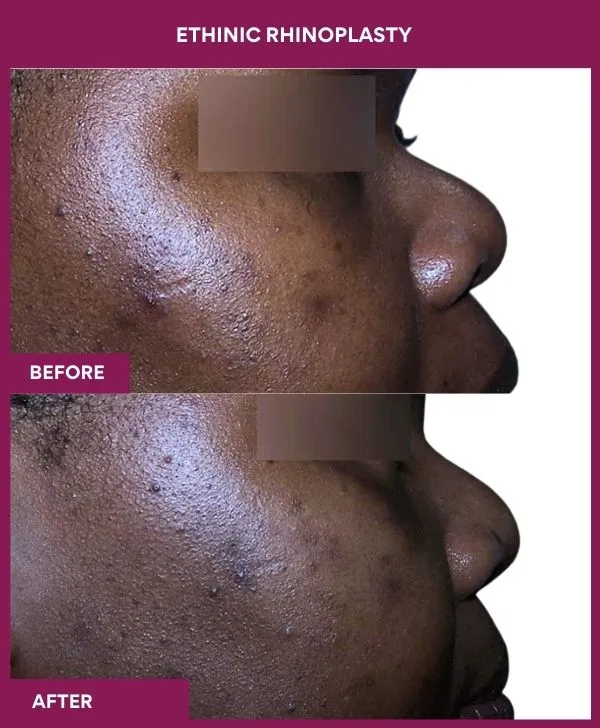
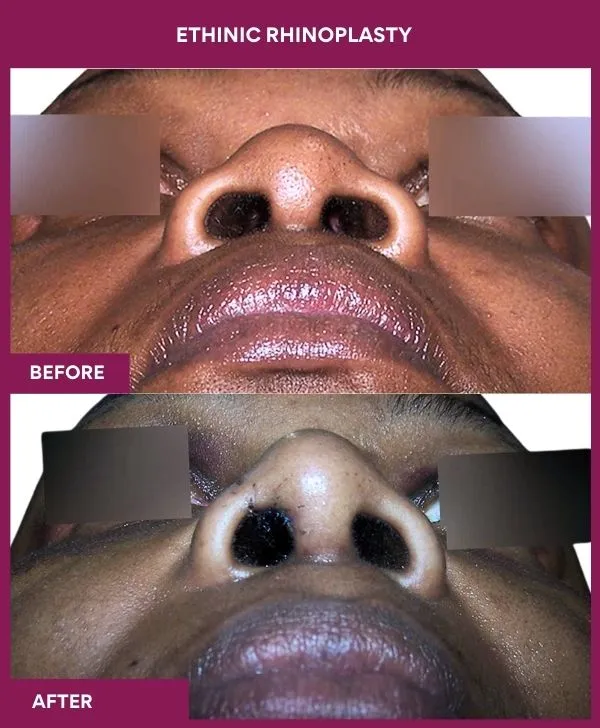
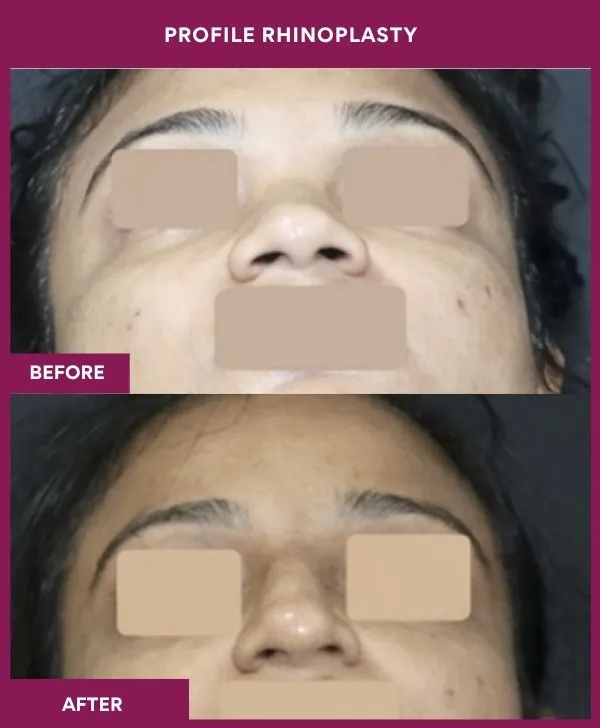
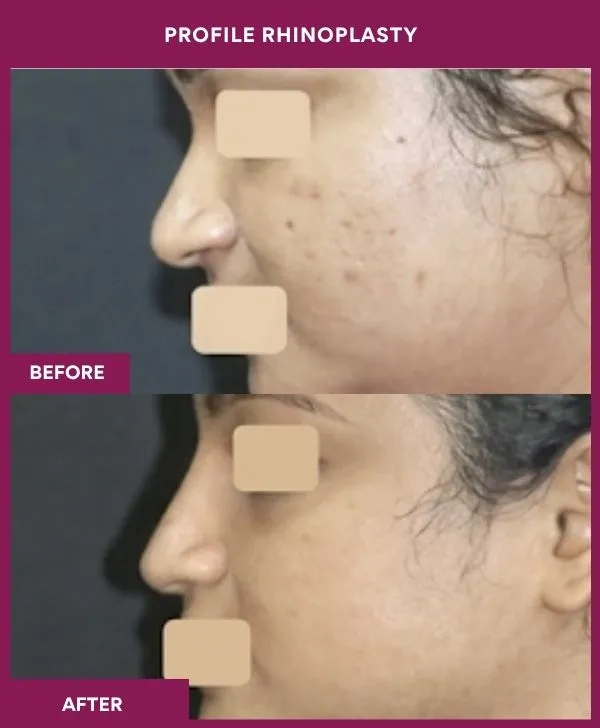
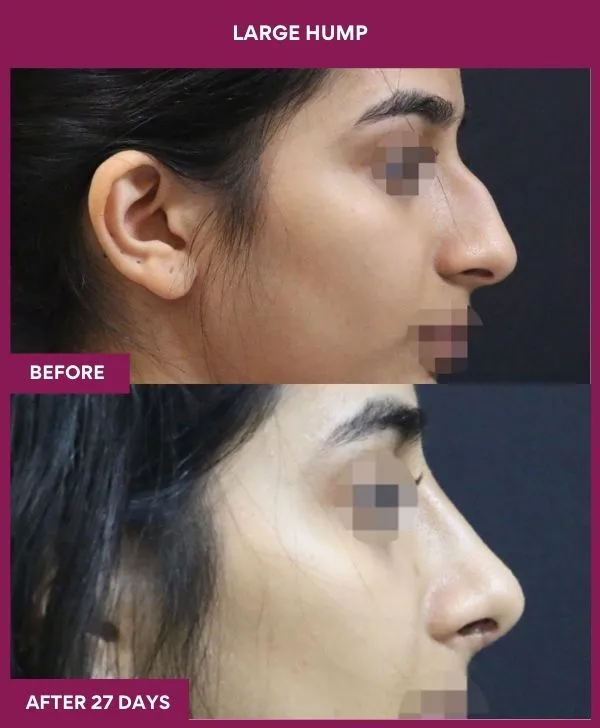
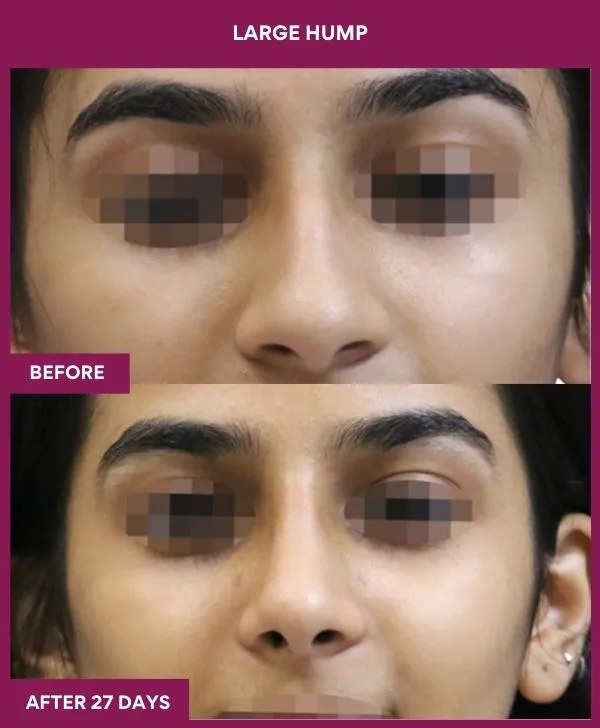
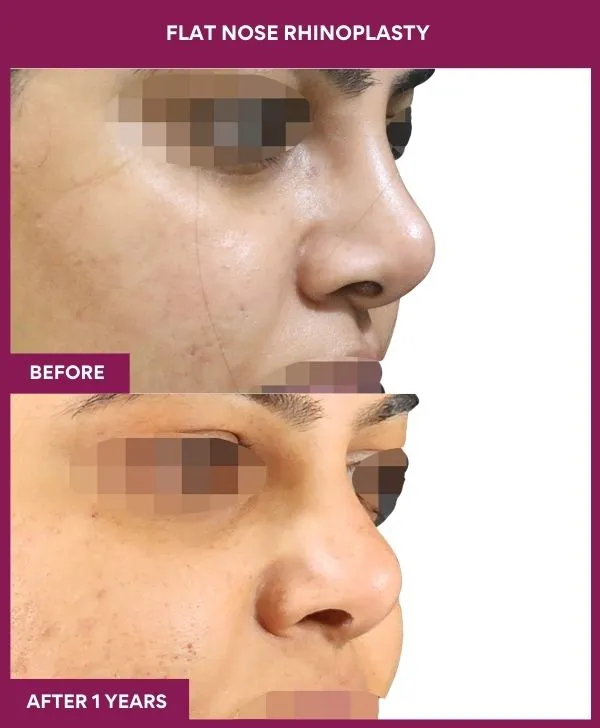
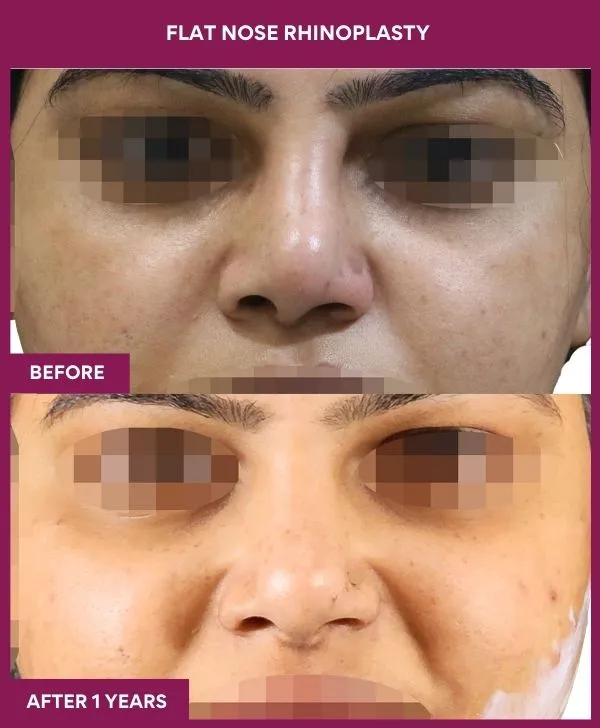
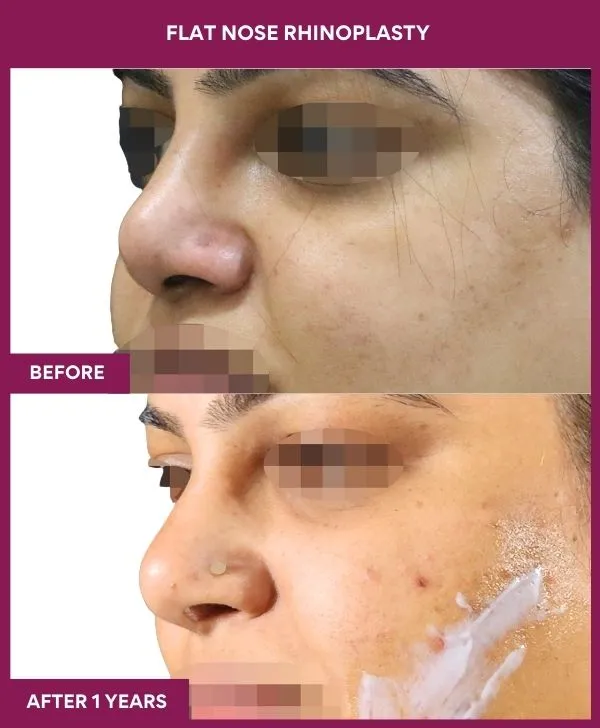
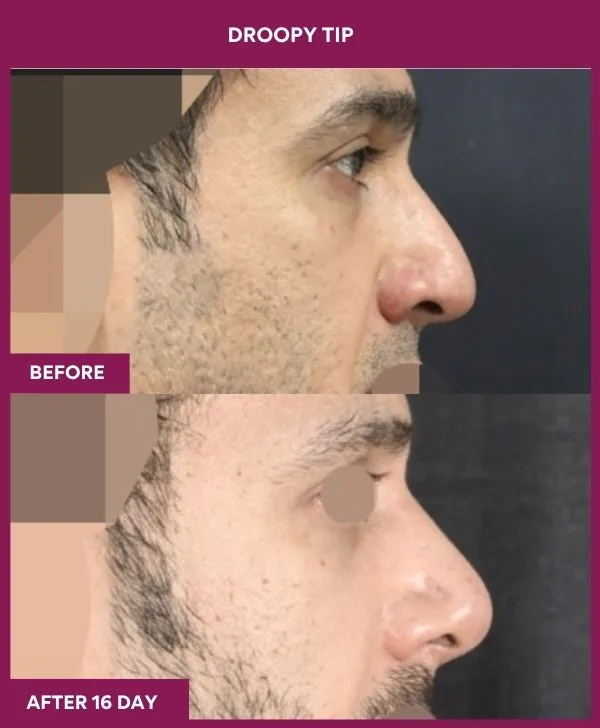
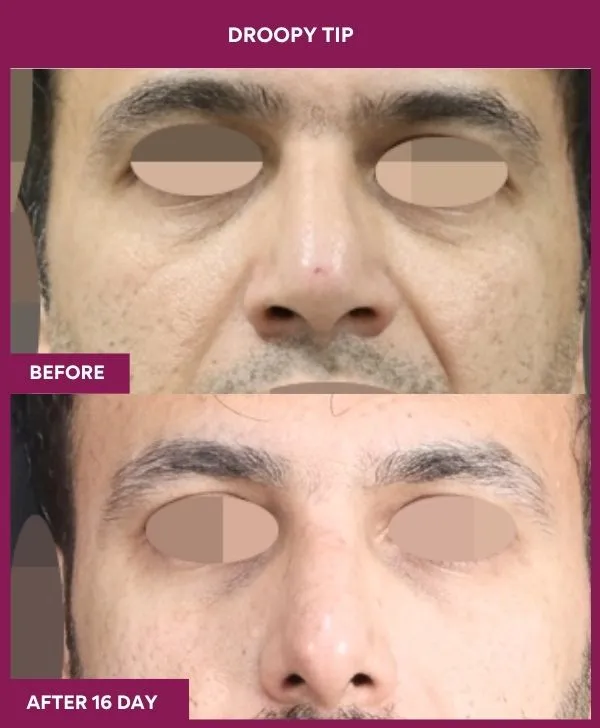
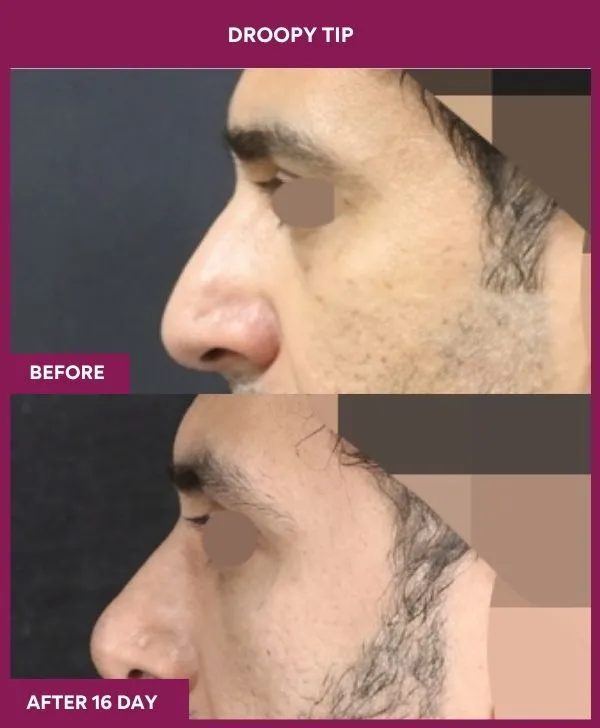
Augmentation Rhinoplasty Before And After Images
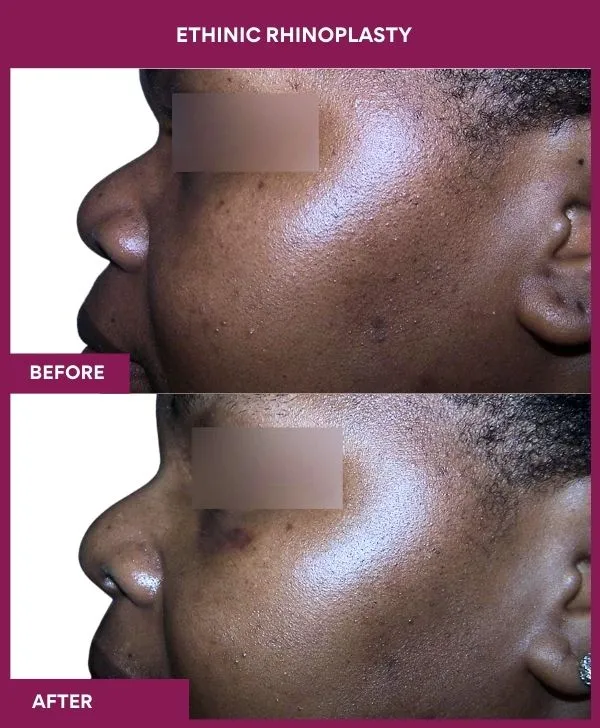
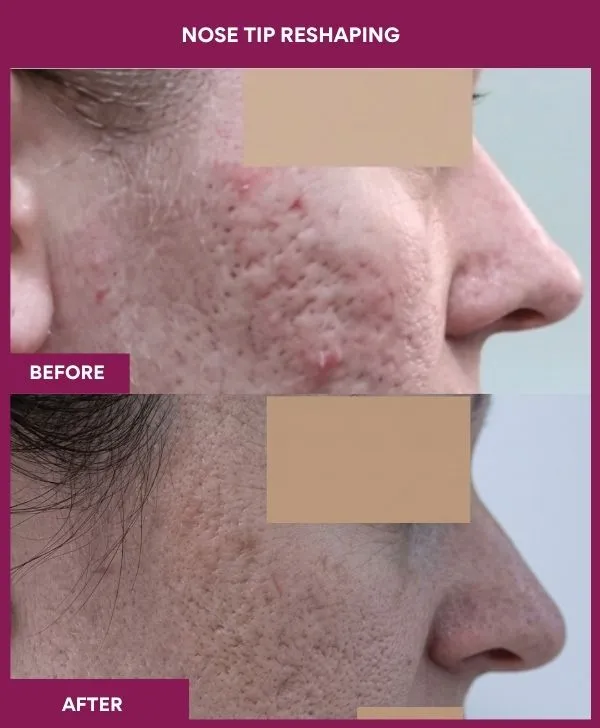
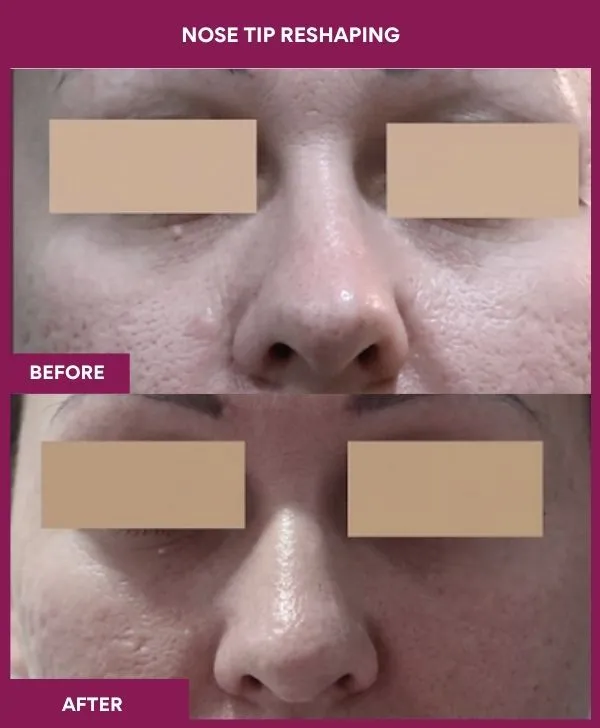
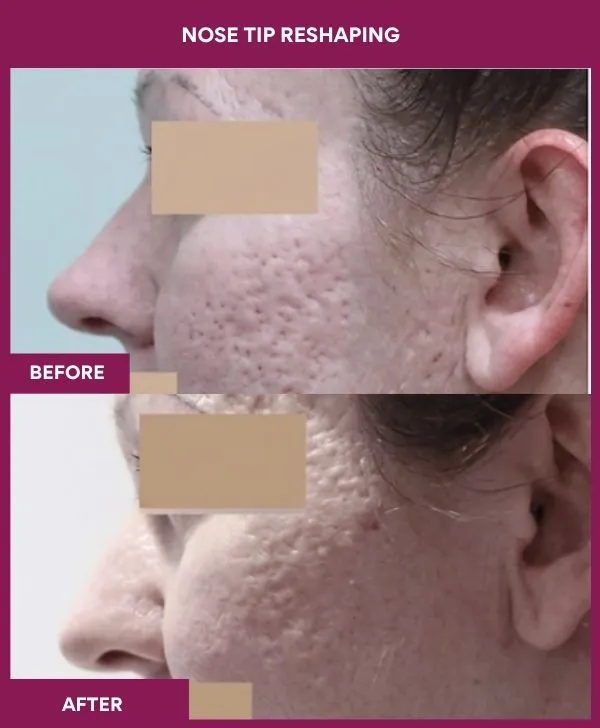
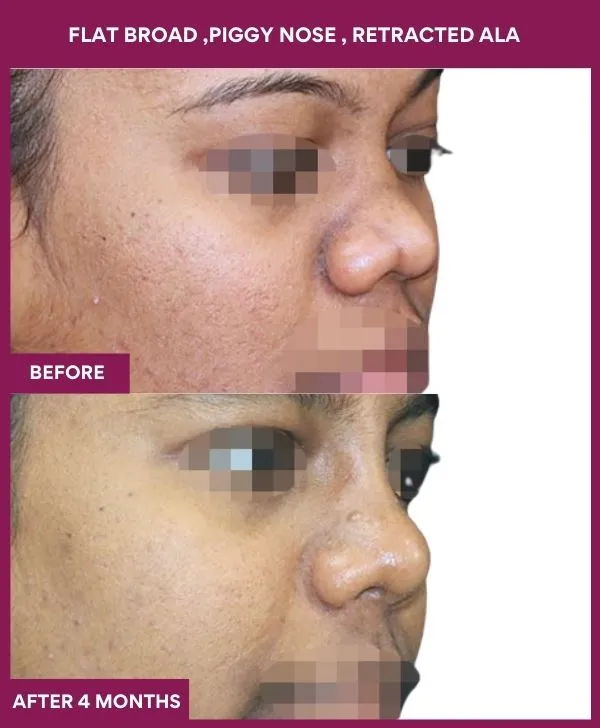
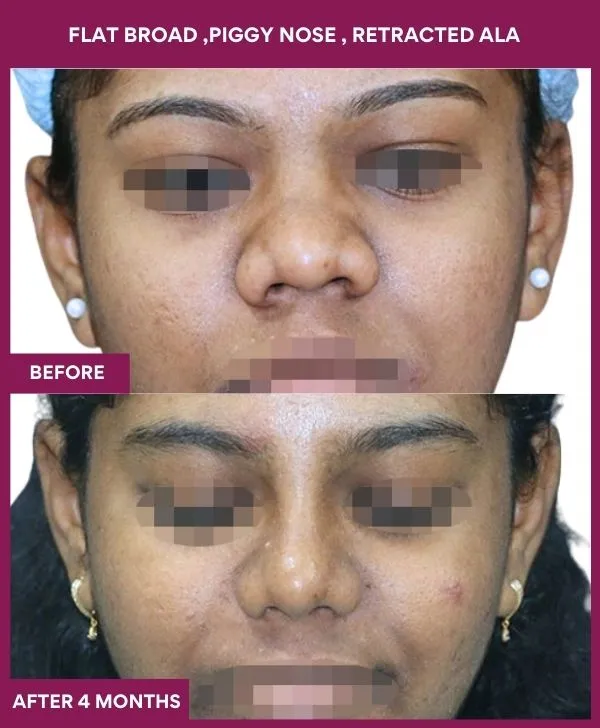
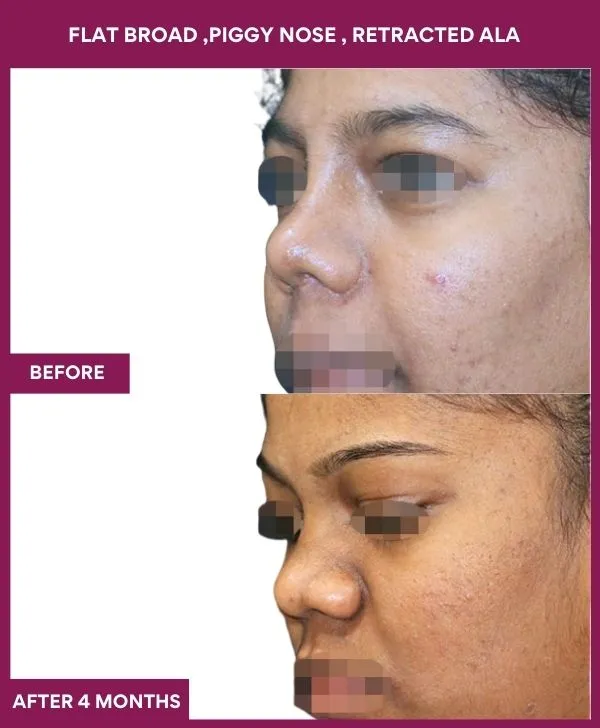
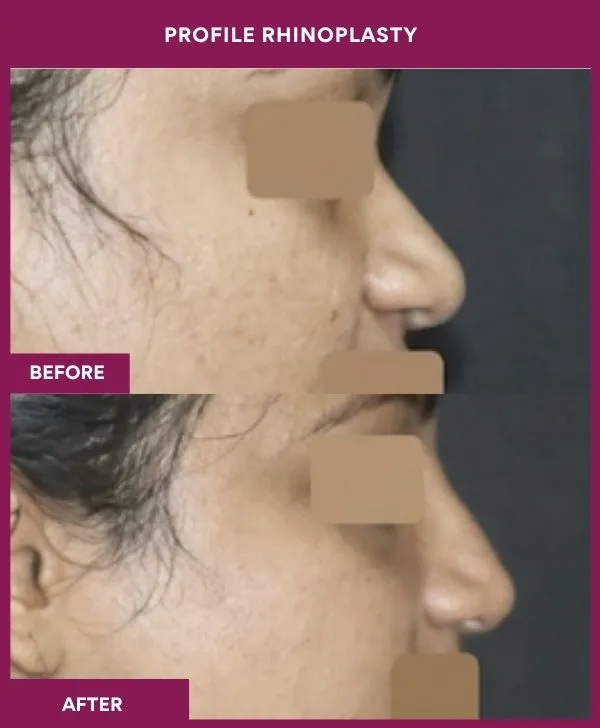
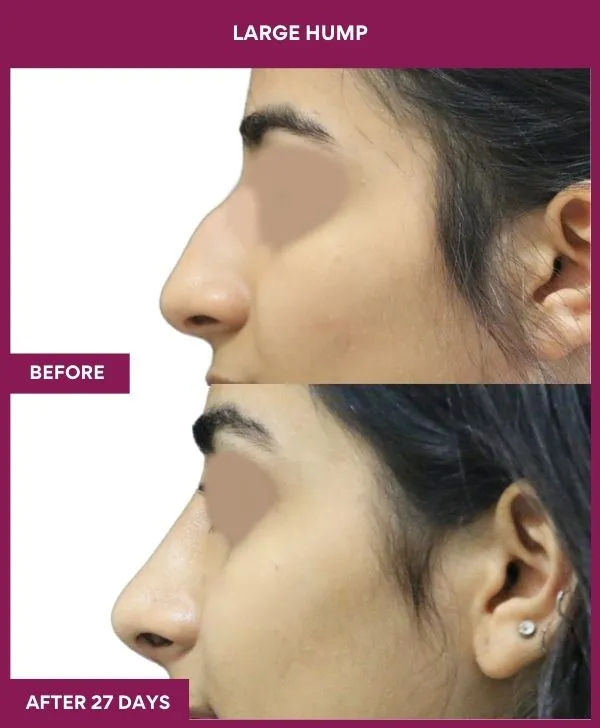
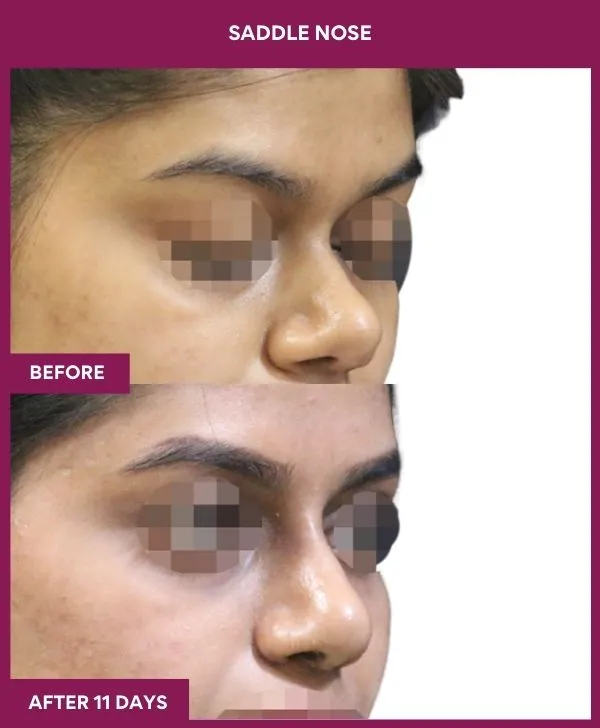
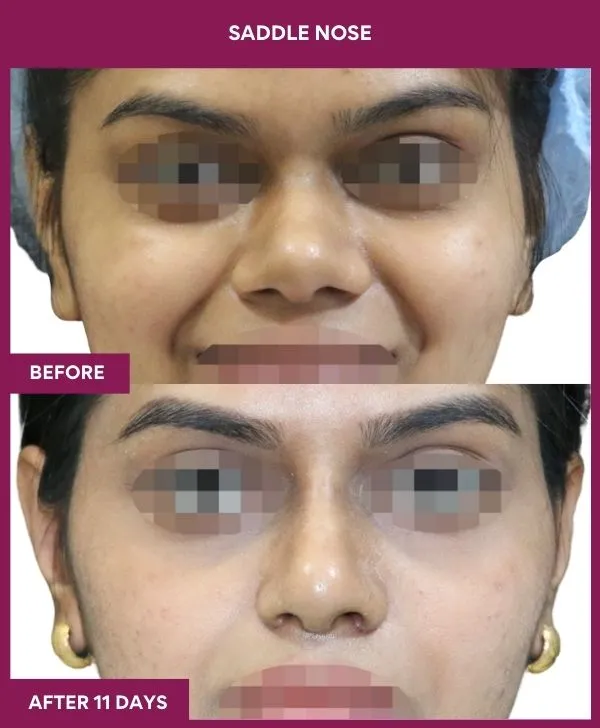
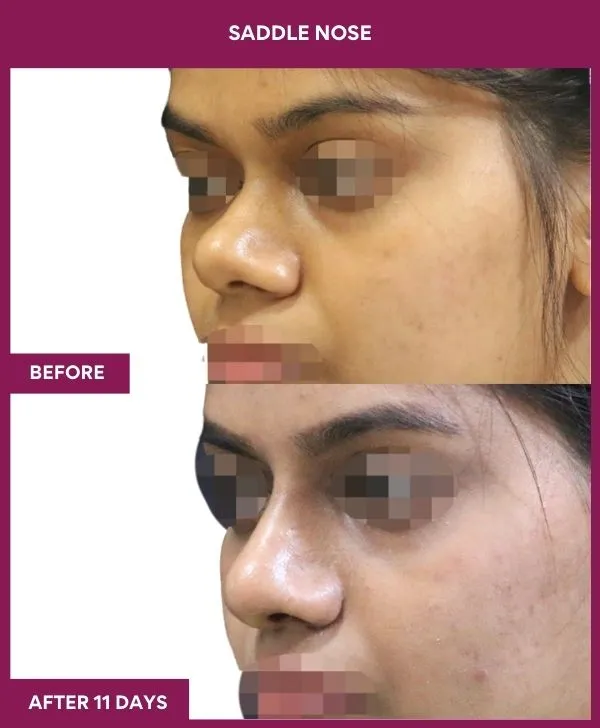
Rhinoplasty Surgery Testimonials: Celebrities Patient

Awarded by Google.com
Rating: 4.7
Reviews: 485+
Awarded by WhatClinic.com
Rating: 4.8
Reviews: 119+

Awarded by Realself
Rating: 4.9
Reviews:453+

Awarded by Facebook
Rating: 4.6
Reviews:105+
Dr Milan Doshi and his staff are very professional and committed as the centre is highly equipped with advanced technology. I had closed rhinoplasty 4 months back and I’m seeing the results as to how it becomes successful.
Deepika Shetty
The doctor explained everything clearly and the surgery was smooth. Recovery was faster than I expected and the team was very supportive.
Rahul Mehta
Very natural results and excellent staff. From consultation to follow-up, the experience was outstanding and boosted my confidence.
Sneha Kapoor
Video: Best Rhinoplasty Surgeon explain nose reshape procedure
Dr Milan Doshi is describing the Rhinoplasty Surgery in detail with benefits, techniques, recovery, result, risk and complecations
Am I a Candidate?
(4 quick questions)
Quick Facts About Augmentation Rhinoplasty
TIME REQUIRED
2–4 hours
ANESTHESIA
General
HOSPITAL STAY
1 night
PAIN LEVEL
Mild–moderate
BACK TO WORK
7–10 days
RESULTS LAST
Permanent
SUCCESS RATE
97–98%
COMPLICATIONS
Under 2-3%
How Much Does Augmentation Rhinoplasty Cost in Mumbai?
| Augmentation rhinoplasty scope | Indicative price range |
|---|---|
| Dorsal augmentation with septal cartilage (mild–moderate height) | ₹1,20,000 – ₹1,70,000 |
| Dorsal augmentation with ear (conchal) cartilage | ₹1,40,000 – ₹1,90,000 |
| Diced cartilage in fascia (DC-F) dorsal augmentation | ₹1,60,000 – ₹2,20,000 |
| Dorsal augmentation with a silicone / ePTFE implant (surgical fee) | ₹1,20,000 – ₹1,70,000 |
| — Implant material, quoted separately | ₹15,000 – ₹20,000 |
| Rib (costal) cartilage augmentation — major low bridge | ₹1,90,000 – ₹2,60,000 |
| Saddle nose reconstruction (rib cartilage, structural) | ₹2,10,000 – ₹2,80,000 |
| Augmentation combined with tip refinement or alar base work | ₹1,60,000 – ₹2,60,000 |
| Revision — implant removal and replacement with cartilage | ₹2,20,000 – ₹2,80,000+ |
Get your exact quote & surgery plan
Share your details — our team responds within working hours with cost, EMI options and next steps.
Most Common Question People Ask
Q1. Should I choose an implant or my own cartilage?
Ans. Neither is best for everyone. Cartilage is your own tissue with a lower extrusion concern and better structural support, but needs a donor site and can warp or partially resorb. Implants give predictable height with no donor site, but carry infection, extrusion and migration risks and complicate revision. The choice depends on how much height you need, your skin thickness, revision status and available cartilage — and is made with you, not for you.
Q2. How much does augmentation rhinoplasty cost in Mumbai?
Ans. The surgical fee guide range is ₹1,20,000–₹2,80,000 plus 5% GST, depending on material, donor site, saddle-nose reconstruction and revision status. Implant material (about ₹15,000–₹20,000) is quoted separately. A written quotation follows examination.
Q3. When is rib cartilage needed?
Ans. Rib cartilage is considered for major augmentation, saddle-nose reconstruction and revision cases where septal or ear cartilage is insufficient. It offers strong support and volume but adds a chest incision, temporary chest soreness and a recognised warping risk that is managed by careful carving and fixation.
Q4. Will a nose implant last for life?
Ans. It is better not to assume “for life.” Implants can last many years, but late infection, extrusion, shifting or aesthetic dissatisfaction may require removal or revision. The long-term plan — including what would happen if the implant ever needed to come out — is discussed before choosing one.
Q5. Can filler correct a flat bridge?
Ans. Filler can temporarily raise a low bridge or smooth minor irregularities for 12–18 months. It does not provide structural support and is not a substitute for saddle-nose reconstruction or major augmentation. Nasal filler also carries rare but serious vascular risks and should be performed only by appropriately trained medical professionals.
Q6. How long does recovery take?
Ans. The nose recovers like any rhinoplasty — splint off at about a week, desk work in 7–10 days, final contour at 12 months. Rib cartilage adds a separate chest recovery with soreness for 1–2 weeks. Implant position and graft shape are followed clinically over the first year.
Q7. Will it look natural?
Ans. A natural result depends on building height in proportion to the eyes, lips and chin — not the highest bridge possible — choosing a material that suits your skin thickness so no edge shows, and keeping the dorsal lines soft. In Indian and Asian noses the aim is definition, not a Western profile. Results vary between individuals and cannot be guaranteed.
Why Choose Dr. Milan Doshi?
Dr. Milan Doshi, MCh, MS — Indian board-certified plastic surgeon with 27+ years in aesthetic surgery and 1,500+ rhinoplasties. Augmentation is mainly about material judgement, profile restraint and long-term planning — knowing when a bridge needs cartilage, when an implant is reasonable, and when no augmentation is needed at all. ISAPS mentor, trusted by patients from 70+ countries. Consults at Andheri West; surgeries at the NABH-accredited surgical centre, Goregaon West.
🩺 Dr Doshi Note: “A low bridge is not always only a bridge problem. I first assess the radix, dorsum, tip support, skin thickness, and full face balance. In Indian and Asian noses, augmentation should not look like an artificial high bridge. The goal is natural-looking height and proportion — everyone notices better balance, but no one knows it was surgery.”
The Complete Guide About Augmentation Rhinoplasty
What Is Augmentation Rhinoplasty?
Augmentation rhinoplasty improves a low or flat nasal bridge by adding height, definition and support to the radix and dorsum using cartilage grafts, diced cartilage or selected implants when appropriate. A bridge may be low because of ethnic anatomy, trauma, saddle nose collapse, previous over-resection or weak structural support.
A flat bridge can make the nose look less defined from the side and broader from the front. In many Indian, South-Asian and Asian noses, the issue is not excess bone to remove — it is insufficient dorsal height or weak support that needs to be built.
This distinction matters. Narrowing a flat nose to make it look smaller usually makes it look flatter; raising the bridge makes it look narrower and more defined without removing anything. Getting the direction right — build, not reduce — is the first decision.
Why is a bridge low?
- Congenital low bridge: naturally low radix or dorsum.
- Ethnic framework: low dorsum with thicker skin and weaker support.
- Post-traumatic collapse: old injury causing saddle deformity.
- Previous surgery: over-resection of the nasal bridge.
- Structural weakness: insufficient septal or cartilage support.
- Saddle nose: severe dorsal loss from trauma, disease or surgery.
How is augmentation different from reduction rhinoplasty?
Augmentation rhinoplasty adds bridge height and projection, while reduction rhinoplasty removes or reduces excess bone or cartilage. The two operations have different goals and risks: augmentation is mainly about material choice, support, contour, infection risk, extrusion risk and long-term stability.
| Feature | Augmentation rhinoplasty | Reduction rhinoplasty |
|---|---|---|
| Main goal | Add height, support or projection | Reduce hump, size or excess height |
| Common concern | Low bridge, flat nose, saddle nose | Dorsal hump, large bridge, over-projection |
| Material issue | Cartilage, diced cartilage, implant choice | Usually less material-dependent |
| Key risk focus | Warping, resorption, infection, extrusion, migration | Over-resection, irregularity, narrowing |
| Common in | Low-dorsum or saddle-nose cases | Hump or over-projected noses |
| Planning theme | Build with support | Reduce with restraint |
Is augmentation rhinoplasty cosmetic or reconstructive?
| Type | Main purpose | Common example |
|---|---|---|
| Cosmetic (aesthetic) | Raise a naturally low bridge for definition and proportion | Primary dorsal augmentation with septal or rib cartilage in an ethnic nose |
| Reconstructive | Rebuild a bridge lost to injury, disease or previous surgery | Saddle nose reconstruction after trauma or over-resection; implant removal and cartilage replacement |
Most primary augmentations in private practice are cosmetic. Reconstruction of a saddle nose after documented trauma or disease may be considered by insurers; cosmetic augmentation should not be assumed to be covered and requires prior verification with your insurer.
Synonyms for augmentation rhinoplasty
Patient terms: nose bridge surgery, flat nose surgery, low bridge nose job, nose implant surgery, nose bridge enhancement, Asian rhinoplasty, saddle nose surgery
Medical terms: dorsal augmentation, radix augmentation, dorsal onlay graft, diced cartilage in fascia (DC-F), costal cartilage rhinoplasty, alloplastic (silicone / ePTFE) dorsal augmentation, saddle nose reconstruction
Sources: PMC11056355 · PMC7752089 · PMC4656153 · PubMed 19910845
Why Does My Nose Look Flat in Photos?
Many people describe the same experience: the nose is fine to the touch, but in side-profile photographs it seems to disappear, glasses slide down because there is nothing for them to rest on, and from the front the nose looks wide and undefined because there is no bridge to catch the light. That gap is real — and if your nose looks flat in photos, you may be noticing a low bridge, weak tip support, thick skin or lack of dorsal shadow rather than a single bridge problem.
Three things patients actually say at consultation:
- “My side profile looks flat — my nose disappears in front-view photos.”
- “My nose looks broad because the bridge is low. Can you make it narrower?”
- “I want a higher bridge, but not an obvious implant look.”
These concerns do not automatically mean surgery is needed. A mildly low bridge on a balanced face may be best left alone, or previewed with a temporary filler. The concern is real, but the solution should come from facial analysis, not simply adding more height. A good plan separates what needs height, what needs support and what should be left alone. The useful question is not “how high can it go?” but “how much height does my face need — and from what material?”
Global and Indian trends
Dorsal augmentation is the single most common rhinoplasty procedure across East and South-East Asia and a major share of rhinoplasty in India, where a low radix, thick skin and a weak tip are the typical starting point. The trend has moved from large silicone implants towards autologous cartilage and diced-cartilage techniques for their lower extrusion risk — with implants still reasonable in selected, well-counselled patients. That balanced, case-by-case approach is the standard at Allure Medspa.
What Are the Benefits of Augmentation Rhinoplasty?
The main benefits of augmentation rhinoplasty are a defined bridge that gives the nose a profile, dorsal lines that make the nose look narrower from the front without removing width, a stronger foundation that supports a weak tip, and — in saddle and revision cases — restoration of structure that was lost. Because height is built from cartilage or a stable implant, the correction is long-lasting.
Cosmetic benefits
- A visible profile — the bridge finally casts a shadow; the nose reads as a shape rather than a flat surface.
- A narrower-looking nose — dorsal lines from brow to tip draw the eye down the centre, so a flat, wide nose looks slimmer without a single osteotomy.
- Better tip support — a septal extension or strut placed with the dorsal graft lifts and defines a weak tip.
- Balanced eyes and nose — raising the radix (the bridge between the eyes) makes the eyes look less far apart.
- Glasses that stay up — a practical benefit patients mention more than any other.
- Preserved identity — the aim is your nose with a bridge, not a Western nose; everyone notices better definition, no one knows it was surgery.
Structural benefits
- Rebuilding a saddle nose restores the support the airway depends on — spreader effect and valve stability come with the dorsal graft.
- Replacing a problematic implant with cartilage removes a long-term infection and extrusion risk.
- A properly supported bridge resists the collapse and shortening that follow trauma or over-resection.
Which Problems Can Augmentation Rhinoplasty Correct?
Augmentation rhinoplasty mainly treats a low or flat bridge, a low radix, a saddle nose from injury, disease or previous surgery, an over-resected bridge, a bridge that looks wide because it is low, and — combined with tip work — the flat, under-projected Indian or Asian nose. It does not reliably correct: a wide bony vault on a normal-height bridge (that is broad nose correction), wide nostrils, thick skin itself, a bulbous tip on its own, or a hump (the opposite problem).
| Concern | Relevance to this page | Possible approach | Learn more |
|---|---|---|---|
| Low or flat dorsum (congenital / ethnic) | Core target | Dorsal onlay — cartilage, DC-F or implant | This page |
| Low radix (flat between the eyes) | Core target | Radix graft | This page |
| Saddle nose after trauma / disease | Core target | Rib cartilage structural reconstruction | This page |
| Over-resected bridge after previous rhinoplasty | Core target (revision) | Cartilage reconstruction, spreader + onlay grafts | Revision rhinoplasty |
| Failed or extruding implant | Core target (revision) | Implant removal, replacement with cartilage | Revision rhinoplasty |
| Flat nose that looks wide | Core target | Augmentation first; narrowing only if still needed | Broad nose correction |
| Flat bridge with weak, under-projected tip | Combined when present | Dorsal graft + septal extension / tip graft | Nasal tip plasty |
| Flat bridge with wide nostrils | Combined when present | Augmentation + alar base reduction | Wide nostril correction |
| Deviated septum with a low bridge | Combined when present | Septorhinoplasty with augmentation | Septorhinoplasty |
| Minor contour dip, temporary wish | Non-surgical alternative | Filler (with vascular-risk counselling) | Non-surgical rhinoplasty |
| Hump / high bridge | Opposite direction | Reduction rhinoplasty | Reduction rhinoplasty |
The anatomy of bridge height — the structures this surgery works on
Understanding a few terms makes consultation far easier.
- Radix (nasion) — the deepest point of the bridge between the eyes. A low radix makes the whole nose start too far down and look short and flat.
- Dorsum — the ridge from radix to tip; bone in its upper third, cartilage below. Augmentation lays a graft or implant along its length.
- Dorsal aesthetic lines — the two soft lines running from the brows to the tip. They exist only when the dorsum has height; creating them is what makes a flat nose look narrower.
- Middle vault and internal valve — the cartilaginous middle third. A saddle collapses here; rebuilding it restores both shape and airway.
- Tip support (tripod) — a low bridge usually comes with a weak tip; a septal extension graft placed at the same time supports both.
- Skin–soft-tissue envelope — thick skin hides graft edges and tolerates implants better; thin skin shows every edge and favours diced cartilage or fascia-wrapped grafts.
- Pocket and periosteum — the precise tunnel the graft or implant sits in. A snug, midline, sub-periosteal pocket is what keeps an implant from shifting.
What Are the Limitations of Augmentation Rhinoplasty?
Augmentation rhinoplasty cannot build a bridge higher than the skin can safely cover, cannot guarantee that cartilage will hold every millimetre of its volume, cannot make an implant permanent, cannot narrow nasal bones, and cannot produce a specific other person’s profile — particularly a Western one on an Asian or Indian face. It adds height and support within the limits of your tissue. Being clear about these boundaries before surgery is one of the strongest predictors of satisfaction afterwards.
Material is the whole conversation. Cartilage is natural and useful, but it is not magic: it is limited in quantity, rib cartilage can warp, and some volume settles over the first year. Implants give predictable height but bring infection, extrusion and migration risks that never fully disappear, and revision after an implant is harder. Over-augmentation with either material — chasing the highest bridge — raises every risk and produces the operated look patients most fear.
A raised bridge on a nose with a weak tip or flared nostrils can look top-heavy; some patients need complementary planning — tip support, alar base work — to get the balance they are picturing. Results vary by individual anatomy, skin thickness and healing.
Why “highest” is not the goal
- Operated look: an over-built bridge looks like an implant even when it is cartilage.
- Skin stress: thin skin over a large graft thins further and can show or break down.
- Extrusion: larger implants have higher exposure rates.
- Warping: larger rib grafts bend more.
- Facial mismatch: a Western profile on an Indian or Asian face reads as foreign.
- Revision complexity: removing an over-built bridge leaves scar and stretched skin.
Is filler a good alternative for a low bridge?
Filler can temporarily raise a low bridge or camouflage minor contour irregularity, but it does not provide structural support and cannot replace augmentation rhinoplasty for saddle nose, major low-dorsum deficiency or long-term bridge reconstruction. It also carries rare but serious vascular risk. Non-surgical augmentation may suit selected patients who want a temporary change or small contour improvement — or a preview before surgery. While large non-surgical rhinoplasty series report low overall adverse-event rates, serious complications include vascular occlusion, skin necrosis and vision loss — which is why nasal filler should be performed only by appropriately trained medical professionals.
Sources: PubMed 33588622 · PMC4859242 · PubMed 15613873 · PMC12451693
🩺 Dr. Doshi’s Note —
“Cartilage is natural and useful, but it is not magic. If very high bridge augmentation is demanded, cartilage may be limited, may warp, or may partially resorb over time. Implants can give more predictable height in selected cases, but they also have risks. I guide the patient by balancing height, safety, skin thickness, support, long-term stability, and natural appearance.”
Why Consult Before Augmentation Rhinoplasty?
An augmentation consultation is a diagnostic appointment, not a sales appointment. Its purpose is to decide how much height the face needs (not how much is possible), whether the tip and width also need attention, which material suits your skin, support requirement and revision status, and whether you are comfortable with a donor site — or whether no augmentation is needed at all.
What happens during an augmentation consultation?
Assessment typically covers the profile against the forehead, eyes, lips and chin, with the patient upright; radix height and dorsal height in millimetres; dorsal lines from the front; tip projection and support (does the tip spring back when pressed?); skin thickness by pinch — the main determinant of material; the septum, both as an airway and as a cartilage source; ear and rib cartilage availability; any previous implant, graft or filler and its history; medical fitness including autoimmune disease in saddle-nose cases; full medical history including medicines, supplements and nicotine use; and your goals in your own words, including how you feel about a second scar. You should leave understanding your bridge deficiency in millimetres, the recommended material with its advantages and disadvantages, the alternatives including filler preview or no treatment, the realistic profile change, the risks specific to that material, what would happen if it ever needed revision, and the recovery required.
What should I prepare before consultation?
- Your main concern — flat profile, wide-looking nose, weak tip, glasses sliding, or all of them.
- Profile photographs from both sides in even light without makeup, plus front and three-quarter.
- Your history with the bridge — injury, previous rhinoplasty, any implant (brand if known), any filler and when.
- All medicines and supplements, including blood thinners, isotretinoin and herbal products.
- Medical history, including autoimmune or inflammatory conditions, previous chest surgery, and anaesthetic problems.
- Your view on materials — own tissue versus implant, and how you feel about an ear or chest scar.
- Reference photographs, useful for discussing goals — not as a target to replicate; most online “ideal” bridges are over-built for an Indian face.
Is an online augmentation consultation possible?
If you are outside Mumbai, you can request a preliminary WhatsApp photo pre-check with profile, front, three-quarter and basal photographs in even, natural lighting, without makeup or filters. This is preliminary guidance only. Photographs cannot assess skin thickness, cartilage availability, tip support or medical fitness, and no definitive material recommendation or final quotation can be given from them.
Consultation fee: ₹1,500
Which Techniques and Materials Are Used in Augmentation Rhinoplasty?
“Technique” in augmentation rhinoplasty is mostly a question of material — what the bridge is built from — and then of how it is shaped, placed and fixed. A low bridge can be raised using the patient’s own cartilage, diced cartilage wrapped in fascia, or selected implants such as silicone or ePTFE. The right material depends on bridge deficiency, skin thickness, revision status, infection risk, donor-site acceptance, available cartilage, support requirement, patient expectations and long-term follow-up practicality. These are surgical decisions made with you from your anatomy, not a menu.
| Material | Common indication | Longevity / stability | Key risk |
|---|---|---|---|
| Septal cartilage | Mild to moderate support or grafting | Natural tissue; limited quantity | May not be enough for major augmentation |
| Ear cartilage | Small contour or selected support | Natural tissue; curved shape useful | Donor-site scar / soreness |
| Rib cartilage | Major augmentation, revision, saddle nose | Strong support and volume | Warping, chest scar, pain, rare pneumothorax |
| Diced cartilage in fascia | Smooth dorsal contour; primary or revision | Lower warping tendency in selected series | Resorption, deviation, visible bulging |
| Silicone implant | Selected dorsal augmentation | Predictable shape; no donor site | Infection, extrusion, displacement |
| ePTFE / Gore-Tex | Selected dorsal augmentation | Low rates reported in some series | Infection, extrusion, difficult revision |
| Medpor | Selected alloplastic augmentation | Tissue ingrowth | Secondary surgery may be difficult |
Should I choose an implant or my own cartilage?
The most important material decision in augmentation rhinoplasty is whether to use an implant or the patient’s own cartilage. Implants can give predictable bridge height, but cartilage is biologic tissue with lower extrusion concern; each option has trade-offs that must be understood before surgery.
| Material | Advantages | Concerns |
|---|---|---|
| Implant | Shape: predictable dorsal height and contour · No donor site · Efficiency: may reduce operative time · Availability: useful when cartilage is insufficient | Infection: may require antibiotics, removal or revision · Extrusion: implant may threaten skin or become exposed · Migration: may shift · Visibility: edges can show if skin coverage is poor · Revision: removal or replacement can be complex · Over-augmentation: larger implants increase risk |
| Own cartilage | Biocompatibility: patient’s own tissue · Lower extrusion concern than alloplasts · Structural support: useful in saddle nose or revision · Custom shaping: can be carved or diced for contour | Donor site: rib or ear adds another healing area · Warping: especially costal cartilage · Resorption: some volume may change · Availability: septal cartilage may be limited · Irregularity: contour needs careful shaping |
When is rib cartilage needed?
Rib cartilage is usually considered when augmentation needs strong volume and structural support — especially in saddle nose correction, major low-bridge augmentation, revision rhinoplasty, or cases where septal and ear cartilage are insufficient. It is powerful, but it is not a small decision. It can rebuild a bridge that has collapsed or been over-resected, but brings its own considerations: a chest incision and healing; temporary chest discomfort; warping over time (managed by balanced carving, oblique cuts and fixation, or by dicing); a rare but important pneumothorax risk; overbuilding if not planned carefully; and revision complexity because rib grafts require precise shaping.
How the graft or implant is placed
Solid cartilage onlay: a carved strip of septal, ear or rib cartilage laid along the dorsum in a snug pocket and fixed with sutures. Edges are bevelled or softened so they do not show under thin skin.
Diced cartilage in fascia (DC-F): cartilage is finely diced and wrapped in a sleeve of the patient’s own fascia (usually from the temple or the rib area), then moulded along the bridge like a soft sausage. It resists warping and can be reshaped from outside in the first days.
Implant: a pre-formed silicone or ePTFE implant is carved to the patient, placed in a tight sub-periosteal pocket on the midline and — where the tip is involved — combined with the patient’s own cartilage at the tip rather than extending the implant to it, which is where extrusion most often begins.
Is an implant always worse than cartilage?
No. Neither option is universally superior — and the honest answer is the one that matches your nose, not the one that sounds more natural.
- Skin matters most. Thick skin tolerates an implant well; thin skin shows implant edges and favours diced cartilage or fascia-wrapped grafts.
- Height matters. Small-to-moderate augmentation can be done with septal or ear cartilage; large augmentation needs rib or an implant — and the trade-off is a chest scar versus a lifelong (small) implant risk.
- History matters. A previous infected or extruded implant, or a saddle nose from disease, points firmly to the patient’s own cartilage.
- Follow-up matters. Patients who cannot return easily for review are better served by cartilage, which does not need lifelong surveillance.
The right question at consultation is not “do you use implants?” but “which material does my bridge, my skin and my history allow — and what happens if it ever has to come out?”
Links: Open technique · Closed technique · Revision rhinoplasty
Sources:
PMC11786243 · PubMed 26229125 · PubMed 34387329 · PubMed 29705398 · PubMed 15023843 · PMC6074934 · PubMed 23820790
🩺 Dr. Doshi’s Note —
“For bridge augmentation, no single material is best for every patient. I decide by studying the bridge deficiency, skin thickness, support need, revision status, and available cartilage. I also discuss the patient’s age, expectations, comfort with donor-site surgery, medical follow-up access, and purpose of surgery. My role is to explain the advantages and disadvantages clearly and guide the patient toward the safest, most natural-looking option.”
What Are the Types of Augmentation Rhinoplasty?
Where technique describes the material and how it is placed, type describes the scope — how much of the bridge is built, whether the tip and width are treated with it, and whether the case is primary, reconstructive or revision.
- Radix augmentation — for a nose that starts too low between the eyes. A small cartilage graft raises the root; the rest of the bridge is untouched. The most limited option.
- Dorsal augmentation — for a low bridge along its length. Onlay of septal, ear or rib cartilage, DC-F or an implant. The core operation of this page.
- Augmentation with tip support — for the typical Indian / Asian flat nose where the tip is weak as well. Dorsal graft plus a septal extension graft and tip graft, so the bridge and tip rise together.
Learn more about nasal tip plasty. - Augmentation with alar base reduction — when a flat bridge comes with flared nostrils; the base is sized to the new bridge, done last.
Learn more about wide nostril correction. - Saddle nose reconstruction — for a bridge collapsed by injury, disease or over-resection. Rib cartilage rebuilds the middle vault, dorsum and often the septum; the most structural option.
- Revision augmentation — for an implant that has infected, shifted, shown or extruded, or a cartilage graft that warped. Implant removed, capsule dealt with, bridge rebuilt with the patient’s own cartilage, often staged.
Learn more about revision rhinoplasty. - Ethnic augmentation rhinoplasty — the whole-nose plan for Indian, South-Asian and East-Asian noses: bridge, tip and base treated in proportion, with ethnic identity preserved.
Learn more about ethnic rhinoplasty.
Combined planning: a raised bridge changes how the tip, nostrils and chin read, so the whole face is assessed even when only the bridge is treated; additions are made only when each solves a separate concern.
Non-surgical options: hyaluronic-acid filler along the dorsum can raise a mildly low bridge for 12–18 months and is a useful preview before surgery. It adds no structural support, cannot treat a saddle nose, and carries a rare but serious vascular risk.
Learn more about non-surgical rhinoplasty.
How Is Augmentation Rhinoplasty Performed Step-by-Step?
Augmentation rhinoplasty harvests or prepares the material first, builds the support second and lays the bridge last — so the new height rests on a stable foundation and sits exactly on the midline. Incisions sit inside the nostrils (closed) or inside the nostrils plus a small cut across the columella (open); rib cartilage adds a short incision under the breast fold, ear cartilage a hidden incision behind the ear.
| Step | What happens |
|---|---|
| 1. Consultation and planning | Bridge deficiency measured; skin thickness, tip support and width assessed; material chosen with the patient; donor site and revision contingency discussed; alternatives, risks and recovery explained |
| 2. Preoperative preparation | Medical assessment, investigations, anaesthetic review, medication and supplement adjustment, confirmed nicotine cessation, standard photographs; chest X-ray if rib harvest planned |
| 3. Surgical markings | Midline, radix and dorsal target height, planned graft length and existing asymmetry marked with the patient upright; donor site marked |
| 4. Anaesthesia | General anaesthesia with the airway protected; local anaesthetic with adrenaline in the nose and donor site. Monitoring is continuous |
| 5. Graft harvest (cartilage cases) | Septal cartilage taken through the nose; ear cartilage through an incision behind the ear; rib cartilage through a 2–3 cm incision at the breast fold with the pleura protected |
| 6. Graft preparation | Solid grafts carved with balanced cross-sections to resist warping; or cartilage diced and wrapped in fascia; implant carved to the patient |
| 7. Incision and pocket | Closed or open approach; a snug, midline, sub-periosteal pocket created along the dorsum to the radix |
| 8. Tip support (if planned) | Septal extension graft or strut placed and tip cartilages secured to it, so the bridge and tip rise in proportion |
| 9. Dorsal placement | Graft or implant laid along the dorsum, checked from the front and side for midline position and height, and fixed with sutures |
| 10. Contour refinement | Edges softened with crushed cartilage or fascia where skin is thin; DC-F moulded to final shape |
| 11. Base and airway check | Alar base adjusted if part of the plan; airway patency confirmed |
| 12. Closure, splint and observation | Nasal incisions closed with fine sutures; external splint applied to hold graft position; donor site closed and dressed; monitored recovery, overnight for rib cases |
Surgical elements and devices
| Element / device | Possible role | Important consideration |
|---|---|---|
| Septal cartilage | Radix and small dorsal grafts, extension grafts | Limited quantity; preferred for support |
| Ear (conchal) cartilage | Small dorsal / radix onlay, tip grafts, DC-F filler | Curved; often layered or diced |
| Rib (costal) cartilage | Major dorsal augmentation, saddle reconstruction | Carved from the central core to limit warping; chest incision |
| Temporalis or rectus fascia | Wrap for diced cartilage; edge camouflage | Small additional donor site |
| Silicone implant (pre-formed, carved) | Dorsal augmentation in selected patients | Kept off the tip; snug midline pocket |
| ePTFE (Gore-Tex) implant | Dorsal augmentation in selected patients | Tissue integration; harder to remove |
| Permanent fine sutures | Graft and implant fixation | Prevents early migration |
| External splint and tapes | Hold graft / implant position for the first week | Must not be removed or wet by the patient |
| Donor-site dressing / chest binder | Rib or ear harvest site care | Chest wound checked at first follow-up |
Sources:
PMC11056355 · PMC11786243 · PMC6074934
When Will I See Final Augmentation Rhinoplasty Results?
The new bridge is visible the moment the splint comes off at about a week, and — unlike reduction — the early result tends to look slightly higher than the final one, because swelling sits on top of the graft. The profile settles over 3–6 months, cartilage grafts lose a small amount of early volume in the first year, and the final bridge is judged at 12 months. Implant position and graft shape are followed clinically rather than judged early.
| Time | What you may notice |
|---|---|
| First few days | Splint on, mild bruising, blocked feeling; donor site sore (rib: chest tightness on deep breath). Do not judge the result at this stage |
| 1 week | Splint and sutures removed. Bridge clearly higher; swelling over the graft makes it look slightly higher and wider than planned |
| 2–4 weeks | Bruising gone; presentable in public. DC-F grafts can still be gently moulded in the first days if needed |
| 4–6 weeks | Swelling over the dorsum reduces; dorsal lines begin to show; glasses usually cleared |
| 3 months | Profile close to final; graft edges soften under the skin |
| 6 months | Most patients see the intended height; graft has integrated and settled |
| 12 months | Final bridge height and contour; small early cartilage volume settling complete. Implants: annual review advised thereafter |
What can affect the final result?
Material chosen and how much was used; skin thickness — the main determinant of whether edges show; graft carving and fixation (warping resistance); pocket precision (implant midline position); cartilage resorption, which varies between patients; previous surgery, implant or filler; smoking and nicotine exposure; individual healing; whether glasses, pressure or knocks disturbed the graft early; and adherence to splint care and follow-up.
Sources: PubMed 27752742 · PMC11056355
What Is the Aftercare After Augmentation Rhinoplasty?
Aftercare after augmentation centres on protecting the graft or implant while it fixes in place — no pressure, no knocks, no glasses on the bridge, no sleeping on the face — plus donor-site care, scrupulous infection prevention (especially with implants), head elevation and no nicotine. These are general principles — your written personal instructions always take priority.
What care is usually advised?
- Keep your head elevated on two pillows for the first week or as instructed.
- Protect the splint and tapes — keep them dry; do not press, adjust or remove them. The splint is holding the graft on the midline.
- Do not touch, press or “feel” the bridge for the first weeks — grafts and implants are held by sutures and pocket fit until scar fixes them.
- Do not blow your nose for the period advised; sneeze with the mouth open.
- Use saline spray and ointment inside the nostrils as shown; keep incisions clean — infection is the risk that matters most with implants.
- Care for the donor site — rib: keep the chest dressing dry, avoid arm-raising strain, no heavy lifting for 4 weeks; ear: keep the dressing on as instructed, sleep on the other side.
- Take medicines exactly as prescribed, complete the full antibiotic course, and do not restart blood-thinning medicines or supplements without approval.
- Attend all follow-up appointments — splint removal, graft / implant position check, donor-site review, and later photographs. Implant patients: report any redness, swelling or discharge at any time, even years later.
What should patients avoid after augmentation rhinoplasty?
| Avoid | Why |
|---|---|
| Glasses resting on the bridge (usually 6 weeks, or as advised) | Direct pressure on the graft or implant can dent or shift it; tape glasses to the forehead or use contact lenses |
| Contact sports, crowded transport, playing with small children near the face | A knock can displace the graft before scar fixes it |
| Smoking, vaping, nicotine in any form | Reduces blood supply to the skin over the graft; increases infection, extrusion and graft resorption |
| Sleeping on your side or face | Pressure can push the graft or implant off the midline |
| Strenuous exercise and heavy lifting (2–4 weeks; 4–6 with rib harvest) | Raises blood pressure and swelling; strains the chest wound |
| Swimming, steam, sauna (4 weeks) | Wets the splint and dressings; infection risk to incisions and donor site |
| Direct sun on the nose and donor scars | Worsens swelling and can darken the columellar, ear or chest scar |
| Unapproved medicines or supplements | Some affect bleeding or healing — check every product with your surgeon |
| Nasal piercings or filler over an implant (ever, unless cleared) | Introduces infection to the implant pocket |
| Judging height in the first weeks | Swelling over the graft makes the bridge look higher than the final result |
Full aftercare detail: Rhinoplasty recovery timeline
What Are the Risks and Complications of Augmentation Rhinoplasty?
Augmentation rhinoplasty is generally safe for an appropriately selected patient operated on by a trained plastic surgeon in an equipped facility, but it adds material to the nasal bridge — and that brings material-specific risks that differ from reduction rhinoplasty. Expected postoperative effects must be separated from true complications — and no surgeon can eliminate risk.
Common / expected early effects (normal healing, not complications): swelling over the bridge that exaggerates height; mild bruising; a blocked, stuffy nose; numbness of the tip; mild aching; donor-site soreness — chest tightness on deep breathing after rib harvest, ear tenderness after conchal harvest; temporary asymmetry.
Uncommon complications: infection of graft or implant; graft or implant visibility / edge show, especially in thin skin; implant migration or a bridge that looks off-centre; graft warping (rib); graft resorption with loss of height; contour irregularity or bulging (DC-F); over-augmentation; donor-site problems — chest scar widening, ear deformity, seroma; prolonged numbness; dissatisfaction leading to a revision request.
Rare but important: implant extrusion through the skin (most often at the tip when an implant extends there); skin thinning or breakdown over a large graft; pneumothorax during rib harvest; late implant infection years after surgery; skin compromise, most strongly associated with nicotine; anaesthesia-related complications. After nasal filler (not surgery): vascular occlusion with skin blanching or vision symptoms — an emergency.
Augmentation-specific risks
| Risk | More relevant to | What it means |
|---|---|---|
| Infection | Implant or graft | May need treatment or removal |
| Extrusion | Implant | Implant may become exposed |
| Migration | Implant | Bridge may shift or look uneven |
| Visibility / edge show | Implant or graft | Edges may show under skin |
| Warping | Rib cartilage | Graft may bend over time |
| Resorption | Cartilage graft | Volume may reduce |
| Donor-site morbidity | Rib or ear cartilage | Scar, pain or donor healing |
| Over-augmentation | Large implant or graft | Nose looks artificial; higher risk |
How risk is minimised
| Risk area | How we work to minimise it |
|---|---|
| Implant infection / extrusion | Implant chosen only for suitable skin and height; kept off the tip (tip built with own cartilage); snug sub-periosteal midline pocket; antibiotic irrigation; strict sterile handling; full antibiotic course |
| Implant migration | Pocket sized precisely to the implant; suture fixation; splint for a week; glasses off for 6 weeks |
| Rib graft warping | Central-core carving with balanced cross-sections, oblique cuts, delayed carving to observe bend, or dicing (DC-F); fixation to the bony dorsum |
| Graft resorption | Slight over-correction planned only within safe limits; fascia wrap for diced grafts; nicotine cessation |
| Edge show in thin skin | Diced or fascia-wrapped grafts preferred; edges bevelled and camouflaged with crushed cartilage |
| Over-augmentation | Height planned in millimetres against the whole face; “natural for an Indian face” rule |
| Pneumothorax | Perichondrium preserved, harvest under direct vision, saline check before closure |
| Undetected medical risk | Preoperative medical evaluation, investigations and anaesthetic review; autoimmune screen in saddle noses |
| Nicotine-related healing failure | A clear, enforced nicotine cessation requirement before and after surgery |
| Facility and equipment risk | Surgery at an NABH-accredited surgical centre with appropriate equipment |
| Delayed recognition of a problem | Structured observation, written warning signs, lifelong open door for implant patients |
🩺 Dr. Doshi’s Note —
“The augmentation complications I see from elsewhere almost always share one feature — the implant was made to do the tip’s job as well as the bridge’s. An implant that runs to the tip is an implant waiting to come out through the skin. I build the bridge with whatever suits the patient, but the tip is always the patient’s own cartilage. That single rule prevents most of the disasters.”
⚠️ When to seek urgent medical attention
Seek urgent advice or immediate emergency care for: increasing pain · spreading redness or warmth over the bridge · fever · pus or discharge · any implant edge becoming visible or exposed through the skin · the bridge suddenly shifting · chest pain, breathlessness or sharp pain on breathing after rib harvest · after any nasal filler: blanching, colour change, severe pain, eye pain or any vision symptom.
In an emergency, go to the nearest emergency department or call emergency services. Do not wait for a WhatsApp or email reply.
Full risk guide: Rhinoplasty risks and safety
Sources:
PubMed 19910845 · PubMed 15613873 · PMC12451693 · PubMed 26229125 · PMC4859242
What Is the Augmentation Rhinoplasty Recovery Timeline?
Recovery after augmentation rhinoplasty is gradual. Nasal bruising is usually mild (no osteotomies in most cases); the splint comes off at about a week; most patients return to desk work within 7–10 days — 10–14 after rib harvest, when chest soreness is the limiting factor. The bridge settles over 3–6 months and is final at 12 months. Recovery depends on whether the bridge was raised with an implant, septal, ear or rib cartilage, diced cartilage or combined structural work. This is a summary — for detailed day-by-day guidance, see the rhinoplasty recovery timeline.
| Timepoint | What typically happens |
|---|---|
| First 24–48 hours | Splint and tapes on; mild bruising, blocked nose, mild aching. Rib cases: chest dressing, soreness on deep breaths, overnight stay. Rest head-elevated |
| Days 3–7 | Swelling begins reducing. Saline spray and ointment routine; donor dressing checked. Splint and sutures removed at the first follow-up around day 7; graft / implant position confirmed |
| Weeks 2–3 | Presentable in public; many patients return to desk work (rib cases from about day 10–14). Bridge looks slightly high from swelling; DC-F can still be gently moulded early in this window |
| Weeks 4–6 | Swelling over the dorsum reduces; dorsal lines show. Glasses, gentle exercise and travel usually cleared at review; rib patients cleared for lifting at 4–6 weeks |
| 3–6 months | Profile near final; graft integrates and edges soften; donor scars fade |
| 12 months | Final bridge height and contour. Implant patients move to periodic review; cartilage patients to routine follow-up |
Key recovery points: the bridge looks higher than planned for the first weeks — this is swelling over the graft, not over-augmentation · the splint holds the graft on the midline and is removed at about a week · glasses stay off the bridge for 6 weeks · rib harvest adds a chest recovery: no heavy lifting for 4 weeks · flying requires written clearance at follow-up — do not book non-refundable travel around an assumed date · outstation patients usually stay in Mumbai until the splint is removed and the donor site checked.
Do not use another patient’s timeline as permission for glasses, exercise, travel or restarting medication.
🩺 Dr. Doshi’s Note —
“Rib patients always ask the same thing the morning after surgery — ‘why does my chest hurt more than my nose?’ It does, for about ten days, and I tell them so before the operation. The nose is quiet; the chest complains. By the second week the chest is forgotten and the bridge is what they look at.”
Links: Recovery timeline day 1 to final result · Outstation patients
Medical Codes for Augmentation Rhinoplasty
Codes below are for administrative and documentation reference. All codes must be verified against the current CPT and ICD-10 code sets before publication and before any use in documentation.
| CPT Code | CPT Description | ICD-10 |
|---|---|---|
| 30410 | Rhinoplasty, primary; complete, external parts including bony pyramid, lateral and alar cartilages, and/or elevation of nasal tip (primary dorsal augmentation) | Z41.1 (cosmetic) · M95.0 (acquired deformity of nose) · Q30.8 (congenital nasal anomaly) |
| 30400 | Rhinoplasty, primary; lateral and alar cartilages and/or elevation of nasal tip (augmentation with tip support) | Z41.1 · M95.0 |
| 30450 | Rhinoplasty, secondary; major revision (nasal tip work and osteotomies) — saddle nose / implant revision | M95.0 · Z98.890 · T85.79XA (complication of implant) |
| 30420 | Rhinoplasty, primary; including major septal repair (augmentation septorhinoplasty) | J34.2 · M95.0 |
| 20910 | Cartilage graft; costochondral (rib cartilage harvest) | — |
| 21235 | Graft; ear cartilage, autogenous, to nose or ear | — |
| 20912 | Cartilage graft; nasal septum | — |
| 20926 | Tissue grafts, other (e.g. fascia) — for diced cartilage in fascia | — |
| 21210 / 30420 (payer-dependent) | Graft, bone; nasal, maxillary or malar areas — sometimes applied to alloplastic dorsal implant placement | Z41.1 |
(FAQs) Frequently Asked Questions About Augmentation Rhinoplasty
Q1. Can augmentation rhinoplasty fail or need revision?
Ans. Yes. Cartilage grafts can warp, shift or partially resorb; implants can infect, migrate, show or extrude — sometimes years later. Revision after implant augmentation can be more complex because of scar tissue, capsule formation, infection risk or tissue ingrowth with porous implants; some revisions require implant removal and replacement with cartilage, occasionally staged. Revision is assessed after 12 months unless infection or exposure makes it urgent.
Q2. Is augmentation rhinoplasty safe in India?
Ans. It is generally safe for an appropriately selected patient when performed by a qualified plastic surgeon in an accredited facility with proper anaesthetic support. Recognised risks remain — infection, extrusion, warping, donor-site problems. Judge the surgeon’s qualification, rhinoplasty volume, experience with both cartilage and implant techniques, and the facility’s accreditation, not the country.
Q3. How long does augmentation rhinoplasty surgery take?
Ans. Usually 2–3 hours; 3–4 hours when rib cartilage is harvested and carved, or when tip support and alar base work are combined. The planned duration is confirmed only after examination and surgical planning.
Q4. Is a silicone implant safe for the nose?
Ans. Silicone implants are widely used in Asian dorsal augmentation and may be suitable in selected patients — typically thick-skinned noses needing moderate height with the tip built from the patient’s own cartilage. They still carry risks of infection, extrusion, displacement and visibility, especially if over-sized, extended to the tip, or placed under poor soft-tissue coverage.
Q5. What is diced cartilage in fascia?
Ans. It means the patient’s cartilage is finely diced and wrapped in a sleeve of the patient’s own fascia to create a smooth, mouldable dorsal graft. It may reduce warping risk compared with solid cartilage in selected cases, and can be adjusted from outside in the first days, but resorption or contour issues can still occur.
Q6. Can augmentation make my nose look narrower?
Ans. Yes. In selected low-bridge, thick-skin noses, increasing dorsal height creates dorsal aesthetic lines and makes the nose appear narrower without aggressive bone narrowing. This is a proportion effect, not width reduction — and it is often the better first step before deciding whether any osteotomy is needed at all.
Q7. Is recovery different from reduction rhinoplasty?
Ans. The nasal recovery is similar and often gentler (usually no osteotomies, so less bruising), but augmentation needs material-specific follow-up: graft shape, implant position, swelling and skin response are monitored over the first year. Rib cartilage adds a separate chest recovery of about two weeks.
Q8. Can augmentation rhinoplasty be combined with other procedures?
Ans. Yes. It is commonly combined with tip refinement or support, alar base reduction, septal correction or broad-nose planning when needed for balance — and in the flat Indian or Asian nose, bridge plus tip is the usual plan. Each added procedure changes complexity, recovery and cost.
Q9. Will my implant need to be replaced one day?
Ans. Not necessarily, but you should plan as if it might. Many implants sit quietly for decades; a minority infect, shift or thin the skin years later and need removal. Patients with implants are asked to report any redness, swelling or discharge at any time and to attend periodic review. If replacement is ever needed, the bridge is rebuilt with cartilage.
Q10. When can I fly after augmentation rhinoplasty?
Ans. Only after written clearance at a follow-up review, usually once the splint is off, graft position is confirmed and the donor site is healing. Rib patients may need a little longer. Outstation patients typically stay in Mumbai for about a week. Do not book non-refundable travel around an assumed date.
Q11. Does insurance cover augmentation rhinoplasty?
Ans. Cosmetic augmentation should not be assumed to be covered by health insurance. Reconstruction of a saddle nose after documented trauma, disease or a failed implant may be considered as reconstructive by some insurers, subject to policy wording and pre-authorisation — confirm directly with your insurer before surgery.