
Breast reduction surgery (reduction mammoplasty) removes excess breast tissue, fat, and skin to reduce heaviness and improve comfort, posture, and daily function. It’s often chosen for physical reasons—like back/neck pain, shoulder grooves, rashes under the breast fold, and difficulty exercising—not just appearance. Major plastic surgery organizations also report tens of thousands of breast reduction procedures each year, reflecting how common and accepted it has become. (American Society of Plastic Surgeons)
Even so, the internet is full of half-truths: “no scars,” “no downtime,” “breastfeeding is impossible,” or “results are guaranteed forever.” This blog separates the most common myths about breast reduction from evidence-based breast reduction facts—so you can make calmer, more informed decisions.
What is breast reduction surgery meant to achieve?
It’s designed to reduce breast weight/volume and relieve symptoms, while improving shape and proportion.
- Removes a planned amount of breast tissue + skin
- Repositions the nipple/areola in many cases
- Aims to reduce symptoms like pain, rashes, and functional limitations
Results and trade-offs (scars, sensation changes, breastfeeding impact) vary by anatomy and technique (Mayo Clinic)
“Do you know that each Breast Reduction surgery is different, so is the cost?”
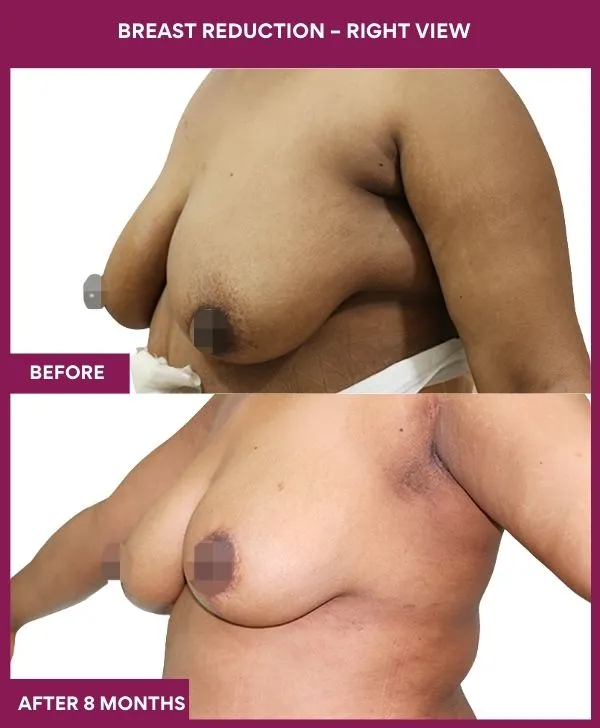
Breast Reduction Surgery Before and After Images
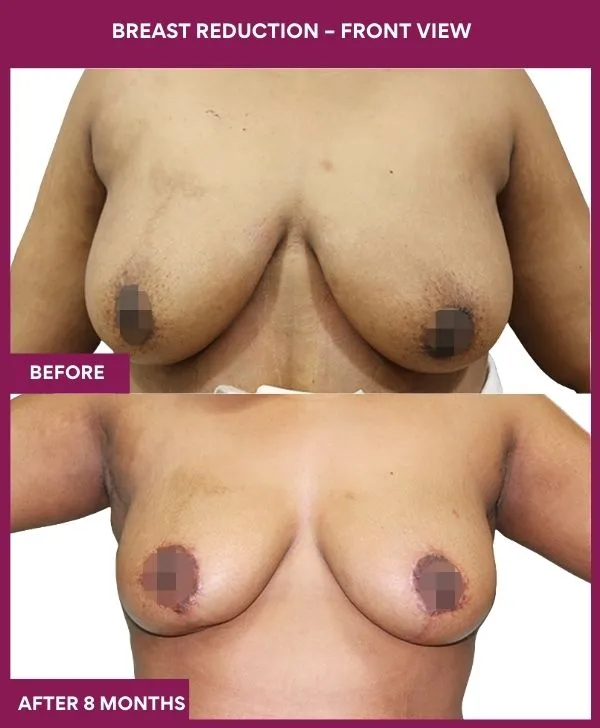
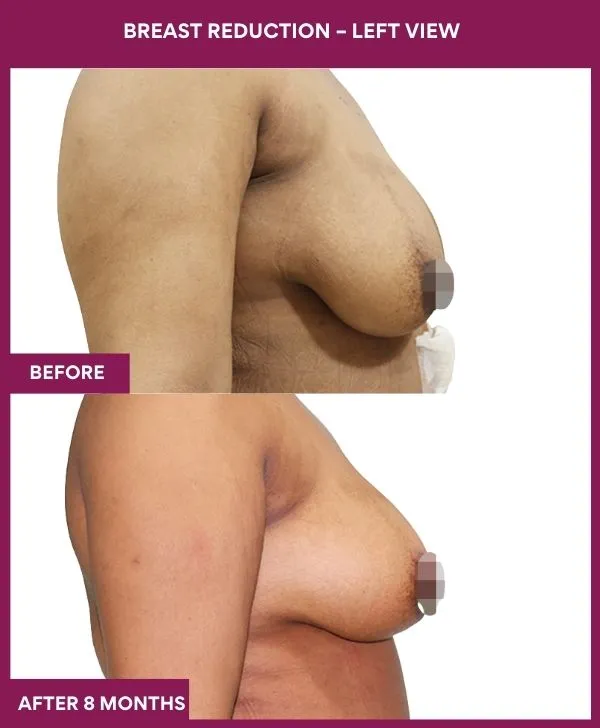
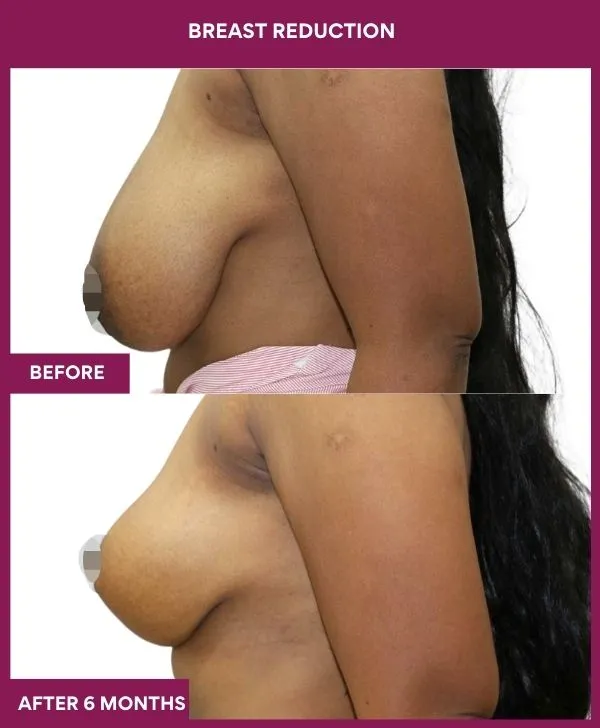
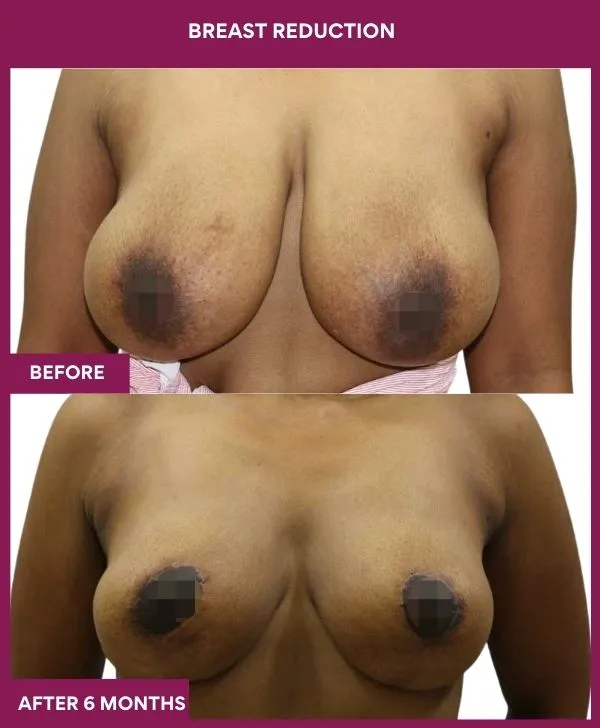
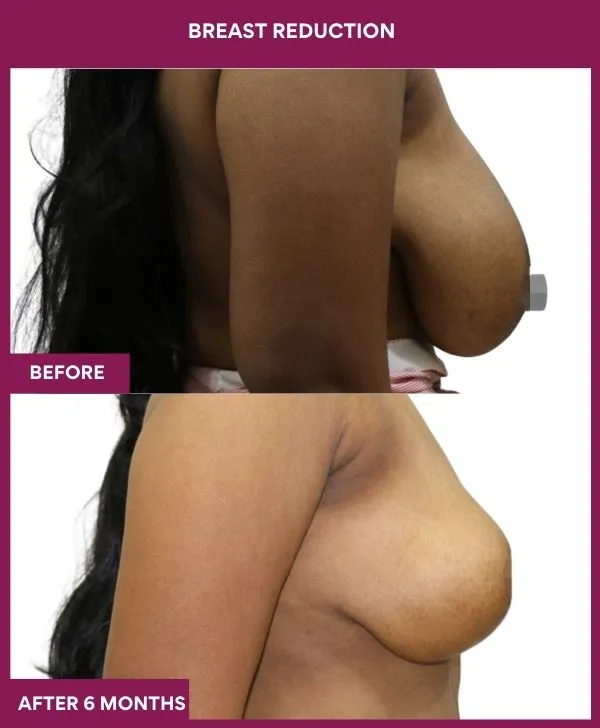
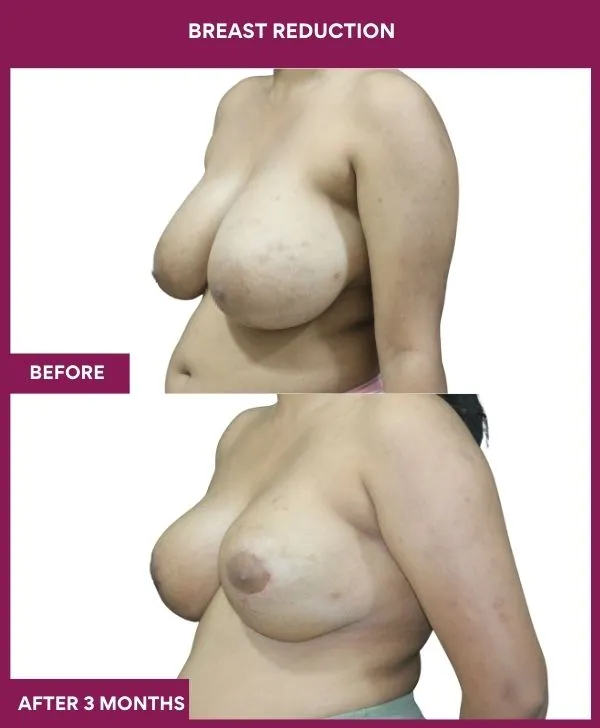

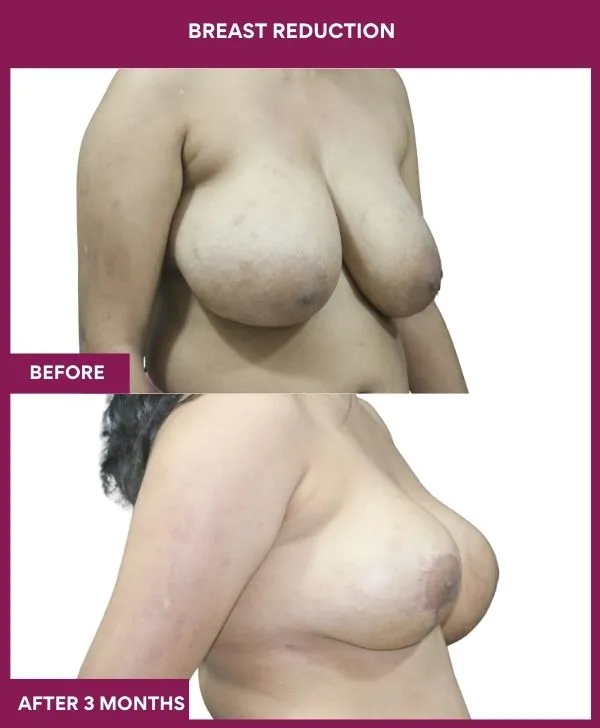
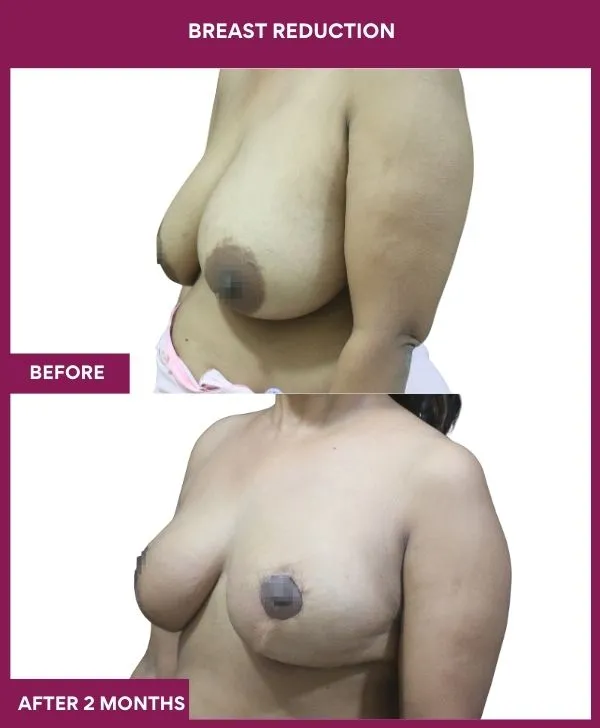

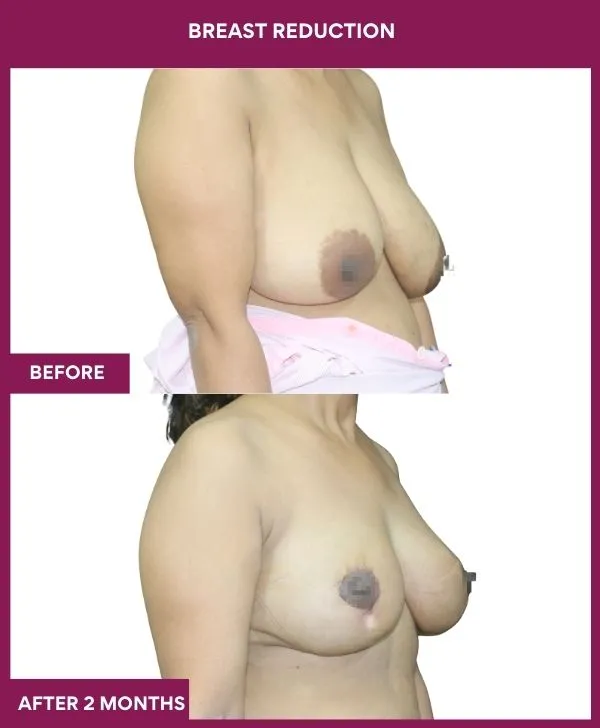
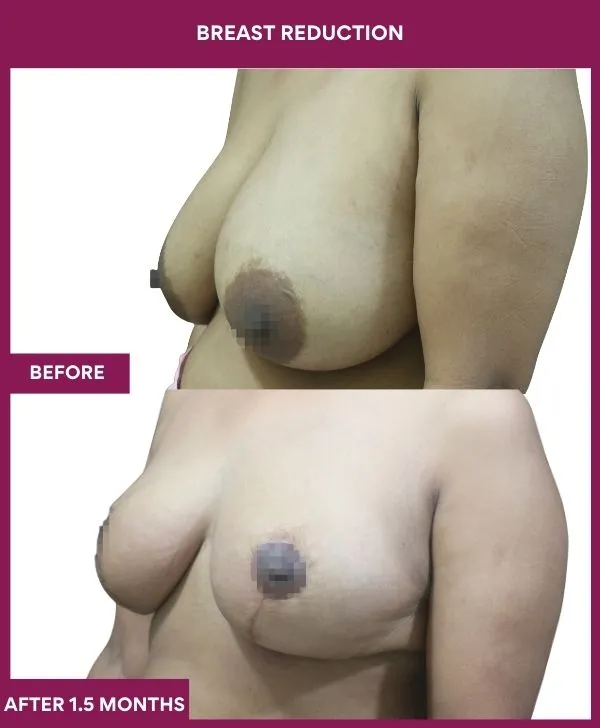


Breast Reduction Surgery Testimonials: Fine To Fabulous Journeys

Awarded by Google.com
Rating: 4.7
Reviews: 485+

Awarded by WhatClinic.com
Rating: 4.8
Reviews: 119+

Awarded by Realself
Rating: 4.9
Reviews:453+

Awarded by Facebook
Rating: 4.6
Reviews:105+
Dr Milan Doshi and his staff are very professional and committed as the centre is highly equipped with advanced technology. I had closed rhinoplasty 4 months back and I’m seeing the results as to how it becomes successful.
Deepika Shetty
The doctor explained everything clearly and the surgery was smooth. Recovery was faster than I expected and the team was very supportive.
Rahul Mehta
Very natural results and excellent staff. From consultation to follow-up, the experience was outstanding and boosted my confidence.
Sneha Kapoor
You’re one step away from your own transformation story.
Video: Breast Reduction Surgery Explained by Celebrity Cosmetic Surgeon Dr.Milan Doshi
Dr Milan Doshi is describing the Breast Reduction Surgery in detail with benefits, candidacy, associated risks and significance
Get expert insights from Dr. Milan Doshi on painless Breast Reduction surgery
Myth 1: “Breast reduction surgery is only cosmetic.” Is that true?
No. Many people choose it to relieve pain, rashes, and daily limitations.
Why it’s a misconception
People often assume breast reduction is purely aesthetic. In reality, medical sources describe symptom relief as a core reason for surgery—especially chronic discomfort and skin irritation. (Mayo Clinic)
Fact
Breast reduction can be a functional procedure that addresses:
- Chronic back, neck, or shoulder pain
- Shoulder grooving from bra straps
- Recurrent rashes (intertrigo) under breast folds
- Activity limitations (exercise discomfort) (Mayo Clinic)
Myth 2: “Scars are tiny—or they disappear.” Is that realistic?
No. Scars are permanent, but they usually fade over time.
Why it’s a misconception
Before-after photos often show great shape but don’t always show scar maturity at different stages.
Fact
Breast reduction involves incisions, so scarring is expected. The NHS notes risks like thick/obvious scarring and wound-healing problems. (nhs.uk)
A UK NHS patient leaflet explains that scars can be long and may take around 18 months to fade, and they never completely disappear.
What helps scars look better (when incisions are fully healed):
- Surgeon-approved silicone gel/sheets
- Sun protection to reduce pigmentation changes
- Consistent scar care over months (not weeks) (nbt.nhs.uk)
Myth 3: “Breastfeeding after breast reduction is impossible.” Always?
Not always—but it can be harder, and outcomes vary.
Why it’s a misconception
Some people hear one extreme: “No problem at all,” or “Impossible.” The truth is more nuanced.
Fact
Major medical sources list breastfeeding difficulty as a possible risk after breast reduction. (Mayo Clinic)
ASPS states breast reduction may limit breastfeeding, although many women are still able to breastfeed. (American Society of Plastic Surgeons)
A 2024 systematic review/meta-analysis reported an overall breastfeeding success rate around 62% after reduction mammoplasty and higher odds of breastfeeding difficulty compared with controls. (PubMed)
Bottom line: If future breastfeeding is a high priority, discuss technique goals early in your consultation and consider timing plans.
Myth 4: “You will definitely lose nipple sensation permanently.” True?
Not definitely. Sensation changes can happen, but they’re not always permanent.
Why it’s a misconception
Stories online often highlight worst-case experiences, but outcomes vary based on anatomy, technique, and healing.
Fact
Changes in nipple/breast sensation are a known risk discussed by major sources. (Mayo Clinic)
ASPS notes sensation may be affected, and in many cases sensation improves over time. (American Society of Plastic Surgeons)
NHS materials also describe potential loss of nipple sensation as a complication. (nhs.uk)
What’s practical to expect:
- Early numbness/hypersensitivity is common
- Sensation may improve gradually over months
- Rarely, significant sensation loss can be long-term (Mayo Clinic)
Myth 5: “Breast reduction results are guaranteed and permanent forever.”
No. Results are long-lasting, but your body can change with time.
Why it’s a misconception
Marketing language online can sound like a “once and done” fix.
Fact
Breast shape and size can change over time due to:
- Weight gain/loss
- Pregnancy and breastfeeding changes
- Aging and skin elasticity shifts (Mayo Clinic)
This doesn’t mean surgery “fails.” It means your results live in a real body that continues to change.
Myth 6: “Recovery is just a few days—then life is back to normal.”
No. Many people return to light activities early, but full healing takes longer.
Why it’s a misconception
Some people feel much better quickly—especially relief from heaviness—but tissues still need time to heal.
Fact
Recovery timelines vary, but medical guidance commonly includes:
- Temporary bruising/swelling
- Activity restrictions (lifting/exercise) for several weeks
- Scars and shape settling over months (Mayo Clinic)
A UK NHS hospital leaflet notes that swelling/bruising improves in weeks, but shape and scars can take 6–12 months to settle. (Oxford University Hospitals)
Myth 7: “Breast reduction is unsafe and complications are extremely common.”
It’s generally safe in appropriate candidates, but every surgery has real risks.
Why it’s a misconception
People either minimize risks (“nothing can go wrong”) or exaggerate them (“it’s too dangerous”). Both create unnecessary fear.
Fact
Major sources list risks such as bleeding, infection, scarring, asymmetry, and (rarely) nipple/skin blood supply problems. (Mayo Clinic)
A 2025 analysis of 5,909 reduction mammoplasty patients reported a 9.2% 30-day postoperative complication rate, and also highlighted that risk varies with patient factors. (PMC)
Risk tends to be higher with:
- Smoking
- Poorly controlled diabetes
- Higher BMI
- Poor nutrition or anemia
(Your surgeon will screen and advise optimization.)
What should you ask in a breast reduction consultation
to avoid misinformation?
Bring your priorities (pain relief, scarring, breastfeeding, size goals) and ask direct questions.
Use this quick checklist:
- What scar pattern is likely for my case—and where will scars sit?
- What are my realistic size goals based on anatomy and safety?
- How might this affect breastfeeding in my situation? (Mayo Clinic)
- What sensation changes are most likely for me? (American Society of Plastic Surgeons)
- What is the recovery timeline for work, workouts, and travel? (Oxford University Hospitals)
- What factors increase my complication risk and how do we reduce them? (PMC)
Conclusion
Breast reduction surgery can be life-changing for comfort and confidence—but only when expectations match reality. The most common myths about breast reduction involve scars, breastfeeding, sensation, recovery time, and “guaranteed” outcomes. The facts are simpler: scarring is real but typically fades, breastfeeding may be possible but not guaranteed, sensation changes can occur (often improving over time), and healing is a process measured in weeks to months—not days. (Mayo Clinic)
If you’re considering surgery, the safest next step is a consultation with a qualified plastic surgeon who can evaluate your anatomy, discuss risks honestly, and align the plan with your priorities—especially if pain, rashes, or lifestyle limitations are affecting your daily life.