Introduction: When “Heavy” Feels Like More Than a Feeling
Breast reduction surgery (reduction mammoplasty) is a procedure designed to reduce breast size and weight—often to relieve physical discomfort and improve daily function. Many people explore breast reduction benefits not because they want a dramatic cosmetic change, but because day-to-day life has started revolving around pain, clothing compromises, skin problems, or activity limitations.
If you’ve been wondering, “Are my symptoms normal—or are my breasts actually causing them?” this guide will help you identify common signs, understand the medical and emotional reasons behind them, and know when a surgery consultation makes sense.
“Do you know that each Breast Reduction surgery is different, so is the cost?”
Breast Reduction Surgery Before and After Images
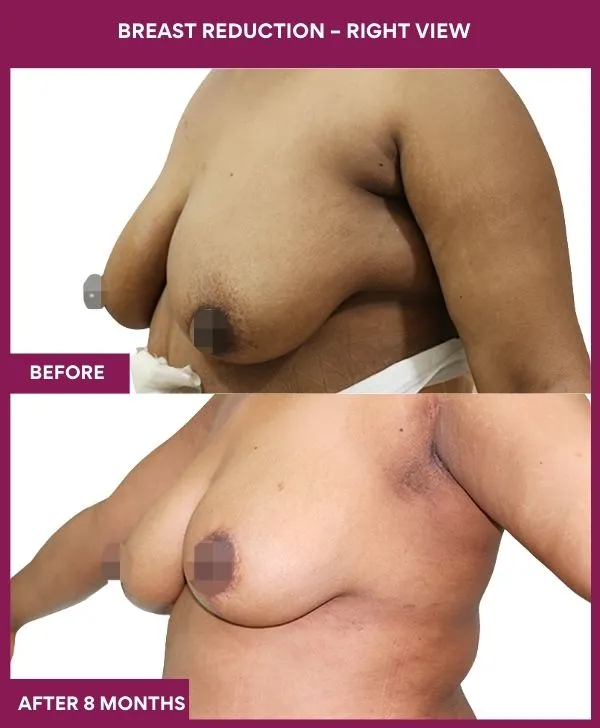
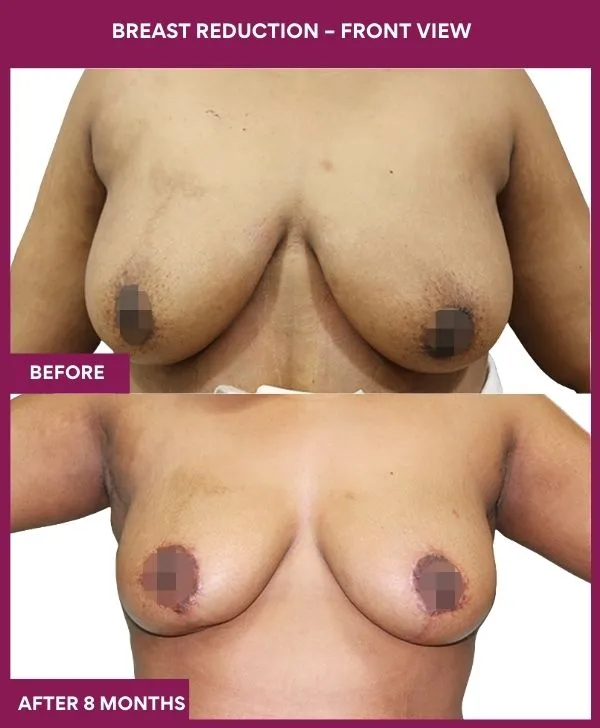
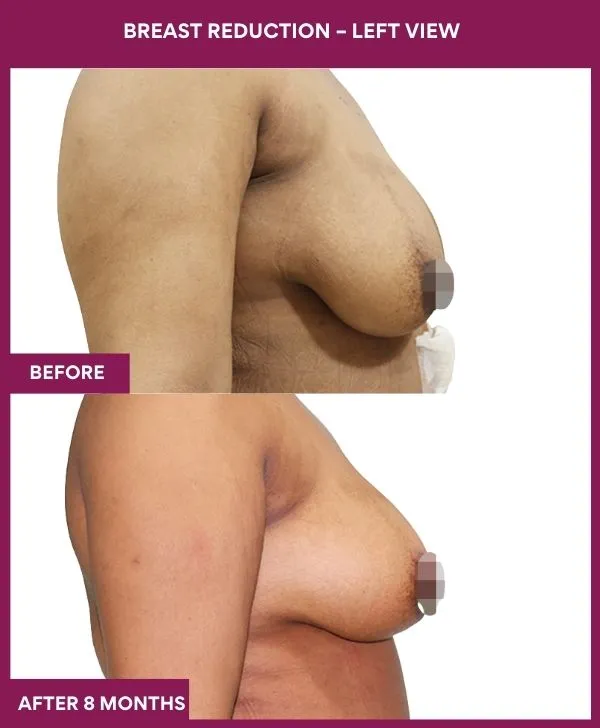
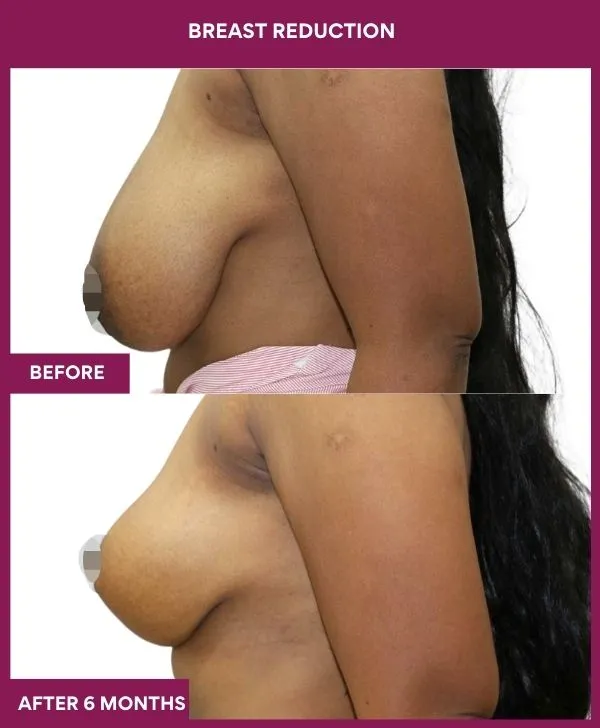
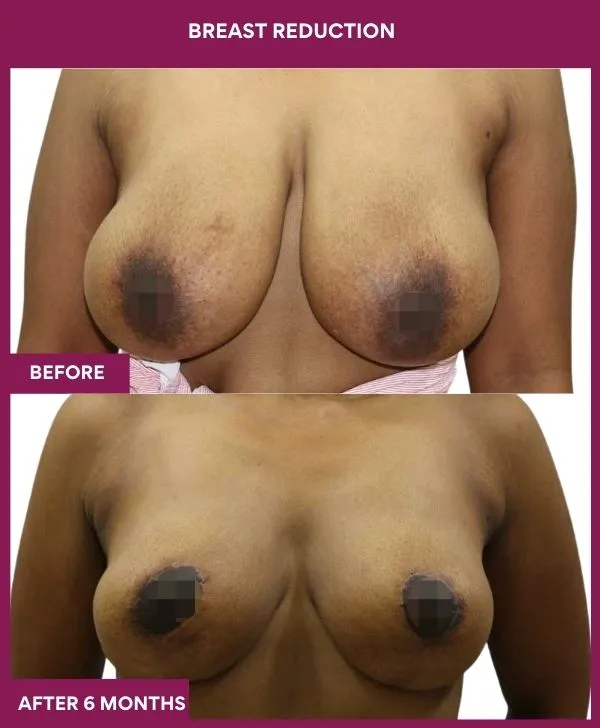
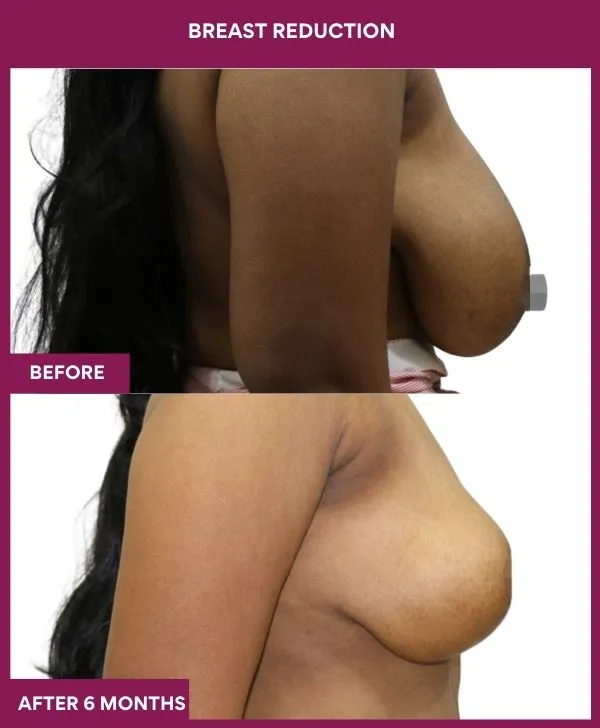
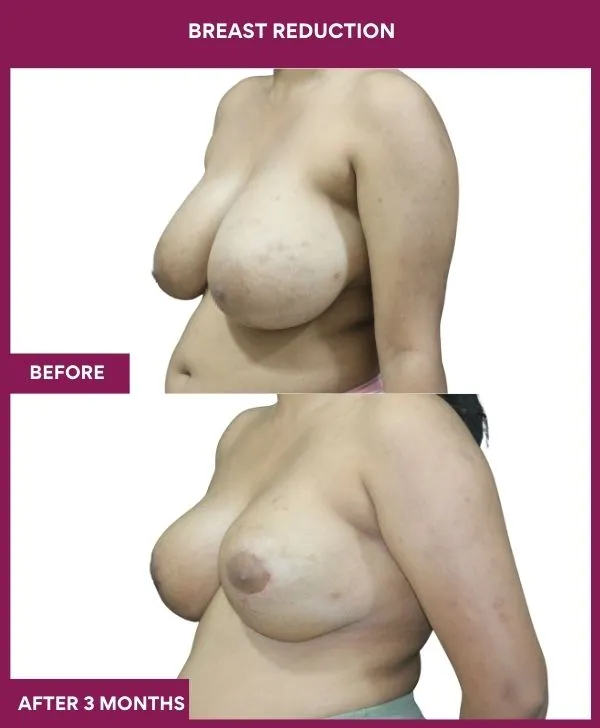

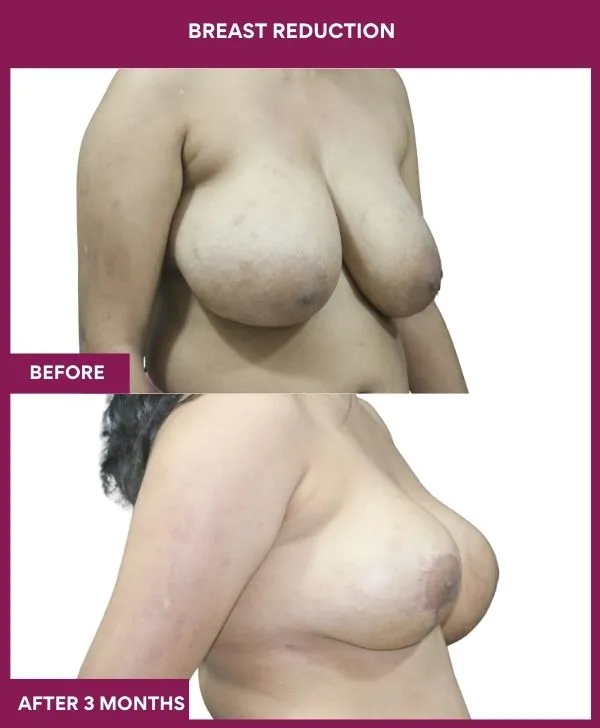
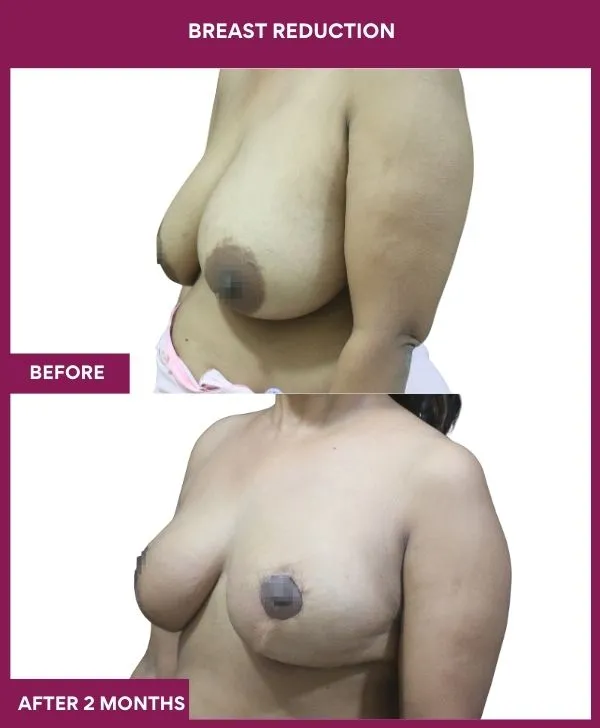

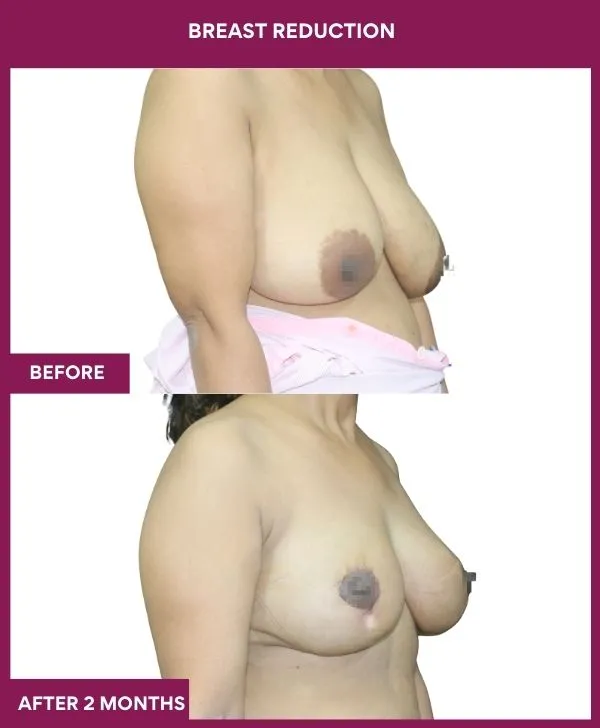
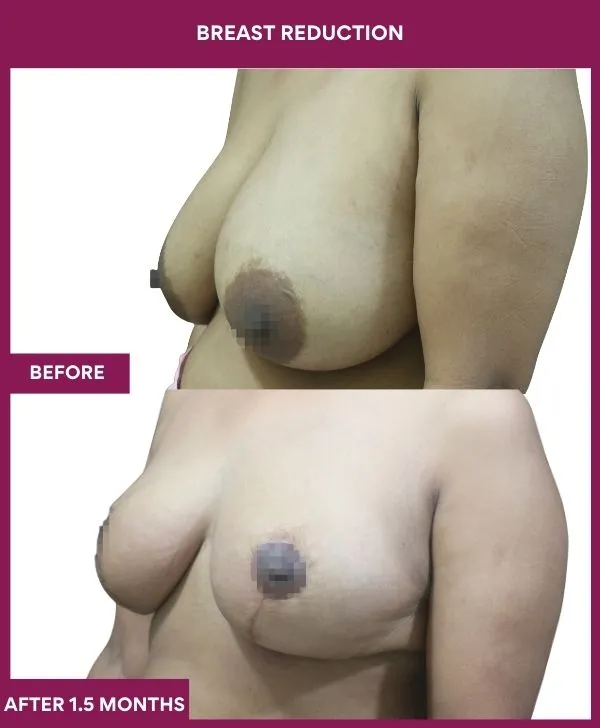


Breast Reduction Surgery Testimonials: Fine To Fabulous Journeys

Awarded by Google.com
Rating: 4.7
Reviews: 485+

Awarded by WhatClinic.com
Rating: 4.8
Reviews: 119+

Awarded by Realself
Rating: 4.9
Reviews:453+

Awarded by Facebook
Rating: 4.6
Reviews:105+
Dr Milan Doshi and his staff are very professional and committed as the centre is highly equipped with advanced technology. I had closed rhinoplasty 4 months back and I’m seeing the results as to how it becomes successful.
Deepika Shetty
The doctor explained everything clearly and the surgery was smooth. Recovery was faster than I expected and the team was very supportive.
Rahul Mehta
Very natural results and excellent staff. From consultation to follow-up, the experience was outstanding and boosted my confidence.
Sneha Kapoor
You’re one step away from your own transformation story.
Video: Breast Reduction Surgery Explained by Celebrity Cosmetic Surgeon Dr.Milan Doshi
Dr Milan Doshi is describing the Breast Reduction Surgery in detail with benefits, candidacy, associated risks and significance
Get expert insights from Dr. Milan Doshi on painless Breast Reduction surgery
What are the most common signs you may need breast reduction surgery?
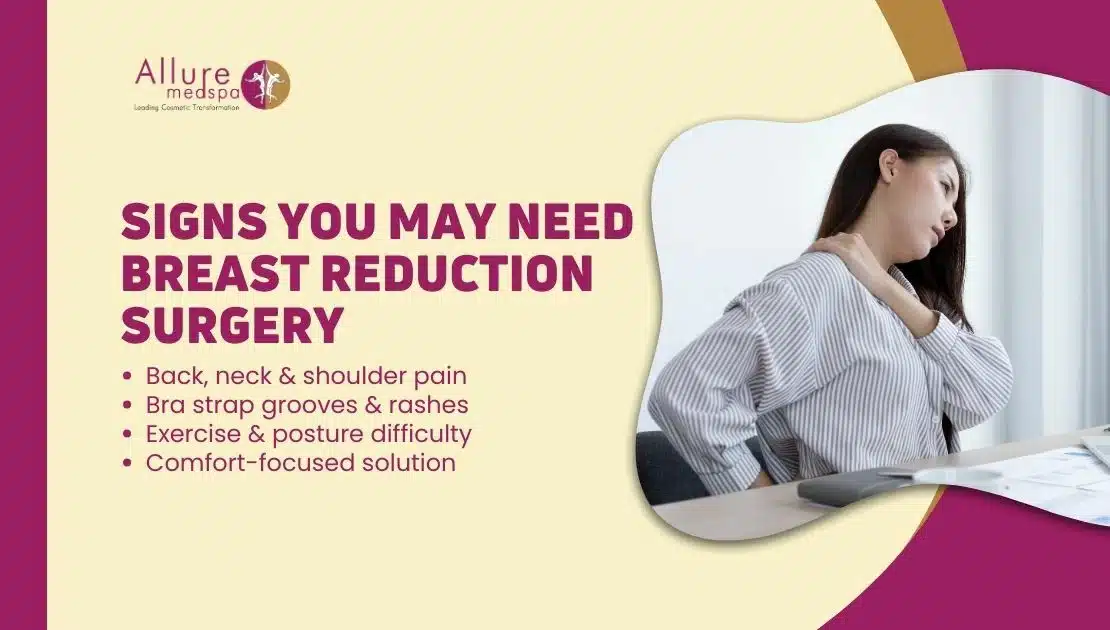
1) Chronic neck, shoulder, or upper-back pain
One of the biggest clues is pain that keeps returning—especially by the end of the day. Large, heavy breasts can pull your upper body forward, increasing strain on neck and back muscles. Over time, this can feel like persistent tightness, knots, or even spasms. Mayo Clinic lists chronic back, neck, and shoulder pain as a key reason people choose breast reduction surgery. (Mayo Clinic)
Real-life example: You start your morning fine, but by evening, your bra feels unbearable and your shoulders ache—every day, regardless of your mattress, posture reminders, or pain balms.
Daily-life impact: Reduced productivity, poor sleep, avoidance of travel/commutes, and needing frequent massages/physio that only help temporarily.
2) Deep shoulder grooves from bra straps (and “strap pain”)
If you remove your bra and see deep indentations that last for hours—or you feel nerve-like soreness at the top of your shoulders—this is not just a bra-fit issue. With heavier breasts, straps can dig in to support weight, causing grooves and discomfort. This is specifically cited as an indication for breast reduction by Mayo Clinic and ASPS. (Mayo Clinic)
Real-life example: You keep buying “wider strap” bras, double-layer sports bras, or even strap cushions—yet the grooves and pain persist.
Daily-life impact: You may constantly adjust straps, avoid certain tops, or feel pain while carrying a bag because your shoulders are already overloaded.
3) Rashes, itching, or recurring fungal infections under the breasts
Moisture and friction under the breast fold can lead to repeated rashes (intertrigo), itching, or fungal infections—especially in warm, humid weather. Mayo Clinic includes chronic rash/skin irritation under the breasts as a common reason for breast reduction. (Mayo Clinic)
Studies on macromastia also report intertrigo as a frequent complaint. (PMC)
Real-life example: You use powders, antifungal creams, and cotton liners—things improve, then come right back in a few weeks.
Daily-life impact: Discomfort during workdays, embarrassment, clothing restrictions, and recurring dermatology visits.
4) Numbness, tingling, or “nerve pain” in shoulders/arms
Some people experience nerve-related symptoms—tingling, burning, or numbness—because bra straps and posture strain can irritate nerves. Mayo Clinic lists nerve pain as an indication that may improve with reduction mammoplasty. (Mayo Clinic)
Real-life example: Your hands tingle after wearing a bra all day, or you feel a burning sensation near the shoulder/neck region that comes and goes.
Daily-life impact: Reduced comfort at work, difficulty driving long distances, and feeling “wired” or restless because your body can’t settle.
5) Poor posture and a “pulled-forward” upper body
A heavy chest can change how you stand and sit. Many people don’t notice it until they see photos: rounded shoulders, forward head posture, and a constant effort to “hold yourself up.” Clinical literature on macromastia frequently mentions posture problems among symptoms relieved by reduction mammoplasty. (PMC)
Real-life example: You try posture correctors, yoga, or ergonomic chairs—but the moment you relax, your shoulders roll forward again.
Daily-life impact: Neck stiffness, tension headaches, fatigue, and self-consciousness in pictures.
6) Difficulty exercising (or avoiding activity altogether)
If running, jumping, yoga flows, or strength training feels uncomfortable—even with high-support sports bras—your breast weight may be a significant barrier. Mayo Clinic notes inability to take part in some activities as a reason patients consider breast reduction. (Mayo Clinic)
ASPS also highlights that heavy breasts can limit activity and contribute to discomfort. (American Society of Plastic Surgeons)
Real-life example: You want to be consistent with fitness, but every session becomes about managing bounce, pain, or unwanted attention.
Daily-life impact: Weight gain risk, reduced cardiovascular health, frustration, and feeling “stuck” because exercise feels inaccessible.
7) Clothing fit problems and constant wardrobe compromises
If you routinely size up tops just to fit your bust (then everything else hangs loose), or you avoid button-down shirts and fitted dresses, your lifestyle is being shaped around breast size. Mayo Clinic lists trouble fitting into bras and clothing among common concerns addressed by breast reduction. (Mayo Clinic)
Real-life example: You buy outfits that fit your chest but require tailoring everywhere else—or you stop shopping altogether because nothing feels right.
Daily-life impact: Reduced confidence, limited styling options, and feeling like your body is “hard to dress.”
Medical considerations: When symptoms become a health issue
Breast reduction isn’t just about appearance. It can be a functional surgery for people dealing with ongoing physical symptoms. In a 2023 study on macromastia symptoms, researchers reported very high rates of pain complaints among participants (for example, shoulder and neck pain). (PMC)
A broader body of evidence shows reduction mammoplasty can relieve symptoms like back pain, bra strap grooving, intertrigo, and posture problems while improving quality of life. (PMC)
Conditions commonly linked with overly large breasts
- Chronic back/neck/shoulder pain (Mayo Clinic)
- Shoulder grooving and soft tissue strain (American Society of Plastic Surgeons)
- Intertrigo/rashes under breast folds (Mayo Clinic)
- Posture-related fatigue and tension symptoms (PMC)
Why a professional evaluation matters
A qualified plastic surgeon can help determine whether your symptoms are likely breast-related or whether another issue (spinal alignment, disc problems, thyroid issues, anemia, etc.) also needs attention. A proper surgery consultation typically includes:
- Symptom history (duration, triggers, treatments tried)
- Physical examination (breast weight, skin fold irritation, posture strain)
- Discussion of goals, expected scar pattern, and recovery timeline
- Review of health conditions and pre-op investigations
Psychological factors: It’s not “vanity” if it affects your life
Breast size can have a real emotional and social impact. Many people describe:
- Feeling overly noticed or sexualized in public
- Avoiding photos, events, or certain outfits
- Feeling disconnected from their body shape
- Experiencing constant self-consciousness at the gym or workplace
Mayo Clinic even lists poor self-image due to large breasts as a valid reason people pursue breast reduction. (Mayo Clinic)
Cleveland Clinic similarly notes improvements in self-esteem and body image as common outcomes patients report. (Cleveland Clinic)
Emotional relief (what patients often describe): feeling “lighter,” more proportionate, more comfortable in social settings, and less mentally exhausted by daily adjustments and unwanted attention.
Lifestyle impact: How daily routines change with large breasts
Large breasts can quietly influence hundreds of micro-decisions:
- What bra you wear (and how long you can tolerate it)
- Whether you run for a train or avoid it
- Which workouts you skip
- How you sit, stand, or sleep
- Which clothes feel “safe”
- Whether you attend certain gatherings
A helpful statistic to know
Research and clinical reports on macromastia consistently describe physical symptoms (pain, rashes/intertrigo, bra strap grooving) as common drivers for surgery, and studies evaluating outcomes frequently report improved quality-of-life measures after reduction mammoplasty. (ScienceDirect)
When should you consider booking a breast reduction consultation?
You don’t need to “prove” your discomfort to deserve help. Consider a consultation if:
- Symptoms have lasted 6+ months despite lifestyle changes
- You rely on painkillers, physio, or creams repeatedly
- Exercise feels limited mainly due to breast weight
- Rashes keep recurring under the breast fold
- Your bra causes deep grooves or daily soreness
- Your breast size affects confidence, clothing, or social ease
A consultation is not a commitment to surgery—it’s a clarity session.
Conclusion: Your body shouldn’t feel like a daily burden
If you recognized yourself in several of these signs—pain, grooves, rashes, posture strain, activity limits, or constant clothing compromises—breast reduction surgery may be worth exploring. The goal isn’t perfection. It’s comfort, function, and feeling like your body supports your life instead of limiting it.
The next best step is a personalized surgery consultation with a qualified plastic surgeon who can evaluate your anatomy, symptoms, and goals and guide you safely.