
Deep Plane Facelift in Mumbai - An In-Depth, Honest Guide

Indian Board Certified Plastic Surgeon
M.CH, MS, ISAPS Mentor
16000+ Cosmetic Surgeries
500+ Face Lift Surgeries
A deep-plane facelift is an anatomically distinct technique that works beneath the SMAS in selected areas. It releases retaining structures that tether descended facial tissues, allowing the skin and deeper tissues to move together as a thicker composite unit. This may provide greater mobilisation of the midface and lower face when the patient’s anatomy requires it.
However, a deep-plane facelift is not automatically the best option for every patient, and the name alone does not guarantee a superior result. Well-performed SMAS facelift surgery can also deliver durable, natural-looking improvement. The appropriate technique depends on facial anatomy, degree of tissue descent, required mobilisation, surgeon experience and careful patient selection. The key question is whether your face needs the additional tissue release provided by a deep-plane approach.
Deep Plane Facelift Surgery Before And After Images
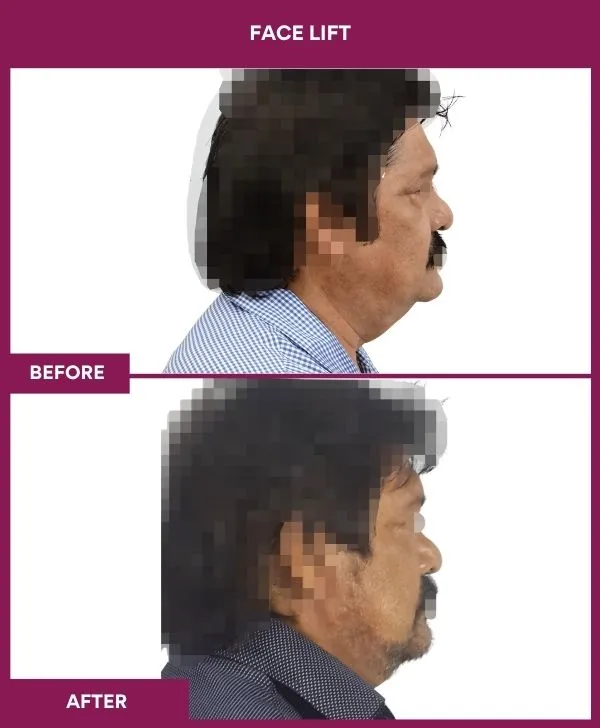
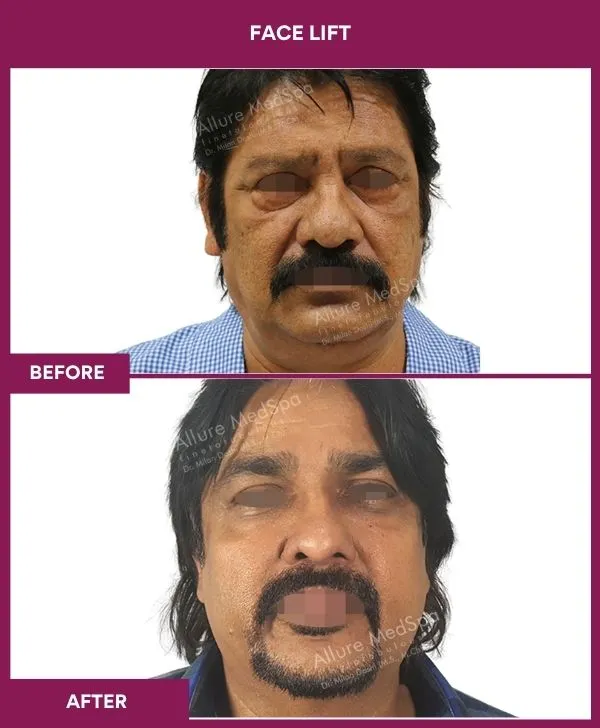
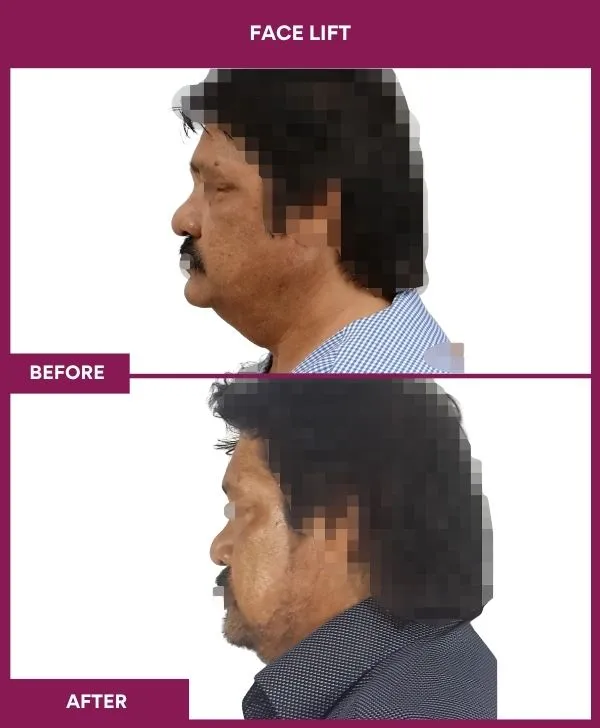
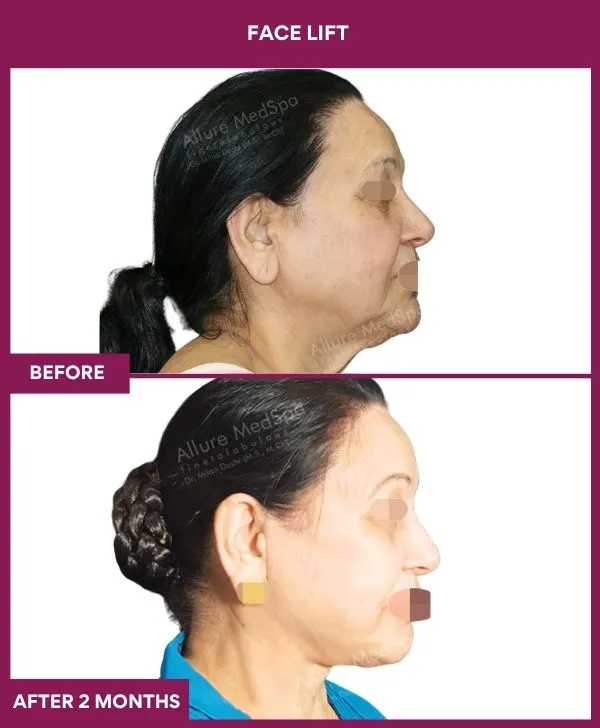

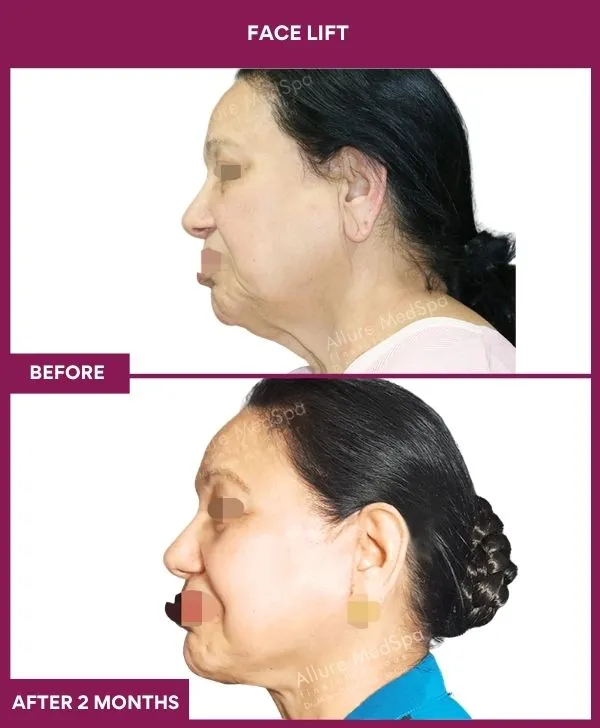
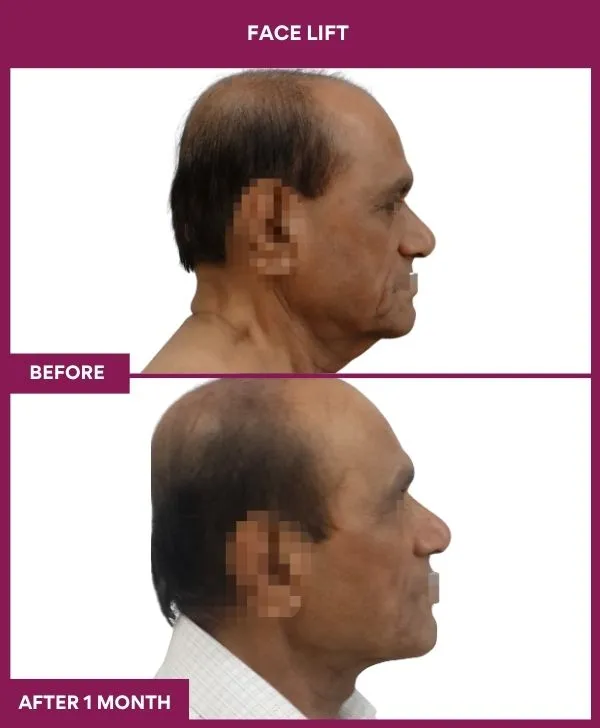
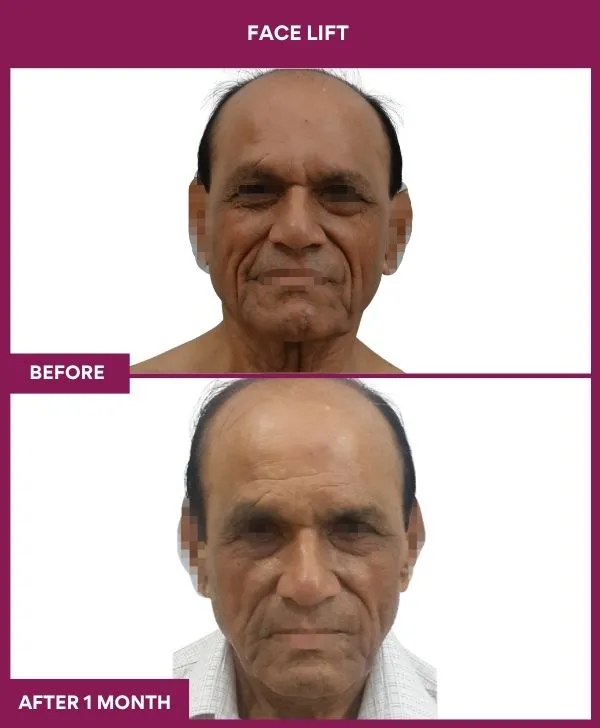
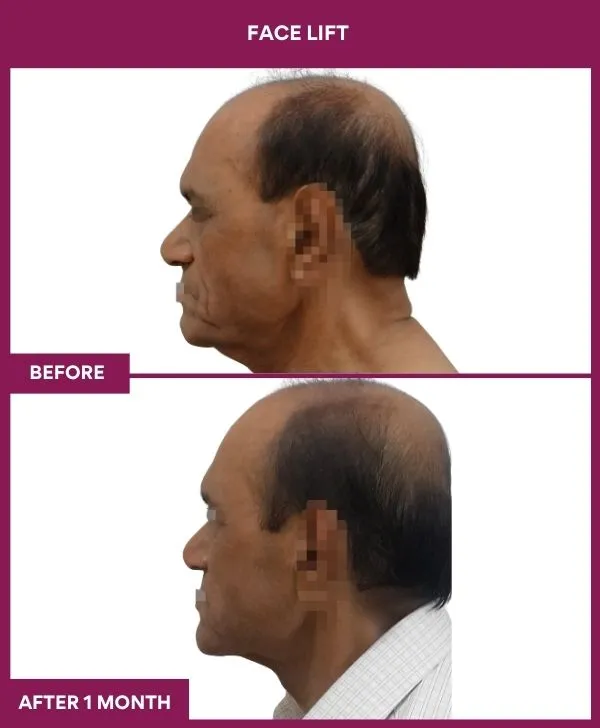
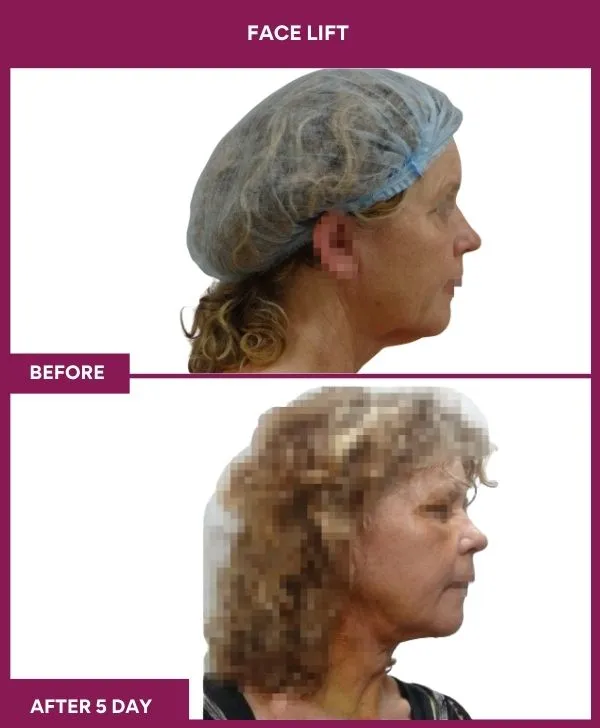
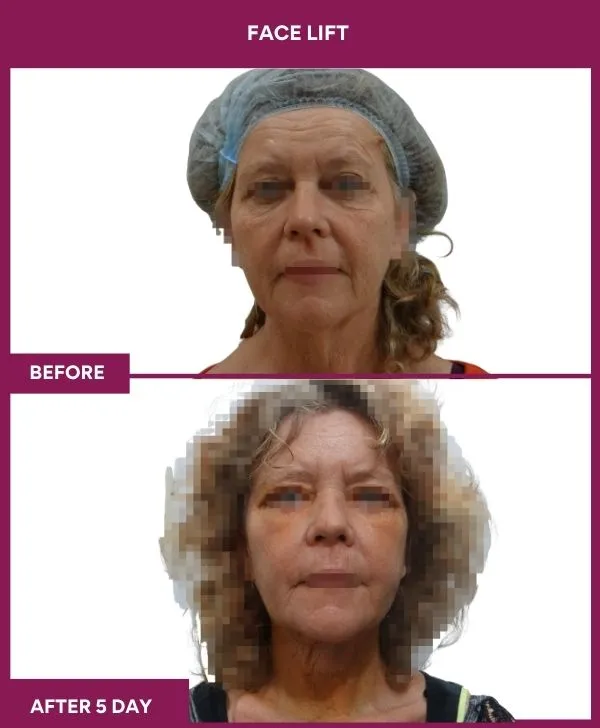
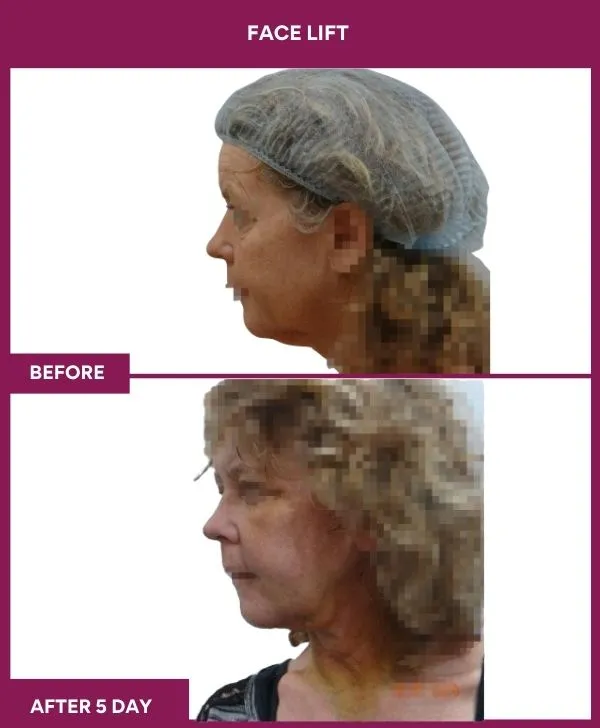
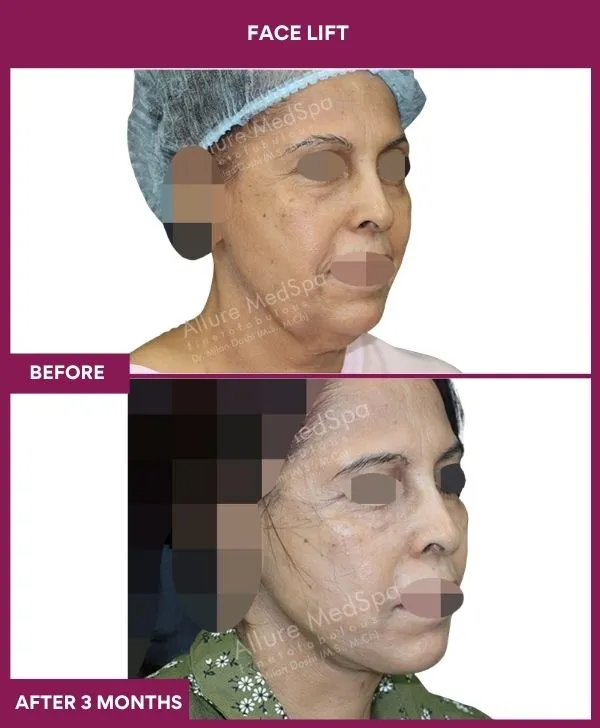
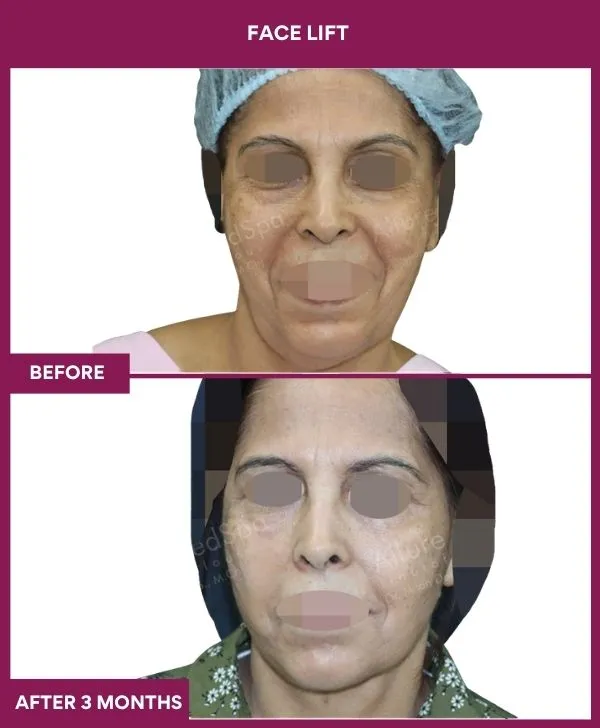
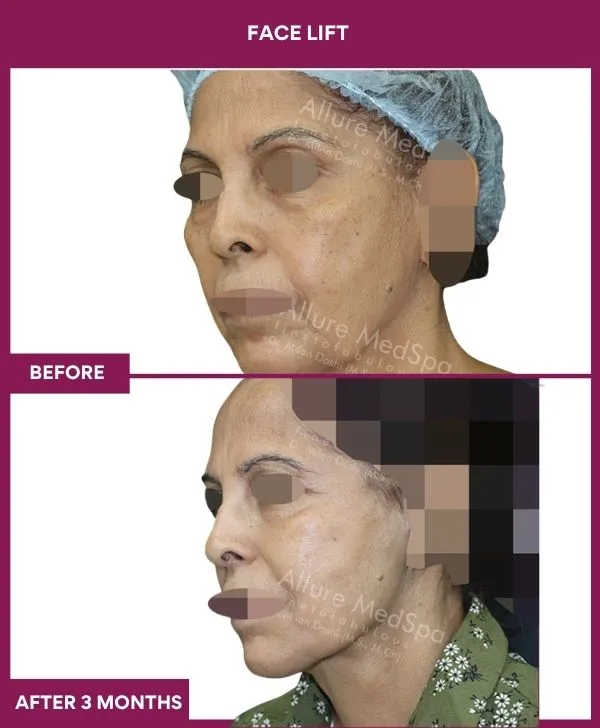
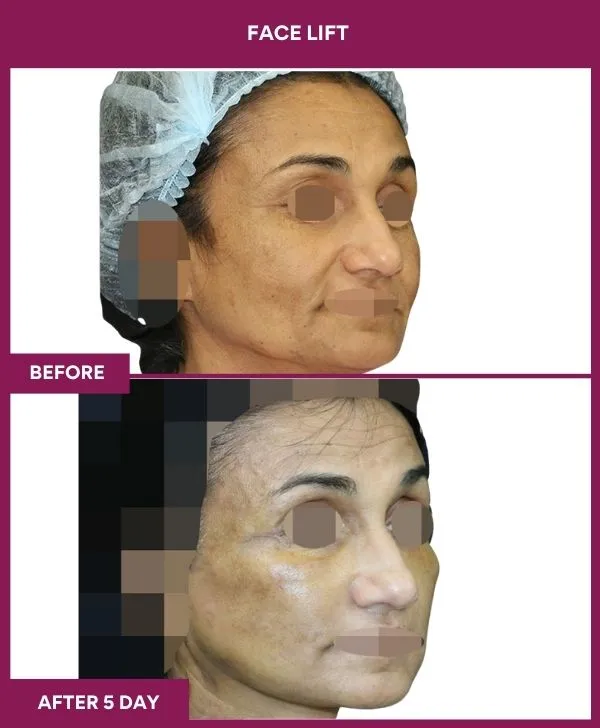
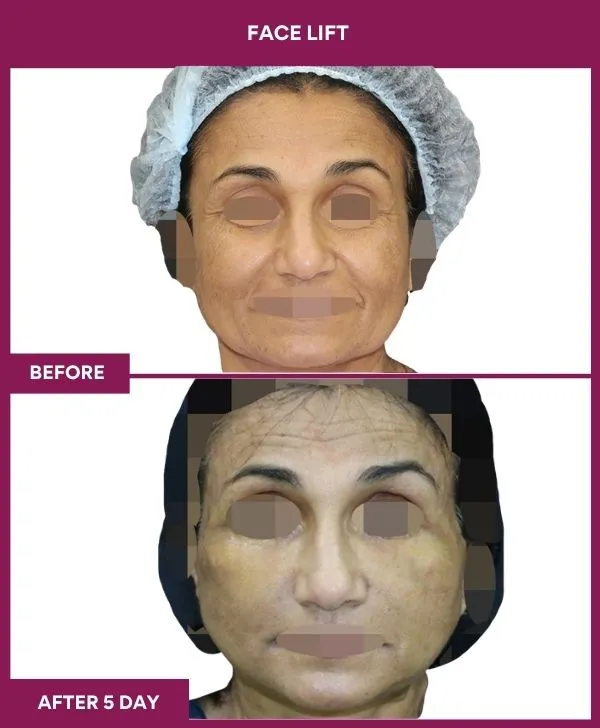
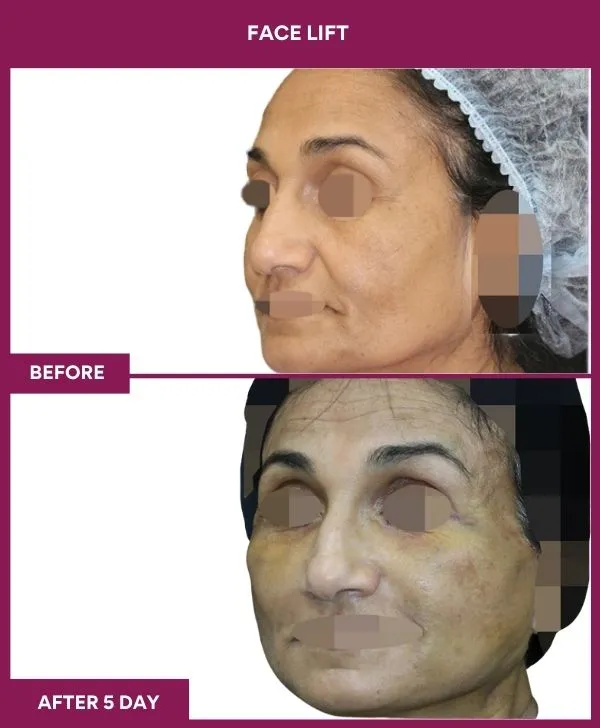
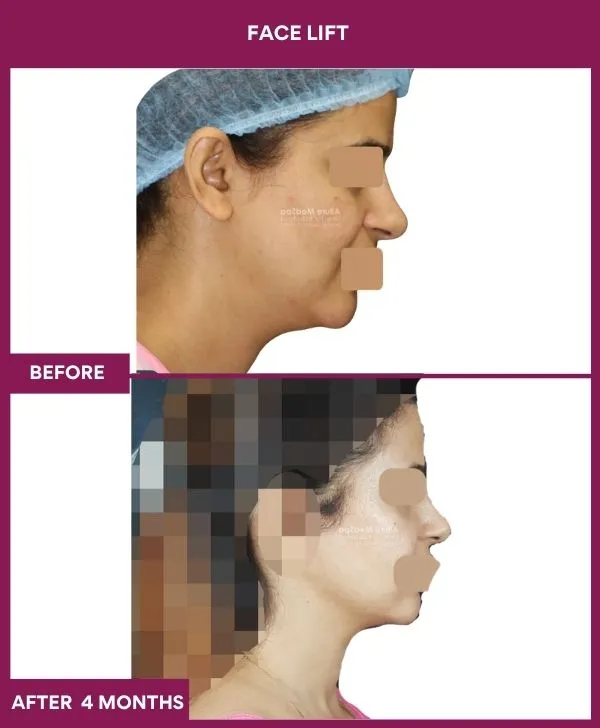
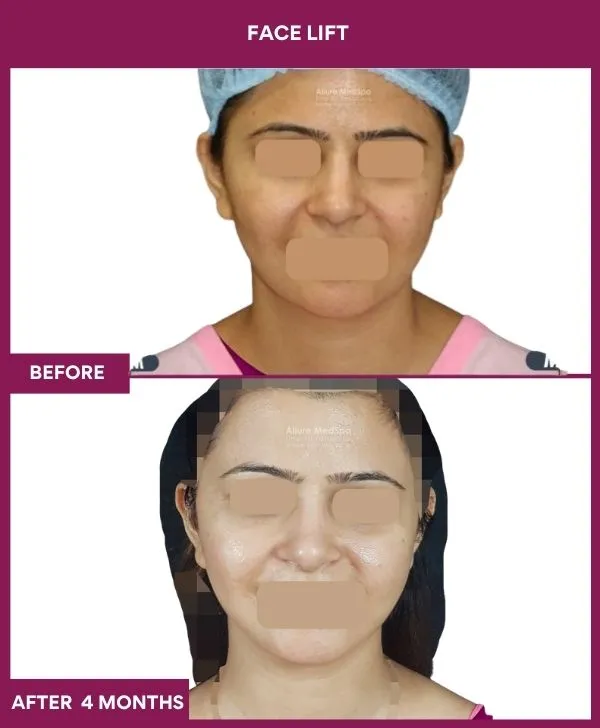
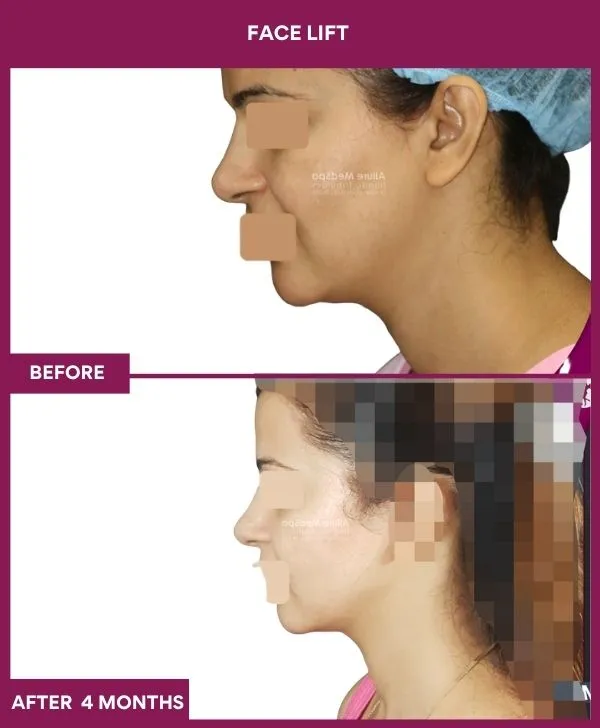
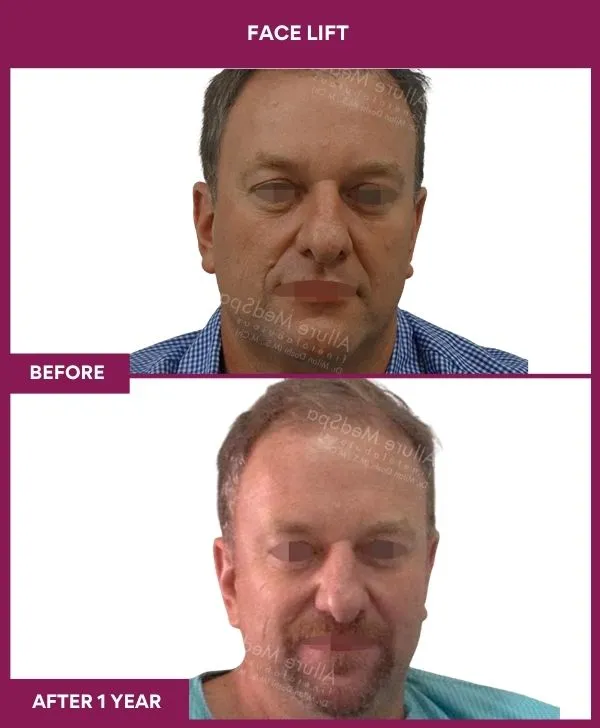
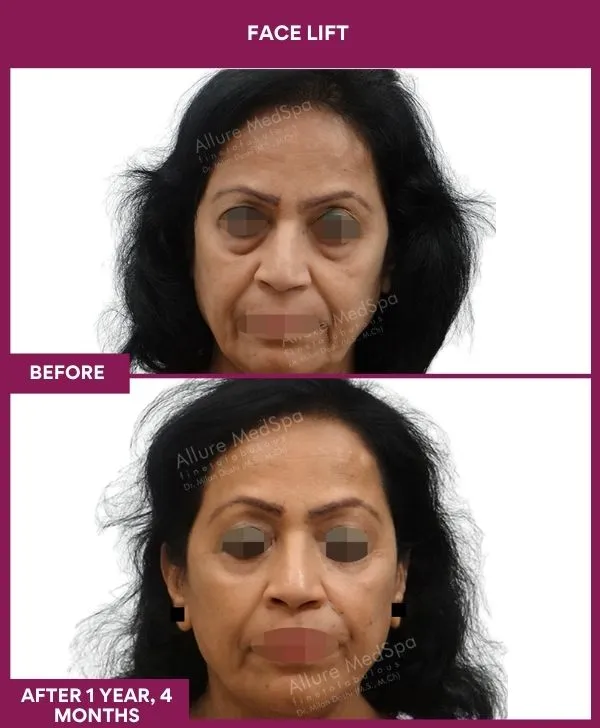
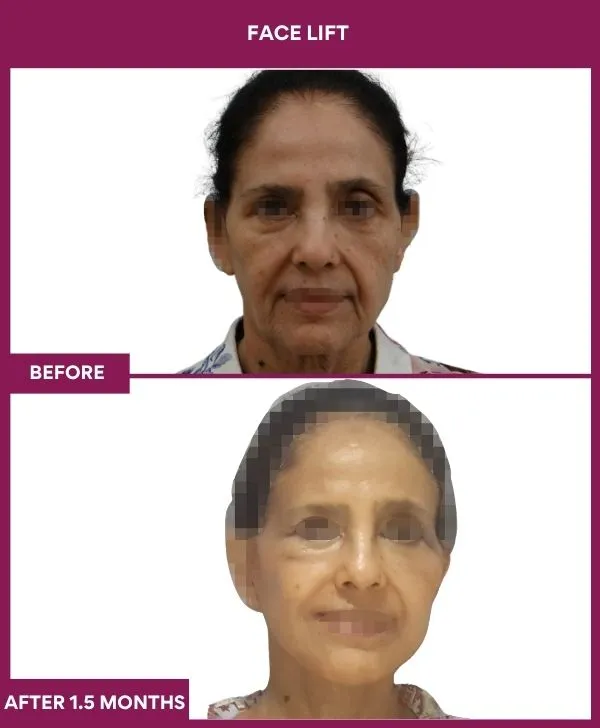
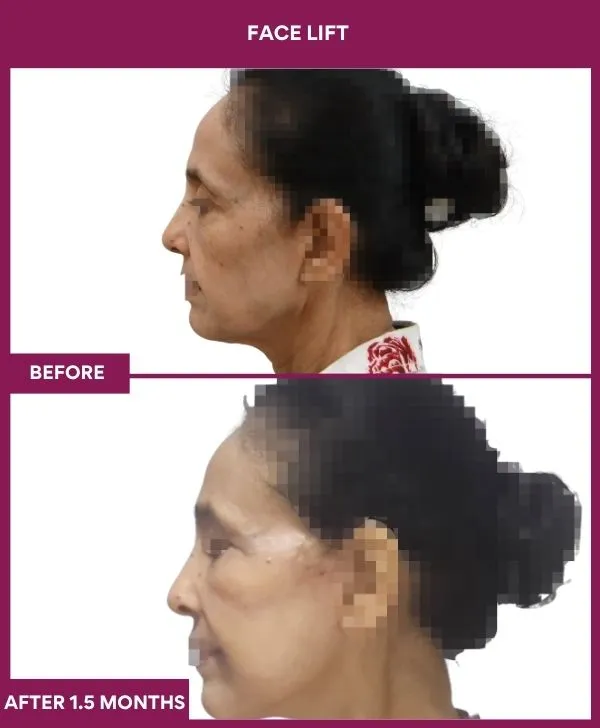
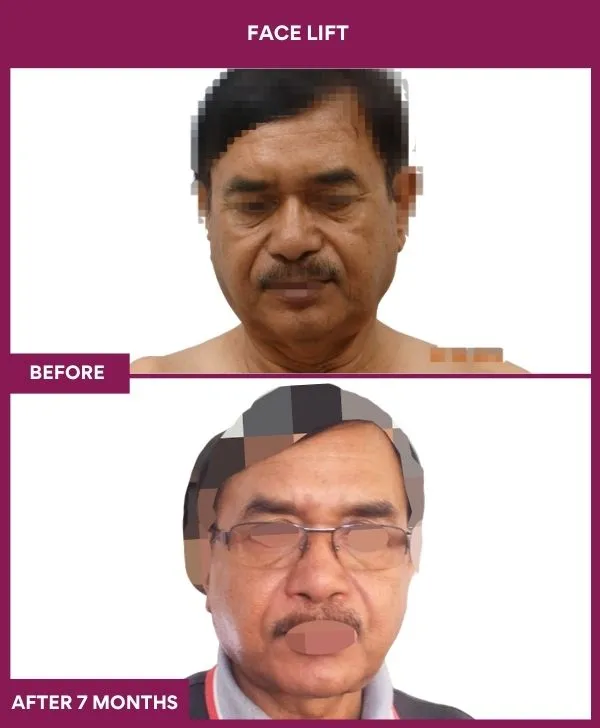
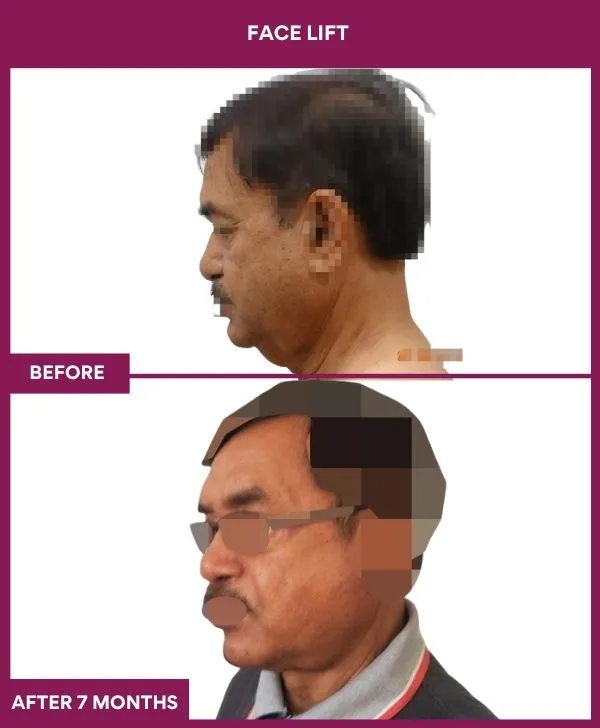
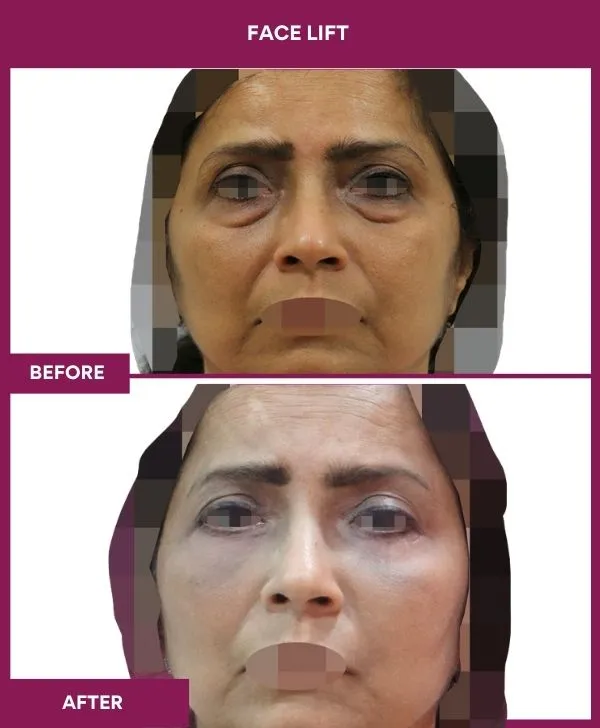
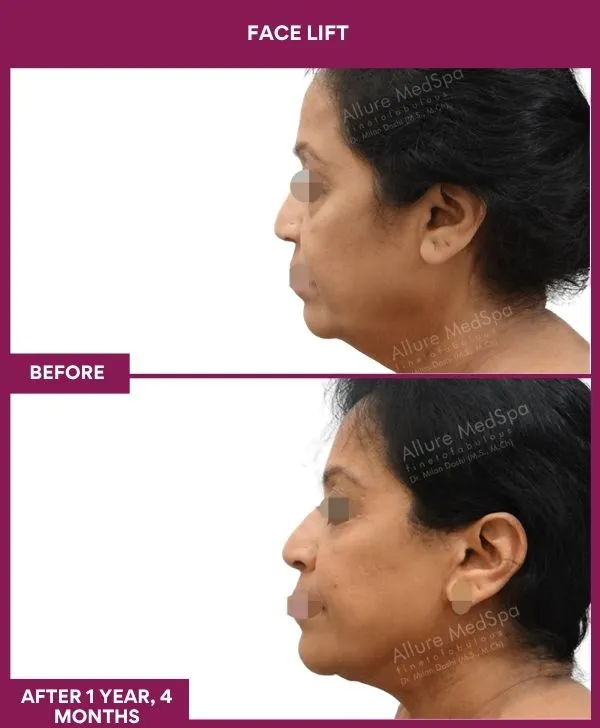
See real transformations from fine to fabulous — achieved with precision and care.
Deep Plane Facelift Surgery Testimonials: Fine To Fabulous Journeys
Thousands have trusted Dr. Milan Doshi to turn back time with natural, youthful results.
Video: Deep Plane Facelift Surgery Explained By Dr. Milan Doshi
Dr. Milan Doshi explains how a natural facelift is planned — technique, safety and realistic results.
Would I Benefit From Deep Plane Surgery?
(4 quick questions)
Quick Facts About Deep Plane Facelift
TIME REQUIRED
4 - 5 Hours
ANESTHESIA
General
HOSPITAL STAY
Overnight
PAIN LEVEL
Mild–moderate
BACK TO WORK
7 - 10 days
RESULTS LAST
10–12 years
SUCCESS RATE
97–98%
COMPLICATIONS
Under 2–3%
How Much Does Deep Plane Facelift Surgery Cost in Mumbai?
Deep Plane Facelift Surgery Cost in Mumbai typically ranges from ₹2,00,000 to ₹3,00,000, depending on the extent of facial ageing, depth of tissue descent, whether the neck also requires correction, and the overall surgical plan.
At Allure Medspa, Dr. Milan Doshi, an Indian Board-Certified Plastic Surgeon (M.Ch, MS) and ISAPS Mentor, evaluates the deeper facial tissues, jowls, jawline and neck before recommending a personalised deep plane facelift approach.
| Deep Plane Facelift Treatment | Indicative Price Range |
|---|---|
| Deep plane facelift / full facial lift | ₹2,00,000 – ₹2,60,000 |
| Deep plane face and neck lift | ₹2,30,000 – ₹3,00,000 |
+5% GST · Indicative packages include surgeon, anaesthesia, OT, hospital stay, medicines and follow-ups. EMI available.
Why the range moves: The degree of jowling and facial descent, neck involvement, extent of deep-plane dissection, operating time, anaesthesia and facility requirements, and whether additional volume restoration or complementary procedures are planned determine the final treatment cost.
Get your exact quote & surgery plan
Share your details — our team responds within working hours with cost, EMI options and next steps.
Most Common Question People Ask
Q1. What is a deep plane facelift?
Ans. A deep-plane facelift enters beneath the SMAS in selected areas and releases facial retaining structures so descended cheek, jawline and lower-face tissues can be repositioned as a composite unit.
This provides greater tissue mobility without relying primarily on tightening the skin.
Q2. Deep plane or SMAS - which is better?
Ans. Neither is universally better. Pooled analyses disagree with one another: one reported higher satisfaction with deep plane, another found broadly comparable safety, and a third reported higher complication rates for deep plane.
Both techniques can produce strong outcomes. Anatomy, surgical extent and surgeon expertise determine which is more appropriate.
Q3. Is a deep plane facelift really worth it?
Ans. It may be when substantial tissue descent requires the additional mobility created by ligament release. If a less extensive SMAS approach can adequately correct the problem, deeper dissection may not add useful benefit.
The value comes from matching the operation to the anatomy not from choosing the most heavily marketed name.
Q4. Is a deep plane facelift more dangerous?
Ans. It is anatomically demanding because surgery occurs close to facial-nerve branches, but the largest available evidence does not support a simple risk increase. A meta-analysis of 41,141 facelift patients found the same temporary nerve-injury rate for deep plane as for SMAS plication, with no permanent injuries reported in the included studies.
Q5. Who is a good candidate for deep plane surgery?
Ans. Potential candidates have enough midface or lower-face descent to benefit from greater tissue mobilisation, and malar descent, deeper nasolabial folds and jowling are the findings that usually point that way.
Health, smoking status, expectations and the amount of correction required also affect suitability, and age alone does not decide it.
Q6. How long do deep plane facelift results last?
Ans. Deep-plane results are designed to be durable, but no evidence-based number applies to every patient, and superiority in longevity over SMAS remains unsettled.
Ageing continues after surgery, and durability depends on anatomy, technique, tissue quality, lifestyle and the extent of the operation.

Why Choose Dr. Milan Doshi?
The technique matters less than the judgement that selects it. What a facelift consultation should produce is a reason where your tissue is tethered, how much release that requires, and whether a less extensive operation would achieve the same correction.
Dr. Milan Doshi, MCh, MS — Indian board-certified plastic surgeon, 27+ years in aesthetic surgery, ISAPS Mentor, patients from 70+ countries. Consults at Andheri West; surgery at the NABH-accredited surgical centre, Goregaon West.
Dr Doshi Note: I consider deep-plane mobilisation when firmly tethered tissues require additional release to achieve meaningful midface or lower-face correction. If a SMAS or more limited approach can provide sufficient improvement, I do not extend the dissection unnecessarily. My technique is selected according to the patient’s anatomy, tissue quality and degree of ageing. The aim is a natural, durable result using only the extent of surgery genuinely required.”
The Complete Guide About Jowls and Jawline Ageing
What Is a Deep Plane Facelift?
A deep-plane facelift elevates facial tissues as a composite flap by entering beneath the SMAS in selected areas and releasing key retaining ligaments. This creates greater mobility of the cheek, jowl and lower-face tissues while allowing the skin to redrape with less reliance on surface tension. It is an anatomical technique, not simply a more aggressive skin lift.
The SMAS, or superficial musculoaponeurotic system, is a supportive tissue layer beneath the skin and subcutaneous fat. In deep-plane surgery the surgeon enters a plane between the SMAS and the deeper parotidomasseteric fascia laterally. As dissection progresses medially, the relationship with facial muscles, retaining ligaments and facial-nerve branches becomes increasingly important.
Published descriptions identify several features:
- mobilisation of the SMAS and overlying skin as a composite unit
- release of facial retaining ligaments
- repositioning of descended malar or cheek fat
- treatment of jowling and selected nasolabial-fold changes
- closure with less dependence on skin tension
How Does a Deep Plane Facelift Work?
Facial ageing is not simply loose skin. Fat compartments descend and lose volume, retaining ligaments influence where tissues remain tethered, the SMAS changes position, and skeletal support also evolves. Deep-plane surgery releases selected tethering structures so descended soft tissues can be repositioned — rather than attempting to correct everything by pulling the skin.
One way to understand the mechanism: imagine fabric attached to an underlying surface at several fixed points. Pulling the edge harder will not move the areas that remain tethered. A deep-plane operation releases selected retaining structures and mobilises the tissue around them.
Facial retaining ligaments stabilise the soft tissues. Deep-plane and extended-SMAS facelifts release selected ligaments to allow greater mobilisation of the midface, jawline and neck.
What happens to the cheek? Descended cheek tissues can be repositioned with the composite flap, helping address malar descent, nasolabial folds and jowling.
What direction are tissues lifted? There is no single deep-plane vector. The direction is selected according to the patient’s anatomy and may include a vertical or superolateral lift rather than a simple horizontal pull.
Sources: Hohman MH, et al. Deep Plane Facelift. StatPearls, 2026 · Tarallo M, Cilluffo M, Papa F, Fanelli B. Retaining Ligaments of the Face: Still Important in Modern Approach in Mid-Face and Neck Lift? J Pers Med. 2025;15(12):582. PMID 41440945
Deep Plane or SMAS - What Does the Evidence Actually Say?
Both deep-plane and SMAS facelifts can produce strong aesthetic outcomes. Pooled studies disagree with one another — some favour deep planes for satisfaction or midface correction, others find similar satisfaction, recovery and complication rates, and at least one reports higher complications for deep plane.
The current literature does not establish the deep plane as universally superior, or universally riskier, than SMAS surgery.
| Study | Size | Reported findings |
|---|---|---|
| Vayalapra et al., Ann Plast Surg 2025 | 47 studies 10,766 patients | Haematoma 3% deep plane, 2% SMAS. Infection low for both. Nerve-injury rates similar, most temporary, permanent rare |
| Jacono et al., Aesthetic Surgery Journal | 4,273 studies screened 41,141 patients | Temporary facial-nerve injury 0.69% for deep plane — identical to SMAS plication. Highest rates were high lateral SMAS and composite at 1.85%. All resolved; none permanent |
| Khoury et al., Aesthetic Plast Surg 2025 | 21 studies 2,896 patients | Pooled satisfaction 94.4% deep plane, 87.8% SMAS. Pooled complications 17.2% deep plane, 10.3% SMAS |
| Awad, Nasr & El-Sayed, Zagazig Univ Med J 2025 | 9 studies | Success 93.73% SMAS, 92.42% deep plane. Complications 4.18% SMAS, 12.12% deep plane |
Sources: Vayalapra S, Guerero DN, Sandhu V, Happy AAK, Imantalab D, Kissoonsingh P, Khajuria A. Comparing the Safety and Efficacy of SMAS and Deep Plane Facelift Techniques: A Systematic Review and Meta-analysis. Ann Plast Surg. 2025;95(5):582–589 · Jacono AA, Alemi AS, Russell JL. A Meta-Analysis of Complication Rates Among Different SMAS Facelift Techniques. Aesthet Surg J. 2019;39(9):927–942 · Khoury S, Almubarak Z, Khan H, et al. The Deep Plane versus SMAS Facelift: A Systematic Review and Meta-Analysis. Aesthetic Plast Surg. 2025;49(21):5895–5903 · Awad YZ, Nasr MA, El-Sayed MNA. Comparison between superficial and deep plane facelift: meta-analysis study. Zagazig Univ Med J. 2025;31(3) · Azzi JL, Hadian A, Zabihi-Pour D, et al. Prevention of Hematoma in Patients Undergoing Facelift (Rhytidectomy): A Systematic Review and Meta-Analysis. Facial Plast Surg Aesthet Med. Epub 7 November 2025 ·
Is a Deep Plane Facelift Really Better?
Deep plane has meaningful anatomical advantages when greater tissue mobility and ligament release are useful, particularly through the mid- and lower face. But current evidence does not prove it is the superior operation for every patient. A technically appropriate SMAS facelift may be the more proportionate choice when less release is required.
This is where marketing language becomes misleading. Professional society guidance has noted that terms including deep plane, SMAS and mini facelift are frequently used in marketing and online discussion, creating confusion about what the procedures actually involve, and has emphasised individual anatomy, degree of ageing and treatment goals rather than selecting an operation because its name sounds more advanced.
Even the academic literature is not aligned. One 2025 systematic review of more than 10,000 patients found broadly comparable SMAS and deep-technique safety, with limited direct comparative evidence and a possible midface advantage for deeper approaches. Another systematic review, published online in 2025, concluded that medially based deep-plane techniques had not yet demonstrated significant superiority in midface appearance or longevity over other SMAS approaches. And pooled deep-plane analyses reporting favourable aesthetic outcomes have explicitly acknowledged that the methods used to assess those outcomes were subjective.
So what should a patient look for?
Do not judge expertise from the procedure label alone.
- Which tissues will actually be released?
- Why does my anatomy need that release?
- What will be done to my neck?
- What are the surgeon’s results in patients who started with concerns similar to mine?
Sources: Schultz KP, Sherif R, Ganesh Kumar N, Stuzin JM, Rohrich RJ. Demystifying Deep Layer Face-Lift Techniques: A Systematic Review of Superficial Musculoaponeurotic System Techniques. Plast Reconstr Surg. Epub 16 October 2025; print 2026;157(4):615–620. doi:10.1097/PRS.0000000000012526 · Vayalapra S, et al. Comparing the Safety and Efficacy of SMAS and Deep Plane Facelift Techniques: A Systematic Review and Meta-analysis. Ann Plast Surg. 2025;95(5):582–589 · American Society of Plastic Surgeons. Facelift roulette: Which option has the best odds of meeting your desired look postop? 2026
Who Is a Good Candidate for a Deep Plane Facelift?
Deep-plane surgery may be considered when facial ageing involves meaningful midface and lower-face descent, malar-fat-pad descent, deeper nasolabial folds or jowling that requires greater tissue mobilisation. Age alone does not make someone a candidate; the indication depends on anatomy, health, expectations and how much release is actually needed.
Published guidance notes particular usefulness in appropriately selected patients with substantial soft-tissue descent, and identifies malar descent, nasolabial folds and jowling among relevant indications.
A less extensive operation may make more sense when:
- laxity is relatively early
- the problem is mainly limited to the lower face
- broad midface mobilisation is unnecessary
- medical or anatomical considerations favour a less extensive operation
→ For broader comparisons, see the facelift types and techniques guides.
Source: Hohman MH, Raggio BS, Patel BC. Deep Plane Facelift. StatPearls [Internet]. NCBI Bookshelf, updated 31 January 2026 — on indications and patient selection.
Is a Deep Plane Facelift Safe?
Deep-plane facelift surgery works close to important facial anatomy and therefore requires detailed knowledge of the facial-nerve course and retaining ligaments. Facial-nerve injury, haematoma, infection, seroma, scarring, skin-healing problems and altered sensation are recognised risks. Current evidence suggests serious permanent nerve injury is uncommon, but no operation is risk-free.
What the largest dataset shows?
A meta-analysis screening 4,273 studies and pooling 41,141 facelift patients calculated a temporary facial-nerve injury rate of 0.69% for the deep-plane technique, identical to SMAS plication.
The highest temporary rates belonged to high lateral SMAS and composite facelifts, at 1.85%. All injuries resolved spontaneously as healing progressed, and no patient in the included studies sustained permanent facial-nerve injury.
What does haematoma specifically show?
A review of 31 deep-plane studies covering 8,841 patients reported overall haematoma of 2.7% and major haematoma of 0.97%. A separate 10,766-patient comparative review reported 3% for deep plane against 2% for SMAS.
Adjuncts marketed as preventing haematoma — tranexamic acid, tissue sealants and haemostatic nets — showed similar major-haematoma rates of 1.53%, 1.25% and 1.23%, with no clearly superior option.
→ For postoperative haematoma symptoms and other urgent warning signs, see the facelift recovery guide.
Sources: Jacono AA, et al. A Meta-Analysis of Complication Rates Among Different SMAS Facelift Techniques. Aesthetic Surgery Journal. 2019;39(9):927–942 · Azzi JL, Hadian A, Zabihi-Pour D, et al. Prevention of Hematoma in Patients Undergoing Facelift (Rhytidectomy): A Systematic Review and Meta-Analysis. Facial Plast Surg Aesthet Med. Epub 7 November 2025. PMID 41203255 · Vayalapra S, et al. Comparing the Safety and Efficacy of SMAS and Deep Plane Facelift Techniques: A Systematic Review and Meta-analysis. Ann Plast Surg. 2025;95(5):582–589 · Gandra G, Silva BS, Horta R. Facelift Surgery and Nerve Injury: A Systematic Review and Meta-Analysis. Aesthetic Plast Surg. 2025
How Is a Deep Plane Facelift Performed?
Through carefully planned facelift incisions, the surgeon first develops the required access and then enters beneath the SMAS in selected areas. Retaining structures are released under direct anatomical control, the composite tissues are repositioned and secured, and the skin is redraped over the new contour without using excessive skin tension to create the lift.
How far the plane extends varies among standard, extended and modified deep-plane operations, another reason the words “deep plane” do not describe every operative detail.
| Allure protocol | Detail |
|---|---|
| Deep-plane technique | [VERIFY — standard, extended or modified] |
| Anaesthesia | General |
| Typical operating duration | 4–5 hours |
| Day care or overnight | Overnight |
| Combined neck treatment | [VERIFY — when indicated] |
Source: Hohman MH, Raggio BS, Patel BC. Deep Plane Facelift. StatPearls [Internet]. NCBI Bookshelf, updated 31 January 2026 — on technique variation and anaesthetic approaches.
What Is Deep Plane Facelift Recovery Like?
Deep-plane recovery follows the same overall facelift phases: early swelling, bruising and tightness improve over the first weeks, while subtle swelling and sensation changes settle more gradually.
Allure Medspa Return-to-Work and Exercise Guidance: Most patients can resume office or desk-based work within 7–10 days. Heavy physical work and strenuous exercise may usually resume after 2–3 weeks, depending on healing and Dr. Doshi’s clearance.
→ For the detailed week-by-week timeline, wound care and warning signs, see the facelift recovery guide.
Sources: Hohman MH, et al. Deep Plane Facelift. StatPearls, 2026 ·
How Long Do Deep Plane Facelift Results Last?
Deep-plane surgery is intended to provide durable structural correction by repositioning deeper tissues rather than relying on skin tension. However, current evidence does not establish a precise lifespan, or prove that deep-plane results universally last longer than SMAS surgery. Facial ageing continues after either operation.
Published descriptions identify durable aesthetic improvement as an objective of deep-plane surgery. At the same time, comparative reviews have identified longevity as an area of continuing debate, one review concluded that medially based deep-plane techniques had not demonstrated significant longevity superiority, and pooled comparative analyses have highlighted the need for stronger prospective evidence.
Sources: Hohman MH, Raggio BS, Patel BC. Deep Plane Facelift. StatPearls, updated 2026 · Schultz KP, Sherif R, Ganesh Kumar N, Stuzin JM, Rohrich RJ. Demystifying Deep Layer Face-Lift Techniques: A Systematic Review of Superficial Musculoaponeurotic System Techniques. Plast Reconstr Surg. 2026;157(4):615–620. Epub 2025 Oct 16. doi:10.1097/PRS.0000000000012526 · Vayalapra S, Guerero DN, Sandhu V, et al. Comparing the Safety and Efficacy of Superficial Musculoaponeurotic System and Deep Plane Facelift Techniques: A Systematic Review and Meta-analysis. Ann Plast Surg. 2025;95(5):582–589. doi:10.1097/SAP.0000000000004454