
Hair Loss Treatment in Mumbai — Diagnosis First, Then the Right Treatment

Indian Board Certified Plastic Surgeon
M.CH, MS, ISAPS Mentor
16000+ Cosmetic Surgeries
500+ Hair Loss Treatments
Hair loss treatment works best when it starts with a diagnosis rather than a product. A scalp examination and targeted blood tests tell you whether your hair fall is normal shedding, reversible (telogen effluvium, iron or thyroid problems), controllable pattern loss, or scarring alopecia that needs urgent care. The pathway then follows a ladder: correct the cause → use the proven medicines (minoxidil; finasteride for suitable men, with its risks explained) → add in-clinic treatment such as PRP from ₹5,000 a session if needed → consider a hair transplant only when surgery genuinely becomes the right next step. At Allure Medspa, Andheri West, Dr. Milan Doshi follows that order.
Scope line (writer): This page covers the medical side of hair loss. If you have already been assessed and are specifically researching surgery, visit the Hair Transplant Surgical Hub → https://www.alluremedspa.in/hair-transplant-surgery/
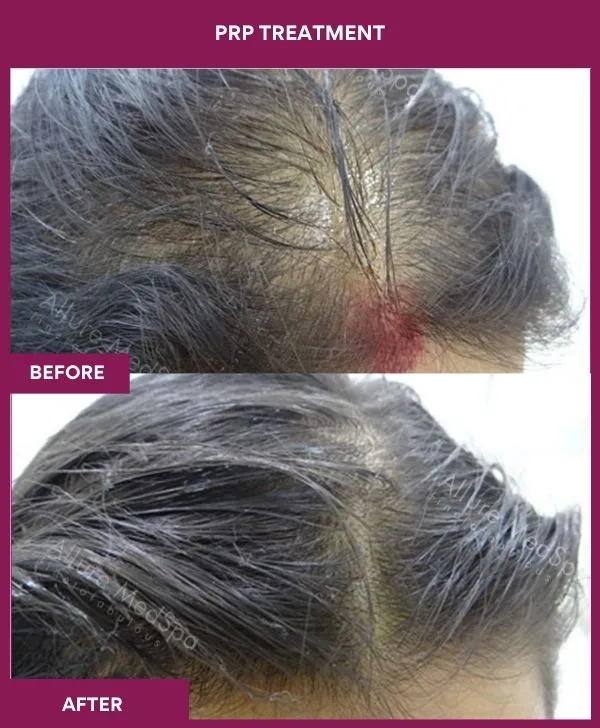
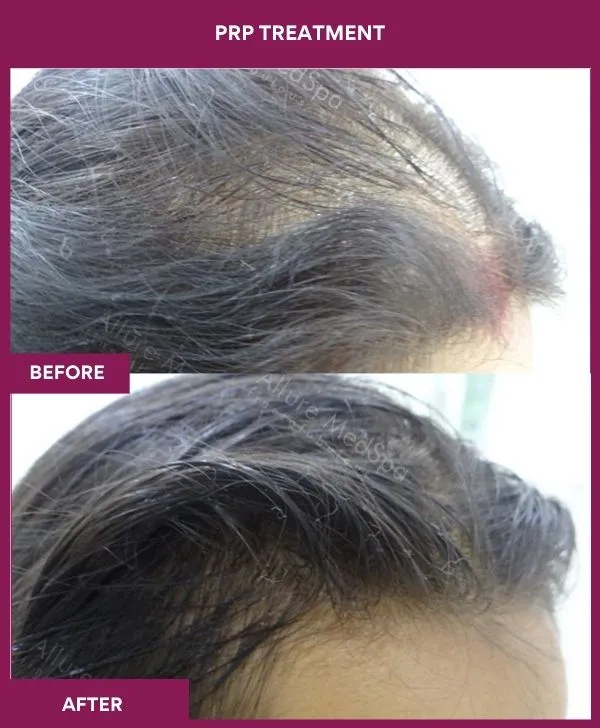
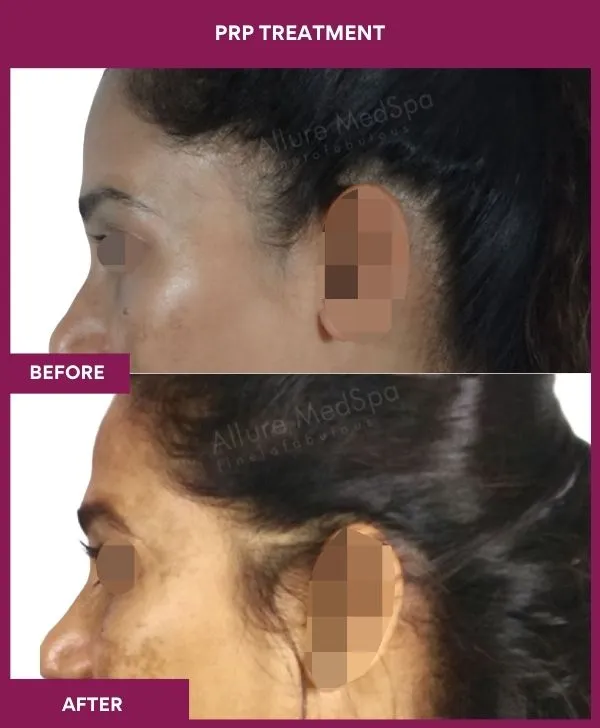
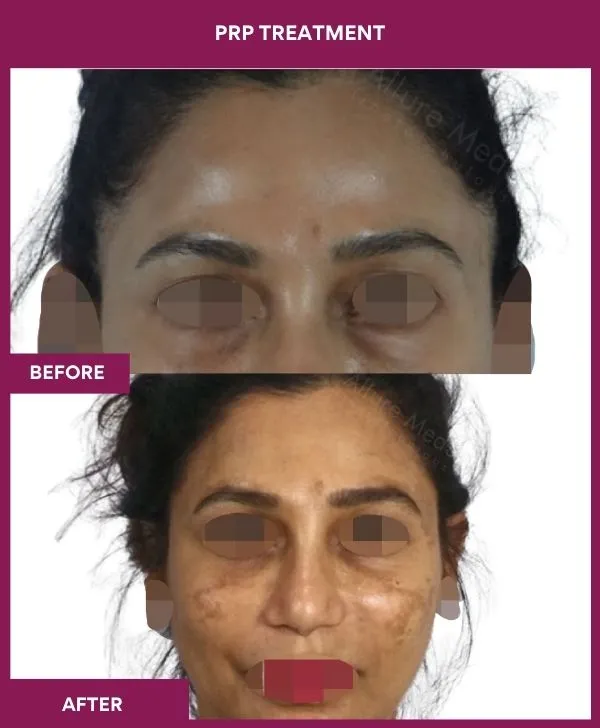
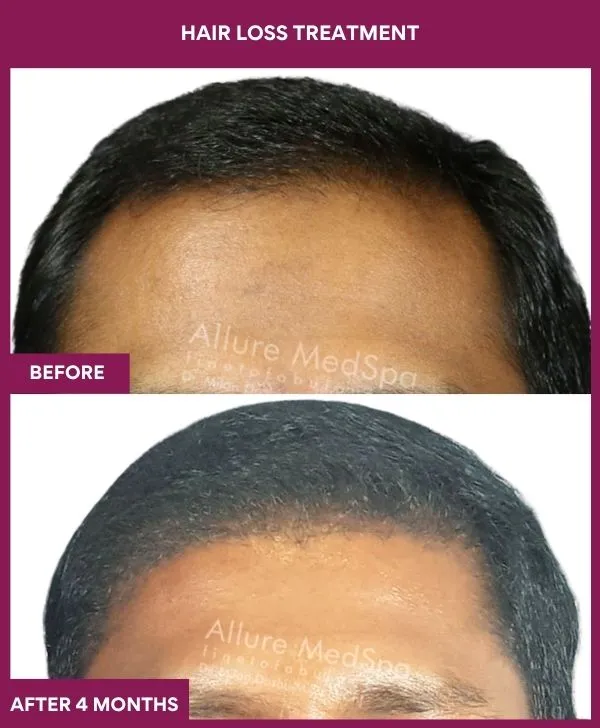
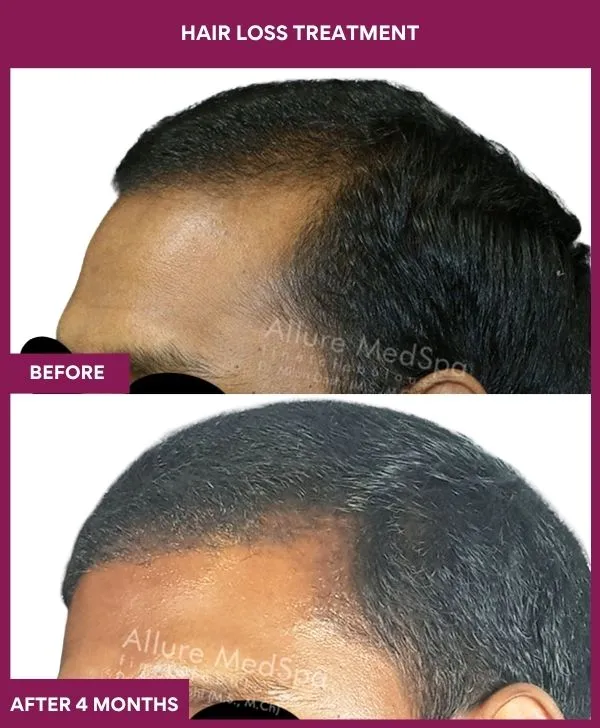
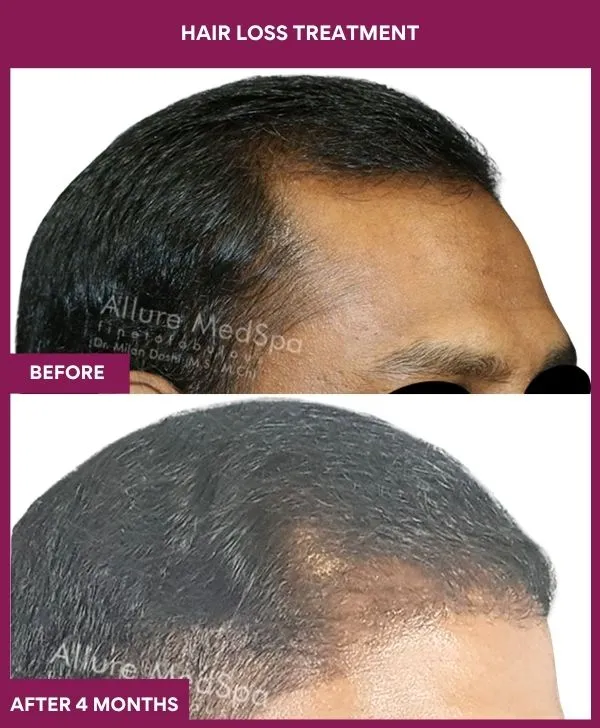
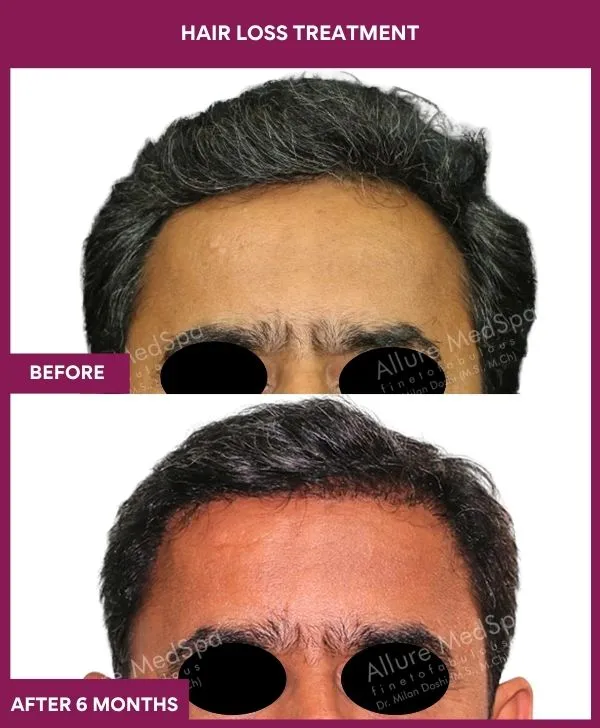
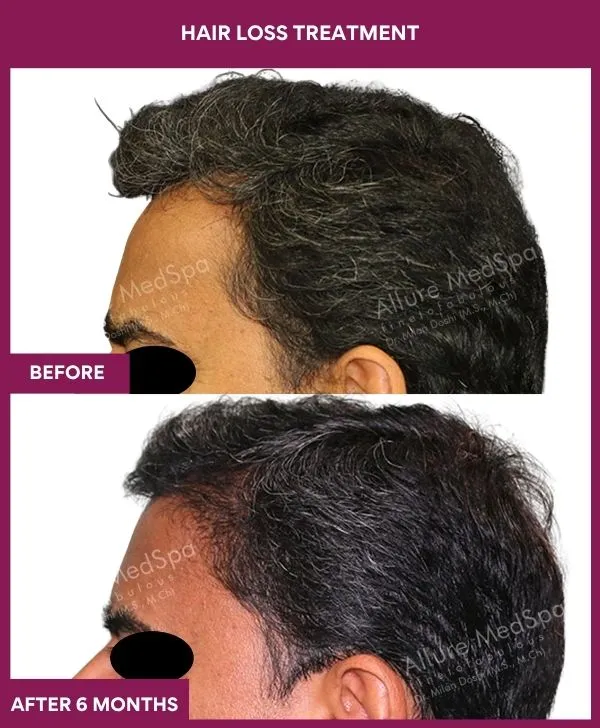
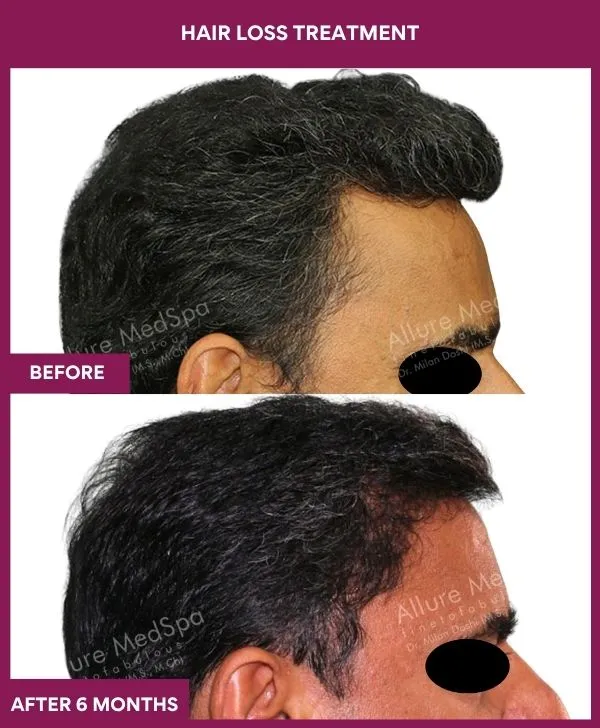
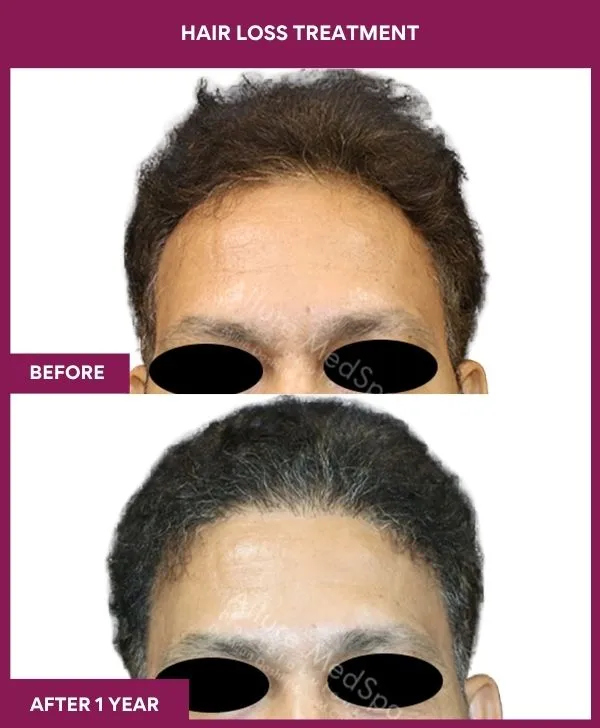
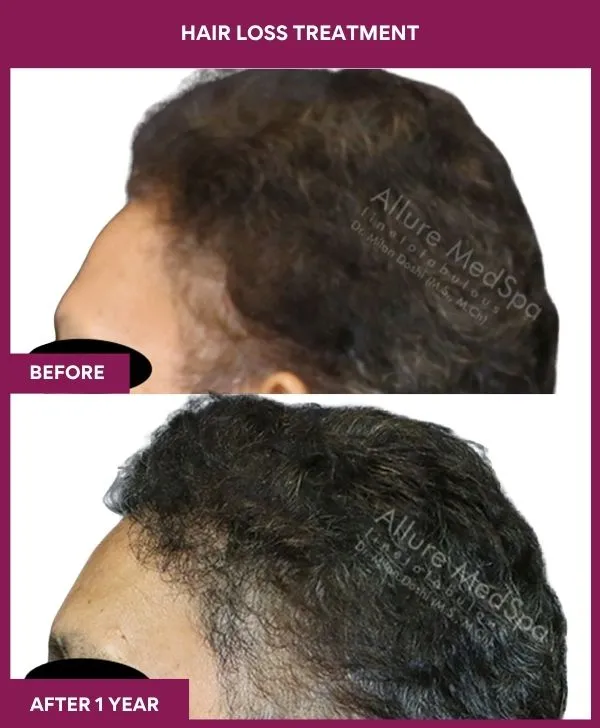
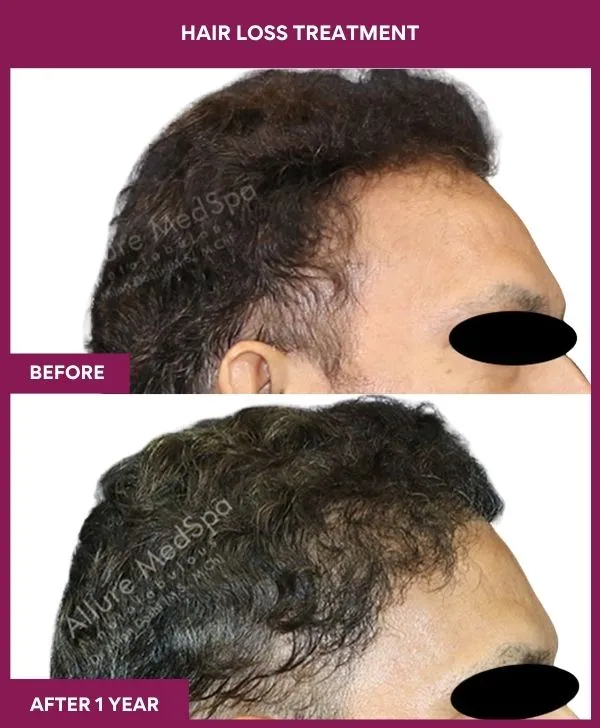
Hair Loss Treatment Before and After Images
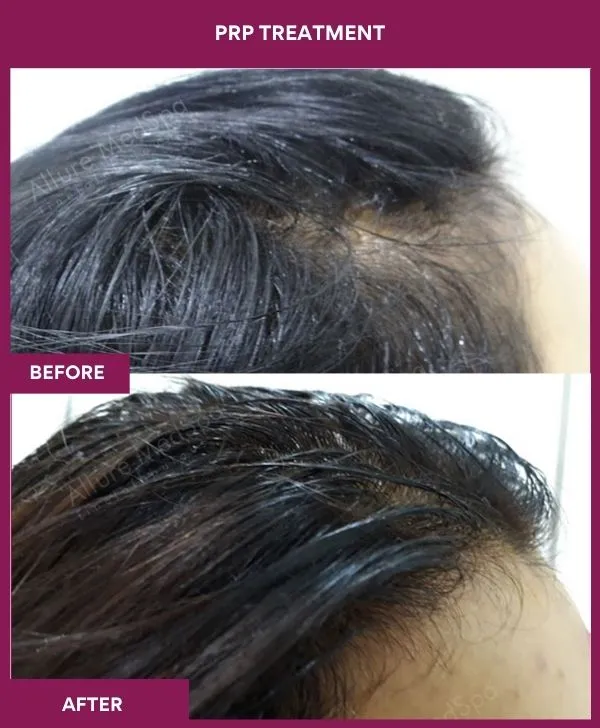
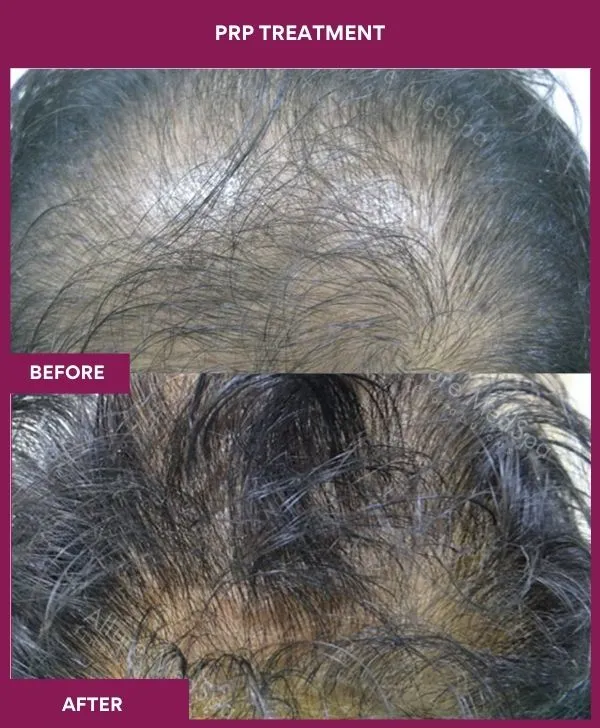
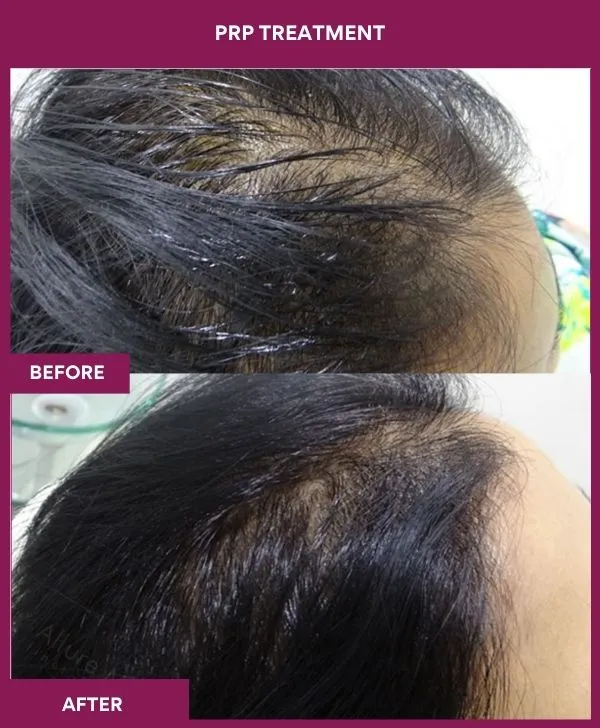
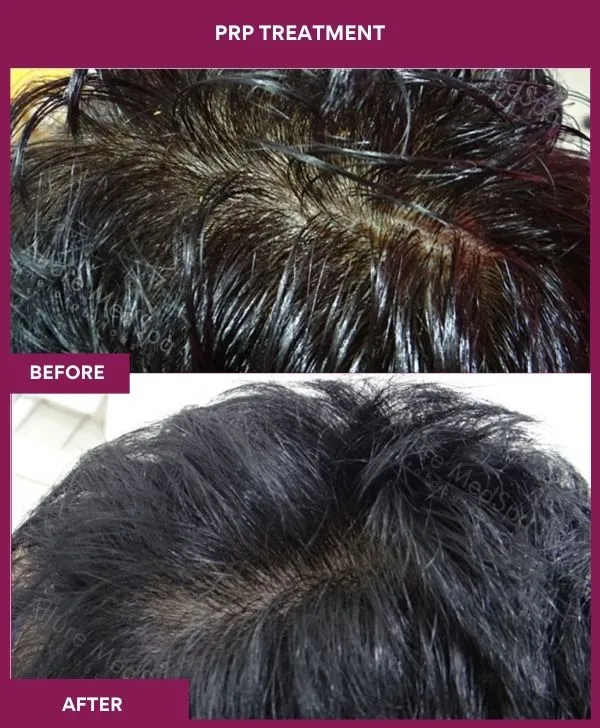
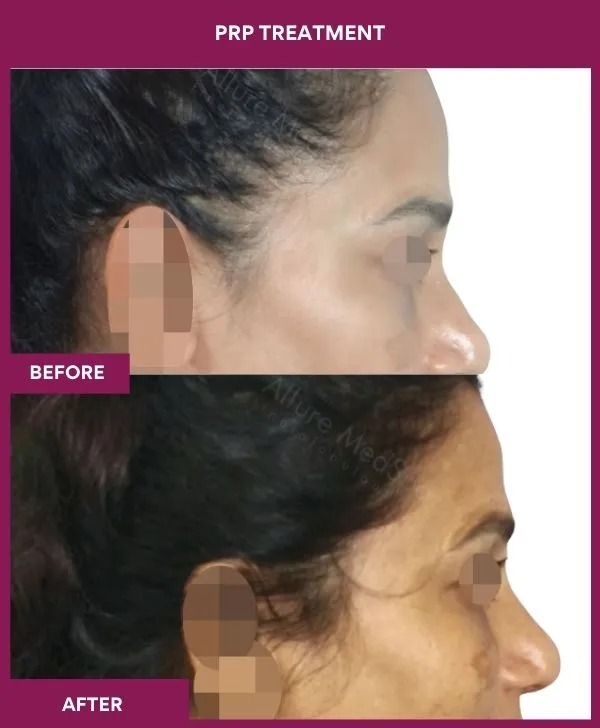
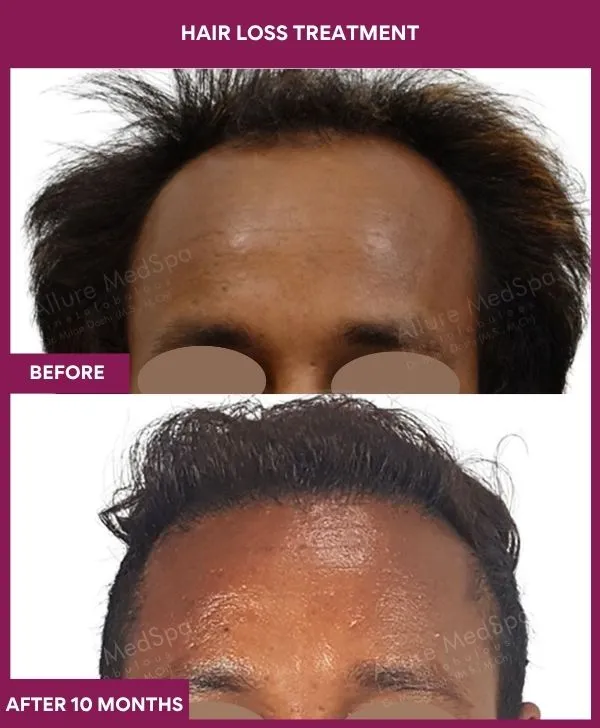
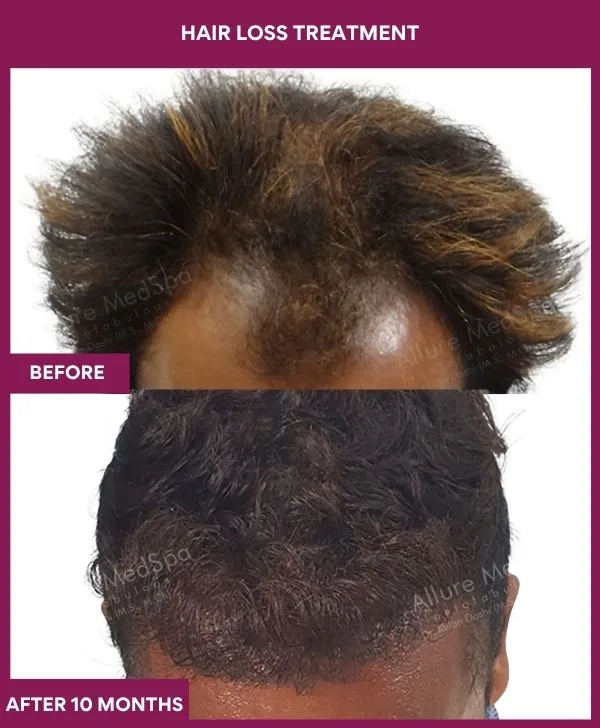
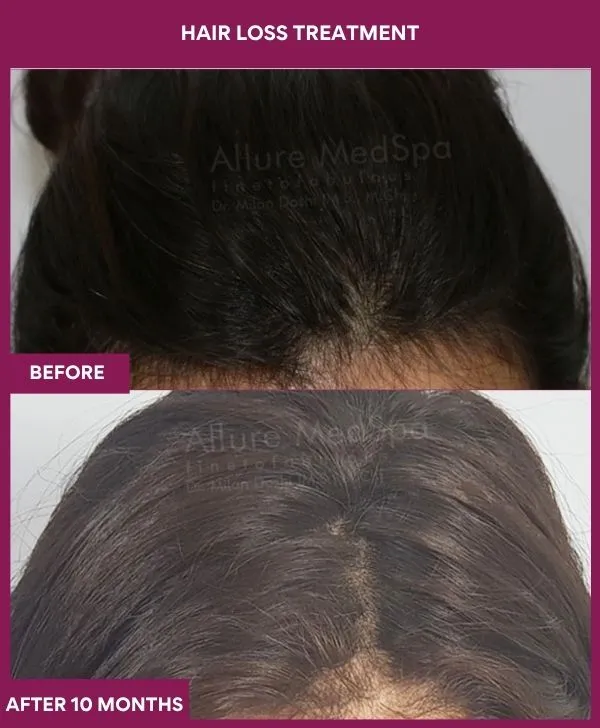
Confused About Hair Loss Treatment Pricing?
Hair Loss Treatment Testimonials: Fine To Fabulous Journeys

Awarded by Google.com
Rating: 4.7
Reviews: 485+

Awarded by WhatClinic.com
Rating: 4.8
Reviews: 119+

Awarded by Realself
Rating: 4.9
Reviews:453+

Awarded by Facebook
Rating: 4.6
Reviews:105+
Dr Milan Doshi and his staff are very professional and committed as the centre is highly equipped with advanced technology. I had closed rhinoplasty 4 months back and I’m seeing the results as to how it becomes successful.
Deepika Shetty
The doctor explained everything clearly and the surgery was smooth. Recovery was faster than I expected and the team was very supportive.
Rahul Mehta
Very natural results and excellent staff. From consultation to follow-up, the experience was outstanding and boosted my confidence.
Sneha Kapoor
Am I a Candidate?
(4 quick questions)
Quick Facts About Hair Loss Treatment
SESSION TIME
45–90 minutes
ANESTHESIA
Topical
TRANSPLANT AGE
Ideally after 25
Result shows
After 3–4 sessions
DOWNTIME
1–2 days
RESULTS LAST
Maintenance required
SUCCESS RATE
97–98%
COST
₹5,000–₹7,000
What Is The Cost Of Hair Loss Treatment In Mumbai?
It is priced by rung: medicines monthly, PRP ₹5,000–₹7,000 a session in courses, and transplants ₹30–₹150 per graft — the diagnosis sets the total.
- Temporary telogen effluvium may primarily need investigation of the trigger — and time.
- Progressive pattern loss may need ongoing medical treatment.
- Active scarring disease should not be moving towards cosmetic injections or surgery at all.
| Rung | Treatment | How it is priced | Typical band |
|---|---|---|---|
| 1 | Diagnosis & consultation | One-off | ₹1,500 🩺 |
| 1 | Correcting the cause — blood tests, deficiency / thyroid treatment | Per test / prescription | Laboratory rates 🩺 |
| 2 | Medicines — minoxidil, finasteride | Monthly, ongoing | ₹500 – ₹1,500 / month 🩺 |
| 3 | PRP | Per session, usually in a course | ₹5,000 – ₹7,000 / session (course ₹15,000 – ₹28,000) |
| 3 | GFC | Per session, usually in a course | Quoted at consultation 🩺 |
| 3 | Mesotherapy | Per session, usually in a course | ₹3,000 – ₹6,000 / session |
| 3 | Microneedling / dermaroller | Per session | ₹3,000 – ₹5,000 / session (dermaroller page) 🩺 |
| 4 | Hair transplant | Per graft | ₹30 – ₹150 / graft · typical totals ₹50,000 – ₹1,50,000 → Hair Transplant Cost |
What changes the price?
Your diagnosis, the number of sessions in a course, how long you stay on medicines, and — for transplants — your graft count and donor supply.
- Your diagnosis changes the rung. Cost cannot be interpreted until the type of hair loss is identified; temporary shedding may need no injection course at all.
- In-clinic treatments are courses, not isolated sessions — a per-session figure is the unit price, not the plan. Comparing clinics on the cheapest advertised single session misleads.
- Medicines are an ongoing cost. Minoxidil and finasteride lose benefit after stopping, so the monthly cost is part of the long-term commitment — including after a transplant.
- Transplants are graft-based. The estimate depends on the actual pattern of loss and donor supply; a quote without donor assessment cannot tell you whether the plan is biologically sensible.
Why can the cheapest transplant quote become the most expensive?
Donor hair is finite: grafts spent too early or inefficiently cannot be replaced, which can leave fewer options if your pattern keeps progressing.
- Donor hair is finite. Once follicles leave the donor area, they cannot be replaced if planning was poor.
- Poor sequencing costs options: using too many grafts too early, or using the supply inefficiently, may leave fewer choices if the pattern progresses.
- Full Hair Transplant Cost Guide → Hair Transplant Cost Guide
Sources: Goldin J, Zito PM, Raggio BS. Hair Transplantation. StatPearls
Get your exact quote & surgery plan
Share your details — our team responds within working hours with cost, EMI options and next steps.
Most Common Question People Ask
Q1. Which treatment is best for hair loss?
Ans. There is no single treatment that is right for every type of hair loss. The correct option depends on the diagnosis, stage and whether the process is still active. Pattern loss commonly responds to minoxidil and, for appropriate male patients, finasteride; sudden shedding may mainly need its trigger corrected; scarring disease needs disease control before cosmetic restoration.
Q2. How much hair fall is normal per day?
Ans. Losing approximately 50 to 100 hairs per day is considered normal as part of the ordinary hair-growth cycle; around 5–10% of scalp hairs rest at a given time. Substantially greater shedding for more than ~6 weeks, or visible thinning at the parting, crown or temples, deserves proper assessment.
Q3. Can stress cause hair fall?
Ans. Yes. Significant physical or emotional stress can trigger diffuse shedding, typically noticeable around two to three months after the event — called telogen effluvium. In many cases it improves once the trigger resolves, and it behaves very differently from slowly progressive pattern hair loss.
Q4. Is there a permanent solution for hair loss?
Ans. Pattern hair loss usually requires long-term management. Medicines keep their benefit only while treatment continues, while transplanted donor follicles retain their donor characteristics after relocation. A transplant does not stop untreated native hair from thinning, so medical treatment commonly continues even after successful surgery.
Q5. What are the risks of finasteride?
Ans. The FDA label lists erectile dysfunction, decreased libido, ejaculation and orgasm disorders, male infertility and testicular pain, and — under psychiatric effects — depression and suicidal ideation. In some cases effects persist after stopping. It also halves PSA, affecting prostate screening.
Q6. Can women take finasteride?
Ans. It is not approved for women and is contraindicated in women who are or may become pregnant — it can cause genital abnormalities in a male fetus. Women should not handle crushed or broken tablets. Topical minoxidil is the approved option for women.
Q7. PRP, GFC or mesotherapy — which is right for me?
Ans. The right in-clinic treatment depends on your diagnosis, existing medical treatment and response so far — not on popularity. PRP currently has a stronger randomised evidence base than GFC or mesotherapy, and evidence generally supports integrating these into the medical plan rather than replacing it.

Why Choose Dr. Milan Doshi?
Dr. Milan Doshi, MCh, MS — Indian board-certified plastic surgeon with 27+ years who decides what comes first: which condition you have, whether loss is still progressing, and whether the next intervention is justified. He diagnoses before prescribing, discloses medication risks in full, and offers medicine, PRP and transplant under one roof at Andheri West.
Dr Doshi Note: “Before prescribing hair-loss medication, I explain that minoxidil may cause temporary initial shedding and finasteride can have sexual and mood-related side effects. I review medical history, current medicines and expectations carefully, and recommend medication only when the likely benefit outweighs the risk.”
The Complete Guide About Hair Loss Treatment
Is Your Hair Fall Normal? (A 60-Second Self-Check)
Losing 50–100 hairs a day is normal. What matters is change over time — a widening part, receding temples, a visible crown or a sore scalp.
- Visibility bias: hair on the pillow, drain or comb looks worse than it is — you see the hairs that became visible, not every hair shed evenly through the day.
- Scale: the scalp holds ~100,000–150,000 follicles; 50–100 a day is a very small proportion.
- The useful question: not “how many hairs today?” but “has the pattern, density, thickness or behaviour changed over time?”
How much hair fall is normal in a day?
About 50–100 hairs, because 5–10% of scalp hairs are always in the resting phase and are shed and replaced daily.
| Phase | What is happening | Duration | Share of scalp hairs |
|---|---|---|---|
| Anagen | Active growth | 2–6 years | 90–95% |
| Catagen | Short transition | 2–3 weeks | Under 1% |
| Telogen | Resting phase | 2–3 months | 5–10% |
| Exogen | Resting hair is shed | Daily | 25–100 shed & replaced |
- Healthy scalp: ~85% of hairs in anagen, 15% in telogen — hair must leave the follicle for a new cycle to begin.
- What matters: the change from your personal normal — sudden handfuls daily for weeks deserves assessment.
Is hair fall in the shower normal?
Yes — washing releases hairs that were already loose, so after a few days without washing one shower can look alarming without meaning anything.
- Loose telogen hairs sit in the follicle until washing, massaging or combing dislodges them.
- Non-daily washing: the drain collects hairs loosened over several days.
- Avoid counting one shower and multiplying across a month; look for the trend.
Shedding or thinning — which one is this?
Shedding is more hairs falling out; thinning is follicles making finer, shorter hairs. Both can happen together, and the plan depends on which.
- Shedding: more hairs leaving the scalp.
- Thinning: follicles gradually producing finer, shorter, less visible hairs — androgenetic alopecia.
- Both can coexist: pattern loss plus telogen effluvium after illness, childbirth, surgery or stress.
- Why it surprises: ~50% of native hair is typically lost before thinning becomes clearly visible.
What does the gentle pull test tell you — and what can’t it?
Four or more hairs per gentle pull suggests active shedding, but a normal test does not rule out pattern loss or a past episode.
- Once the active phase passes, the test can be completely normal.
- At home it suggests whether to seek help — never why.
Which home check actually tracks change?
Standardised photos of the crown, parting and temples every 4–6 weeks, same light and distance, track change far better than counting hairs.
- Same place, lighting, distance and hair condition, every 4–6 weeks.
- Don’t judge daily: wet, oily or blow-dried hair looks dramatically different. A series over months is evidence.
When should you stop watching and get it looked at?
When more hair falls most days for 6+ weeks, an area looks thinner, patches appear, hair comes out in clumps, or the scalp itches, burns or shines.
| What you notice | Often normal shedding | Worth assessment |
|---|---|---|
| Pillow / comb / drain | ~50–100/day, spread evenly | Noticeably more most days for 6+ weeks |
| Thinner-looking areas | No specific area | Widening parting, receding temples, visible crown |
| Pattern | Diffuse and even | Round bald areas or a defined receding band |
| Scalp symptoms | Comfortable scalp | Itching, burning, pain, redness, scaling, shiny areas |
| Quality & volume | Similar thickness; styles hold | Finer, shorter, lighter hairs; thinner ponytail |
| Onset | Very gradual | Sudden, or hair coming away in clumps |
- A home check tells you whether to get help — not what you have. Scarring hair loss can look mild early; symptomatic scalps should be examined promptly, not watched.
Sources: AAD — Hair loss or hair shedding? · Hughes EC, et al. Telogen Effluvium, StatPearls · NHS — Hair loss
What’s Causing YOUR Hair Loss?
The pattern points to the cause: temple-and-crown loss is pattern loss, sudden shedding is telogen effluvium, round patches are alopecia areata.
- Begin with the pattern — not an injection, medicine, shampoo or supplement.
- Indian data: a 1,005-subject study reported androgenetic alopecia in 58% of males aged 30–50. Common does not mean every case is genetic.
| What you are seeing | Possible condition | Can it improve? |
|---|---|---|
| Gradual temple recession + crown thinning; family pattern | Androgenetic alopecia (male pattern) | Progression often slowed; some miniaturisation partly improved |
| Widening centre parting, frontal hairline preserved | Female pattern hair loss | Progression may slow; some density improved |
| Sudden diffuse shedding 2–3 months after illness, surgery, childbirth, crash dieting or stress | Telogen effluvium | Often improves when the trigger settles |
| Round, sharply defined smooth patches | Alopecia areata | Regrowth possible; course unpredictable |
| Loss where tight hairstyles / extensions pull | Traction alopecia | May improve early; long-standing damage can be irreversible |
| Shiny smooth scalp, lost follicle openings, burning / itching / pain / scaling | Cicatricial (scarring) alopecia | Destroyed follicles do not regrow — prompt assessment |
| Scaly itchy patches with broken hairs (often children) | Tinea capitis (fungal) | Treatable with antifungals after confirmation |
| Rapid extensive loss weeks after chemotherapy | Anagen effluvium | Often improves after treatment ends |
| Broken hairs of different lengths, irregular borders | Trichotillomania | Possible — psychological support is central |
| ADDED (v2): flaking, itchy or plaque-covered scalp | Dandruff / scalp psoriasis | Yes, once the scalp is controlled |
| ADDED (v2): diffuse loss with fatigue, heavy periods, weight change | Thyroid, iron, PCOS, bariatric or crash-diet deficiency | Usually, once corrected |
| ADDED (v2): loss after starting a new medicine | Drug-induced (some antidepressants, BP drugs, retinoids) | Usually, on review — never stop medicines yourself |
- This router narrows the possibilities. It does not diagnose — several conditions look similar early, and scarring alopecia becomes irreversible while mistaken for something else.
Sources: Kanti V, et al. S3 guideline for androgenetic alopecia · Androgenetic alopecia: An update, IJDVL · Telogen Effluvium, StatPearls · Trichoscopy in Alopecias
What Is Male Pattern Baldness And Why Does It Happen?
Male pattern baldness is genetic sensitivity to DHT, which shrinks follicles at the hairline, crown and mid-scalp while the back and sides are spared.
- Mechanism — 5-alpha reductase converts testosterone to DHT, which miniaturises susceptible follicles
- Signs — receding temples, thinning crown, density loss before any bald patch shows
- How common — 58% of Indian men aged 30–50 in a 1,005-subject study; up to 80% of Caucasian men over a lifetime (S3 guideline)
- Resistant zone — back and sides, the transplant donor area
- Patterns differ between individuals — plan from examination, not assumption
How are the stages of balding graded?
Men are staged on the Norwood scale (1–7) and women on the Ludwig scale (I–III); the stage guides whether medicine, PRP or a transplant is realistic.
| Stage | What it looks like | Realistic plan 🩺 |
|---|---|---|
| Norwood 1–2 | Minimal temple recession | Watch, or start minoxidil ± finasteride if family history is strong |
| Norwood 3–4 | Clear temple recession, early crown thinning | Medicine + PRP; hairline transplant once loss is stable |
| Norwood 5–7 | Large bald crown and front joining | Transplant for the front; medicine to protect the rest |
| Ludwig I | Early widening of the part | Minoxidil; treat iron, thyroid, hormones |
| Ludwig II–III | Marked crown thinning, visible scalp | Medicine + PRP; transplant in selected cases |
What Is Female Pattern Hair Loss And How Can You Identify It?
Female pattern hair loss thins the crown and widens the part while the hairline stays; it is graded on the Ludwig scale and treated with minoxidil.
- Early signs — widening part, thinner ponytail, more visible scalp under bright light
- How common — up to 42% of women over a lifetime (S3 guideline)
- Contributors — genetics, menopause, PCOS, thyroid disease, low ferritin, chemical treatments and traction
- Treatment — topical minoxidil first; treat iron, thyroid or PCOS; PRP or microneedling + minoxidil as support; finasteride is NOT for women
- Transplant — selected cases with a stable donor area → Hair Transplant Surgery
What Is Scarring Alopecia And Why Is It Urgent?
Scarring alopecia is inflammation that permanently replaces follicles with scar; burning, itching or a shiny patch needs assessment within weeks.
| Question | Answer |
|---|---|
| What happens | Inflammation destroys the follicle’s stem cells; scar tissue replaces it |
| Warning signs | Redness, burning, itching, tenderness or scaling at the edge of a thinning area |
| Key sign | Loss of visible follicle openings — the scalp looks smooth and shiny |
| Diagnosis | Lichen planopilaris / frontal fibrosing alopecia suspected on trichoscopy; scalp biopsy is the standard for definitive diagnosis |
| Treatment | Anti-inflammatory and immunosuppressive therapy to save what remains |
| Transplant? | Only after ~two years disease-free; graft survival falls over time (87% at 1 year → 41% at 5 years in primary cicatricial alopecia) |
What Are The Treatment Options For Telogen Effluvium?
Telogen effluvium usually settles in 3–6 months once the trigger — illness, childbirth, stress, crash dieting or deficiency — is removed.
| What helps | What is usually unnecessary |
|---|---|
| Identify and remove the trigger — this IS the treatment | Injection courses — it resolves on its own |
| Correct proven deficiencies — iron, protein, vitamin D | Supplements without a deficiency |
| Review at 3 months; photos for comparison | Panic — shedding runs 2–3 months after the trigger |
| Check for pattern loss hiding underneath |
- Histology (writer): at least 25% but not more than 50% of follicles in telogen
- Trichoscopy clue (writer): pattern loss shows shaft-diameter variation and a peripilar halo; telogen effluvium is diffuse without it
What Are The Treatment Options For Alopecia Areata?
Mild alopecia areata often regrows by itself or with steroid injections; severe disease now has approved oral JAK inhibitors under specialist care.
- What it is — an autoimmune attack on the follicle; the follicle survives, so regrowth is possible
- How common — lifetime prevalence ~2% (writer)
- Mild — topical or intralesional corticosteroids
- Severe — oral JAK inhibitors baricitinib, ritlecitinib and deuruxolitinib are FDA-approved, with class warnings (infection, malignancy, cardiovascular events, thrombosis)
- Allure offers assessment and referral 🩺 — LIVE text still shows “[clinic to confirm what it can offer or refer for]” (re-checked 8 Oct)
- Transplant — not for active disease; minimum two years without activity, recurrence still possible
How Do Dandruff And Scalp Psoriasis Affect Hair?
Dandruff and scalp psoriasis cause flaking and inflammation that can increase shedding, but the loss is usually temporary once the scalp is treated.
| Dandruff / seborrhoeic dermatitis | Scalp psoriasis | |
|---|---|---|
| Signs | White or yellow flakes, itchy red scalp | Thick silvery scales, red plaques |
| Effect on hair | Raises shedding; no permanent loss | Usually temporary |
| Treatment | Ketoconazole, zinc pyrithione or selenium shampoos | Medical treatment; control before PRP or transplant |
What Causes Hair Loss At Different Life Stages?
Teen loss is often early pattern loss or stress; postpartum shedding peaks at 3–4 months; menopause thins hair; rapid weight loss triggers shedding.
| Situation | Usual cause | What to do |
|---|---|---|
| Teens and early 20s | Early pattern loss, stress, crash diets | Diagnose early; protect future options — transplants ideally after 25 |
| After fever, COVID or surgery | Telogen effluvium 2–3 months later | Reassurance, bloods, time |
| Postpartum | Shedding peaks 3–4 months after delivery | Iron and thyroid check; no aggressive treatment |
| PCOS | Androgen-driven thinning | Gynaecology / endocrinology + minoxidil |
| Menopause | Falling oestrogen; crown thinning | Minoxidil; treat iron; discuss HRT with your gynaecologist |
| After bariatric surgery or rapid weight loss | Protein and iron deficiency | Protein, iron, patience → Bariatric Surgery |
What Is The Hair Loss Treatment Ladder?
Correct anything reversible → proven medicines → in-clinic add-ons if needed → transplant only when loss is stable and donor hair is adequate.
- Sequence matters: jumping to PRP/GFC while an untreated driver still pushes shedding ignores why hair is being lost.
- Surgery on unstable loss can give a short-term correction while surrounding native hair keeps thinning.
- Aim: the lowest appropriate rung for the diagnosis and stage — not the highest rung fastest.
Rung 1 — What should be corrected first?
Iron, thyroid, nutrition, hormones, crash dieting, illness and traction — a supplement corrects a documented problem, not an undiagnosed one.
- Identify drivers: iron status, thyroid disease, nutrition, hormonal factors, crash dieting, illness, chronic traction.
- Supplement reality-check: a 100-participant Indian study found deficiencies across hair-loss types — but status did not vary substantially between types, and evidence for routine screening / supplementation remains inconclusive.
Rung 2 — Which medicines are proven?
Topical minoxidil for men and women, and oral finasteride 1 mg for suitable men — both lose their benefit if stopped.
- Topical minoxidil: the only FDA-approved topical for androgenetic alopecia in men and women.
- Oral finasteride (men): efficacious at 1 mg daily, better started early, benefit sustained up to 10 years, stronger with minoxidil (grade B, Indian guidance).
Rung 3 — Where do PRP, GFC, mesotherapy and microneedling fit?
Add-ons to medicine, not replacements: a 2025 analysis ranked finasteride + minoxidil best for men and microneedling + minoxidil for women.
- 2025 network meta-analysis: men — finasteride + minoxidil (SUCRA 80.18%); women — microneedling + minoxidil (SUCRA 87.18%).
- Lesson: therapies complement each other; they don’t compete as products.
- Low-level laser caps (v2): FDA-cleared, modest, adjunct only
Rung 4 — When does surgery become the right answer?
When about half the hair in an area is gone, loss is stable on medicine, you are ideally over 25 and donor hair can cover it.
- Under 50% loss: medical therapy first is generally advised.
- Rapid loss / >15% miniaturisation: 6–12 months of medical therapy may come first.
- Age: ideally after 25.
| Rung | What it includes | What it can realistically achieve |
|---|---|---|
| 1 · Correct the cause | Blood tests; thyroid / iron / hormonal drivers; stop traction & crash dieting | Removes a driver that would undermine every later treatment |
| 2 · Medicines | Topical minoxidil; finasteride for appropriate men | Slows progression; may partly improve miniaturised hair; needs continued use |
| 3 · In-clinic | PRP, GFC, mesotherapy, microneedling — adjuncts | May support density; evidence strongest alongside medical therapy |
| 4 · Transplant | Surgical redistribution of donor follicles | Moves permanent donor hair into thinner areas; no new follicles |
- No rung permanently stops the biology of pattern loss — medical management commonly continues after surgery.
Sources: The Role of Vitamins and Minerals in Hair Loss: A Review · Prevalence of Nutritional Deficiencies in Hair Loss among Indian Participants · IJDVL Finasteride Guidelines · Hair Transplantation, StatPearls · Minoxidil combinations network meta-analysis (2025)
Which Medicines Actually Work For Hair Loss — And What Are Their Risks?
Only topical minoxidil (men and women) and oral finasteride (men) are approved; both stop working if stopped; finasteride has sexual and mood risks.
How well does minoxidil work?
In a 48-week trial of 393 men, 5% minoxidil gave 45% more regrowth than 2%; response varies because scalp enzymes activate it differently.
- Only FDA-approved topical for pattern loss in both sexes.
- Variable response: follicles differ in sulfotransferase activity — the enzyme converting minoxidil to its active form.
- Initial shed at 2–8 weeks is expected — not failure (v2).
- Low-dose oral minoxidil (0.25–5 mg) is an option for selected topical non-responders; hypertrichosis is the most-reported effect, cardiovascular events uncommon at low doses. Individualise — never self-prescribe.
How well does finasteride work — and what is the trade-off?
Two trials of 1,553 men showed durable improvement over five years; a meta-analysis of 15 trials found a 1.57× higher risk of sexual dysfunction.
- Indian guidance: 1 mg daily is efficacious, better started early, benefit sustained up to 10 years — especially with minoxidil (grade B).
- Meta-analysis of 15 RCTs (4,495 subjects): 5-alpha-reductase inhibitors carried a 1.57× risk of sexual dysfunction (95% CI 1.19–2.08; RR 1.66 for finasteride).
- Women must not take finasteride.
What else does the finasteride label warn about?
Depression and suicidal thoughts, effects that may persist after stopping, a halved PSA, and fetal harm — women must not handle broken tablets.
- FDA added depression in 2011 and suicidality in 2022; EMA acknowledged suicide risk in 2025
- Sexual effects include ejaculation and orgasm disorders, infertility and testicular pain
- PSA is halved — doctors must double the reported value
- Compounded topical finasteride is not a safe workaround — FDA alert on adverse events; absorption is expected
| Topical minoxidil | Oral finasteride | |
|---|---|---|
| Approved for | Men and women | Men |
| How taken | Applied to the scalp | Tablet, 1 mg daily |
| Main evidence | 5% superior to 2% and placebo at 48 weeks | Durable 5-year improvement vs progressive loss on placebo |
| Main trade-off | Variable response; scalp irritation | 1.57× sexual-dysfunction risk vs placebo; mood effects on the label |
| If treatment stops | Benefit is lost | Benefit is lost |
What should happen before you start finasteride?
A real informed-consent talk about sexual and mood effects, a baseline PSA and mood screen where relevant, and a plan to report any change promptly.
- Informed consent with the doctor — not a prescription handed over at reception
- Report new sexual dysfunction, mood change or breast tenderness promptly
- It remains a reasonable choice for many men — chosen knowingly, not discovered afterwards
How long before I know a treatment is working?
Give minoxidil and finasteride 4–6 months, PRP 3–6 months after the course, and telogen effluvium 3–6 months — judge by photos, not mirrors.
| Treatment | First sign | Fair judgement point |
|---|---|---|
| Topical minoxidil | Initial shed, then less fall | 6 months |
| Oral finasteride | Less shedding at 3 months | 6–12 months |
| PRP | Less shedding at 4–8 weeks | After 3–4 sessions 🩺 |
| Correcting iron / thyroid | Less shedding at 2–3 months | 6 months |
| Hair transplant | Graft shedding at 2–4 weeks is normal | 9–12 months → Hair Transplant Recovery Timeline |
Sources: Olsen EA, et al. 5% vs 2% minoxidil · Kaufman KD, et al. 5-year finasteride · IJDVL Finasteride Guidelines · Lee S, et al. Adverse sexual effects · Propecia FDA prescribing information (2022) · FDA alert on compounded topical finasteride · NHS — Hair loss
Does PRP For Hair Actually Work?
PRP increases hair density in pattern loss, strongest alongside minoxidil — but gains in count and thickness are not consistently better than placebo.
- Density: meta-analysis of 9 RCTs (238 patients) — significant improvement at 3 and 6 months vs placebo (P < .05).
- Reality check: hair count and diameter improved vs baseline, but not significantly vs placebo (P > .05).
- Safety: two of seven studies reported adverse reactions; none serious.
- 2024 meta-analysis (14 studies, 431 patients): density support, but substantial heterogeneity and publication bias.
- Combination: 6 studies (343 participants) — PRP + minoxidil significantly better than either alone.
- Use it as an adjunct with a defined review point. Session planning, protocol and pricing → PRP Treatment
Sources: Zhang X, et al. PRP for Androgenetic Alopecia · Kieling L, et al. PRP and hair density · PRP combined with minoxidil for AGA
Is GFC Better Than PRP For Hair?
Not proven. GFC studies report bigger density gains, but they are mostly smaller and non-randomised, while PRP has placebo-controlled trials.
- 2026 systematic review & meta-analysis (12 studies, 745 patients): GFC density gains from 19.6 hairs/cm² at 1 month to 57.1 at 12 months.
- For comparison: PRP increased density by 34.4 at 6 months and 42.0 at 12 months.
- Thickness: GFC improvement 5.19–22.03 µm, with 94.3% patient satisfaction.
- Context: much GFC literature is retrospective, single-arm or non-randomised. Better-looking numbers ≠ stronger evidence.
Sources: Growth Factor Injection in Androgenic Alopecia, Aesthetic Plastic Surgery 2026 · Cao S, et al. Concentrated growth factors for hair growth
Do Mesotherapy And Microneedling Help Hair Loss?
Microneedling has the stronger evidence — but only combined with minoxidil; mesotherapy studies are mixed and unstandardised.
Does mesotherapy have good evidence?
Mixed: a review of 27 studies across six injected agents found some benefit but non-standard regimens, side effects and a need for large trials.
- Intralesional dutasteride: a 2025 review found density / thickness improvement limited by heterogeneity; a 10-patient 2024 case series found no significant change.
- Full page → Mesotherapy Treatment
Is microneedling better?
With minoxidil, yes: 12 trials (631 patients) showed better hair counts than minoxidil alone, though results varied widely between studies.
- SMD 1.32 (95% CI 0.73–1.92, p < 0.01); I² = 88%.
- In women, microneedling + minoxidil ranked highest among combinations (SUCRA 87.18%).
- Pages → Dermaroller Treatment · Microneedling Radiofrequency Treatment
Sources: Systematic review of mesotherapy for hair loss · Intralesional dutasteride in AGA · Dutasteride mesotherapy 10-patient case series · Microneedling + minoxidil in AGA (12 RCTs) · Minoxidil combinations meta-analysis
How Can Diet And Nutrition Help Prevent Hair Loss?
Correcting a proven iron, protein, vitamin D or zinc deficiency can reduce hair fall; supplements do not help the non-deficient, and some cause loss.
| Nutrients that matter, when you are short | Cautions |
|---|---|
| Protein — eggs, fish, soy, pulses, dairy, nuts | Vitamin A excess causes hair loss |
| Iron — test ferritin before supplementing | Biotin distorts thyroid and cardiac blood tests |
| Vitamin D and zinc — correct if tests confirm | Selenium excess is linked to hair loss |
Should I take biotin for hair loss?
Only for a genuine deficiency: the highest-quality trial found no difference from placebo for hair growth, and biotin can distort thyroid tests.
- Yelich A, et al. (2024) evidence review — writer’s source
- Stop biotin a few days before blood tests, as advised
How can you prevent avoidable hair loss?
Avoid traction and harsh chemicals, eat enough protein and iron, never crash diet, review medicines with your doctor, and treat pattern loss early.
- Avoid tight braids, buns and extensions — prolonged traction is permanent
- Limit rebonding, frequent colouring and relaxers
- Quit smoking
- Act early — pattern loss responds best before follicles are lost
When Is A Hair Transplant The Right Next Step?
When the pattern is stable, medicine has had a fair trial, about half the hair in the area is gone and donor hair is enough — it moves hair only.
- The useful surgical question is not “can hair be transplanted here?” — it is “is this the right time to use my donor hair?”
What are the signs you may be ready?
A stable pattern and healthy scalp, roughly 50% or more loss in the area, adequate donor density and realistic expectations.
- Adequate donor: safe donor zone typically ~65–85 FU/cm²; above 80 is excellent, below 40 less suitable. Occipital hair is androgen-resistant and keeps its donor character after transplantation.
What are the signs you’re not ready yet?
Loss under 50%, rapid progression or more than 15% miniaturisation, or a young, still-evolving pattern — medicine first, sometimes for a year.
- Sometimes “not yet” is the more valuable surgical recommendation.
When is a transplant not the answer at all?
Diffuse unpatterned loss with no stable donor, active scarring alopecia or alopecia areata, and untreated body dysmorphia or trichotillomania.
- Active scarring alopecia: consider only after ~two years disease-free; graft survival 87% at 1 yr, 71% at 2, 60% at 3, 41% at 5.
- Active alopecia areata: minimum two years without active disease.
| Question | More compatible with transplant | Usually means “not yet” |
|---|---|---|
| Is the pattern stable? | Stable for 12+ months | Still actively progressing |
| How much hair is lost? | Around 50% or more | Under 50% — medical treatment first |
| Miniaturisation (recipient area) | Low | Over 15% — 6–12 months medical therapy |
| Donor density | 80+ FU/cm² is excellent | Below 40 FU/cm² less suitable |
| Age | Generally after 25 | Younger, evolving pattern |
| Expectations | Goal = illusion of improved density | Expects pre-loss density fully restored |
- Honest limits: a transplant cannot restore the exact pre-balding count; some scalp visibility may remain, some scarring is expected, and native hair keeps thinning untreated.
- Next steps → Hair Transplant Surgery · cost → Hair Transplant Cost · FUE vs FUT → FUE vs FUT · hairline → Hairline Design
Sources: Hair Transplantation, StatPearls · Yii V, et al. Graft survival in primary cicatricial alopecia · Kanti V, et al. S3 guideline for AGA
What Does A Proper Hair Loss Diagnosis Check?
The scalp under magnification, blood tests for treatable drivers and a photo baseline — separating pattern loss, shedding and scarring.
| What we check | What it helps tell us |
|---|---|
| History (v2) | Onset, pattern, family history, illness, childbirth, weight change, medicines and supplements (biotin) |
| Trichoscopy (magnified scalp exam) | Pattern loss (shaft-diameter variation, peripilar halo) vs telogen effluvium; spots subtle scarring disease or non-focal areata |
| Hair pull test | Whether shedding appears active; negative does not exclude a problem |
| Iron studies incl. ferritin | Iron-related factors in diffuse shedding |
| Thyroid function incl. TSH | A recognised treatable contributor |
| Complete blood count | General health and anaemia; platelets before PRP |
| Vitamin D, B12 (v2) | Deficiency associated with shedding 🩺 keep or drop |
| In women, where indicated: testosterone, DHEAS | Hyperandrogenism (commonly PCOS) |
| Standardised photographs | Objective baseline to compare response over months |
| Scalp biopsy where scarring suspected | Standard for definitive diagnosis of several scarring alopecias |
Do women automatically need a large hormone panel?
No — ferritin and thyroid are usual; hormone tests are added only when irregular periods, acne or excess hair suggest androgen excess such as PCOS.
- Expert position: extensive endocrine investigation is not supported for every woman with hair loss.
- Rule: testing answers a clinical question — it doesn’t produce a long list of values.
Why document the starting point?
Without a standardised photo baseline, “is my treatment working?” cannot be answered objectively six months later.
- Photos compare like with like — not memory, lighting or styling.
Why does experience matter in hair loss treatment?
Different conditions look alike early — pattern loss can hide scarring, or shedding can sit on top — and experience decides whether to act at all.
- Is this pattern loss, shedding — or both?
- Is inflammation present, and is the process stable?
- Is medical treatment being given enough time?
- Does this patient need a procedure at all — or is the correct answer today “not yet”?
What should I bring — and can I start online?
Bring old blood reports, a list of medicines and supplements, and older photos of your hair; an online consultation can start the plan.
- Online → Online Consultations · in person → Contact Us · outstation → Outstation Patients · fee ₹1,500 🩺
Sources: Hair Transplantation, StatPearls · Female pattern hair loss: etiopathogenesis & diagnosis · Sinclair R, et al. FPHL treatment concepts · Trichoscopy in Alopecias
What Should You Look For In A Hair Loss Clinic?
Scalp magnification before advice, targeted tests, baseline photos, a willingness to say “not yet”, donor checks before quotes, clear pricing units.
- Scalp magnification: examination before recommendation — otherwise they treat the symptom, not the cause.
- Targeted investigations: blood tests that answer specific questions, not an oversized generic package.
- Baseline photographs: without a standardised baseline, response is subjective.
- Willing to say “not yet”: comfortable recommending medical stabilisation first when the pattern is progressing.
- Donor assessed before quoting: donor quantity and quality come before a surgical quote is finalised.
- Transparent pricing units: monthly for medicines, per session for regenerative care, per graft for transplant.
- The most reassuring clinic is not the one offering the most treatments — it is the one that can explain why a treatment belongs in your plan, and why another may not.
Medical Codes for Hair Loss Treatment
Hair loss is coded by cause in ICD-10: L63 alopecia areata, L64 androgenic alopecia, L65 non-scarring loss incl. telogen effluvium, L66 scarring.
| ICD-10 code (writer list) | Condition |
|---|---|
| L63 · L63.0 · L63.1 · L63.9 | Alopecia areata · totalis · universalis · unspecified |
| L64 · L64.0 · L64.8 / L64.9 | Androgenic alopecia · drug-induced · other / unspecified |
| L65 · L65.0 · L65.1 · L65.9 | Other nonscarring hair loss · telogen effluvium · anagen effluvium · unspecified |
| L66 · L66.0 | Cicatricial alopecia · pseudopelade |
| L66.1 / L66.11 · L66.12 | Lichen planopilaris / classic LPP · frontal fibrosing alopecia |
| L66.2 · L66.3 | Folliculitis decalvans · perifolliculitis capitis abscedens |
| Procedure code (v2) 🩺 | Description |
|---|---|
| CPT 0232T | Platelet-rich plasma injection |
| CPT 15775 / 15776 | Punch grafts for hair transplant |
| CPT 11102–11107 | Skin (scalp) biopsy |
(FAQs) Frequently Asked Question About Hair Loss Treatment
Q1. Can I regrow hair naturally?
Ans. Hair may recover naturally in some temporary conditions, but genetic pattern loss does not usually reverse through lifestyle changes alone. Shedding linked to illness, stress, iron deficiency or thyroid problems may improve once the cause is corrected.
Q2. What is the “Big 3”?
Ans. “Big 3” is an internet-community term, not a formal guideline — usually minoxidil, finasteride and ketoconazole shampoo. Minoxidil and finasteride are the two approved drugs; ketoconazole is supportive, not an equivalent substitute.
Q3. Is hair fall in the shower normal?
Ans. Yes — washing releases hairs that were already loose, so the shower looks worse than the rest of the day. Monthly standardised photographs are more useful than judging from one shower.
Q4. How much does hair loss treatment cost?
Ans. It depends on which rung you need: medicines monthly (about ₹500–₹1,500 🩺), PRP ₹5,000–₹7,000 a session, mesotherapy ₹3,000–₹6,000, and transplants ₹30–₹150 per graft.
Q5. Is topical finasteride safer than oral?
Ans. Not necessarily. The FDA has alerted clinicians and consumers to adverse events from compounded topical finasteride — sexual dysfunction, anxiety, suicidal ideation, depression — and absorption into the bloodstream is expected.
Q6. Why did my hair shed more after starting minoxidil?
Ans. An initial shed in the first weeks is expected as follicles reset into a new growth cycle. It is not the drug failing; judge at 6 months.
Q7. Which vitamin stops hair fall?
Ans. None, in someone who is not deficient. Correcting a confirmed iron, vitamin D, zinc or protein deficiency can help; excess vitamin A or selenium can cause loss.
Q8. When should I see a doctor urgently?
Ans. If the scalp is red, burning, itching, tender or scaling where hair is going, or looks smooth and shiny — possible scarring alopecia.
Q9. Is there a treatment for alopecia areata?
Ans. Yes — steroids for mild cases; three oral JAK inhibitors for severe disease, under specialist care.
Q10. Is balding at 25 normal?
Ans. Common if genetic. Treatment works best when started early; a transplant is usually best after 25 once the pattern is clearer.
Q11. What is the best oil for hair growth?
Ans. Oils condition hair but do not treat pattern loss. Rosemary oil has limited trial evidence; castor oil has been linked to irreversible hair matting.
Q12. Does hair loss treatment work for women?
Ans. Yes — topical minoxidil, treating iron, thyroid or PCOS, and microneedling or PRP with minoxidil as support. Finasteride is not for women.
Q13. Is PRP better than medicine?
Ans. No. PRP supports minoxidil and finasteride; combined with minoxidil it outperforms either alone → PRP Treatment
Q14. Will I need treatment for life?
Ans. For pattern loss, usually yes — stopping medicine loses the benefit. Reversible causes do not need lifelong treatment.
Q15. Do hair-fall shampoos work?
Ans. They clean and condition; only medicated shampoos treat dandruff. None regrow hair in pattern loss.
Q16. Can thyroid hair loss recover?
Ans. Usually, once thyroid levels are corrected — regrowth takes several months.
Q17. Does a transplant stop hair loss?
Ans. No. It moves permanent donor hair; native hair around it can keep thinning, so medicine usually continues after surgery.
Related Links
- Minoxidil & Finasteride Aftercare (after-transplant only)
- PRP Treatment
- Mesotherapy Treatment
- Dermaroller Treatment
- Microneedling Radiofrequency Treatment
- GFC Hair Treatment
- Hair Transplant Surgery
- Hair Transplant Cost
- FUE vs FUT Hair Transplant
- Hair Transplant Graft Density per Session
- Hair Transplant Recovery Timeline
- Hair Transplant Aftercare Mistakes
- Hairline Design
- Receding Hairline
- Crown Baldness
- Meet Dr. Milan Doshi
- Online Consultation