
Facial Implants in Mumbai — Permanent Structure for Cheeks, Chin & Jawline

Indian Board Certified Plastic Surgeon
M.CH, MS, ISAPS Mentor
16000+ Cosmetic Surgeries
500+ Facial implants
Facial implants add long-term structural projection to the facial skeleton — for a weak or retrusive chin, flat cheekbones or under-defined jaw angles. They are usually placed through an incision inside the mouth in a 1–2-hour day procedure, with initial recovery over about 3–5 days and swelling for up to two weeks. At Allure Medspa a chin implant costs about ₹80,000–₹1,80,000. Implants do a different job from a facelift, which lifts tissue, or fillers and fat, which add soft volume — so Dr. Milan Doshi first decides whether your concern is bone, volume, laxity or a mix. Implants are long-term, but they can be repositioned or removed if needed.
Facial Implant Surgery Before & After Result
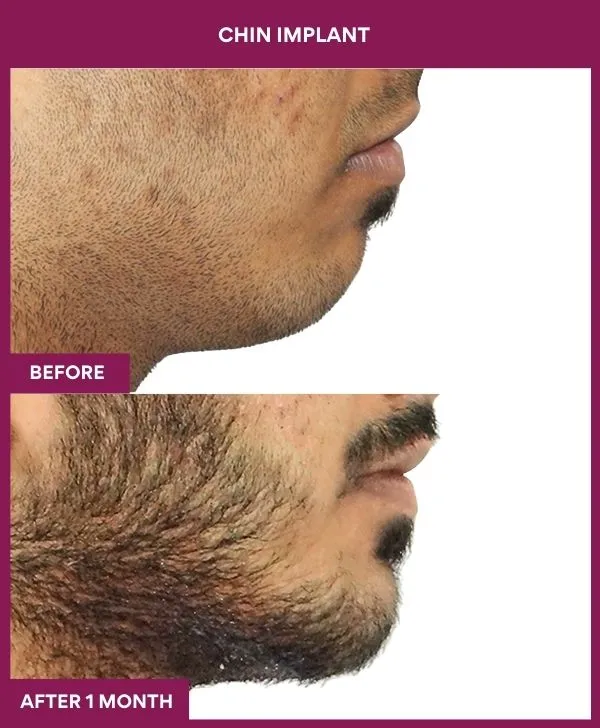
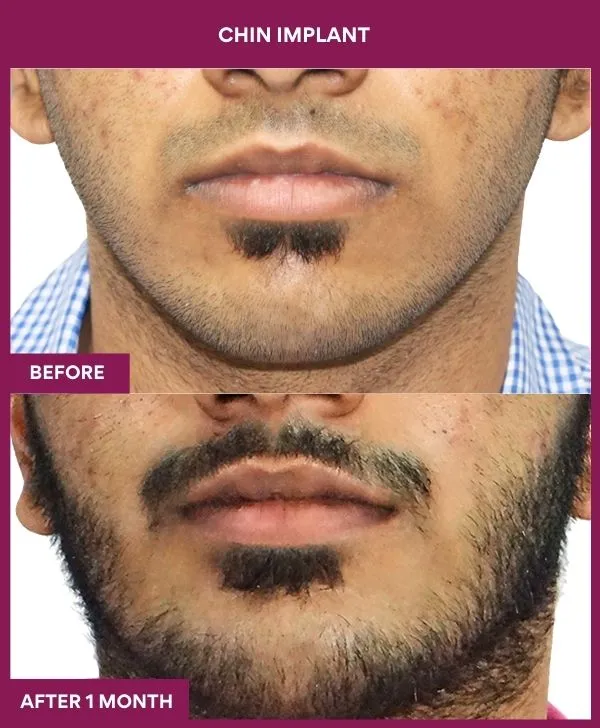
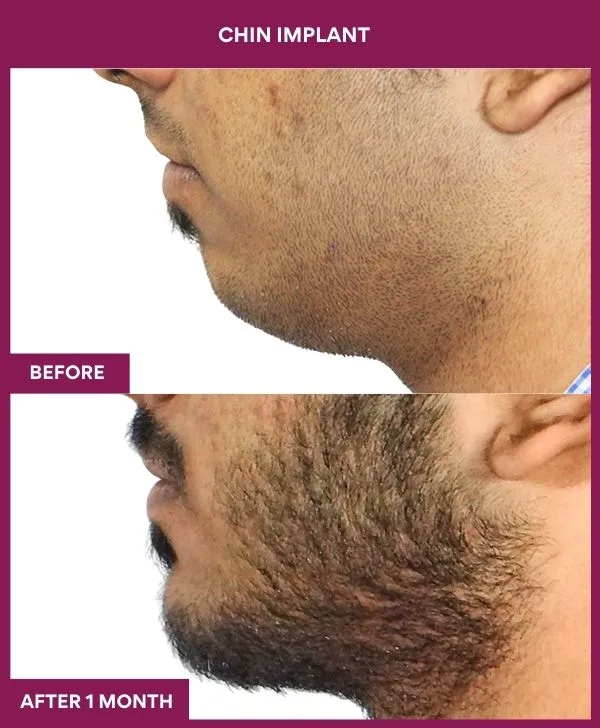
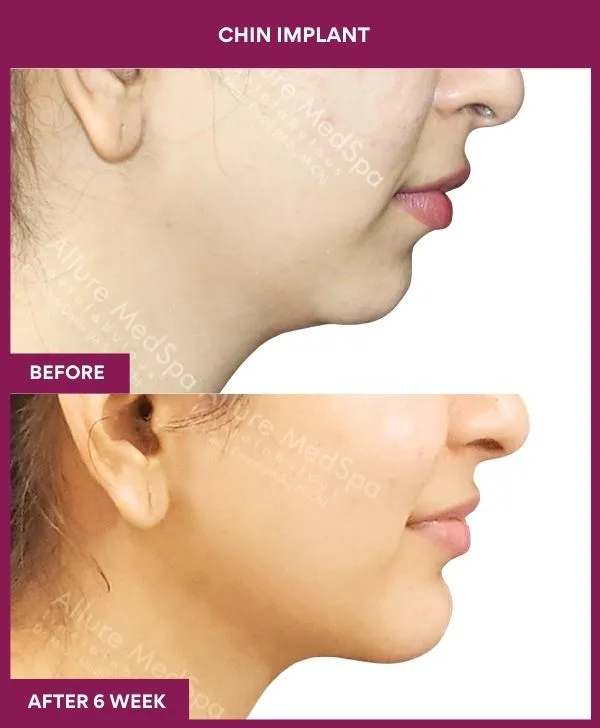
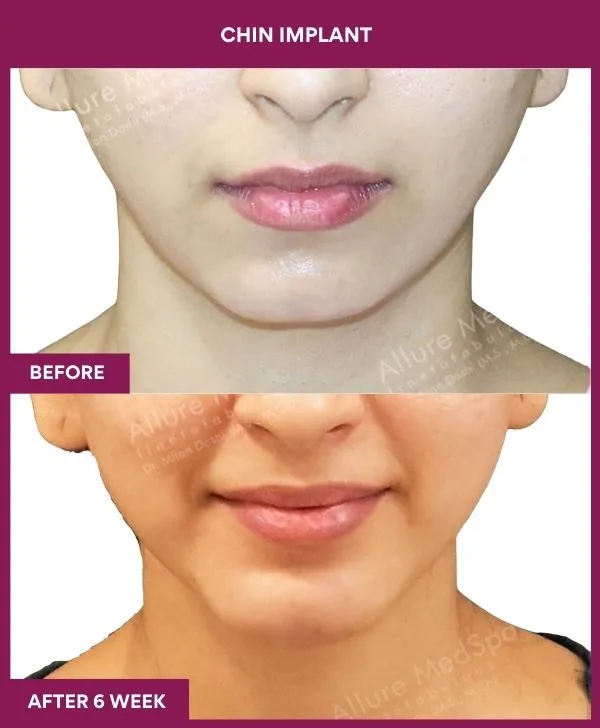
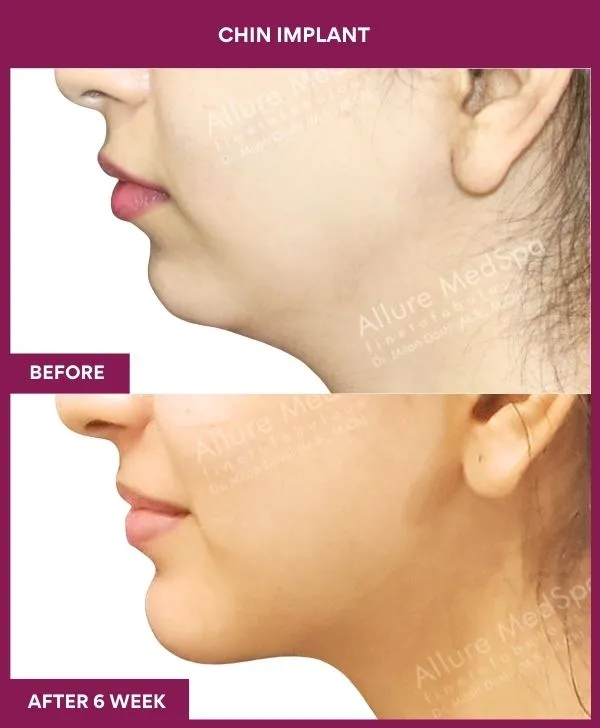
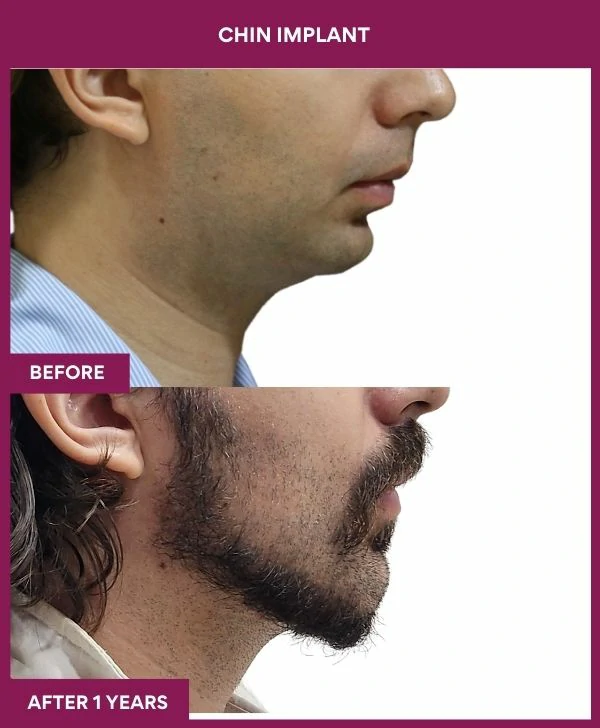
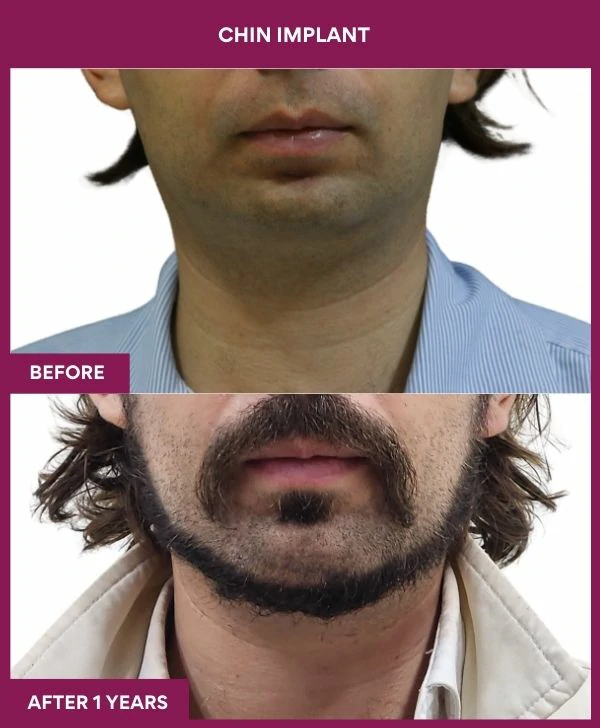
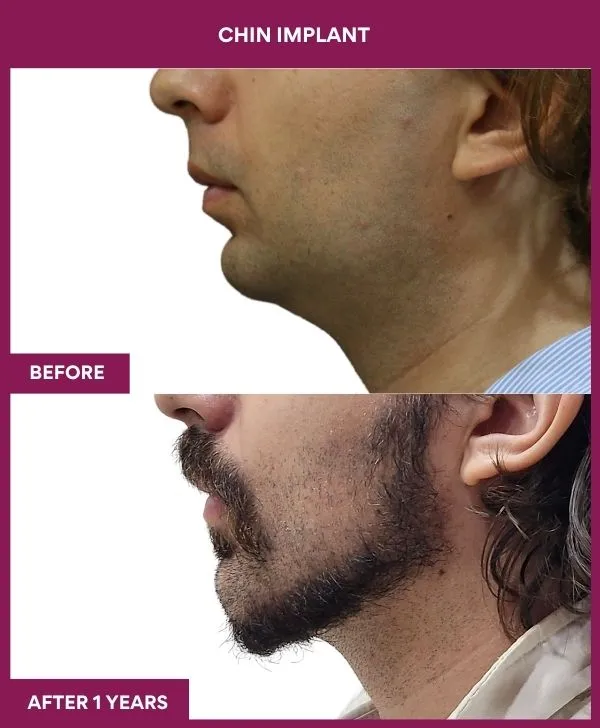
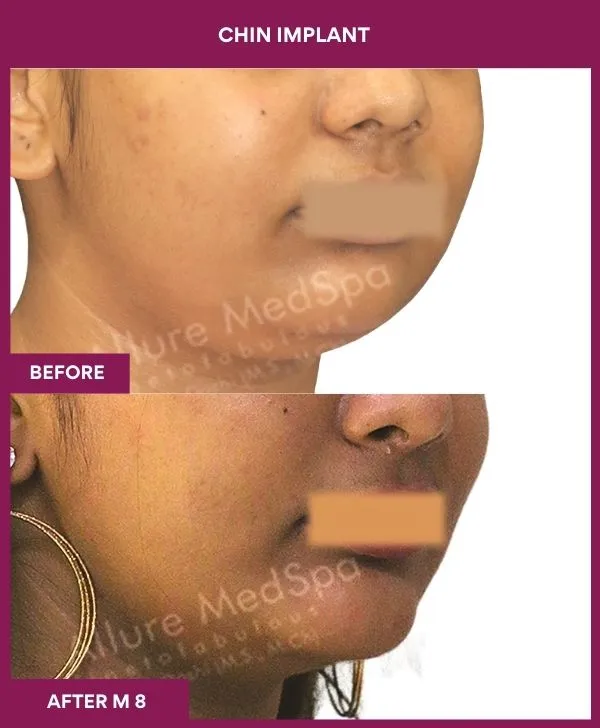
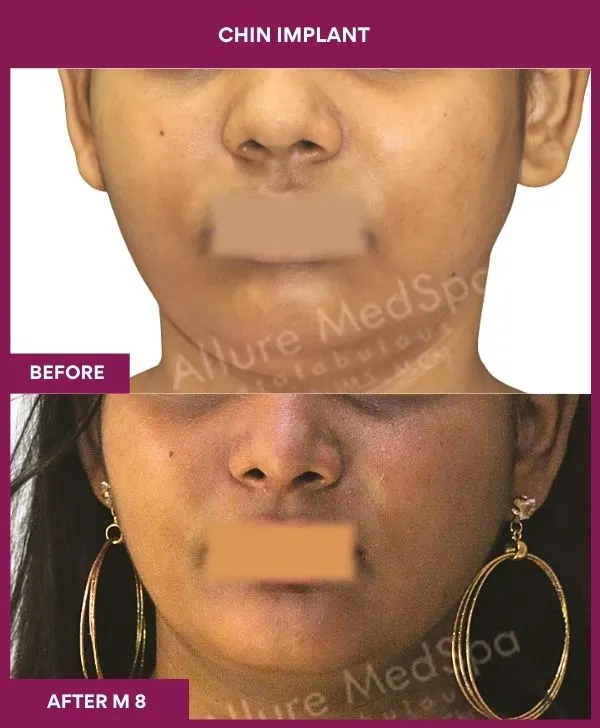
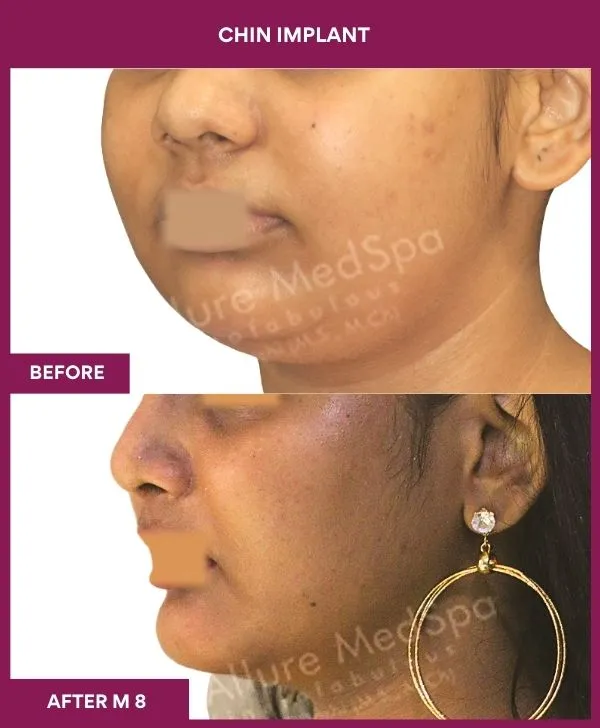
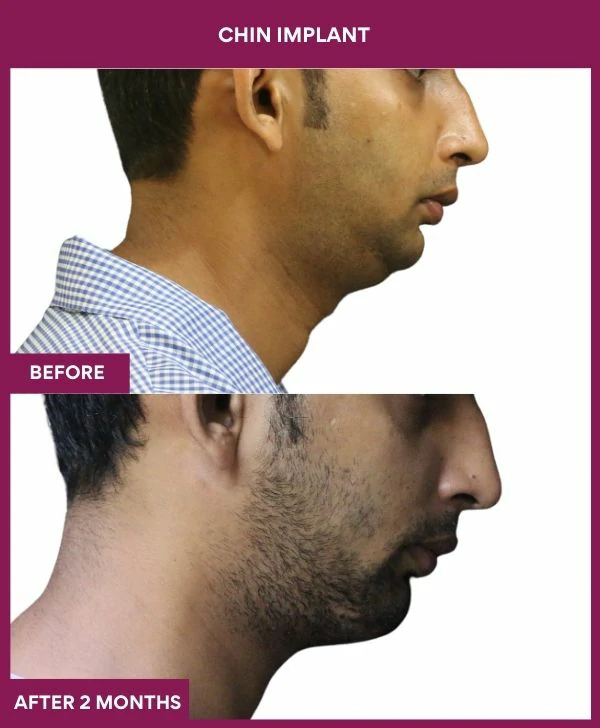
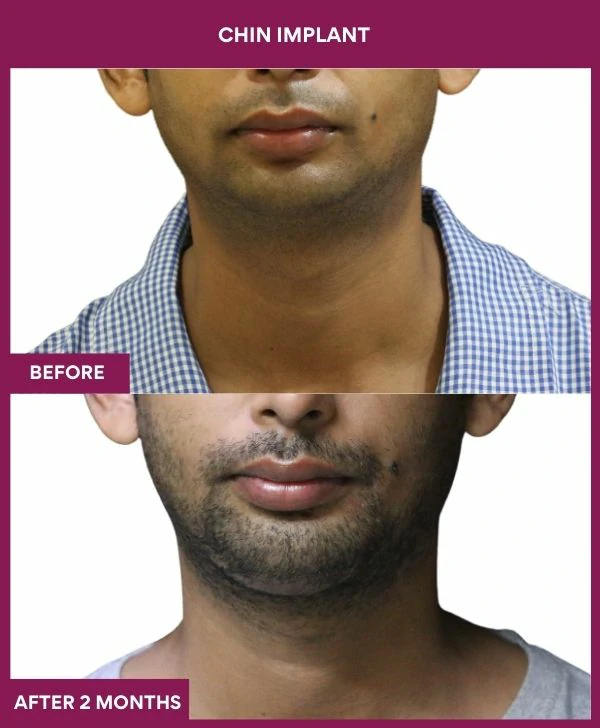
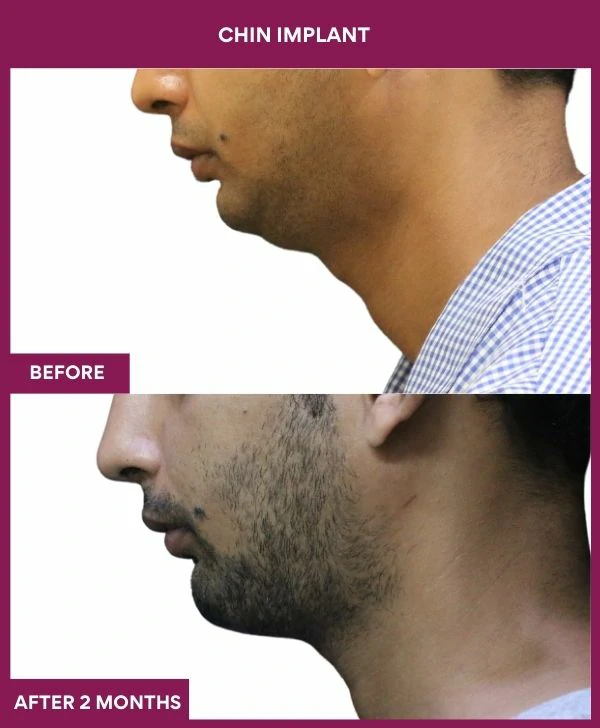
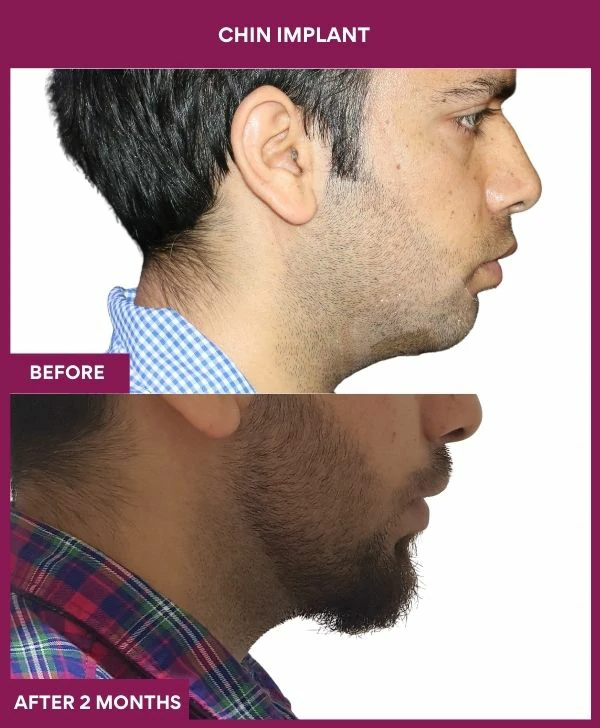
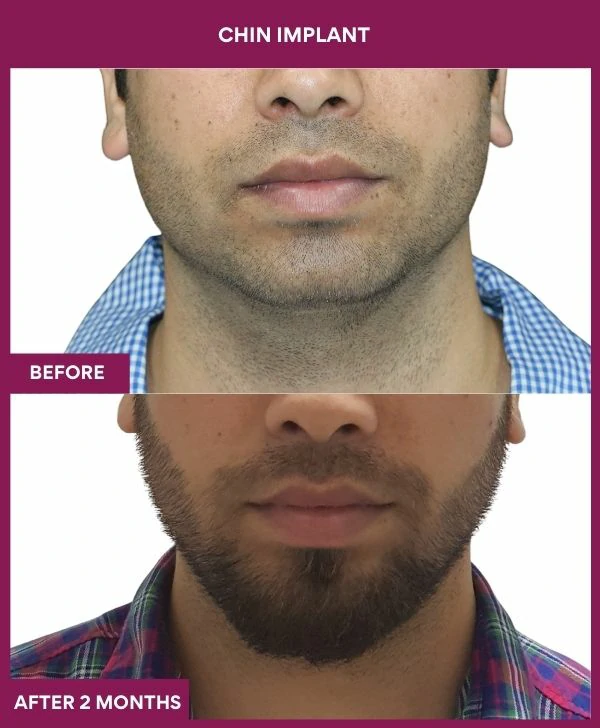
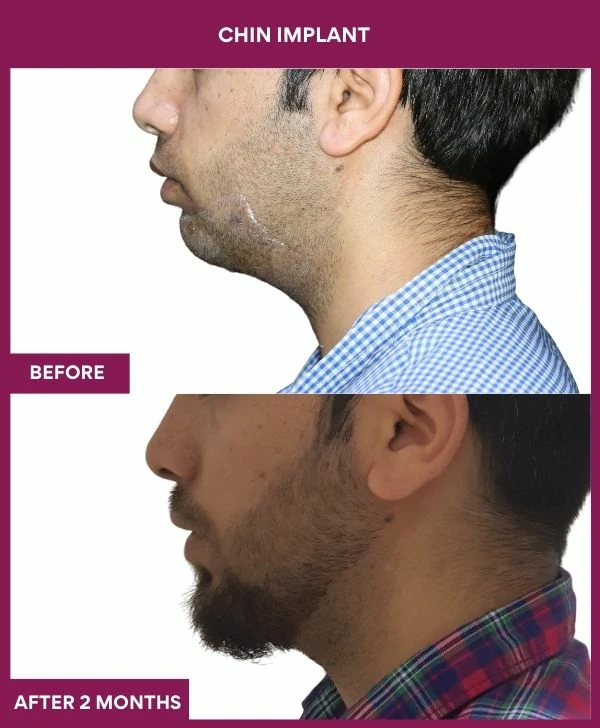
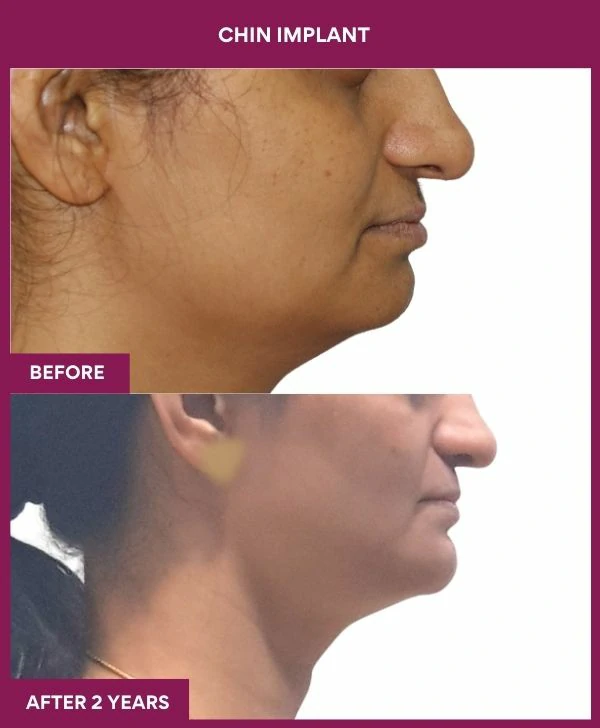
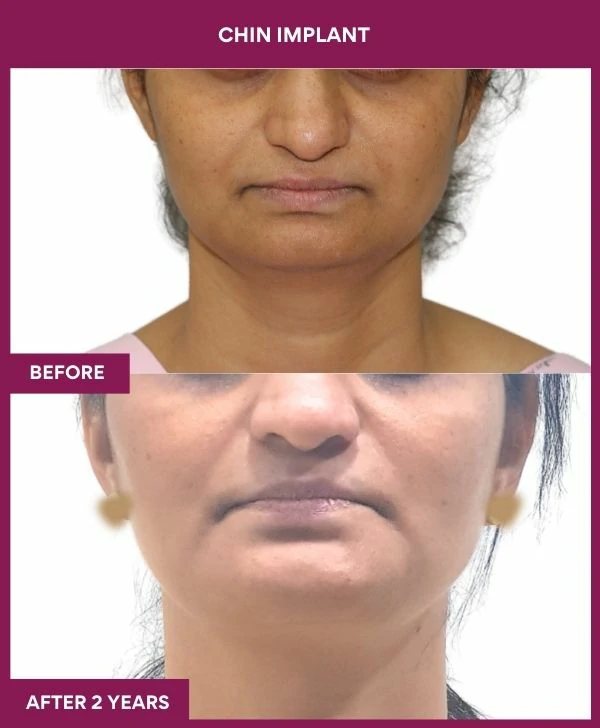
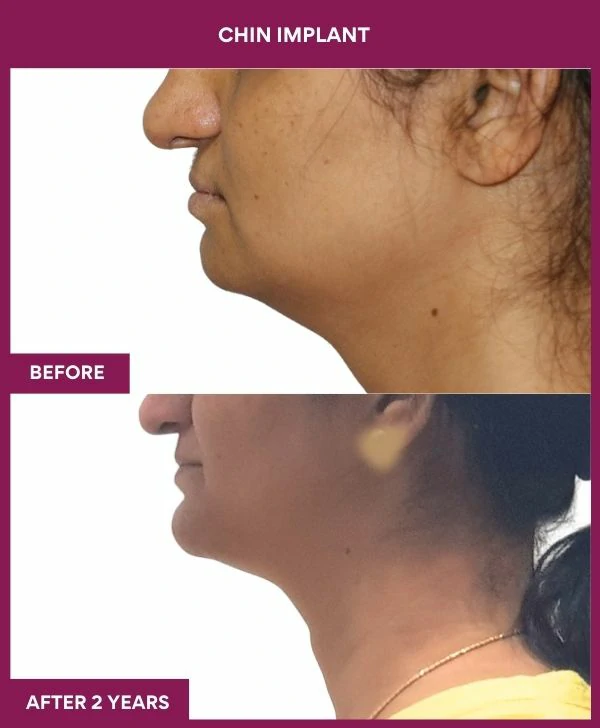
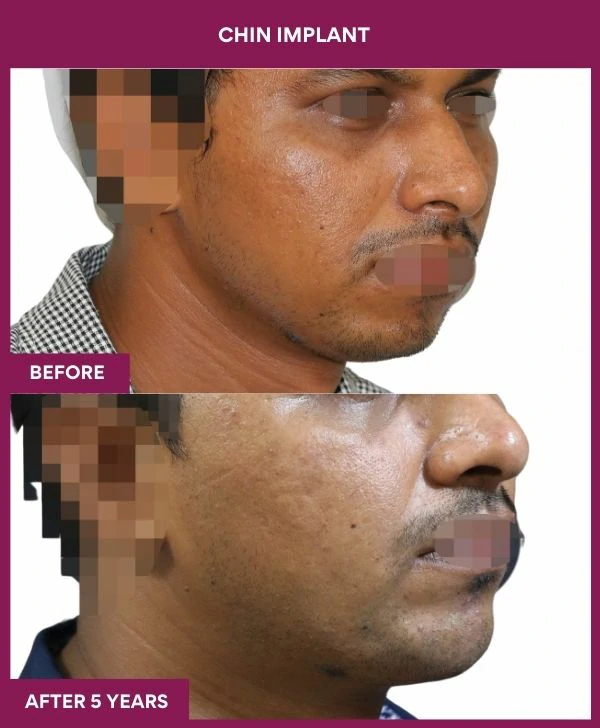
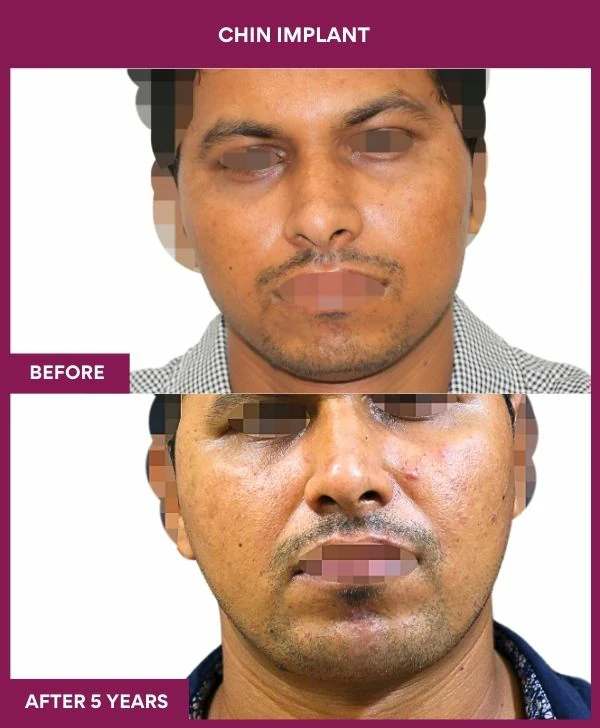
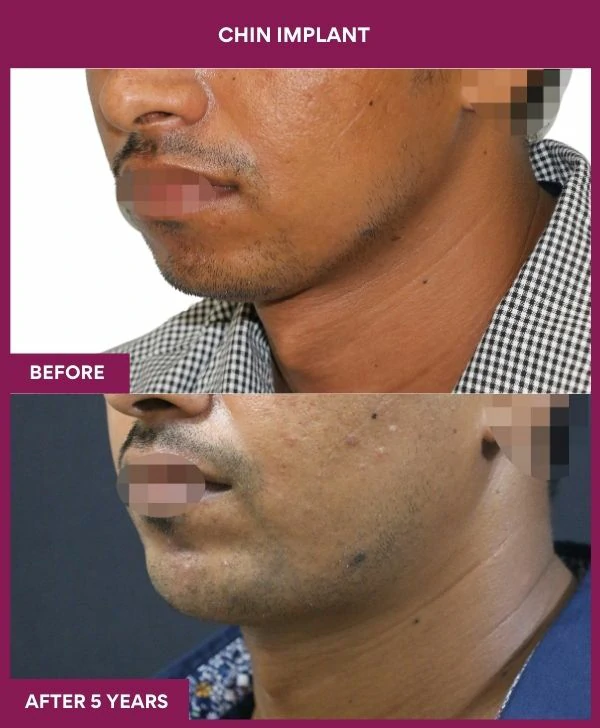
“Liked the results? Let's plan yours.”
Facial Implants Surgery Testimonials: Fine To Fabulous Journeys
Thousands have trusted Dr. Milan Doshi to turn back time with natural, youthful results.
Could A Facial Implant Be Right For Me?
(4 quick questions)
Quick Facts About Facial Implants
TIME REQUIRED
1–2 hours
ANESTHESIA
Local
HOSPITAL STAY
Day care
PAIN LEVEL
Mild–moderate
BACK TO WORK
3–5 days
RESULTS LAST
Long-term
SUCCESS RATE
97–98%
COMPLICATIONS
Under 2–3%
How Much Do Facial Implants Cost in Mumbai?
At Allure Medspa a chin implant costs about ₹80,000–₹1,80,000; cheek and jaw implants are quoted after assessment by site and material (+5% GST).
| Component | Allure price | Source / status |
|---|---|---|
| Chin implant (incl. implant) | ₹80,000 – ₹1,80,000 | Live chin page ✔ — chin COST page says ₹80,000–₹1,50,000 → align 🩺 |
| Cheek implants (pair) | ₹1,20,000 – ₹2,00,000 | PROPOSED 🩺 — no Allure figure exists; doctor to confirm |
| Jaw-angle implants (pair) | ₹1,50,000 – ₹2,50,000 | PROPOSED 🩺 — screw fixation, longer operation; doctor to confirm |
| Custom / patient-specific implant | Quoted after CT planning | Design + manufacture cost varies by maker 🩺 |
| Sliding genioplasty (comparison) | ₹1,00,000 – ₹1,80,000 | Live chin page ✔ — chin COST page says ₹1,50,000–₹2,50,000 → align 🩺 |
| Consultation | ₹1,500 | Project standard 🩺 |
| GST | +5% | Most procedure pages (neck lift, rhinoplasty) ✔ — dimple and hair-transplant pages say 18% → one rate 🩺 |
- Consultation fee adjusted against surgery if done within 6 months (writer) 🩺 — confirm this policy site-wide
What may influence the final quotation?
The site, the material or custom design, anaesthesia and facility, fixation and complexity, and any procedure done at the same time.
- Implant site — chin, cheek or jaw-angle
- Material and design — standard shapes or a patient-specific implant
- Anaesthesia and facility requirements
- Fixation and operative complexity
- Combined procedures — rhinoplasty, facelift or liposuction at the same time
How does the cost compare over time?
An implant is one surgical cost with possible revision; filler is cheaper per session but repeated; fat grafting is surgical with variable retention.
| Option | Allure price (live, 11 Oct) | Over time |
|---|---|---|
| Facial implant | Chin ₹80,000–₹1,80,000 | Single cost; possible future revision |
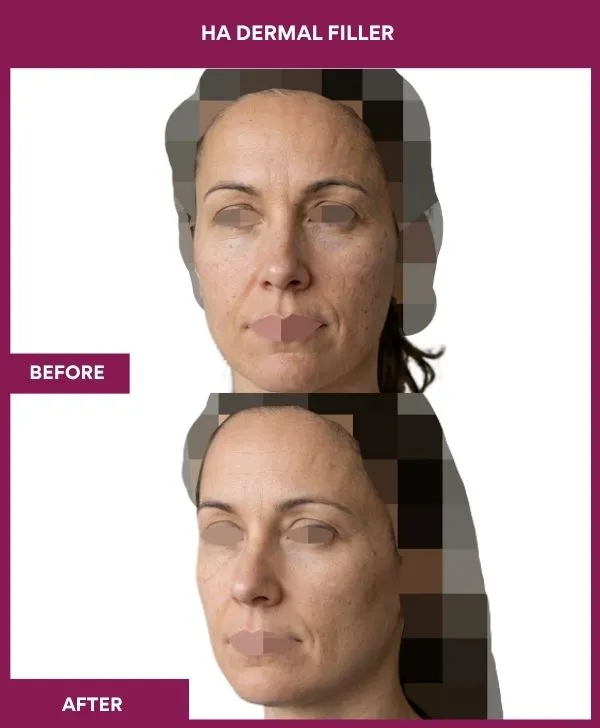
| HA filler | ₹17,000–₹30,000 per syringe; cheeks ₹25,000–₹45,000 (2–3 syringes) → Dermal Fillers | Repeated maintenance |
| Fat grafting | ₹40,000–₹1,10,000 per area → Facial Fat Grafting | Variable retention (~42% average); top-ups possible |
- EMI → Cosmetic Surgery Payment Process · chin pricing detail → Chin Augmentation Cost
Get your exact quote & surgery plan
Share your details — our team responds within working hours with cost, EMI options and next steps.
Most Common Question People Ask
Q1. What’s the difference between a chin implant, filler and fat grafting?
Ans. A chin implant adds skeletal projection. Dermal filler adds temporary soft-tissue contour, while fat grafting adds your own soft tissue with variable long-term retention. The right choice starts with deciding whether the problem is structure or volume.
Q2. Are facial implants permanent?
Ans. Facial implants are designed for long-term implantation. They are not irreversible: an implant can be repositioned, exchanged or removed surgically if complications, anatomical changes or your preferences require it.
Q3. Are facial implants safe?
Ans. They are established procedures, but they carry real risks including infection, malposition, altered sensation, extrusion and bone changes. Recent reviews report pooled complication rates of roughly 4–11%, varying by site, material and technique — not a guarantee of any individual’s risk.
Q4. Where are the incisions — will they show?
Ans. Most chin, cheek and jaw implants can be placed through an incision inside the mouth, leaving no external scar. Some chin implants use a small incision under the chin, which usually heals as a concealed scar. No facial implant surgery is literally scarless.
Q5. Chin implant or sliding genioplasty — which is better?
Ans. Neither is universally better. An implant suits mild-to-moderate forward deficiency; a sliding genioplasty moves your own chin bone and can also correct height, asymmetry or larger deficiencies. Reviews show lower infection with genioplasty but more temporary numbness; implants involve a shorter operation.
Q6. How long is recovery after facial implants?
Ans. For chin implants, initial recovery takes about three to five days, with swelling and bruising for up to about two weeks. Jaw-angle implants usually need a soft diet early on. Final contour keeps settling for longer.
Q7. Will I lose feeling in my chin or lip?
Ans. Temporary numbness of the chin or lower lip is common after chin augmentation because the mental nerve lies nearby, and it usually improves over weeks to months. Longer-lasting changes are less common; the risk is discussed before surgery.

Why Choose Dr. Milan Doshi?
Dr. Milan Doshi, MCh, MS — plastic surgeon with 27+ years and 16,000+ cosmetic surgeries who performs implants, genioplasty, rhinoplasty, facelifts, fat grafting and fillers, so he can decide whether your concern is truly skeletal, choose size, shape and material, and say when another option fits better. Consults at Andheri West; surgery at Goregaon West.
Dr Doshi Note: “Because I perform facelifts, rhinoplasty, fat grafting and fillers as well as implants, I don’t need every face to fit one operation. My aim is to find the axis that matters most — structure, volume or lift — and treat that with the least excessive option.”
The Complete Guide About Facial Implants
What Do Facial Implants Do — Structure, Lift Or Volume?
Implants add skeletal projection, a facelift lifts sagging tissue, and fillers or fat restore volume — most faces need the right one, not all three.
| Your main concern | Treatment axis | Typical route |
|---|---|---|
| Weak skeletal projection | Structure | Facial implant or skeletal surgery |
| Descended tissue, jowls, loose skin | Lift | Facelift or neck lift → Facelift Surgery · Neck Lift Surgery |
| Facial deflation or hollowing | Volume | Dermal fillers or fat grafting → Dermal Fillers · Facial Fat Grafting |
What is the structural role of an implant?
It sits on or just above the bone to add durable projection; it does not remove skin, tighten tissue or stop ageing.
- Common materials — solid silicone and porous polyethylene; titanium and PEEK for selected custom implants.
- Durable augmentation — rather than repeated injectable maintenance.
- Permanent isn’t irreversible — implants can be repositioned, exchanged or removed.
How common are facial implants?
Cheek and chin implants are among the most common facial implant operations, often combined with rhinoplasty or a facelift.
- Writer: “Cheek (malar) implants were the most common facial implant procedure in the 2020 ASPS survey.”
Sources: Trillo G, Smith KD. Facial Implants. StatPearls, NBK603755 (PMID 38753942) ✔ · Kauke-Navarro M, et al. Facial implant materials review. Front Surg. 2024;11:1348140 (PMID 38327548) ✔
What Do Chin Implants Do For Facial Balance?
A chin implant adds forward projection — and sometimes width — to a weak chin to balance nose, lips and neck; larger changes may need genioplasty.
- Profile balance — chin position has a disproportionate effect on the side view.
- The nose looks larger when the chin is weak.
- The neck looks shorter — a retrusive chin softens the chin–neck angle.
- Full chin guide, gallery and pricing → Chin Augmentation Surgery
How is chin projection measured?
Surgeons compare the chin with a vertical line from the nasal bridge (zero meridian), a line from the lower lip, and the chin–neck angle.
| Reference | What it assesses |
|---|---|
| Zero meridian | Vertical line from soft-tissue nasion; chin ideally on it in women, up to ~2 mm ahead in men |
| Lower-lip perpendicular | Male chin on it, female slightly behind |
| González-Ulloa grading | Mild deficiency <1 cm, moderate 1–2 cm, severe >2 cm behind the line |
| Cervicomental angle | About 121° in men and 126° in women in published norms |
What does the evidence show for chin implants?
Published series report high satisfaction, infection under about 1%, and occasional malposition, migration or shallow bone resorption.
| Outcome | Reported figure (writer) | Verification |
|---|---|---|
| Patient satisfaction | ~98% in published series | StatPearls (Winters) full text — not in abstract |
| Infection | Under 1% in pooled data | Consistent with Kauke-Navarro 2025 (1.0% all sites) ✔ |
| Malposition | ~2.5% | Full text only |
| Migration | ~5% | Full text only |
| Extrusion | ~0.4% | Full text only |
| Bone resorption | ~8% pooled; usually shallow | Yeung 2022: “common”, mean depth <2 mm ✔; Kauke-Navarro 2025: 0.68% across all sites — figures differ by definition |
What can a chin implant not correct on its own?
Vertical chin height, major asymmetry, jowls or loose skin, and fat under the chin — these need bone surgery, a lift or liposuction.
- Vertical chin-height problems that need the bone moved
- Major asymmetry better managed by skeletal repositioning
- Jowls or loose skin from age-related descent → Neck Lift Surgery
- Fat beneath the chin → Double-Chin Liposuction
Sources: Winters R, Raggio BS. Alloplastic Chin Augmentation. StatPearls (PMID 32119393) ✔ · Trillo G, Smith KD. Facial Implants. StatPearls, NBK603755 (PMID 38753942) ✔ · Sykes JM, Suárez GA. Chin advancement, augmentation and reduction as adjuncts to rhinoplasty. Clin Plast Surg. 2016;43(1):295–306 (PMID 26616715) ✔ · Schatz CJ, Ginat DT. Imaging of cosmetic facial implants and grafts. AJNR. 2013;34(9):1674–1681 (PMID 22878009) ✔ · Yeung AWK, Wong NSM. Mandibular bone resorption after chin augmentation: systematic review. Front Surg. 2022;9:815106 (PMID 35402503) ✔
Chin Implant Vs Sliding Genioplasty Vs Filler — Which Fits?
An implant adds material over the bone; genioplasty moves your own bone for bigger, vertical or asymmetric changes; filler is a temporary preview.
| Option | What changes | Where it may fit | Key trade-off |
|---|---|---|---|
| Chin implant | Adds projection over existing bone | Mild-to-moderate forward or width deficiency | An implant is introduced; revision or removal possible |
| Sliding genioplasty | Moves your own chin bone | Larger, vertical or asymmetric correction | Bone surgery; more temporary numbness |
| HA filler preview | Temporary soft-tissue projection | Reversible preview or mild change | Temporary; not structurally identical |
What does comparative evidence show?
A 2025 review of 1,126 patients found more infection with implants but more temporary numbness and slightly more relapse with genioplasty.
| Measure | Chin implant | Sliding genioplasty | Verification |
|---|---|---|---|
| Patients | 386 | 740 | ✔ abstract |
| Infection | Up to 23.8% across studies | 0–5.3% | Implant ✔; genioplasty full text |
| Temporary nerve changes | Less common | Up to 100% transient; persisting in 7.4–12.5% | ADDED ✔ abstract — writer omitted |
| Relapse | Lower | Slightly higher (2.6–27.2%) | ADDED ✔ abstract |
| Revision or removal | 0–19% | 0–2.6% | Full text only |
| Bone-to-soft-tissue change | ~66% shows on surface | ~85% | ✔ abstract |
| Operating time (one study) | ~20 minutes | ~35 minutes | Full text only |
| Satisfaction | High | High, trend higher | ✔ abstract |
When may a filler preview help?
When the deficiency is mild and you are unsure how much change you want — but it is a preview, not a substitute for skeletal correction.
- Filler prices → Dermal Fillers
How does the chin fit into rhinoplasty planning?
Nose and chin are judged together in profile; a weak chin can make a normal nose look big, so chin augmentation is a common rhinoplasty add-on.
- Writer: “a chin implant is indicated in up to about a quarter of cosmetic rhinoplasties” — Sykes 2016 full text; not in abstract (verify)
- Rhinoplasty → Rhinoplasty Surgery
Sources: Kauke-Navarro M, et al. Implant-based chin augmentation vs osseous genioplasty: systematic review. Aesthet Surg J Open Forum. 2025;7:ojaf048 (PMID 40666078) ✔ · Sykes JM, Suárez GA. Chin advancement, augmentation and reduction as adjuncts to rhinoplasty. Clin Plast Surg. 2016;43(1):295–306 (PMID 26616715) ✔ · Winters R, Raggio BS. Alloplastic Chin Augmentation. StatPearls (PMID 32119393) ✔
When Do Cheek Implants Make Sense?
When flat cheekbones are a structural deficiency; when the cheeks have deflated with age, filler or fat is usually the better match.
- Naturally flat or deficient cheekbones
- Selected asymmetry where the skeleton contributes
- Midface ageing is rarely only bone — descent and volume loss usually coexist
What needs careful planning?
Size, shape (malar, submalar or combined), symmetry of both pockets, soft-tissue thickness, and approach and fixation.
| Planning factor | Why it matters |
|---|---|
| Implant size and projection | Too large reads as artificial; too small changes little |
| Shape — malar, submalar or combined | Matches whether the deficiency is the cheekbone or below it |
| Right–left symmetry and pocket position | Asymmetry is the commonest source of dissatisfaction |
| Soft-tissue thickness | Thin tissue makes edges more noticeable |
| Approach and fixation | Usually through the mouth; sutures or small screws |
What does the evidence say about cheek implant risks?
Malar implants had the lowest complication rate (7.4%) of all sites in a 2025 meta-analysis; in one series 85% of patients rated results excellent.
- Abdulaziz 2025: overall 10.7%; malar 7.4% (lowest); paranasal 15.1% ✔
- Metzinger 1999: 60 patients / 118 silicone malar implants; 85% excellent at ≥2 years; 4 of 118 implants (3.4%) revised ✔ — CLARIFIED (writer said “118 implants … 85% of patients”)
- Older reviews reported more prominence and palpability with malar implants (Rojas 2018)
- Malar infection ~2–4% — full-text figure, not in abstracts
- The infraorbital nerve lies close to the pocket — temporary cheek or upper-lip numbness can occur
Sources: Trillo G, Smith KD. Facial Implants. StatPearls, NBK603755 (PMID 38753942) ✔ · Abdulaziz MKB, et al. Complications of alloplastic facial skeletal implants: systematic review and meta-analysis. J Plast Reconstr Aesthet Surg. 2025;107:5–18 (PMID 40499276) ✔ · Rojas YA, et al. Facial implants: controversies and criticism. Plast Reconstr Surg. 2018;142(4):991–999 (PMID 29994843) ✔ · Metzinger SE, et al. Malar augmentation: 5-year review. Arch Otolaryngol Head Neck Surg. 1999;125(9):980–987 (PMID 10488983) ✔ · Kauke-Navarro M, et al. Facial implant materials review. Front Surg. 2024;11:1348140 (PMID 38327548) ✔
What Can Jaw And Mandibular Implants Change?
Jaw-angle implants widen and define an under-developed back of the jaw; they do not treat jowls, loose skin or fat under the chin.
| What you see | Possible cause | Direction to assess |
|---|---|---|
| Narrow or under-projected back of the jaw | Weak mandible | Jaw-angle augmentation |
| Short or retrusive lower-face profile | Weak chin | Chin augmentation → Chin Augmentation Surgery |
| Fullness below the chin | Submental soft tissue | Fat and neck anatomy → Double-Chin Liposuction |
| Blurred jawline with jowls | Tissue descent | Facelift or neck lift → Neck Lift Surgery |
| Limited contour deficiency | Soft-tissue volume | Filler or fat |
How are jaw implants placed?
Through an incision inside the cheek near the back teeth, usually fixed to bone with small titanium screws, followed by a soft diet early on.
- Custom implants can be designed from imaging (CT) in selected cases
What does the evidence show?
Series report infection of about 2–4%, displacement up to 14% with silicone angle implants, and 4.5% complications for isolated jaw implants.
| Study | What it found | Verification |
|---|---|---|
| Silicone angle implants — 58 patients (116 implants) | Infection 4.3% and displacement 13.8% of implants; 6% dissatisfied | ✔ Al-Jandan 2018 — CLARIFIED: per implant, not per patient |
| Custom (CAD/CAM) jaw implants — 123 patients | Infection needing removal 2.4%; revision for dissatisfaction 4.1%; removal 2.4% | ✔ Straughan 2021 |
| US 30-day NSQIP data — 84 cases | Isolated jaw 4.5%; combined jaw 15%; combined malar 16% | ✔ Kauke-Navarro 2024 |
- Jaw-angle work is common in male facial contouring — the aim is proportion, not the widest jaw (male facelift page planned — 404)
Sources: Trillo G, Smith KD. Facial Implants. StatPearls, NBK603755 (PMID 38753942) ✔ · Al-Jandan B, Marei HF. Mandibular angle augmentation with silicone implants. Dent Med Probl. 2018;55(4):367–370 (PMID 30648361) ✔ · Straughan DM, Yaremchuk MJ. CAD/CAM mandible implants. Aesthet Surg J. 2021;41(10):NP1265–NP1275 (PMID 33884405) ✔ · Kauke-Navarro M, et al. Early outcomes after facial alloplastic implant surgery: ACS-NSQIP. J Plast Reconstr Aesthet Surg. 2024;90:209–214 (PMID 38387417) ✔
How Is The Real Problem Identified Before Choosing An Implant?
By separating skeletal deficiency from deflation, fat and laxity first — the implant is discussed only once structure is shown to be the main issue.
| Concern | Questions that need answering | Possible treatment axis |
|---|---|---|
| Weak chin | Projection, vertical height or asymmetry? | Chin implant, genioplasty or filler preview |
| Flat cheeks | Skeletal, volume loss or midface descent? | Cheek implant, filler or fat, or a lift |
| Soft jawline | Bone, under-chin fat, jowls or loose skin? | Jaw implant, contouring, or facelift / neck lift |
| Ageing face | Projection, deflation, descent — or several? | Combination planning |
How does this prevent over-treatment?
It stops repeated filler camouflaging a bone problem, an implant over-correcting a volume problem, and projection being used to fix laxity.
- Camouflage — a structural problem filled again and again
- Over-correction — a volume problem treated with an implant
- Wrong axis — laxity cannot be fixed by adding projection
- More isn’t better — combination is sometimes right, never automatic
Sources: Trillo G, Smith KD. Facial Implants. StatPearls, NBK603755 (PMID 38753942) ✔ · Sykes JM, Suárez GA. Chin advancement, augmentation and reduction as adjuncts to rhinoplasty. Clin Plast Surg. 2016;43(1):295–306 (PMID 26616715) ✔
Implant Vs Filler Vs Fat Grafting — Which Suits Your Face?
Implants give long-term bone-level projection, filler gives temporary soft contour, and fat adds your own tissue with about 42% average retention.
| Option | What it changes | Longevity / reversibility | Allure price (live) | Downtime |
|---|---|---|---|---|
| Facial implant | Skeletal projection | Long-term; removable / revisable | Chin ₹80,000–₹1,80,000 | Surgical |
| HA filler | Soft-tissue contour | Temporary; can be dissolved | ₹17,000–₹30,000 / syringe | Usually minimal |
| Fat grafting | Your own soft volume | Variable retention | ₹40,000–₹1,10,000 / area | Surgical |
- Fat can’t recreate every kind of skeletal projection.
- Fat retention — Gornitsky 2019 review of 43 studies: mean 41.6% retained at ~14 months ✔
- Filler needs maintenance — no skeletal foundation.
- Implants avoid repeat injections — but carry surgical cost and possible revision.
- Longest-lasting isn’t automatically best if it treats the wrong problem.
Sources: Kauke-Navarro M, et al. Facial implant materials review. Front Surg. 2024;11:1348140 (PMID 38327548) ✔ · Gornitsky J, et al. Fat grafting in the facial region: systematic review. JPRAS Open. 2019;19:87–97 (PMID 32158860) ✔ · Trillo G, Smith KD. Facial Implants. StatPearls, NBK603755 (PMID 38753942) ✔
Can Facial Implants Be Combined With A Facelift Or Rhinoplasty?
Yes, when more than one problem exists — but combined procedures add time, recovery and risk, so the plan follows anatomy, not “everything at once”.
| Combination | Why it can make sense | What to weigh |
|---|---|---|
| Chin implant + rhinoplasty | Nose and chin judged together in profile | One profile analysis → Rhinoplasty Surgery |
| Chin implant + neck liposuction | Projection and under-chin fullness both affect profile | Two problems → Double-Chin Liposuction |
| Implants + facelift | A lift doesn’t add projection; an implant doesn’t lift | Longer surgery → Facelift Surgery |
| Cheek implants + fat or filler | Structure plus soft volume | Avoid over-correction |
- US 30-day data: combined malar and jaw implant operations had 15–16% complications vs 4.5–10% isolated (Kauke-Navarro 2024) ✔
Sources: Sykes JM, Suárez GA. Chin advancement, augmentation and reduction as adjuncts to rhinoplasty. Clin Plast Surg. 2016;43(1):295–306 (PMID 26616715) ✔ · Kauke-Navarro M, et al. Early outcomes after facial alloplastic implant surgery: ACS-NSQIP. J Plast Reconstr Aesthet Surg. 2024;90:209–214 (PMID 38387417) ✔ · Schatz CJ, Ginat DT. Imaging of cosmetic facial implants and grafts. AJNR. 2013;34(9):1674–1681 (PMID 22878009) ✔
Which Facial Implant Materials Are Used?
Mainly solid silicone and porous polyethylene, plus titanium and PEEK for custom implants; none is best everywhere — removal and stability trade off.
| Material | Main characteristic | Advantage | Trade-off |
|---|---|---|---|
| Solid silicone | Non-integrating; forms a capsule | Easier removal or exchange | Capsule, migration, bone resorption reported |
| Porous polyethylene | Tissue grows into pores | Stable incorporation | Much harder to remove |
| PEEK (custom) | Rigid, radiolucent | Precise patient-specific shapes | Custom planning and cost |
| Titanium (custom) | Rigid structural support | Selected anatomy | Can show through thin skin |
What does the evidence say about materials?
A 2025 review of 4,273 patients found 4.4% overall complications, mostly nerve injury (2.1%) and infection (1.0%); custom implants look promising.
- No material shown superior in both short and long term
- Silicone vs porous polyethylene — more infection and displacement with silicone, more prominence with PP (Rojas 2018)
- Abdulaziz 2025: complication rate silicone 2.78%, Medpor (porous PE) 2.48% ✔
- Writer: “patient-specific implants ~1.6% vs off-the-shelf ~6.5%” — full text only; abstract says PSIs “showed promise” (verify before quoting the numbers)
How is a material chosen?
By site, the amount and direction of projection, the thickness of tissue covering it, and how easy a future revision needs to be.
- Site — chin, cheek and jaw-angle needs differ
- Degree and direction of projection
- Soft-tissue coverage
- Future revision — integration improves stability but makes removal harder
Sources: Kauke-Navarro M, et al. Facial implant materials review. Front Surg. 2024;11:1348140 (PMID 38327548) ✔ · Rojas YA, et al. Facial implants: controversies and criticism. Plast Reconstr Surg. 2018;142(4):991–999 (PMID 29994843) ✔ · Kauke-Navarro M, et al. Systematic review of implant materials. Front Surg. 2025;12:1548597 (PMID 40225117) ✔ · Abdulaziz MKB, et al. Complications of alloplastic facial skeletal implants: systematic review and meta-analysis. J Plast Reconstr Aesthet Surg. 2025;107:5–18 (PMID 40499276) ✔ · Trillo G, Smith KD. Facial Implants. StatPearls, NBK603755 (PMID 38753942) ✔
What Should I Know About Solid Silicone Implants?
Silicone is encapsulated rather than integrated, so it is easier to remove or exchange — but capsule, migration and bone resorption can occur.
| Potential advantages | Important trade-offs |
|---|---|
| Long history in facial augmentation | A capsule forms around the implant |
| Defined shapes and sizes for each site | Migration or malposition reported |
| Relatively easy removal or exchange | Bone resorption beneath the implant reported |
| Can be secured with sutures or screws | Easy removal doesn’t mean complication-free |
How significant is bone resorption under chin implants?
Common on imaging but usually shallow — most studies report under 2 mm — and it may deepen with longer follow-up; clinical significance is debated.
- Yeung 2022: 28 studies; resorption “a common phenomenon”; mean <2 mm in most; deeper with longer follow-up ✔
- Occasionally approaches tooth roots or the mental nerve
- Pocket position and implant design influence pressure on bone
Sources: Yeung AWK, Wong NSM. Mandibular bone resorption after chin augmentation: systematic review. Front Surg. 2022;9:815106 (PMID 35402503) ✔ · Kauke-Navarro M, et al. Facial implant materials review. Front Surg. 2024;11:1348140 (PMID 38327548) ✔ · Schatz CJ, Ginat DT. Imaging of cosmetic facial implants and grafts. AJNR. 2013;34(9):1674–1681 (PMID 22878009) ✔
What About Porous Polyethylene, Titanium And Custom Implants?
Porous polyethylene integrates with tissue for stability but is harder to remove; titanium and PEEK are used for custom, imaging-designed implants.
- Porous polyethylene — tissue ingrowth and stability, usually screw-fixed; no universal infection advantage over silicone
- Titanium, PEEK and other patient-specific implants — designed from CT for larger or asymmetric jaw contouring; different fixation, planning and cost
- There is no universal winner — material, design, fixation, site and future revision are weighed together
Sources: Kauke-Navarro M, et al. Facial implant materials review. Front Surg. 2024;11:1348140 (PMID 38327548) ✔ · Kauke-Navarro M, et al. Systematic review of implant materials. Front Surg. 2025;12:1548597 (PMID 40225117) ✔ · Straughan DM, Yaremchuk MJ. CAD/CAM mandible implants. Aesthet Surg J. 2021;41(10):NP1265–NP1275 (PMID 33884405) ✔
Why Do Consultation And Facial Planning Matter?
The consultation decides whether augmentation is right at all, then plans projection, symmetry and tissue thickness — or picks a better treatment.
- Is the concern truly structural?
- How much projection or width is needed?
- Is there asymmetry — and why?
- Is there also deflation or laxity?
- Would filler, fat, genioplasty, rhinoplasty, a facelift or neck lift suit better — or complement it?
What should a facial implant surgeon show you?
A profile analysis, a clear diagnosis, every option compared, the material and why, and an honest talk about numbness, malposition and revision.
- A profile analysis — nose, lips, chin and neck together
- A clear diagnosis — structure, volume, laxity or a combination
- All the options — implant, genioplasty, filler, fat and lifting surgery
- The material and why — including future revision
- An honest risk talk
What about 3D planning — and age?
3D imaging helps size and position in selected cases and is essential for custom implants; facial growth must be complete, usually by the late teens.
- Fee ₹1,500 🩺 (adjusted against surgery within 6 months — writer policy 🩺) · online first look → Online Consultations · outstation → Outstation Patients
Sources: Trillo G, Smith KD. Facial Implants. StatPearls, NBK603755 (PMID 38753942) ✔ · Winters R, Raggio BS. Alloplastic Chin Augmentation. StatPearls (PMID 32119393) ✔
How Is Facial Implant Surgery Performed?
Under anaesthesia, through an incision usually inside the mouth, a precise pocket is made on the bone, the implant placed, fixed and the wound closed.
| Step | What happens |
|---|---|
| 1. Anaesthesia | Local, sedation or general, chosen for the procedure and you |
| 2. Access | Incision inside the mouth, or a small external incision for some chin implants |
| 3. Pocket creation | A precise space on the bone, protecting nearby nerves |
| 4. Placement | Implant positioned for symmetry and projection |
| 5. Stabilisation | Sutures or small titanium screws |
| 6. Closure | Incisions closed; supportive dressing may be used |
How does the technique differ by site?
Chin implants go in inside the lower lip or under the chin, cheek implants above the upper gum, and jaw implants inside the cheek near the back teeth.
| Site | Usual approach | Particular considerations |
|---|---|---|
| Chin | Inside the lower lip, or under the chin | No clear complication difference between approaches; mental nerve protected |
| Cheek | Inside the upper lip, above the gum line | Symmetry of both pockets; infraorbital nerve protected |
| Jaw angle | Inside the cheek, near the back teeth | Often screw fixation; soft diet afterwards |
Sources: Trillo G, Smith KD. Facial Implants. StatPearls, NBK603755 (PMID 38753942) ✔ · Best C, et al. Am J Cosmet Surg. 2023;40(3):185–193 — not PubMed-indexed; verify via journal · Winters R, Raggio BS. Alloplastic Chin Augmentation. StatPearls (PMID 32119393) ✔
What Is Facial Implant Recovery Like?
Chin implants: initial recovery 3–5 days, swelling up to two weeks; jaw implants need a soft diet early, and the final contour settles over months.
| Recovery issue | What to expect |
|---|---|
| Swelling and bruising | Most noticeable early, improving over about two weeks |
| Diet | Soft foods early, especially after jaw or intra-oral surgery |
| Oral hygiene | Careful mouth care after an intra-oral incision |
| Supportive dressing | Sometimes worn for the first days |
| Exercise | Strenuous activity usually avoided for about two weeks |
| Follow-up | Reviews to check healing and position |
Why are there two recovery milestones?
Social recovery comes when swelling has settled enough for daily life; the final contour takes longer as tissues settle around the implant.
- Avoid pressure or knocks on the implant area while it heals
- Temporary chin, lip or cheek numbness usually improves over weeks to months
Sources: Winters R, Raggio BS. Alloplastic Chin Augmentation. StatPearls (PMID 32119393) ✔ · Trillo G, Smith KD. Facial Implants. StatPearls, NBK603755 (PMID 38753942) ✔
What Are The Risks And Complications Of Facial Implants?
Infection, displacement, asymmetry, nerve symptoms, exposure and bone change; pooled reviews report about 4–11% overall, by site and material.
| Risk | Risk-reduction principle |
|---|---|
| Infection | Sterile technique, careful selection, antibiotics as prescribed |
| Malposition / displacement | Accurate pocket design and stabilisation |
| Asymmetry / poor contour | Planning, sizing and placement |
| Numbness / nerve injury | Detailed anatomical dissection |
| Bone resorption | Appropriate design, position and fixation |
| Exposure / extrusion | Healthy tissue coverage and wound care |
How should complication figures be read?
As group averages from the literature, not Allure’s rates and not your personal risk — figures differ widely between reviews.
| Published figure | Source context | Verification |
|---|---|---|
| 4.4–10.7% overall | Kauke-Navarro 2025 (4,273 pts) · Abdulaziz 2025 (3,701 pts) | ✔ both abstracts (writer “4–11%”) |
| 1–5% infection | Kauke-Navarro 2025: 1.0%; other pooled series higher | CORRECTED from writer “2–5%” |
| 0.6–3% displacement | Kauke-Navarro 2025: 0.59%; writer 1–3% | CORRECTED range |
| Nerve injury | 2.1% across all sites (Kauke-Navarro 2025) | ADDED ✔ |
| 19–47% temporary chin numbness | After chin implants | Full text only — verify |
| Asymmetry | Most common cause of poor cosmetic outcome | Review consensus |
- Seek prompt review for rapidly increasing swelling, worsening redness, fever, pus, wound opening, implant exposure, severe increasing pain, or new numbness or weakness.
- Post-operative contact: +91 82918 63159 / WhatsApp +91 99875 71559 — confirm a dedicated out-of-hours post-op number 🩺
Sources: Trillo G, Smith KD. Facial Implants. StatPearls, NBK603755 (PMID 38753942) ✔ · Abdulaziz MKB, et al. Complications of alloplastic facial skeletal implants: systematic review and meta-analysis. J Plast Reconstr Aesthet Surg. 2025;107:5–18 (PMID 40499276) ✔ · Kauke-Navarro M, et al. Implant-based chin augmentation vs osseous genioplasty: systematic review. Aesthet Surg J Open Forum. 2025;7:ojaf048 (PMID 40666078) ✔ · Kauke-Navarro M, et al. Systematic review of implant materials. Front Surg. 2025;12:1548597 (PMID 40225117) ✔ · Schatz CJ, Ginat DT. Imaging of cosmetic facial implants and grafts. AJNR. 2013;34(9):1674–1681 (PMID 22878009) ✔
(FAQs) Frequently Asked Question About Facial Implants?
Q1. Can a facial implant move or be felt?
Ans. Implants are placed in a precise pocket and often secured with sutures or small titanium screws. Displacement is reported in a small percentage, and some implants can be felt under thin tissue. Careful sizing, pocket design and fixation reduce this.
Q2. Can a chin implant be done with rhinoplasty?
Ans. Yes. The nose and chin are assessed together in profile, and chin augmentation is an established adjunct to rhinoplasty — a weak chin can make a nose look larger than it is.
Q3. How much do facial implants cost in Mumbai?
Ans. At Allure Medspa a chin implant costs about ₹80,000–₹1,80,000; cheek and jaw implants are quoted after assessment (+5% GST 🩺). The consultation is ₹1,500.
Q4. What is the minimum age?
Ans. Facial growth must be complete — usually by the mid-to-late teens; most patients are adults.
Q5. Can an implant be removed later?
Ans. Yes. Silicone implants are generally easier to remove than porous ones, which tissue grows into.
Q6. Do men get facial implants?
Ans. Yes — jaw-angle and chin implants are common in male contouring; the aim is proportion, not the widest jaw.
Q7. Can I travel to Mumbai for it?
Ans. Yes. Plan about a week for surgery and early review, with remote follow-up → Outstation Patients.
Q8. Can filler replace an implant?
Ans. For mild changes or a preview, yes; for a clear skeletal deficiency, repeated filler is camouflage rather than a foundation.