
Jowls & Sagging Jawline — What Causes Them and How to Fix Them

Indian Board Certified Plastic Surgeon
M.CH, MS, ISAPS Mentor
16000+ Cosmetic Surgeries
500+ Face Lift Surgeries
Jowls and a softening jawline are rarely caused by loose skin alone. They usually develop from a combination of skin ageing, downward movement of facial soft tissues, changes in facial fat and reduced underlying skeletal support.
This is why two people with similar-looking jowls may require very different treatments.
The more useful question is not simply, “How do I tighten my jowls?” but “Which anatomical layer is causing my jawline to lose definition?” Identifying that layer helps determine whether mild jawline ageing may respond to a non-surgical treatment or whether more established tissue descent may require facelift surgery.
Dr. Milan Doshi assesses jowls, lower-face ageing and jawline definition at Allure Medspa, Goregaon West, Mumbai.
Jowls & Sagging Jawline Surgery Before And After Images
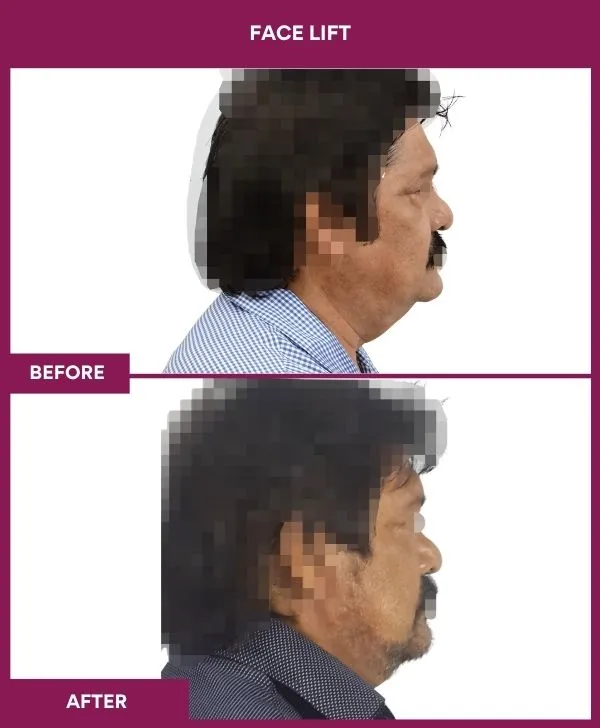
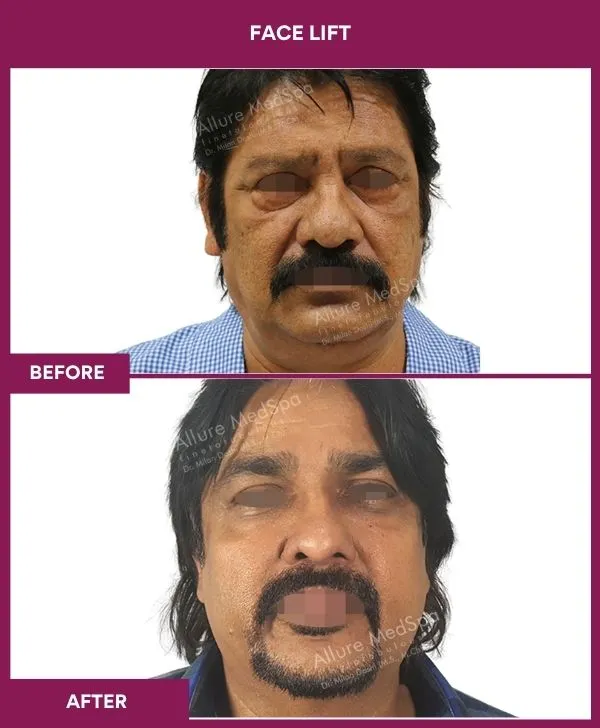
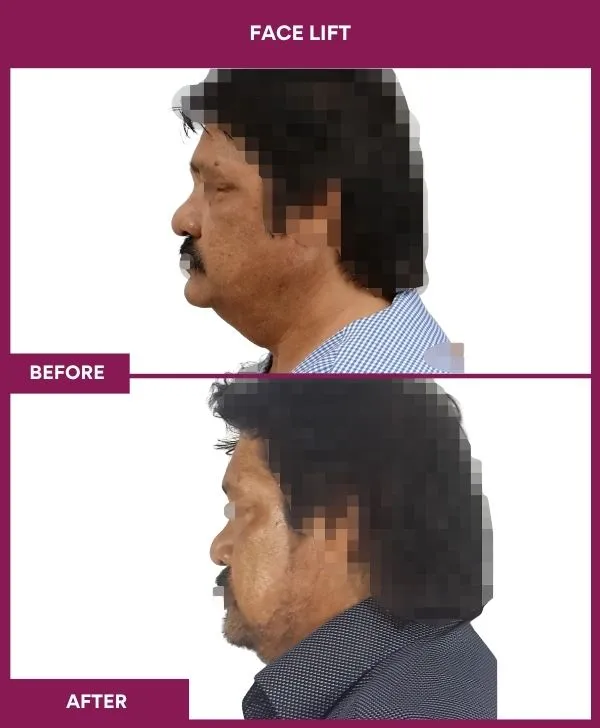
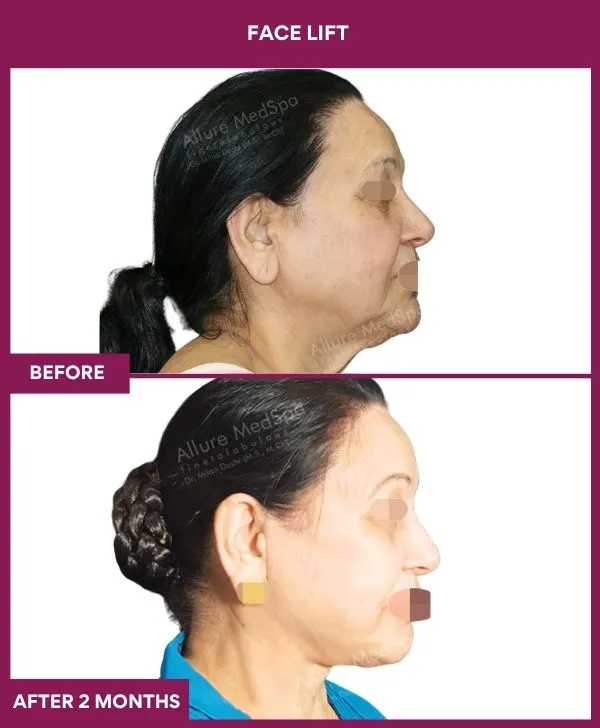
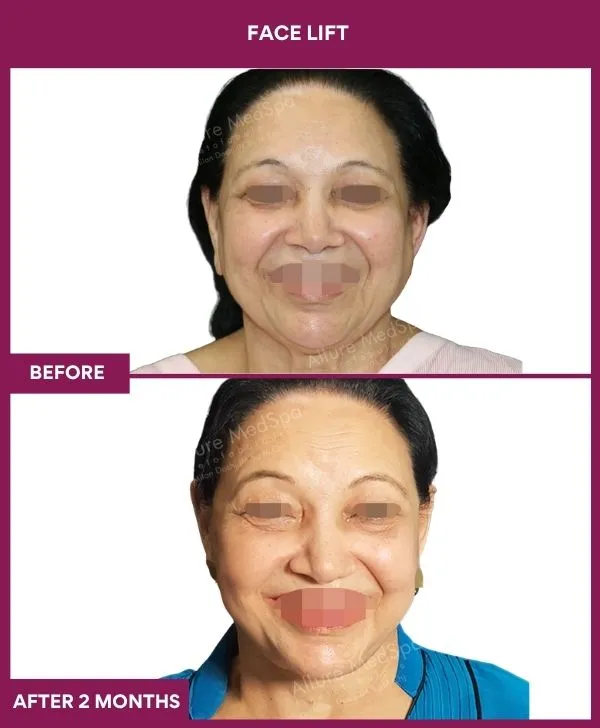
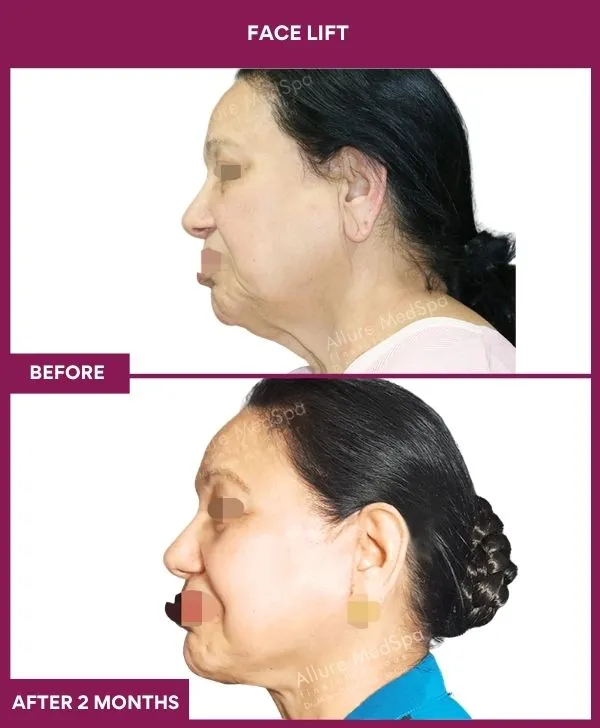
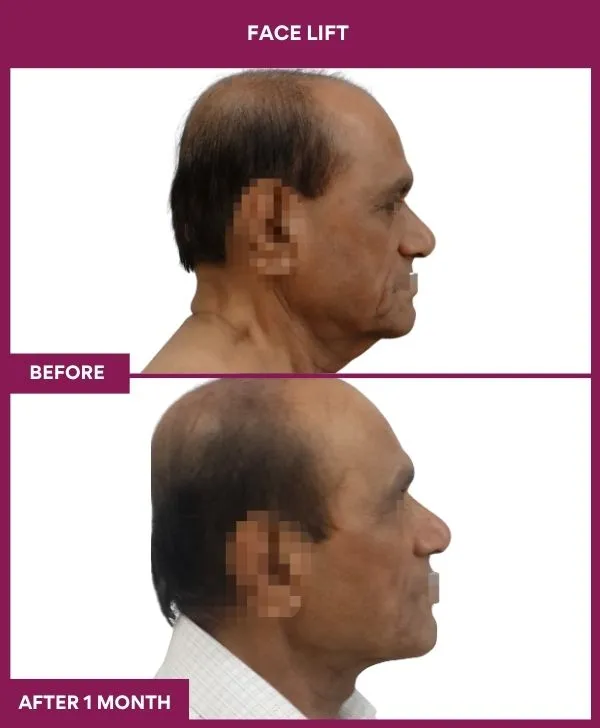
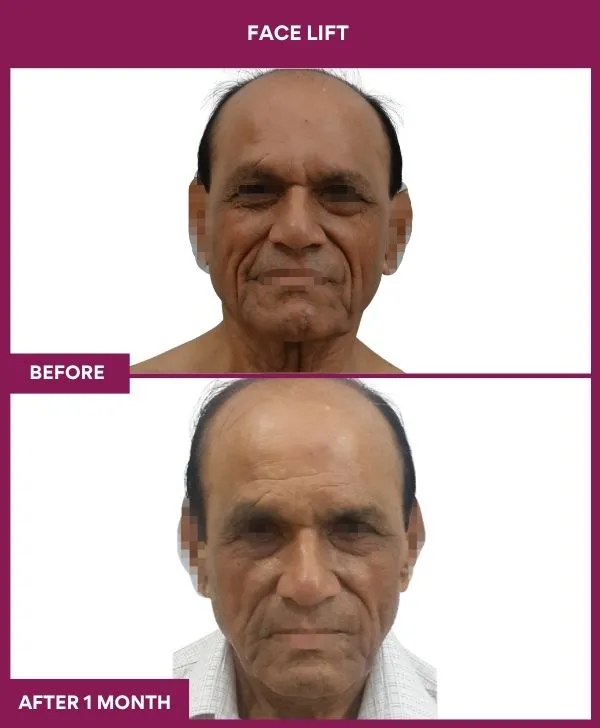
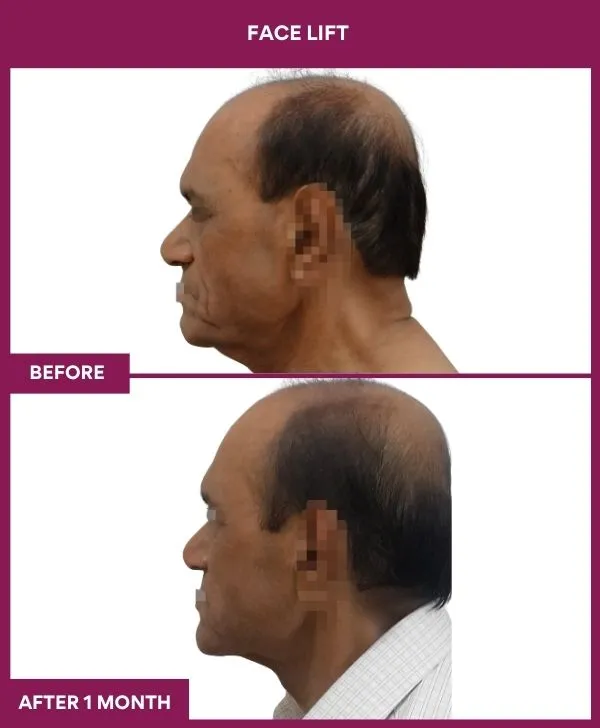
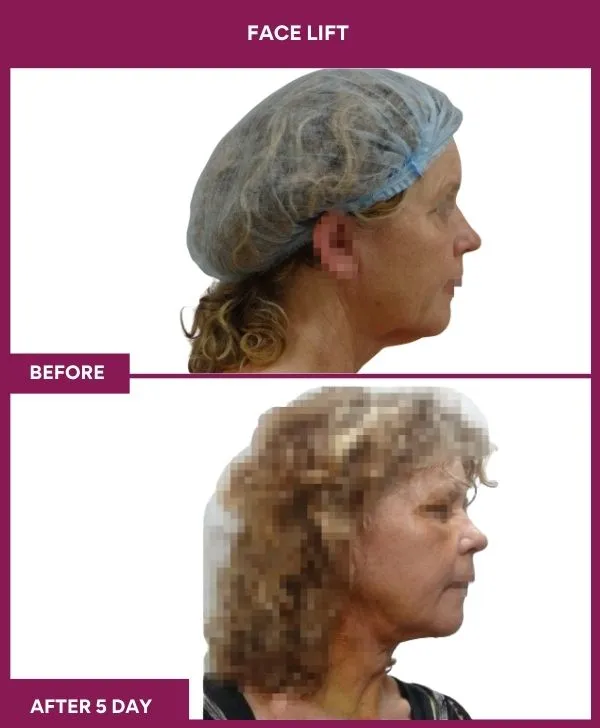
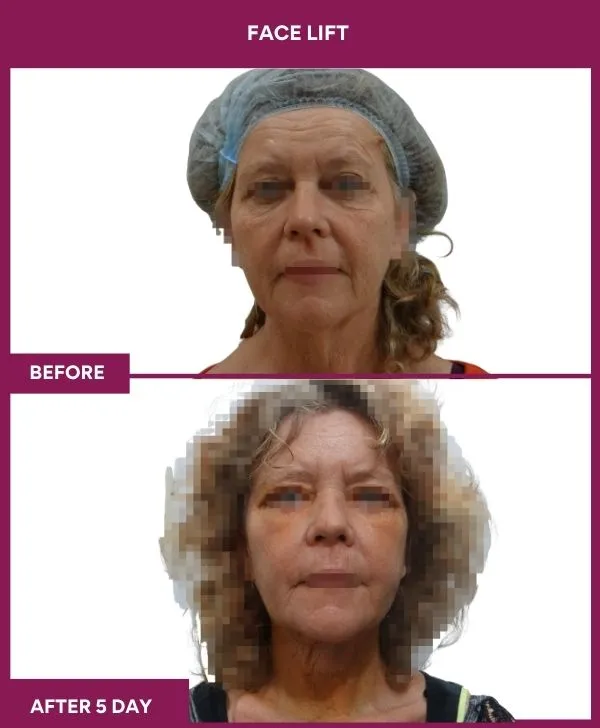
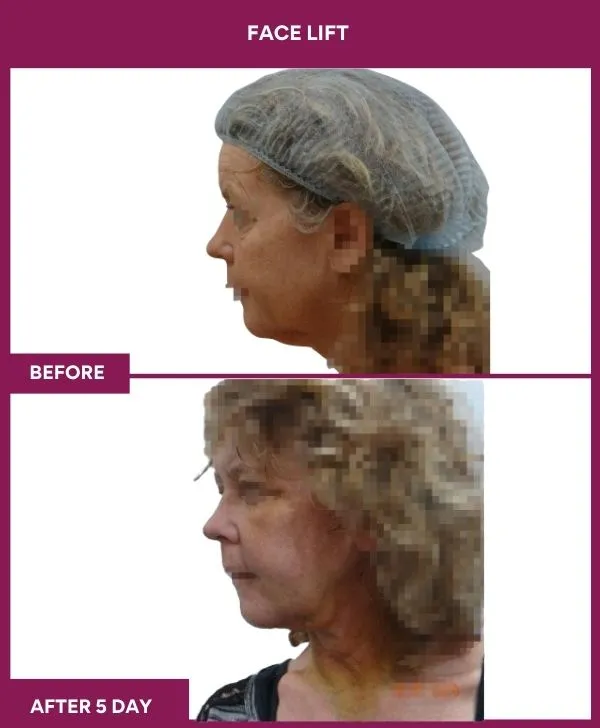
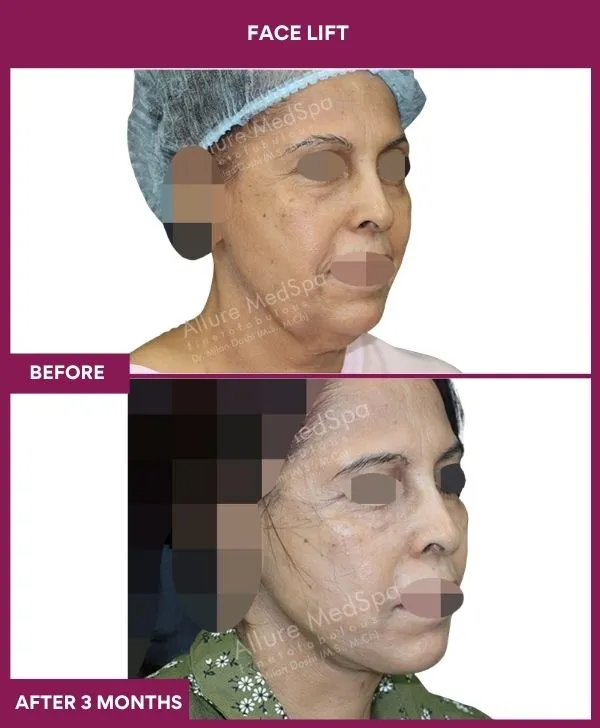
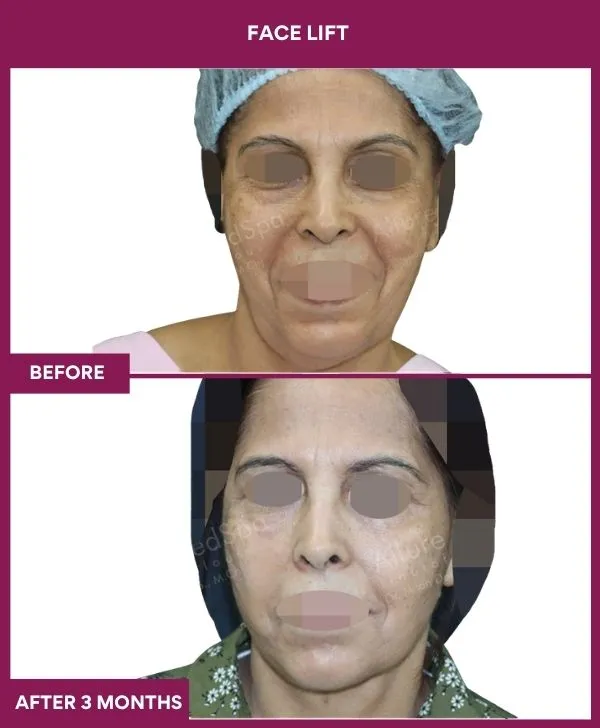
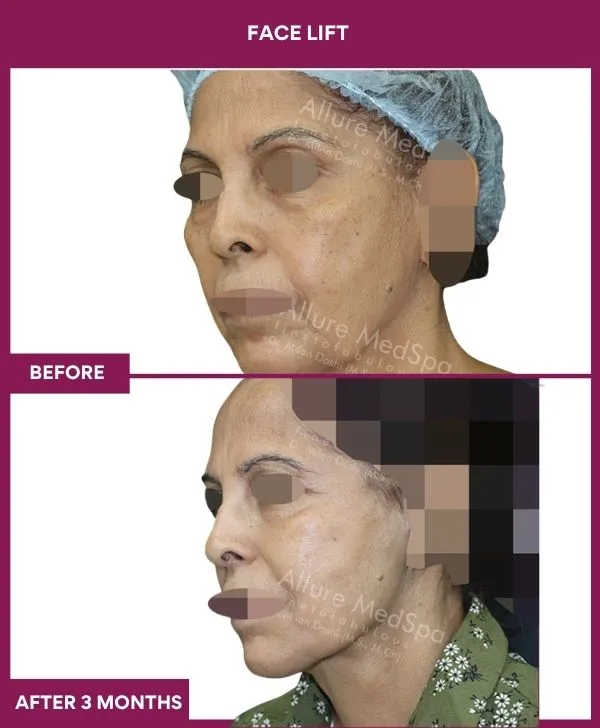
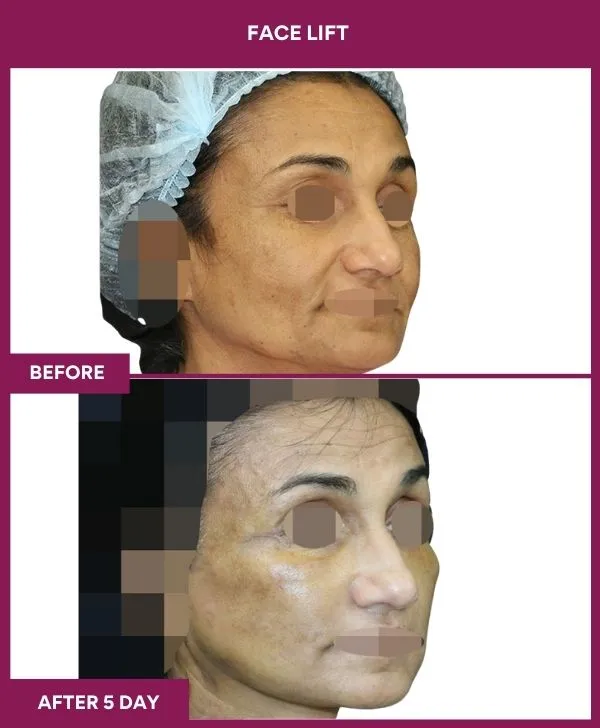
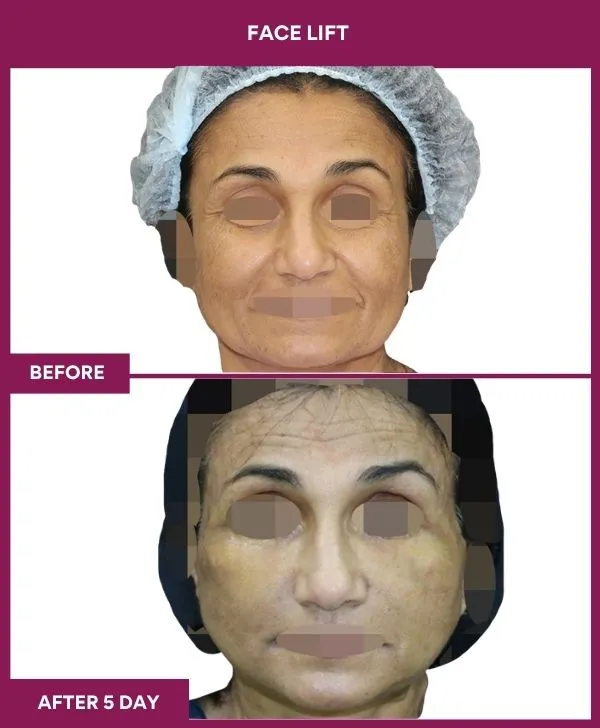
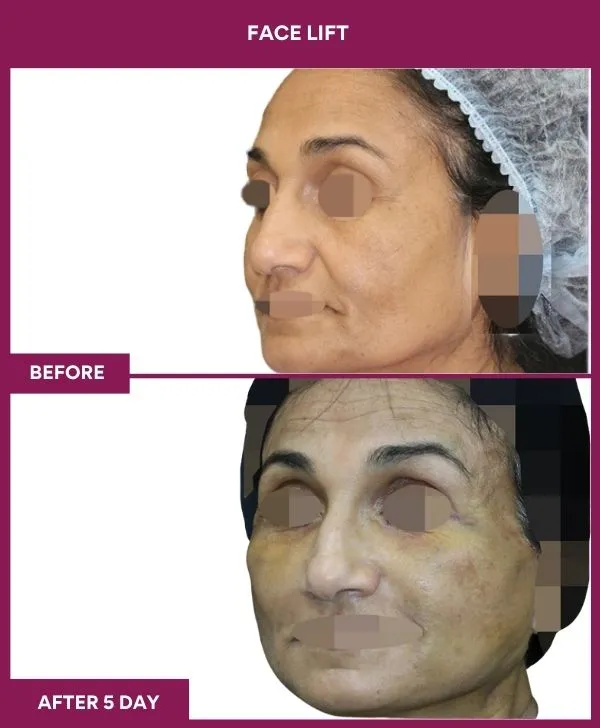
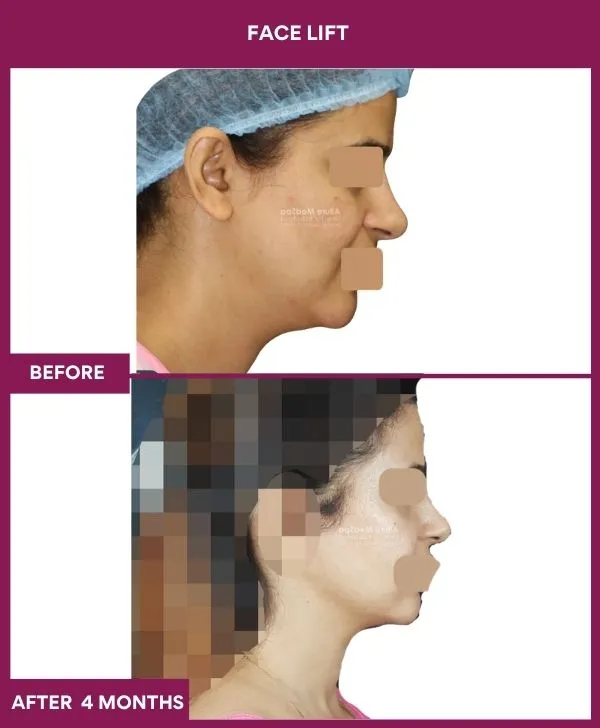
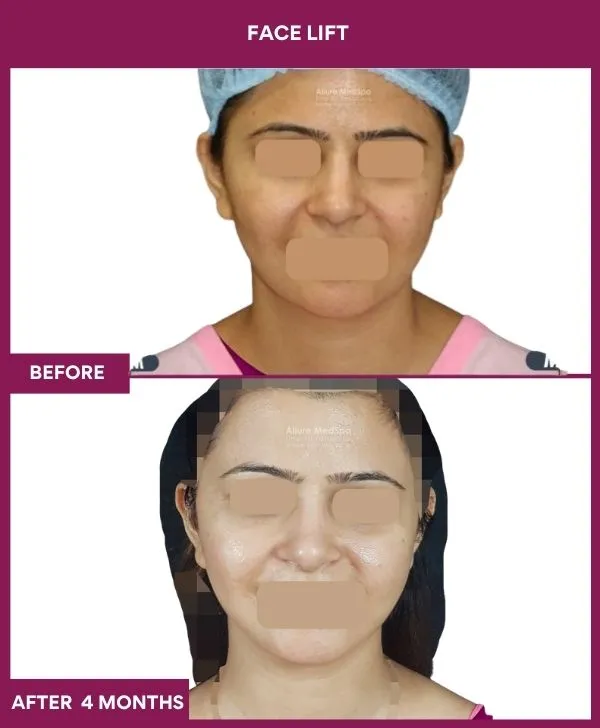
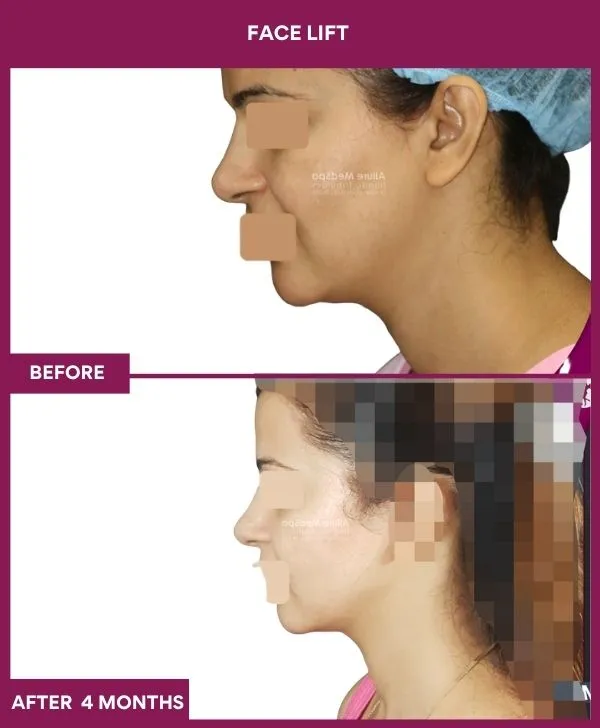
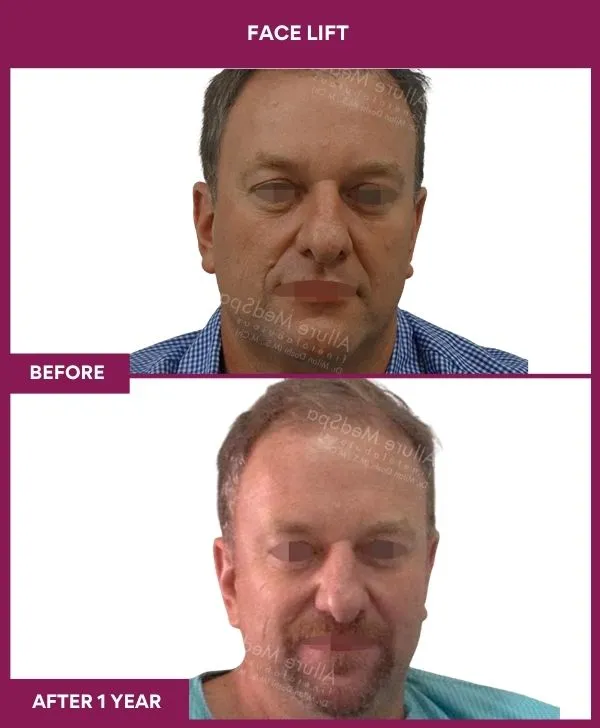
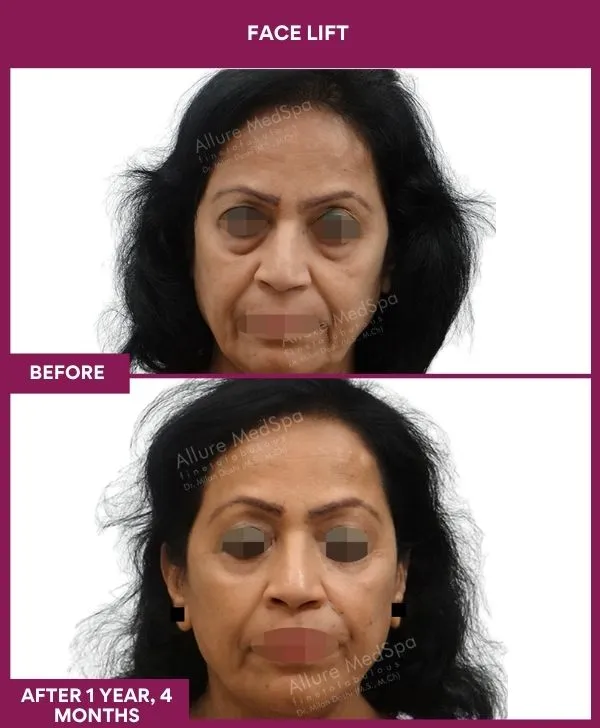
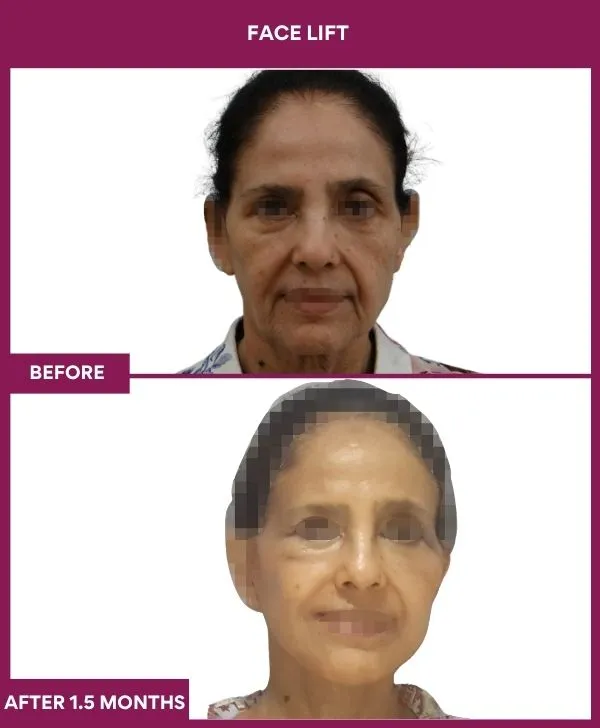
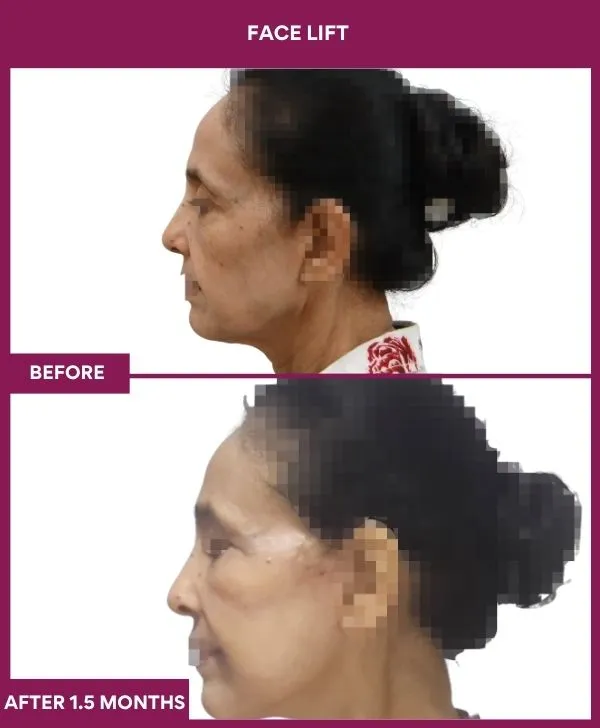
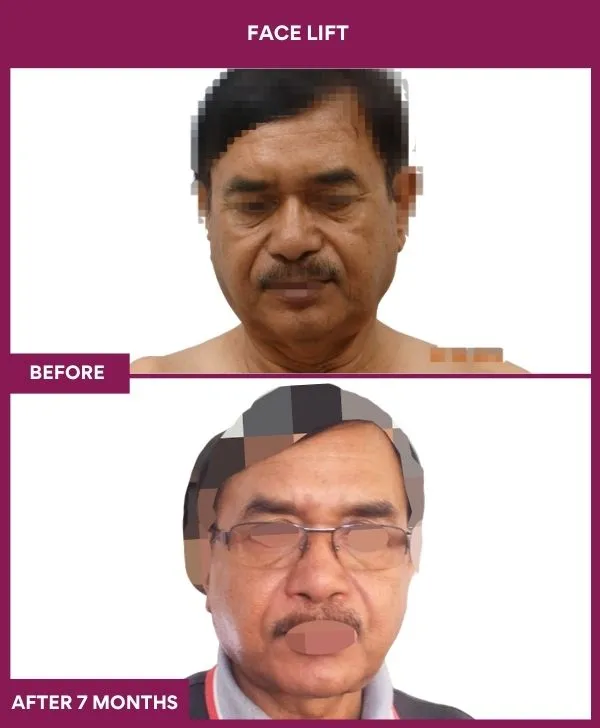
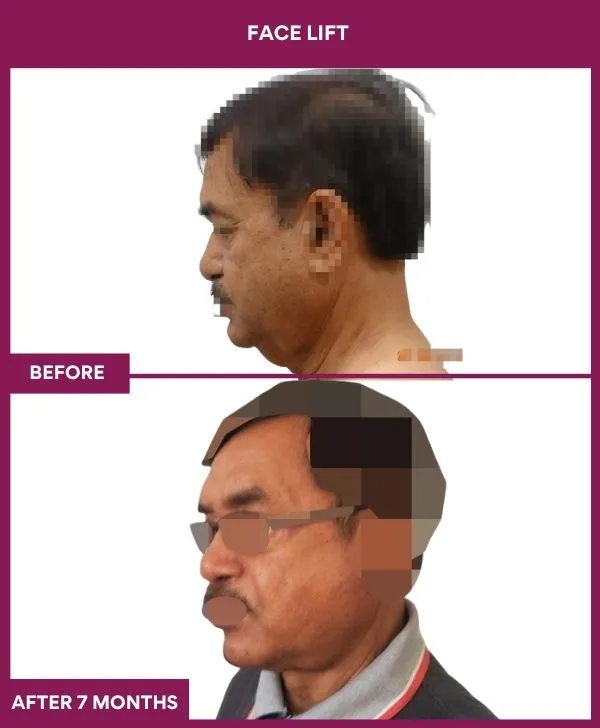
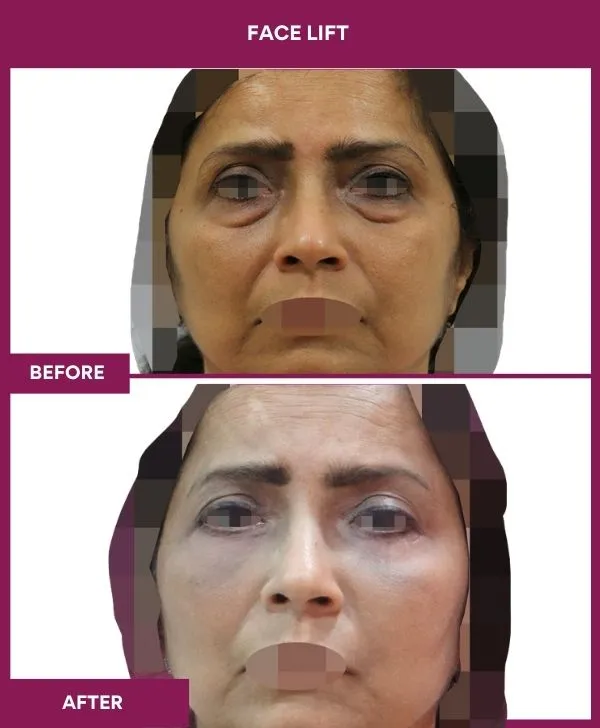
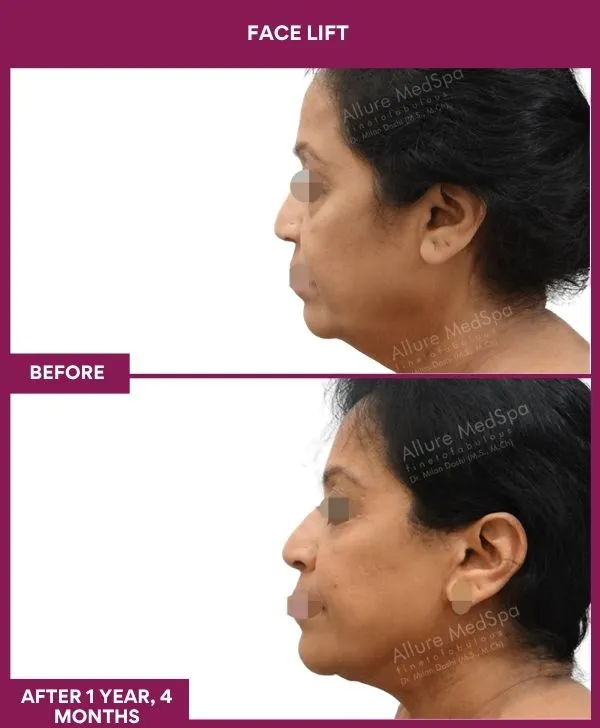
See real transformations from fine to fabulous — achieved with precision and care.
Jowls & Sagging Jawline Surgery Testimonials: Fine To Fabulous Journeys
Thousands have trusted Dr. Milan Doshi to turn back time with natural, youthful results.
Video: Jowls & Sagging Jawline Surgery Explained By Dr. Milan Doshi
Dr. Milan Doshi explains how a natural facelift is planned — technique, safety and realistic results.
How Advanced Is My Jawline Candidate?
(4 quick questions)
Quick Facts About Jowls & Sagging Jawline
TIME REQUIRED
2–4 hours
ANESTHESIA
General
HOSPITAL STAY
1–2 days
PAIN LEVEL
Mild–moderate
BACK TO WORK
10–14 days
RESULTS LAST
8–12 years
SUCCESS RATE
97–98%
COMPLICATIONS
Under 2–3%
How Much Does Jowls & Sagging Jawline Surgery Cost in Mumbai?
The cost of surgical treatment for jowls and a sagging jawline in Mumbai typically ranges from ₹1,60,000 to ₹2,20,000, depending on the severity of sagging, skin laxity, and the extent of jawline correction required.
At Allure Medspa, Dr. Milan Doshi, an Indian Board-Certified Plastic Surgeon (M.Ch, MS) and ISAPS Mentor, evaluates the degree of jowling and recommends a personalised surgical approach to restore a firmer, more defined jawline.
| Jawline Concern / Treatment | Indicative Price Range |
|---|---|
| Mild jowls – Mini facelift | ₹1,60,000 – ₹2,00,000 |
| Moderate jowls – Lower facelift | ₹1,70,000 – ₹2,20,000 |
+5% GST · Indicative packages include surgeon, anaesthesia, OT, hospital stay, medicines and follow-ups. EMI available.
Why the range moves: The severity of jowls, degree of skin laxity, underlying tissue descent, surgical complexity and individual jawline anatomy determine the final treatment cost.
Get your exact quote & surgery plan
Share your details — our team responds within working hours with cost, EMI options and next steps.
Most Common Question People Ask
Q1. What causes jowls?
Ans. Four things, usually together: skin and connective tissue losing elasticity, facial fat changing position and volume, mobile tissue ageing around fixed mandibular attachments, and age-related change in the jaw bone itself. Most faces are ageing in at least two of those layers, which is why two similar-looking jowls can need different treatments.
Q2. Jowls or a double chin - what is the difference?
Ans. Jowls sit along the jawline, beside the chin and in front of the jaw angle, and are loose skin and soft tissue above the platysma. A double chin sits below the jawline, in the submental area, and is usually fat. They can occur together, but they are different problems with different treatments, and confusing them sends people to the wrong operation.
Q3. Can you get rid of jowls without surgery?
Ans. Mild jowling, sometimes. Energy devices can tighten mildly lax skin, filler can rebalance a pre-jowl hollow, and threads may give a subtle temporary lift. None of them removes significant excess skin or repositions descended tissue. If the jowl is established, a non-surgical treatment will under-treat it.
Q4. At what age do jowls start?
Ans. There is no fixed age. Meaningful jowling is reported in some people in their mid-forties; others have much less lower-face laxity considerably later. Chin projection, skin thickness and inherited facial structure set the starting point more than habits do.
Q5. Will filler fix my jowls?
Ans. It depends what is actually there. Filler can improve a pre-jowl hollow the dip in front of the jowl and that can make the jawline read as more continuous. It does not lift descended tissue, and adding volume to an already heavy lower face can make it heavier.
Q6. Does a facelift fix jowls permanently?
Ans. A facelift repositions tissue at one point in time; it does not stop ageing. The correction is structural and lasts years rather than months, but the face continues to change afterwards at the rate it always did, from a better starting point.
Q7. Can exercise or facial massage get rid of jowls?
Ans. No. Jowls are skin, soft tissue, fat and bone change — not weak muscle. No exercise reverses connective-tissue lengthening or mandibular remodelling. Sun protection, not smoking and stable weight genuinely help the skin envelope, which is one part of the problem.
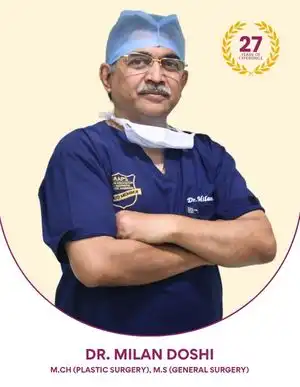
Why Choose Dr. Milan Doshi?
Dr. Milan Doshi, MCh, MS — Indian board-certified plastic surgeon with 27+ years in aesthetic surgery. ISAPS mentor, trusted by patients from 70+ countries. Consults at Andheri West; surgeries at the NABH-accredited surgical centre, Goregaon West.
Because this page spans five treatment routes, the value of a surgical opinion is that all five are available to recommend including the option of doing nothing yet. A practice offering one jawline treatment will find a reason to recommend it.
Dr Doshi Note: “Jawline treatment should be based on the anatomical layer causing the problem, not age or appearance alone. I prefer the least extensive treatment that can predictably correct the actual cause.”
The Complete Guide About Jowls and Jawline Ageing
What Are Jowls?
Jowls are areas of loose skin and subcutaneous soft tissue that develop along the lower border of the face, usually beside the chin and in front of the jaw angle. As they become more prominent, the previously continuous jawline can look uneven, with fullness behind a hollow called the pre-jowl sulcus.
A detailed anatomical study describes the jowl as redundant skin and subcutaneous tissue situated above the platysma, with maximal fullness over the posterior portion of the deep mandibular attachment.
Nearby marionette or labiomandibular lines run downward from the corners of the mouth, but they are not the same thing as the jowl itself.
Jowling usually becomes more noticeable with facial ageing, but there is no fixed age at which it starts. Meaningful jowling is reported in some people in their mid-forties, while others develop much less lower-face laxity considerably later. Anatomy, genetics and lifestyle all influence timing.
What Causes Jowls? Four Structural Contributors
Jowls are better understood as a multi-layer ageing problem than simply as stretched skin. The main contributors are loss of skin and subcutaneous elasticity, redistribution of facial soft tissue, the interaction between mobile tissues and fixed mandibular attachments, and age-related skeletal remodelling that changes underlying jaw support.
| Contributor | What changes | Why the jawline looks different |
|---|---|---|
| Skin and subcutaneous laxity | Elastic connective tissue lengthens; skin becomes more redundant | Tissue hangs farther below the mandibular border |
| Soft-tissue and fat redistribution | Facial volume changes location and proportion with age | Lower-face fullness and adjacent hollowing become more obvious |
| Fixed versus mobile anatomy | Mobile tissue ages around relatively fixed mandibular and perioral attachments | Creates the transition between pre-jowl hollow, crease and jowl fullness |
| Skeletal remodelling | Chin and mandibular dimensions change with age | Less structural support beneath the lower-face envelope |
- Skin and soft tissue lose elasticity. With ageing, the mobile skin and connective tissue along the jaw become looser and less supportive. A jowl is therefore not simply a pocket of fat.
- Facial volume redistributes. Fat may decrease in some areas and increase or shift in others. This can create hollowing beside the jowl and fullness within it, so excessive fat removal may worsen ageing.
- Mobile tissue meets fixed attachments. The jowl forms over deeper mandibular attachments rather than a simple superficial ligament. These structures lie close to the marginal mandibular facial-nerve branch, which is important during surgery.
- The jawbone also changes with age. Age-related changes in the mandible and chin reduce structural support, which can soften jawline definition even when skin quality is relatively good.
Sources: Minelli L, Yang HM, van der Lei B, Mendelson B. The Surgical Anatomy of the Jowl and the Mandibular Ligament Reassessed. Aesthetic Plast Surg. 2023;47:170–180 · Mendelson B, Wong CH. Changes in the Facial Skeleton With Aging: Implications and Clinical Applications in Facial Rejuvenation. Aesthetic Plast Surg. 2012;36(4):753–760, PMID 22580543 · Hussein SM, Rames JD, Shehab AA, et al. How Does the Mandible Age? Comprehensive Artificial Intelligence-Assisted Shape Analysis in the White Population. Plast Reconstr Surg Glob Open. 2025;13(4):e6650, PMID 40264908 · Mayo Clinic — Face-lift
What Makes Jowls Appear Earlier or More Noticeable?
Ageing is the main driver, but jowls do not appear at the same age or severity in everyone. Genetics and facial structure affect baseline support, while cumulative sun exposure, smoking and substantial weight fluctuations can worsen skin quality or change the facial soft-tissue envelope.
- Genetics and facial proportions. Less chin projection, a less prominent mandibular border, heavier lower-face soft tissues, thinner skin, earlier loss of elasticity, or family patterns of earlier facial ageing can all make relatively modest soft-tissue changes appear more visible.
- Sun exposure. Ultraviolet exposure accelerates skin ageing. Sun protection cannot prevent skeletal remodelling or all jowling, but it protects one important component: the skin envelope.
- Smoking. Damages collagen and elastin and reduces blood flow to the skin. It also matters greatly if surgery is eventually considered, because smoking increases facelift wound-healing and skin-complication risk.
- Repeated major weight change. Repeated gain and loss can alter facial shape and skin condition, making an already soft jawline more noticeable.
Sources: Mayo Clinic — Face-lift · Mayo Clinic — Skin Care: 5 Tips for Healthy Skin · American Society of Plastic Surgeons — Facelift
Can You Get Rid of Jowls Without Surgery?
Non-surgical treatments can improve selected mild jowling, but they cannot reproduce what surgery does in an established structural jowl. Energy devices can tighten mildly lax skin, fillers can restore or camouflage missing contour, and threads may temporarily reposition mildly descended tissue. None removes significant excess skin or performs a full surgical repositioning.
Energy-based tightening. Microfocused ultrasound and radiofrequency treatments can improve mild-to-moderate skin laxity in selected patients, although outcomes are more modest than surgical lifting. A systematic review of microfocused ultrasound concluded it can improve mildly to moderately lax facial skin.
Fillers. Dermal filler can add shape and volume to the jawline or pre-jowl area, improving the separation between jaw and neck. But filler does not remove hanging skin. The accurate framing: filler can camouflage or rebalance selected contours; it does not surgically lift established descended tissue. Adding too much volume to a heavy lower face can also be counterproductive, which is why anatomical selection matters.
Thread lifting. Threads can provide a subtle temporary change in mild laxity, producing subtle and temporary results rather than a surgical-equivalent correction.
→ Thread Lift · Non-Surgical Facelift · HIFU Treatment
Sources: Contini M, Hollander MHJ, Vissink A, et al. A Systematic Review of the Efficacy of Microfocused Ultrasound for Facial Skin Tightening. Int J Environ Res Public Health. 2023;20(2):1522, PMID 36674277 · Cleveland Clinic — Jawline Filler · Cleveland Clinic — Thread Lift
How Do You Match Treatment to Jowl Severity?
There is no single best treatment for every jowl. The useful approach is to match treatment intensity to anatomy: small early changes may justify conservative non-surgical treatment, while established skin and soft-tissue descent increasingly favour surgical repositioning. Neck laxity and pre-jowl volume loss can change the plan further.
The table below is a practical consultation framework, not a validated medical grading scale.
| Pattern | Typical finding | Options that may be considered | Owner page |
|---|---|---|---|
| Mild / early | Subtle jawline softening; little excess skin | Skin tightening, selected filler or threads | Thread lift / non-surgical |
| Moderate lower-face laxity | Clearer jowl with otherwise limited ageing | Mini or short-scar facelift in selected anatomy | Mini facelift |
| Established / advanced | Greater skin and soft-tissue descent | Comprehensive SMAS or deep-tissue facelift | Types & techniques / deep plane |
| Jowls + neck ageing | Lower-face descent with loose neck skin or platysmal bands | Face-and-neck surgical assessment | Neck lift |
| Pre-jowl hollow / skeletal-volume component | Depression before jowl breaking the jawline | Selected filler or fat grafting, sometimes alongside lifting | Fat injections / volume restoration |
Sources: Minelli L, et al. Aesthetic Plast Surg. 2023 · Cleveland Clinic — Facelift · Mayo Clinic — Face-lift
When Is a Facelift the Answer for Jowls?
A facelift becomes more relevant when the jawline problem comes from established skin and soft-tissue descent rather than a small contour hollow or mild surface laxity. Modern facelift surgery can reposition deeper supporting tissues and redrape genuine excess skin, providing structural correction that non-surgical treatments cannot reproduce.
Modern facelifts generally address not only skin but also the underlying soft-tissue or SMAS layer — tightening deeper tissues, repositioning the skin and removing true excess, with sagging around the lower jawline among the concerns addressed.
Does jowl correction require “mandibular ligament release”? Not universally, and this is where current anatomy deserves precise wording.
The Minelli study specifically found that the true deep mandibular attachment should not simply be released through a deep-plane approach, because the marginal mandibular nerve lies extremely close to it.
Selected superficial tethering or subperiosteal manoeuvres may be relevant in particular circumstances, but “release the mandibular ligament” is not an accurate universal explanation of facelift jowl correction.
The better principle: facelift surgery restores the jawline by repositioning lax deeper and superficial tissues according to the anatomy not by merely pulling skin tighter.
→ Facelift Surgery · Types of Facelift Surgery · Deep Plane Facelift
Sources: Minelli L, Yang HM, van der Lei B, Mendelson B. The Surgical Anatomy of the Jowl and the Mandibular Ligament Reassessed. Aesthetic Plast Surg. 2023;47:170–180 · Cleveland Clinic — Facelift · Mayo Clinic — Face-lift · Tarallo M, Cilluffo M, Papa F, Fanelli B. Retaining Ligaments of the Face: Still Important in Modern Approach in Mid-Face and Neck Lift? J Pers Med. 2025;15(12):582
Does Neck Ageing Change the Jowl Treatment Plan?
Often, yes. The jowl sits above the platysma, and the platysma is a neck muscle so the structure the jowl rests on continues down into the neck. A jawline plan made without examining the neck is made on half the anatomy.
Three neck findings change the plan:
- Platysmal bands — the vertical cords that appear when the muscle edges separate and slacken. These are a muscle problem. Tightening skin above them does not correct them, and a jawline lift performed over untreated bands can make the bands more obvious.
- Submental fullness — fat beneath the chin. If this is the dominant finding, the problem may be a double chin rather than jowls, and the treatment is different. Fullness below the jawline is submental; looseness along it is jowling.
- Loose neck skin — genuine excess below the jaw. Correcting the face and leaving this untreated produces a visible mismatch, because the eye reads the jawline and the neck as one continuous contour.
The jawline is the boundary between two regions, and a jowl treated without reference to the neck below it can leave the transition looking worse rather than better.
Can You Prevent Jowls?
You cannot completely prevent jowls, because ageing, genetics, skeletal remodelling and soft-tissue changes continue over time. You can reduce avoidable skin ageing and maintain a more stable facial envelope by protecting your skin from ultraviolet exposure, avoiding smoking and limiting major repeated weight fluctuations.
But prevention has limits. Healthy skin habits may slow one part of jawline ageing. They cannot freeze the ligaments, fat compartments, muscles or facial skeleton in time.
Sources: Mayo Clinic — Skin Care: 5 Tips for Healthy Skin · Mayo Clinic — Face-lift ·
Medical Codes for Jowl and Jawline Treatment
| CPT | Description | Possible ICD-10 |
| 15828 | Rhytidectomy (facelift), including neck and submental area | Z41.1 |
| 15825 | Rhytidectomy, neck with platysmal tightening | Z41.1 |
| 15829 | Rhytidectomy, SMAS flap | Z41.1 |
| 15822 / 15823 | Rhytidectomy, skin only / with fascial tightening | Z41.1 |
(FAQs) Frequently Asked Questions About Jowls and Jawline Ageing
| CPT | Description | Possible ICD-10 |
|---|---|---|
| 15828 | Rhytidectomy (facelift), including neck and submental area | Z41.1 |
| 15825 | Rhytidectomy, neck with platysmal tightening | Z41.1 |
| 15829 | Rhytidectomy, SMAS flap | Z41.1 |
| 15822 / 15823 | Rhytidectomy, skin only / with fascial tightening | Z41.1 |