Generic selectors
Exact matches only
Search in title
Search in content
Post Type Selectors
AM I A CANDIDATE FOR CHIN AUGMENTATION in Mumbai, India

Home » Am I a Candidate for Chin Augmentation? A Self-Checklist for Indian Patients

Am I a Candidate for Chin Augmentation? A Self-Checklist for Indian Patients

Many Indian patients first notice a “weak chin” in selfies or wedding photos – the nose looks bigger, the jawline looks soft, or the chin disappears into the neck. The question quickly follows: Do I really need chin augmentation – or are fillers enough?

This self-checklist will help you understand whether you might benefit from chin enhancement and what type (filler vs implant vs sliding genioplasty) is more appropriate. Final candidacy, however, is always decided in a one-to-one consultation.

For full procedure details, see
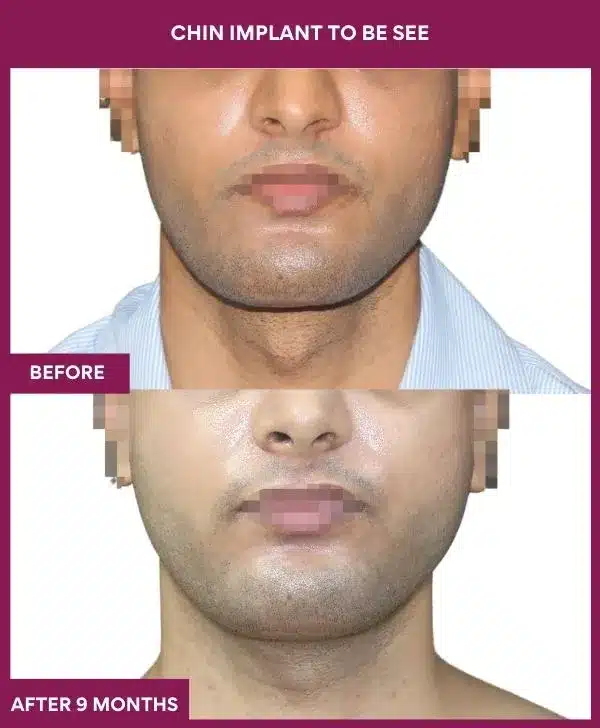
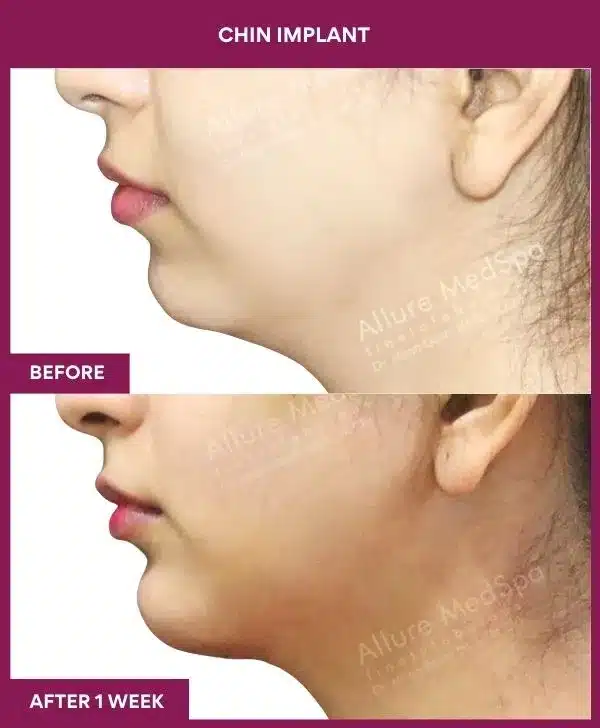
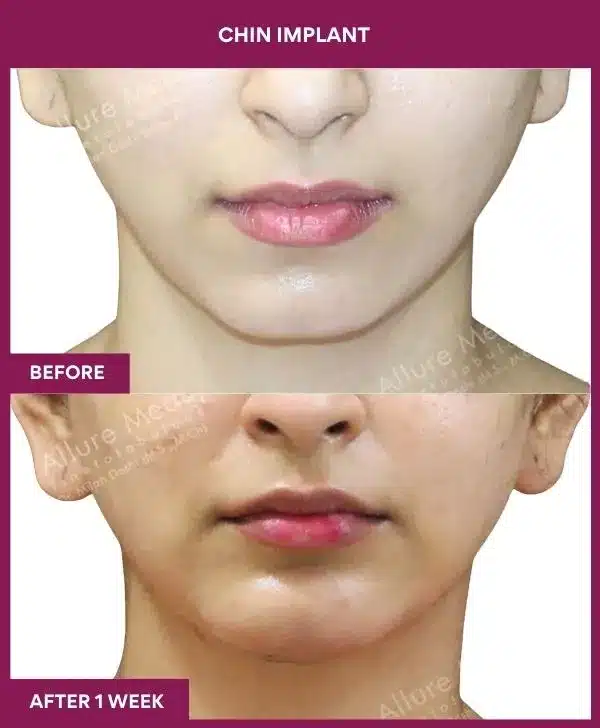
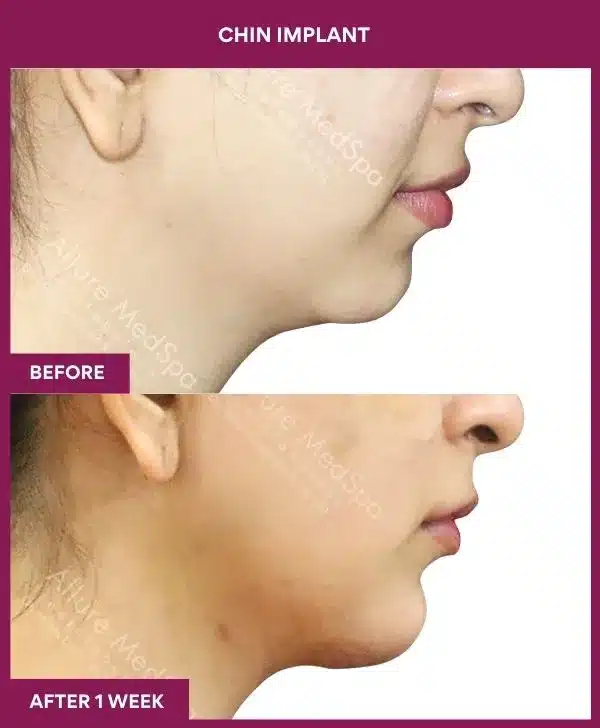
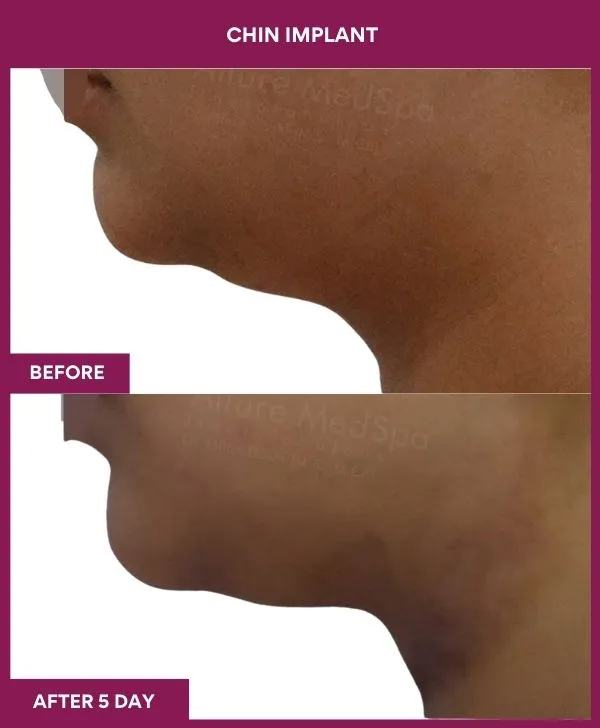
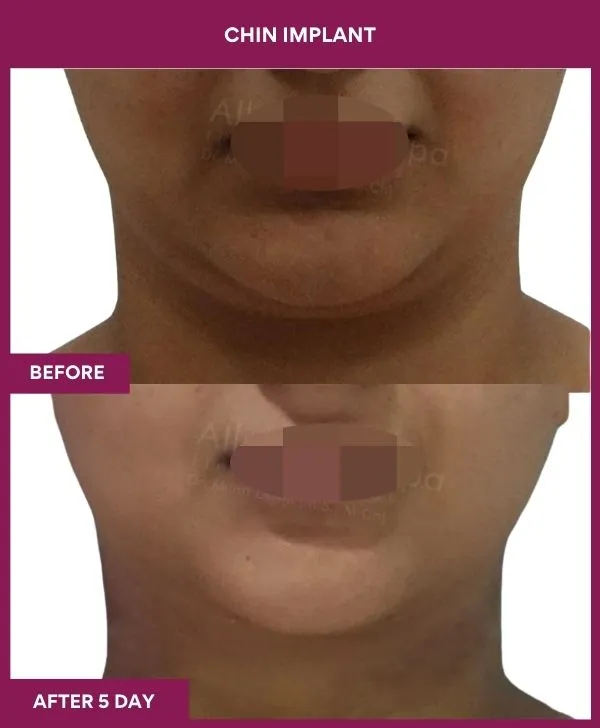
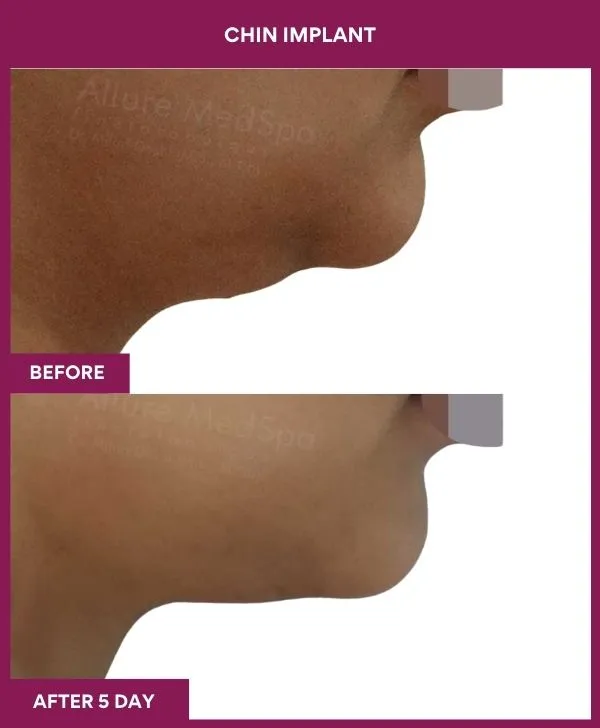
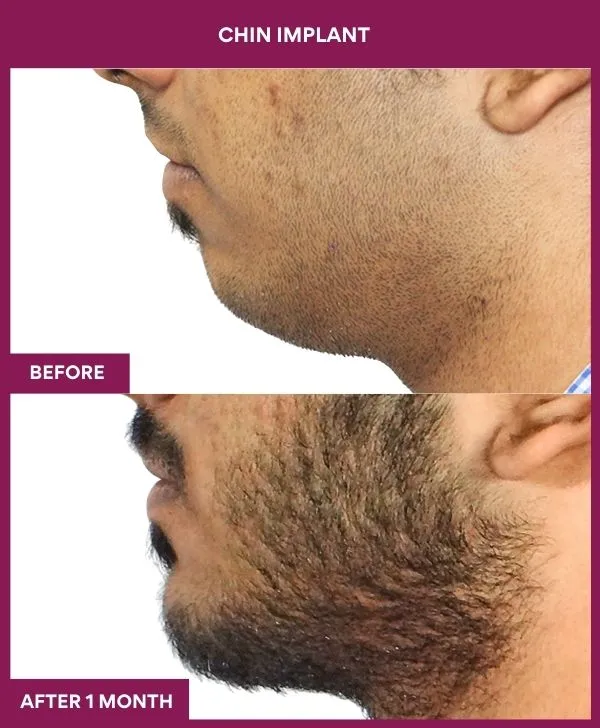
Chin Augmentation in Mumbai | Chin Augmentation Before & After Results

“Do you know that each Chin Augmentation surgery is different, so is the cost?”

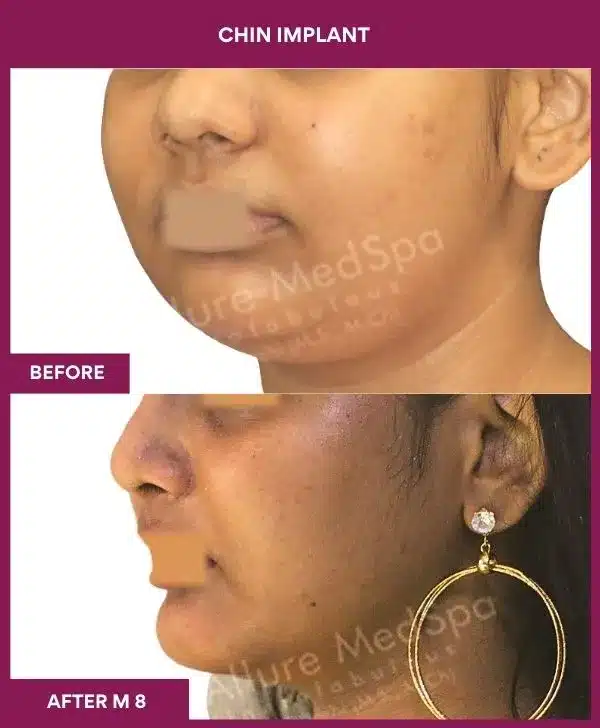
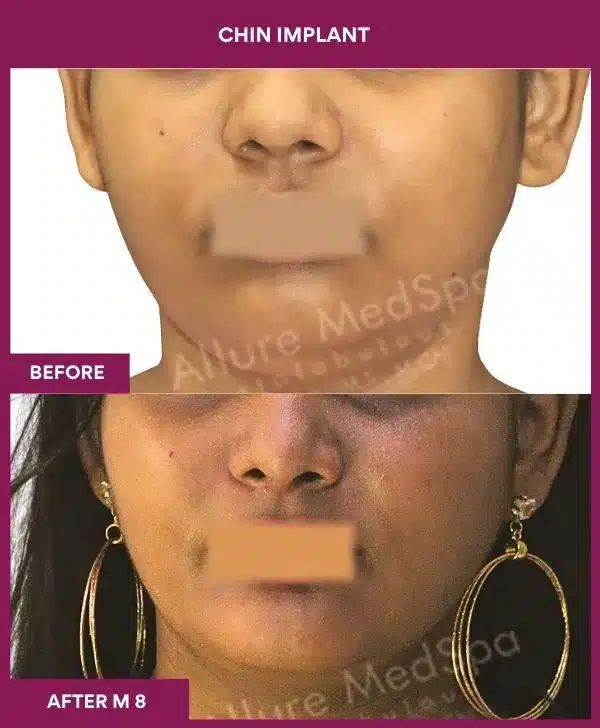
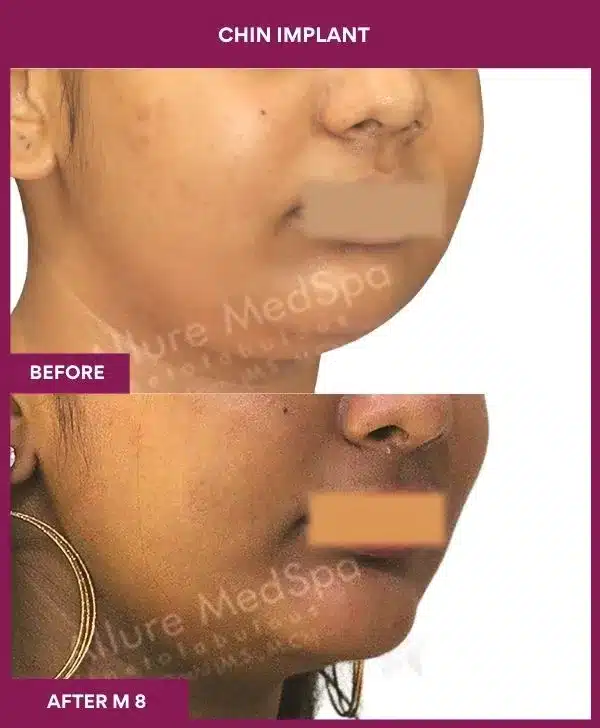
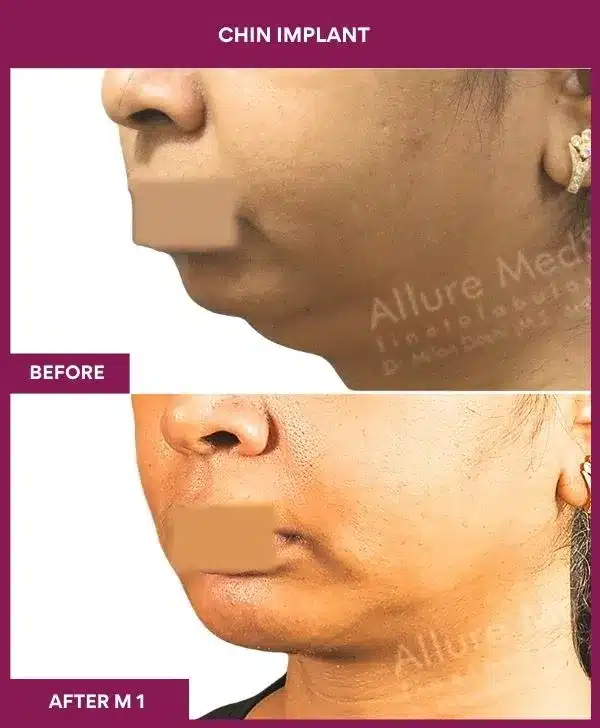
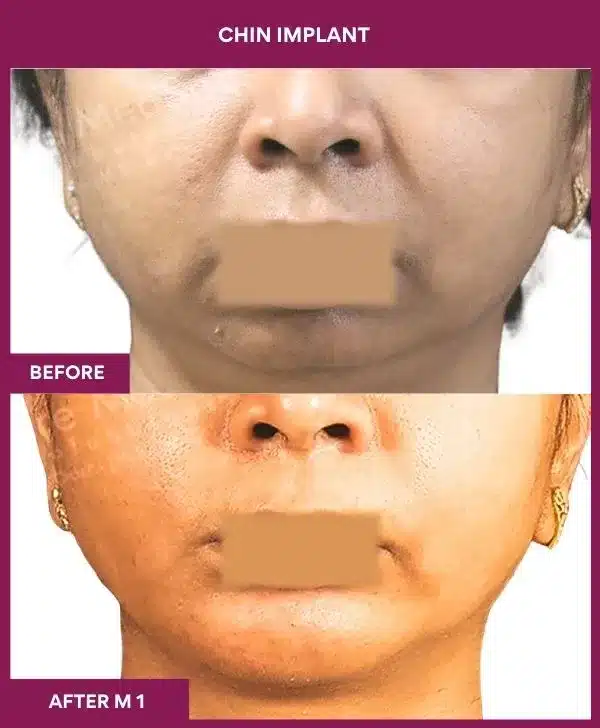
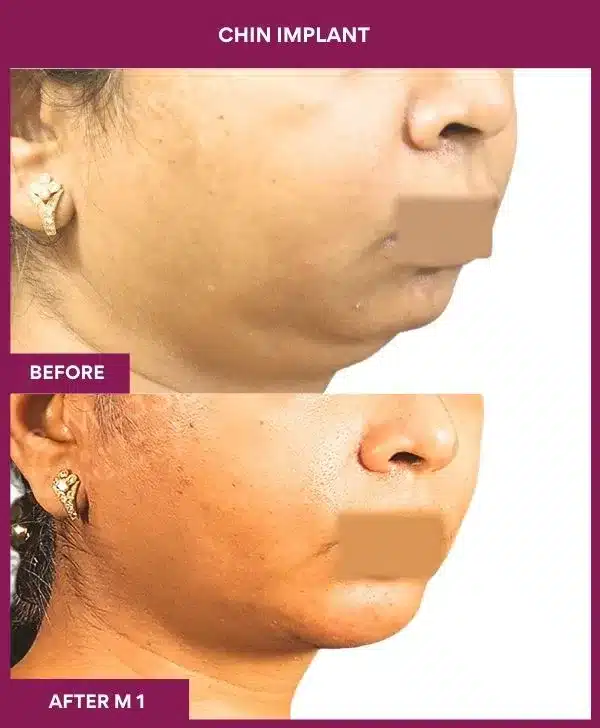
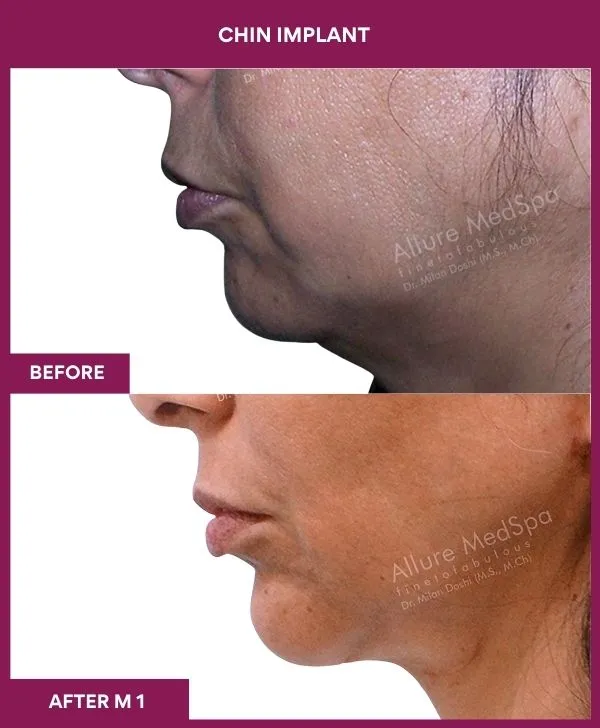
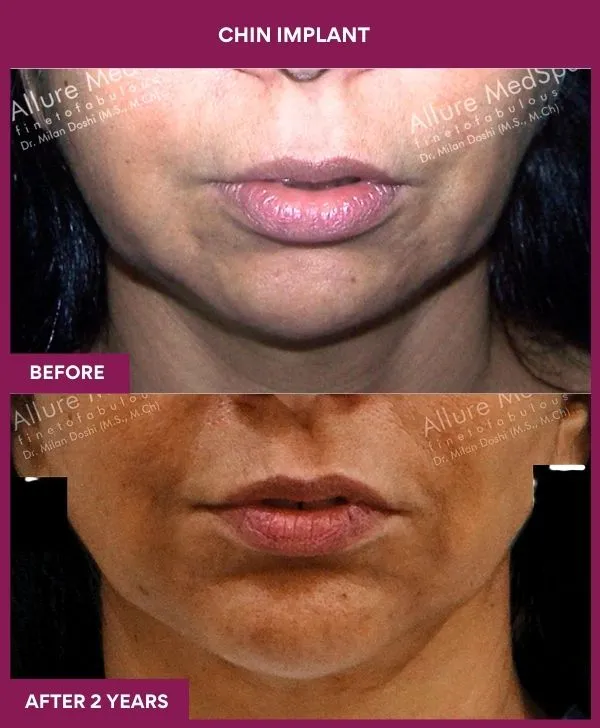
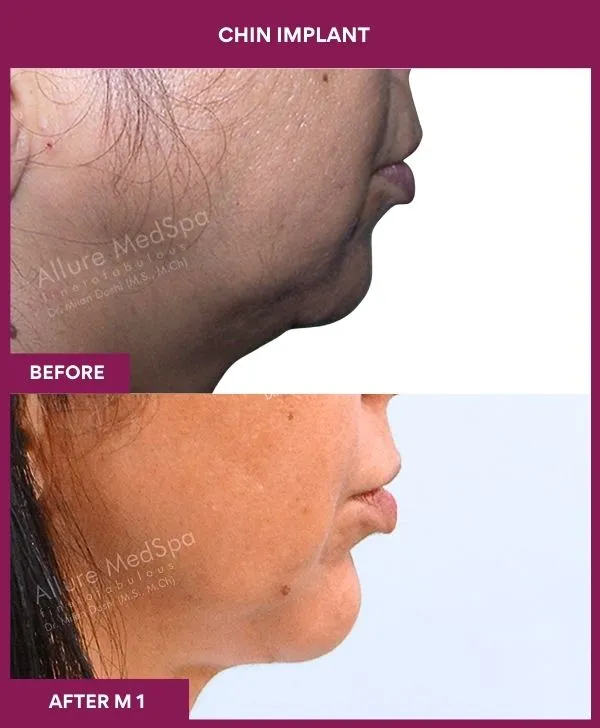
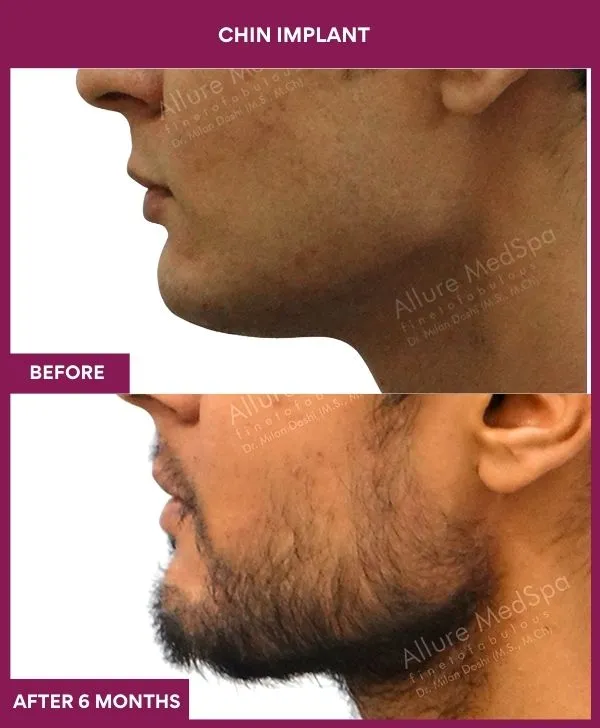
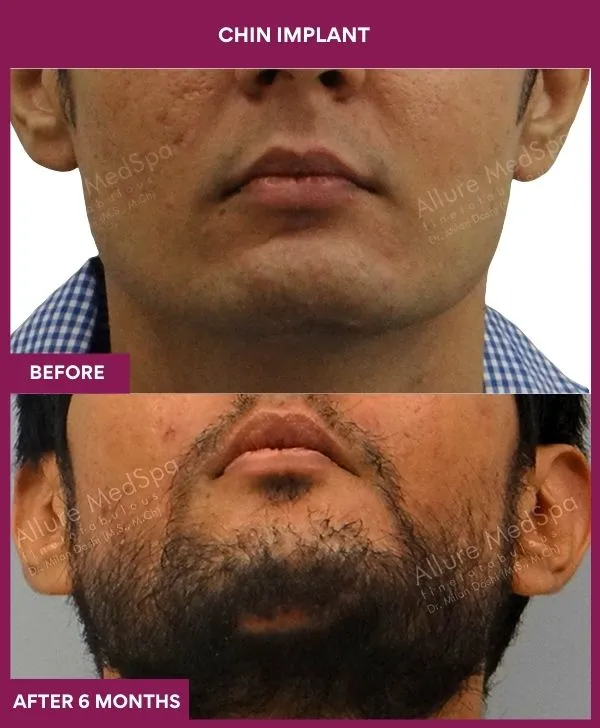
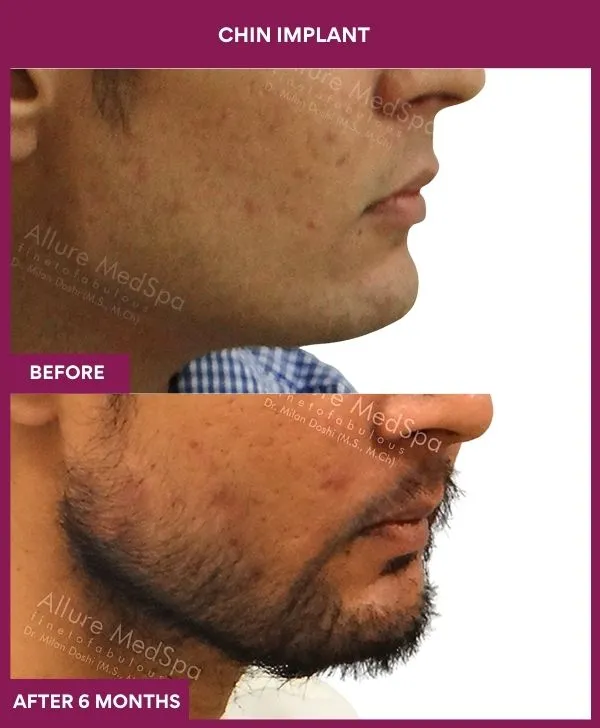
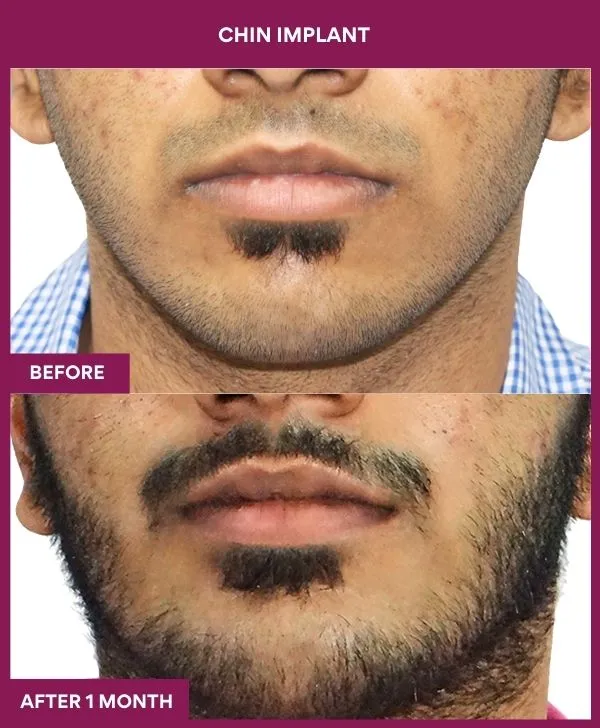
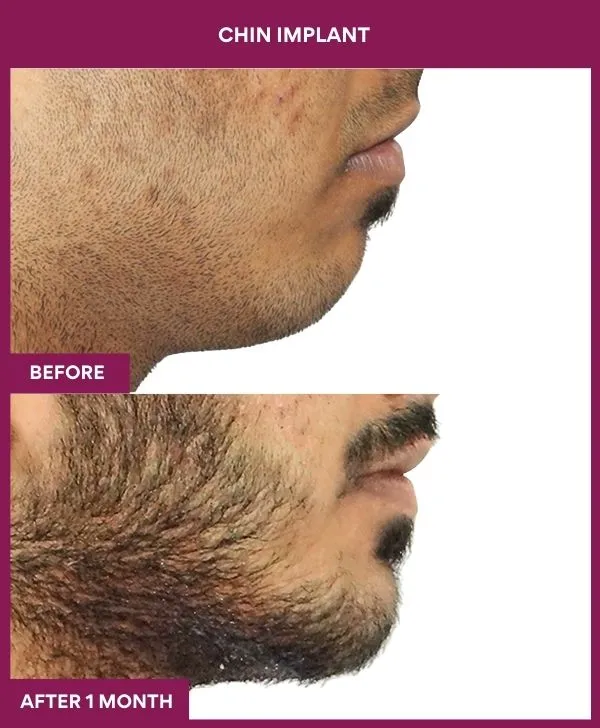
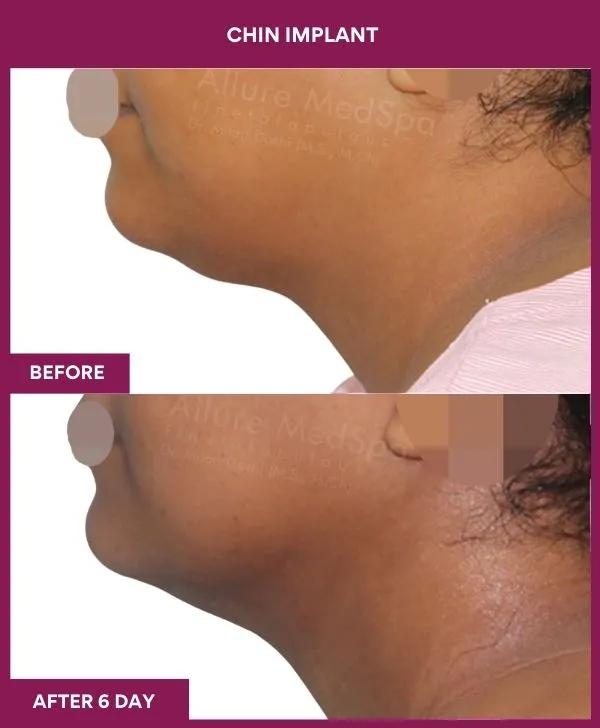
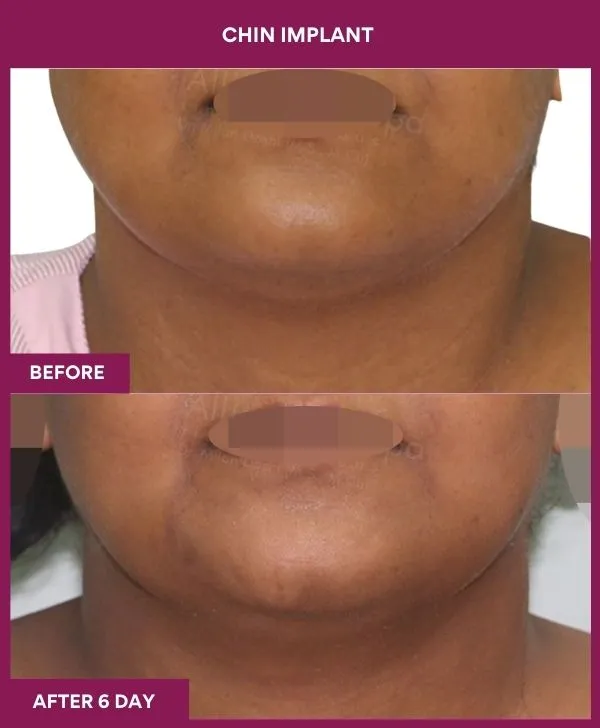
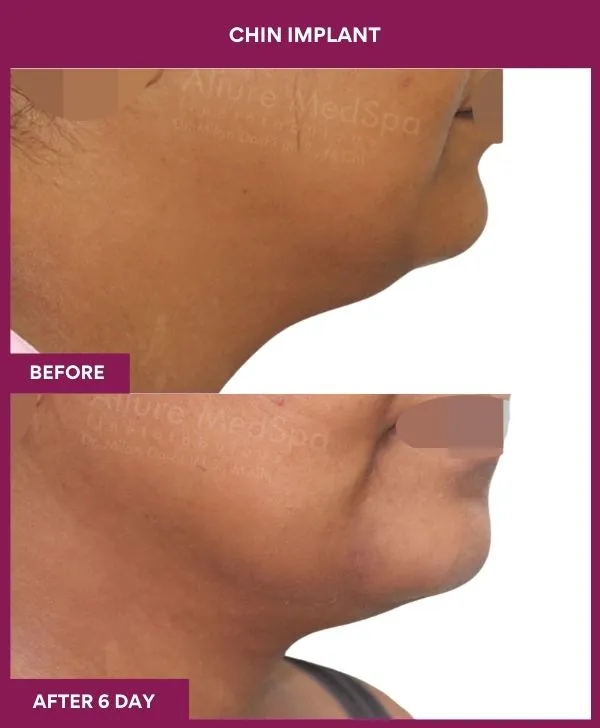
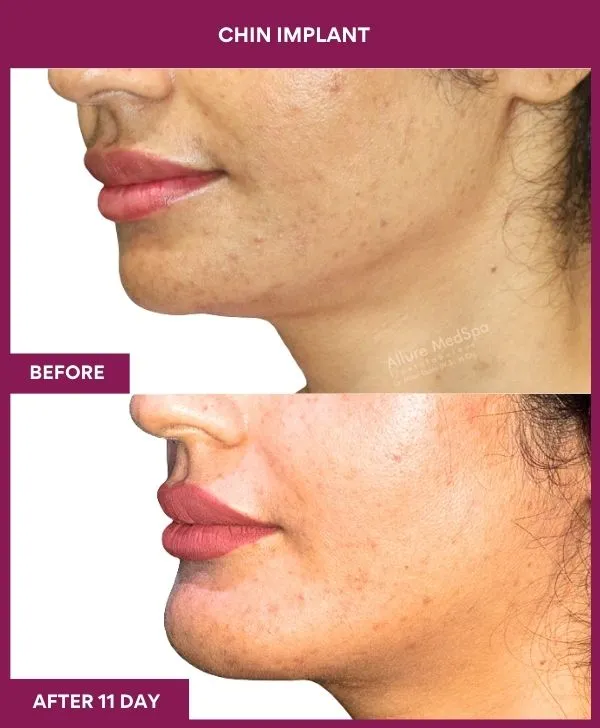
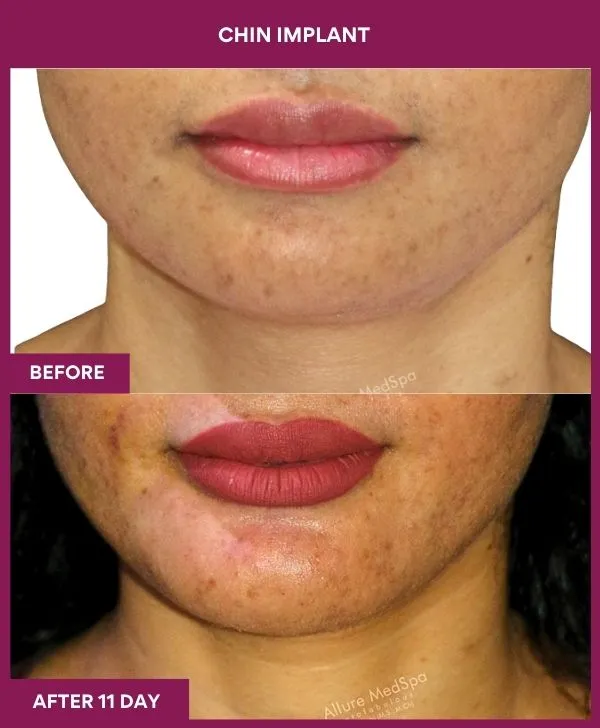
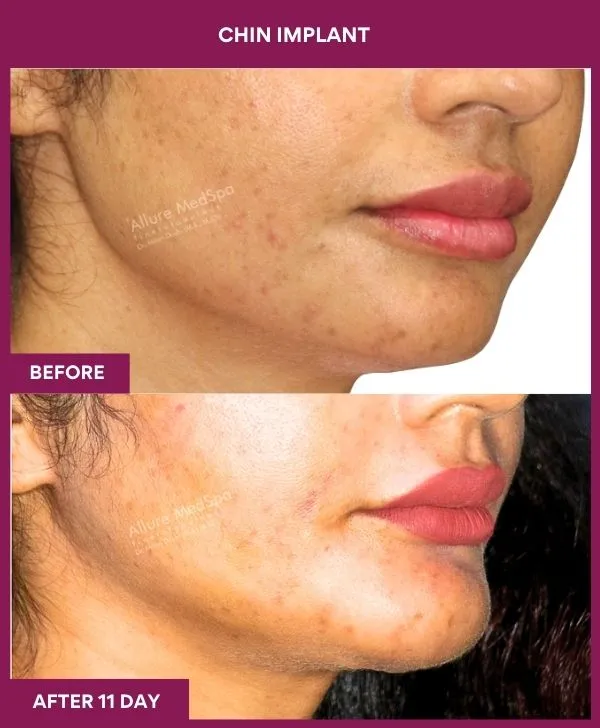
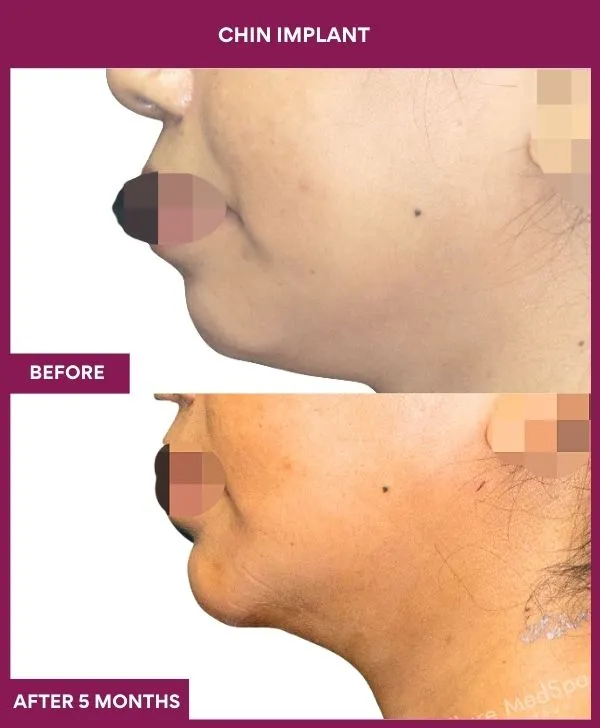
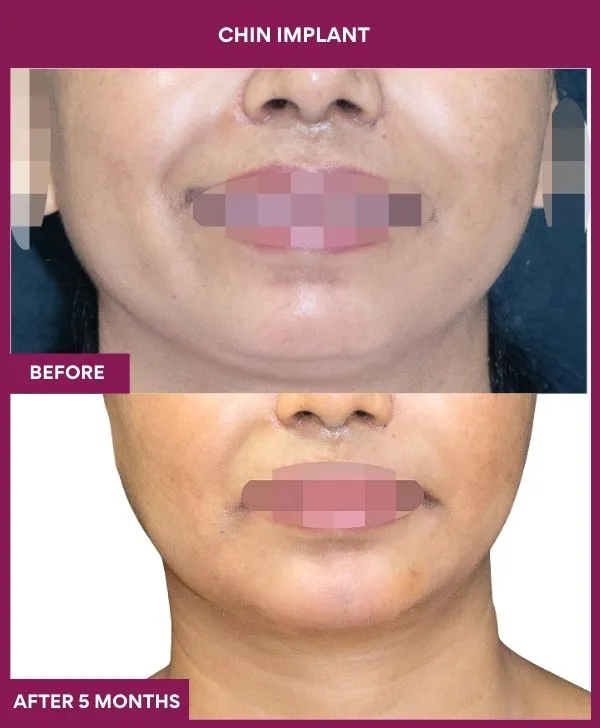
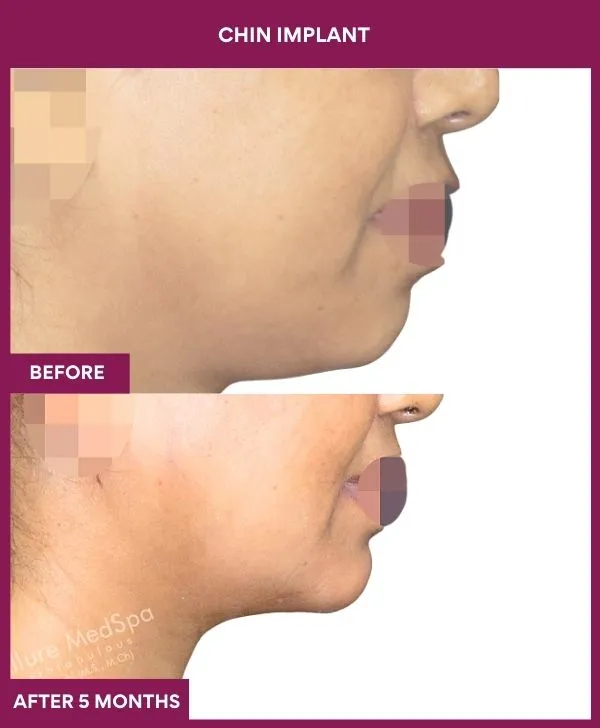
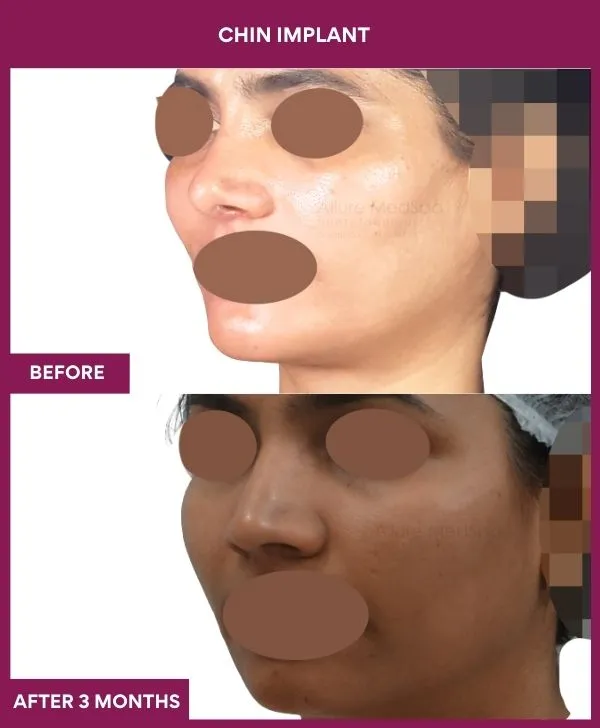
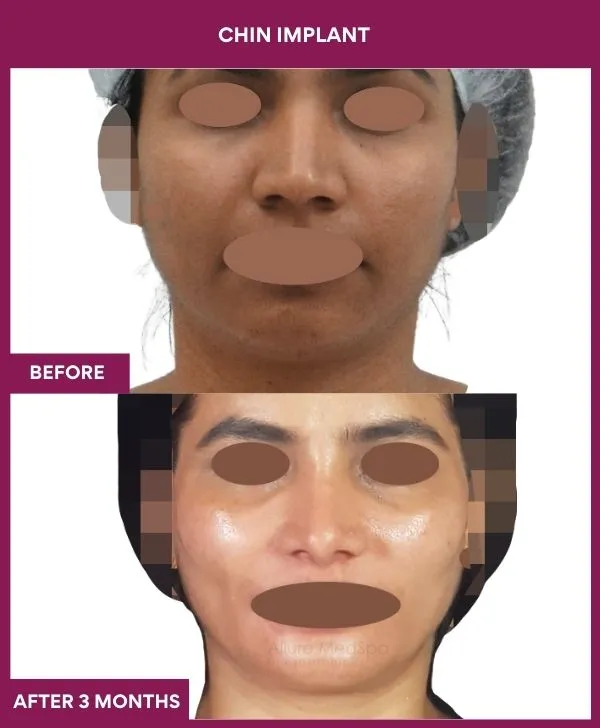
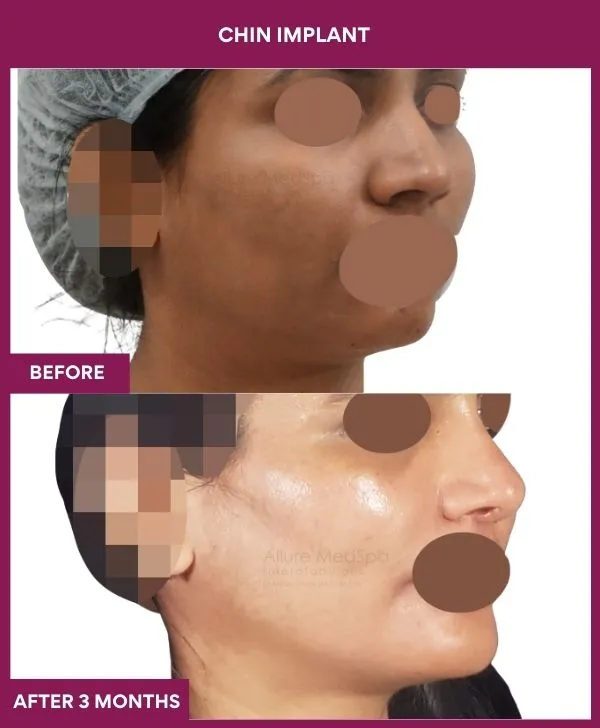
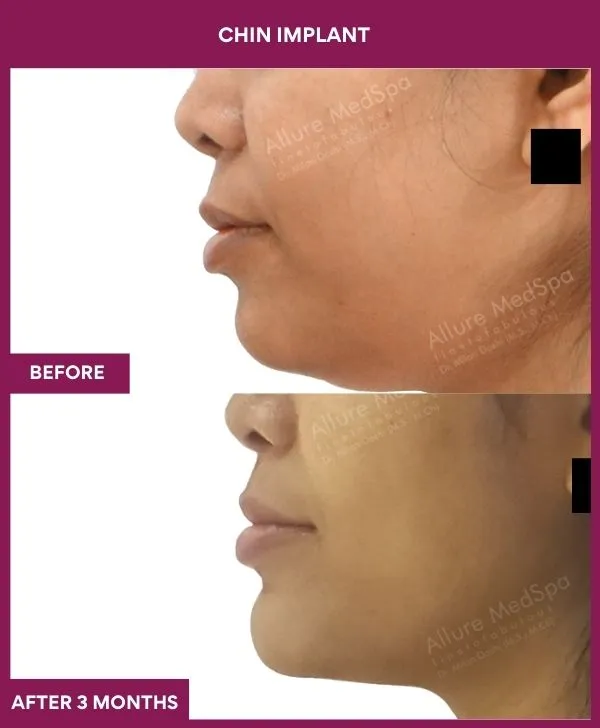
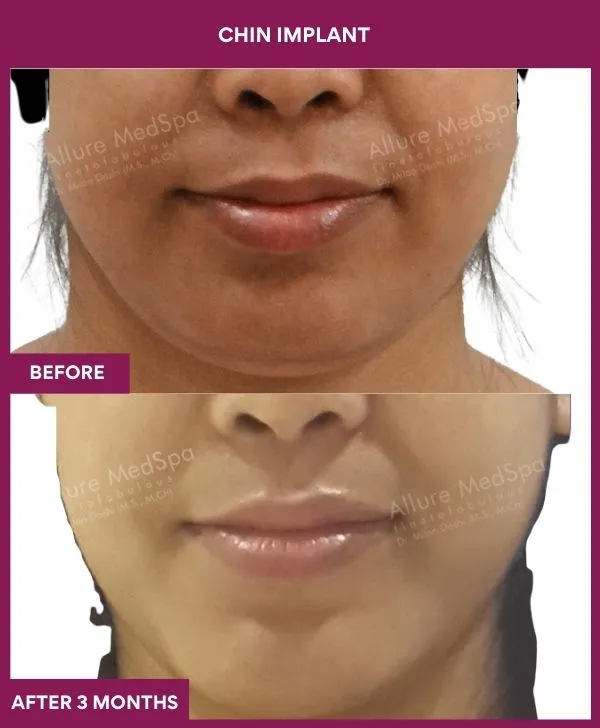
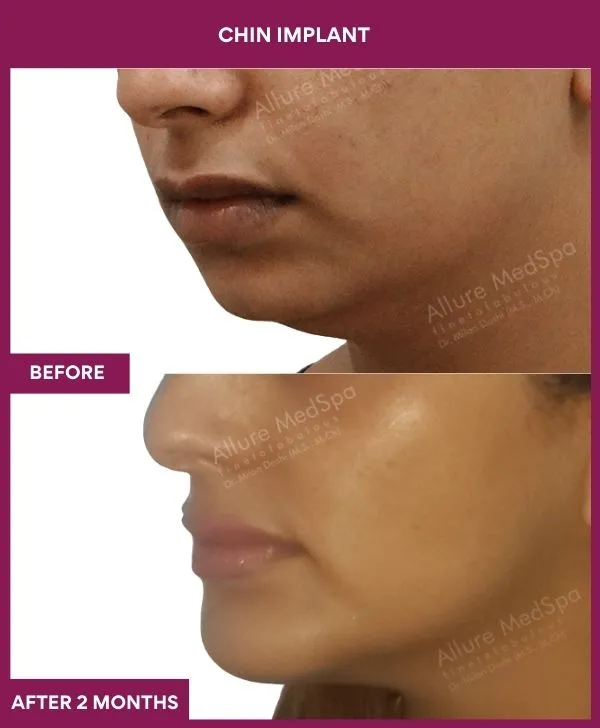
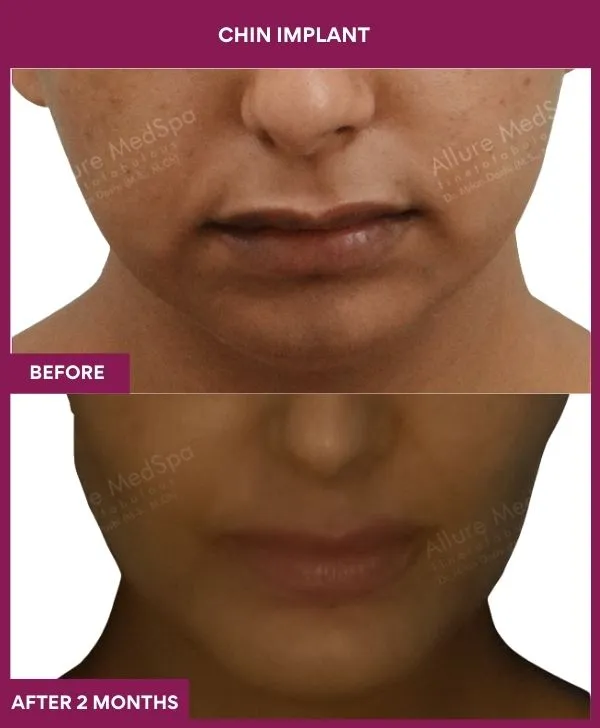
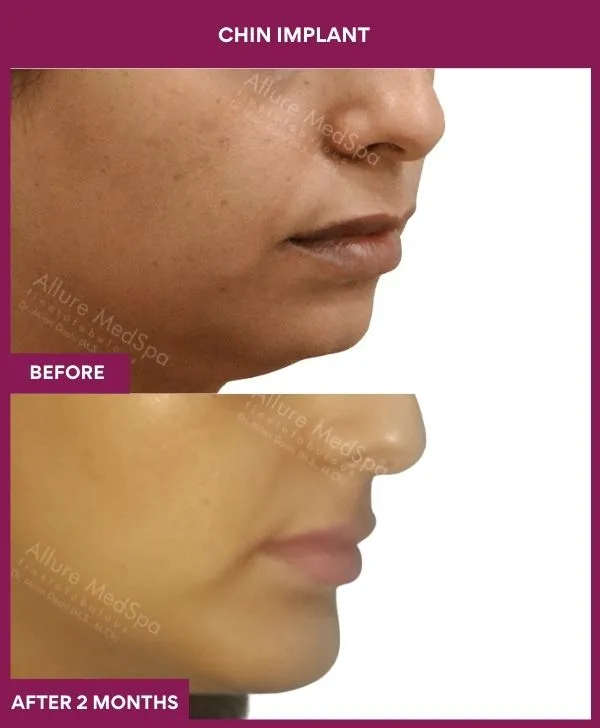
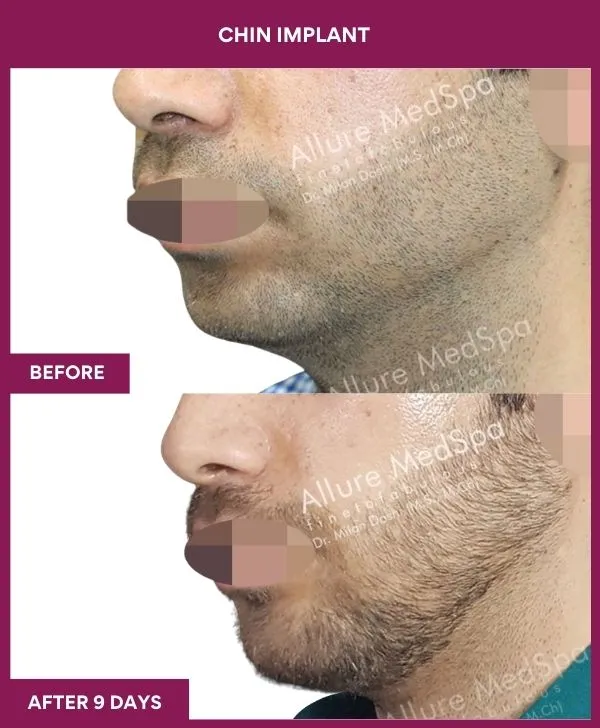
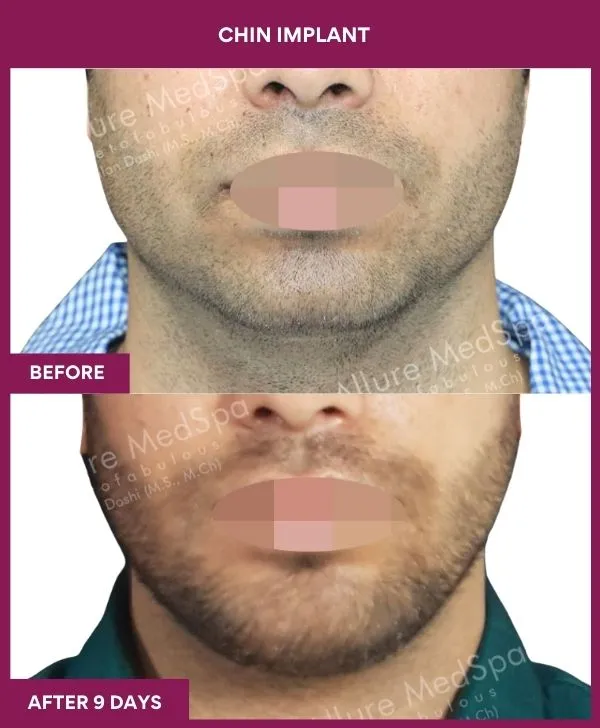
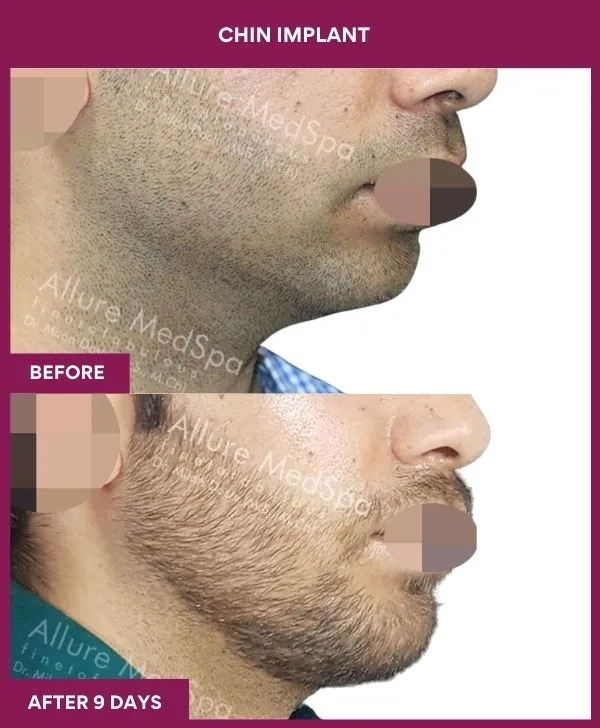
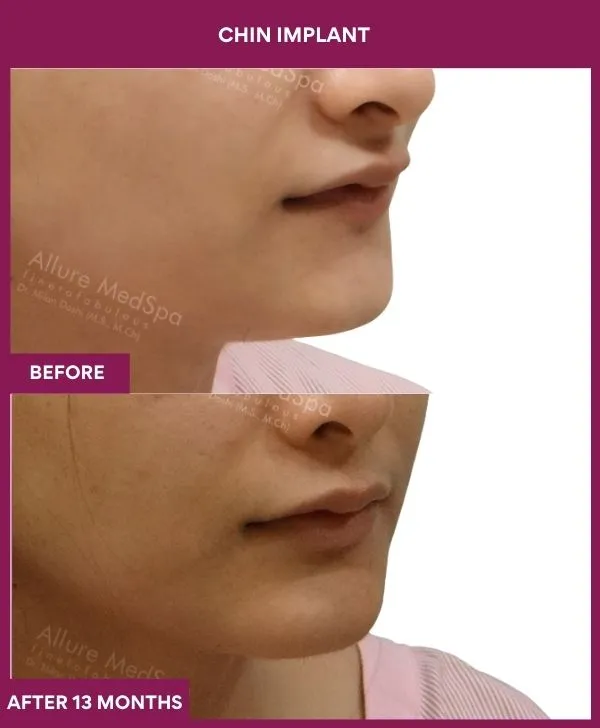
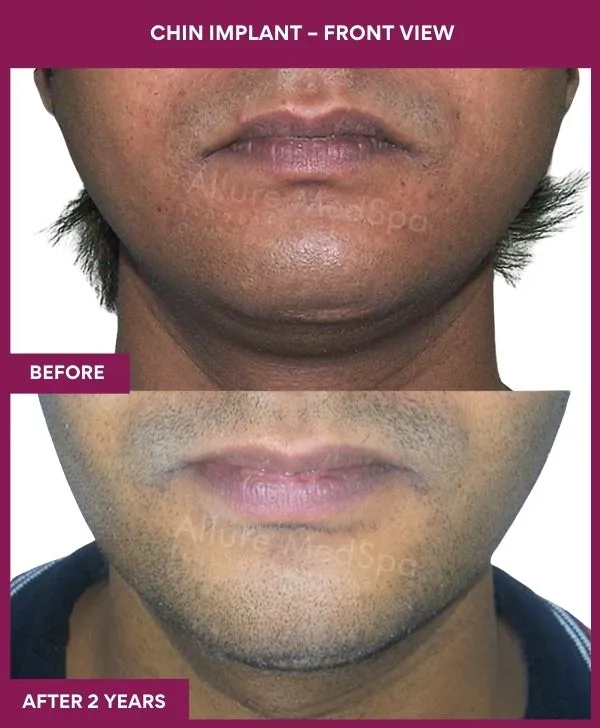
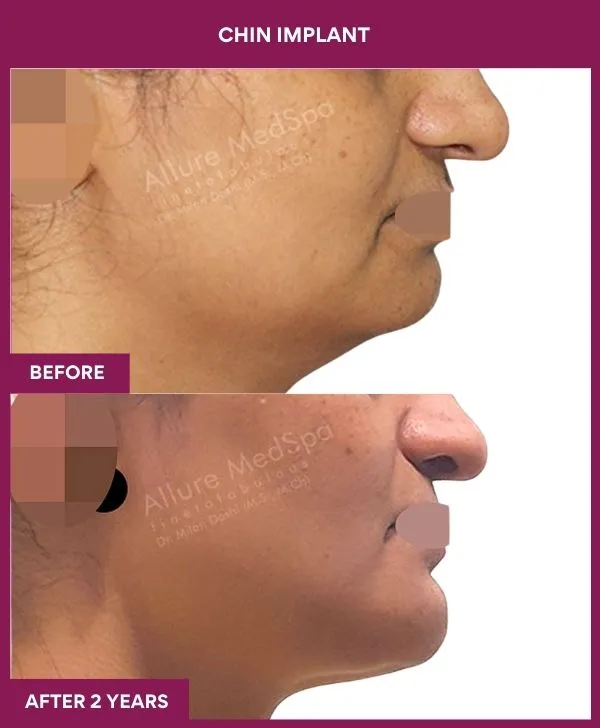
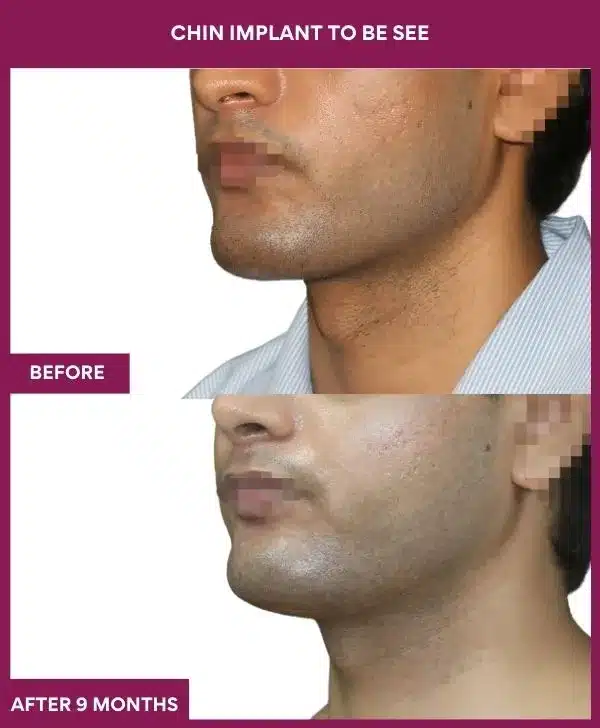
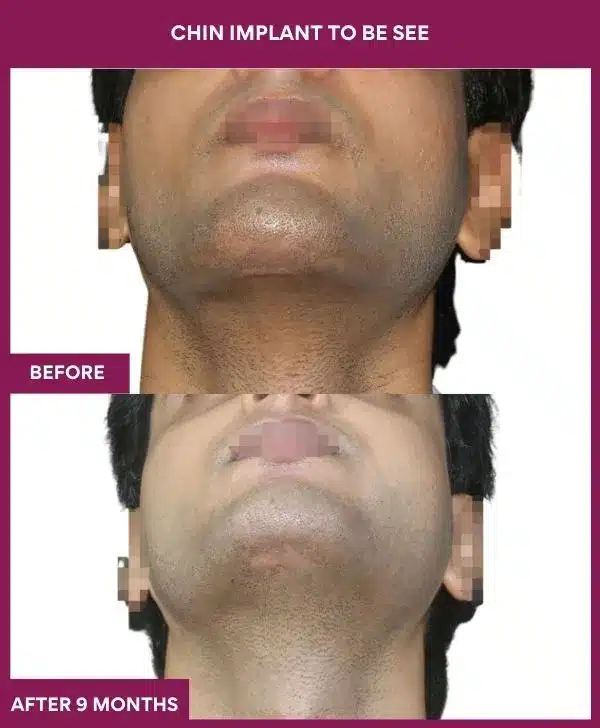
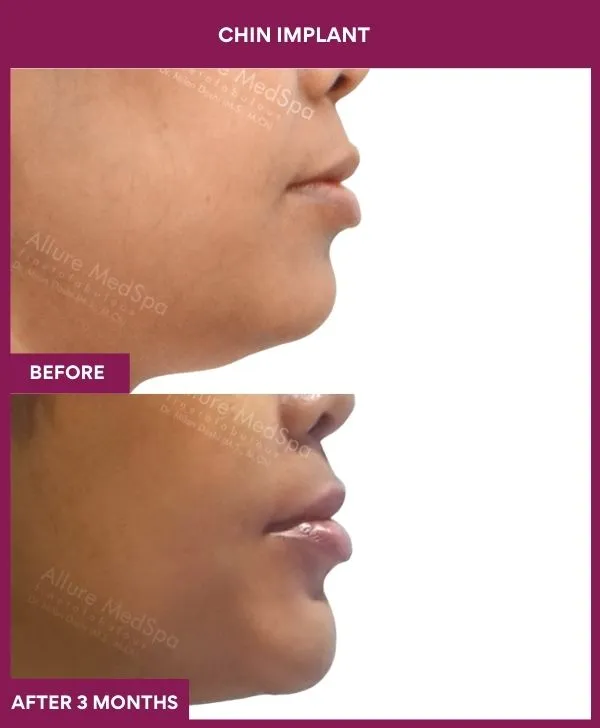
Chin Augmentation Before & After Result
Awarded by Google.com
Rating: 4.7
Reviews: 485+

Awarded by WhatClinic.com
Rating: 4.8
Reviews: 119+

Awarded by Realself
Rating: 4.9
Reviews:453+

Awarded by Facebook
Rating: 4.6
Reviews:105+

Dr Milan Doshi and his staff are very professional and committed as the centre is highly equipped with advanced technology. I had closed rhinoplasty 4 months back and I’m seeing the results as to how it becomes successful.
Deepika Shetty

The doctor explained everything clearly and the surgery was smooth. Recovery was faster than I expected and the team was very supportive.

Rahul Mehta

Very natural results and excellent staff. From consultation to follow-up, the experience was outstanding and boosted my confidence.

Sneha Kapoor

How do I know if my chin is really “weak” or “recessed”?

A chin is considered weak or recessed when the chin tip (pogonion) sits noticeably behind the ideal profile line drawn from the nose and lips, or when it fails to support the lower lip.

Self-check (mirror or side selfie):

  • From the side, the chin seems pushed back compared to the lips and nose.
  • From the front, the lower third looks short or “crowded”.
  • You appear to have a “double chin” despite a normal or only slightly high BMI.

If the jawline fades into the neck even when you slightly stretch your neck, there is likely a skeletal element – not just fat.

You are more likely to benefit if:

  • Your nose looks bigger mainly in side profile because the chin is too small.
  • Your lower face looks soft, jowly, or “melted” despite being reasonably fit.
  • Your chin disappears in ¾ angle selfies.
  • You often feel your face looks “round” or “babyish” even in adulthood.

Non-surgical chin augmentation is usually enough when:

  • Chin recession is mild to borderline-moderate.
  • Bone shape is acceptable; you mainly lack soft-tissue projection or definition.
  • You want a trial run before committing to surgery.
  • You have a time-sensitive event (wedding, photoshoot, career milestone).
  • You are clear that results will be subtle and temporary.

In such cases, hyaluronic acid fillers or fat grafting can sharpen the profile and front view without changing bone.

For details, see
Non-Surgical Chin Augmentation (Fillers & Fat Grafting)
Chin Filler vs Chin Implant

Surgery (implant or sliding genioplasty) is usually the more honest, long-term choice when:

  • The chin is noticeably recessed even in a relaxed front view.
  • You need vertical lengthening of the chin, not just forward projection.
  • There is clear bony asymmetry or post-traumatic irregularity.
  • You’ve already done multiple filler sessions and still feel structurally under-projected.
  • You want a one-time, structural correction rather than repeated top-ups.

In simple horizontal deficiency with good height, a chin implant often suffices.
When there is height change, asymmetry, or more complex movement required, sliding genioplasty usually gives a more anatomical result.

Deep-dive: Chin Implant vs Sliding Genioplasty

You’re more likely to be a good candidate for chin augmentation (surgical or non-surgical) if:

  • You are in reasonably stable health (diabetes, BP, thyroid under control).
  • You do not smoke, or are willing to stop before and after surgery.
  • Your expectations are realistic – you want harmony, not a completely different face.
  • You can set aside adequate downtime:
    Fillers/fat: 1–3 days of social downtime.
    Implant: ~1 week for desk work.
    Genioplasty: 1–2 weeks initial downtime.

For healing and safety nuances, refer to:
Is Chin Augmentation Safe? Real Risks & How We Reduce Them
Chin Augmentation Recovery Timeline – Week-by-Week Guide

A proper consultation is where “self-checklist” becomes clear medical advice:

  • Profile + front-view analysis (often with photos).
  • Assessment of bone vs soft tissue vs neck fat contribution.
  • Discussion of non-surgical vs surgical options suitable for your anatomy.
  • Recovery, risks, and long-term implications explained in plain language.
  • Sometimes a staged plan: fillers first as a test, then implant/genioplasty later if you want a permanent change.

If you answer “yes” to most of these, a consultation is worth serious consideration:

  • My profile looks nose-heavy or unbalanced because the chin is small.
  • My chin disappears in photos, especially from the side or ¾ view.
  • I see a double chin or neck-chin merge even when I’m not very overweight.
  • I want subtle but clear definition, not an extreme, artificial look.
  • I’m open to expert guidance on fillers vs implant vs genioplasty, rather than pushing one option.

If you’re still unsure whether you’re a candidate – that’s exactly what the consultation is for.

Conclusion: Let Your Face Decide—Not Just Photos or Trends

Chin augmentation is not about making your chin “bigger.” It is about restoring balance between your nose, lips, jawline, and neck so your face looks naturally harmonious from every angle.

If you notice that your chin looks weak in photos, your profile feels unbalanced, or your jawline blends into your neck, it may indicate that structural support is missing. In some patients, fillers or fat grafting are enough. In others, a chin implant or sliding genioplasty is the more honest, long-term solution.

This self-checklist helps you understand where you may stand—but it cannot replace professional analysis. Bone structure, skin quality, soft tissue, and facial proportions must be evaluated together.

In Dr. Milan Doshi’s practice, the goal is never to create an “Instagram face.” It is to design a chin and lower face that:

  • Fits your natural features
  • Respects your age and ethnicity
  • Ages well over time
  • Looks refined, not artificial

If you relate to most points in this checklist, the next step is a personalised consultation. That is where you receive clear guidance on whether fillers, implants, genioplasty, or no treatment at all is truly right for you.

Good chin augmentation doesn’t change who you are.
It simply lets your best features come forward.

Get a Complete Nose–Chin Harmony Evaluation

Scroll to Top

Dr. Milan Doshi, Indian Board Certified
Celebrity Cosmetic Surgeon
26+ Years of Experience | 16000+ Surgeries

WhatsApp