
Hyperpigmentation Treatment in Mumbai: Clear, Even-Toned Skin With Expert Precision

Indian Board Certified Plastic Surgeon
M.CH, MS, ISAPS Mentor
16000+ Cosmetic Surgeries
500+ Pigmentation Treatments
Hyperpigmentation is a common, harmless-but-distressing condition where patches of skin become darker than the surrounding area due to excess melanin. Pigmentation treatment fades that excess pigment, evens out tone and helps prevent recurrence by reducing melanin and treating the root cause — combining prescription topicals, chemical peels, laser toning and, for stubborn melasma, Cosmelan. It’s especially relevant for Indian skin, which is prone to pigmentation and post-acne marks — and where the wrong treatment can make it worse, so at Allure Medspa the trigger and the type are identified before anything is prescribed.
Hyper Pigmentation Treatment Before and After Images
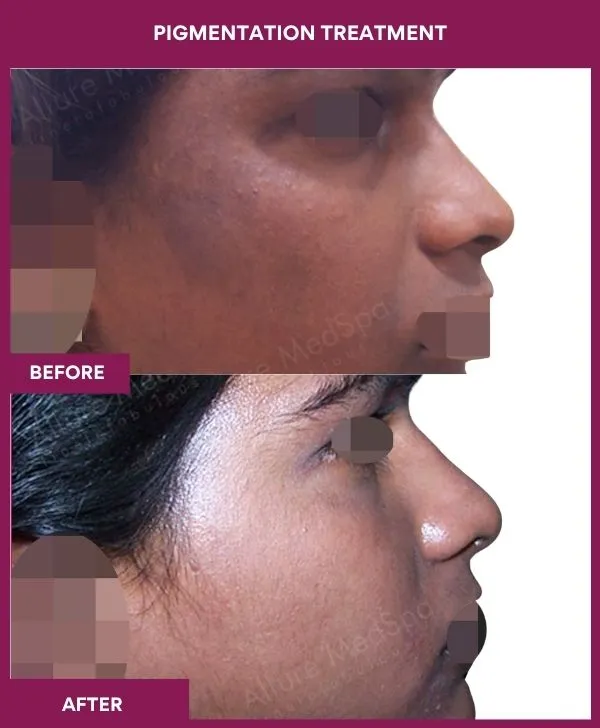
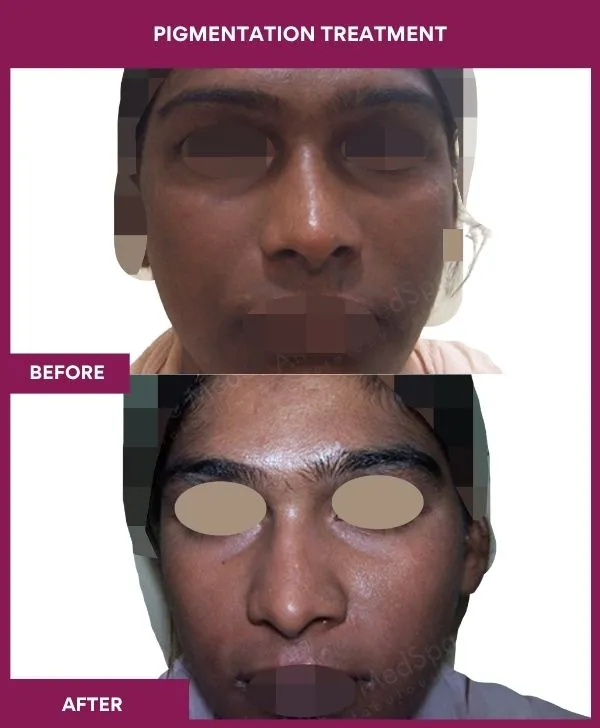
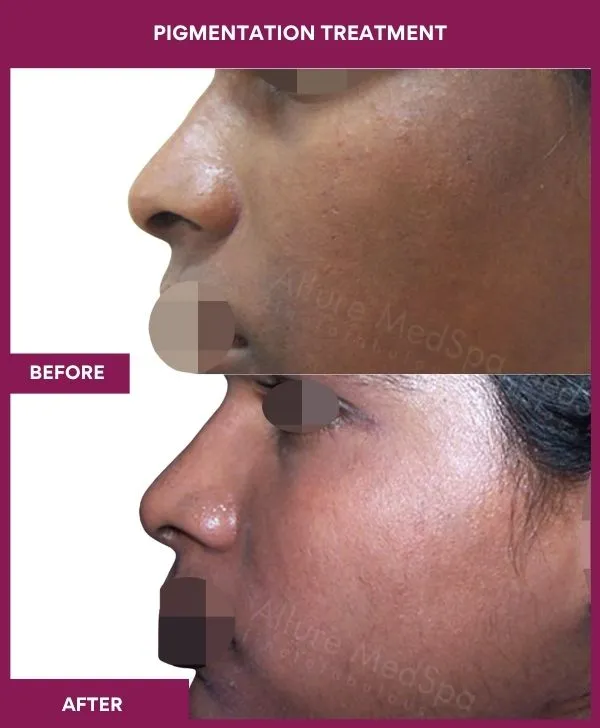
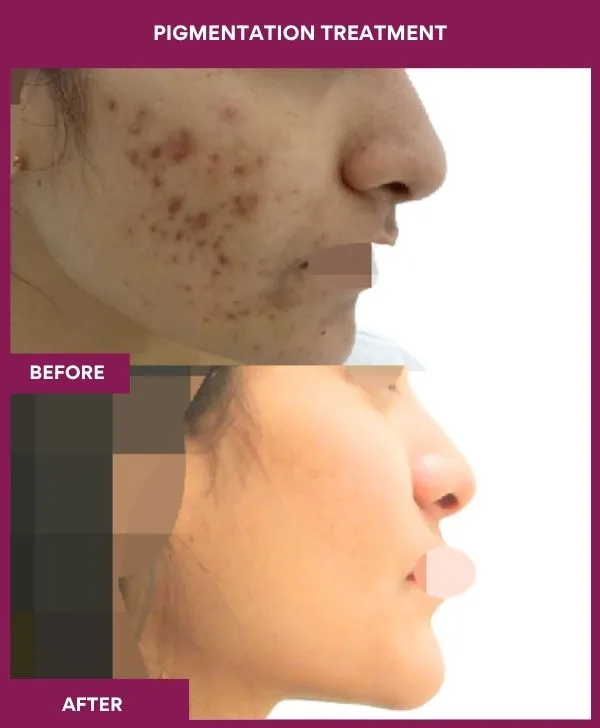
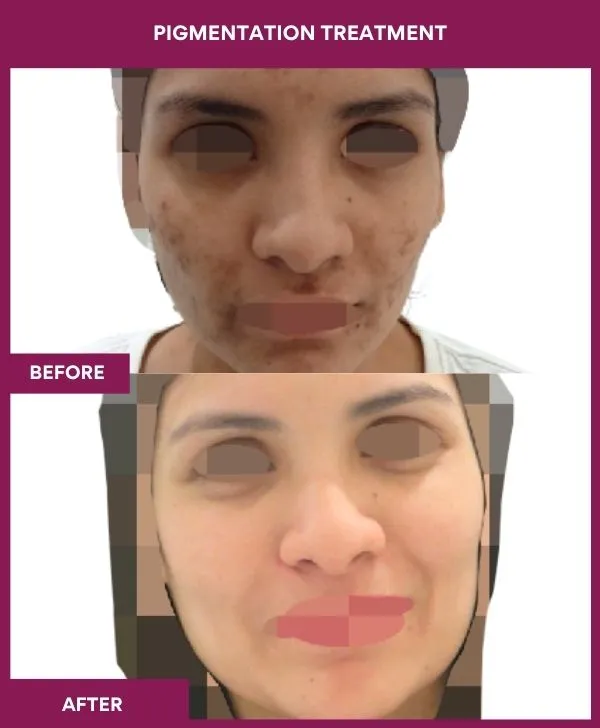
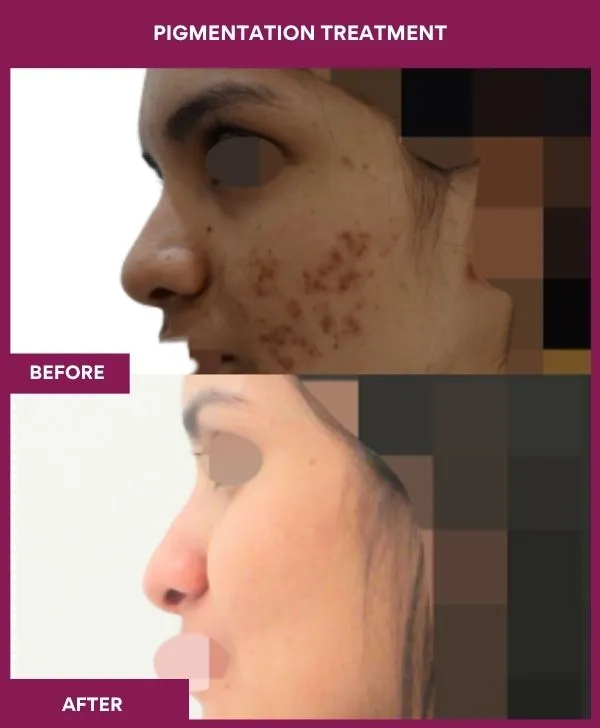
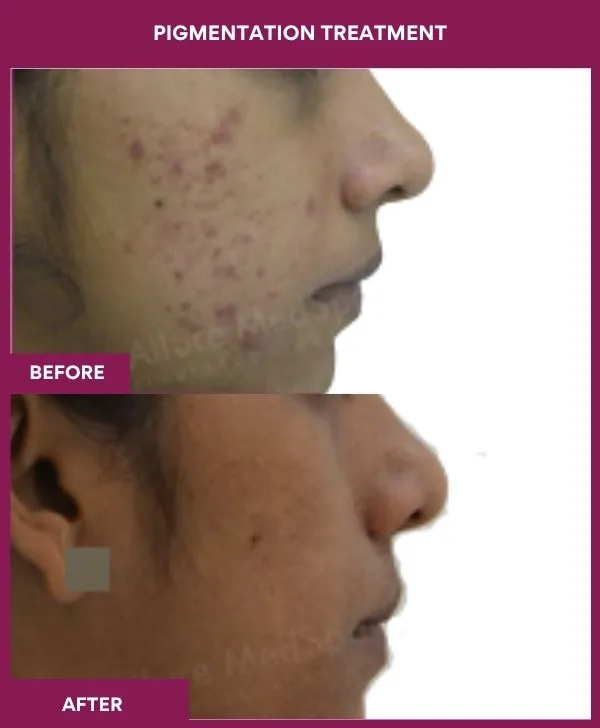
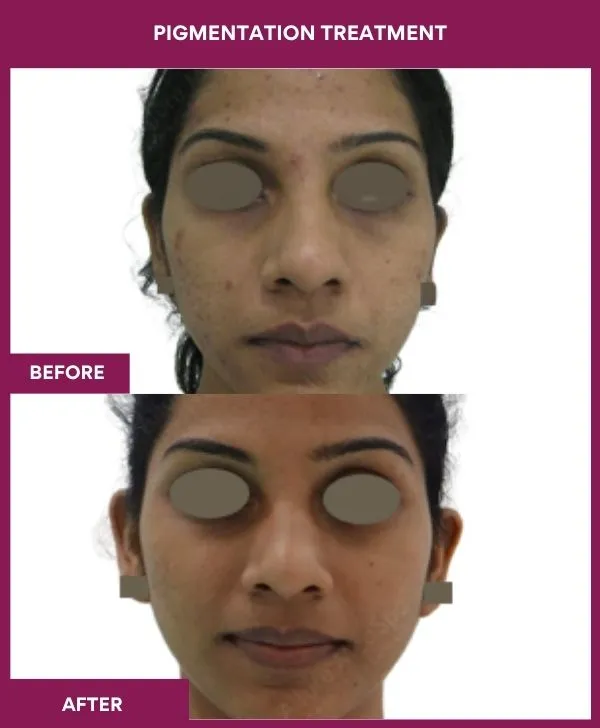
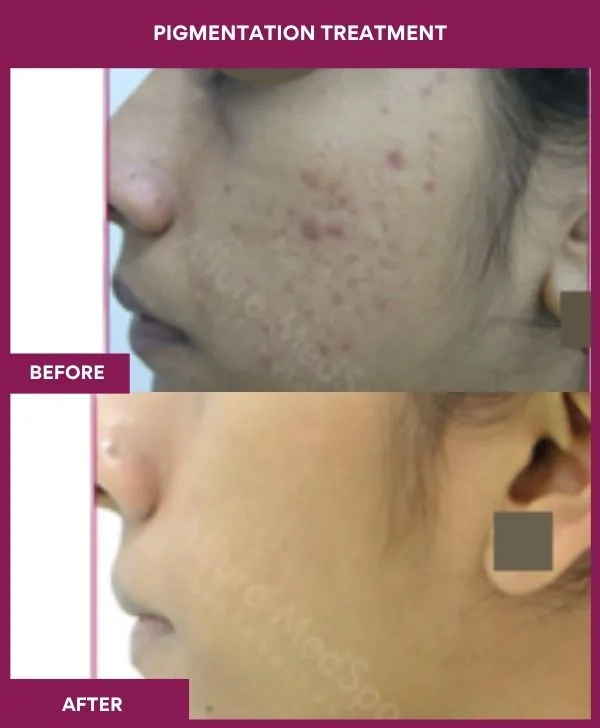
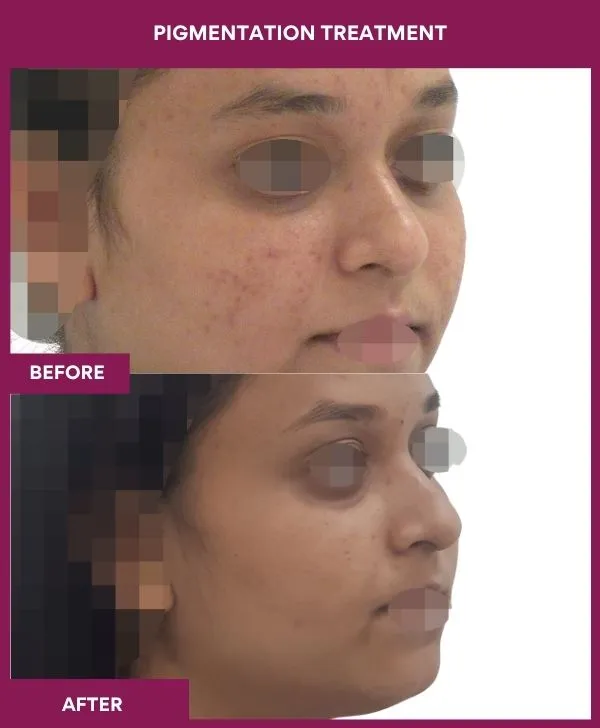
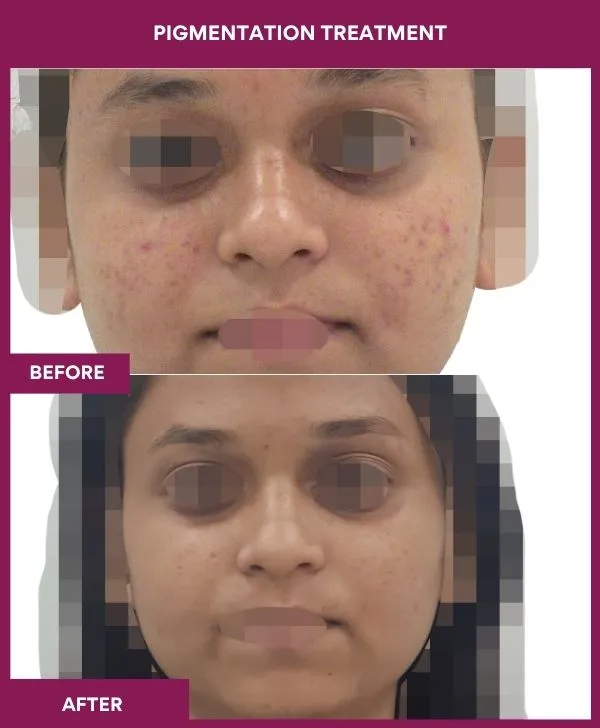
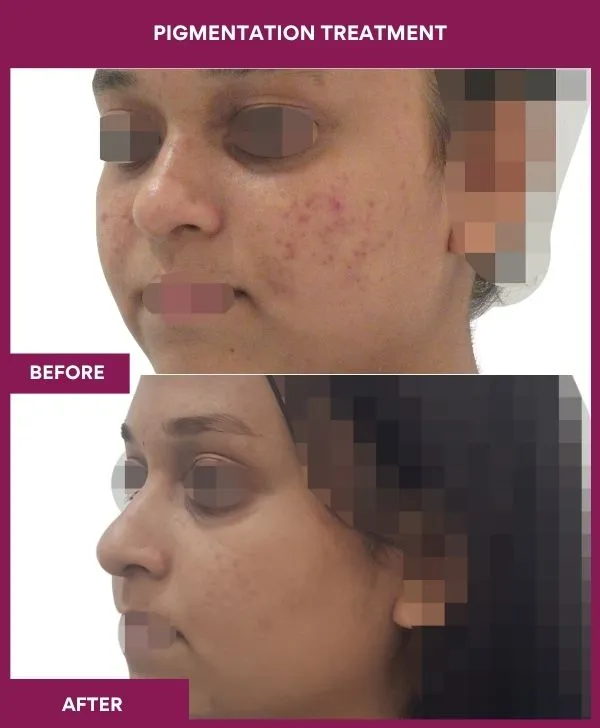
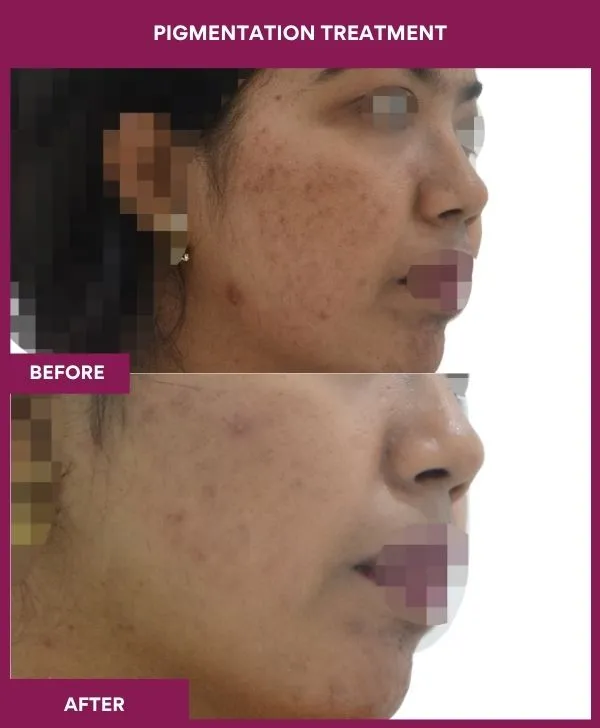
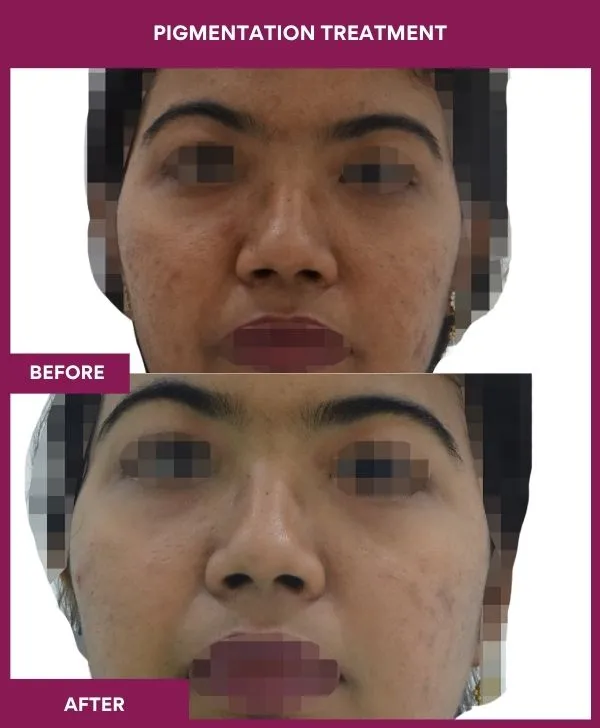
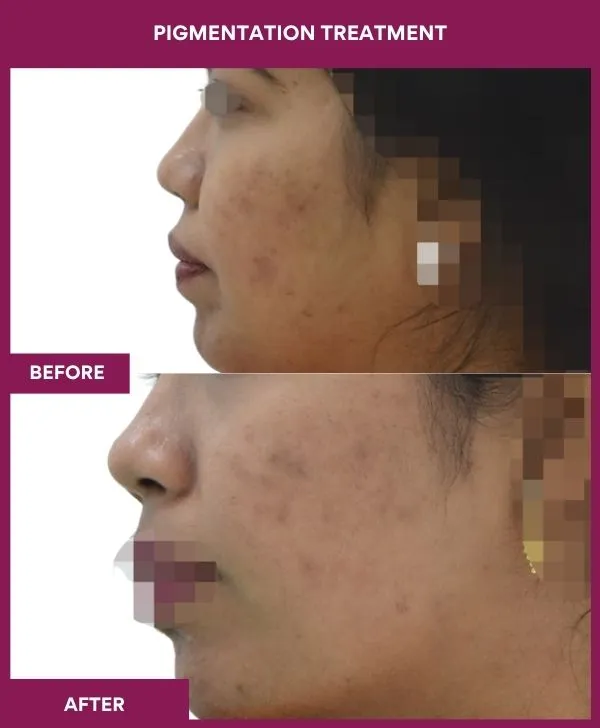
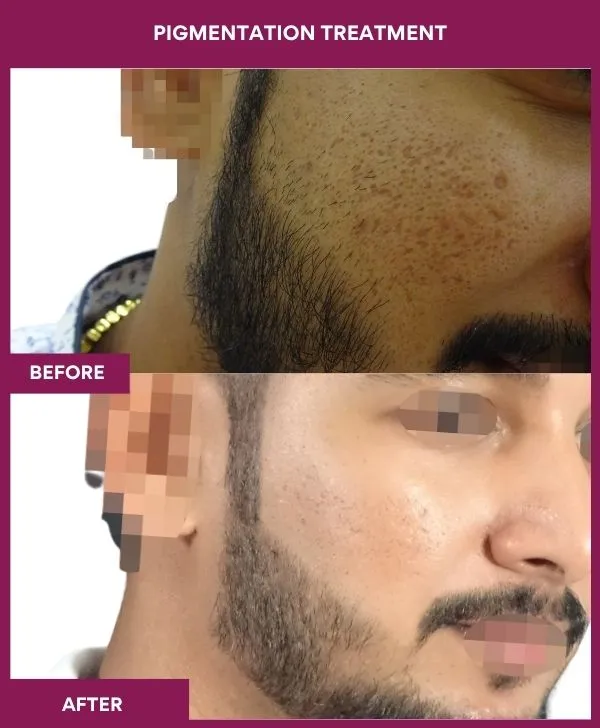
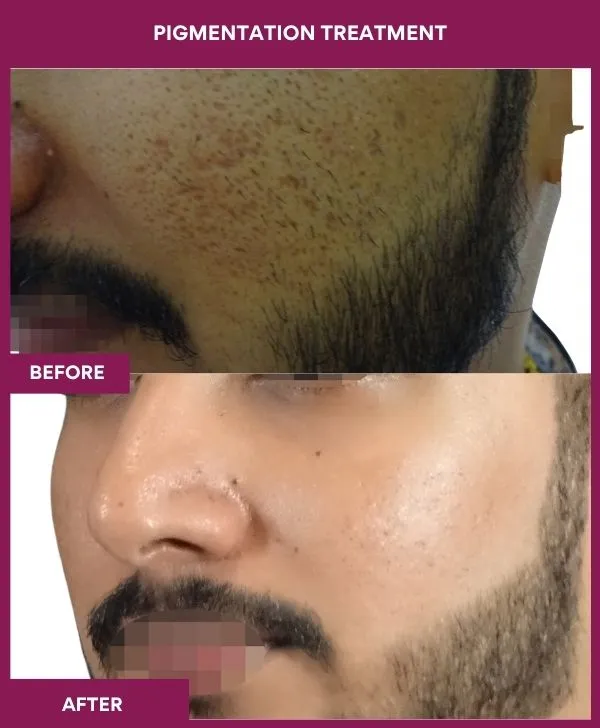
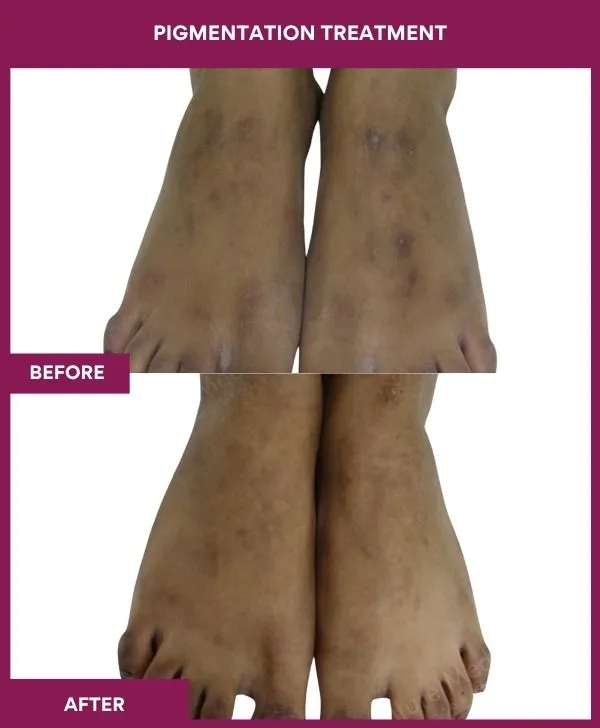
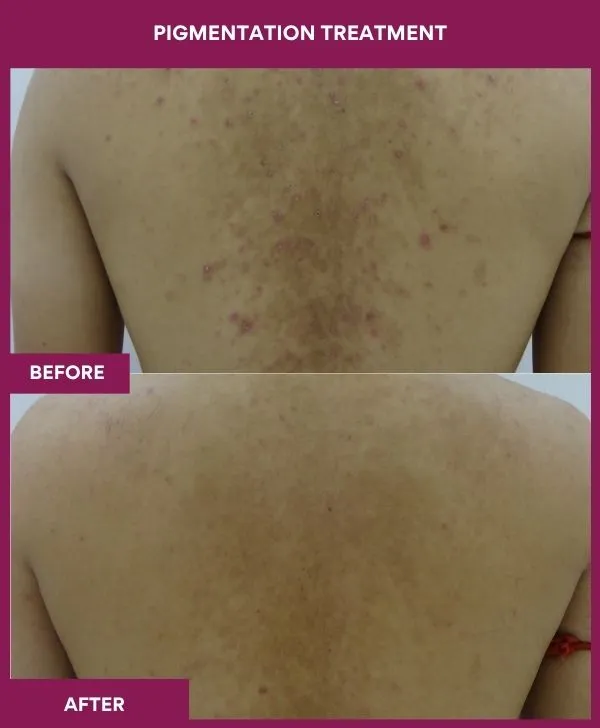
“Pigmentation Treatment Cost”
Pigmentation Treatment Testimonials: Fine To Fabulous Journeys

Awarded by Google.com
Rating: 4.7
Reviews: 485+

Awarded by WhatClinic.com
Rating: 4.8
Reviews: 119+

Awarded by Realself
Rating: 4.9
Reviews:453+

Awarded by Facebook
Rating: 4.6
Reviews:105+
Dr Milan Doshi and his staff are very professional and committed as the centre is highly equipped with advanced technology. I had closed rhinoplasty 4 months back and I’m seeing the results as to how it becomes successful.
Deepika Shetty
The doctor explained everything clearly and the surgery was smooth. Recovery was faster than I expected and the team was very supportive.
Rahul Mehta
Very natural results and excellent staff. From consultation to follow-up, the experience was outstanding and boosted my confidence.
Sneha Kapoor
What Type Of Pigmentation Do I Have?
(4 quick questions)
Quick Facts About Hyperpigmentation Treatment
SESSION TIME
30–90 minutes
ANESTHESIA
Topical numbing cream
SESSIONS
Course of 2–4
RESULTS SHOW
4-6 weeks
DOWNTIME
1–3 days
RESULTS LAST
Maintaince required
SIDE-EFFECT RATE
Under 1%
COST
₹2,000 – ₹10,000
What Is The Cost Of Pigmentation Treatment In Mumbai?
At Allure Medspa, pigmentation treatment ranges from about ₹2,000 to ₹10,000 per session, depending on the method, pigmentation type and number of sessions; advanced combinations cost more. Costs vary by pigmentation type, method and sessions needed — a consultation gives an exact estimate. EMI options are on our payment process page.
| Treatment | Indicative cost per session (₹) | Typical course | Full guide |
|---|---|---|---|
| Prescription topical plan | Consultation + medicines | 8–12 weeks, then maintenance | — |
| Chemical peels | 2,000 – 5,000 | 4–6, 2–3 weeks apart | Chemical Skin Peels |
| Laser pigmentation removal (Q-switched / laser toning) | 4,000 – 10,000 | 4–6, 2–4 weeks apart | Laser Treatments |
| Carbon laser facial | 4,000 – 7,000 | 4–6 | Charcoal / Carbon Laser |
| IPL photofacial (spots, not melasma) | 5,000 – 9,000 | 3–5 | Photo Facial (IPL) |
| Advanced combos (MNRF, Q-switch, PRP) | 7,000 – 12,000+ | Per plan | Microneedling RF · PRP Treatment |
| Cosmelan depigmentation protocol | 20,000 – 60,000 | 1 + home cream | Cosmelan Peel Treatment |
| Microdermabrasion (mild surface pigment) | 1,000 – 1,500 | 4–6 | Microdermabrasion |
Disclaimer note: +5% GST · Procedure prices include consultation, the session and aftercare guidance; medicines and home-care products billed separately. EMI available on courses and Cosmelan.
Get your exact quote & surgery plan
Share your details — our team responds within working hours with cost, EMI options and next steps.
Most Common Question People Ask
Q1. What is the best treatment to remove pigmentation?
Ans. It depends on the type and cause. Options include prescription topicals (e.g. tranexamic acid, azelaic acid, supervised hydroquinone), chemical peels, laser toning and microneedling. A doctor matches the method to your skin.
Q2. Can pigmentation be removed permanently?
Ans. Some pigmentation clears well, but melasma in particular is chronic and relapsing — there’s no guaranteed permanent cure. Sun protection and maintenance keep it controlled.
Q3. How long does pigmentation take to fade?
Ans. Superficial pigment can fade in a few weeks; deeper pigment or melasma may take 3–6 months or longer, depending on the method and your skin.
Q4. Is hydroquinone safe for pigmentation?
Ans. It’s effective but should be used short-term under a doctor — unsupervised long-term use can cause ochronosis (permanent darkening). It’s not a casual OTC product.
Q5. How does laser remove pigmentation?
Ans. Laser targets excess melanin, breaking it into fragments the body clears, for a more even tone. It’s used cautiously in darker skin and melasma to avoid PIH.
Q6. What does pigmentation treatment cost in Mumbai?
Ans. Typically ₹2,000–₹10,000+ per session at Allure Medspa (+5% GST) depending on method and sessions — peels at the lower end, laser courses higher, Cosmelan as a single protocol.
Q7. Can pigmentation come back after treatment?
Ans. Yes — especially melasma — if the trigger (sun, hormones) isn’t managed. Maintenance and sun protection reduce recurrence.

Why Choose Dr. Milan Doshi?
Dr. Milan Doshi, MCh, MS — Indian board-certified plastic and cosmetic surgeon, 27+ years, 16,000+ procedures, leading a dermatologist-supported team. The best doctor for pigmentation treatment is one experienced in melasma, PIH and laser skin treatment who can match the method to your skin — crucial for Indian skin, which is prone to pigment changes: pigmentation expertise across melasma, PIH, freckles and age spots; the right technology — Q-switched lasers, CO₂, MNRF — used safely; skin-type-matched conservative settings to avoid PIH; and customised protocols combining topicals, peels and laser. Allure Medspa offers approved lasers and devices, personalised protocols for melasma, PIH, age spots and uneven tone, safety-first hygiene and skin-type-matched settings, and the full skin menu — peels, Cosmelan, laser and topicals together. Outstation and overseas patients are supported end-to-end
Dr Doshi Note: “Pigmentation treatment works best when we identify the trigger first — sun exposure, hormones, acne marks, irritation, or medication-related pigmentation. In Indian skin, I plan treatment gently because aggressive procedures can worsen PIH. Sun protection, trigger control, and the right combination of creams, peels, or lasers are key.”
The Complete Guide About Hyperpigmentation Treatment
What Is Hyperpigmentation — And What Does Treatment Involve?
Hyperpigmentation is a common, harmless-but-distressing condition where patches of skin become darker than the surrounding area due to excess melanin. Pigmentation treatment aims to fade that excess pigment, even out tone and prevent recurrence — matched to the type of pigmentation and your skin.
- What it is — darker patches from excess melanin, often on face, neck and around the lips
- Common triggers — sun exposure, hormones, post-acne/inflammation and skin injury
- Goal — reduce excess melanin and even tone — realistically, control and clearance rather than a permanent “cure”
| Epidermal (surface) pigment | Dermal (deep) pigment |
|---|---|
| Brown, well-defined; enhances under Wood’s lamp | Blue-grey, blurred edges; does not enhance under Wood’s lamp |
| Responds to topicals, peels, microdermabrasion | Needs laser toning, long topical courses; slower, partial |
| Most sun spots, PIH, epidermal melasma | Dermal / mixed melasma, deep PIH, some drug-induced |
Also called: hyperpigmentation therapy, pigment correction, dark-spot treatment, skin-tone correction, melasma treatment.
Frustrated With Stubborn Dark Patches?
If uneven tone and dark patches are denting your confidence and creams haven’t worked, professional pigmentation treatment offers a safe, doctor-led way to fade them and restore an even, radiant complexion.
- Do uneven skin tone, brown patches or pigmentation marks make you feel uncomfortable in your own skin?
- Is your confidence affected every time you look in the mirror or step out without makeup?
- Do you wish your skin looked brighter, more even-toned and healthy again?
Hyperpigmentation is a common concern — especially among Indian and Asian skin types — where darker patches appear from excess melanin. Whether it’s from sun damage, hormonal changes, acne scars or inflammation, these dark spots can make you feel older, dull or simply not your best self. The reassuring news: pigmentation treatment offers a safe, effective way to correct uneven tone, reduce melanin build-up and restore natural radiance — from advanced peels to laser and prescription topicals, tailored to the root cause and your skin tone.
Global & Indian insights: Hyperpigmentation affects a large share of people with medium-to-dark skin tones globally · In India, skin pigmentation is among the most commonly treated dermatology concerns · Women aged 25–45 are the most commonly treated group for facial pigmentation.
What Are The Benefits Of Pigmentation Treatment?
Pigmentation treatment can help reduce melasma, sun spots, post-acne marks and uneven skin tone while keeping the skin within its natural colour. By identifying the type, depth and possible trigger of pigmentation, treatment can be better matched to the skin and combined with sun protection and maintenance to reduce recurrence. Most treatment options are non-surgical and can be tailored for Indian skin.
- Fades melasma, sun spots and post-acne marks — the three concerns creams alone rarely clear.
- Evens tone within your natural colour — no bleaching.
- Treats the cause, so recurrence drops: trigger control, SPF, maintenance.
- Safe on Indian skin when matched to type and depth — the whole point of diagnosis first.
- Mostly non-invasive, lunch-hour sessions with 1–3 days of mild redness.
- Rules out medical causes (thyroid, insulin resistance, drugs) that need a doctor, not a cream.
What Causes Hyperpigmentation — And What Types And Look-Alikes Are There?
Your skin colour — and any pigmentation — is determined mainly by melanin levels, genetics, sun exposure and certain medical conditions. Everyone has a similar number of pigment cells; the difference is how much melanin they make. Hyperpigmentation is caused by excess melanin production (melanogenesis), triggered most often by sun exposure, hormones, inflammation or certain medications — and effective treatment starts by identifying which of these is driving it.
| Trigger | How it darkens skin |
|---|---|
| Sun exposure (UV) | The biggest trigger; drives melanin as a defence, causing tanning and spots |
| Hormonal change | Pregnancy, contraceptives or thyroid issues can trigger melasma |
| Inflammation / injury (PIH) | Post-acne, eczema, burns or harsh treatments leave dark marks |
| Medications | Some chemotherapy, antimalarial and antidepressant drugs alter pigment |
| Genetics | Inherited traits set baseline tone and pigment-cell activity |
| How it forms | Melanocytes make melanin, which passes to surface skin cells; enzymes like tyrosinase set the amount |
Types of hyperpigmentation
| Type | What it looks like | Treated by |
|---|---|---|
| Age spots (liver spots) | Flat, dark, sun-exposed areas (face, hands); from long-term UV | Peels, laser toning, IPL → Photo Facial (IPL) |
| Melasma | Brown / grey patches on cheeks, forehead, upper lip; hormone-driven; sun-sensitive | Topicals (tranexamic, azelaic), Cosmelan → Cosmelan Peel Treatment · cautious laser |
| Post-inflammatory (PIH) | Dark marks after acne, injury or eczema; common in deeper skin tones | Treat the acne first → Acne & Scar Treatment · SPF, topicals, peels |
Medical conditions that cause skin darkening
- Acanthosis nigricans — dark, velvety thickening in folds (neck, underarms); linked to insulin resistance / obesity
- Macular amyloidosis — brownish, rippled patches from amyloid deposits; may itch
- Others — Addison’s disease, drug-induced pigmentation, vitiligo / albinism (less melanin) and post-inflammatory causes
Treating the underlying cause — not just the surface — is key; some of these need medical management, not cosmetic pigmentation treatment alone.
What Are The Limitations Of Pigmentation Treatment?
A consultation identifies the exact cause of your pigmentation and ensures treatment is safe, effective and customised — preventing wasted time on the wrong approach: root-cause diagnosis (melasma vs PIH vs age spots need different plans); a plan customised to skin type, pigment depth and history; complication prevention by checking past treatments and products; and expectations for downtime, sessions and maintenance set upfront.
How hyperpigmentation is diagnosed
- Skin examination — assessing pattern, depth and likely cause
- Wood’s lamp — UV light shows whether pigment is superficial or deep (guides treatment)
- Biopsy — rarely, for uncertain or resistant cases
- Blood tests where indicated — thyroid, blood sugar / insulin, cortisol, when a medical cause is suspected
How to prepare
- Come without make-up; bring every cream used (including fairness / steroid products) and medicines.
- Note pregnancy, contraception, hormonal history, sun exposure, previous peels or lasers.
- Photographs from 6–12 months ago help show the course.
Online consultation
Book online or in person — daylight photographs settle most types.
Why Is A Consultation Essential — And How Is Pigmentation Diagnosed?
A consultation identifies the exact cause of your pigmentation and ensures treatment is safe, effective and customised — preventing wasted time on the wrong approach: root-cause diagnosis (melasma vs PIH vs age spots need different plans); a plan customised to skin type, pigment depth and history; complication prevention by checking past treatments and products; and expectations for downtime, sessions and maintenance set upfront.
How hyperpigmentation is diagnosed
- Skin examination — assessing pattern, depth and likely cause
- Wood’s lamp — UV light shows whether pigment is superficial or deep (guides treatment)
- Biopsy — rarely, for uncertain or resistant cases
- Blood tests where indicated — thyroid, blood sugar / insulin, cortisol, when a medical cause is suspected
How to prepare
- Come without make-up; bring every cream used (including fairness / steroid products) and medicines.
- Note pregnancy, contraception, hormonal history, sun exposure, previous peels or lasers.
- Photographs from 6–12 months ago help show the course.
Online consultation
Book online or in person — daylight photographs settle most types.
Which Topical Treatments Are Effective For Hyperpigmentation?
Effective pigmentation-treatment creams slow melanin production and speed cell turnover — the best-evidenced include tranexamic acid, azelaic acid, niacinamide, vitamin C, and (under prescription) hydroquinone and retinoids.
| Agent | What it does | Notes |
|---|---|---|
| Tranexamic acid (topical / oral) | Strong recent evidence for melasma / PIH, comparable to hydroquinone with fewer irritant reactions | Prescription; oral form needs screening |
| Azelaic acid | Reduces pigment and helps acne-related marks | Safe long-term; pregnancy-compatible |
| Niacinamide (vitamin B3) | Brightens and strengthens the skin barrier | OTC; combine with SPF |
| Vitamin C | Antioxidant that reduces melanin formation | Morning use under SPF |
| Kojic acid | A gentler brightening agent | Can irritate sensitive skin |
| Hydroquinone & retinoids | Effective but prescription-only, short-course, doctor-supervised | Never self-bought; ochronosis risk with misuse |
| Sunscreen (SPF 30–50, tinted / iron-oxide) | The foundation of every plan | Blocks visible light that drives melasma |
Sources: Tranexamic acid review, 2026 · Emerging topical melasma therapies, 2025
Is a stronger cream a faster result?
No — on Indian skin the strongest creams (hydroquinone, steroids) are the ones that cause the most harm when misused. The evidence-led plan is a gentle, layered one — tranexamic or azelaic acid, niacinamide, vitamin C — under a tinted sunscreen, with prescription agents added briefly and supervised when needed.
What In-Clinic Procedures Are Safe And Effective — By Pigment Depth?
In-clinic pigmentation treatment — chemical peels, laser toning, IPL and microneedling — can fade stubborn pigment faster than creams alone, chosen by depth and skin type.
| Procedure | What it does | Best for | Full guide |
|---|---|---|---|
| Chemical peels | Glycolic / Cosmelan peels exfoliate and reduce surface pigment | Epidermal pigment, PIH, tan | Chemical Skin Peels |
| Cosmelan protocol | Multi-active depigmentation mask + home cream | Melasma, stubborn PIH | Cosmelan Peel Treatment |
| Laser toning (Q-switched Nd:YAG) | Targets melanin deposits; used cautiously in darker skin | Dermal pigment, freckles, resistant spots | Laser Treatments |
| Carbon laser facial | Carbon-assisted laser toning | Surface pigment, pores, oily skin | Charcoal / Carbon Laser |
| IPL photofacial | Light pulses break down superficial pigment (not ideal for melasma) | Sun spots, redness | Photo Facial (IPL) |
| Microneedling / MNRF | Evens tone and helps PIH; delivers actives | PIH with texture | Microneedling RF |
| Microdermabrasion | Surface exfoliation for mild, superficial pigment | Mild spots, dullness | Microdermabrasion |
Choosing by depth
- Epidermal: topicals + peels (± microdermabrasion) — fastest, safest.
- Dermal / mixed melasma: topicals (tranexamic) + cautious laser toning or Cosmelan; long game.
- Sun spots / freckles: IPL or Q-switched laser + SPF.
- PIH: stop the inflammation first (acne, eczema), then topicals + peels.
From Diagnosis To Session — Step By Step
Pigmentation treatment begins with identifying the type, depth and possible cause of the pigment before any procedure is chosen. After assessing factors such as sun exposure, hormones, medicines and skincare, the skin may be primed with sunscreen and topical treatment for a few weeks. Depending on the diagnosis, treatment may then involve peels, laser or a depigmentation protocol such as Cosmelan, followed by regular reviews and maintenance.
| Step | What happens | Why it matters |
|---|---|---|
| 1 | Consultation: history (sun, hormones, medicines, products), examination, Wood’s lamp; photographs | Type and depth identified |
| 2 | Medical causes screened (blood tests if indicated) | Acanthosis, thyroid, Addison’s need a physician |
| 3 | Trigger control: SPF routine, stop harmful creams, treat active acne | No procedure holds without this |
| 4 | Topical plan started; 2–4 weeks of priming | Safer peels / laser on Indian skin |
| 5 | On procedure day: skin checked; consent; cleansing | Safety |
| 6 | Peel timed and neutralised / laser test patch then passes at conservative settings / Cosmelan mask applied | Controlled treatment |
| 7 | Cooling; sunscreen; aftercare sheet | Prevents rebound |
| 8 | Sessions every 2–4 weeks; photographs every 2–3 sessions | Course tracking |
| 9 | Course end (3–6 months); maintenance plan | Holds the result |
When Will I See Results?
Pigmentation usually improves gradually rather than after a single session. Superficial tanning and spots may begin to lighten within a few weeks, while post-inflammatory pigmentation and melasma often require several months of treatment. Deeper or mixed pigmentation may take longer and may improve only partially, with daily sunscreen and maintenance care playing an important role in preventing recurrence.
| Pigment type | Time | What you see |
|---|---|---|
| Tan, superficial spots | 2–6 weeks | Lighter, more even |
| PIH (once acne is controlled) | 2–4 months | Marks fade progressively with SPF and peels |
| Epidermal melasma | 3–4 months | Patches lighten; maintained with topicals |
| Dermal / mixed melasma | 3–6 months or longer | Partial, gradual; controlled long-term |
| After stopping maintenance | Months | Recurrence with sun / hormones — especially melasma |
Aftercare — And How To Prevent Pigmentation Returning
You can’t always prevent hyperpigmentation, but daily sun protection and gentle skincare dramatically reduce recurrence — essential to protect your results.
- Sunscreen daily — broad-spectrum SPF 30+, reapplied — the most important step; tinted / iron-oxide for melasma
- Cover up — hats, sunglasses and shade reduce UV exposure
- Gentle skincare — hydrate, avoid harsh scrubbing; use doctor-advised actives
- Manage triggers — review hormones / medication with your doctor if relevant
- Home care — niacinamide, vitamin C or advised actives support results; deeper pigment needs in-clinic treatment
| Avoid | Why |
|---|---|
| Shop-bought fairness, steroid or hydroquinone creams | Ochronosis, thinning, rebound pigmentation |
| Lemon, turmeric pastes, DIY bleaches on the face | Irritation, phytophotodermatitis, worse pigmentation |
| Unprotected sun; heat and steam (melasma) | Reactivates melanin |
| Scrubs, waxing, threading over treated skin | 1 week after peels / laser |
| Stopping topicals when it looks better | Relapse |
What Are The Risks Of Pigmentation Treatment?
Pigmentation treatments are generally well tolerated when selected according to skin type and pigment depth, but temporary redness, dryness, flaking or brief darkening can occur. The main concern in Indian skin is post-inflammatory hyperpigmentation if treatment is too aggressive. Less common risks include irritation, uneven lightening and cold-sore reactivation, while burns, blistering or scarring are rare when treatments are performed with appropriate settings and aftercare.
Expected and temporary
- Mild redness, dryness, flaking for 1–3 days after peels or laser; spots darken briefly before clearing with IPL / laser.
Uncommon
- Post-inflammatory darkening after over-aggressive peels or laser — the main risk on Indian skin.
- Irritation from actives; temporary lightening of surrounding skin.
Rare
- Burns, blistering, scarring with wrong settings; cold-sore reactivation; ochronosis from misused hydroquinone (product harm, not clinic harm).
| Risk | How it is minimised at Allure Medspa |
|---|---|
| PIH | Diagnosis and depth first; priming; test patch; conservative settings; strict SPF |
| Melasma flare | No IPL on melasma; low-fluence toning only; heat avoided |
| Product harm | Only prescribed agents; hydroquinone short-course and supervised |
| Missed medical cause | Look-alike conditions screened before cosmetic treatment |
How Many Sessions — And What Does The Course Look Like?
The number of sessions depends on the type and depth of pigmentation and your skin’s response — superficial pigment clears faster than deep melasma.
| Pigment | Sessions | Spacing | Then |
|---|---|---|---|
| Mild superficial pigment | 2–4 | 2–4 weeks | SPF + topicals |
| Moderate melasma or PIH | 4–6 | 2–4 weeks | Maintenance topicals; review every 3 months |
| Deep / stubborn pigment | 6–10+ | 2–4 weeks | Ongoing care; Cosmelan or laser toning cycles |
| Melasma (all grades) | Course + maintenance | — | Sun protection for life; hormonal review |
Medical Codes For Pigmentation Treatment
Codes below are for administrative and documentation reference. All codes must be verified against the current CPT and ICD-10 code sets before publication and before any use in documentation.
| Code system | Code | Description |
|---|---|---|
| ICD-10 | L81.1 | Chloasma / melasma |
| ICD-10 | L81.0 | Post-inflammatory hyperpigmentation |
| ICD-10 | L81.4 | Other melanin hyperpigmentation (dark spots, uneven tone) |
| ICD-10 | L81.2 | Freckles |
| ICD-10 | L57.0 | Actinic keratosis (sun-induced skin change) |
| ICD-10 | L83 | Acanthosis nigricans |
| ICD-10 | Z41.1 | Encounter for cosmetic procedure |
| CPT | 15788 / 15789 | Chemical peel, facial; epidermal / dermal |
| CPT | 17999 | Unlisted procedure, skin (laser toning, microneedling, topical protocols) |
| CPT | 96999 | Unlisted dermatological service |
(FAQs) Frequently Asked Questions About Pigmentation Treatment
Q1. What’s the fastest way to reduce hyperpigmentation?
Ans. Laser toning and chemical peels can show relatively quick results; topically, tranexamic acid, niacinamide and vitamin C help under supervision. There’s no genuine 5-minute fix.
Q2. Which serum is best for pigmentation?
Ans. Serums with vitamin C, niacinamide, alpha-arbutin or tranexamic acid are commonly used to reduce pigmentation and even tone.
Q3. Can turmeric or lemon remove pigmentation?
Ans. Turmeric may lighten pigment slightly but isn’t a standalone fix. Avoid applying lemon to the face — it can cause irritation and a sun-triggered burn (phytophotodermatitis) and worsen pigmentation.
Q4. Which acid is used to treat pigmentation?
Ans. Glycolic, kojic, azelaic and mandelic acids are used in peels and creams to exfoliate and slow melanin production; tranexamic acid is the newer evidence-led agent for melasma.
Q5. How to stop pigmentation from spreading?
Ans. Daily sunscreen, sun avoidance, gentle skincare and treating the root cause (hormones, inflammation) all help limit spread.
Q6. Is pigmentation removal safe?
Ans. Yes, when performed by qualified doctors with the right settings for your skin. Side effects are usually mild and temporary.
Q7. How much does laser pigmentation removal cost in India?
Ans. Roughly ₹4,000–₹10,000 per session at Allure Medspa, with 4–6 sessions often needed — varying by technology and area.
Q8. What causes pigmentation in men?
Ans. Sun exposure, shaving irritation, acne scars, hormonal factors and poor skincare can all contribute; men are treated the same way, with topicals, sunscreen and laser.
Q9. Can pigmentation signal a health problem?
Ans. Sometimes — conditions like Addison’s disease, thyroid disorders, insulin resistance (acanthosis) or PCOS can cause pigmentation. See a doctor if it appears suddenly or spreads quickly.
Q10. Can I treat pigmentation during pregnancy?
Ans. Melasma often starts in pregnancy; treatment then is limited to sunscreen, azelaic acid and gentle care — peels, laser, hydroquinone and oral tranexamic acid wait until after breastfeeding.
Q11. Is Cosmelan or laser better for melasma?
Ans. Cosmelan is a strong option for epidermal and mixed melasma across skin tones; laser toning is used cautiously for dermal pigment at low fluence. Many plans use topicals plus one of the two — the Wood’s lamp and skin type decide.
Related Links
- Cosmelan Peel Treatment
- Chemical Skin Peels
- Laser Treatments
- Charcoal / Carbon Laser
- Photo Facial (IPL)
- Microneedling RF
- Microdermabrasion
- Skin Whitening / Brightening
- Glutathione Injection
- Acne & Scar Treatment
- Dark Circle Removal
- PRP Treatment
- Total Skin Care
- Outstation Patients
- Online Consultations
Speak to Our Friendly & Knowledgeable Adviser:
Indian Board Certified Plastic Surgeon
M.CH, MS, ISAPS Mentor
16000+ Cosmetic Surgeries
500+ Pigmentation Treatment
Hyper Pigmentation Treatment in Mumbai: Clear, Glowing Skin with Expert Precision
by reducing excess melanin and treating the root cause — combining prescription topicals, chemical peels, laser and, for stubborn melasma, Cosmelan. It’s especially relevant for Indian skin, which is prone to pigmentation and post-acne marks.
What Is Hyperpigmentation and What Does Pigmentation Treatment Involve?
Hyperpigmentation is a common, harmless-but-distressing condition where patches of skin become darker than the surrounding area due to excess melanin. Pigmentation treatment aims to fade that excess pigment, even out tone and prevent recurrence — matched to the type of pigmentation and your skin.
- What it is — darker patches from excess melanin, often on face, neck and around the lips
- Common triggers — sun exposure, hormones, post-acne/inflammation and skin injury
- Also called — hyperpigmentation therapy, pigment correction, dark-spot treatment, skin-tone correction
- Goal — reduce excess melanin and even tone — realistically, control and clearance rather than a permanent ‘cure’
Hyper Pigmentation Treatment Before and After Images
“Pigmentation Treatment Cost”
Pigmentation Treatment Testimonials: Fine To Fabulous Journeys
Awarded by Google.com
Rating: 4.7
Reviews: 485+
Awarded by WhatClinic.com
Rating: 4.8
Reviews: 119+
Awarded by Realself
Rating: 4.9
Reviews:453+
Awarded by Facebook
Rating: 4.6
Reviews:105+
Dr Milan Doshi and his staff are very professional and committed as the centre is highly equipped with advanced technology. I had closed rhinoplasty 4 months back and I’m seeing the results as to how it becomes successful.
Deepika Shetty
The doctor explained everything clearly and the surgery was smooth. Recovery was faster than I expected and the team was very supportive.
Rahul Mehta
Very natural results and excellent staff. From consultation to follow-up, the experience was outstanding and boosted my confidence.
Sneha Kapoor
Frustrated with Stubborn Dark Patches That Pigmentation Treatment Could Fix?
If uneven tone and dark patches are denting your confidence and creams haven’t worked, professional pigmentation treatment offers a safe, dermatologist-led way to fade them and restore an even, radiant complexion.
Do uneven skin tone, brown patches or pigmentation marks make you feel uncomfortable in your own skin?
Is your confidence affected every time you look in the mirror or step out without makeup?
Do you wish your skin looked brighter, more even-toned and healthy again?
Hyperpigmentation is a common concern — especially among Indian and Asian skin types — where darker patches appear from excess melanin. Whether it’s from sun damage, hormonal changes, acne scars or inflammation, these dark spots can make you feel older, dull or simply not your best self.
The reassuring news: pigmentation treatment offers a safe, effective way to correct uneven tone, reduce melanin buildup and restore natural radiance — from advanced peels to laser and prescription topicals, tailored to the root cause and your skin tone.
Global & Indian insights
Hyperpigmentation affects a large share of people with medium-to-dark skin tones globally.
In India, skin pigmentation is among the most commonly treated dermatology concerns.
Women aged 25–45 are the most commonly treated group for facial pigmentation.
Source: ISAPS Global Survey 2024
Quick Facts About Hyper Pigmentation Treatment
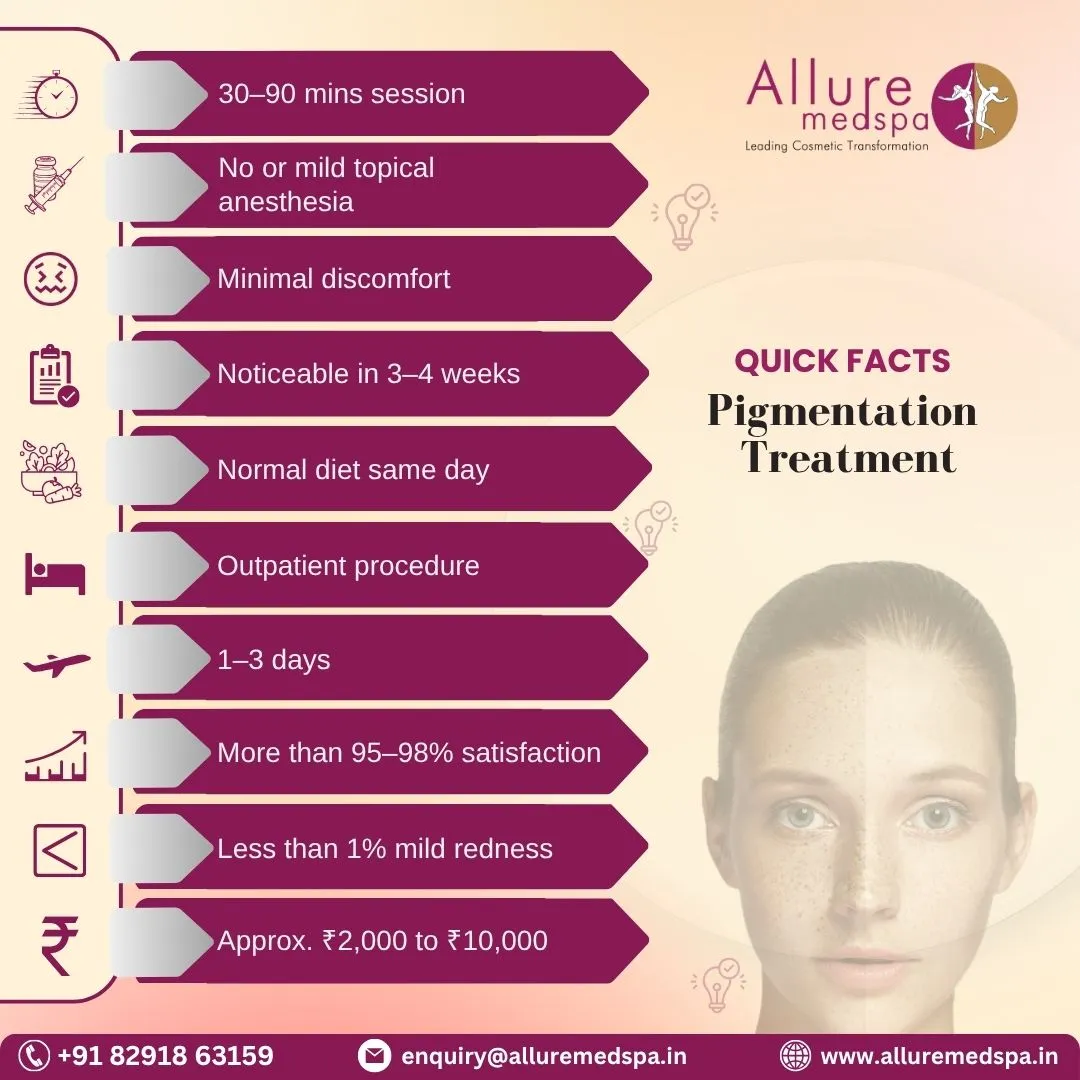
| Time Required | 30–90 mins session |
| Anesthesia | No or mild topical Anesthesia |
| Pain Level | Minimal discomfort |
| Hospital Stay | 0 Days |
| Flyback | 1–3 Days |
| Success Rate | 95% to 98% |
| Result | Major improvement immediately; Noticeable in 3–4 weeks |
| Diet | No Restrictions |
| Complication Rate | Less than 1% mild redness |
| Cost in Mumbai | INR 2,000 to 10,000 Approx. |
“Pigmentation Treatment Cost”
What Key Factors Influence Skin Colour and Pigmentation?
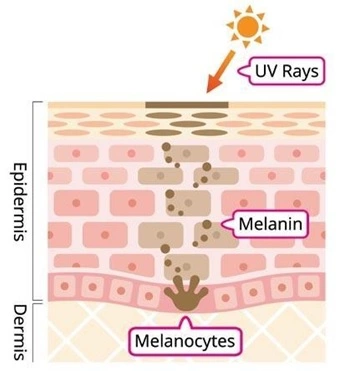
Your skin colour — and any pigmentation — is determined mainly by melanin levels, genetics, sun exposure and certain medical conditions. Everyone has a similar number of pigment cells; the difference is how much melanin they make.
Melanin — the primary pigment; more melanin means darker tone
Genetics — inherited traits set your baseline tone and pigment-cell activity
Sun exposure — UV drives melanin production, tanning and dark spots
Hormones — pregnancy and contraceptives can trigger melasma
Medical conditions — vitiligo/albinism (less melanin) or Addison’s (more)
“Causes of Hyper Pigmentation”
What Causes Hyperpigmentation That Pigmentation Treatment Targets?
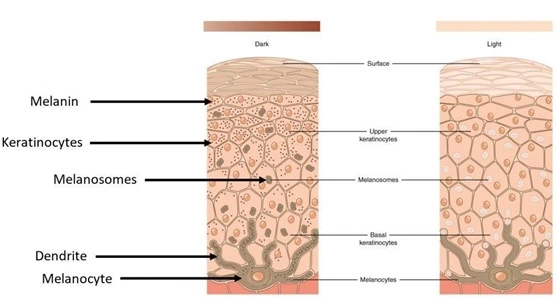
Hyperpigmentation is caused by excess melanin production (melanogenesis), triggered most often by sun exposure, hormones, inflammation or certain medications — and effective pigmentation treatment starts by identifying which of these is driving it.
Sun exposure (UV) — the biggest trigger; drives melanin as a defence, causing tanning and spots
Hormonal change — pregnancy, contraceptives or thyroid issues can trigger melasma
Inflammation/injury (PIH) — post-acne, eczema, burns or harsh treatments leave dark marks
Medications — some chemotherapy, antimalarial and antidepressant drugs alter pigment
How it forms — melanocytes make melanin, which passes to surface skin cells; enzymes like tyrosinase set the amount
Source: Hyperpigmentation management (JAAD)
🩺 Doctor’s note: “Pigmentation treatment works best when we identify the trigger first — sun exposure, hormones, acne marks, irritation, or medication-related pigmentation. In Indian skin, I plan treatment gently because aggressive procedures can worsen PIH. Sun protection, trigger control, and the right combination of creams, peels, or lasers are key.”
“Best Skin Pigmentation Treatment in Mumbai”
What Medical Conditions Cause Skin Darkening Beyond Common Pigmentation?
Besides ordinary hyperpigmentation, conditions like Acanthosis Nigricans and Macular Amyloidosis can cause skin darkening — which is why a dermatologist’s diagnosis matters before pigmentation treatment.
Acanthosis Nigricans — dark, velvety thickening in folds (neck, underarms); linked to insulin resistance/obesity
Macular Amyloidosis — brownish, rippled patches from amyloid deposits; may itch
Others — Addison’s disease, drug-induced pigmentation and post-inflammatory causes
Treating the underlying cause — not just the surface — is key; some of these need medical management, not cosmetic pigmentation treatment alone.
“Know More Pigmentation causes”
What Are the Different Types of Hyperpigmentation?
Hyperpigmentation appears mainly as age spots, melasma and post-inflammatory dark patches — and identifying the type guides the right pigmentation treatment.
Age spots (liver spots) — flat, dark, sun-exposed areas (face, hands); from long-term UV
Melasma — brown/grey patches on cheeks, forehead, upper lip; hormone-driven; sun-sensitive
Post-inflammatory (PIH) — dark marks after acne, injury or eczema; common in deeper skin tones
For melasma specifically, Cosmelan and careful topical/laser plans work best; for PIH, treating the underlying acne first is essential.
How Is Hyperpigmentation Diagnosed Before Pigmentation Treatment?
Hyperpigmentation is usually diagnosed by a skin examination, sometimes with a Wood’s lamp or biopsy — accurate diagnosis is what makes pigmentation treatment effective and safe.
Skin examination — assessing pattern, depth and likely cause
Wood’s lamp — UV light shows whether pigment is superficial or deep (guides treatment)
Biopsy — rarely, for uncertain or resistant cases
“Book a Online Consultation”
Do Home Remedies Help Hyperpigmentation, and Are They Safe?
Gentle home care can support professional pigmentation treatment, but it won’t clear established pigmentation — and some popular ‘natural’ remedies are actually risky on facial skin.
Helpful & safe — daily broad-spectrum sunscreen (the single most important step), gentle cleansing, hydration
Supportive (with care) — niacinamide, vitamin C or dermatologist-advised actives
Realistic — home care maintains results; deeper pigment needs in-clinic treatment
“Confirm Your Appointment”
Which Topical Treatments Are Effective for Hyperpigmentation?
Effective pigmentation treatment creams slow melanin production and speed cell turnover — the best-evidenced include tranexamic acid, azelaic acid, niacinamide, vitamin C, and (under prescription) hydroquinone and retinoids.
Tranexamic acid — strong recent evidence for melasma/PIH, comparable to hydroquinone with fewer irritant reactions
Azelaic acid — reduces pigment and helps acne-related marks
Niacinamide (Vit B3) — brightens and strengthens the skin barrier
Vitamin C — antioxidant that reduces melanin formation
Kojic acid — a gentler brightening agent
Hydroquinone & retinoids — effective but prescription-only, short-course, dermatologist-supervised
Sources: Tranexamic acid review, 2026, Emerging topical melasma therapies, 2025
“Confirm Your Appointment”
What Cosmetic Procedures Are Safe and Effective for Pigmentation Treatment?
In-clinic pigmentation treatment — chemical peels, laser toning, IPL and microneedling — can fade stubborn pigment faster than creams alone, chosen by depth and skin type.
Chemical peels — glycolic/Cosmelan peels exfoliate and reduce surface pigment
Laser toning — Q-switched Nd:YAG / laser and carbon-laser facials target melanin (used cautiously in darker skin)
IPL photofacial — light pulses break down superficial pigment (not ideal for melasma)
Microneedling — microneedling / MNRF evens tone and helps PIH
Microdermabrasion — surface exfoliation for mild, superficial pigment
“Hyperpigmentation Treatment in Mumbai”
How Do You Choose the Right Pigmentation Treatment for Your Skin?
The right pigmentation treatment depends on your pigmentation type, depth and skin tone — which is why a dermatologist’s assessment, not guesswork, gives the best and safest results.
Expert diagnosis — pigmentation can mimic other conditions; accurate assessment matters
Tailored plan — peels, laser, topicals or combinations chosen for your skin
Minimised risk — correct settings avoid burns and PIH, especially in darker skin
Long-term results — a strategy for clearance plus maintenance
“Book a Online Consultation”
Why Is a Consultation Important Before Pigmentation Treatment?
A consultation identifies the exact cause of your pigmentation and ensures your pigmentation treatment is safe, effective and customised — preventing wasted time on the wrong approach.
Root-cause diagnosis — melasma vs PIH vs age spots need different plans
Customised plan — to your skin type, pigment depth and history
Prevents complications — checks interactions with past treatments/products
Sets expectations — downtime, sessions and maintenance upfront
“Confirm Your Appointment”
How Can You Prevent Pigmentation from Worsening or Recurring?
You can’t always prevent hyperpigmentation, but daily sun protection and gentle skincare dramatically reduce recurrence — essential to protect your pigmentation treatment results.
Sunscreen daily — broad-spectrum SPF 30+, reapplied — the most important step
Cover up — hats, sunglasses and shade reduce UV exposure
Gentle skincare — hydrate, avoid harsh scrubbing; use dermatologist-advised actives
Manage triggers — review hormones/medication with your doctor if relevant
How Many Sessions of Pigmentation Treatment Are Needed?
The number of pigmentation treatment sessions depends on the type and depth of pigmentation and your skin’s response — superficial pigment clears faster than deep melasma.
Mild superficial pigment — 2–4 sessions
Moderate melasma or PIH — 4–6 sessions
Deep/stubborn pigment — 6–10+ sessions, usually 2–4 weeks apart
Plus maintenance — melasma especially needs ongoing care and sun protection
What Is the Cost of Pigmentation Treatment in Mumbai?
At Allure Medspa, pigmentation treatment ranges from about ₹2,000 to ₹10,000 per session, depending on the method, pigmentation type and number of sessions; a consultation gives an exact estimate. EMI options are on our payment process page.
| Treatment | Indicative cost per session |
|---|---|
| Chemical peels | ₹2,000–₹5,000 |
| Laser pigmentation removal | ₹4,000–₹10,000 |
| Advanced combos (MNRF, Q-switch, PRP) | ₹7,000–₹12,000+ |
Costs vary by pigmentation type, method and sessions needed — always get a personalised quote.
Who Is the Best Doctor for Pigmentation Treatment in Mumbai?
The best doctor for pigmentation treatment is a qualified dermatologist experienced in melasma, PIH and laser skin treatment, who can match the method to your skin — crucial for Indian skin, which is prone to pigment changes.
Pigmentation expertise — melasma, PIH, freckles and age spots
Right technology — FDA-approved Q-switched lasers, CO₂, MNRF, used safely
Skin-type-matched — conservative settings to avoid PIH
Customised protocols — combining topicals, peels and laser
Which Is the Best Clinic for Pigmentation Treatment in Mumbai?
Allure Medspa is a trusted Mumbai centre for pigmentation treatment, offering FDA-approved lasers, dermatologist-led protocols and a full skin-treatment menu under one roof.
Advanced technology — FDA-approved lasers and devices
Personalised protocols — for melasma, PIH, age spots and uneven tone
Safety-first — strict hygiene and skin-type-matched settings
Full skin menu — peels, Cosmelan, laser and topicals together
Outstation and overseas patients are supported end-to-end — see our outstation patients guide.
“Our Holistic Care for Outstation Patients”
Medical Code for Skin Pigmentation in Mumbai?
ICD-10 Codes for Skin Whitening Treatment
| ICD-10 Code | Description |
|---|---|
| L81.0 | Melasma (common pigmentation disorder treated with skin whitening) |
| L81.4 | Other melanin hyperpigmentation (dark spots, uneven tone) |
| L57.0 | Actinic keratosis (sun-induced pigmentation) |
| R23.4 | Changes in skin texture (dullness, patchiness) |
| Z41.1 | Encounter for cosmetic surgery or skin whitening procedure |
CPT Codes for Skin Whitening Treatment
| CPT Code | Description |
|---|---|
| 15788 | Chemical peel, facial; epidermal (for whitening and brightening) |
| 15789 | Chemical peel, facial; dermal (medium-depth peel for deeper pigmentation) |
| 96365 | Intravenous infusion, initial (e.g., Glutathione IV drip) |
| 96440 | Injection or infusion of non-chemotherapy drug (e.g., Glutathione IM/IV) |
| 17999 | Unlisted procedure, skin (e.g., oral or topical whitening protocols) |
| 96920 | Laser treatment of skin (used for whitening and pigmentation) |
(FAQs) Frequently Asked Question for Skin Pigmentation
Q1. What is the best treatment to remove pigmentation?
Ans. It depends on the type and cause. Options include prescription topicals (e.g. tranexamic acid, azelaic acid, supervised hydroquinone), chemical peels, laser toning and microneedling. A dermatologist matches the method to your skin.
Q2. Can pigmentation be removed permanently?
Ans. Some pigmentation clears well, but melasma in particular is chronic and relapsing — there’s no guaranteed permanent cure. Sun protection and maintenance keep it controlled.
Q3. What’s the fastest way to reduce hyperpigmentation?
Ans. Laser toning and chemical peels can show relatively quick results; topically, tranexamic acid, niacinamide and vitamin C help under dermatological supervision. There’s no genuine 5-minute fix.
Q4. How long does pigmentation take to fade?
Ans. Superficial pigment can fade in a few weeks; deeper pigment or melasma may take 3–6 months or longer, depending on the method and your skin.
Q5. Which serum is best for pigmentation?
Ans. Serums with vitamin C, niacinamide, alpha-arbutin or tranexamic acid are commonly used to reduce pigmentation and even tone.
Q6. Can turmeric or lemon remove pigmentation?
Ans. Turmeric may lighten pigment slightly but isn’t a standalone fix. Avoid applying lemon to the face — it can cause irritation and a sun-triggered burn (phytophotodermatitis) and worsen pigmentation.
Q7. Which acid is used to treat pigmentation?
Ans. Glycolic, kojic, azelaic and mandelic acids are used in peels and creams to exfoliate and slow melanin production.
Q8. Is hydroquinone safe for pigmentation?
Ans. It’s effective but should be used short-term under a dermatologist — unsupervised long-term use can cause ochronosis (permanent darkening). It’s not a casual OTC product.
Q9. How to stop pigmentation from spreading?
Ans. Daily sunscreen, sun avoidance, gentle skincare and treating the root cause (hormones, inflammation) all help limit spread.
Q10. Can pigmentation come back after treatment?
Ans. Yes — especially melasma — if the trigger (sun, hormones) isn’t managed. Maintenance and sun protection reduce recurrence.
Q11. Is pigmentation removal safe?
Ans. Yes, when performed by qualified dermatologists with the right settings for your skin. Side effects are usually mild and temporary.
Q12. How does laser remove pigmentation?
Ans. Laser targets excess melanin, breaking it into fragments the body clears, for a more even tone. It’s used cautiously in darker skin and melasma to avoid PIH.
Q13. How much does laser pigmentation removal cost in India?
Ans. Roughly ₹3,000–₹10,000 per session, with 3–6 sessions often needed — varying by clinic and technology.
Q14. What causes pigmentation in men?
Ans. Sun exposure, shaving irritation, acne scars, hormonal factors and poor skincare can all contribute; men are treated the same way, with topicals, sunscreen and laser.
Q15. Can pigmentation signal a health problem?
Ans. Sometimes — conditions like Addison’s disease, thyroid disorders or PCOS can cause pigmentation. See a doctor if it appears suddenly or spreads quickly.
Q16. What does pigmentation treatment cost in Mumbai?
Ans. Typically ₹2,000–₹10,000+ per session at Allure Medspa depending on method and sessions.
Related Links
Note: The author of this content is Dr. Milan Doshi, An Indian board-certified plastic & cosmetic Surgeon wholly & solely confirms the authenticity of the information & knowledge delivered by this write-up.