
Revision Facelift in Mumbai: An Honest Assessment of What Can — and Cannot — Be Improved
Indian Board Certified Plastic Surgeon
M.CH, MS, ISAPS Mentor
16000+ Cosmetic Surgeries
500+ Face Lift Surgeries
Being unhappy after facial surgery is difficult, particularly when you are unsure whether another operation will make things better.
A revision facelift also called a secondary or redo facelift is considered for two very different reasons: aging has gradually returned years after a satisfactory operation, or there is a specific concern from the previous surgery that may be improved. Those situations are not the same problem, and they should not be planned as though they were.
Dr. Milan Doshi assesses revision patients at Allure Medspa in Andheri West, Mumbai. An assessment is about understanding your current anatomy, not criticising the surgeon who performed the original procedure.
Revision Facelift Surgery Before And After Images
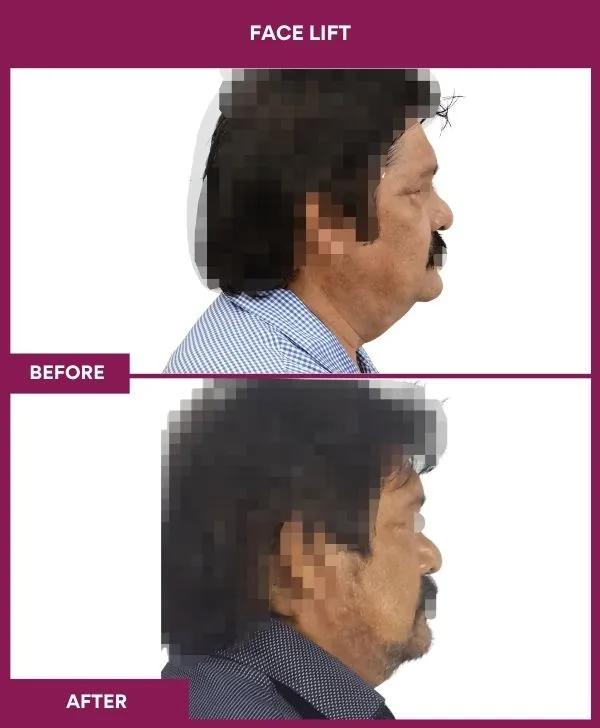
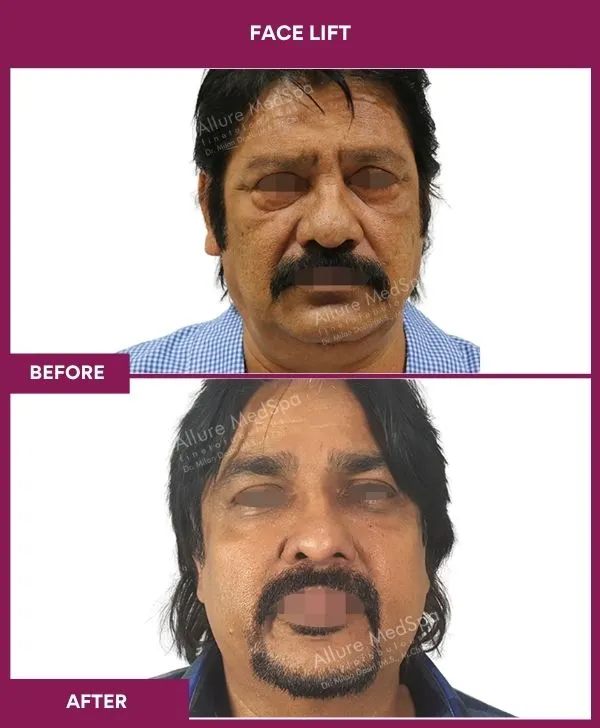
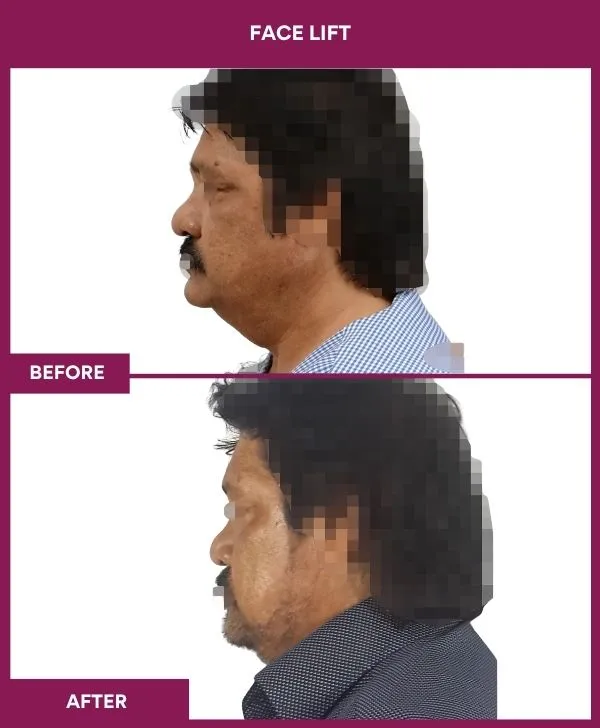
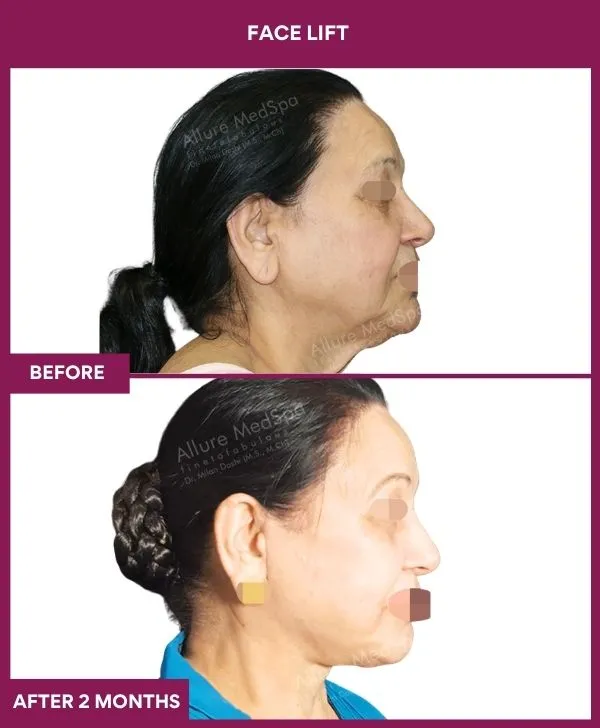
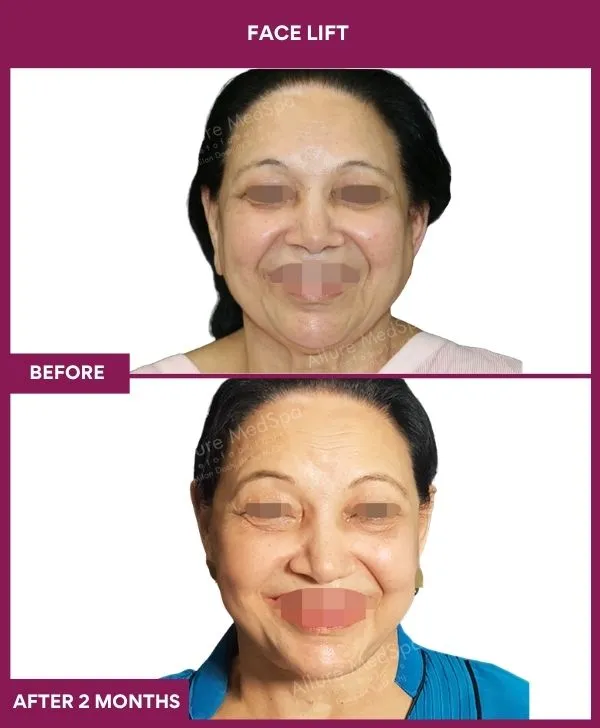
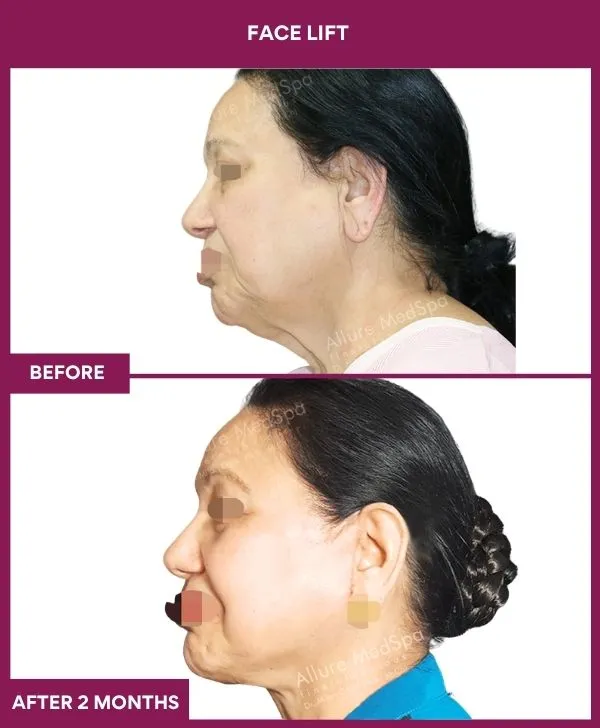
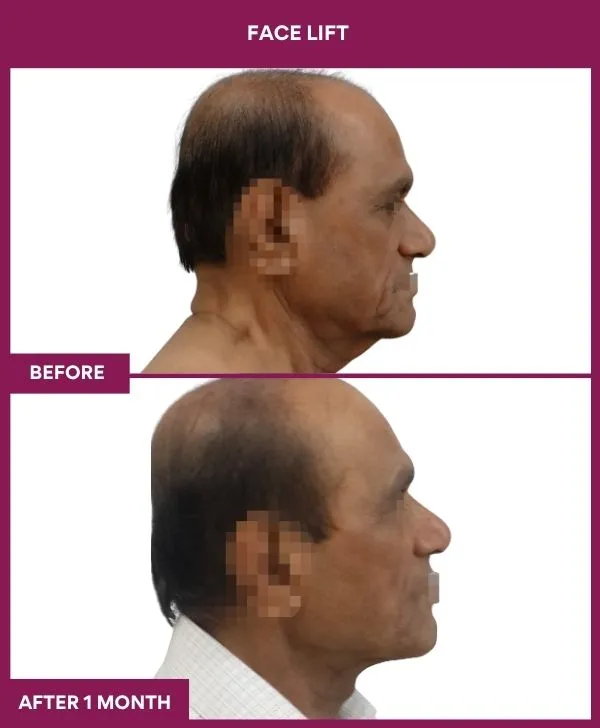
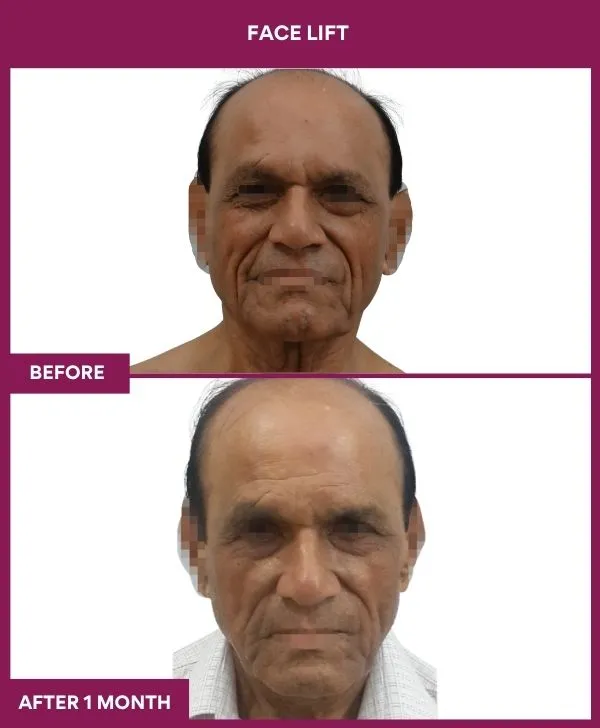
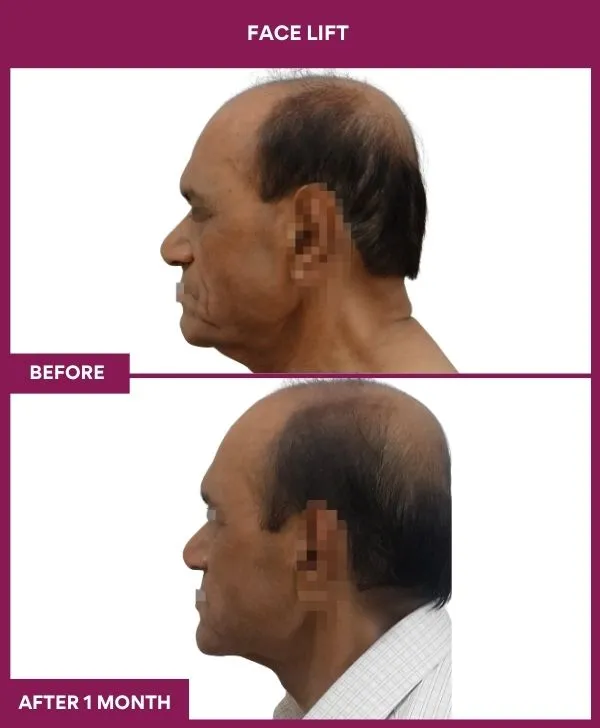
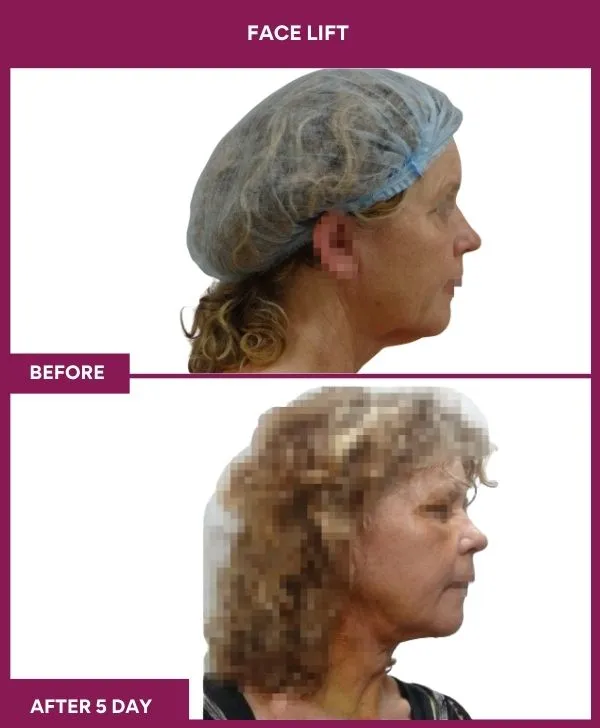
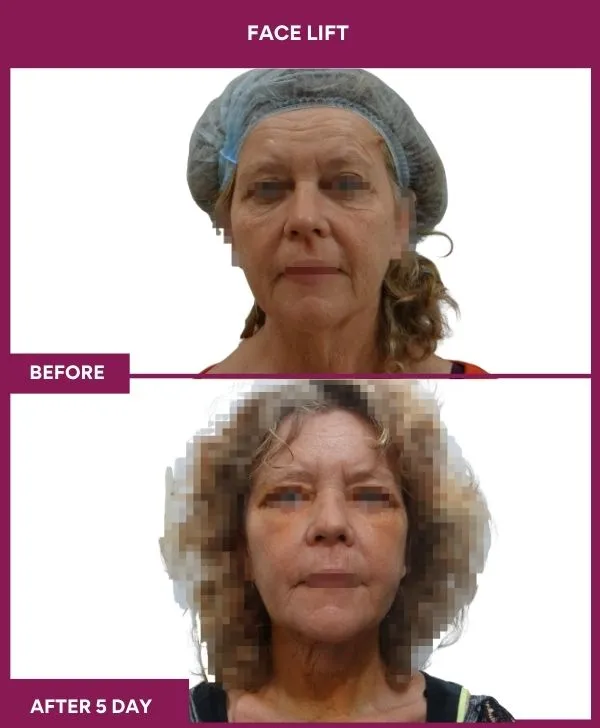
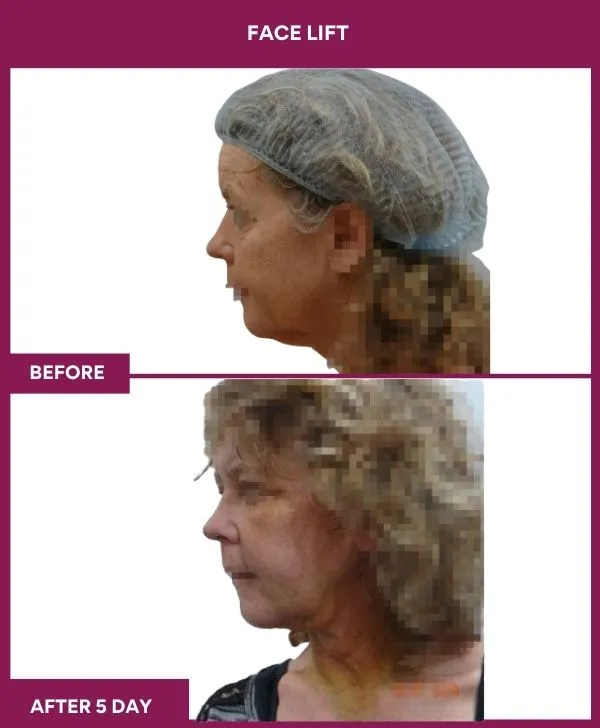
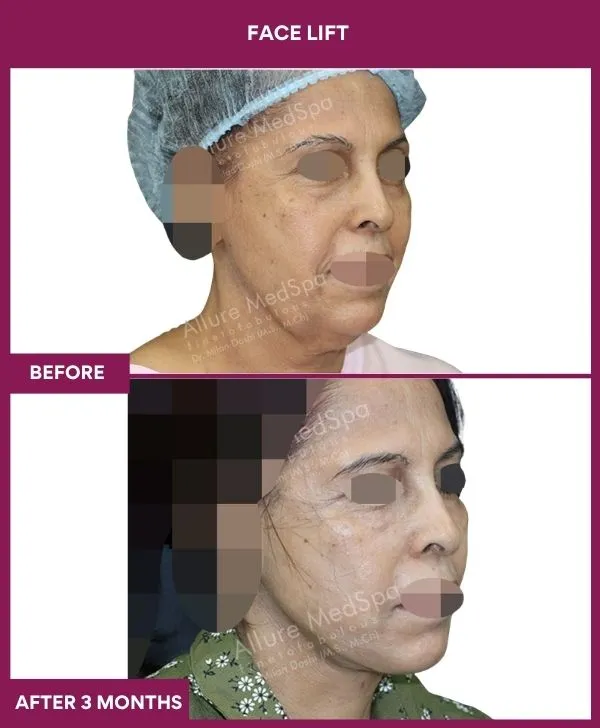
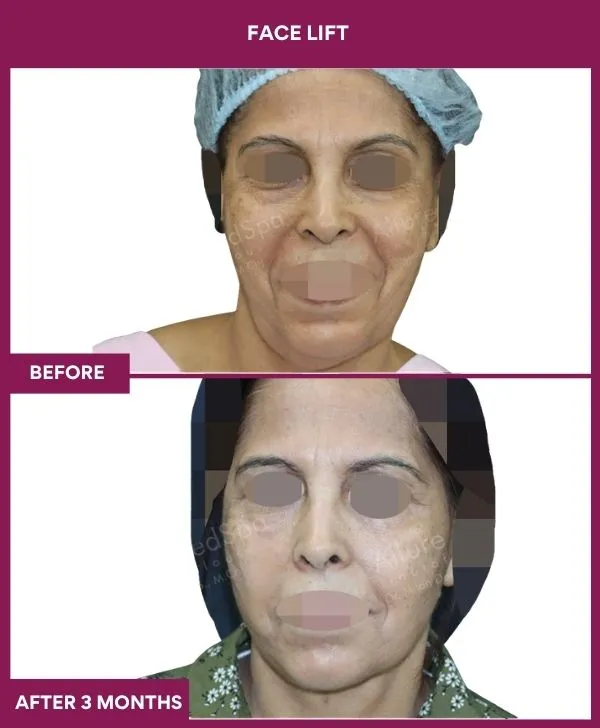
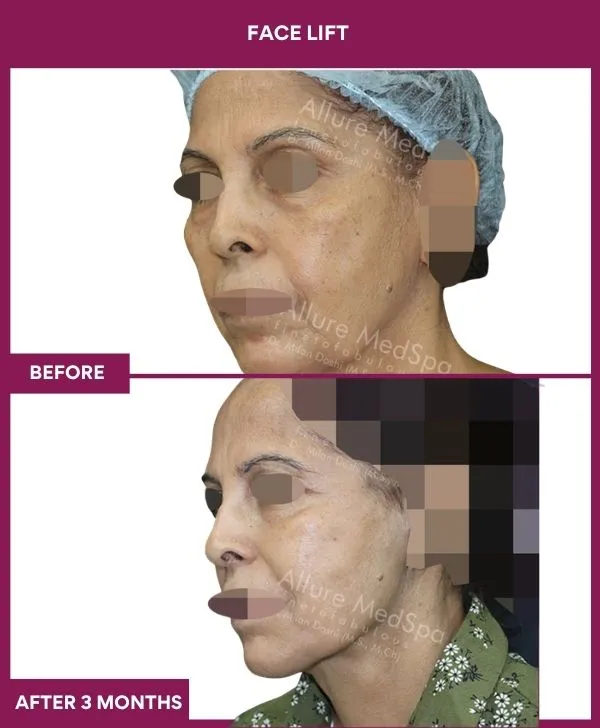
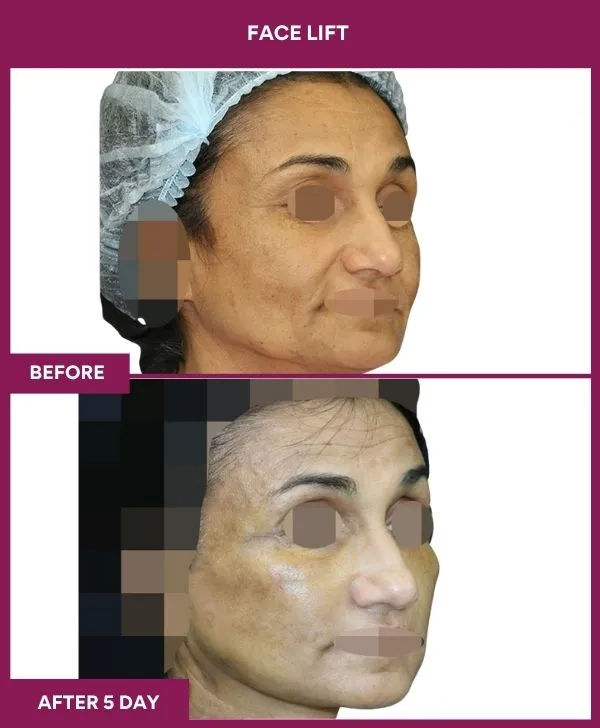
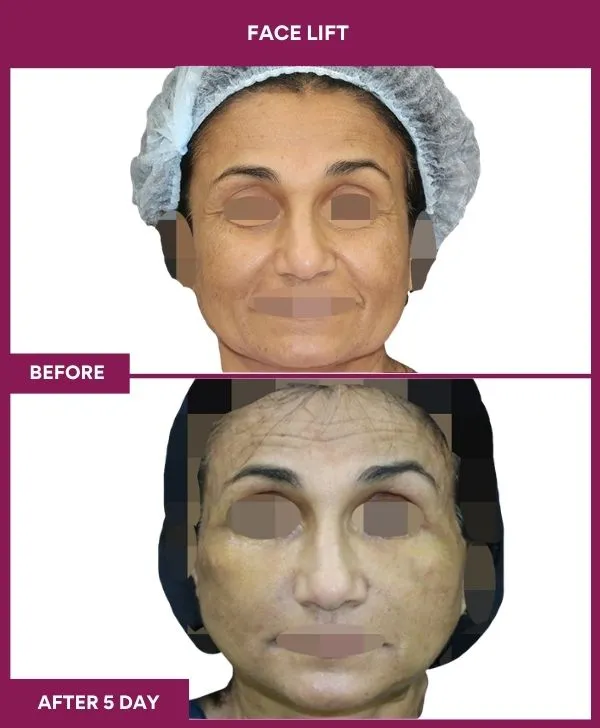
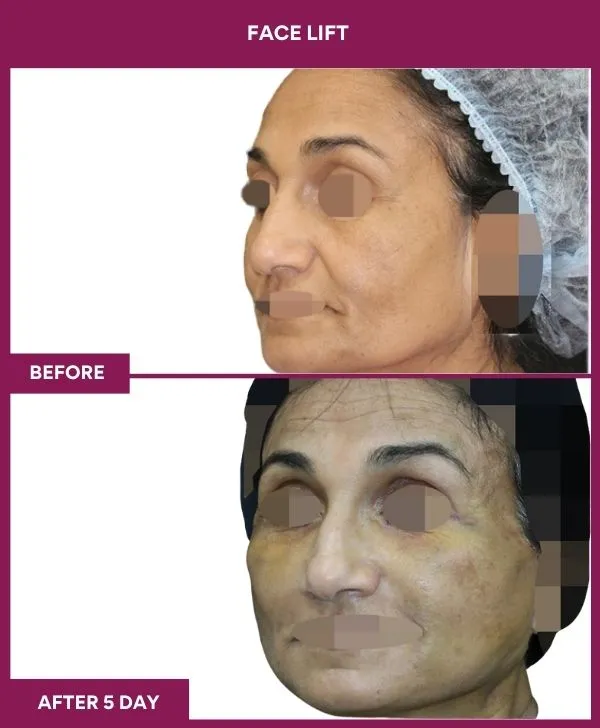
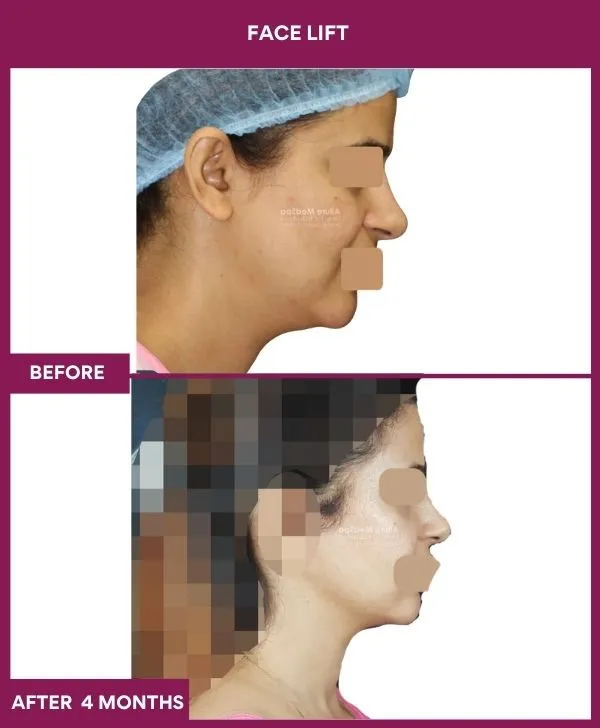
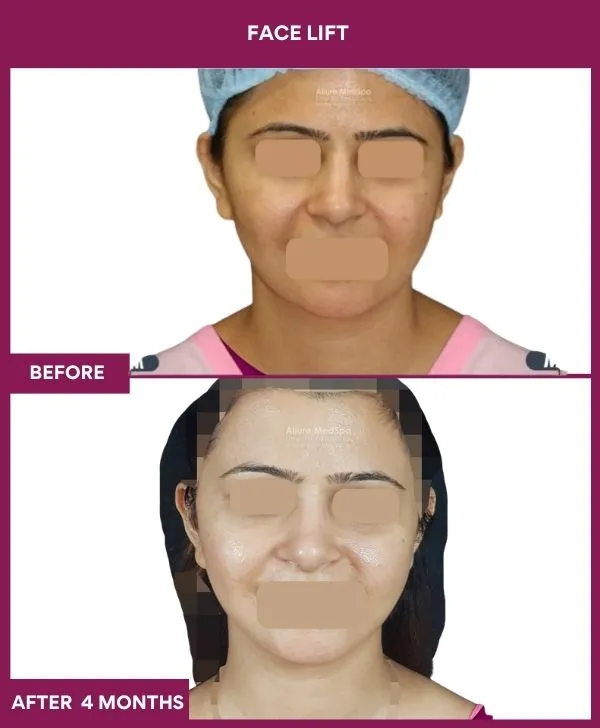
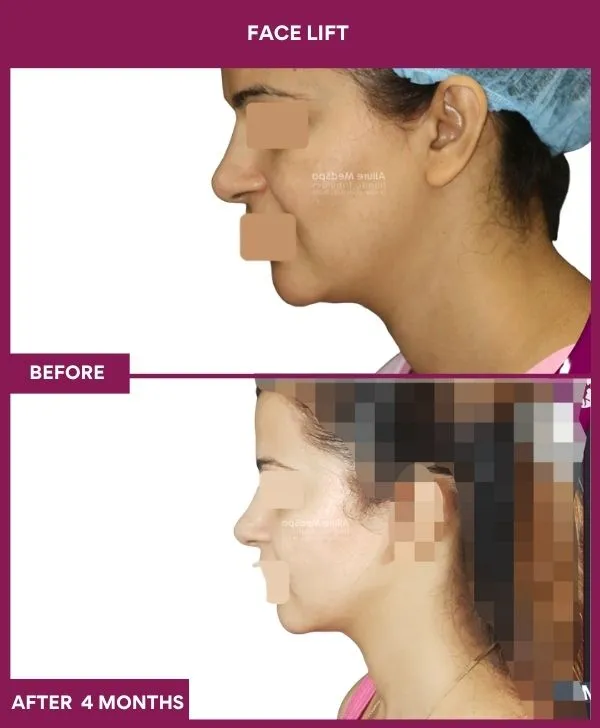
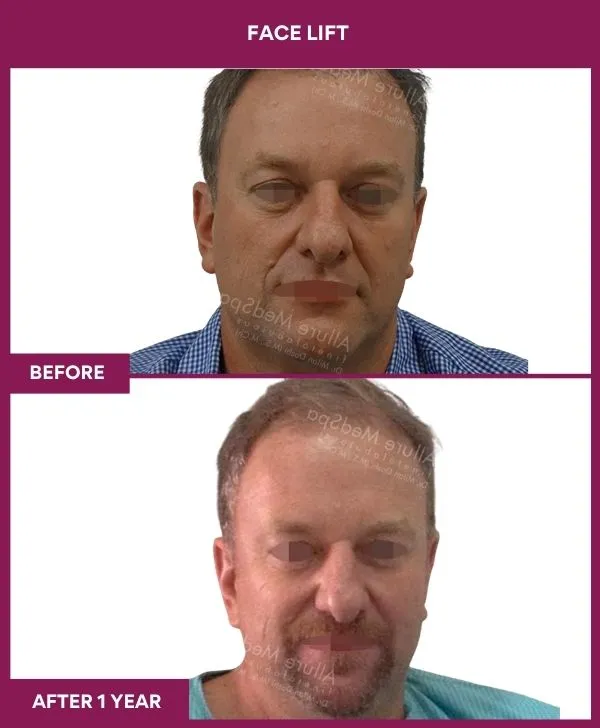
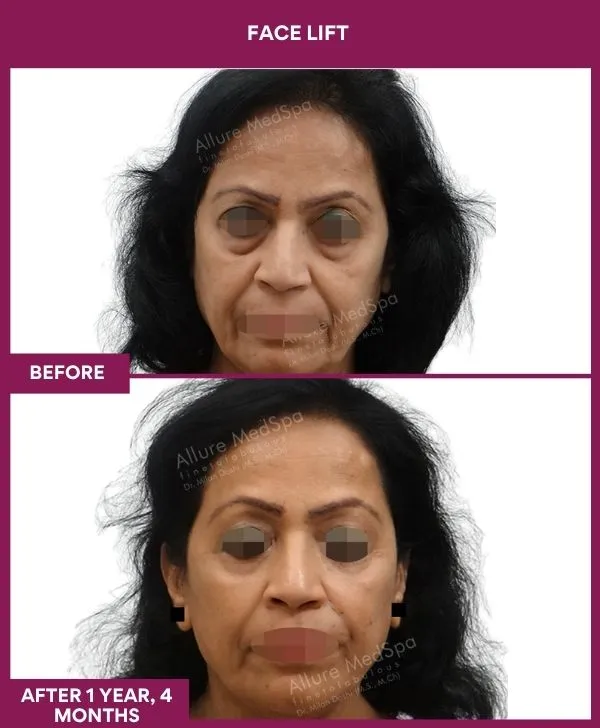
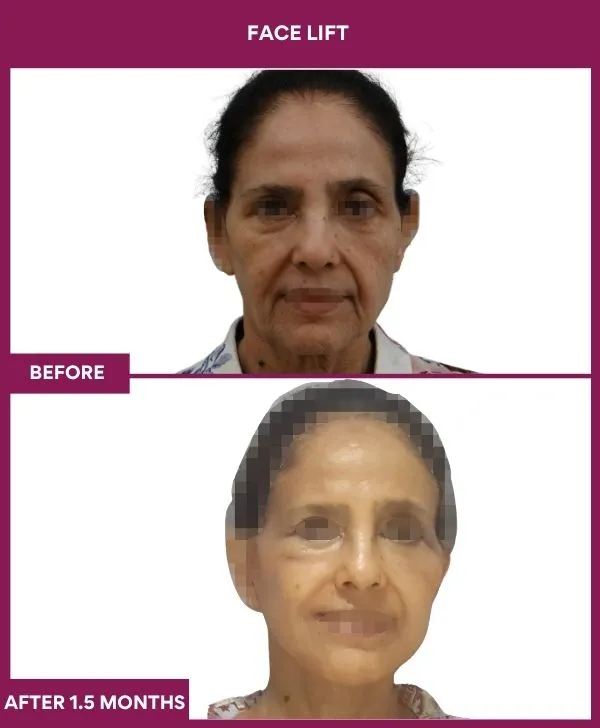
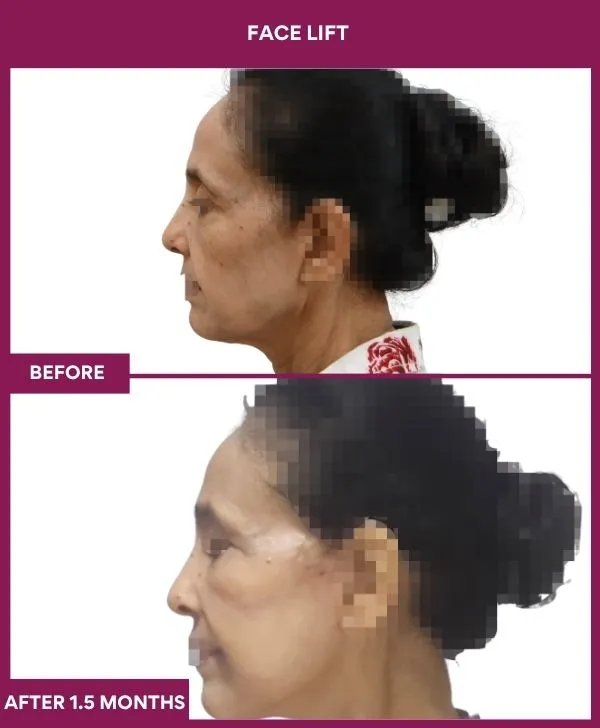
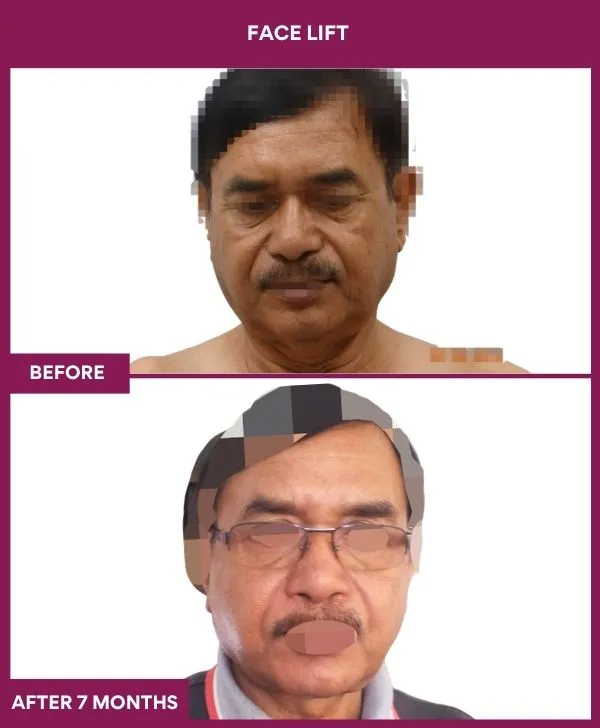
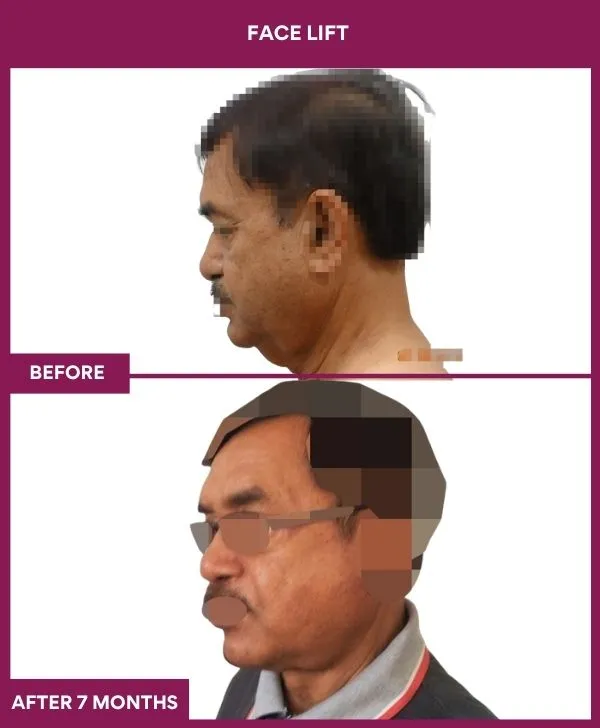
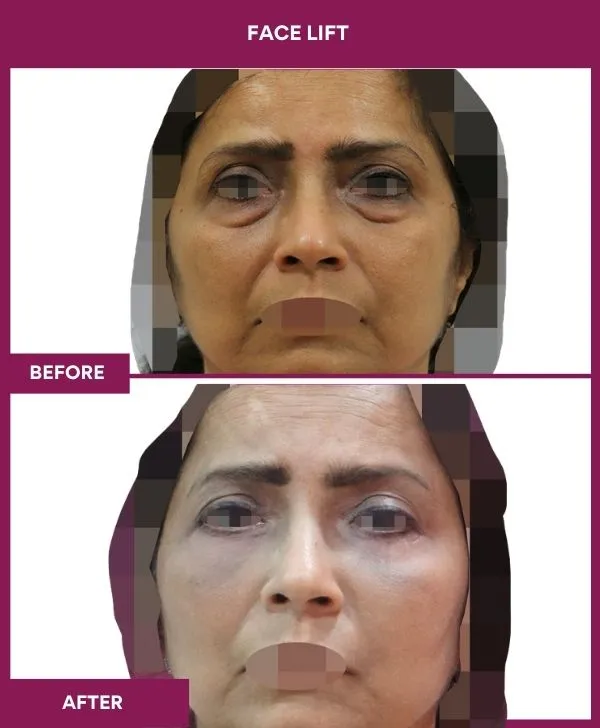
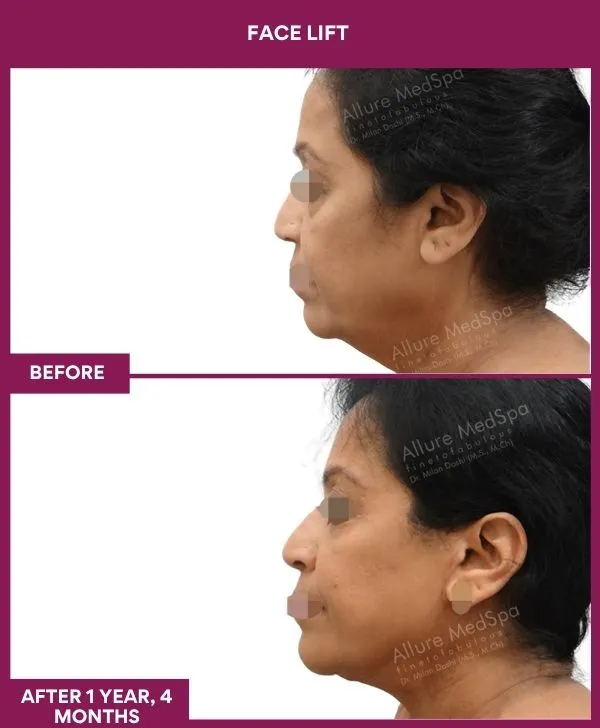
See real transformations from fine to fabulous — achieved with precision and care.
Revision Facelift Surgery Testimonials: Fine To Fabulous Journeys
Thousands have trusted Dr. Milan Doshi to turn back time with natural, youthful results.
Video: Facelift Surgery Explained By Dr. Milan Doshi
Dr. Milan Doshi explains how a natural facelift is planned — technique, safety and realistic results.
Am I a Candidate?
(4 quick questions)
Quick Facts About Revision Facelift Surgery
TIME REQUIRED
4 - 6 Hours
ANESTHESIA
General
HOSPITAL STAY
Over night
PAIN LEVEL
Mild–moderate
BACK TO WORK
5–10 days
RESULTS LAST
8–10 years
SUCCESS RATE
97–98%
COMPLICATIONS
Under 2–3%
How Much Does Revision Facelift Surgery Cost in Mumbai?
A revision facelift in Mumbai starts from ₹2,50,000 to ₹3,00,000, and generally costs more than a primary facelift because scar tissue, altered anatomy and corrective work make the surgery more complex and more time-consuming. It is also the procedure where a starting price tells you least: a localised earlobe or scar correction and a full secondary face-and-neck lift sit at opposite ends of the same page. A quotation follows examination and a written surgical plan.
| Procedure | Indicative price range |
|---|---|
| Revision facelift | ₹2,50,000 – ₹3,00,000 |
| Full / SMAS facelift (primary, for comparison) | ₹2,00,000 – ₹2,60,000 |
| Deep-plane facelift | ₹2,40,000 – ₹3,00,000 |
| Facelift with fat grafting | ₹2,20,000 – ₹2,90,000 |
+5% GST · Includes surgeon, anaesthesia, OT, hospital stay, medicines and follow-ups. EMI available.
Get your exact quote & surgery plan
Share your details — our team responds within working hours with cost, EMI options and next steps.
Most Common Question People Ask
Q1. What is a revision or secondary facelift?
Ans. A revision facelift is another facelift performed after earlier facelift surgery. It may address normal recurrent ageing years later, or improve a specific concern from the previous procedure. Because prior surgery changes scars, tissue planes and anatomical landmarks, planning is more individualised than for a first operation.
Q2. Can an over-pulled or unsatisfactory facelift be improved?
Ans. Some over-pulled or otherwise unsatisfactory results can be improved, but complete reversal cannot be promised. A windswept appearance is described as challenging but potentially improvable once tissues have relaxed enough to allow more tension-free redraping. What is achievable depends on the current anatomy, not on the original intention.
Q3. What is a pixie ear, and can it be corrected?
Ans. Pixie ear describes an earlobe stretched downward and forward by tension after facelift surgery. Correction usually involves releasing the tethered earlobe and redistributing tension rather than merely trimming the scar, because a scar trim alone can reproduce the same deformity. The technique depends on the deformity and the surrounding tissues.
Q4. How much does a revision facelift cost in Mumbai?
Ans. A revision facelift in Mumbai starts from ₹2,50,000 and can cost more than a primary facelift because previous surgery leaves scar tissue, altered planes and specific deformities that add planning, dissection and operating time. A quotation follows examination and a written plan.
Q5. How long should I wait before a revision facelift?
Ans. There is no universal one-year rule. Some problems need several months for swelling and tissue tension to settle; persistent scars are commonly reassessed after roughly 6–12 months of maturation. Recurrent ageing years later is a different timing question entirely. Timing is set after examining your current healing stage.
Q6. Is a revision facelift riskier than the first one?
Ans. Revision surgery is technically more complex because anatomy and tissue planes have been altered, and it introduces additional operative pitfalls. That is not the same as saying every complication is automatically more likely. Your personal risk depends on what was done before and what needs to be done now.
Q7. Will a revision make every sign of the first surgery disappear?
Ans. No. The realistic goal is meaningful improvement rather than erasing every trace of a previous operation. Scars cannot be removed, only revised, and tissues that have been operated on behave differently. Being clear about that before surgery is one of the strongest predictors of satisfaction afterwards.
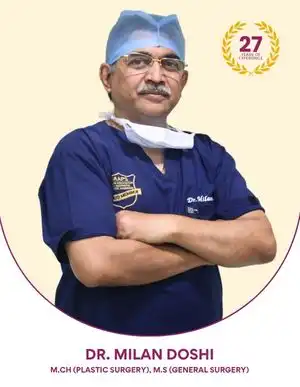
Why Choose Dr. Milan Doshi?
Dr. Milan Doshi, MCh, MS — Indian board-certified plastic surgeon with 27+ years in aesthetic surgery. ISAPS mentor, trusted by patients from 70+ countries. Consults at Andheri West; surgeries at the NABH-accredited surgical centre, Goregaon West.
Dr Doshi Note: I explain that revision facelift surgery aims for meaningful improvement, not absolute perfection. We distinguish natural re-ageing from concerns requiring corrective reconstruction. A secondary facelift treats tissues that have loosened again over time. Corrective reconstruction addresses specific concerns within safe and realistic limits.
The Complete Guide About Mini Facelift Surgery
What Is a Revision Facelift?
A revision facelift is a facelift performed after previous facelift surgery. It may be done to refresh ageing changes or correct a specific concern from the earlier procedure.
- It is also called a secondary facelift or redo facelift.
- Reasons may include recurrent sagging, abnormal scars, earlobe deformity, contour irregularities or an over-lateralised appearance.
- Revision surgery is different from a first facelift because previous surgery may alter scars, tissue planes and anatomical landmarks.
- Each case therefore requires careful assessment of the original surgery, current anatomy and the exact concern.
- Accurate diagnosis and realistic expectations are especially important.
- The surgeon must also determine what can be safely improved and what may have limitations because of previous surgical changes.
Source: Ziai K, Azizzadeh B. Revision Rhytidectomy: Pearls and Pitfalls. Facial Plastic Surgery. DOI: 10.1055/a-2190-8558 — On revision as a complex undertaking driven by alterations to facial skin, the SMAS/platysma and facial nerve landmarks.
Why Do People Consider a Revision Facelift?
Revision patients broadly fall into two groups: those whose previous facelift worked well but whose face has naturally aged again, and those seeking correction of a specific surgical result. Re-ageing can resemble another primary rejuvenation problem; corrective revision may require reconstruction of altered scars, contours or tissue relationships.
- Natural re-ageing after a previous good result. Facelift surgery does not stop aging. Tissues continue to change after an operation, and some patients eventually consider another lift. Current guidance from Mayo Clinic states plainly that facelift results are not lifelong. Published secondary-facelift series report intervals of several years between primary and secondary surgery; those are study observations, not an expiry date for your facelift.
- Corrective revision. Other patients have a defined structural concern after surgery, involving the ear, a scar, the hairline, the facial vector, asymmetry, neck contour or insufficient correction. Revision literature describes deformities such as cobra-neck and pixie ear as adding an extra level of complexity to secondary surgery.
An imperfect outcome does not automatically mean the original operation was performed negligently. Complications, scar behaviour, asymmetry and dissatisfaction can occur even after carefully planned surgery.
Sources
- Mayo Clinic — Face-lift — On continued ageing after surgery.
- Ziai K, Azizzadeh B. Facial Plastic Surgery. DOI: 10.1055/a-2190-8558 — On cobra neck and pixie ear adding complexity to revision.
What Are the Signs You Might Consider a Revision Facelift?
Reasons for seeking revision include recurrent ageing, visible or widened scars, abnormal earlobe position, hairline distortion, asymmetry, an excessively lateral or “windswept” appearance, contour hollows after previous fat removal, or simply insufficient correction. Not every concern requires another full facelift diagnosis determines the appropriate level of revision.
| Concern | What it may look like |
|---|---|
| Recurrent ageing | Jowls or laxity gradually return years after a satisfactory facelift |
| Windswept / over-lateralised appearance | Facial tissues appear excessively swept sideways |
| Pixie ear | Earlobe appears stretched downward and attached to the cheek |
| Visible or widened scars | Peri-auricular scars remain conspicuous or migrate |
| Hairline or sideburn distortion | Hairline position or continuity appears altered |
| Asymmetry | One side heals or sits differently from the other |
| Over-hollowed neck | Excessive central submental hollowing or contour irregularity |
| Under-correction | The original concern remains more visible than expected |
Pixie ear, windswept deformity, lateral sweep, scar problems, hairline malposition and cobra-neck deformity are all recognised post-facelift problems that may require later correction. Recognising one on this list is a reason to be assessed — it is not, by itself, evidence that anything was done wrongly.
Source: StatPearls (NIH NLM) — Cervicofacial Rhytidectomy — On pixie ear, windswept deformity, lateral sweep, scar problems, hairline malposition and cobra-neck deformity.
What Is a Pixie Ear and Can It Be Corrected?
A pixie ear is an elongated or tethered earlobe that appears pulled downward toward the cheek after facelift surgery. It develops when excessive tension acts on the earlobe attachment. Correction usually requires restoring a natural earlobe position while relieving the tension responsible for the deformity, not merely trimming the visible scar.
The mechanism is well described. Tension vectors in the facelift flap can displace the point where the earlobe attaches to the face, moving it forward and downward from its original position, producing the characteristic “stuck-on” appearance. Because the earlobe is the only part of the ear without cartilage support, it is the part that shows this tension first.
How common is it?
One study of 44 facelift patients reported pixie-ear deformity in 5.7% of that series, and a 2024 review of the literature describes the deformity as identified in roughly 5% of earlobe inset cases. These are figures from specific published series; they are not a universal incidence rate and should not be read as a prediction for any individual.
Why a simple scar trim may not be enough.
If the earlobe remains under downward traction, excising the scar alone can reproduce the same problem. Correction may require earlobe advancement together with re-elevation of the flap to remove closure tension, and published techniques consistently focus on releasing the tethered attachment and achieving tension-free positioning.
Sources
- Mowlavi A, Meldrum DG, Wilhelmi BJ, Russell RC, Zook EG. The “pixie” ear deformity following face lift surgery revisited. Plast Reconstr Surg. 2005;115(4):1165–71
- Vaccari S, Vinci V, et al. The pixie ear: how to prevent and correct it — a review of the literature. 2024
- StatPearls (NIH NLM) — Cervicofacial Rhytidectomy
Why Is a Revision Facelift More Complex Than the First Facelift?
Revision surgery is more complex because the surgeon is no longer working through untouched anatomy. Scar tissue, changed dissection planes, previous SMAS or platysma work, altered nerve landmarks, prior fat removal and existing scars all influence what can be safely mobilised and how much correction is realistically achievable.
This makes dissection less predictable. Ideally, the surgeon wants to know:
- what technique was used previously;
- how much skin was undermined;
- what was done to the SMAS;
- whether the neck or platysma was treated;
- whether fat was removed;
- where the scars and incisions were placed; and
- what other treatments have been performed since.
Prior fillers, threads or energy-based treatments can also alter the tissues encountered during revision surgery. If you can obtain your previous operative notes, bring them — they change the plan more than any photograph can.
What about blood supply?
It is too simplistic to say every revision facelift has poorer skin circulation. Previously elevated facelift flaps may develop a delay phenomenon, with enhanced perfusion through vascular adaptation, and may therefore carry a lower risk of skin necrosis in some revision circumstances. That does not make revision surgery easy or risk-free — scarred planes and altered anatomy remain challenging.
Smoking still matters?
Nicotine significantly increases the risk of wound-healing problems, haematoma and skin loss after facelift surgery, which makes complete cessation especially important before an elective revision.
Sources
- Ziai K, Azizzadeh B. Revision Rhytidectomy: Pearls and Pitfalls. Facial Plastic Surgery. DOI: 10.1055/a-2190-8558 — On altered skin, SMAS/platysma and nerve landmarks.
- StatPearls (NIH NLM) — Cervicofacial Rhytidectomy — On the delay phenomenon in previously elevated flaps and nicotine-related healing risk.
When Is the Right Time for a Revision Facelift?
TThere is no single waiting period for every revision facelift. Timing depends on the concern, healing stage and whether the tissues are still changing.
- Swelling or tension-related changes may improve naturally with time.
- Stable scar or contour problems are usually assessed after healing has matured.
- Corrective surgery is commonly delayed until the tissues have settled enough for reliable planning.
- Some tension-related deformities may require several months before revision is considered.
- Persistent scars are often reviewed for surgical revision after about 6–12 months of maturation.
- Waiting one year is not a fixed rule for every patient.
- A patient with recurrent ageing years later requires a different approach from someone only a few months after surgery.
Allure Medspa Timing Guidance: Corrective surgery may be considered in selected cases before one year. If swelling, scarring or tissue healing is still evolving, we advise further observation before planning surgery.
Source: StatPearls (NIH NLM) — Cervicofacial Rhytidectomy — On allowing several months of tissue relaxation before correcting windswept deformity and on scar maturation before revision.
How Is a Revision Facelift Performed?
There is no single standard technique for revision facelift surgery. The procedure is tailored to the specific problem and the changes created by the previous operation.
- Existing incisions may be reopened or redesigned.
- Scar tethering can be released where necessary.
- Deeper facial tissues, including the SMAS, may be repositioned.
- Skin tension may be redistributed for a more natural contour.
- Ear position, hairline changes and neck contour may also be corrected.
- Some patients need only a localised revision, while others require deeper-tissue repositioning.
- If excessive fat removal has caused hollowing or contour deficiency, autologous fat grafting may be used to restore volume.
- The safest plan focuses only on concerns that can reasonably and safely be improved.
For more on SMAS and deep-plane techniques, see the facelift surgery guide.. For volume restoration, see facial fat grafting.
Sources
- StatPearls (NIH NLM) — Cervicofacial Rhytidectomy — On fat grafting for deeper concavities and over-hollowed central-neck deformity.
- Ziai K, Azizzadeh B. Facial Plastic Surgery. DOI: 10.1055/a-2190-8558
Who Is a Good Candidate for Revision Facelift Surgery?
A suitable revision facelift candidate has a clear concern that can reasonably be improved, is medically fit for surgery, and understands the limitations of previously operated tissue. The goal is meaningful improvement, not complete removal of every sign of previous surgery.
| Revision may be suitable when | Another approach may be better when |
|---|---|
| There is a clearly defined anatomical concern | Healing is still continuing and more time is needed |
| The problem can be safely improved surgically | Only one small area requires correction |
| The patient is medically fit for another operation | Volume restoration or a non-surgical option may be more appropriate |
| Expectations are realistic and achievable | Further surgery may carry more risk than benefit |
| The planned improvement justifies another procedure | The safest recommendation is not to operate |
Careful assessment is essential before revision surgery. In some cases, the best recommendation may be to wait, treat only one area, use fat grafting or another non-surgical approach, accept a minor residual imperfection, or avoid further surgery altogether.
Sources
- Ziai K, Azizzadeh B. Revision Rhytidectomy: Pearls and Pitfalls. Facial Plastic Surgery. DOI: 10.1055/a-2190-8558 — On accurate diagnosis, careful examination and conservative expectation management.
- Rasko YM, Beale E, Rohrich RJ. Secondary rhytidectomy: comprehensive review and current concepts. Plast Reconstr Surg. 2012;130(6):1370–1378
Is Revision Facelift Surgery Riskier Than Primary Facelift Surgery?
Revision facelift surgery is usually more technically challenging because previous surgery changes scars, tissue planes and anatomy. However, this does not mean every revision facelift automatically has a higher complication rate than a primary facelift.
| Why revision is more complex | What this means for risk |
|---|---|
| Previous surgery alters normal tissue planes | Anatomy may be less predictable |
| Scar tissue can make dissection more difficult | Planning and surgical technique become especially important |
| Earlier surgery may have changed skin, fat or deeper tissues | Risk depends on what was done previously |
| The correction required may be limited or extensive | Personal risk varies according to the planned revision |
- Reported complications include haematoma, temporary facial-nerve weakness, infection, wound-healing problems, altered sensation, scarring, skin loss, nerve injury and dissatisfaction.
- The key point is that revision facelift surgery requires more individualised planning. Your risk depends on your previous surgery, current anatomy and what needs to be corrected now.
Sources
- Ziai K, Azizzadeh B. Revision Rhytidectomy: Pearls and Pitfalls. Facial Plastic Surgery. DOI: 10.1055/a-2190-8558
- Mayo Clinic — Face-lift — On recognised facelift risks.
⚠️ Seek urgent medical attention for
- rapidly increasing swelling on one side of the face or neck
- severe or escalating pain
- heavy or continuing bleeding
- difficulty breathing
- a concerning change in skin colour
- fever
- abnormal discharge or foul smell from an incision
In an emergency, go to the nearest emergency department or call emergency services. Do not wait for a WhatsApp or email reply.
What Is the Revision Facelift Recovery Timeline?
Recovery after a revision facelift depends on how extensive the correction is.
- Swelling, bruising, tightness and temporary altered sensation may occur.
- Recovery may be shorter for a small local correction and longer for a broader secondary face-and-neck lift.
- The timeline depends mainly on the amount of re-dissection and whether other procedures are combined.
- A minor earlobe or scar revision will not recover the same way as a full secondary facelift.
- Revision recovery is not automatically longer than the first facelift, but it should not be assumed to be identical either.
- Aftercare instructions are tailored to the procedure actually performed.
General facelift recovery expectations:
- bruising and swelling are most noticeable in the first few days and commonly improve over 2–3 weeks
- early tightness is normal and is not the final tension
- numbness usually improves over weeks to months
- travel and flying require written clearance at follow-up
For the full week-by-week timeline, wound care and activity guidance, see the facelift recovery section on the main facelift page.
Source:
Cleveland Clinic — Facelift (Rhytidectomy) — On general recovery expectations.
How Long Do Revision Facelift Results Last?
Revision facelift results can remain meaningful for years, but they are not permanent because facial ageing continues.
- Longevity depends on whether the revision treats recurrent ageing, a local deformity or a broader structural concern.
- Tissue quality, surgical technique, general health and lifestyle can also influence durability.
- Published secondary-facelift studies report intervals of several years between repeat procedures.
- These figures are study averages from specific patient groups, not a guarantee for an individual patient.
- They should not be interpreted as a fixed Allure Medspa promise.
The expected longevity of your result is best discussed after assessing your previous surgery, current anatomy and the type of revision required.
Source: Mayo Clinic — Face-lift — On facelift results not being lifelong and ageing continuing after surgery.
Medical Codes Are Used for Revision Facelift Surgery?
| CPT | Description | ICD-10 |
| 15828 | Rhytidectomy, cheek, chin and neck | Z41.1 |
| 15825 | Rhytidectomy, neck with platysmal tightening | Z41.1 |
| 15829 | Rhytidectomy, SMAS flap | Z41.1 |
(FAQs) Frequently Asked Question About Revision Facelift Surgery
Q1. Why can a revision facelift cost more and require more expertise?
Ans. Previous surgery can leave scar tissue, altered tissue planes, changed anatomical landmarks and specific deformities requiring additional correction, which increases planning, dissection and operating time. Pricing depends on the operation actually proposed rather than on the label “revision”.
Q2. Should I go back to my original surgeon?
Ans. That is a personal decision and both paths are reasonable. Your original surgeon knows exactly what was done, which is genuinely valuable information. A second opinion gives you an independent assessment of the current anatomy. Either way, ask for your operative notes — they help whoever plans the next step.
Q3. Can scars from my first facelift be removed?
Ans. Scars can be revised but not removed. Revision aims to reposition a scar into a better location, reduce tension on it, or improve its width and quality. Persistent scars are commonly reassessed after roughly 6–12 months of maturation, because scars continue to change during that period.
Q4. What if my face looks over-pulled or windswept?
Ans. A windswept or over-lateralised appearance is described as challenging but potentially improvable, generally after tissues have relaxed sufficiently to allow more tension-free redraping. Complete reversal cannot be promised, and attempting correction too early can make redraping harder rather than easier.
Q5. I had fillers or threads after my facelift. Does that matter?
Ans. It can. Prior fillers, threads and energy-based treatments may alter the tissues a surgeon encounters during revision surgery. Tell your surgeon what you have had and roughly when, even if it seems minor it changes what is found during dissection.
Q6. Can lost volume from previous fat removal be restored?
Ans. Where excessive fat removal has left a true contour deficiency, autologous fat grafting may form part of the reconstruction, including for deeper concavities and over-hollowed central-neck deformities. A proportion of grafted fat resorbs, so the volume outcome is not fully predictable.
Q7. Is a third facelift possible?
Ans. Tertiary surgery is performed in selected patients, but each operation further alters tissue planes, blood supply and scar behaviour, and existing incisions constrain planning. The threshold for recommending further surgery rises with each previous operation.
Q8. Will insurance cover revision surgery?
Ans. Cosmetic facelift surgery, including revision, should not be assumed to be covered by health insurance. Coverage, where it exists at all, applies only to specific medically necessary indications and must be confirmed directly with your insurer.
Q9. What should I bring to a revision consultation?
Ans. Previous operative notes if you can obtain them, photographs from before and after the first surgery, dates of any fillers, threads, lasers or energy treatments since, and a written list of what specifically bothers you, in order of priority.
Q10. Does an imperfect result mean my surgeon did something wrong?
Ans. Not necessarily. Complications, scar behaviour, asymmetry and dissatisfaction can occur even after appropriately performed surgery. A revision assessment is about understanding the current anatomy and what can be improved from here, not about judging the previous operation.