
Exosome Therapy in Mumbai: An Honest Guide by Dr. Milan Doshi

Indian Board Certified Plastic Surgeon
M.CH, MS, ISAPS Mentor
16000+ Cosmetic Surgeries
500+ Exosome Therapy
Exosome therapy uses preparations marketed as containing exosomes — tiny extracellular vesicles that carry signalling proteins and genetic material between cells — usually alongside microneedling or laser to improve skin quality. It is promising but unproven: the human studies are small, short and use different products, and the U.S. FDA states there are no FDA-approved exosome products. This page separates the biology from the marketing, compares exosomes with better-established PRP, and lists the product checks any clinic should pass. At Allure Medspa, Andheri West, Dr. Milan Doshi starts with your skin concern — not with the product.
Exosome Therapy Before And After Images
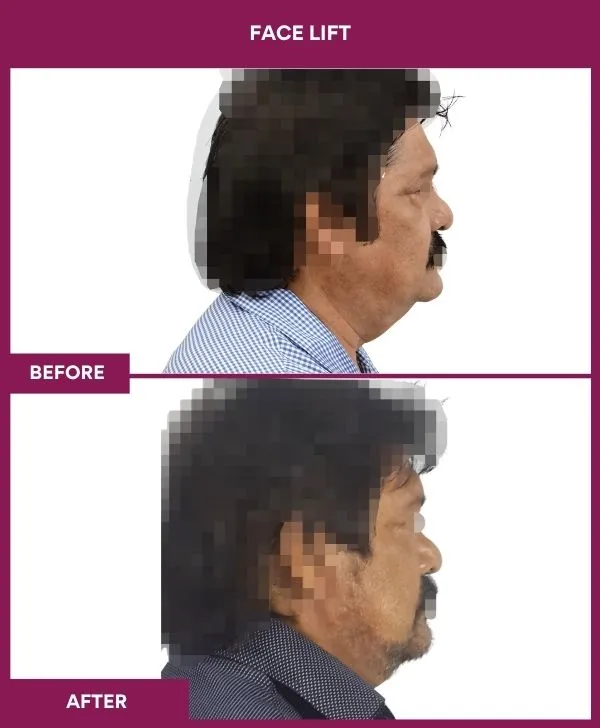
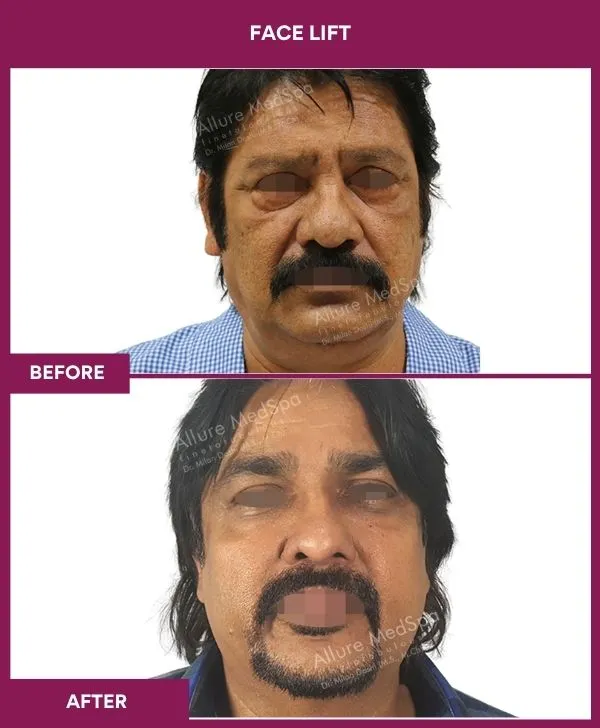
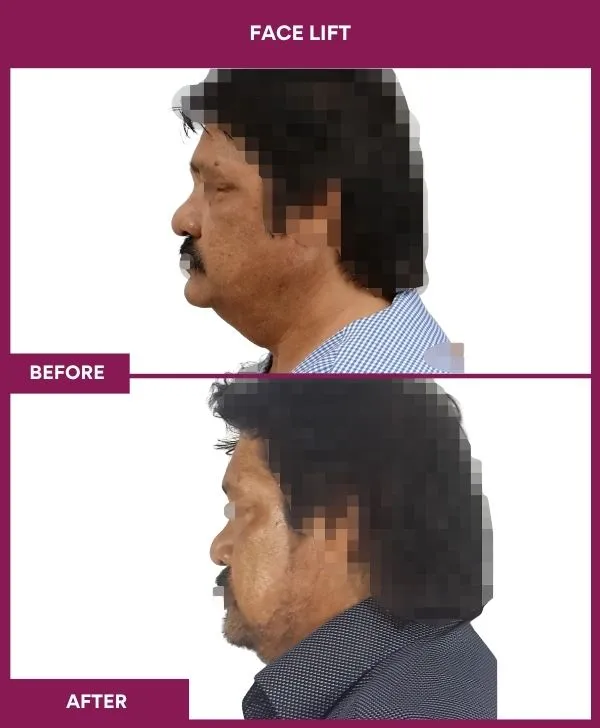
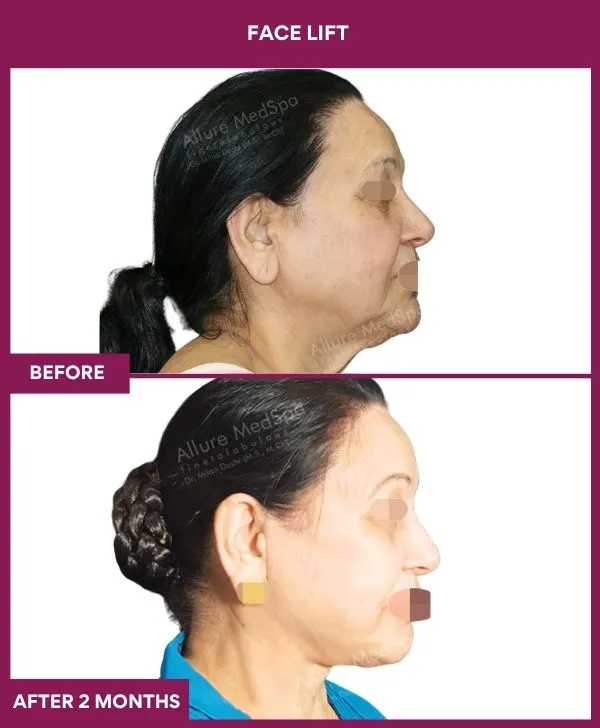
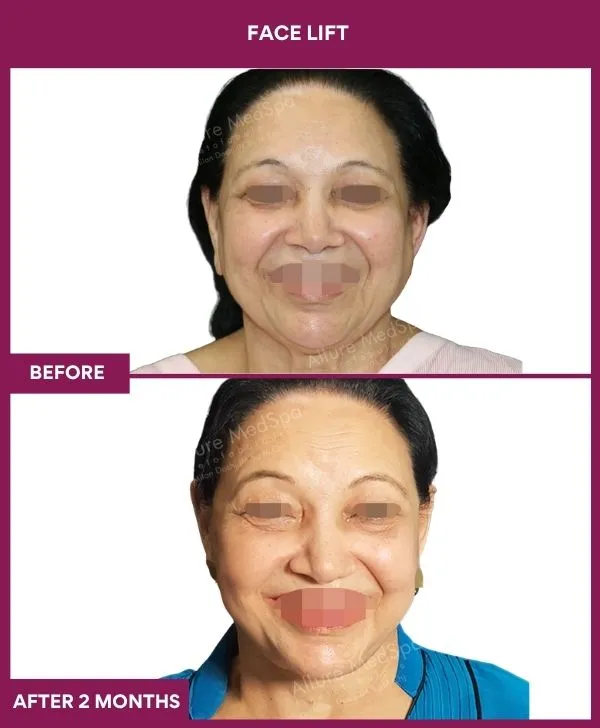
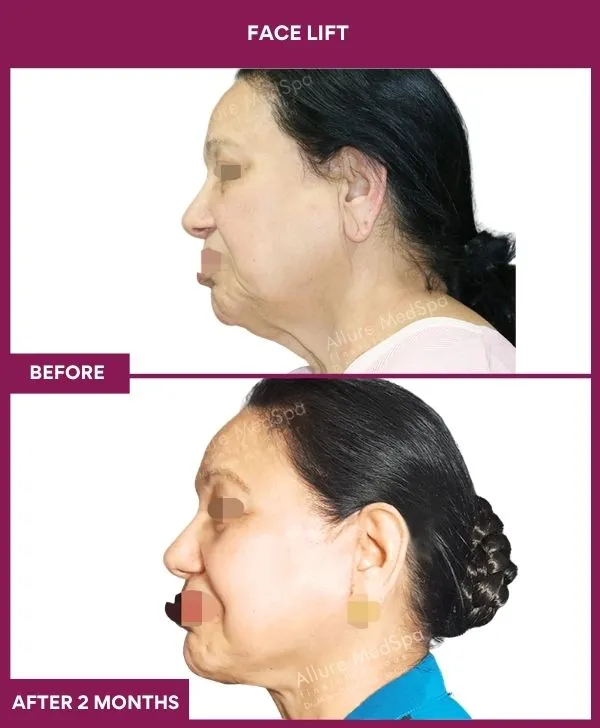
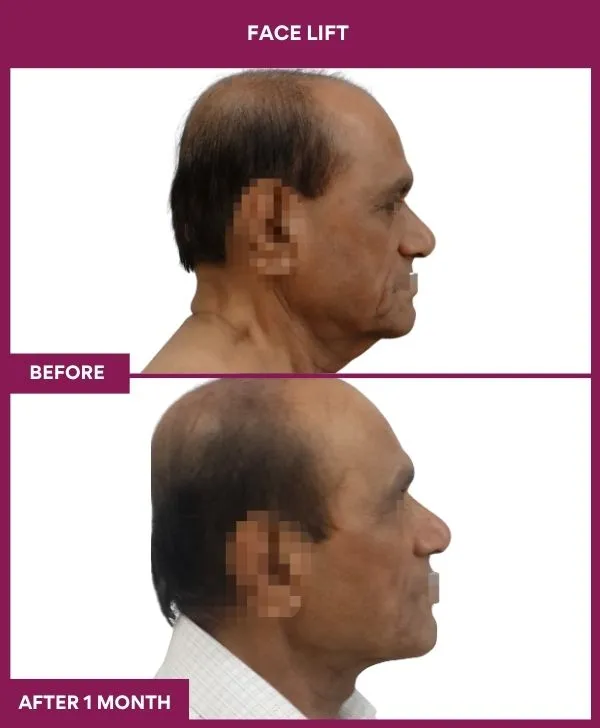
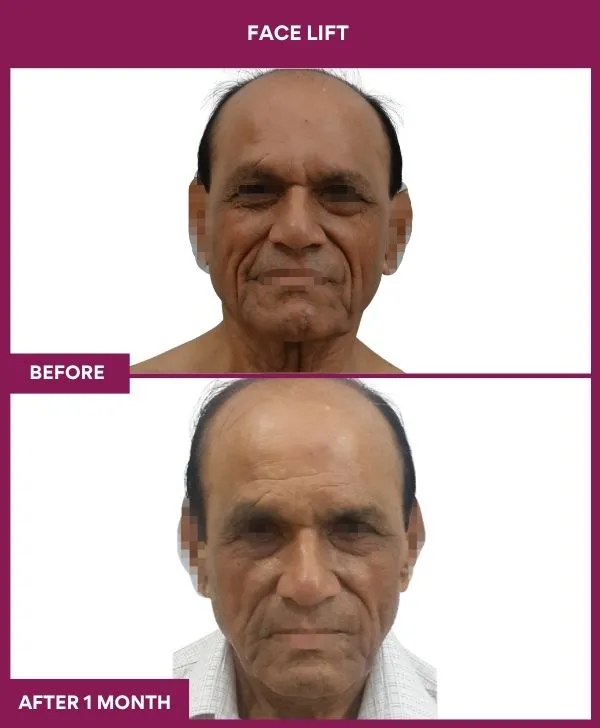
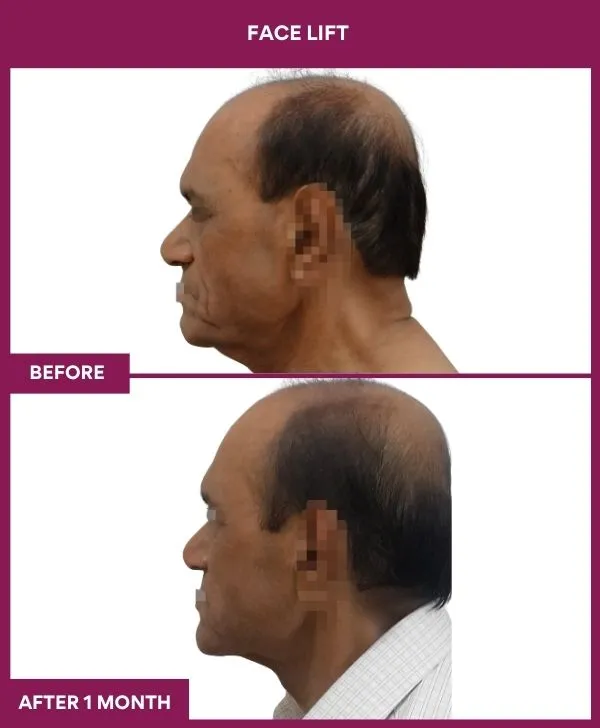
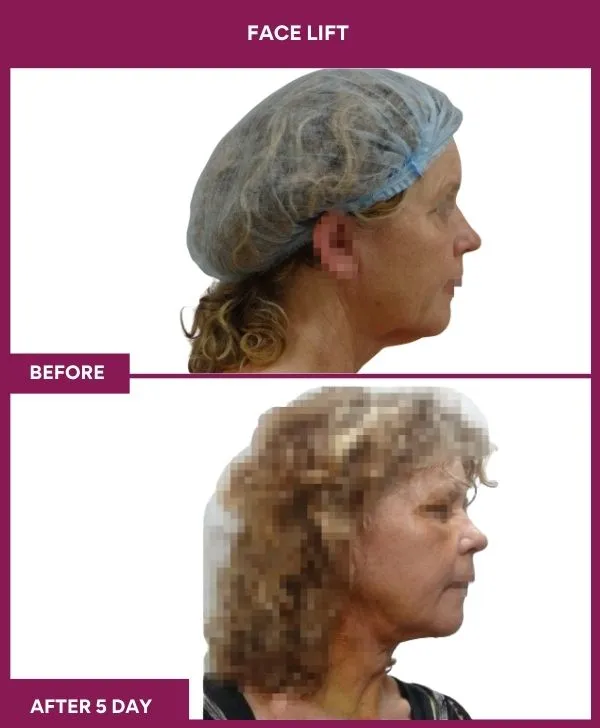
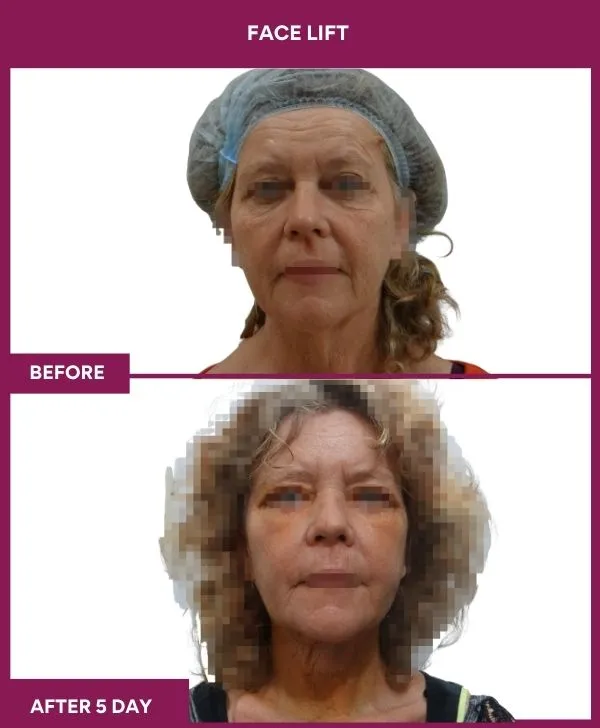
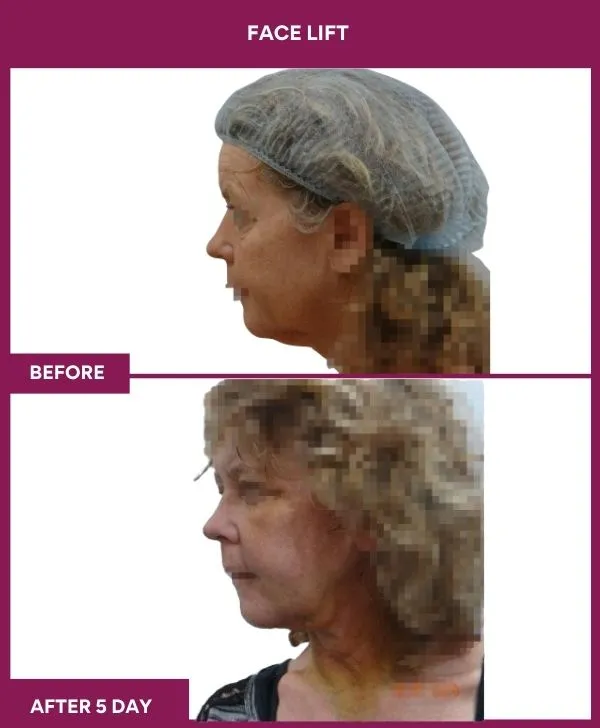
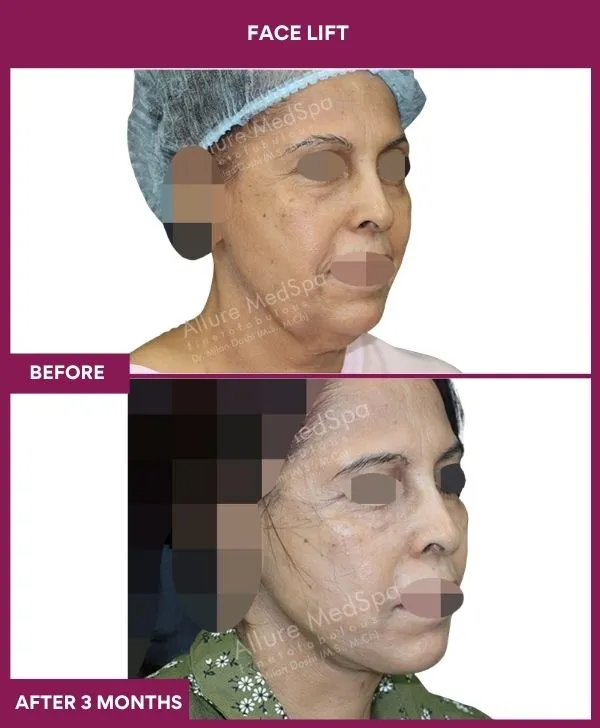
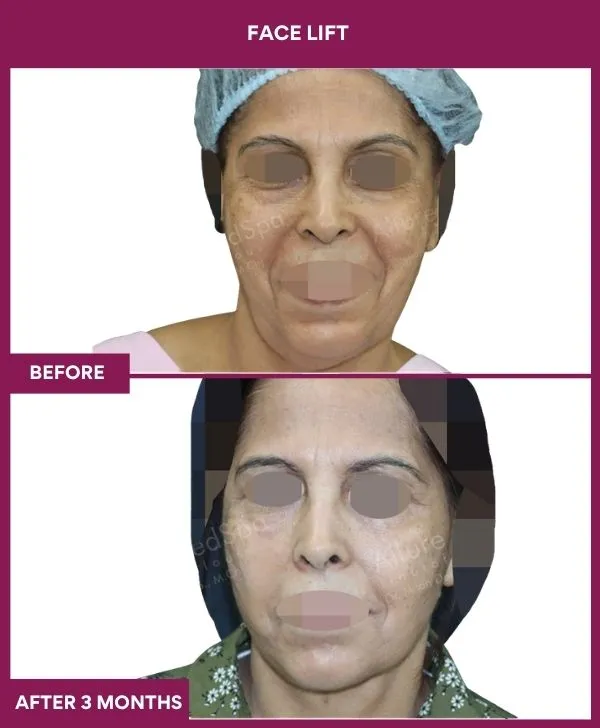
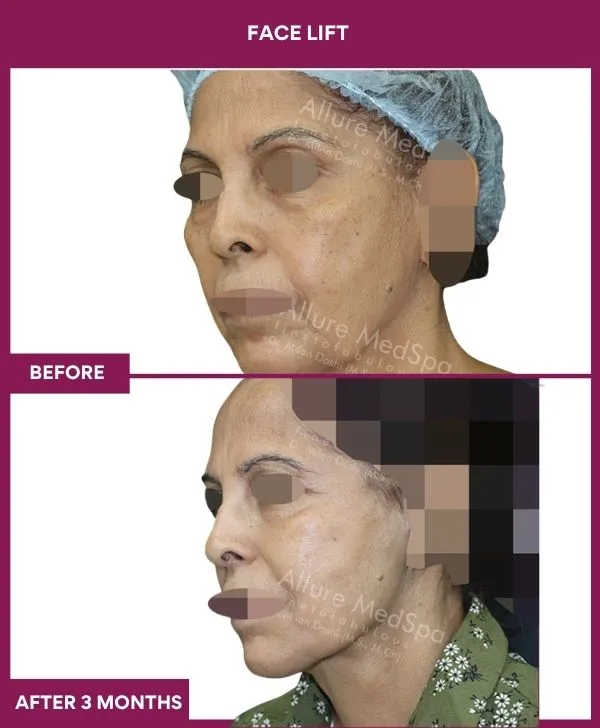
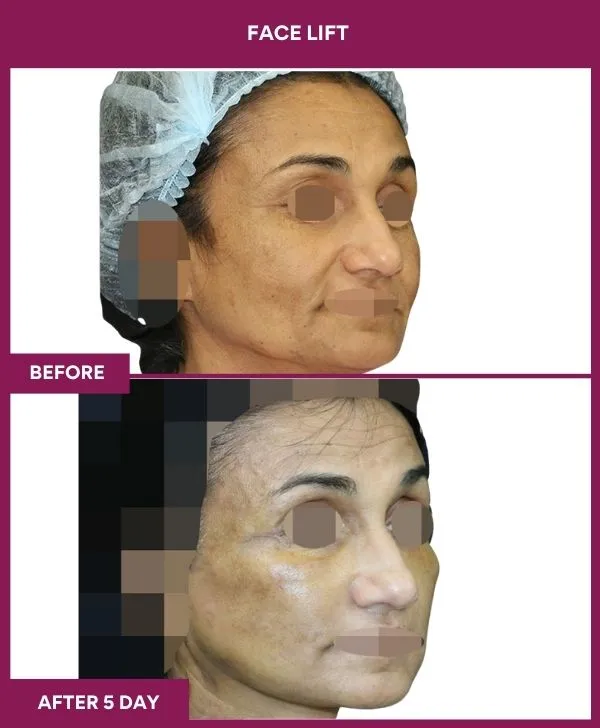
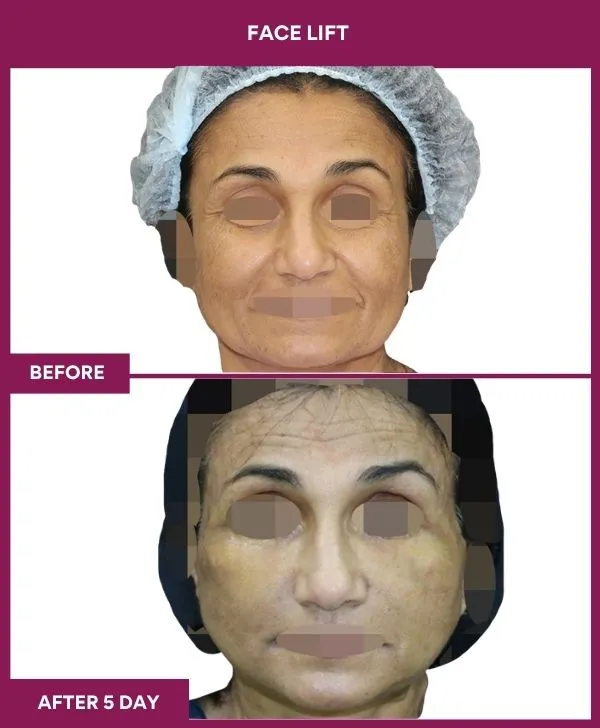
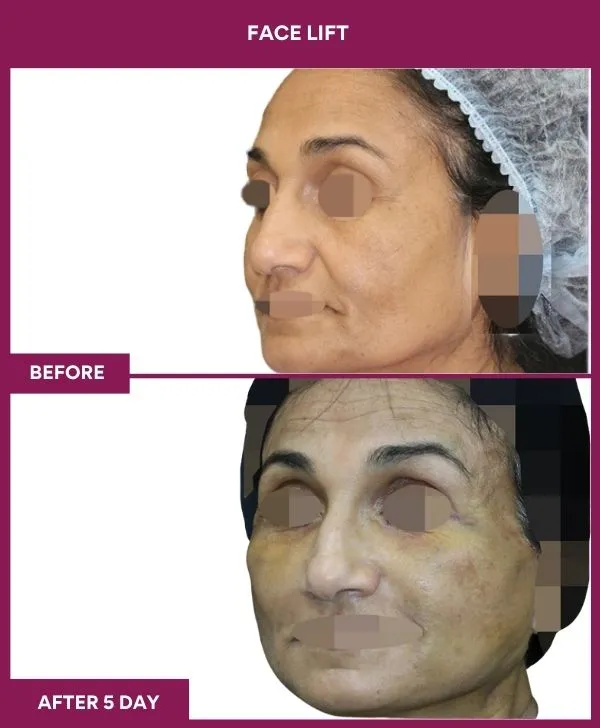
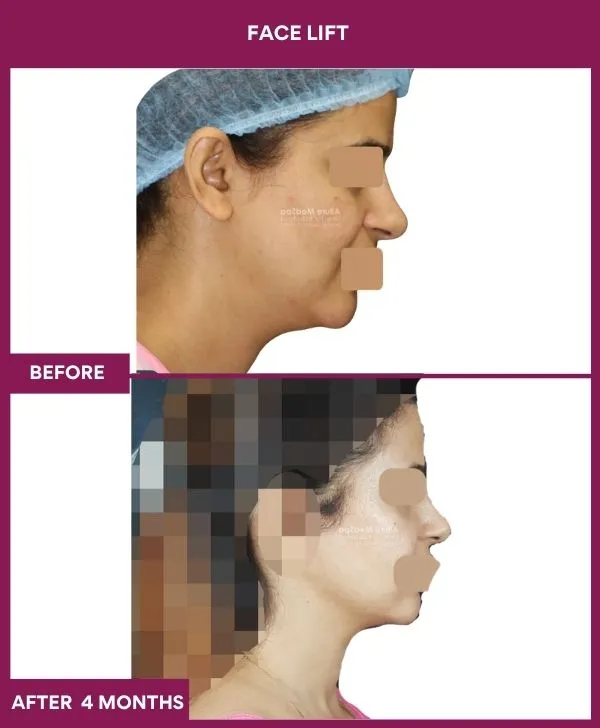
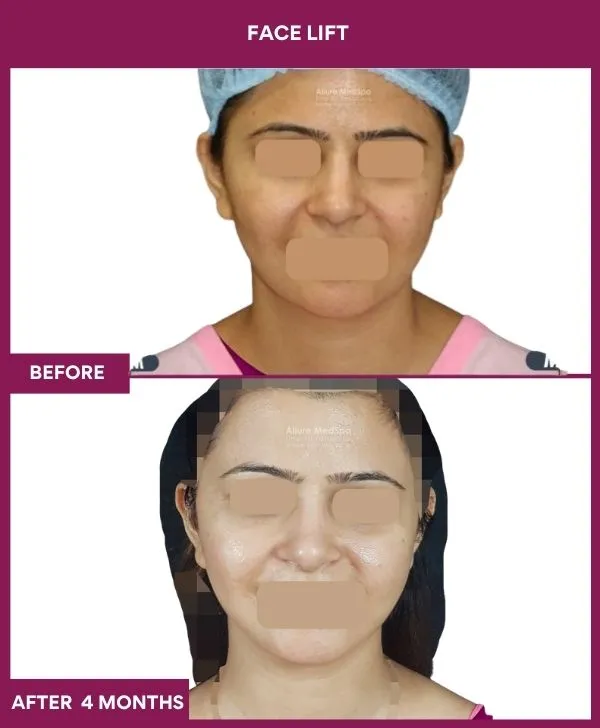
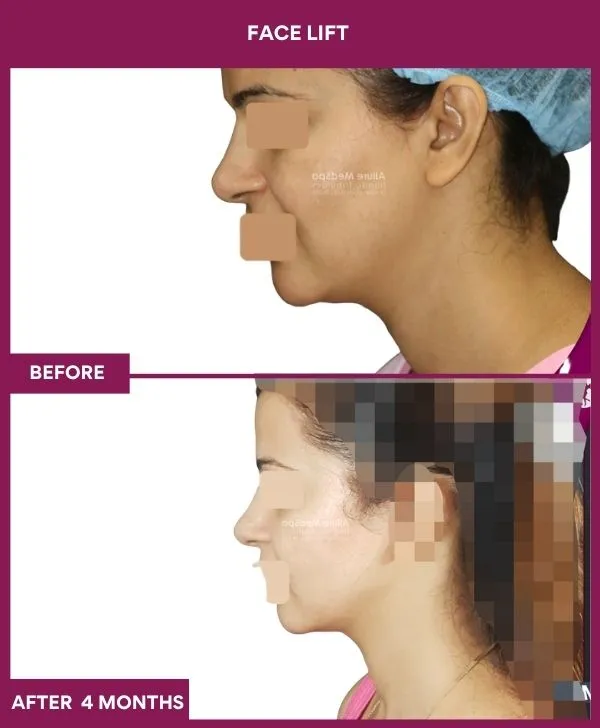
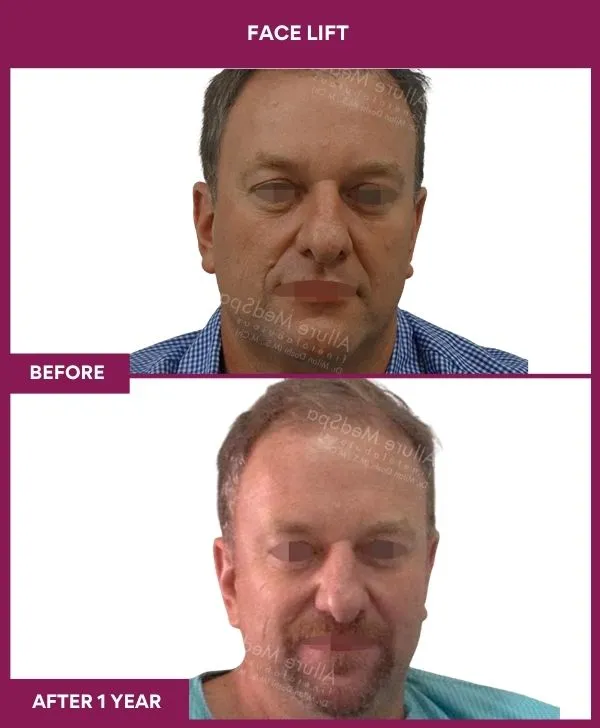
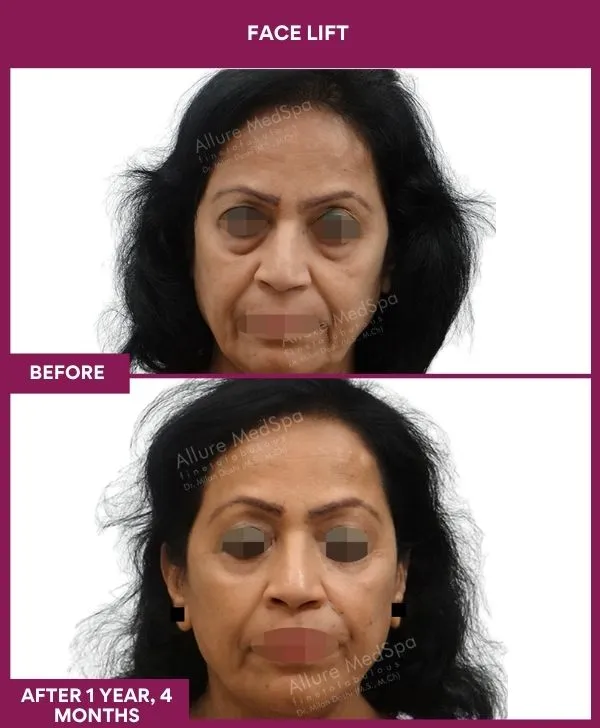
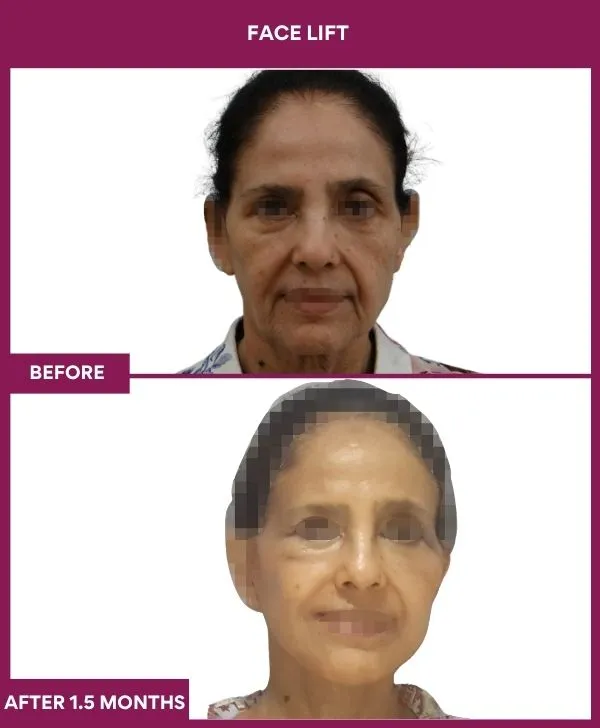
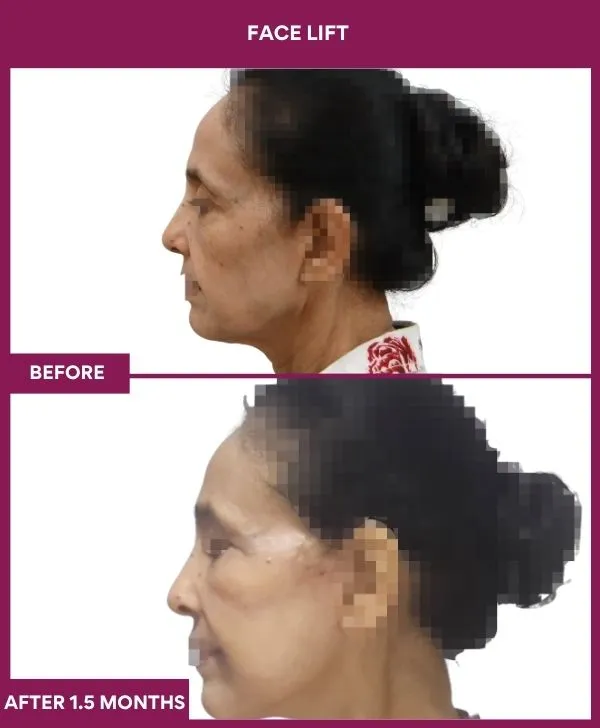
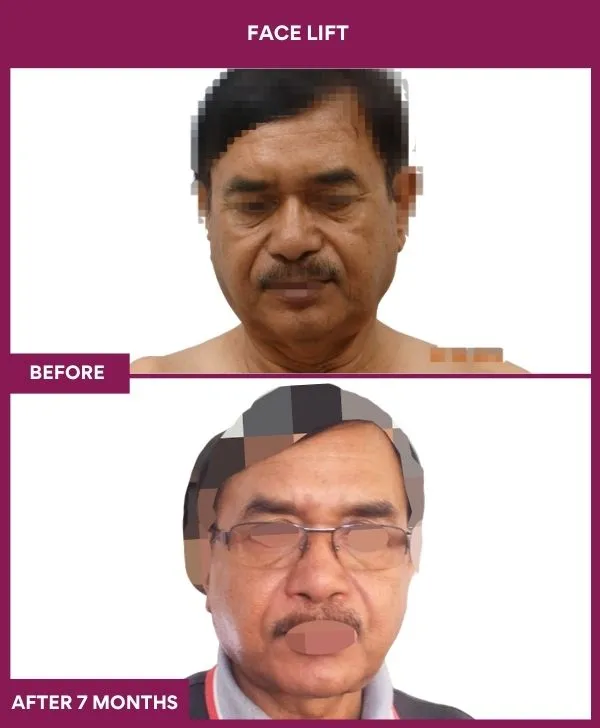
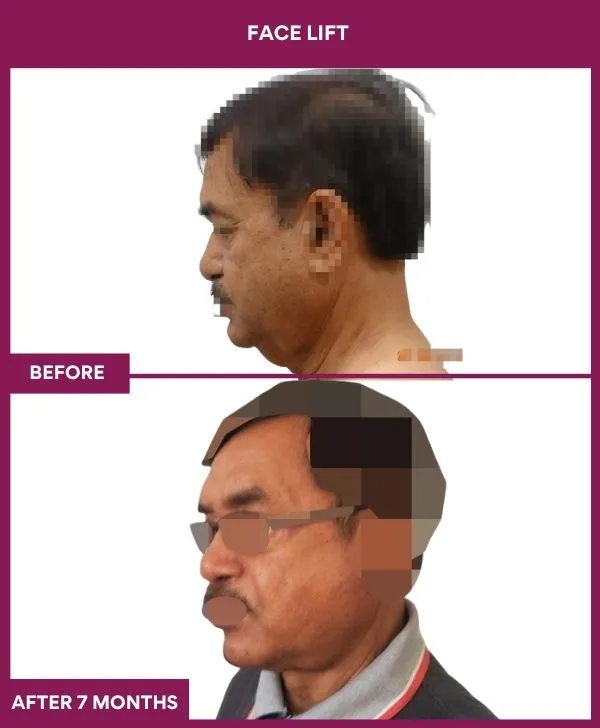
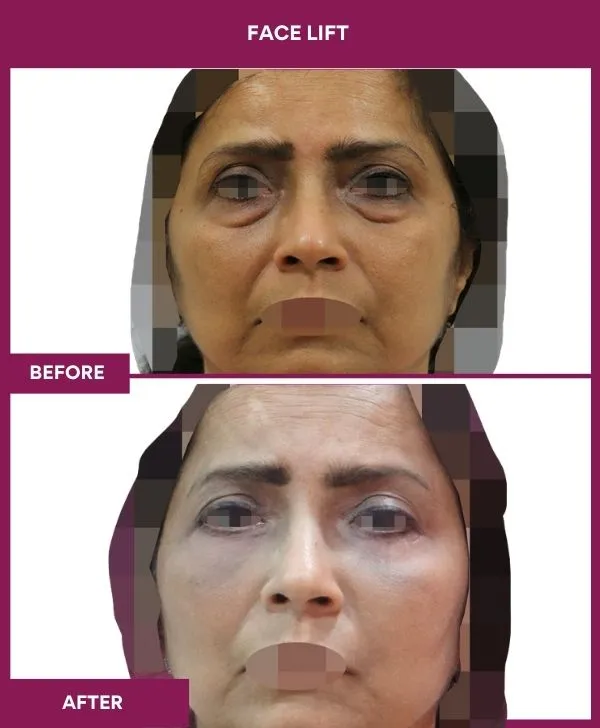
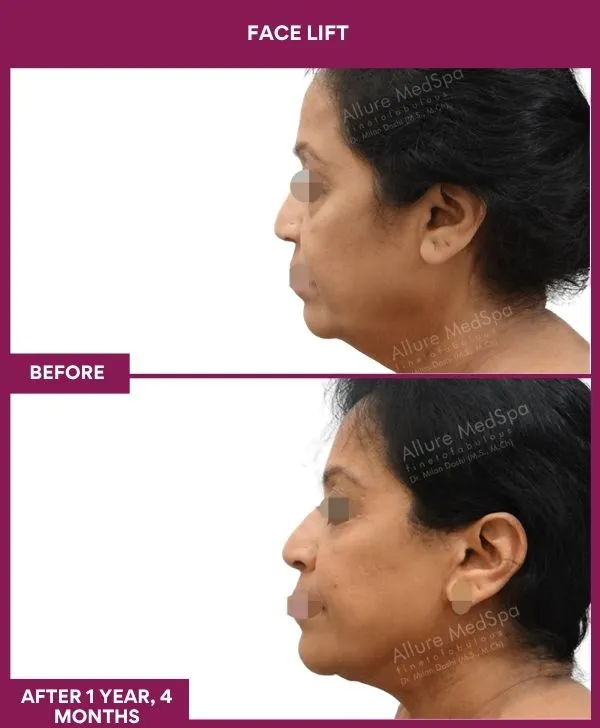
See real transformations from fine to fabulous — achieved with precision and care.
Exosome Therapy Testimonials: Fine To Fabulous Journeys
Thousands have trusted Dr. Milan Doshi to turn back time with natural, youthful results.
Is Exosome Therapy Right For Me?
(4 quick questions)
Quick Facts About Exosome Therapy
TIME REQUIRED
30–45 minutes
ANESTHESIA
Numbing cream
HOSPITAL STAY
None
PAIN LEVEL
Minimal
BACK TO WORK
1 day
RESULTS LAST
1–2 years
SUCCESS RATE
97–98%
COMPLICATIONS
Under 2–3%
How Much Does Exosome Therapy Cost In Mumbai?
Allure’s proposed exosome treatment guide price is ₹15,000–₹30,000 per session, with the final quotation confirmed only after the exact product, route, indication and treatment plan are verified.
| Item | Allure pricing |
|---|---|
| Exosome product / treatment | ₹15,000–₹30,000 per session — final quote after product and route verification |
| Accompanying procedure (microneedling / MNRF) | Dermaroller / Microneedling: ₹3,000–₹5,000 per session · MNRF: ₹10,000–₹25,000 per session, when clinically indicated |
| Number of sessions | No fixed series — decided after assessment, product verification and response to treatment |
| Consultation | ₹1,500 |
| GST | 5% |
- Guide pricing appears only after product and regulatory verification; the final quotation follows assessment
- For comparison prices: PRP ₹5,000–₹7,000 per session → PRP Treatment · HIFU ₹15,000–₹25,000 → HIFU Treatment
- Professional microneedling ₹3,000–₹5,000 per session → Dermaroller Treatment · MNRF ₹10,000–₹25,000 per session → MNRF Treatment
- EMI → Cosmetic Surgery Payment Process
Get your exact quote & surgery plan
Share your details — our team responds within working hours with cost, EMI options and next steps.
Most Common Question People Ask
Q1. What is exosome therapy?
Ans. Exosome therapy uses preparations marketed as containing exosomes or related extracellular vesicles for emerging regenerative applications. Their biological signalling role is well studied, but aesthetic clinical use remains incompletely standardised.
Q2. Is exosome therapy FDA-approved?
Ans. No. The FDA currently states that there are no FDA-approved exosome products.
Q3. Does exosome therapy work?
Ans. Early human studies report promising short-term skin-quality findings, but the evidence is limited by small studies, short follow-up, varied products and predominantly non-randomised designs.
Q4. Exosomes vs PRP — which is better?
Ans. PRP is currently better established clinically for facial rejuvenation, although PRP protocols also vary. Exosome-based aesthetics remains newer and less standardised.
Q5. Is exosome therapy safe?
Ans. Long-term safety is not fully established. The FDA has warned about serious adverse events involving unapproved exosome products, and recent human studies have reported uncommon but serious complications after injected use.
Q6. Is exosome therapy a facelift alternative?
Ans. No. It is being studied for skin-quality and regenerative effects; it cannot remove loose skin or structurally reposition facial tissue.
Q7. How many sessions do I need?
Ans. There is no universally established evidence-based treatment series. If treatment is suitable for you, the number of sessions is recommended individually at your assessment.
Q8. How long do results last?
Ans. Reliable long-term durability data are not yet available, so no fixed duration can be promised.

Why Choose Dr. Milan Doshi?
Dr. Milan Doshi, MCh, MS — Indian board-certified plastic surgeon with 27+ years and 16,000+ cosmetic surgeries who offers PRP, HIFU, fillers and surgery, so with an emerging treatment he can recommend against it and name the better-established option. Consults at Andheri West; surgeries at the NABH-accredited surgical centre, Goregaon West.
Dr Doshi Note: “Exosomes are some of the most interesting biology in my field, and I enjoy explaining them. But interesting is not the same as proven. I tell patients exactly where the evidence stands, and if a better-established treatment fits their concern, that is what I recommend.”
The Complete Guide About Exosome Therapy
What Are Exosomes — and What Does the Term Mean?
Exosome therapy is an umbrella term for aesthetic treatments using preparations marketed as containing exosomes or related extracellular vesicles.
- In published work, these preparations are used alongside microneedling or laser, applied topically as an adjunct, or — in some studies — injected
- Extracellular vesicles are biological messengers carrying proteins, lipids and nucleic acids between cells
- “Exosome” is a technically specific label; international standards (MISEV2023) recommend “extracellular vesicles” unless the subtype is proven
- The field is emerging rather than standardised
Synonyms for exosome therapy
Exosome facial, exosome skin booster, exosome microneedling and extracellular vesicle therapy describe overlapping but non-identical products.
- Patient terms: exosome facial, exosome skin booster, exosome serum, stem-cell facial
- Medical terms: extracellular vesicle (EV) therapy, small EVs, MSC-derived EVs, secretome
- Caution: “stem-cell” in the name does not mean the product contains live stem cells — ask exactly what it contains
Why Are People Interested In Regenerative Skin Treatments?
Interest comes from extracellular vesicles’ role in cell signalling and repair; commercial enthusiasm has outpaced large, high-quality trials.
| What is scientifically interesting | What still limits clinical certainty |
|---|---|
| Extracellular-vesicle signalling | Small human study populations |
| Repair and matrix-remodelling pathways | Short follow-up |
| Potential skin-quality effects | Different products and biological sources |
| Adjunctive use with procedures | Different routes and treatment protocols |
| Growing clinical research | Predominantly non-randomised designs |
| Commercial availability | Potential conflicts of interest and product variability |
- A 2026 dermatology scoping review identified 17 human studies from 2020–2025 with encouraging findings — and highlighted small samples, short follow-up, mostly non-randomised designs and possible conflicts of interest.
How Are Exosomes Thought To Work?
Extracellular vesicles carry molecular cargo between cells and may influence repair and collagen remodelling; a plausible mechanism is not proof.
| Key distinction | What it means |
|---|---|
| Interesting mechanism | Extracellular-vesicle signalling and biological cargo — well documented in laboratory research |
| Clinical proof | Reproducible patient benefit from a defined product, route and protocol — still limited |
| The gap | The first does not automatically establish the second |
What Types Of Exosome Products Exist — And Why Does It Matter?
Products differ by source — stem-cell, platelet or plant — and by route; a cosmetic serum and an injectable are very different risk categories.
| Product type | What it is | Why it matters 🩺 |
|---|---|---|
| Topical cosmetic serum | Applied to intact skin as skincare | Lowest risk; penetration of intact skin is limited |
| Procedure adjunct | Applied after microneedling or fractional laser | The most-studied aesthetic use; sterility of an open-skin product matters |
| Injectable preparation | Injected into skin or scalp | Highest risk; granulomas, necrosis and allergic reactions reported |
| IV / systemic “infusion” | Marketed as wellness or anti-ageing | Should not be casually marketed; FDA warnings apply to unapproved regenerative products |
| Source: human MSC-derived | From mesenchymal stromal cells (most common in studies) | Donor screening and processing documentation essential |
| Source: plant- or platelet-derived | Marketed as “plant exosomes” or platelet EVs | Not equivalent to human-cell products; evidence differs |
- Ask: which source, which route, and what evidence exists for THAT product on THAT route
What Might Exosome Therapy Help With?
Human studies focus on skin quality — hydration, texture, elasticity, fine lines, pigment — not lifting; scar and hair uses are emerging and unproven.
| Area being studied | Current position |
|---|---|
| Skin hydration | Early evidence |
| Texture / elasticity | Promising short-term signals |
| Wrinkle appearance | Early evidence |
| Adjunct to microneedling / laser | Studied |
| Pigmentation | Emerging |
| Acne scars | Emerging; established options → Acne Treatment · Microneedling RF Treatment |
| Hair loss | Emerging; separate intent → Hair Loss Treatment · PRP Treatment |
What Are The Potential Benefits — And Honest Limits — Of Exosome Therapy?
Early research suggests possible skin-quality gains; few controlled trials, unclear long-term safety and no manufacturing standard keep it unproven.
| Research is exploring | Do not promise |
|---|---|
| Skin hydration | A guaranteed “glow” |
| Texture and elasticity | Permanent rejuvenation |
| Wrinkle appearance | Facelift-level correction |
| Adjunctive post-procedure use | Faster healing for everyone |
| Collagen-related signalling | Proven reversal of ageing |
| Hair applications | Treatment or cure of hair disease |
Who Might Be A Candidate For Exosome Therapy?
Only someone with modest skin-quality goals who knows it is emerging and has been counselled on product uncertainty and proven alternatives.
| Main concern | Direction to explore |
|---|---|
| Modest skin-quality goals | Emerging-treatment discussion may be reasonable after full counselling |
| Mild laxity | Compare HIFU → HIFU Treatment |
| Facial volume deficiency | See dermal fillers → Dermal Fillers |
| Established jowling / loose skin | Facelift assessment → Facelift Surgery · mini facelift → Mini Facelift |
| Expectation of guaranteed regeneration | Exosome therapy is not appropriate framing |
| Desire for structural lift | Anatomy-led surgical / non-surgical comparison → Non-Surgical Facelift Options |
What Are the Limitations of Exosome Therapy?
Evidence is limited, products are not standardised, long-term safety and durability are unknown, and regulation varies by product, route and country.
| Limitation | Why it matters |
|---|---|
| Evidence quality remains limited | Small, short, mostly non-randomised studies |
| Products are not standardised | Results from one product cannot be assumed for another |
| Manufacturing and characterisation | Whether a product contains what it claims must be documented |
| Long-term safety and durability | Limited data |
| Regulatory status | Product-, source-, route- and jurisdiction-specific |
Why Consult Before Exosome Therapy?
The first question is not whether exosomes work but whether you need treatment, which exact product is proposed and whether a proven option fits.
- Define the actual skin or ageing concern first
- Identify the exact product — “exosomes” are not one standardised category
- Review the intended route and the accompanying procedure
- Discuss evidence quality and realistic expectations
- Compare PRP, HIFU, fillers or surgery where relevant
- Consultation fee ₹1,500 🩺 · online → Online Consultations · in person → Contact Us
Exosomes vs PRP — Which Is Better Established?
PRP has broader human evidence for facial rejuvenation and uses your own blood; exosome aesthetics is newer, less standardised and varied in source.
| Question | PRP | Exosome-based treatment |
|---|---|---|
| Source | Patient’s own blood | Product / source varies (mostly MSC-derived in studies) |
| Human aesthetic evidence | More established | Emerging |
| Standardisation | Still variable | More substantial variability |
| Long-term evidence | Imperfect but broader | Limited |
| FDA-approved aesthetic product? | Not applicable (autologous) | No |
| Allure price | ₹5,000–₹7,000 per hair session; skin up to ₹25,000 🩺 | ₹15,000–₹30,000 per session — proposed Allure guide range; final quote after product and route verification |
| Best framing | Established regenerative option | Emerging adjunct |
- A 2025 systematic review of PRP for facial rejuvenation included nine clinical trials and two observational studies — protocols vary, but the evidence base is broader.
- Full PRP guide → PRP Treatment
How Is Exosome Therapy Performed?
There is no single evidence-based exosome procedure; Allure’s protocol stays unpublished until product, route, sterility and regulation are verified.
| Stage | Publication requirement |
|---|---|
| Assessment | Define the actual skin concern |
| Product check | Verify identity, source and documentation |
| Route | [VERIFY topical / microneedling-assisted / laser-assisted / other] |
| Sterility | Product- and route-specific |
| Sessions | [VERIFY — do not invent a series] |
| Aftercare | Based on the accompanying procedure |
When Will I See Results — And How Long Do They Last?
There is no reliable timeline; reviews report short-term skin gains, but follow-up is short and protocols differ, so durability is not promised.
| Question | Evidence-safe answer |
|---|---|
| When do results appear? | No universal timeline; depends on product, route and accompanying procedure |
| How long do results last? | Reliable long-term durability data are not yet available |
| How many sessions? | No universally established evidence-based series |
| Can longevity be guaranteed? | No |
| Should timing come from Allure’s protocol? | Only after the exact product and protocol are verified |
What Is The Downtime After Exosome Therapy?
Downtime follows the delivery method: microneedling or laser bring a day or more of redness; injection carries a different risk profile.
| Delivery | Typical recovery (of the accompanying procedure) 🩺 |
|---|---|
| Topical on intact skin | None |
| With microneedling | Redness and sensitivity for 1–3 days → Dermaroller Treatment |
| With MNRF | 2–4 days of redness → Microneedling RF Treatment |
| With fractional laser | Several days to a week, depth-dependent → Fractional CO2 Laser Treatment |
| Injection | Swelling, bruising; risk of nodules — different profile |
What Are The Risks And Safety Concerns Of Exosome Therapy?
The main risk is product uncertainty; the FDA reports serious adverse events with unapproved exosome products, and injections have caused granulomas.
| Risk issue | What responsible practice requires |
|---|---|
| Product identity | Traceable, documented preparation |
| Variable characterisation | Evidence the product is what it claims |
| Contamination / sterility | Appropriate manufacturing and clinical controls |
| Injection complications (granulomas, necrosis, allergy) | Qualified medical assessment and technique |
| Unknown long-term safety | Transparent counselling |
| Marketing overreach | No disease cures or guaranteed rejuvenation |
When should you contact a doctor after an exosome treatment?
Spreading redness, warmth, pus, fever, a growing or painful lump, blistering or skin colour change after treatment need prompt medical review.
- Redness, heat or pus spreading beyond the treated area — possible infection
- A firm lump that grows or persists weeks later — possible granuloma
- Dusky, white or blistering skin after an injection — urgent review
- Hives, swelling of lips or eyes, or breathing difficulty — emergency care
What Product-Quality Guardrails Should Apply?
Exact product and maker, batch traceability, biological source, characterisation, sterility, route and an adverse-event pathway are all safety steps.
- Confirm the exact product name and manufacturer
- Confirm batch / lot traceability and biological source
- Review how the product is characterised as exosomes or extracellular vesicles
- Verify sterility, storage and handling requirements
- Verify the route of administration and the adverse-event pathway
- Avoid disease-treatment, cure or guaranteed-regeneration claims
- IV or systemic “exosome infusions” should not be casually marketed as wellness or anti-ageing
- FDA warnings specifically address unapproved regenerative products promoted beyond the evidence
What Should I Look For In An Exosome Therapy Clinic?
Ask for the exact product, maker, source, batch, characterisation, route, regulatory papers and the clinician’s sterility pathway — in writing.
| Ask the clinic | Why it matters |
|---|---|
| Exact product name and manufacturer | Establishes identity and traceability |
| Biological source | Products are not all equivalent |
| Batch / lot traceability | Supports quality and adverse-event investigation |
| Characterisation / composition | Shows what the product actually contains |
| Intended route of use | Risk and regulatory status differ by route |
| Regulatory documentation | Needed for product-specific compliance review |
| Clinician oversight and sterility pathway | Core safety requirement |
What Is The Regulatory Status Of Exosome Therapy?
No exosome product is FDA-approved in the U.S.; in India, status must be set for the specific product, source, import and use before it is offered.
- CDSCO maintains guidance and permission records for cell and gene therapeutic products, including manufacturing and import permissions
- Those records do not by themselves establish blanket approval for an aesthetic product marketed as “exosomes”
- A cosmetic serum, a procedure adjunct and an injectable can sit in different regulatory categories 🩺 legal review
- Allure advertises or administers a product only after this review 🩺
(FAQs) Frequently Asked Question About Facelift Surgery
Q1. How many sessions do I need?
Ans. There is no universally established evidence-based series. At Allure, the number of sessions is decided after assessment, product verification, treatment indication and response to treatment rather than prescribing a fixed series.
Q2. How long do results last?
Ans. Reliable long-term durability data are not yet available; fixed longevity promises should be avoided.
Q3. Are IV exosome infusions approved for anti-ageing?
Ans. Do not assume so. FDA guidance warns against unapproved regenerative products and states there are no FDA-approved exosome products.
Q4. Can exosomes treat hair loss?
Ans. Research is emerging, but there is no established exosome treatment for hair loss. Start with a diagnosis → Hair Loss Treatment.
Q5. Do exosomes help acne scars?
Ans. Early studies exist, mostly combined with laser or microneedling. Better-established scar treatments should be discussed first.
Q6. Why are exosomes combined with microneedling?
Ans. Microneedling creates channels so a topical product can reach deeper skin; most aesthetic studies use this combination.
Q7. Are plant exosomes the same as human-derived exosomes?
Ans. No. Plant-derived vesicles are a different product with different evidence; they are not interchangeable.
Q8. Is exosome therapy the same as stem-cell therapy?
Ans. No. Exosome products are cell-free vesicles, though often derived from stem-cell cultures; “stem-cell” labelling should be clarified with the clinic.
Q9. Can I have it while pregnant or breastfeeding?
Ans. It should be deferred — there are no safety data for pregnancy or breastfeeding.
Q10. What side effects are reported?
Ans. Redness and sensitivity from the accompanying procedure; with injections, granulomas, necrosis and allergic reactions have been reported.
Related Links
- Non-Surgical Facelift Options
- PRP Treatment
- HIFU Skin Tightening
- Dermal Fillers
- Anti-Wrinkle Injections (Botox)
- Thread Lift
- Microneedling RF
- Dermaroller Microneedling
- Face Rejuvenation
- Facelift Surgery
- Mini Facelift
- Neck Lift
- Facial Fat Grafting
- Facelift Cost
- Hair Loss Treatment
- Meet Dr. Milan Doshi