
Chemical Skin Peel Treatment in Mumbai: Brighter, Smoother, Healthier Skin

Indian Board Certified Plastic Surgeon
M.CH, MS, ISAPS Mentor
16000+ Cosmetic Surgeries
500+ Skin peels
A chemical skin peel (chemexfoliation) is a non-surgical treatment that applies a controlled solution to exfoliate the skin’s outer layers, revealing smoother, brighter, more even-toned skin underneath. Chemical peels are used for pigmentation, acne and acne marks, dullness, tanning and early ageing — with the peel depth chosen to match your skin and goals. For Indian skin that choice is everything: the right peel, primed properly and protected from the sun, brightens; the wrong one can leave pigmentation behind. At Allure Medspa every peel is doctor-selected for your skin type, not picked from a menu.
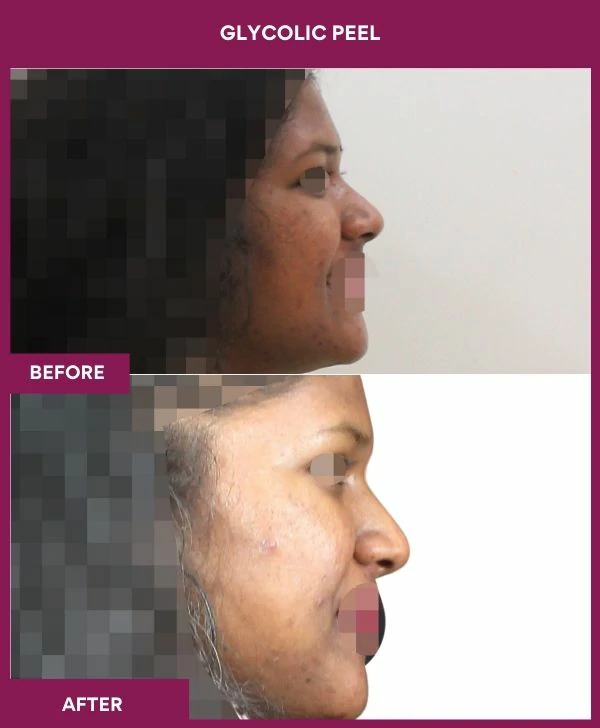
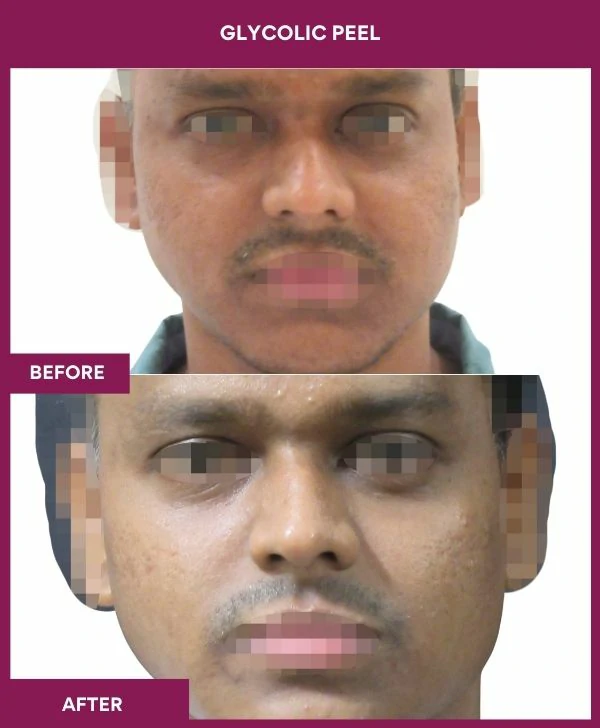
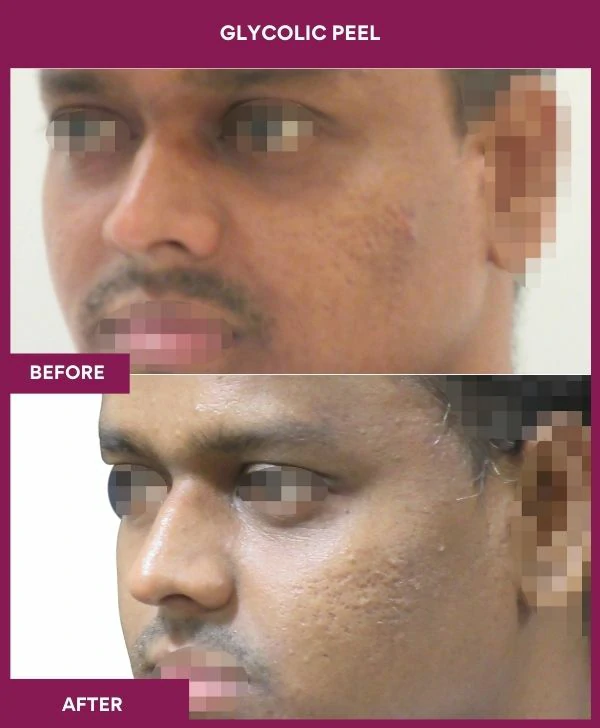
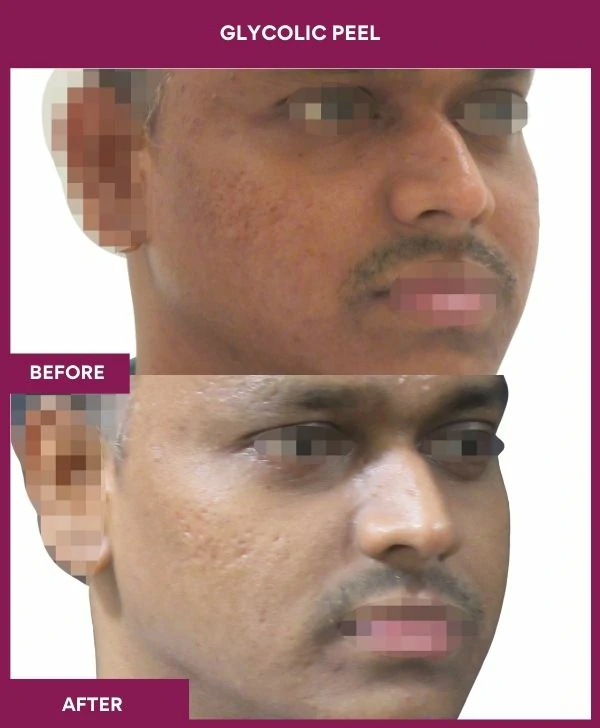
Chemical Skin Peels Before And After Images
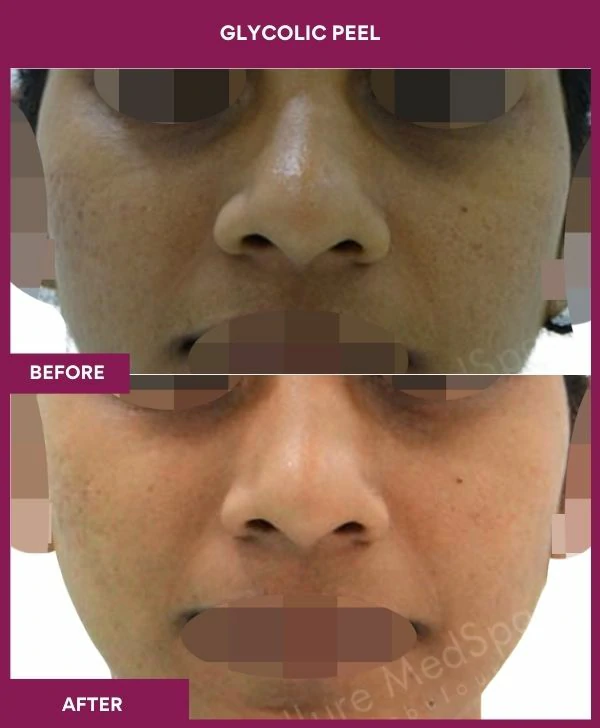
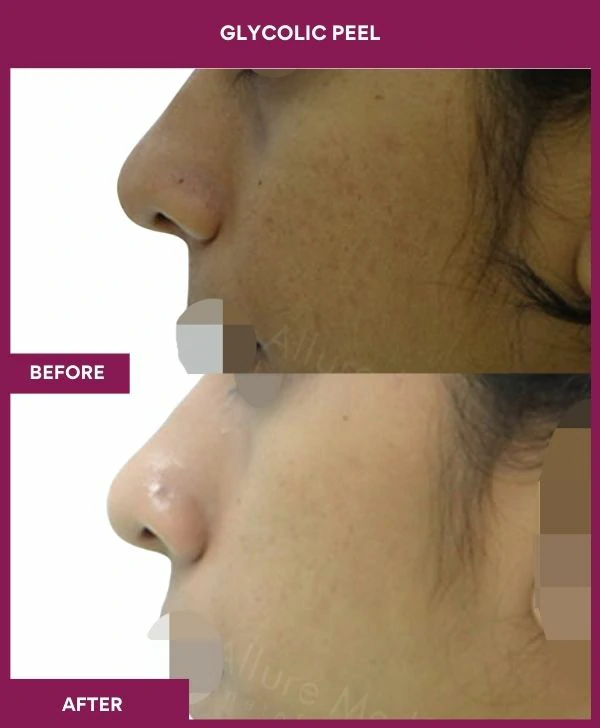
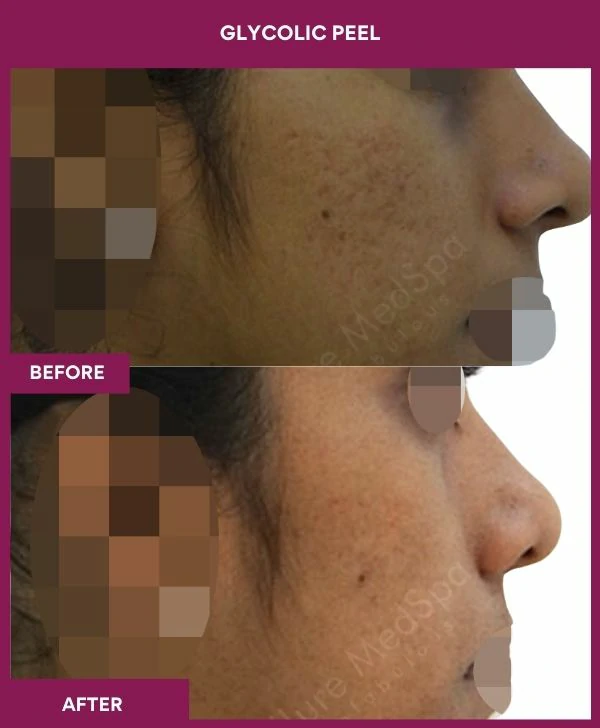
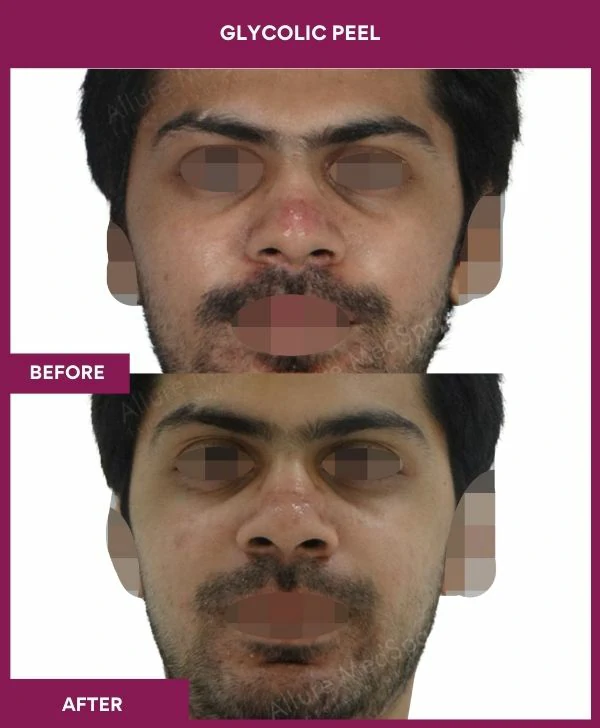
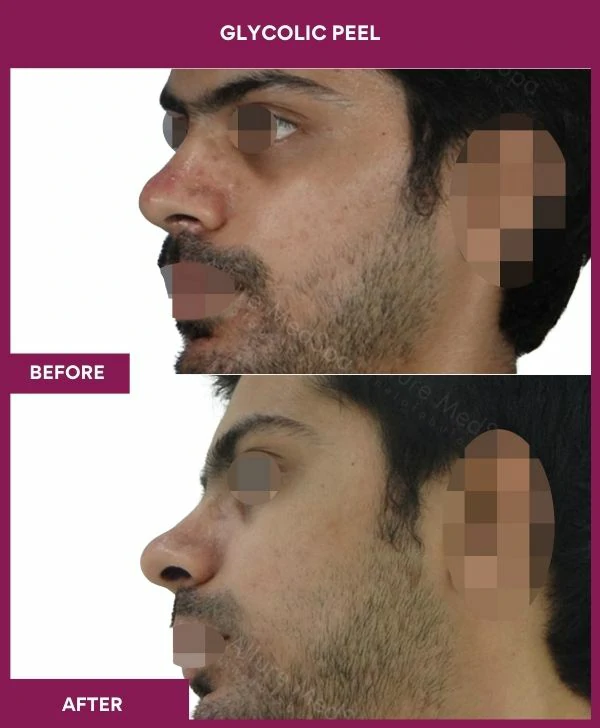
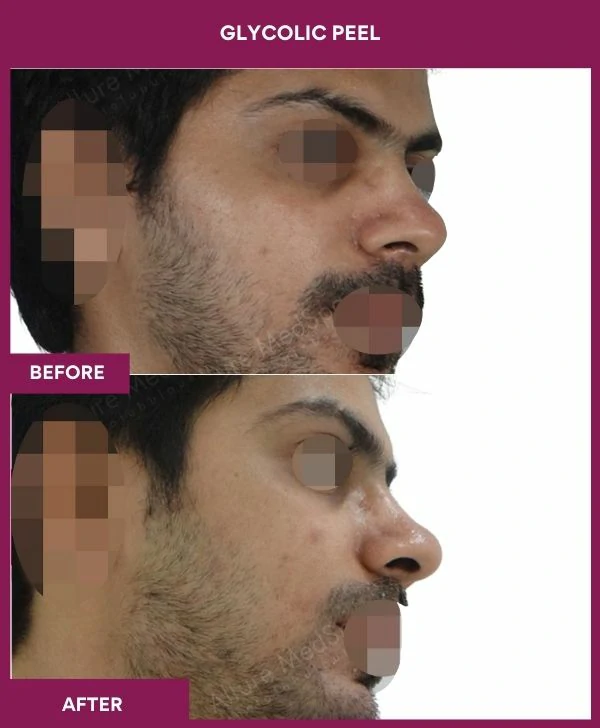
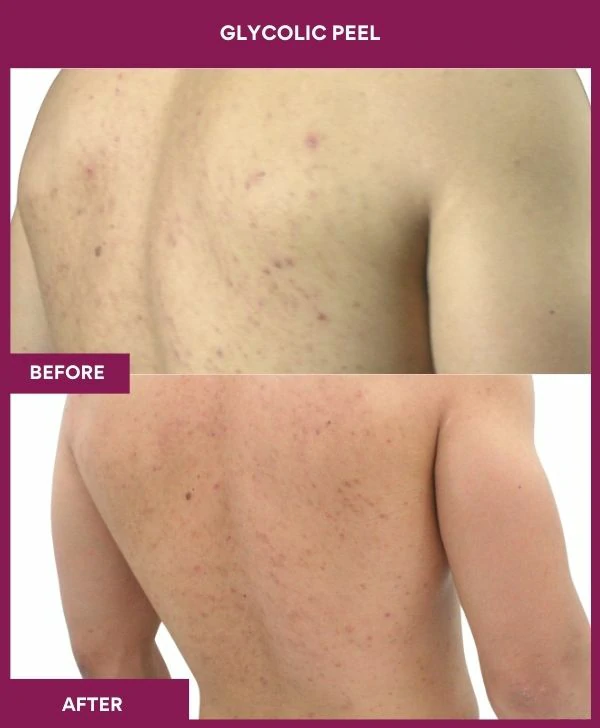
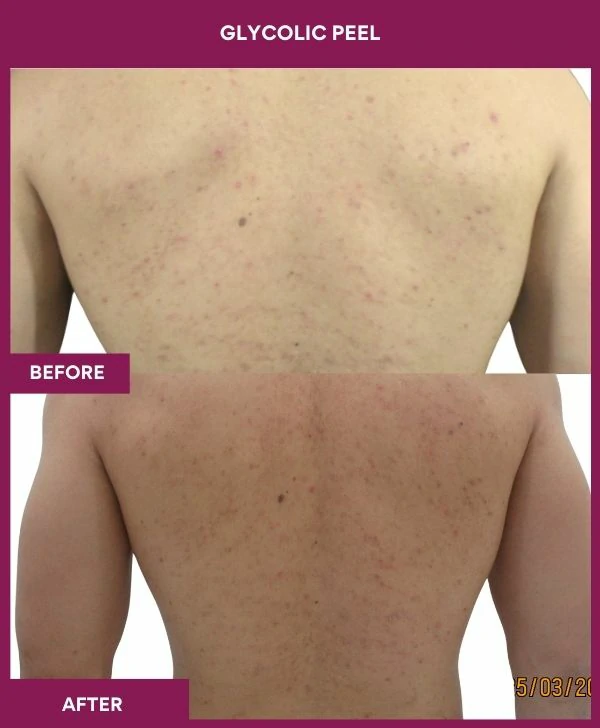
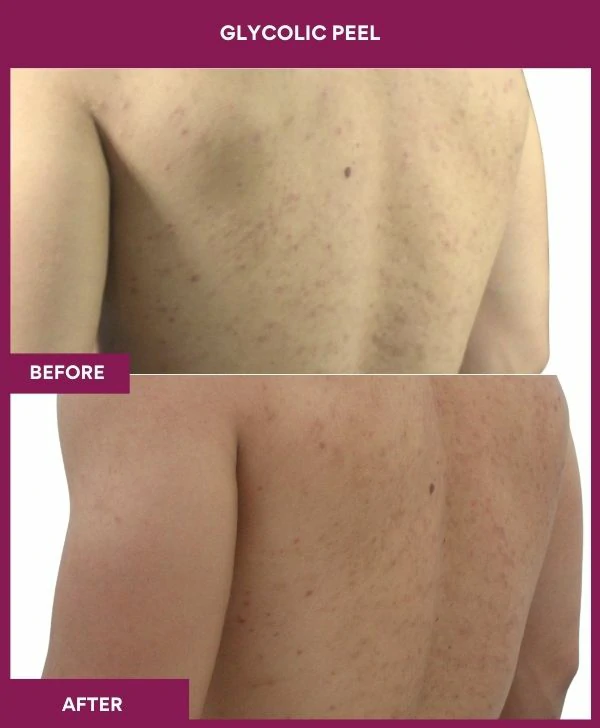
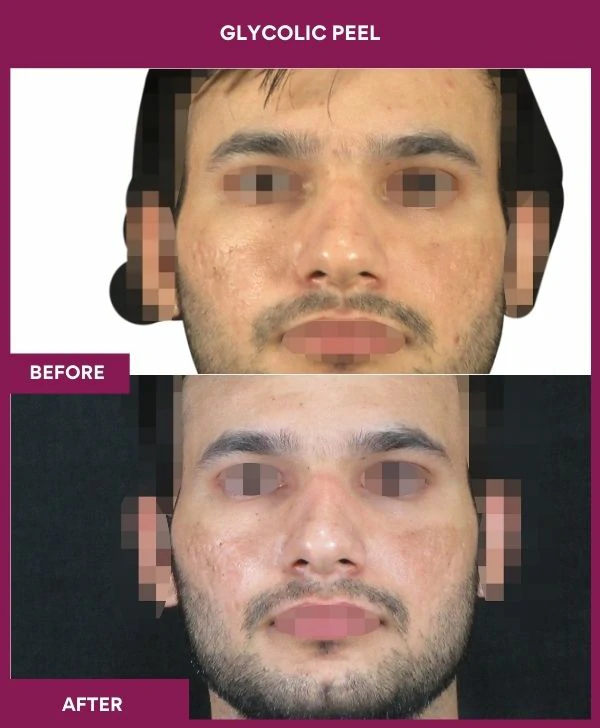
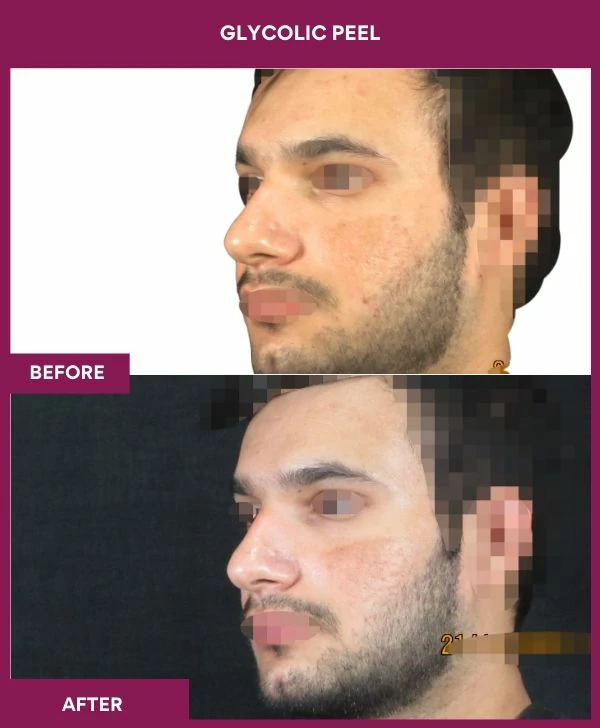
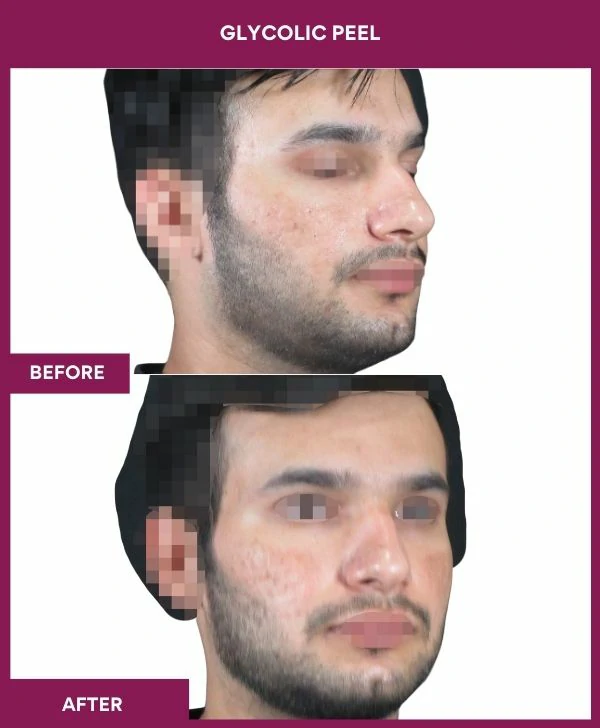
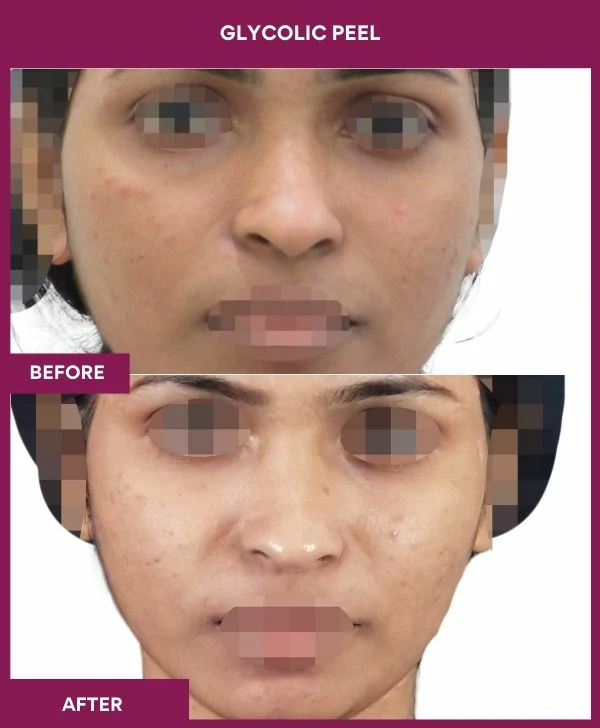
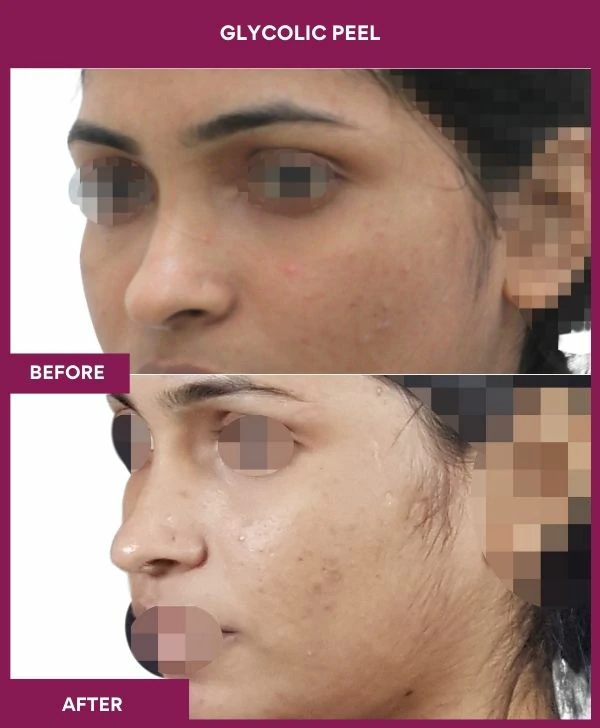
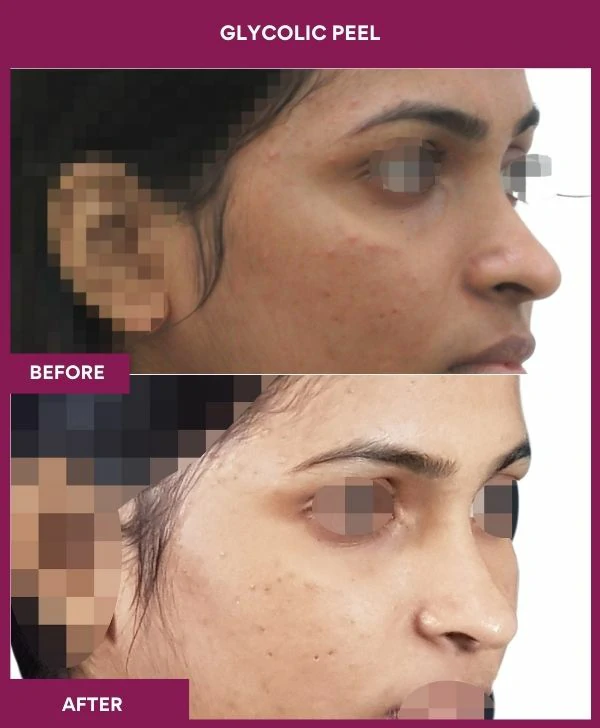
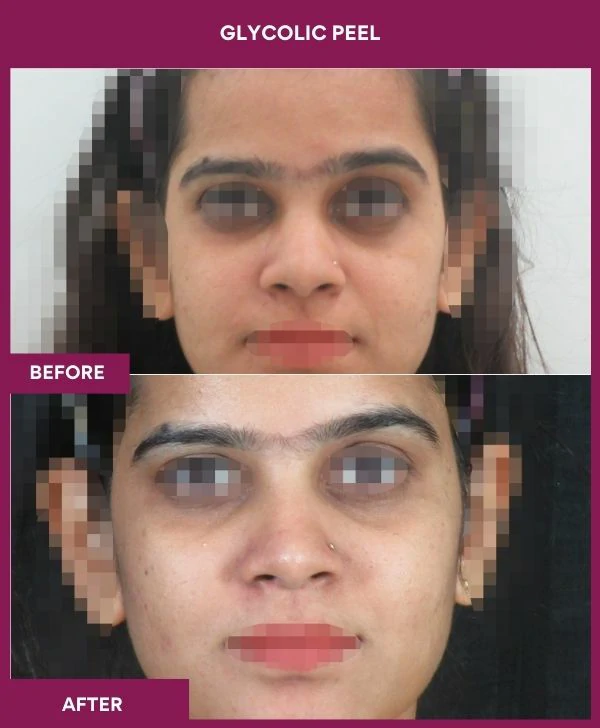
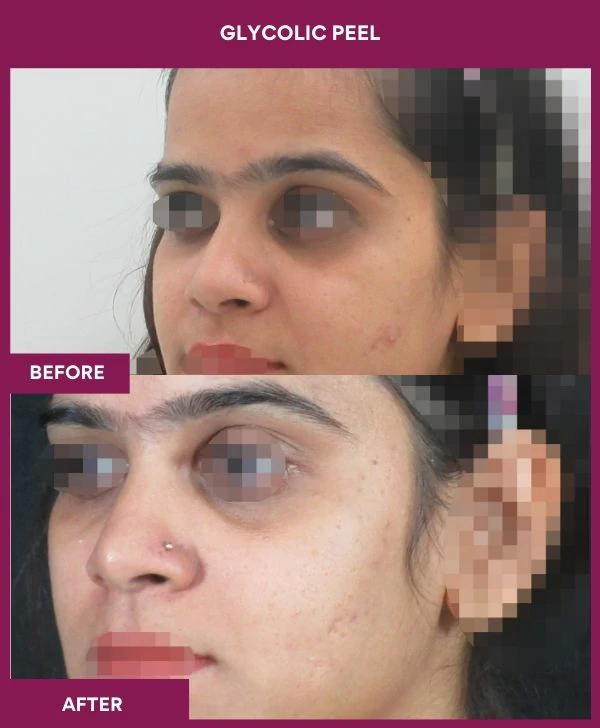
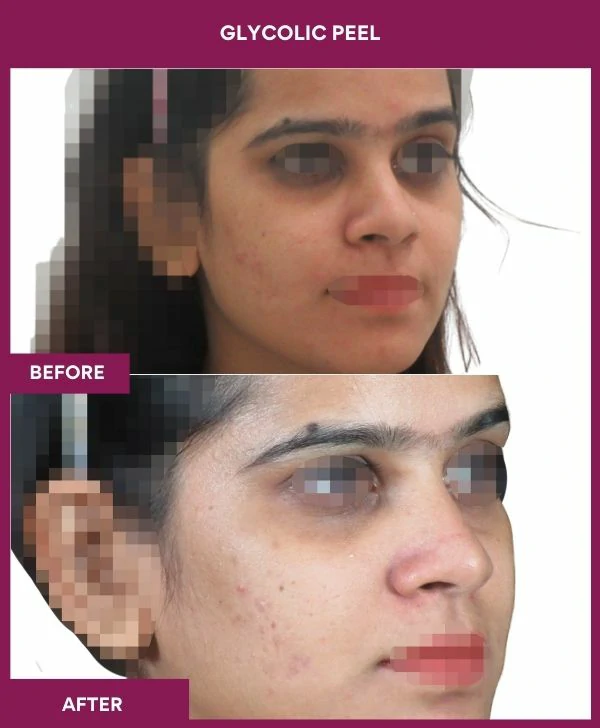
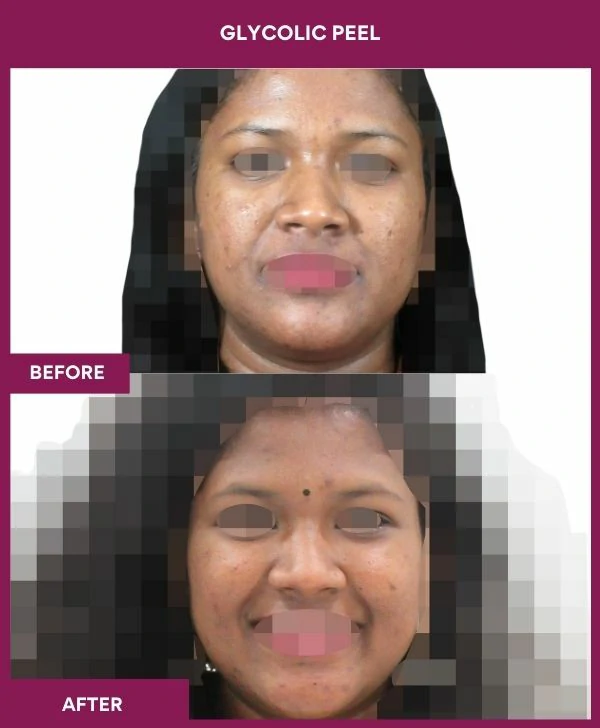
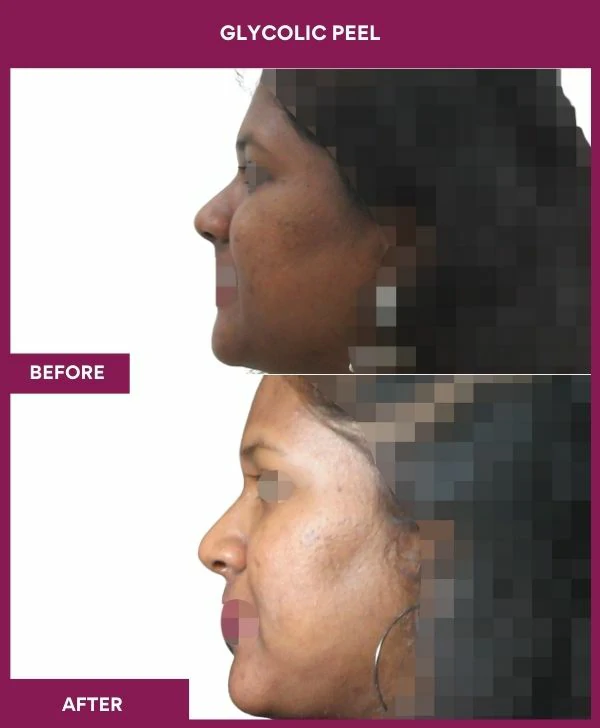
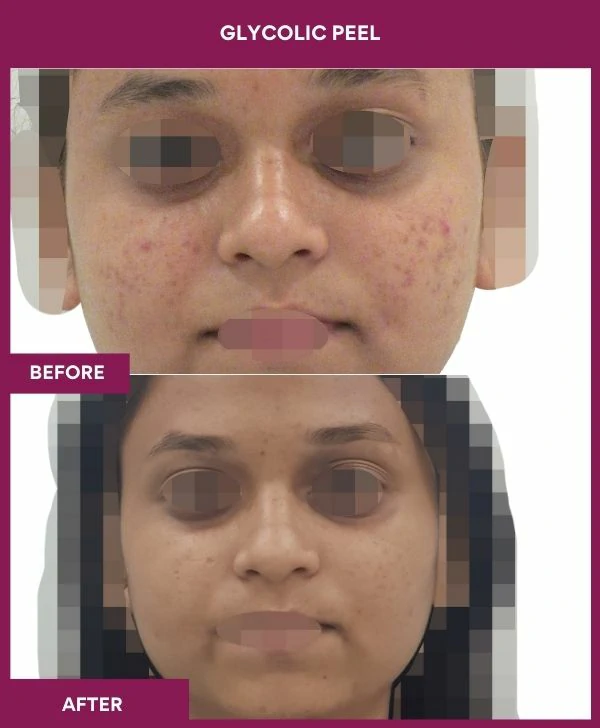
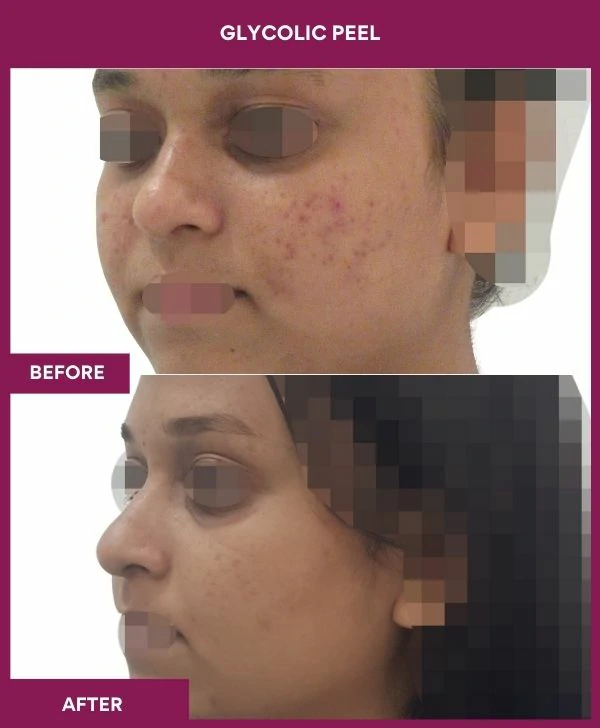
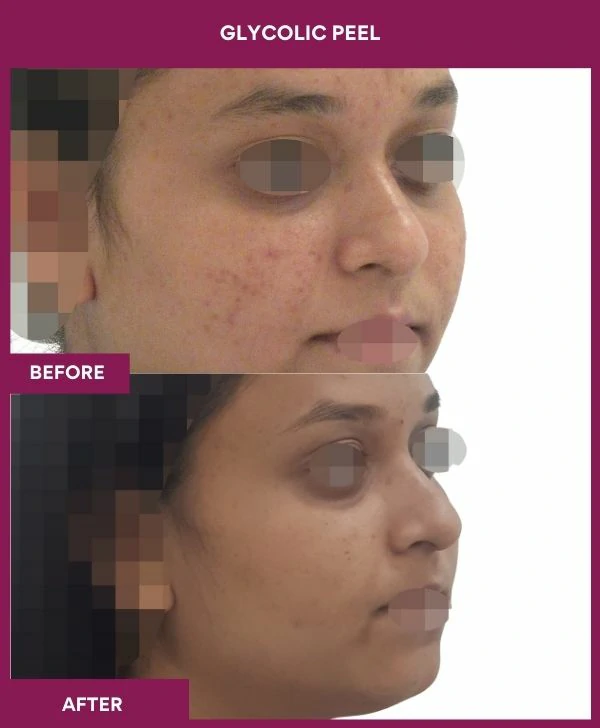
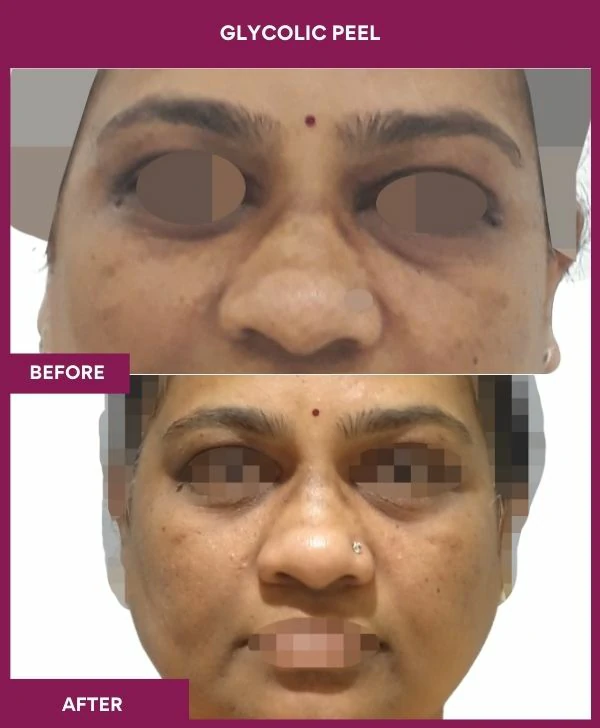
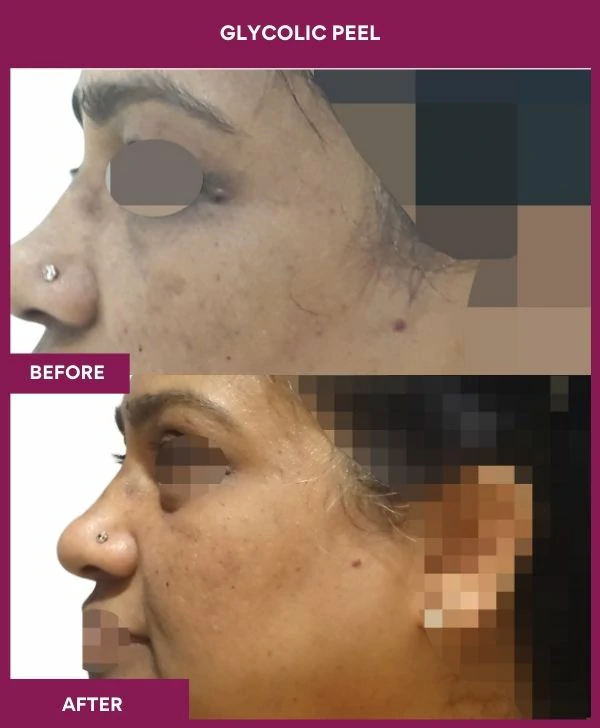
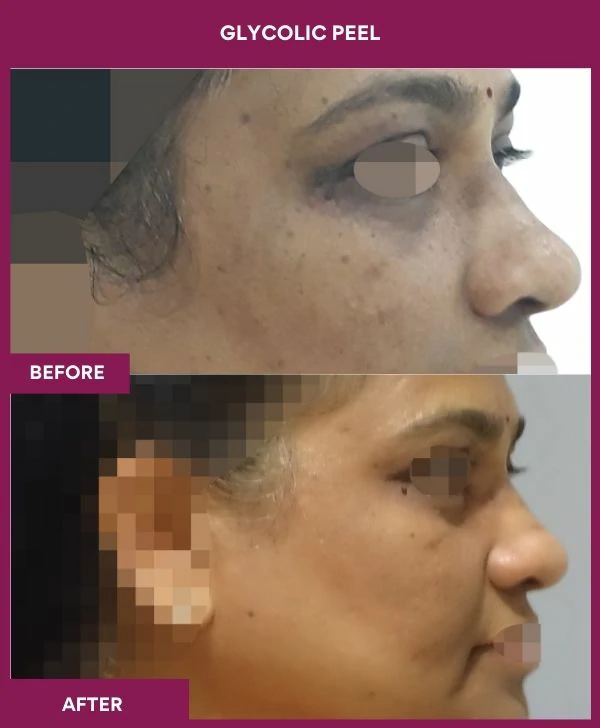
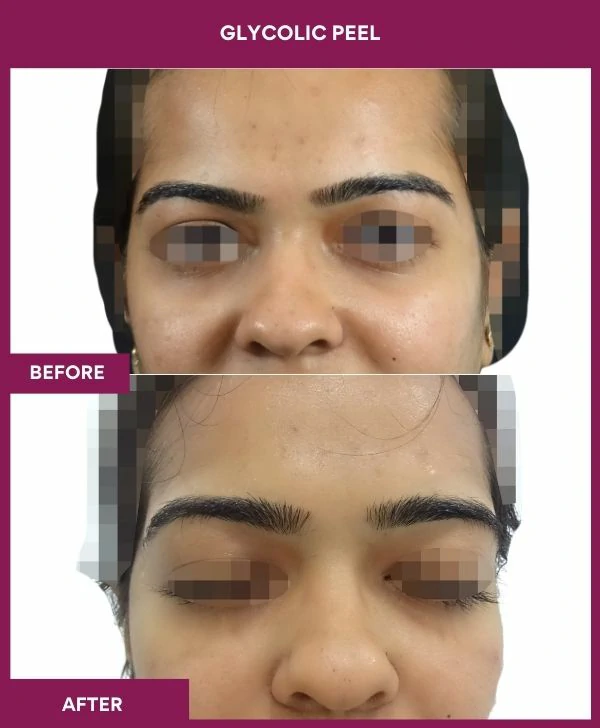
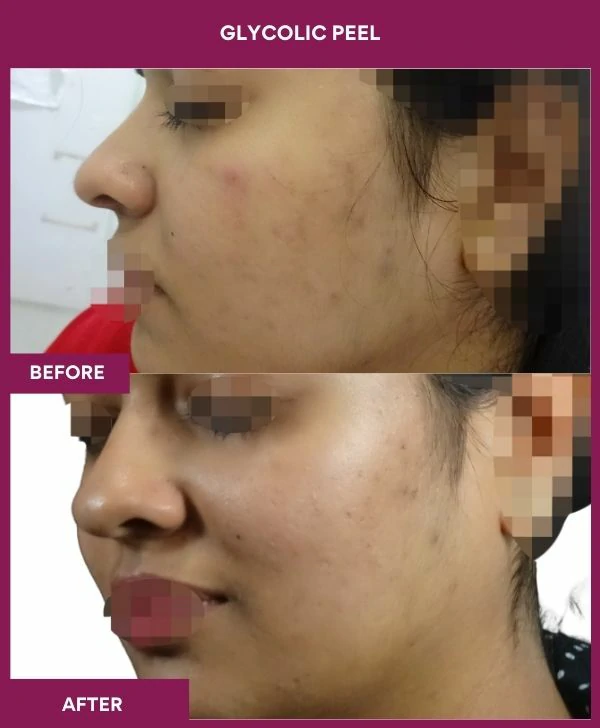
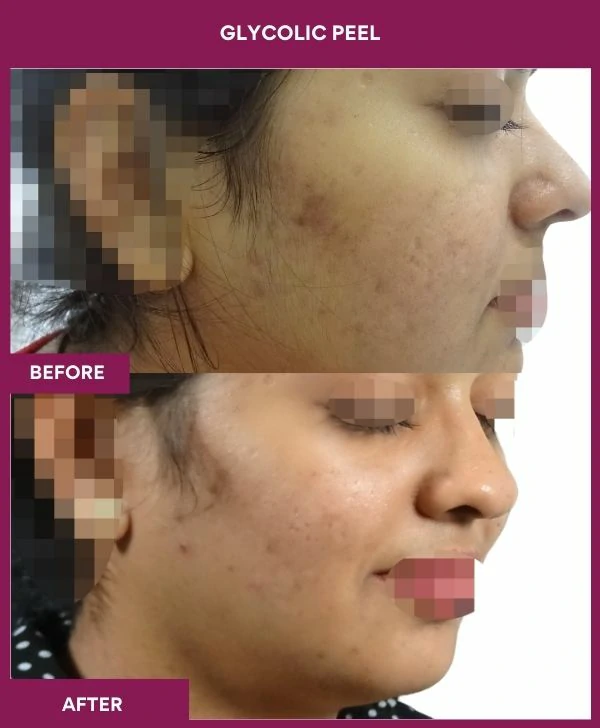
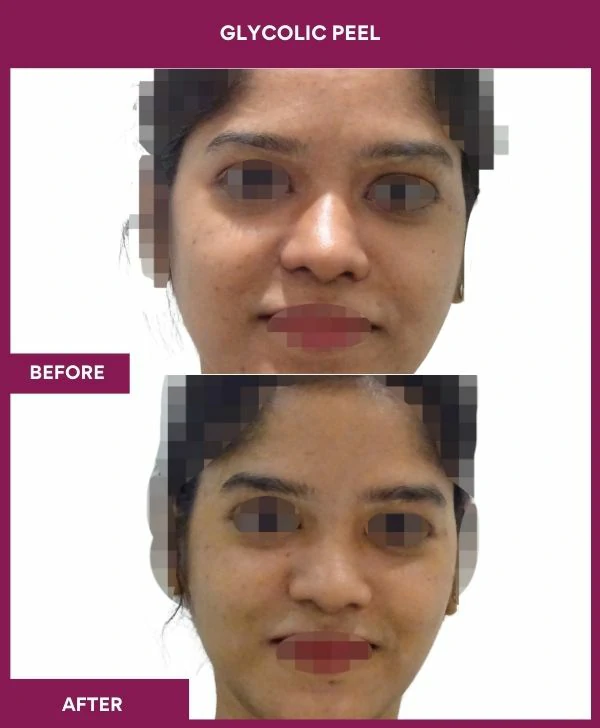
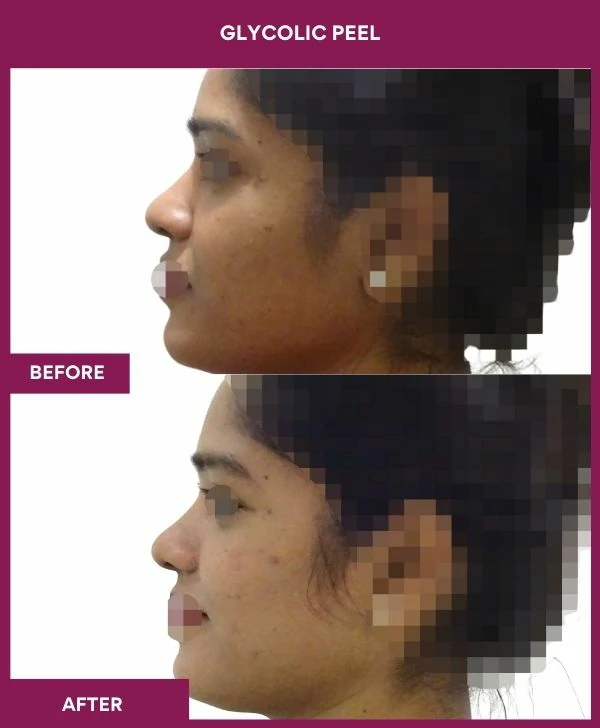
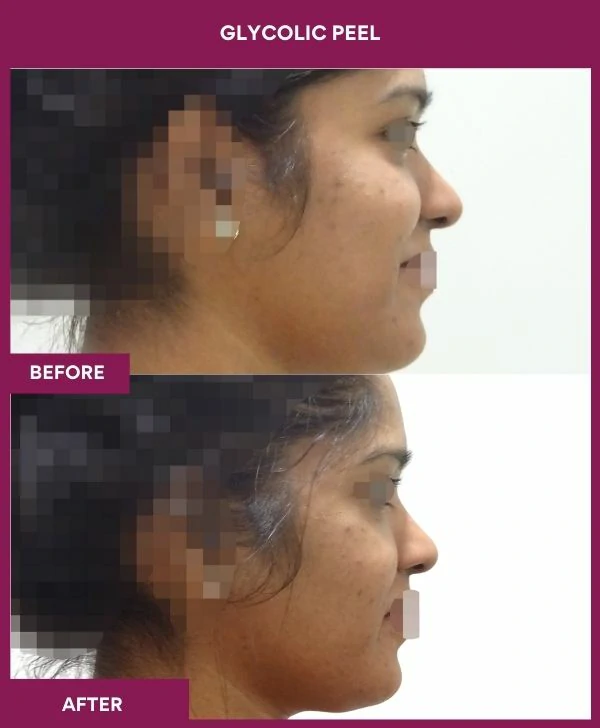
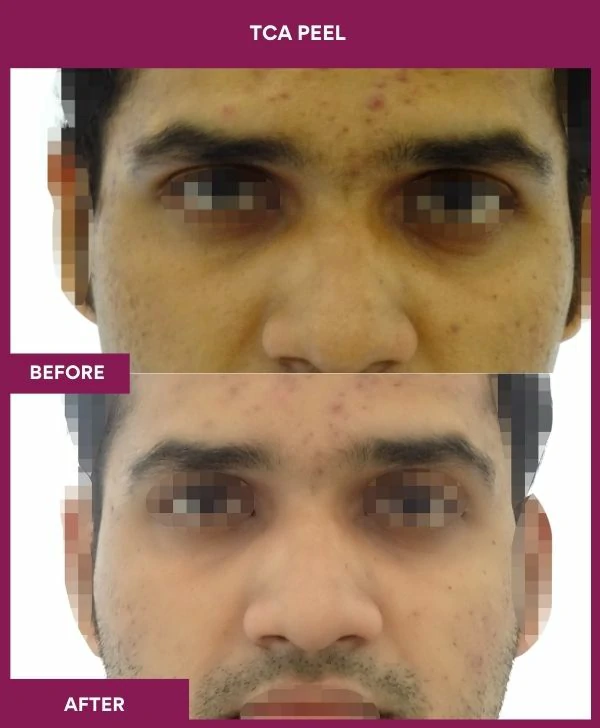
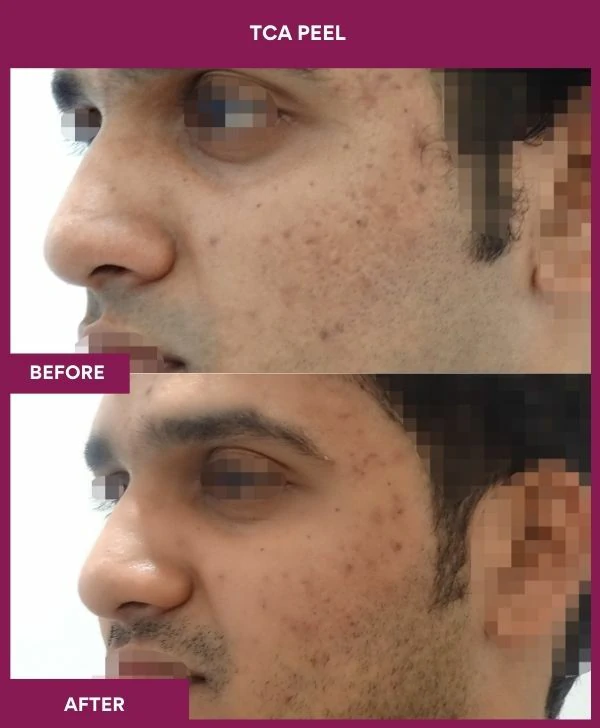
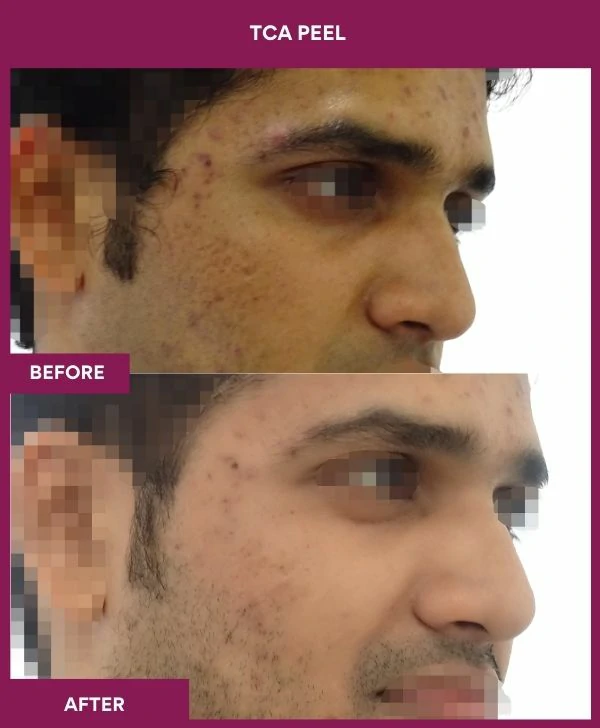
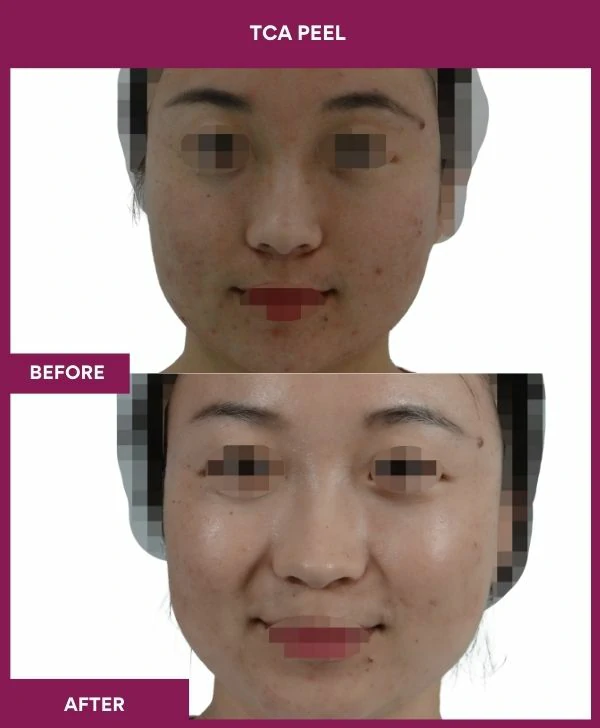
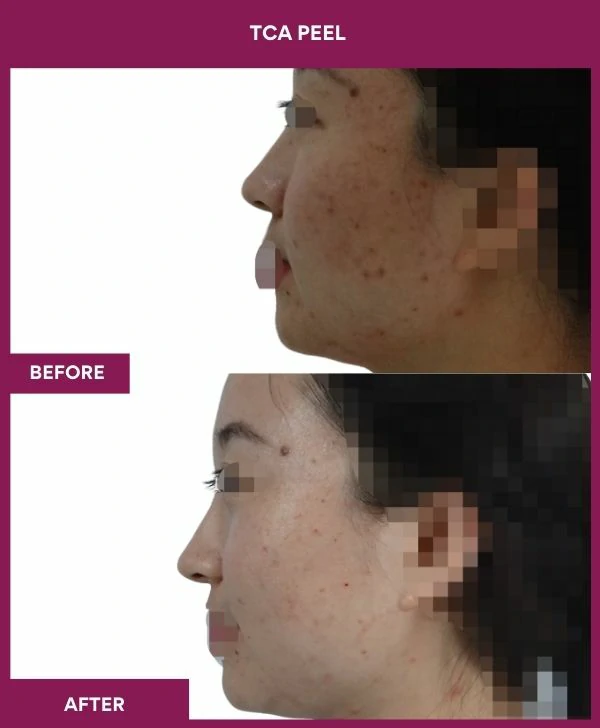
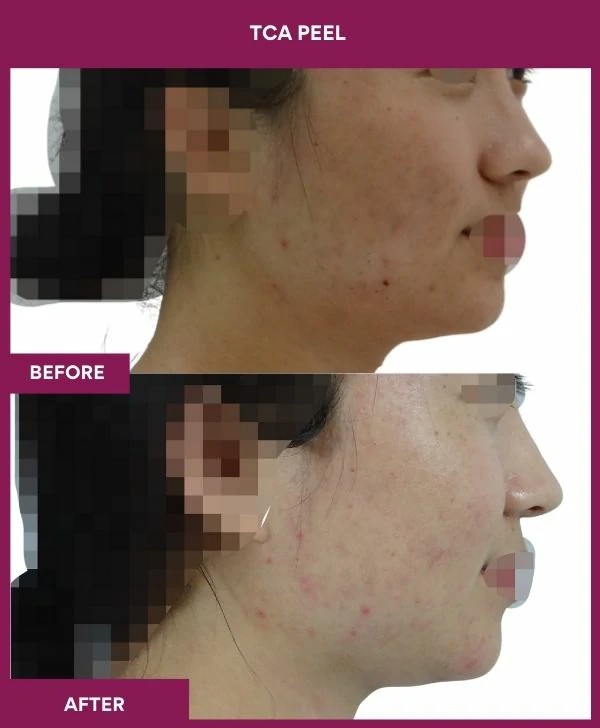
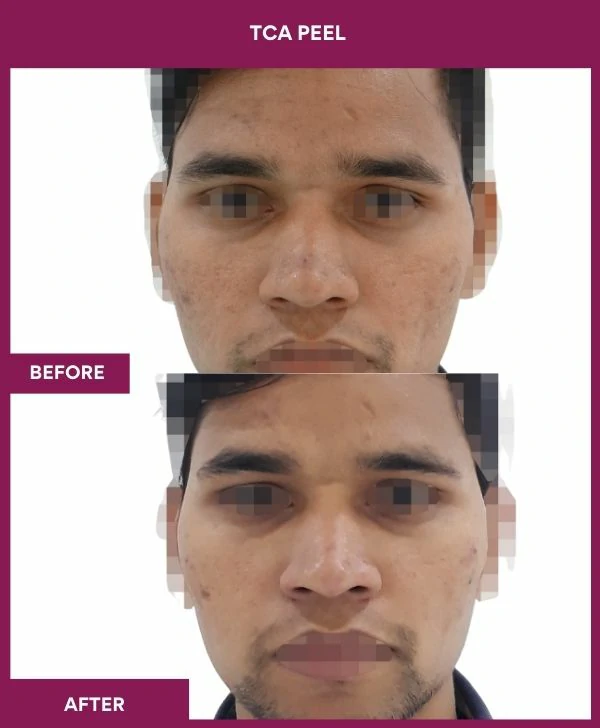
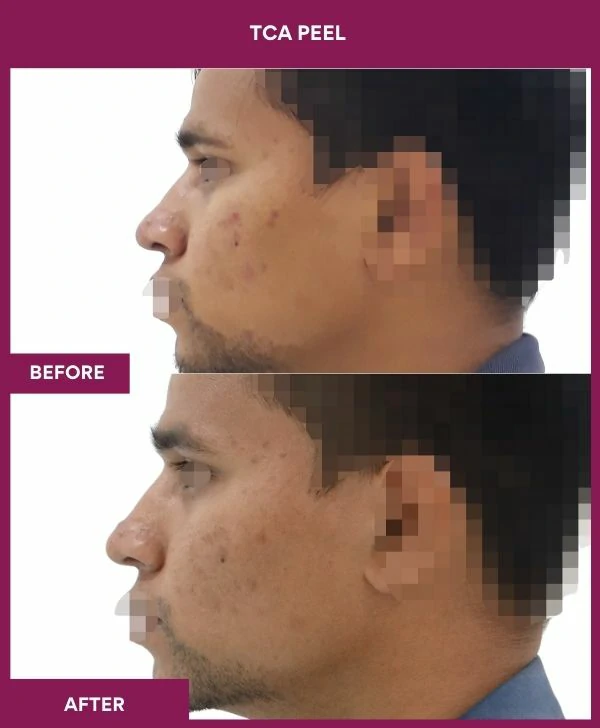
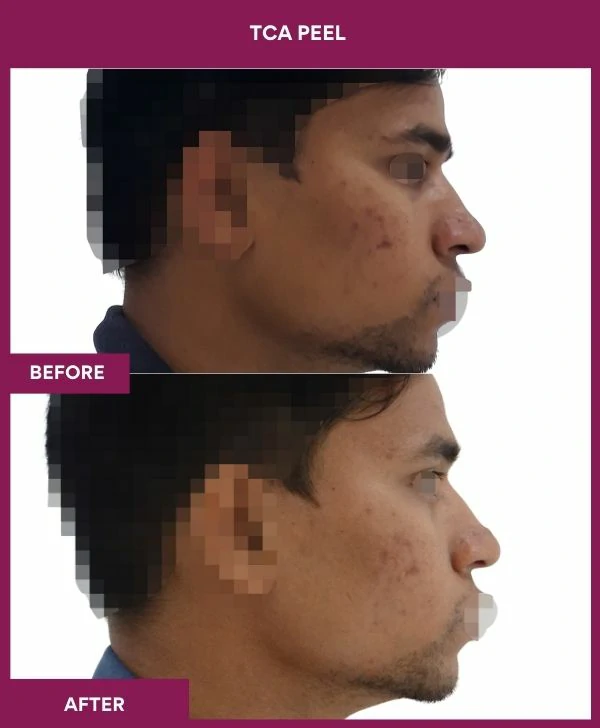
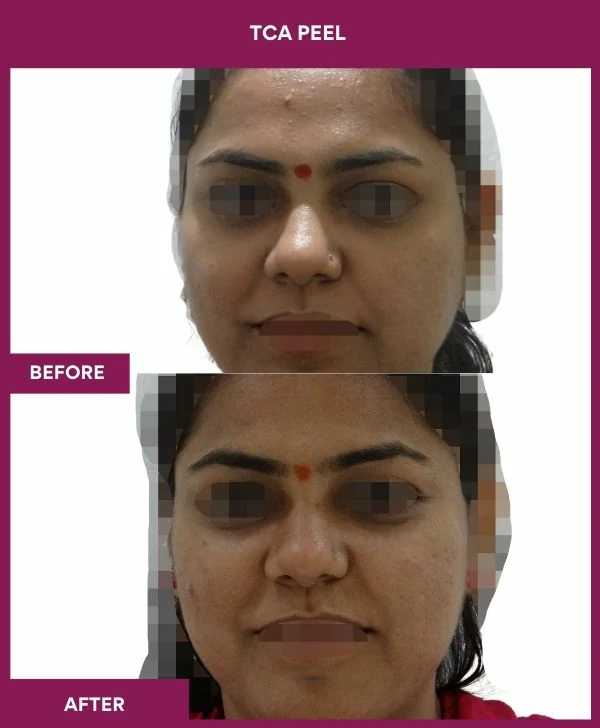
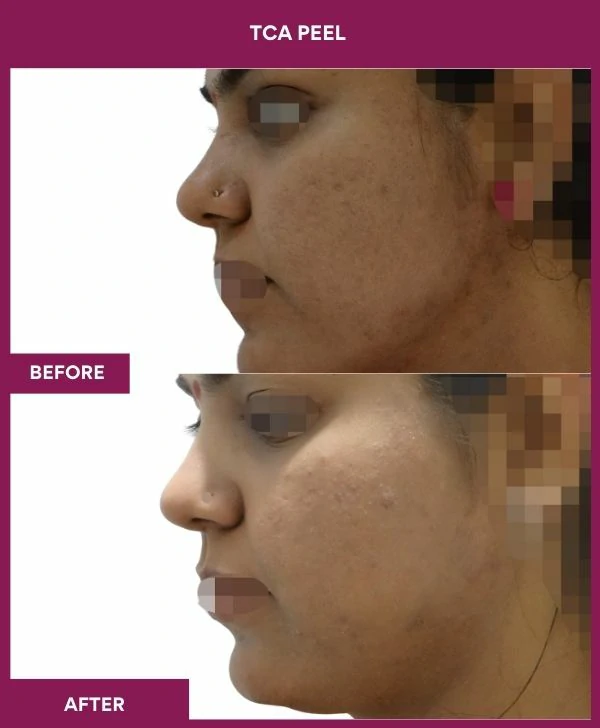
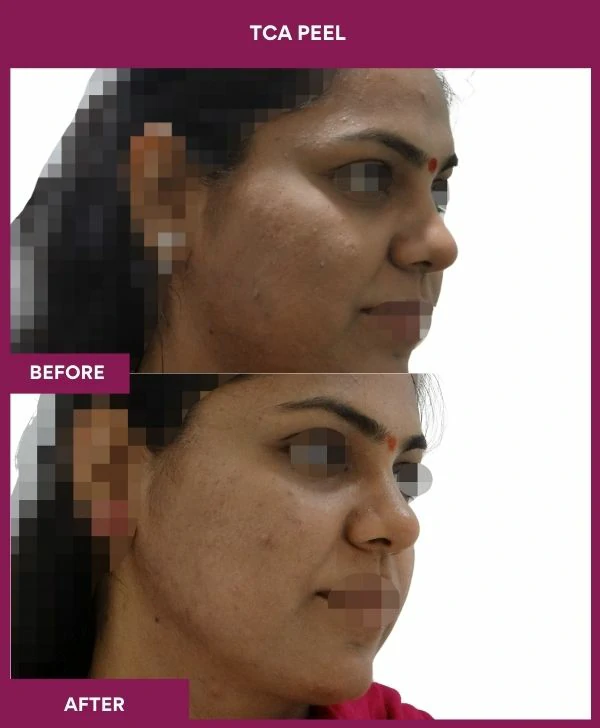
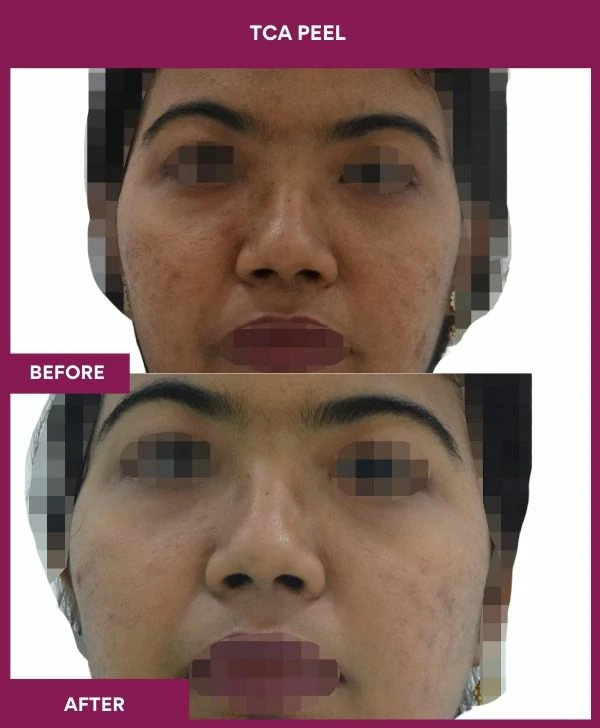
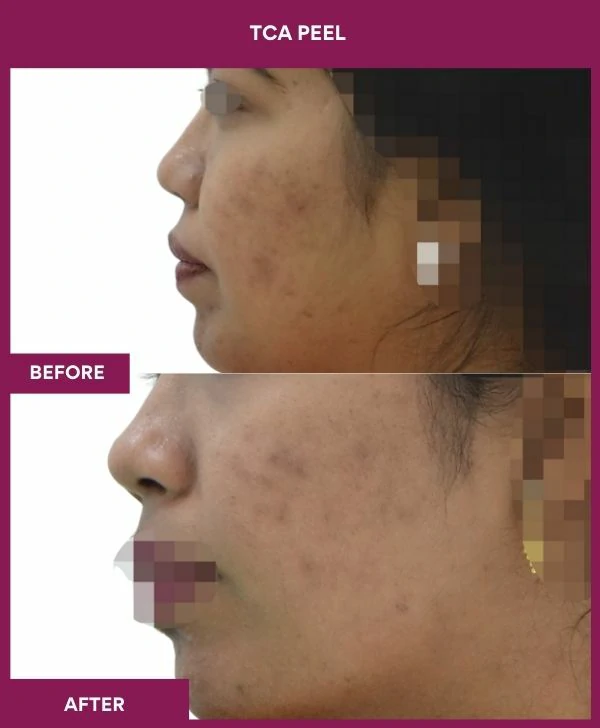
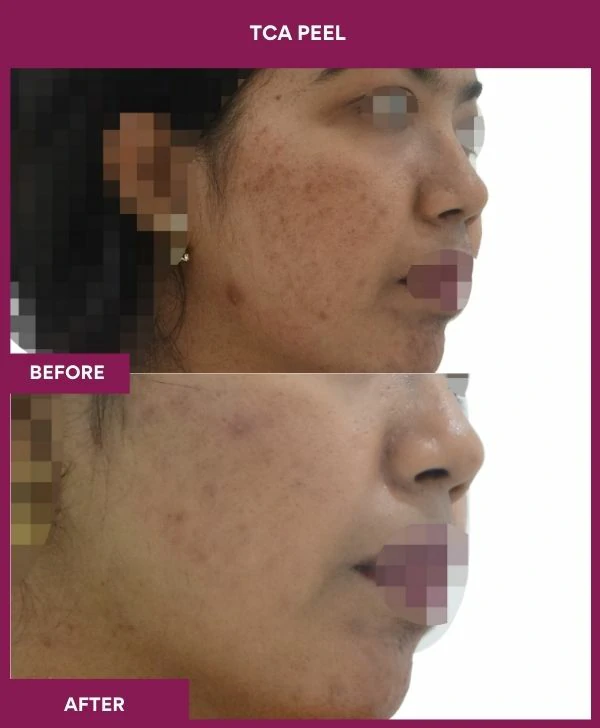
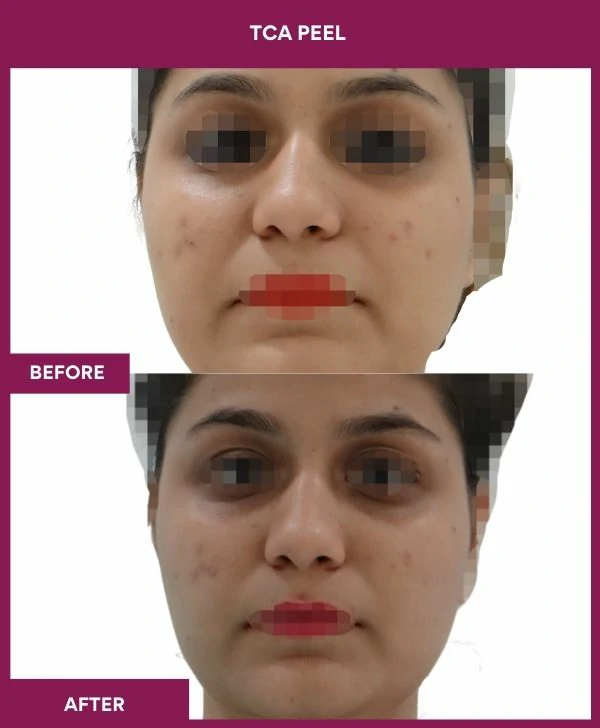
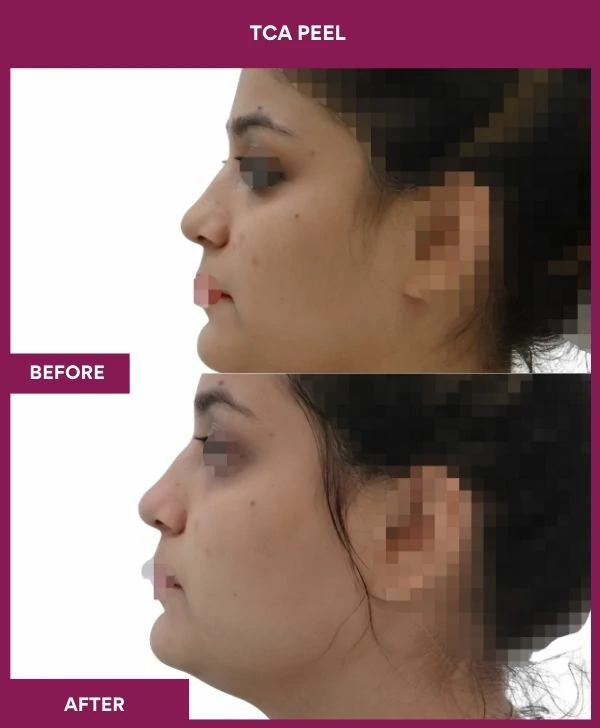
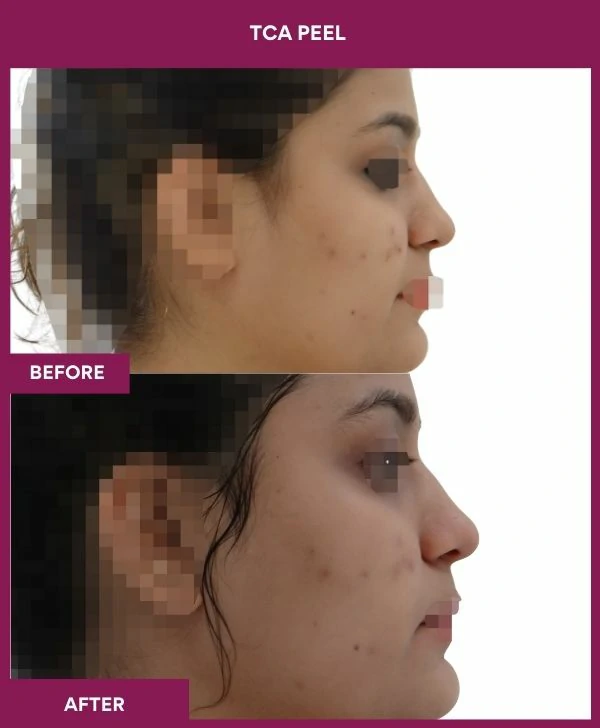
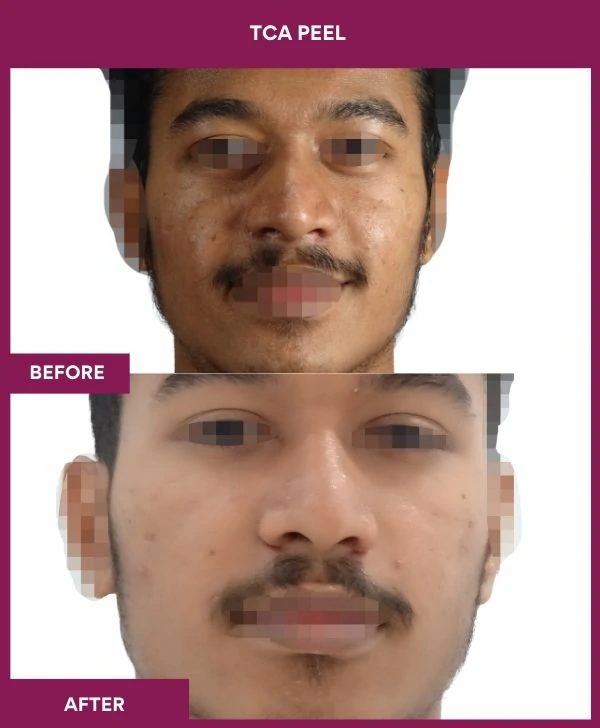
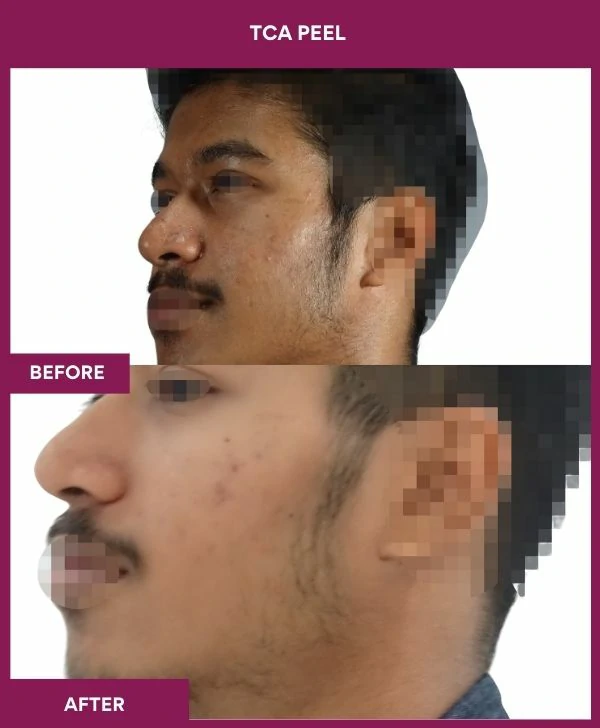
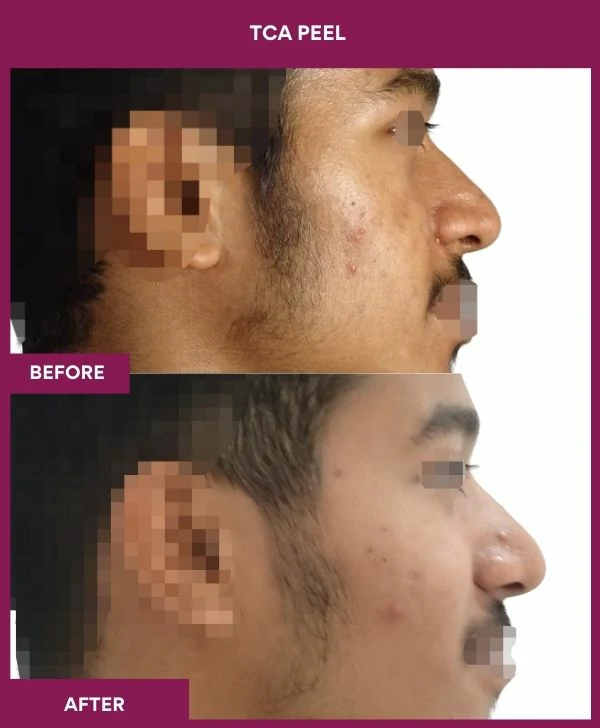
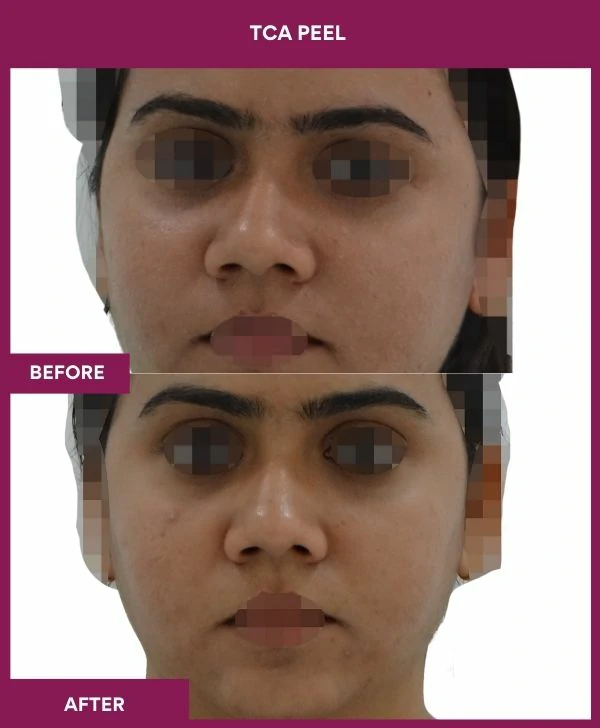
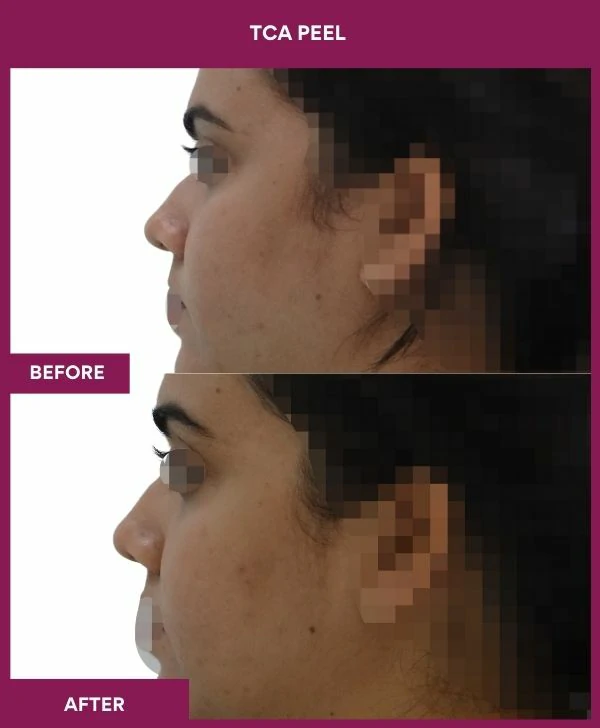
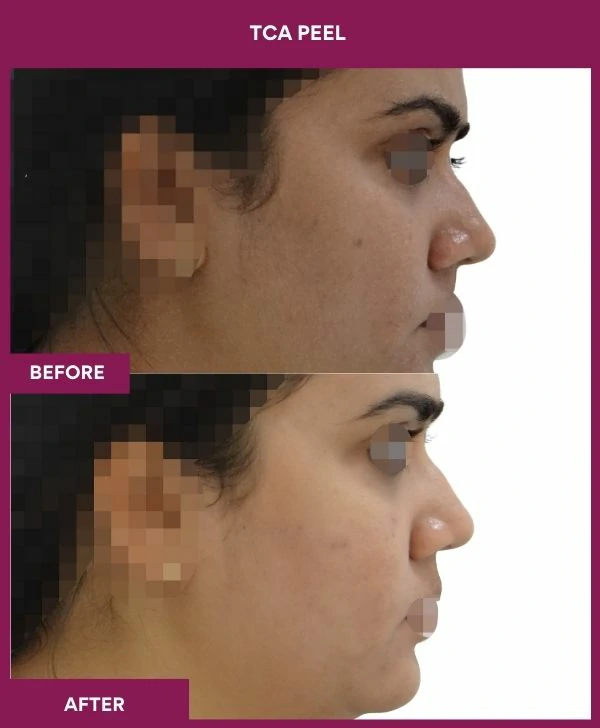
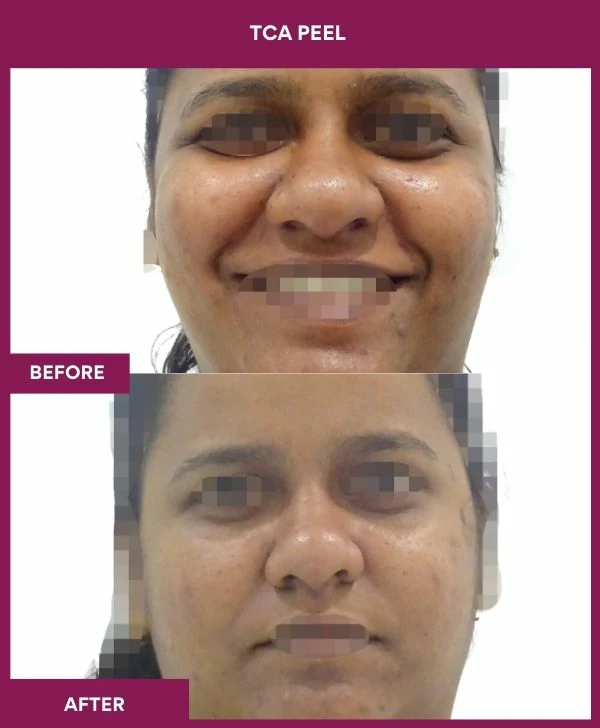
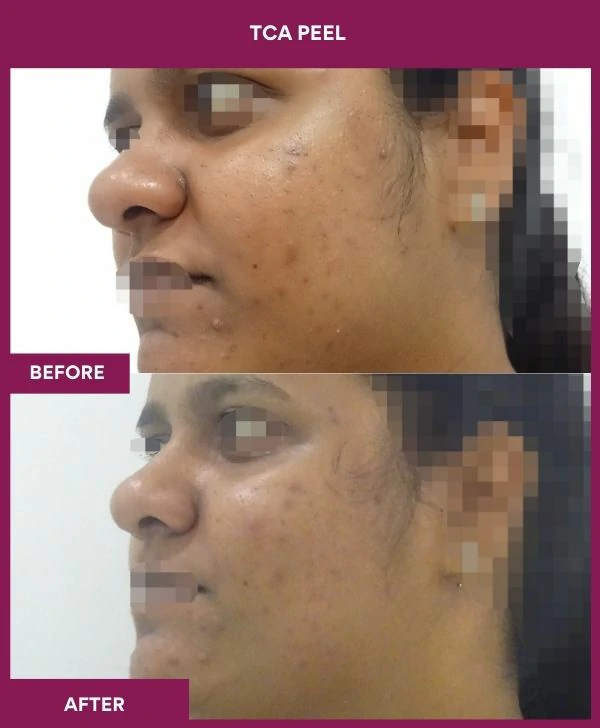
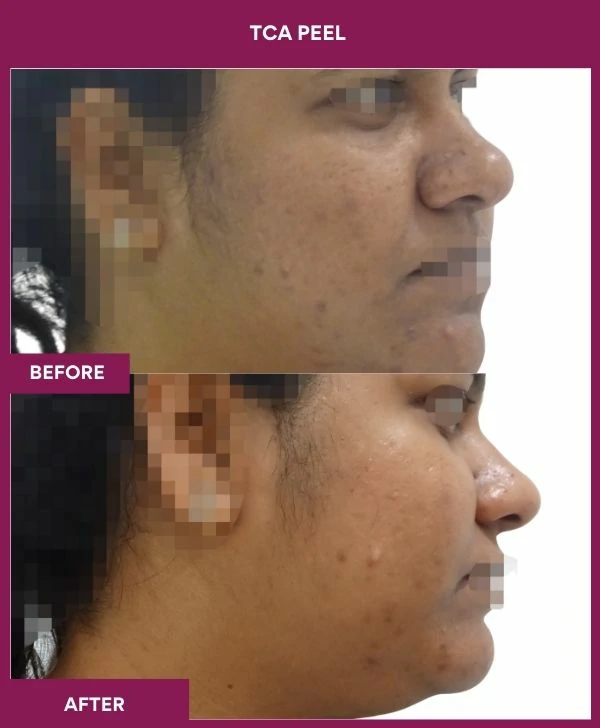
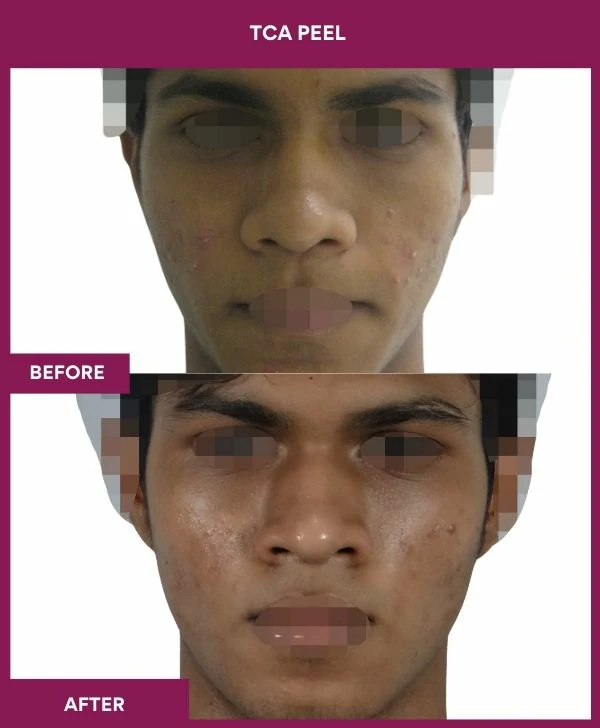
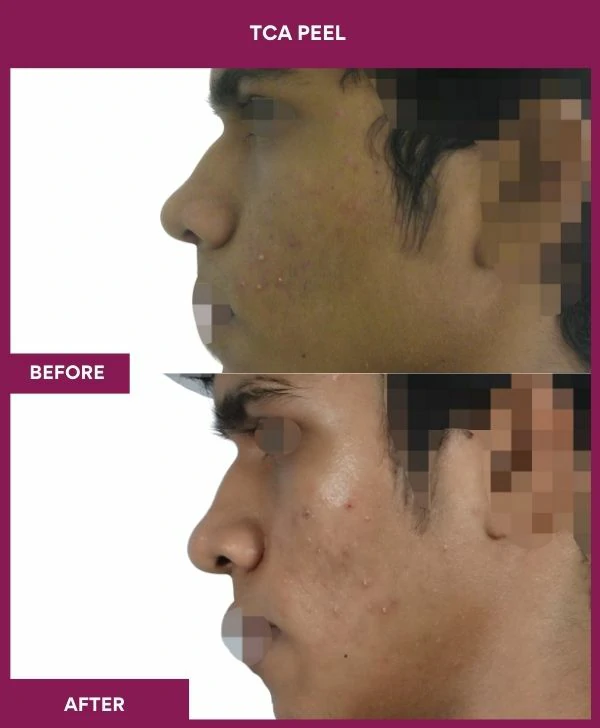
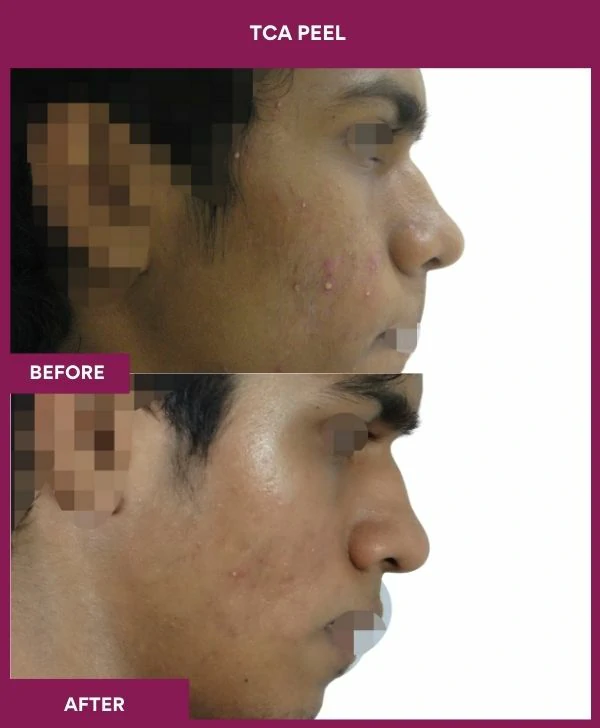
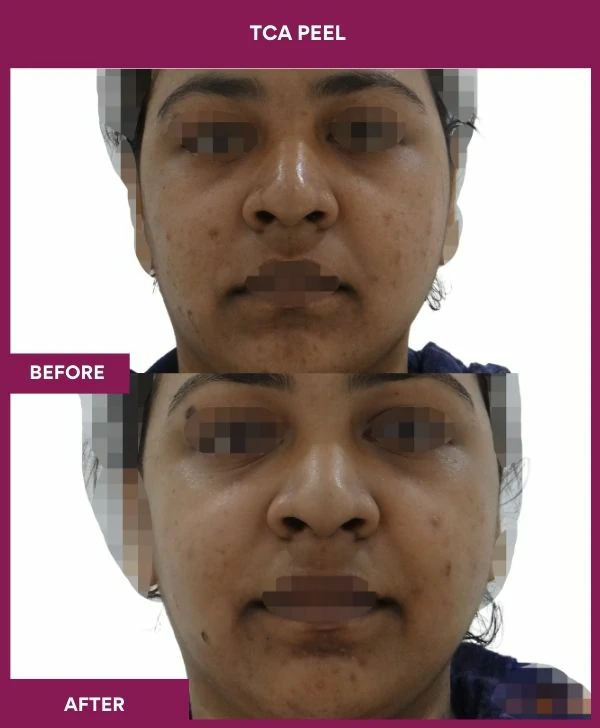
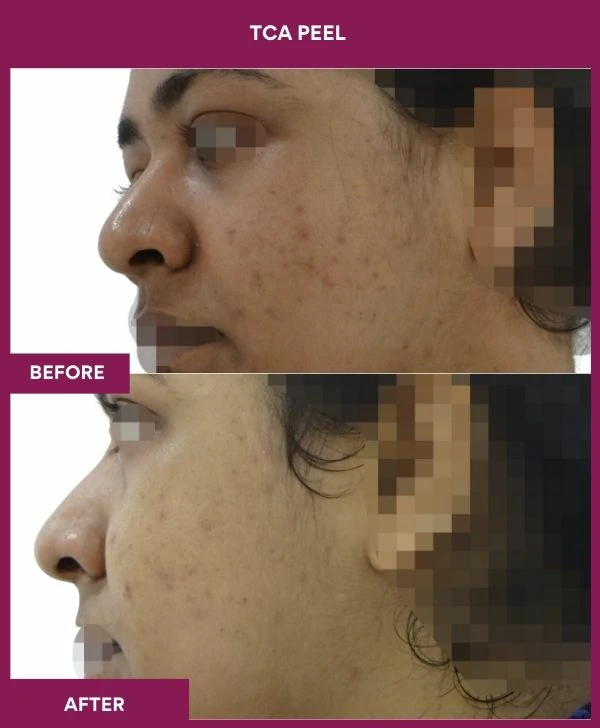
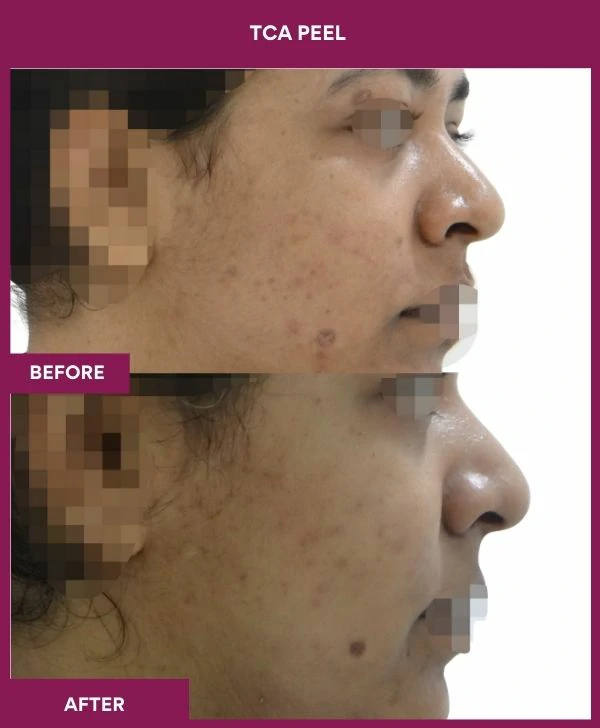
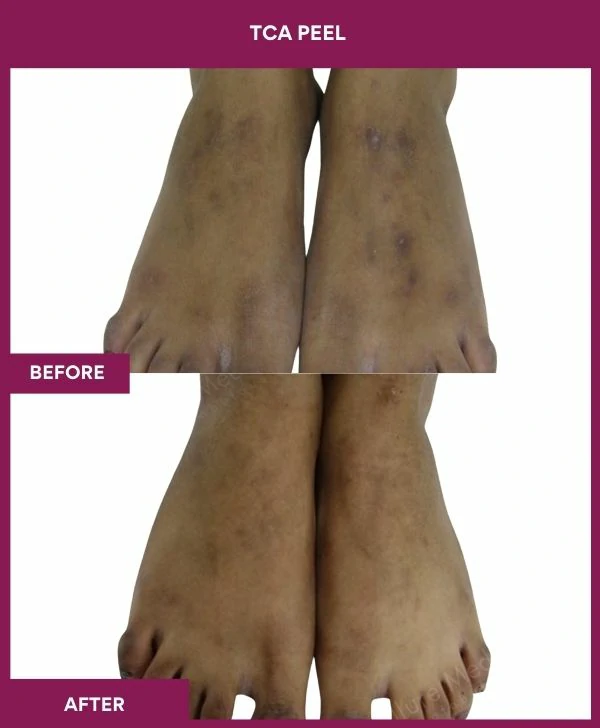
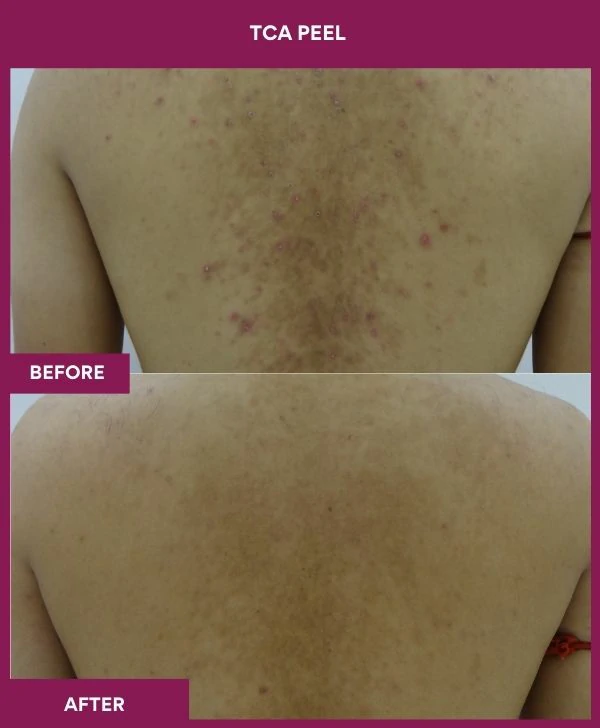
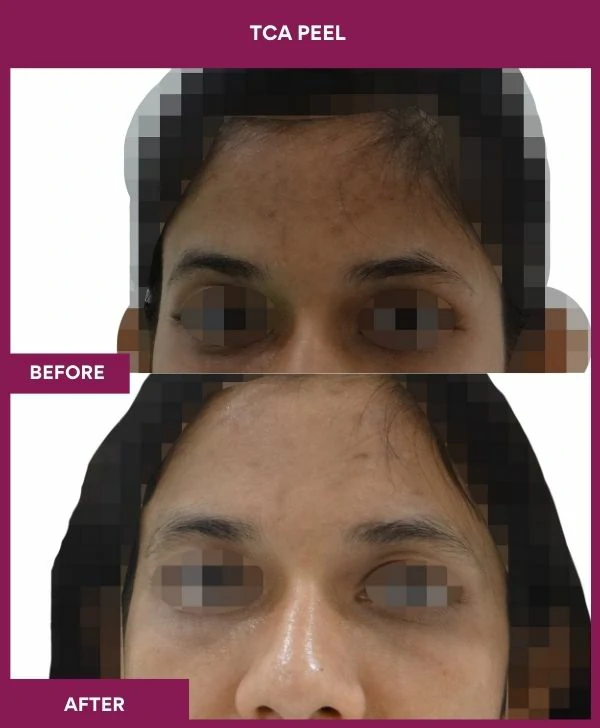
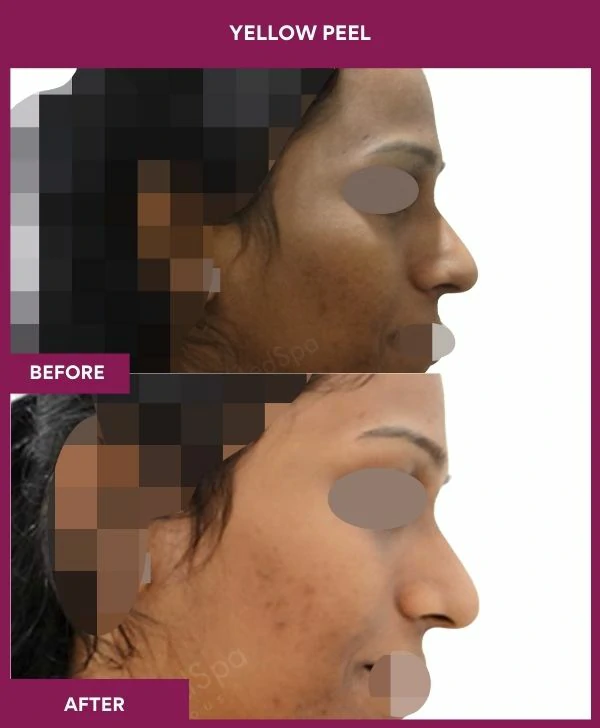
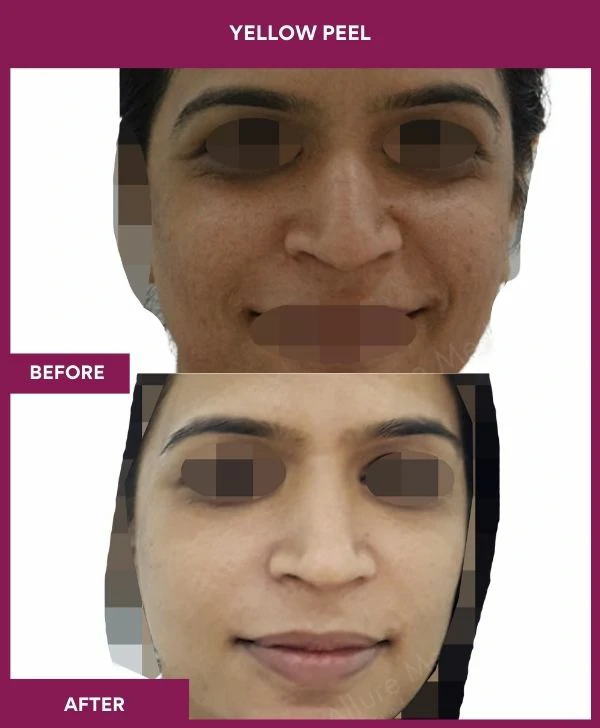
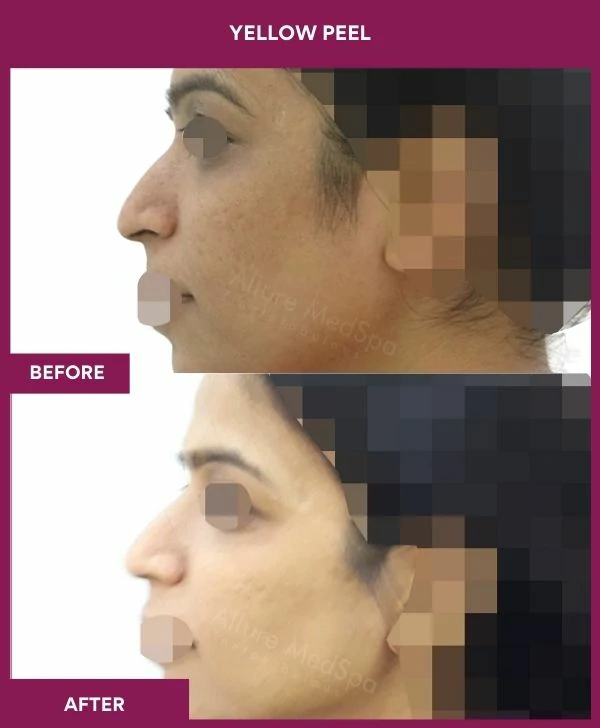
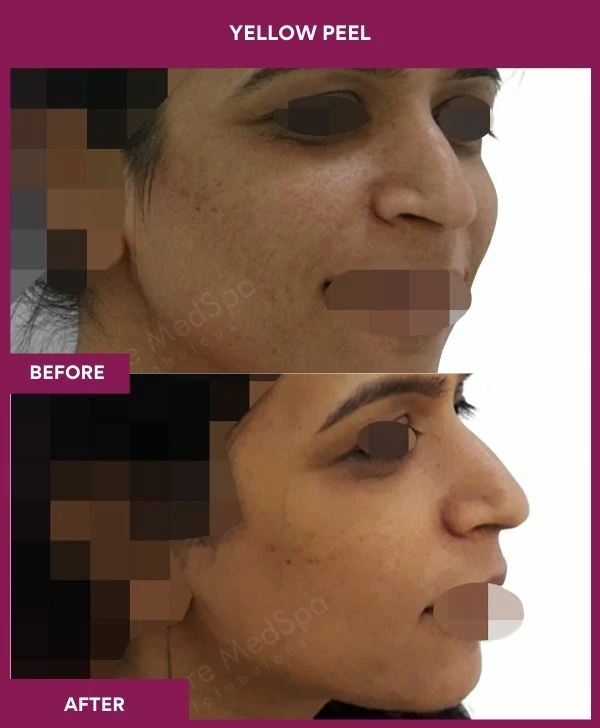
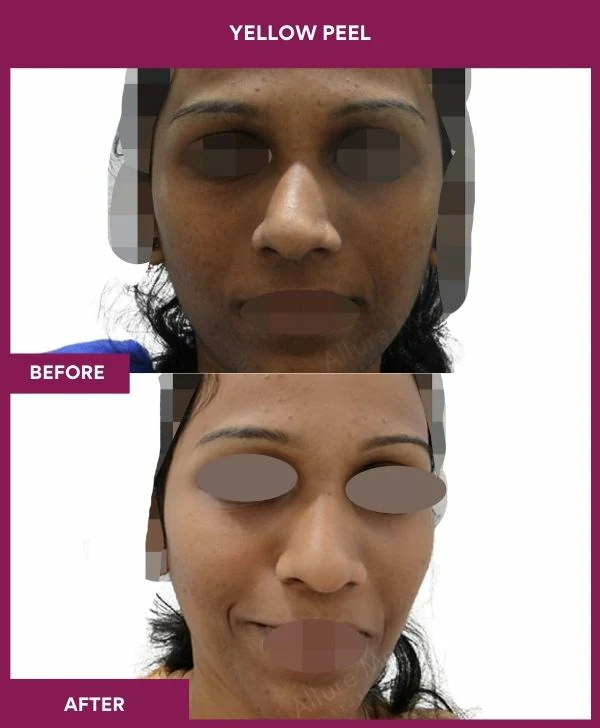
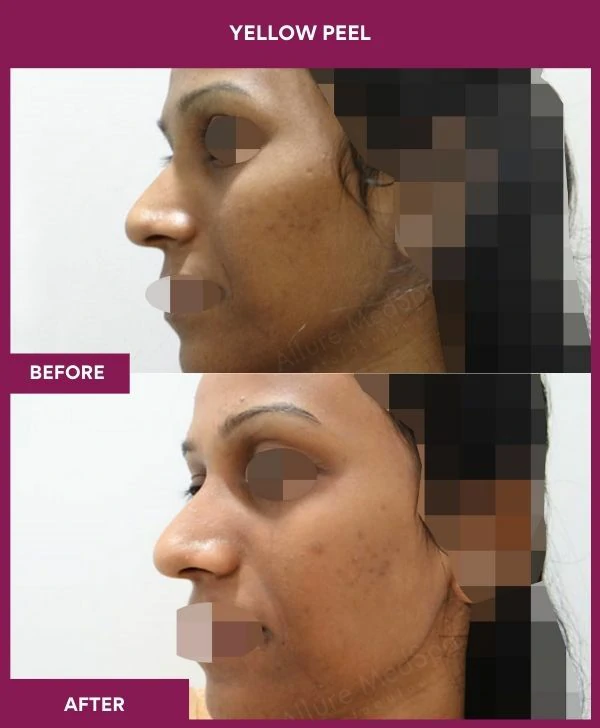
“Your Skin Peel Cost”
Chemical Skin Peels Testimonials: Fine To Fabulous Journeys

Awarded by Google.com
Rating: 4.7
Reviews: 485+

Awarded by WhatClinic.com
Rating: 4.8
Reviews: 119+

Awarded by Realself
Rating: 4.9
Reviews:453+

Awarded by Facebook
Rating: 4.6
Reviews:105+
Dr Milan Doshi and his staff are very professional and committed as the centre is highly equipped with advanced technology. I had closed rhinoplasty 4 months back and I’m seeing the results as to how it becomes successful.
Deepika Shetty
The doctor explained everything clearly and the surgery was smooth. Recovery was faster than I expected and the team was very supportive.
Rahul Mehta
Very natural results and excellent staff. From consultation to follow-up, the experience was outstanding and boosted my confidence.
Sneha Kapoor
Is A Chemical Peel Right For Me?
(4 quick questions)
Which peel? Let your skin answer, not a menu.
Check My SuitabilityHonest routing — gentler is often better
Quick Facts About Chemical Skin Peels
TIME REQUIRED
30–60 minutes
ANESTHESIA
None
SESSIONS
4–6, every 3–4 weeks
RESULTS LAST
1–2 months
DOWNTIME
2–5 days of light flaking
RESULTS SHOW
Glow in 3–5 days
COST
₹2,000 – ₹50,000
SIDE-EFFECT RATE
Under 1%
What Is The Cost Of A Chemical Skin Peel In Mumbai?
At Allure Medspa, a chemical skin peel is priced by the type and depth of peel, generally from around ₹2,000 to ₹50,000 per session — from a basic brightening peel up to advanced pigmentation peels. Most concerns are treated as a short course of superficial peels rather than one session, so the table shows both single-session and course pricing. Your exact plan is confirmed at consultation; EMI options are on our payment process page.
| Peel | Typical range per session (₹) | What it is for |
|---|---|---|
| Glycolic (brightening) peel | 1,500 – 3,500 | Entry-level, gentle exfoliation and glow; tan, dullness |
| Salicylic / acne peel | 2,500 – 5,000 | Pimples, blackheads, oily skin, body acne |
| Lactic / mandelic peel | 2,500 – 5,000 | Sensitive or dry skin; mild pigmentation |
| Retinol (yellow) peel | 4,000 – 8,000 | Renewal, fine lines, clogged pores, acne |
| Combination / Jessner peel | 5,000 – 10,000 | Pigmentation with texture; oily photo-damaged skin |
| TCA medium-depth peel | 8,000 – 20,000 | Photoageing, stubborn pigmentation, superficial acne scars |
| Advanced pigmentation peel (Cosmelan-type) | 25,000 – 50,000 | Full-face melasma / stubborn pigmentation protocol → Cosmelan Peel Treatment |
| Body peel (back, arms, legs) per area | 3,000 – 8,000 | Body acne, rough skin, body dark spots |
| Course of 4 superficial peels | 6,000 – 14,000 | Typical plan for tan, dullness, mild acne |
| Course of 6 superficial peels | 9,000 – 20,000 | Typical plan for pigmentation and acne marks |
Disclaimer note: +5% GST · Includes consultation, priming advice, the peel session, post-peel care kit guidance and review. EMI available for advanced protocols.
Get your exact quote & surgery plan
Share your details — our team responds within working hours with cost, EMI options and next steps.
Most Common Question People Ask
Q1. Are chemical peels safe for Indian / darker skin?
Ans. Yes, with the right peel and an experienced doctor — but darker skin has a higher risk of pigment changes, so superficial peels, careful priming and strict sun protection are usually preferred. Deeper peels are used only when the skin is suitable and after proper medical assessment.
Q2. How often should I get a chemical peel?
Ans. Superficial peels can be done every 3–4 weeks; medium/deep peels are spaced months apart. Follow your doctor’s plan.
Q3. Are chemical peels painful?
Ans. Most people feel a tingling or warm sensation; deeper peels may need numbing but are generally well tolerated.
Q4. How much does a chemical peel cost in Mumbai?
Ans. At Allure Medspa a chemical peel is priced by type and depth — from around ₹2,000 per session for a basic brightening peel (glycolic from ₹1,500) up to ₹50,000 for advanced pigmentation protocols, +5% GST. The final plan depends on the peel type and skin concern.
Q5. How long do chemical peel results last?
Ans. A light peel’s effect can last 1–2 months; deeper peels give longer-lasting texture and tone improvement. Maintenance and sun protection help.
Q6. Will one peel be enough?
Ans. Often a short course gives the best results, especially for pigmentation and acne marks. Your plan is set at consultation.
Q7. Can peels treat acne scars?
Ans. Superficial peels help post-acne marks (pigment); medium-depth peels can improve some rolling/boxcar scars over a series. Deep textured scars may need laser or microneedling too.

Why Choose Dr. Milan Doshi?
Dr. Milan Doshi, MCh, MS — Indian board-certified plastic and cosmetic surgeon with 27+ years of experience, 16,000+ procedures and a long focus on safe, natural-looking skin and pigmentation care on Indian skin. The best doctor for a chemical skin peel is one with deep skin knowledge, peel-chemistry expertise — acid selection, pH and depth control — and the ability to prevent and manage complications such as pigmentation or scarring, especially on darker skin. At Allure Medspa peels are expert-led and customised with patch testing, matched to your skin type, concern and lifestyle, with strict hygiene, priming and supervised aftercare, and a full skin menu — laser, microneedling RF, PRP and pigmentation protocols — under one roof at the NABH-accredited centre.
The Complete Guide About Chemical Skin Peels
What Is A Chemical Skin Peel?
A chemical skin peel is a non-surgical exfoliation treatment in which a specially formulated acid solution is applied to remove damaged outer skin cells, stimulating fresher, smoother skin to surface. It’s an evidence-backed dermatology treatment for pigmentation, acne, texture and photoageing.
- How it works — controlled exfoliation triggers the skin’s natural repair and collagen renewal
- Best for — pigmentation, acne and marks, dull/uneven texture, sun damage and early ageing
| Cosmetic peels | Medical / dermatological peels |
|---|---|
| Superficial brightening, glow and maintenance peels for healthy skin; tan, dullness, mild texture | Peels prescribed for a diagnosed condition — acne vulgaris, melasma, actinic damage, superficial scarring — often as part of a treatment protocol |
| Elective; course-based; minimal downtime | Depth and agent chosen for the condition; medium/deep peels need monitoring |
Also called: chemexfoliation, skin-resurfacing peel, exfoliating peel, skin-renewal peel, chemical exfoliation, derma peel.
Sources: Practical approach to chemical peels (JCAD)
Struggling With Dull, Uneven Skin That A Chemical Peel Could Fix?
If dull, marked or uneven skin isn’t responding to creams and facials, a chemical skin peel offers a scientifically backed way to refresh your complexion with minimal downtime.
- Tired of dull, rough or uneven skin that no product seems to fix?
- Do dark spots, acne marks, fine lines or tanning make your skin look tired or older?
- Want to refresh your complexion without invasive treatments?
It’s frustrating to invest in expensive creams and facials for minimal change, while dead-skin buildup, sun damage and clogged pores leave skin looking worn. A chemical skin peel gently exfoliates the outer layer to remove dead cells, blemishes and sun spots — revealing smoother, clearer, more youthful skin with minimal downtime.
Global & Indian trends (ISAPS 2024): Globally, chemical peels are among the most-performed non-surgical skin treatments — estimated at over 4 million procedures in 2023 · Around 70–75% are performed on women, for pigmentation, acne scarring and texture · In India, chemical peels are estimated to exceed 200,000 procedures a year.
Sources: ISAPS Global Survey 2024
What Are The Key Benefits Of A Chemical Skin Peel?
A chemical skin peel improves tone, texture and radiance by treating pigmentation, acne and early ageing — with results building over a short course of sessions.
- Reduces pigmentation — fades melasma, dark spots and post-inflammatory marks
- Treats acne & marks — clears active acne and softens superficial acne marks
- Brightens tone — evens complexion and restores glow
- Anti-ageing — softens fine lines and supports collagen renewal (esp. medium/deep peels)
- Low downtime — superficial peels fit busy lifestyles
- Works beyond the face — arms, legs, back and chest respond to the same chemistry
Sources: Evidence & considerations in chemical peels (JCAD)
Which Skin Concerns And Body Areas Can A Chemical Peel Treat?
Chemical peels can help treat concerns such as tanning, dullness, uneven skin tone, acne, blackheads, pigmentation, post-acne marks, melasma, fine lines, rough texture and clogged pores. Depending on the peel selected, treatment can be performed on the face as well as areas such as the arms, legs, back, shoulders and chest. The type and depth of peel are chosen according to the skin concern, treatment area and individual skin type.
| Concern | Peel usually chosen | Learn more / combined with |
|---|---|---|
| Tan, dullness, uneven tone | Glycolic, lactic, mandelic (superficial) | Skin whitening → Skin Whitening Treatment |
| Active acne, blackheads, oily skin | Salicylic (BHA); combination | Acne treatment → Acne Treatment |
| Post-acne marks (pigment) | Glycolic, salicylic-mandelic, yellow | Acne treatment → Acne Treatment |
| Melasma, dark patches, freckles | Pigment-focused peels; Cosmelan protocol | Pigmentation → Pigmentation Treatment · Cosmelan → Cosmelan Peel Treatment |
| Fine lines, sun damage, rough texture | Yellow (retinol), TCA medium-depth | Anti-aging → Anti-Aging Treatment · Photo facial → Photo Facial Treatment |
| Rolling / boxcar acne scars | TCA over a series | Microneedling RF → Microneedling Radiofrequency · Fractional CO2 → Fractional CO2 Laser |
| Open pores, congestion | Salicylic, yellow | Microdermabrasion → Microdermabrasion |
| Dark circles (pigment type) | Very superficial arginine / lactic | Dark circle removal → Dark Circle Removal |
Body areas
- Face — pigmentation, acne, ageing signs and dullness
- Arms & legs — rough, dry skin, especially elbows and knees
- Back & shoulders — body acne and clogged pores
- Chest (décolletage) — sun damage and fine lines
- Body dark spots — helps lighten hyperpigmented patches (not a guaranteed removal)
For deeper pigment or scarring, peels are often combined with microneedling RF, PRP or laser.
What Are The Limitations Of A Chemical Skin Peel?
A chemical skin peel has real benefits but isn’t right for every skin type or condition — some medical and lifestyle factors limit its use.
- Active infection — bacterial, viral (e.g. herpes) or fungal skin infection
- Broken skin — open wounds or a compromised skin barrier
- Certain medications — photosensitising drugs, or recent isotretinoin for deeper peels
- Inflammatory conditions — active eczema or psoriasis in the area
- Keloid tendency — caution with medium/deep peels
- Aftercare & expectations — unwillingness to use sun protection, or unrealistic goals
- Depth of the problem — deep pitted scars and dermal melasma respond only partly; peels support laser or microneedling rather than replace them
- Pregnancy and breastfeeding — most peels deferred; only very superficial agents considered
Why Is A Consultation Necessary Before A Chemical Skin Peel?
A consultation makes sure your chemical skin peel is safe and tailored — matching the right peel type and depth to your skin type, history and goals. It’s especially important for darker (Indian) skin, where the wrong peel can cause pigmentation.
What happens
- Medical history — sun exposure, herpes history, pigmentation tendency, medications
- Skin assessment — skin type, oiliness, photoageing, pigmentation and any inflammation
- Custom plan — peel type and depth chosen for your condition; patch test where indicated
- Priming advice — how to prepare skin for a safer, better result
- Baseline photographs; cost and number of sessions confirmed in writing
How to prepare
- Come without make-up; bring every cream, serum and medicine you use (including retinoids and isotretinoin history).
- Note any cold-sore history and recent sun exposure or holidays.
- Your questions on downtime, events, and combining with other treatments.
Online consultation
Book online or in person: Online Consultations — daylight photographs settle most suitability questions before you visit.
Which Peel Agents Are Used — Glycolic, Salicylic, Yellow, TCA And More?
A chemical skin peel is categorised by the active acid used as well as by depth. Each agent has a different chemistry, target and evidence base; most superficial protocols on Indian skin use one or a combination of the first five.
| Agent | Type / depth | Best for | Key caution |
|---|---|---|---|
| Glycolic acid (AHA) | Superficial | Brightening and texture; strong evidence in melasma | Time and neutralise precisely; sun sensitivity |
| Salicylic acid (BHA) | Superficial | Oil-soluble; oily, acne-prone skin and congestion; body acne | Avoid with aspirin allergy |
| Lactic / mandelic acid | Very superficial | Sensitive, dry or darker skin; mild pigmentation | Gentle — needs a course |
| Retinol / “yellow” peel | Superficial–medium | Renewal and collagen; anti-ageing and acne | Predictable 3–5 days of flaking |
| Jessner / combination peels | Superficial–medium | Pigmentation with texture; oily photo-damaged skin | Layered application; darker skin needs priming |
| TCA (trichloroacetic acid) | Medium-depth | Photoageing, pigmentation and acne scars | Higher pigment-change risk on darker skin; priming essential |
| Phenol | Deep | Deep wrinkles / scarring | Rarely used on Indian skin; cardiac monitoring; most downtime |
Is a stronger peel always better?
No — on Indian skin the opposite is often true. A stronger peel exfoliates more, but it also inflames more, and inflammation on darker skin can leave pigmentation behind that lasts longer than the problem it was treating. A course of correctly chosen superficial peels, on primed skin, with daily SPF, usually achieves more than one aggressive peel — with far less risk. Depth is stepped up only when the skin has shown it tolerates the gentler step.
Sources: Expert consensus on chemical peels, 2024 · TCA for photoaging: systematic review
What Are The Different Depths Of Chemical Peel?
A chemical skin peel is categorised by depth — very superficial, superficial, medium and deep — with deeper peels giving more improvement but more downtime and risk.
| Depth | Skin layer | For | Downtime | Typical agents |
|---|---|---|---|---|
| Very superficial / superficial | Epidermis | Dullness, mild pigmentation, early acne | Minimal — 2–5 days light flaking | Glycolic, salicylic, lactic, mandelic, yellow |
| Medium-depth | Papillary dermis | Sun damage, actinic changes, acne scars, dyschromia | About 7 days of redness, swelling, crusting | TCA, Jessner + TCA |
| Deep | Reticular dermis | Deep wrinkles / scarring | Most downtime; healing begins after ~2 weeks; strict monitoring | Phenol |
For stubborn melasma and full-face pigmentation, a professional depigmenting protocol is often more appropriate than a single medium peel — see Cosmelan peel treatment.
How Is A Chemical Skin Peel Performed? (Step By Step)
A chemical skin peel is performed by first preparing and cleansing the skin, then applying a carefully selected peel solution in a controlled manner. The skin’s response is monitored throughout, the peel is neutralised or stopped at the planned depth, and soothing products plus sunscreen are applied afterward. The exact peel type, strength and number of sessions depend on the skin concern, skin type and treatment depth required.
| Step | What happens | Why it matters |
|---|---|---|
| 1 | Priming, 2–4 weeks before: daily broad-spectrum sunscreen; topical retinoid or brightening agent if advised; antivirals for those with a herpes history | Evens the skin’s response and lowers pigmentation and cold-sore risk |
| 2 | Stop exfoliants, scrubs, waxing and retinoids 48–72 hours before (as instructed) | Prevents over-sensitivity |
| 3 | On the day: skin checked for infection, cold sores, sunburn; consent confirmed; baseline photographs | No peel on compromised skin |
| 4 | Cleansing and degreasing of the area | Even penetration of the peel |
| 5 | Sensitive areas shielded — eyes, lips, nostril corners, any healing spots | Protection |
| 6 | Peel applied in sequence, area by area, and closely timed | Controlled depth |
| 7 | Frosting / erythema end-point watched for (medium peels) | The doctor reads the skin, not the clock |
| 8 | Neutralisation by peel type; cool water or fan eases tingling | Stops the reaction at the planned depth |
| 9 | Soothing balm and sunscreen applied | Immediate barrier protection |
| 10 | Aftercare kit and written instructions; what the next 5–10 days look like | Prevents picking, sun exposure and panic |
| 11 | Review at 1 week for medium peels; next session booked at 3–4 weeks for superficial courses | Course planning |
| 12 | Photographs at course end; maintenance plan agreed | Honest tracking of results |
Elements used
| Element | Purpose |
|---|---|
| Pharmaceutical-grade peel solutions (glycolic, salicylic, lactic, mandelic, retinol, TCA, Jessner) | The active agents, at doctor-selected concentrations and pH |
| Priming agents (retinoid, hydroquinone-free brighteners, sunscreen) | Safer, more even peel on Indian skin |
| Neutraliser / cool compress / fan | Controls depth and comfort |
| Barrier balm, bland moisturiser, mineral SPF | Aftercare |
| Topical numbing (deeper peels only) | Comfort |
| Antivirals (where indicated) | Cold-sore prevention |
When Will You See Results After A Chemical Skin Peel?
Results from a chemical skin peel depend on depth — a glow appears within days for superficial peels, while medium and deep peels reveal fuller results over weeks as new skin forms.
| Depth | Time | What you see |
|---|---|---|
| Superficial | Day 2–5 | Light flaking; skin looks fresher by day 3–5 |
| Superficial | Day 7–10 | Brighter, smoother, more even tone |
| Superficial course (4–6) | Week 12–20 | Cumulative improvement in tan, marks and mild pigmentation |
| Medium | Week 2–3 | Visible results as new skin forms; pinkness fading |
| Deep | Weeks to months | Progressive smoothing of wrinkles / scars |
Factors that affect the result: peel depth and agent; skin type and pigmentation tendency; priming; sun protection; smoking; consistency of the course; the concern itself (tan responds fastest, melasma slowest).
What Aftercare Does A Chemical Peel Require?
After a chemical peel, aftercare focuses on protecting the healing skin, maintaining moisture and preventing pigmentation or irritation. Use a gentle cleanser, bland moisturiser and daily broad-spectrum sunscreen, and avoid picking, scrubbing, excessive heat and direct sun exposure while the skin is peeling. Active products such as retinoids and exfoliating acids should only be restarted once the skin has healed and your doctor has cleared them.
- Expect — redness, mild swelling and peeling for a few days to ~10 (by depth)
- Care — gentle cleanser, bland moisturiser and daily sunscreen
- Avoid — picking, scrubbing or sun exposure during recovery
- Sleep on a clean pillowcase; cool water only for the first 48 hours.
- Resume actives (retinoids, acids) only when the doctor clears it — usually 5–7 days after a superficial peel.
- Report blistering, severe pain, spreading redness or a cold sore immediately.
| Avoid | For how long |
|---|---|
| Direct sun; no SPF | Throughout — SPF 30–50 daily, for life if you want the result to hold |
| Picking or peeling flaking skin by hand | Until shedding is complete (5–10 days) |
| Scrubs, exfoliating acids, retinoids | 5–7 days (superficial); 2–3 weeks (medium) |
| Make-up | 24 hours (superficial); until skin is intact (medium) |
| Waxing, threading, laser hair removal on the area | 1–2 weeks |
| Swimming, sauna, steam, heavy sweating | 3–5 days |
| Facials, other treatments on the area | 2 weeks unless planned as a combination |
| Judging the result mid-peel | Day 3 always looks worse than day 7 |
What Are The Side Effects And Risks Of A Chemical Skin Peel?
A chemical skin peel is generally safe when performed by an expert, but deeper peels carry higher risks — which is why peel selection and aftercare matter, especially for darker skin.
Expected and temporary
- Tingling or warmth during the peel; redness for hours (superficial) to days (medium).
- Dryness, tightness and flaking for 2–10 days by depth.
- Temporary breakout-like eruptions as congestion clears.
Uncommon
- Pigment changes — post-inflammatory hyper- or hypopigmentation (higher risk in darker skin)
- Redness — usually temporary; persistent redness beyond ~3 weeks needs review
- Allergic / eruptions — sensitivity or temporary breakout-like eruptions
Rare
- Infection — bacterial, viral (cold-sore reactivation) or fungal; treated promptly
- Scarring — rare with superficial peels; minimised by correct selection and priming
| Risk | How it is minimised at Allure Medspa |
|---|---|
| Post-inflammatory pigmentation | Superficial-first policy on Indian skin; priming; patch test; strict SPF; depth stepped up only when tolerated |
| Cold-sore reactivation | History taken; antivirals before medium peels |
| Over-treatment / burns | Doctor-timed application; end-point reading; neutralisation |
| Infection | Clean technique; single-use applicators; aftercare kit |
| Scarring | No peels on isotretinoin-recent, keloid-prone or infected skin without review |
| Wrong peel for the problem | Consultation and diagnosis first — dermal melasma and pitted scars are routed to the right treatment |
Sources: Evidence & considerations in chemical peels (JCAD)
What Is The Recovery Time After A Chemical Skin Peel?
Recovery from a chemical skin peel varies by depth — light peels heal in about a week, while deeper peels need several weeks with specific aftercare.
| Depth | Recovery | Back to normal |
|---|---|---|
| Light / superficial peel | Heals in 4–7 days; mild redness or dryness; flaking days 2–5 | Work the same or next day; make-up after 24 h |
| Medium peel | Redness, swelling and crusting up to ~7 days; pinkness for 2–3 weeks | Social downtime about a week |
| Deep peel | More swelling and redness; healing begins after ~2 weeks | Several weeks; strict monitoring |
| Aftercare, all depths | Sun avoidance, gentle cleansing / moisturising, no make-up until advised | — |
Key points: plan a superficial peel at least a week before an event and a medium peel at least a month before; do not schedule peels around beach holidays; a course of superficial peels is spaced 3–4 weeks apart; maintenance every 1–2 months holds the glow.
Medical Codes For Chemical Peel Treatment
For documentation only — cosmetic peels are elective and not covered by insurance.
| Code system | Code | Description |
|---|---|---|
| ICD-10 | L70.0 | Acne vulgaris (common reason for chemical peels) |
| ICD-10 | L81.4 | Other melanin hyperpigmentation (e.g., melasma, sunspots) |
| ICD-10 | L57.0 | Actinic keratosis (photoaging from sun damage) |
| ICD-10 | R23.4 | Changes in skin texture (e.g., roughness, scarring) |
| ICD-10 | Z41.1 | Encounter for cosmetic surgery (aesthetic skin treatment) |
| CPT | 15788 | Chemical peel, facial; epidermal (superficial peel) |
| CPT | 15789 | Chemical peel, facial; dermal (medium to deep peel) |
| CPT | 17360 | Chemical exfoliation for acne, other than face (e.g., back or arms) |
| CPT | 17999 | Unlisted procedure, skin (used for customized peel techniques) |
Frequently Asked Questions About Chemical Skin Peels
Q1. Does skin grow back after a chemical peel?
Ans. Yes — the treated outer layer sheds and healthier new skin regenerates underneath, which is the intended effect.
Q2. Can a chemical peel remove tan?
Ans. Yes — superficial peels (like glycolic or lactic acid) can lighten sun-induced tanning and brighten the skin.
Q3. What’s the difference between a “peel” and “peeling”?
Ans. The “peel” is the treatment; “peeling” is the natural shedding of dead skin afterwards as new skin forms.
Q4. Which chemical peel is best for brightening?
Ans. Glycolic, mandelic and certain pigment-focused peels are commonly used for brightening and reducing pigmentation — the right one depends on your skin type.
Q5. Should I exfoliate before a chemical peel?
Ans. No — avoid exfoliating for at least 48 hours before to prevent over-sensitivity.
Q6. Can I remove peeling skin manually?
Ans. No — let it shed naturally; picking can cause irritation, pigmentation or scarring.
Q7. Is peeling a sign my skin is damaged?
Ans. Mild peeling is a normal part of healing. Severe redness, blistering or pain is not — contact your doctor if that happens.
Q8. How much does a glycolic peel cost?
Ans. A glycolic peel at Allure Medspa starts from ₹1,500 per session, depending on its strength and treatment plan; a course of 4–6 is usual for tan and dullness.
Q9. Can I have a peel before a wedding or event?
Ans. Yes, with planning: a superficial peel 7–10 days before, or the last of a course timed 1–2 weeks before, gives the glow without visible flaking. Never a first-time or medium peel in the final week.
Q10. Peel, laser or microneedling — which should I choose?
Ans. Peels treat the surface: tone, tan, mild marks, congestion. Microneedling RF and lasers treat texture and depth: pitted scars, dermal pigmentation, laxity. Many plans use a peel course first, then a deeper treatment — the consultation sets the order.
Q11. Can I do peels in Mumbai’s sun and humidity?
Ans. Yes — peels are done year-round, but the sun is the main risk to the result. Superficial peels with strict SPF, hats and shade are safe in summer; medium peels are better planned for cooler months or before periods you can stay out of the sun.
Related Links
- Cosmelan Peel Treatment
- Pigmentation Treatment
- Acne & Scar Treatment
- Skin Whitening Treatment
- Glutathione Injection
- Microdermabrasion
- Microneedling Radiofrequency
- Fractional CO2 Laser
- Photo Facial Treatment
- Mesotherapy
- PRP Treatment
- Dermaroller
- Dark Circle Removal
- Anti-Aging Treatment
- Total Skin Care
- Outstation Patients
- Online Consultations