Acne & Acne Scar Treatment in Mumbai: Clear Skin With Expert Care
Indian Board Certified Plastic Surgeon
M.CH, MS, ISAPS Mentor
16000+ Cosmetic Surgeries
750+ Acne & Scar Treatments
Acne is a common skin condition that occurs when excess oil (sebum) and dead skin cells clog your hair follicles, leading to pimples, whiteheads, blackheads and, in severe cases, painful cysts. It is most common in teenagers but affects adults too — and left untreated it leaves pigmentation, scarring and real emotional distress. At Allure Medspa, acne and acne-scar treatment is planned by grade and by scar type: medical care to stop active breakouts first, then peels, microneedling RF, laser resurfacing and injectables to fade the marks and scars they leave behind — customised for Indian skin, where post-inflammatory pigmentation is often more distressing than the acne itself.
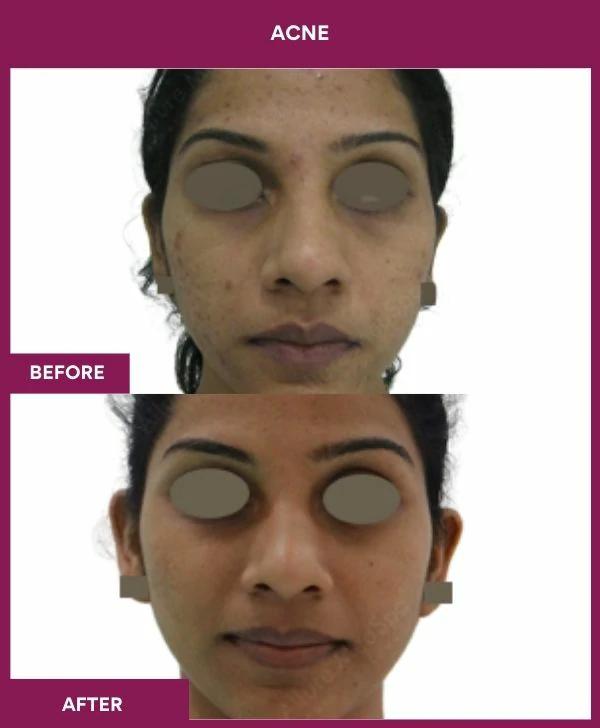
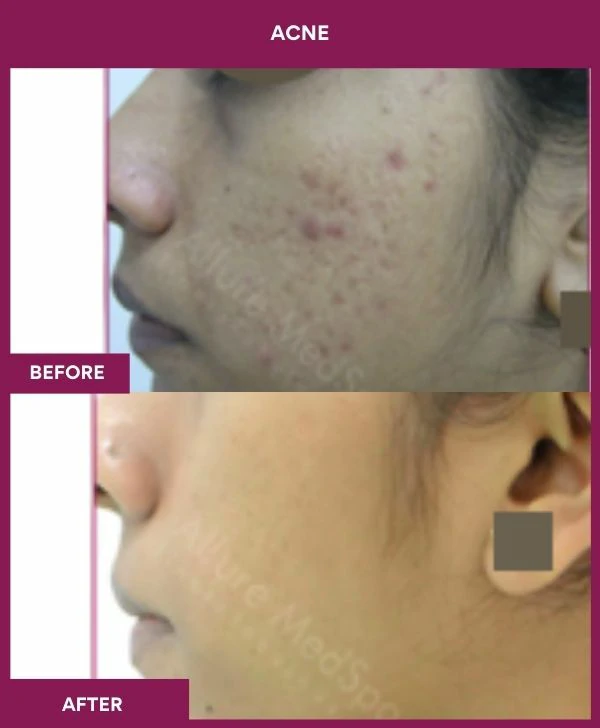
Acne Treatments Before and After Images
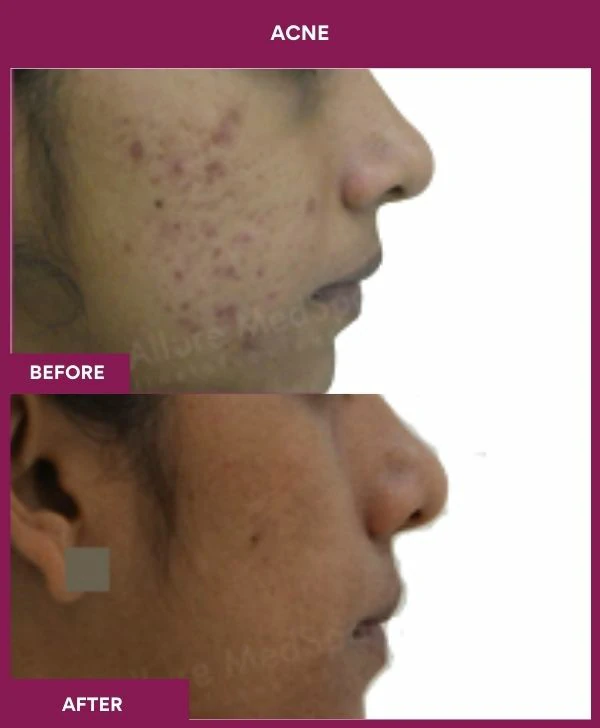
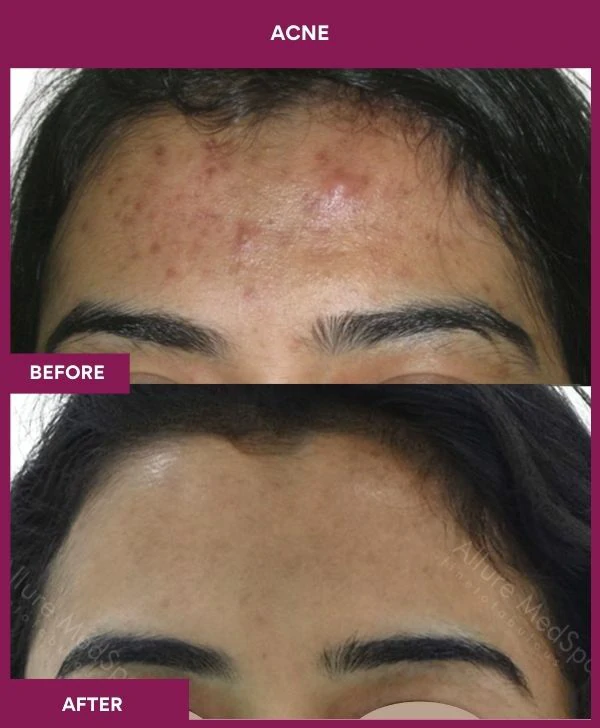
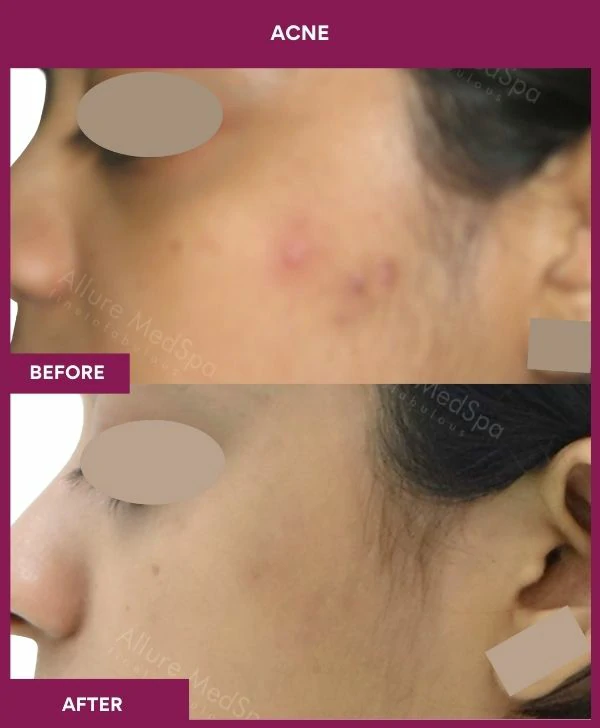
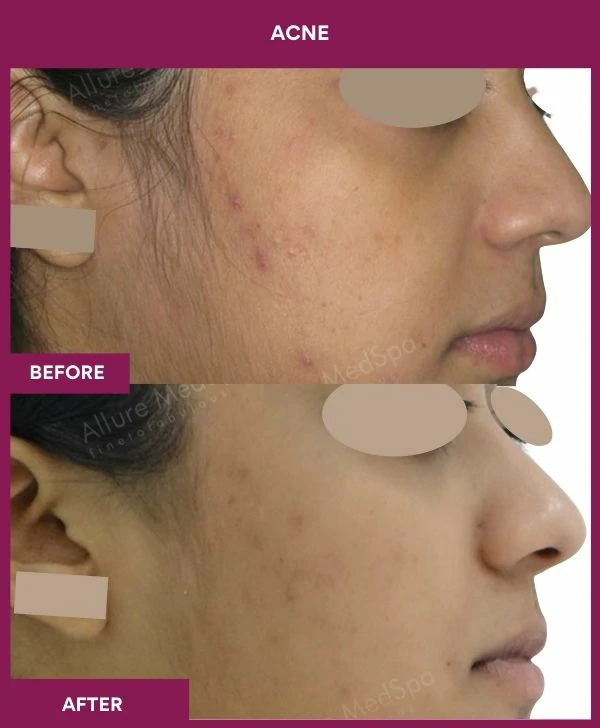
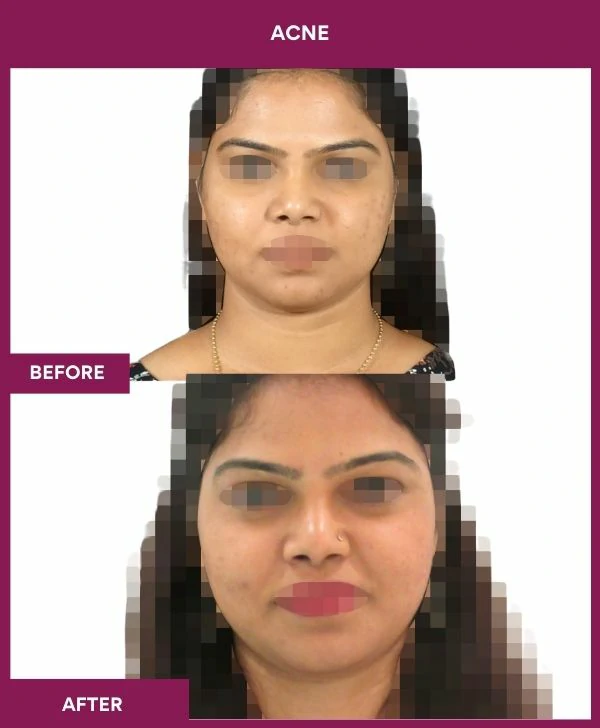
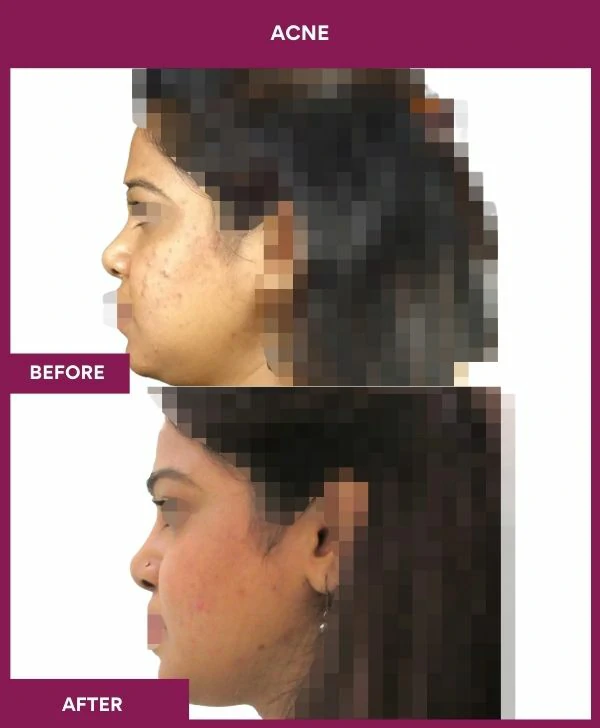
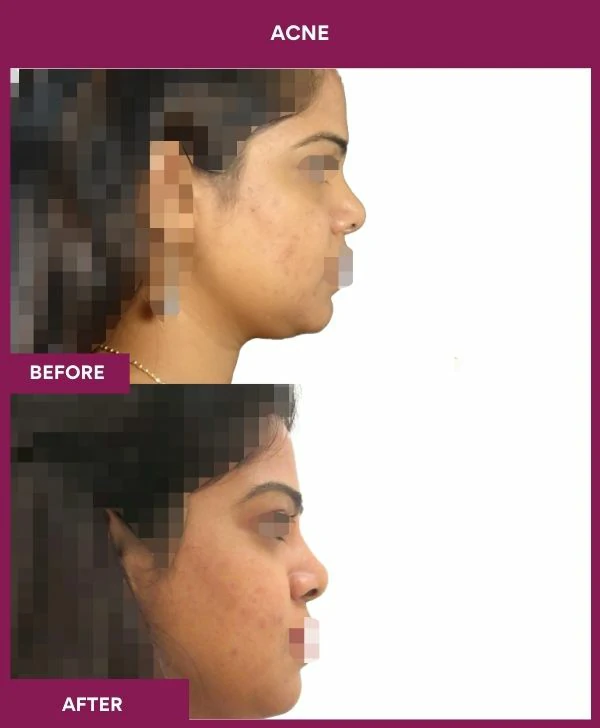
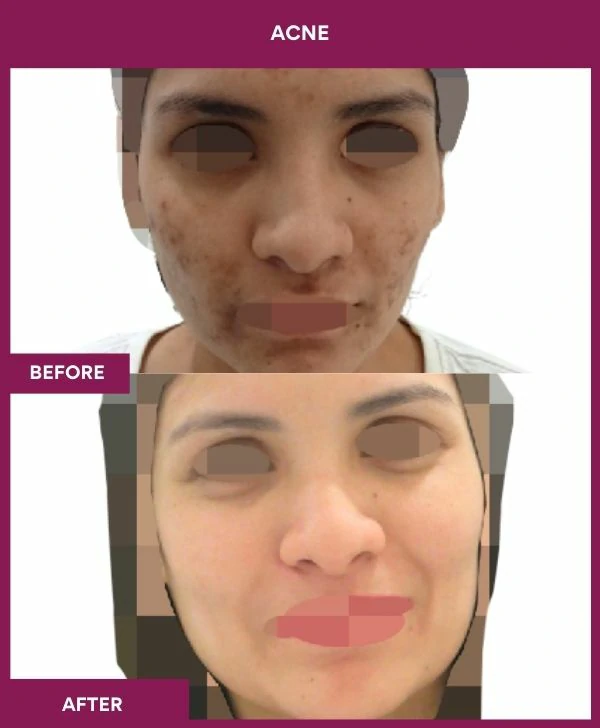
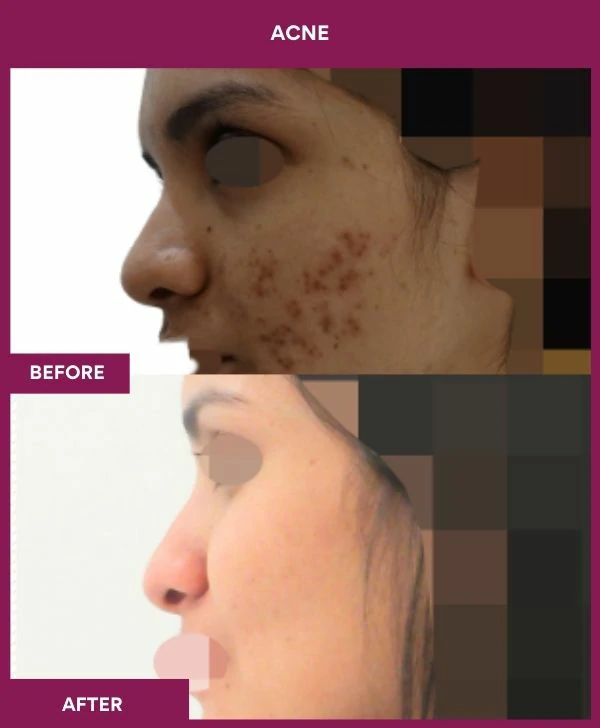
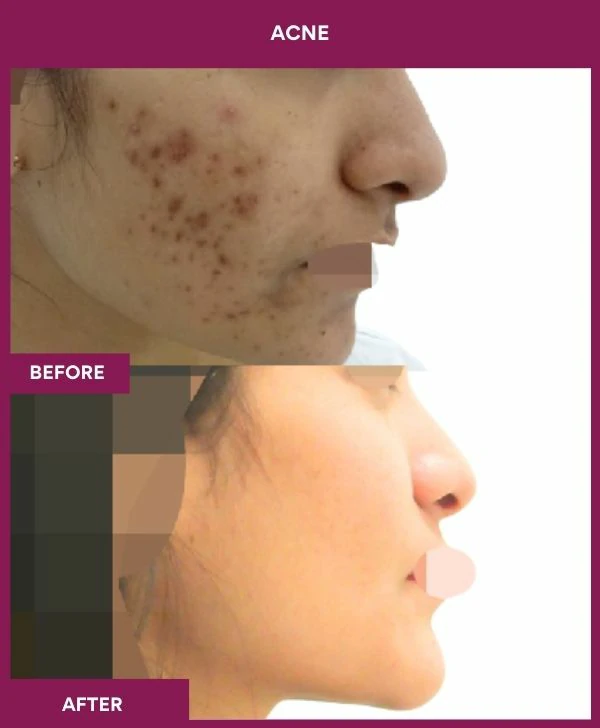
“Acne Treatment Cost”
Acne Treatment Testimonials: Fine To Fabulous Journeys

Awarded by Google.com
Rating: 4.7
Reviews: 485+
Awarded by WhatClinic.com
Rating: 4.8
Reviews: 119+
Awarded by Realself
Rating: 4.9
Reviews:453+

Awarded by Facebook
Rating: 4.6
Reviews:105+
Dr Milan Doshi and his staff are very professional and committed as the centre is highly equipped with advanced technology. I had closed rhinoplasty 4 months back and I’m seeing the results as to how it becomes successful.
Deepika Shetty
The doctor explained everything clearly and the surgery was smooth. Recovery was faster than I expected and the team was very supportive.
Rahul Mehta
Very natural results and excellent staff. From consultation to follow-up, the experience was outstanding and boosted my confidence.
Sneha Kapoor
“Get Rid Of Acne Now”
Which Acne Treatment Is Right For Me?
(4 quick questions)
Quick Facts About Acne Treatment
SESSION TIME
30–90 minutes
ANESTHESIA
None
SESSIONS
4–6 session
RESULTS SHOW
6–8 weeks
DOWNTIME
1–2 days
RESULTS LAST
Needs maintenance
SIDE-EFFECT RATE
Under 1% — temporary irritation
COST
₹1,500 – ₹25,000
What Is The Cost Of Acne Treatment In Mumbai?
The cost of acne treatment in Mumbai starts from ₹1,500 for basic care and can go up to ₹25,000 or more per session for advanced laser and combination therapies. Cost depends on the type of treatment (topical, oral, laser, chemical peel, microneedling), the severity of acne and presence of scars, the number of sessions required, and the doctor’s expertise and clinic facilities. Active acne is usually a medicine-led plan with a short peel course; scars are a procedure course. A written plan follows consultation; EMI options are on our payment process page.
| Treatment | Typical range (₹) | Typical course | Full guide |
|---|---|---|---|
| Consultation | 500 – 1,500 per visit | Review every 4–8 weeks | — |
| Medical treatment (topicals ± tablets) | Consultation + medicines | 8–12 weeks, then maintenance | — |
| Chemical peel (salicylic / combination) | 2,000 – 5,000 per session | 4–6 sessions, 2–3 weeks apart | Chemical Skin Peels |
| Comedone extraction / acne facial | 1,500 – 3,000 | As needed | — |
| Intralesional steroid injection (cyst / keloid) | 1,500 – 3,000 per visit | 1–3 visits | — |
| Microneedling RF (MNRF) | 8,000 – 15,000 per session | 3–6 sessions, 4–6 weeks apart | Microneedling Radiofrequency (MNRF) |
| Microneedling with PRP | 10,000 – 18,000 per session | 3–4 sessions | PRP Treatment |
| Fractional CO2 laser | 8,000 – 25,000 per session | 3–5 sessions, 6–8 weeks apart | Fractional CO2 Laser |
| TCA CROSS / subcision / punch techniques | 5,000 – 15,000 per session | 2–4 sessions | Scar Revision Surgery |
| Scar filler / fat grafting | See dermal fillers / fat grafting | 1 session, top-up | Dermal Fillers · Facial Fat Grafting |
Get your exact quote & surgery plan
Share your details — our team responds within working hours with cost, EMI options and next steps.
Most Common Question People Ask
Q1. How do I remove acne?
Ans. Start with a gentle skincare routine — a mild cleanser and non-comedogenic moisturiser. Over-the-counter products with benzoyl peroxide or salicylic acid help mild acne. For persistent or inflamed acne, see a doctor: prescription treatment prevents the scars that home care cannot.
Q2. How long does acne last?
Ans. Mild acne may clear in weeks with treatment, but untreated acne can persist for 4–5 years. Chronic cases often require medical care to prevent scarring.
Q3. Should I pop my acne?
Ans. No — popping pimples worsens inflammation, pushes bacteria deeper into the skin, and causes permanent scars and dark marks.
Q4. How to remove acne marks?
Ans. Flat dark marks (pigment) fade with sunscreen, prescription creams and peels. Pitted scars need microneedling RF, laser resurfacing, TCA CROSS or subcision under supervision — and active acne must be controlled first.
Q5. How to permanently clear acne?
Ans. Permanent control usually needs a combination: lifestyle changes, topical treatment, oral medication where indicated, and hormonal therapy for some women — followed by maintenance. There is no single permanent cure, but there is reliable control.
Q6. What does acne treatment cost in Mumbai?
Ans. From ₹1,500 for basic care to ₹25,000 per session for advanced laser and combination scar therapies (+5% GST). Consultation ₹500–1,500; peels ₹2,000–5,000; MNRF with PRP ₹10,000–18,000.
Q7. Can acne scars be treated?
Ans. Yes. Ice-pick scars respond to TCA CROSS and punch techniques; rolling and boxcar scars to microneedling RF, subcision and fractional laser; raised scars to steroid injections. Most patients see clear improvement over a course of 3–6 sessions.
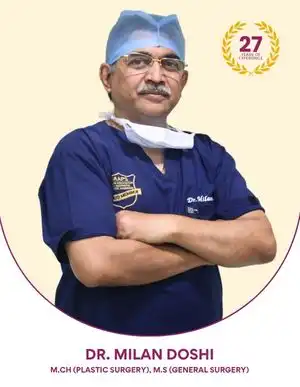
Why Choose Dr. Milan Doshi?
Dr. Milan Doshi, MCh, MS — Indian board-certified plastic and cosmetic surgeon with 27+ years of experience, 16,000+ procedures and 750+ acne and scar patients, including Bollywood celebrities and international clients. His advantage on this page is the full ladder under one roof: medical acne care, peels, microneedling RF, fractional CO2, PRP, injectables, and — where scars are deep — the surgical scar-revision techniques a plastic surgeon brings (subcision, punch excision, fat grafting). Personalised plans by acne grade and scar type; safety-first on Indian skin. Allure Medspa is a NABH and ISO-certified centre with international patient care and concierge services.
Read his full profile and credentials → About Dr Milan Doshi
The Complete Guide About Acne & Acne Scar Treatment
What Is Acne — And What Is Acne Treatment?
Acne is a common skin condition that occurs when excess oil (sebum) and dead skin cells clog your hair follicles. This blockage leads to the formation of pimples, whiteheads, blackheads, and in severe cases, painful cysts. While acne is most prevalent among teenagers due to hormonal changes, it can affect people of all ages — including adults. Acne can be persistent and frustrating because breakouts often take time to heal, and just when one subsides, new ones appear. Left untreated, acne can cause long-lasting effects such as pigmentation, scarring, and emotional distress. Early and professional treatment significantly reduces these risks and helps you achieve clear, healthy skin faster.
| Active acne treatment | Acne scar treatment |
|---|---|
| Stops new lesions: skincare, topicals, oral medicines, hormonal therapy, peels, extraction, injections | Repairs what acne left: pigment marks (peels, topicals) and pitted / raised scars (MNRF, laser, subcision, TCA CROSS, injections, fillers) |
| Medicine-led; 8–12 weeks to control; maintenance after | Procedure-led; starts once acne is calm; 3–6 sessions over months |
Also called: blemish care, pimple reduction, acne scar therapy, breakout management, skin clarifying treatment.
Main factors behind acne
- Excess oil (sebum) production
- Clogged hair follicles with oil and dead skin cells
- Bacterial growth in blocked pores
- Inflammation under the skin
Triggers that worsen acne
- Hormonal changes: puberty, pregnancy, and midlife hormone shifts increase oil production.
- Medications: drugs containing corticosteroids, testosterone, or lithium.
- Diet: high-carb, sugary foods, dairy, and fatty meals may aggravate acne.
- Stress: does not cause acne but worsens existing breakouts.
- Genetics: family history increases susceptibility to severe acne.
Common myths
- Chocolate & greasy foods: no strong evidence they cause acne breakouts.
- Hygiene: acne isn’t due to dirty skin; over-scrubbing worsens irritation.
- Cosmetics: non-comedogenic, oil-free products are safe and won’t block acne treatments.
Tired Of Acne And Scars Taking Over Your Confidence?
- Do breakouts make you feel embarrassed or shy about facing people?
- Have countless creams, face washes, and home remedies failed to deliver results?
- Are stubborn acne scars and pigmentation making you avoid mirrors or hide behind makeup?
You’re not alone. Acne is one of the most common skin concerns worldwide, and its emotional toll is immense. From avoiding social gatherings to feeling anxious during important life events, the frustration can be overwhelming — especially when the scars linger long after the pimples are gone. Acne and acne scar removal treatment offers a clinically proven solution to restore clear, smooth, and healthy skin. At Allure Medspa, we combine advanced dermatological techniques like laser therapy, chemical peels, microneedling and medical-grade topical solutions to effectively treat active acne, fade scars, and prevent future breakouts — customised for your skin type and concern.
Global & Indian trends (ISAPS 2024): Skin treatments, including acne scar correction, rank among the top non-surgical aesthetic procedures globally · India has seen a significant rise in demand for advanced acne scar treatments, especially among individuals aged 18–35 · Laser-based acne scar reduction is one of the fastest-growing skin rejuvenation services in urban centres.
Sources: ISAPS Global Survey 2024
What Are The Benefits Of Early Acne Treatment?
Treating acne early prevents scars, reduces severe breakouts, speeds results, and protects mental well-being for long-term clear skin.
- Reduces treatment time and delivers faster results.
- Prevents acne scars and post-inflammatory hyperpigmentation (PIH).
- Stops mild acne from progressing to severe, painful breakouts.
- Minimises the need for strong medications with side effects.
- Prevents years of persistent acne and future flare-ups.
- Improves self-esteem and reduces emotional distress linked to acne.
Which Acne Grades, Types, Areas And Complications Are Treated?
Acne treatment can address mild to severe acne, from Grade 1 comedones and occasional pimples to Grade 4 cystic and nodular acne. It can also treat different acne patterns, including comedonal, adult, hormonal, nodulocystic and medication-related acne, affecting areas such as the forehead, nose, cheeks, jawline, hairline and temples. Treatment may also include management of complications such as post-acne pigmentation, excoriated acne and acne scarring.
Acne grading system
| Grade | What you see | Usual plan |
|---|---|---|
| Grade 1 | Comedones, occasional papules | Topicals; salicylic peels; extraction |
| Grade 2 | Papules, comedones, few pustules | Topical retinoid + benzoyl peroxide; peels; oral antibiotic if needed |
| Grade 3 | Predominant pustules, nodules, abscesses | Oral therapy; injections for nodules; peels once calm |
| Grade 4 | Severe acne with cysts, nodules, papules, and pustules | Isotretinoin (supervised); intralesional injections; scar prevention |
Other types of acne
- Acne vulgaris: common teenage acne caused by clogged follicles.
- Nodulocystic acne: severe acne with inflamed nodules and scars, more common in males.
- Acne excoriée: “picker’s acne” due to compulsive scratching, linked to stress or anxiety.
- Acne fulminans: rare, ulcerative acne with sudden onset and systemic symptoms.
- Acne in children / infantile acne: hormonal changes or hyperactive sebaceous glands; infantile acne (6 weeks to 1 year) resolves naturally.
- Acne in pregnancy: hormonal shifts during pregnancy; avoid prescription acne drugs.
- Diabetic acne: higher risk of inflamed acne in people with diabetes; medication monitoring needed.
- Drug-induced acne: caused by corticosteroids, lithium, barbiturates, and certain medications.
- Adult acne: post-adolescent acne after age 25; similar causes as teenage acne.
- Comedonal acne: whiteheads and blackheads on forehead and cheeks.
- Chloracne: linked to chemical exposure (chlorinated compounds).
- Follicular occlusion syndrome: four conditions occurring together (e.g., acne conglobata).
- Acne scarring: fibrous healing process leaving permanent marks.
Which areas of the face are most affected?
| Area | Why | Tip |
|---|---|---|
| Hairline & temples | Hair products with oil or wax clog pores | Keep products away from the skin |
| T-zone (forehead, nose, chin) | Higher oil (sebum) production | Salicylic-based care |
| Cheeks | Acne mechanica from friction (phones, helmets, pillowcases) | Clean phone; change pillowcases |
| Jawline | Linked to hormonal fluctuations — menstrual cycles, stress | Hormonal work-up if cyclical |
Common complications of acne
| Complication | What it is | Treated by |
|---|---|---|
| Excoriated acne | Red bumps, open sores, and scabs from scratching or squeezing; may become nodules or cysts | Stop picking; medical control |
| Post-inflammatory hyperpigmentation | Dark spots left after acne heals; can last months; often more distressing than acne itself | SPF, topicals, peels → Pigmentation Treatment |
| Scarring | Ice-pick scars (deep, narrow pits) and raised hypertrophic scars after severe or inflamed breakouts | Scar pathway (below) → Scar Revision Surgery |
What Are The Limitations — And What Looks Like Acne But Isn’t?
Acne treatment takes time and cannot clear breakouts or scars instantly. Active acne usually needs several weeks of consistent treatment, while acne scars often require a separate combination approach after breakouts are controlled. Some conditions, including rosacea, folliculitis, keratosis pilaris, heat rash and certain drug-related rashes, can also resemble acne but need a different diagnosis and treatment plan.
- No treatment clears acne in 24 hours — spot treatments reduce inflammation overnight; control takes 6–12 weeks.
- Scar treatment cannot start while acne is active — and cannot make skin scar-free; it makes scars much less visible.
- Deep ice-pick scars need multiple, different techniques; a single laser session will not do it.
- Isotretinoin is powerful but needs supervision, contraception in women, and a waiting period before resurfacing procedures 🩺.
- Home remedies (tea tree, aloe, ice) soothe; they do not treat the cause.
Skin problems that look like acne
- Rosacea: often mistaken for adult acne but caused by vascular changes, not clogged pores.
- Folliculitis: inflammation of hair follicles, usually bacterial; treated with antibiotics.
- Keratosis pilaris: rough, gooseflesh-like bumps on arms, thighs, or face.
- Miliaria rubra: heat rash with small red bumps, triggered by excessive sweating.
- Drug-induced rashes: some cancer therapies cause acne-like rashes requiring specialised care.
Why Should You Consult A Doctor For Acne?
Consulting a doctor ensures accurate diagnosis, personalised treatment, safe medication use, and effective scar management for lasting clear skin: expert diagnosis that rules out rosacea or folliculitis; treatment tailored to acne type, severity, scar pattern and past treatments; comprehensive care combining medicines, peels, laser, microneedling or procedures; safety monitoring of drugs like isotretinoin; and advanced scar management.
How acne is diagnosed
- Visual examination: lesions, comedones and inflammation are graded.
- Swab or scraping: if infection is suspected; sent for culture.
- Hormonal blood tests (women): may include checks for pregnancy, high prolactin, Cushing’s syndrome, or excess testosterone / PCOS.
How to prepare
- Come without make-up; bring every product and medicine (including past isotretinoin or antibiotic courses).
- Note when breakouts are worst (cycle, stress, products).
- Photographs from the last year help grade the course.
Online consultation
Daylight photographs and a video call settle grade and first-line treatment: Online Consultations
What Are The Treatment Options For Active Acne?
Acne treatments include skincare habits, home care, topical creams, oral medications, and doctor-performed procedures — used as a ladder, from the gentlest that works upward.
| Level | Options | For |
|---|---|---|
| 1. At home | Wash twice daily with a gentle cleanser and lukewarm water; non-abrasive, alcohol-free products; daily sunscreen to prevent darkening of marks; low-glycaemic diet, reduced dairy; stress reduction. Soothing agents (green tea, aloe) may calm redness | Everyone — the foundation |
| 2. Over the counter | Benzoyl peroxide (kills bacteria, removes oil) · adapalene (vitamin A derivative, prevents clogged pores) · salicylic acid · sulphur / calamine (dry lesions) | Grade 1–2 |
| 3. Prescription topicals | Tretinoin; topical antibiotics with benzoyl peroxide; clascoterone (blocks hormones causing excess oil) | Grade 1–3 |
| 4. Prescription oral | Antibiotics (doxycycline, erythromycin) for inflamed acne · isotretinoin for severe / resistant acne (avoid in pregnancy; supervised) · hormonal therapy for women (combined pill, spironolactone) | Grade 2–4 |
| 5. In-clinic procedures | Comedone extraction · chemical peels (Chemical Skin Peels) and microdermabrasion (Microdermabrasion) · acne facials · corticosteroid injections for cysts · minor acne surgery for stubborn nodules | All grades, alongside medicine |
What are the best treatments for hormonal acne?
Hormonal acne responds best to oral medications, hormonal therapy, and topical retinoids. Hormonal therapy (women): oral contraceptive pills regulate hormones to prevent cyclical acne; spironolactone reduces androgen levels, controlling excess oil and breakouts. Topicals: retinoids and benzoyl peroxide. Oral: isotretinoin for severe, resistant hormonal acne under supervision. Lifestyle: low-glycaemic diet, stress management, non-comedogenic skincare. For stubborn hormonal acne a combination plan gives the best long-term results.
Is isotretinoin the fastest route?
It is the most powerful, not the fastest to start: it needs baseline blood tests, monitoring, strict contraception in women, and a pause before any peel or laser afterwards. For most grade 2–3 acne a well-built topical-plus-oral plan clears the skin without it. It is reserved — and very effective — for nodulocystic, scarring or resistant acne.
What Are The Best Ways To Treat Acne Scars?
Acne scars form when deep skin damage heals unevenly. Treatment is chosen by scar type — ice-pick, rolling, boxcar or raised — and starts once active acne is controlled.
| Scar type | What it looks like | Best-suited treatments |
|---|---|---|
| Ice-pick scars | Deep, narrow pits | TCA CROSS; punch excision / grafting; then fractional CO2 |
| Rolling scars | Wavy, uneven depressions | Subcision; microneedling RF; fractional laser; fillers |
| Boxcar scars | Broad, rectangular depressions | Microneedling RF; fractional CO2; TCA peels; punch elevation |
| Keloid & hypertrophic scars | Thick, raised tissue above the skin surface | Steroid / 5-FU injections; silicone gel; laser; no cryosurgery on dark skin |
| Post-inflammatory marks (not true scars) | Flat red / brown marks | SPF; topicals; peels |
Doctor-performed scar treatments
- Skin resurfacing: laser resurfacing (Laser Treatments) — fractional CO2 (Fractional CO2 Laser) and PDL stimulate collagen; chemical peels (Chemical Skin Peels); dermabrasion and microdermabrasion (Microdermabrasion); microneedling / MNRF (Microneedling Radiofrequency) boosts collagen.
- Injectables: hyaluronic-acid fillers (Dermal Fillers) or fat grafting (Facial Fat Grafting) to lift depressed scars; steroid injections to flatten raised scars.
- Acne scar surgery: excision and punch grafting for deep scars; surgery combined with corticosteroid or 5-FU injections for raised scars (Scar Revision Surgery).
- Advanced & combination: radiofrequency tightening; carboxytherapy; mesotherapy (Mesotherapy); PRP (PRP Treatment) + MNRF + laser for best results.
- At home: silicone gels, scar creams and retinoid products for mild scarring.
Diet that supports healing: turmeric, berries and papaya, omega-3s, vitamin A and C foods, green tea, nuts and whole grains — supportive, not a treatment.
What results can you expect? Most treatments reduce scar depth and visibility, making them barely noticeable. Results depend on scar type and the doctor’s expertise.
What Happens In An Acne Treatment Session? (Step By Step)
An acne treatment session starts with assessing the acne grade, current products and skin condition, followed by the treatment best suited to the concern. Depending on the plan, this may include a chemical peel, extraction, microneedling RF, fractional laser or injections for selected cysts or raised scars. The session ends with soothing care, sunscreen, aftercare instructions and a follow-up plan to track progress and adjust treatment.
| Step | What happens | Why it matters |
|---|---|---|
| 1 | Grading, photographs, product review at consultation; medicines started | Control before procedures |
| 2 | Priming 2–4 weeks for procedures: SPF, retinoid as advised; antivirals if cold-sore history | Safer response on Indian skin |
| 3 | On the day: skin checked — no active infection or cold sore; consent | Safety |
| 4 | Cleansing; numbing cream for MNRF / laser (30–45 min) | Comfort |
| 5 | Procedure: peel timed and neutralised / extraction / MNRF passes / fractional laser passes / injections into cysts or keloids | Doctor-controlled depth |
| 6 | Cooling; soothing balm; sunscreen | Barrier and pigment protection |
| 7 | Aftercare sheet; medicines adjusted | Prevents PIH |
| 8 | Review at 4–6 weeks; next session | Course planning |
When Will I See Results?
Most patients start noticing improvement in active acne within 2–4 weeks, with clearer control developing over 6–12 weeks. Post-acne marks usually fade gradually over a few months, while acne scars improve more slowly because collagen remodelling continues after each treatment session. The exact timeline depends on the acne severity, scar type, treatment used and consistency with aftercare.
| Concern | Time | What you see |
|---|---|---|
| Active acne | Week 2–4 | Fewer new spots; existing ones flatten (a brief flare is possible with retinoids) |
| Active acne | Week 6–8 | Clear improvement; marks fading |
| Active acne | Month 3–4 | Controlled; maintenance plan |
| Marks (PIH) | 2–4 months | Progressive lightening with SPF and peels |
| Scars | After each session | Gradual smoothing; collagen builds for 3 months after the last session |
| Scars | 6 months | Best result of a 3–6-session course |
What are Aftercare, Diet And Lifestyle
Acne aftercare focuses on keeping the skin barrier healthy, preventing new breakouts and reducing the risk of marks or scars. Use a gentle cleanser, non-comedogenic moisturiser and daily sunscreen, take prescribed medicines consistently, and avoid picking or squeezing acne. Good sleep, stress management and a balanced low-glycaemic diet may also support acne control, especially when certain foods or lifestyle factors trigger breakouts.
- Gentle cleanser twice daily; non-comedogenic moisturiser; sunscreen every morning.
- Take medicines exactly as prescribed; do not stop when the skin looks better.
- Cleanse after sweating; change pillowcases; clean phone screens.
- After peels / MNRF / laser: no scrubs, actives or make-up for the days advised; no picking flaking skin.
- 7–8 hours of sleep; stress management (yoga, breathing).
- Low-glycaemic diet rich in fruit, vegetables and whole grains; reduce sugary snacks, refined carbs and skim milk if they flare you.
| Avoid | Why |
|---|---|
| Popping, squeezing, picking | Deeper inflammation, scars, PIH |
| Harsh scrubs, alcohol toners | Barrier damage; more oil |
| Oily hair products near the skin | Forehead and temple acne |
| Unprotected sun | Darkens every mark |
| Steroid creams from a chemist | Rebound acne, thinning, pigmentation |
| Stopping isotretinoin or antibiotics early | Relapse; resistance |
What Are The Risks Of Acne And Scar Treatments?
Acne and scar treatments are generally well tolerated when chosen appropriately, but side effects depend on the medicines and procedures used. Common temporary effects include dryness, redness, peeling and swelling, while less common risks include post-inflammatory pigmentation, medication side effects, infection or cold-sore reactivation. More serious complications are uncommon and are reduced through proper patient selection, conservative treatment settings, monitoring and appropriate aftercare.
Expected and temporary
- Dryness, peeling and redness with retinoids and peels; a short initial flare.
- Redness and pinpoint swelling for 2–3 days after MNRF; 5–7 days after fractional CO2.
Uncommon
- Post-inflammatory hyperpigmentation after procedures — the main risk on Indian skin.
- Antibiotic side effects; photosensitivity with doxycycline.
- Isotretinoin: dry lips and eyes, raised lipids / liver enzymes, mood changes — monitored; absolutely contraindicated in pregnancy.
Rare
- Infection or cold-sore reactivation after resurfacing.
- Scarring from over-aggressive laser.
- Skin thinning or whitening at injection sites.
| Risk | How it is minimised at Allure Medspa |
|---|---|
| PIH on Indian skin | Priming; conservative settings; test areas; strict SPF; superficial-first |
| Isotretinoin harm | Baseline and follow-up bloods; contraception counselling; dose by weight |
| Antibiotic resistance | Always combined with benzoyl peroxide; limited courses |
| Resurfacing complications | No procedures on active acne; cold-sore prophylaxis; sterile technique |
What Does The 3-Month Acne Plan Look Like?
A 3-month acne plan focuses first on controlling active breakouts, then reviewing the skin for maintenance and scar treatment. It usually begins with acne grading, medicines and skincare, followed by regular reviews and procedures such as peels, extractions or injections when needed. By around 12 weeks, the response is reassessed, maintenance is planned, and scar treatments can be considered once active acne is under control.
| Phase | What happens | Your part |
|---|---|---|
| Week 0 | Grading; medicines; skincare set; hormonal tests if indicated | Start SPF; stop harsh products |
| Weeks 2–8 | Medicines continue; salicylic / combination peels every 2–3 weeks; extraction; injections for cysts | Consistency; no picking |
| Month 3 | Control achieved; maintenance plan; scar assessment | Photographs; decide on scar course |
| Months 3–9 | Scar course: MNRF / laser / TCA CROSS / subcision every 4–8 weeks | Downtime planned; SPF |
| Ongoing | Maintenance skincare ± low-dose medicine; periodic peels | For as long as acne is active |
Medical Codes For Acne Treatment
Codes below are for administrative and documentation reference. All codes must be verified against the current CPT and ICD-10 code sets before publication and before any use in documentation.
| Code system | Code | Description |
|---|---|---|
| ICD-10 | L70.0 | Acne vulgaris |
| ICD-10 | L70.1 | Acne conglobata (severe acne) |
| ICD-10 | L70.2 | Acne varioliformis |
| ICD-10 | L70.3 | Acne tropica |
| ICD-10 | L70.4 | Infantile acne |
| ICD-10 | L70.5 | Acne excoriée |
| ICD-10 | L70.8 | Other acne |
| ICD-10 | L70.9 | Acne, unspecified |
| ICD-10 | L90.5 / L91.0 | Scar conditions and fibrosis of skin / hypertrophic scar (add) |
| CPT | 99213 / 99214 | Office visit, evaluation and management (low / moderate complexity) |
| CPT | 10040 | Acne surgery (drainage of abscess, comedone extraction, cyst excision) |
| CPT | 17110 / 17111 | Destruction of benign lesions (up to 14 / 15 or more) |
| CPT | 96573 | Photodynamic therapy, per session |
| CPT | 96910 / 96912 | Photochemotherapy (PUVA) / phototherapy incl. UV, per session |
| CPT | 15788 / 15789 | Chemical peel, facial; epidermal / dermal |
| CPT | 17360 | Chemical exfoliation for acne |
| CPT | 11900 / 11901 | Intralesional injection, up to 7 / more than 7 lesions (add) |
Frequently Asked Questions About Acne Treatment
Q1. How to get rid of acne fast?
Ans. Avoid touching your face, reduce sugar and dairy intake, and use doctor-approved topical treatments. In severe cases, oral medications or professional treatments like chemical peels may be required. “Fast” means weeks, not days.
Q2. What causes acne?
Ans. Acne develops when excess oil, dead skin cells, and bacteria clog pores. Hormonal fluctuations, diet, stress, and genetics can worsen the condition.
Q3. Is acne a sign of poor health?
Ans. Not necessarily. Acne is usually related to clogged pores or hormonal imbalance, but persistent or severe acne may indicate an underlying issue requiring medical advice.
Q4. Which foods cause acne?
Ans. High-glycaemic foods like sugar, refined carbs, and dairy products can trigger breakouts in some individuals.
Q5. Does ice help acne?
Ans. Applying ice for short periods can reduce redness and swelling in inflamed pimples but does not treat the root cause.
Q6. Which cream is best for pimples?
Ans. Products containing benzoyl peroxide, salicylic acid, or retinoids are commonly recommended. Prescription creams may be needed for moderate or severe cases.
Q7. What age is acne the worst?
Ans. Acne commonly peaks during teenage years (ages 12–18) due to hormonal changes but can persist into adulthood.
Q8. How to clear acne in 24 hours?
Ans. Complete clearing in 24 hours isn’t realistic, but spot treatments with benzoyl peroxide or salicylic acid can reduce inflammation overnight.
Q9. Can aloe vera help with pimples?
Ans. Aloe vera has soothing and anti-inflammatory properties, which can help calm redness, but it is not a primary treatment for acne.
Q10. How to prevent acne breakouts?
Ans. Maintain a proper skincare routine, avoid harsh scrubbing, keep makeup non-comedogenic, and manage stress. A balanced diet also helps in reducing breakouts.
Q11. Can I treat scars while I still have acne?
Ans. No — active acne is controlled first (usually 3 months), because resurfacing inflamed skin creates new scars and pigmentation. Marks and pigment can be addressed earlier with SPF and gentle peels.